Magic Sets from the ’50s Magicians and Collectors Both Want
The 1950s marked a golden era for magic sets, when companies like Mysto Magic and Gilbert crafted elaborate boxed worlds of wonder that promised to transform any child into a master magician. These weren’t the flimsy plastic tricks found in modern toy aisles—they were serious productions featuring quality props, detailed instruction booklets, and secrets that had been passed down through generations of professional performers.
Today, these vintage sets command impressive prices at auctions and estate sales, sought after by both serious collectors who appreciate their craftsmanship and working magicians who understand their enduring value.
Mysto Magic Set No. 3
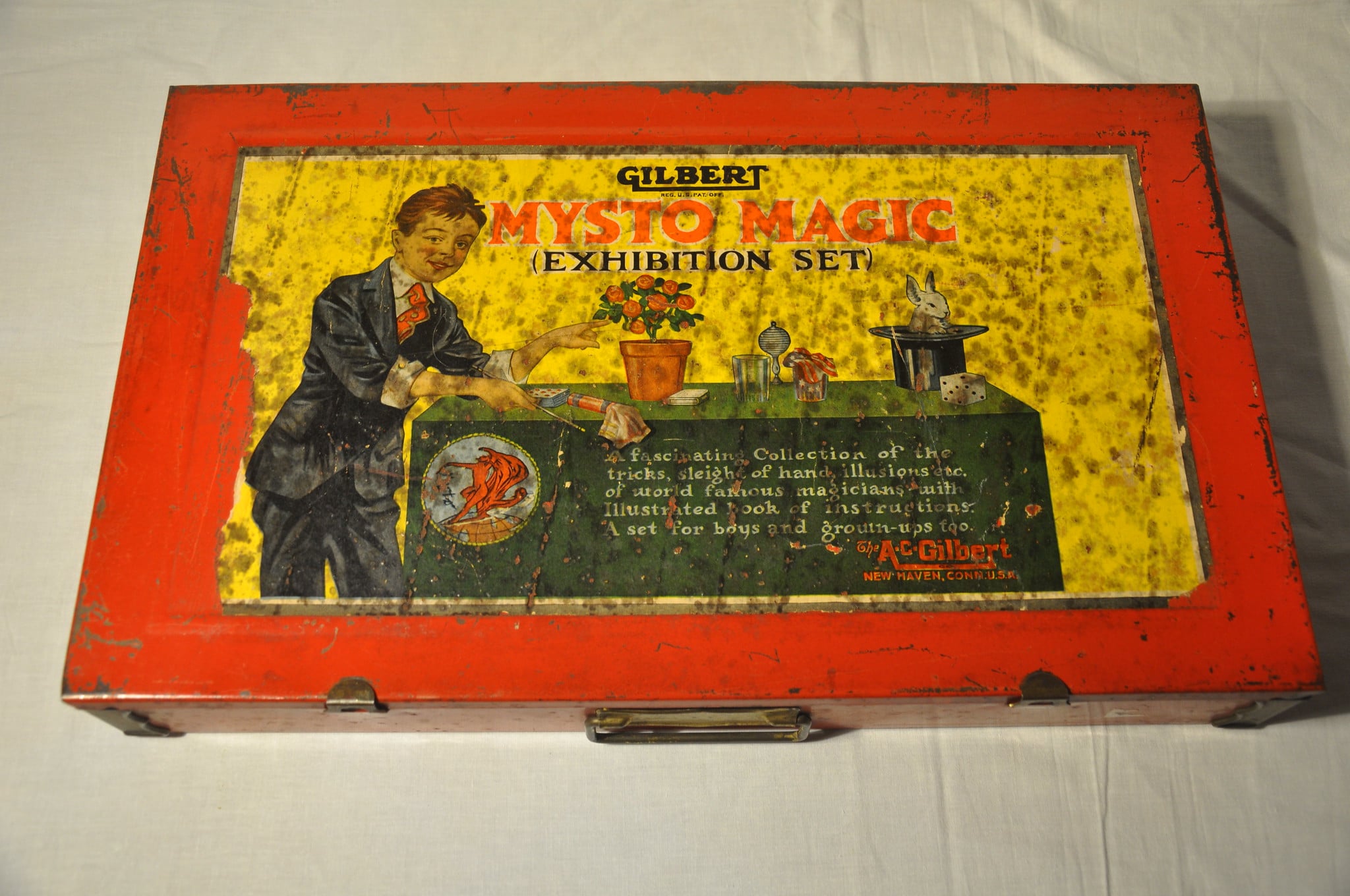
Mysto Magic Set No. 3 Mysto’s flagship offering came packed with over 100 tricks and a reputation that preceded it. The company had been producing magic sets since the early 1900s, but their 1950s iteration represented the peak of their craftsmanship.
Professional magicians still hunt for these sets because the silk scarves and metal apparatus were built to withstand actual performance use.
A.C. Gilbert’s Magic Kit for Boys

A.C. Gilbert’s Magic Kit for Boys Gilbert’s approach was methodical (they included a practice schedule and performance tips that most adults could benefit from today). The set featured tricks that required genuine skill to master rather than relying on self-working gimmicks.
And the instruction manual—written by professional magician John Mulholland—treated young magicians like serious students rather than casual hobbyists, which explains why so many professional careers started with this particular box.
Houdini Magic Set by Transogram
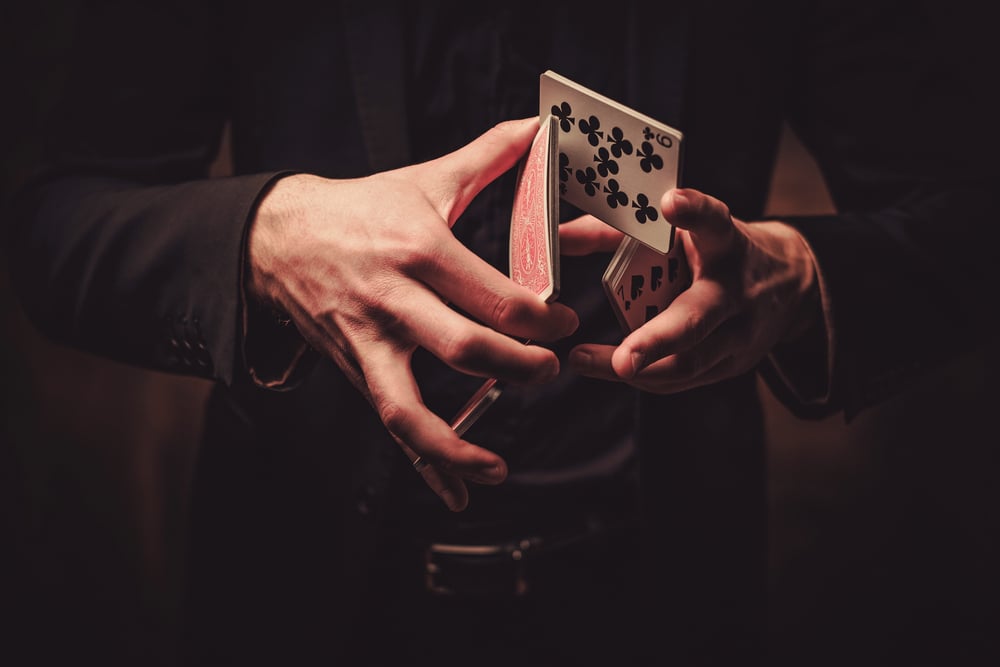
Houdini Magic Set by Transogram There’s something almost sacred about finding a Houdini-branded magic set from the 1950s, even though the great escapologist had been gone for decades by then. The set carries his name like a talisman, and inside you’ll find tricks that feel weighted with history—not just the physical props, but the knowledge that countless children opened this same box with the dream of following in his footsteps.
The rope tricks and handcuff escapes (simplified but authentic) connect directly to methods Houdini himself used, creating an unbroken chain between the master and every kid who ever practiced the Kellar rope tie in their bedroom.
Blackstone Magic Set
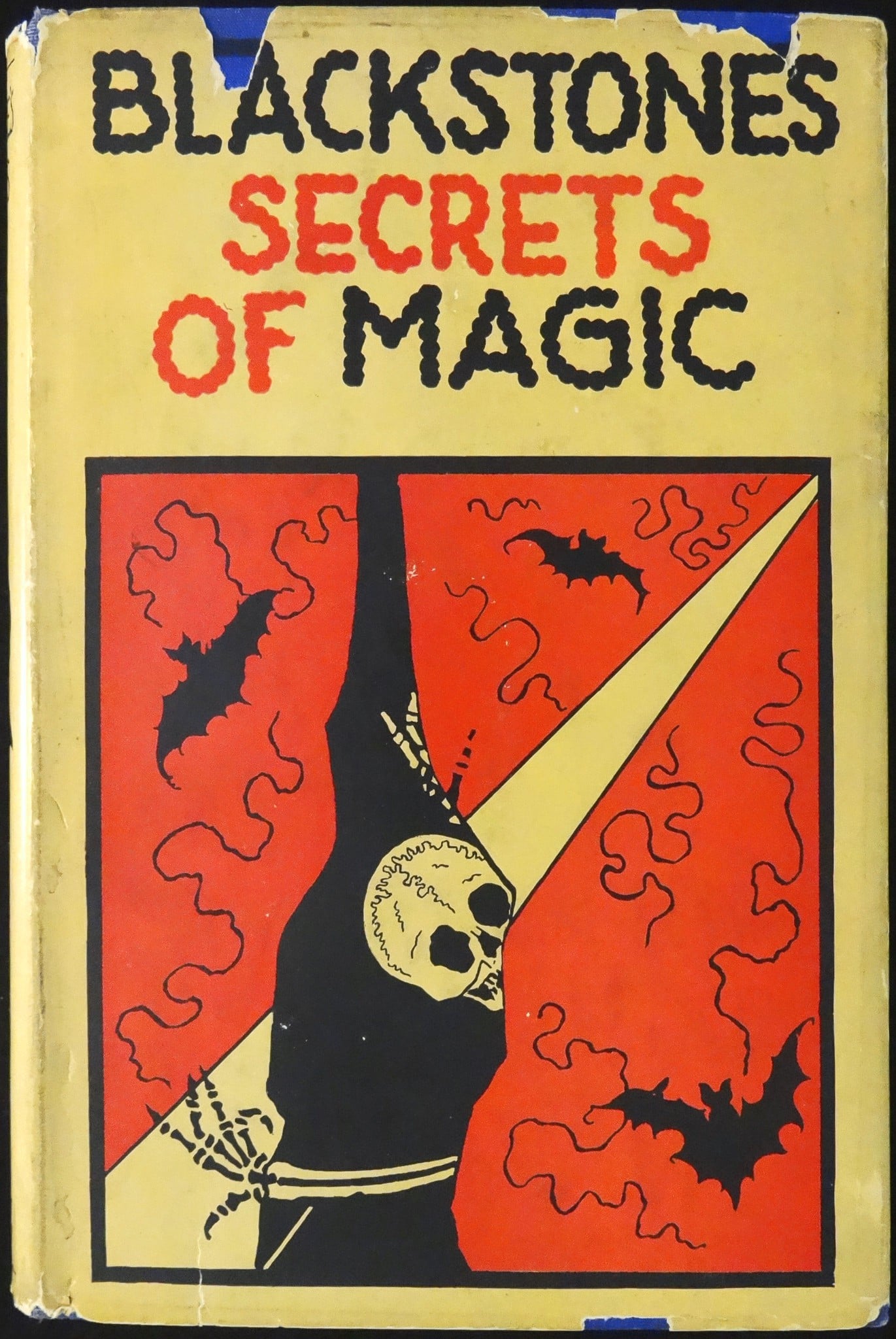
Blackstone Magic Set Blackstone sets delivered exactly what they promised without apology. The instructions were written by Harry Blackstone Sr.’s own staff, which means the methods were tested in front of actual audiences rather than just theoretical buyers.
The metal cups and orbs routine alone justifies the current collector prices, considering most modern versions use lightweight plastic that telegraphs every move.
Magic Made Easy Set No. 5

Magic Made Easy Set No. 5 The title was deliberately modest, but the contents were anything but basic. This set included tricks that required months of practice to perform convincingly (the thumb tip alone took most kids weeks to handle naturally).
So the name functioned as reverse psychology—nothing about mastering sleight of hand was ever actually easy. But the instruction booklet broke down complex moves into manageable steps that genuinely worked.
Mandrake the Magician Set

Mandrake the Magician Set Comic strip licensing was still novel in the 1950s, and this set treated the source material with unusual respect. The tricks were themed around Mandrake’s fictional powers but grounded in real magical methods that professional mentalists still use today.
Finding one with the original comic book and the hypnotic disk intact means discovering a piece of pop culture history that also happens to contain legitimate psychological principles.
Magic Workshop Senior Set

Magic Workshop Senior Set Workshop sets assumed their buyers were serious about learning, not just looking for quick entertainment. The advanced rope work and coin manipulation routines included in these sets formed the foundation of many professional acts decades later.
The wooden apparatus was crafted by the same suppliers who built props for traveling stage shows, which explains why these pieces have survived decades of handling while plastic alternatives from later eras cracked and broke.
Thurston’s Magic Tricks and Puzzles
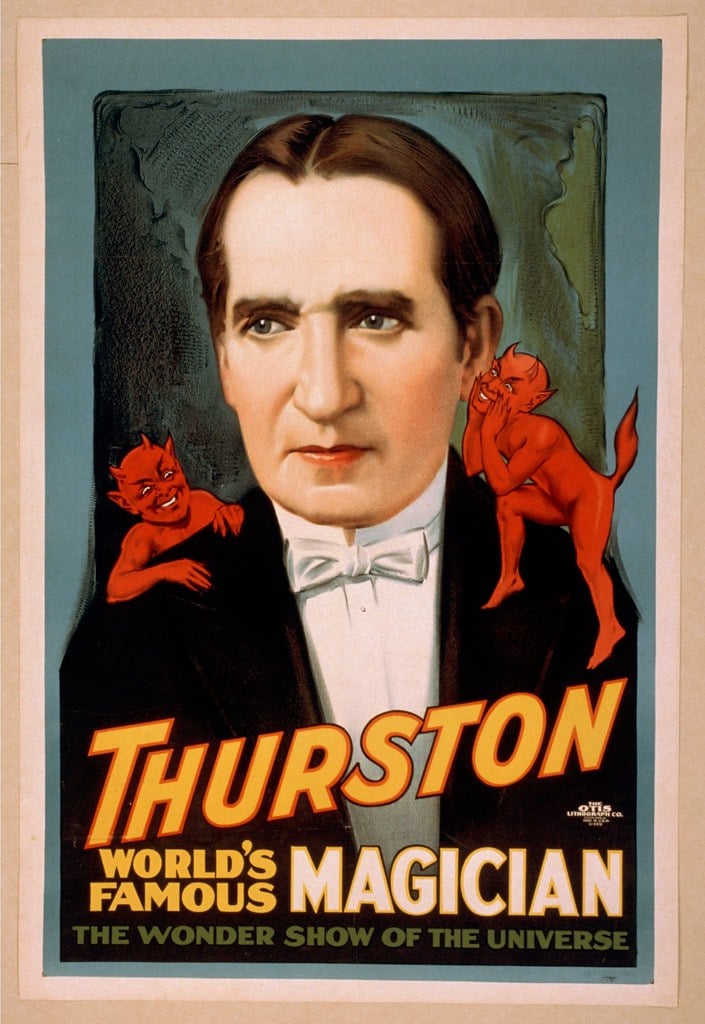
Thurston’s Magic Tricks and Puzzles Named after Howard Thurston, the set carried forward his philosophy that magic should astonish rather than merely amuse. The puzzles weren’t throwaway additions—they were mind-bending challenges that taught spatial reasoning and lateral thinking alongside traditional magical skills.
And the linking rings (smaller versions of Thurston’s stage routine) were made from actual steel rather than the aluminum versions that became standard later, giving them a satisfying weight and ring that modern magicians immediately recognize as superior.
Magic Wonder Box Set

Magic Wonder Box Set The Wonder Box lived up to its name by cramming an almost ridiculous number of tricks into a single package. Over 200 effects meant months of material for any aspiring magician, but more importantly, it meant exposure to a wide range of magical principles rather than just variations on a single theme.
Professional magicians value these sets because they provided the broad foundation that specialized modern magic sets often lack.
Superior Magic Set Deluxe

Superior Magic Set Deluxe Superior’s deluxe offerings were built to impress parents as much as children, which resulted in unusually high production values. The satin-lined box felt like opening a jewelry case, and the tricks inside were finished to match that initial impression.
The card manipulation section alone contained enough material for a complete stage act, assuming the performer was willing to put in the practice time.
Carnival Magic Set

Carnival Magic Set Carnival sets captured the slightly dangerous atmosphere of traveling shows, complete with tricks that seemed to flirt with real supernatural powers. The spirit slate and medium’s bell were simplified versions of equipment used by professional mentalists in actual séances (though the instruction booklet was careful to explain the methods rather than encourage belief).
But the psychological impact on audiences remained unchanged—these tricks generated genuine mystery rather than obvious mechanical humor.
Professional Magic Set No. 7

Professional Magic Set No. 7 The “Professional” label wasn’t marketing hyperbole in this case, since many of the included routines appeared in professional magic catalogs at prices that exceeded the cost of the entire set. The rope and ring routine required genuine skill to perform convincingly, which separated serious students from casual dabblers pretty quickly.
And the instruction manual assumed readers were planning to perform for real audiences rather than just family members, providing advice on presentation and misdirection that most modern magic books still quote.
Magic Castle Starter Set
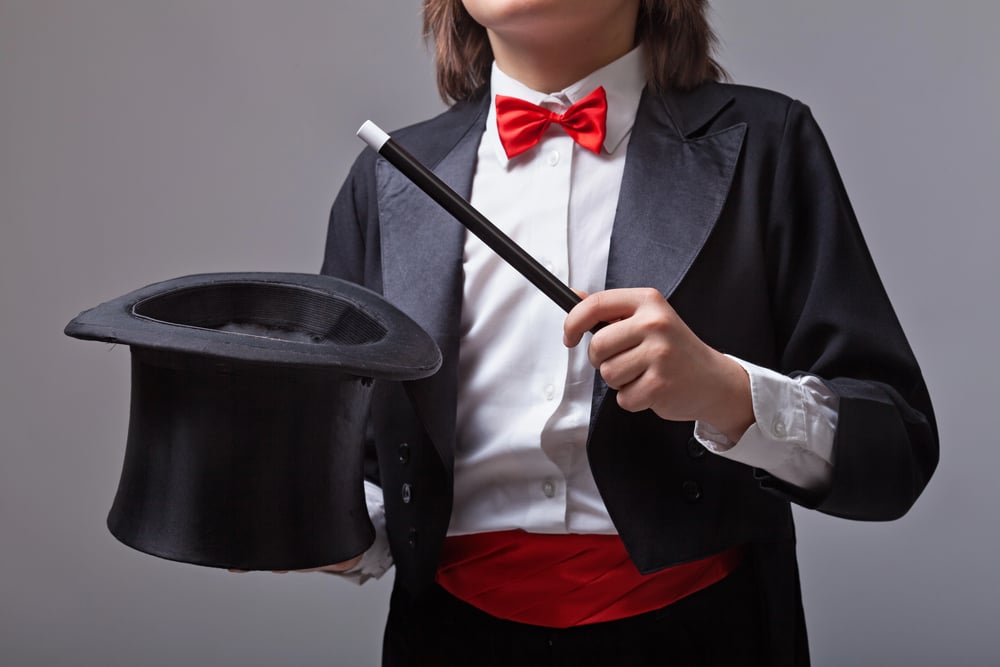
Magic Castle Starter Set Before the famous Hollywood club, “Magic Castle” was just an evocative name that suggested hidden knowledge and mysterious powers. The set’s contents lived up to that promise with tricks that required actual study rather than simple memorization.
The mental effects included methods that working mentalists still guard carefully, making these vintage sets valuable for their practical content rather than just nostalgic appeal.
Wizard’s Workshop Deluxe

Wizard’s Workshop Deluxe Workshop sets from the 1950s treated magic as a craft that required proper tools and serious dedication. The apparatus was built to professional specifications because the manufacturers understood that children would lose interest quickly if the props didn’t work reliably.
So finding a complete Wizard’s Workshop today means acquiring equipment that can still be used for professional performances—the silks haven’t faded, the metal hasn’t tarnished, and the mechanical tricks still operate with the precision that made them valuable in the first place.
The Enduring Magic

These vintage sets represent more than childhood nostalgia or collecting curiosities—they’re time capsules from an era when magic was treated as a legitimate skill worth learning properly. The craftsmanship standards that went into their production reflected a belief that children deserved quality tools and genuine instruction, not just temporary entertainment.
Today’s magicians and collectors recognize that these sets contain knowledge and equipment that’s become increasingly rare, making them valuable for reasons their original manufacturers probably never anticipated.
More from Go2Tutors!

- The Romanov Crown Jewels and Their Tragic Fate
- 13 Historical Mysteries That Science Still Can’t Solve
- Famous Hoaxes That Fooled the World for Years
- 15 Child Stars with Tragic Adult Lives
- 16 Famous Jewelry Pieces in History
Like Go2Tutors’s content? Follow us on MSN.