Weirdest Moments from 80s Music Videos
MTV launched in 1981 and suddenly musicians needed to figure out how to make their songs visual. Most had no idea what they were doing.
Directors had even less of a clue. The result was a decade of increasingly strange attempts to fill three or four minutes of screen time with something—anything—that would grab attention.
Some of these moments became iconic. Others just became baffling.
But they all share a certain fearlessness about putting absolutely ridiculous ideas on screen and hoping for the best.
Peter Gabriel Melting Into Clay

“Sledgehammer” turned into one of the most awarded music videos ever made, but watching it still feels like stumbling into someone else’s fever dream. Peter Gabriel lies on his back while stop-motion animation happens all around him.
His face morphs into clay. Fish swim through the air.
Chickens dance on his heads. The technical achievement is impressive.
Aardman Animations, the studio that would later make Wallace and Gromit, spent weeks animating fruit and raw meat frame by frame. But technical skill doesn’t make dancing poultry any less weird when it’s strutting across someone’s face.
The video won nine MTV Video Music Awards. The audience loved it.
But nobody could really explain what any of it meant or why a song about physical intimacy needed animated production.
A-ha’s Pencil Sketch Romance
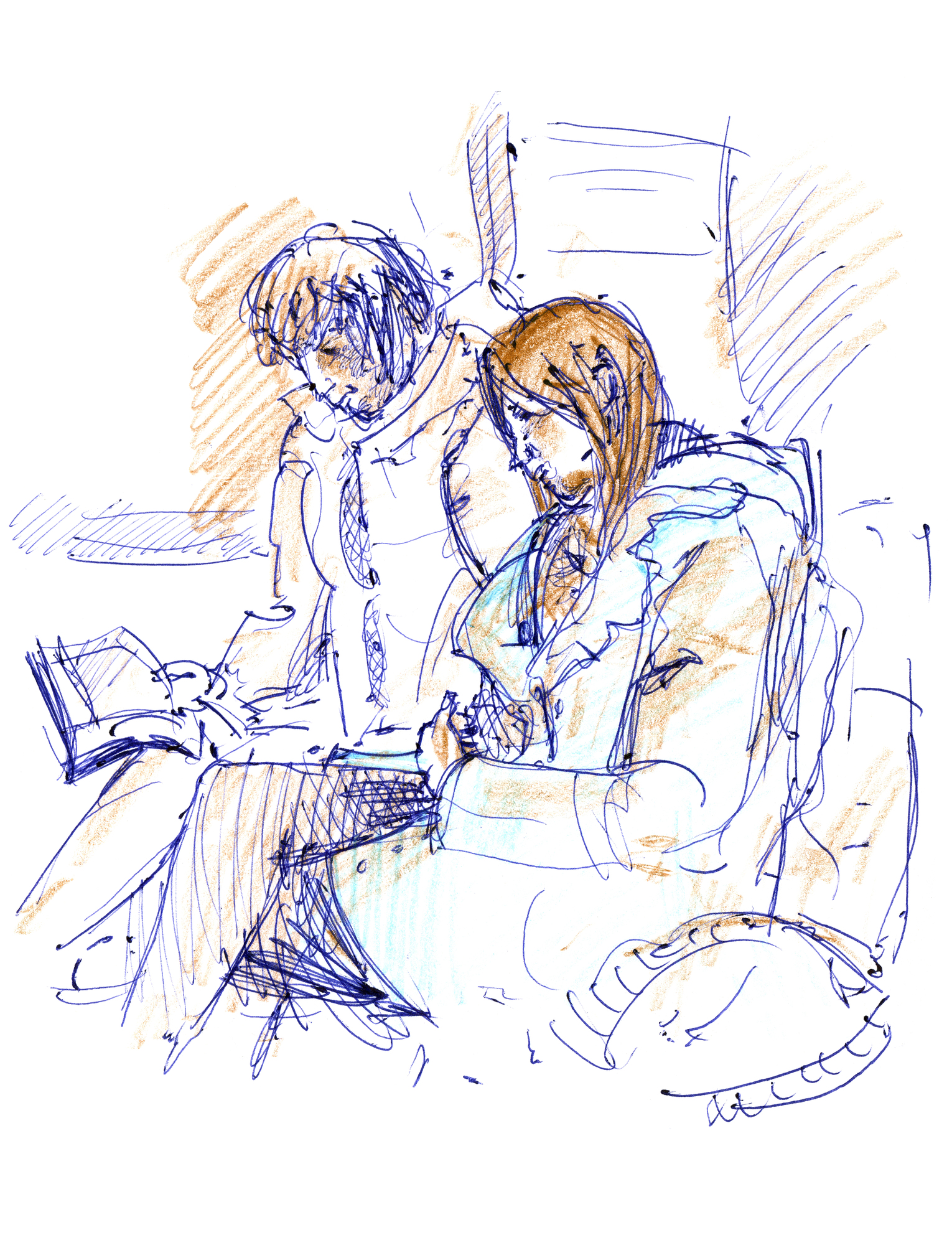
“Take On Me” combined live action with pencil sketch animation in a way that looked effortless but took months to create. The weird part isn’t the animation itself—it’s that the entire plot hinges on a woman getting pulled into a comic book by a sketched motorcycle racer who’s either escaping bad guys or racing them or both.
She seems remarkably calm about being yanked into a two-dimensional pencil world. They run through hallways.
They get chased. Then she’s back in the real world and he somehow breaks through her cafe window, also now real, and they ride off together.
The story raises more questions than it answers. Can he go back to the comic book world?
Does she have to stay in the real world now? What were those other sketched men chasing them about?
None of this matters because the animation was so novel that everyone just accepted the nonsensical plot.
Bonnie Tyler and the Boarding School of Monsters

“Total Eclipse of the Heart” takes place in a Gothic boarding school populated by what appears to be supernatural entities. Glowing-eyed children do gymnastics in slow motion.
Shirtless men with doves appear and disappear. A boys’ choir sings in a darkened hall.
Football players emerge from the fog. Director Jim Steinman wanted to make a vampire movie but settled for cramming all his unused ideas into a four-minute music video instead.
The result is visually striking but narratively incomprehensible. Tyler wanders through empty rooms looking distressed while increasingly bizarre imagery piles up around her.
The video was hugely popular despite—or maybe because of—its refusal to make any coherent sense. It just kept throwing weird images at the screen and trusted that the song was strong enough to carry it.
Talking Heads and David Byrne’s Big Suit

“Once in a Lifetime” features David Byrne doing a series of increasingly unhinged movements in front of projected backgrounds. He jerks his arms.
He splashes water on himself. He does a strange convulsing dance that looks like he’s being electrocuted.
But the real iconic moment comes from the “Stop Making Sense” concert film where Byrne performs “Girlfriend Is Better” in an absurdly oversized suit. The suit is so big it looks like it could fit three people.
He flails around inside it like a child wearing adult clothes. The suit served no purpose except to be visually arresting.
It worked. Decades later, people still reference the big suit.
It became shorthand for 80s avant-garde weirdness.
Herbie Hancock and the Robot Invasion

“Rockit” barely features Herbie Hancock at all. Instead, it focuses on a series of animatronic figures doing disturbing things.
A mannequin’s legs kick in the air. A wooden figure’s eyes blink mechanically.
Robot hands manipulate objects. The video helped pioneer the use of advanced robotics and animatronics in music videos, but the effect is deeply unsettling.
These aren’t cute robots. They’re uncanny valley nightmares that look almost human but move in ways that remind you they’re definitely not.
MTV played it constantly anyway. The scratching and hip-hop production were groundbreaking, and apparently audiences were willing to tolerate deeply creepy robots if the music was good enough.
Genesis and the Puppet Faces

“Land of Confusion” used grotesque caricature puppets from the British show “Spitting Image” to create a video about nuclear war anxiety and political dysfunction. The puppets are deliberately ugly, with exaggerated features and disturbing movements.
Ronald and Nancy Reagan appear as puppets in bed. Phil Collins’ puppet face is somehow both accurate and horrifying.
World leaders appear as bloated caricatures making terrible decisions. The whole thing ends with someone accidentally starting a nuclear war by pressing the wrong button.
It’s satire, but the puppets are so unsettling that the message gets lost in the weirdness of watching these grotesque figures stumble through a Cold War nightmare. Kids who saw this video probably had questions their parents couldn’t answer.
The Cars and the Stalker Fly
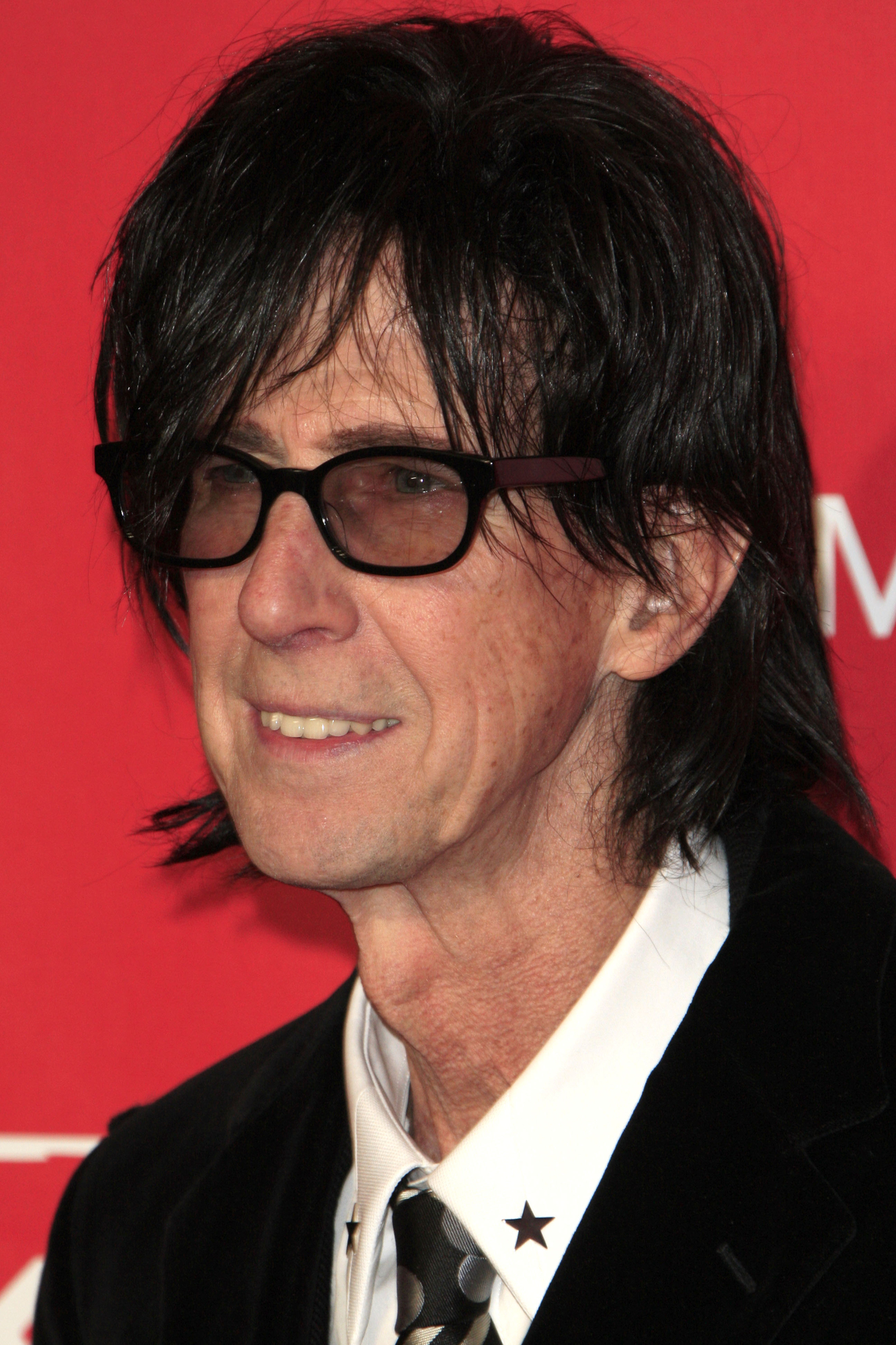
“You Might Think” was one of the first videos to make heavy use of computer-generated effects. Ric Ocasek’s disembodied head flies around like a housefly, bothering a woman who’s trying to ignore him.
He appears as a giant on a building. He drives tiny cars across her shoulders.
He transforms into a tarantula. The effects were cutting-edge for 1984, but the premise is essentially a stalker fantasy where persistent unwanted attention eventually wins someone over.
The woman tries to swat him away like an insect, which is appropriate because that’s exactly what he’s acting like. The video won the first MTV Video Music Award for Video of the Year, mostly because the technology was so new.
But the actual content is a man refusing to take no for an answer, visualized through primitive CGI.
Madness and the Dual Generations
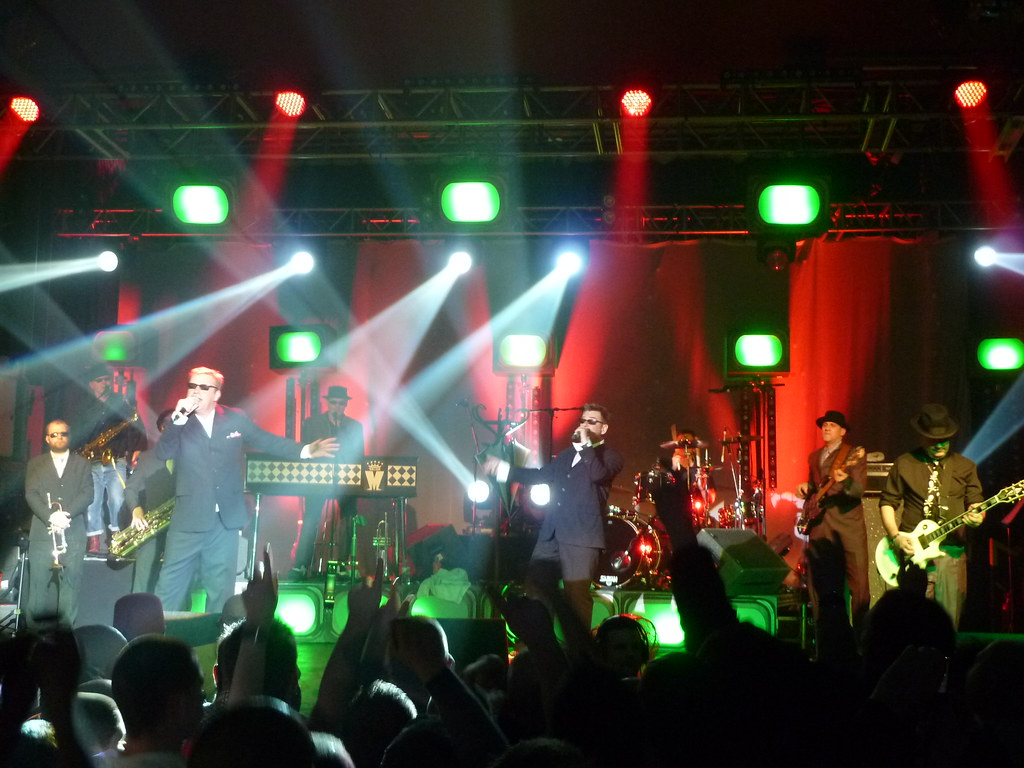
“Our House” shows the band members as both parents and children in a typical British household. The same performers play multiple generations simultaneously, creating a disorienting effect where you see them as adults managing the household and as children experiencing it.
The video jumps between these perspectives throughout, with band members literally playing scenes opposite themselves. It’s trying to be whimsical and nostalgic, capturing the cyclical nature of family life, but the execution creates an uncanny feeling of watching people interact with their own younger selves.
The song is nostalgic and sweet. The video amplifies that nostalgia but adds a layer of surreal domesticity that makes familiar scenes feel slightly off.
Dire Straits and Early CGI Characters
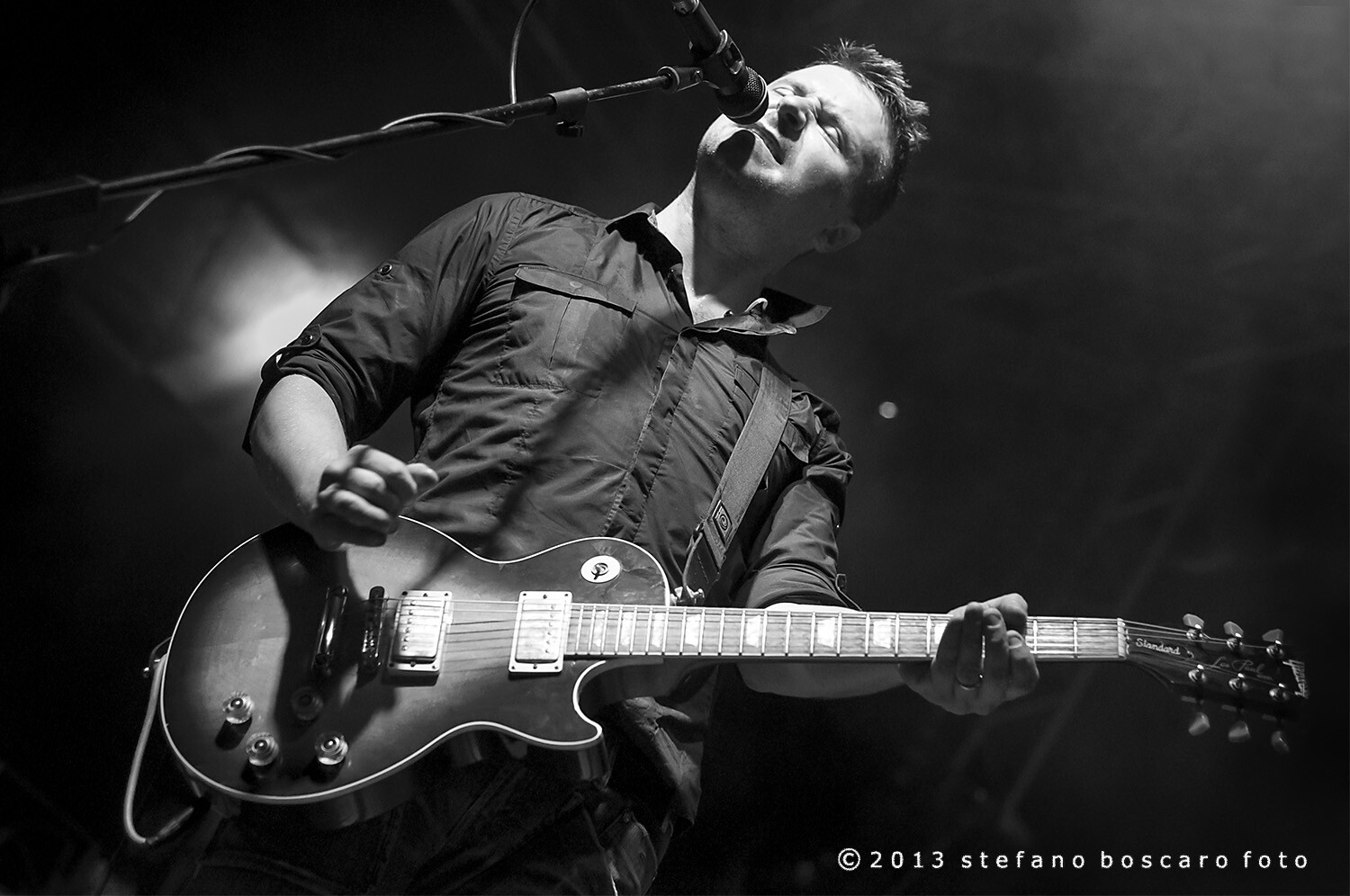
“Money for Nothing” featured some of the earliest computer-generated human characters in a music video. They looked like blocky, geometric approximations of people, moving in stilted, robotic ways.
The characters were based on the song’s working-class narrators, complaining about musicians who “get money for nothing.” So the video shows these primitive CGI workers watching musicians on TV while commentary scrolls past.
The technology was revolutionary. The aesthetic was immediately dated.
Within a few years, the video looked ancient because CGI improved so rapidly. But in 1985, those clunky geometric figures were the future, and their stiff movements were mesmerizing in their strangeness.
Prince and the Bathtub Seduction
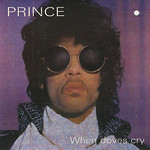
“When Doves Cry” features Prince in various stages of undress, writhing in a bathtub, lying on a bed, and performing with his band. The imagery is deliberately provocative, but it’s also just plain weird.
There’s no narrative. Prince appears in different locations doing sensuous movements.
Steam fills rooms. Doves don’t actually cry—they just appear occasionally for visual interest.
His parents appear in some versions, fighting in domestic scenes that feel jarring next to the more intimate imagery. The video was hugely controversial and hugely popular.
It broke rules about what could be shown on MTV. But it’s also genuinely strange, jumping between imagery without any connecting thread except Prince’s undeniable charisma.
Billy Idol and the Punk Wedding

“White Wedding” shows Billy Idol at a stylized wedding ceremony, though not his own—it’s a fictional scenario that plays with wedding imagery in an aggressive, threatening way. He’s dressed like a punk rocker and the whole event has a dark, confrontational energy.
Idol sneers at the camera. The ceremony feels more like a threat than a celebration.
At one point he appears to be in a church, then in a post-apocalyptic wasteland, then back at the wedding. The geography makes no sense.
The video perfectly captured Idol’s rebellious image but also created this bizarre scenario where a traditional wedding becomes a vehicle for punk aggression. The bride seems more like a prop in Idol’s performance than an actual character, and the whole thing feels deliberately uncomfortable.
Duran Duran’s Jungle Adventure
“Hungry Like the Wolf” sent the band to Sri Lanka to film what amounts to a colonial adventure fantasy. Simon Le Bon chases a mysterious woman through jungles and markets and ancient ruins, dressed like he’s on safari.
The video plays into every cliché of exotic adventure. Le Bon gets painted by locals.
He wrestles with what might be body-painted performers or might be representations of his own desires. The woman he’s chasing may or may not be real.
The whole thing has the uncomfortable energy of “Indiana Jones does a perfume commercial.” MTV audiences loved it because it looked expensive and exotic.
Looking back, it’s a very 80s mixture of genuine artistic ambition and complete tonal cluelessness about what story it’s actually telling.
Eurythmics and the Cow in the Boardroom

“Sweet Dreams (Are Made of This)” features Annie Lennox and Dave Stewart in various surreal office settings. Lennox wears men’s suits and has bright orange hair.
Stewart plays a cello at a desk. And then there’s a cow.
A live cow appears in several shots, standing in the middle of a boardroom while business continues around it. Nobody acknowledges the cow.
It’s just there, chewing cud while band members work at desks and keyboards. The cow was apparently symbolic of something, but decades later, it’s mainly just remembered as “that video with the cow in the office.”
Sometimes symbolism is less effective than just putting something completely unexpected on screen and refusing to explain it.
When Budgets Met Imagination

The 80s music video era produced this specific strain of weirdness because the medium was so new that nobody knew what the rules were. Directors had budgets, new technology, and complete creative freedom.
Musicians wanted attention and were willing to try anything. Some of these videos have aged into beloved classics.
Others just aged. But they all represent a moment when the music industry was genuinely experimental, throwing ideas at the wall to see what stuck.
The wall is still covered with strange stains, and we’re still trying to figure out what some of them were supposed to be. These weren’t accidents.
People made deliberate choices to include dancing chickens, stalker flies, and boardroom cows. They thought these were good ideas.
Sometimes they were right. Sometimes they just created fascinating artifacts of a decade that didn’t know when to say “maybe this is too weird.”
More from Go2Tutors!

- The Romanov Crown Jewels and Their Tragic Fate
- 13 Historical Mysteries That Science Still Can’t Solve
- Famous Hoaxes That Fooled the World for Years
- 15 Child Stars with Tragic Adult Lives
- 16 Famous Jewelry Pieces in History
Like Go2Tutors’s content? Follow us on MSN.