16 Everyday Items Banned in the UK
It surprises many to learn what the UK forbids. Rules shape daily life there, quiet and firm.
Traffic follows strict patterns, meals meet tight guidelines. Order matters more than elsewhere.
Yet certain everyday objects used globally? They cannot enter. Discovering these bans feels odd, like tripping on flat ground.
What seems normal abroad becomes illegal upon arrival. Quiet laws block common things.
You might not expect it until too late. Picture this: everyday items, common as can be, yet forbidden in parts of the UK.
Some bans feel obvious once you hear them. Others? You might need to rub your eyes and read again.
Not everything allowed elsewhere gets a free pass there.
Kinder Surprise Eggs

For years kids across several nations have cracked open sweet egg-shaped treats hiding small toys within. Not so in Britain though – there the classic Kinder Surprise breaks rules set by a 1989 safety law.
That rule stops anything edible from including parts resembling food yet carrying choking hazards. So stores offer Kinder Joy instead, splitting the plaything away from the cocoa part entirely.
Samurai Swords

Out on the streets, holding or trading a samurai blade could land you in legal trouble across Britain. Backed by the Criminal Justice Act 2008, owning, bringing in, or moving around specific long, curved swords got stamped out.
A run of sharp-edged attacks pushed officials toward that decision. For some – like those training in traditional combat forms or preserving old weaponry – there’s room to step through, though red tape piles high.
Meeting every rule feels like walking a tightrope under close watch.
Certain Dog Breeds

Banned in the UK are four types of dogs by the Dangerous Dogs Act 1991 – Pit Bull Terrier, Japanese Tosa, Dogo Argentino, Fila Brasileiro. Though calm or trained, possession breaks the law unless a judge grants special permission.
Breed matters more than actions when it comes to enforcement here. Still today, people argue fiercely about this rule across the nation.
Raw Milk Available In England Scotland And Wales

Most places in the UK do not allow people to sell raw milk straight to buyers. This rule came about since germs such as E. coli and Salmonella may live in untreated milk, creating danger mainly for young kids and elderly folks.
Only in Northern Ireland can you legally buy it, provided tight rules are followed. Those who back raw milk say heating it removes good stuff, though official health groups claim otherwise.
Noise-Making Fireworks After 11pm

Noisy fireworks have strict time limits across the UK. Past eleven at night until seven in the morning, setting them off breaks the law under the 2004 rules – except on certain dates.
Come Bonfire Night, the limit pushes forward to midnight instead. New Year’s Eve and Diwali let people go an hour longer, stopping only by one.
Getting caught ignoring these times could mean paying as much as five thousand pounds.
Fake Firearms That Look Real

Not many places are tougher on pretend guns than Britain. Thanks to a rule passed in 2006, making, selling, or bringing in lifelike replica firearms carries penalties.
Even toys that mimic actual weapons fit within these restrictions, regardless of whether they shoot. One aim? To block offenders who might wave look-alikes during threats.
Still, those who gather replicas or build movie props feel the impact too.
Scales With Imperial-Only Measurements In Shops
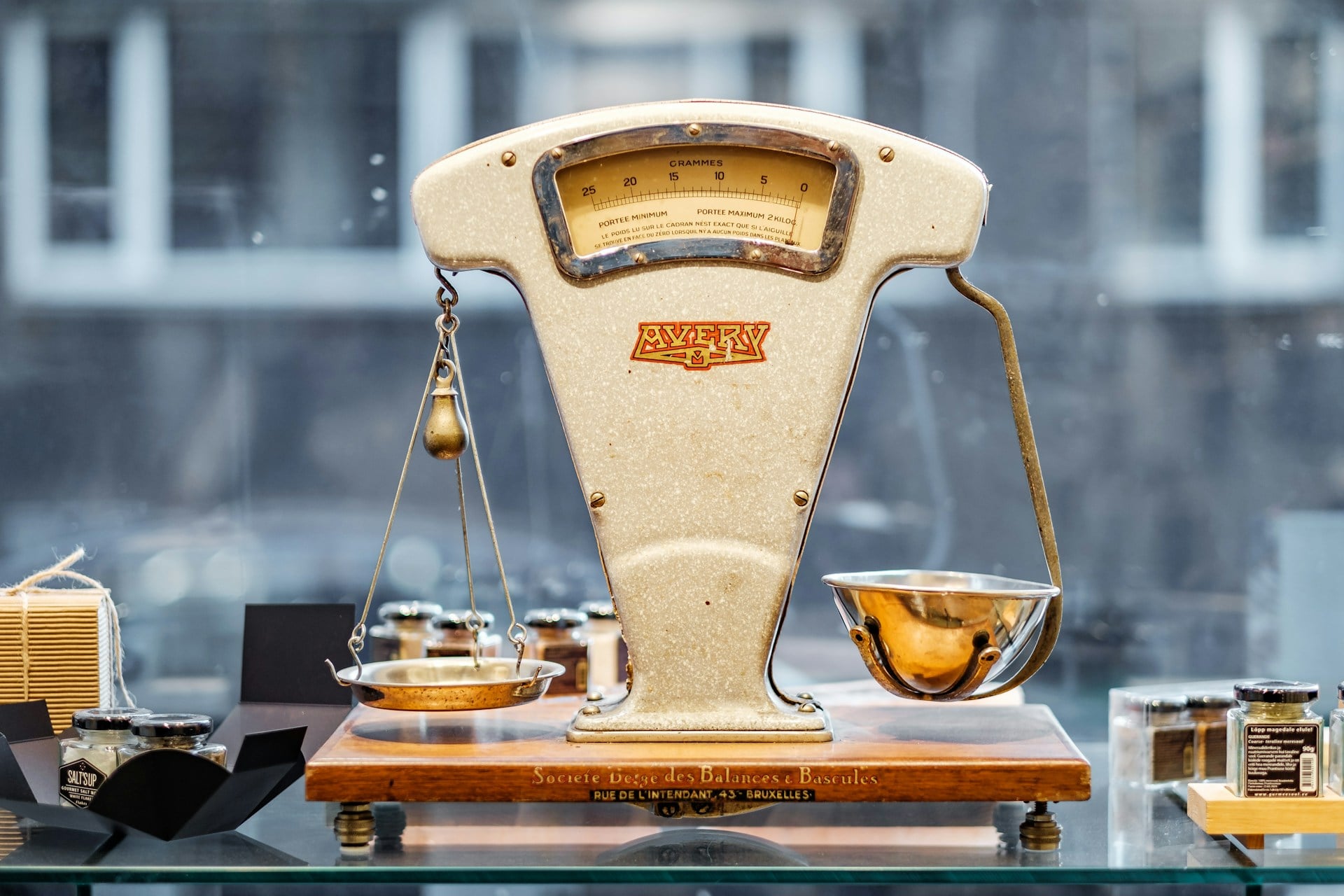
Most folks aren’t expecting this, particularly Americans stepping off planes. Shops here can’t list items sold by weight without using grams or kilos.
Trading with just pounds and ounces? That does not fly under British rules. Oddly enough, pints remain okay for beer on tap and cartons of milk – proof some old measures stuck around.
Certain Types Of Knives

Apart from samurai-style blades, many types of knives cannot be carried in public or sold freely across the UK. Flick knives fall under the ban, so do butterfly models, along with gravity-driven designs.
Concealed versions – such as those hidden in belt buckles – are also outlawed. Simply having certain banned items at home might still break the law, depending on their design.
Authorities treat blade possession strictly; officers routinely conduct searches where knife crime is more common.
Parking On The Pavement

In London, parking on the pavement is completely banned, and the rest of England is gradually moving toward a similar rule. Pavement parking causes real problems for people with pushchairs, wheelchair users, and visually impaired pedestrians who rely on clear footpaths.
The Highway Code was updated in 2022 to make it clearer that pavement parking is inconsiderate and dangerous. Local councils outside London are being given more powers to enforce this ban.
Selling Eggs By The Dozen Without Metric Weight

This is one of those rules that sounds made up but is very real. In the UK, eggs sold in shops must be labeled by weight category rather than simply by the number in the pack.
While shops can still say ’12 eggs,’ the packaging must also show the weight class of each egg. This rule follows EU food labeling standards that the UK adopted and has largely kept even after Brexit.
Goldfish As A Prize At Fairs

Winning a goldfish at a funfair was a classic part of British childhood for generations. In 2000, the UK government introduced rules under the Animal Welfare Act that discouraged this practice, and many local councils banned it outright.
The concern was that children often had no way to properly care for a live fish, and the animals were suffering as a result. Today, most fairs in the UK no longer offer live animals as prizes at all.
Smoke In Enclosed Public Spaces

Since 2007, it has been illegal to light up inside any enclosed public space in England, including pubs, restaurants, offices, and public transport. Scotland, Wales, and Northern Ireland introduced similar bans around the same time.
Businesses that fail to enforce the law can face heavy fines. The ban has had a measurable effect on public health, with hospital admissions for heart attacks dropping noticeably in the years that followed.
Hunting With Dogs

Fox hunting with a pack of hounds was a centuries-old tradition in the UK. The Hunting Act 2004 brought it to a full stop, making it illegal to hunt wild mammals with dogs in England and Wales.
Scotland introduced its own ban slightly earlier. Supporters of the ban argued it was cruel, while those opposed called it an attack on rural culture.
Debates about repealing the law have come up repeatedly in Parliament but have never succeeded.
Products Tested On Animals Within The EU Market
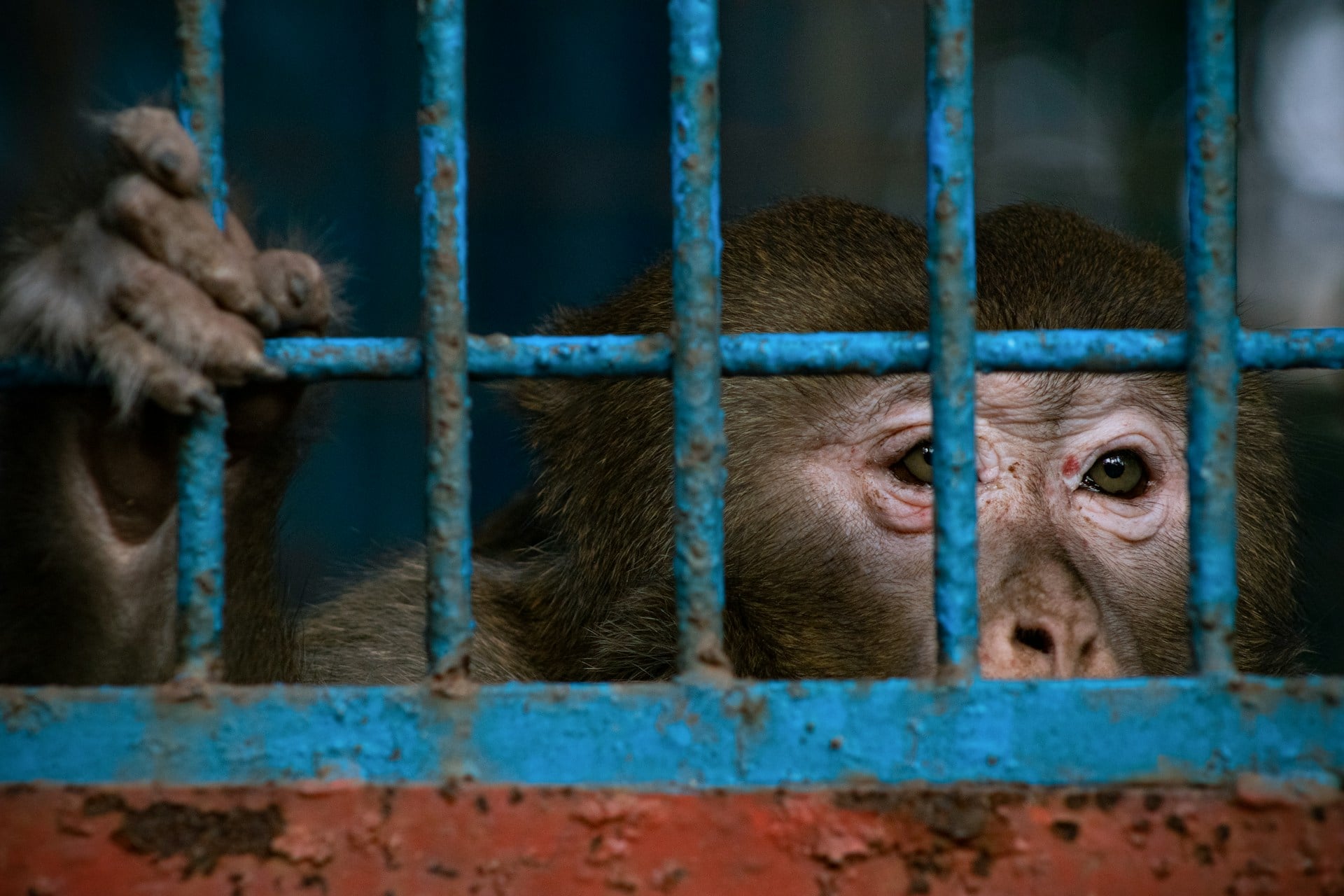
The UK has some of the strongest animal testing restrictions in the world for cosmetic products. Since 1998, it has been illegal to test finished cosmetic products on animals in the UK.
By 2013, the ban extended to selling products in the EU market that were tested on animals anywhere in the world. Post-Brexit, the UK has largely maintained these standards, making it one of the few places where this kind of ban applies to imports as well.
Squatting In Residential Buildings

Until 2012, squatting in an empty property in England and Wales was technically a civil matter, meaning the police could not remove squatters directly. The Legal Aid, Sentencing and Punishment of Offenders Act 2012 changed that by making squatting in a residential building a criminal offense.
A person found squatting can now be arrested, fined up to £1,000, or jailed for up to 51 weeks. Commercial properties still fall under civil law, which means the process for removing squatters from offices or shops is more complicated.
Pyramid Schemes

Running a pyramid scheme is a criminal offense in the UK under the Trading Schemes Act 1996 and the Consumer Protection from Unfair Trading Regulations 2008. These are setups where participants earn money mainly by recruiting others rather than by selling actual products or services.
The law targets the business structure itself, not just the promoters. Penalties include significant fines and prison sentences, though enforcement can be tricky when schemes are dressed up to look like legitimate businesses.
A Country That Takes Its Rules Seriously

The UK is not banning things for fun. Most of these laws came about after real incidents, public pressure, or careful study of the harm certain items or practices were causing.
Some rules feel strict, even fussy, but they often have a real story behind them. What stands out is how many of these bans involve everyday items that most people elsewhere never think twice about, which is a reminder that what feels normal in one place can be genuinely restricted in another.
More from Go2Tutors!

- The Romanov Crown Jewels and Their Tragic Fate
- 13 Historical Mysteries That Science Still Can’t Solve
- Famous Hoaxes That Fooled the World for Years
- 15 Child Stars with Tragic Adult Lives
- 16 Famous Jewelry Pieces in History
Like Go2Tutors’s content? Follow us on MSN.