Surprising History of Popular Cartoon Characters
Though the stories behind their creation are frequently stranger than fiction, cartoon characters have the feel of old friends. Many of these animated icons were influenced by actual people, odd coincidences, and even court cases; they didn’t just appear fully formed out of their creators’ imaginations.
You may view your favorite cartoons entirely differently the next time you watch them. 13 unexpected historical facts about well-known cartoon characters are listed here.
Mickey Mouse Was Almost Named Mortimer

Walt Disney originally wanted to call his famous mouse Mortimer, but his wife Lillian thought the name sounded too pompous and stuffy. She suggested Mickey instead, and the rest is history.
The name Mortimer didn’t go to waste though—Disney later used it for one of Mickey’s rivals, a tall, arrogant mouse who tries to steal Minnie’s affection in the 1936 short film.
Scooby-Doo Got His Name From Frank Sinatra
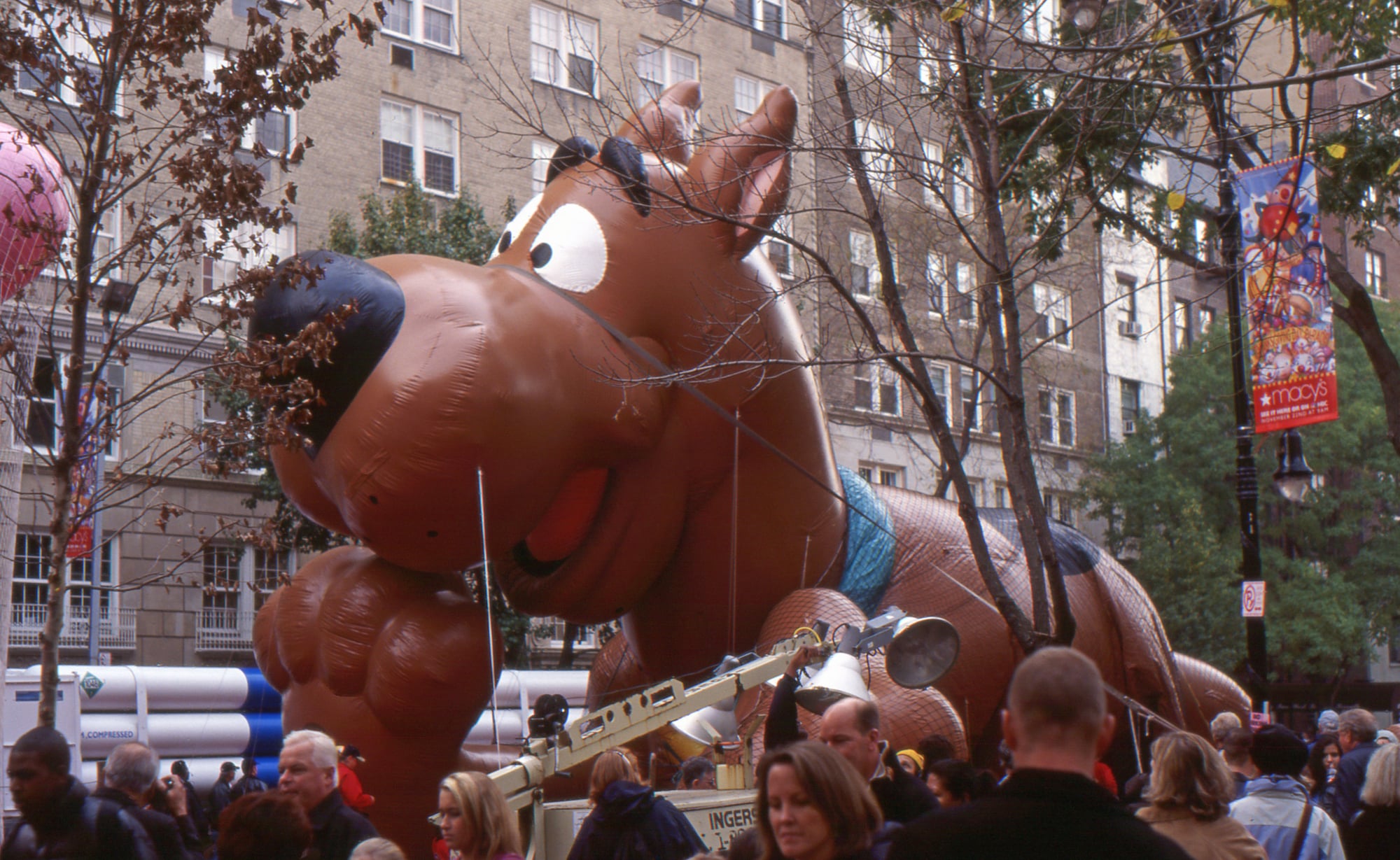
CBS executive Fred Silverman came up with the name during a red-eye flight while listening to Frank Sinatra’s ‘Strangers in the Night.’ He misheard Sinatra’s scat singing at the end of the song—’doo-be-doo-be-doo’—as ‘scooby-dooby-doo.’
That moment of mishearing transformed the show from its working title and made the dog the star instead of just a sidekick. While some sources claim Sinatra disliked the song, this remains largely anecdotal.
Bugs Bunny’s Carrot Habit Came From Clark Gable
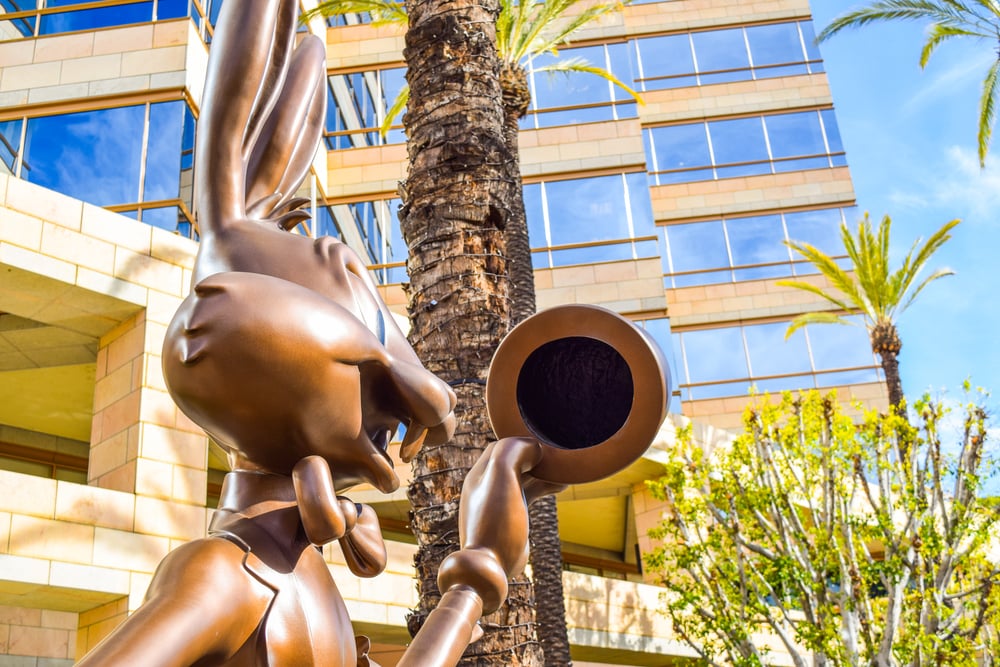
The famous rabbit’s casual carrot-chomping is widely believed to be a parody of Clark Gable in the 1934 film ‘It Happened One Night.’ Gable’s character leans against a fence, rapidly eating carrots while talking with his mouth full, and animator Friz Freleng cited it as an influence.
This created a widespread myth that rabbits love carrots, when in reality wild rabbits rarely eat them due to their high sugar content.
Betty Boop Was Based On A Real Jazz Singer

Helen Kane, known as the ‘Boop-Oop-A-Doop Girl’ after her 1928 hit song, inspired Betty Boop’s squeaky voice and flirtatious style. Kane was so convinced that Max Fleischer and Paramount Studios had copied her ‘boop-oop-a-doop’ persona and performance style that she sued them in 1932.
The lawsuit got messy, but ultimately Kane lost the case, and Betty Boop went on to become one of the most iconic animated characters of the 1930s.
The Flintstones Was Influenced By The Honeymooners
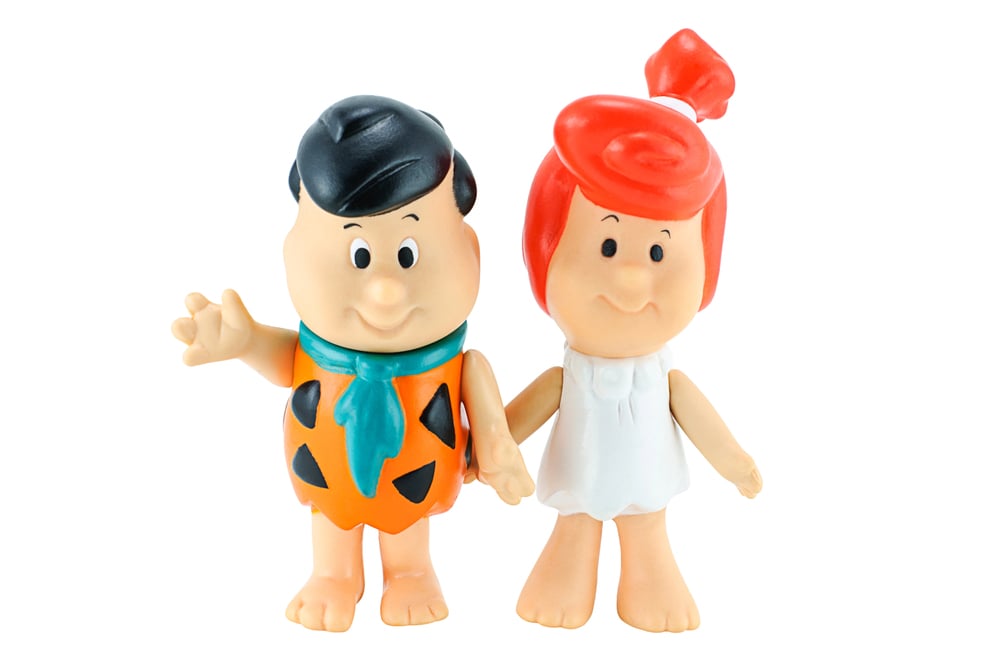
Fred Flintstone is basically a prehistoric version of Ralph Kramden from the popular 1950s sitcom ‘The Honeymooners,’ right down to the personality. Creator Joseph Barbera openly admitted the show was heavily influenced by Jackie Gleason’s series, borrowing the formula of a bumbling husband and his no-nonsense wife.
The resemblance was so obvious that Gleason considered suing but decided against it, reportedly saying he didn’t want to be known as the guy who killed a kids’ show.
Harley Quinn Was Inspired By Her Voice Actress

Writer Paul Dini created Harley Quinn for ‘Batman: The Animated Series’ after watching his friend Arleen Sorkin play a jester in a dream sequence on the soap opera ‘Days of Our Lives.’ Sorkin’s zany performance in full harlequin costume gave Dini the idea for the Joker’s girlfriend, and he convinced her to voice the character.
What started as a one-off role became so popular that Harley was eventually added to DC Comics canon.
Snow White Was Modeled After A Hollywood Starlet

Disney animators used teenage dancer Marge Champion as the live-action model for Snow White’s movements, filming her to study realistic human motion. Her appearance—especially those dark curls and classic beauty—has been reportedly inspired by film star Hedy Lamarr, though this connection is less firmly documented than other influences.
Lamarr was not only a glamorous actress but also a brilliant inventor who helped develop technology used in modern WiFi and Bluetooth.
Foghorn Leghorn Was A Radio Ripoff
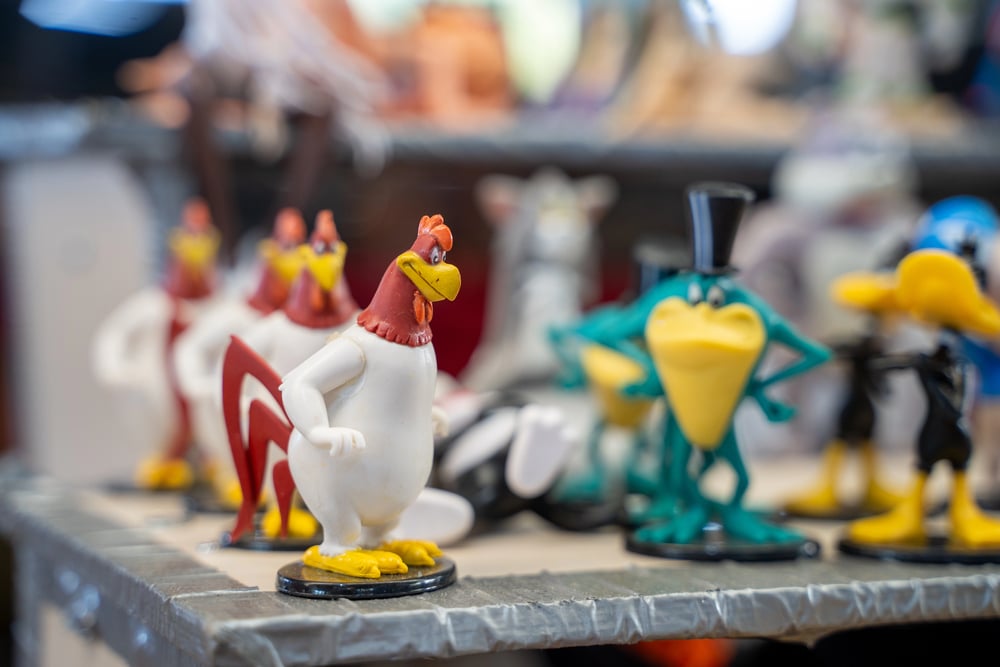
The loud, overbearing rooster character was directly based on Senator Claghorn, a blustery Southern politician from the ‘Fred Allen Show’ radio program in the 1940s. Director Robert McKimson lifted the character’s puffed-up chest, exaggerated walk, and even his catchphrases almost entirely from the radio show.
They just changed the name from Claghorn to Foghorn to emphasize how loudly and directly the rooster spoke, then added ‘Leghorn’—a breed of chicken—to complete the transformation.
Felix The Cat Was Among The First Licensed Characters

Before Mickey Mouse merchandise took over the world, Felix the Cat pioneered the concept of cartoon character licensing in the 1920s. Created in 1919 as an all-black cat who was easy to animate, Felix became one of the earliest cartoon characters whose image appeared on everything from toys to lighters.
His plucky resourcefulness led critics to compare him to Charlie Chaplin, and he remained the biggest cartoon star until sound came to animation and changed everything.
The Teenage Mutant Ninja Turtles Are Named After Artists

Creators Kevin Eastman and Peter Laird named Leonardo, Michelangelo, Donatello, and Raphael after their favorite Renaissance artists. The pair self-published a single issue comic in 1984 using money from a tax refund and a loan from Eastman’s uncle, never imagining it would become a massive franchise.
What started as a parody of gritty 1980s comics spawned a multimedia empire that’s still going strong decades later.
Donald Duck Became More Popular Than Mickey Mouse

During the 1930s and 1940s, the cantankerous waterfowl actually became more popular than Mickey Mouse himself in certain regions and merchandise markets, particularly in Europe and Latin America. Disney added Donald to the lineup in 1934, and audiences loved his hot temper and distinctive voice so much that he started getting more screen time than the company mascot.
Mickey’s squeaky-clean image meant he couldn’t get into much trouble, but Donald could be as ornery and frustrated as real people feel, which made him incredibly relatable.
Gertie The Dinosaur Took Four Years To Make

Windsor McCay, one of the most talented newspaper cartoonists of the early 1900s, created Gertie the Dinosaur in 1914 using 10,000 individual drawings on rice paper. McCay drew every single frame by hand, taking four years of painstaking work to complete the short film.
When audiences saw Gertie come to life on screen, they were absolutely stunned—nobody had ever seen anything like it, and the animated short helped establish that cartoons would become an essential part of film vocabulary.
The First Flintstones Sponsor Was Winston

The first two seasons of ‘The Flintstones’ were sponsored by Winston, and Fred and Barney actually appeared in commercials promoting the brand. These are practically the only cartoon characters ever to actively promote on screen, which seems wild considering the show was aimed at families.
The Flintstones also broke ground as the first American animated show to depict two people of the opposite gender sharing a bed, and the first to show a pregnancy and birth on screen.
When Cartoons Shaped Pop Culture

Beyond just being entertaining, these animated characters have influenced fashion, established enduring animal myths, and even altered consumer behavior. Cartoons have subtly altered our cultural perception of the world, from generations of people thinking rabbits eat carrots because of Bugs Bunny to undershirt sales allegedly falling after animators were inspired by Clark Gable’s bare chest.
These figures, which began as straightforward sketches on paper, evolved into something much more significant: cherished memories that bind us together across time. The people who created them drew inspiration from a wide range of sources, including movies, radio programs, jazz musicians, and their own friends, demonstrating that great art frequently emerges from happy accidents and unexpected places.
More frMore from Go2Tutors!

- The Romanov Crown Jewels and Their Tragic Fate
- 17 Halloween Costumes Once Considered Taboo
- Famous Hoaxes That Fooled the World for Years
- 15 Child Stars with Tragic Adult Lives
- 16 Famous Jewelry Pieces in History
Like Go2Tutors’s content? Follow us on MSN.