25 Vintage Radio Show Programs and Flyers With Genuine Value
The crackle of old radio static carries something most people have forgotten — the anticipation of gathering around a wooden box to hear stories unfold in real time. Before television took over living rooms, radio programs were the heartbeat of American entertainment, and the printed materials that promoted these shows have become surprisingly valuable collectibles.
Original program guides, promotional flyers, and station materials from radio’s golden age now command serious money from collectors who understand their cultural significance.
The Shadow
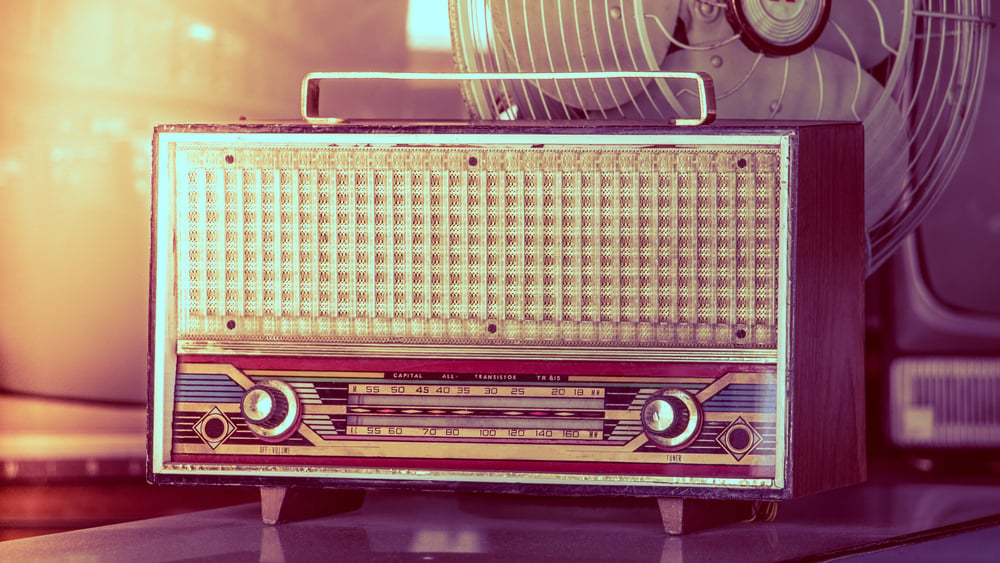
Program guides from this mystery series routinely sell for $150 to $400, depending on condition and rarity. The Shadow’s dramatic tagline “Who knows what evil lurks in the hearts of men?” appeared on promotional materials that radio stations distributed to build audience loyalty.
So these weren’t just throwaway advertising — they were keepsakes that listeners genuinely wanted to hold onto.
Amos ‘n’ Andy
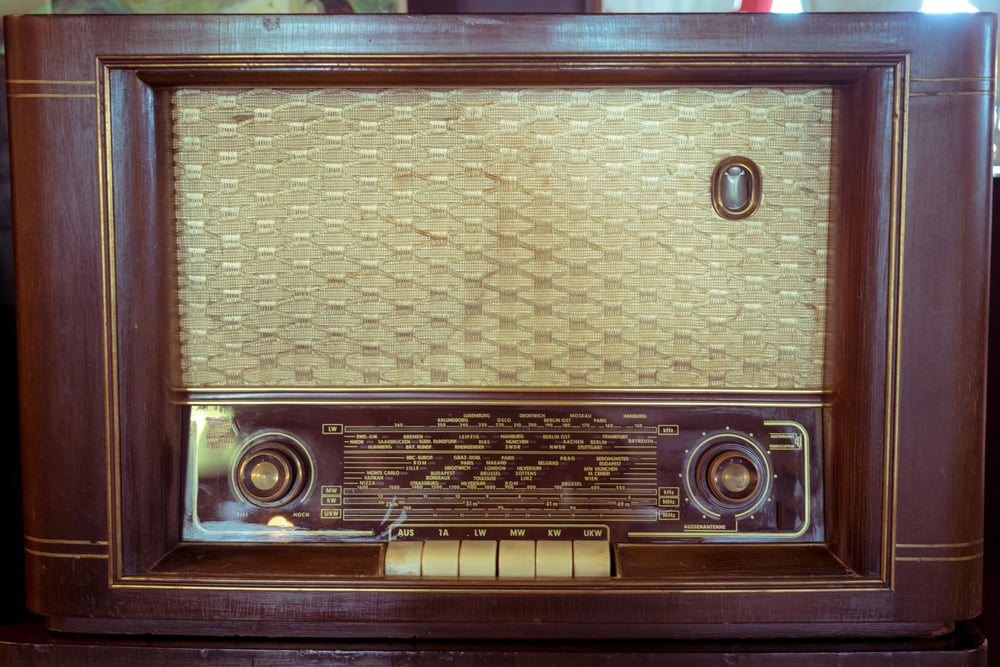
The controversy surrounding this show today doesn’t diminish the collector value of its original promotional materials, which can fetch between $200 and $600 (and that’s precisely because the show represents such a specific moment in American broadcasting history, uncomfortable as it may be). Station flyers from the 1930s featured elaborate artwork and episode summaries that radio programmers used to promote upcoming broadcasts.
These materials survived in surprisingly small numbers, mostly because people didn’t think to save what seemed like temporary promotional items at the time.
Fibber McGee and Molly
Like opening that famous hall closet, collecting materials from this comedy show reveals unexpected treasures buried underneath years of neglect. NBC distributed beautifully illustrated program booklets that featured character sketches and behind-the-scenes photographs, and these now sell for $75 to $250.
The comedy timing that made the show famous translated into promotional materials with genuinely witty copy and clever visual layouts.
The Lone Ranger
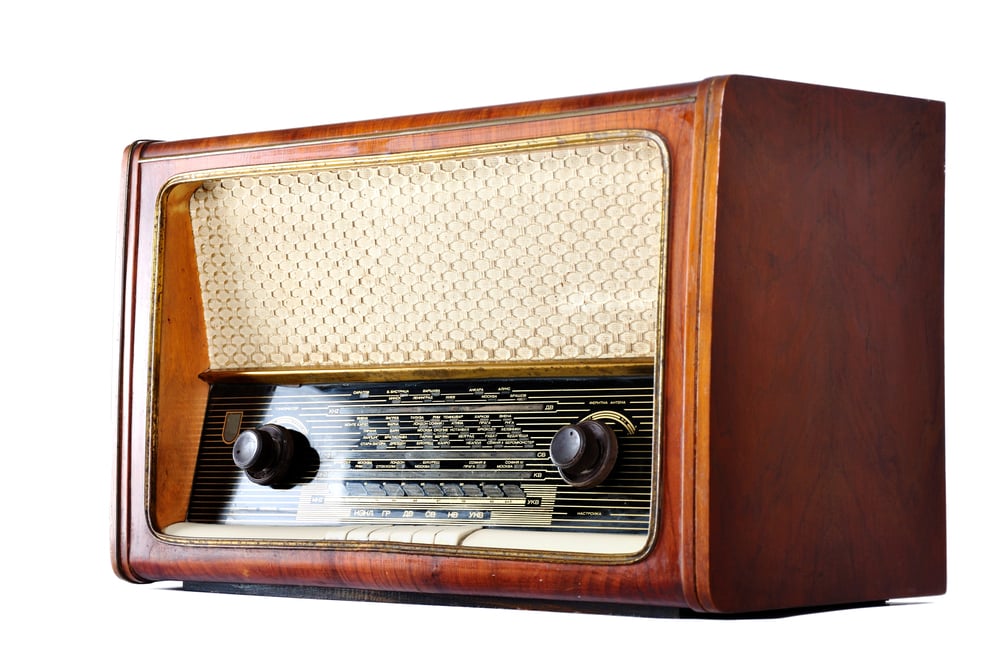
Program guides from this western adventure series are worth $100 to $350, particularly early materials from the Detroit-based WXYZ station where the show originated. The masked hero’s popularity meant extensive promotional campaigns with high-quality printed materials.
Station managers knew they had a hit and invested in promotional flyers with dramatic artwork and episode guides that parents would actually keep for their children.
War of the Worlds Broadcast Materials
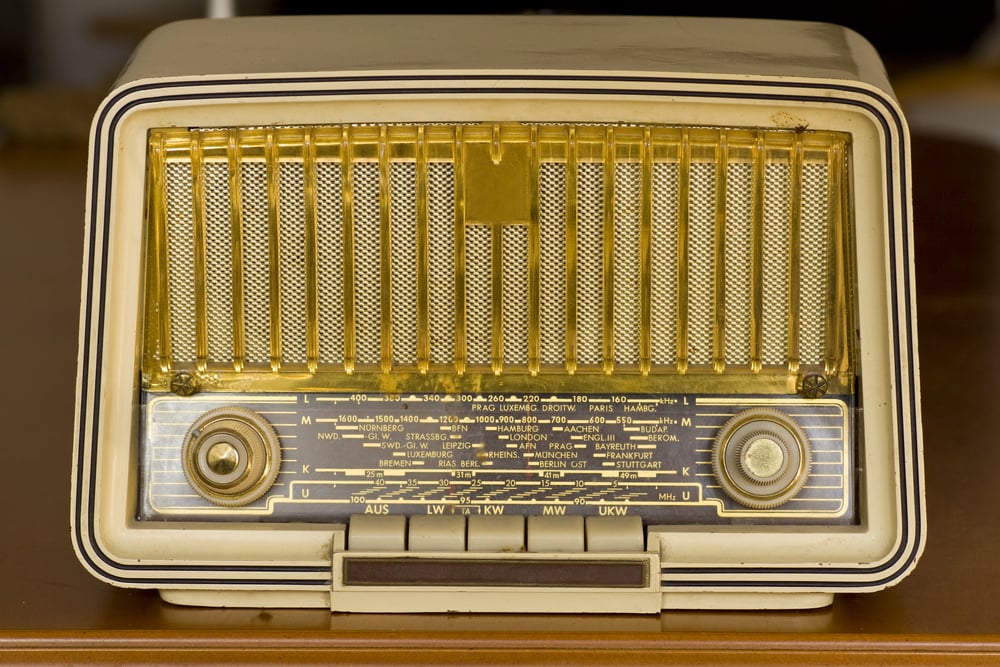
Any promotional material related to Orson Welles’ infamous 1938 broadcast now commands premium prices, often exceeding $1,000 for authentic pieces (though finding genuine promotional materials from this specific broadcast is like discovering radio history’s holy grail, since most of the panic happened after the fact). CBS program schedules and Mercury Theatre promotional flyers from that period are highly sought after.
The broadcast that accidentally terrified America created a legend that collectors chase decades later.
Jack Benny Program
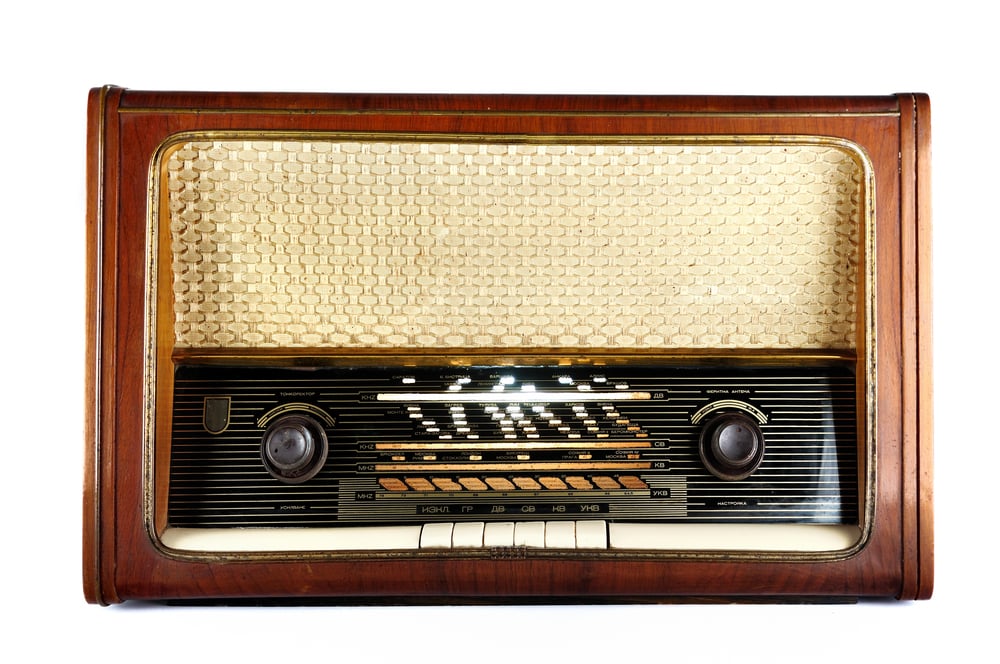
The king of radio comedy generated promotional materials that reflected his show’s sophisticated humor and high production values. Original NBC program guides and station promotional flyers sell for $80 to $275, with materials featuring Benny’s famous violin or his Maxwell automobile commanding higher prices.
Rochester’s popularity meant that many promotional pieces featured the entire cast, making them more visually interesting and valuable to collectors.
Inner Sanctum Mysteries
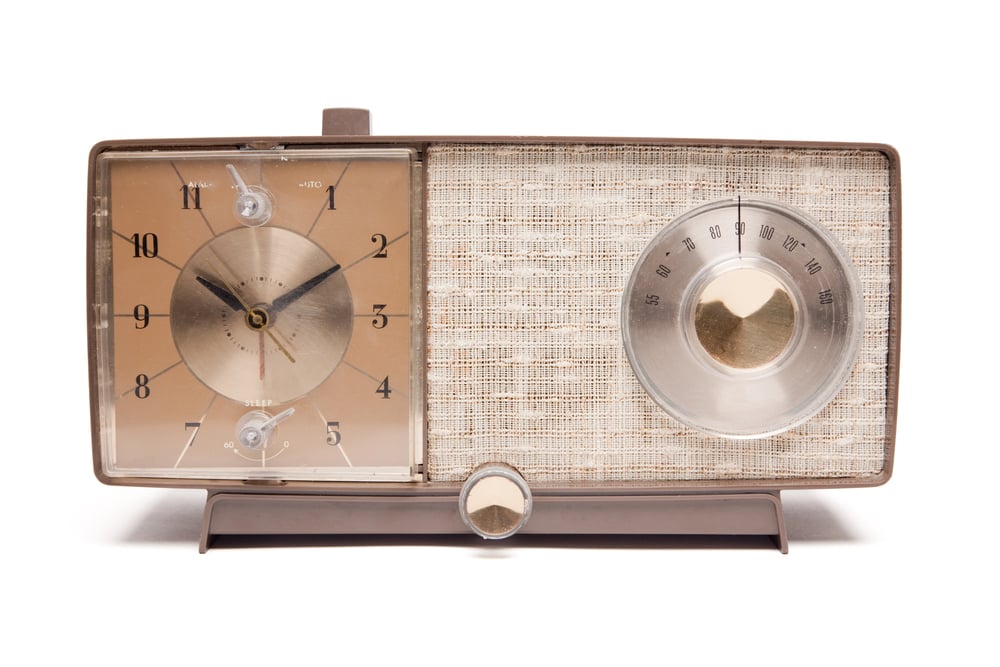
The creaking door that opened each episode became radio’s most recognizable sound effect, and promotional materials featuring that iconic imagery now sell for $125 to $300 depending on condition. Station program directors received elaborate promotional packages that included plot summaries, cast photographs, and suggested advertising copy that local sponsors could adapt.
These materials had to convey mystery and suspense in print, leading to some genuinely creative graphic design.
Burns and Allen
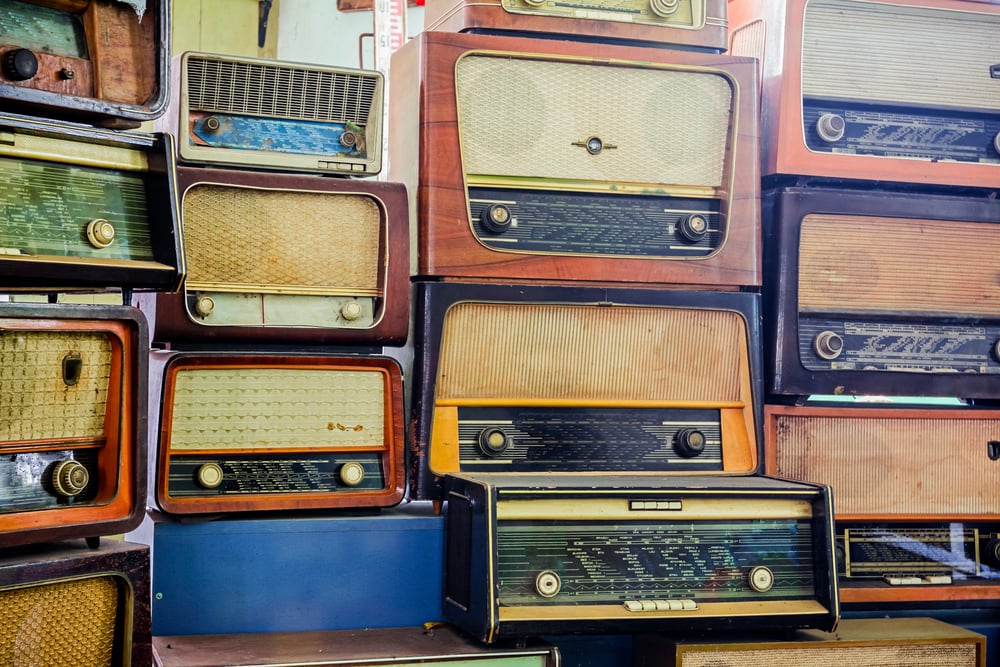
Gracie’s delightfully confused logic translated beautifully to promotional materials that often featured her malapropisms and George’s exasperated responses as marketing copy. Original CBS program guides and promotional flyers now sell for $90 to $250, with materials from their transition from radio to television being particularly valuable.
The show’s popularity meant extensive promotional campaigns with high-quality printing and clever copywriting that actually makes you smile while reading it.
The Edgar Bergen and Charlie McCarthy Show
Promoting a ventriloquist act on radio seems impossible until you see the promotional materials that made it work — elaborate illustrations of Charlie McCarthy in formal wear, complete with monocle and top hat, appeared on program guides worth $100 to $325 today. NBC’s promotional department had to sell the idea of a wooden dummy being funny without visual aids, leading to some of the most creative radio advertising ever produced.
The challenge of marketing ventriloquism to radio audiences resulted in promotional materials that were more entertaining than most shows.
Gunsmoke
Before it became television’s longest-running western, Gunsmoke was a gritty radio drama that generated promotional materials worth $75 to $200 today. CBS distributed program guides that emphasized the show’s realistic approach to frontier violence, a significant departure from the sanitized westerns that dominated radio at the time.
Matt Dillon’s moral complexity required sophisticated promotional copy that treated adult themes seriously.
The Great Gildersleeve
This spin-off from Fibber McGee and Molly proved that supporting characters could carry their own shows, and the promotional materials reflected NBC’s confidence in the concept with elaborate program guides now worth $85 to $225. Gildersleeve’s pompous personality came through clearly in promotional copy that poked fun at his pretensions while celebrating his underlying decency.
The show’s success meant extensive promotional campaigns with materials that captured both the character’s humor and heart.
Superman
The Man of Steel’s radio adventures generated promotional materials that young fans treasured, making surviving pieces worth $150 to $400 today (assuming you can find examples that weren’t colored on with crayons or folded into paper airplanes by their original young owners). Mutual Broadcasting System created program guides with dramatic artwork that brought comic book imagery to radio promotion.
These materials had to capture Superman’s visual appeal without the benefit of pictures in motion.
The Philip Marlowe Show
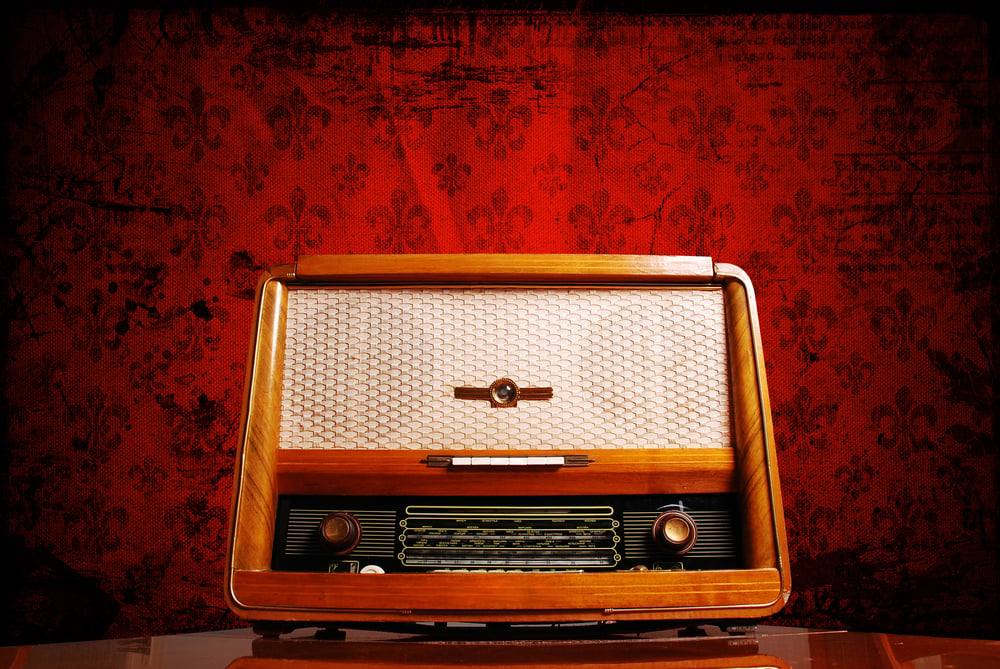
Raymond Chandler’s detective translated perfectly to radio, and the promotional materials captured the noir atmosphere with shadowy artwork and hard-boiled copy that now sells for $125 to $275. CBS program directors received sophisticated promotional packages that included character analyses and suggested marketing approaches for different audience segments.
The show’s literary pedigree meant promotional materials that took themselves seriously as marketing for quality entertainment.
One Man’s Family
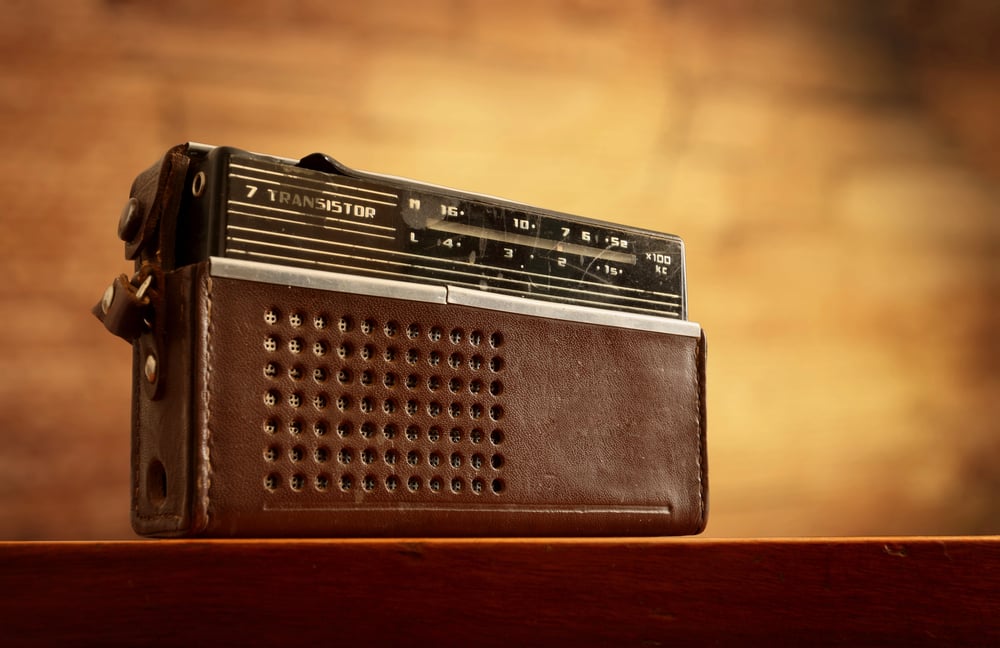
This domestic drama ran for 27 years, generating an enormous amount of promotional material that collectors now pursue with varying degrees of success — early materials from the 1930s can bring $200 to $450, while later pieces sell for considerably less. NBC promoted it as radio’s first soap opera, creating program guides that followed the Barbour family through decades of storylines.
The show’s longevity meant promotional materials evolved significantly over time, creating distinct collecting categories for different eras.
The Mercury Theatre on the Air
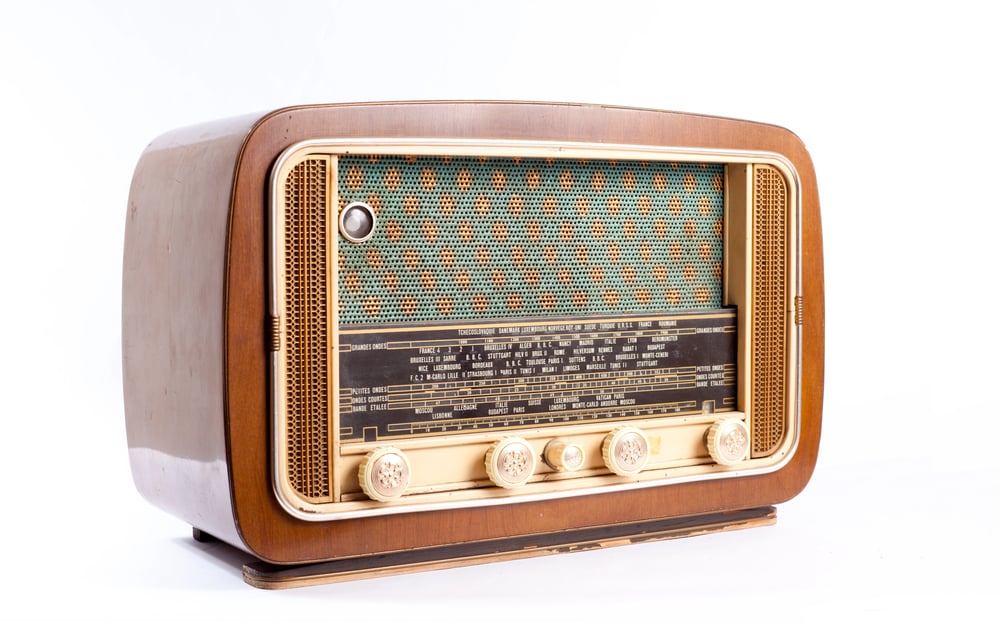
Beyond the War of the Worlds broadcast, Orson Welles’ anthology series produced promotional materials that emphasized the literary quality of its adaptations, and these now sell for $175 to $375 depending on which classic work was being promoted. CBS treated this as prestige programming, creating promotional materials with sophisticated typography and layouts that reflected the show’s artistic ambitions.
The series lasted only one season, making all promotional materials relatively scarce.
The Abbott and Costello Show
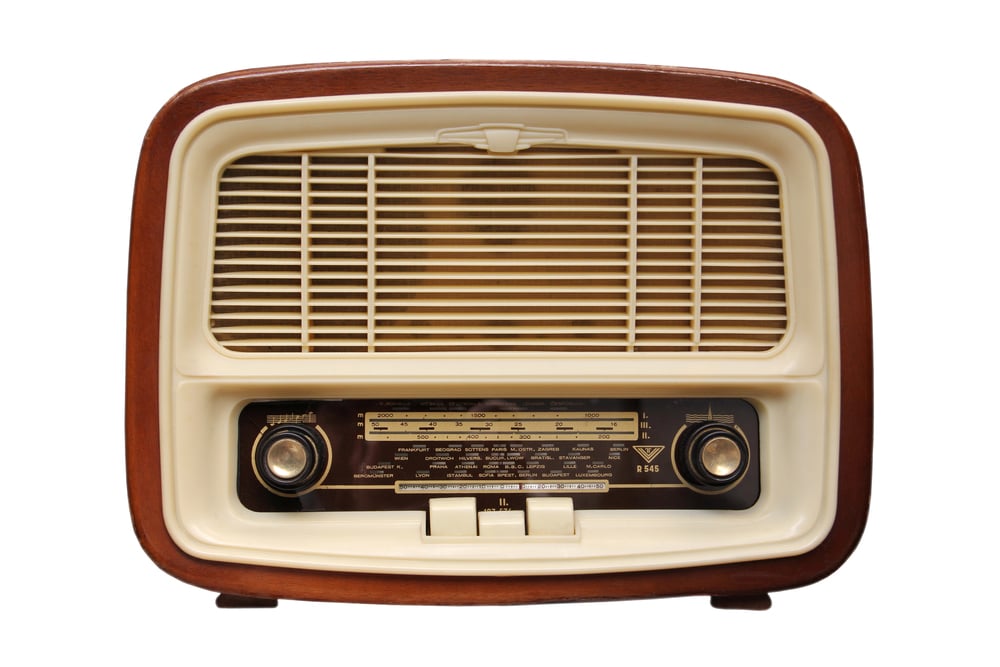
“Who’s on First?” became comedy gold, but the promotional materials that sold the duo’s radio show are valuable in their own right, typically selling for $100 to $250. NBC program guides featured photographs of the pair’s physical comedy routines, which seems counterintuitive for radio promotion but helped audiences visualize the chaos they were hearing.
The challenge of promoting visual comedians on an audio medium led to creative promotional approaches.
Dragnet
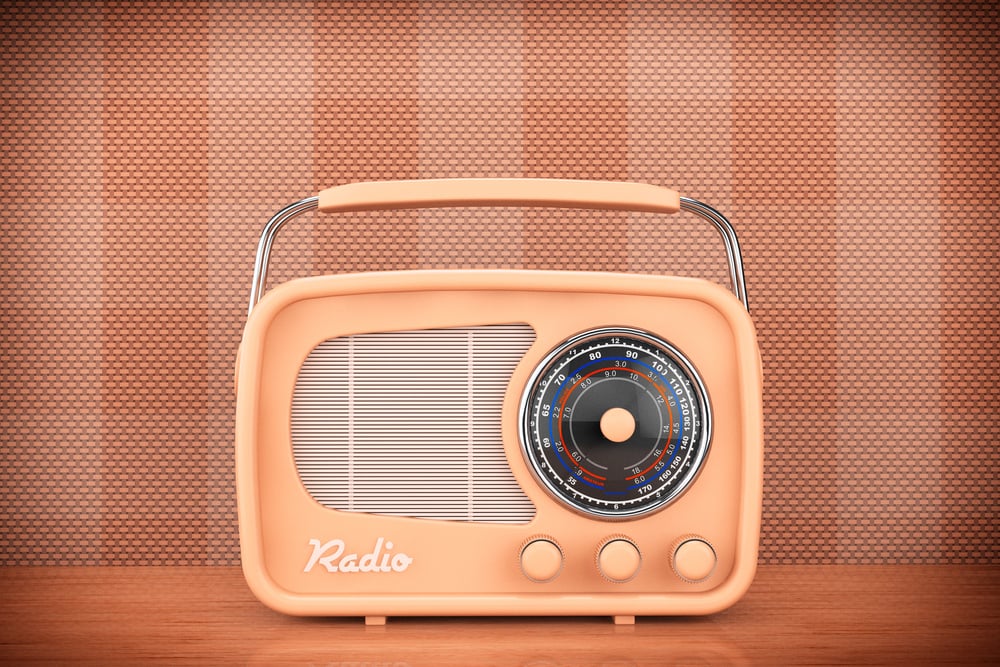
Jack Webb’s procedural drama generated promotional materials that mimicked police documentation, complete with badge imagery and official-looking typography — these now sell for $90 to $225. NBC promoted the show’s authenticity by emphasizing its connection to real Los Angeles Police Department cases, creating program guides that felt more like official documents than entertainment promotion.
The show’s “just the facts” approach extended to promotional materials that were deliberately understated and serious.
The Life of Riley
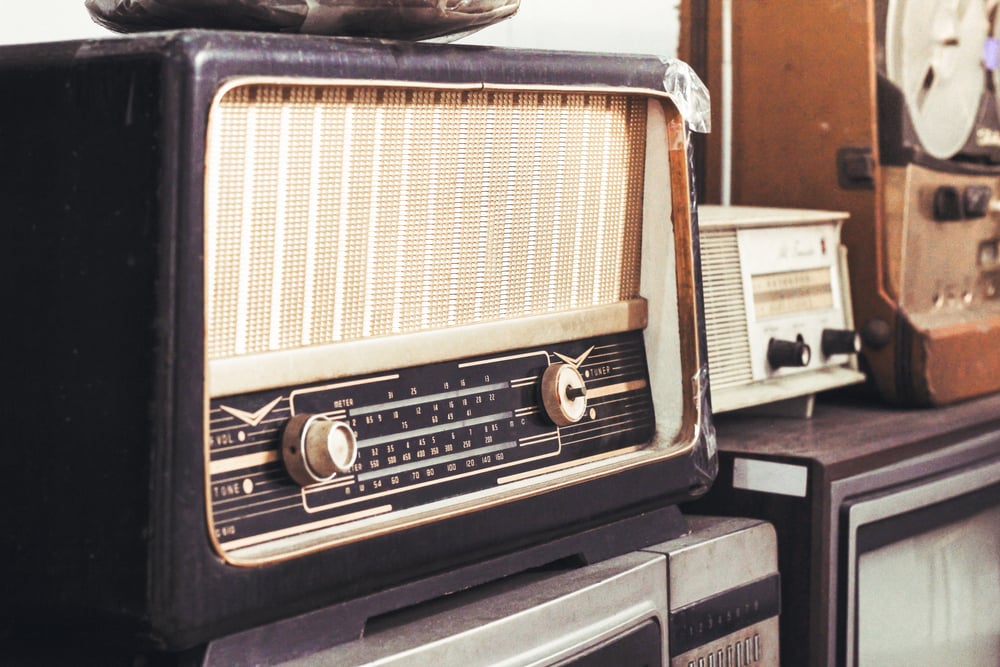
This blue-collar family comedy produced promotional materials that emphasized William Bendix’s everyman appeal, and these guides now sell for $75 to $200. NBC positioned Riley as the working-class answer to more middle-class family shows, creating promotional copy that celebrated his struggles with everyday problems.
The show’s popularity during and after World War II meant promotional materials often referenced current events and social changes.
Boston Blackie
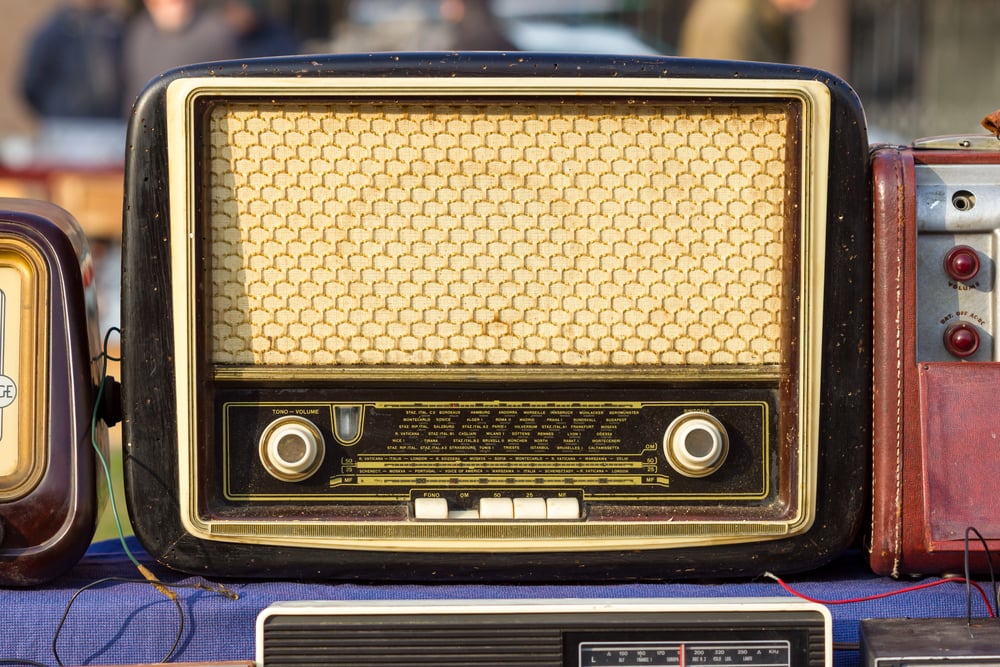
This detective series generated promotional materials featuring the character’s trademark fedora and dramatic shadowing, now worth $110 to $265 to collectors. The show’s premise of a reformed thief helping police solve crimes required promotional copy that explained the character’s moral complexity without giving away plot points.
Station programmers received detailed character backgrounds they could use in local promotional campaigns.
My Friend Irma
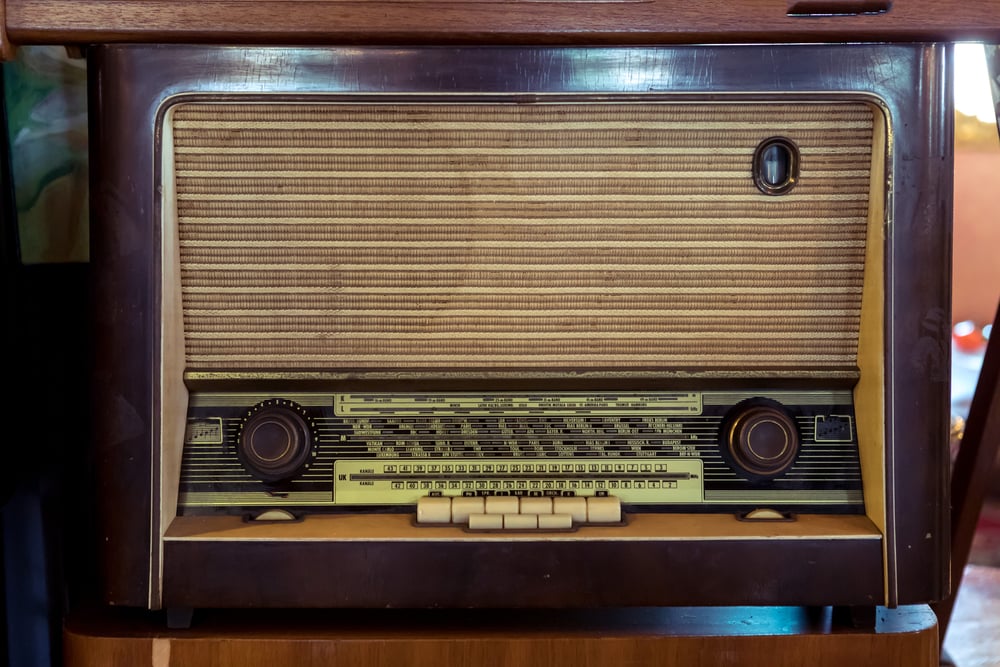
Marie Wilson’s portrayal of the ditzy blonde created a character iconic enough that promotional materials featuring her image now sell for $85 to $215. CBS program guides often featured photographs of Wilson alongside quotes from Irma that demonstrated the character’s unique logic.
The show’s success led to extensive promotional campaigns that had to balance Irma’s stupidity with her underlying sweetness.
The Red Skelton Show
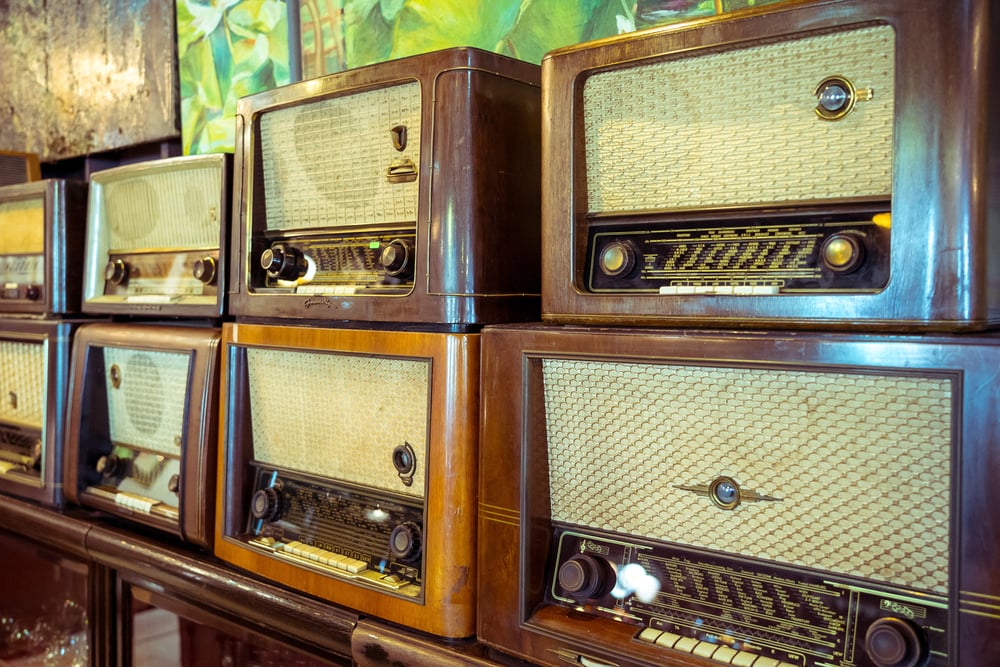
Skelton’s various characters generated promotional materials that showcased his range as a performer, with original program guides now selling for $95 to $235. NBC created elaborate promotional packages featuring different personas like Clem Kadiddlehopper and The Mean Widdle Kid, each requiring distinct promotional approaches.
The show’s visual comedy heritage meant promotional materials relied heavily on photographs and illustrations.
Nick Carter, Master Detective
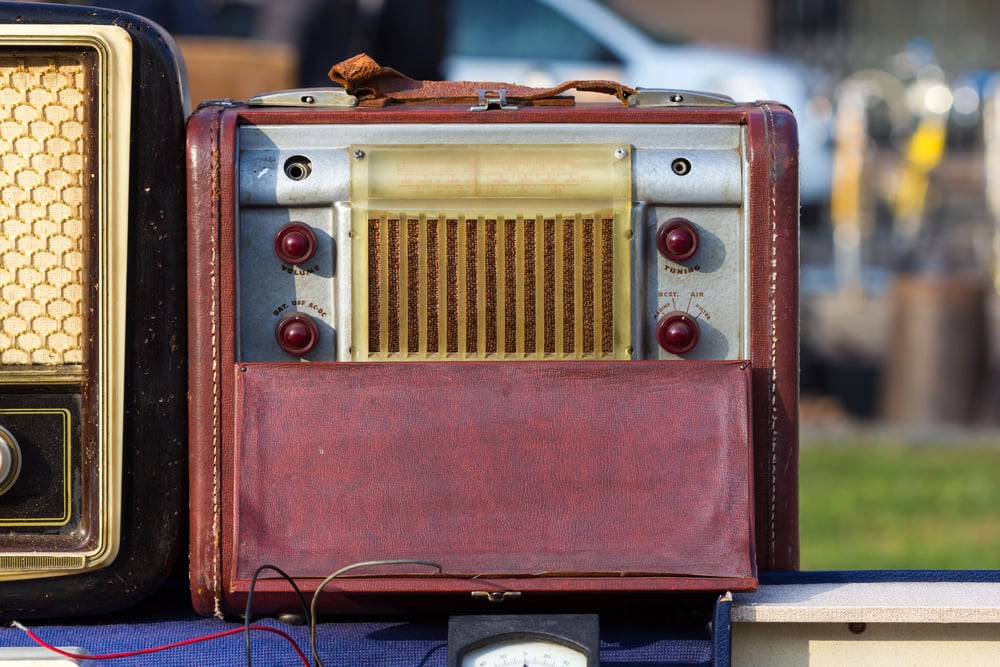
This detective series produced promotional materials emphasizing the character’s intellectual approach to crime solving, and these now sell for $100 to $225. Mutual Broadcasting System positioned Carter as a thinking man’s detective, creating program guides with sophisticated layouts and copy that emphasized puzzle-solving over action.
The character’s literary origins meant promotional materials that treated the source material with respect.
The Adventures of Philip Marlowe
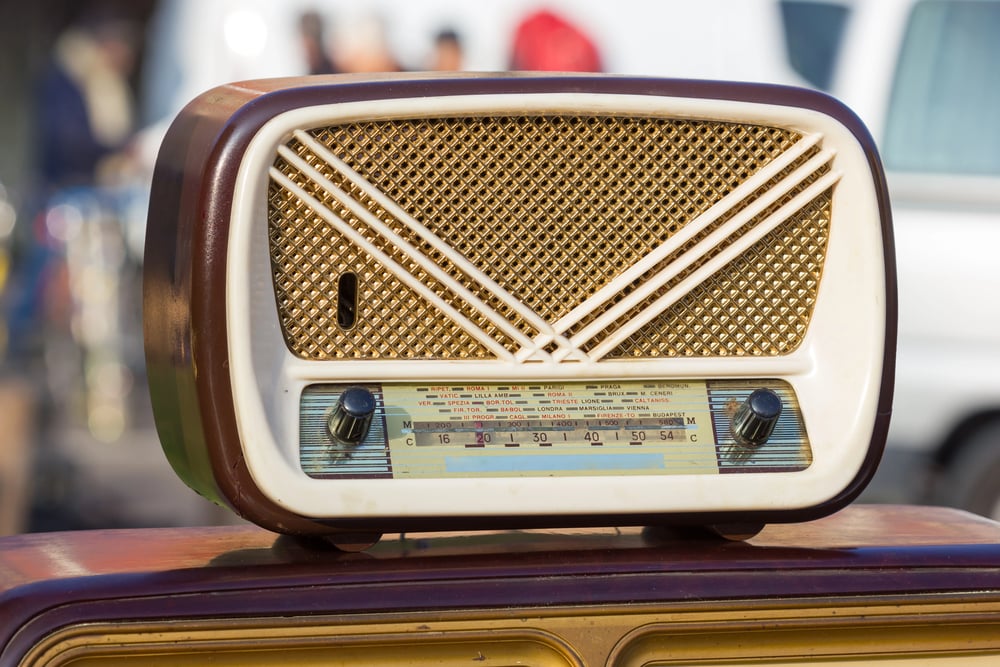
Different from The Philip Marlowe Show, this series generated its own distinct promotional materials worth $115 to $245 today. The promotional approach emphasized Marlowe’s wise-cracking personality alongside the noir atmosphere, creating program guides that balanced humor with suspense.
Raymond Chandler’s involvement in the production meant promotional materials could legitimately claim literary authenticity.
The Saint
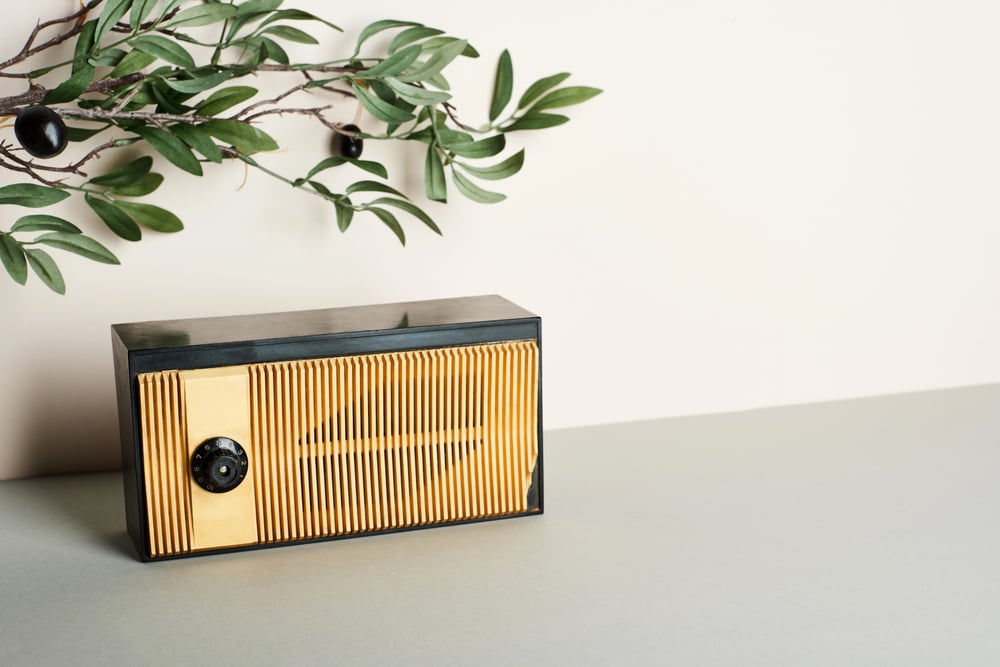
Leslie Charteris’s gentleman thief generated promotional materials that emphasized the character’s sophisticated criminal methods, now worth $105 to $255. NBC program guides featured elegant typography and layouts that reflected The Saint’s refined approach to crime, creating promotional materials that looked as sophisticated as their subject matter.
The character’s international popularity meant promotional campaigns often emphasized the show’s cosmopolitan settings.
Let George Do It
This detective series starring Bob Bailey generated promotional materials that emphasized the character’s everyman appeal while solving extraordinary cases — these guides now sell for $90 to $210. Mutual Broadcasting System positioned George Valentine as an accessible detective, creating promotional copy that emphasized his relatable personality alongside his crime-solving abilities.
The show’s long run meant extensive promotional materials spanning different eras and approaches.
The Sound of Memory
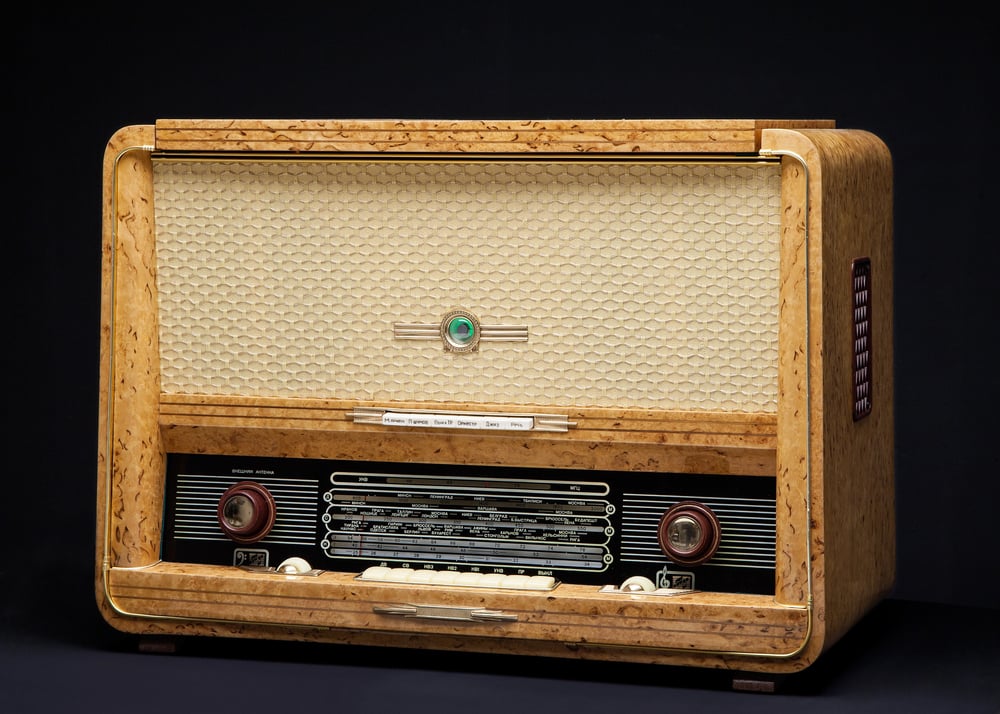
These paper artifacts carry something television never quite captured — the intimacy of voices speaking directly into living rooms across America. Radio required listeners to fill in the visual gaps with their imagination, and the promotional materials had to sell that collaborative experience without giving too much away.
The programs that survive remind us that entertainment once demanded more from its audience, and perhaps gave more in return.
More from Go2Tutors!

- The Romanov Crown Jewels and Their Tragic Fate
- 13 Historical Mysteries That Science Still Can’t Solve
- Famous Hoaxes That Fooled the World for Years
- 15 Child Stars with Tragic Adult Lives
- 16 Famous Jewelry Pieces in History
Like Go2Tutors’s content? Follow us on MSN.