Genghis Khan’s Genetic Legacy Explained
The story of Genghis Khan’s genetic impact on the modern world reads like something out of science fiction, yet it’s grounded in real DNA evidence that has fascinated researchers for over two decades. What started as a simple genetic study in 2003 has evolved into one of the most compelling examples of how power, conquest, and biology intersect in human history.
Here’s a comprehensive look at 17 fascinating facts that explain the true scope and complexity of this remarkable genetic phenomenon.
The 2003 Discovery That Started Everything
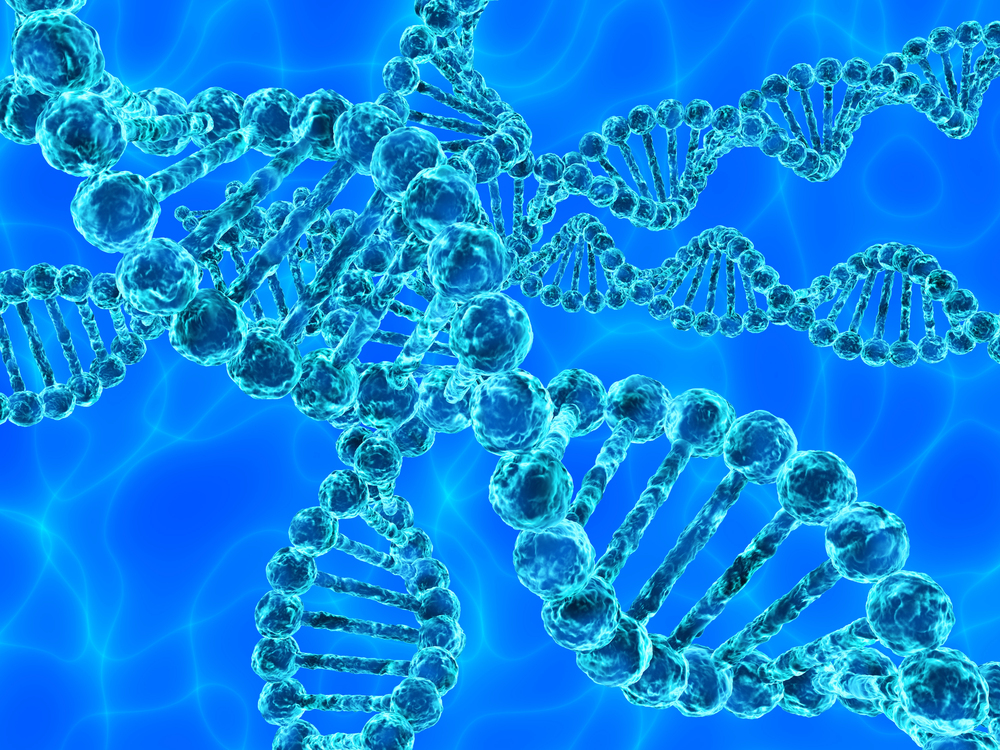
The groundbreaking moment came when an international team of geneticists studying Y-chromosome data discovered that nearly 8 percent of men living in the region of the former Mongol empire carry nearly identical Y-chromosomes, translating to roughly 16 million descendants living today. The research team, led by Tatiana Zerjal, analyzed DNA from over 2,000 Asian men and found something extraordinary. They identified a Y-chromosomal lineage present in about 8% of men in a region of Asia “stretching from northeast China to Uzbekistan”, which represented an unprecedented genetic footprint for a single individual’s lineage.
Y-Chromosomes Work Like Genetic Time Machines
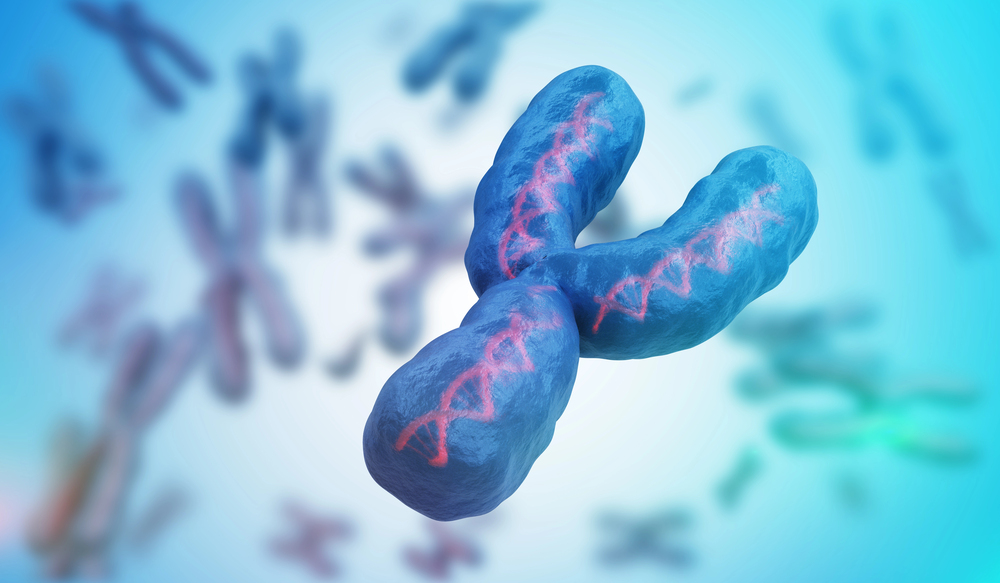
The Y-chromosome is passed on as a chunk of DNA from father to son, basically unchanged through generations except for random mutations. Think of it like a family name that gets handed down through generations, but instead of changing through marriage, it only changes through rare genetic typos. These random mutations, which happen naturally and are usually harmless, are called markers, and once identified, geneticists can trace them back to the point at which they first occurred, defining a unique lineage of descent.
The Numbers Are Staggering

That translates to 0.5 percent of the male population in the world, or roughly 16 million descendants living today. To put this in perspective, imagine every man in Florida, plus every man in New York state, all sharing the same great-great-grandfather from 800 years ago. Later studies confirmed and refined the 2003 study, with newer technology yielding improved genetic results that suggested Khan’s ancestors may have numbered 17 million.
Geography Tells the Conquest Story
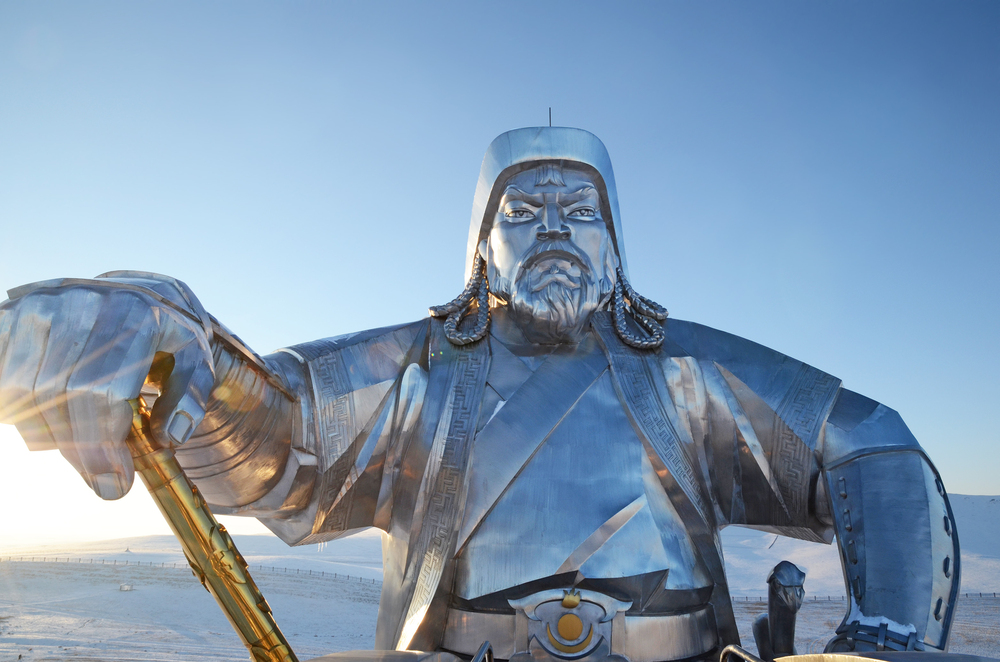
The distribution of this genetic signature reads like a map of Mongol expansion. Mongolia tops the list, with an estimated 35% of males bearing Khan’s DNA, while other groups with particularly high percentages are in Kazakhstan and Uzbekistan. Others, like the Hazaras of Afghanistan and Pakistan, have significant numbers of men bearing Genghis Khan’s unchangeable Y chromosome, perhaps as much as 30%. The genetic trail follows the ancient Silk Road routes and Mongol military campaigns with remarkable precision.
The Timeline Points to Medieval Mongolia
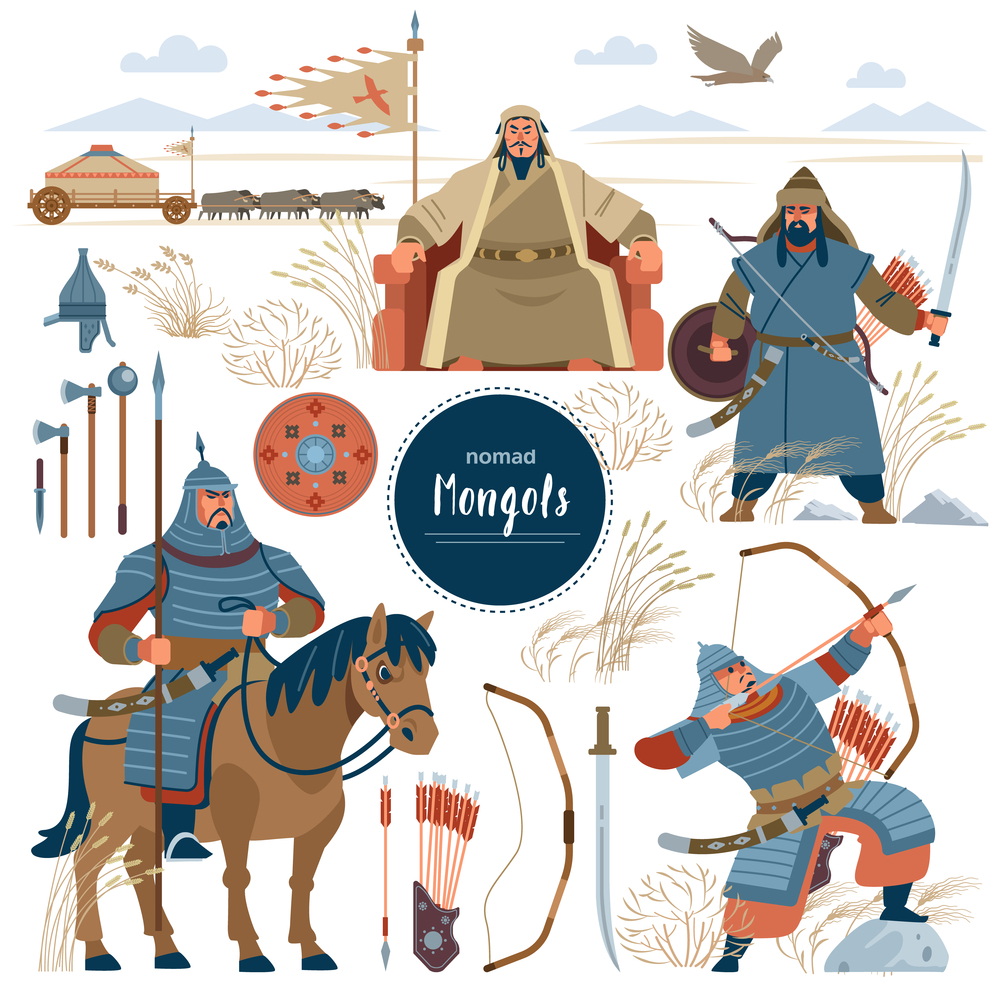
In this particular instance, the lineage originated 1,000 years ago. The timing aligns perfectly with the rise of the Mongol Empire, though the mutations likely predated Genghis Khan himself. The authors aren’t saying that the genetic mutations defining the lineage originated with Khan, who was born around 1162; they are more likely to have been passed on to him by a great great grandfather. This means the distinctive genetic signature was already present in his family line before he became the world’s most successful conqueror.
Social Power Drove Genetic Spread

To have such a startling impact on a population required a special set of circumstances, all of which are met by Genghis Khan and his male relatives. The Mongol Empire created perfect conditions for genetic proliferation through what scientists call ‘social selection.’ Khan’s empire at the time of his death extended across Asia, from the Pacific Ocean to the Caspian Sea, his descendants extended the empire and maintained power in the region for several hundred years, in civilizations in which harems and concubines were the norm. Power literally translated into reproductive success on an unprecedented scale.
The Golden Family Advantage
— Photo by Mieszko9
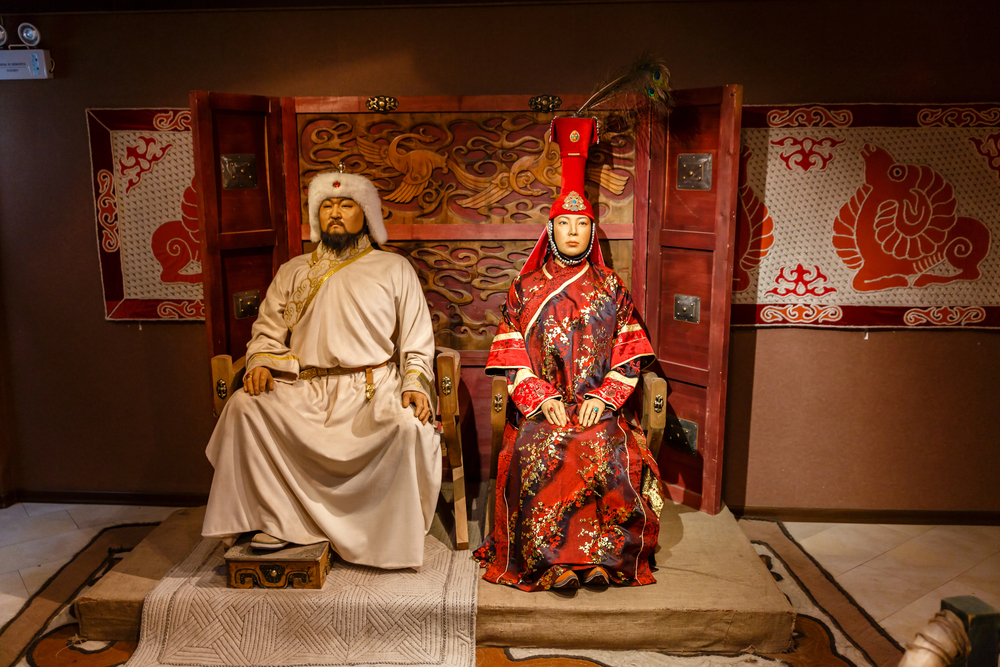
The Mongol Empire was the personal property of the “Golden Family,” the family of Genghis Khan. This wasn’t just about one man’s reproductive habits, but an entire family system that maintained genetic advantages for centuries. Khan’s eldest son, Tushi, is reported to have had 40 sons, and documents written during or just after Khan’s reign say that after a conquest, looting, pillaging, and rape were the spoils of war for all soldiers, but that Khan got first pick of the beautiful women. The systematic nature of this genetic spread wasn’t accidental.
Multiple Competing Theories Exist

Despite decades of research, scientists still debate which specific genetic marker actually belongs to Genghis Khan. Research published in 2016 suggested that Genghis possibly belonged to the haplogroup R1b-M343, based on five bodies dating from about 1130–1250 found in graves in Tavan Tolgoi, Mongolia. However, in 2019, a Chinese research team suggested that Haplogroup C2b1a1b1-F1756 might be a candidate of the true Y lineage of Genghis Khan. The competing theories reflect how difficult it is to definitively link ancient DNA to historical figures.
Recent Studies Challenge Original Claims
A 2017 study suggested that the Y chromosome C-M217*-Star Cluster likely traces back to ordinary Mongol warriors, rather than Genghis Khan, and that “a direct linking of haplogroup C-M217 to Genghis Khan has yet to be discovered”. This research analyzed 34 Y-chromosome sequences and found that the age of the most recent common ancestor of C2*-ST (2576 years, 95% CI = 1975–3178) and its sub-lineages, and their expansion patterns, are consistent with ordinary Mongols rather than Genghis Khan specifically. Science continues to evolve as technology improves.
We Still Don’t Have Genghis Khan’s Actual DNA

There’s one problem with saying that 16 million people are direct descendants of Genghis Khan: we don’t actually have any DNA from the Khan himself. Genghis Khan’s burial site has yet to be found, so we do not have DNA on him. All the research remains educated speculation based on population genetics and historical probability. “What I really hope is that at some point someone will find Genghis Khan’s tomb and remains,” said Chris Tyler-Smith, an evolutionary geneticist and lead author of the original 2003 paper.
He’s Not the Only Super-Father in History

A 2015 study published in the European Journal of Human Genetics found that a handful of other men had prolific lineages too, analyzing the Y chromosomes of more than 5,000 men from 127 populations spanning Asia. One genetic sequence is attributed to Giocangga, the grandfather of the founder of the Qing dynasty, whose Y chromosome was linked in a 2005 study to 1.5 million men in modern northern China. According to a 2006 study, 1 in 12 Irishmen worldwide can trace their heritage back to a fifth-century Irish warlord dubbed Niall of the Nine Hostages, who could have as many as three million direct male descendants in modern times.
The Mongol Military Machine Enabled Genetic Spread
— Photo by dchulov
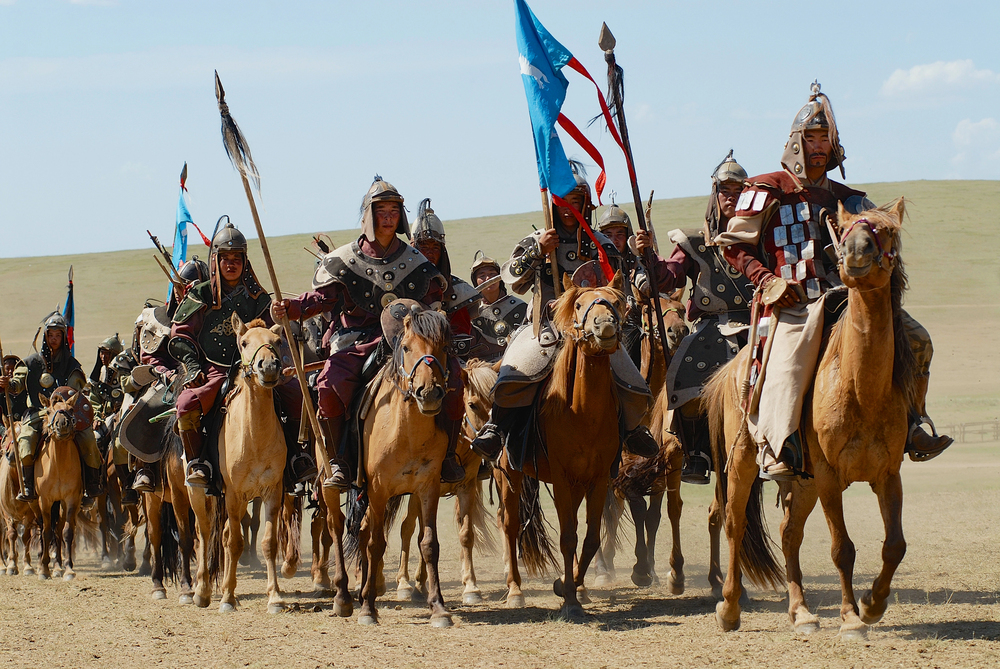
Despite his genetic legacy, it’s more accurate to remember Genghis Khan as a fighter, not a lover, as nearly 40 million people were killed during Mongol invasions, which took over 23 million square kilometers of Eurasia. The massive death toll actually facilitated genetic spread by eliminating competing lineages and creating demographic voids that Mongol settlers could fill. A 2011 study suggested that the Mongol campaigns may have wiped out roughly 30 percent of the 115 million people in their path—some 34.5 million individuals.
Cultural Factors Amplified Biological Success

“This is a clear example that culture plays a very big role in patterns of genetic variation and diversity in human populations,” said geneticist Spencer Wells. The Mongol system of governance, which allowed multiple wives and concubines for rulers, created ideal conditions for genetic proliferation. In 1260, Persian historian Ata-Malik Juvaini wrote: “Of the issue of the race and lineage of Chingiz Khan, there are now living in the comfort of wealth and affluence more than 20,000”. Even medieval chroniclers recognized the extraordinary reproductive success of the Mongol royal family.
DNA Testing Reveals Hidden Connections

With the advent of genealogical DNA testing, a larger and broader circle of people have begun to claim genetic descent from Genghis Khan owing to dubious and imprecise haplogroup identifications. Modern ancestry companies sometimes make bold claims about famous historical connections, but the science remains complex and uncertain. The lineage was found in only one population outside of the former Mongolian empire, in Pakistan, where “The Hazaras gave us our first clue to the connection with Genghis Khan,” as they “have a long oral tradition that says they’re his direct descendants”.
The Research Methods Keep Improving

A more recent study using a much larger sample of men from a wider geographic area shows that this Y chromosome actually predates Genghis Khan by a millennium. As DNA sequencing technology advances and sample sizes grow, scientists can paint increasingly detailed pictures of ancient population movements. Central Asia is a land of diversity with the most genetic admixture out of any population on Earth, with people who have in their genomes equal contributions from Europe, China, the Middle East, and India, as well as notable traces from Africa.
Modern Populations Still Carry the Legacy
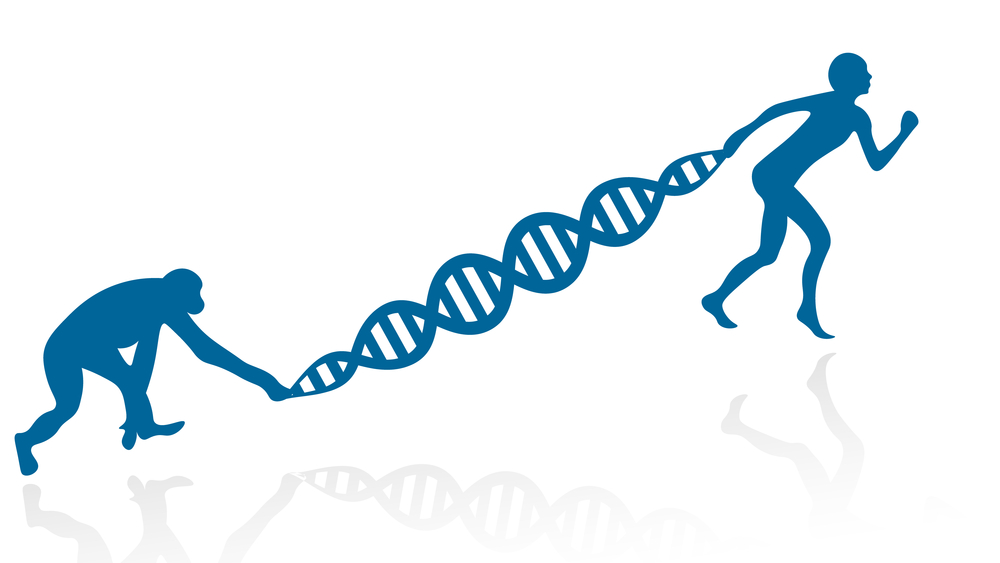
The genetic signature remains remarkably concentrated in specific populations today. One study published in the Russian Journal of Genetics found that 24% of Mongolians carry this haplogroup, and that it occurs in low frequencies in neighboring Turkic states (with the exception of Kazakhstan). These percentages haven’t diminished significantly over eight centuries, suggesting that the original genetic advantage was so substantial that it continues to influence population genetics today.
Environmental Impact of Genetic Conquest

The researchers argued that this scale of devastation was so vast, it may have temporarily disrupted global carbon emissions due to widespread depopulation and the reforestation of abandoned farmland. The Mongol conquests didn’t just reshape human genetics—they temporarily altered the planet’s climate by killing so many people that forests grew back where farms once stood. This demonstrates how genetic legacy and environmental impact can be intertwined through historical events.
From Legend to Laboratory Science

Genghis Khan is more legend than man, and we’re not even sure when he was born: historians agree it’s somewhere in the decade that spans 1155 and 1167. Yet through the power of modern genetics, scientists have transformed mythical stories into measurable data. We may not be direct descendants of Genghis Khan, but we all bear within our cells the migratory path our ancestors took out of Africa. The search for Genghis Khan’s genetic legacy has revealed far more than just one man’s reproductive success—it’s shown us how power, culture, and biology intersect to shape human evolution itself.
More from Go2Tutors!

- 16 Historical Figures Who Were Nothing Like You Think
- 12 Things Sold in the 80s That Are Now Illegal
- 15 VHS Tapes That Could Be Worth Thousands
- 17 Historical “What Ifs” That Would Have Changed Everything
- 18 TV Shows That Vanished Without a Finale
Like Go2Tutors’s content? Follow us on MSN.