Things From Blockbuster Video That a Whole Generation Misses
There’s a specific kind of Friday evening that doesn’t exist anymore. You pile into a car, drive to a strip mall, walk through those double doors into a wall of fluorescent light and the faint smell of carpet, and the whole weekend suddenly feels full of possibility.
Blockbuster Video was never just a store — it was a ritual, and the generation that grew up inside those blue-and-yellow walls knows exactly what was lost when the last one nearly went dark. Here’s what they actually miss.
The Blue Drop Box
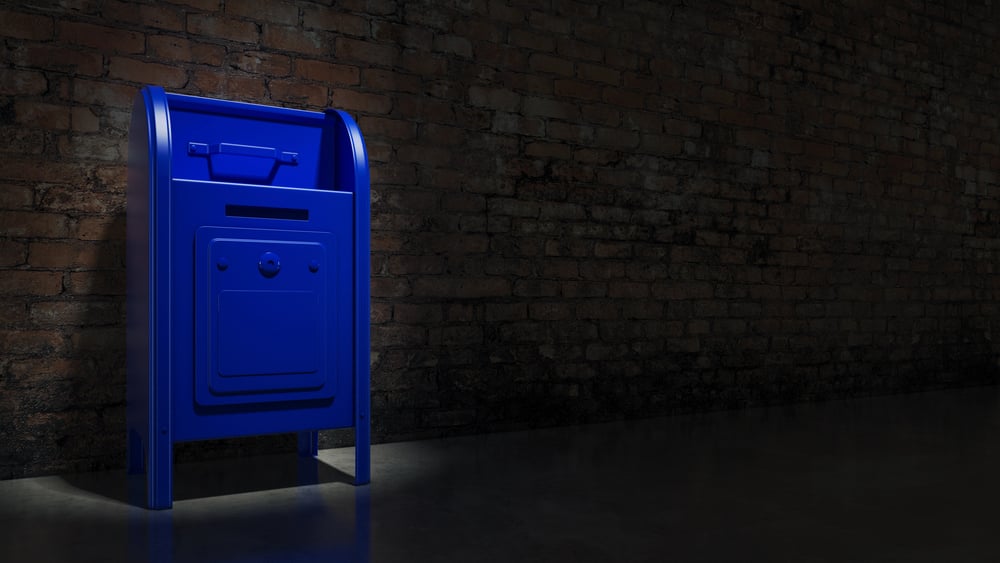
Returning a tape after hours meant feeding it into that blue drop slot outside the store, and something about that act felt oddly satisfying. It was the punctuation mark at the end of a weekend — the movie’s officially over, the experience returned, the chapter closed.
No app notification, no streaming history quietly logging your habits. Just a slot, a clunk, and done.
Wandering the New Releases Wall
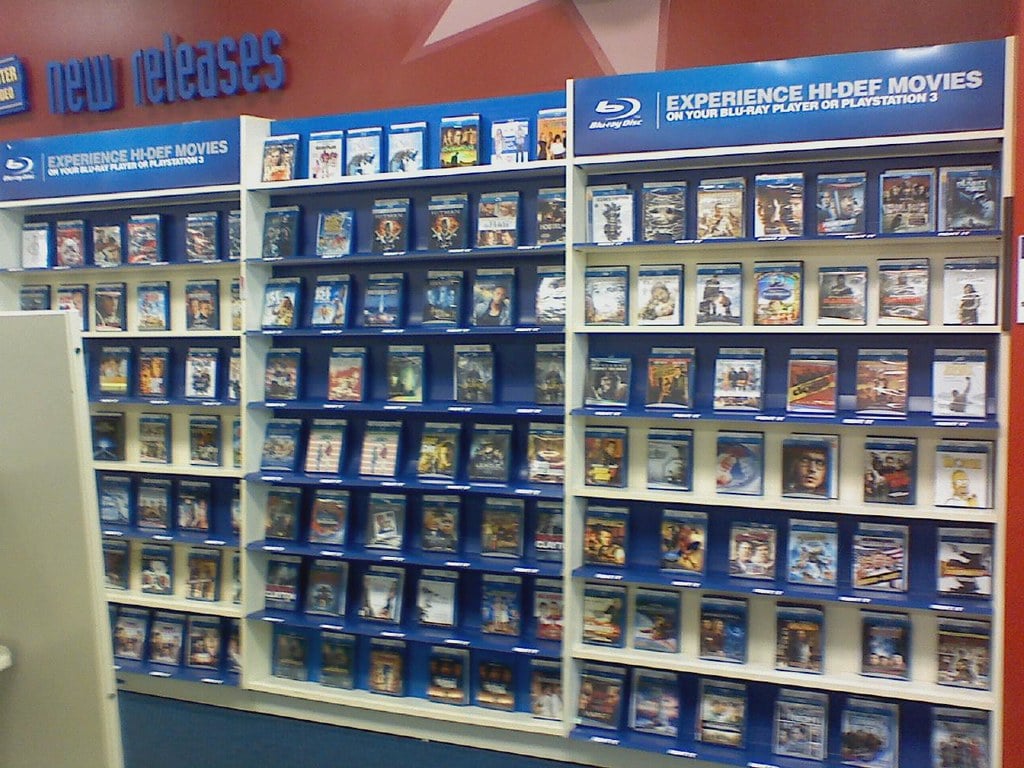
The new releases wall was real estate. Studios fought for placement on it, and customers treated it like a scoreboard of what mattered right now.
You’d scan every box, read every back-panel blurb, and make snap judgments the way people now scroll thumbnails — except slower, and with your hands.
The Smell of the Store
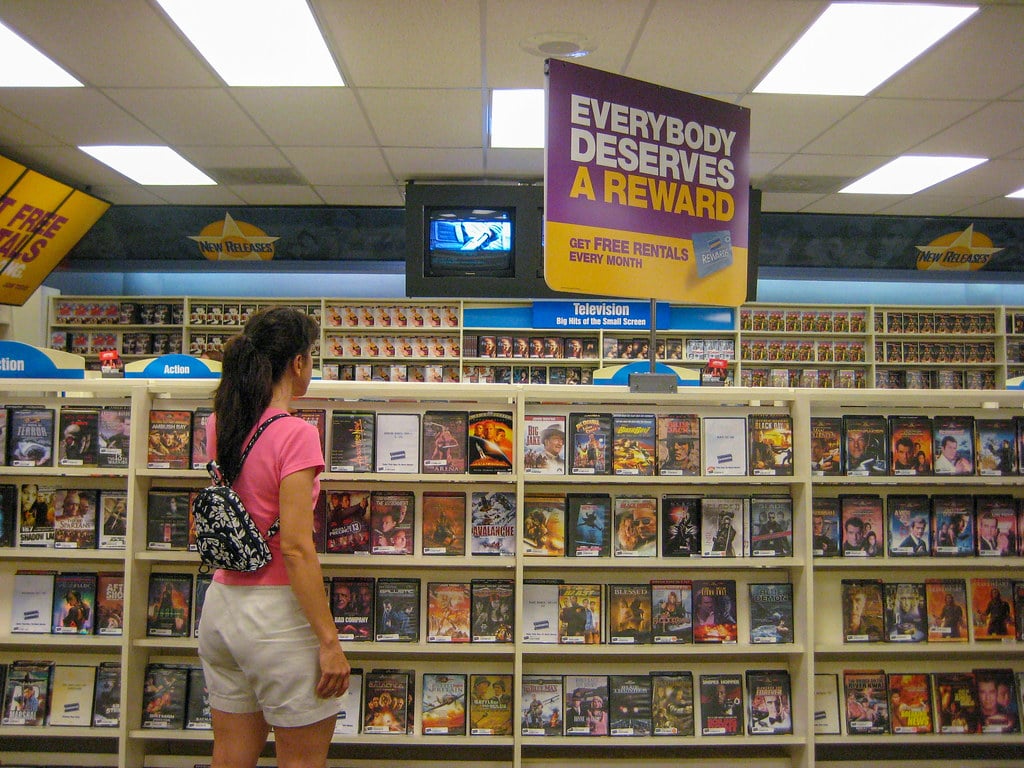
Blockbuster had a smell — and it’s almost impossible to describe to someone who never experienced it, like trying to explain a color. It sat somewhere between plastic clamshell cases, carpet cleaner, and the faint warmth of electronics that had been running all day, the whole thing layered over something faintly sweet from the candy racks near checkout.
That scent was a Pavlovian trigger: you walked in and your brain shifted gears into weekend mode. And yet no one ever talked about it, because no one had to.
Rewinding Fees
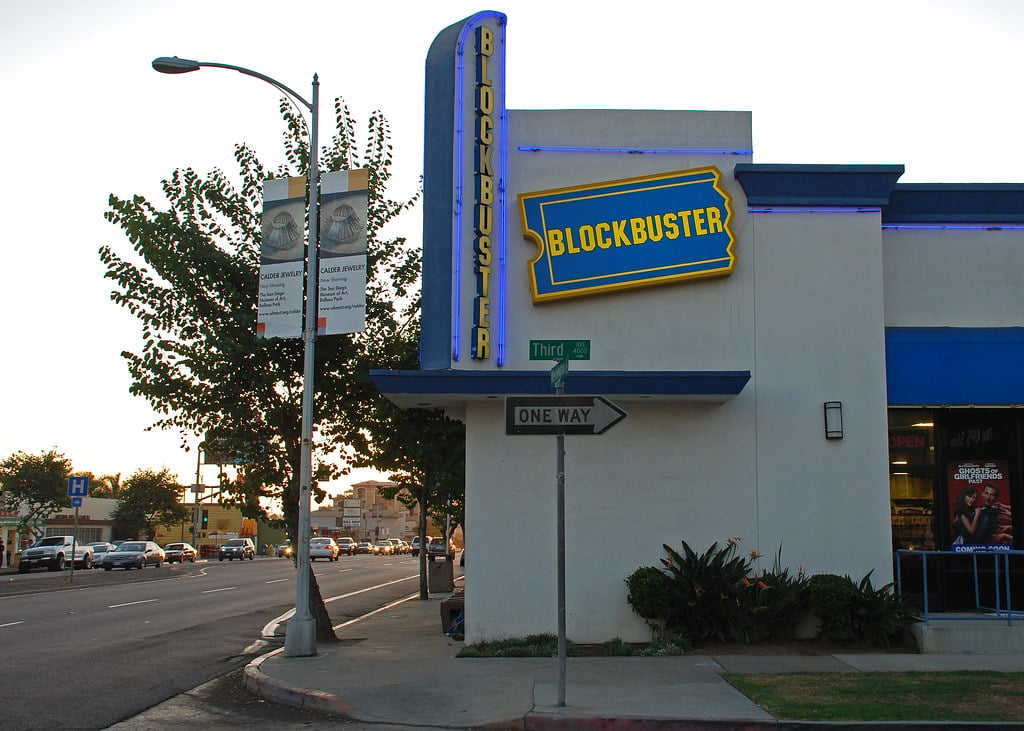
The “Be Kind, Rewind” sticker on every VHS tape was less a courtesy reminder and more a low-level threat. Returning a tape that wasn’t rewound meant a fee — usually a dollar — which sounds trivial and wasn’t, especially when you were a teenager burning through allowance.
Turns out, enforcing basic etiquette through financial consequences is a surprisingly effective system.
The Clamshell VHS Cases
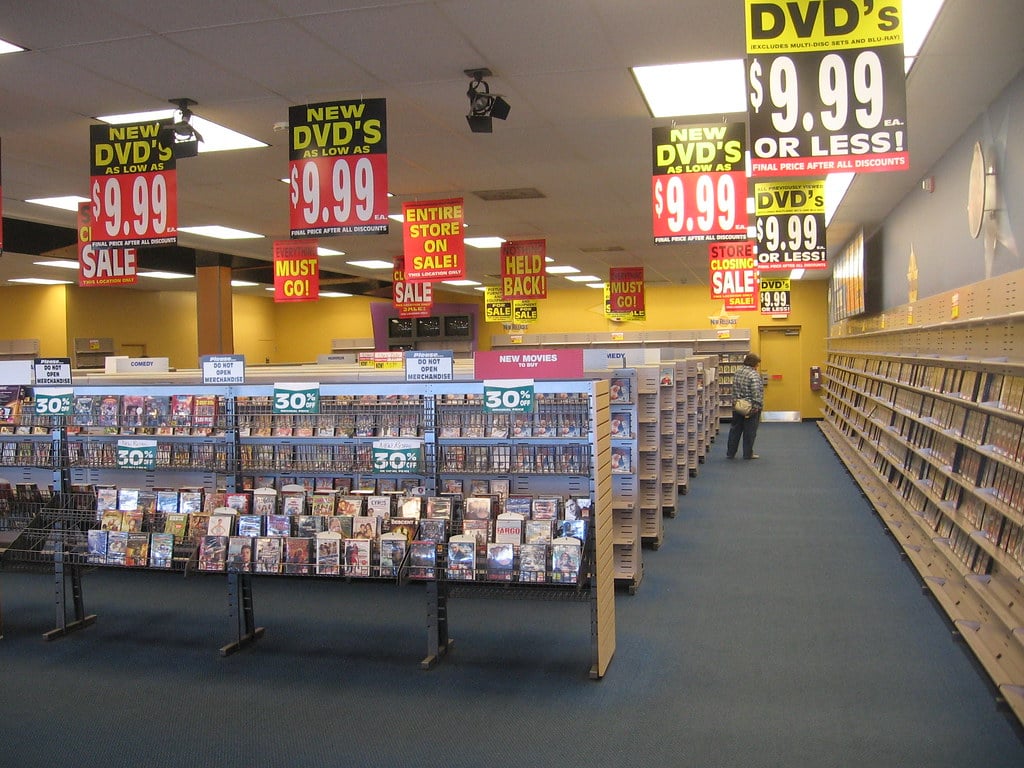
VHS clamshells were overengineered in the best possible way. Those hard plastic shells — the ones that opened like a small briefcase to reveal the tape inside — had a solidity that said this matters, the way a hardcover book feels more serious than a paperback even when the words inside are identical.
Later, Blockbuster shifted to the cardboard sleeves that rental stores used to keep costs down, and something tactile was quietly surrendered. The clamshell cases that survived are now scattered across thrift stores and estate sales, indifferent to their own nostalgia value.
Talking to Employees Who Actually Knew Movies

Blockbuster employees were not always paid enough, and they were very often underdressed, but the good ones knew film the way a record store clerk knew music — with genuine passion and a mild air of judgment. You could describe a movie badly, get three titles recommended, and walk out with something you’d never have found on your own.
That kind of human curation has been replaced by an algorithm that mostly suggests things you’ve already seen.
The Late Fee Economy

Late fees were Blockbuster’s most despised feature and, in retrospect, a remarkably honest business model. You knew the terms, you agreed to them when you rented, and if you kept Ace Ventura for eleven days instead of two, you paid for the privilege.
The whole system collapsed when Netflix eliminated late fees entirely — which, to be fair, was less a revolution than a very effective way of saying: we trust you a little more than they did.
Finding a Hidden Gem in the Used Section
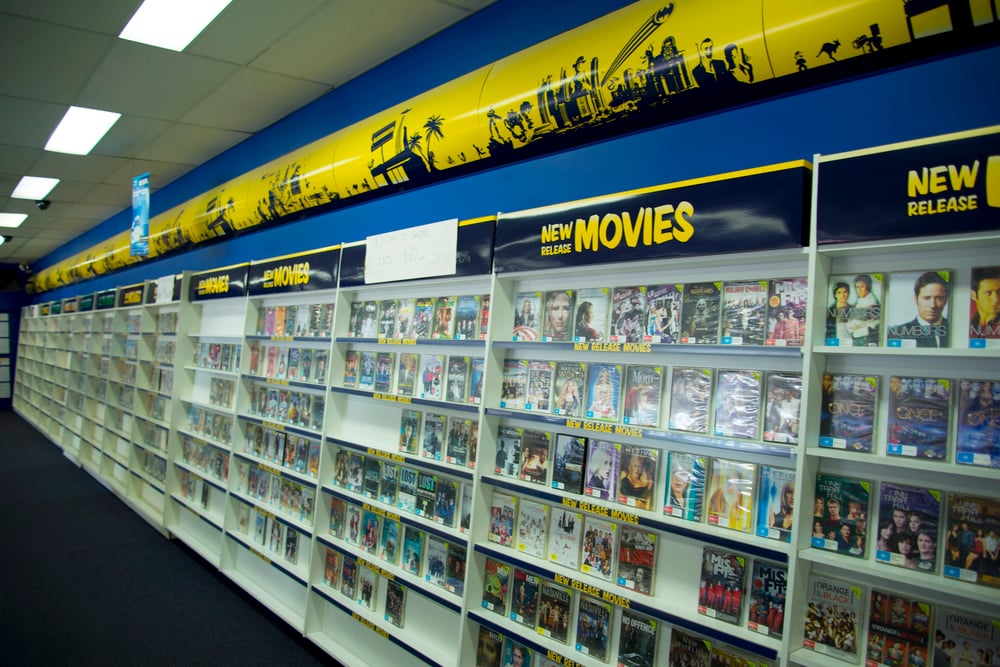
The used VHS and DVD bins near the back of most Blockbuster locations were a genuine archaeological dig. Titles rotated in and out as the store cleared old inventory — and if you arrived at the right moment, you could walk away with a film you’d been hunting for years at a price that felt almost accidental.
That section rewarded patience and curiosity, two qualities that the modern streaming interface is specifically designed to make unnecessary.
Previews You Didn’t Choose
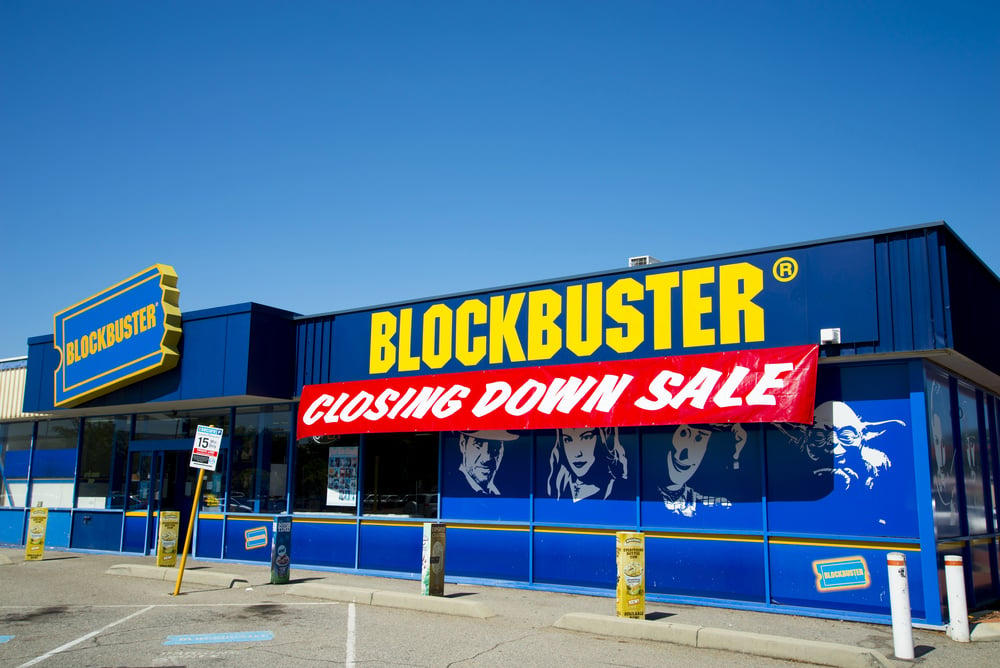
Every rental tape started with previews you couldn’t skip, and while that sounds like a complaint, it functioned as a kind of curated surprise. You sat there with your popcorn and watched trailers for films you’d never heard of — and sometimes one of those films became the next thing you went back to rent.
The algorithm can suggest, but it can’t ambush you the way a cold VHS preview could.
The Video Game Rental Section
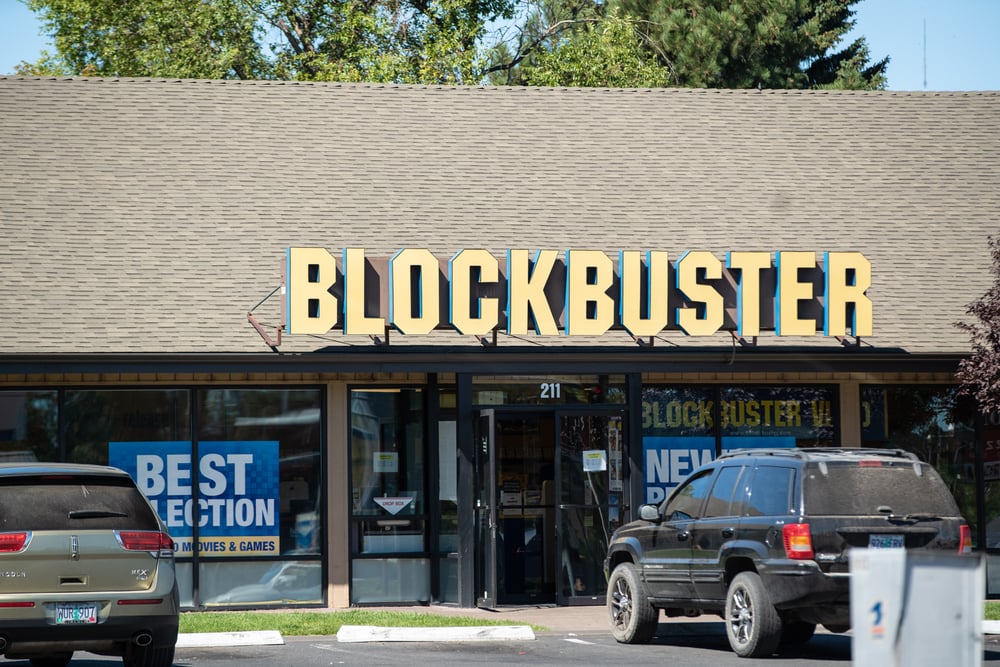
Renting a video game for the weekend was a specific economic genius that the industry has never fully replicated. You paid maybe four dollars, played GoldenEye or Crash Bandicoot or Tony Hawk’s Pro Skater until your thumbs gave out, returned it Sunday night, and never needed to own it.
The system was so elegantly sensible — and so unprofitable at scale — that it basically had to disappear.
Choosing Based on Box Art Alone
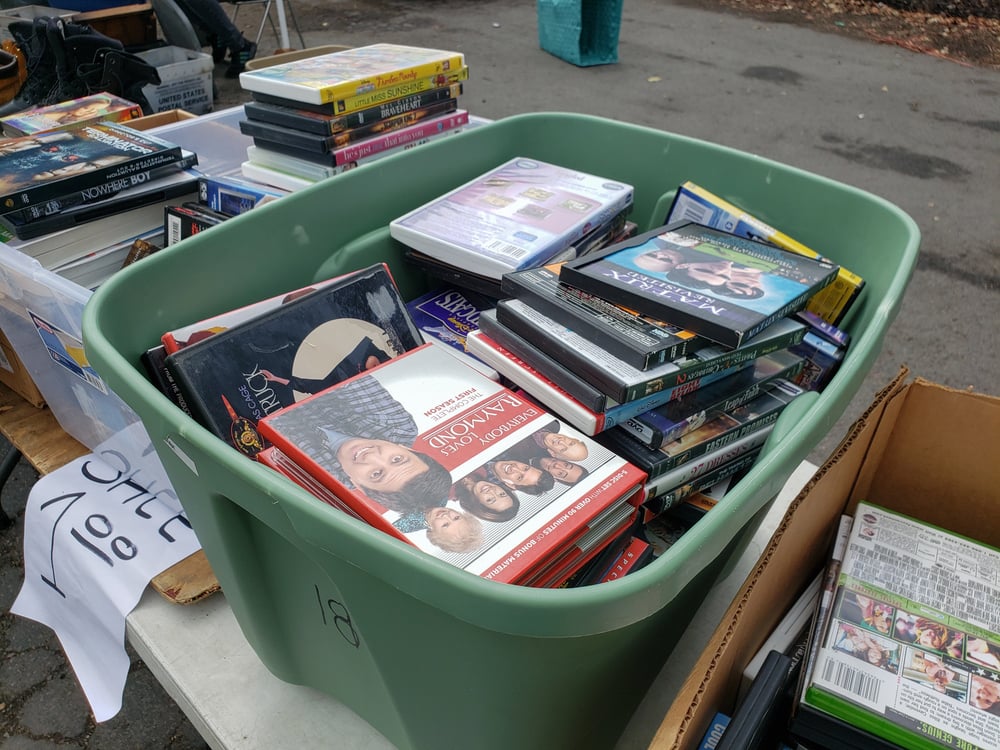
Before review aggregators and social media, box art was a film’s only pitch to a stranger standing in a rental aisle. Designers knew this, and the best VHS covers were built to stop you mid-step — bold color, a striking image, a tagline that either told you exactly what you were getting or delightfully lied about it.
Choosing a movie by its cover felt irresponsible in the best way, and the disappointments were as memorable as the discoveries.
The Emotional Calculus of Split Decisions
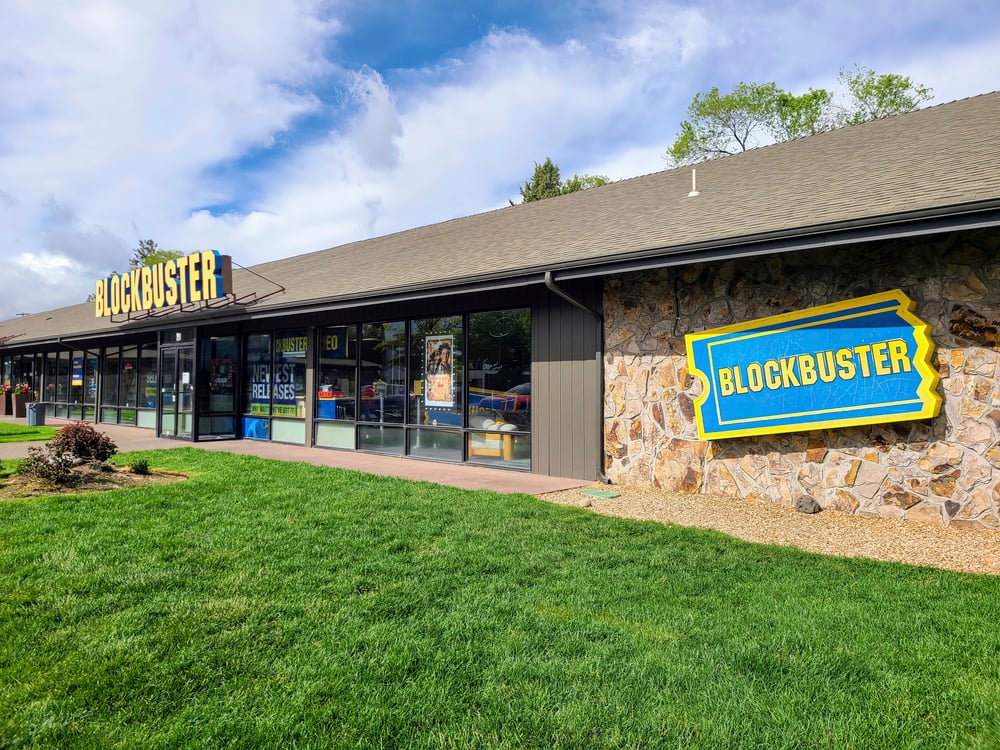
Every Blockbuster trip involved negotiation — between partners, siblings, parents, friends — and the final movie choice was always a small act of compromise. Someone got what they wanted, someone didn’t quite, and you watched it anyway together on a couch that had seen better days.
There’s a particular kind of shared viewing that only happens when nobody chose the movie alone.
Membership Cards
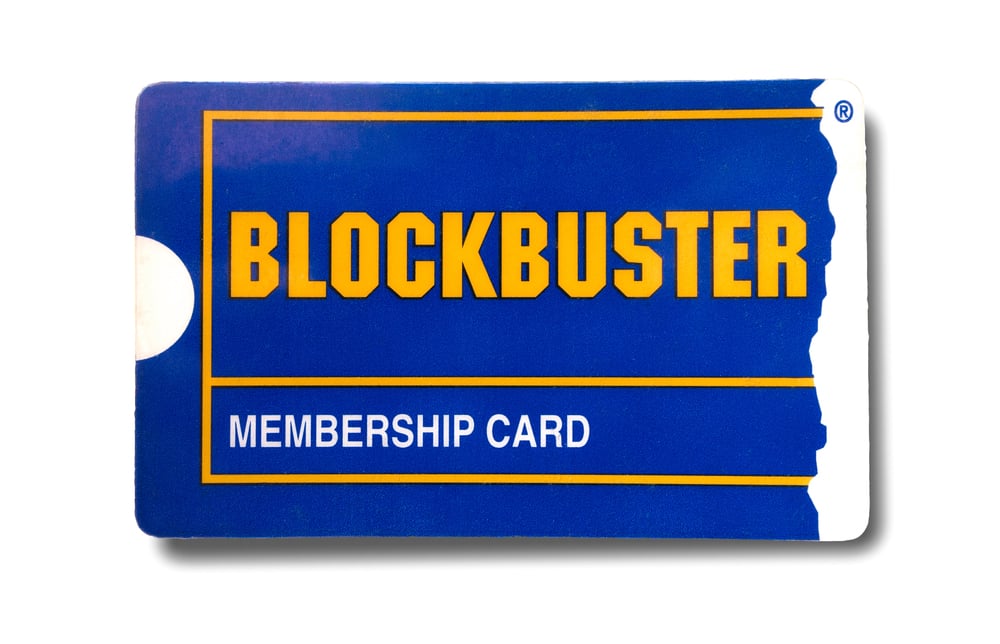
That flat, slightly worn Blockbuster membership card living in your wallet was a minor but real token of belonging. It meant you had an account, a history, a record of what you’d rented — which at the time felt like privacy and only later started to feel like something else.
Pulling it out at the counter had a small but genuine ritual quality that typing your phone number into a kiosk never replicated.
The Candy and Snack Rack at Checkout
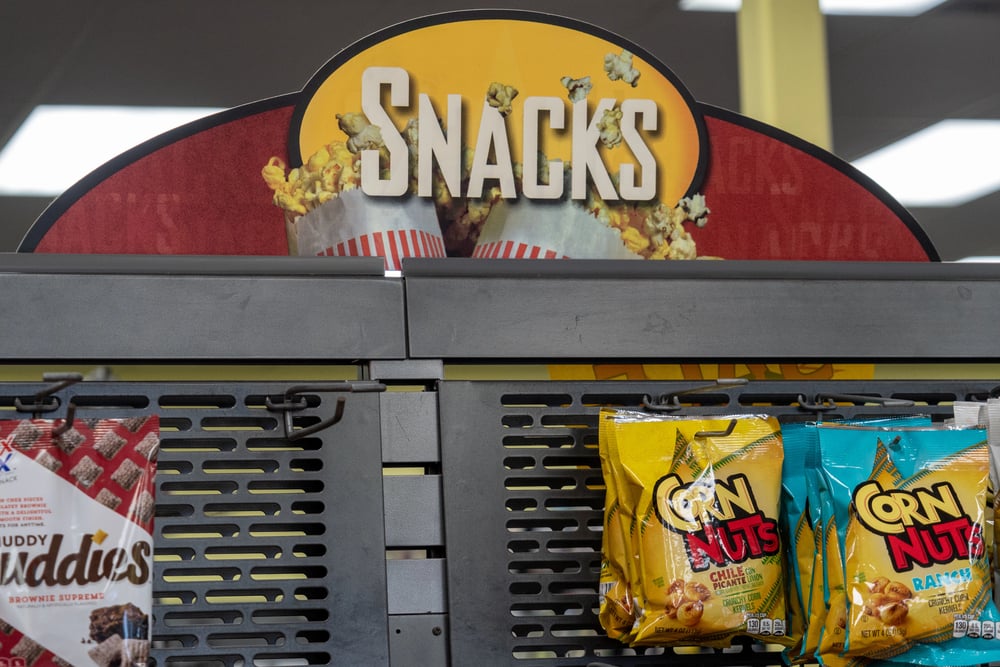
Blockbuster understood that no one rents a movie and then drives home to sit in silence. The checkout area was stocked with microwave popcorn, Twizzlers, Junior Mints, and every variety of bagged candy that the early-to-mid nineties had to offer — placed exactly where you’d be standing for two minutes waiting to swipe your card.
It was a soft sell and it always worked.
The Comfort of Physical Inventory

There’s something the streaming era still hasn’t solved: a movie you want can disappear overnight when a licensing deal expires. Physical copies didn’t work that way.
If Blockbuster had the tape on the shelf, it was yours for the night — no contract negotiations, no region restrictions, no studio pulling it back into a vault for five years. Ownership, or the temporary rental of it, felt more permanent than anything a playlist can offer.
The One Location Still Open in Bend, Oregon
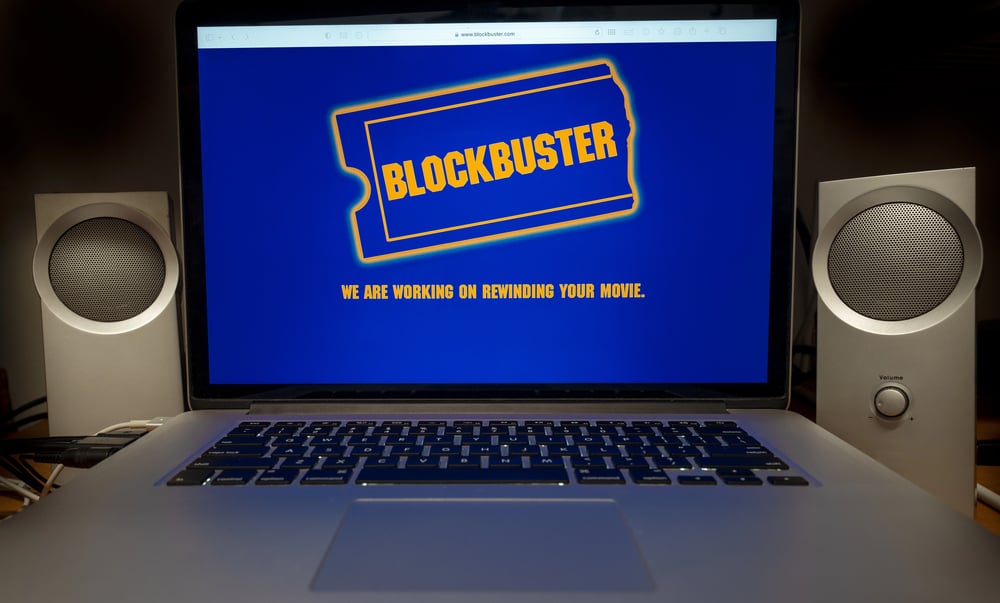
A single Blockbuster still operates in Bend, Oregon — which at this point functions less as a video rental store and more as a living monument to collective memory. People drive miles out of their way just to walk through those doors again, rent something physical, and stand for a moment inside a version of Friday night that the rest of the world quietly retired.
It’s stubborn in the way that only genuinely loved things are stubborn: refusing to disappear just because everything around it already has.
When the Weekend Had a Shape
What Blockbuster actually sold — and what no streaming subscription has managed to package since — was a weekend with edges. You drove there, you chose something, you watched it, you returned it.
The whole loop had a beginning, a middle, and an end, and that shape gave the experience a weight that infinite scroll simply doesn’t. The movie mattered more because the choosing was an event.
And the returning meant it was really, honestly over.
More from Go2Tutors!

- The Romanov Crown Jewels and Their Tragic Fate
- 13 Historical Mysteries That Science Still Can’t Solve
- Famous Hoaxes That Fooled the World for Years
- 15 Child Stars with Tragic Adult Lives
- 16 Famous Jewelry Pieces in History
Like Go2Tutors’s content? Follow us on MSN.



