27 Old Educational Film Reels That Nostalgia Collectors Want
The projector’s mechanical whir, that distinctive clicking as film threaded through metal guides, and the sudden burst of grainy footage on a pull-down screen — these sounds instantly transport anyone who grew up in classrooms from the 1940s through the 1980s. Educational film reels weren’t just teaching tools; they were brief escapes from regular lessons, moments when learning felt like entertainment.
Today, collectors hunt these vintage treasures with surprising passion, paying hundreds or even thousands of dollars for films that once gathered dust in school storage rooms.
Duck and Cover

This 1951 civil defense film featuring Bert the Turtle became an icon of Cold War classroom paranoia. The cheerful cartoon turtle teaching children to “duck and cover” under their desks during nuclear attacks now feels both charming and chilling.
Original prints sell for $300-800 depending on condition.
A Date with Your Family

Produced in 1950, this Coronet Instructional Films production shows the “proper” way families should interact at dinner (spoiler: it involves a lot of forced politeness and rigid gender roles). But collectors love it precisely because it captures a specific moment in American social expectations — like finding a perfectly preserved insect in amber, except the insect is wearing a cardigan and speaking in that overly enunciated 1950s narrator voice.
The film’s unintentional comedy has made it a cult favorite, and decent prints can fetch $400-600.
The Story of Menstruation

Disney’s 1946 educational film was groundbreaking for addressing a taboo subject, though it managed to discuss menstruation without ever saying the word. The animation feels distinctly Disney — clean lines, reassuring narration, anatomical diagrams that somehow maintain the studio’s house style.
Collectors value it both as a piece of Disney history and as a fascinating artifact of how society approached sensitive topics in education.
Reefer Madness
Originally titled “Tell Your Children,” this 1936 anti-marijuana propaganda film has achieved legendary status among collectors. The over-the-top performances and wildly exaggerated consequences (jazz music leads to violence, apparently) make it unintentionally hilarious by today’s standards.
Original prints are extremely rare and can sell for thousands of dollars.
What to Do on a Date
This 1951 Coronet film follows two teenagers, Nick and Kay, as they navigate the treacherous waters of 1950s courtship (which apparently involves a lot of planning and very little spontaneity). The earnest advice about holding doors and making polite conversation feels like anthropological evidence from another planet.
So collectors treasure it for the same reason museums preserve ancient pottery: it tells us exactly who we used to be, even if we’re not entirely proud of the answer. Even damaged prints command $250-400 at auction.
The Trouble with Discipline
Produced in 1950, this film explores classroom management techniques that would horrify modern educators. The stern-faced teacher and rigidly structured classroom scenes make it a fascinating time capsule.
Collectors appreciate both its historical value and its unintentional humor about changing educational philosophies.
Coronary
This 1976 medical training film shows an actual heart attack as it happens, complete with graphic hospital footage that would never make it into a modern classroom. It’s simultaneously educational and disturbing — the kind of film that made students squirm in their seats while learning valuable lessons about cardiovascular health.
The raw, unflinching approach to medical education makes it a prized piece for collectors who appreciate its historical significance.
Highway Mania
Released in 1941, this driver’s education film uses real accident footage to teach safe driving habits. The black-and-white crashes and stern warnings feel like artifacts from an era when educational films didn’t worry about traumatizing students.
Collectors pay premium prices for films that document this no-nonsense approach to safety education.
The Fun of Being Fooled

This anti-fraud educational film from the 1950s teaches viewers how to spot con artists and scams. The scenarios feel charmingly dated — who worries about door-to-door salesmen anymore? — but the fundamental lessons about skepticism remain relevant.
Collectors value it as both entertainment and historical documentation of mid-century American concerns.
Mind Your Manners
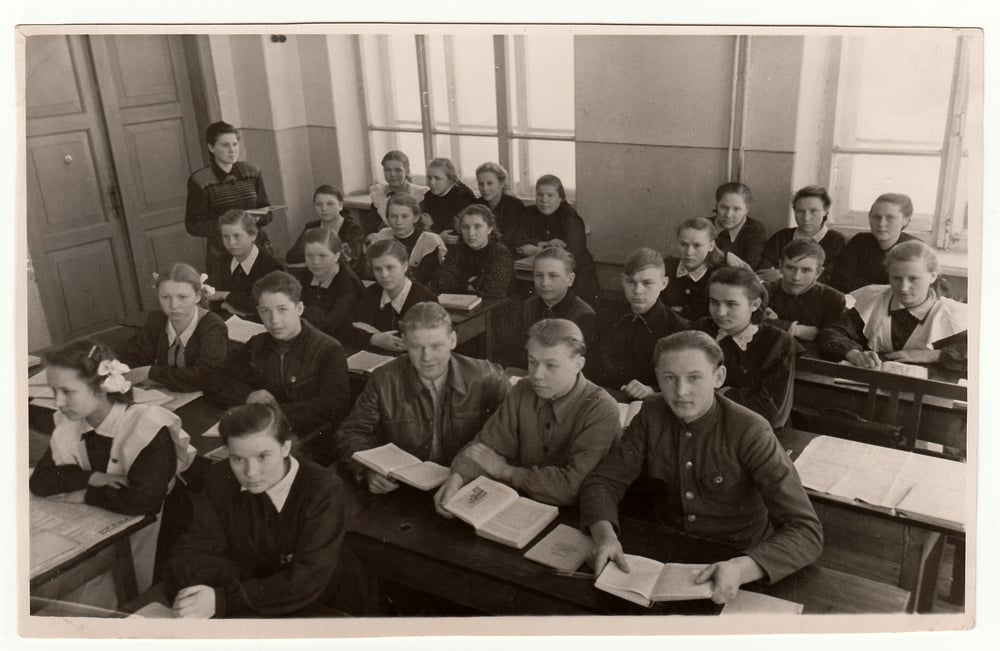
Produced by Coronet in 1953, this etiquette guide covers everything from table settings to telephone courtesy (you should always identify yourself when calling, apparently, which seems quaint in our caller ID world). But watching teenagers receive formal instruction on basic politeness feels like observing a lost ritual — as if good manners were once considered so important they required classroom time and professional film production.
The careful attention to social protocols makes it a collector favorite, with prints selling for $200-350.
Using the Library
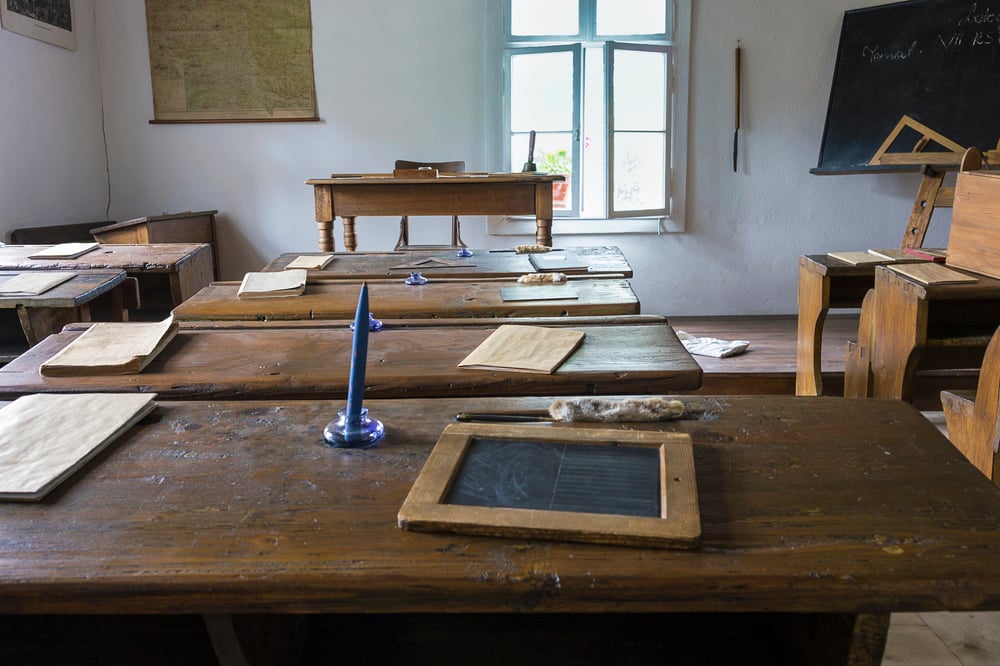
This 1950s instructional film shows students how to navigate card catalogs and reference sections with the reverence typically reserved for religious ceremonies. The hushed library atmosphere and formal research procedures document a pre-internet world where finding information required actual skill.
Collectors appreciate it as a monument to a vanished way of learning.
Red Asphalt
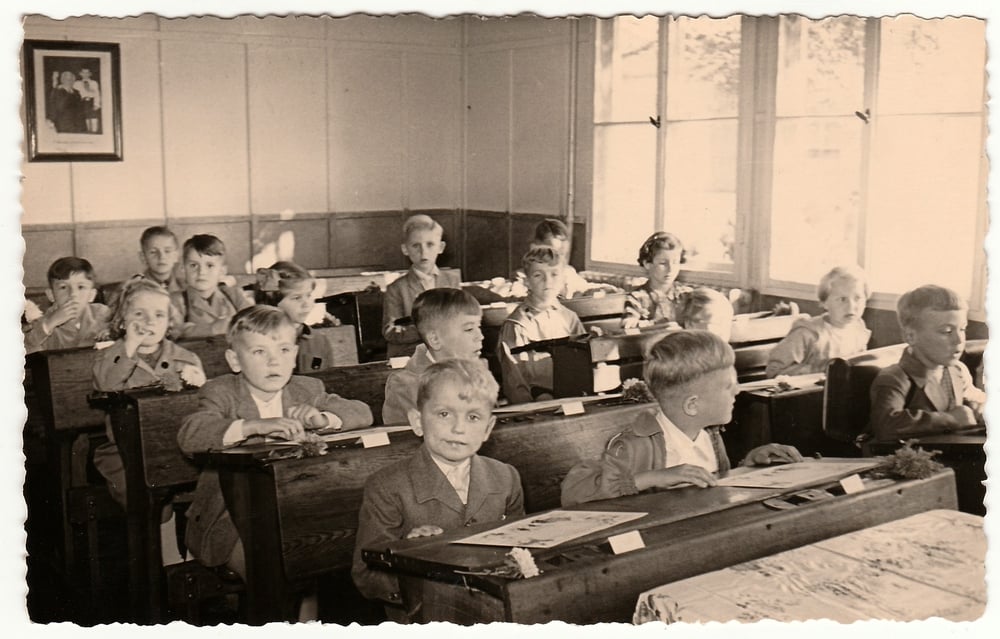
Driver’s education reached its most intense form in this 1961 film showing graphic traffic accident scenes. The California Highway Patrol footage was designed to scare teenagers into safe driving, and it worked — mostly by giving them nightmares.
The unflinching approach to road safety education makes it a sought-after piece among collectors who remember its impact.
Body Care and Grooming

This 1947 hygiene film covers personal cleanliness with scientific precision and absolutely no sense of humor. The clinical approach to basic human maintenance — detailed instructions for washing, tooth brushing, and hair care — treats personal hygiene like a chemistry experiment.
Collectors love it because it captures an era when even mundane activities required formal instruction.
How to Be Well Groomed

Coronet’s 1949 follow-up to basic hygiene education focuses specifically on appearance and social presentation. The film’s obsession with proper dress codes and neat appearance reflects post-war American values about conformity and respectability.
Educational film collectors particularly value Coronet productions for their consistent quality and distinctive visual style.
The Outsider
This 1951 social guidance film explores teenage exclusion and peer pressure with surprising psychological depth (for a 16mm classroom film, anyway, which admittedly sets a pretty low bar). The awkward dialogue and stilted performances somehow make the underlying message about acceptance and belonging feel more genuine rather than less.
So collectors appreciate it not just as educational history but as an early attempt to address complex social issues in schools. Decent prints sell for $150-300 depending on completeness.
Are You Popular?

Produced in 1947, this Coronet film breaks down social success into teachable skills, as if popularity were a subject like math or science. The earnest analysis of friendship and social dynamics feels both innocent and calculating.
Collectors value it as a window into post-war American concerns about social conformity and belonging.
What About Prejudice?
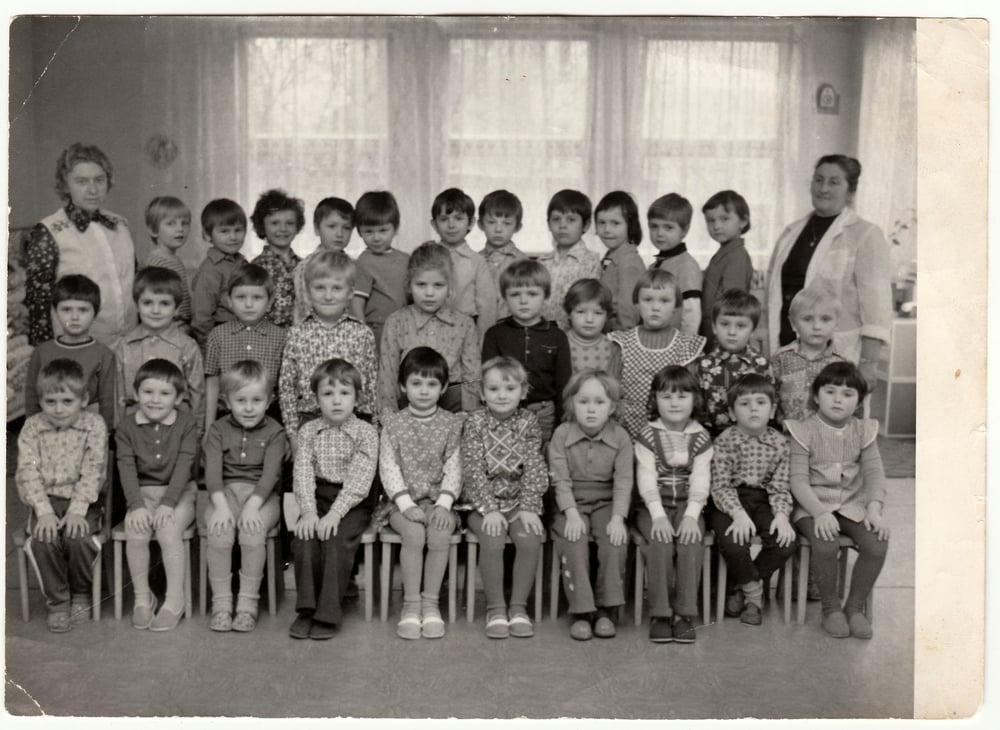
This 1959 anti-discrimination film tackles racism and religious intolerance with the well-meaning but limited perspective of its era. The scenarios and dialogue feel dated, but the film represents an important step in educational efforts toward tolerance.
Collectors appreciate both its historical significance and its role in documenting changing social attitudes.
The Dating Do’s and Don’ts
Released in 1949, this social guidance film provides detailed instructions for teenage romance, including proper conversation topics and appropriate physical boundaries. The formal approach to dating — complete with rules and etiquette guidelines — documents a time when even romance required instruction manuals.
The film’s earnest tone and specific advice make it a collector favorite.
Improve Your Personality

This 1951 Coronet production treats personality development like any other academic subject, complete with specific techniques and measurable goals. The idea that personal charm could be taught through classroom instruction reflects mid-century American optimism about self-improvement.
Collectors appreciate it as both entertainment and historical documentation of changing educational priorities.
The Story of Milk
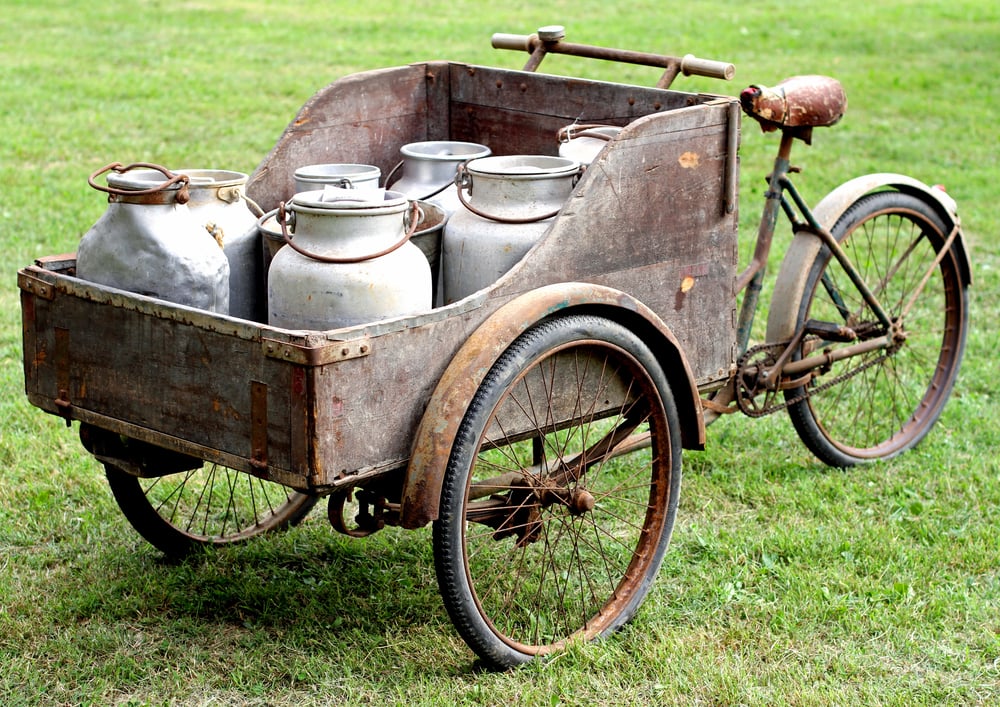
Produced in the 1940s, this agricultural education film follows milk from farm to table with almost religious reverence for dairy products. The detailed production process and enthusiastic narration about milk’s nutritional benefits capture an era of unwavering faith in industrial food systems.
Educational film collectors particularly value agricultural and industrial films for their historical documentation.
Habit Patterns
This 1954 psychological education film explores how behaviors develop and change, using examples that feel charmingly specific to their era (apparently cig smoke and poor posture were major concerns). But the attempt to explain human psychology in simple, teachable terms reveals something touching about mid-century American optimism: the belief that understanding yourself was just another skill that could be learned in school, like algebra or geography.
The film’s earnest approach to behavioral science makes it valuable to collectors interested in the history of psychology education.
Physical Fitness and Good Health
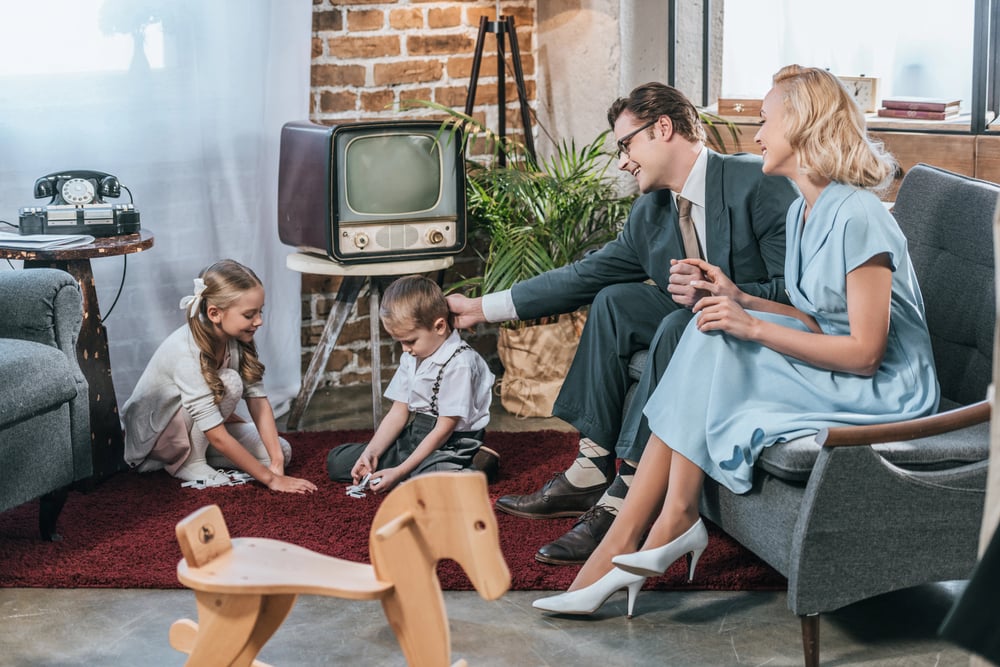
Released in 1950, this health education film promotes exercise and nutrition with the evangelical fervor of a fitness cult. The black-and-white exercise demonstrations and earnest nutritional advice document mid-century American attitudes about physical wellness.
Collectors value it as both educational history and unintentional comedy.
Friendship Begins at Home

This 1949 family dynamics film explores how household relationships affect social skills and peer interactions. The detailed analysis of family communication and conflict resolution reflects post-war American concerns about domestic harmony.
Educational film collectors appreciate its psychological approach to family issues.
How Honest Are You?
Produced by Coronet in 1950, this moral education film presents ethical dilemmas through dramatized scenarios about cheating, lying, and stealing. The black-and-white morality and clear-cut ethical choices feel naive by contemporary standards.
Collectors value it as documentation of mid-century American values and educational approaches to character development.
Developing Friendships

This 1950 social guidance film breaks down friendship into component skills like listening, sharing, and loyalty. The clinical approach to human relationships — as if friendship were a technical subject requiring instruction — captures the educational optimism of its era.
Collectors appreciate both its historical value and its unintentional insight into changing social expectations.
Good Eating Habits

Released in 1951, this nutrition education film promotes balanced meals and proper dining behavior with scientific authority. The detailed food group explanations and mealtime etiquette lessons document mid-century American attitudes about diet and health.
Educational film collectors particularly value nutrition films for their historical documentation of changing dietary recommendations.
Social Attitudes in Adolescence
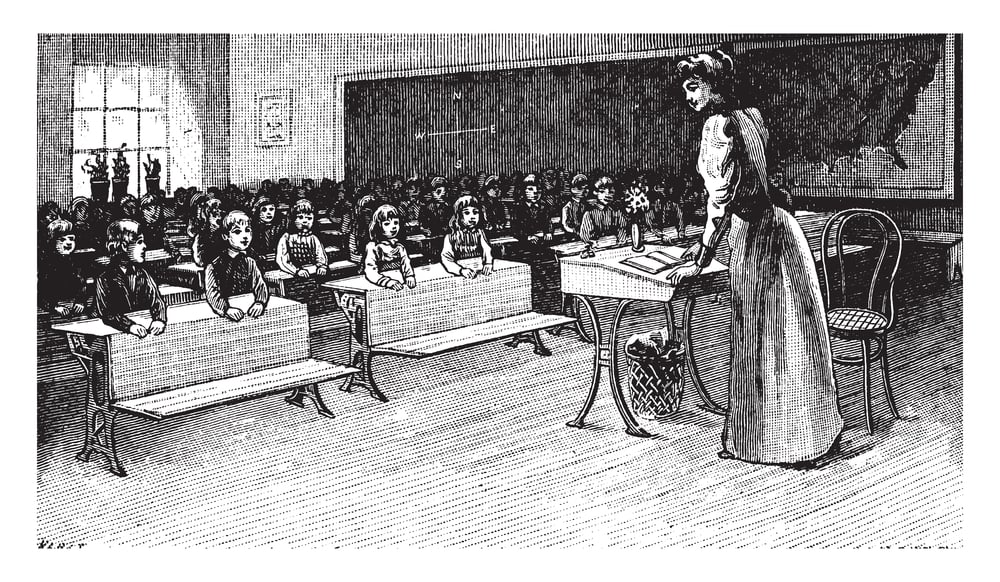
This 1953 film tackles teenage relationships and attraction with the clinical detachment of a biology lesson and the moral certainty of a Sunday sermon. The euphemistic language and careful avoidance of actual detail make it both educational and amusing by modern standards.
Collectors prize it as a rare example of 1950s attempts to address adolescent development in educational settings.
A Classroom Treasure Trove Worth Preserving
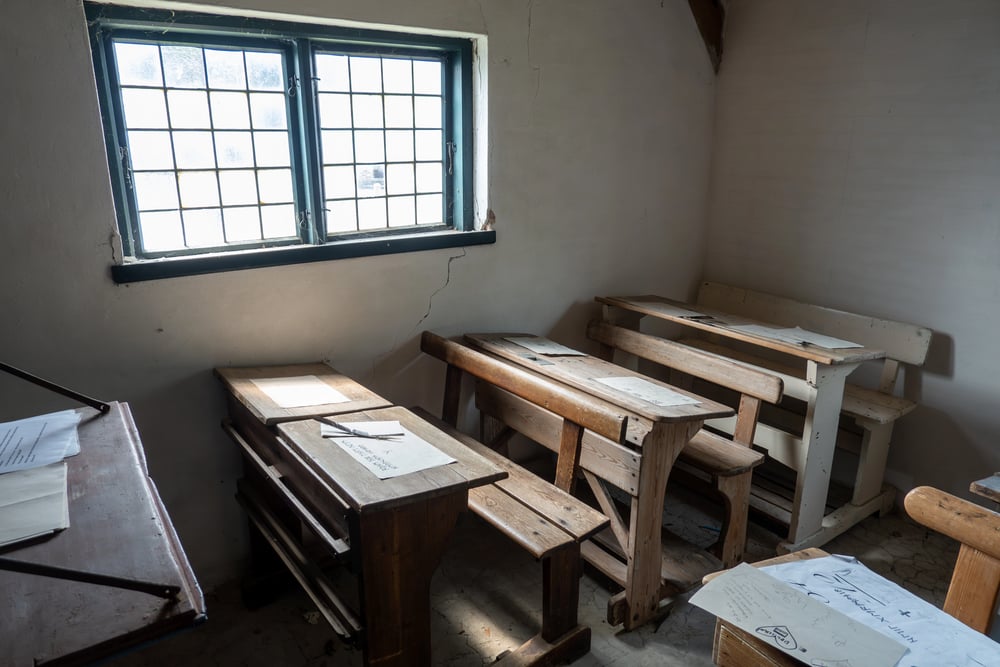
These educational film reels represent more than nostalgic curiosities — they’re authentic artifacts of American classroom culture spanning several decades. Collectors understand that owning these films means preserving a specific form of learning that shaped generations of students, complete with all its earnest intentions and unintentional comedy.
The market for educational films continues growing as more people recognize their value as both entertainment and historical documentation, ensuring these classroom treasures find new audiences decades after their last school screening.
More from Go2Tutors!

- The Romanov Crown Jewels and Their Tragic Fate
- 13 Historical Mysteries That Science Still Can’t Solve
- Famous Hoaxes That Fooled the World for Years
- 15 Child Stars with Tragic Adult Lives
- 16 Famous Jewelry Pieces in History
Like Go2Tutors’s content? Follow us on MSN.