Vintage Western Paperbacks With Certain Cover Art Collectors Chase
The dusty shelves of used bookstores hold more than forgotten stories. Between romance novels and mystery thrillers, vintage Western paperbacks wait with their painted covers intact, carrying artwork that transforms a fifty-cent book into a collector’s prize.
Some covers are worth chasing — and collectors know exactly which ones.
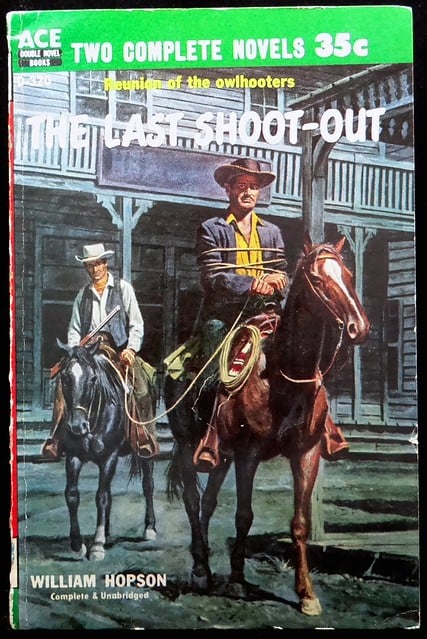
Painted Cowboys on Horseback
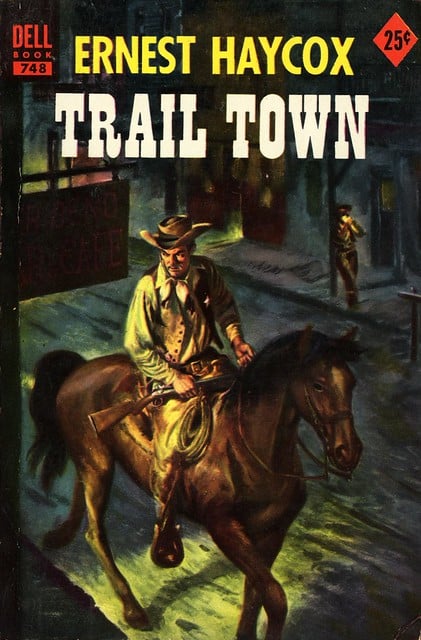
Nothing says classic Western like a lone rider against an endless horizon. These covers (usually from the 1940s and 1950s) featured hand-painted artwork that turned pulp fiction into something approaching fine art.
Publishers hired real illustrators back then, not photographers with digital effects.
Native American Chief Portraits
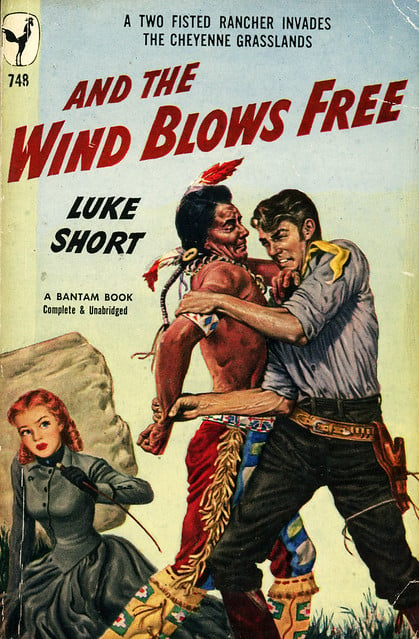
The stoic chief in full headdress became a Western paperback staple, though these covers walk a complicated line between artistic achievement and cultural stereotype. Collectors pursue them for the craftsmanship — many were painted by artists who understood light, shadow, and the weight of a gaze that could sell books from across a drugstore rack.
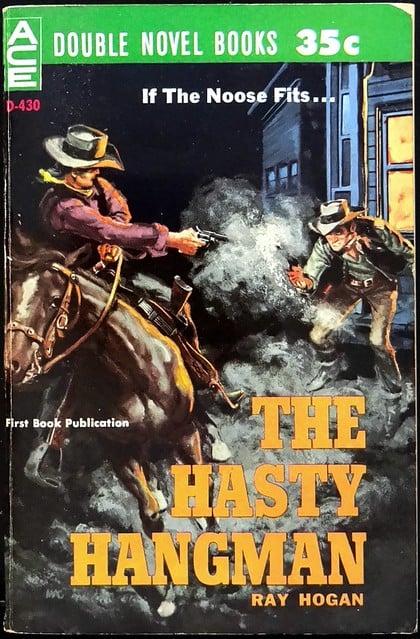
Gunfight Scenes with Smoke and Fire
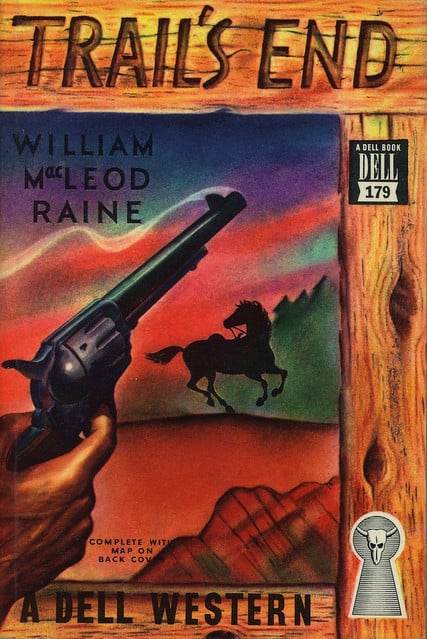
Muzzle flashes frozen in paint, cowboys diving behind overturned tables, bullets kicking up dust around boot heels — the action covers demanded technical skill that separated hack work from something worth keeping. And when an artist got the anatomy right (which didn’t always happen), when the perspective actually worked and the smoke looked like it might drift off the page, that paperback became the kind of thing people frame instead of read.
Women in Saloon Dresses
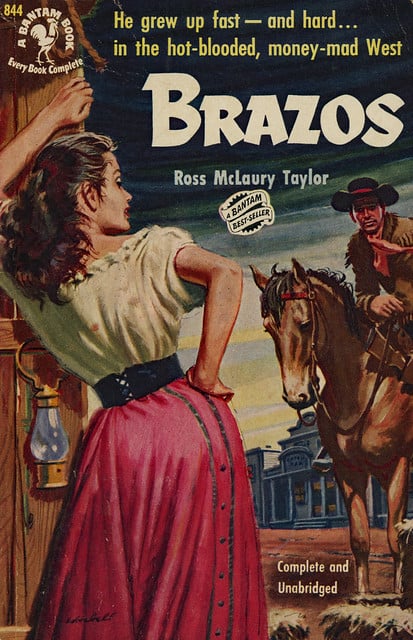
The saloon girl leaning against a bar, dress cut just low enough to catch attention without crossing the line into scandal — these covers required a delicate balance that most artists botched completely. The successful ones understood that suggestion worked better than revelation, that a sideways glance could sell more books than exposed skin.
Desert Landscapes with Mesas
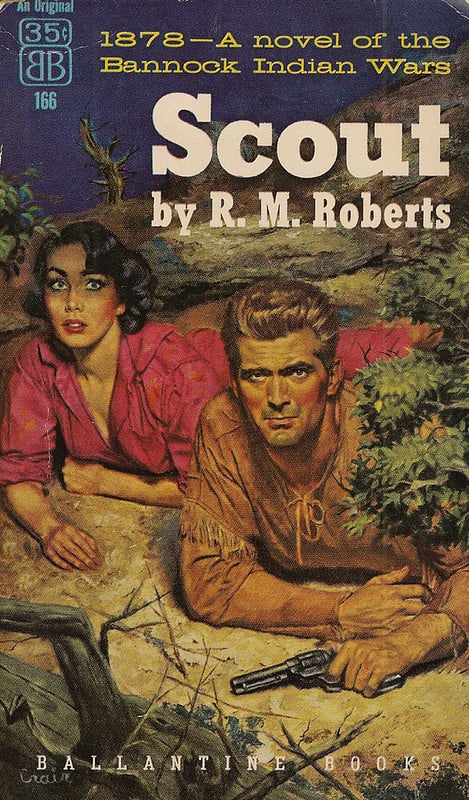
Some covers skipped the people entirely and let the landscape do the talking. Mesas rising from red dirt, sagebrush scattered like punctuation marks across empty miles, skies that stretched beyond the book’s spine — these required a painter who understood that emptiness could feel more dramatic than gunfights.
Most Western paperback artists never figured this out.
Bank Robbery Action
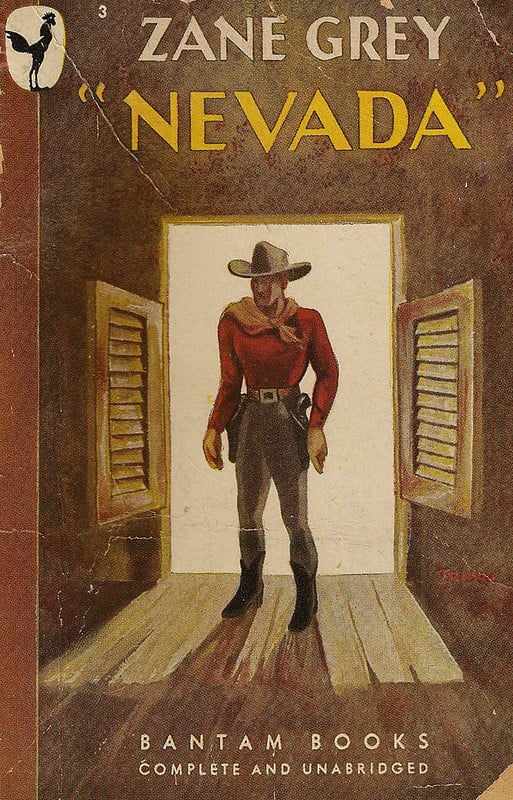
Masked outlaws bursting through swinging doors, bags of money clutched in gloved hands, townspeople scattering like startled birds — the bank robbery cover became a subgenre unto itself. The best ones captured that split second when order collapsed into chaos, when a quiet street transformed into the kind of place where anything might happen next.
Horse and Rider in Full Gallop
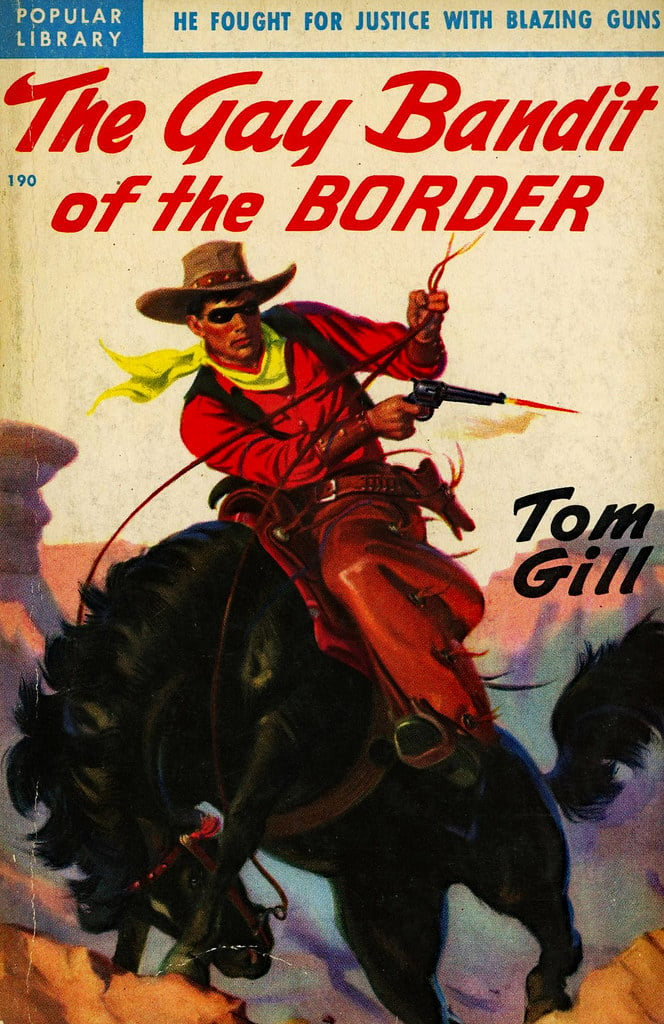
Capturing a horse at full speed takes more skill than most paperback budgets could afford, which makes the successful attempts particularly valuable. The muscle definition had to be right, the mane had to flow convincingly, and the rider needed to look like someone who actually knew how to stay in a saddle rather than someone posing for a photographer.
Frontier Town Main Streets
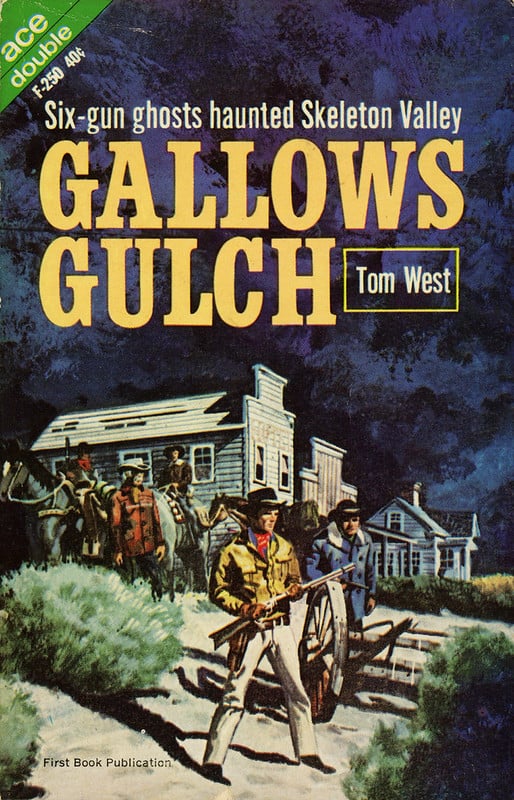
The wooden sidewalks, the false-front buildings, the saloon doors that never quite closed properly — frontier town covers worked when they felt lived-in rather than constructed. Collectors look for the details that suggested real places: mud in the streets, wear patterns on the hitching posts, windows that reflected actual light instead of generic brightness.
Cattle Drive Scenes
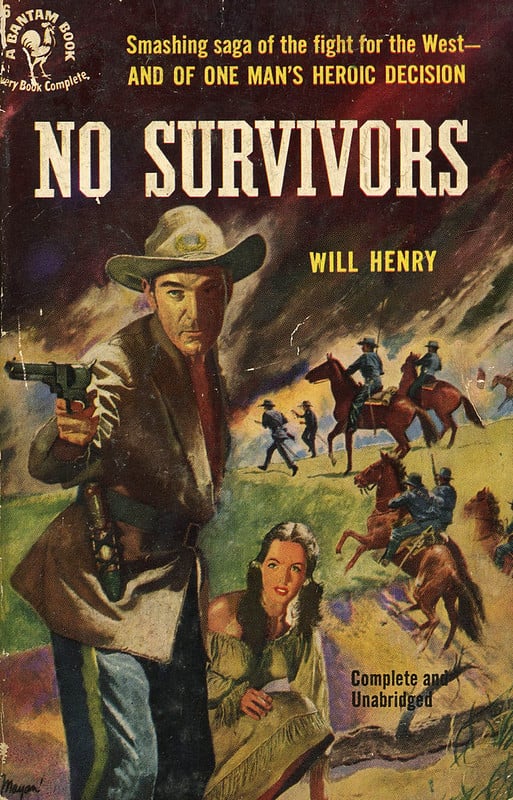
Dust clouds, longhorn steers, cowboys working instead of posing — the cattle drive cover demanded an understanding of movement and scale that challenged even competent artists. When someone got it right, when the herd actually looked like it was moving and the dust felt real enough to taste, those covers became the kind collectors hunt through estate sales to find.
Campfire Gatherings
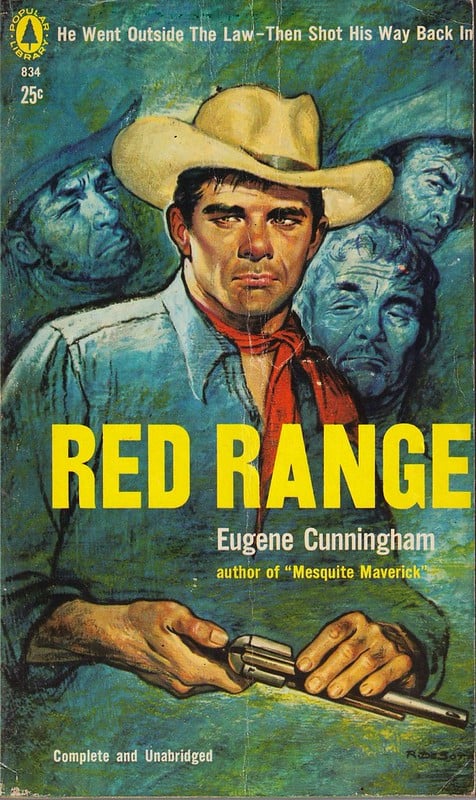
Cowboys around a fire, coffee pot hanging from a makeshift tripod, faces lit by flames that cast shadows in all the right directions — the intimate Western scene required subtlety that action covers could ignore. These covers succeeded or failed based on whether the artist understood how firelight actually works, how it catches a cheekbone or throws a hat brim into shadow.
Mexican Bandito Portraits
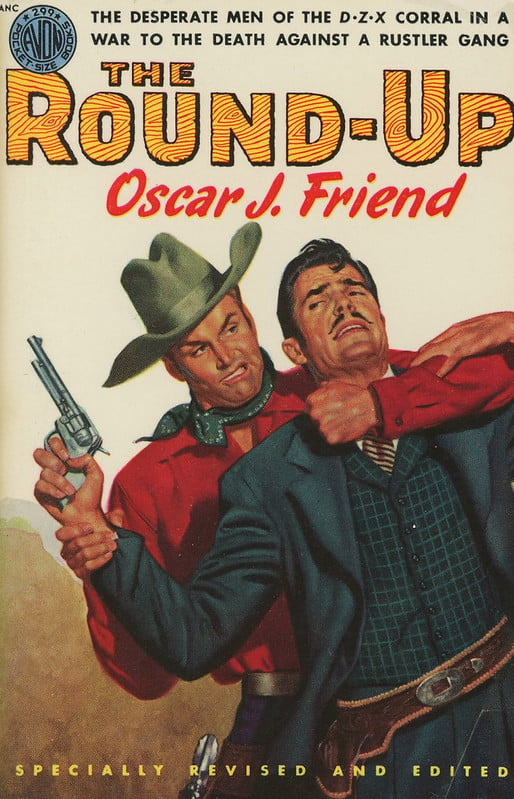
The sombrero, the crossed ammunition belts, the mustache that seemed regulation-issue for Western villains — these covers now read as cultural artifacts from a time when complexity wasn’t the point. Collectors pursue the artistic execution rather than the cultural sensitivity, looking for painters who brought nuance to roles that demanded none.
Stagecoach Chase Sequences
Wheels spinning, dust flying, horses stretched to their limits while masked riders closed in from behind — the stagecoach chase required an artist who could suggest speed without making everything look like it was falling apart. The perspective had to work, the proportions needed to hold up under scrutiny, and somehow the whole scene had to fit into a rectangle roughly the size of a playing card.
Trading Post Interiors
Some covers took readers indoors, into trading posts lined with pelts and supplies, where trappers and settlers conducted business that shaped the frontier. These required artists who could handle interior lighting and compositional depth, who understood that commerce could be as dramatic as gunfights when the right tensions simmered beneath routine transactions.
Mountain Man with Furs
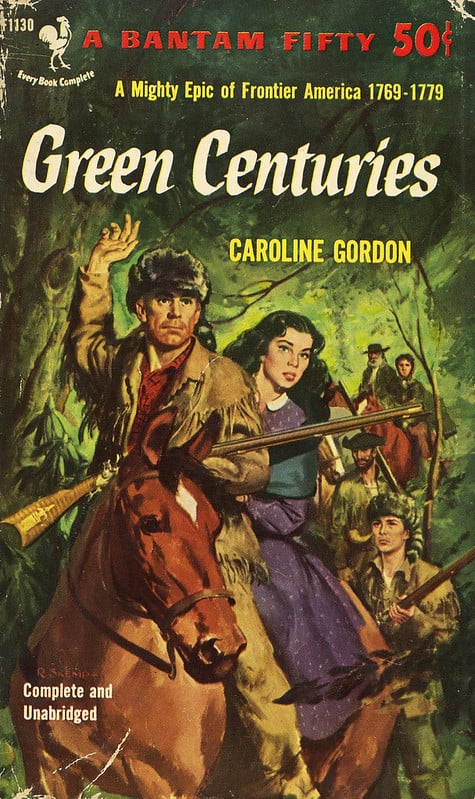
The bearded trapper carrying pelts and carrying stories from places where civilization hadn’t reached — these covers celebrated a different kind of Western hero, one who chose isolation over community. The successful versions captured something essential about self-reliance, about men who disappeared into wilderness and emerged changed in ways that showed in their eyes.
Sheriff’s Badge Close-ups
Sometimes a cover consisted of nothing more than a star-shaped badge catching light against leather or fabric, the symbol doing all the narrative work that other covers required multiple figures to accomplish. These minimalist approaches worked when the artist understood that restraint could be more powerful than spectacle, that suggestion often outdrew elaborate action scenes.
Where Stories and Art Converged
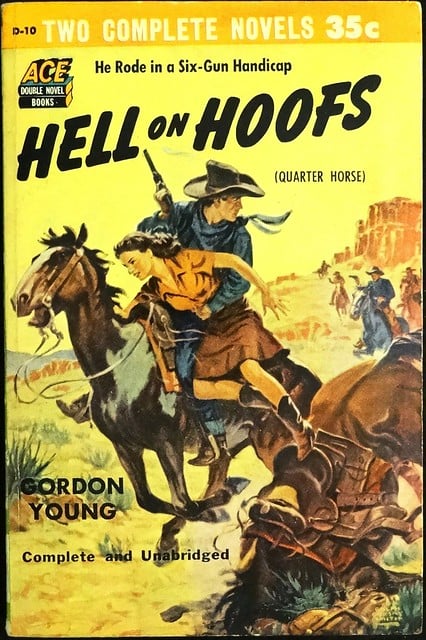
These covers weren’t just marketing tools. They were promises made in paint, glimpses of worlds that existed somewhere between history and imagination.
The artists who created them understood something that modern book design often misses — that a cover doesn’t just advertise a story, it begins one. And the collectors who chase these paperbacks today aren’t just buying books.
They’re preserving a moment when commercial art and popular fiction converged to create something that was supposed to be disposable but turned out to be worth keeping.
More from Go2Tutors!

- The Romanov Crown Jewels and Their Tragic Fate
- 13 Historical Mysteries That Science Still Can’t Solve
- Famous Hoaxes That Fooled the World for Years
- 15 Child Stars with Tragic Adult Lives
- 16 Famous Jewelry Pieces in History
Like Go2Tutors’s content? Follow us on MSN.