True Castle Mysteries Historians Still Debate
Castles have always captured people’s imagination with their towering walls and ancient secrets. But some of these old fortresses hide mysteries that scholars have been arguing about for centuries.
Strange disappearances, unexplained events, and puzzling discoveries keep experts up at night, scratching their heads and digging through dusty archives for answers.
The Princes in the Tower

Two young boys vanished from the Tower of London in 1483, and people are still fighting about what happened to them. Edward V was supposed to become king at age 12, and his younger brother Richard was just 9 years old.
Their uncle, Richard III, locked them up in the Tower and then declared himself king instead. The boys were seen playing in the courtyard for a while, then one day they just weren’t there anymore.
Château Gaillard’s mystery entrance

Richard the Lionheart built this fortress in France to be unbeatable, but French soldiers somehow got inside in 1204. The castle sat on a cliff with walls 10 feet thick and multiple defensive layers.
Historical records say the attackers climbed through a toilet chute, which sounds both disgusting and suspicious. Modern engineers have looked at the ruins and can’t figure out exactly which passage the soldiers used or how they managed it without getting caught.
Glamis Castle’s hidden room

This Scottish castle supposedly has a secret chamber that nobody can find, even though people have been looking for over 200 years. The story goes that only the Earl and his heir know about it, and they never tell anyone else what’s inside.
Visitors have tried counting windows from outside and comparing them to rooms inside, and apparently the numbers don’t add up. One theory says the room holds the skeleton of a deformed family member who got locked away centuries ago.
Prague Castle’s alchemist workshops
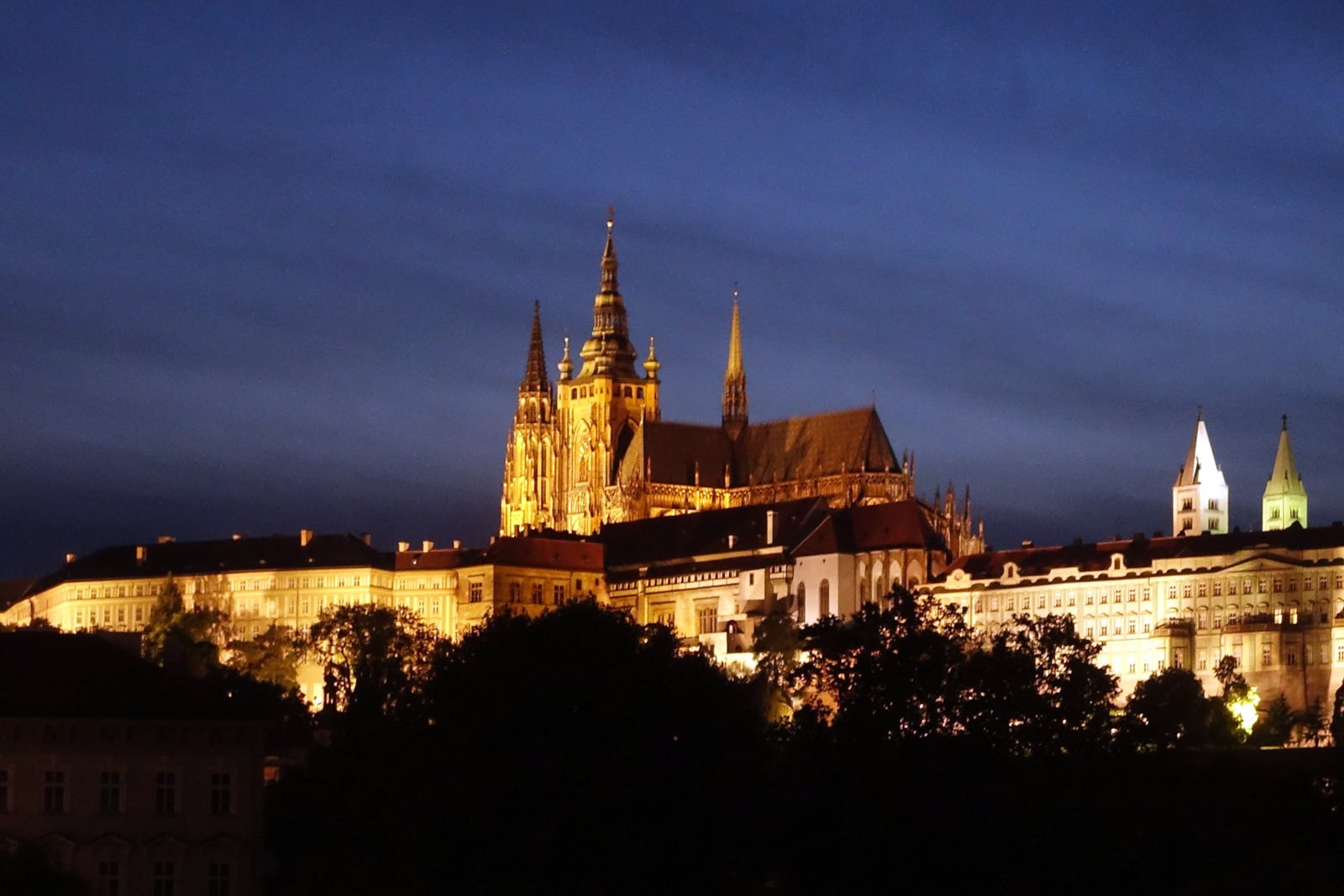
Rudolf II turned parts of Prague Castle into laboratories where alchemists tried to turn lead into gold back in the 1600s. These guys worked in a street called Golden Lane, and supposedly they figured something out that Rudolf kept secret.
Records show Rudolf threw tons of money at these experiments, but all the detailed notes disappeared when Swedish troops ransacked the castle in 1648. Modern historians can’t agree on whether the alchemists were serious scientists or just really good con artists.
Corfe Castle’s weird collapse

This English fortress survived multiple attacks during a civil war, then suddenly fell apart right after the fighting ended. Government forces tried to blow it up but only managed to damage a few walls before their gunpowder ran out.
A month later, huge chunks just came tumbling down on their own. Engineers today scratch their heads trying to explain why small explosions would cause such massive delayed damage.
Predjama Castle’s supply line

A rebellious knight named Erazem held out in this Slovenian cave castle for over a year while an army surrounded the place. The soldiers outside couldn’t figure out how he kept getting fresh food.
Erazem even threw fresh cherries down at them. Everyone assumed he had a secret tunnel, and modern explorers have found several passages in the caves behind the castle.
Edinburgh Castle’s coronation stone

Scotland’s coronation stone vanished from Edinburgh Castle in 1296 when English troops took it, but some experts think they grabbed a fake. The real Stone of Destiny supposedly had ancient carvings and special marks.
The stone that ended up in Westminster Abbey looks like plain sandstone with an iron ring stuck on it. Scottish monks might have hidden the real stone and handed over a decoy.
Castel del Monte’s strange design

Emperor Frederick II built this eight-sided castle in Italy with no moat, no drawbridge, and no kitchen. Every room is either octagonal or has eight sides, and the whole building is obsessed with the number eight.
Historians can’t agree on what Frederick actually used it for since it would be useless in a fight. Some think it was built to study the stars because the windows line up with certain constellations.
Bran Castle and Dracula

Romania sells this castle as ‘Dracula’s Castle,’ but historians constantly argue about whether Vlad the Impaler ever actually stayed there. Records show Vlad traveled through the area, and he might have been locked up in the castle for a short time.
Bram Stoker never visited Romania and probably based his fictional castle on a different building. The tourist money keeps rolling in though.
Houska Castle’s sealed pit

Czech builders put this fortress over a giant crack in the ground that locals thought led to hell. The castle has no water source, no kitchen, no outer defenses, and all the fortifications point inward at the crack.
Old chronicles claim they lowered a prisoner into the chasm and he came back up screaming with completely white hair. Modern surveys haven’t located the pit.
Reichenstein Castle’s walled knight
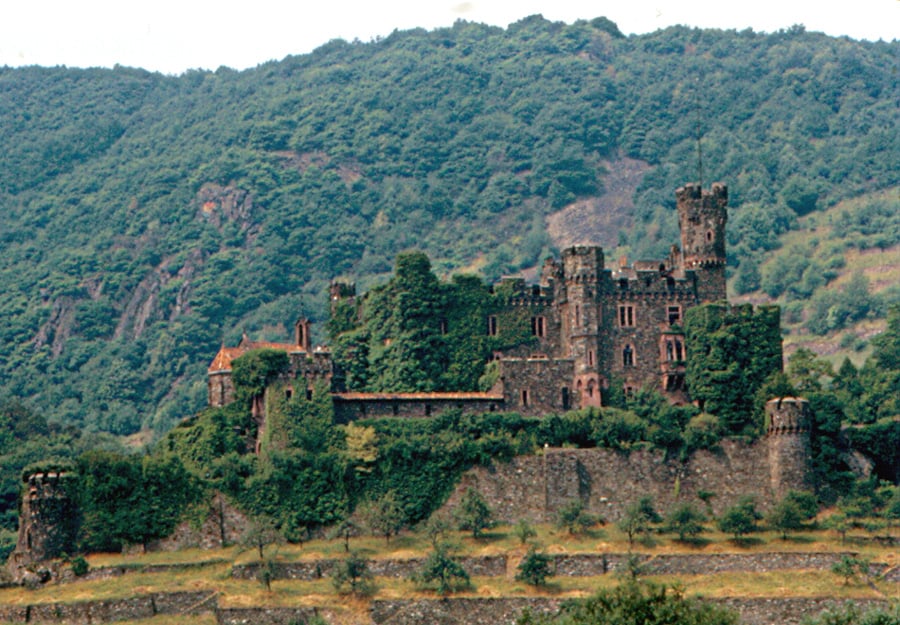
Workers fixing this German castle in 1834 broke through a wall and found a skeleton in full armor sitting at a table. The room had been completely sealed, so somebody trapped this person inside on purpose.
Documents from the 1400s mention a knight who disappeared, but nobody wrote down why someone would wall him up alive.
Malbork Castle’s amber room

This Polish fortress supposedly had a room decorated entirely with Baltic amber. The Teutonic Knights kept detailed records of almost everything, but descriptions of this chamber are vague.
Nazi forces took over the castle during World War II and might have stolen the amber, or maybe the room never existed.
Château de Chinon’s missing relics
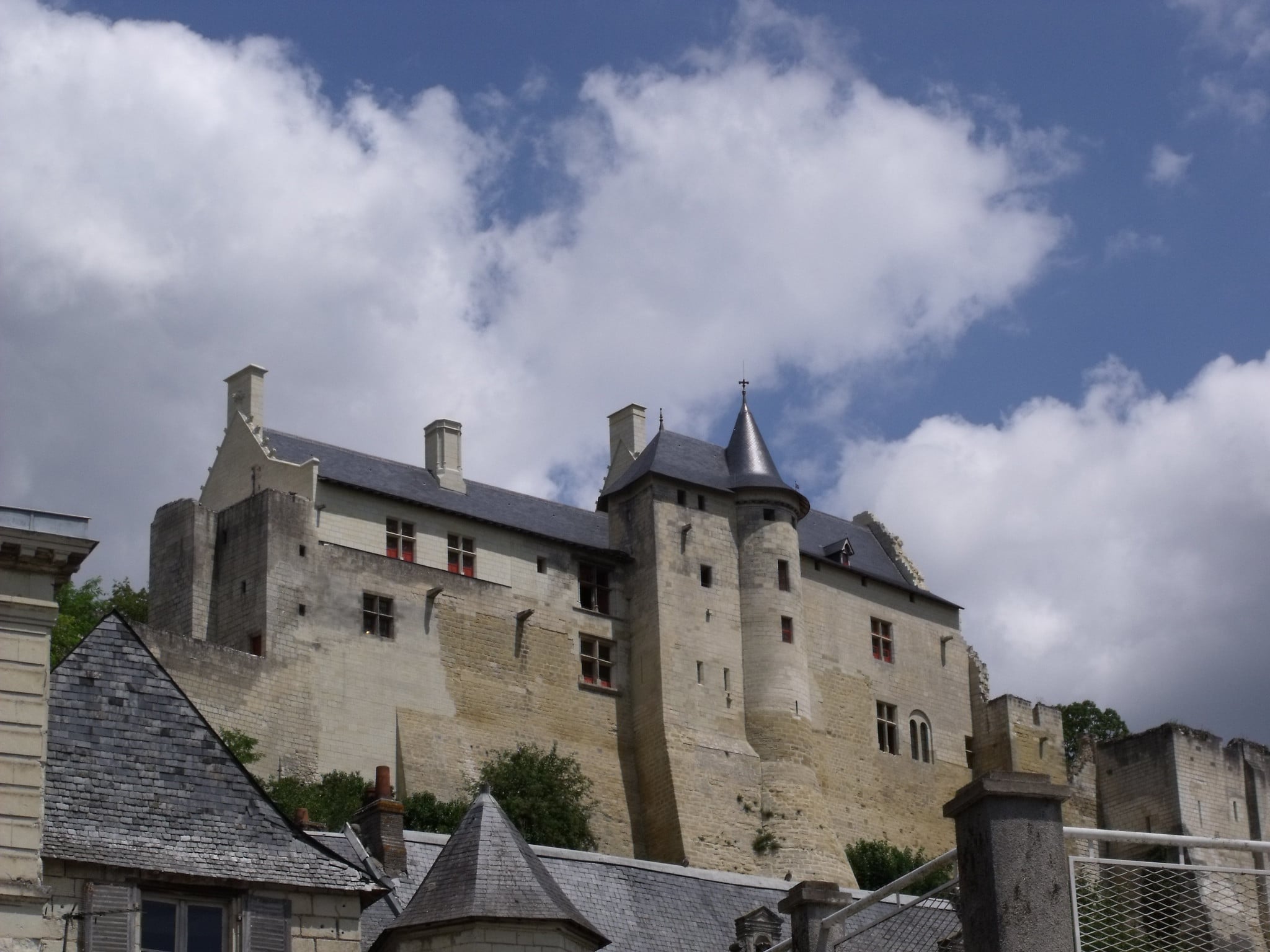
Joan of Arc visited this French castle in 1429 to meet the king, and legends say she left behind a sword and other holy items. At some point everything disappeared.
Archaeological teams have spent decades searching without finding anything. The castle’s records have big gaps.
Kilchurn Castle’s blocked vault

This Scottish castle has a chamber filled with rubble before the owners abandoned the place. Papers mention ‘securing the treasure’ but never explain what treasure.
Opening the vault risks collapsing the tower, so nobody is willing to try.
Löwenburg Castle’s intentional ruins
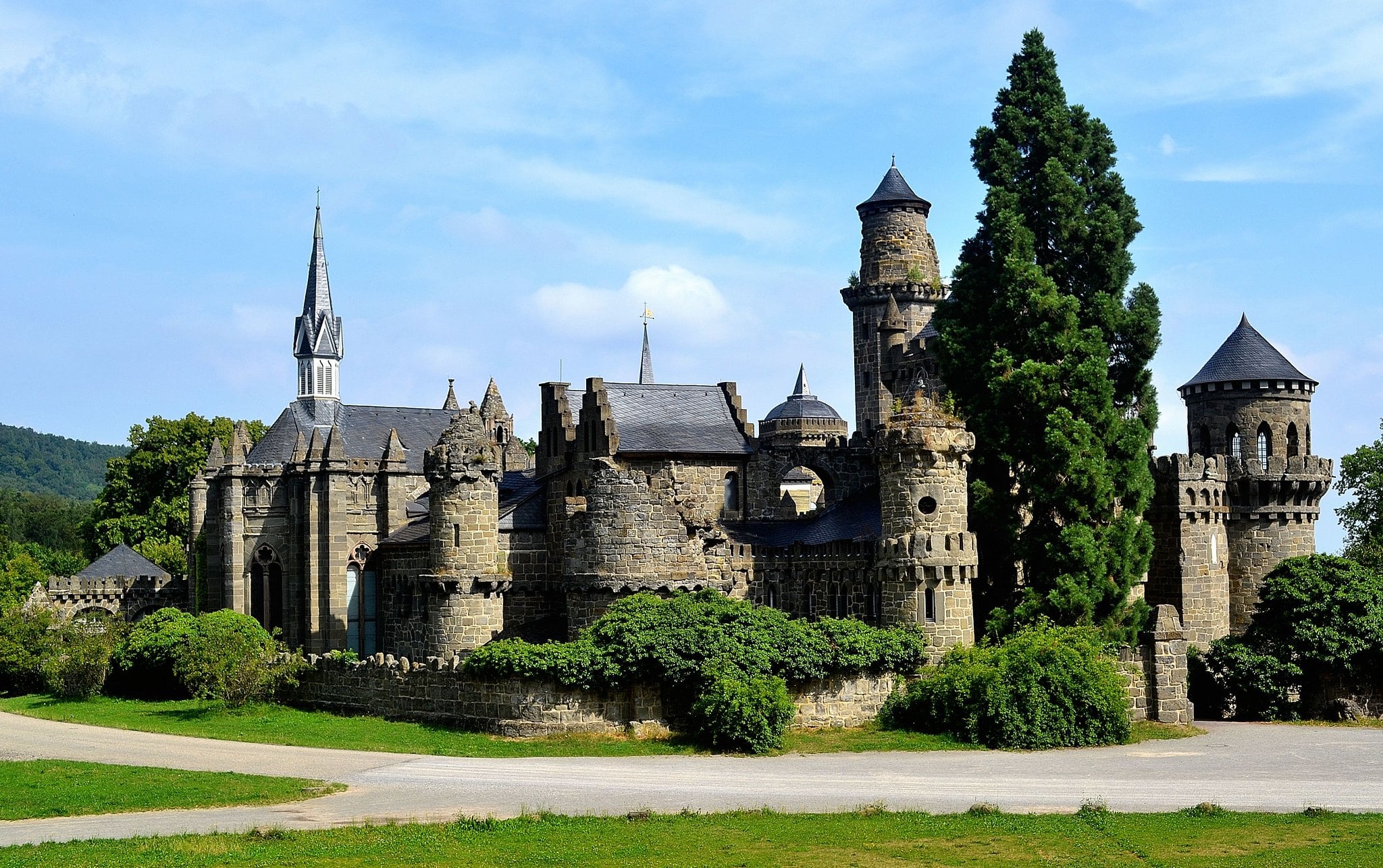
A German prince built this brand new castle in the 1700s but deliberately made it look like ancient ruins. He spent extra money to fake decay.
Letters from the prince mention ‘the hidden purpose’ of the ruins, but he never explained what he meant.
Olavinlinna Castle’s sealed rooms

Finnish authorities discovered that Russians had bricked up several rooms before leaving in 1809. When Finns opened them, they found empty chambers with strange symbols on the floors.
Russian archives don’t mention what these rooms were for.
Conwy Castle’s lost jewels

King Edward I supposedly stored some crown jewels in this Welsh castle. Inventory records show they arrived, but later documents never mention them again.
The castle wasn’t attacked, so their disappearance remains a mystery.
The questions that remain
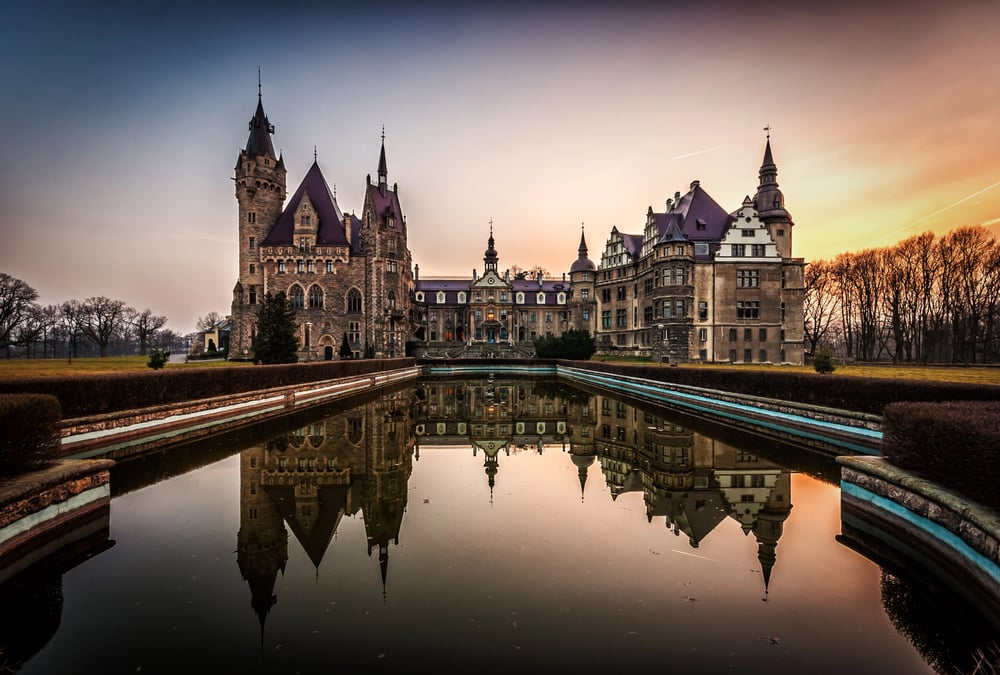
These castle mysteries show how easily the past can slip through our fingers, even when people thought they were keeping good records.
Technology keeps improving and historians keep finding new documents, yet some puzzles just get more complicated with more evidence.
More from Go2Tutors!

- The Romanov Crown Jewels and Their Tragic Fate
- 13 Historical Mysteries That Science Still Can’t Solve
- Famous Hoaxes That Fooled the World for Years
- 15 Child Stars with Tragic Adult Lives
- 16 Famous Jewelry Pieces in History
Like Go2Tutors’s content? Follow us on MSN.