23 Childhood Snacks That Quietly Disappeared from Shelves
There’s a specific kind of grief that comes with craving something you can never have again — not because it’s been banned or recalled, but because it just stopped existing one day while you weren’t paying attention. No farewell tour. No limited-edition goodbye bag.
The snack was just there, and then it wasn’t, and you only noticed years later when you went looking for it at a gas station and came up empty. Some of these disappeared due to falling sales, some to mergers and reformulations, some to shifting food regulations.
All of them left a mark on the people who ate them. Here are 24 of them.
Jell-O Pudding Pops
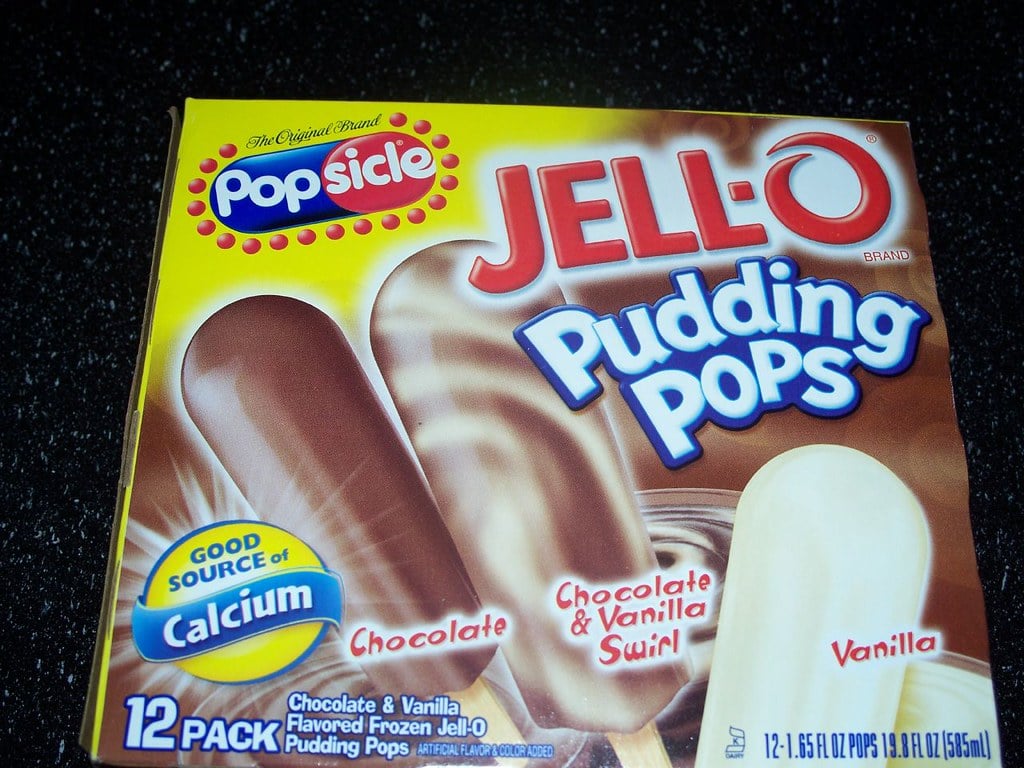
Jell-O Pudding Pops are the rare case where a snack disappeared and a different product quietly took its name. The originals, creamy and dense and sold in boxes out of the freezer aisle, vanished from shelves in the mid-’90s; what came after — licensed to Popsicle — was a different product wearing the same name tag, and anyone who remembers the original could tell the difference immediately.
So they were gone, even when they were technically still there.
Keebler Magic Middles
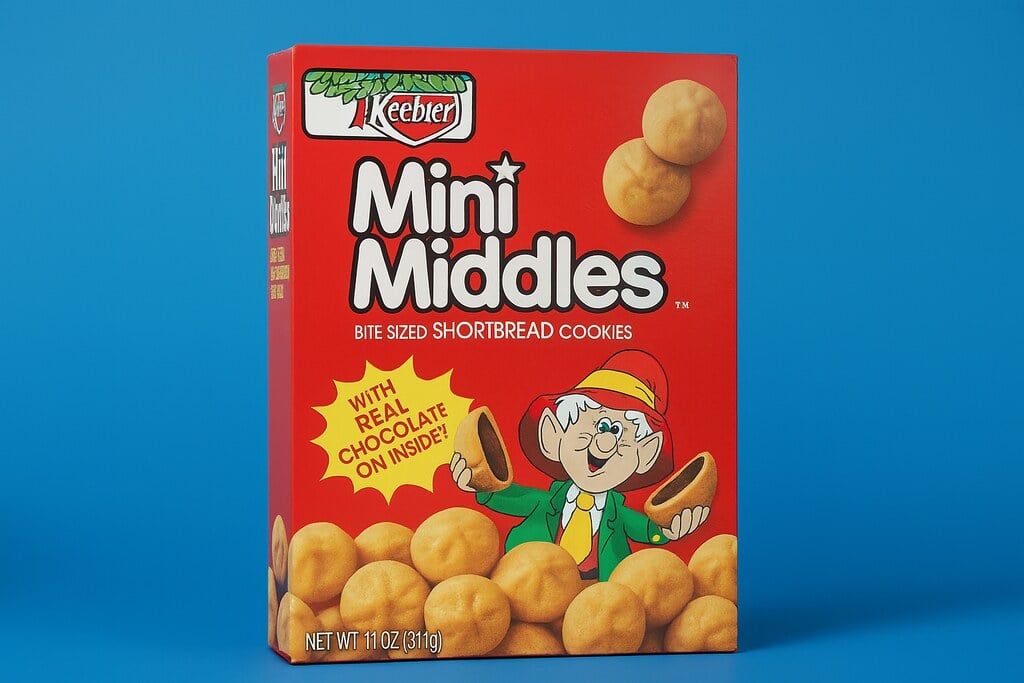
Keebler Magic Middles were a shortbread cookie with a fudge or peanut butter center, and they were absolutely the right snack at the right time. They disappeared sometime in the early ’90s, and the internet has never fully recovered — there are dedicated message boards where people still trade theories about why they were discontinued.
The answer is probably just declining sales, but that explanation feels deeply insufficient for something so specific and good.
Nestlé Magic
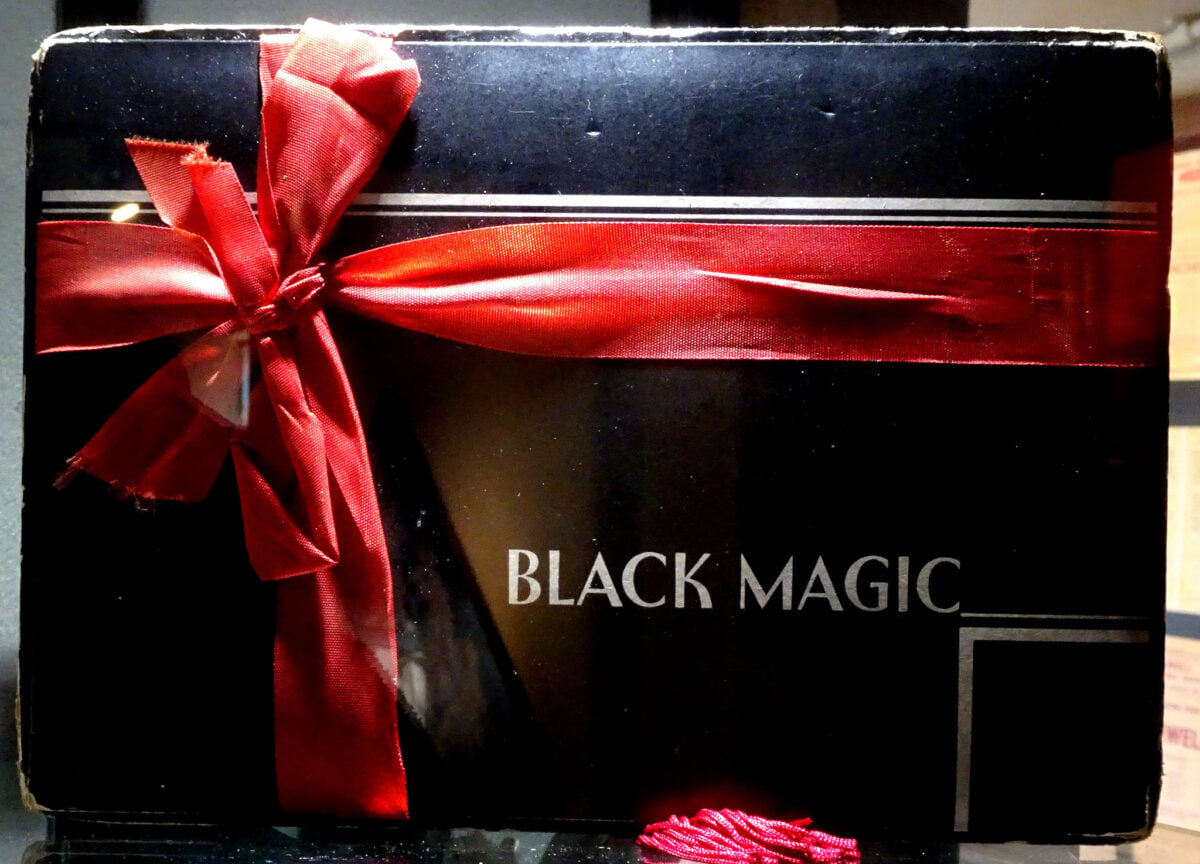
Nestlé Magic was a chocolate bar that, despite the name, performed a single trick: it had a honeycomb-like interior that made it lighter and more brittle than a standard bar. It sat on convenience store racks throughout the ’80s, unremarkable in packaging, unremarkable in price, completely remarkable in texture.
And then it was gone, folded into the long list of candy bars that existed briefly and vanished without ceremony.
Planter’s Cheez Puffs
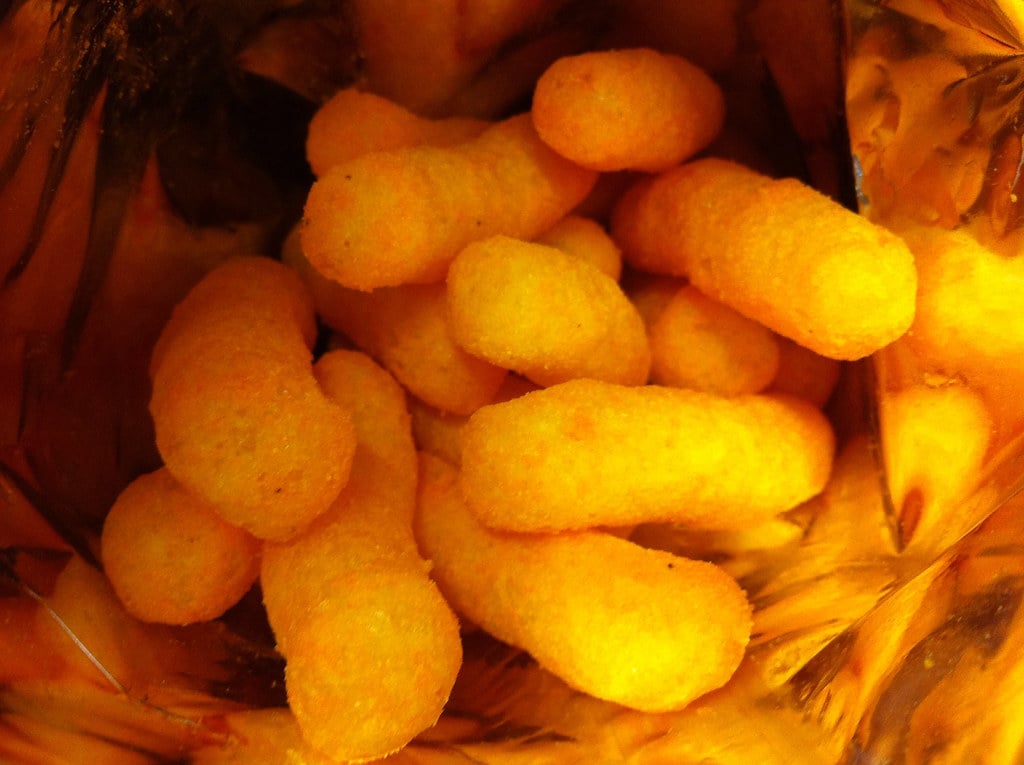
Distinct from the Cheezballs — and the distinction matters to the people who remember them — Planters also made elongated cheese puffs that competed directly with Cheetos and were, by most accounts, lighter and less aggressively salted. They didn’t survive the consolidation wars of the snack industry in the late ’90s.
Cheetos won. That’s the whole story.
Nabisco Giggles
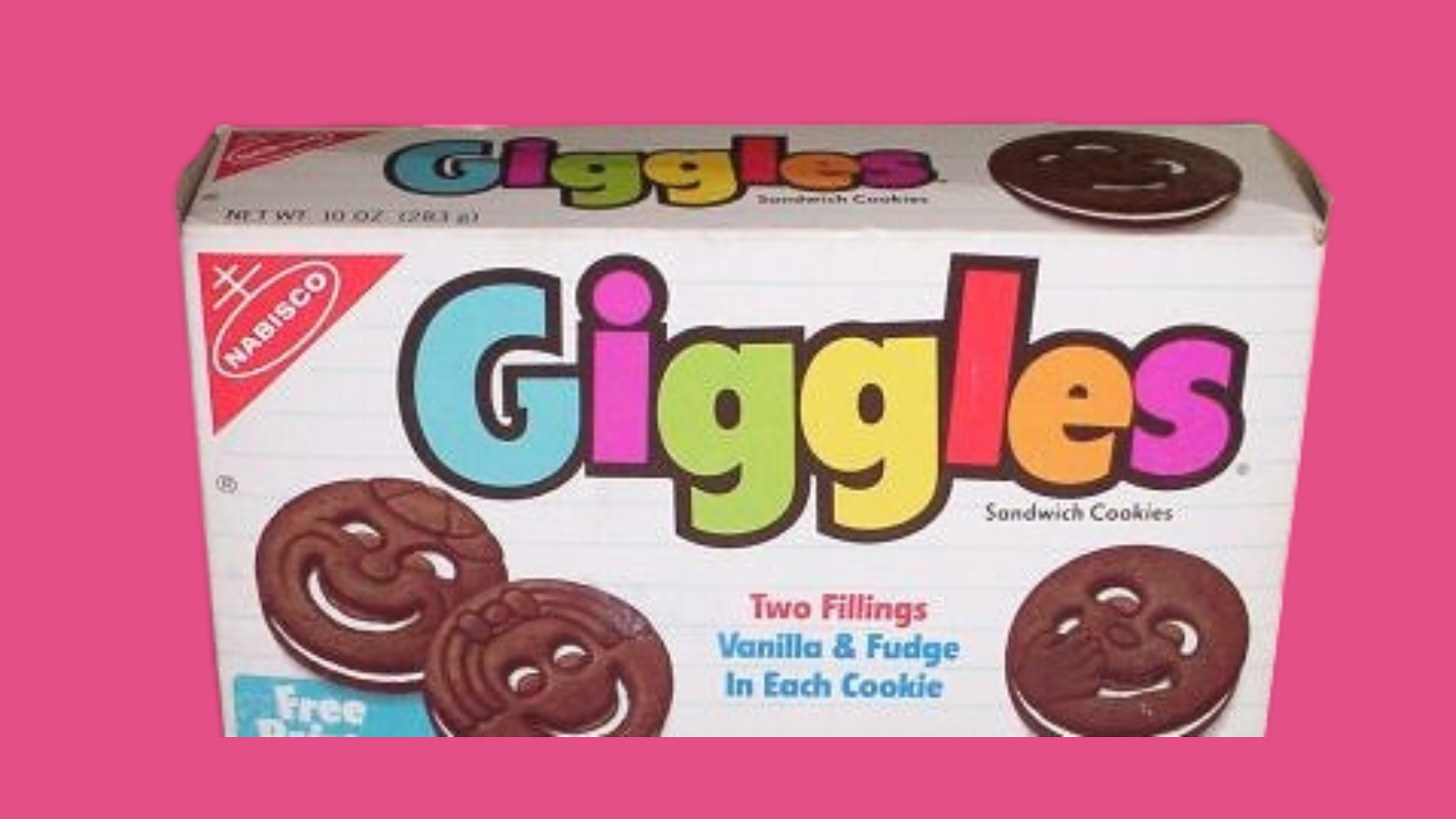
Nabisco Giggles were sandwich cookies shaped like smiley faces, and the selling point was the face itself — two flavors of cream filling arranged inside the cookie to create the expression. The kind of snack that was engineered entirely to appeal to children, which isn’t a criticism so much as an observation about exactly what Nabisco was doing in the 1980s.
They lasted about a decade before quietly exiting the product line.
Ecto Cooler
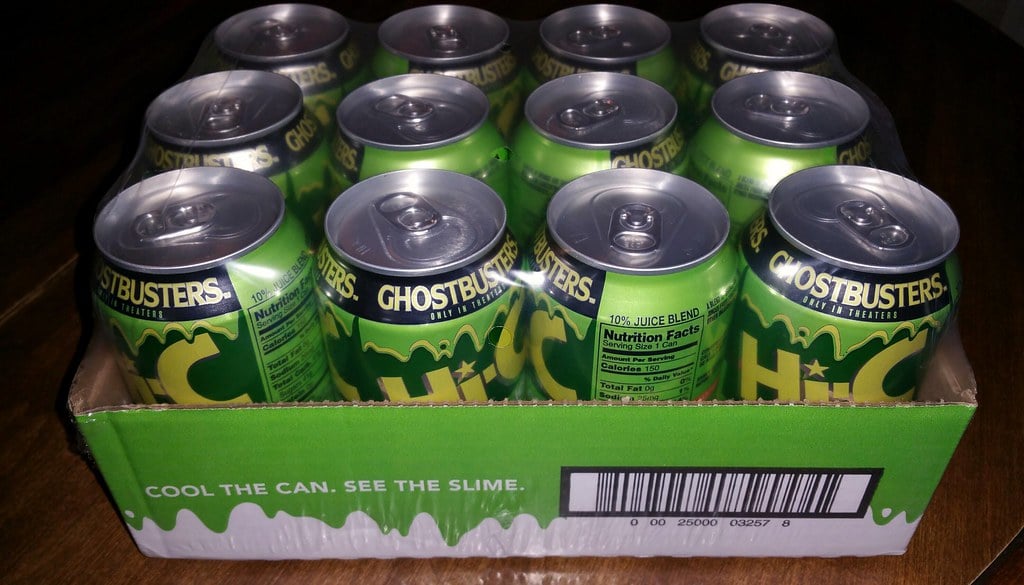
Ecto Cooler was a Hi-C citrus drink — tangy, aggressively green, borderline radioactive in color — that launched as a tie-in to The Real Ghostbusters cartoon in 1987 and then refused to leave for the next fifteen years. What’s worth noting is that the Ghostbusters branding eventually disappeared from the label, the cartoon was long gone, and Ecto Cooler just kept being sold on its own merits, which is a testament to how many kids had developed a genuine loyalty to the flavor itself.
It was discontinued in 2001, returned briefly for the 2016 reboot, and vanished again.
Sprinkle Spangles
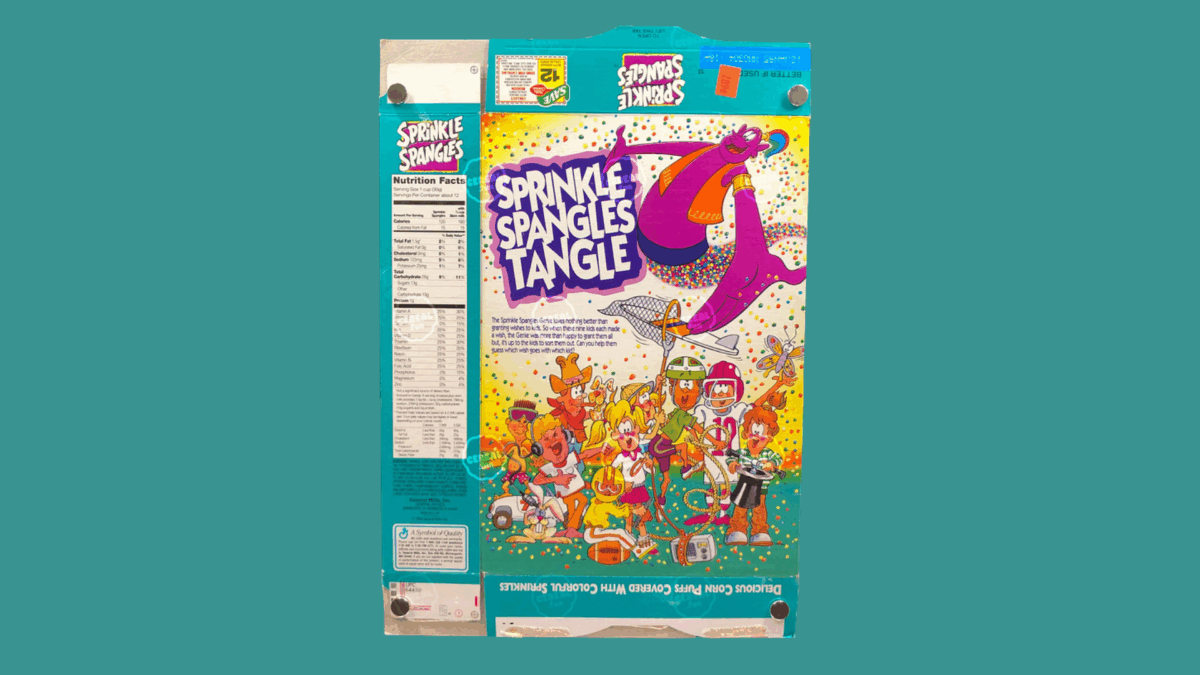
General Mills made a lot of cereals that don’t exist anymore, but Sprinkle Spangles might be the strangest one — star-shaped pieces coated in rainbow sprinkles and sugar, the whole thing designed to look festive and taste like dessert at 7 a.m. It landed on shelves around 1993 and was gone by the mid-’90s, a casualty of the cereal wars that wiped out dozens of sugar-forward cereals when parents briefly became more selective about what they put in their kids’ bowls.
Teenage Mutant Ninja Turtles Pie
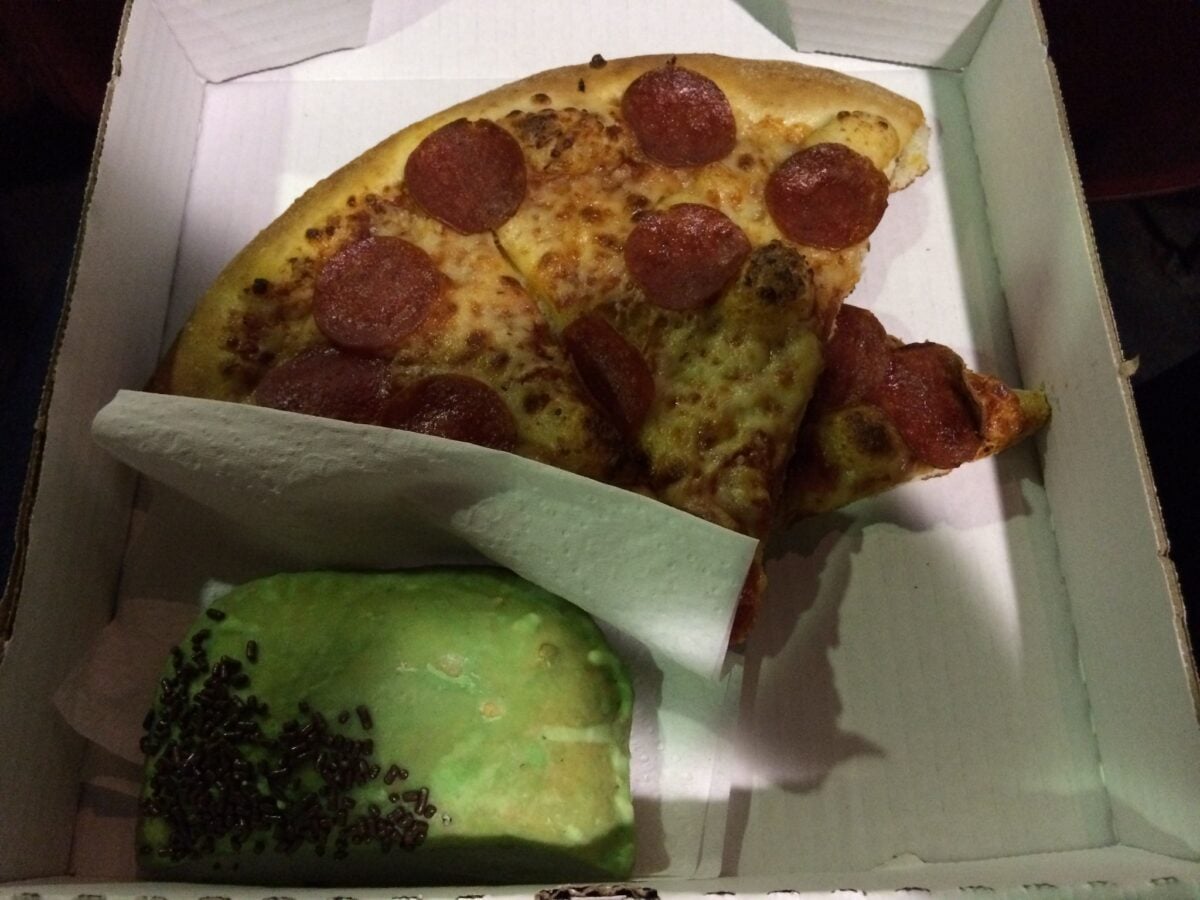
Hostess produced a lime-green pudding-filled pie in the early ’90s tied to the Teenage Mutant Ninja Turtles franchise, and it was exactly as improbable as that sounds. The filling was green. The exterior was standard Hostess pie pastry.
It tasted like a lime-adjacent custard that had never been near an actual turtle. Kids bought it anyway, because the shell on the wrapper looked cool and the whole thing felt vaguely transgressive.
Keebler Pizzarias
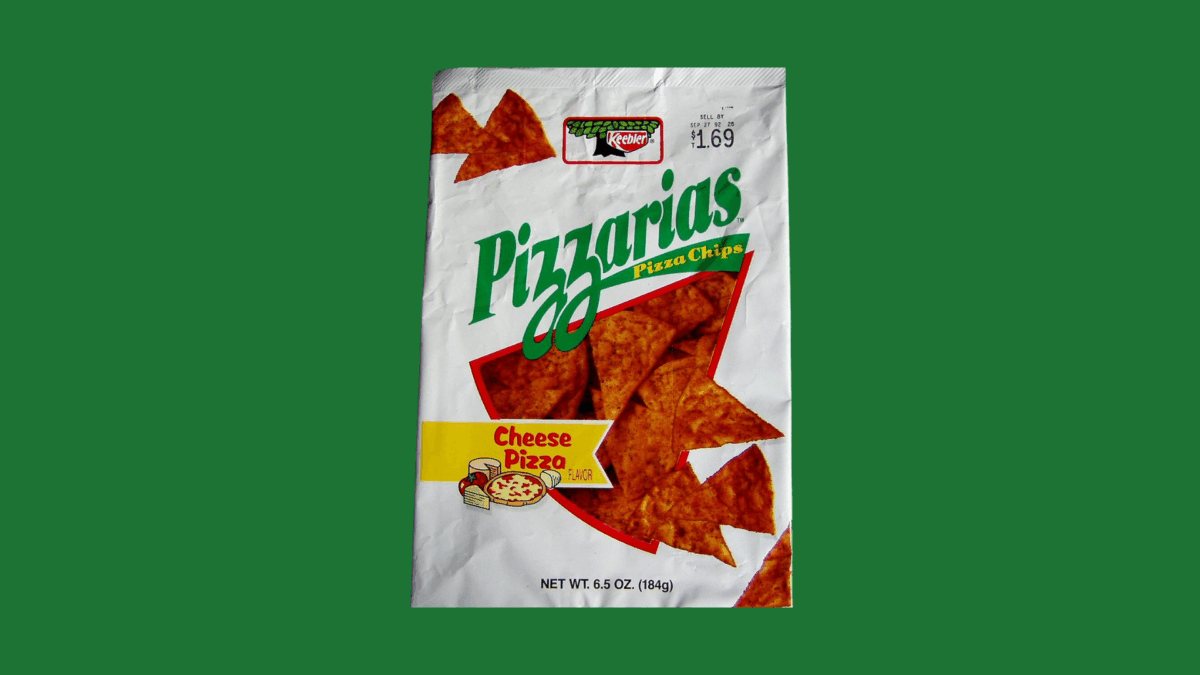
Keebler Pizzarias were pizza-flavored chips that tasted less like actual pizza and more like the memory of pizza filtered through a snack factory — which, it turns out, is exactly what people wanted. They launched in 1991, found a devoted audience, and then disappeared around 1997 when Keebler discontinued them for reasons that have never been fully explained to the satisfaction of anyone who ate them regularly.
Shark Bites
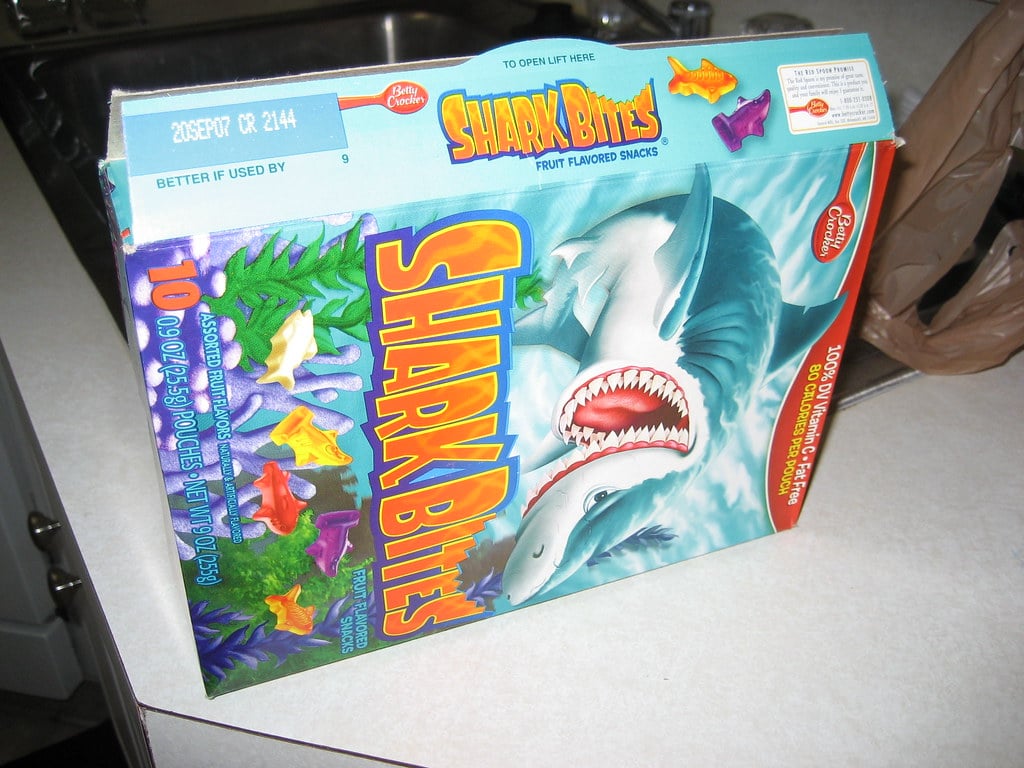
Shark Bites were fruit snacks shaped like sharks, made by Betty Crocker, and the entire point of opening a bag was finding the white shark — a great white made from a different, more opaque fruit snack material that stood out from the rest of the bag. You can still find knockoff shark gummies.
They’re not the same. They’re missing the white shark, and the white shark was the whole game.
Dinosaurs
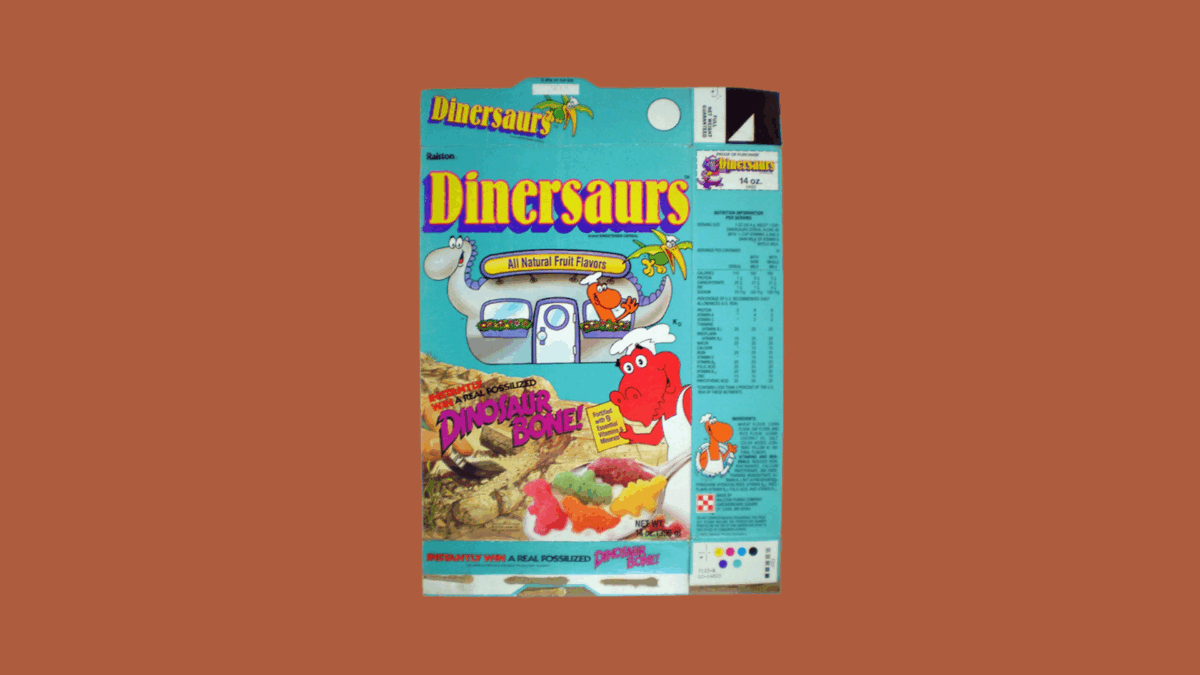
Dinosaurs — the Ralston cereal, not the ABC sitcom, though the cereal was in fact tied to the sitcom — featured dinosaur-shaped corn puffs with a flavor somewhere between a cheese puff and a sweet corn chip, which sounded unpleasant and tasted surprisingly fine. It ran from 1988 to 1996 and has since become one of those discontinued cereals that exist almost exclusively in the form of half-remembered childhood arguments about what color the pieces were.
Hershey’s S’mores Bar
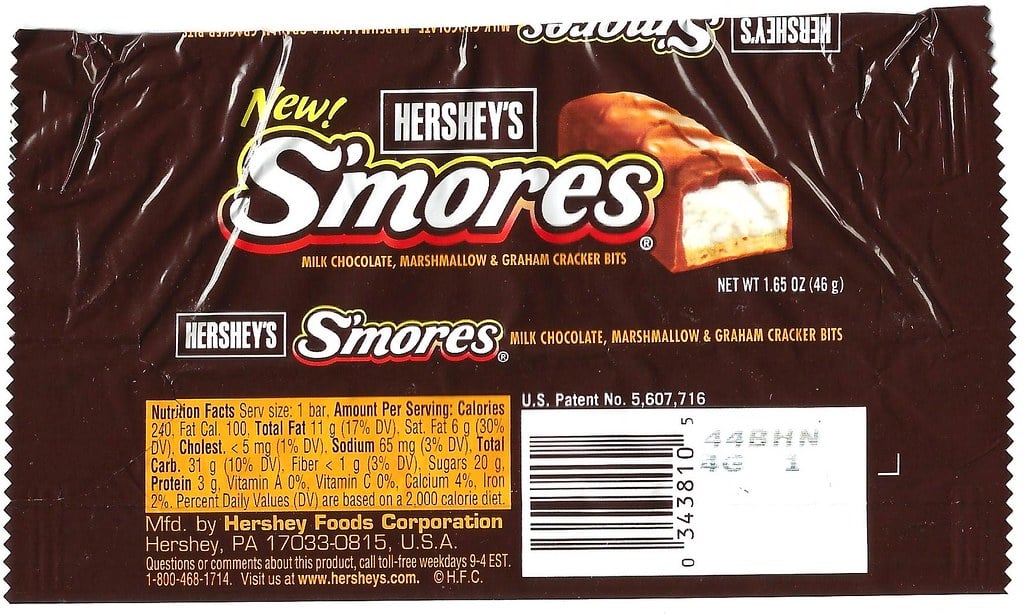
Hershey’s made a chocolate bar built around the s’more concept — graham cracker layers, marshmallow filling, milk chocolate — and it was, frankly, a better idea than it had any right to be. Snacking on a s’more without needing a campfire or a kitchen seemed like a small but genuine quality-of-life improvement, and then Hershey’s discontinued it and people went back to doing things the hard way.
Oreo O’s
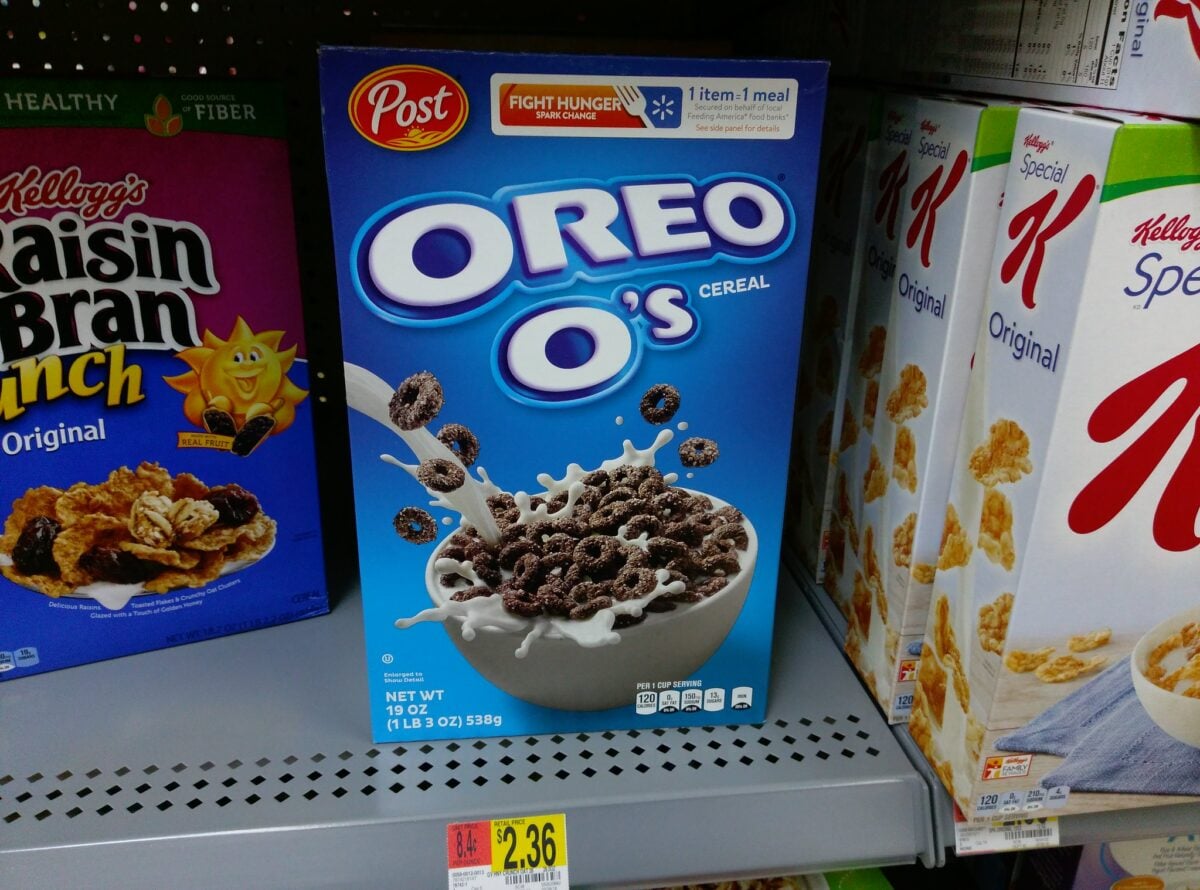
Oreo O’s were a Post cereal made from Oreo cookie-flavored rings, and their disappearance in 2007 felt like an actual loss to the people who ate them every morning for the better part of a decade. The cereal returned in 2017 after a viral nostalgia campaign, but the reformulated version used a different creme coating than the original, and devotees noticed immediately.
The gap between what something was and what it became is sometimes wider than it looks.
Rice Krispies Treats Cereal
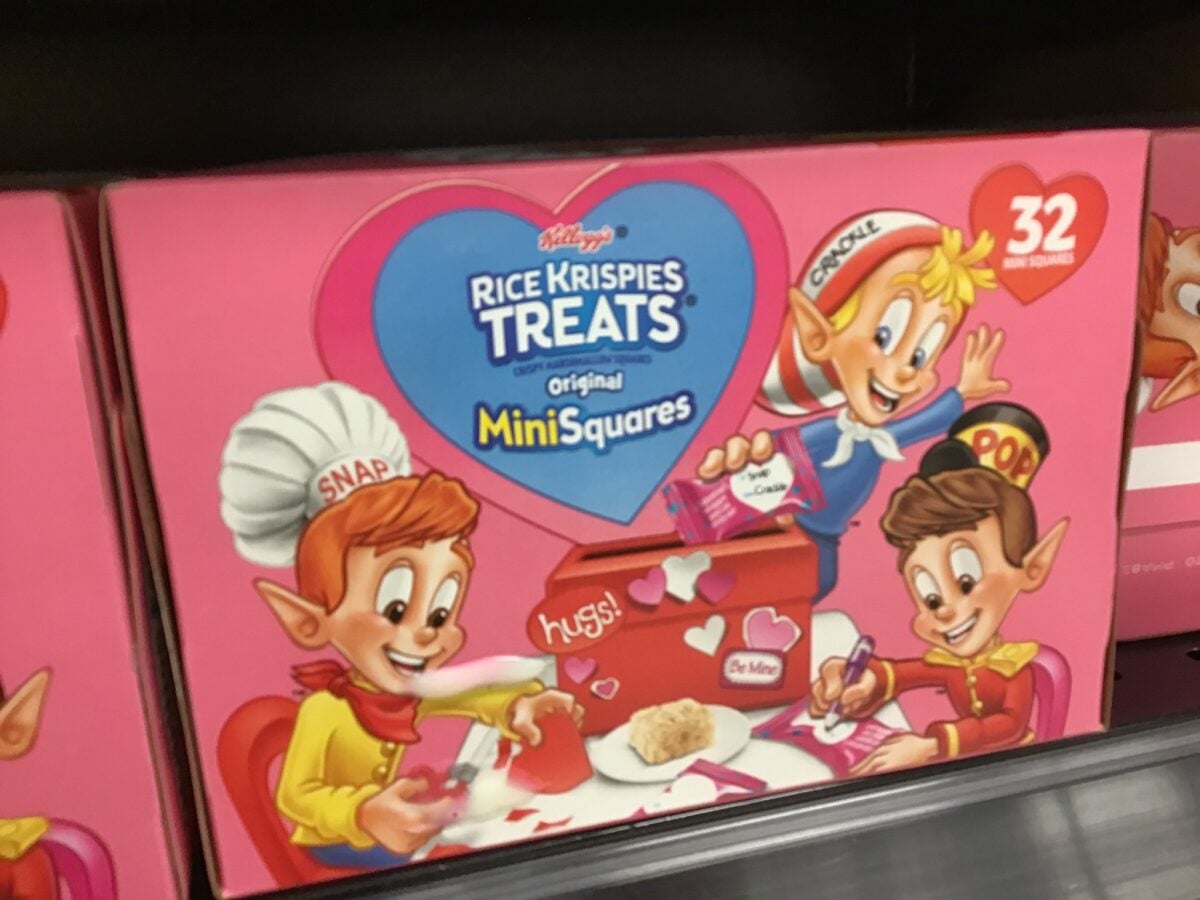
Rice Krispies Treats Cereal was exactly what the name said — cereal pieces that tasted like the bars rather than the plain puffed rice, which is a meaningful distinction. It launched in 1993, sold well, and was eventually pulled and reformulated and brought back in various forms, none of which consistently matched the original.
Kellogg’s has a complicated relationship with this product, and so do the people who grew up eating it.
Pizzeria Pretzel Combos
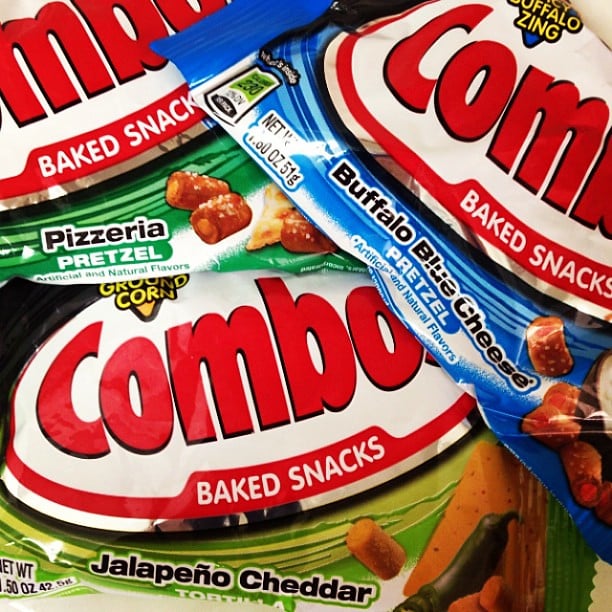
The pizza-flavored pretzel Combo was the superior Combo, and that’s a defensible position. The tube-shaped pretzels with their cheese pizza filling were a staple of gas station road trips and baseball game concession lines, and while the product technically still exists in various forms, the original flavor profile has drifted enough over the years that long-time fans notice the difference.
Turns out snack foods can drift just like everything else.
Nintendo Cereal System
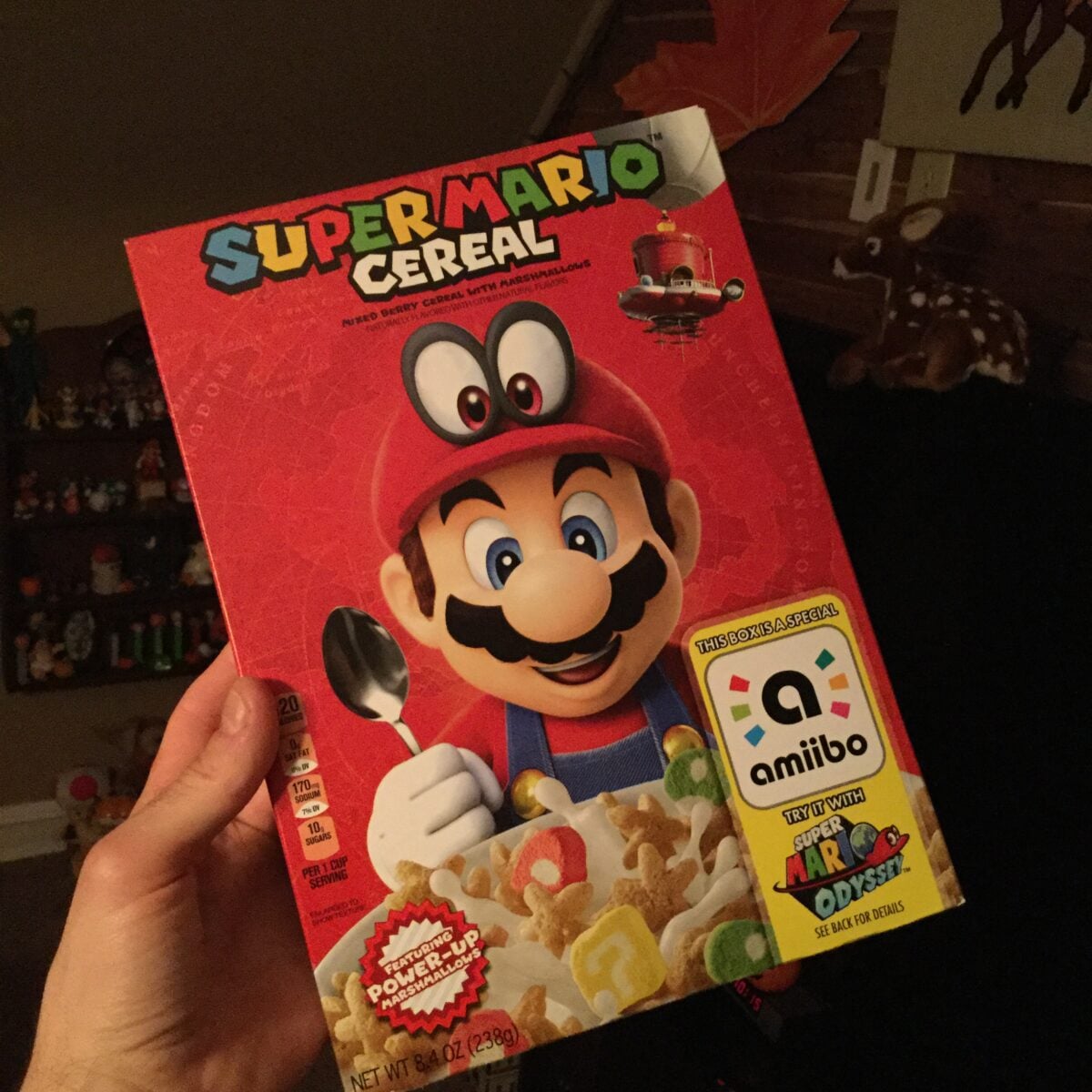
The Nintendo Cereal System was two cereals in one box — one themed to Super Mario Bros., one to Zelda — and the concept was so aggressive of its moment that it’s almost hard to believe it was a real product. It launched in 1988, leaned hard into the Nintendo craze that was consuming every American household with a child between ages five and fourteen, and was discontinued by 1989.
Less than two years on shelves. A meteorite of a cereal.
Crispy M&M’s
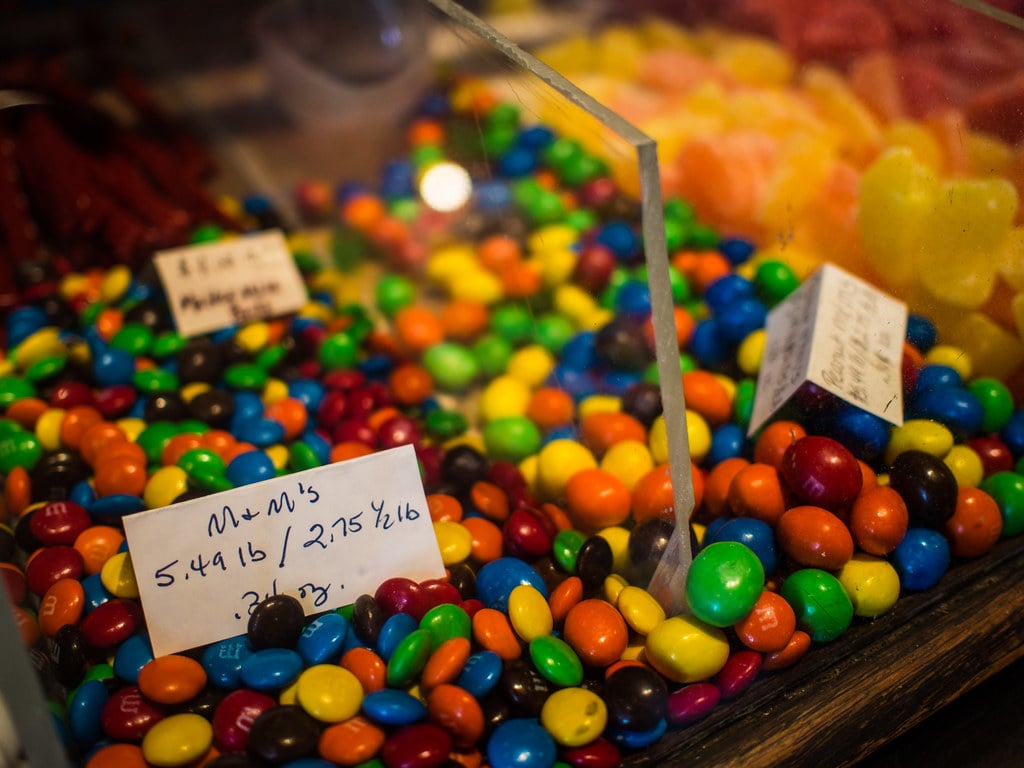
Crispy M&M’s were discontinued in the United States in 2005 after a run that began in 1999, and the backlash was significant enough that Mars brought them back in 2015. The original run felt like a genuine improvement on the standard M&M — the thin candy shell, the puffed rice center, the lighter texture — and their absence during that ten-year gap was the kind of quiet resentment that doesn’t go away easily.
Waffle Crisp
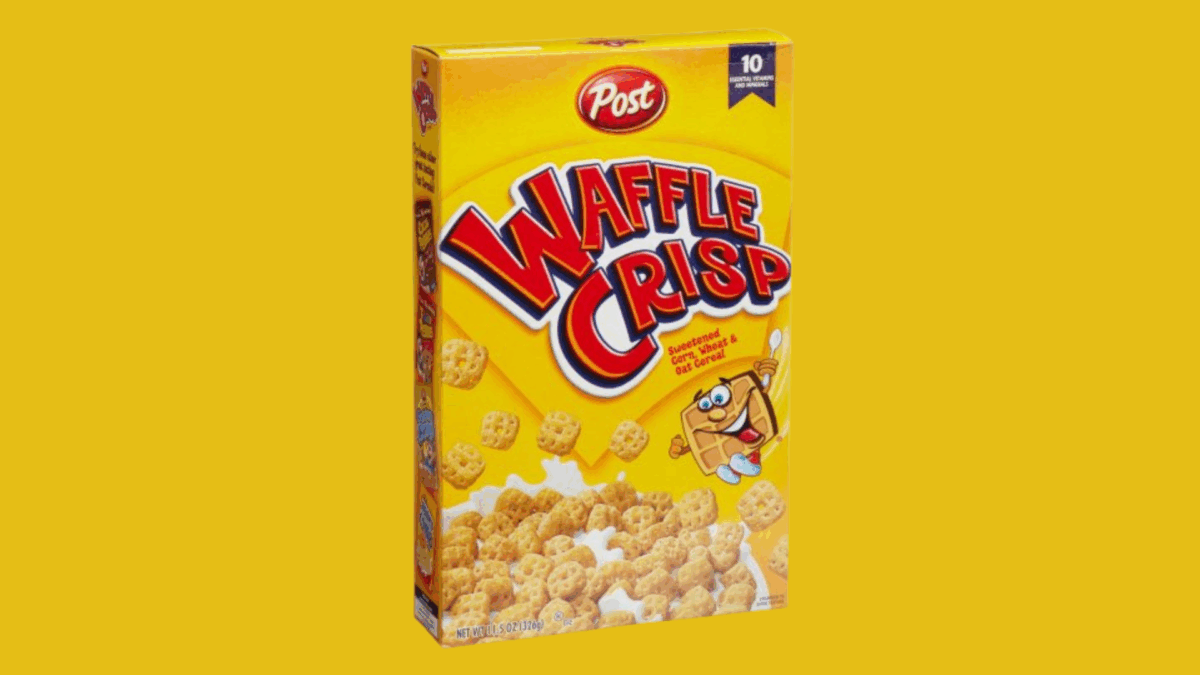
Waffle Crisp was a Post cereal that managed to taste convincingly like a miniature maple syrup-soaked waffle in a bowl of milk, which is not a flavor profile that’s easy to fake. It stuck around from 1996 until Post quietly discontinued it in 2017, a run long enough that most people assumed it would be there indefinitely.
Post has fielded requests for its return ever since.
Minute Maid Juices to Go
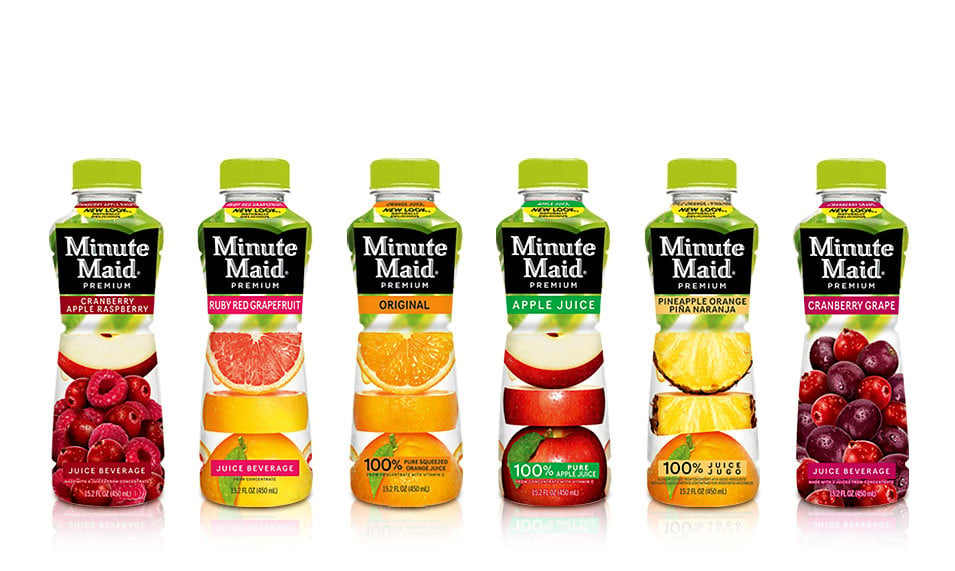
Minute Maid made a line of frozen juice bars and concentrated juice pops throughout the late ’80s and ’90s under the “Juices to Go” label that occupied a specific niche — cold, portable, citrus-forward, not quite a juice box and not quite a popsicle. They existed in a snack category that the market eventually decided it didn’t need, and they disappeared without much fanfare.
Fruitopia
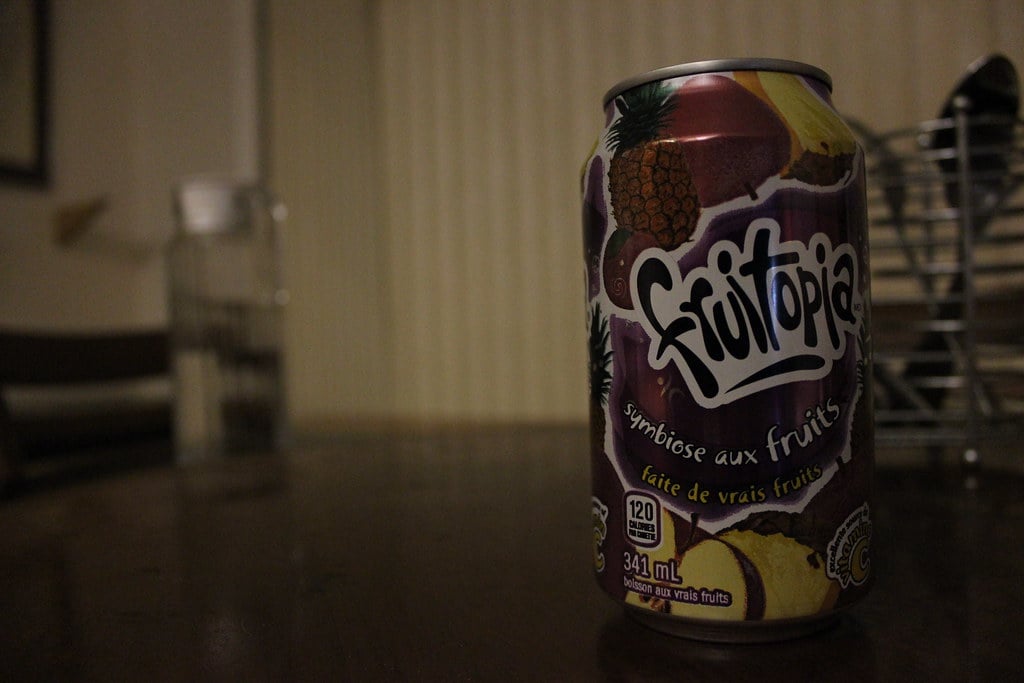
Fruitopia was a Coca-Cola product launched in 1994 as a direct answer to Snapple, with flavors named things like “Strawberry Passion Awareness” and “Citrus Consciousness” — names that have aged exactly as well as you’d expect from the mid-’90s. The juice-adjacent drinks found a loyal following among middle schoolers who thought the branding was sophisticated, and then they were phased out in the early 2000s when the brand simply stopped competing.
Squeezits

Squeezits were fruit-flavored drinks in plastic squeeze bottles — you bit the top, squeezed, and drank, which was the entire appeal. General Mills discontinued them in 2001 after a long run, and the gap they left was real: no subsequent squeezable juice product has quite replicated the specific pleasure of that soft plastic bottle collapsing as the drink went down.
It sounds small. It wasn’t small.
Trix Yogurt
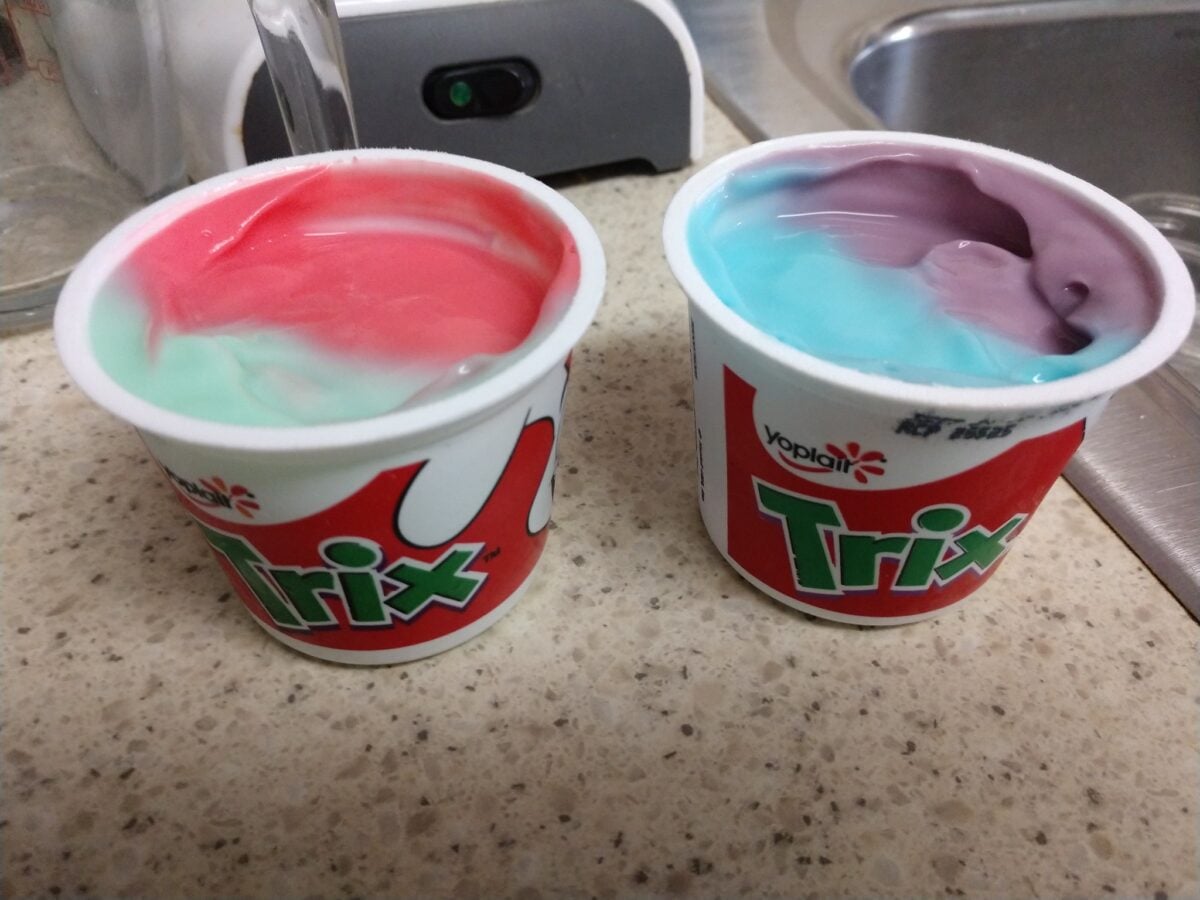
Trix Yogurt was a General Mills product that came in small cups swirled with two flavors and colors, and it occupied the snack slot between a dessert and a lunch item in a way that parents accepted more readily than most of the other items on this list. It was discontinued in 2015, not because anyone asked for that, but because General Mills trimmed its yogurt line and Trix didn’t survive the cut.
The cups were brightly colored. The flavors were correct. It was good.
When Something Disappears Without a Goodbye
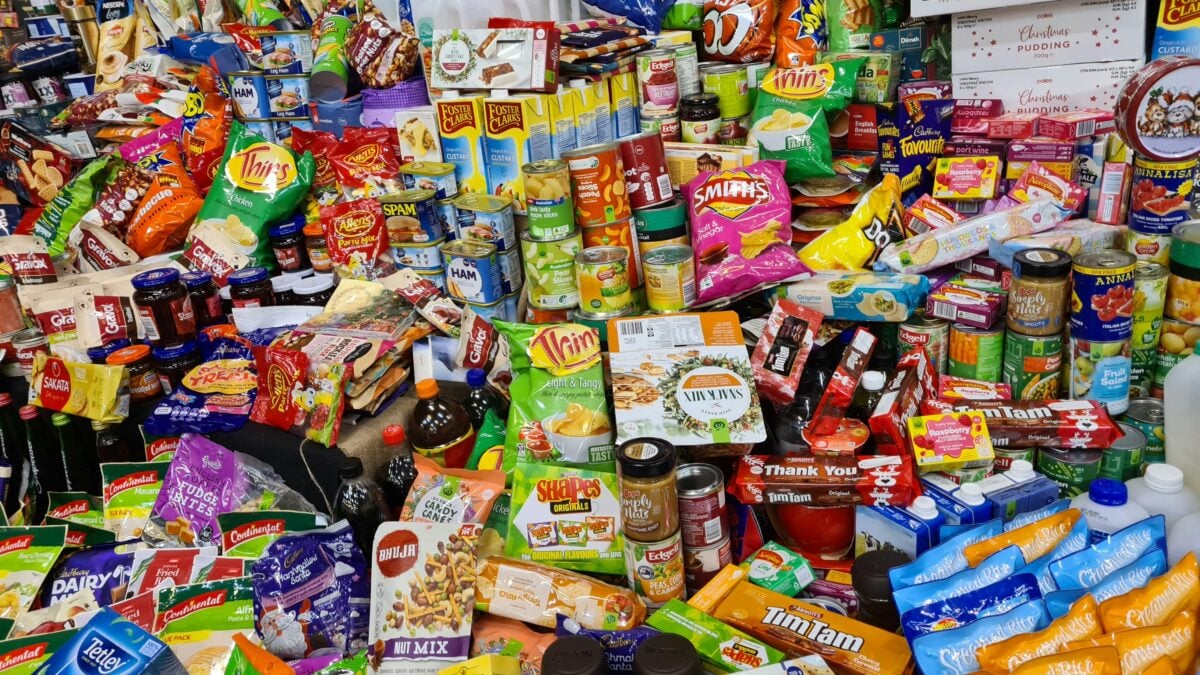
The strange thing about discontinued snacks is that they don’t leave a clean wound — they leave a slow one, the kind you don’t notice until you’re standing in a store aisle years later reaching for something that isn’t there anymore. These weren’t profound experiences.
They were orange powder on your fingers and a cold squeeze bottle in the back seat of a station wagon on a summer road trip, but the specific sensory detail of them is exactly what makes them stick. Memory has a way of treating the ordinary with the reverence it withheld at the time.
The snack was just a snack, until it wasn’t available anymore, and then it became something else entirely.
More from Go2Tutors!

- The Romanov Crown Jewels and Their Tragic Fate
- 13 Historical Mysteries That Science Still Can’t Solve
- Famous Hoaxes That Fooled the World for Years
- 15 Child Stars with Tragic Adult Lives
- 16 Famous Jewelry Pieces in History
Like Go2Tutors’s content? Follow us on MSN.