16 Retro Military Gadgets from the Past
Military tech has always pushed the limits, coming up with gadgets that sometimes feel like sci-fi. From clever spy gear to battlefield radios, the military’s created some pretty cool stuff over the years. Some of these inventions made it to civilian life, while others stayed secret for a long time.
Here’s a list of 16 retro military gadgets that changed how wars were fought and caught people’s attention.
Wrist Compass
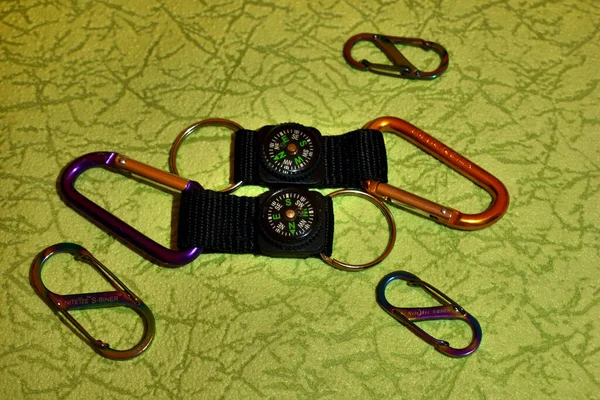
The wrist compass became a must-have for soldiers in World War II to find their way in unfamiliar areas. These little devices had glowing dials for night use and were built tough to survive combat. Unlike the big old compasses, these sat right on the wrist, leaving hands free for weapons and gear while still showing direction.
Pigeon Camera
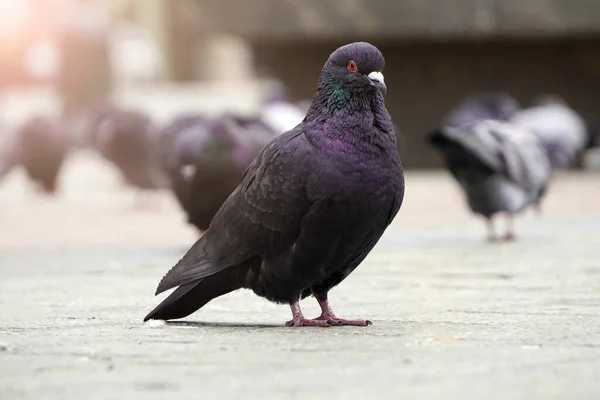
Back in the early 1900s, German engineers came up with tiny cameras that could be strapped onto carrier pigeons for aerial spying. Sounds wild, right? These light cameras snapped photos at timed intervals while the birds flew over enemy lines, giving valuable info before planes were common in battle.
Folding Bicycle
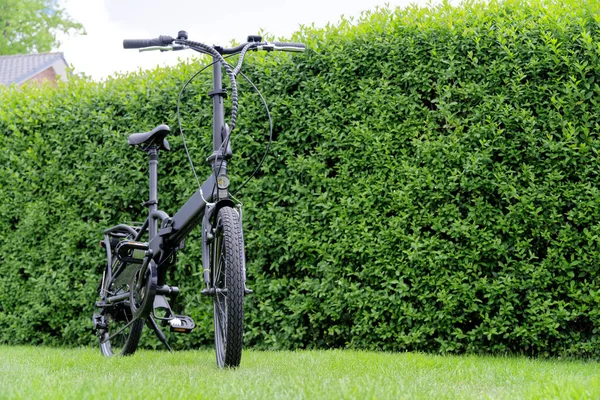
Folding bikes helped paratroopers move quickly after landing behind enemy lines. The British used these a lot in World War II. The bikes folded up in less than 30 seconds and had strong frames and tough tires built for rough ground and combat.
Radio Backpack
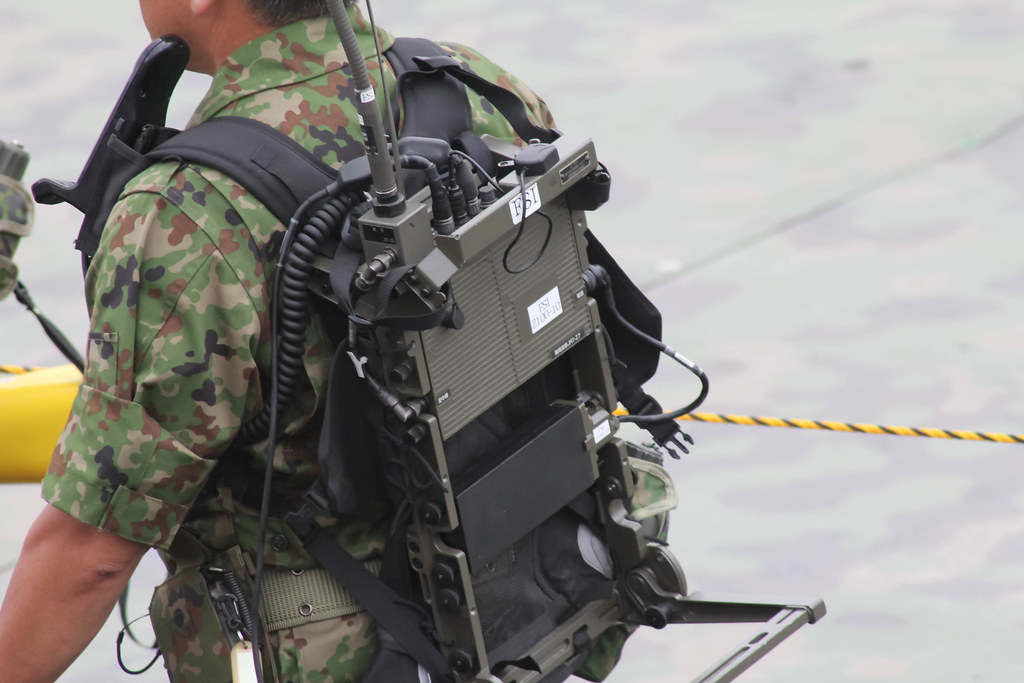
The SCR-300 radio backpack, introduced in 1940, changed how soldiers talked on the battlefield. This radio let infantry units communicate over about 5 miles, replacing unreliable field phones. The pack, weighing 35 pounds, held the radio, antenna, and battery, giving troops better coordination.
Gibson Girl Emergency Radio
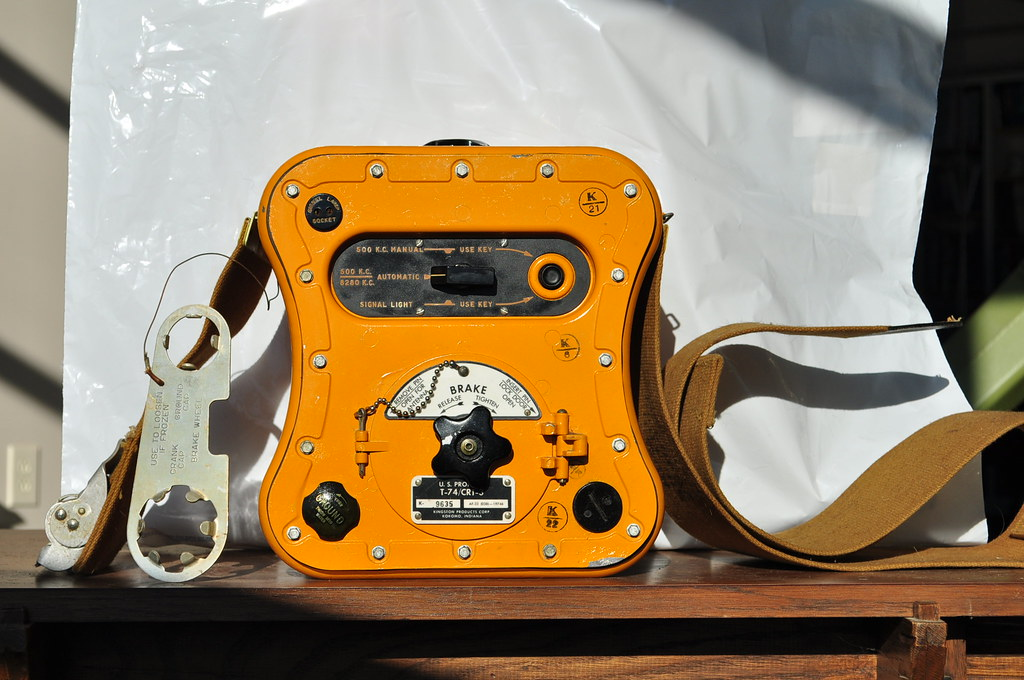
Downed pilots in World War II used the AN/CRT-3 emergency radio, nicknamed the ‘Gibson Girl’ because of its hourglass shape. This hand-cranked device could send distress signals hundreds of miles away using a kite antenna. Its unique shape made it easy to use, even in rough conditions, saving many lives.
Escape and Evasion Compass
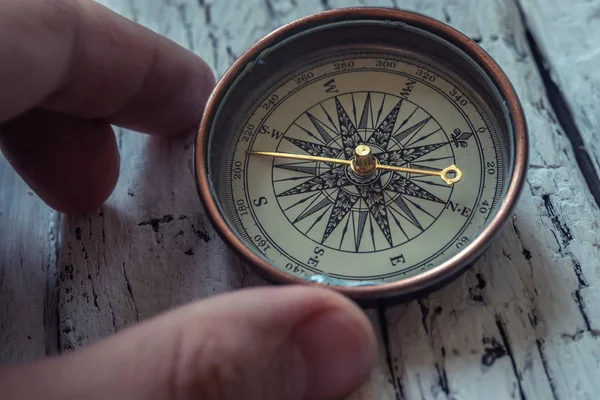
Tiny compasses were hidden inside everyday things like buttons, coins, or pencils to help captured soldiers find their way home. Pilots and special forces often carried these little tools along with silk maps and survival gear sewn into their jackets.
Stereoscope Viewer
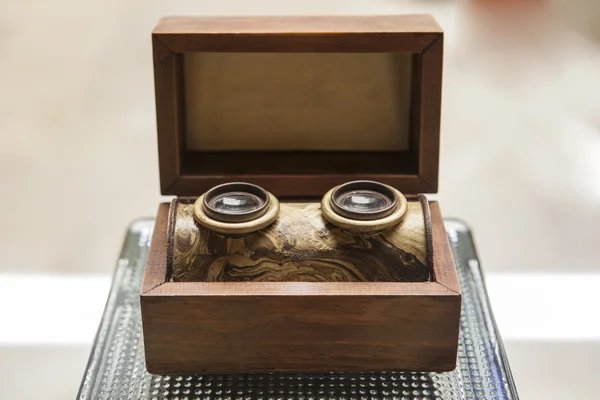
Military photo analysts used stereoscope viewers to look at aerial photos in 3D. This helped them spot camouflaged spots, measure building heights, and find targets much more accurately than with normal photos.
Signal Mirror
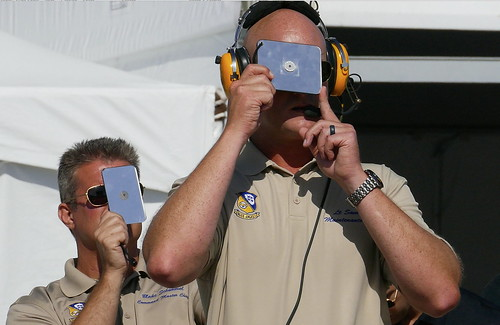
Signal mirrors could flash coded messages over 25 miles on clear days. Made from special glass with a small opening for aiming, these were common survival tools for pilots and isolated troops. They needed no batteries and worked as long as the sun was out.
Flashless Powder
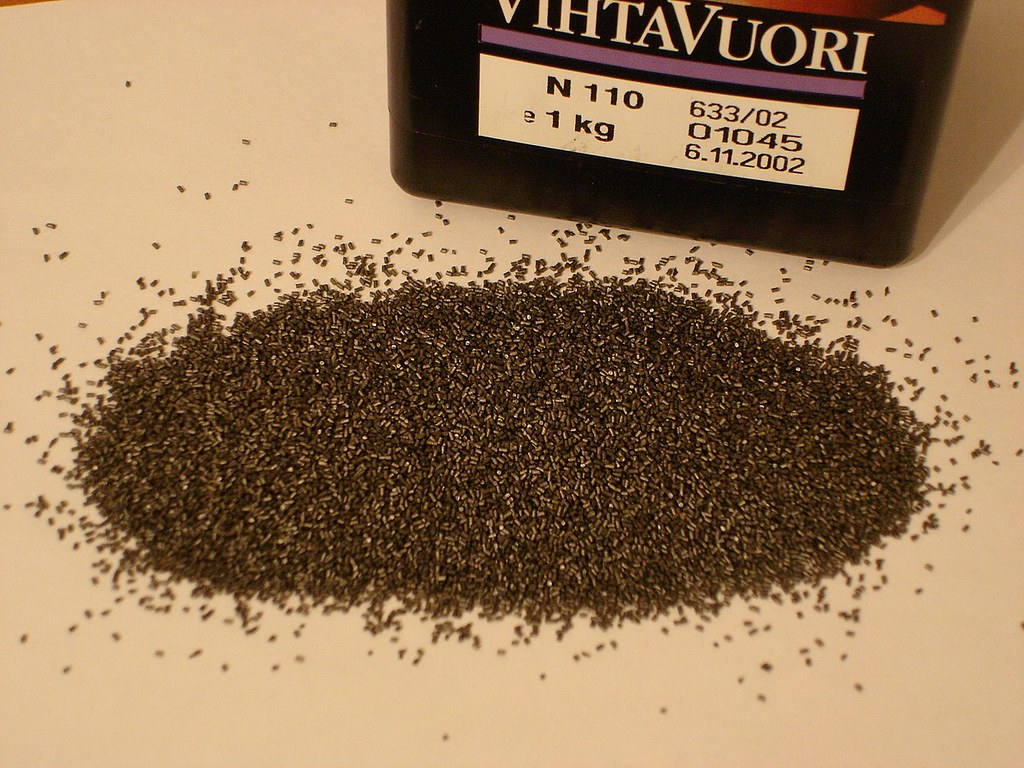
Military photographers developed a special flashless powder so they could take night photos without giving away their position. This magnesium-based powder lit up the area but was nearly invisible to the unaided eye, helping photographers stay hidden.
Combination Tool Knife
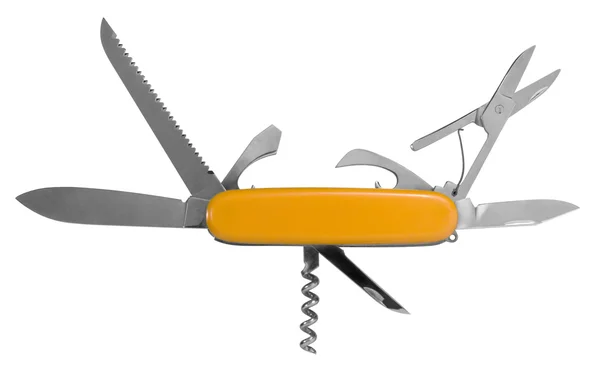
Swiss Army knives became must-have military gear in World War I. These tools combined knives, can openers, screwdrivers, and more into one compact gadget. They saved space and weight while giving soldiers multiple handy tools in one.
Telegraph Key
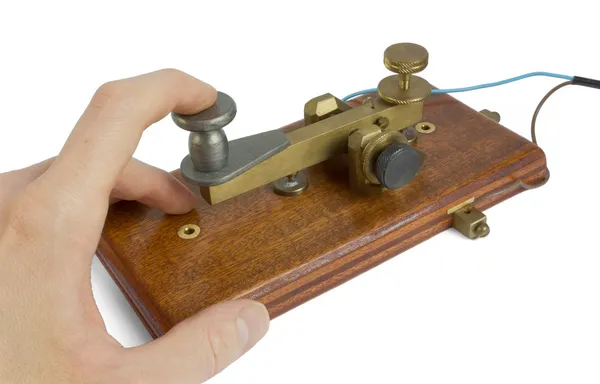
Portable telegraph keys let military operators send Morse code over field telephone lines across long distances. Skilled users could send messages faster than many modern methods—more than 25 words a minute!
Periscope Rifle
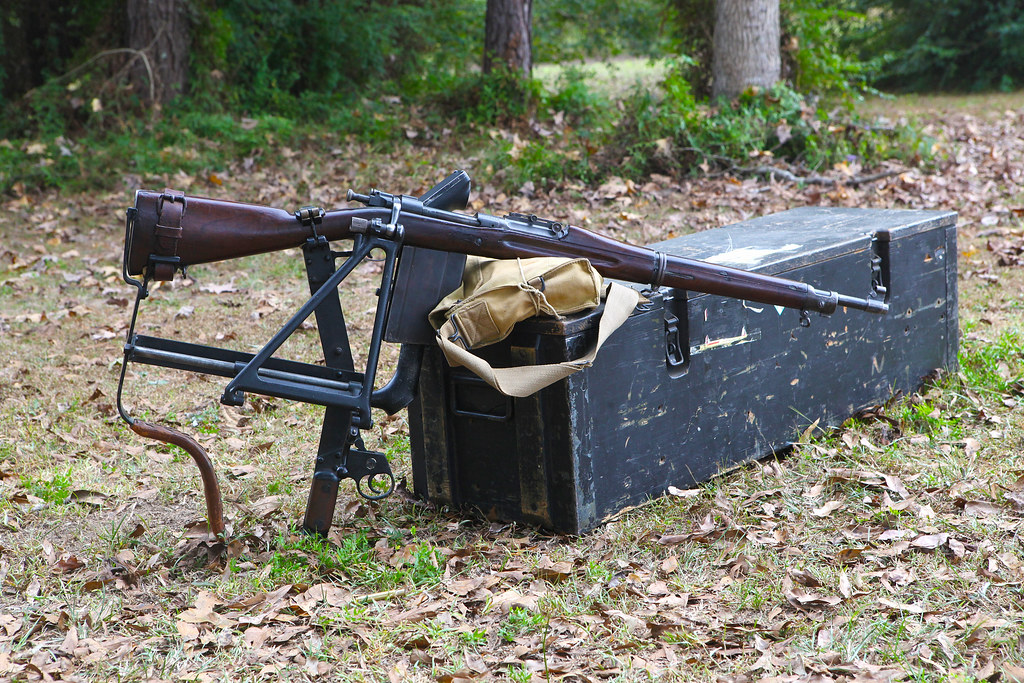
Trench warfare in World War I led to the periscope rifle, which let soldiers shoot around corners without exposing themselves. Using mirrors, shooters could line up their shot while staying safely behind cover. These rifles were widely used by British and Australian troops in the trenches.
Infrared Scope
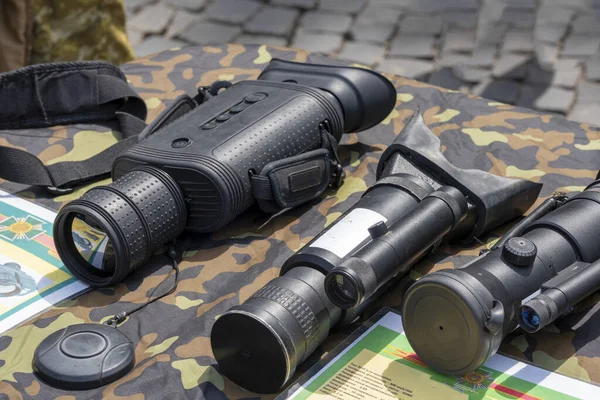
During World War II, German forces built the first practical infrared rifle scopes, allowing snipers to see in total darkness. The ‘Vampir’ system included an infrared light and electronic screen mounted on rifles. Though heavy and with limited range, it gave snipers a big advantage at night.
Portable Field Telephone
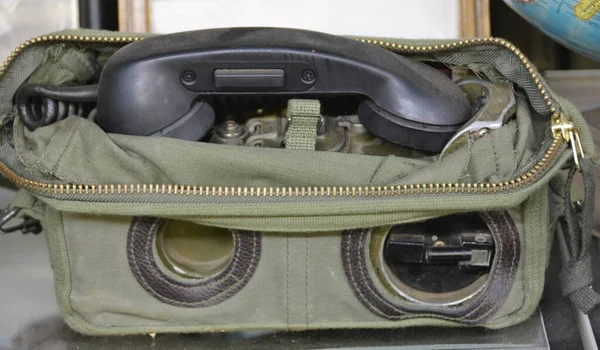
Field telephones connected commanders to front-line units with temporary wire networks. These rugged handsets had hand-crank generators and worked over several miles. They often worked better than radios when electronic jamming was a problem.
Camera Gun
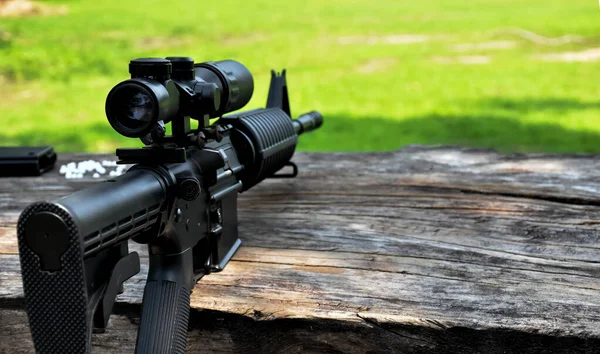
To train pilots, camera guns recorded gun sight footage instead of firing real bullets. This helped instructors review how accurate pilots were and improve their skills without wasting ammo. Camera guns became standard in flight schools through the 1940s and 1950s.
Miniature Camera
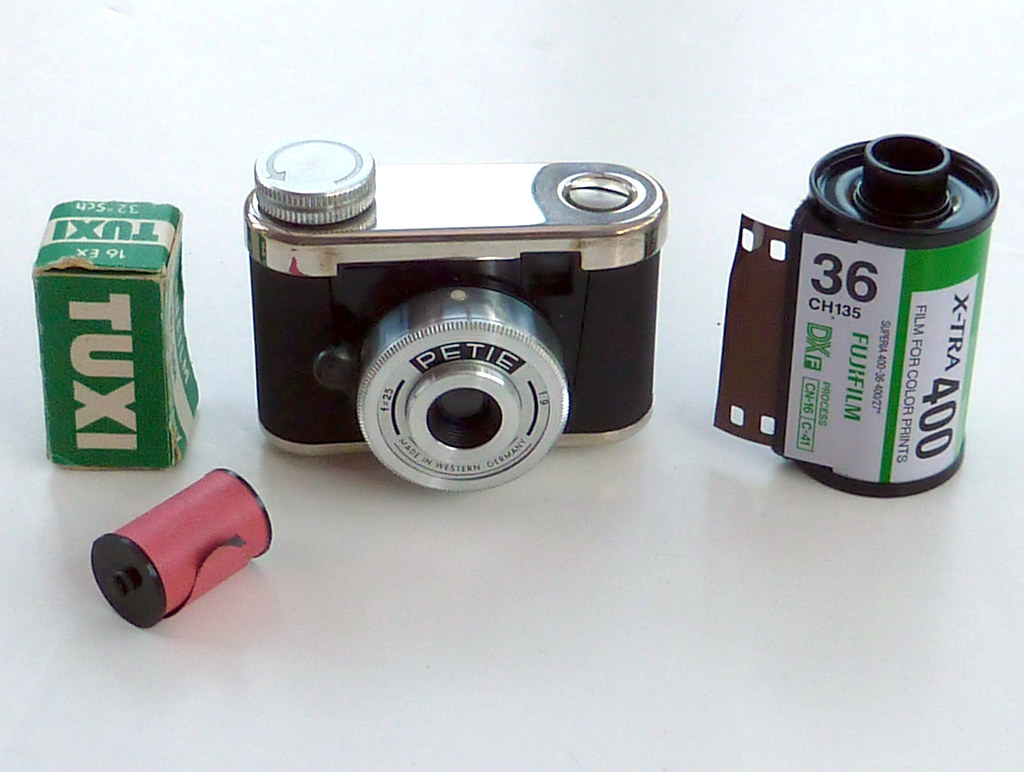
Spy agencies made tiny cameras hidden in everyday objects like lighters, pens, and watches for secret photography. The Minox camera became famous for its small size and good picture quality. Agents could take photos of documents or places without being noticed during the Cold War.
When Innovation Met Necessity
These old military gadgets show how war pushed tech forward fast during the 20th century. Many ideas made for battle later became common in daily life, like GPS and night vision. The clever fixes military engineers came up with still influence technology today. Even now, smartphones pack more power than whole military systems from decades ago—but these vintage gadgets laid the groundwork for modern defense tech.
More from Go2Tutors!

- 16 Historical Figures Who Were Nothing Like You Think
- 12 Things Sold in the 80s That Are Now Illegal
- 15 VHS Tapes That Could Be Worth Thousands
Like Go2Tutors’ content? Follow us on MSN.