16 Ancient Weather Signs That Always Predicted Storms
Before smartphones and weather apps, people had to be weather detectives. They watched everything — animals, plants, clouds, even their own aching bones.
And honestly? They got pretty good at it.
These old-school methods weren’t just random folklore. They were based on real changes in the atmosphere that happen before storms hit.
Here’s a list of 16 ancient weather signs that actually worked for predicting storms.
Red Sky at Night

That old saying about ‘red sky at night, sailor’s delight’ isn’t just poetry. There’s actual science behind it.
When the western sky turns red at sunset, it means dry, high-pressure air is moving in. This pushes storm systems out of the way.
The red color comes from sunlight bouncing off dust particles in dry air.
Animals Seeking Shelter
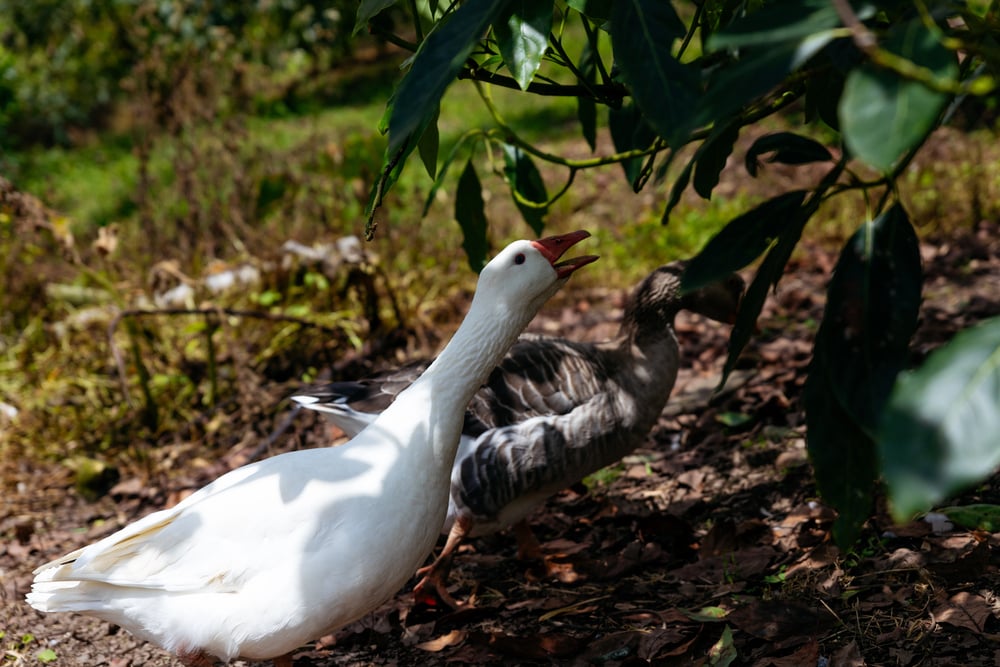
Farm animals can feel pressure changes that humans miss completely. Cows will plop down in fields hours before it starts raining. Horses bunch up near barns.
Even wild animals like deer make a beeline for cover when storms approach. Their ears are way more sensitive to pressure changes than ours.
Like Go2Tutors’s content? Follow us on MSN.
Birds Flying Low

When birds suddenly start flying closer to the ground, pay attention. The air pressure drops before storms, making it harder for birds to fly at their normal height.
They stick to lower altitudes where the air is thicker. Swallows are especially good at this — they’ll swoop low chasing bugs that are also getting pressed down by the changing pressure.
Smoke Descending

Campfire smoke that won’t rise properly means trouble’s coming. Normally, smoke goes straight up when the air pressure is high. But when low pressure moves in, the smoke gets squashed down.
It’s like the atmosphere is pressing down on everything, including your campfire smoke.
Strong Winds from the South

Steady winds blowing from the south often mean storms are building. These warm, humid air masses carry all the ingredients storms love — heat and moisture.
When these winds keep blowing from the same direction and start picking up speed, you’ve probably got a few hours before things get interesting.
Like Go2Tutors’s content? Follow us on MSN.
Unusual Cloud Formations
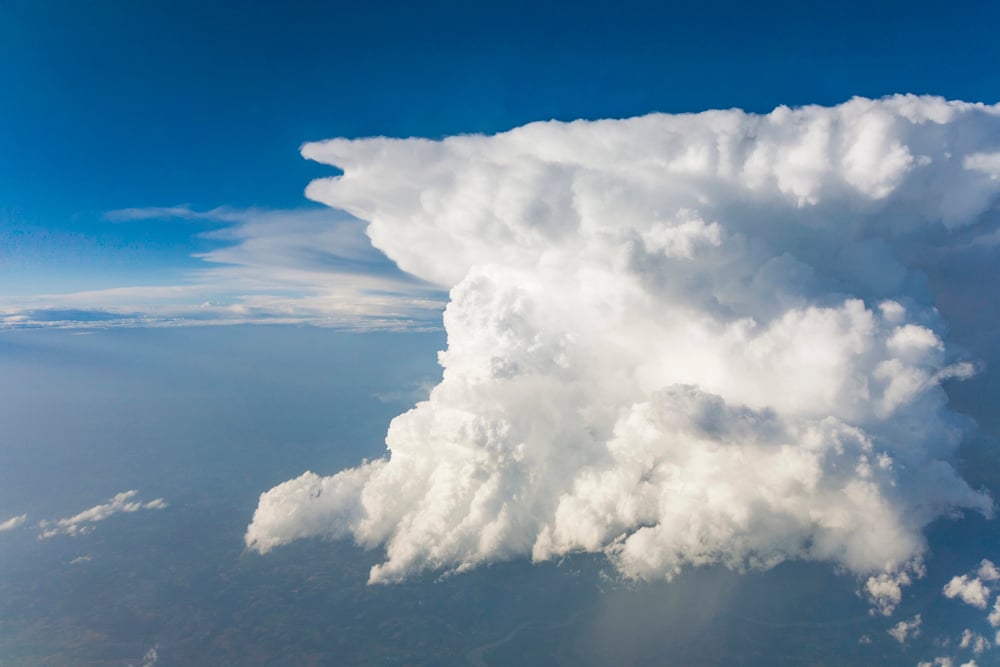
Those big, puffy clouds that look like they’re growing taller by the minute? That’s trouble brewing. These towering cumulus clouds form when warm, moist air shoots up fast and cools down.
They’re like storm factories in the sky. Once you see those distinctive anvil shapes, you don’t have long before the show starts.
Sudden Temperature Drops
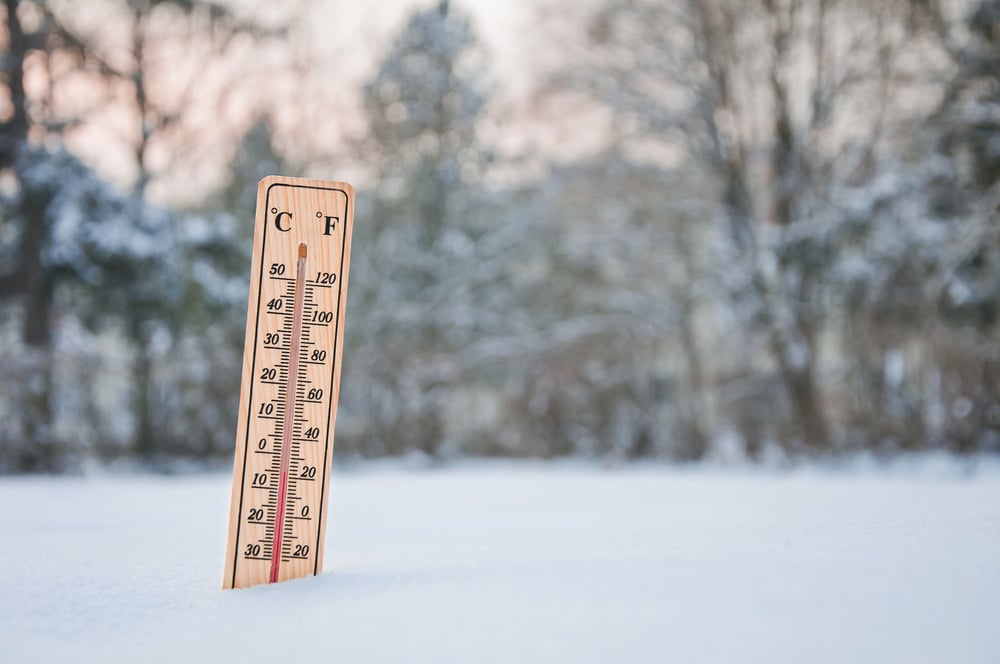
A quick temperature change, especially when it gets chilly after a warm day, usually means a cold front is pushing through. Different air masses smash into each other and create the perfect recipe for storms.
People who worked outside all day got really good at feeling these shifts coming.
Cats Acting Restless

Cats go nuts before storms hit. They’ll pace around, hide under beds, or just act generally weird. They can hear sounds we can’t — low-frequency waves that travel ahead of storm systems.
This usually happens anywhere from 15 minutes to a few hours before the rain starts.
Like Go2Tutors’s content? Follow us on MSN.
Aching Joints and Old Injuries

People with arthritis or old broken bones often hurt more before storms. When air pressure drops, tissues swell up slightly and put pressure on sensitive spots. It’s like having a built-in barometer in your body.
Some folks could predict weather better than the local news just by how their knees felt.
Leaves Showing Their Undersides

Tree leaves flip over before storms, showing their lighter undersides. The winds pick up and twist the leaves around, exposing parts you don’t normally see.
Maple and oak trees are especially good for this. When you see whole hillsides of trees with their leaves flipped over, storms are definitely coming.
Spiders Taking Down Webs
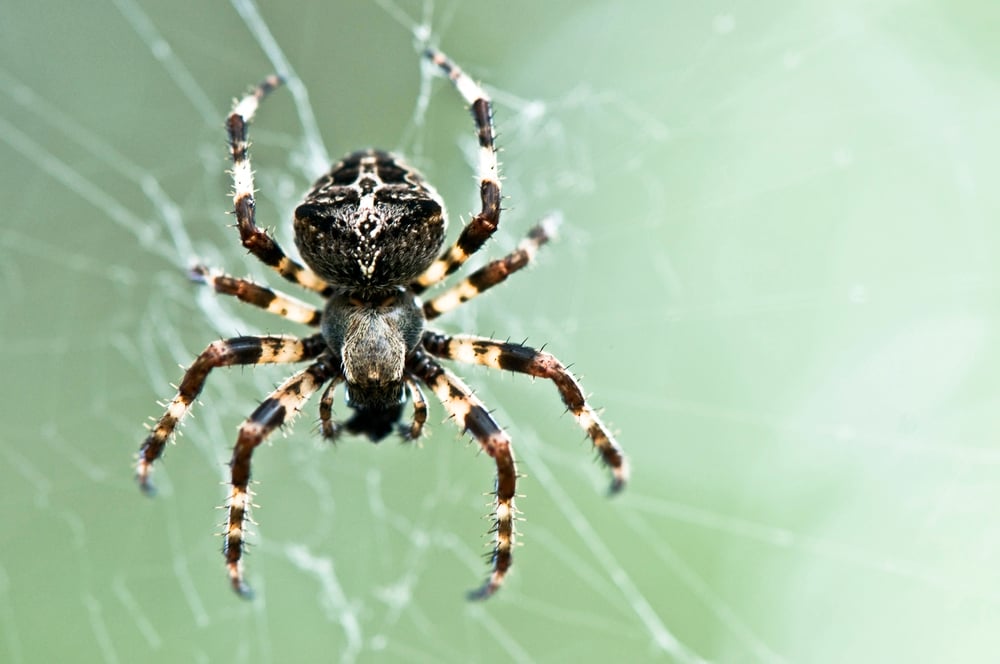
Spiders are smart. They can sense when air pressure and humidity change, so they’ll tear down their webs before storms hit.
Why waste time rebuilding when you know wind and rain are going to wreck everything anyway? When you see lots of spiders doing this at once, bad weather’s on the way.
Like Go2Tutors’s content? Follow us on MSN.
Frogs Croaking More Than Usual

Frogs love humid weather, so when they sense moisture building up in the air, they get excited. They’ll start croaking loudly, even during the day when they’re usually quiet.
This typically happens 12 to 24 hours before it actually starts raining. Think of them as nature’s humidity sensors.
Flowers Closing Their Petals
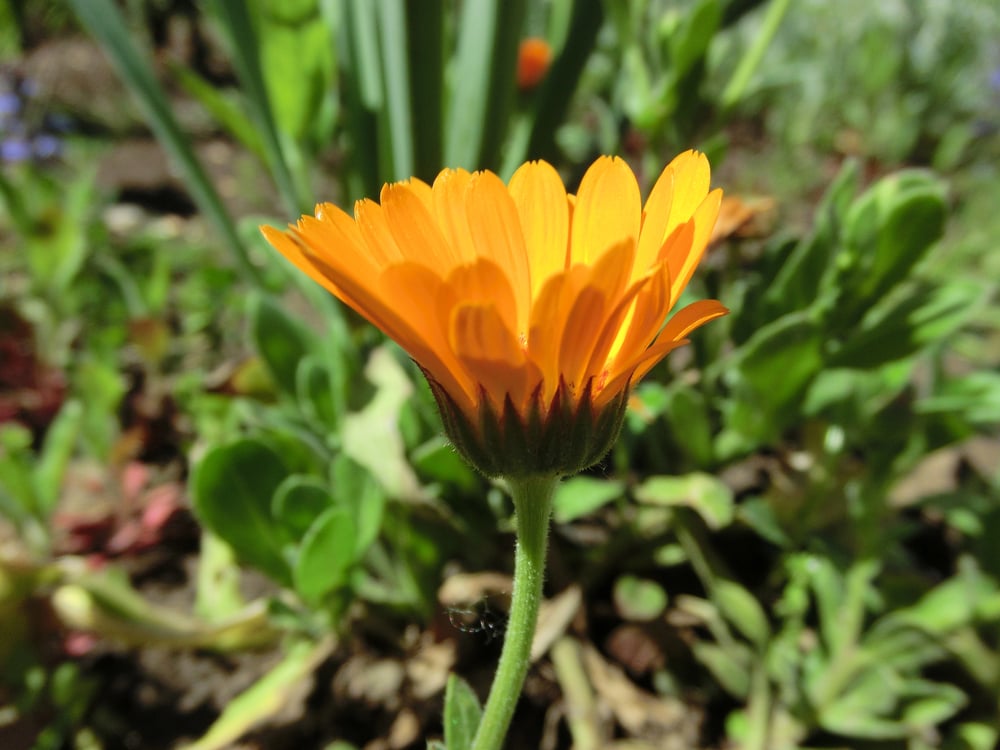
Flowers like morning glories and tulips close up when they feel storms coming. They’re protecting their pollen and reproductive parts from getting washed away.
Gardeners who paid attention to this could often tell when the weather was about to change just by looking at their flower beds.
Unusual Sunset Colors
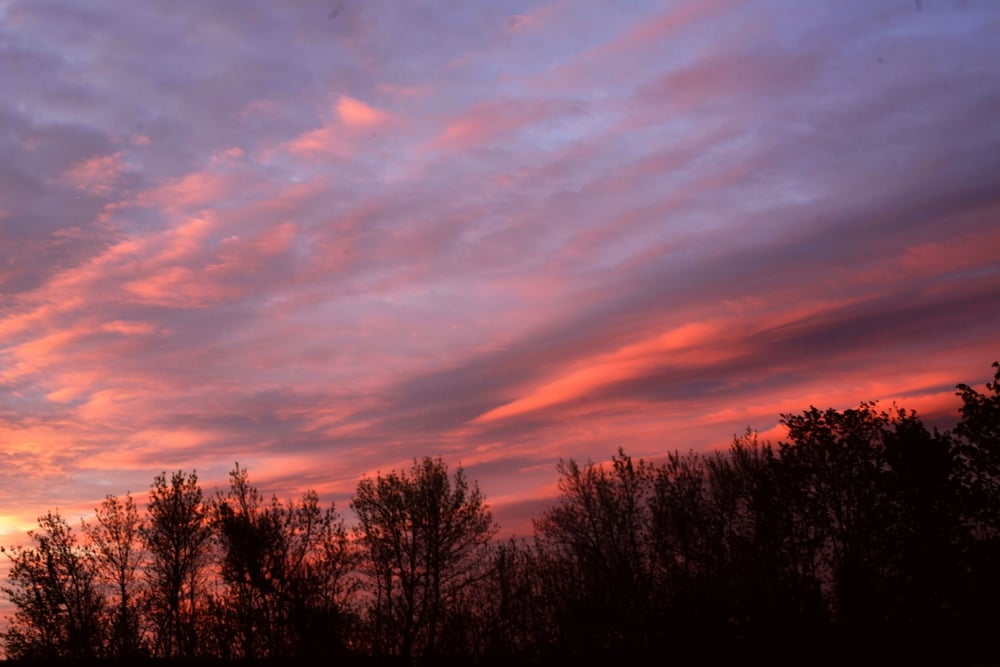
Really intense orange, purple, or unusually bright sunset colors can mean weather’s changing. While red sunsets usually mean good weather, these more dramatic colors suggest there’s moisture and particles in the air.
The stuff that makes these amazing colors often comes with weather fronts moving in.
Like Go2Tutors’s content? Follow us on MSN.
Increased Static Electricity
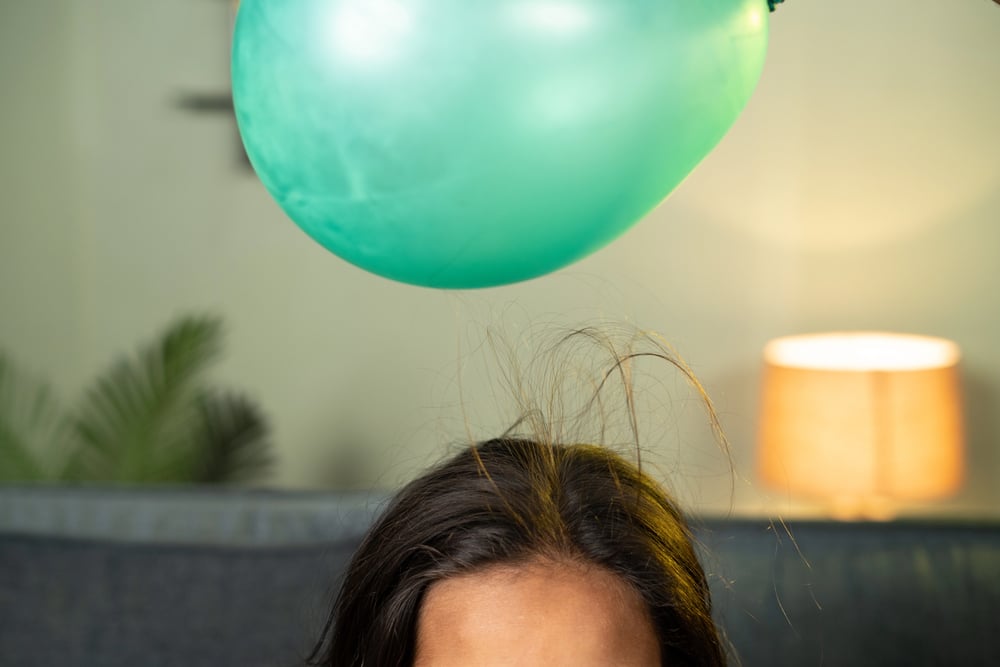
When your hair stands up more than usual, your clothes stick to you, or you keep getting shocked by doorknobs, there’s extra electricity in the air. This happens when different air masses with different electrical charges bump into each other.
It’s like the atmosphere is getting charged up for a thunderstorm.
Sudden Stillness in the Air

Sometimes the wind just stops completely before a big storm. Everything gets eerily quiet and still. This happens when high and low pressure areas meet and cancel each other out temporarily, or when you’re in the calm center of an approaching storm system.
That unnatural quiet can be more worrying than dark clouds.
Nature’s Weather App Still Works

These traditional weather signs developed over thousands of years of people paying attention to what was happening around them. Many of them still work just as well as modern forecasting, sometimes better. Sure, we understand the science behind them now, but the basic truth hasn’t changed.
Nature gives plenty of warning signals if you know what to look for. The next time your cat starts acting weird or you notice smoke hanging low, remember you’re seeing the same weather prediction methods that kept people safe from storms for centuries.
Like Go2Tutors’s content? Follow us on MSN.
More from Go2Tutors!

- 16 Historical Figures Who Were Nothing Like You Think
- 12 Things Sold in the 80s That Are Now Illegal
- 15 VHS Tapes That Could Be Worth Thousands
- 17 Historical “What Ifs” That Would Have Changed Everything
- 18 TV Shows That Vanished Without a Finale
Like Go2Tutors’s content? Follow us on MSN.



