16 Sausage Facts You Probably Didn’t Know
Sausages are one of humanity’s oldest convenience foods, yet most people think they know everything there is to know about these meat-packed cylinders. From ancient Egyptian tombs to modern gambling dens, sausages have been making their mark on human civilization for thousands of years in ways that might shock you.
While you might consider yourself a sausage expert, prepare to have your assumptions challenged. Here is a list of 16 sausage facts that will change how you think about this beloved food forever.
They’re literally humanity’s first processed food
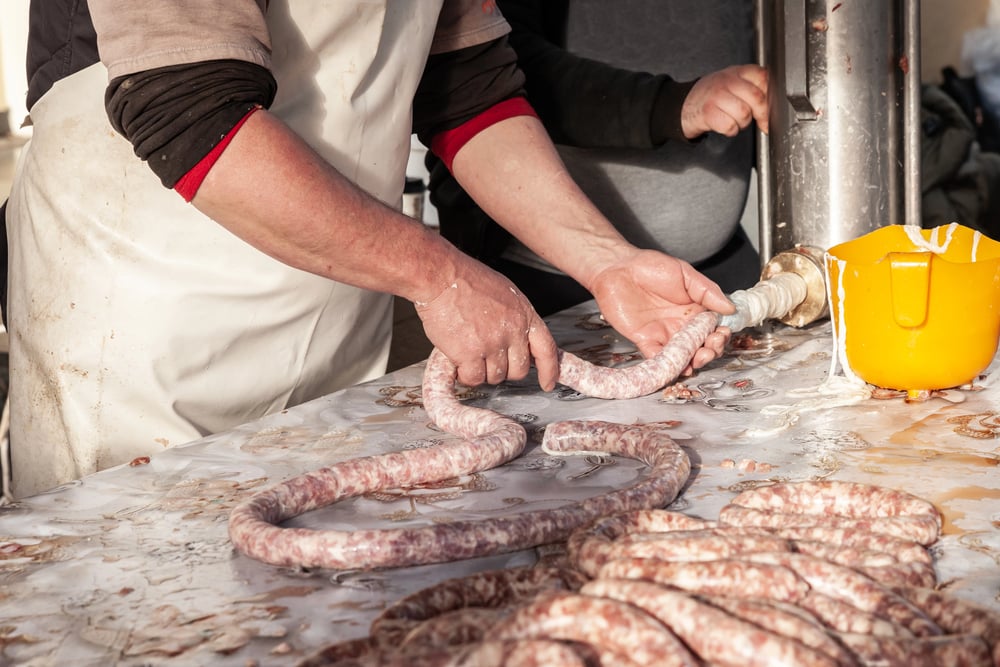
Sausages, a blend of meat or blood protein, fat, and spices, were the first processed food. Think about that for a moment – before humans figured out cheese, bread preservation, or even basic cooking techniques, they were already stuffing seasoned meat into casings.
Ancient Sumerians were making sausages at least 4,000 years ago in Mesopotamia (modern day Iraq), where they stuffed meat into intestinal casings to create what may be some of the world’s earliest sausages.
Ancient Egyptians packed them for the afterlife

Egyptians have been making (and eating) a type of sausage called Mombar Mahshy, for (some say) 5,000 years, with remnants reportedly found in ancient Egyptian tombs. The recipe includes cow intestine stuffed with beef, lamb, rice, cardamom and mastic.
Apparently, ancient Egyptians believed sausages were important enough to take into eternity – talk about comfort food.
Homer compared Odysseus to a fat sausage
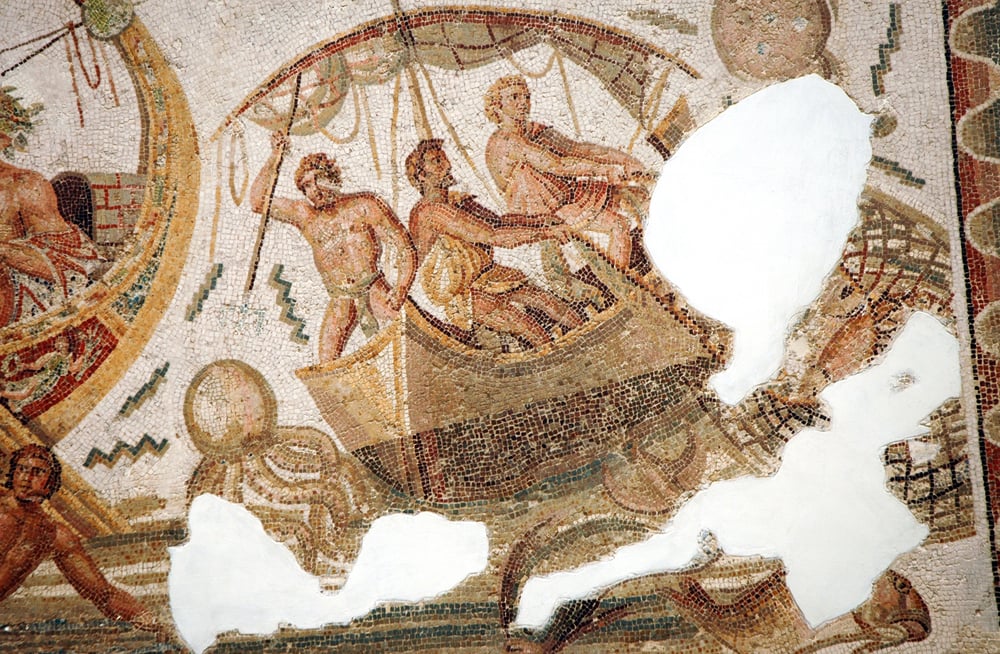
In The Odyssey Homer unflatteringly compares Odysseus to a fat sausage. This might be literature’s earliest recorded sausage insult, proving that even ancient Greeks understood the comedic potential of comparing heroes to processed meat.
The ancient Greeks and Romans were big sausage fans, though they had different preferences – Greeks liked them fresh while Romans preferred them smoked.
The word ‘sausage’ means ‘salted’
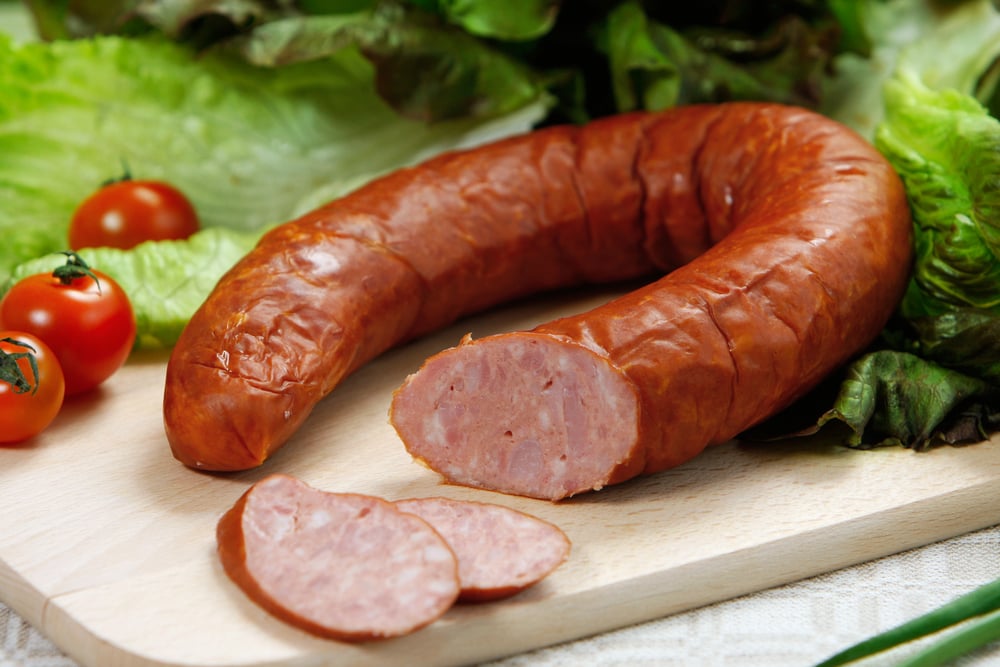
The English word sausage comes from the Latin salsus, meaning “salted.” The word sausage, from the Latin salsus (“salted”), refers to a food-processing method that had been used for centuries.
Salt was crucial because it dissolved muscle fiber in meat, allowing fat to float in a protein matrix – basically creating the perfect chewy texture we love today.
Botulism gets its name from Roman sausages

The Roman word for sausage, botulus, is the origin of the word botulism. The sausage production process creates a warm, moist, anaerobic environment ideal for Clostridium botulinum, the bacterium that produces the botulinum toxin.
Romans unknowingly created perfect conditions for this dangerous bacteria, which is why proper sausage-making techniques became a matter of life and death.
‘Bangers’ got their name from exploding during WWI
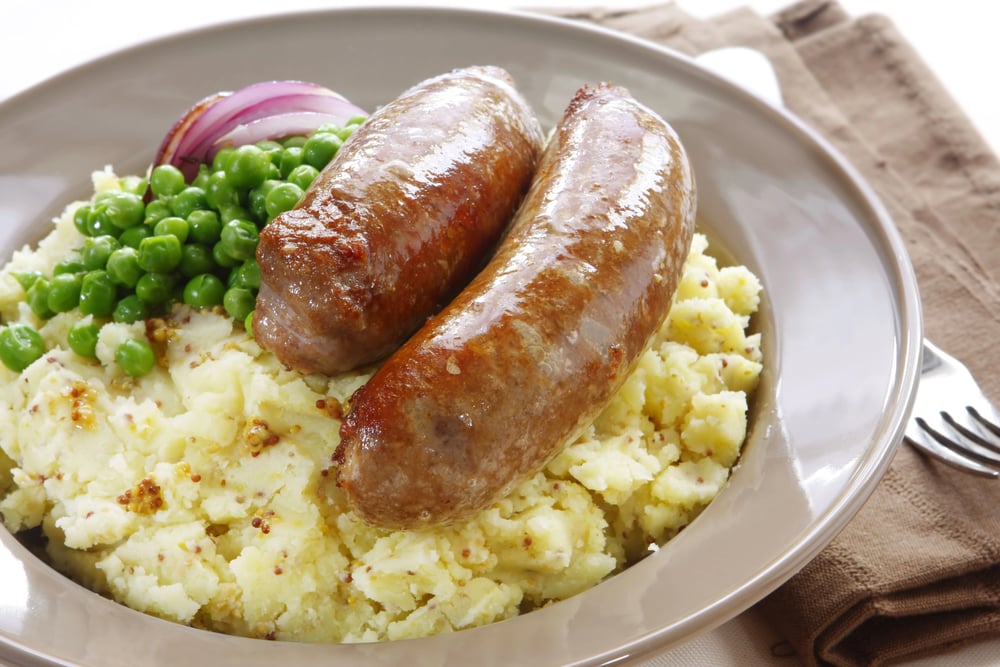
Bangers, as in bangers and mash, is a term that originated in WWI when meat shortages led to an increase in the water content of sausages. When these sausages were cooked they would explode or bang, resulting in the name.
Wartime rationing meant sausages were packed with so much water and fillers that they literally went off like little bombs in the frying pan.
Germans created the first soy sausage in 1918
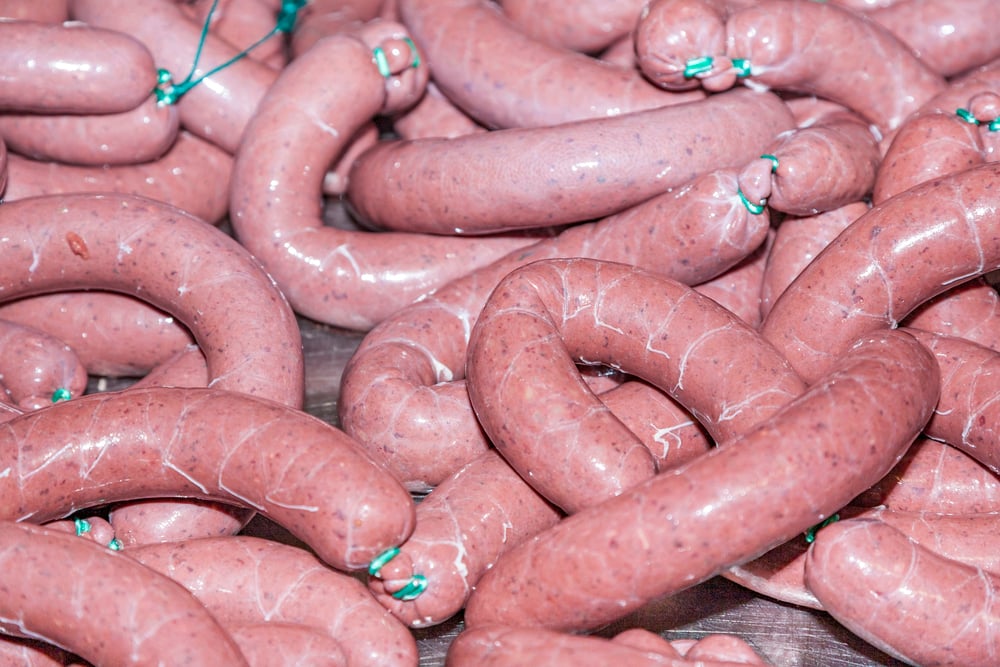
Let’s take a trip back to 1918, to the time of the First World War. Food was in high demand, and supplies worldwide were becoming more and more scarce. A German Chancellor by the name of Konrad Adenauer sought to solve the shortage of meat with a sausage that had never been seen before – a soya sausage!
This plant-based innovation was born from desperation, making Germany accidentally ahead of their time by about a century.
There are over 1,500 types of German sausage
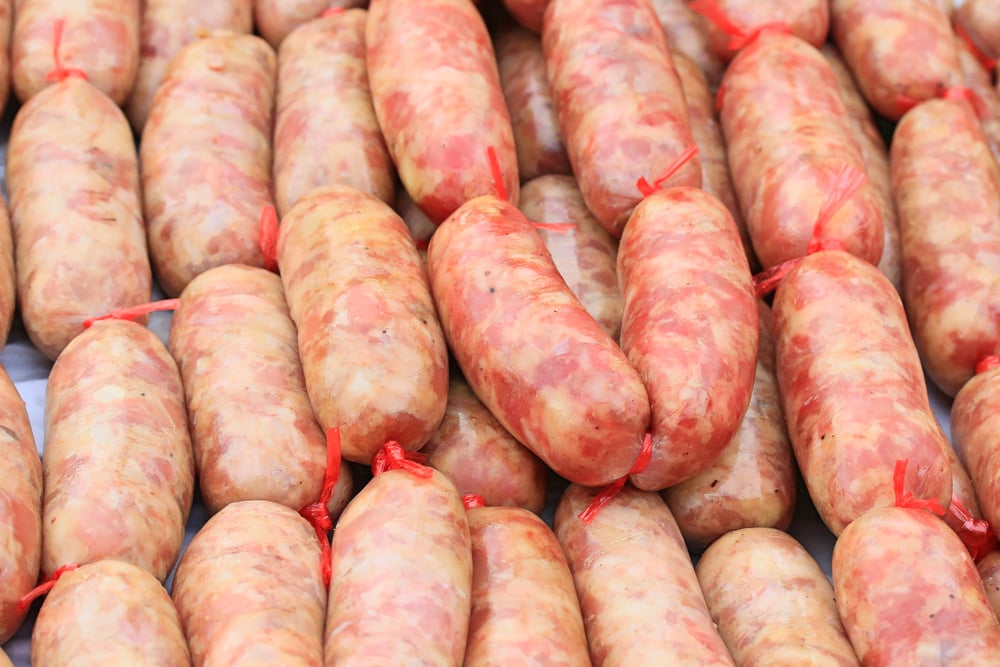
Germany boasts of hundreds of different sausage types. In fact, it is estimated that there are over 1,500 different types of sausage options. That’s more variety than most people have movies in their Netflix queue.
Germans take their sausages so seriously that many recipes are closely guarded family secrets, passed down through generations like precious heirlooms.
One extinct pig breed was brought back just for sausages
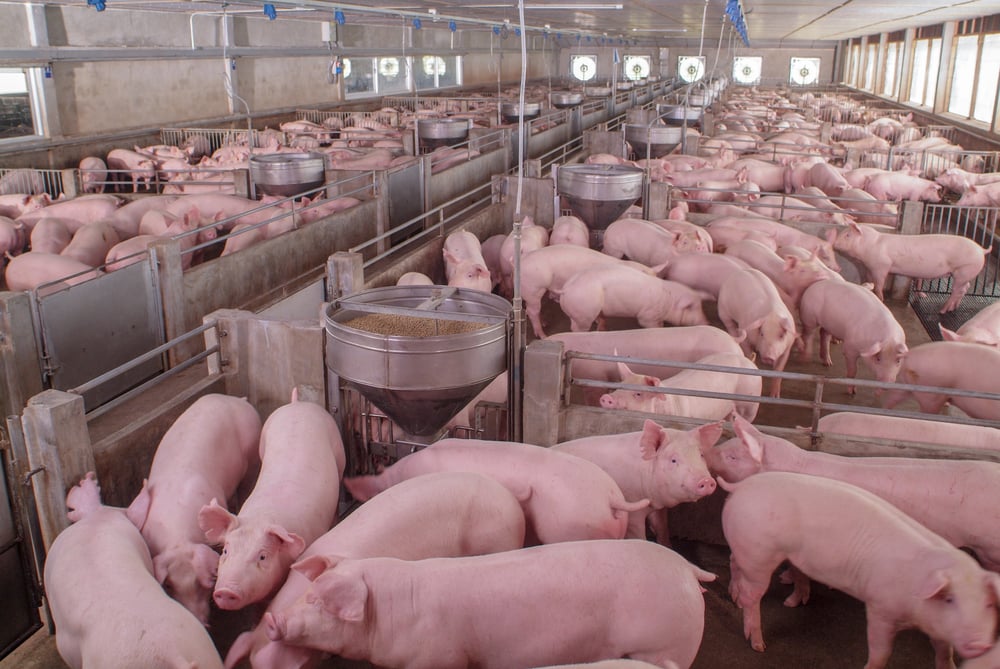
The 500 year old Cumberland sausage was traditionally made from a breed of pig – the Cumberland – that went extinct in the 1960s. In 2008, with the help of some mad genius scientists and years of selective breeding, a sow was born with a 99.6% DNA match, raising hopes that the original sausage could be made once again.
Unfortunately, the sow proved infertile, so the true Cumberland sausage remains just out of reach.
Taiwan has sausage gambling dens
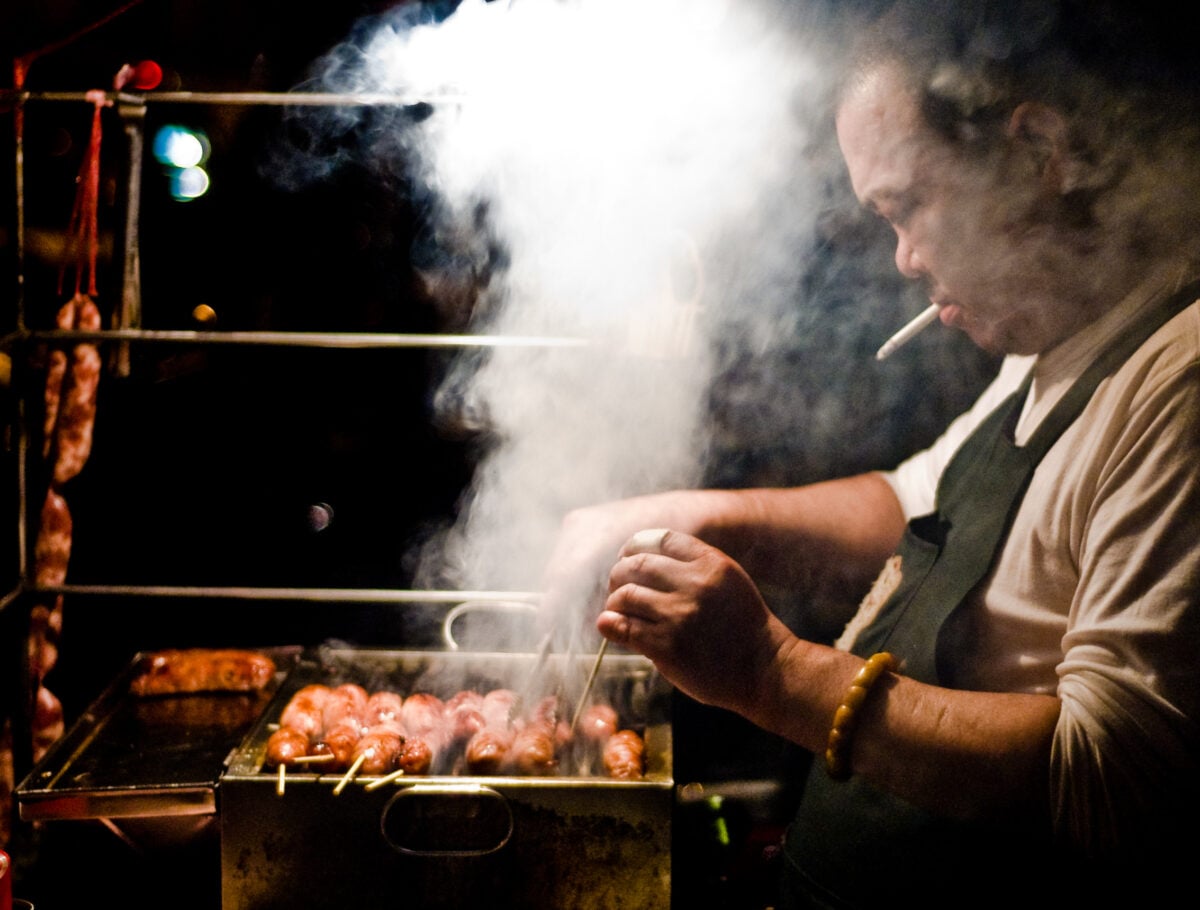
In Taipei, Taiwan, ‘sausage gambling’ is a deep part of the culture. It finds its roots in WWII, when sellers of wild boar bangers would encourage Japanese and American troops to bet on dice for the chance to double their sausage haul.
What started as wartime entertainment became a cultural tradition that continues today.
Japan makes fish sausages called kamaboko
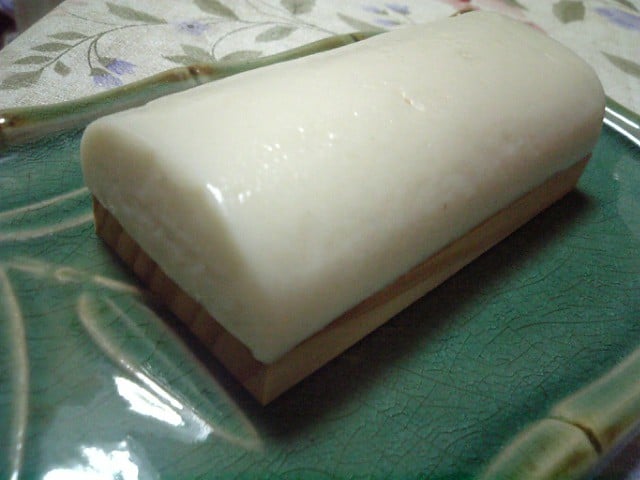
The kamaboko from Japan is technically classified as a sausage, although it’s not made from pork, beef, lamb, or any other animal. Instead, it’s made from a fish paste that has been cured and then ground, shaped into a half-moon, and then left to dry.
This proves that the sausage concept transcends cultural and ingredient boundaries.
Mickey Mouse’s first words were ‘Hot Dog!’

Mickey Mouse’s first on screen words were “Hot Dog!” Disney’s most famous character made his speaking debut by celebrating America’s favorite sausage-based snack. It’s fitting that an icon of American entertainment would first speak about an icon of American food.
The world’s longest sausage stretched nearly 39 miles
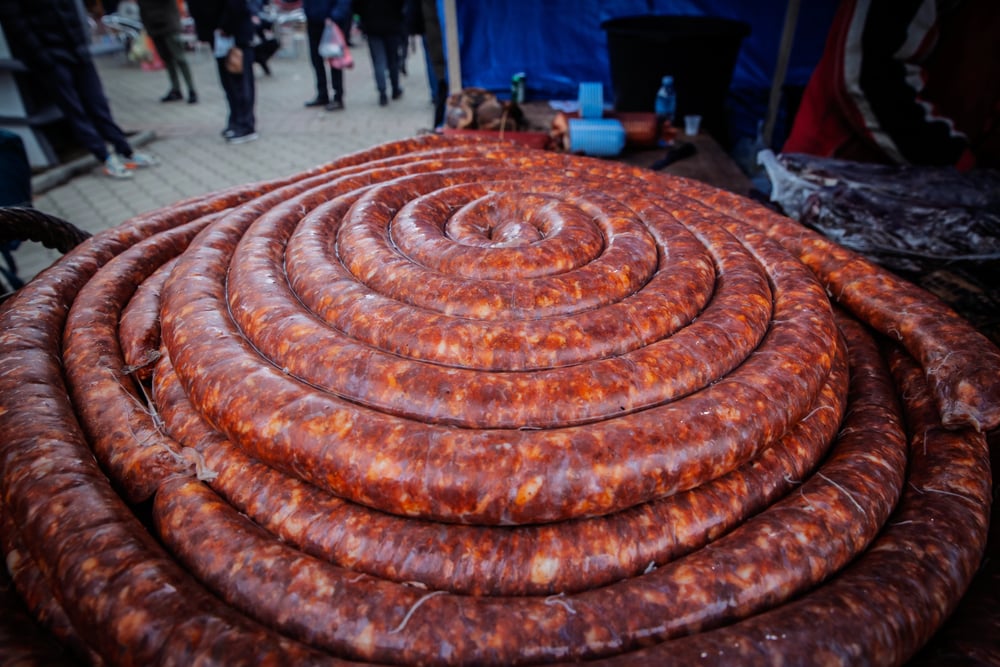
The longest sausage measured 38.99 miles in length and was created in Romania at the end of 2014. That’s enough sausage to stretch from one side of most major cities to the other.
The logistics of creating and measuring such a beast must have been absolutely mind-boggling.
One ballpark sells more sausages than hot dogs

Miller Park in Milwaukee is the only Major League Baseball ballpark that sells more sausages than hot dogs per season. Wisconsin’s German heritage runs so deep that even at America’s pastime, traditional sausages outsell the classic American frankfurter.
That’s some serious sausage loyalty.
Christians once banned sausages for religious reasons

Sausages, popular in the Roman Empire, were threatened with the conversion to Christianity. Many sausages contained blood, which the Bible forbade people from eating, and there was also the association of sausages with pagan phallic rites and festivals. But it seemed people liked them so much that a black market sprung up to give them their fill.
Even religious prohibition couldn’t stop people from enjoying their favorite processed meat.
Jews created fake pork sausages during the Inquisition

— Photo by Galil
During the Portuguese Inquisition, Jews were often identified because they didn’t hang pork sausages in the local smokehouses. To combat this, Jews created alheira, sausages made with game birds and garlic, ingeniously indistinguishable from their non-kosher cousins.
This brilliant culinary deception allowed Jewish families to blend in while maintaining their dietary laws – proving that necessity really is the mother of invention.
From survival food to global phenomenon
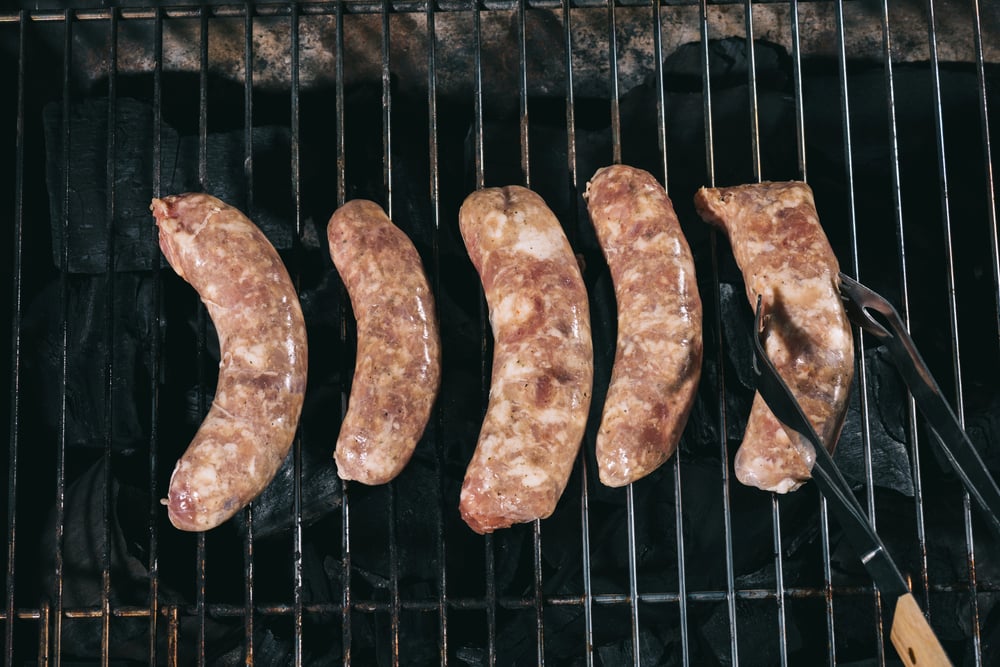
What started as a practical way to preserve meat scraps during harsh winters has evolved into one of the world’s most beloved food categories. These cylindrical creations have survived religious bans, world wars, and countless cultural shifts to remain a staple on dinner tables worldwide.
Whether you prefer them grilled at a backyard barbecue or elegantly presented in a fine dining restaurant, sausages continue to bring people together around the simple pleasure of seasoned, perfectly preserved meat.
More from Go2Tutors!

- The Romanov Crown Jewels and Their Tragic Fate
- 13 Historical Mysteries That Science Still Can’t Solve
- Famous Hoaxes That Fooled the World for Years
- 15 Child Stars with Tragic Adult Lives
- 16 Famous Jewelry Pieces in History
Like Go2Tutors’s content? Follow us on MSN.