17 TV Shows That Were Canceled Too Late (They Should’ve Stopped Sooner)
Television history is filled with brilliant shows that knew exactly when to take their final bow. But for every perfect ending, there are countless series that hung on far too long, limping through additional seasons that tarnished their legacy. These shows started with promise but overstayed their welcome, suffering from declining quality, lost direction, or the departure of key creative forces.
Here is a list of 17 TV shows that should have ended sooner, saving fans from watching their once-beloved programs deteriorate before their eyes.
The Walking Dead

AMC’s zombie apocalypse drama began as a tense, character-driven survival story that captivated audiences. After season five, the show began recycling plot points and introduced too many forgettable characters.
The endless cycle of finding shelter, encountering hostile groups, and moving on became predictable and tiresome as the series dragged on for eleven seasons.
Dexter
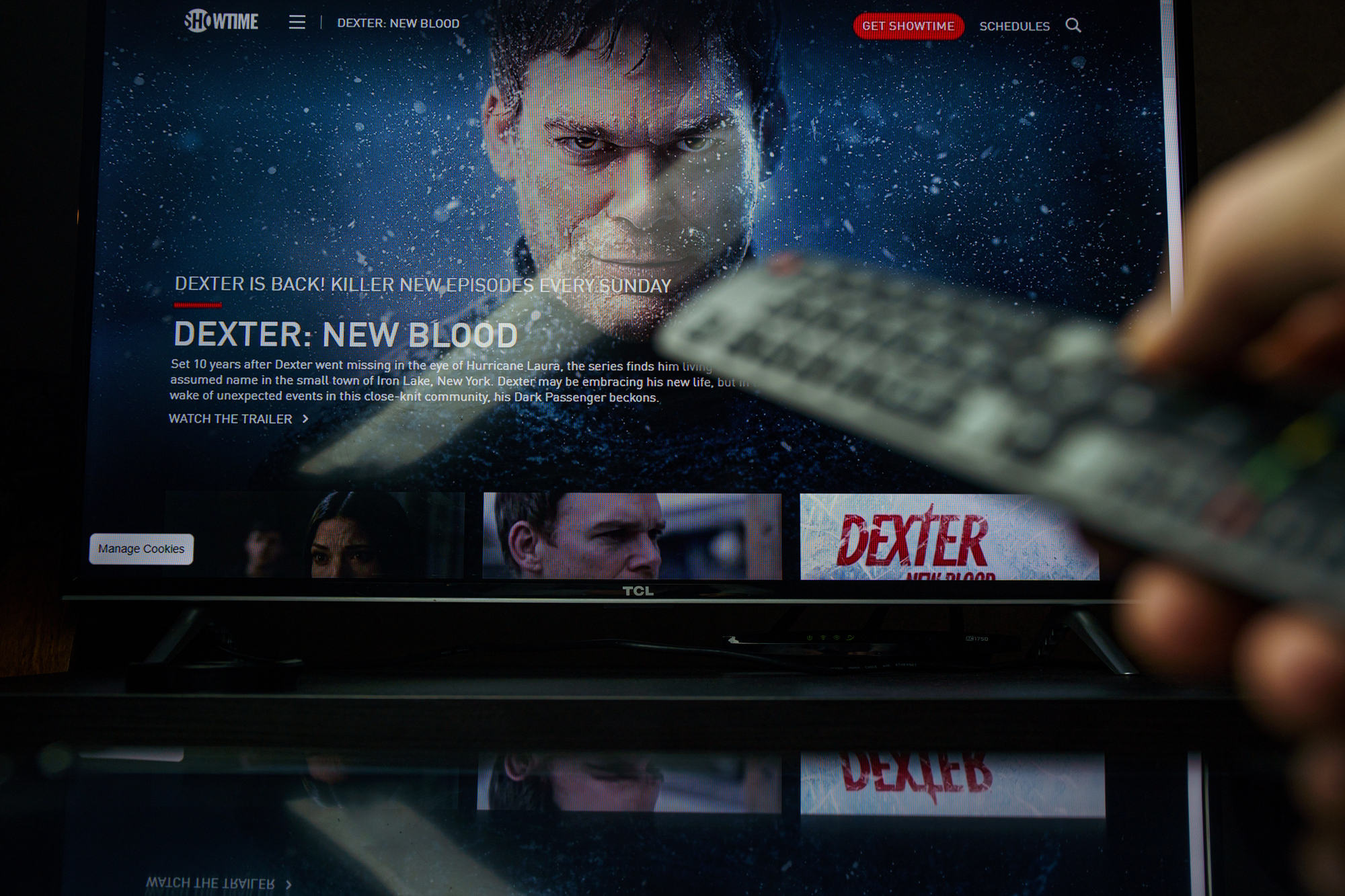
The first four seasons of this Showtime thriller about a vigilante serial killer were groundbreaking television. The show peaked with the Trinity Killer storyline but then spiraled into increasingly absurd plots and character decisions.
The original series finale was widely panned, and the revival ‘Dexter: New Blood’ couldn’t fully restore the damage done by those later seasons.
Glee
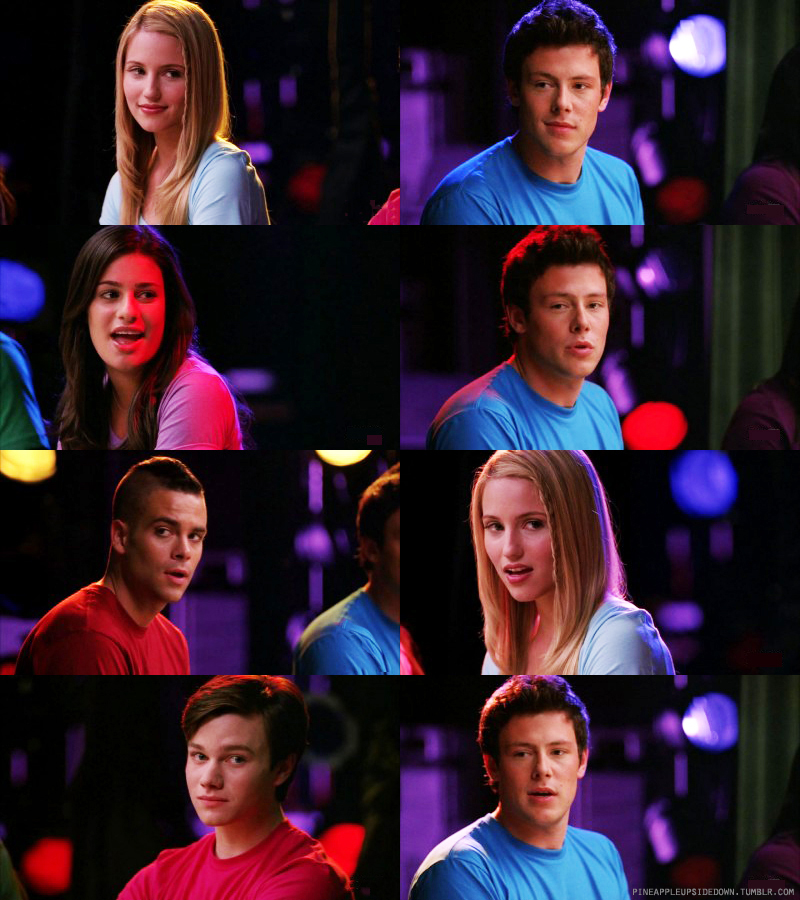
Ryan Murphy’s musical comedy-drama was fresh and innovative when it premiered in two thousand nine. By season four, with many original cast members departing and storylines becoming increasingly outlandish, the show had lost its charm.
The writers struggled to maintain coherent character arcs as the series continued for three more unnecessary seasons.
Scrubs
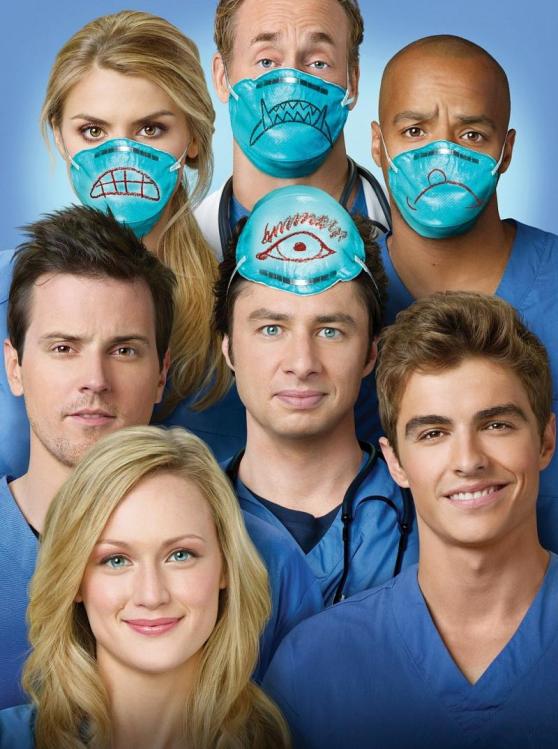
This beloved medical comedy should have ended with its perfect season eight finale, which beautifully wrapped up J.D.’s journey. Instead, ABC produced a ninth season that functioned as a failed spin-off with new characters and only occasional appearances from the original cast.
The result felt like an entirely different show wearing Scrubs’ name.
Heroes
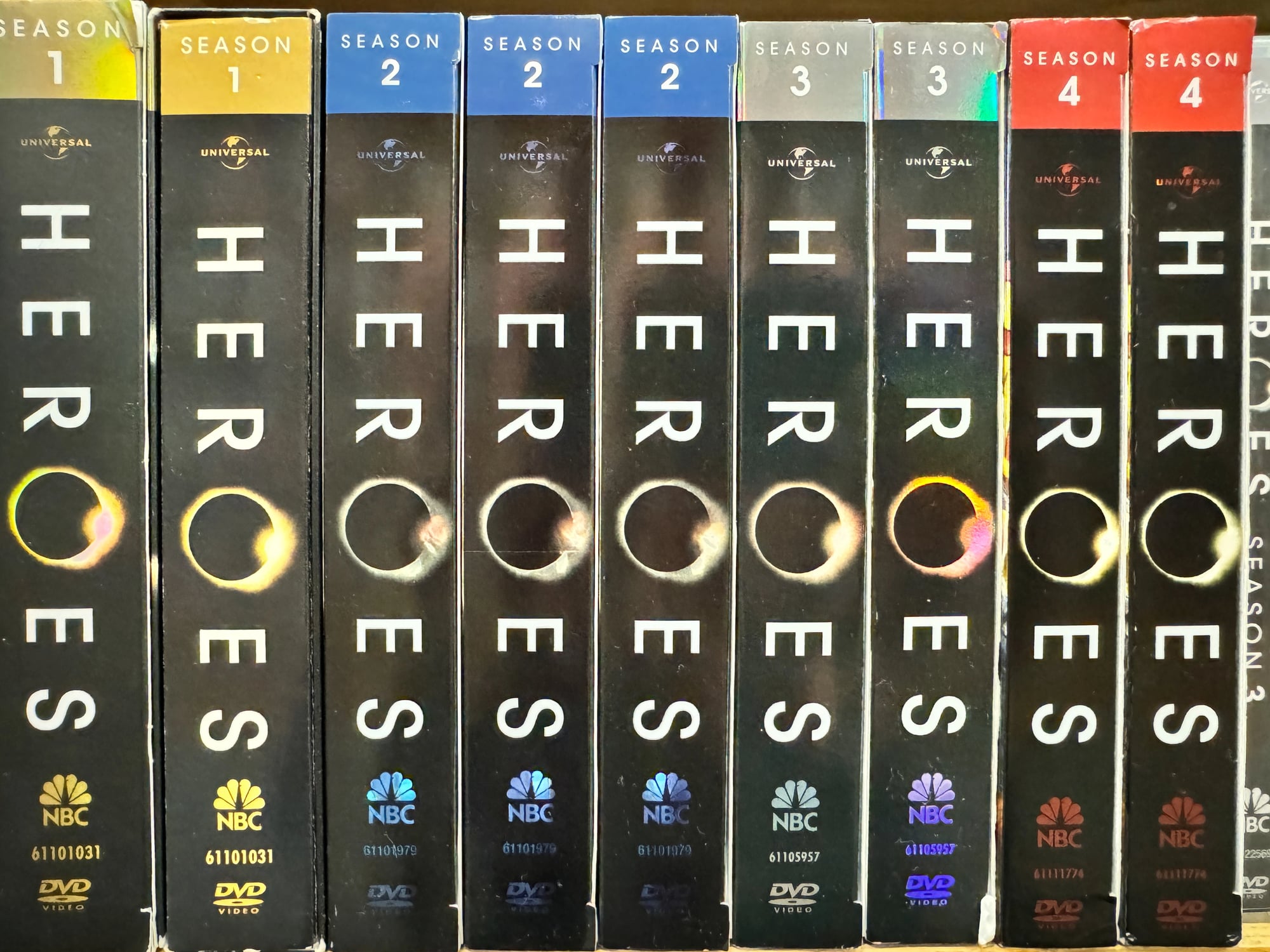
The first season of this NBC superhero drama was a cultural phenomenon with its ‘save the cheerleader, save the world’ tagline. Subsequent seasons suffered from convoluted plotting, inconsistent character motivations, and repetitive storylines.
The writers’ strike during season two certainly didn’t help, but the show never recaptured the magic of its debut season.
The Office (US)
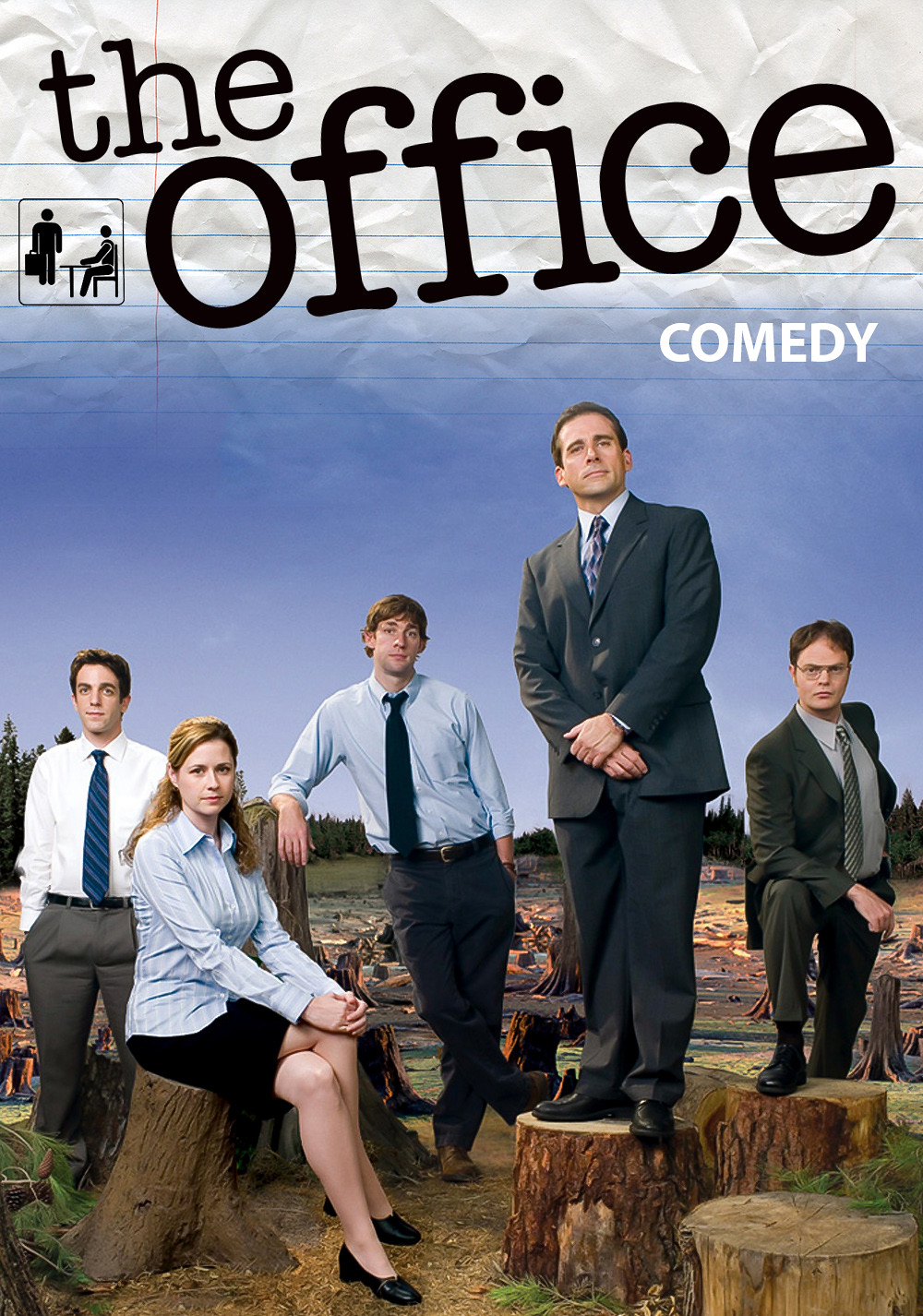
While the American adaptation of this workplace comedy eventually found its own identity separate from the UK original, it struggled after Steve Carell’s departure in season seven. The final two seasons featured questionable character developments and increasingly cartoonish scenarios.
The documentary crew’s reveal also undermined the show’s established format.
True Blood
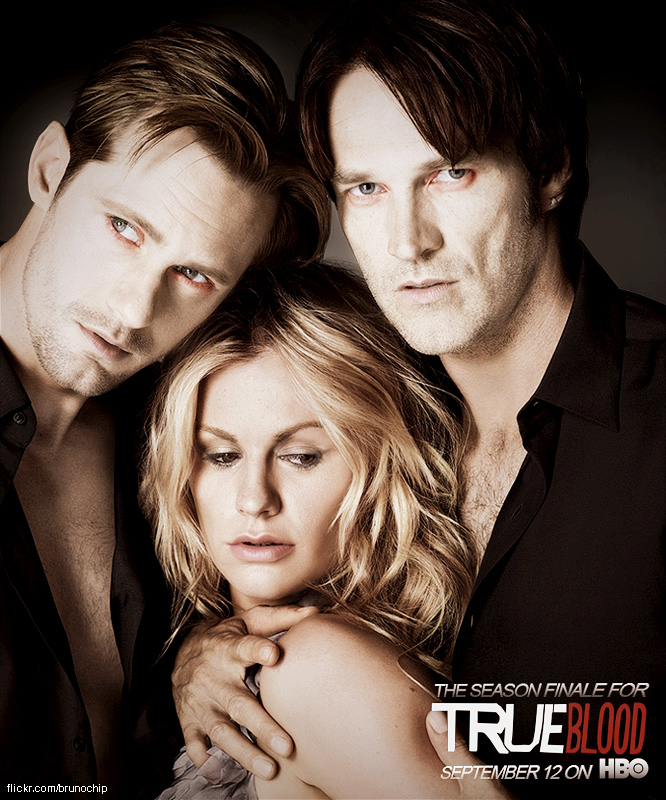
HBO’s vampire drama started as a sultry, southern gothic tale with interesting social commentary. By the third season, the show had devolved into supernatural chaos, introducing too many magical creatures and increasingly ridiculous plot twists.
The final seasons bore little resemblance to the focused storytelling that made early episodes so compelling.
Lost
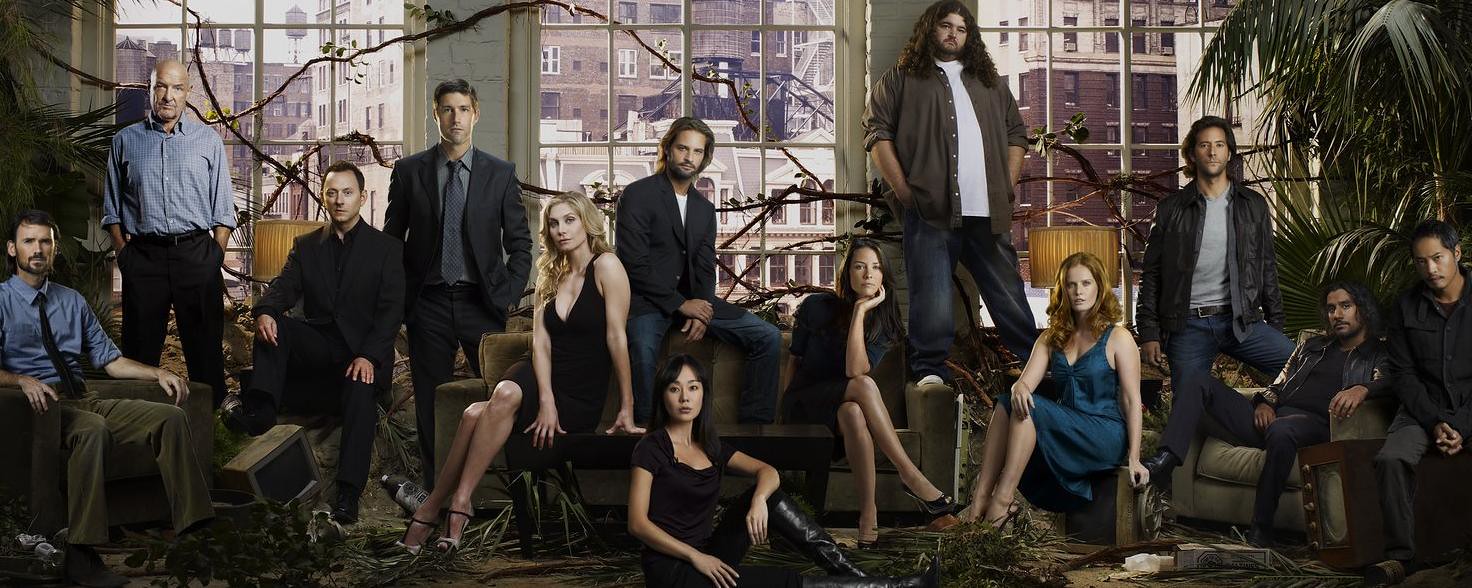
This groundbreaking mystery series hooked viewers with its island secrets and character flashbacks. As the mythology expanded, the writers struggled to provide satisfying answers to the many questions they had raised.
The time travel elements in later seasons confused many viewers, and some felt the spiritual-themed ending didn’t adequately resolve the show’s central mysteries.
Weeds
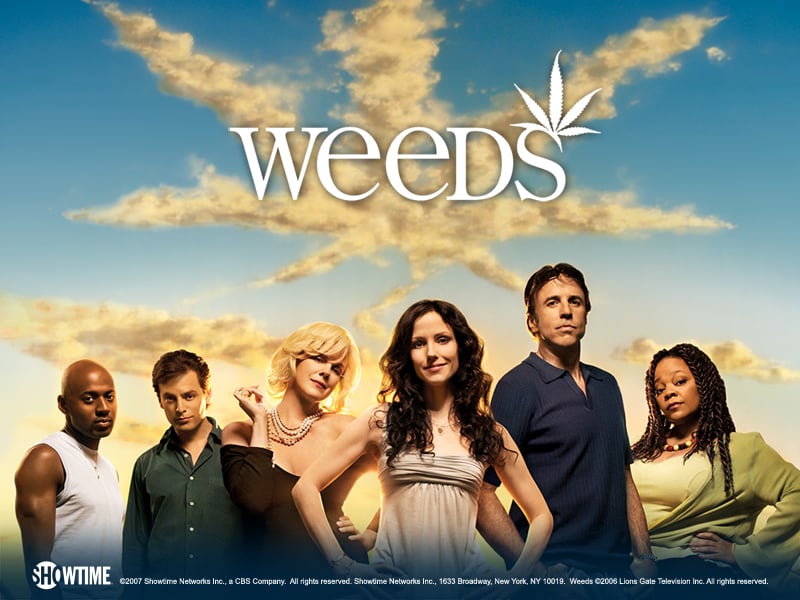
Showtime’s dark comedy about a suburban mom turned marijuana dealer was sharp and subversive in its early seasons. After leaving the initial setting of Agrestic behind, the show lost its satirical edge and became increasingly far-fetched.
Nancy Botwin’s character grew less sympathetic with each passing season as the story stretched credibility to its limits.
That ’70s Show
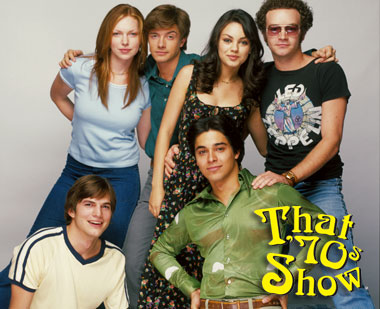
This nostalgic sitcom’s well-developed ensemble cast captured the essence of 1970s teenage life. When Topher Grace and Ashton Kutcher left after season seven, the show introduced a replacement character (Randy) who never connected with audiences.
The final season felt like a shadow of the show’s former self, with recycled plots and diminished chemistry.
House of Cards
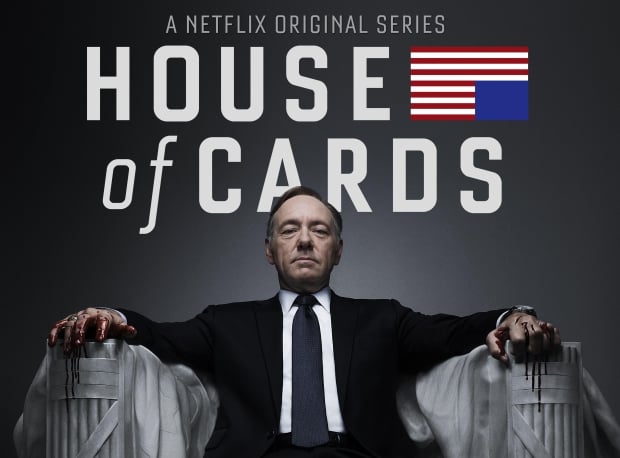
Netflix’s political drama made television history as the streaming service’s first original series, featuring impressive performances from Kevin Spacey and Robin Wright. However, the show’s quality declined in later seasons, with increasingly unbelievable plot twists.
The final Spacey-less season, necessitated by real-world events, struggled to provide a satisfying conclusion to the story.
Once Upon a Time
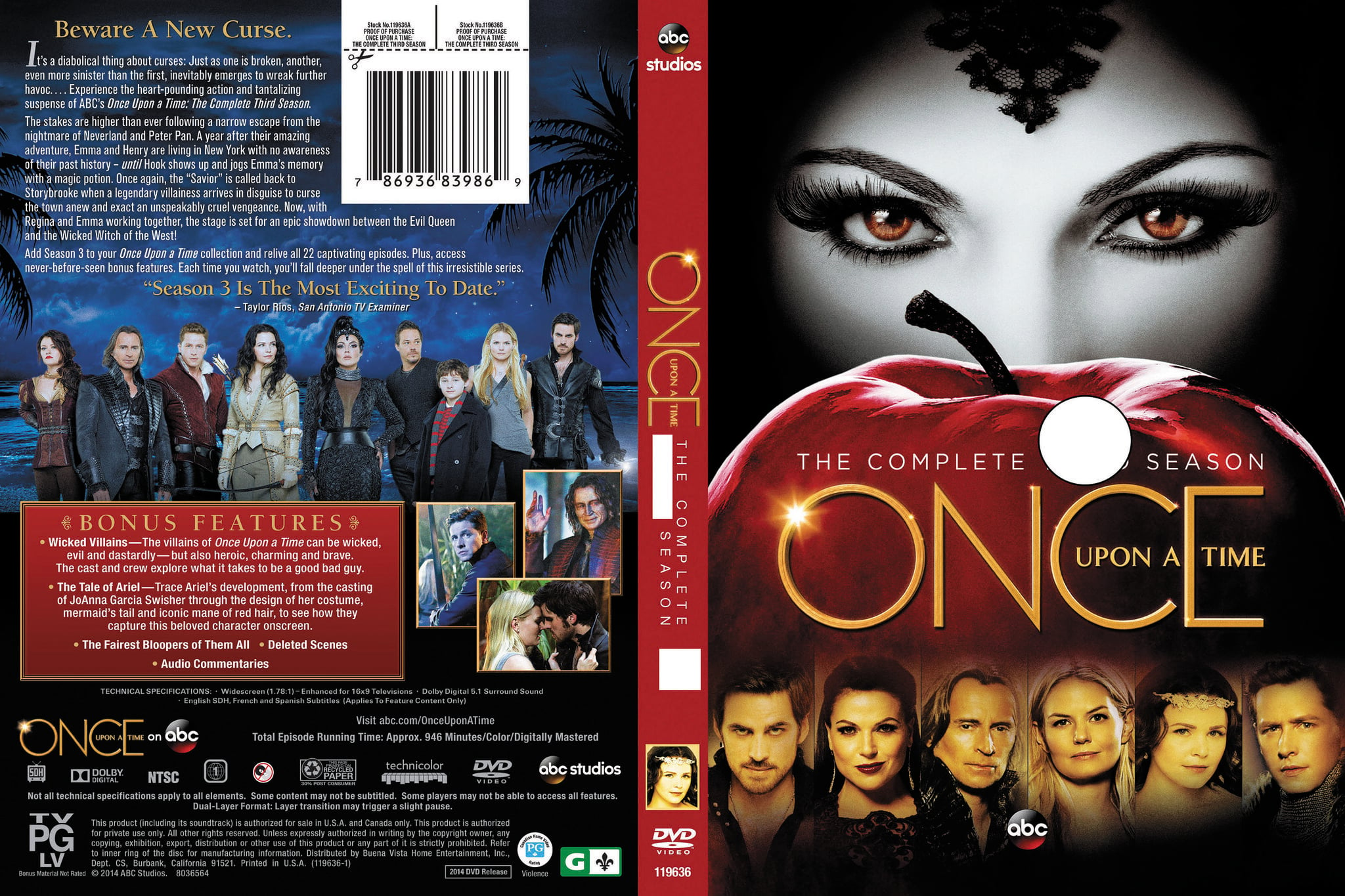
ABC’s fairy tale drama began with an interesting premise that blended classic stories into the modern world. After the original curse was broken, the writers continually introduced new realms and characters rather than developing the core relationships.
By the later seasons, the constant memory wipes and convoluted family trees exhausted even devoted fans.
Pretty Little Liars

This teen mystery thriller initially thrived on its central whodunit premise and friendship dynamics. As the series continued, the identity of the mysterious ‘A’ changed multiple times, with increasingly bizarre explanations and implausible twists.
The plot holes and inconsistencies mounted with each season, frustrating viewers who had invested years in solving the mystery.
Two and a Half Men
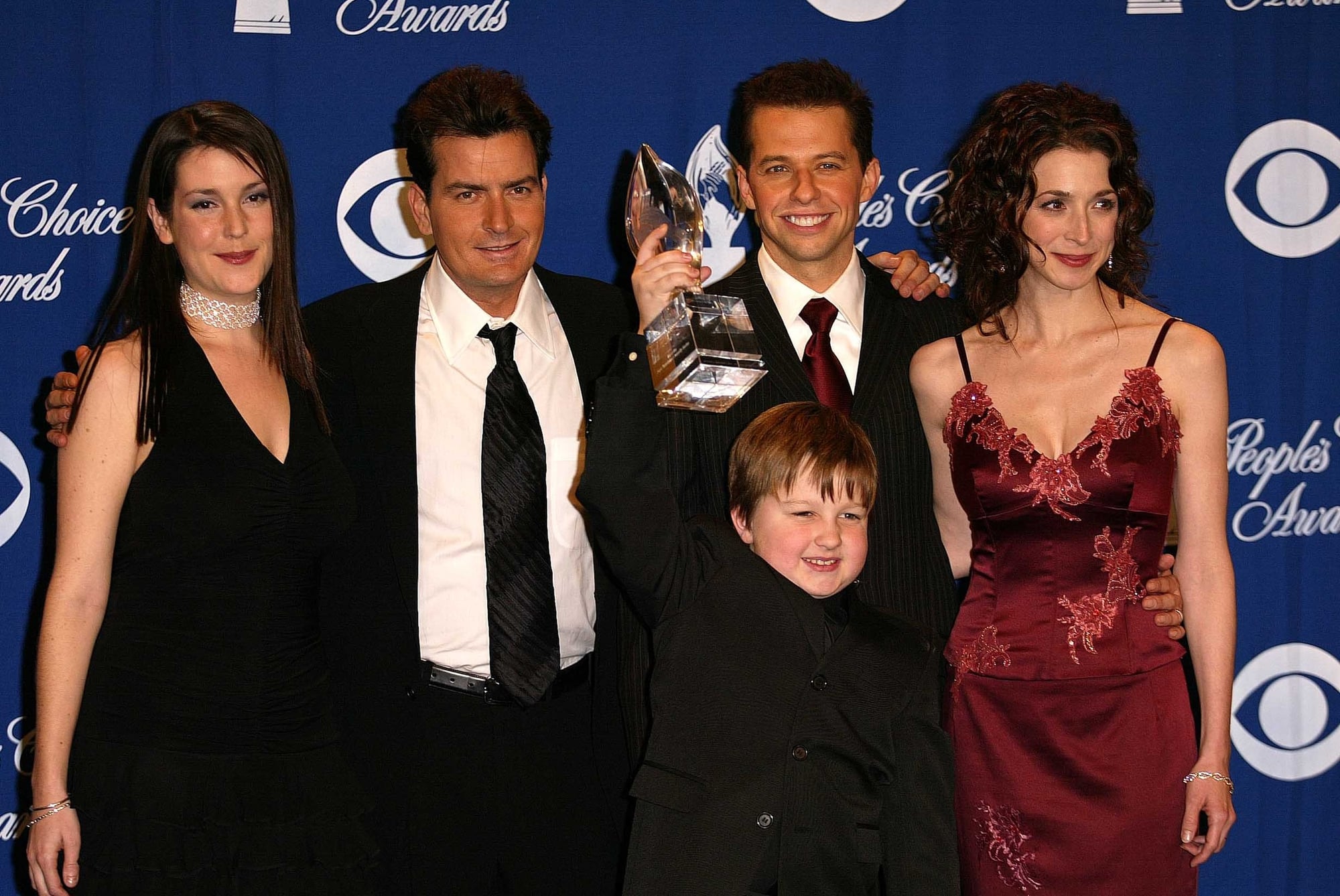
The CBS sitcom was once a ratings powerhouse but faced a major challenge when Charlie Sheen departed after season eight. Although Ashton Kutcher was brought in as a replacement, the show’s dynamic fundamentally changed.
The comedy became broader and less character-driven as the series limped through four more seasons before concluding.
Grey’s Anatomy
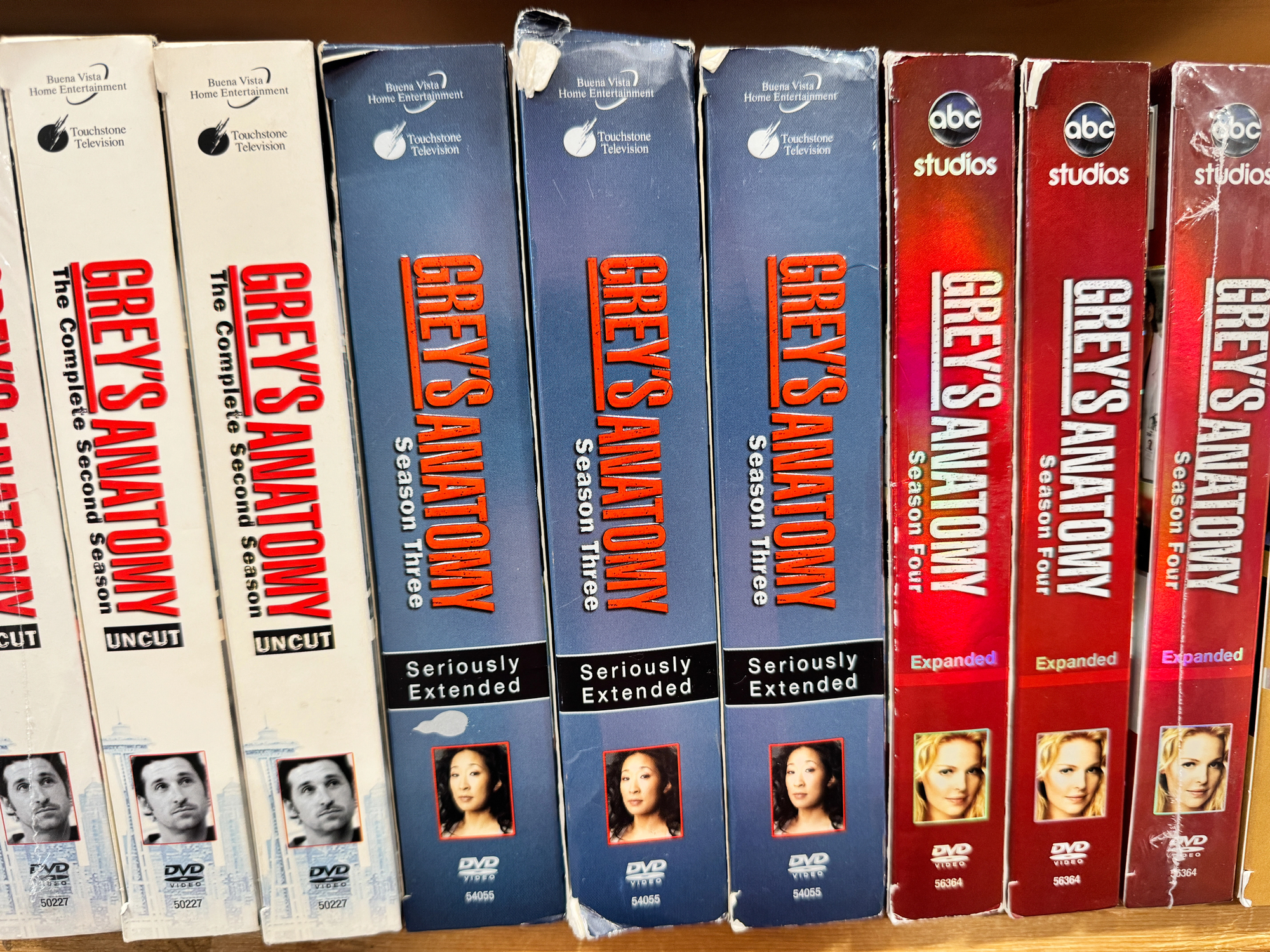
While this medical drama continues to run, many fans agree it peaked in its earlier seasons. The constant departure of original cast members has forced numerous reinventions over its nearly two-decade run.
The increasingly catastrophic events befalling the hospital and its staff have strained credibility, with disasters and tragedies becoming almost routine.
The Big Bang Theory
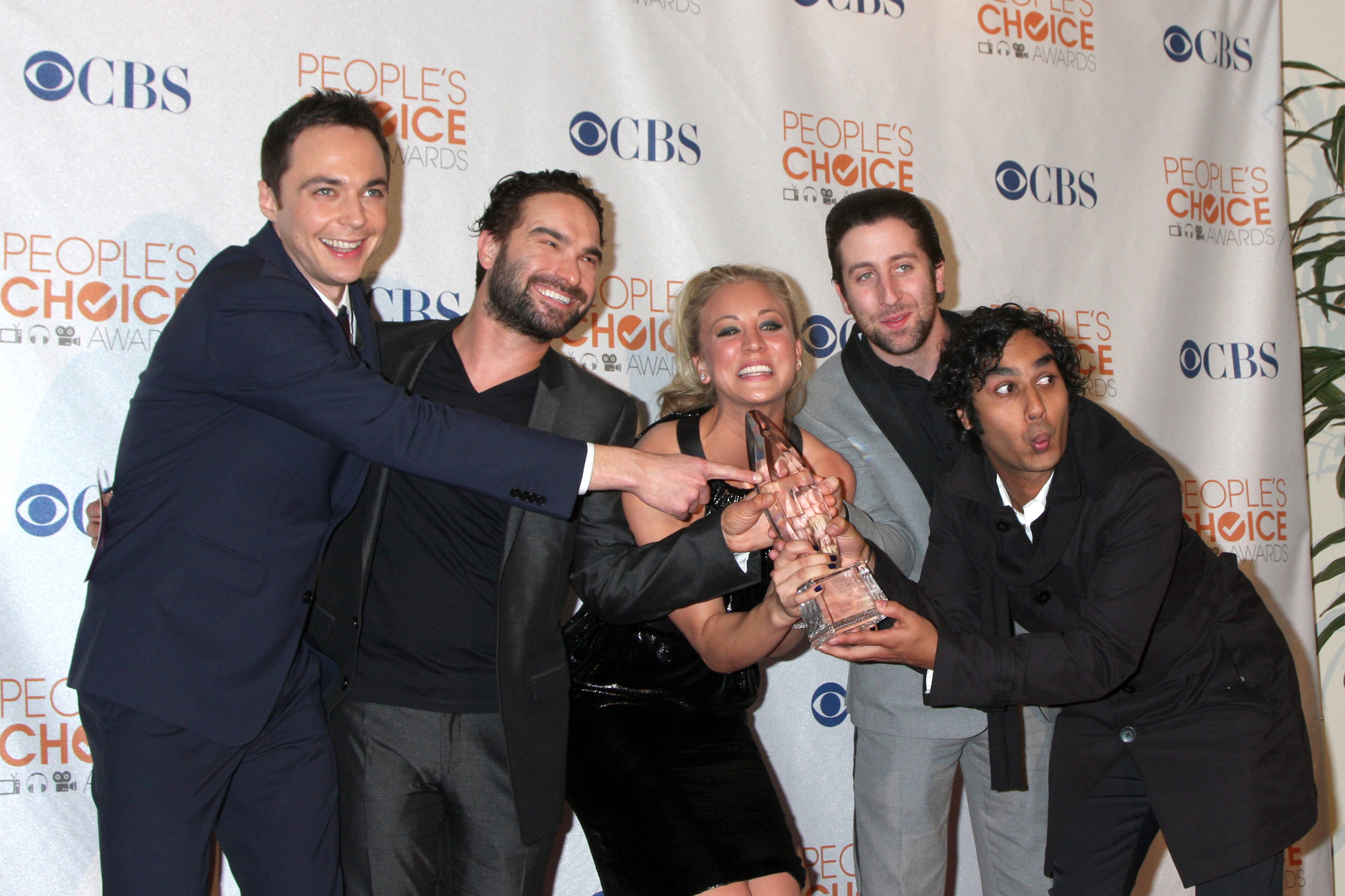
CBS’s nerdy sitcom evolved from a show about socially awkward scientists to a more conventional friend/relationship comedy. As characters paired off and started families, the series lost much of its initial premise and charm.
The later seasons relied heavily on relationship drama rather than the science-infused humor that made the show unique in its early years.
Supernatural
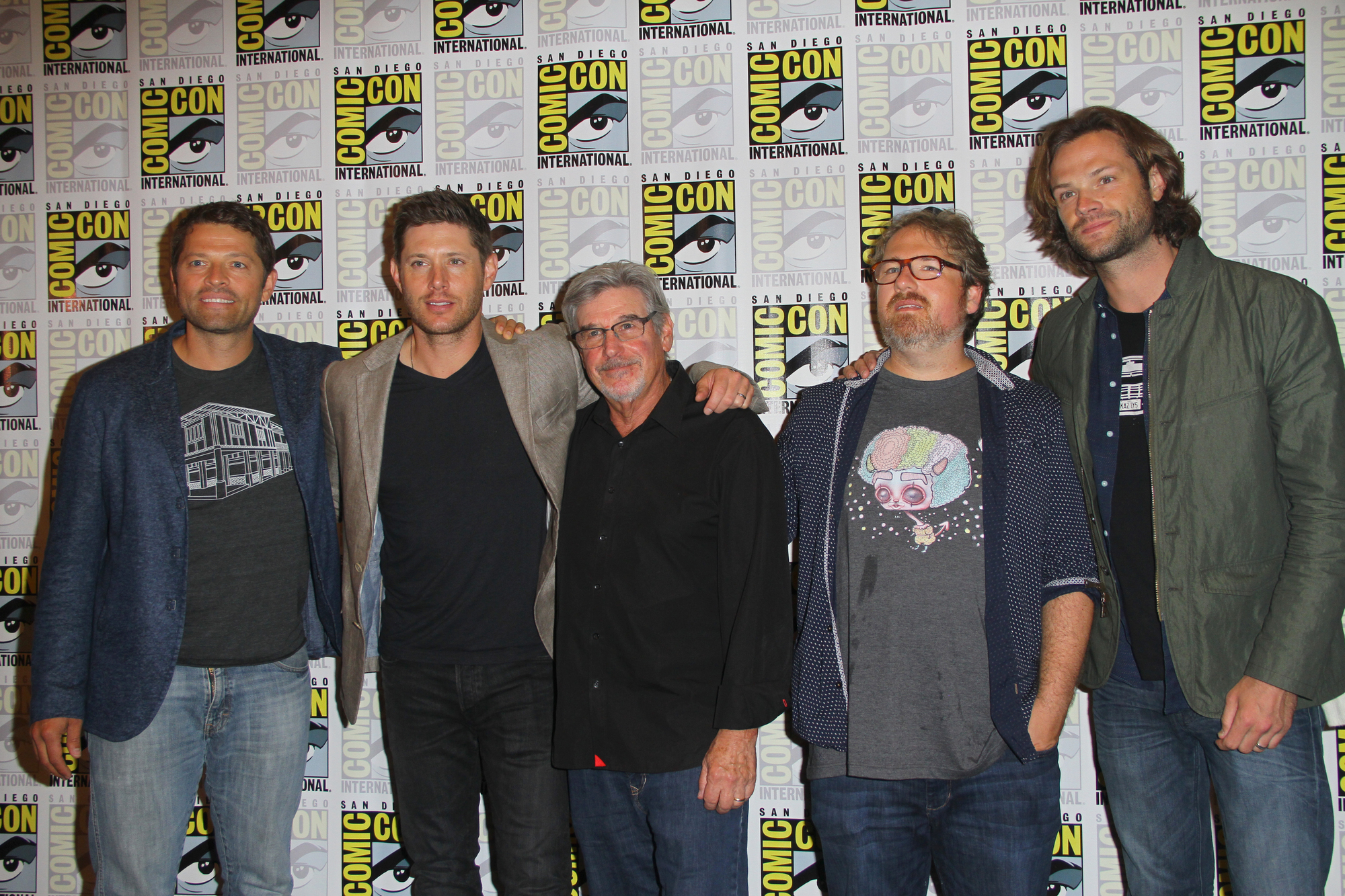
This cult favorite about monster-hunting brothers had a perfectly planned five-season arc under creator Eric Kripka. After resolving the apocalypse storyline, the show continued for a staggering ten more seasons.
Although it maintained a devoted fanbase, the constant escalation of threats (from demons to God himself) made earlier seasons’ stakes seem quaint by comparison.
The Legacy of Overstayed Welcome

Television economics often push successful shows beyond their natural creative lifespan. Networks are reluctant to end profitable series, even when the story has run its course.
For viewers, there’s something particularly disappointing about watching a once-brilliant show decline in quality. These 17 examples remind us that sometimes the kindest thing a network can do is allow a series to end on a high note rather than fade slowly into mediocrity.
More from Go2Tutors!

- The Romanov Crown Jewels and Their Tragic Fate
- 13 Historical Mysteries That Science Still Can’t Solve
- Famous Hoaxes That Fooled the World for Years
- 15 Child Stars with Tragic Adult Lives
- 16 Famous Jewelry Pieces in History
Like Go2Tutors’s content? Follow us on MSN.



