Iconic Foods Linked to Specific Regions
Food connects people to places in ways that nothing else can. Certain dishes become so tied to their hometown or region that eating them anywhere else just feels wrong.
These foods tell stories about the land, the people, and the history that shaped them into beloved local treasures. Let’s take a tour through some of the most famous regional foods that put their hometowns on the map. Each one carries a piece of its home with it.
Philly cheesesteak

Philadelphia owns the cheesesteak the way few cities own anything. Pat’s and Geno’s have been battling for supremacy since the 1930s, when Pat Olivieri invented the sandwich at his hot dog stand.
The key sits in the thinly sliced ribeye, the melted cheese (Whiz, provolone, or American, depending on who you ask), and the long Amoroso roll that holds it all together. Visitors who order it wrong get the stink eye from locals who know the proper lingo.
Nobody debates whether this sandwich belongs to Philly, only which shop makes it best.
Maine lobster roll

The cold waters off Maine produce lobster that tastes better than anywhere else, and locals serve it the simplest way possible. Fresh lobster meat gets tossed with just enough mayo or melted butter, then stuffed into a toasted hot dog bun.
Some places serve it cold with mayo, others warm with butter, and Maine residents will argue about which version is correct until the sun goes down. The price tag might shock tourists, but one bite explains why people drive hours to get the real thing.
Summer in Maine means lobster shacks on every corner, all serving their own take on this coastal classic.
Detroit-style pizza

Detroit created a pizza that looks nothing like what most people expect. The square shape comes from the blue steel pans that auto workers originally used in factories, and bakers still use those same industrial pans today.
Cheese goes all the way to the edges where it caramelizes into crispy, lacy corners that crunch between your teeth. The sauce sits on top of the toppings instead of underneath, a backwards approach that somehow works perfectly.
Buddy’s Pizza started this tradition in 1946, and now the style has spread across the country, though Detroit locals insist the original still tastes best.
Texas brisket
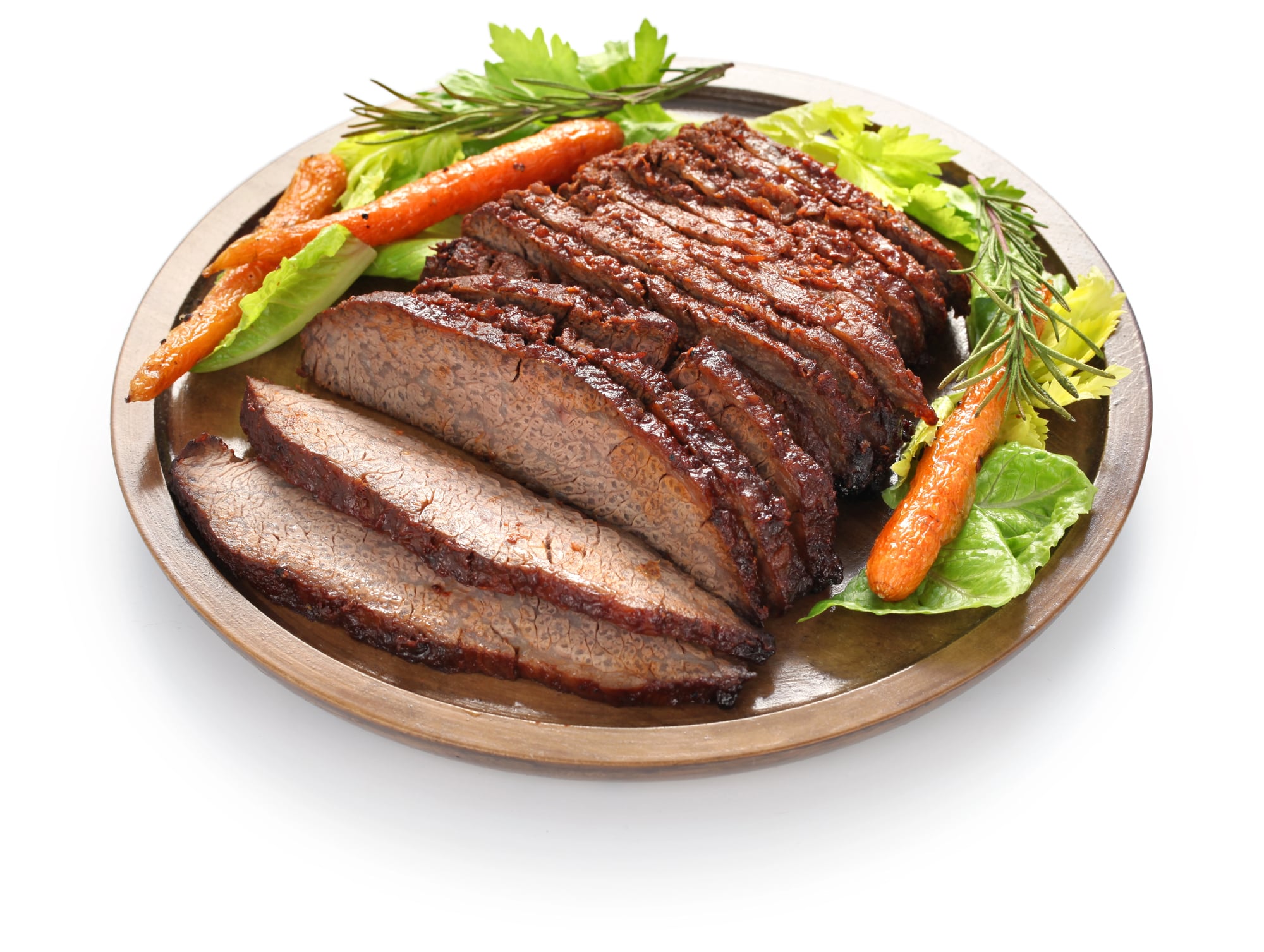
Texas takes barbecue so seriously that the state considers it a food group. Central Texas style means beef brisket smoked low and slow over post oak wood for 12 to 16 hours until it develops a dark crust and melts in your mouth.
Purists eat it with nothing but white bread and pickles because good brisket doesn’t need sauce to taste incredible. Places like Franklin Barbecue in Austin have lines that start before dawn, with people waiting four hours or more for a chance to try the best.
The roasting process requires skill, patience, and understanding that good things can’t be rushed.
New Orleans beignets

Café Du Monde has served beignets 24 hours a day since 1862, powdering visitors with confectioner’s sugar as part of the authentic experience. These square French doughnuts puff up when they hit hot oil, creating a crispy outside and fluffy inside that pairs perfectly with chicory coffee.
The sugar coating ends up everywhere except where it belongs, marking everyone who eats them with white fingerprints and dusty shirts. Tourists line up around the block in the French Quarter, but locals know other spots that serve them just as well.
Eating beignets in New Orleans feels like participating in a tradition that connects the present to the past.
Chicago deep dish pizza

Chicago residents get defensive when anyone calls a deep dish a casserole, but this pizza does require a fork and serious hunger. The crust climbs up the sides of a deep pan like a pie, holding layers of cheese, toppings, and chunky tomato sauce in reverse order from regular pizza.
Lou Malnati’s and Giordano’s have turned this style into an art form since the 1970s, though Pizzeria Uno claims to have invented it back in 1943. One slice fills up most people, and eating a whole pizza by yourself counts as a challenge rather than a meal.
The debate between deep dish and thin crust divides Chicago into camps that will never agree.
Nashville hot chicken

Nashville hot chicken started as an act of revenge and turned into a food phenomenon. Legend says a woman tried to punish her cheating boyfriend by making his fried chicken unbearably spicy, but he loved it so much he opened a restaurant.
Prince’s Hot Chicken Shack has been serving the original recipe since the 1930s, coating fried chicken in a paste made with cayenne and other spices that burns in the best way possible. The heat levels range from mild to ‘stupid hot,’ and wise diners work their way up slowly.
KFC and other chains now offer their own versions, but nothing compares to eating it in Nashville where the tradition started.
Baltimore crab cakes
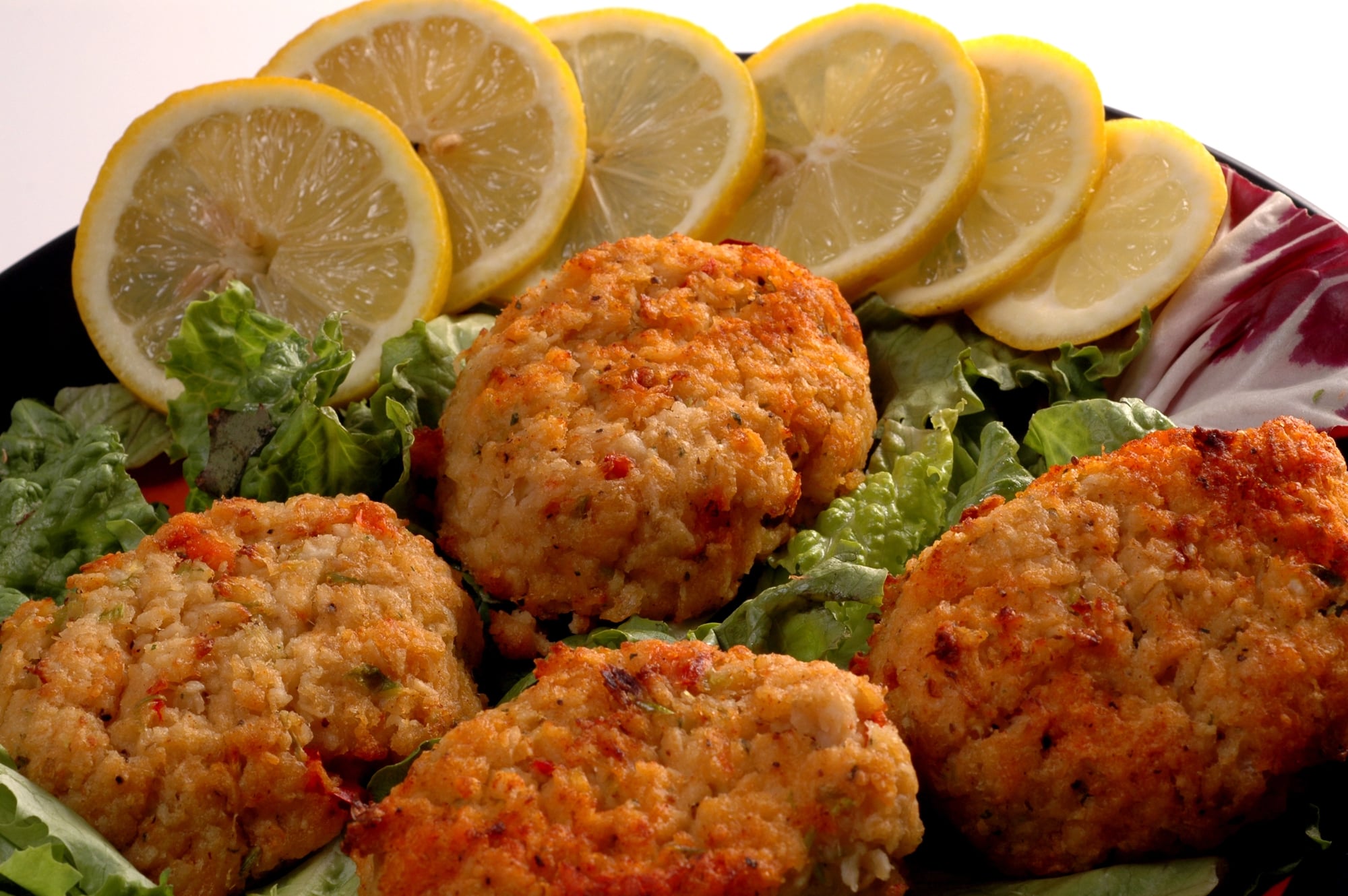
The Chesapeake Bay produces blue crabs that Baltimore turns into crab cakes with barely any filler. A proper Baltimore crab cake contains big lumps of meat held together with just enough binder to keep it from falling apart.
Old Bay seasoning ties everything together with its distinctive flavor that tastes like Maryland in a tin. Restaurants compete to offer the highest ratio of crab to everything else, and locals judge each place harshly.
Eating crab cakes in Baltimore means tasting the bay itself, fresh and sweet and worth every penny.
Cincinnati chili
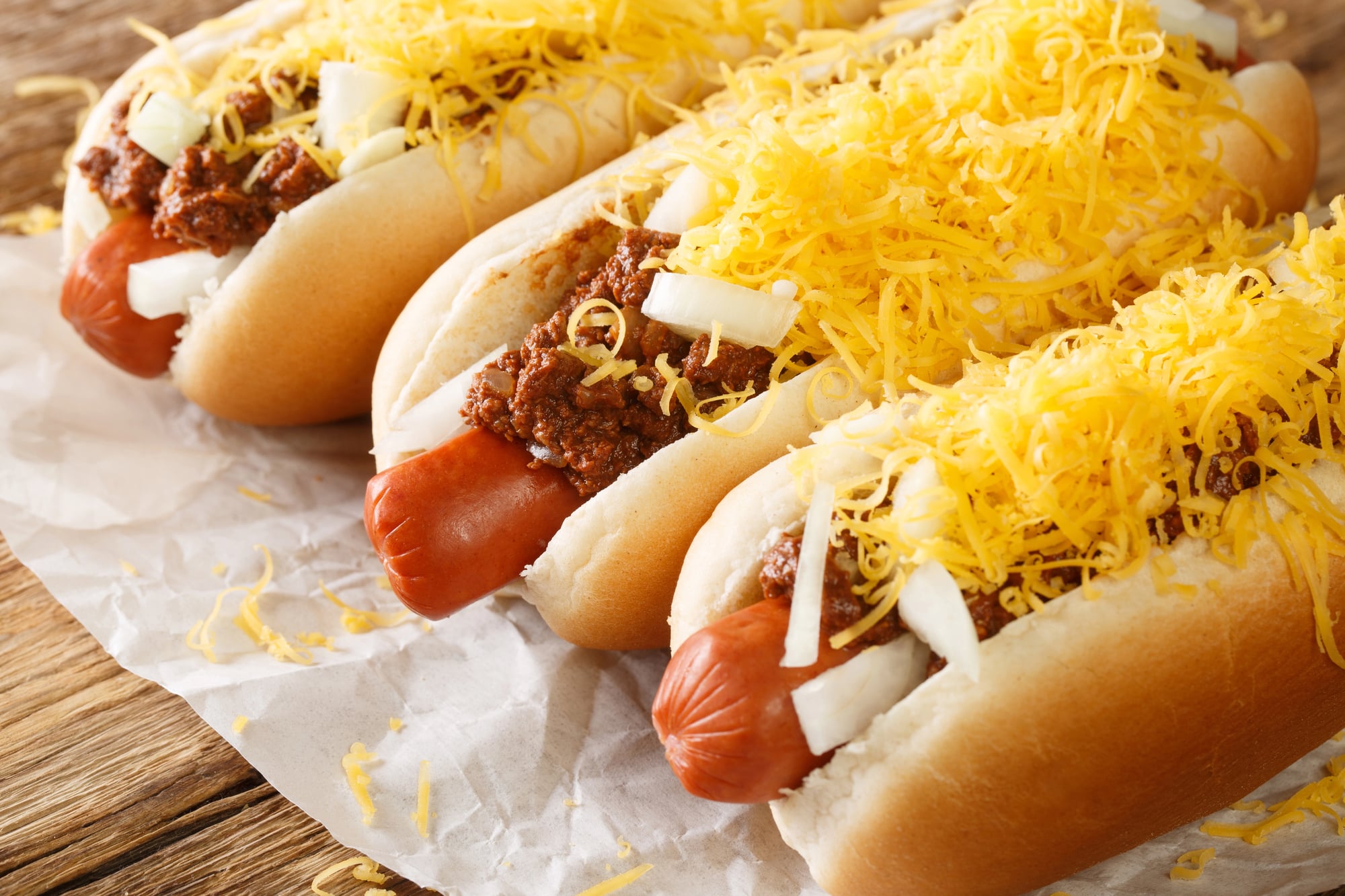
Cincinnati does chili differently than anywhere else in America, and residents love it despite the confusion it causes outsiders. This thin, spiced meat sauce contains cinnamon, chocolate, and Mediterranean flavors that make it taste more Greek than Texan.
Skyline and Gold Star serve it over spaghetti, topped with a mountain of shredded cheddar cheese, diced onions, and kidney beans in combinations called three-way, four-way, or five-way. The whole concept sounds wrong until someone actually tries it and realizes Cincinnati has been onto something since the 1920s.
Locals grow up eating it at least once a week, and the smell of cinnamon and chili triggers instant nostalgia.
San Francisco sourdough

The fog and climate in San Francisco create perfect conditions for sourdough starter that tastes different than anywhere else. Boudin Bakery has kept the same mother dough alive since 1849, using it to bake bread with a distinctive tangy flavor.
The crispy crust and chewy interior make it perfect for clam chowder bowls or sandwiches piled high with Dungeness crab. Scientists actually studied the unique bacteria and yeast strains that thrive in San Francisco’s environment, proving the bread really does taste special.
Tourists carry round sourdough loaves home on planes, trying to bottle up a piece of the city in bread form.
Buffalo wings

Buffalo wings were invented by accident at the Anchor Bar in 1964 when Teressa Bellissimo needed to feed her son and his friends late at night. She deep-fried chicken wings, tossed them in hot sauce and butter, and served them with celery and blue cheese dressing.
The combination became an instant hit that spread across America and the world. Buffalo residents take their wings seriously, debating proper size, crispiness, sauce ratio, and whether ranch dressing is an acceptable substitute for blue cheese.
Wing festivals and competitions happen throughout the year, celebrating the city’s accidental contribution to bar food everywhere.
Green chile in New Mexico

New Mexico grows Hatch green chiles that taste better than any other pepper, and residents put them on absolutely everything. Each fall, the smell of roasting chiles fills the air as locals buy them by the bushel to freeze for the year.
Red or green becomes a serious question at restaurants, forcing diners to choose their chile color or answer ‘Christmas’ for both. The heat level varies from mild to face-melting depending on the batch and the year, keeping things interesting.
New Mexicans living elsewhere complain constantly about not being able to find real Hatch chiles, proving the attachment runs deep.
Kansas City barbecue

Kansas City built a barbecue tradition around thick, sweet, tomato-based sauce that coats ribs, burnt ends, and pulled pork. Arthur Bryant’s sauce became legendary after Calvin Trillin called it the best restaurant in the world, bringing national attention to KC barbecue.
The burnt ends, crispy pieces cut from the point of a smoked brisket, started as a throwaway item that pitmasters gave away until people started requesting them specifically. More than 100 barbecue restaurants operate in the Kansas City area, each defending their sauce recipe and roasting technique.
The variety means visitors can eat barbecue for a week without repeating a restaurant.
Key lime pie
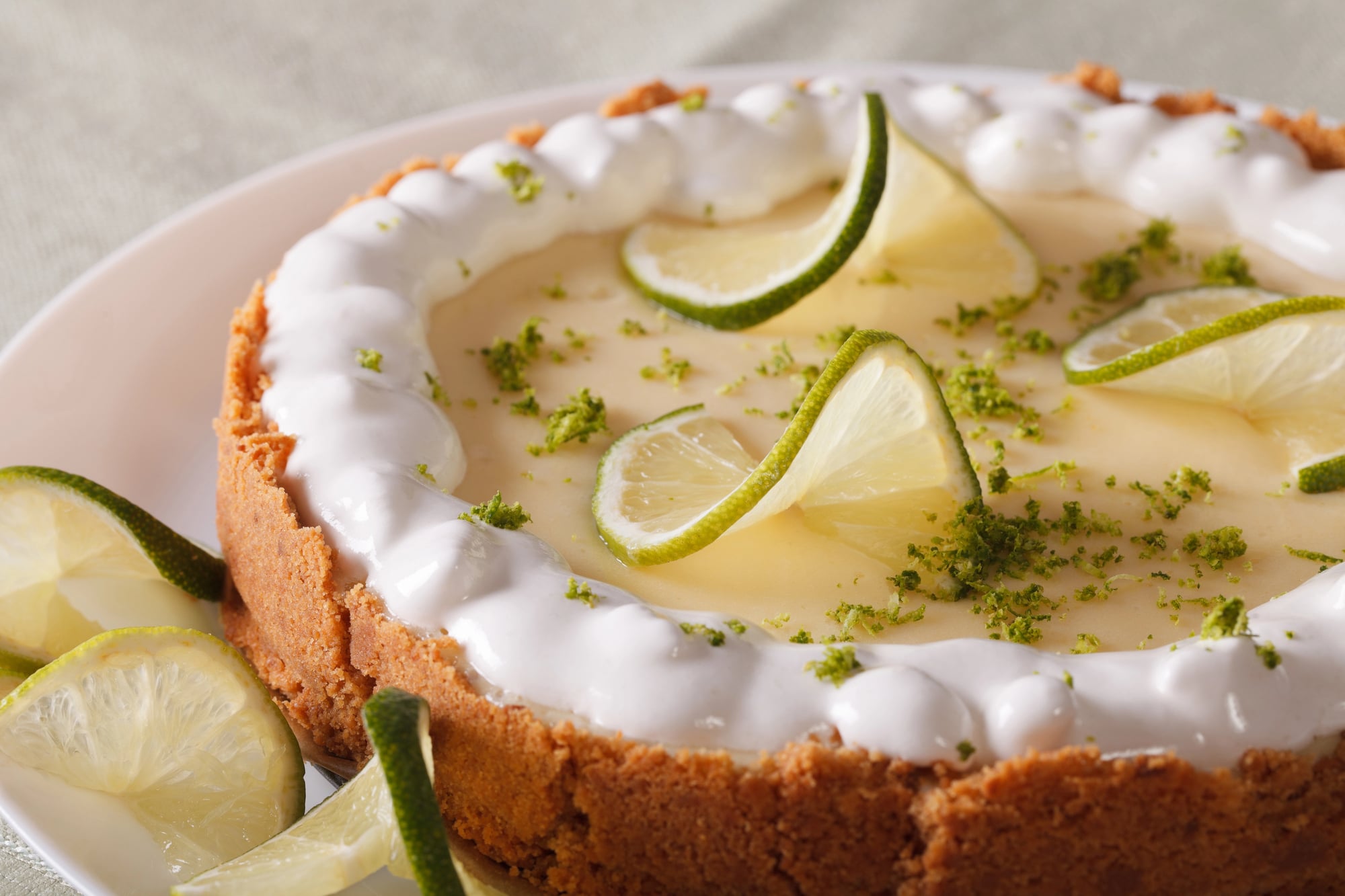
The Florida Keys came up with this dessert because regular milk wasn’t easy to get back before fridges existed. Instead of fresh dairy, bakers mixed egg yolks, sweetened condensed milk, along with juice from small local Key limes found in South Florida for a sharp yet smooth center.
A true one always has a base made of crushed graham crackers, skips artificial dyes, so it stays light yellow rather than turning neon green. At Kermit’s Key West Key Lime Shoppe, they offer pieces on sticks coated in chocolate – many traditional fans think that ruins it.
Tasting genuine Key lime pie while actually in the Keys feels nothing like eating imitations somewhere else, due mainly to the unique type of lime grown solely there.
Lowcountry boil

Coastal folks in South Carolina whipped up this hearty one-pot meal – no high-end gear needed. Instead of fancy tools, they toss shrimp, corn, potatoes, and sausage into a big pot, spicing it with Old Bay plus whatever else fits.
Once cooked, the mix spills out onto tables covered in newsprint so everybody can grab a handful. It’s loud, sticky fun where you eat with your hands while chatting close.
Some clans throw in crab or clams; others go heavy on spice – but the core idea never changes. Call it Lowcountry Boil or Frogmore Stew – it’s all the same grub, even if town rivals bicker over what to name it.
Wisconsin cheese curds

Wisconsin makes more cheese than anywhere else, yet curds highlight its milk legacy better than anything. When under 24 hours old, fresh curds make a squeaky sound against your teeth – this vanishes once they get older.
At fairs, fried ones are everywhere; crunchy outside, gooey within thanks to their golden shell. Chains like Culver’s serve them up quick, though top-tier bites still come from hometown dairies and roadside diners.
Locals munch on them with cold brews, toss ’em onto loaded fries, or just grab handfuls solo during backroad drives.
Sonoran hot dog

Tucson came up with a hot dog that’s totally unlike the kind most folks know. Wrapped in bacon, it’s grilled till crunchy before going into a fluffy bolillo bun.
Inside you’ll find pinto beans along with charred onions, tomato slices, mayo, mustard – spiked with jalapeño heat. This version blew up thanks to El Güero Canelo back in the ’90s, even if street sellers were already dishing out close matches earlier.
Mix those tastes and feels together, and suddenly it’s more than just a sausage – it’s dinner. When night hits, taco trucks across town feed eager people who swear bacon fixes every dish.
Still Hungry

Regional dishes show place shapes flavor just like taste does. Every meal holds roots from its birthplace, built on nearby crops, customs passed down, tied to those who refined it year after year.
Travelers now hunt for genuine bites they won’t find back home, fueling a booming trend. Next time you’re hungry on the road, bypass franchises, track down local favorites – there’s where truth unfolds.
More from Go2Tutors!

- The Romanov Crown Jewels and Their Tragic Fate
- 13 Historical Mysteries That Science Still Can’t Solve
- Famous Hoaxes That Fooled the World for Years
- 15 Child Stars with Tragic Adult Lives
- 16 Famous Jewelry Pieces in History
Like Go2Tutors’s content? Follow us on MSN.