Myths About the Wild West
The Wild West has been glamorized in movies, books, and TV shows for over a century. Hollywood painted a picture of constant gunfights, heroic cowboys, and lawless towns where anything could happen.
But the reality was quite different from what most people imagine.Let’s take a closer look at what life was really like back then.
Here are some of the biggest myths that need to be put to rest.
Cowboys wore those big hats everywhere
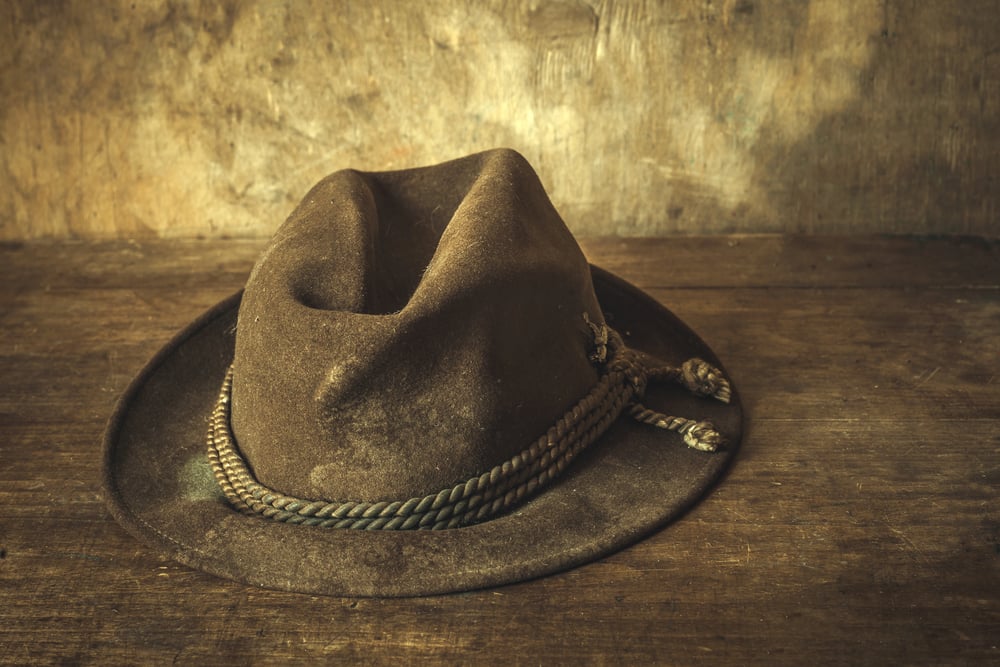
The iconic cowboy hat wasn’t as universal as people think. Many cowboys actually wore bowler hats, which were more popular and practical for everyday work.
The wide-brimmed Stetson became famous later, mostly through marketing and Wild West shows. Real ranch hands wore whatever protected them from the sun and didn’t blow off easily.
Gunfights happened on every street corner
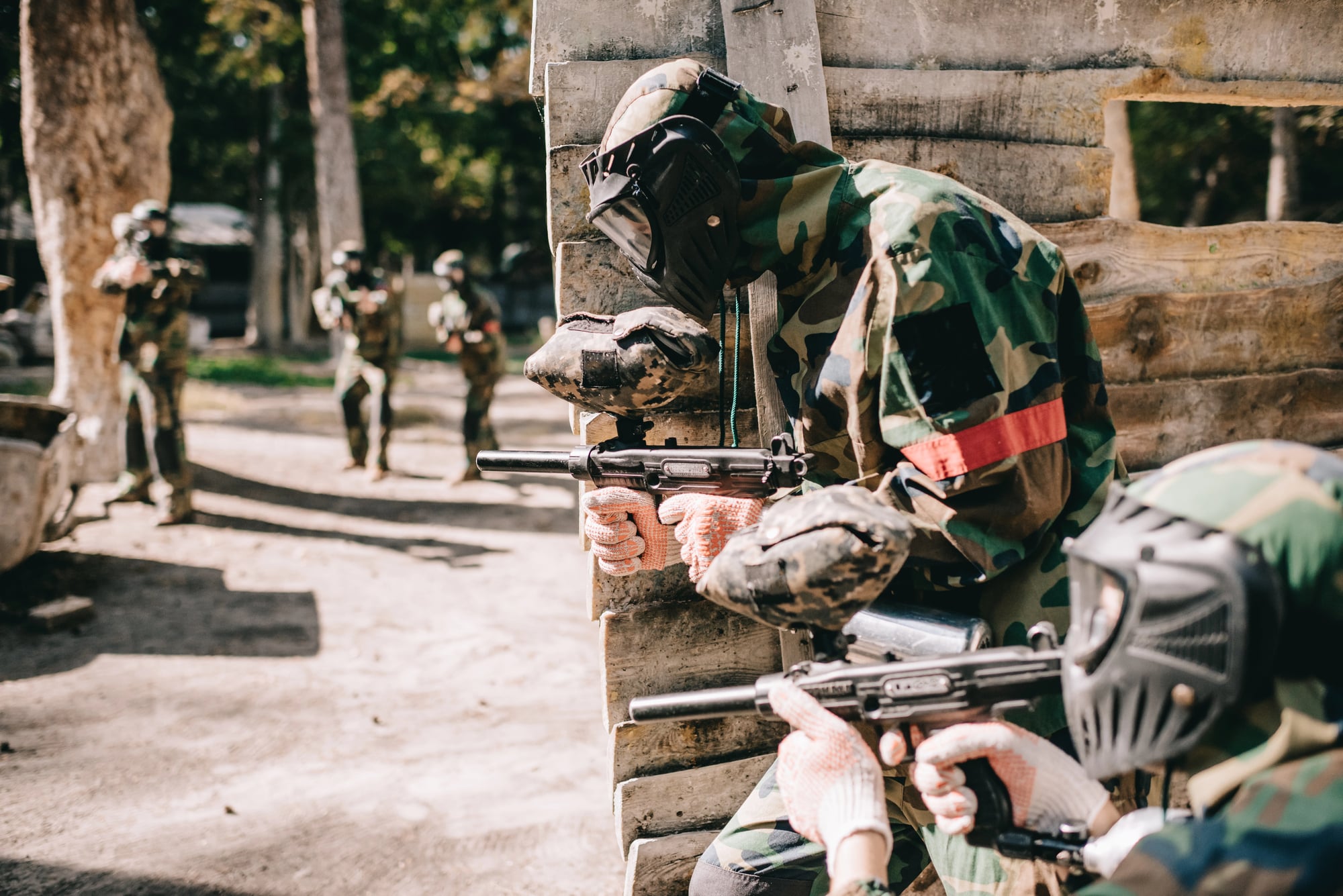
Actual gunfights were incredibly rare in the Old West. Most frontier towns had strict gun control laws that required visitors to check their weapons with the sheriff upon arrival.
Dodge City, one of the most famous cowboy towns, recorded only five murders in its wildest year. Compare that to modern cities, and the Wild West seems downright peaceful.
Saloons were packed with brawling drunks

While saloons existed in nearly every town, they functioned more like community centers than rowdy bars. Men gathered there to read newspapers, conduct business deals, and socialize over drinks.
The constant barroom brawls shown in movies were extremely uncommon. Most establishments had rules against fighting because broken furniture and scared customers were bad for business.
Native Americans constantly attacked settlers

The relationship between settlers and Native tribes was far more complex than Hollywood suggests. Many tribes traded peacefully with settlers and even helped them survive harsh conditions.
Conflicts did occur, but they were usually triggered by broken treaties or resource disputes rather than random attacks. Most Native Americans wanted to be left alone on their ancestral lands.
Everyone rode horses all the time

Horses were expensive animals that required constant care and feeding. The average person couldn’t afford to own one, let alone maintain it properly.
Most settlers traveled by wagon or on foot when moving long distances. Cowboys used horses for ranch work, but even they often walked when doing daily tasks around the property.
Bank robberies were a weekly occurrence
Bank robberies were actually quite rare during the Wild West era. Banks had limited cash on hand, and the risk of getting caught was extremely high.
Train robberies were more common because trains carried valuable cargo and payroll shipments. Even then, successful robberies were far less frequent than movies would have you believe.
Cowboys were all white American men

The cowboy workforce was incredibly diverse during the Wild West period. About one in four cowboys was Black, many of them former slaves seeking new opportunities after the Civil War.
Mexican vaqueros brought their skills north and taught many Americans how to work cattle. Chinese immigrants, Native Americans, and European settlers all worked as ranch hands across the frontier.
Outlaws were romantic heroes
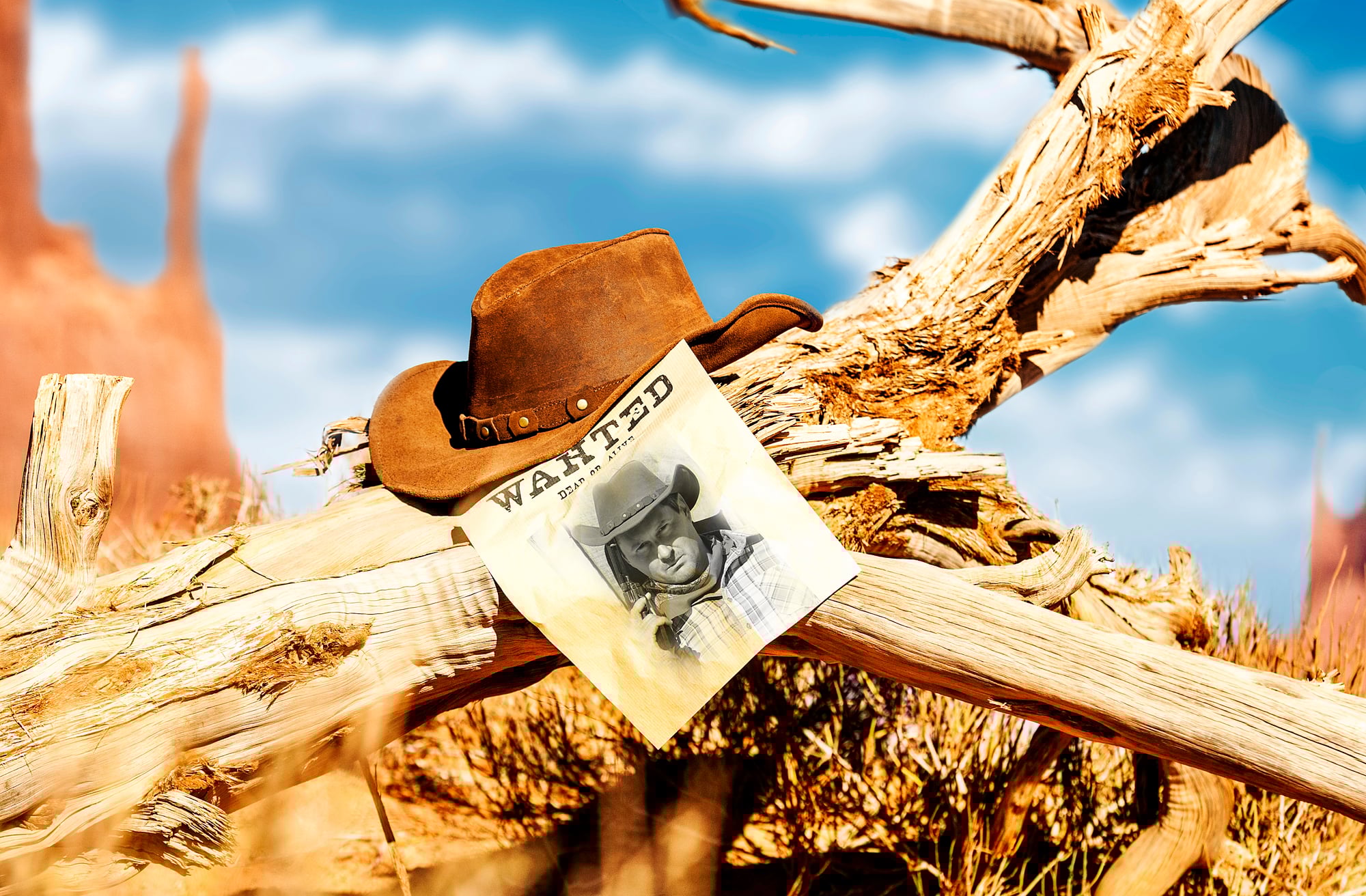
Real outlaws were criminals who caused genuine harm to innocent people. Jesse James robbed banks and killed civilians during his crimes.
Billy the Kid murdered multiple people before his death at age twenty-one. These men weren’t charming rogues fighting against injustice—they were violent criminals who terrorized communities for personal gain.
Towns were completely lawless
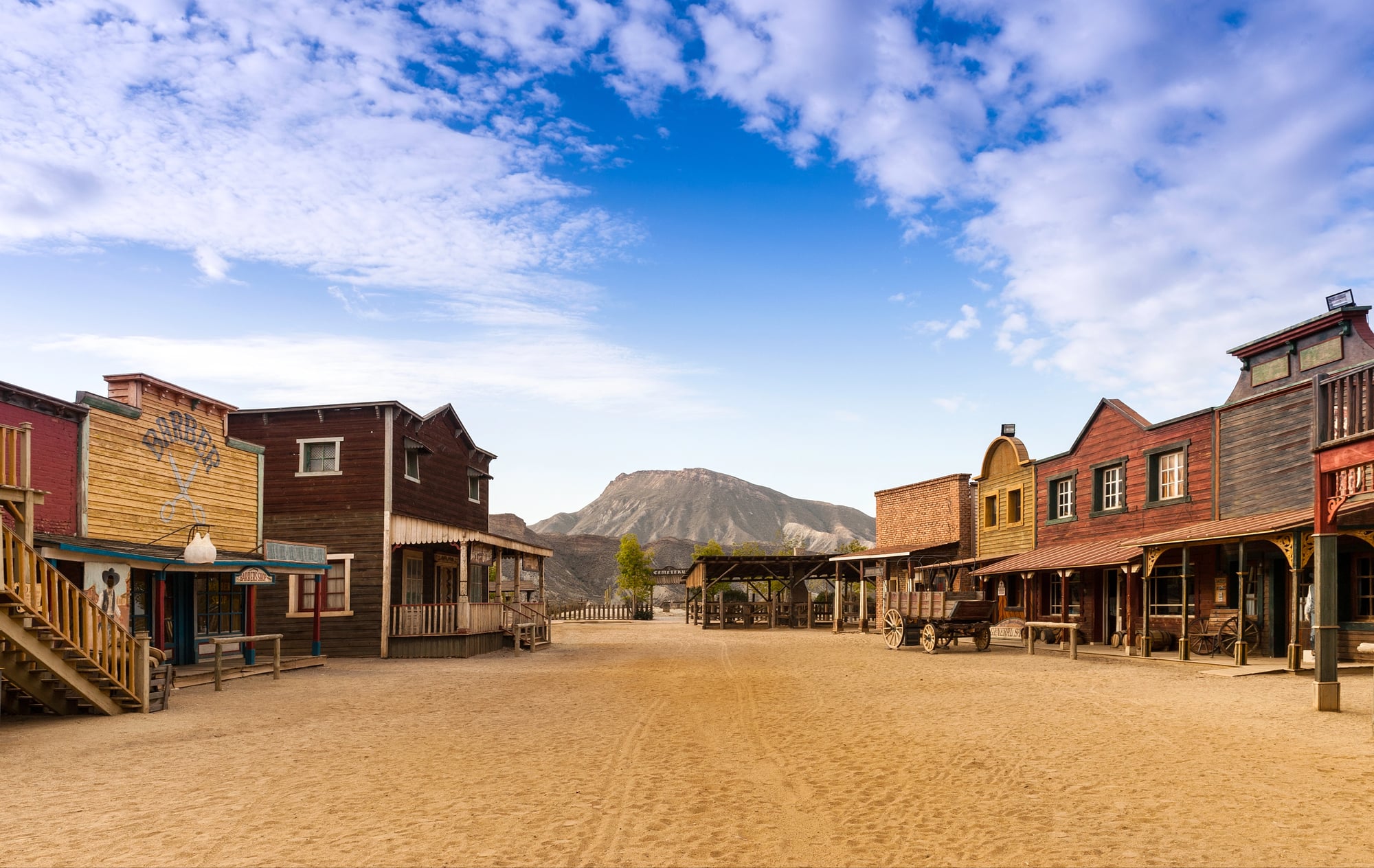
Most frontier towns had functioning legal systems with sheriffs, marshals, and courts. Citizens elected local officials and created laws to maintain order in their communities.
Vigilante justice did happen occasionally, but it was the exception rather than the rule. Town councils worked hard to attract businesses and families, which required establishing law and order.
Women stayed home and did nothing
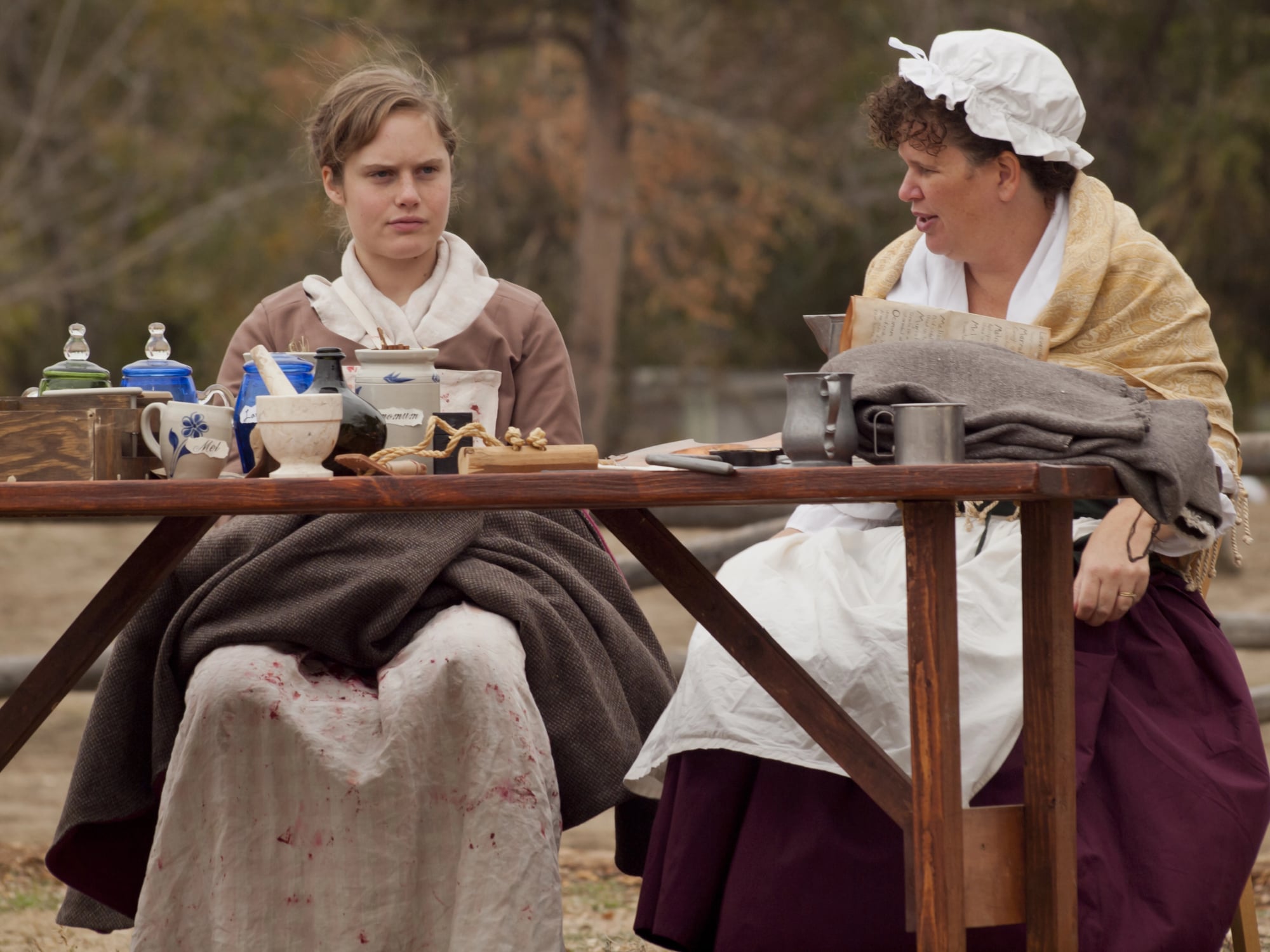
Women played crucial roles in building Western communities. They ran boarding houses, opened restaurants, worked as teachers and nurses, and managed family businesses.
Some women owned ranches and cattle operations themselves. The West actually offered women more opportunities than Eastern cities, where social restrictions were much stricter.
Quick draw duels decided disputes
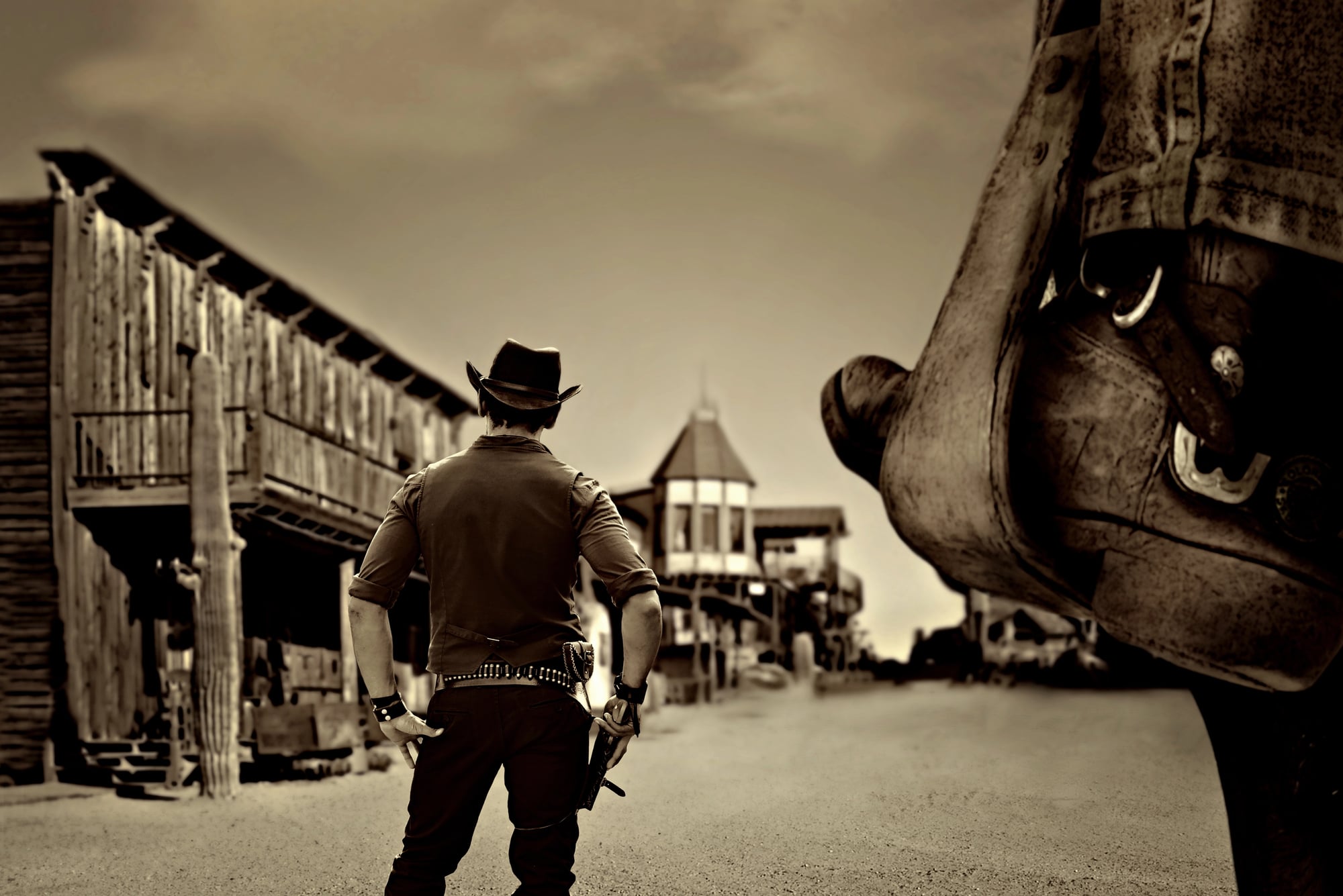
The classic quick draw showdown is almost entirely a Hollywood invention. When gunfights did occur, they usually involved ambushes or shots fired from cover.
Standing in the street at high noon was a good way to get killed without accomplishing anything. Most disputes were settled through legal means, negotiations, or occasionally fistfights.
Everyone died young from violence
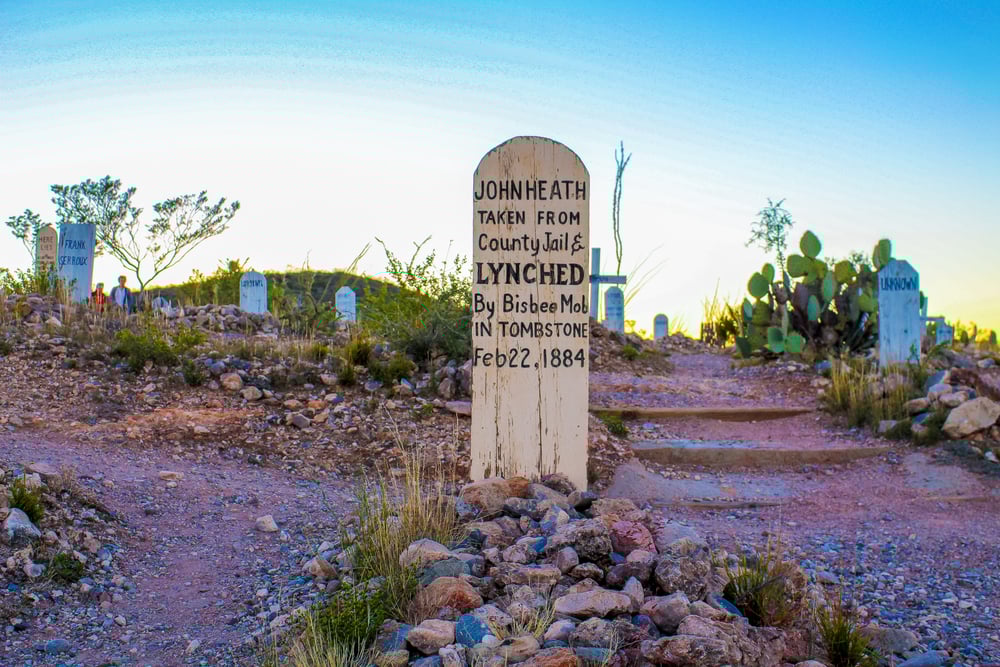
Disease and accidents killed far more people than gunfights ever did. Cholera, typhoid, and other illnesses swept through frontier communities regularly.
Work-related injuries from cattle drives, mining operations, and construction projects were common causes of death. The average life expectancy was low, but violence wasn’t the main culprit.
Gold miners struck it rich overnight

The vast majority of prospectors never found significant gold deposits. Mining was backbreaking work that rarely paid off financially.
Most miners ended up broke and had to find other work to survive. The people who actually got rich during gold rushes were merchants selling supplies to desperate prospectors at inflated prices.
Stagecoach robberies were constant
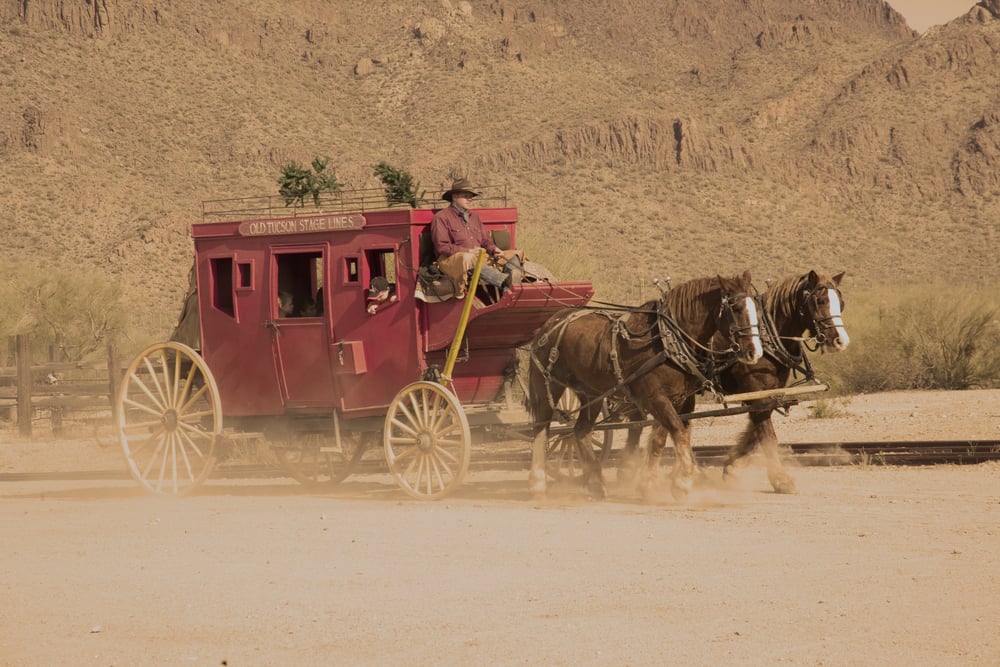
Stagecoach robberies did happen, but they weren’t the everyday occurrence shown in westerns. Companies hired armed guards and used different routes to avoid predictable patterns.
Most coaches completed their journeys without incident. The few robberies that did occur became famous precisely because they were unusual events worth talking about.
Cattle drives were wild adventures

Cattle drives? Mostly just dull, draining chores. Out on the open range, cowboys trudged for weeks – kicked up dirt, baked under sun, stuck in endless loops.
Their days revolved around eyes on livestock, avoiding wild runs, pushing animals forward without rush or lag. When things got lively? That typically signaled trouble nearby.
Folks out west settled scores fast – no mercy shown
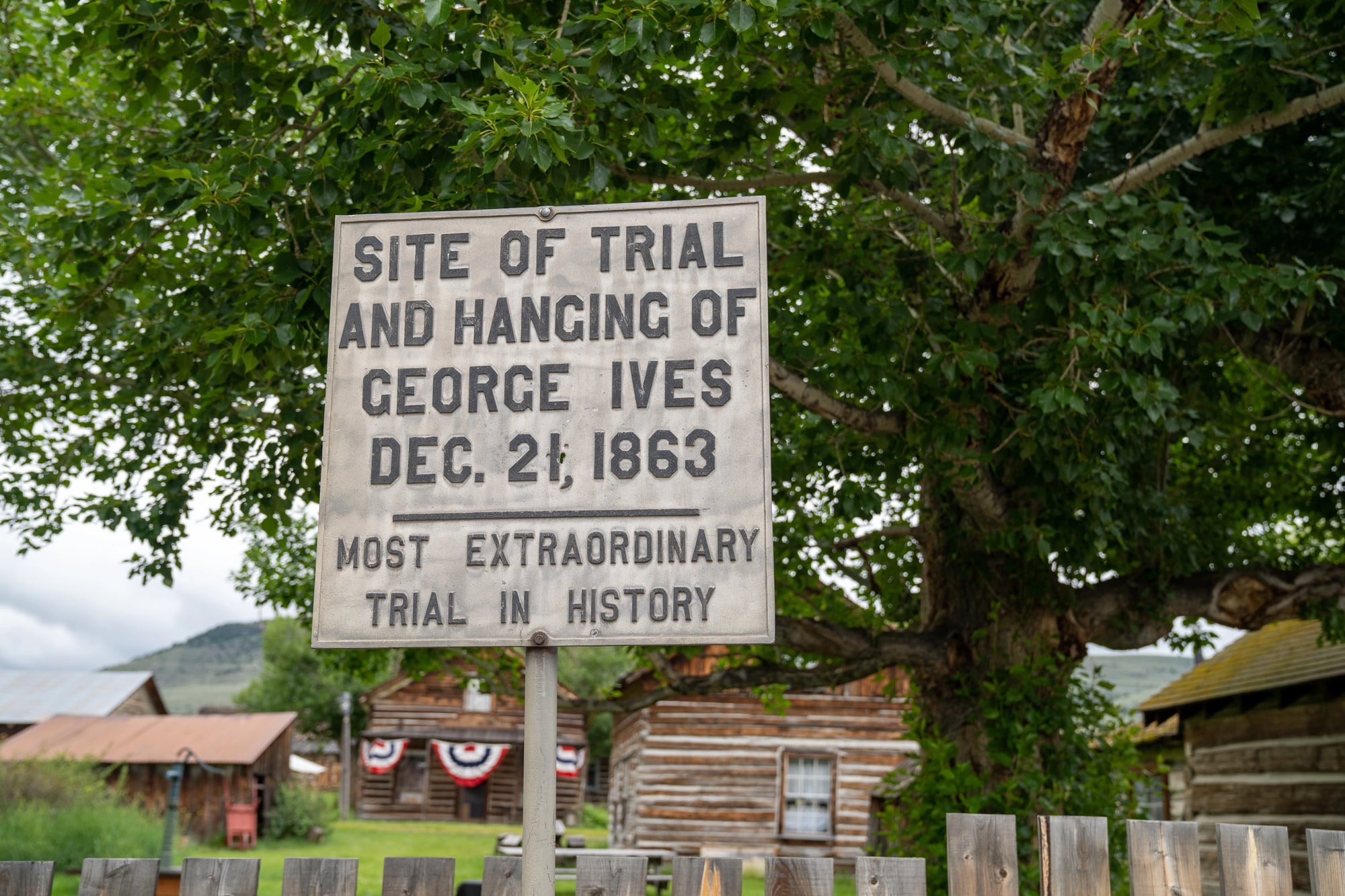
Legal cases back then moved slowly, yet stuck to clear steps. The accused got a jury trial – lawyer on their side, proof shown in order.
Once found guilty, some were hanged, though never by crowd impulse like in movies. Even far from cities, courts aimed to keep things fair and under control.
Flocks of buffalo roamed the flatlands, always there
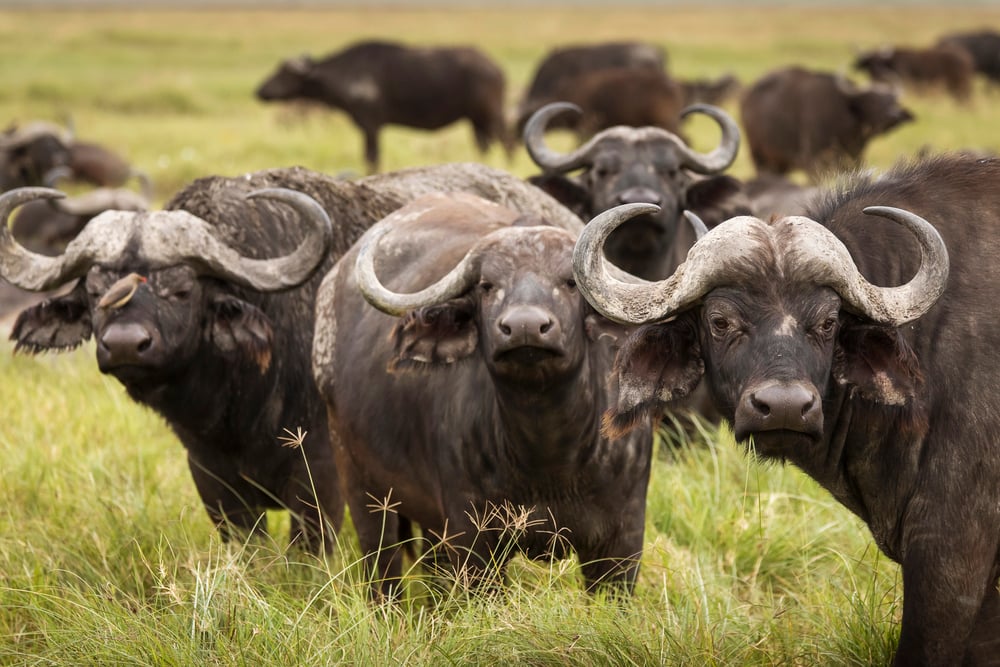
The buffalo nearly vanished overnight due to organized hunts. Hunters shot countless animals just for their skins, tossing the rest aside to decay across open land.
It wasn’t chaos – this was planned, meant to break Indigenous groups by wiping out what fed them. Come the 1880s, herds dropped from huge numbers down to barely any left at all.
Abandoned places popped up suddenly
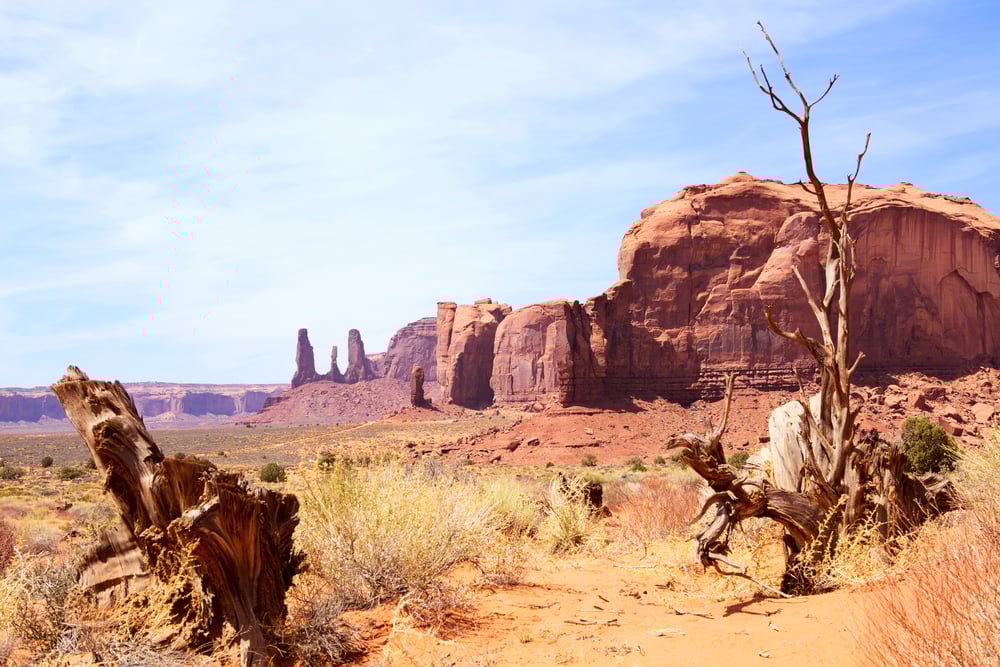
Towns rarely emptied overnight when mines closed or trains stopped coming. Instead, it dragged on for ages – people left bit by bit, chasing jobs elsewhere.
Without upkeep, roofs sagged, paint peeled, storms wore things down piece by piece. Even so, some places held onto one or two holdouts who just wouldn’t go, long after the rest had vanished.
What really shaped the frontier
The Wild West didn’t last long – just around three decades, starting in the 1860s and ending in the 1890s. Yet that short time has grown into something bigger than it really was.
Life on the edge of settlement meant grinding labor, setting up towns, also folks just looking to get ahead. Stories stick around since they’re flashier than truth; still, knowing real events shows how the West got shaped for good.
More from Go2Tutors!

- The Romanov Crown Jewels and Their Tragic Fate
- 13 Historical Mysteries That Science Still Can’t Solve
- Famous Hoaxes That Fooled the World for Years
- 15 Child Stars with Tragic Adult Lives
- 16 Famous Jewelry Pieces in History
Like Go2Tutors’s content? Follow us on MSN.



