33 Foods That Were Once Banned in the United States
Americans have always had a complicated relationship with what goes on the plate. Some bans made sense at the time — safety concerns, wartime shortages, genuine health crises.
Others look, in hindsight, like spectacular overreach dressed up as public protection. The list below covers everything from Scottish delicacies to Japanese fish preparations, and the reasons range from legitimate food science to political maneuvering that had very little to do with what anyone was actually eating.
A note on terms: some of these are outright federal bans, some are import restrictions, some are state-level patchworks, and a few were brief and quietly reversed. The distinctions matter, and each entry notes which kind of prohibition actually applied.
Haggis
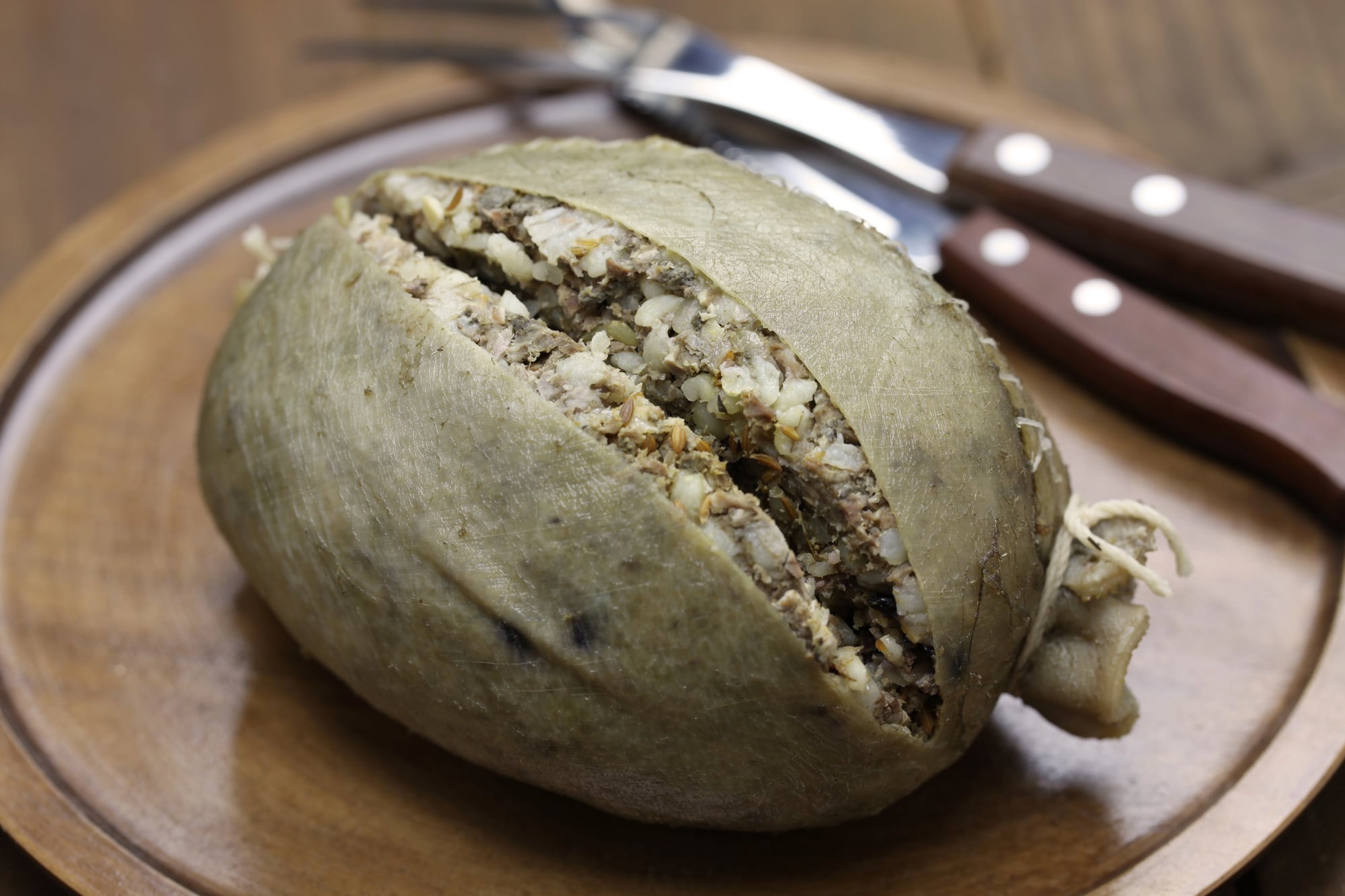
Scotland’s national dish — sheep offal mixed with oatmeal and spices, traditionally cooked inside a sheep’s stomach — has been effectively banned from authentic import into the United States since 1971, when the USDA issued a rule prohibiting the use of any livestock lungs in food sold for human consumption. Since traditional haggis runs roughly 15 percent sheep lung, removing the ingredient removes part of what makes haggis haggis.
The rule applies to all livestock species, not just sheep, and isn’t aimed at Scotland specifically — it simply makes the authentic recipe illegal regardless of where it’s made.
Scottish producers have spent years lobbying to have the rule revisited, and lung-free versions are sold legally in the U.S. under brands like The Caledonian Kitchen. The real thing remains, technically, contraband.
Beluga Caviar
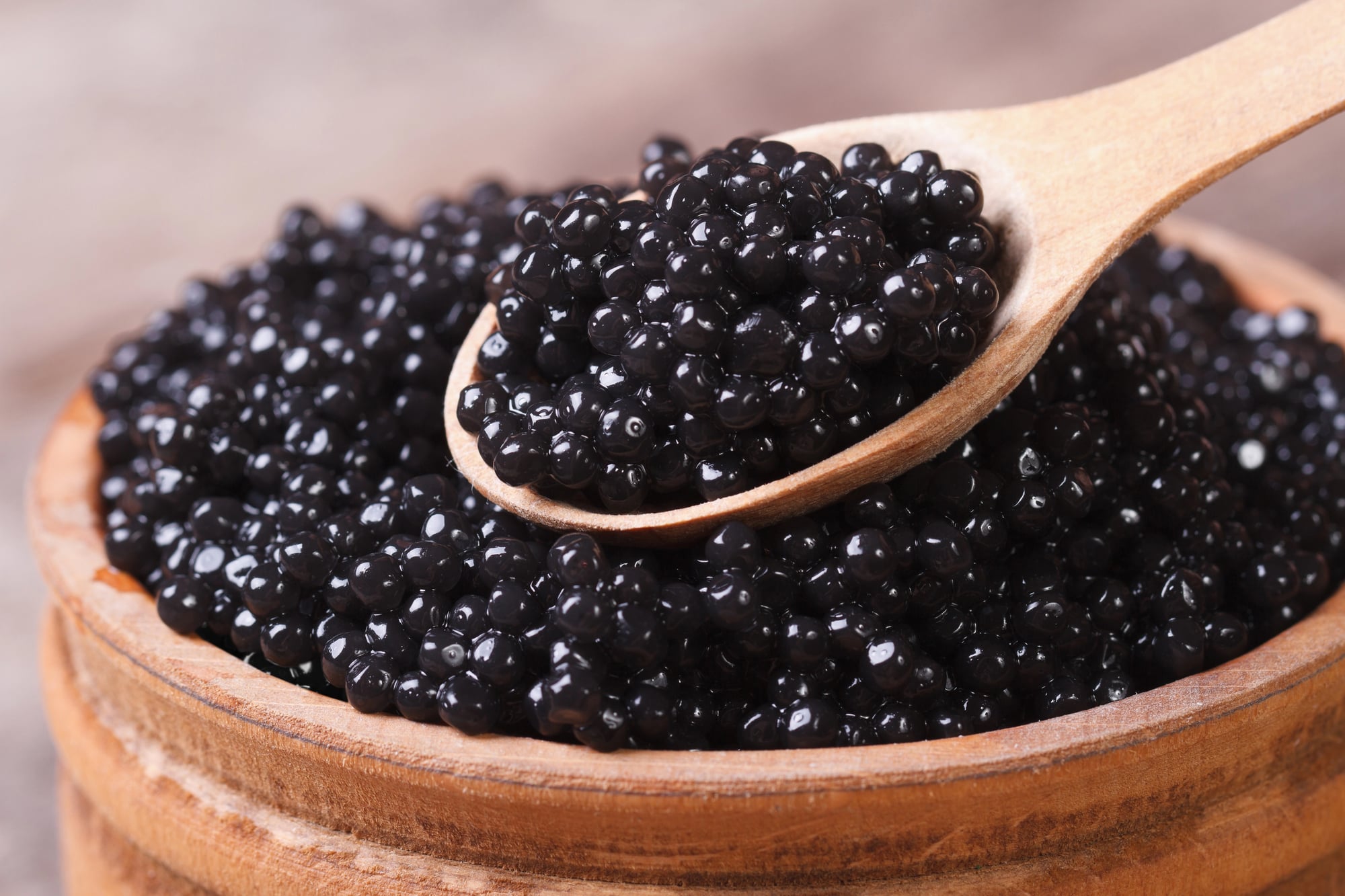
Beluga caviar was banned from import in 2005 under the Endangered Species Act after the beluga sturgeon population in the Caspian Sea collapsed. The fish — which can live over a century and takes decades to reach reproductive maturity — was being harvested far faster than it could recover.
The ban was a conservation measure wearing the clothes of a trade restriction, which is exactly what it needed to be.
Sassafras Oil
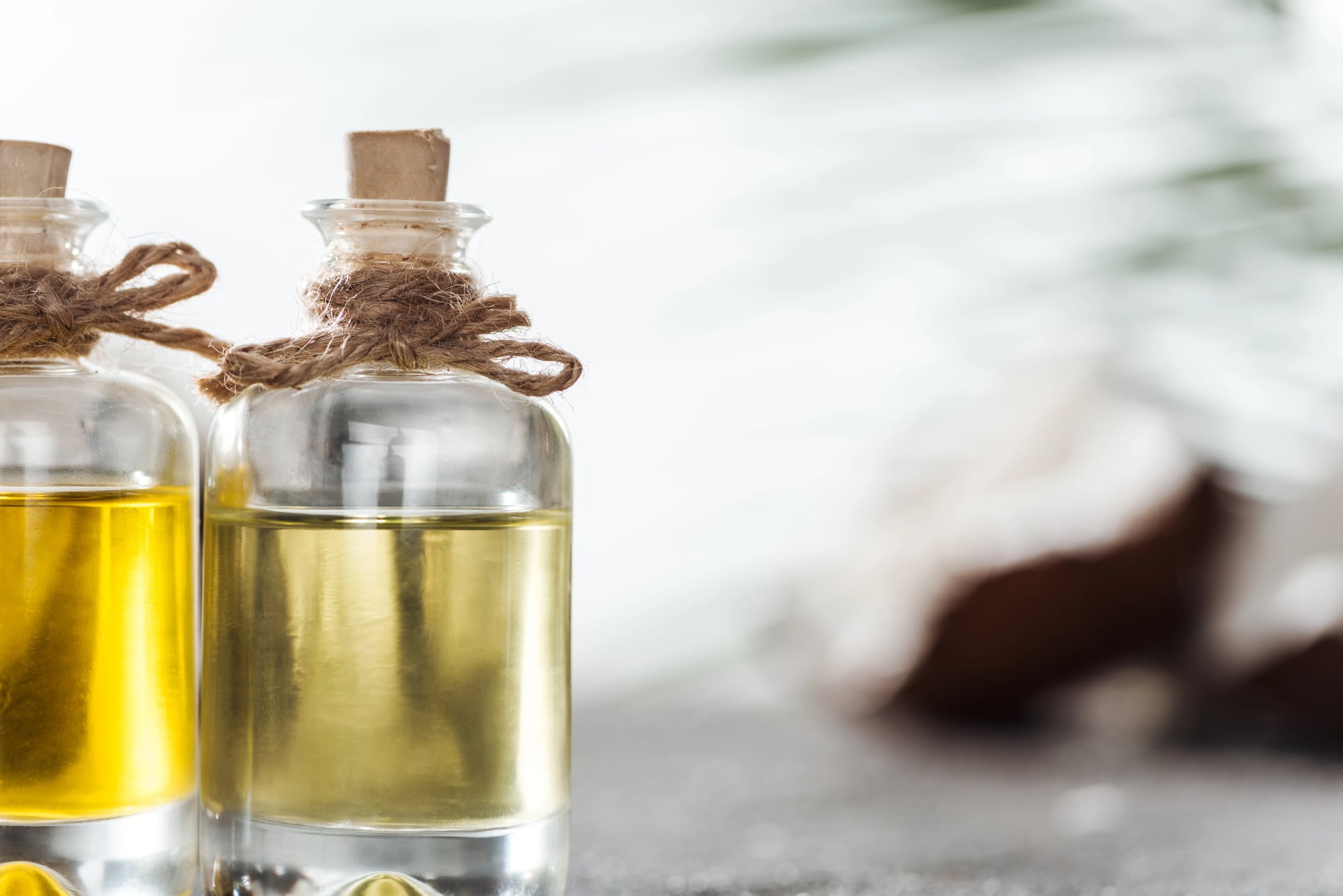
Sassafras was a staple of traditional root beer recipes for generations, but the FDA banned safrole — the active compound in sassafras oil — in 1960 after studies linked it to liver cancer in laboratory animals. The root beer sold today is sassafras-free, flavored with substitutes that approximate the taste without the chemistry.
Something genuinely original left the formula that year and never came back.
Fugu (Imported, Unprepared)
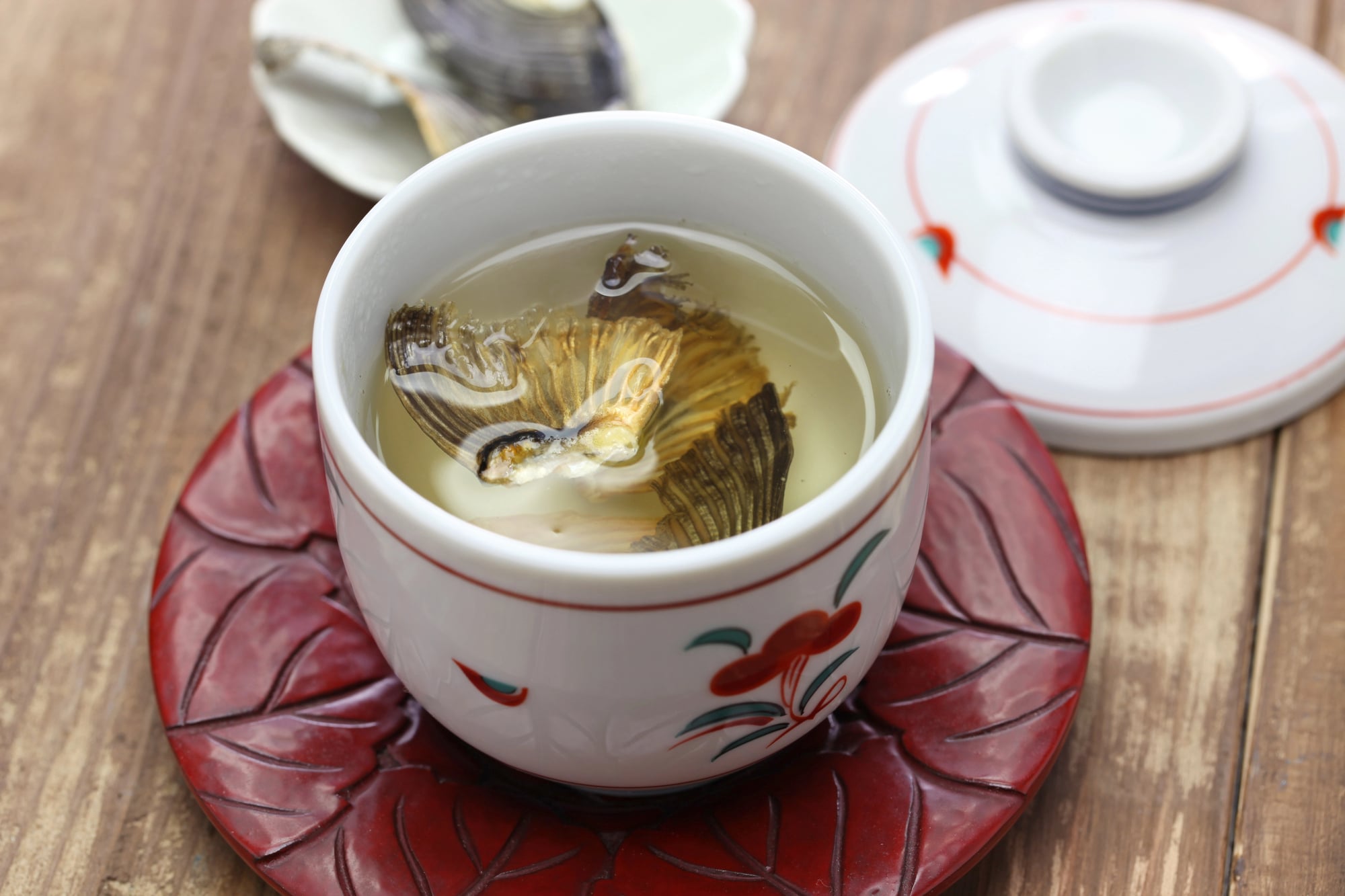
Fugu, the Japanese puffer fish, is legal to eat in the United States, but importing it from Japan faced significant restrictions until 2014, and even now the fish faces strict rules about who can prepare it commercially. The fish contains tetrodotoxin — a neurotoxin with no known antidote — concentrated in the liver, ovaries, and skin.
A licensed fugu chef in Japan trains for years to remove those parts without contaminating the flesh; American regulators were understandably slow to extend that trust broadly.
Kinder Surprise Eggs
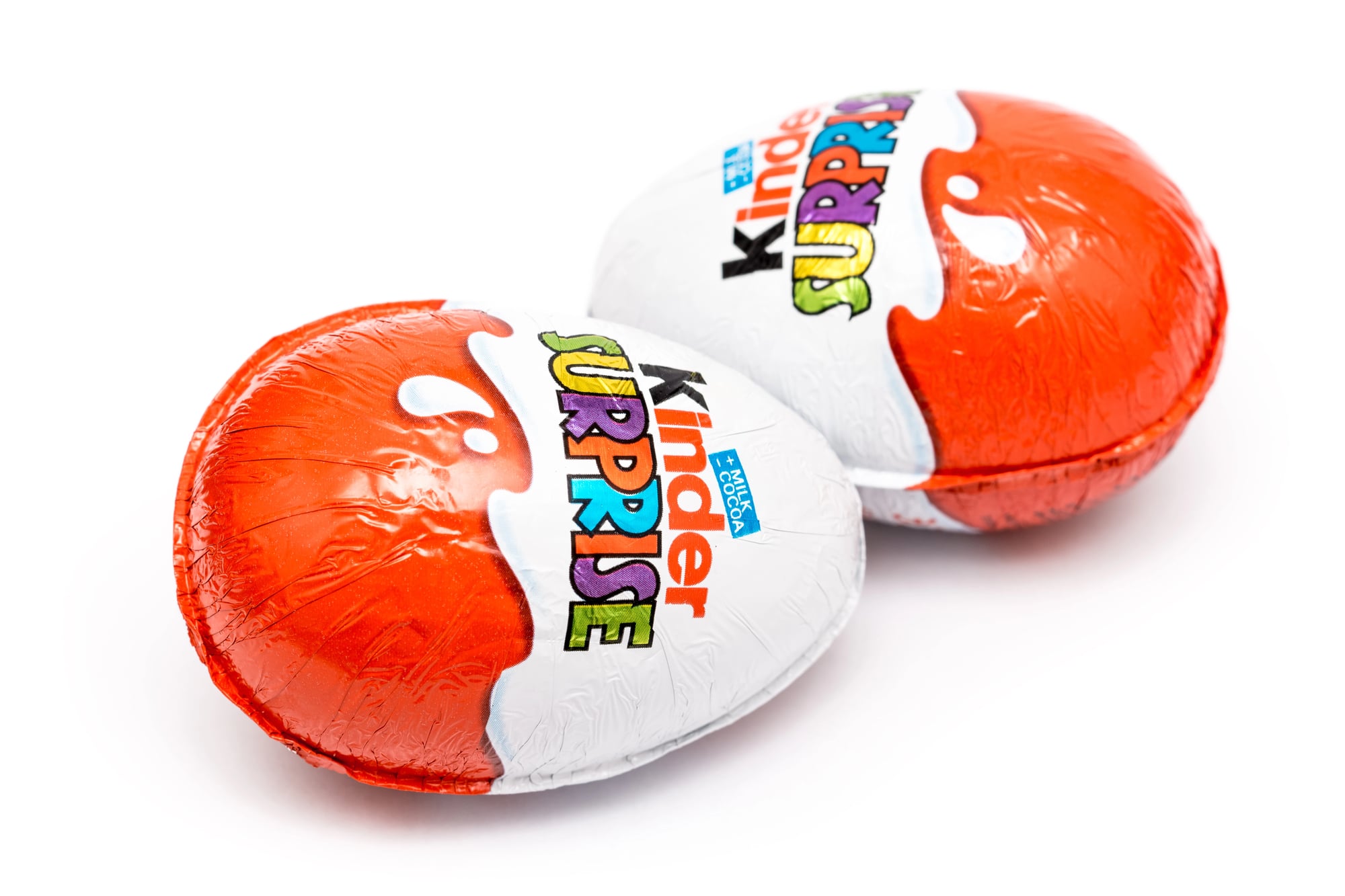
Kinder Surprise Eggs have been barred from the U.S. market under a federal law that prohibits embedding non-food items inside confectionery, on the logic that children might swallow the toy hidden inside the chocolate shell. The rule is enforced seriously — Customs has confiscated eggs at the border for years.
Ferrero eventually created Kinder Joy, a two-compartment version that keeps the toy physically separate from the food, specifically to sell legally in the American market.
Mirabelle Plums
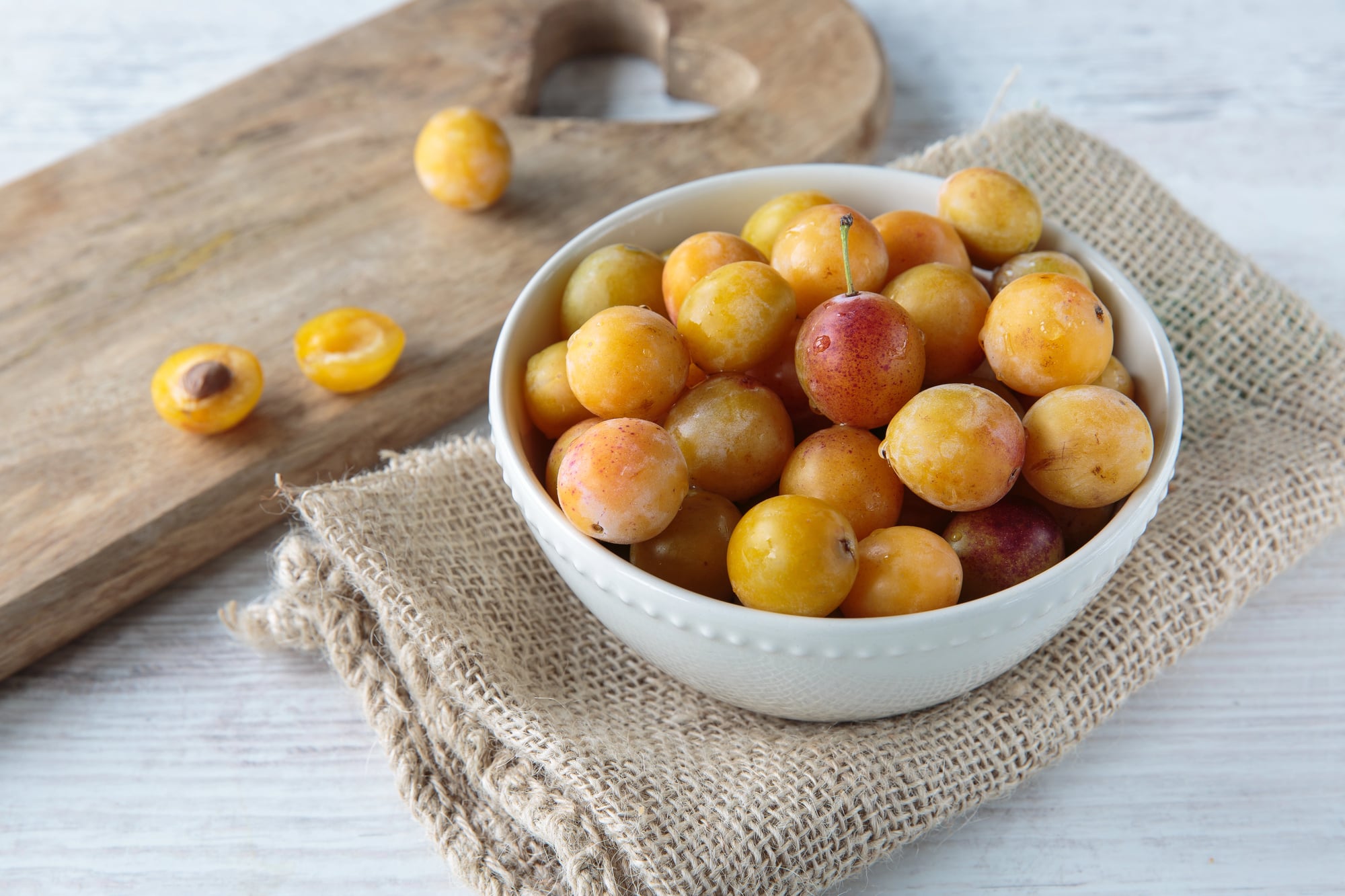
Mirabelle plums — small, golden, intensely sweet stone fruits grown almost exclusively in the Lorraine region of France — are effectively unavailable as fresh imports in the United States through a combination of USDA fresh-stone-fruit quarantine restrictions and the limited scale of French export production. American growers cultivate mirabelles domestically on a small scale, but finding genuine imported French mirabelles in a typical American grocery store is essentially impossible.
Absinthe
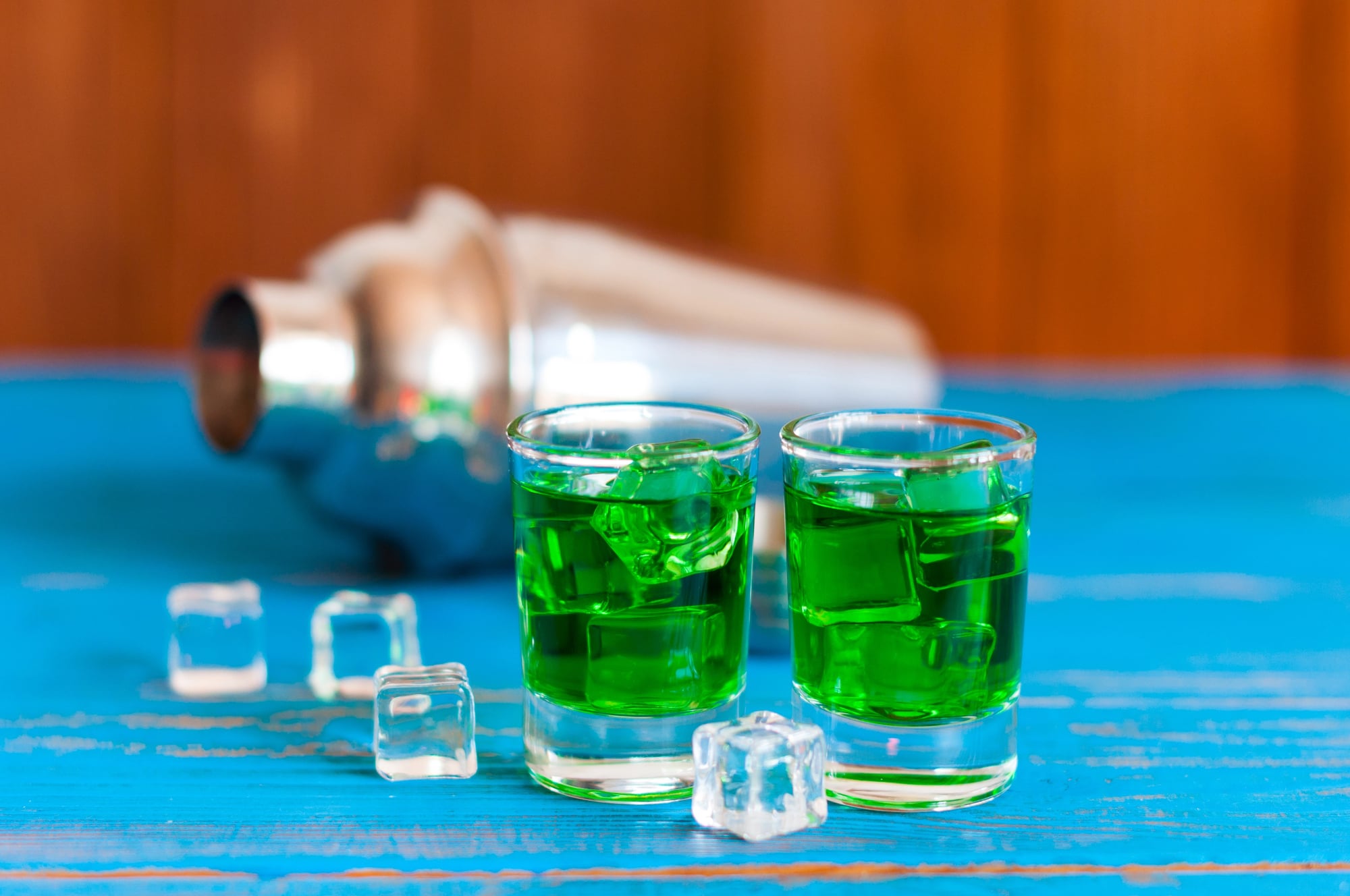
Absinthe was banned in the United States in 1912, on the belief that thujone — a compound in wormwood, one of absinthe’s core botanicals — caused hallucinations and madness. The science behind the ban was always shaky; modern analysis shows that vintage bottles contained far less thujone than claimed, and the supposed “hallucinations” were almost certainly the effects of drinking a spirit that often exceeded 70 percent alcohol.
The ban held for nearly a century before being lifted in 2007, conditional on thujone levels staying below a specific threshold — which, it turns out, they generally already were.
Horse Meat
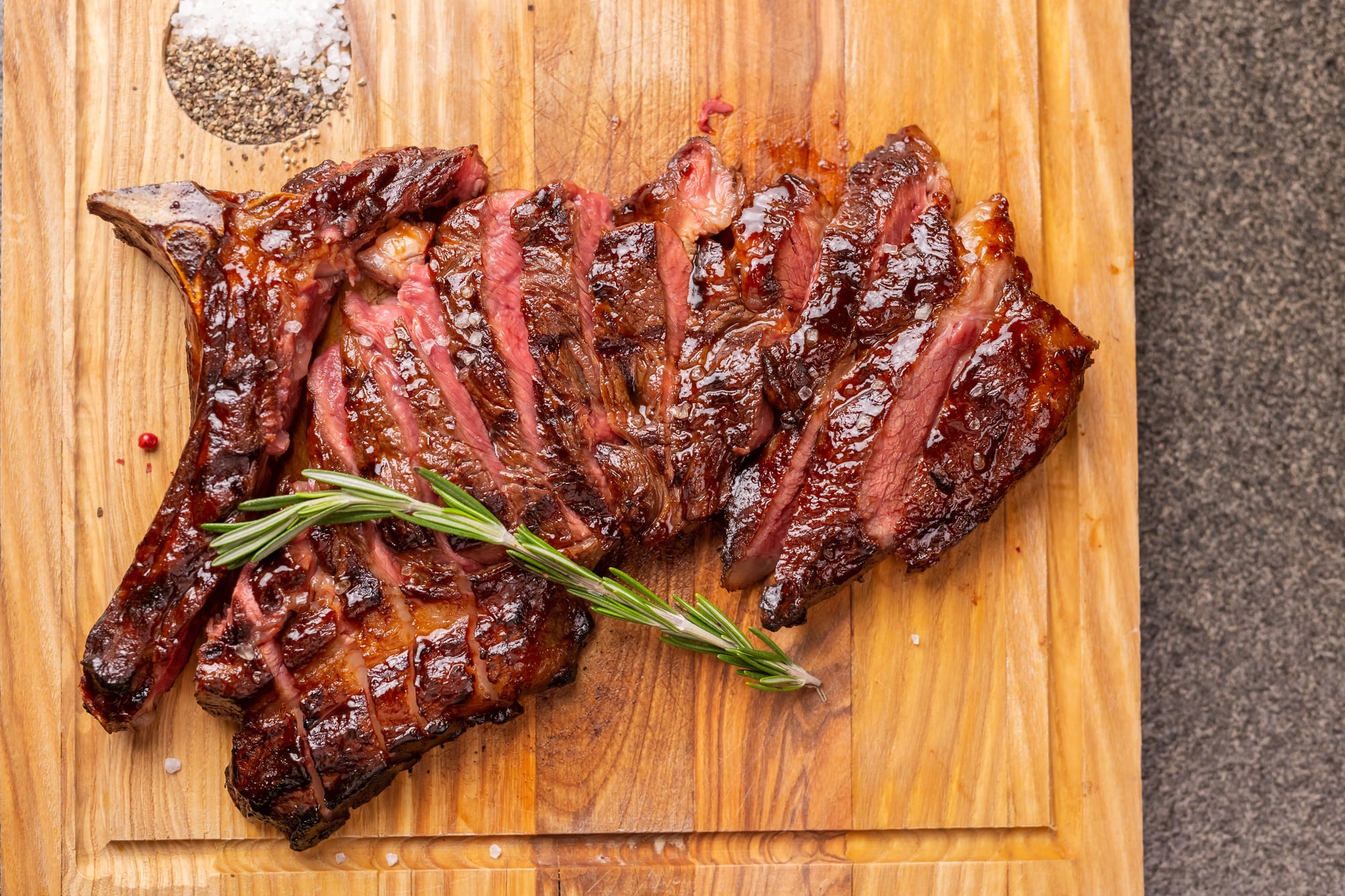
Horse meat occupies a strange legal space in the United States. It was never explicitly banned for human consumption at the federal level, but Congress repeatedly defunded the USDA inspection program required for horse slaughter facilities, which had the practical effect of making commercial horse meat production impossible.
The last domestic horse slaughter plants closed in 2007, and imports for human consumption face significant regulatory barriers that public opposition has kept firmly in place.
Ackee Fruit (Raw)
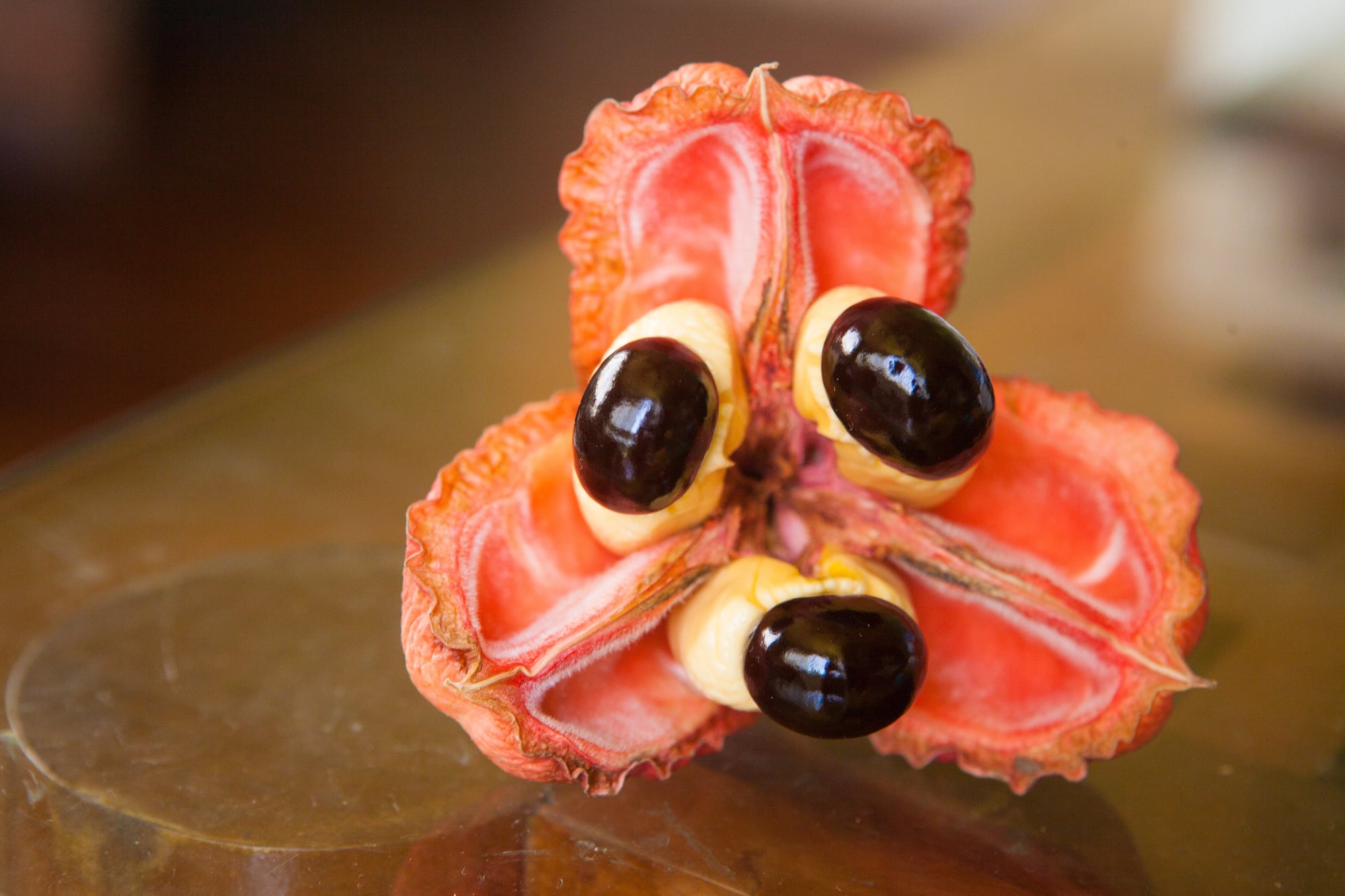
Ackee is the national fruit of Jamaica and central to Jamaican cooking, but the FDA banned its import for decades because unripened ackee contains hypoglycin A, a toxin that causes Jamaican vomiting sickness — and in severe cases, death. The fruit must ripen fully on the tree, split open naturally, and be prepared correctly before it’s safe.
Canned ackee in brine was approved for import in 2000, but fresh ackee still faces strict restrictions.
Pig’s Blood Cake
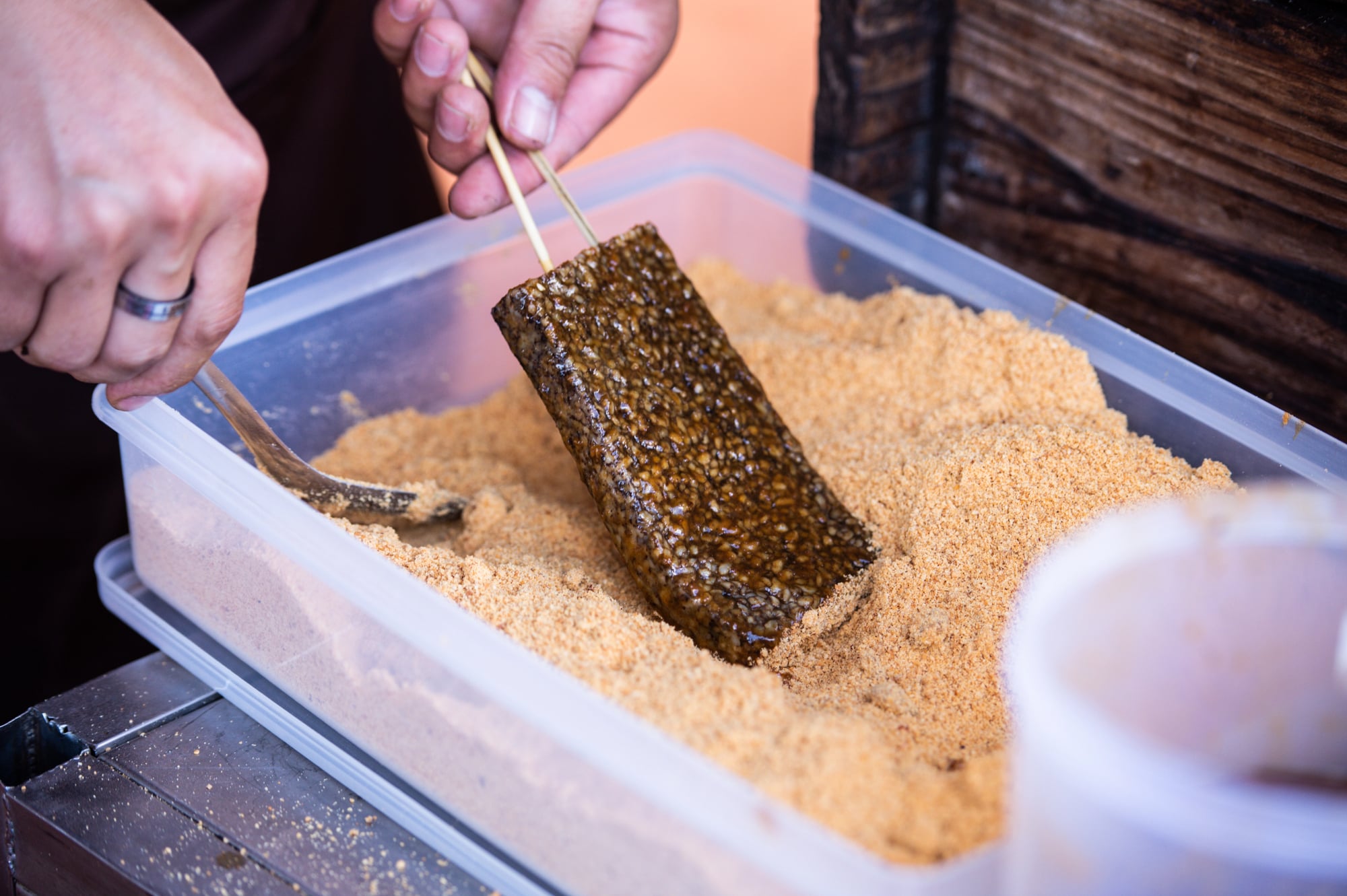
Pig’s blood cake — a popular Taiwanese street food made from glutinous rice and pig’s blood, coated in peanut powder and cilantro — faces effective import barriers into the United States because blood-based food products are subject to strict USDA oversight that this category of product generally doesn’t meet for commercial importation. It’s the kind of food that’s deeply ordinary in its home country and deeply complicated for American regulatory frameworks.
Casu Marzu
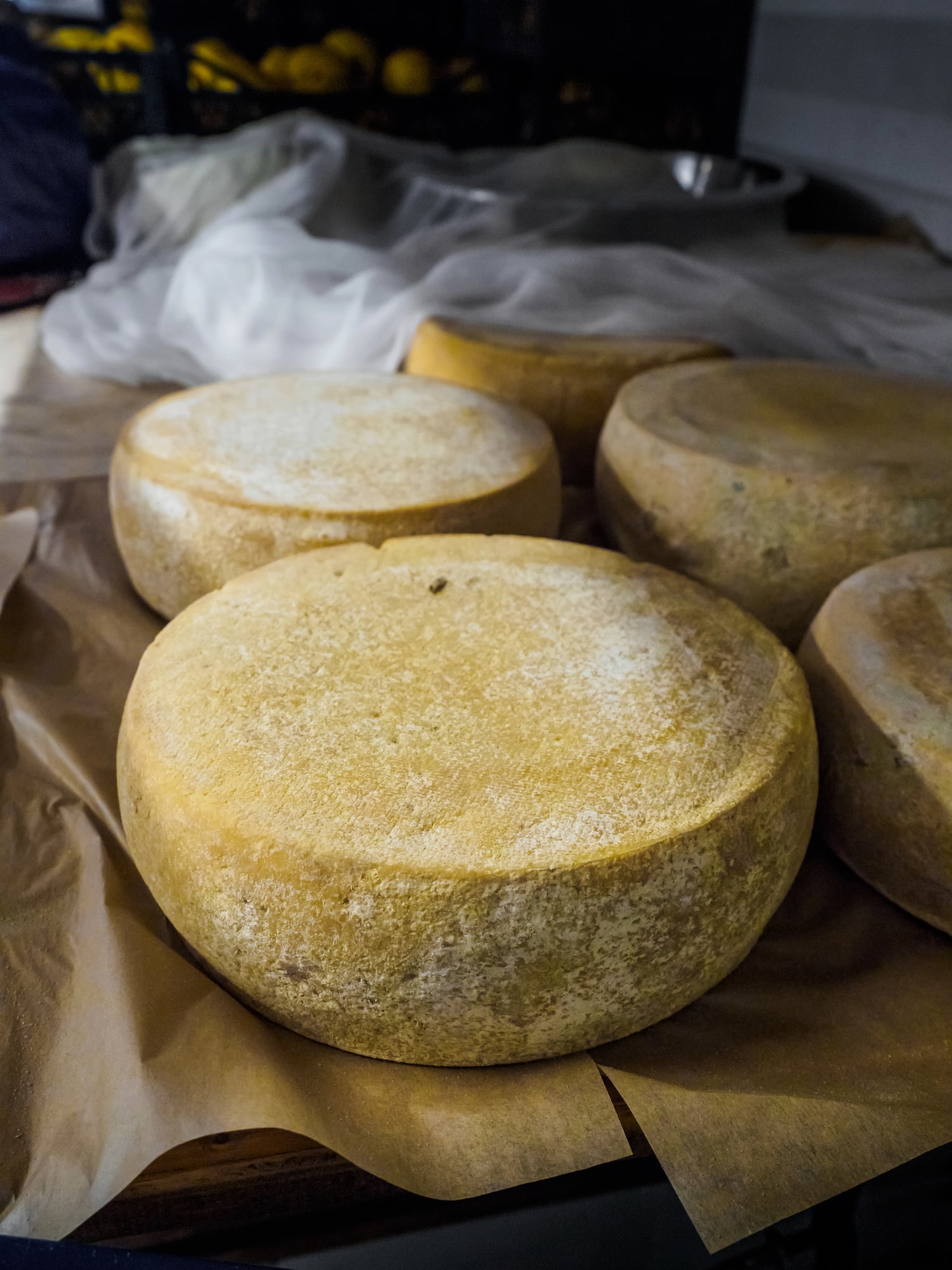
Casu marzu is a Sardinian sheep’s milk cheese deliberately fermented beyond the point of normal aging, with live maggots introduced to break down the fats and create a soft, intensely flavored paste. The FDA bans it under general food safety codes prohibiting the sale of food containing live insects.
It’s also technically illegal in the EU, though enforcement in rural Sardinia tends to be relaxed — the cheese exists in a kind of semi-official grey market.
Ortolan Bunting
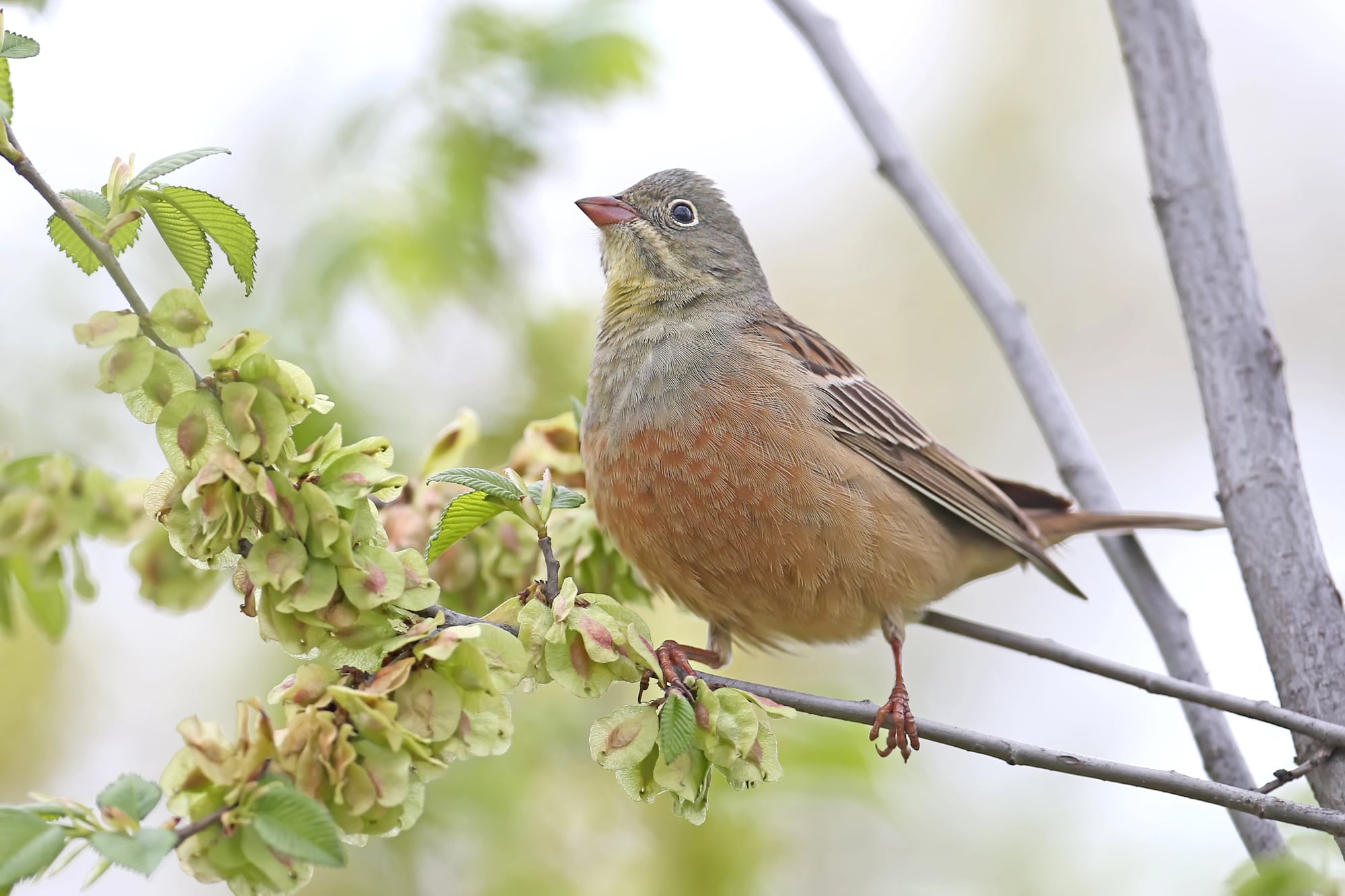
The ortolan is a small songbird once considered the pinnacle of French gastronomy, traditionally drowned in Armagnac, roasted whole, and eaten bones and all while the diner covered their head with a linen napkin. The bird is protected under U.S. law, and importing or serving it is illegal under the Migratory Bird Treaty Act.
France technically banned the practice in 1999, though French enforcement has historically been more forgiving than American law allows for.
Shark Fins
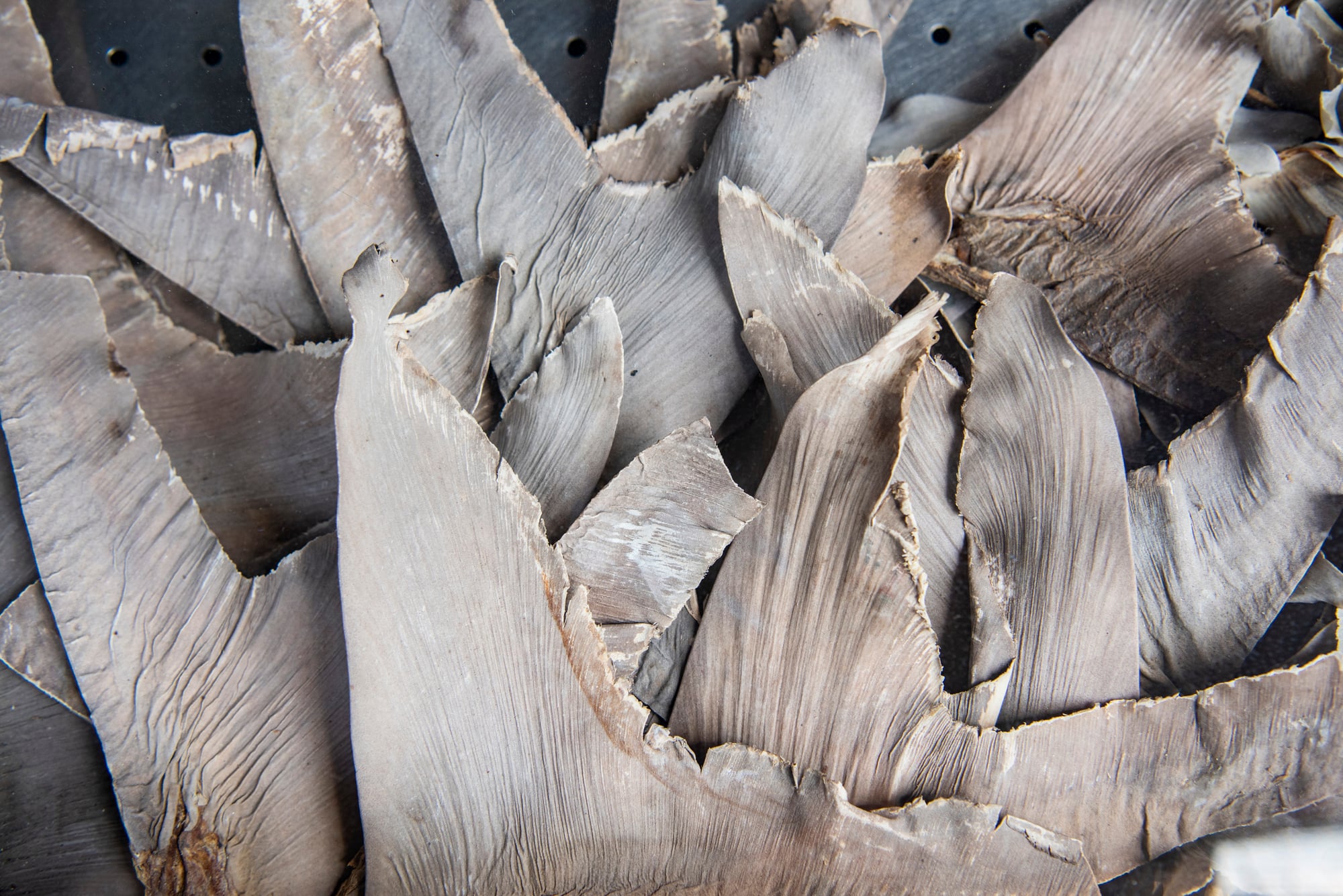
The sale of shark fins is banned in over a dozen U.S. states, including California, New York, and Illinois, though federal law doesn’t yet impose a nationwide prohibition on the fin trade itself — shark finning at sea is already federally illegal, separate from the question of selling fins. Some shark populations have declined by over 70 percent in recent decades, an ecological argument that has driven state-by-state legislative momentum even without federal action.
Four Loko (Original Formula)
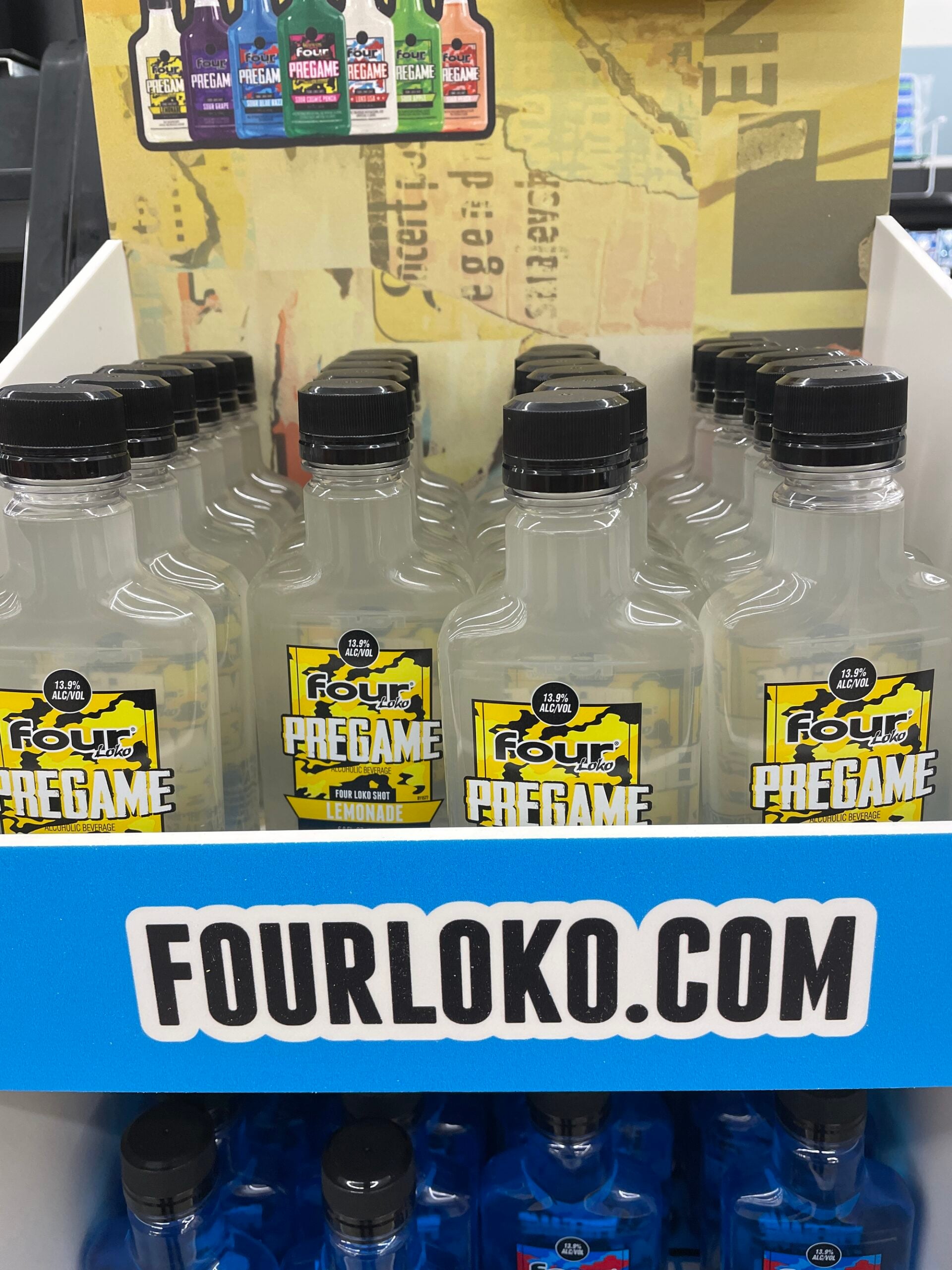
The original formula of Four Loko — combining the caffeine equivalent of several cups of coffee with multiple standard drinks of alcohol in one can — was effectively forced off the market in 2010 after a string of hospitalizations and at least one death linked to the product. The FDA ruled that caffeine added to alcoholic beverages was an “unsafe food additive,” sending letters to manufacturers warning of enforcement action.
The reformulated, caffeine-free version still exists, without the notoriety of the original.
Raw Milk Cheese (Aged Under 60 Days)
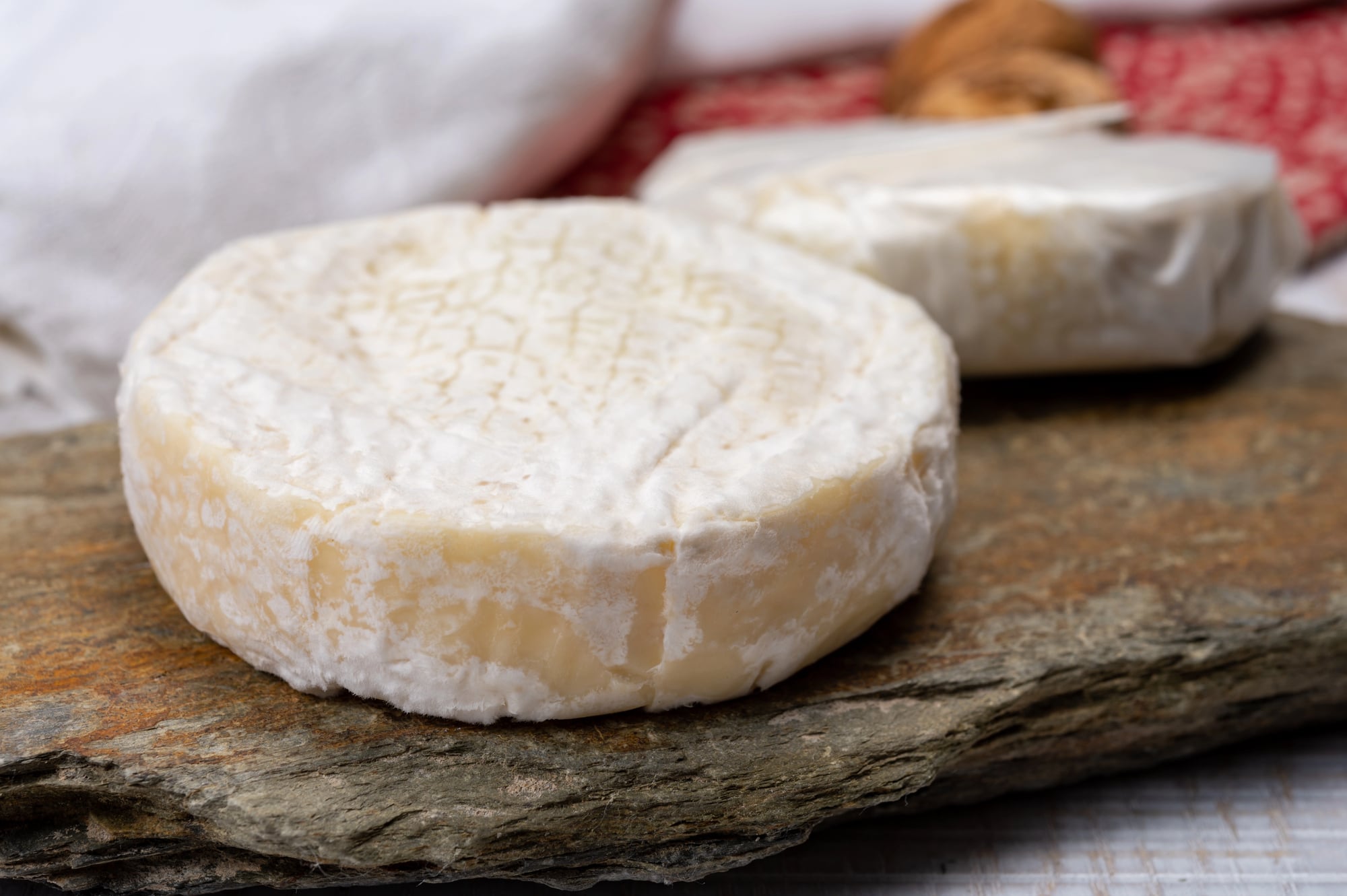
Cheese made from unpasteurized milk cannot legally be sold in the United States if aged fewer than 60 days — a rule the FDA established in 1949 on the grounds that pathogens like listeria and E. coli need at least that long to die off during proper aging. The rule frustrates artisan cheese importers, since many of the world’s most celebrated soft cheeses — certain bries, camemberts, and young chèvres — fall below that threshold by design.
Bushmeat
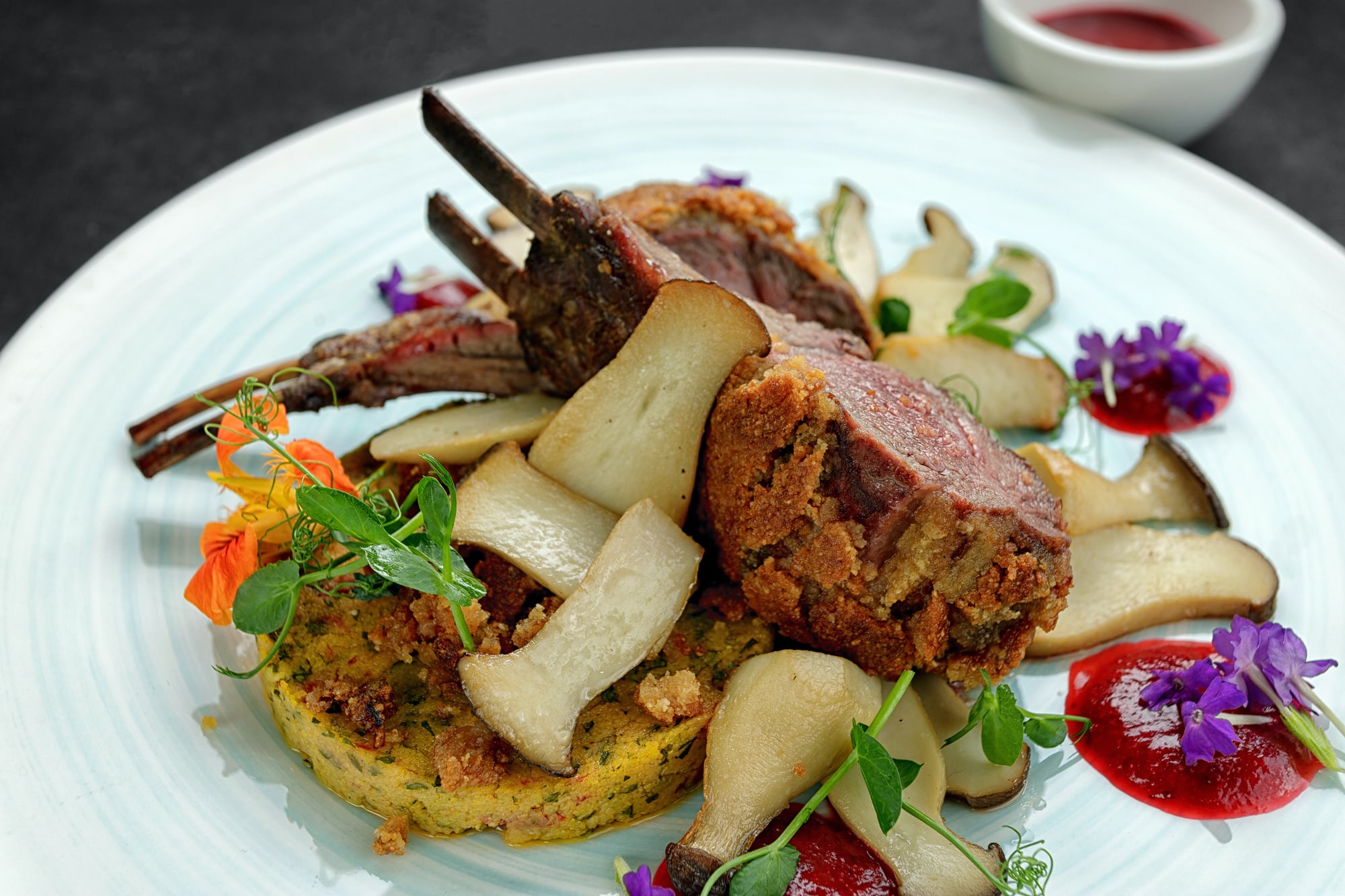
Bushmeat — wild game meat from African species, including primates, bats, and various ungulates — is banned from import into the United States under a combination of wildlife protection laws, USDA import restrictions, and CDC public health concerns. The CDC has explicitly linked bushmeat importation to the risk of introducing pathogens including Ebola and monkeypox into new populations.
Customs seizures happen with some regularity at major airports, typically in luggage arriving from Central and West Africa.
Unpasteurized Juice
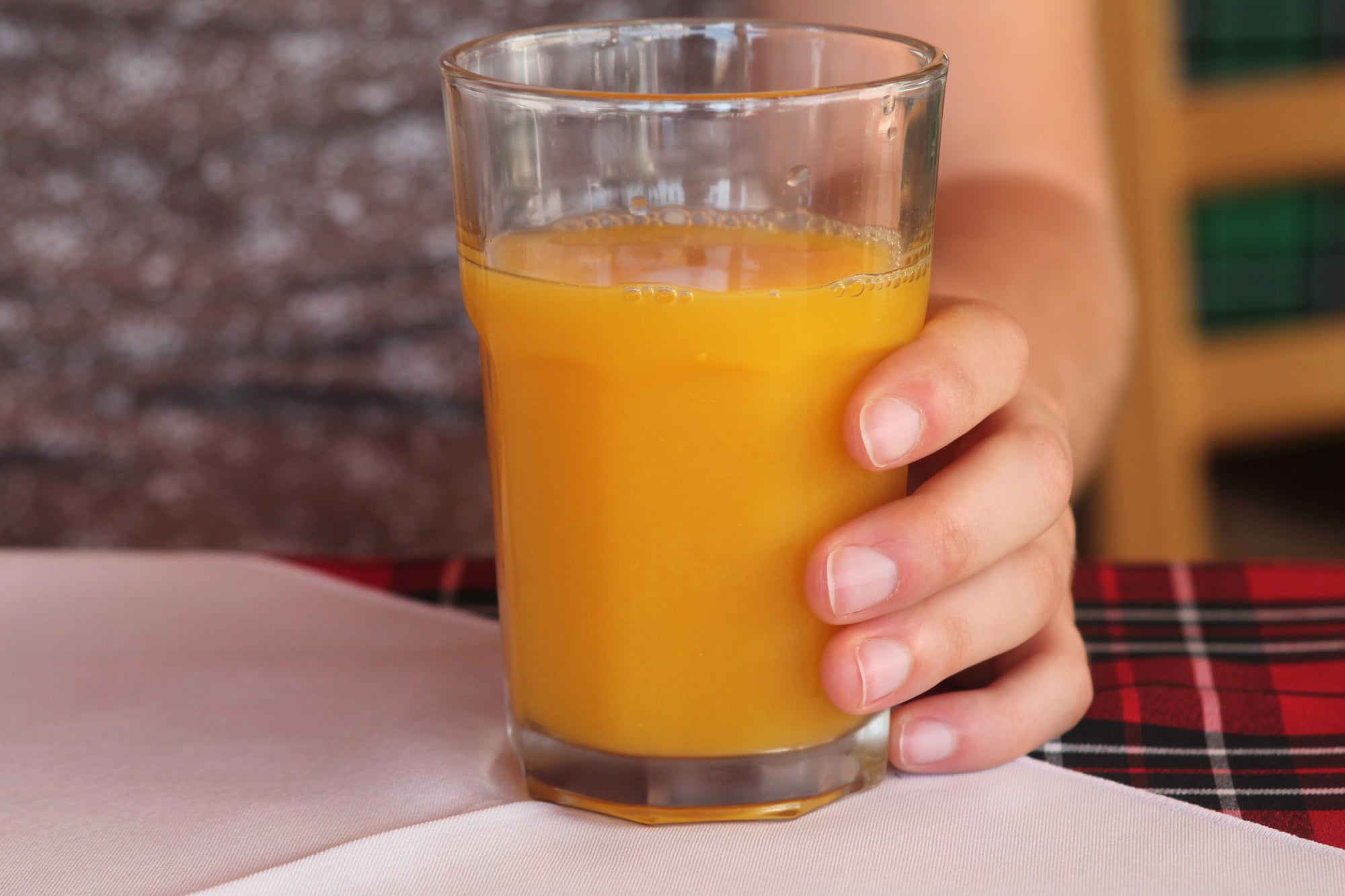
Unpasteurized juice — including fresh-pressed apple cider and raw orange juice — cannot be sold commercially in the United States without a warning label, and several states heavily restrict the practice further. The FDA tightened these rules after a 1996 E. coli O157 outbreak linked to unpasteurized apple juice from Odwalla sickened 66 people and killed one child.
The industry shifted quickly, and the era of widely available raw commercial juice ended almost overnight.
Camembert De Normandie (Raw Milk Version)
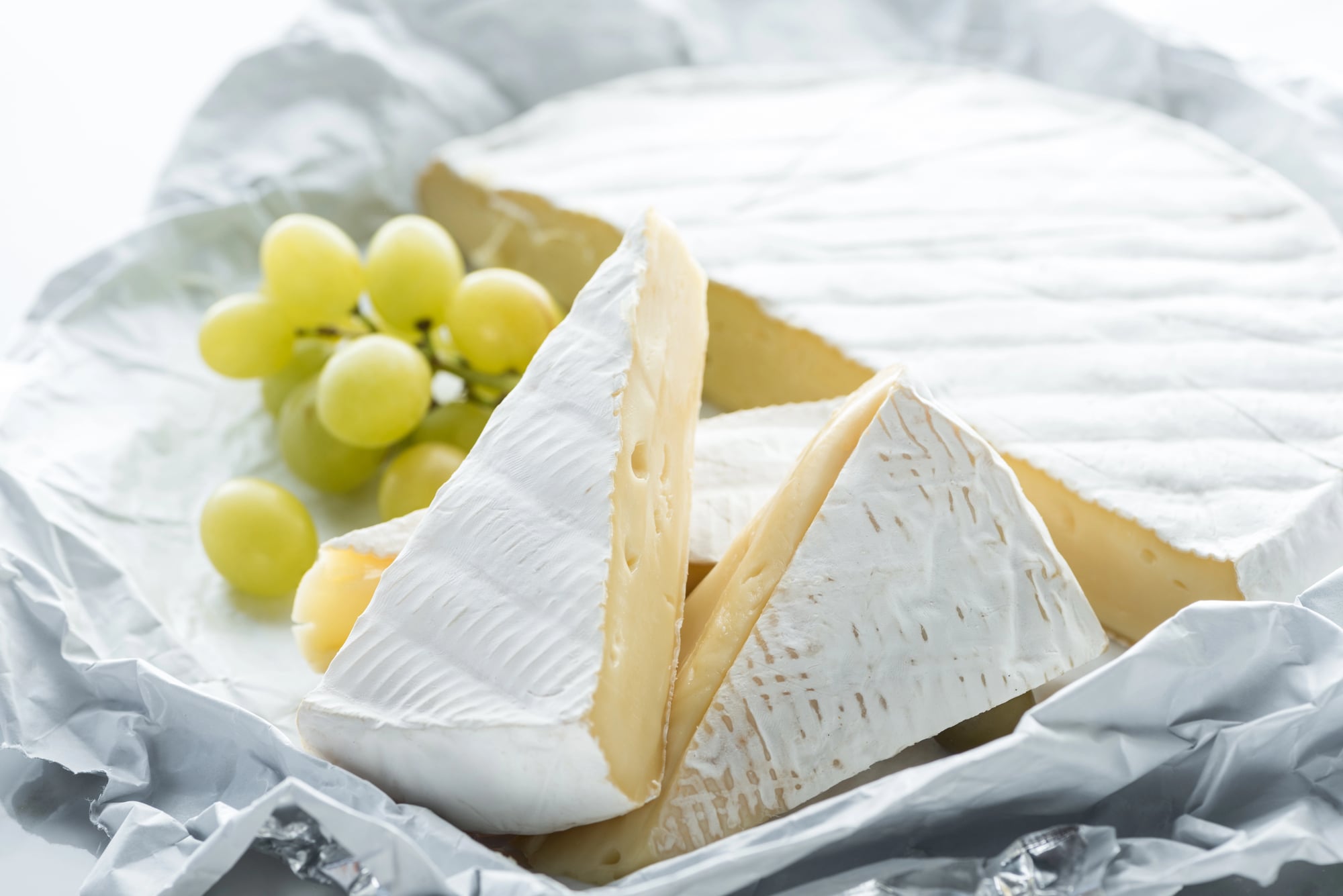
Authentic Camembert de Normandie — made from raw milk, with a runny center and a smell that suggests the cheese is making its own decisions — cannot be legally imported into the United States under the same 60-day rule that governs all raw milk cheese. The protected-designation version of this cheese is specifically meant to be eaten young, well under 60 days, which places it permanently outside American legal reach.
What’s sold as “camembert” in U.S. grocery stores is a pasteurized approximation.
Tonka Beans
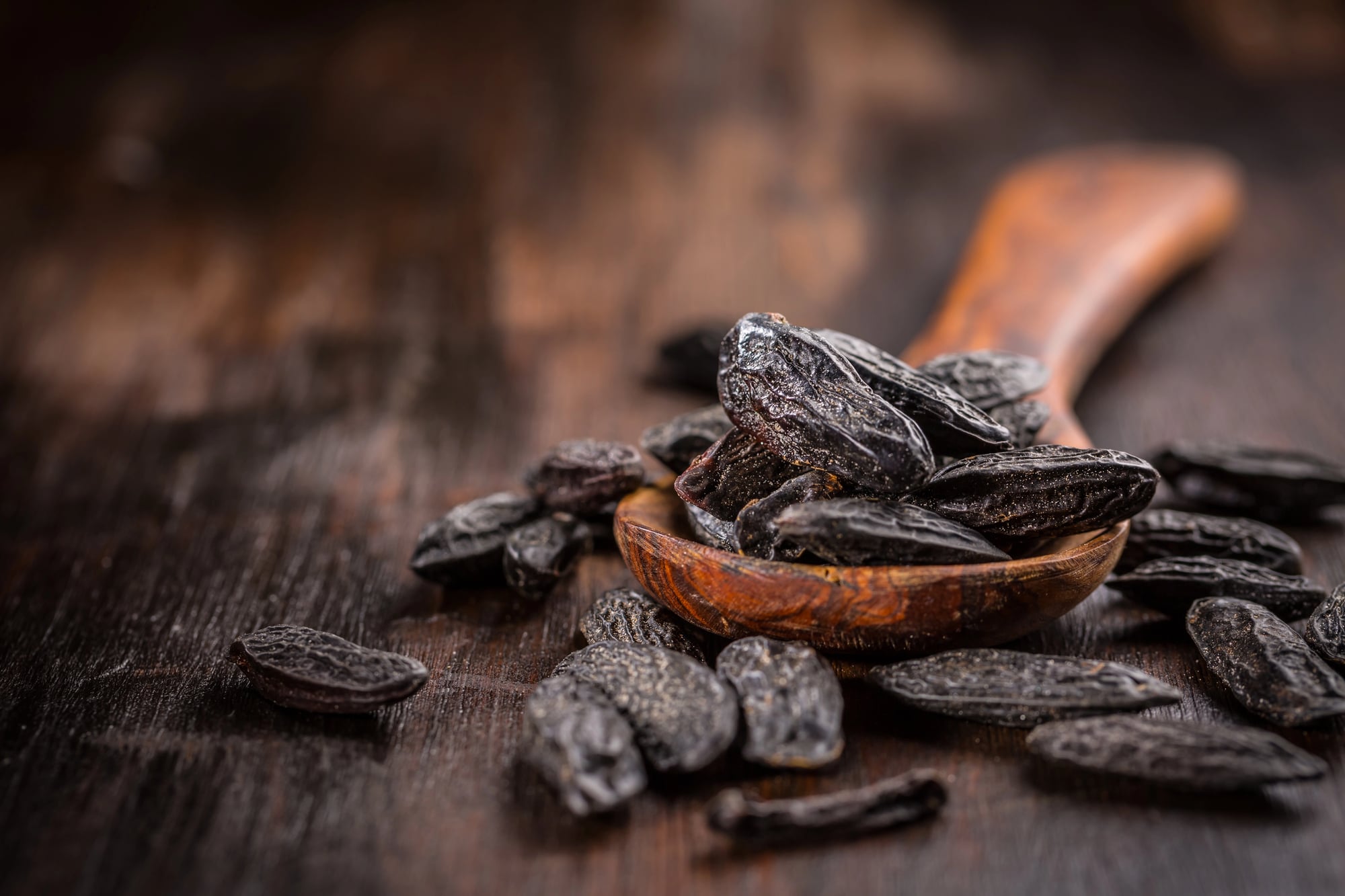
Tonka beans — wrinkled, black seeds from a South American tree, with a flavor landing somewhere between vanilla, cherry, and almond — are banned by the FDA because they contain elevated levels of coumarin, a blood-thinning compound that can cause liver damage in large quantities. European pastry chefs use them freely; American chefs technically cannot.
The ban has existed since the 1950s, with no real momentum toward revisiting it.
Foie Gras
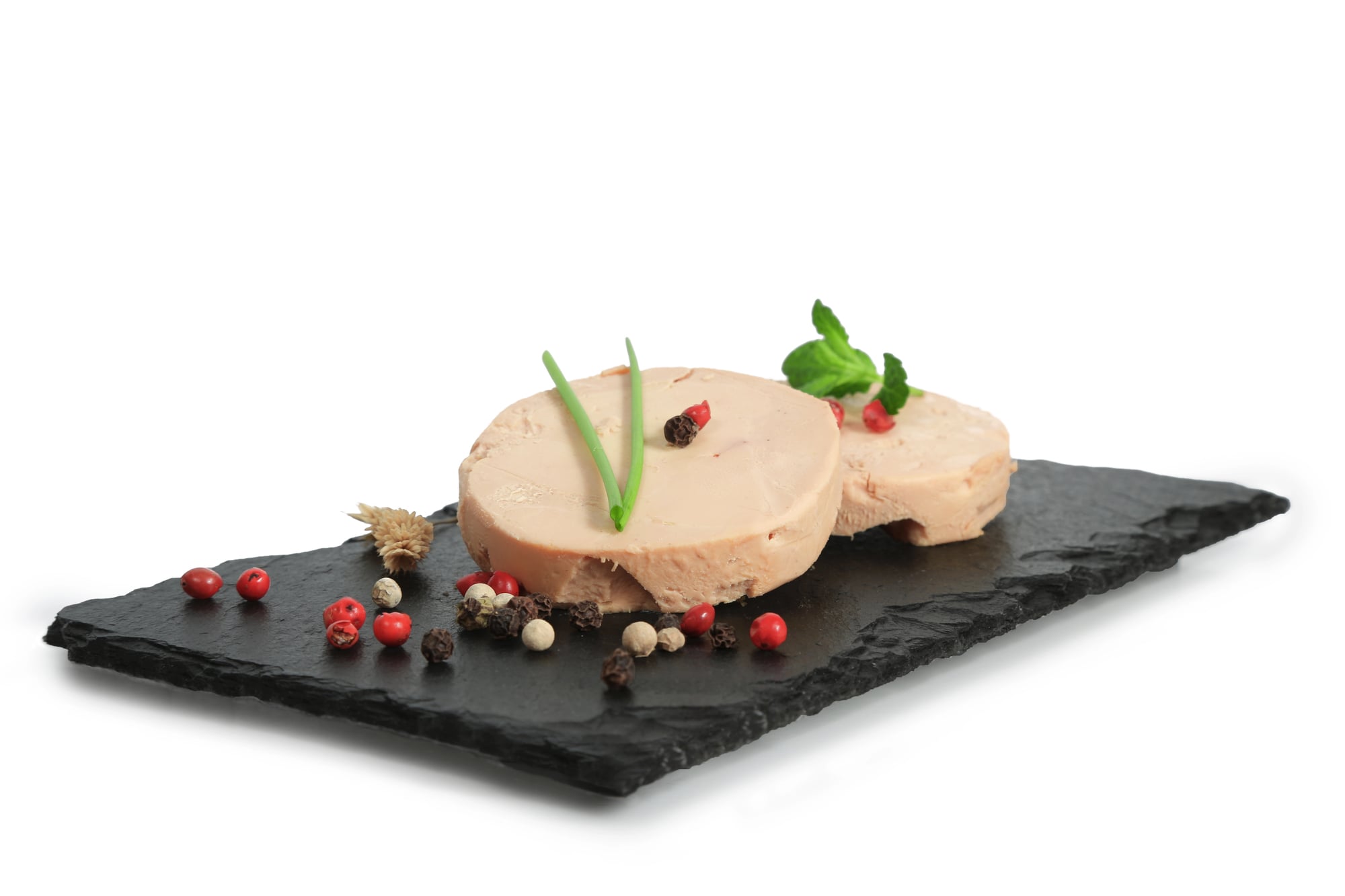
Foie gras has been banned and reinstated multiple times at the state level, with California’s saga the most dramatic: enacted in 2004, struck down in 2015, reinstated by the Ninth Circuit in 2019, and still occasionally contested in court. The objection centers on the force-feeding process used to enlarge the liver, which animal welfare advocates classify as inherently cruel.
New York City attempted its own ban in 2019 before it was struck down, and the legal back-and-forth shows no sign of permament resolution.
Queso Fresco (Unpasteurized)
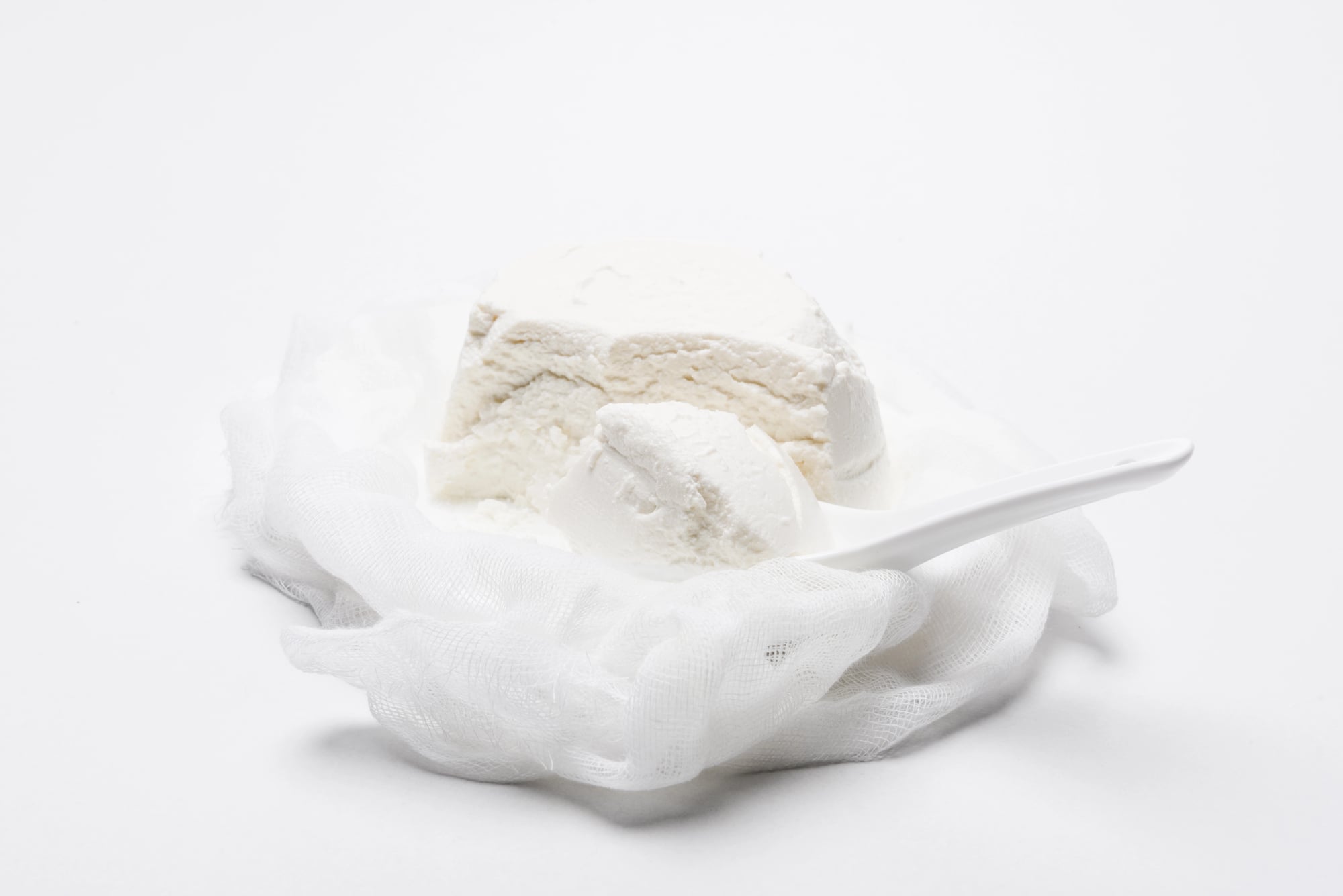
Traditional unpasteurized queso fresco — the soft, crumbly Mexican fresh cheese used in everything from tacos to enchiladas — is illegal to sell commercially in the United States because it doesn’t meet FDA pasteurization standards. Homemade versions circulate informally in some communities, and the FDA has traced multiple listeria and salmonella outbreaks back to illegally produced batches.
The pasteurized commercial version is widely available but represents a notably milder translation of the original.
Puffin

Puffin is eaten in Iceland as a traditional food, typically smoked or served in a cream sauce, but is a protected species in the United States under the Migratory Bird Treaty Act, making it illegal to hunt, sell, or import for consumption. The law covers hundreds of migratory bird species and carries serious penalties for violations.
Iceland is one of the few countries where puffin hunting remains legally and culturally sanctioned.
Redfish (Federal Waters, 1980s)
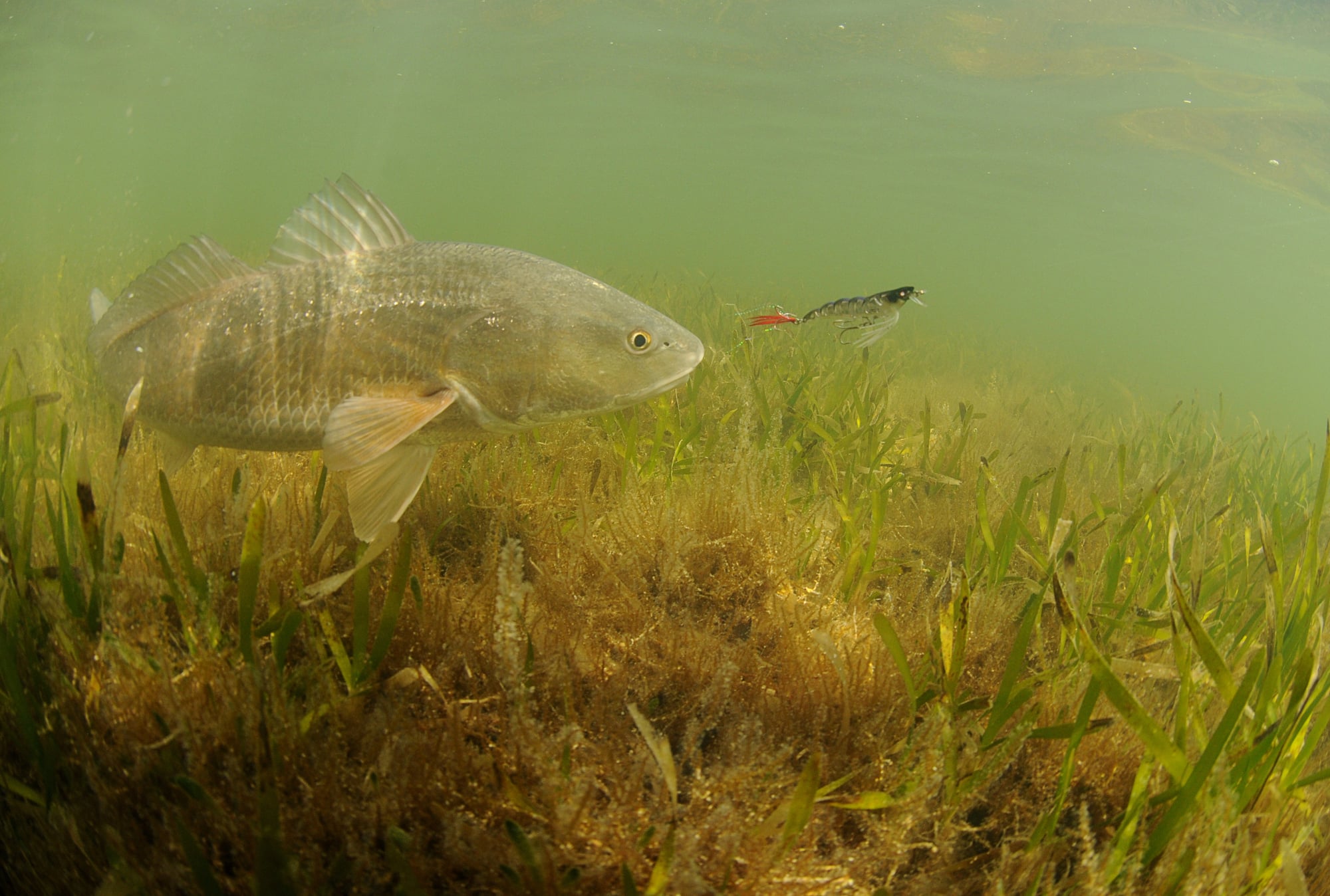
Redfish — the Gulf Coast species also known as red drum — was effectively closed to commercial fishing in federal waters in 1987, after chef Paul Prudhomme’s blackened redfish recipe became so wildly popular that the Gulf population crashed within a decade. The National Marine Fisheries Service intervened before the species could be commercially exhausted, a rare case of a single restaurant dish being directly responsible for a near-collapse of a wild fish population.
Sliced Bread (Briefly, In 1943)
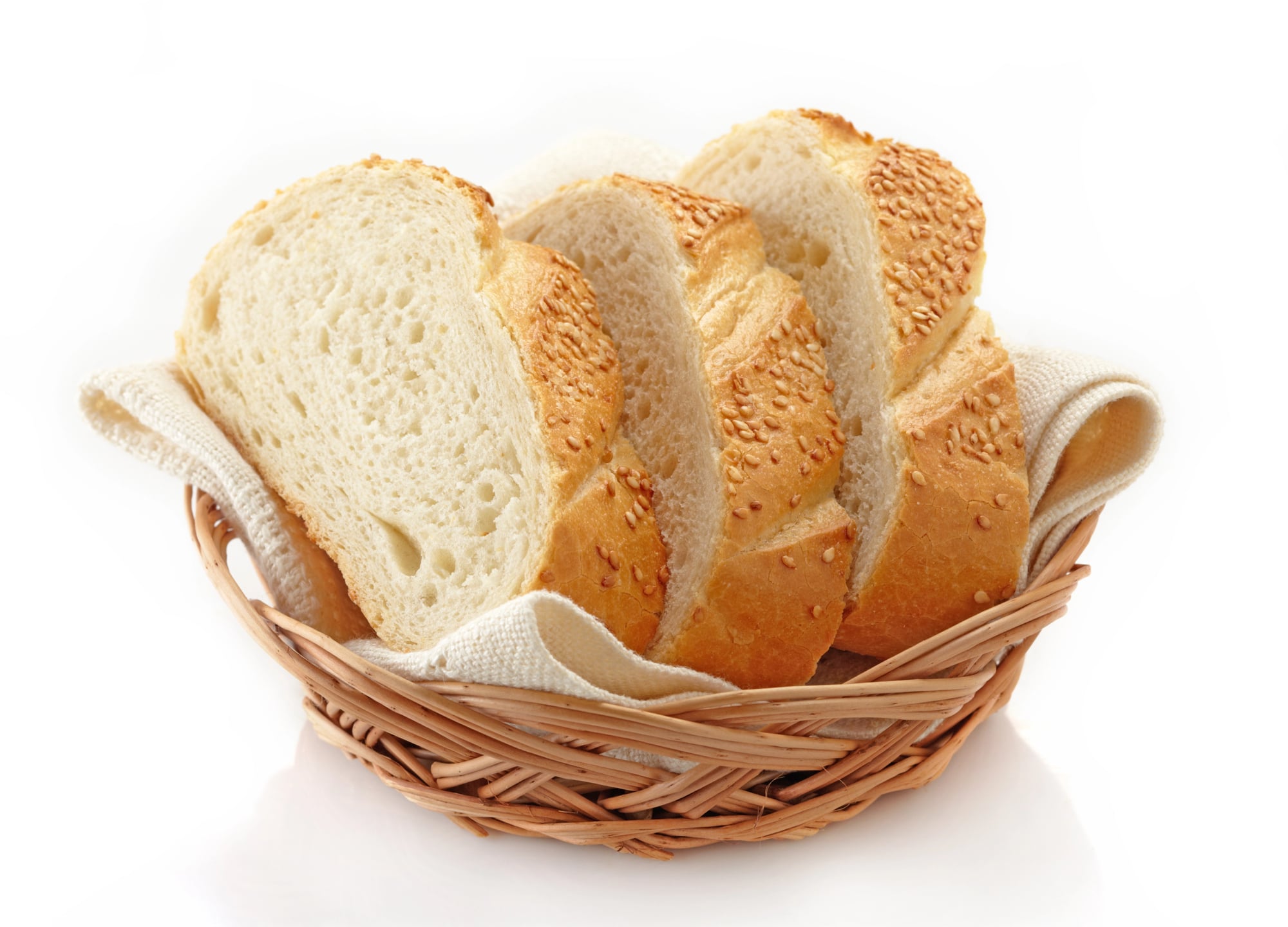
Sliced bread was briefly banned in January 1943 by U.S. Food Administrator Claude Wickard, who argued the move would conserve wax paper and stabilize bread prices during wartime rationing. The ban lasted roughly two months before public outcry — delivered through letters to newspapers and complaints to officials with genuine intensity — forced its reversal.
The phrase “the greatest thing since sliced bread” carries slightly different weight once you know Americans briefly had to fight to get it back.
Cyclamate Sweeteners
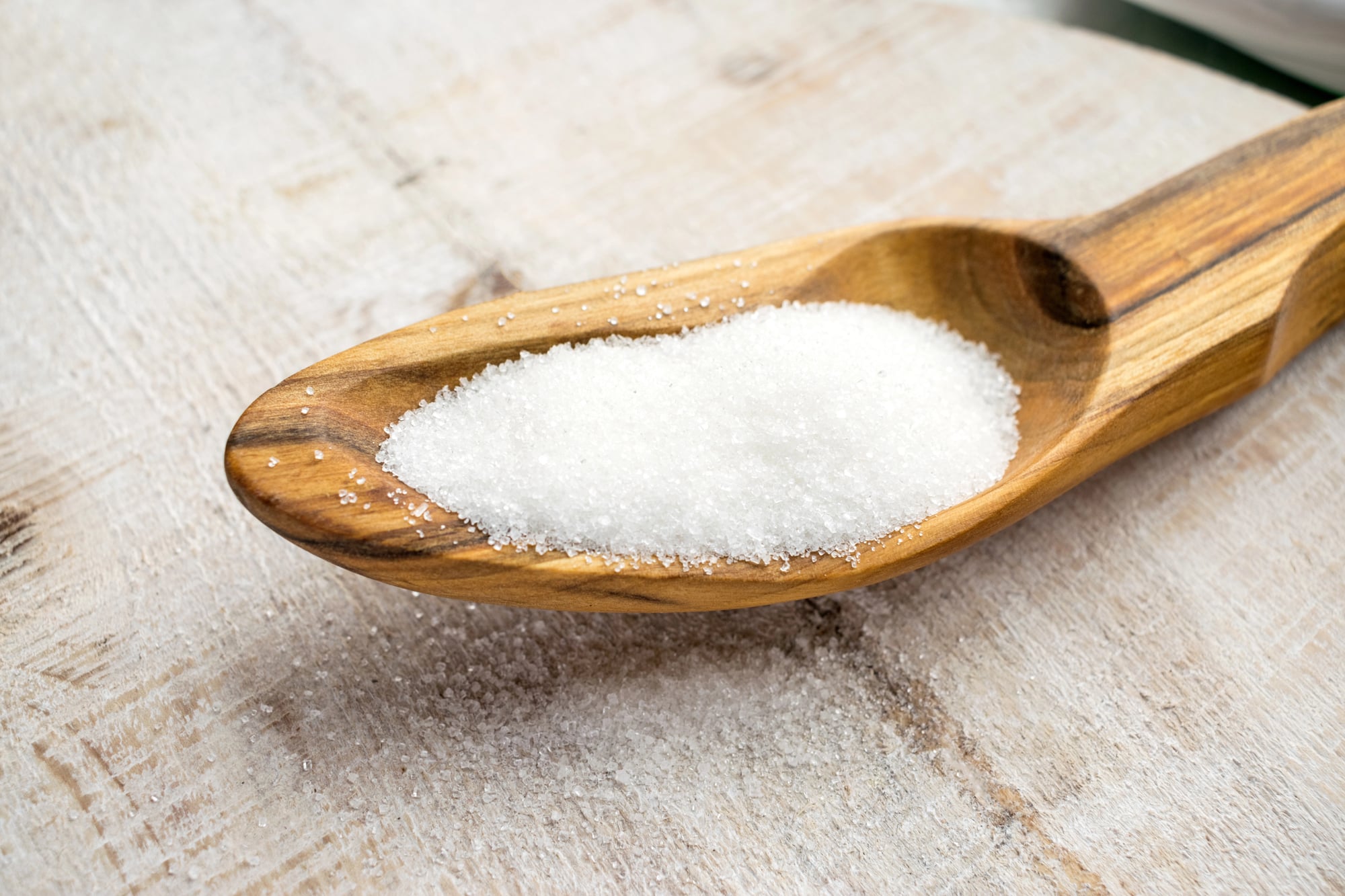
Cyclamates — artificial sweeteners once widely used in diet sodas and low-calorie foods — were banned by the FDA in 1969 after a study suggested high doses caused bladder cancer in laboratory rats. The doses used were equivalent to a human drinking an unrealistic volume of diet soda daily, but the FDA applied the Delaney Clause, which at the time prohibited any additive shown to cause cancer in animals at any dose.
Cyclamates remain legal in more than 130 countries, and a petition to reinstate them in the U.S. has been pending with the FDA since 1982.
Époisses De Bourgogne
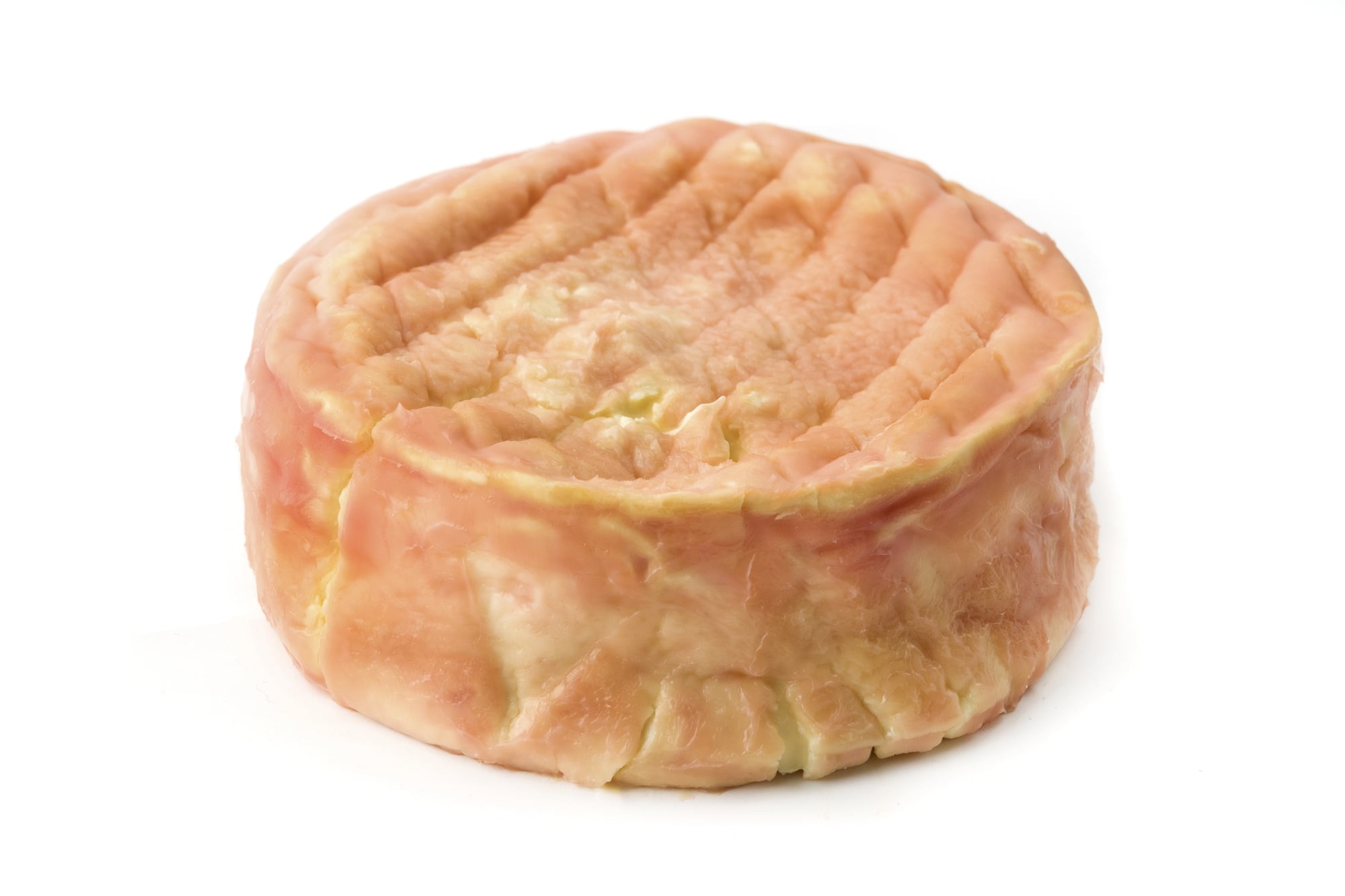
Époisses is a French washed-rind cheese from Burgundy — soft, famously pungent, and made from raw milk. The raw milk designation puts it squarely under the FDA’s 60-day rule, and since Époisses is meant to be eaten soft and young, it cannot be legally imported in its authentic form.
Pasteurized versions exist and are sold domestically, but the switch to pasteurized milk changes the rind development and the depth of flavor that defines the original.
Mangosteen (Fresh)
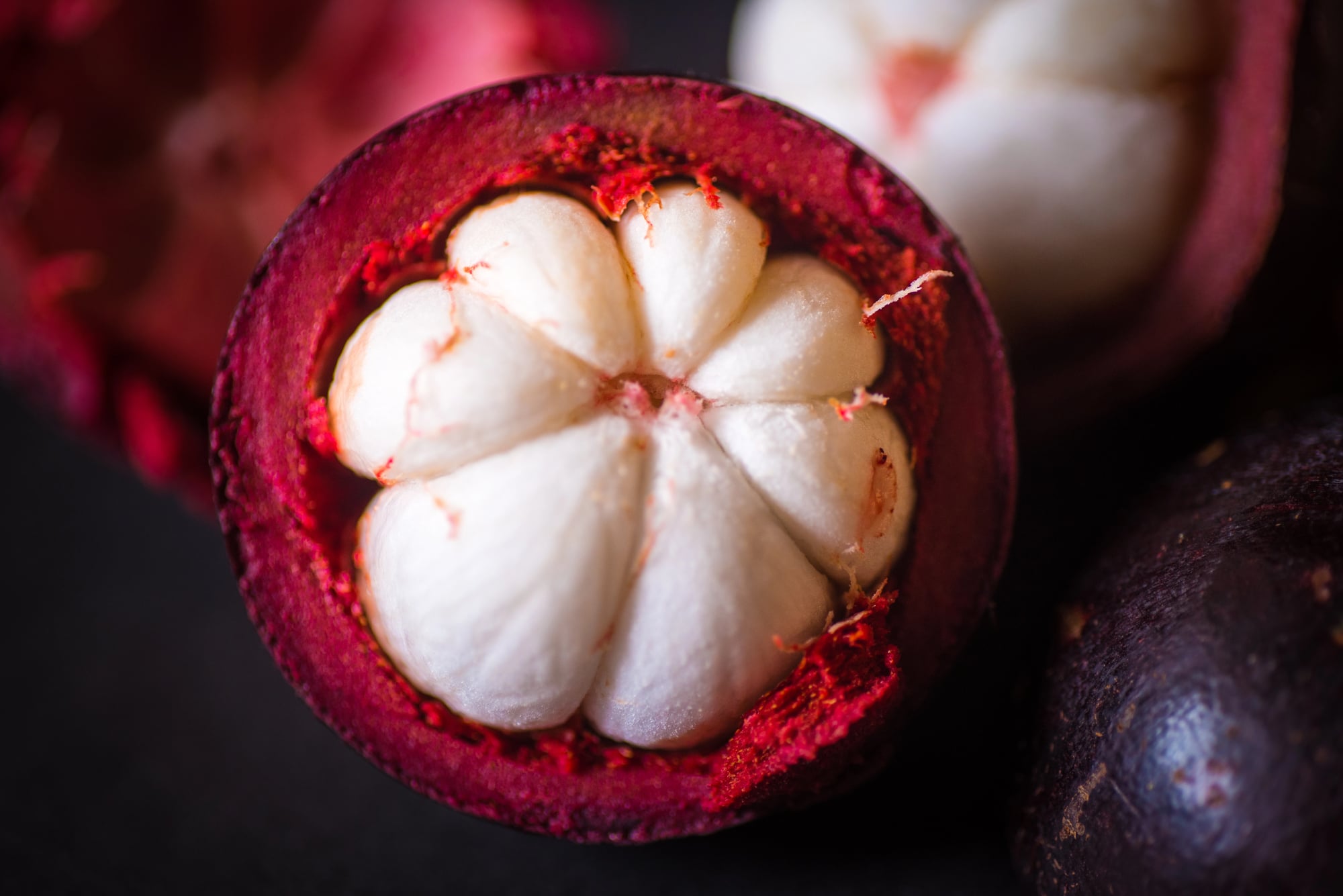
Fresh mangosteen — a tropical fruit from Southeast Asia with a deep purple rind and sweet, segmented white flesh — was banned from import into the United States until 2007, due to concerns it could harbor the Asian fruit fly, a serious agricultural pest. For decades, Americans wanting to try it had to settle for canned versions or travel.
Irradiation treatment now applied to imports satisfies USDA requirements, but the fruit still isn’t widely available outside specialty grocers.
Turtle Soup (Sea Turtle)
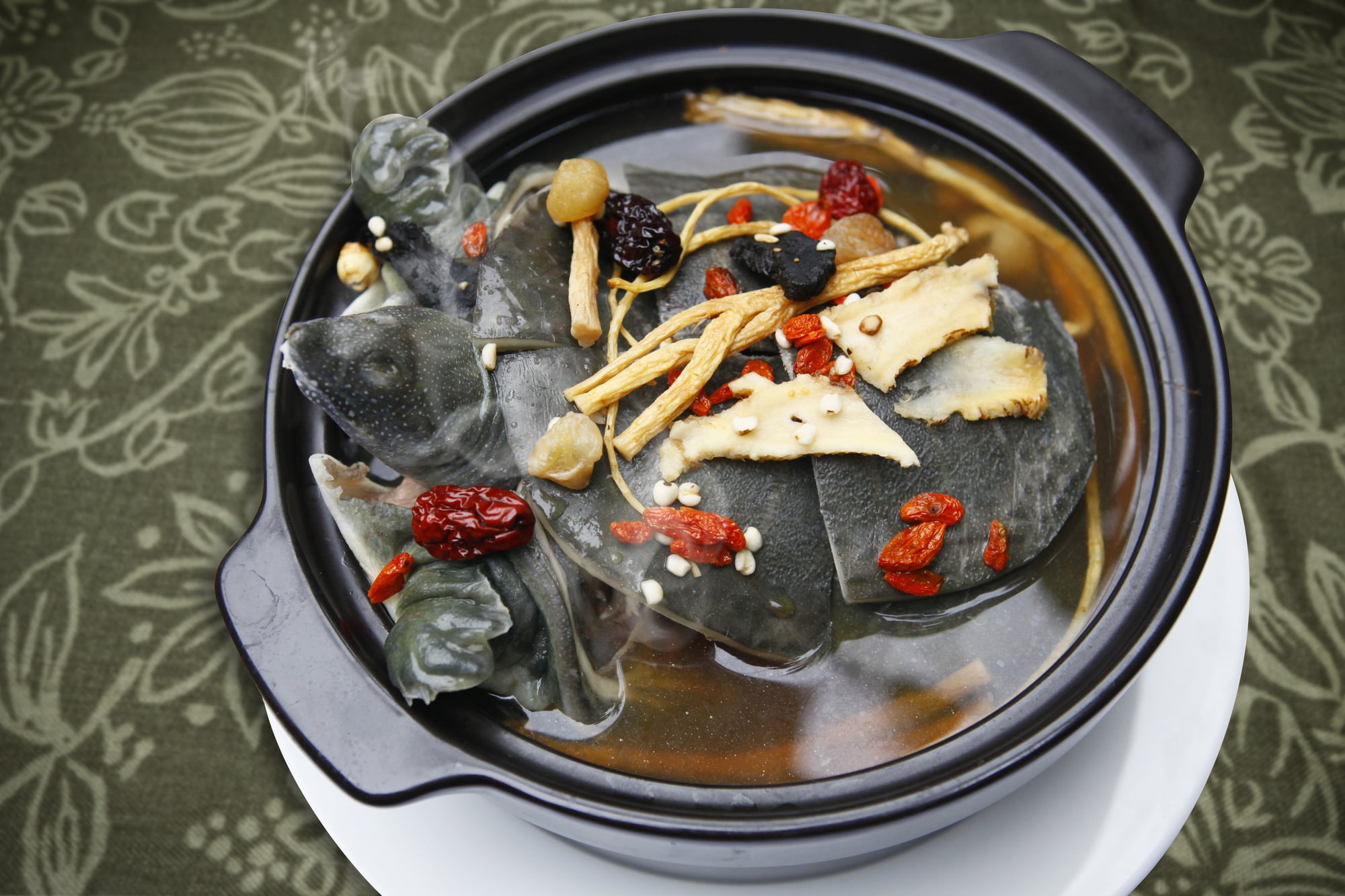
Sea turtle has been illegal to harvest, sell, or consume in the United States since the Endangered Species Act of 1973 classified all six sea turtle species found in U.S. waters as endangered or threatened. This ended a centuries-long American culinary tradition — turtle soup had been served at George Washington’s officer feasts after the Revolutionary War and at Lincoln’s second inaugural ball.
What survived is a different product entirely: turtle soup made from farm-raised common snapping turtle remains legal and is still served at historic New Orleans restaurants, including Galatoire’s, which has had it on the menu since 1905. The wild-caught alligator snapping turtle — a separate, far rarer species — faces its own tightening state-level harvest restrictions due to severe population decline, but it’s the sea turtle ban, not a ban on snapping turtle generally, that ended the old high-society dish.
Powdered Alcohol
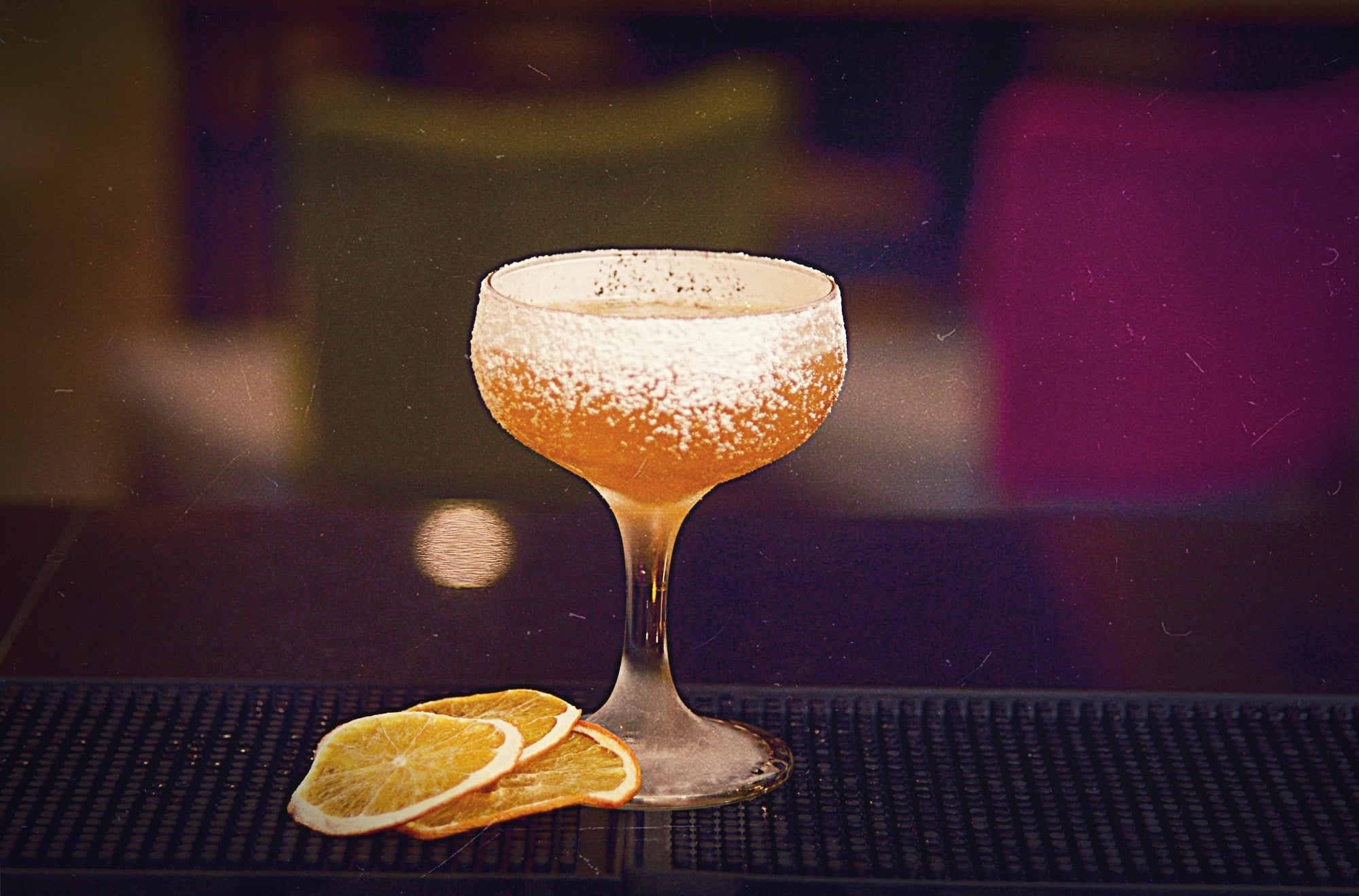
Powdered alcohol — specifically the product marketed as “Palcohol” — was approved by the Alcohol and Tobacco Tax and Trade Bureau in 2014, had that approval briefly rescinded, then reapproved, before more than 30 states banned it before it could reach widespread retail shelves. The concerns were practical: the powder could theoretically be snorted, concealed easily, or added to drinks without a person’s knowledge.
The product never made it to market in any meaningful way, caught in a loop of federal approval and state-level prohibition that effectively killed it before launch.
Sassafras Tea
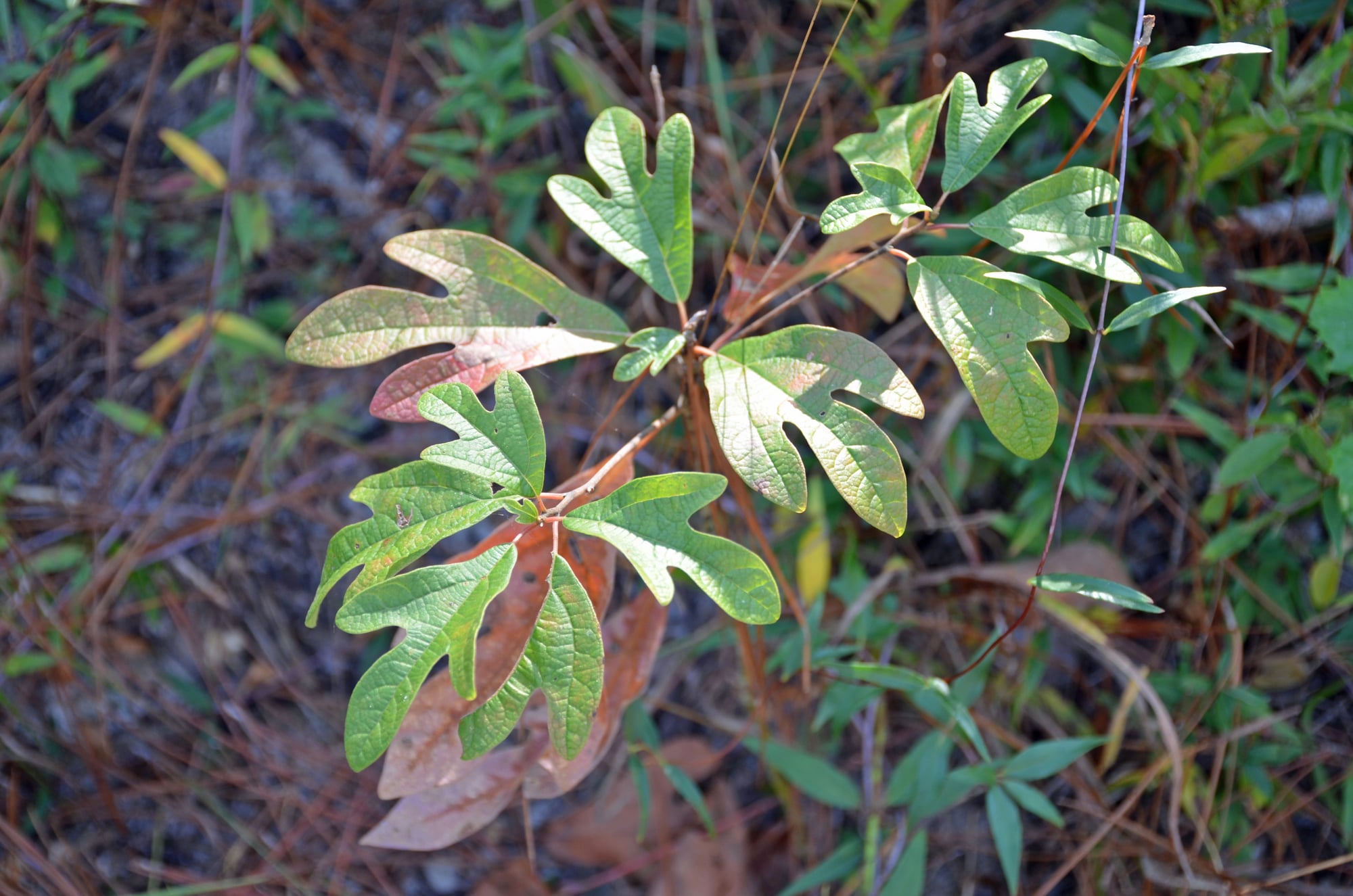
While sassafras oil is the more strictly regulated substance, sassafras tea made from root bark occupies a complicated legal space. The FDA has warned against it on the same grounds as safrole-containing sassafras oil, and commercial sale of sassafras root specifically for tea is prohibited.
People still sell the dried bark informally, and the plant grows wild across the eastern United States, leaving the product in a legal grey zone where the FDA’s position is clear even if enforcement is inconsistent.
Chlorine-Washed Chicken
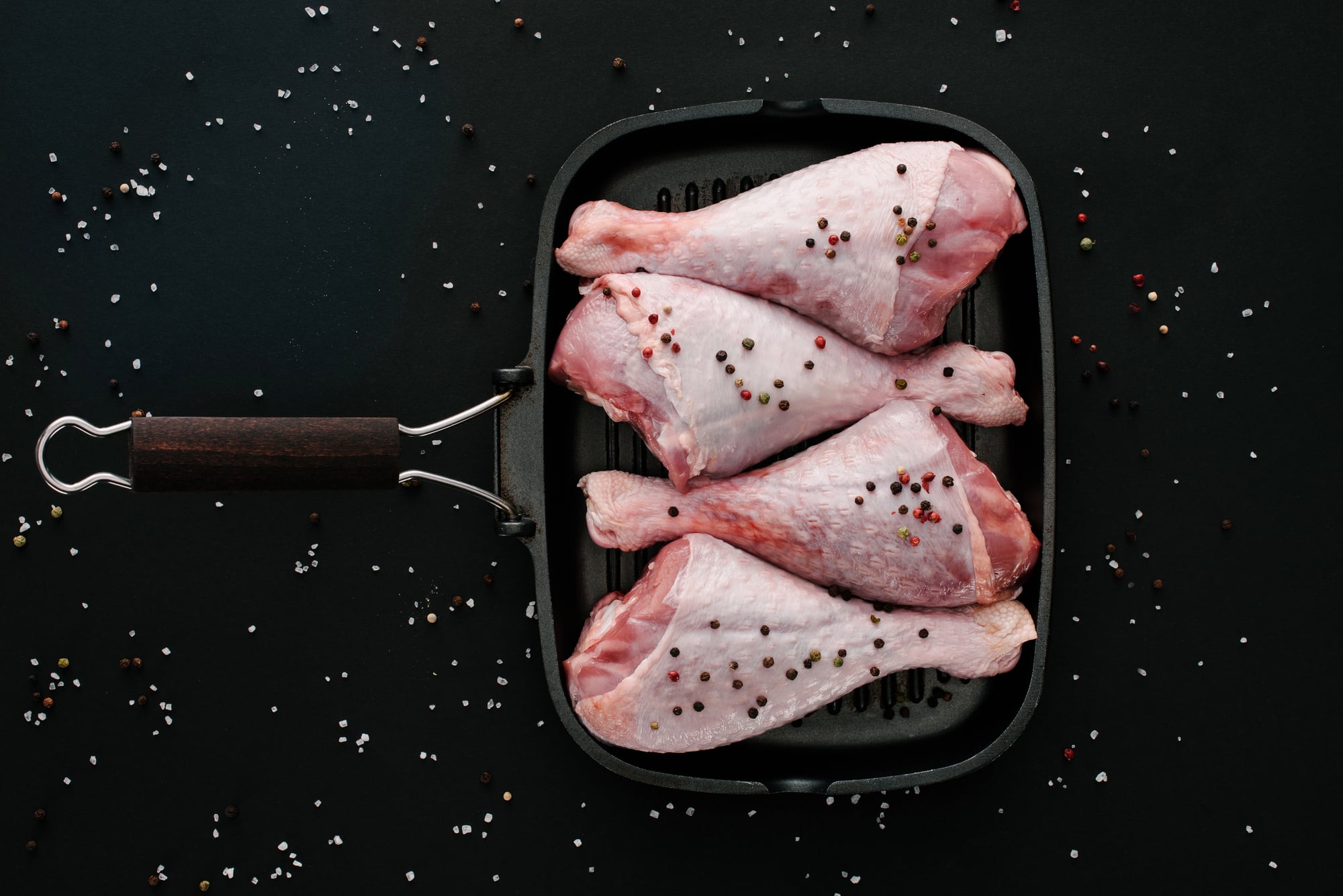
Chicken washed with chlorine dioxide or other antimicrobial rinses — standard practice in American poultry processing — is actually banned in the European Union rather than in the United States, which is worth noting because it illustrates that food bans run in both directions. The EU considers the wash a workaround for lower hygiene standards earlier in the production chain.
American poultry exports to the EU have been blocked on these grounds for decades, which functions as its own kind of ban, just applied from outside rather than within.
Casu Frazigu And Other Maggot Cheeses
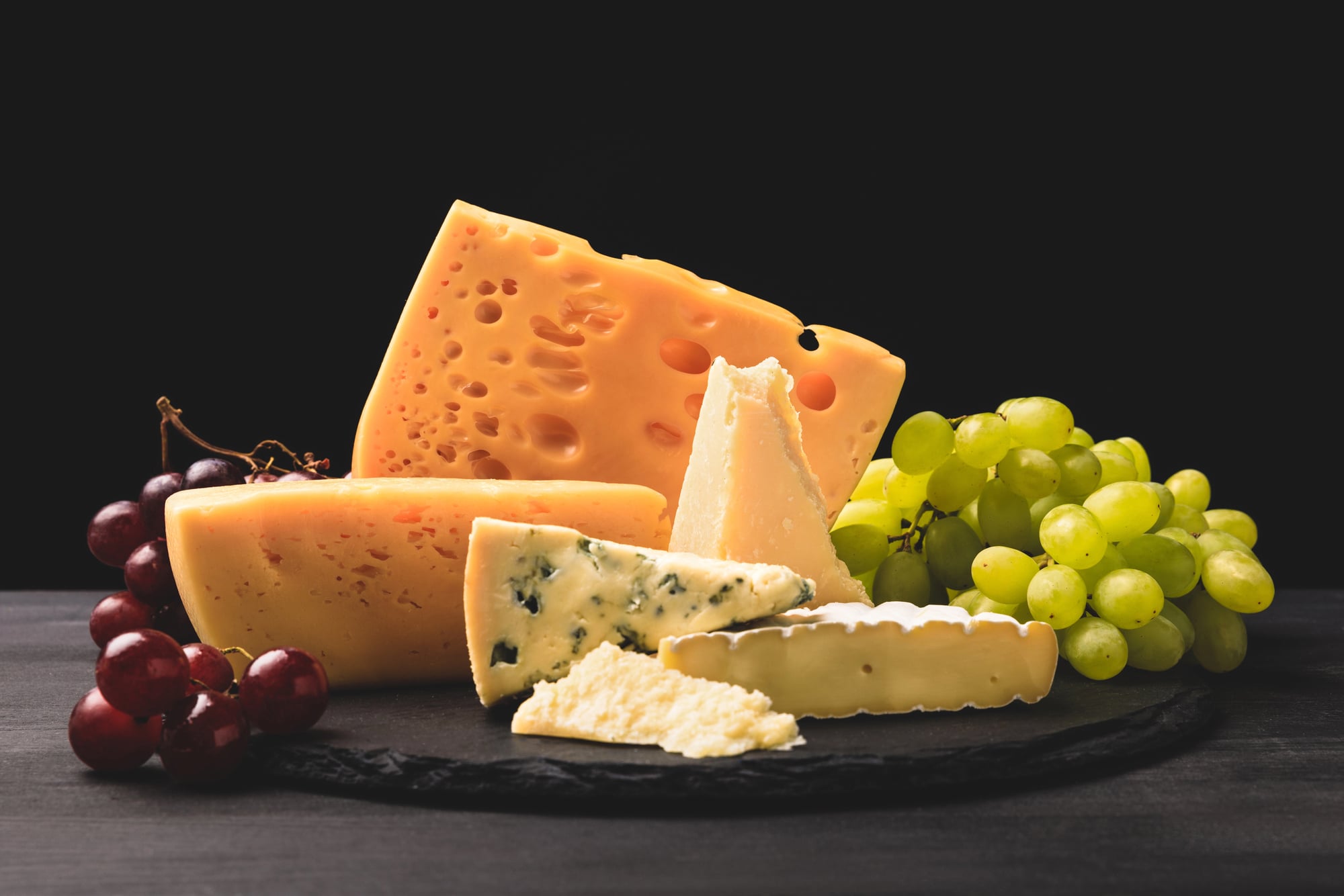
Beyond casu marzu, several related Sardinian and Mediterranean cheeses that rely on the same live-insect fermentation process face the identical FDA prohibition on selling food containing live insects. These cheeses occupy a niche even within Sardinian food culture — deeply traditional, intensely regional, and entirely outside the boundaries of what American food safety law will permit regardless of how the product is labeled or marketed.
Sea Urchin Roe (Certain Imported Sources)
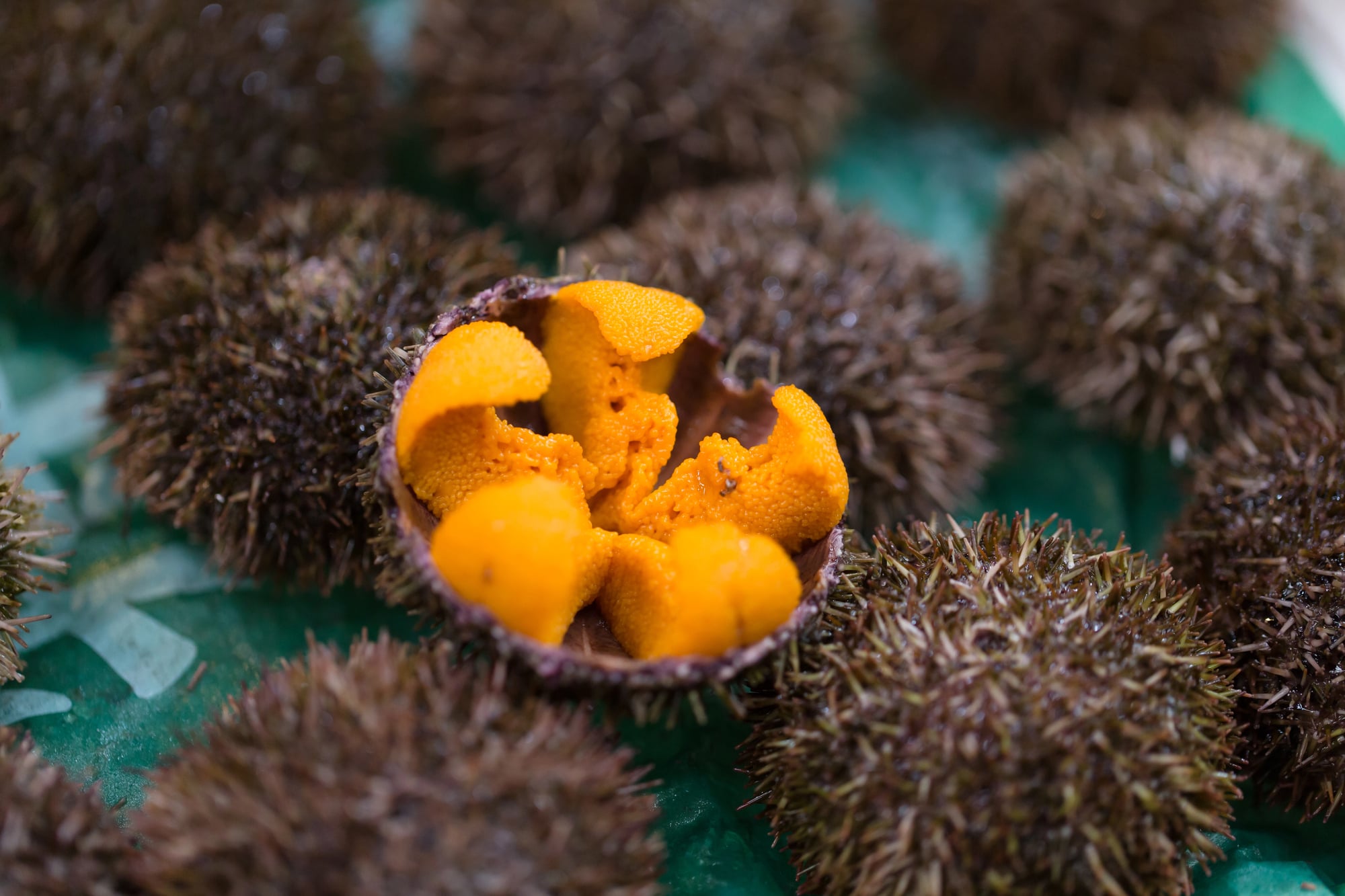
Fresh sea urchin roe, or uni, from specific overseas waters has periodically faced FDA import alerts and restrictions tied to water quality and bacterial contamination concerns at the source. Unlike a blanket ban, these restrictions tend to be source-specific and shift as testing results change, but they’ve meaningfully limited which countries’ uni reaches American sushi counters at various points, even as domestic and approved-source product remains widely available.
Absinthe’s Cousin: Pernod’s Original Formula
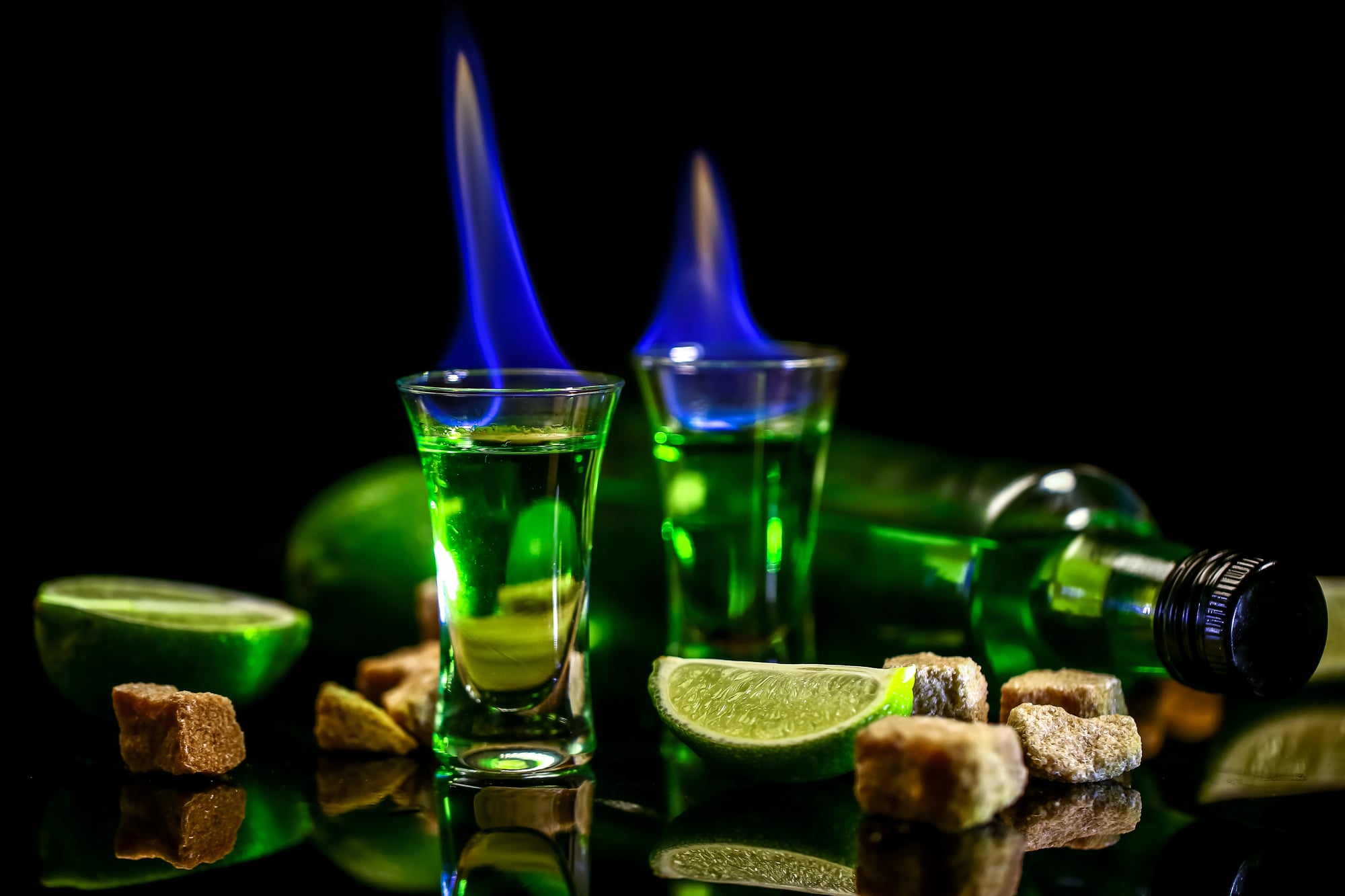
Less well known than the absinthe ban itself, the original wormwood-based formula of Pernod, the French anise liqueur often consumed as an absinthe substitute, was reformulated without wormwood specifically to remain sellable in markets, including the United States, during the decades when absinthe itself was illegal. The American version sold for most of the 20th century was therefore never quite the same product available in France, a quiet casualty of the broader thujone panic.
Olestra-Containing Products (Original Labeling Requirements)
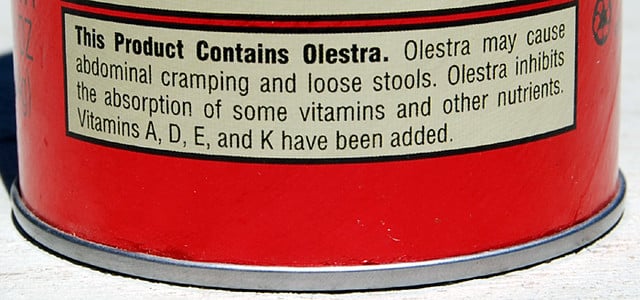
Olestra, the fat substitute used in some snack foods in the 1990s, was never banned outright, but the FDA’s original approval came with mandatory warning labels about gastrointestinal side effects so severe — and so widely mocked — that the labeling requirement functioned as a practical barrier to market success. The FDA eventually removed the mandatory warning label in 2003 after additional safety data, but by then the product’s reputation had already been set, and most major snack brands had quietly moved away from it.
Different Tastes For Different Folks
Run your eye back down these 33 entries and a pattern emerges that has very little to do with how dangerous any individual food actually is. Some bans reflect real, well-documented health risks — tetrodotoxin, hypoglycin A, pathogenic bacteria with nowhere to hide in a 59-day-aged cheese.
Others reflect a regulatory system reacting to a single bad study, a moment of wartime anxiety, or a culinary fad that outran its own supply chain in less than a decade.
What’s consistent is the gap between the official reasoning and the lived reality, which usually narrows over time rather than widening: absinthe’s hallucinations turned out to be ordinary high-proof drunkenness, cyclamate’s cancer risk turned out to require doses no human would ever consume, and sliced bread’s wartime wax-paper math collapsed within months under public pressure.
Bans are easier to impose than to lift, which is why some of the entries on this list look, in hindsight, less like food safety and more like a moment of American anxiety that got written into federal code and never quite found its way back out.
More from Go2Tutors!

- The Romanov Crown Jewels and Their Tragic Fate
- 13 Historical Mysteries That Science Still Can’t Solve
- Famous Hoaxes That Fooled the World for Years
- 15 Child Stars with Tragic Adult Lives
- 16 Famous Jewelry Pieces in History
Like Go2Tutors’s content? Follow us on MSN.