14 Hidden Speakeasies That Defined the 1920s
When Prohibition transformed America in 1920, it didn’t stop people from drinking – it just drove them underground. Across the country, hidden bars known as speakeasies sprouted in basements, back rooms, and behind unmarked doors, creating a thrilling underground culture that defined the Roaring Twenties.
Here is a list of 14 legendary speakeasies that captured the rebellious spirit of the era, each with its own unique atmosphere and clientele that made the decade truly roar.
The 21 Club
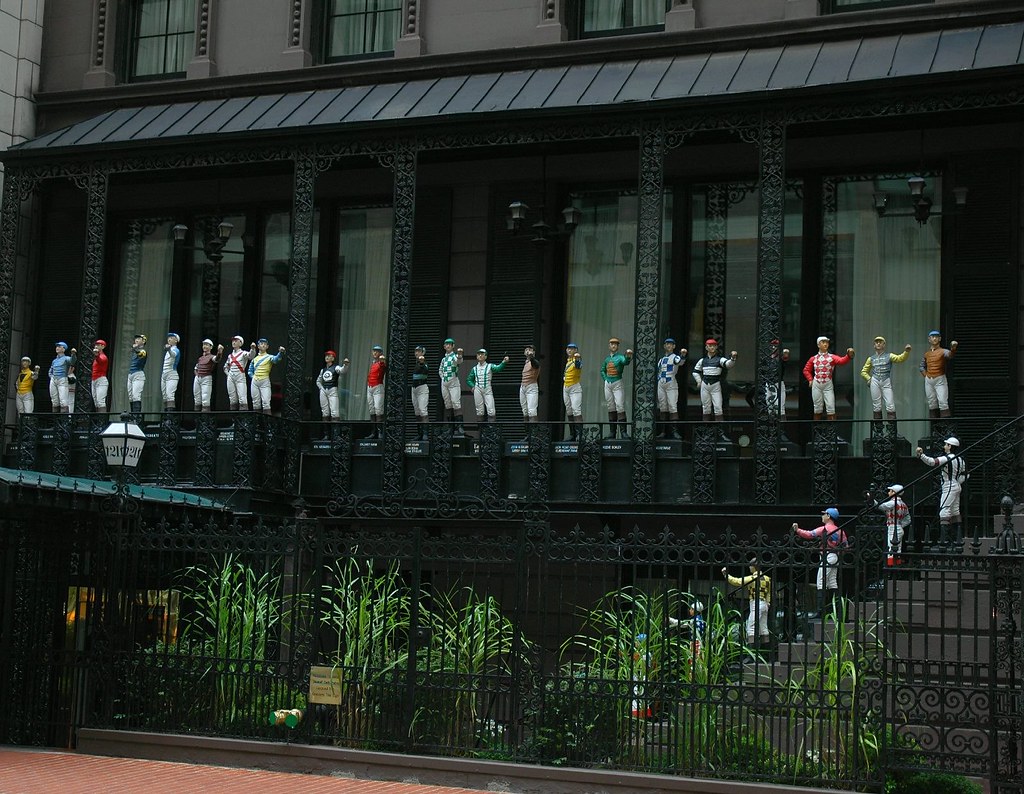
Originally opened in 1922 as a speakeasy called “The Red Head,” this iconic establishment moved several times before settling at its famous 21 West 52nd Street address in 1929. The owners installed an ingenious system to evade raids – a secret wine cellar behind a false wall and a bar that would drop bottles down a chute at the push of a button. The bottles would break on rocks below, destroying evidence before federal agents could find it. The club became a magnet for New York’s elite and continued operating long after Prohibition ended.
The Cotton Club
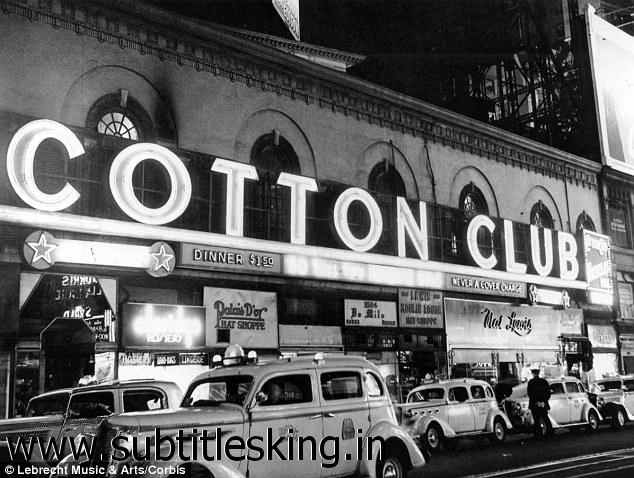
This infamous Harlem hotspot opened in 1923 at 142nd Street and Lenox Avenue under the ownership of notorious gangster Owney Madden. Despite being located in a predominantly Black neighborhood, the Cotton Club maintained a whites-only admission policy while featuring the era’s most talented African American performers. The stage showcased legends like Duke Ellington, who served as the house band for years, along with Cab Calloway, Louis Armstrong, and Lena Horne, making it a cultural powerhouse despite its problematic racial policies.
Chumley’s
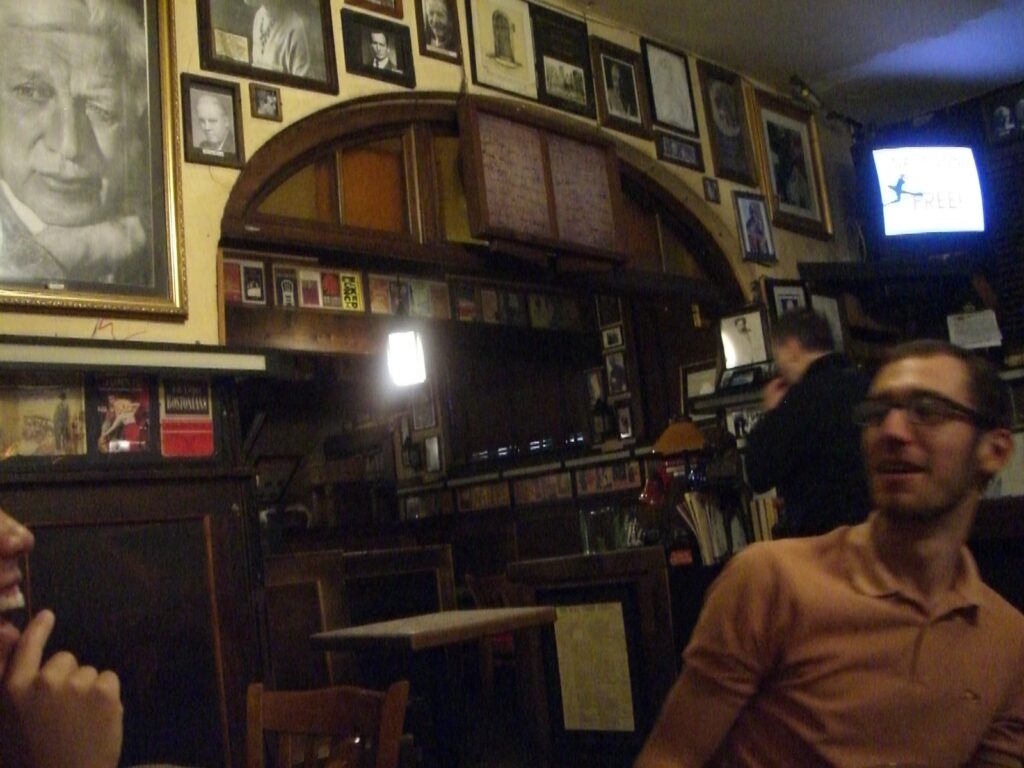
This Greenwich Village institution opened in 1922 at 86 Bedford Street by radical activist Leland Chumley. The unmarked door and hidden location made it perfect for avoiding authorities. When police raids were imminent, staff would tell patrons to “86 it” – meaning to exit quickly through the 86 Bedford Street door – giving rise to the restaurant term that’s still used today. The cozy atmosphere attracted literary giants like Ernest Hemingway, F. Scott Fitzgerald, and John Steinbeck, who made it their regular watering hole.
The Stork Club
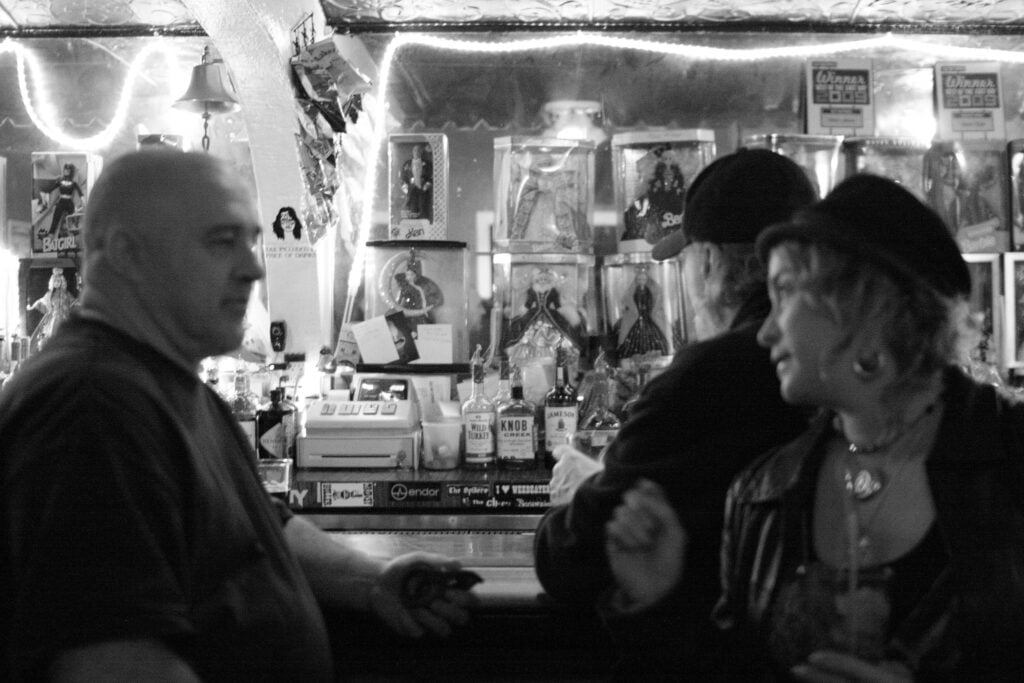
Former bootlegger Sherman Billingsley founded this West 58th Street establishment that became one of New York’s most fashionable nightspots. Gossip columnist Walter Winchell maintained his own table at the club, famously calling it “the New Yorkiest place on West 58th Street.” The Stork Club was renowned for its discretion, shielding famous patrons from photographers and rumor-mongers, which made it even more appealing to the celebrities and socialites who frequented it.
Texas Guinan’s 300 Club
Actress and legendary hostess Texas Guinan ran this popular West 54th Street speakeasy, famously greeting customers with her catchphrase, “Hello, suckers!” Her brash personality and the club’s risqué entertainment – including forty fan dancers who performed very close to customers – made it a sensation. When raided by police, Guinan cleverly claimed patrons had brought their own alcohol, as drinking itself wasn’t illegal under Prohibition laws.
El Fey Club
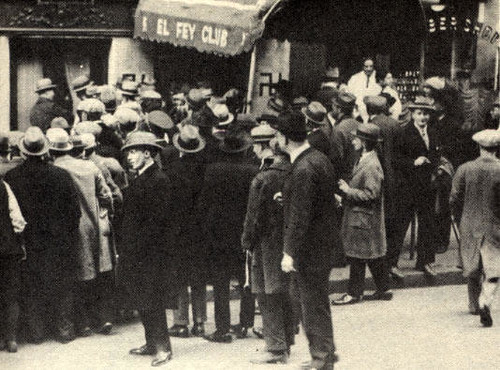
Gangster Larry Fay, who ran a lucrative bootlegging operation importing whiskey from Canada, opened this speakeasy and hired Texas Guinan as its hostess before she started her own club. Located on 45th Street, El Fey became a hotspot for both the criminal underworld and New York’s elite. Fay’s criminal career ended tragically when he was shot by a disgruntled employee on New Year’s Day 1932 after announcing pay cuts.
The Puncheon Club
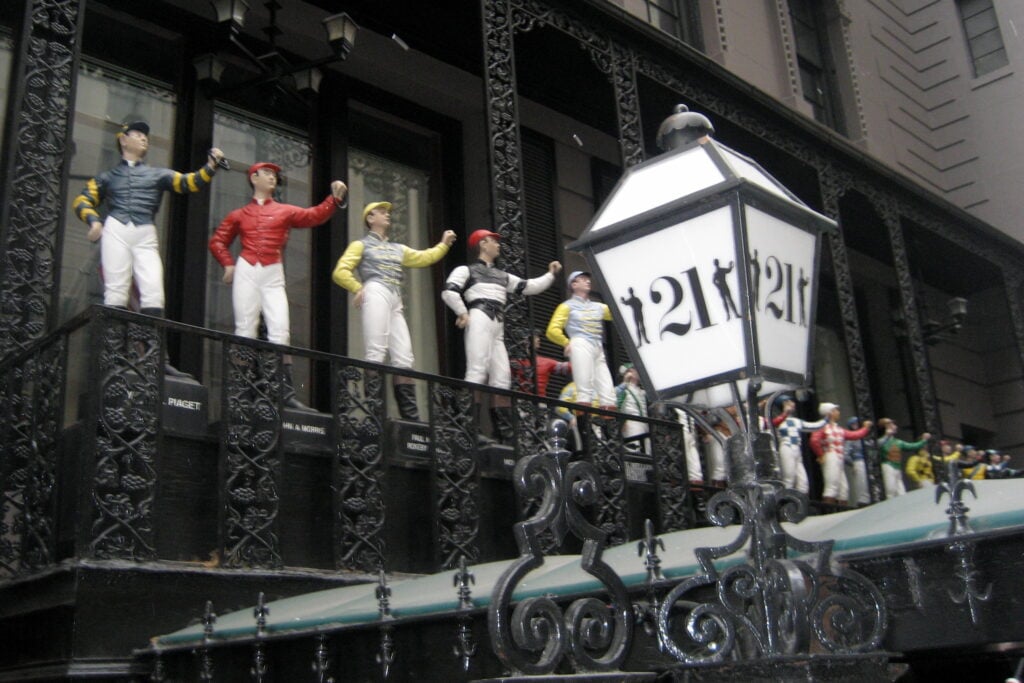
Located on West 49th Street, this speakeasy was a favorite among literary circles, attracting writers like Dorothy Parker and Robert Benchley of the famed Algonquin Round Table. The club eventually moved and became part of the 21 Club in 1930, merging two of New York’s most popular illegal establishments. Its literary connections made it a cultural hub where the era’s most influential writers exchanged ideas over contraband cocktails.
Club Intime
Situated next to a famous brothel run by Polly Adler in Midtown Manhattan, Club Intime exemplified the merging of various illicit enterprises during Prohibition. Also owned by Texas Guinan at one point, this establishment maintained the charade that it wasn’t selling alcohol. When authorities conducted raids, Guinan insisted that customers had brought their own liquor, exploiting a loophole in the Volstead Act that prohibited sales but not consumption.
Connie’s Inn
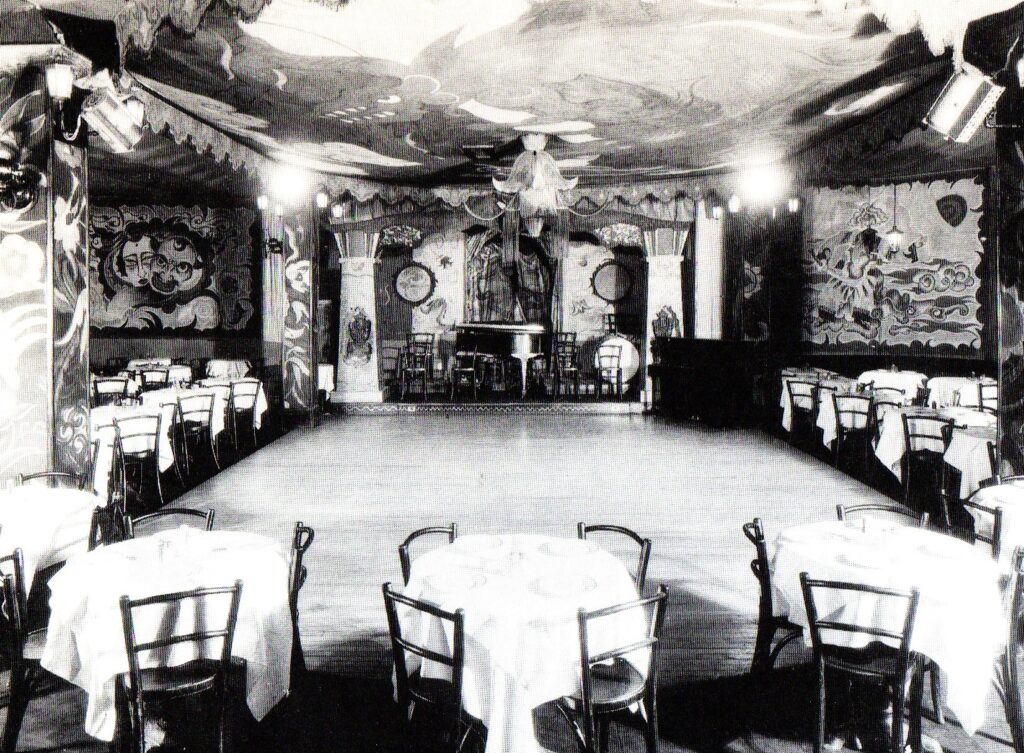
This Harlem establishment competed directly with the Cotton Club for top musical talent and wealthy patrons. While less remembered today, Connie’s Inn featured performances by jazz greats like Louis Armstrong, Fats Waller, and Fletcher Henderson. Unlike some venues, Connie’s allowed its musicians more creative control over their performances, contributing to the artistic development of jazz during this crucial period.
The Krazy Kat
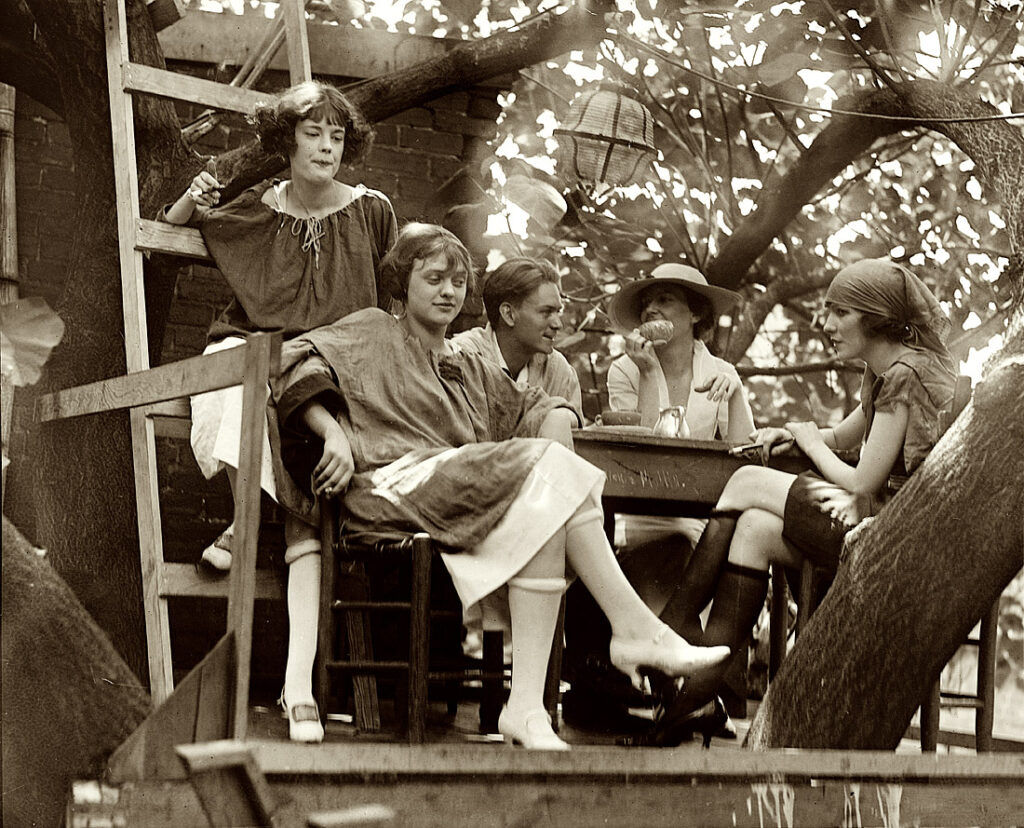
This Washington, D.C. speakeasy catered to the capital’s bohemian crowd in the early 1920s. Named after a popular comic strip of the era, the Krazy Kat was frequently photographed during raids, with images showing wary patrons eyeing federal agents at the door. The club represented how Prohibition culture extended beyond New York, creating hidden drinking spots in every major American city.
The Monterey Room
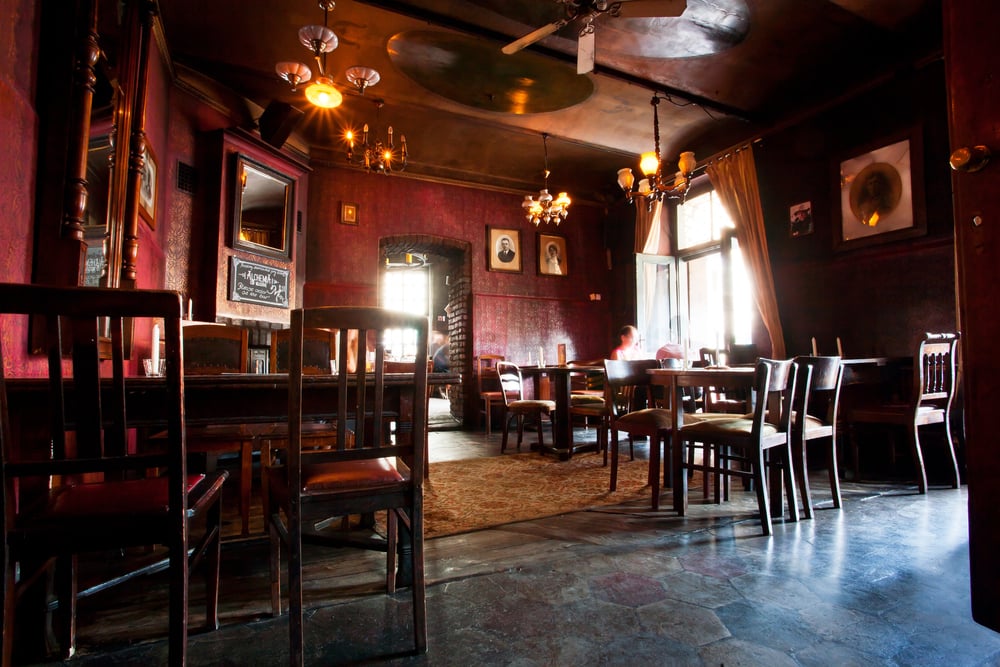
Hidden in the basement of Los Angeles’ Rosslyn Hotel, this underground speakeasy is connected to the hotel’s annex via a subterranean corridor. The establishment featured upscale touches like a reception desk and hat check room, catering to a clientele seeking sophistication even in illegal venues. Los Angeles had an estimated 400 speakeasies operating by 1919, making police enforcement minimal and the need for elaborate hiding places less critical than in other cities.
Landmark Tavern
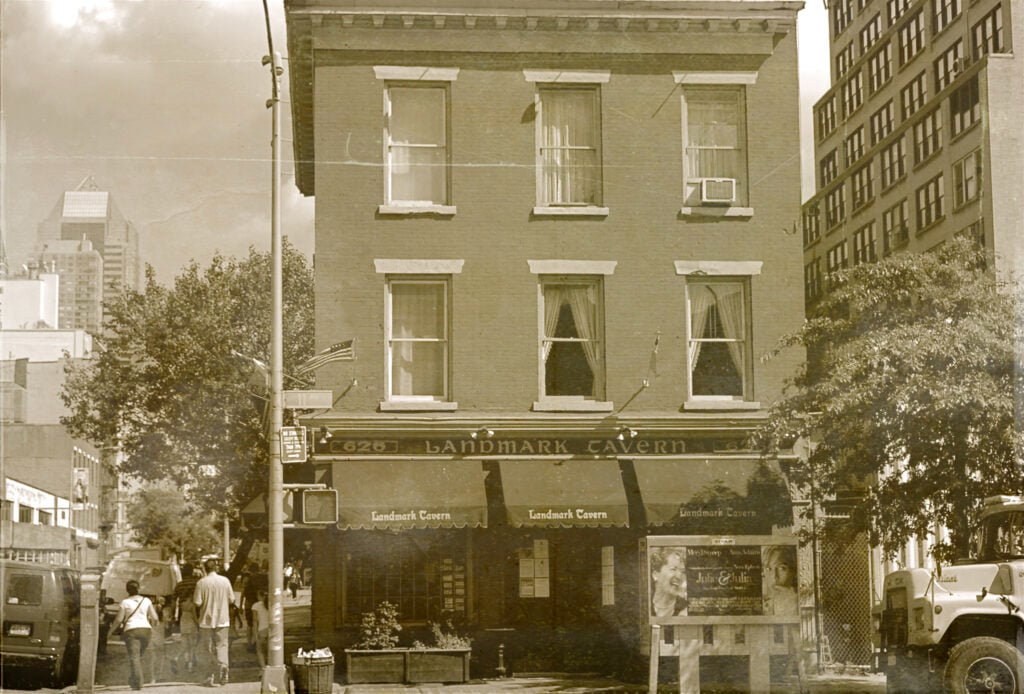
Originally opened in 1868 as a legitimate waterfront saloon on the Hudson River, this establishment adapted during Prohibition by operating a secret speakeasy on its upper floors. The building’s history as a family residence – the original owners lived on the upper floors with their children – provided cover for illicit activities during the dry years, with many customers unaware of its pre-Prohibition legacy.
Casa Blanca Club
Another Larry Fay venture, this speakeasy became notorious as a gathering place for gangsters during the height of Prohibition. The club’s popularity began to decline by 1931, but its reputation as a criminal hangout cemented its place in speakeasy lore. Like many establishments of the era, its connections to organized crime highlighted how Prohibition fueled the rise of criminal enterprises throughout America.
O’Leary’s
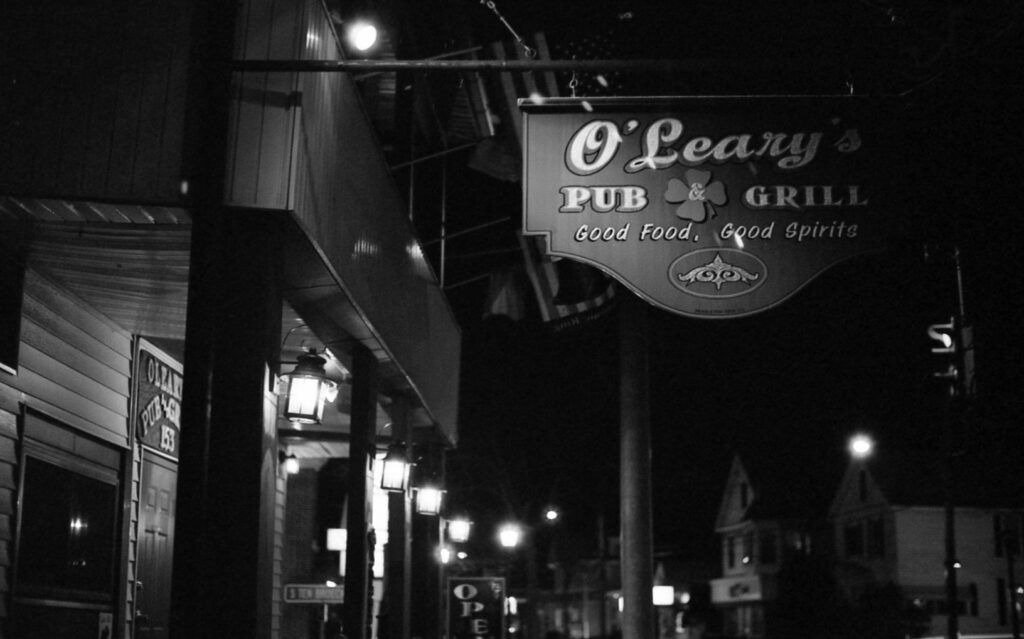
Located in New York’s Bowery district, this dive bar represented the less glamorous side of Prohibition drinking culture. While fashionable uptown establishments catered to celebrities and the wealthy, places like O’Leary’s served working-class customers seeking a simple drink without the frills. These more modest speakeasies formed the backbone of Prohibition resistance, demonstrating how the ban on alcohol affected all social classes.
The Legacy Lives On
When Prohibition finally ended in 1933 with the ratification of the 21st Amendment, America’s drinking culture had been permanently transformed. The speakeasy era changed not just how Americans drank but who drank together – breaking down gender barriers and creating the modern nightlife experience we recognize today. While the term “saloon” virtually disappeared from American vocabulary, the innovative cocktails, social mixing, and intimate atmosphere of speakeasies live on in today’s craft cocktail revival and hidden bars that pay homage to this fascinating chapter of American history.
More from Go2Tutors!

- The Romanov Crown Jewels and Their Tragic Fate
- 13 Historical Mysteries That Science Still Can’t Solve
- Famous Hoaxes That Fooled the World for Years
- 15 Child Stars with Tragic Adult Lives
- 16 Famous Jewelry Pieces in History
Like Go2Tutors’s content? Follow us on MSN.