19 Things Kids Could Do in the ’80s That Wouldn’t Be Allowed Today
The 1980s felt like a wide‑open playground. Supervision was light, rules were looser, and most grown‑ups believed kids learned best by roaming free.
That attitude—plus far less stringent safety standards—turned everyday life into one big adventure. Compare that freedom with today’s tightly managed schedules and ever‑present adults, and the culture shift around childhood safety, independence, and development is impossible to miss.
Below are 19 activities that ’80s kids tackled without much fuss but that would likely send modern parents—or even the authorities—into full alert mode.
Riding in Car Trunks
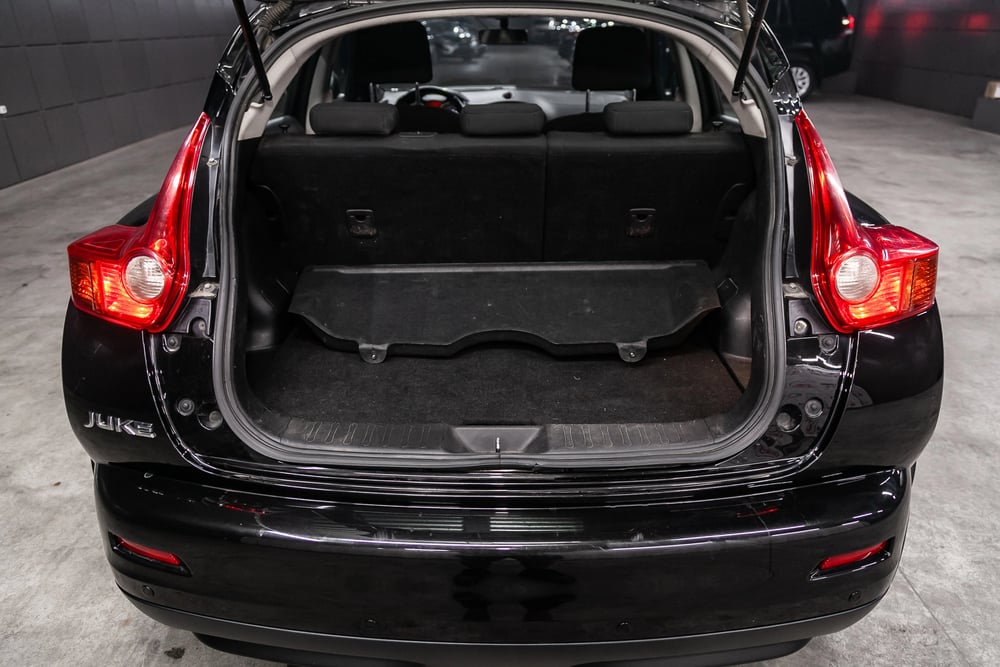
Family road trips often meant wedging extra kids into the station wagon’s cargo space—or, for short hops, the actual trunk. Seatbelts weren’t strictly enforced, and child car seats were rare.
Nowadays, a setup like that would invite serious legal trouble.
Walking to School Alone

Children as young as six regularly trekked or pedaled more than a mile to school, responsible for their own timetables. Today, elaborate pickup lines and watchful neighbors make that kind of solo commute almost unheard‑of.
Playing Outside Until Dark

Summer break meant heading out after breakfast and only reappearing when the streetlights clicked on—or stomachs growled. Parents knew the general area but not precise locations.
The classic “be home by dark” directive has largely vanished.
Drinking from Garden Hoses

Hydration on the go came from the nearest garden hose—sun‑warmed rubber taste and all. Concerns about chemicals or contaminants simply weren’t part of the conversation.
Bottled and filtered water have replaced that carefree gulp.
Handling Fireworks

Firecrackers, bottle rockets, and other small explosives were standard backyard fun, especially around Independence Day. Modern restrictions and heightened safety awareness now keep most fireworks in the hands of professionals.
Taking Medication at School Without Documentation

Aspirin or cough syrup in a backpack raised no eyebrows. Students self‑medicated as needed.
Current policies demand paperwork, locked nurse’s cabinets, and strict oversight—even for basic pain relievers.
Spending Hours at Arcades Unsupervised

Parents dropped tweens at the mall arcade with a roll of quarters and disappeared until dinner. Those dim rooms functioned as impromptu babysitters; today, adult supervision is expected in nearly every public venue.
Bike Riding Without Helmets
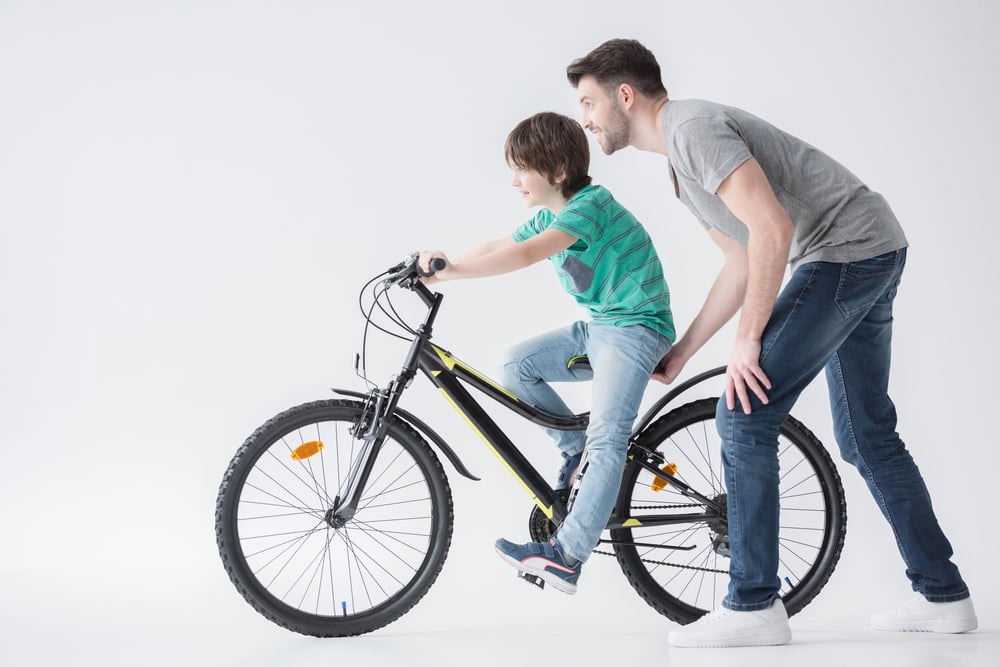
Neighborhood races on bikes, skateboards, and roller skates happened helmet‑free. Cuts and bruises were badges of honor.
Present‑day helmet laws—and social pressure—make bareheaded riding a rare sight.
Playing on Metal Playground Equipment
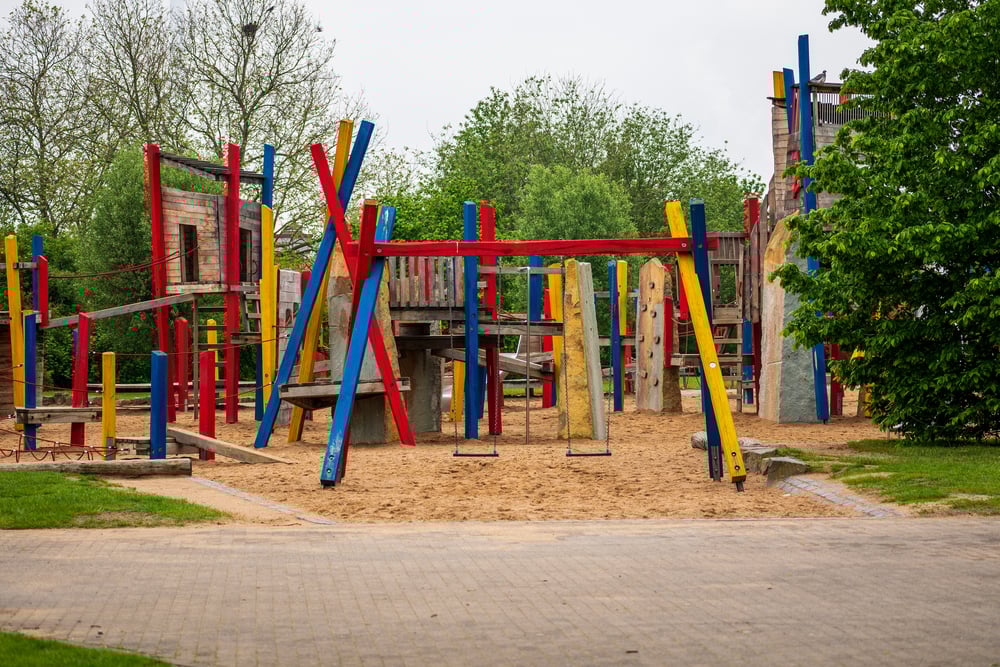
Playgrounds boasted sky‑high metal slides that scorched legs, spinning merry‑go‑rounds, and jungle gyms set over hard concrete. Modern designs favor impact‑absorbing surfaces, plastic structures, and lower heights to minimize injuries.
Sitting in the Front Seat of Cars

Age hardly mattered when claiming the coveted front passenger seat. Today, regulations keep children in the back—properly restrained—until well into their preteen years.
Making Prank Phone Calls

Before caller ID, dialing strangers for a laugh filled many lazy afternoons. Anonymity is now gone, and harassment laws can turn a once‑innocent prank into a legal headache.
Walking to Stores to Buy Candy

First‑graders routinely strolled to local shops clutching allowance coins, trusted to cross streets and make purchases alone. Modern parenting norms would brand that level of independence as risky.
Staying Home Alone at Young Ages

Latchkey culture meant seven‑ or eight‑year‑olds arriving to empty houses after school, handling snacks and homework solo. Many states now set minimum ages—often 12 or older—for unsupervised kids.
Building Dangerous Ramps and Jumps
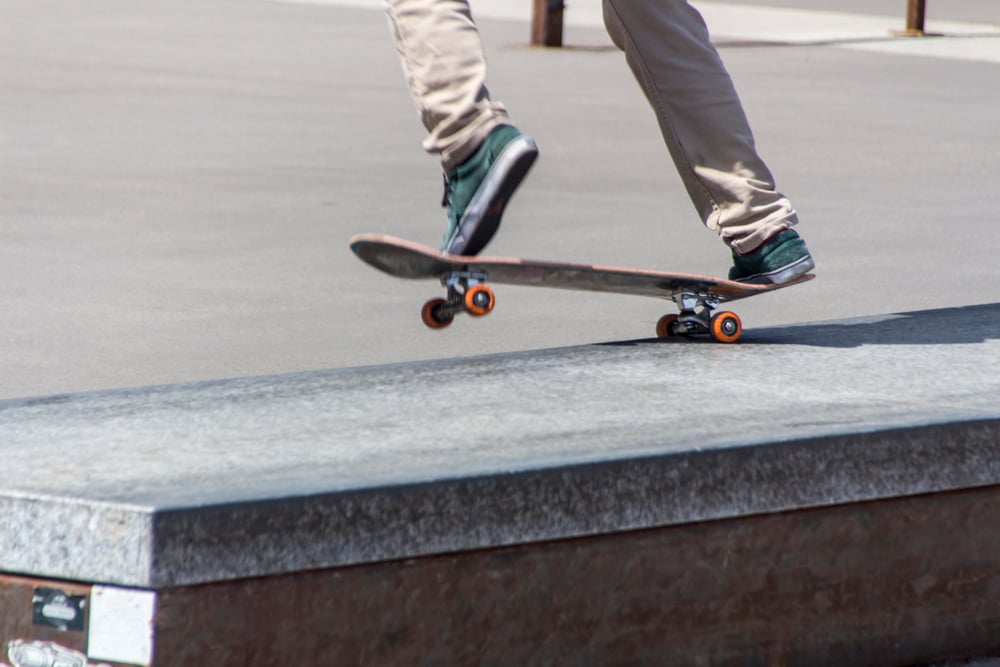
Scrap plywood, a few cinder blocks, and imagination produced daring bike ramps and skateboard jumps. Crashes and sprains were expected.
Today’s parents steer children toward professionally built skate parks with safety gear.
BB Gun and Slingshot Play
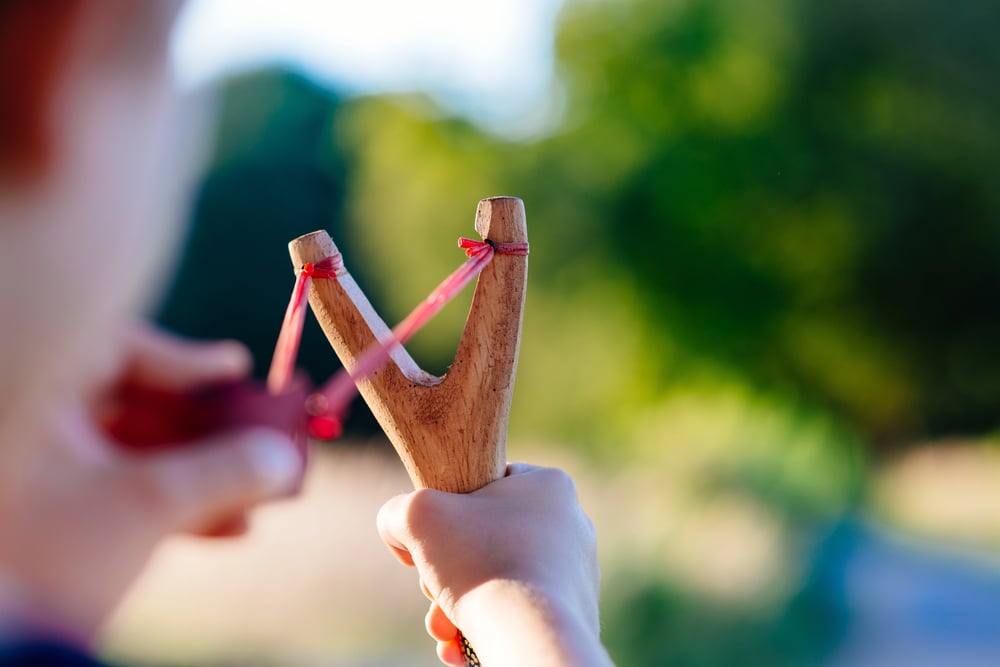
BB guns and slingshots were common gifts, used for backyard target practice. They were viewed as tools for honing aim rather than potential weapons.
In contrast, modern schools can impose severe penalties even for toy firearms.
Eating Highly Processed Snacks
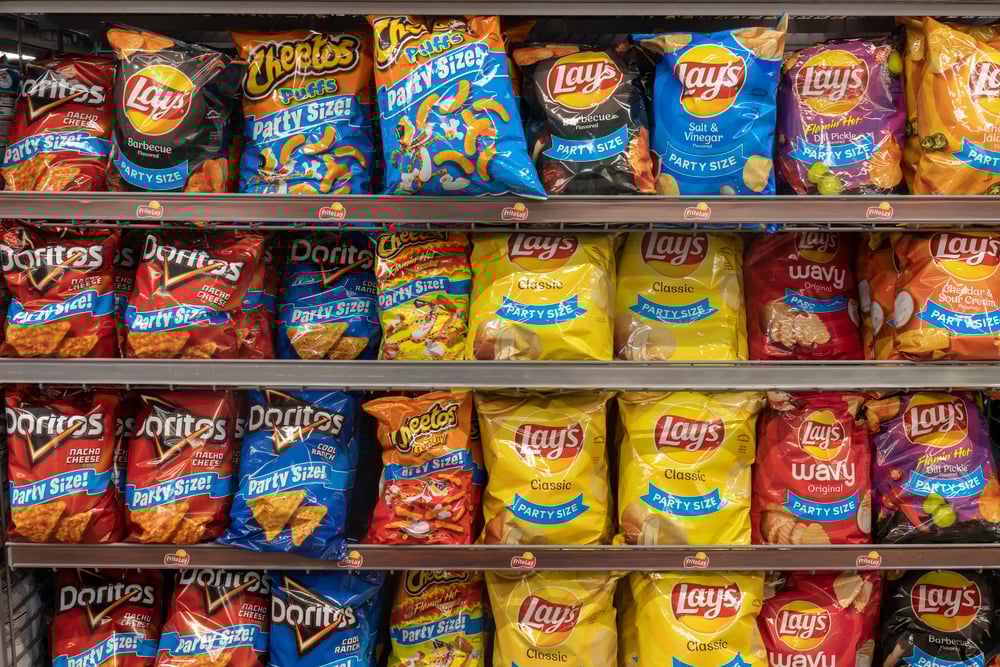
Lunchboxes brimmed with neon drinks, pudding cups, and sugary cakes. Ingredient lists were an afterthought.
Rising nutrition awareness and allergy protocols have reshaped children’s diets.
Watching Unsupervised Television

Kids channel‑surfed freely, often landing on shows beyond their age bracket. Cartoons and after‑school specials served as electronic babysitters.
Parental controls and screen‑time limits now dominate family media rules.
Playing Lawn Darts
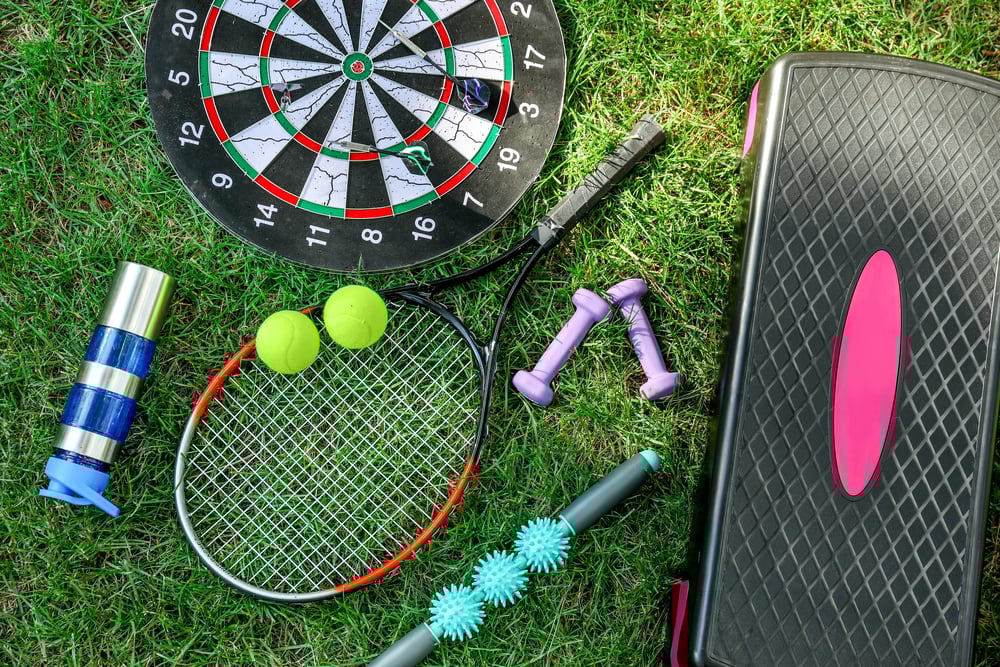
Lawn darts—metal tips and all—were sold in toy aisles, despite their obvious hazards. After numerous injuries, the product was banned, highlighting a shift toward stricter consumer‑safety standards.
Hitchhiking for Transportation

Sticking out a thumb was a pragmatic way for teens, especially in rural areas, to get around. Heightened awareness of personal safety, expanded transit options, and willing parent chauffeurs have all but erased the practice.
Childhood in the 80s
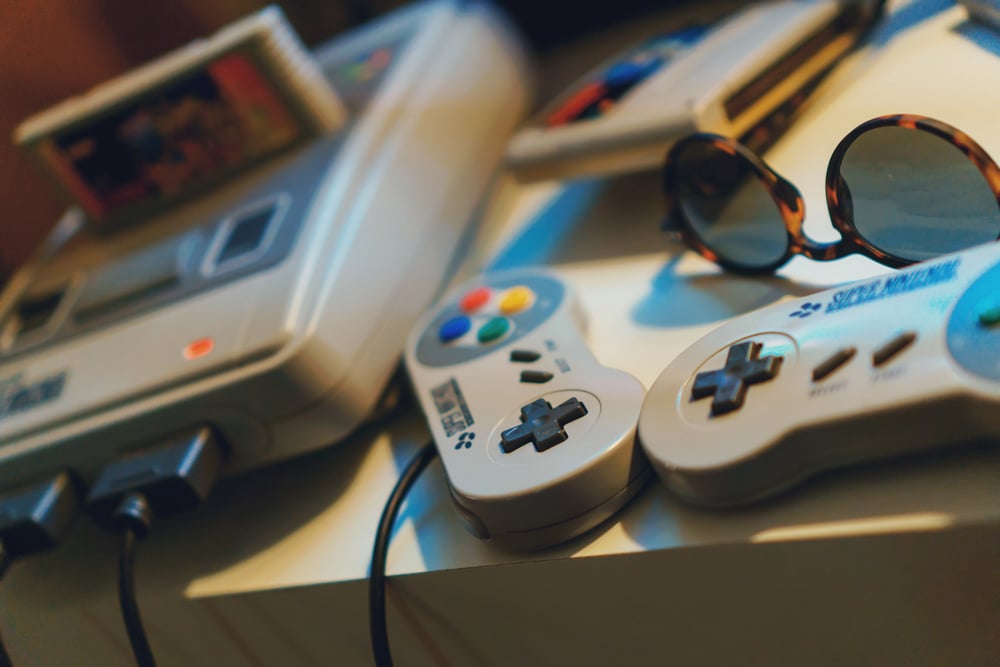
Growing up amid this freer landscape fostered problem‑solving skills, resilience, and self‑reliance though not without real risks. While today’s safeguards have prevented countless tragedies, they’ve also rimmed away some avenues for developing independence.
The challenge now lies in balancing necessary protection with opportunities for kids to test limits and learn from small stumbles—preserving the best of both eras.
More from Go2Tutors!

- 18 Unexpectedly Valuable Collectibles You Might Have Lying Around
- 20 Little-Known Historical Battles That Had Huge Consequences
- 20 Historical Artifacts That Scientists Can’t Explain
- 15 Inventions That Were Immediately Banned After Being Created
- 20 Actors Who Were Almost Cast in Iconic Roles
Like Go2Tutors’s content? Follow us on MSN.