16 Tips for Juggling Kids’ Sports Schedules
Coordinating kids’ sports calendars can make you feel like operating air traffic control at a busy airport. With practices, games, tournaments, and the inevitable last-minute schedule changes, it’s enough to drive any parent crazy. Throw in several kids playing different sports, and you may wonder how families with athletic kids ever manage to have dinner together.
The good news is that with the proper systems and some careful strategic thinking, you can turn the madness into something easily controlled—maybe even enjoyable. What follows are 16 proven tips that will help you stay one step ahead of the game without losing your mind.
Use a shared family calendar app

Online calendars, such as Google Calendar or Apple Family Calendar, enable everyone to see what and when. Color-code each child’s activity so you can instantly spot conflicts.
The real magic happens when coaches and other parents are able to add events themselves—no more playing telephone with schedule changes.
Create a command center

Pick one spot in your house where all your sports-related items are stored. It could be a kitchen counter area, a bulletin board, or just a particular basket.
Game schedules, practice schedules, snack schedules, and permission slips all stay there, so you’re not looking through backpacks at the last minute.
Prepare sports bags in advance
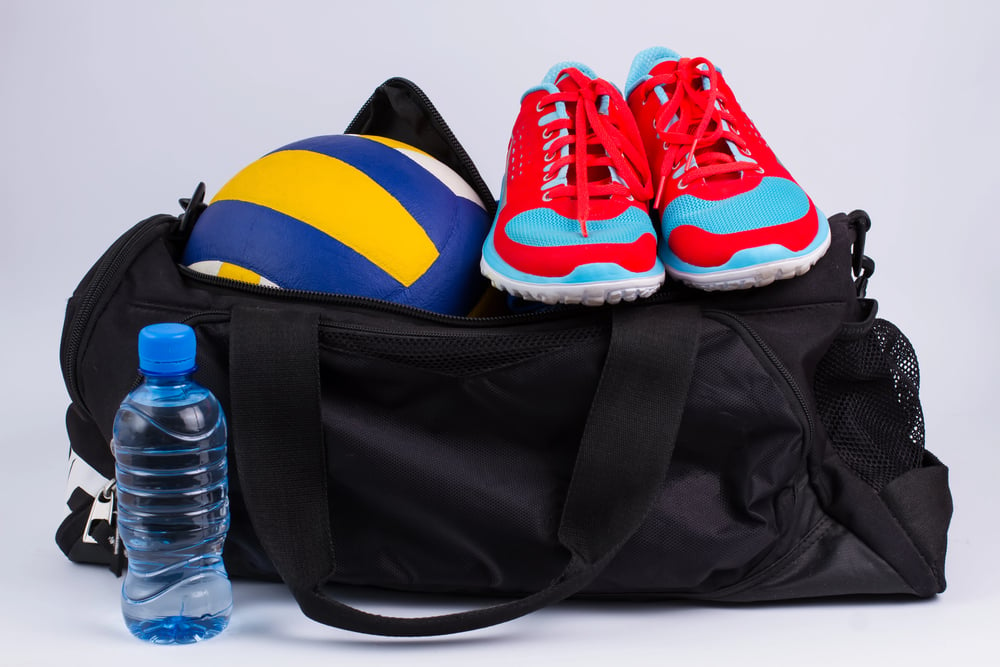
Nothing is so much of a morning whirlwind as searching for cleats, shin guards, or a water bottle when you’re already behind schedule. Each child must have their own sports bag, loaded and ready, the night before.
It’s kind of like laying out school clothes—it removes one decision from your crazy morning routine.
Plan out your drive routes

Learn the shortest route to each park, gym, or facility where your kids play, including alternatives during rush hour times. Label those locations on your phone map program with easy-to-remember labels.
You don’t need to struggle to navigate when you’re already behind.
Meet other parents

The other parents in your child’s team are your secret advantage for handling scheduling conflicts. These become carpool arrangements, last-minute pickups, and heads-up alerts about the changes.
And having some familiar faces at games makes those long days of the tournament a whole lot more pleasant.
Keep a roadside emergency kit in your vehicle

A minimalist kit with additional water bottles, energy bars, first aid kits, and even a phone charger is a lifesaver. Throw in a folding chair and a blanket, and you’re set for everything from rescheduled games to outdoor tournament play on rainy days.
Plan meals in relation to practice schedules

Sports schedules destroy dinnertime, so deal with it and adjust accordingly. Slow cooker dinners, make-ahead casseroles, and plain sandwiches are your new best friends.
On some nights, a picnic dinner at the field is actually less stressful than wrestling through traffic home to start dinner.
Use travel time wisely

All of that driving to and from practice equals hours a week. Use car time for homework help, family conversation, or just letting kids relax after school.
Have audiobooks or playlists ready for longer tournament journeys—entertainment that doesn’t require looking down at a screen.
Set a sports spending budget

Youth sports expenses can catch up with you quicker than a fastball pitch. In addition to registration fees, you have equipment, travel, team fees, and, of course, those mandatory fundraising commitments.
Establishing a realistic budget at the beginning of every season enables you to make informed decisions about camps, clinics, and additional tournaments.
Master the art of strategic carpooling

Effective carpooling plans can reduce driving time by half and foster a sense of community among other families. Set expectations up front—such as who drives, how to handle spontaneous changes, and what to do with siblings who tag along.
A basic group text can make it all work.
Plan for weather contingencies

Have backup plans for outdoor sports in the event the weather does not cooperate. Identify which facilities have indoor alternatives, familiarize yourself with your league’s rainout policy, and keep coaches’ contact information up to date. Check weather apps the evening prior to outdoor games so you don’t get caught off guard.
Seasonally store equipment by child
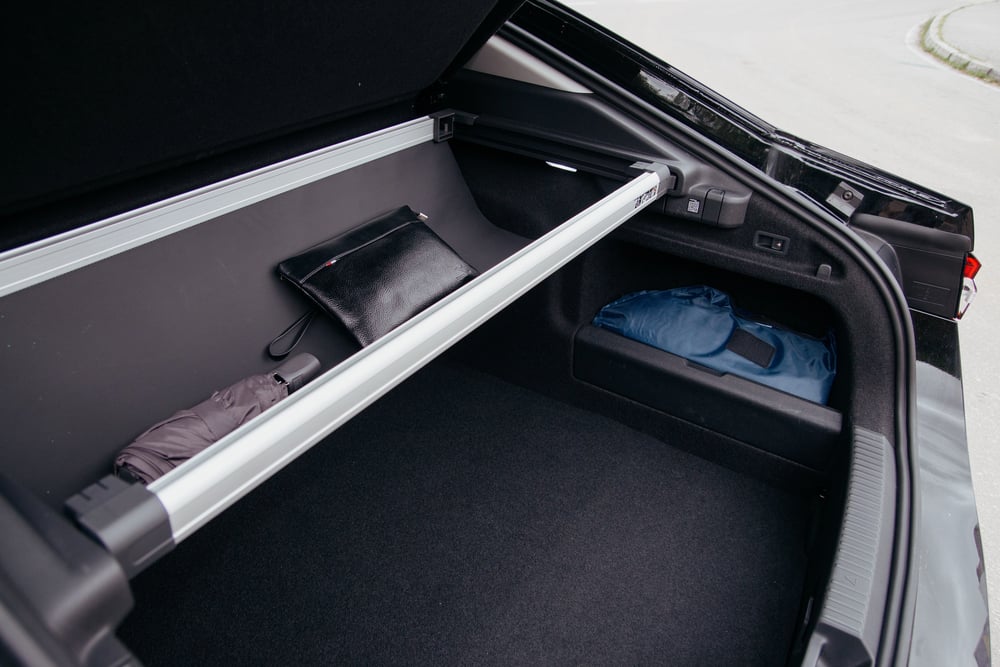
Designate each child’s equipment by sport and season to a specific storage space. Clear plastic containers are ideal because you can see inside without needing to dig out.
Label everything with your child’s name—equipment lost in team buildings is virtually certain to be returned.
Build buffer time into your plan

Always add 15-20 minutes to your estimated driving time, especially when traveling to a location you’re unfamiliar with or a tournament site. This buffering accommodates unexpected traffic, restroom stops, or the universal truth that children travel more slowly when you’re running late.
It’s always better to be early rather than to be stressed.
Discuss with coaches in advance
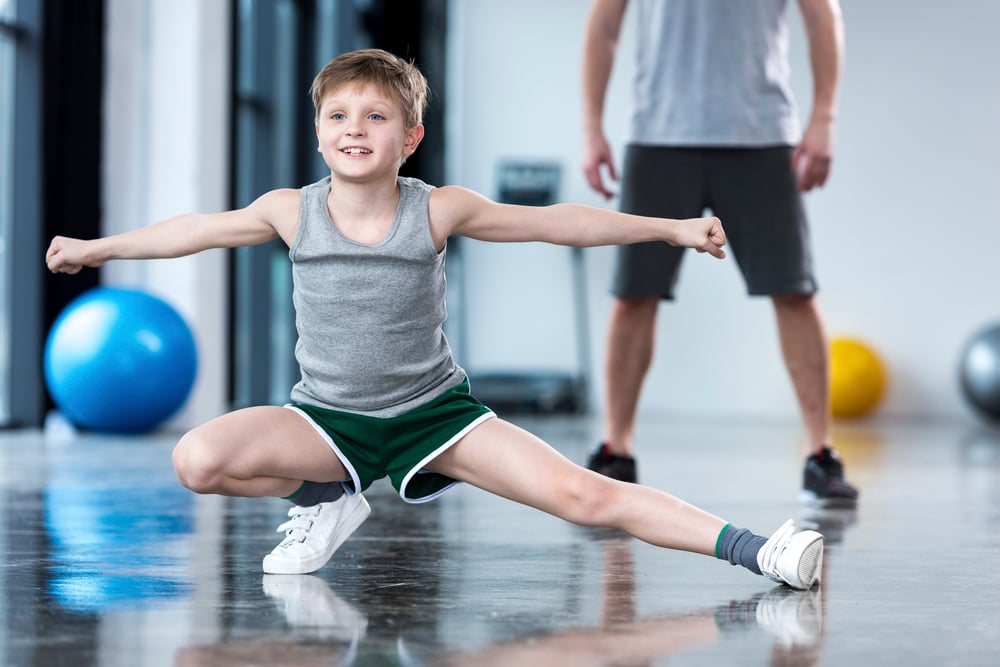
Inform coaches of family vacations, school fights, or other obligations as far in advance as possible. Most coaches will give you a break and work with you to find a solution.
This also clarifies your expectations for their attitude towards attendance and commitment levels.
Monitor key deadlines

Registration due dates, permission slip deadlines, and equipment order deadlines creep up on you. Program important dates into your phone, and don’t wait—highly coveted programs fill up quickly, and late charges are incurred.
Practice saying no strategically

Any invitation to a tournament and additional clinic is terrific, but overcommitting can also exhaust parents. Choose other activities that align with your child’s genuine interests and your family’s resources.
Frequently, the best thing you can do for an up-and-coming player is to protect their time for sleep and free play.
From sideline chaos to family rhythm

Managing kids’ sports schedules has become increasingly complex over the years, but the core purpose remains the same: helping children learn teamwork, build confidence, and have fun while staying active. What used to be simple pickup games at the local park now involves travel teams, specialized equipment, and year-round training, but thoughtful planning can keep the focus on what matters most.
The organizational skills you acquire in planning games and practice sessions spill over into other areas of family life, creating systems that benefit everyone. Once you establish your routine, you will discover that even the marathon tournament weekends become some of the fondest memories for your family.
More from Go2Tutors!

- The Romanov Crown Jewels and Their Tragic Fate
- 13 Historical Mysteries That Science Still Can’t Solve
- Famous Hoaxes That Fooled the World for Years
- 15 Child Stars with Tragic Adult Lives
- 16 Famous Jewelry Pieces in History
Like Go2Tutors’s content? Follow us on MSN.


