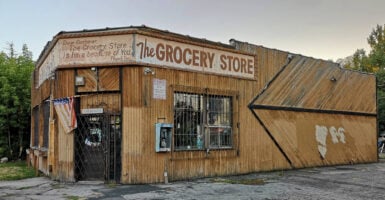
16 Buildings With Rooftop Farms Long Before Urban Farming Was Cool
Although growing food on rooftops may seem like a recent invention, history demonstrates that this is not the case. Green spaces above ground level have been created for centuries by creative architects and visionaries who understood the aesthetic and functional advantages long before sustainability became a trendy term.
These innovative buildings, which ranged from ancient wonders to Gilded Age entertainment centers, demonstrated the enduring roots of urban agriculture. Long before urban farming gained popularity, these 16 avant-garde buildings had rooftop gardens and farms.
The Hanging Gardens of Babylon
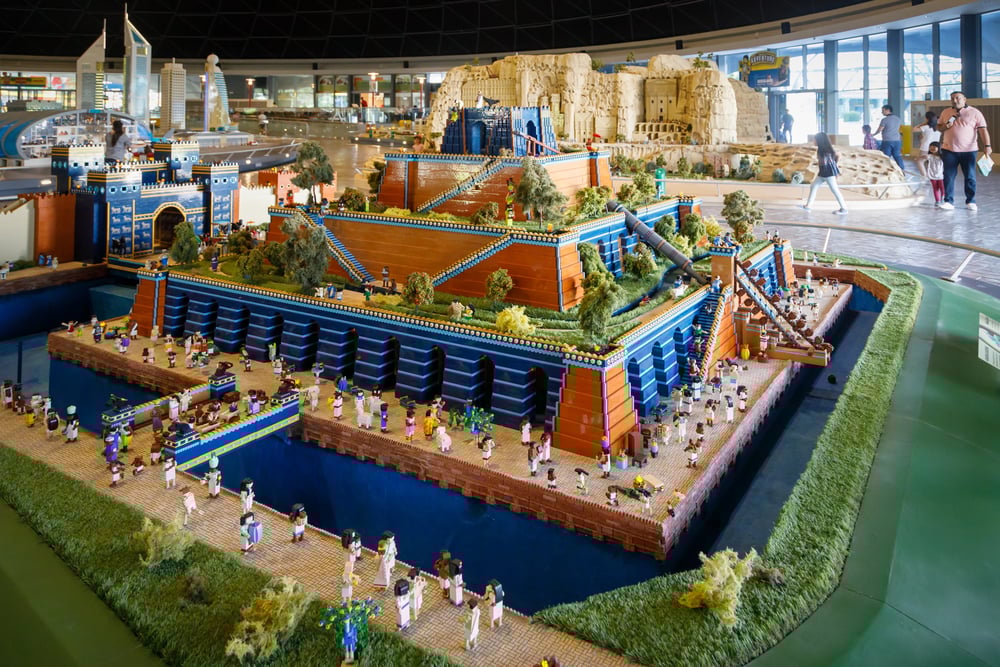
One of the Seven Wonders of the Ancient World, these legendary gardens were said to have been built in the 6th century BCE by King Nebuchadnezzar II. The structure featured cascading terraced gardens rising as high as 80 feet, creating a lush mountain-like landscape in the desert.
Engineers designed an ingenious irrigation system to pump water from the Euphrates River to the various garden levels, allowing large trees and diverse plants to thrive in an arid climate. Though their exact location and existence remain debated among historians, the concept of elevating nature above ground level has inspired architects for millennia.
Mesopotamian Ziggurats

These ancient temple towers featured terraced platforms that often supported plants and trees. Farmers in Mesopotamian cities would set aside small plots within the city walls for growing food, with some evidence suggesting that the upper levels of these massive structures occasionally incorporated food-producing gardens.
The elevated position helped protect precious crops from flooding while creating cooler microclimates in the hot, arid environment. These early examples of urban agriculture demonstrate that rooftop farming concepts date back to the earliest civilizations.
Casino Theater
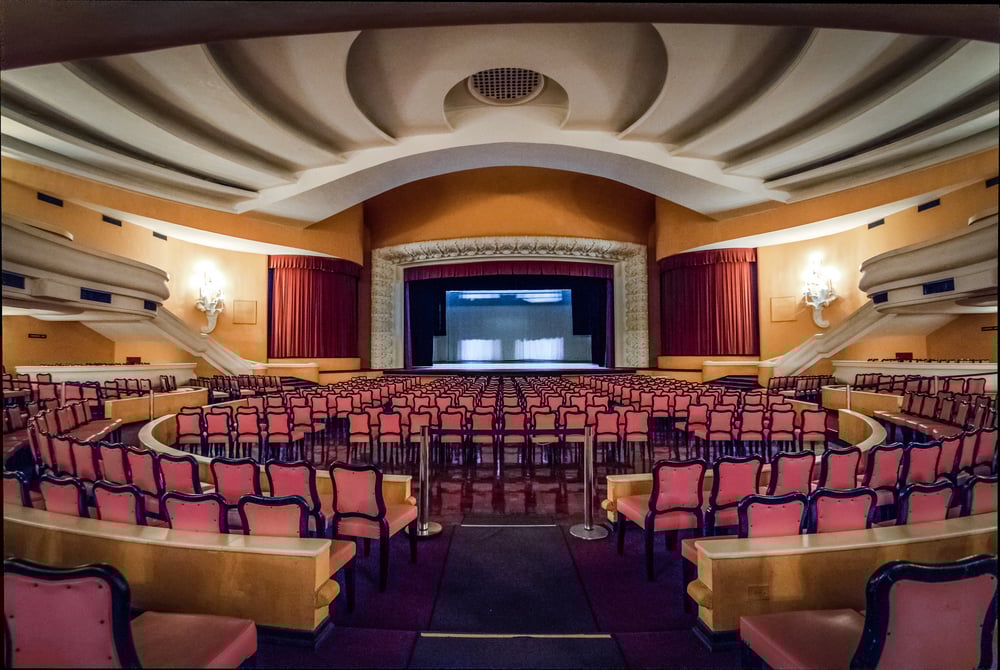
Opening in 1883 in New York City, the Casino Theater pioneered the rooftop entertainment concept with its spectacular roof garden. Located at Broadway and 39th Street, this Moorish-inspired building became the birthplace of America’s rooftop garden movement.
The venue was designed to provide respite during sweltering summers, allowing patrons to enjoy cool breezes, refreshments, and entertainment high above the busy streets. Its success triggered a rooftop renaissance across the city, inspiring countless venues to look skyward for expansion opportunities.
Madison Square Garden
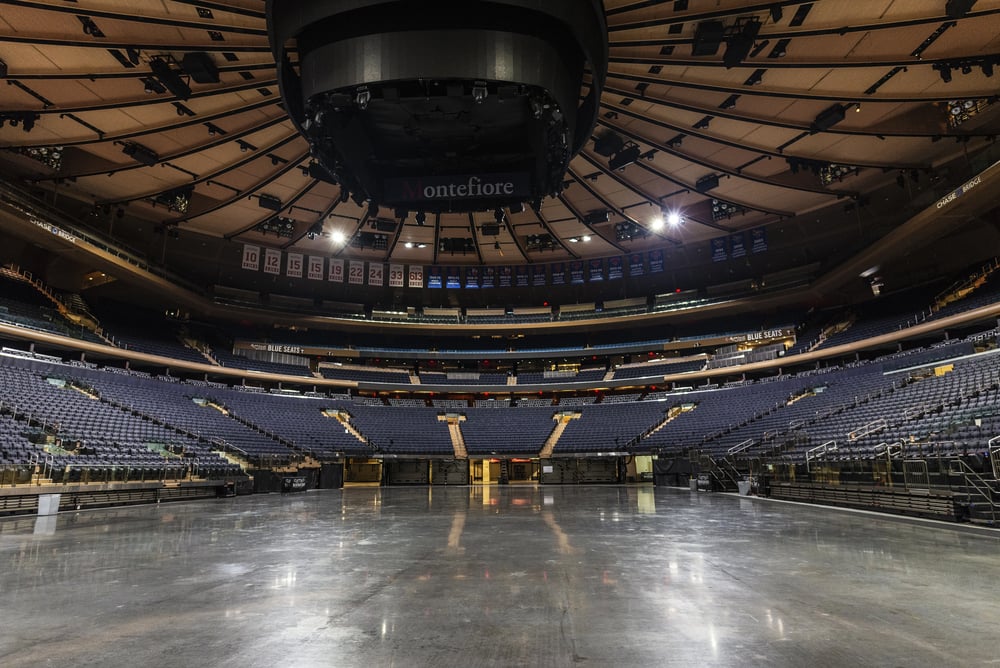
The original Madison Square Garden (the second iteration of the venue) opened in 1890 with a magnificent rooftop garden designed by Stanford White. This Italian Renaissance-inspired space featured 300 tables, colorful electric lanterns, and commanding views of the city.
The garden could accommodate 800 people comfortably and became one of the city’s most fashionable entertainment venues. Ironically, the rooftop became infamous as the site of White’s murder in 1906, when he was shot by millionaire Harry Thaw in a love triangle involving actress Evelyn Nesbit.
Hotel Astor
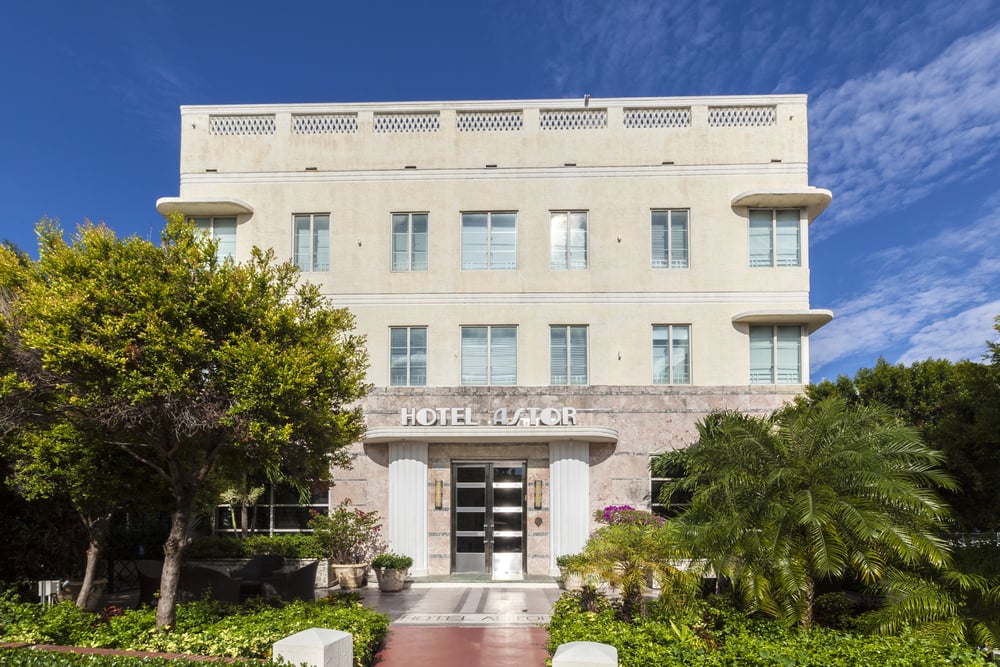
Built in 1904 on Times Square, this landmark hotel featured one of New York’s most elaborate roof gardens. The space was designed with thoughtful landscaping, multiple dining areas, and panoramic views that made it an A-list destination through the Jazz Age.
In later years, the North Garden was redesigned with a Japanese theme by landscape architect Takeo Shiota. The rooftop hosted many notable swing bands, including Tommy Dorsey’s orchestra with a young Frank Sinatra performing there from 1940 to 1942.
Waldorf-Astoria

This iconic New York hotel featured an elegant roof garden by 1908 that became a fashionable spot for the city’s elite. The garden offered a refined escape from street-level chaos with carefully manicured plantings, comfortable seating, and exceptional service.
Guests could dine under the stars while enjoying orchestral performances, making it one of the most desirable summer destinations in the city. The hotel’s rooftop success demonstrated how elevated green spaces could enhance a building’s prestige and appeal.
Belasco Theater

This New York theater took rooftop development to a remarkable level with a complete working Dutch farm on its roof. The unique attraction featured not just decorative plants but a functional pond and an operational windmill.
This rural simulation stood in stark contrast to the urban surroundings, creating a novel entertainment experience that transported visitors to a countryside setting. The theater’s ambitious rooftop farm showed that elevated spaces could recreate entire agricultural landscapes within city centers.
New York Theatre

Opening its “Jardin de Paris” rooftop in the early 1900s, this theater created a distinctly French-inspired garden experience. The space became famous as the venue where Florenz Ziegfeld debuted his Follies in 1907, featuring “twenty musical numbers and many vaudeville acts” each evening.
The garden incorporated cherry trees under a glass roof, creating a “Cherry Blossom Grove” that brought natural beauty to the theater district. This elegant setting demonstrated how rooftop gardens could enhance cultural venues while creating distinctive entertainment experiences.
Hammerstein’s Victoria Theater

Oscar Hammerstein created the Paradise Roof Garden atop his 42nd Street theater, modeling it after the Grand Promenades of Monte Carlo. This innovative space incorporated the roofs of two separate theater buildings to create a sprawling entertainment venue.
The garden featured café-style seating reminiscent of Parisian summer guinguettes, where guests could enjoy performances while escaping the summer heat. The Paradise Roof Garden hosted unique attractions like Barnold’s Dog and Monkey Pantomime Company, offering memorable experiences high above street level.
Hotel Belleclaire

Designed by Emery Roth and built in 1903, this Upper West Side hotel featured a charming roof garden that became a popular destination for both residents and visitors. The elevated space provided cooling breezes and expansive views of the Hudson River and the growing cityscape.
Like many roof gardens of the era, it served as a communal space where people could socialize while escaping the heat and noise of the streets. The hotel’s roof garden demonstrated how even smaller buildings could benefit from utilizing rooftop spaces.
American Theater
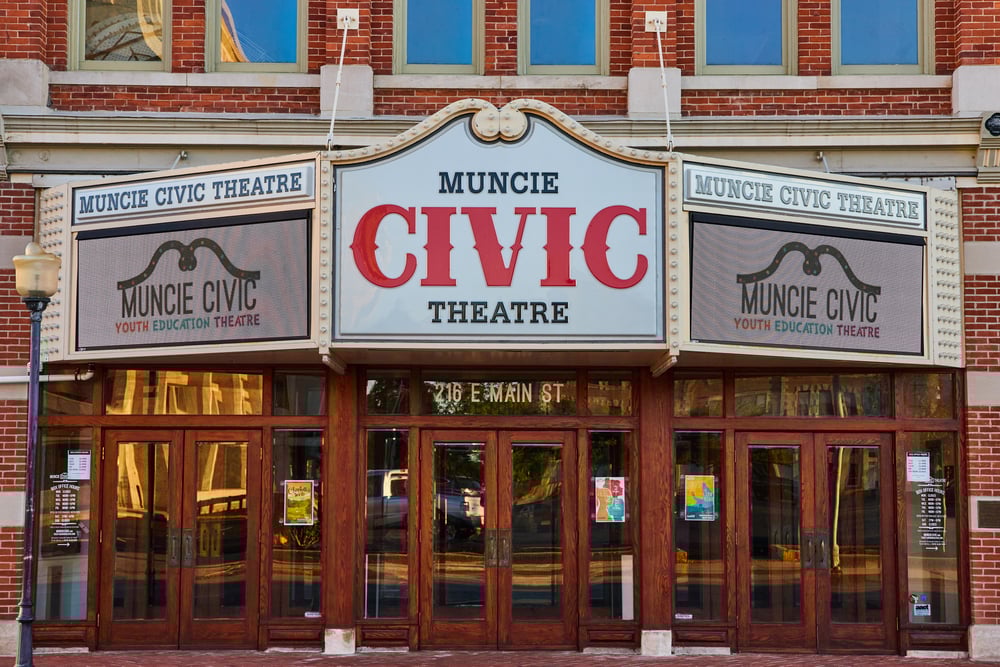
Located at Eighth Avenue and 42nd Street, this theater boasted a roof garden by 1898 that offered entertainment and impressive city views. The elevated venue created a new performance space that operated primarily during summer months when indoor theaters were uncomfortably hot.
The garden attracted those unable to leave the city during summer, providing a welcome respite from the sweltering streets below. This versatile space showed how rooftop venues could extend a building’s functional season while creating additional revenue opportunities.
Majestic Hotel

This elegant New York hotel featured a roof garden in the early 1900s that catered to affluent guests seeking a refined outdoor experience. The carefully landscaped space offered dining, dancing, and socializing opportunities with spectacular city views as a backdrop.
Like other hotel roof gardens of the era, it became a status symbol and social hub where guests could see and be seen in a luxurious setting. The Majestic demonstrated how rooftop spaces could enhance a property’s prestige while providing practical benefits.
Women’s Hotel

This pioneering accommodation establishment included a roof garden that provided its female residents with a safe, pleasant outdoor space. The garden created a semi-private retreat where women could socialize and relax without the concerns they might face in public parks or streets.
This forward-thinking amenity recognized the importance of outdoor access for urban dwellers, particularly for those with limited mobility or safety concerns. The hotel’s roof garden showed how elevated green spaces could address specific social needs.
Umbrella House
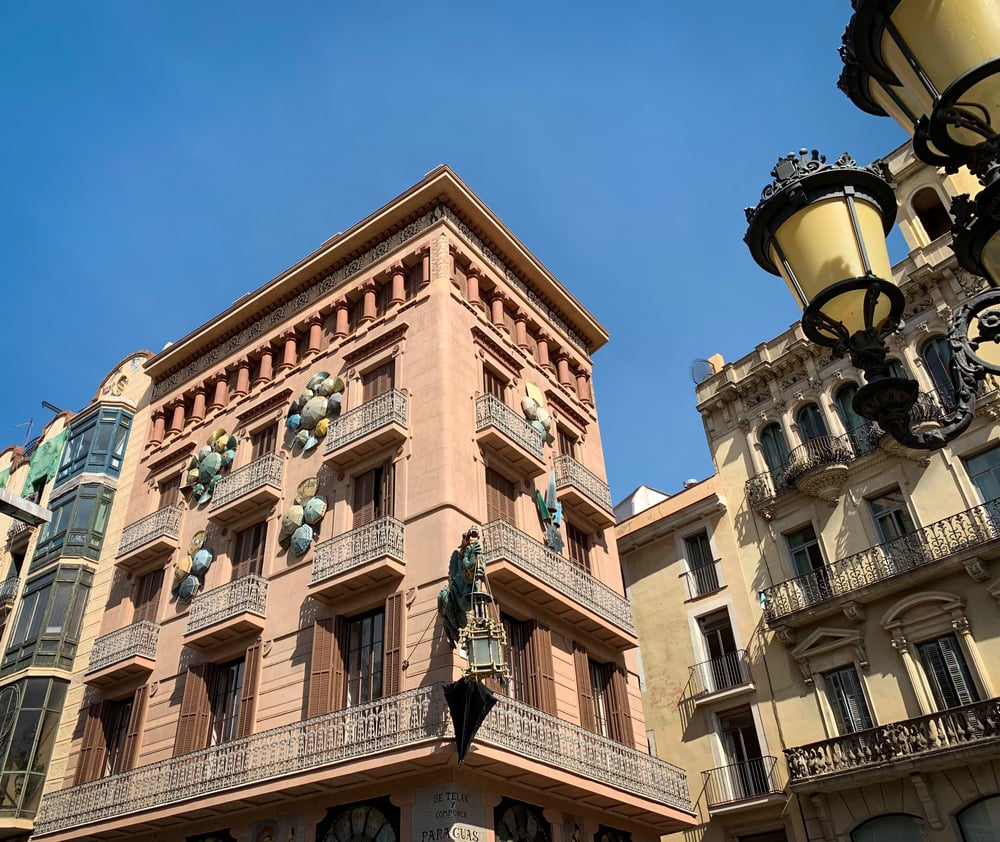
Located in New York’s East Village, this former squatters’ building was converted into a cooperative with a productive roof garden. After undergoing legalization between 2002-2010, residents established a farm that produces food and herbs at no charge for the approximately 32 inhabitants.
The volunteer-run farm exemplifies community-based urban agriculture, with the building’s collectivist ethos extending to its food production approach. Though more recent than other examples, this rooftop farm represents a continuation of urban agriculture traditions with a modern cooperative twist.
Knickerbocker Hotel

Built in 1906 by members of the Astor family, this Times Square hotel featured a roof garden that capitalized on the growing rooftop entertainment trend. The elevated space provided a fashionable setting for dining and socializing while offering spectacular views of the increasingly electrified city.
Though the hotel was later converted to commercial office space, its roof garden represented the period when rooftop venues were essential features of upscale hotels. The Knickerbocker demonstrated the Astor family’s recognition of the value of elevated green spaces.
Vendome Hotel
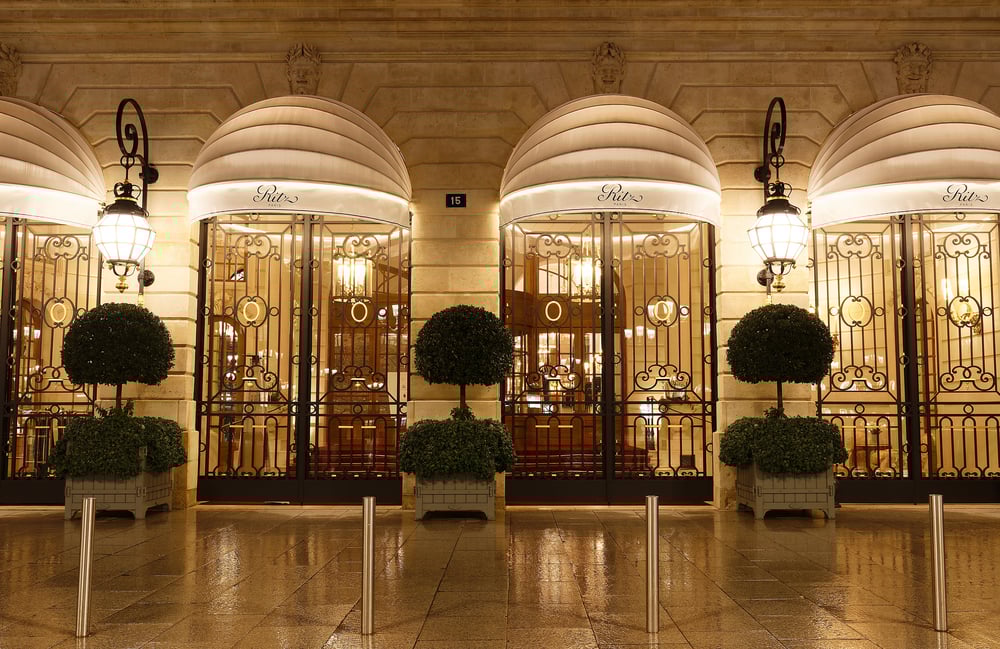
This turn-of-the-century New York hotel featured a roof garden that was specifically mentioned in a 1904 article in Leslie’s illustrated magazine as among the “charming” rooftop venues in the city. The garden provided a cool retreat during hot summer months while offering panoramic views of the evolving cityscape.
Like other hotel roof gardens, it blended natural elements with hospitality to create a distinctive guest experience. The Vendome’s roof garden showed how these spaces were becoming expected amenities in upscale hospitality settings.
Reaching New Heights
The idea of using raised areas for farming and recreation is not new, as demonstrated by the historical examples of rooftop gardens and farms. Creative minds have understood the potential of rooftops to offer food, entertainment, and a haven from the stresses of the city since ancient Mesopotamia and Gilded Age New York.
The urban farming movement of today expands on these early initiatives by fusing conventional knowledge with cutting-edge technology to establish fruitful green areas above our cities. These historical precedents serve as a reminder that the answers to today’s problems frequently stem from earlier innovations, especially as urban populations continue to rise.
More from Go2Tutors!

- The Romanov Crown Jewels and Their Tragic Fate
- 13 Historical Mysteries That Science Still Can’t Solve
- Famous Hoaxes That Fooled the World for Years
- 15 Child Stars with Tragic Adult Lives
- 16 Famous Jewelry Pieces in History
Like Go2Tutors’s content? Follow us on MSN.