Most Expensive Photos Ever Auctioned
Photography started as a way to capture moments. Then collectors turned certain images into investment pieces worth millions.
The auction records for photographs keep climbing, driven by collectors who see these prints as both art and assets. What makes one photograph worth more than most people earn in a lifetime?
Sometimes it’s the historical significance. Other times it’s the artist’s reputation or the rarity of the print.
Often it’s a combination of factors that creates the perfect storm for a record-breaking sale. These aren’t just pictures.
They represent moments in photography’s evolution, cultural touchstones, and the vision of artists who changed how we see the world through a lens.
Rhein II by Andreas Gursky
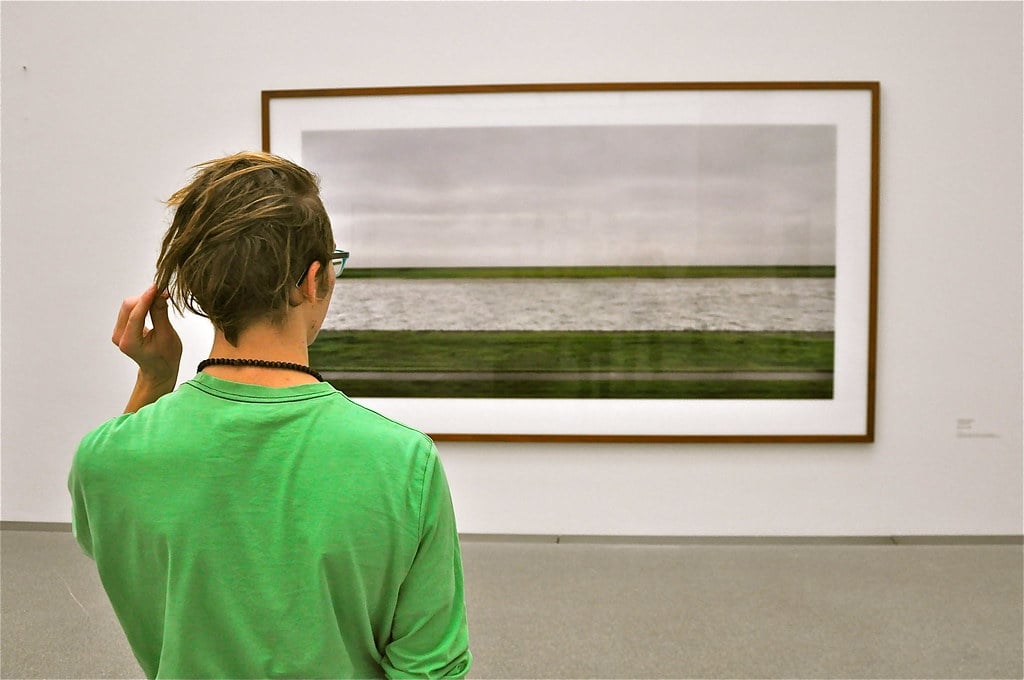
This photograph sold for $4.3 million in 2011, setting a record that stood for years. The image shows the Rhine River in Germany, stripped of all distractions.
Gursky digitally removed buildings, dog walkers, and a factory to create a minimalist composition of horizontal bands. The river sits between green grass and gray sky, creating an almost abstract meditation on landscape.
Critics debate whether digital manipulation makes it less authentic. Gursky argues he reveals the essence of the scene rather than documenting literal reality.
The photo measures over 12 feet wide. Only six prints exist.
That scarcity, combined with Gursky’s reputation as one of contemporary photography’s most important figures, drove the price to record heights.
Phantom by Peter Lik
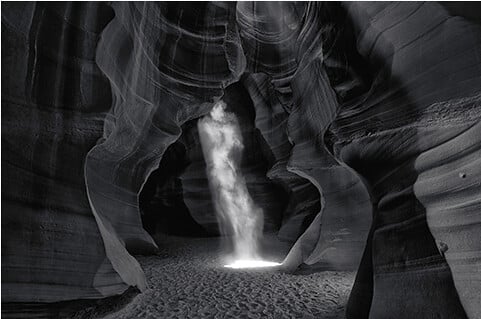
Peter Lik claims this image of Arizona’s Antelope Canyon sold privately for $6.5 million in 2014. The sale happened without public auction, which makes verification difficult.
Many in the art world remain skeptical about the reported price. The photograph captures light beams streaming through the slot canyon’s narrow opening.
Lik’s work divides opinion sharply. Some see his images as breathtaking celebrations of nature.
Others criticize them as overly manipulated commercial work. The controversy around this sale highlights tensions in photography collecting.
Private sales lack the transparency of auctions, and prices become difficult to verify. Still, if the sale price holds true, it represents one of the highest amounts ever paid for a photograph.
Le Violon d’Ingres by Man Ray

This 1924 photograph sold for $12.4 million in 2022, shattering previous auction records. The image shows a woman’s back transformed into a violin through painted f-pits.
Man Ray created it during his most productive surrealist period in Paris. The photograph plays with the human body as an object and an instrument.
The title references the painter Jean-Auguste-Dominique Ingres, who played violin as a hobby. The phrase “violon d’Ingres” means a hobby or side passion in French.
Only a dozen prints existed originally, and this particular print came from Man Ray’s personal collection. The combination of provenance, historical importance, and surrealist influence made it irresistible to collectors.
Untitled #96 by Cindy Sherman
Sherman’s self-portrait from 1981 sold for $3.89 million in 2011. The image shows Sherman as a young woman in orange clothing lying on the linoleum floor.
She stares directly at the camera with an expression that suggests vulnerability or defiance, depending on how you read it. Sherman built her career photographing herself in various personas and situations.
She explores female identity, stereotypes, and the male gaze through these constructed images. This particular work comes from her breakthrough Centerfolds series.
The photograph challenges viewers to question their assumptions about women in the media. Sherman never reveals whether her subjects are victims or in control.
That ambiguity gives her work lasting power.
Dead Troops Talk by Jeff Wall
This massive photograph sold for $3.7 million in 2012. Wall constructed an elaborate scene showing Soviet soldiers after a battle in Afghanistan, digitally compositing multiple shots into one haunting image.
The dead soldiers appear to converse with each other, creating an impossible moment. Wall works more like a filmmaker than a traditional photographer.
He builds sets, directs models, and spends months creating single images. The results blur the line between photography and painting.
This image measures over 13 feet wide. The scale amplifies its impact.
You can study individual faces and details across the vast composition. Wall forces viewers to confront war’s brutality through carefully constructed fiction.
99 Cent II Diptychon by Andreas Gursky
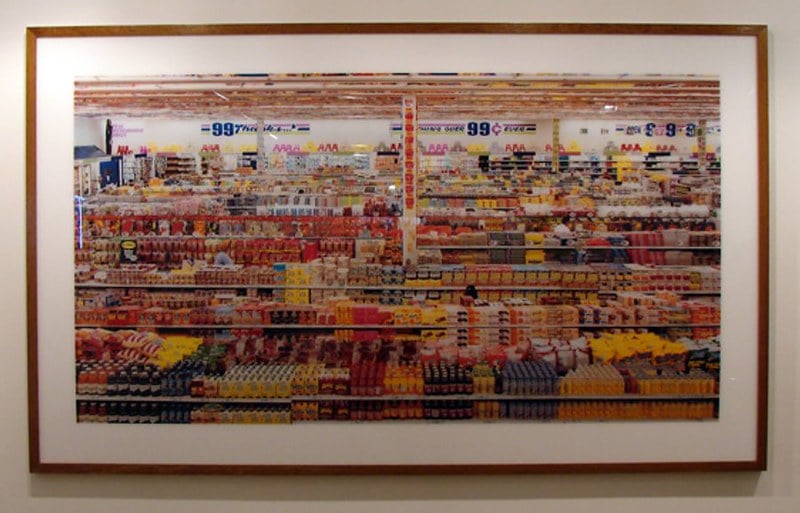
Before Rhein II, Gursky held the record with this 2001 photograph, which sold for $3.3 million in 2007. The image shows the interior of a 99 Cents Only store in Los Angeles, with shelves of products creating an overwhelming pattern of colors and packages.
Gursky captures consumer culture’s excess through meticulous composition. Every product label, every shelf, every fluorescent light contributes to the overall effect.
The image becomes almost abstract through its density of detail. The photograph required digital stitching of multiple shots to achieve its clarity and scale.
Gursky’s technical mastery allows viewers to see every product while also experiencing the overwhelming totality of commercial abundance.
Cowboy by Richard Prince
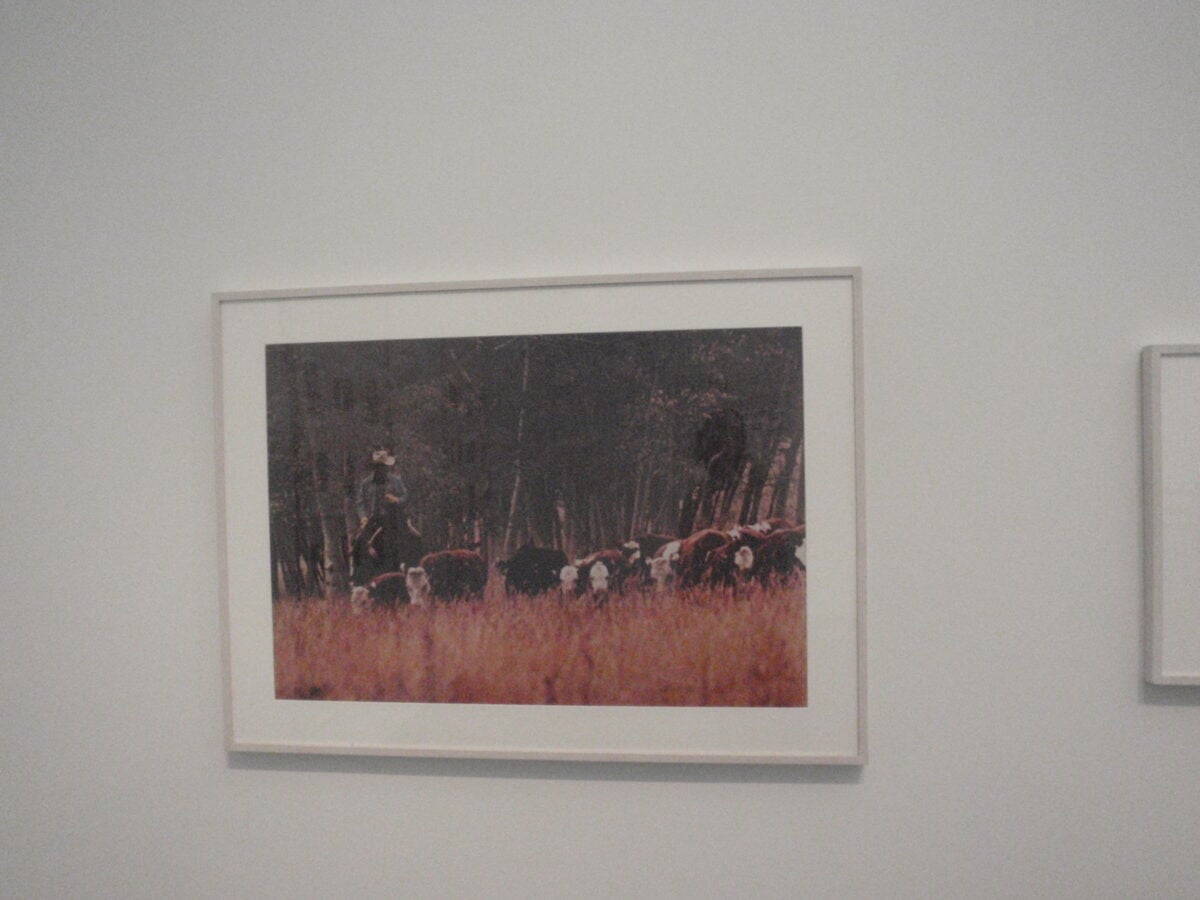
Prince’s appropriation photograph sold for $1.2 million in 2007. He rephotographed a Marlboro cig advertisement, removing the text and presenting just the cowboy image as his own artwork.
The piece sparked debates about copyright, originality, and artistic appropriation. Prince didn’t take the original photograph.
He argues his recontextualization transforms the advertising image into art. Courts generally sided with him, though the ethics remain controversial among photographers and artists.
The cowboy series made Prince famous and wealthy. Collectors embraced his challenge to authorship and originality.
The high auction prices validated his approach, even as traditional photographers questioned his methods.
The Pond-Moonlight by Edward Steichen
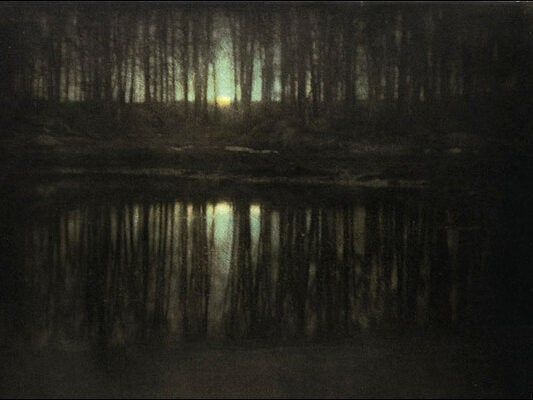
This 1904 photograph sold for $2.9 million in 2006, setting a record at the time. Steichen created the image using platinum and ferroprussiate prints combined with applied color.
Only three prints exist, making it exceptionally rare. The photograph shows a moonlit pond surrounded by trees, rendered in ethereal blues and greens.
Steichen worked in the pictorialist tradition, treating photography as a painterly medium. The image bridges nineteenth-century painting and twentieth-century photography.
Steichen later became one of the most successful commercial and fashion photographers. His early pictorialist work now represents a historical moment when photographers fought for recognition as serious artists rather than mere technicians.
Los Angeles by Andreas Gursky
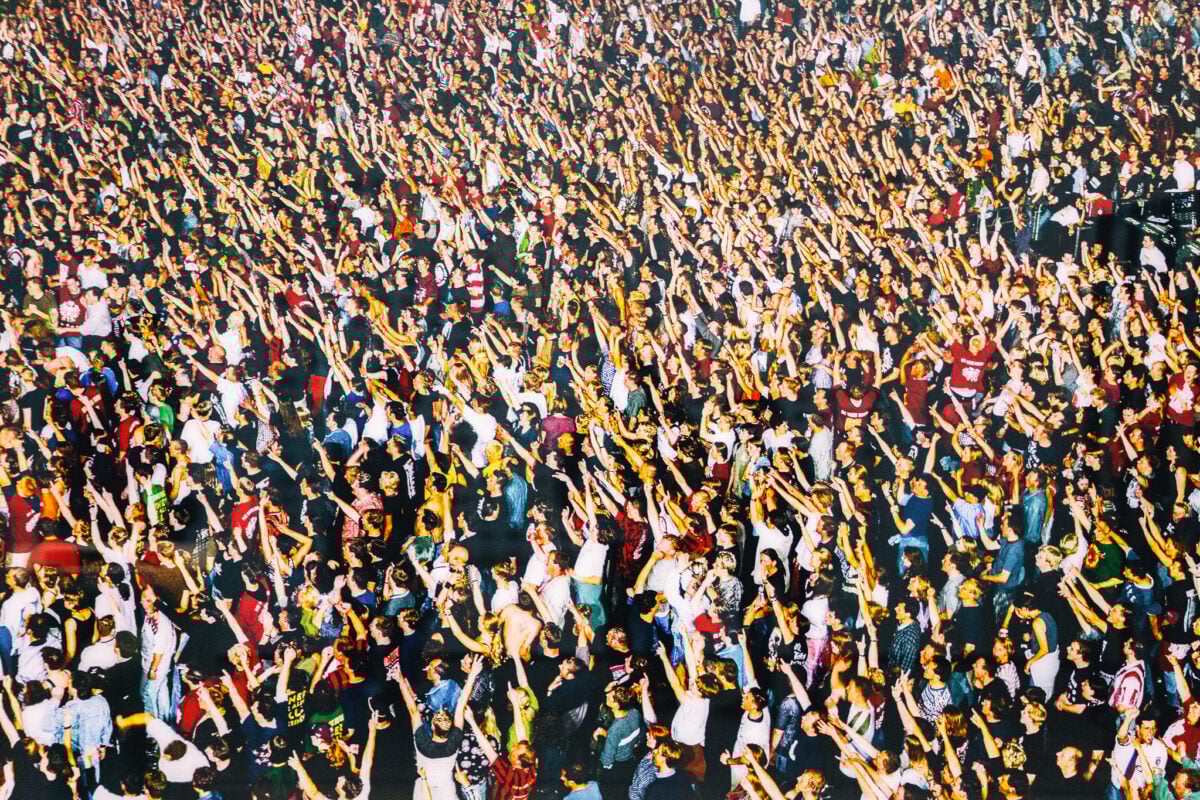
Gursky appears multiple times in this list for good reason. His massive color photographs consistently command high prices.
This 1998 image of Los Angeles freeways at night sold for $2.9 million in 2008. The photograph transforms the city’s highway system into rivers of light.
Cars become abstract elements in a larger pattern. Gursky captures modern life’s speed and complexity through careful composition and digital enhancement.
The image measures nearly 10 feet wide. That scale turns viewers into participants rather than observers.
You feel immersed in the scene rather than just looking at it from outside.
Nautilus by Edward Weston
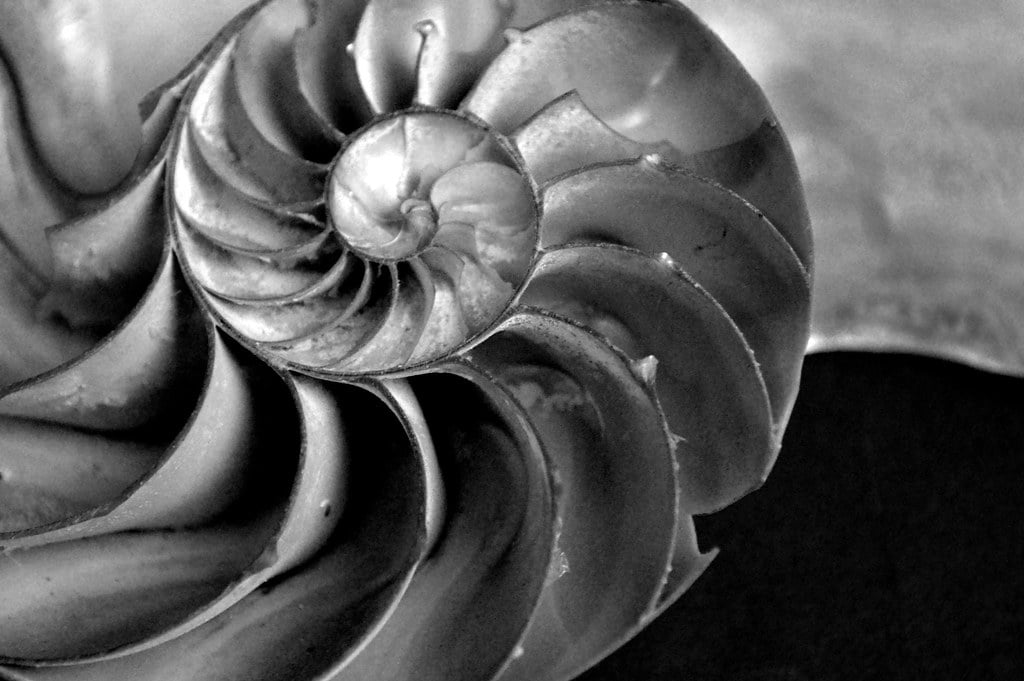
Another Weston photograph, this 1927 image of a nautilus shell sold for $1.1 million in 2010. Weston photographed the shell with intense clarity, revealing every curve and chamber.
The image turns a natural object into an abstract study of form and light. Weston spent years photographing shells, vegetables, and other objects.
He believed photographers should capture subjects with absolute sharpness and precision. His approach influenced the straight photography movement that dominated the medium for decades.
This particular print shows Weston’s technical mastery at its peak. The tonal range, detail, and composition demonstrate why collectors pay premium prices for his original prints.
Billy the Kid Tintype
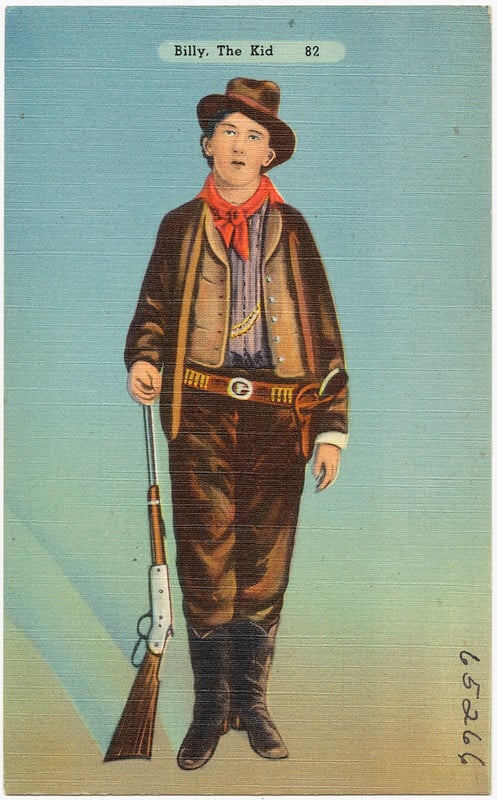
This small tintype from around 1880 sold for $2.3 million in 2011. The image shows a young Billy the Kid holding a rifle, wearing a vest and hat. It’s one of only two known photographs of the famous outlaw.
Historical significance drives the value here. The photograph documents an American legend during the Wild West era.
Collectors of Western Americana competed fiercely for the rare image. The tintype measures just a few inches and shows its age.
The condition matters less than the subject and scarcity. You’re buying a piece of American mythology as much as a photograph.
Dovima with Elephants by Richard Avedon
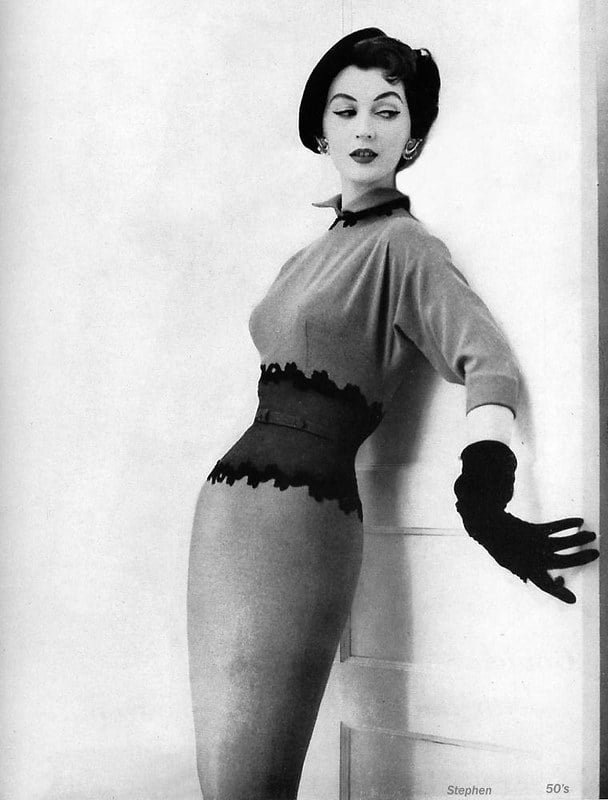
A price of $1.15 million was paid in 2010 for this fashion photo from 1955. Dovima, the model, wears a Dior evening dress while standing between two large circus elephants, shot by Avedon.
Elegance mixed with theatrical flair – this picture shaped how people saw fashion photos in the middle of the twentieth century. Out of stillness came something alive – Avedon set fashion pictures in motion, full of feeling.
You see it here: a moment built sharp on purpose, stuck in your mind. Elegance like Dovima’s meets raw force in those beasts beside her.
One poised entirely, the others huge, grounded, almost heavy enough to tilt the frame. Avedon’s role in shaping photography went beyond ads.
Rarely does clothing imagery land in high-end galleries – this auction proved it can.
When Images Become Assets
One hundred years changed how people see photographs. Big sale numbers show what once was a skill became valued like paintings.
Places that display art fight wealthy buyers to get rare images. Money groups have started adding photos alongside classic assets.
Value often comes from age, clever design, small print runs, or who made it. Yet what people like changes, so does when they buy.
A photo worth a fortune now could’ve gathered dust long before. Numbers on tags speak just as much of buyers and their times as they do of images hanging there.
Sometimes quiet things shout later. Someone saw worth in these pictures long before prices rose.
Here lies the risk of saving objects. What you hold now might matter deeply later.
Future eyes decide what counts.
More from Go2Tutors!

- The Romanov Crown Jewels and Their Tragic Fate
- 13 Historical Mysteries That Science Still Can’t Solve
- Famous Hoaxes That Fooled the World for Years
- 15 Child Stars with Tragic Adult Lives
- 16 Famous Jewelry Pieces in History
Like Go2Tutors’s content? Follow us on MSN.



