25 Things at Grandma’s House That Turned Out to Be Valuable
There’s something about a grandmother’s house that feels like a museum curated by someone who never meant to be a curator. Shelves lined with ceramic figurines, closets packed with quilts, a drawer in the kitchen that’s just full of things with no obvious category.
Most of it, you assumed growing up, was simply old. Sentimental at best, clutter at worst.
Turns out, that assumption was wrong — sometimes spectacularly wrong. Antique dealers, estate sale specialists, and auction houses have spent decades quietly marveling at what gets pulled out of ordinary homes.
Here are 25 things that people dismissed, donated, or nearly threw away — only to discover they were sitting on something genuinely valuable.
Cast Iron Skillets
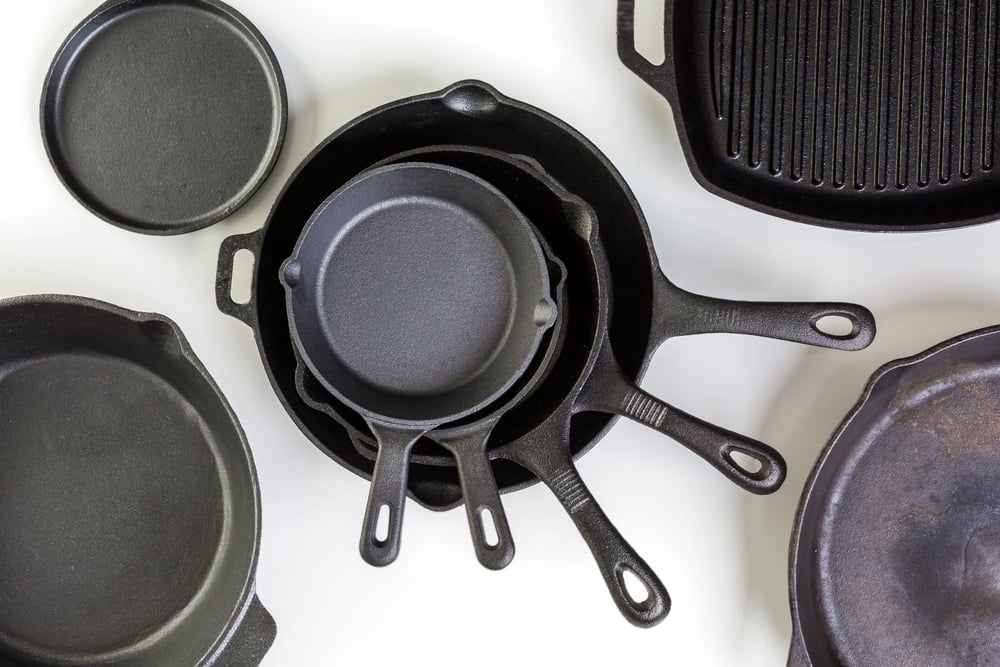
Griswold and Wagner cast iron skillets from the early 1900s regularly sell for hundreds of dollars at auction. The heat distribution is still unmatched by most modern cookware, which is part of why collectors and serious cooks both want them.
A spider skillet — the kind with legs, made for cooking over open fire — can fetch even more.
Depression Glass
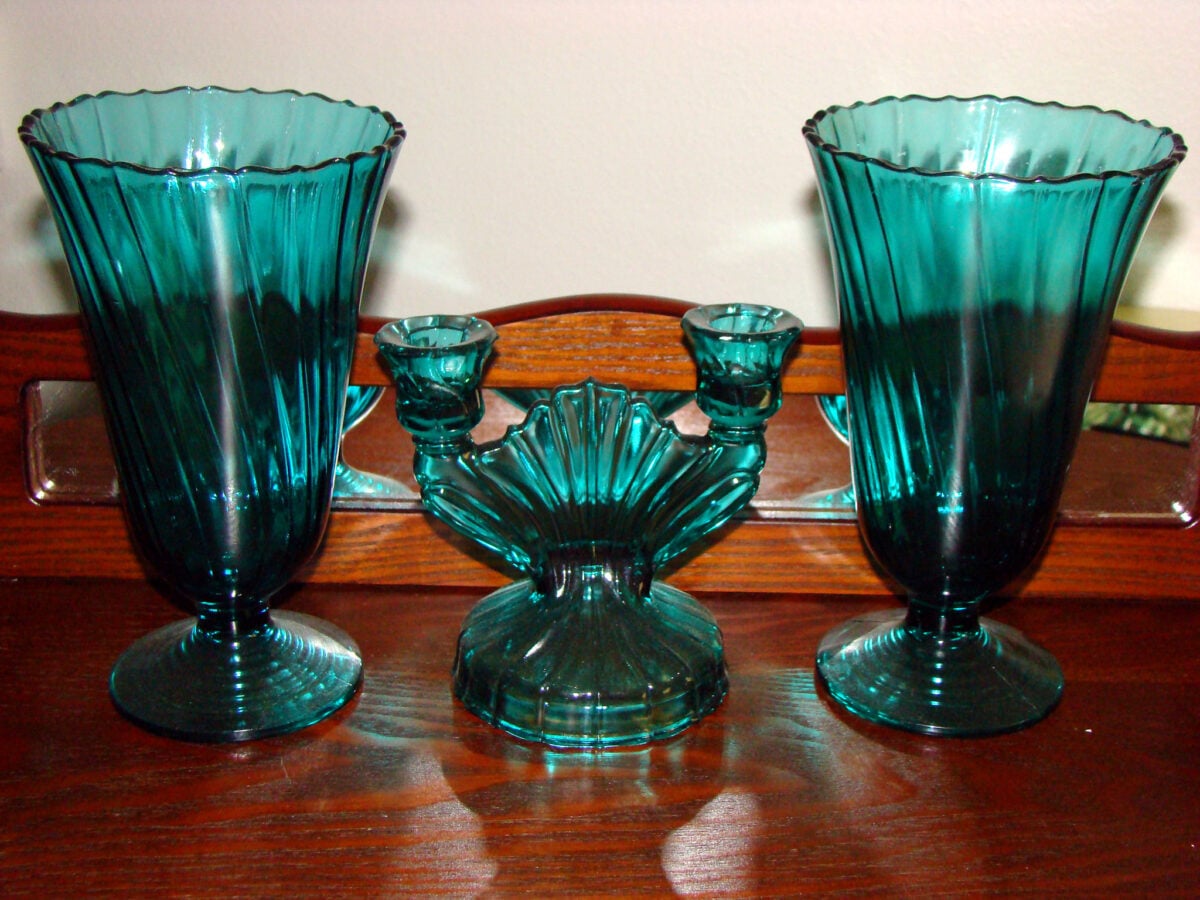
Depression glass has a quiet kind of beauty to it — the way pink or amber light moves through those pressed-glass dishes feels less like kitchenware and more like something rescued from a forgotten afternoon. It was manufactured cheaply in the 1920s and ’30s, given away in cereal boxes and flour sacks, and somehow most of it survived.
Complete sets in rare colors like tangerine or ice blue are worth several hundred dollars, and a single piece in a scarce pattern can surprise you at appraisal.
Vintage Pyrex
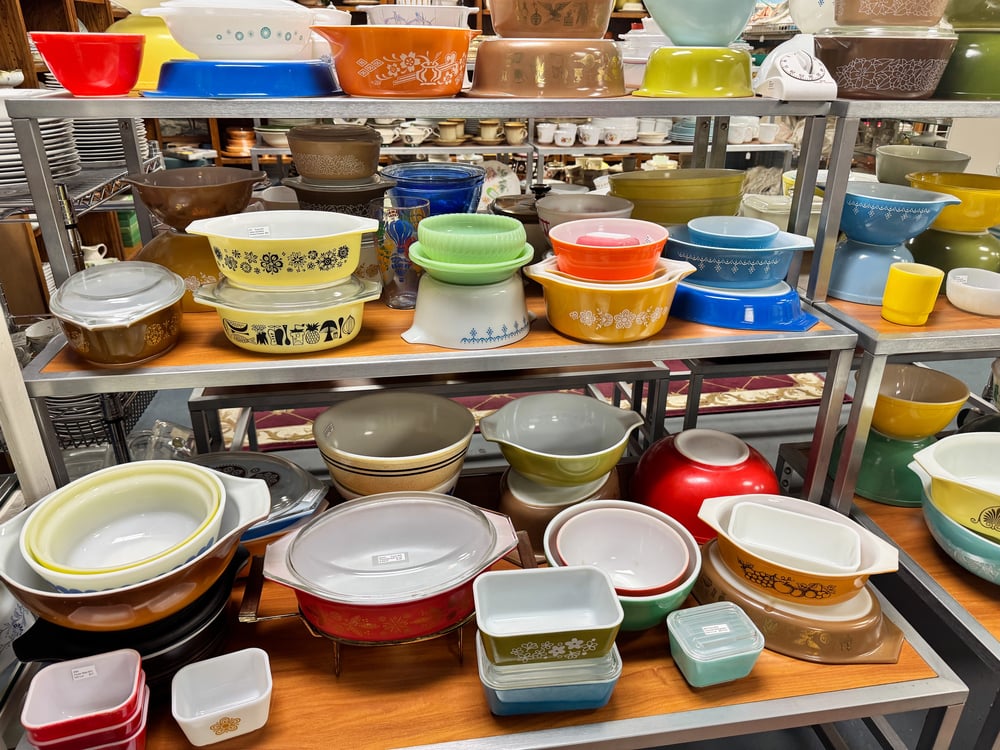
Vintage Pyrex is worth real money and that’s not up for debate. Patterns from the 1950s and ’60s — Butterprint, Gooseberry, Lucky in Love — regularly sell for $50 to $300 per piece, depending on rarity and condition.
The pink Butterprint casserole dish, the one that looks like it belongs on a retro diner shelf, is among the most sought-after, which is saying something for a baking dish.
Old Postcards
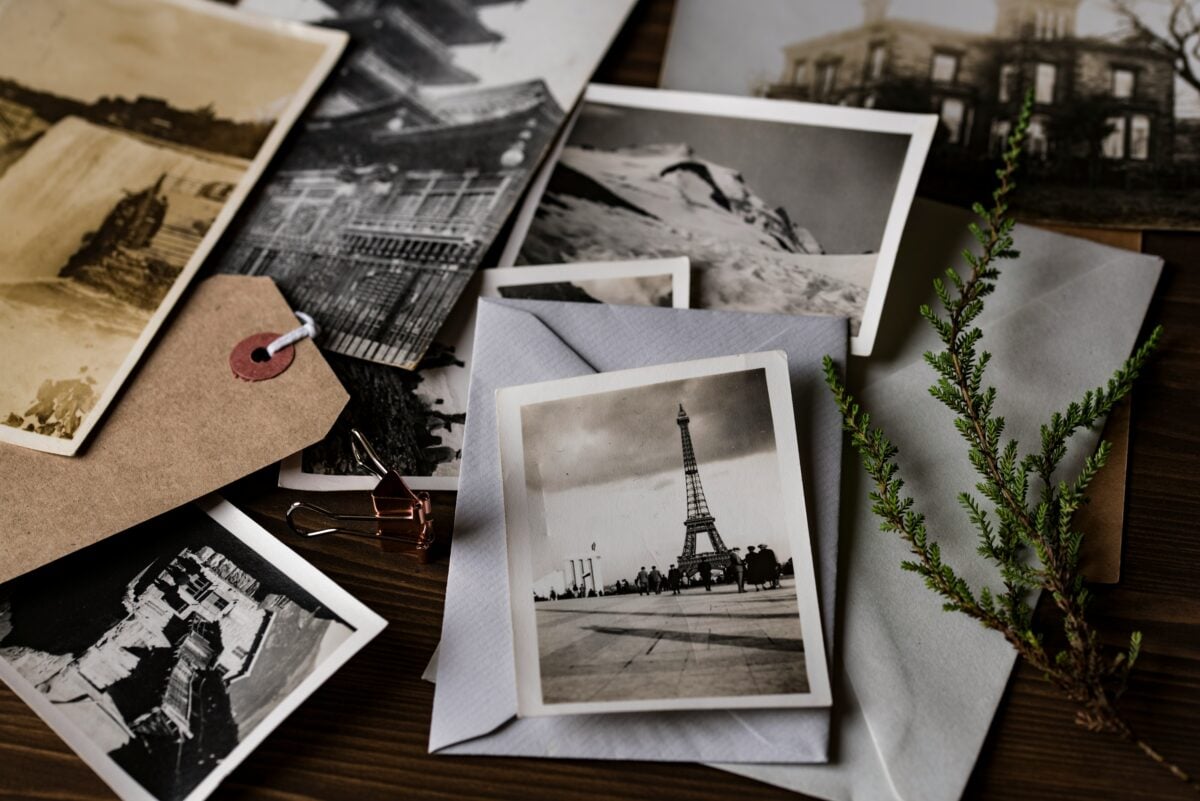
Postcards from the early 1900s accumulate quietly in shoeboxes and sideboard drawers, and most people slide past them without a second thought — but a real paper postcard from 1907, especially one depicting a small town that no longer exists as it did, is the kind of object that carries its own specific gravity. Rare “hold-to-light” postcards (the kind with hidden images that appear when backlit) are particularly desirable, and real photo postcards — actual photographic images printed on postcard stock — can sell for $10 to several hundred dollars each. So the shoebox is worth opening.
Costume Jewelry
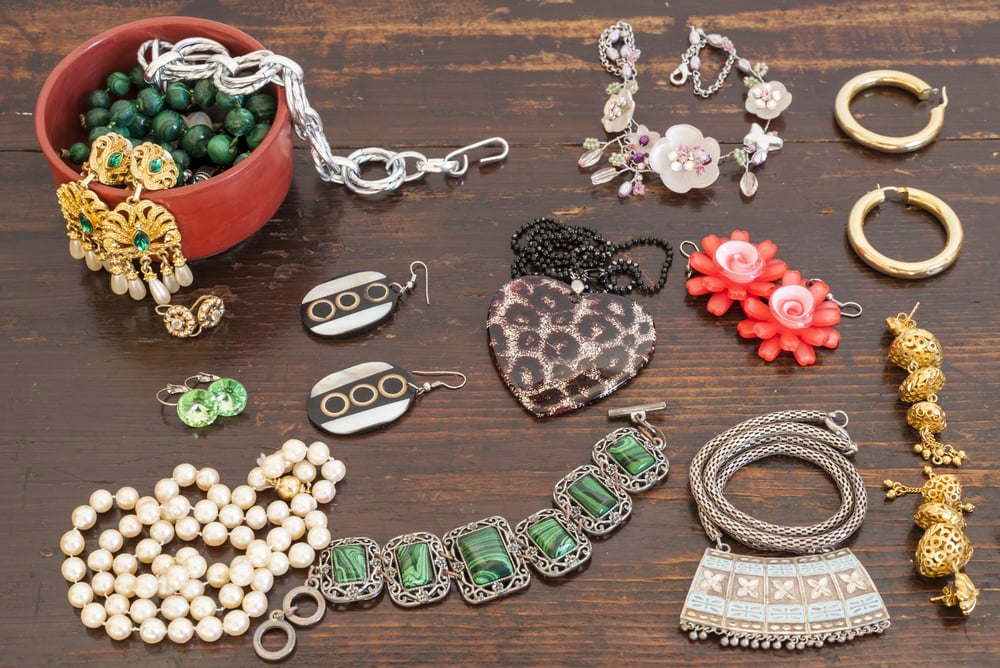
Signed costume jewelry from designers like Miriam Haskell, Trifari, and Eisenberg commands serious prices — a single Haskell brooch can sell for $300 to $600 at auction. The key word is “signed”: unsigned pieces are usually worth far less, but the signature is often stamped on a small disc or plate on the back of the piece.
Grandma’s jewelry box, the one you always thought was just sparkly nonsense, deserves a closer look.
Coin Collections
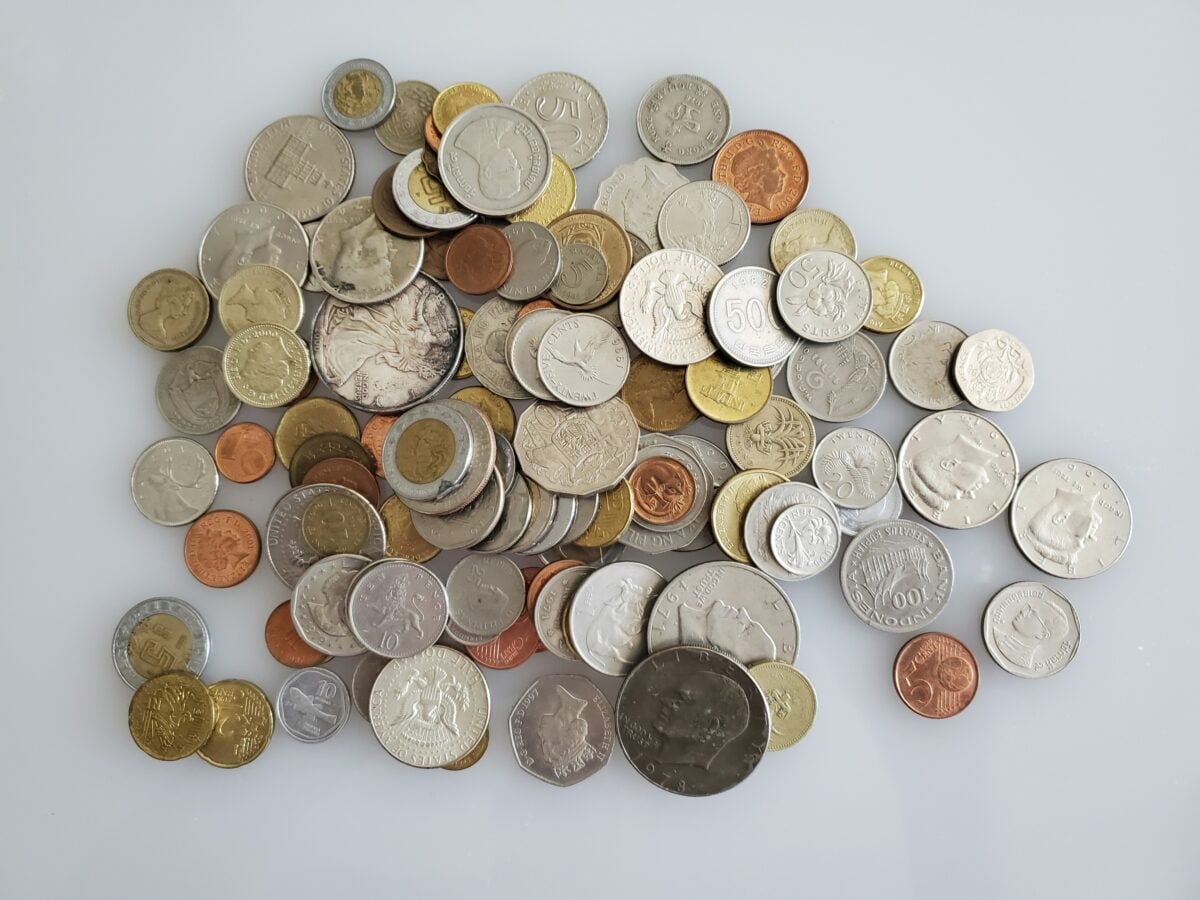
Old coins sit in dresser drawers and forgotten albums like patient arguments waiting to be made. A wheat penny from 1909-S VDB — meaning it was minted in San Francisco with the designer’s initials — is worth thousands of dollars in good condition, and even a mid-grade example clears several hundred.
The thing about coin collections is that one extraordinary piece can exist inside an otherwise ordinary assortment, which is exactly why dismissing the whole tin is a mistake.
Vintage Sewing Patterns
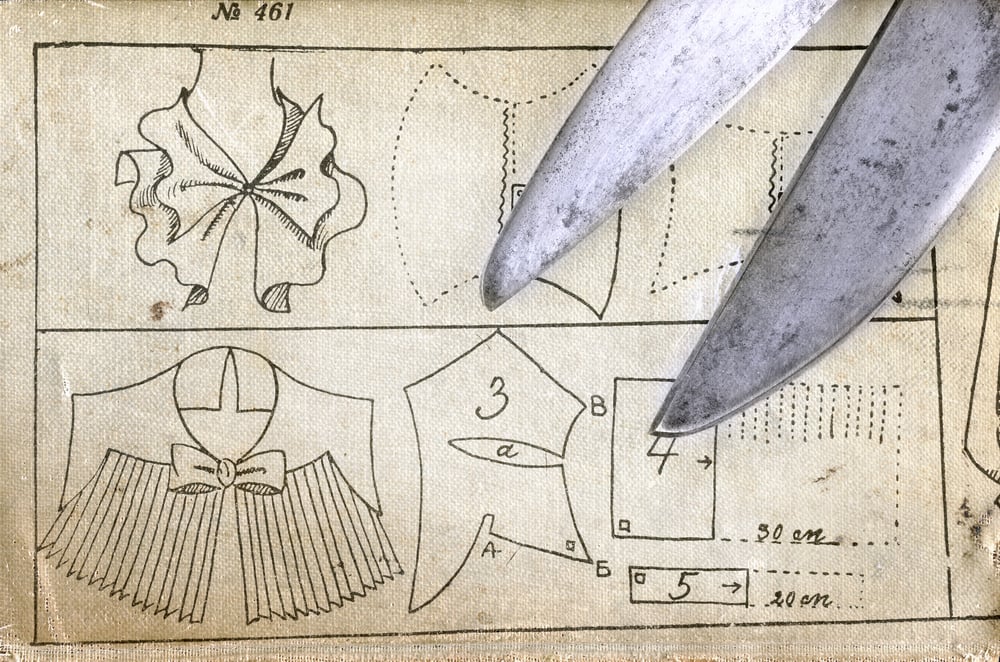
Uncut sewing patterns from the 1940s through the 1960s, especially in smaller sizes, sell for $20 to $150 each on vintage marketplaces. Patterns featuring work by notable designers, or depicting particularly stylish garments from mid-century fashion, attract both collectors and working seamstresses.
The illustration on the envelope matters as much as the pattern itself — sometimes more.
Bakelite Jewelry and Kitchenware
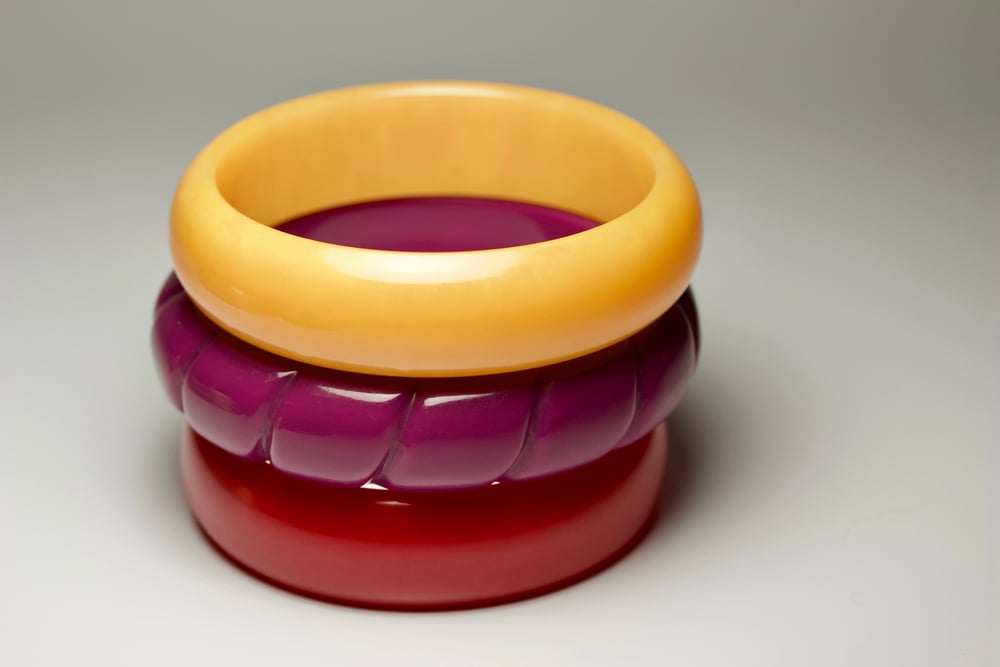
Bakelite — an early synthetic plastic developed in 1907 — has a cult following that shows no sign of cooling down, and a single carved Bakelite bangle in a deep butterscotch or cherry red can sell for $75 to $400 depending on the design. The standard test is a simple one: rub the piece vigorously with your thumb, then smell it — authentic Bakelite releases a faint chemical smell, almost like formaldehyde.
Kitchenware handles, radio casings, and poker chips made from Bakelite are all collectible; the jewelry is simply where the money tends to concentrate.
Vintage Board Games
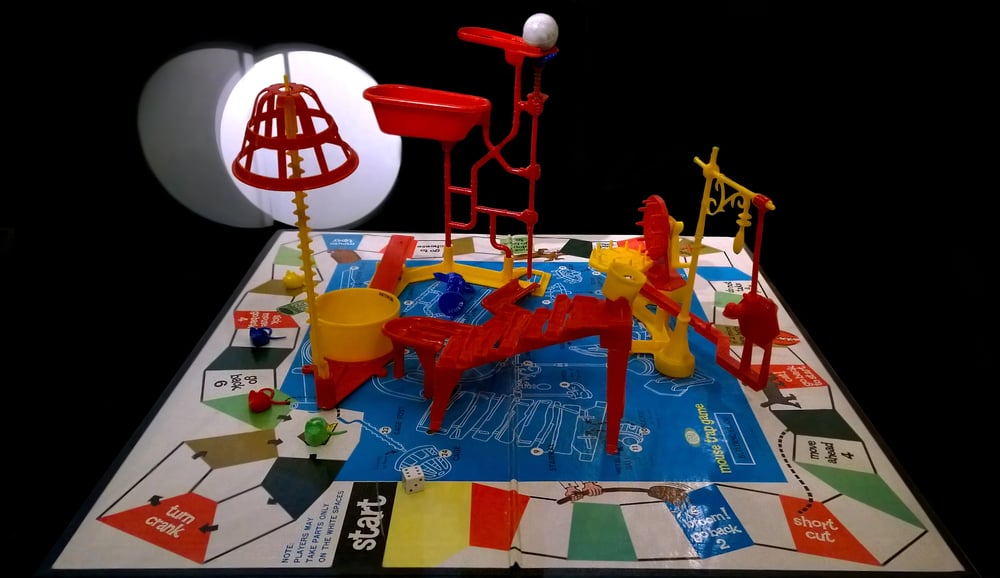
— Illustration by debramillet
A complete copy of the original 1935 Monopoly set — the kind with wooden houses and a handmade quality to the components — is worth significantly more than the mass-market version that replaced it. Pre-war board games in general attract collectors not just for nostalgia but for the quality of the printing and the specificity of the cultural moment they capture.
The completeness of the set matters enormously; missing a single property card or the original dice can cut the value by half.
Hand-Stitched Quilts
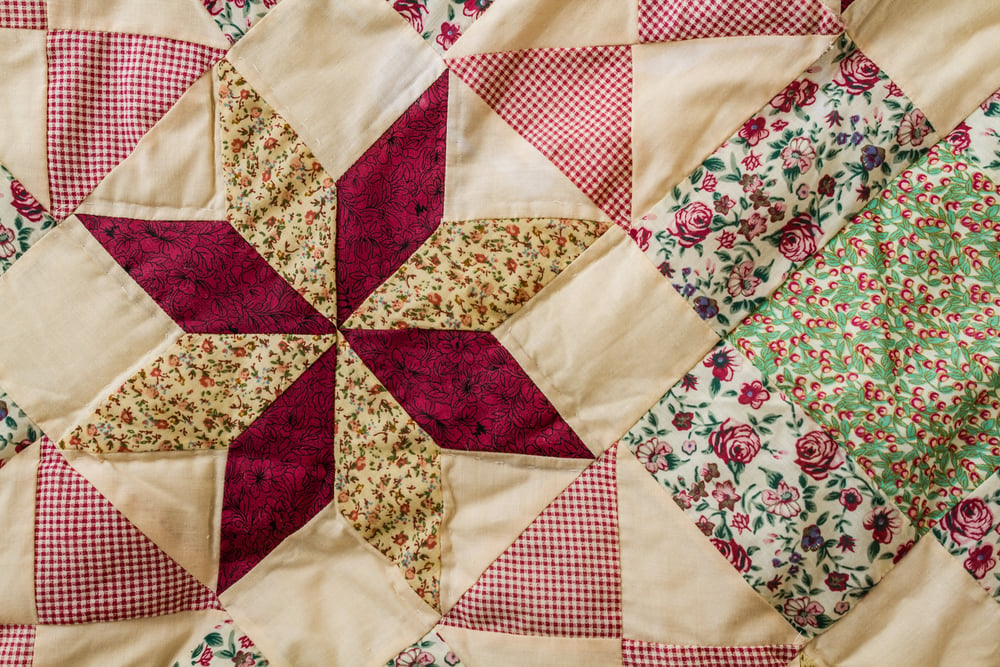
A hand-stitched quilt is a record of time that doesn’t announce itself — the hours folded into it are invisible until someone knowledgeable looks closely at the stitch count per inch. Quilts made before 1940, particularly those in complex patterns like Double Wedding Ring or Log Cabin, have sold at auction for $1,000 to $20,000 depending on condition, provenance, and regional style.
African American quilts, particularly those from the Deep South, are among the most historically significant textiles in American folk art.
First Edition Books

First editions don’t announce themselves from across the room. You have to pick the book up, check the copyright page, and know what to look for — the words “First Edition” or “First Printing,” or a number line that starts at 1. A first edition of a canonical American novel in good condition can be worth thousands of dollars, and even first editions of moderately famous works from the mid-20th century regularly sell for $100 to $500.
The dust jacket, often the first thing to get thrown away, can account for 80 percent of the value.
Vintage Kitchenware Tins
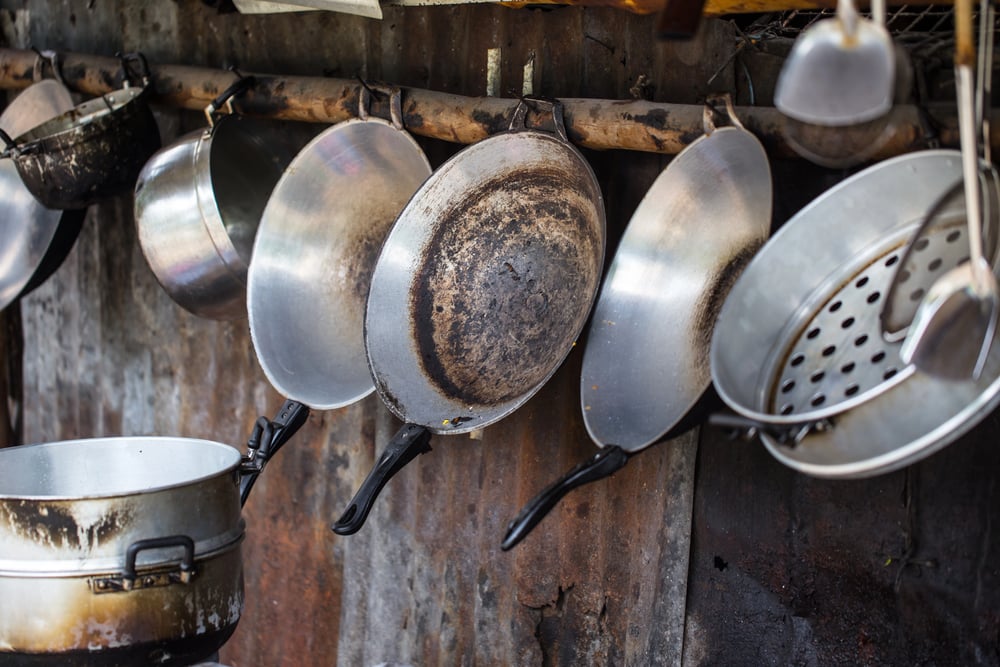
Vintage tins — biscuit tins, cig tins, coffee canisters with lithographed labels — are underestimated almost universally. Tins from the late 1800s and early 1900s featuring vibrant color lithography, particularly those from regional companies that no longer exist, sell for $25 to $200 each.
Go figure: a tin that held shortbread cookies in 1922 is now worth more than the cookies ever were.
Uranium Glass
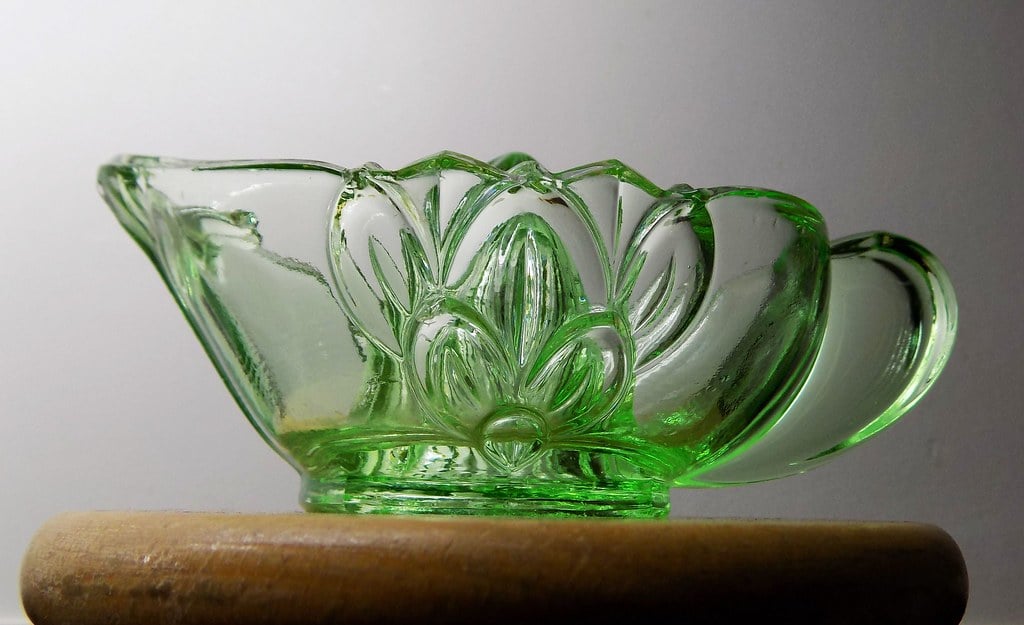
Uranium glass glows bright green under a UV light, which is either unsettling or delightful depending on your disposition. It was produced widely from the 1880s through the 1940s, contains a small percentage of uranium dioxide, and is safe to handle — the radioactivity is negligible.
Collectors pay $20 to $300 per piece, with rare forms like Vaseline glass figurines and art glass vases commanding the higher end.
Old Maps
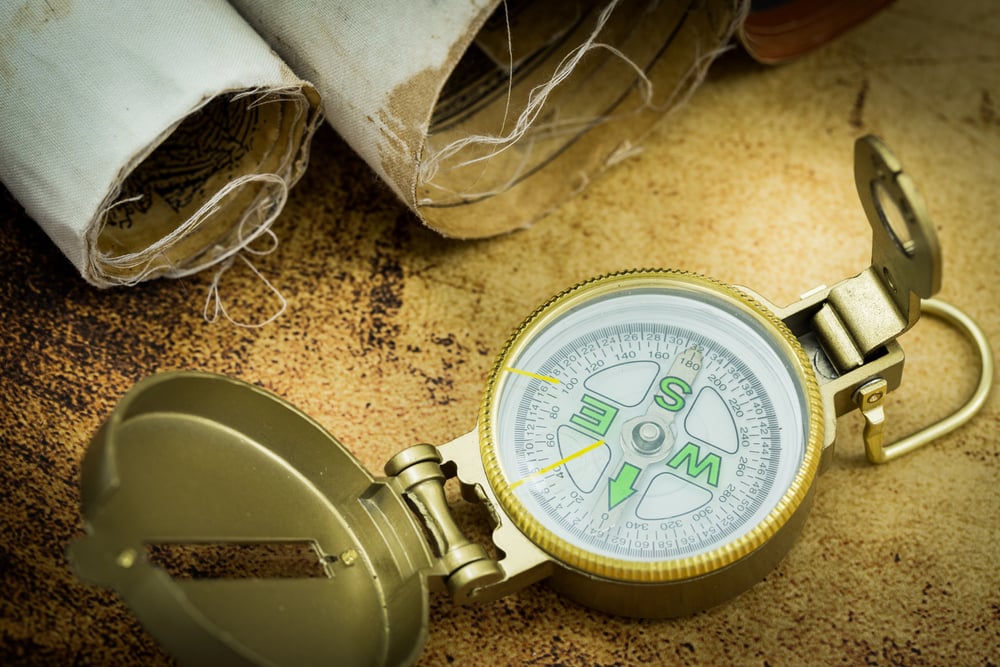
A hand-drawn or engraved map of an American territory from the 1700s or early 1800s is a genuine artifact, and the market for them is robust and specific. Maps that show states before their borders were finalized, or territories that no longer exist in any recognizable form, are particularly desirable — the cartographic inaccuracies that made them useless for navigation are exactly what make them fascinating to collectors now.
Framed and hanging in a hallway, a map like this can look decorative; pulled out at an appraisal, it can look like several thousand dollars.
Vintage Watches
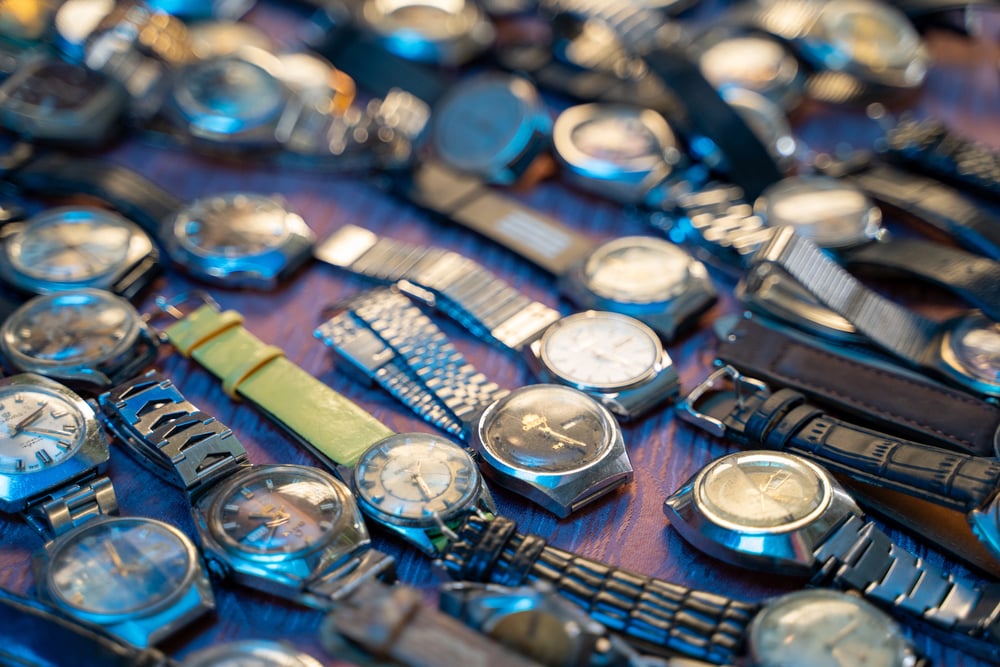
A mid-century mechanical watch from a serious manufacturer — Omega, Longines, Hamilton — is worth reconsidering before it ends up in a donation pile. The Hamilton “Ventura” from 1957, an asymmetrical electric watch made famous by Elvis Presley, regularly sells for $1,000 to $3,000.
Even lesser-known brands from the same era can clear $200 to $500 if the movement is intact and the dial is clean.
Stamp Collections
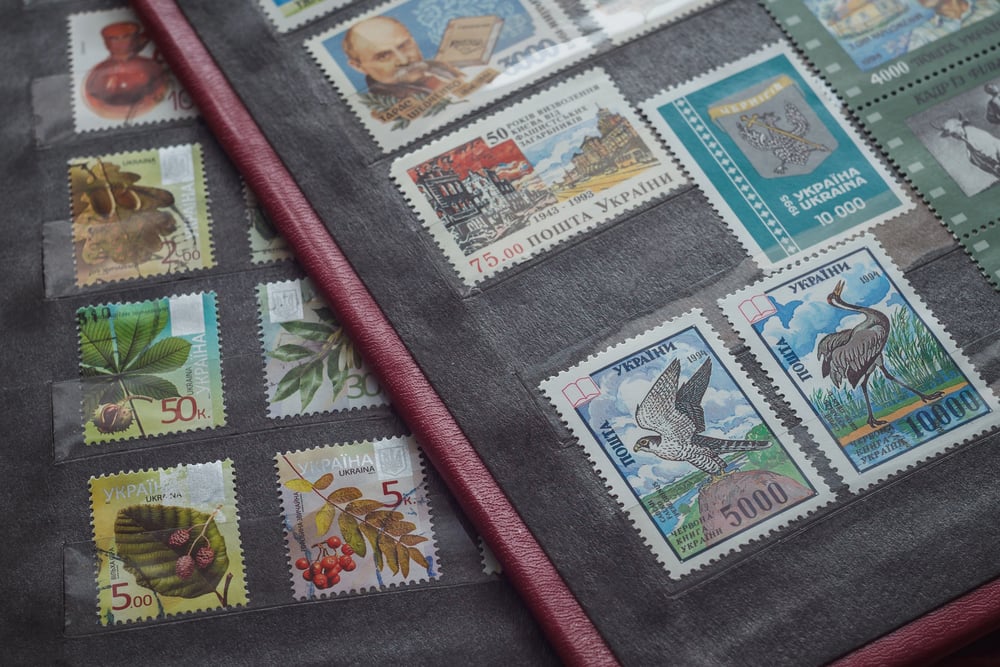
Stamp collecting has a reputation for being the world’s most patient hobby, and that reputation is not entirely undeserved, but the financial upside is real. The 1918 “Inverted Jenny” — a 24-cent airmail stamp printed with the biplane upside down — is one of the most valuable stamps in American philatelic history, with individual examples selling for over a million dollars.
Most collections don’t contain anything that rare, but a comprehensive pre-1940 collection in good condition is routinely worth thousands of dollars to the right buyer.
Depression-Era Furniture
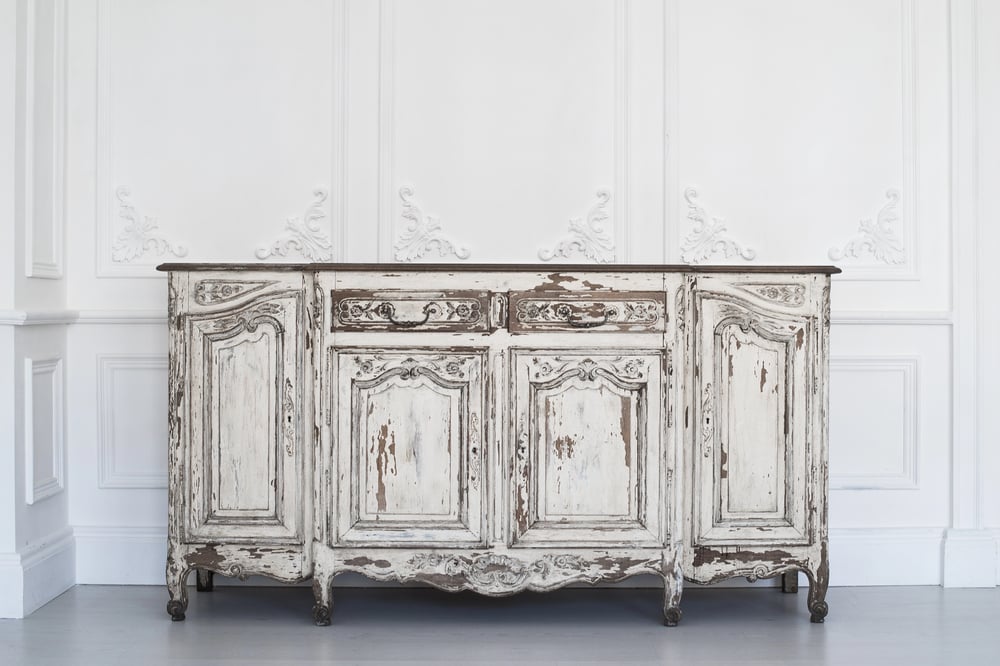
Solid wood furniture made before the mid-20th century was built with materials and craftsmanship that modern flat-pack culture simply doesn’t replicate — a walnut sideboard from 1920 has joinery that will outlast anything manufactured in the last forty years. Mission-style and Arts and Crafts furniture from makers like Gustav Stickley are particularly valuable; a Stickley Morris chair in original finish can sell for $2,000 to $10,000.
The provenance doesn’t need to be fancy; it just needs to be real.
Vintage Perfume Bottles
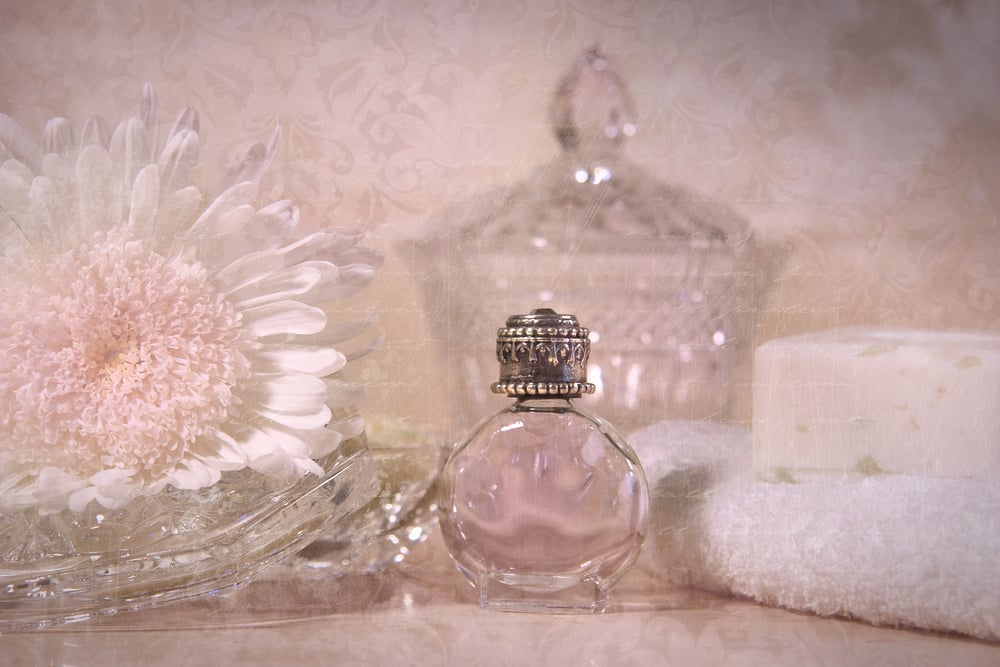
An empty perfume bottle shouldn’t be worth much — and yet the market for vintage flacon glass, particularly pieces made by René Lalique or Baccarat for fragrance houses like Guerlain and Coty, is surprisingly alive. A Lalique-designed bottle from the 1920s can sell for $500 to several thousand dollars depending on the design and condition.
The stopper matters: a bottle missing its original stopper loses a significant portion of its value.
Political Memorabilia
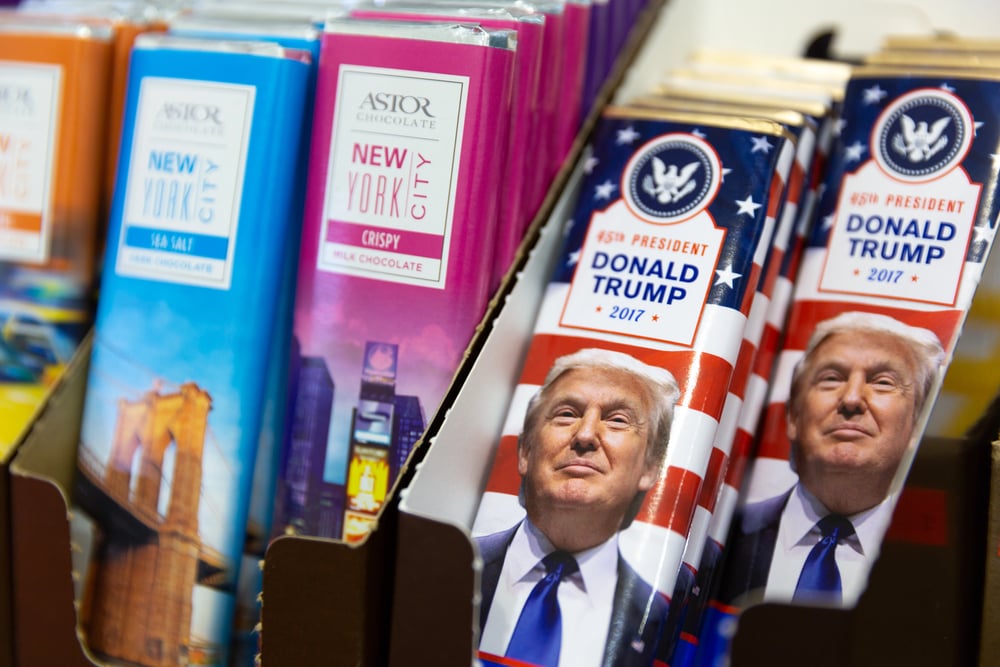
Political buttons, ribbons, and campaign posters from the 19th and early 20th centuries have a collectors’ market that’s both passionate and well-funded. A jugate button — one featuring both the presidential and vice-presidential candidates side by side — from the 1896 McKinley-Hobart campaign can sell for $500 to $1,500.
The rarity of the item matters more than the prominence of the politician, which is why a button from a forgotten third-party candidate is sometimes worth more than one from a president.
Vintage Christmas Ornaments
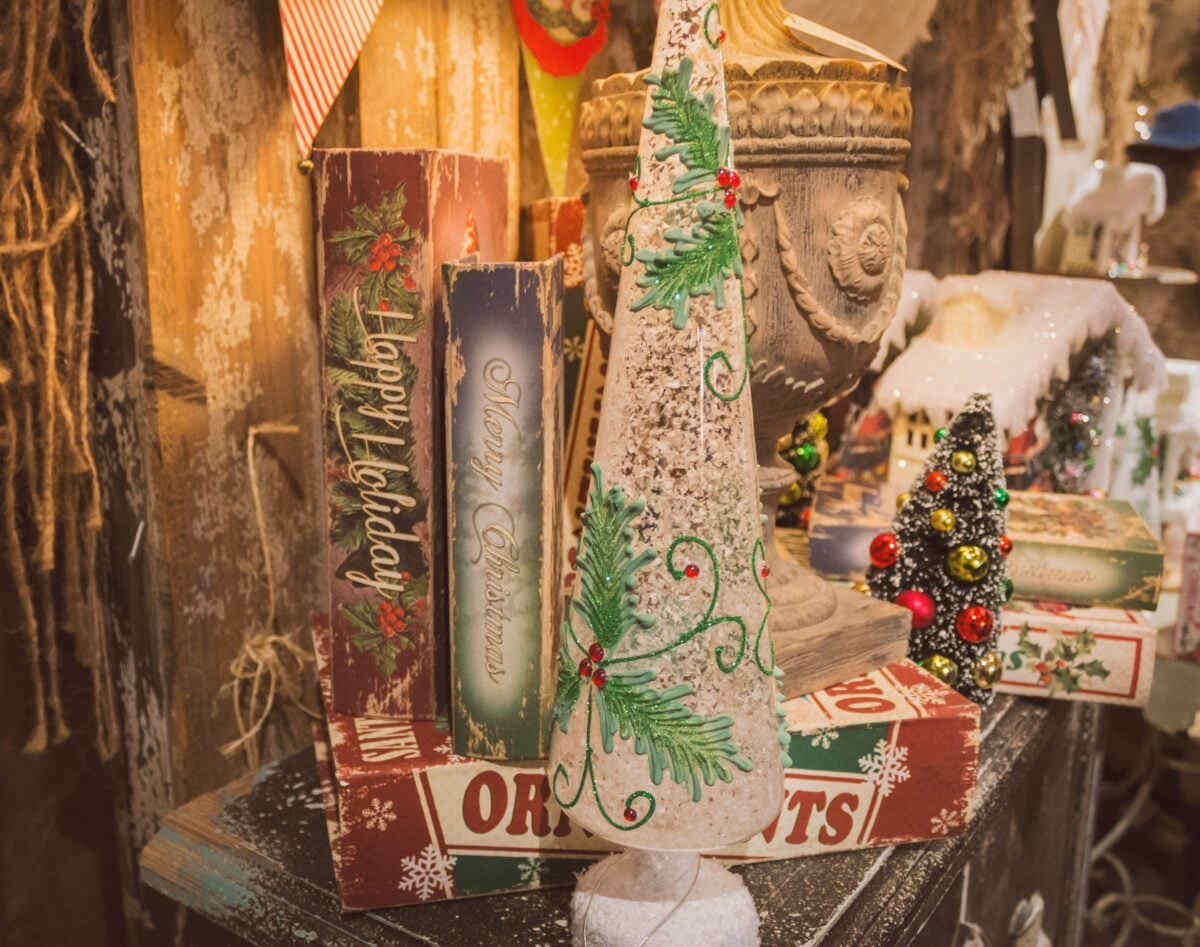
Blown-glass ornaments made in Germany before World War II, particularly those depicting unusual shapes — a pickle, a dirigible, an ear of corn — are worth considerably more than their fragile construction suggests. A single pre-war figural ornament in excellent condition can sell for $100 to $400; a box of them, intact and original, is the kind of thing that antique dealers get quietly excited about.
The silver and gold kugel ornaments — large, plain spheres — are among the most valuable and the easiest to overlook.
Native American Pottery and Textiles
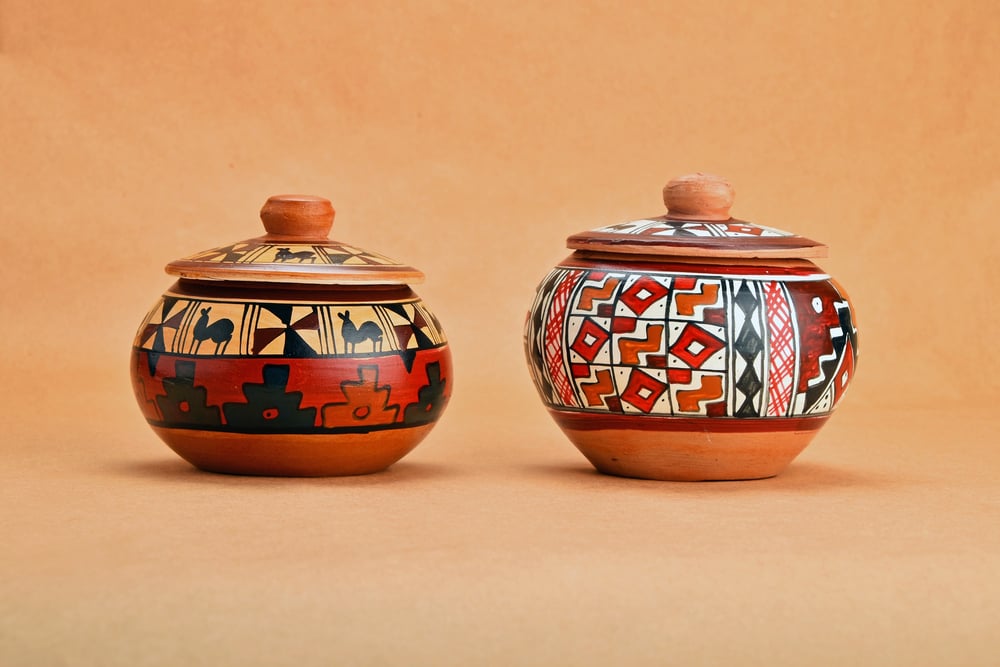
Authentic Native American pottery and woven textiles — particularly Navajo blankets and Pueblo pottery — belong to one of the most serious and heavily regulated corners of the American antiques market. A genuine Navajo Chief’s blanket from the Classic Period (roughly 1800–1865) can sell for hundreds of thousands of dollars at major auction houses.
The Indian Arts and Crafts Act requires authenticity verification, so provenance documentation matters enormously here.
Vintage Toys
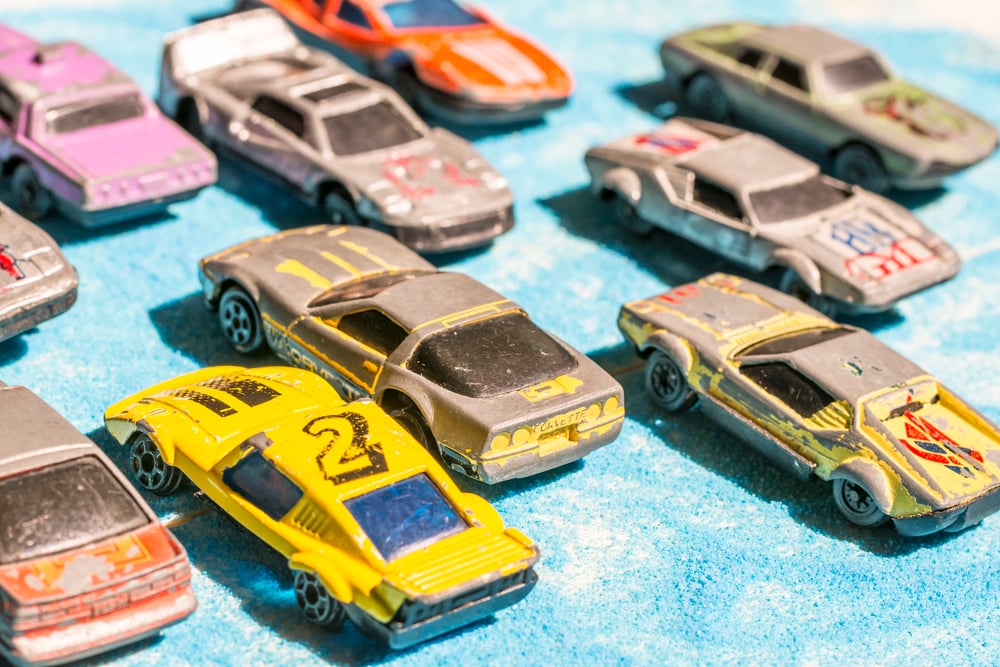
A mint-condition tin toy from the 1950s or a first-run G.I. Joe from 1964 in its original box is the kind of thing that makes grown adults reconsider every toy they ever threw away. Early Barbie dolls from 1959 — the first year of production, with the original swimsuit and the openings in her feet for the stand — regularly sell for $500 to $8,000 depending on condition.
The box is always part of the value; a toy without its original packaging is worth a fraction of what it would be with it.
Silver Flatware
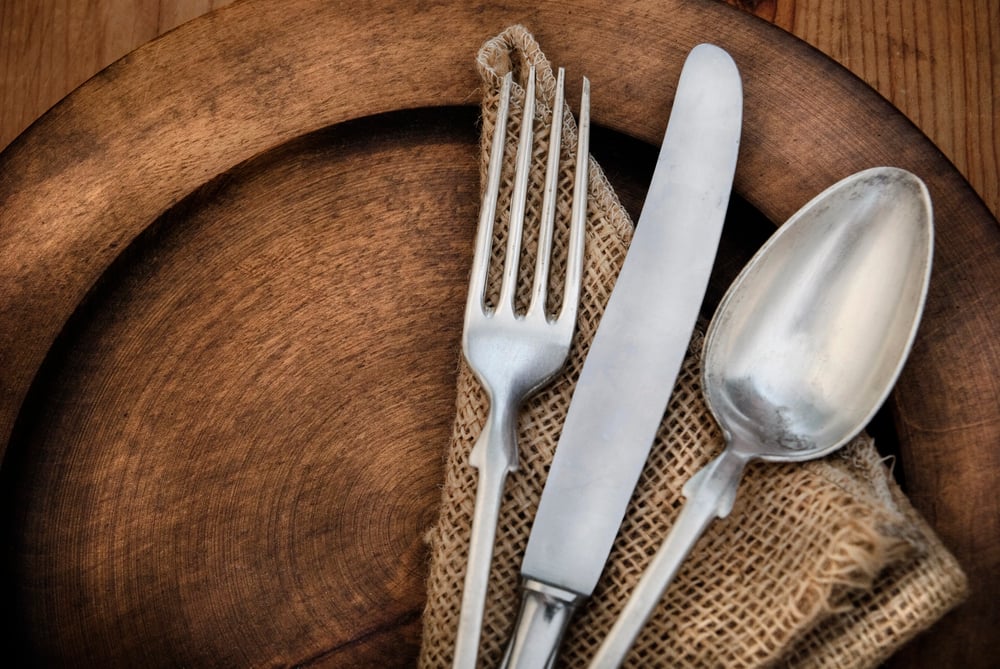
Sterling silver flatware — not silver-plated, but actual sterling, marked .925 — holds value based on silver content alone before the pattern is even considered. A complete service for twelve from a quality American manufacturer like Gorham or Reed & Barton weighs enough silver to be worth several hundred dollars at melt value, and in a desirable pattern, can sell for multiples of that.
The hallmarks on the back of each piece are the thing to check: “Sterling” stamped clearly, not “Silver Plate.”
Vintage Photography Equipment

A Leica M3 rangefinder camera from 1954 — the year of its introduction — is one of the most refined mechanical instruments ever manufactured for civilian use, and the market knows it. Working examples in good condition regularly sell for $1,000 to $3,000, and certain limited-run variants fetch considerably more.
The glass matters as much as the body: Leica lenses from the same era are worth several hundred to several thousand dollars each, which is sometimes more than the camera they came with.
Hand-Painted China Sets
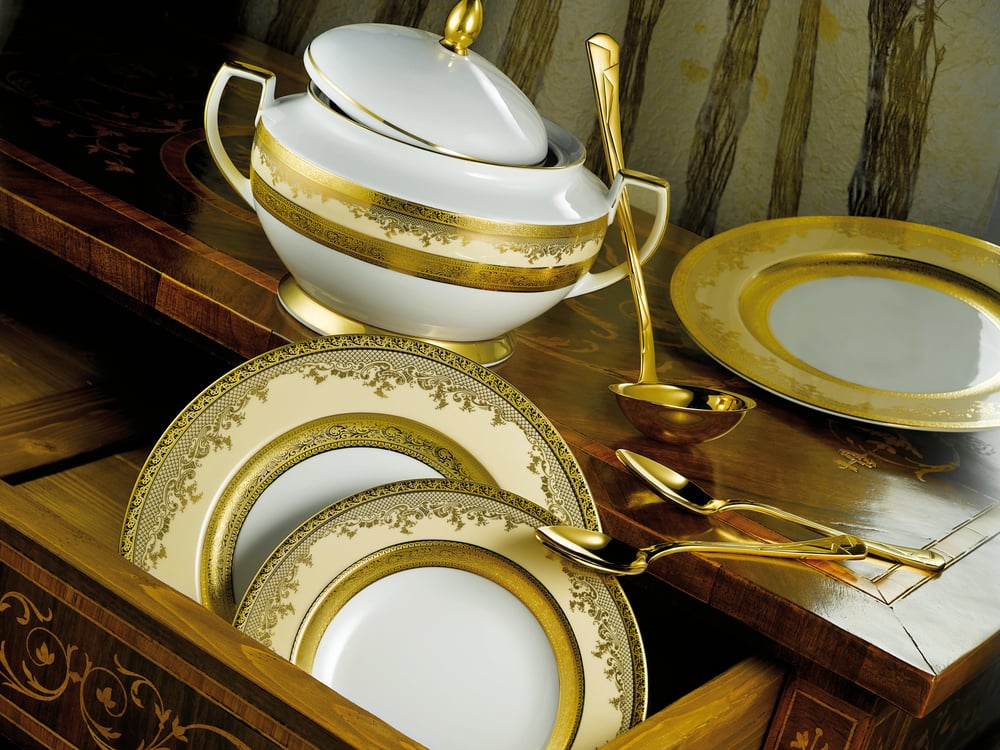
Hand-painted china from European manufacturers — Meissen, Royal Copenhagen, Limoges — carries value that the average kitchen cabinet doesn’t advertise. A complete Meissen dinner service with hand-painted botanical or floral decoration can sell for $5,000 to $20,000 depending on the pattern and the period.
Even partial sets are worth pursuing: a single Meissen platter in a documented pattern can clear $500 to $1,500 at a reputable auction house.
The Weight of Ordinary Things
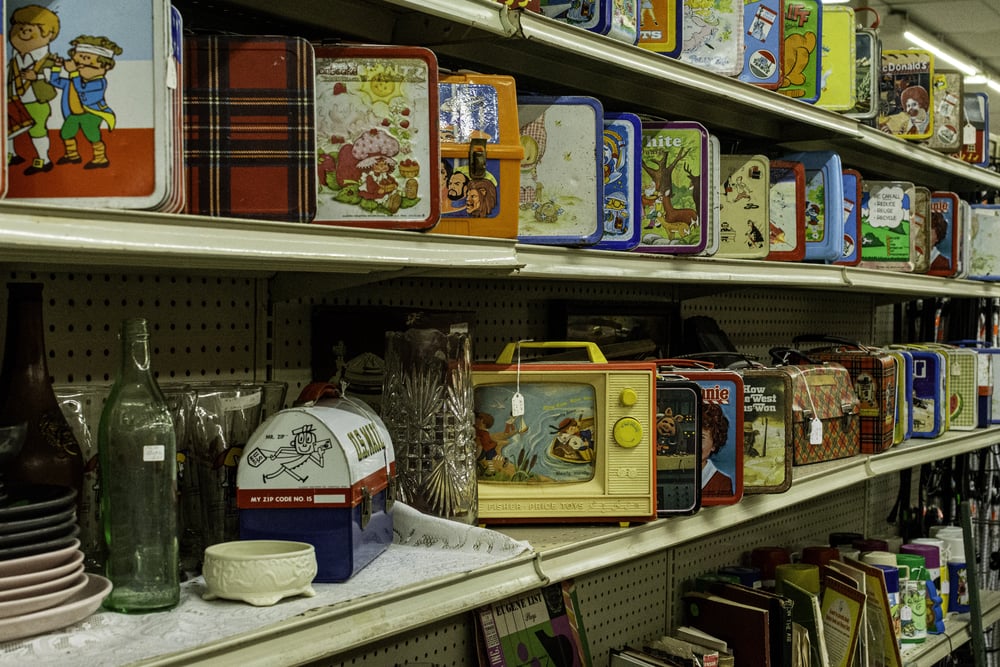
There’s a particular kind of quiet that happens when someone finally picks up the object that’s been sitting on the same shelf for forty years and realizes what they’ve been living next to. It’s not just about money — though the money is real and sometimes startling. It’s about the way ordinary domestic life turns out to be threaded through history: the Depression-era glass that was a giveaway prize, the cast iron skillet that cooked a century of meals, the ornament that survived a war in a cardboard box.
Grandma wasn’t hoarding. Turns out, she was keeping.
More from Go2Tutors!

- The Romanov Crown Jewels and Their Tragic Fate
- 13 Historical Mysteries That Science Still Can’t Solve
- Famous Hoaxes That Fooled the World for Years
- 15 Child Stars with Tragic Adult Lives
- 16 Famous Jewelry Pieces in History
Like Go2Tutors’s content? Follow us on MSN.