15 Surprising Ways Schools Tackle Bullying Globally
Bullying continues to plague school environments worldwide, crossing boundaries of culture, wealth, and geography with stubborn persistence. Traditional approaches like detention and zero-tolerance policies haven’t quite delivered the promised results, prompting educators across continents to experiment with fresh, sometimes unconventional strategies that dig deeper into why bullying happens in the first place.
Schools everywhere are moving beyond the basics to implement some genuinely unexpected anti-bullying tactics. Here is a list of 15 creative approaches that schools worldwide have adopted to combat bullying behaviors.
Martial Arts Training
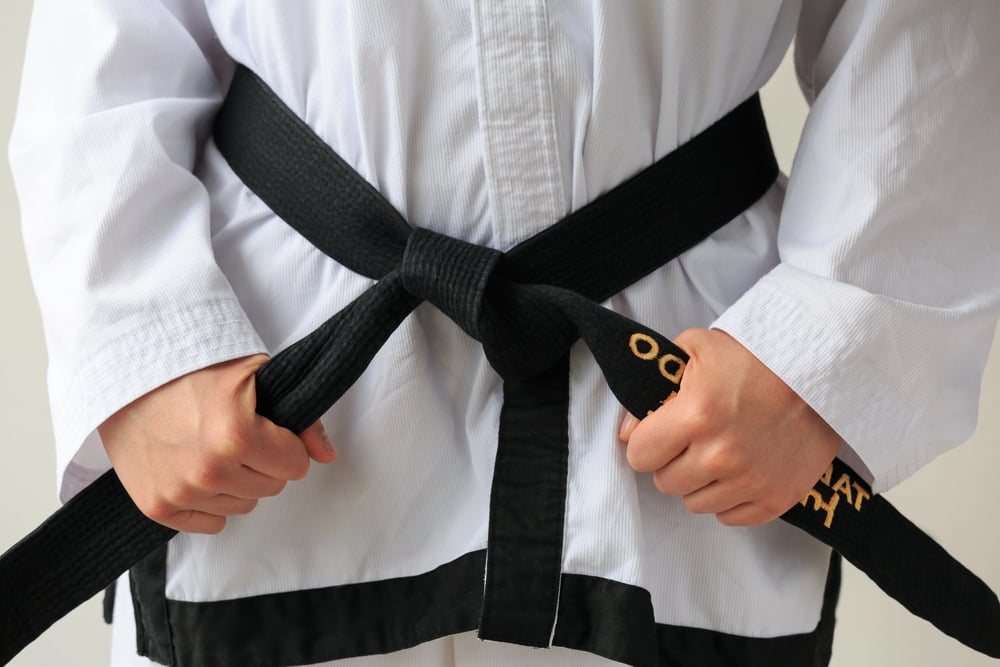
Japanese schools focus on developing character rather than producing fighters through martial arts instruction. Along with learning physical skills, students who practice judo and aikido also gain important life lessons like self-control and respect.
Instead of exalting battle skills, these programs help children learn about their physical and emotional capacities, laying the groundwork for self-discipline that goes well beyond the training mat. True mastery, according to the basic principle, entails avoiding conflict rather than controlling it.
Reverse Mentorship Programs

In Finland’s innovative school system, educators pair older students who’ve displayed bullying tendencies with younger pupils through structured mentorship programs – with a twist. The former bullies must teach skills they’re good at (sports, music, math) to younger students.
This clever role reversal transforms negative power dynamics into positive ones – bullies discover there’s satisfaction in helping others rather than hurting them. Many who once intimidated peers later become passionate anti-bullying advocates after experiencing this shift in perspective.
Animal-Assisted Intervention
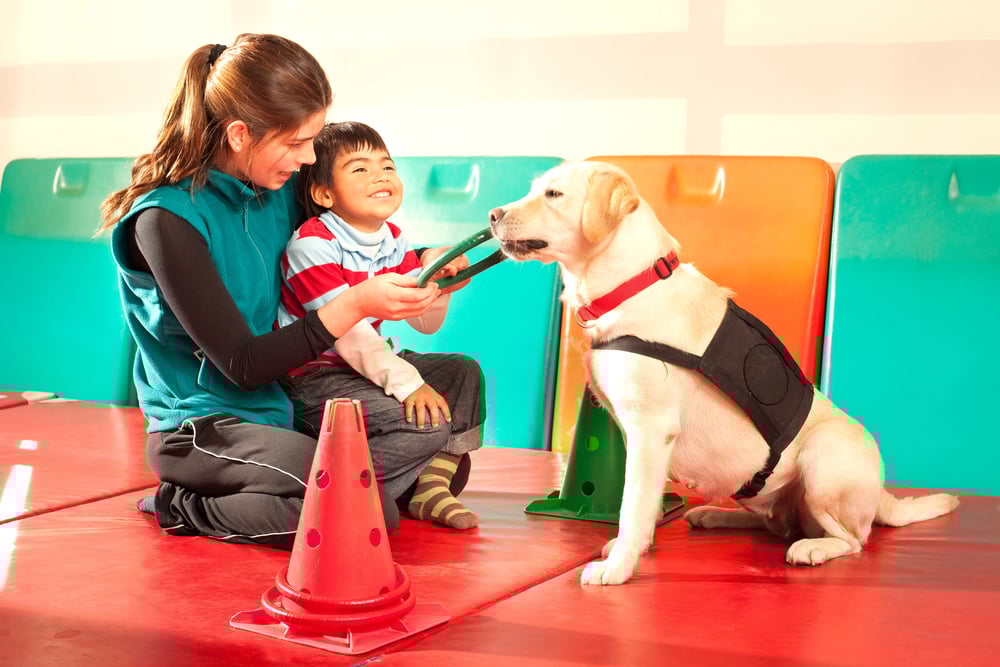
Therapy animals – from gentle dogs to miniature horses – have found their way into Canadian classrooms to teach empathy where traditional methods failed. Kids struggling with aggressive behaviors often form surprising connections with these vulnerable creatures.
Taking responsibility for an animal’s well-being teaches gentleness through practical experience – while the non-judgmental presence of animals creates safe spaces for troubled students to express feelings they’ve kept bottled up. These emotional breakthroughs often translate directly to improved peer relationships.
Silent Lunch Tables

Australian educators came up with a remarkably effective approach – designated tables where students involved in bullying incidents eat together in complete silence. Instead of speaking, they communicate through writing notes and drawing pictures – deliberately slowing down interaction and forcing thoughtful expression.
This technique prevents heated exchanges from escalating while creating space for reflection. Many students discover misunderstandings or perspectives they’d never considered when forced to communicate without the immediate gratification of verbal sparring.
Community Service Integration
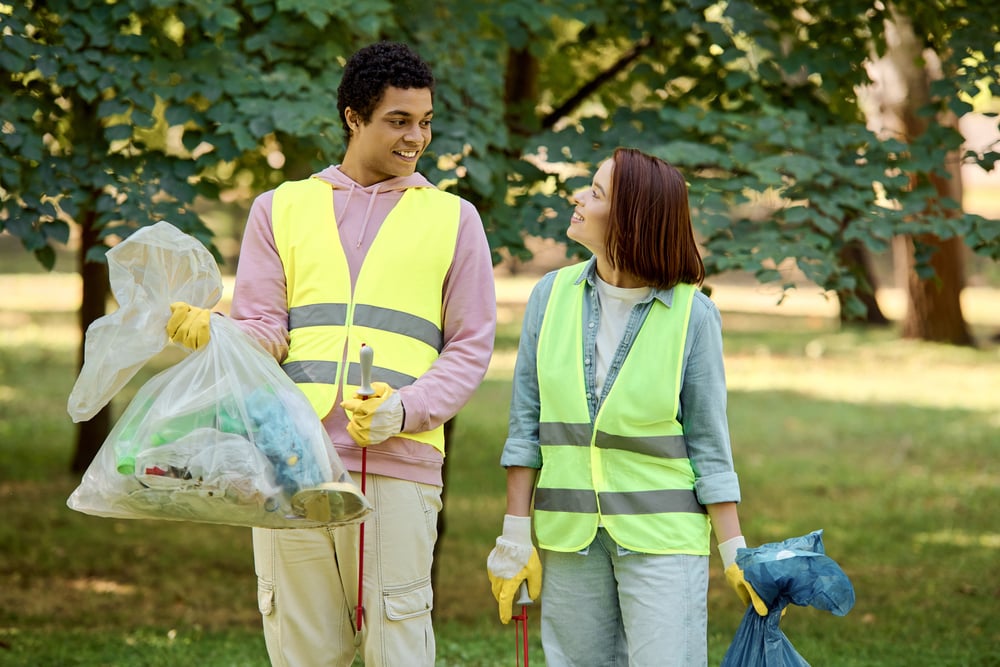
In order to combat bullying, South African schools assign participating students to work alongside one another on community service projects, such as cleaning up communities, helping the elderly, or mentoring younger kids. Former enemies frequently find common ground that they were unaware of when they work together for the sake of others.
The emphasis drastically changes from individual disputes to group efforts, forging connections via common experiences that often outlast the initial confrontations.
Role-Reversal Theater

Brazilian educators utilize theatrical techniques that require bullies and targets to switch places in carefully supervised performances. The bully must portray the experience of being victimized – while targets temporarily step into authority roles.
This experiential approach cuts through intellectual barriers to create genuine emotional understanding. Students frequently report profound perspective shifts after literally walking in another’s shoes – gaining insights no lecture could ever provide.
Parent Shadowing

Some American schools implement what might be the ultimate accountability measure – requiring parents of bullies to attend school for an entire day, shadowing their child through all classes and social periods. Though controversial, this approach creates immediate consequences while giving parents unprecedented insight into their child’s social world.
Teachers note that this intervention often reveals family patterns contributing to bullying behaviors – opening doors for whole-family support rather than just focusing on the child’s actions.
Mindfulness and Meditation Programs

Thai schools incorporate daily meditation practices – teaching students emotional regulation alongside academic subjects. Instead of simply punishing negative behaviors after they occur, these programs help children recognize and manage the emotional triggers that precede aggression.
The overall school environment becomes noticeably calmer – while students developing behavior problems gain practical tools to recognize and redirect their impulses before acting on them.
Anonymous Reporting Apps

Estonia’s digitally advanced schools leverage technology through smartphone applications enabling anonymous reporting of bullying incidents. These platforms include features for submitting evidence – screenshots or recordings – creating accountability without exposing vulnerable reporters to retaliation.
This technological solution addresses one of the biggest barriers to intervention – the fear that speaking up will make things worse – dramatically increasing the likelihood that bystanders will report problematic behaviors.
Friendship Benches
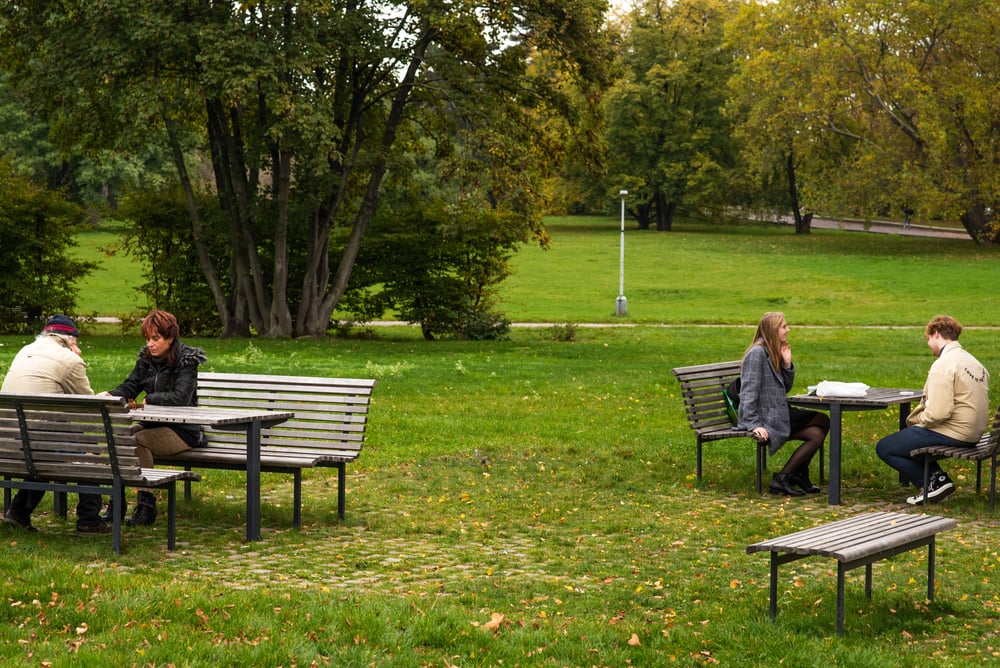
Primary schools across the UK have installed brightly painted ‘friendship benches’ in playgrounds – simple seats where students feeling isolated can sit to signal they’d welcome company. Other children learn to recognize this visual cue and include these students in activities – addressing loneliness without requiring vulnerable verbal requests.
This straightforward intervention prevents the isolation that often precedes bullying situations, creating opportunities for connection before problems develop.
Social Skills Gaming

Israeli schools utilize specially designed board games and video games simulating social scenarios with rewards for cooperative behavior. These games create consequence-free spaces to practice conflict resolution and empathy while receiving immediate feedback.
The gaming format engages reluctant participants who might tune out traditional anti-bullying messages, making the learning process both effective and enjoyable. Students develop crucial social skills almost without realizing they’re being taught.
Cross-Age Teaching
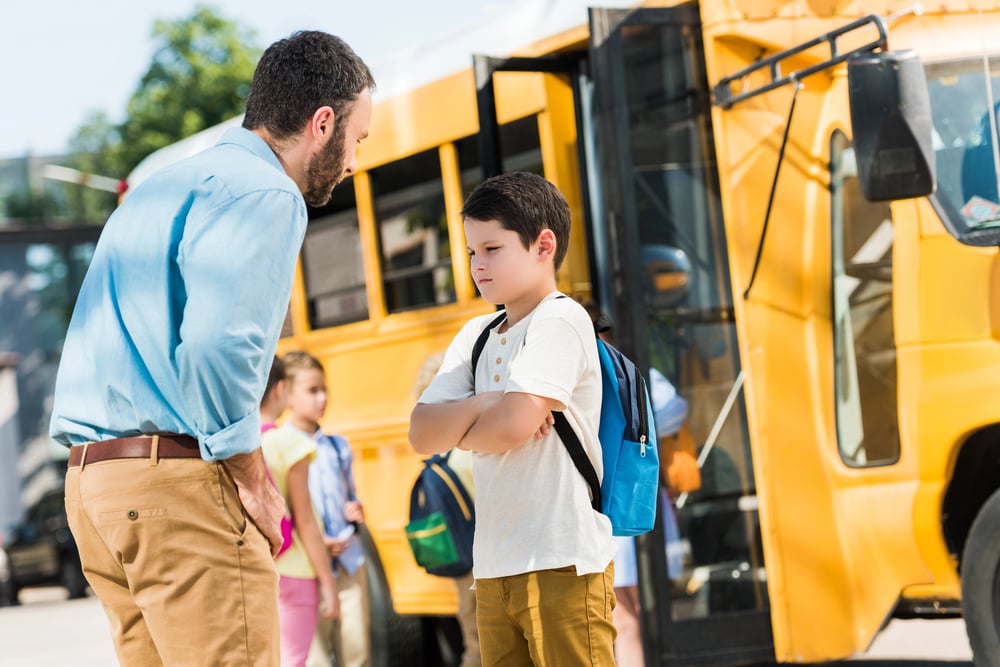
New Zealand educators assign older students who previously bullied others to create and teach anti-bullying lessons to younger classes. This transformation from problem student to expert fundamentally reshapes identity while reinforcing positive behavioral changes.
Younger students benefit from relatable role models who truly understand bullying dynamics, while former bullies gain a powerful sense of purpose by helping others avoid their previous mistakes.
Restorative Circles

Indigenous-inspired practices in Canadian schools replace traditional punishment with community healing circles bringing together everyone affected by bullying incidents. These structured conversations focus on understanding harm and collaborative solutions rather than blame and punishment.
The process helps bullies comprehend the full impact of their actions while giving targets a voice in determining a meaningful resolution. Unlike punitive approaches that often drive bullying underground, restorative practices address root causes directly.
Emotional Intelligence Curriculum
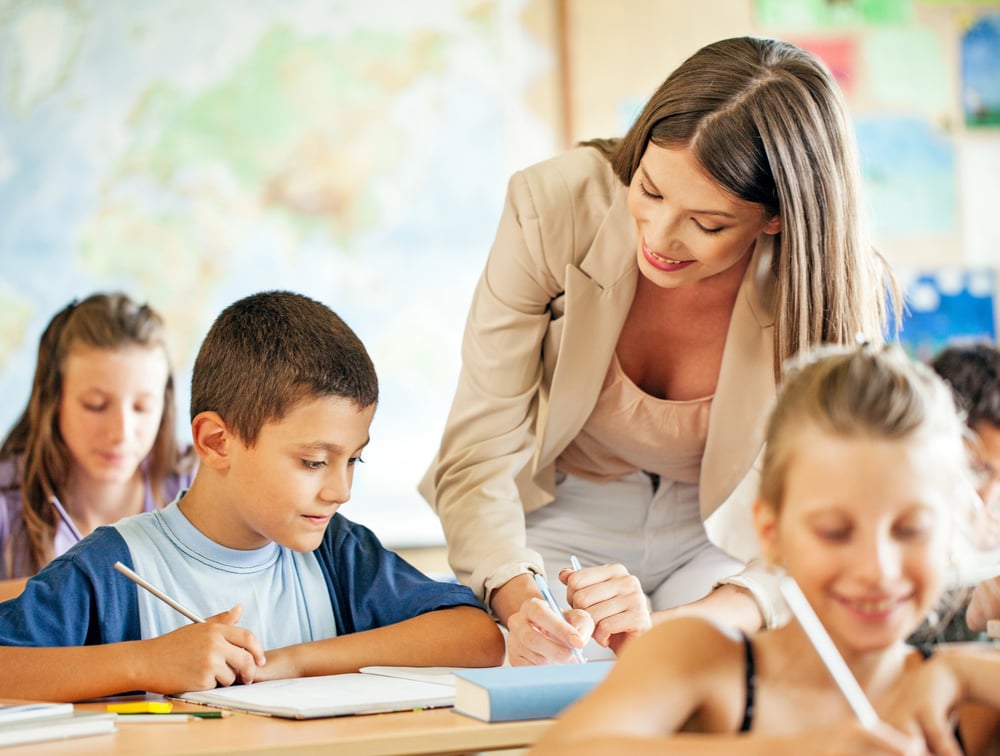
Danish schools seamlessly integrate emotional intelligence throughout their entire curriculum instead of treating it as a separate, specialized subject. Students learn to identify, express, and manage emotions alongside academic content in every class they take.
This comprehensive approach normalizes emotional awareness as an essential life skill rather than treating it as a remedial intervention for troubled students. The result is fewer bullying situations developing in the first place, as students apply emotional intelligence skills naturally in their daily interactions.
Cooperative Physical Education

Swedish educators have reimagined physical education around cooperative rather than competitive activities. Instead of traditional sports where physically dominant students often gain social status through athletic performance, classes focus on group challenges requiring diverse contributions.
This approach dismantles the physical hierarchy that frequently fuels bullying while teaching students to value different types of abilities and contributions from their peers. The emphasis shifts from individual achievement to collective success.
The Expanding Circle of Compassion

The global fight against bullying continues evolving beyond simple punishments toward approaches that transform entire school cultures. These innovative methods share a common foundation: they don’t just punish negative behavior but actively develop the social-emotional skills that prevent it.
As these practices spread between countries and educational systems, they create more compassionate learning environments where all students can thrive without fear. Successful anti-bullying initiatives recognize that lasting change requires addressing everyone’s needs—not just protecting victims but also understanding bullies themselves, who often act from unmet needs for connection and belonging.
Through innovative approaches that build empathy and community, schools worldwide are creating safer spaces where the next generation can focus on learning rather than surviving social warfare.
More from Go2Tutors!

- The Romanov Crown Jewels and Their Tragic Fate
- 13 Historical Mysteries That Science Still Can’t Solve
- Famous Hoaxes That Fooled the World for Years
- 15 Child Stars with Tragic Adult Lives
- 16 Famous Jewelry Pieces in History
Like Go2Tutors’s content? Follow us on MSN.