Musicians With the Most Grammy Wins
Winning a Grammy feels like reaching the summit of a musical career. The golden gramophone sits on shelves as proof that peers and industry experts recognized something special.
But some artists don’t just win once or twice. They accumulate these awards year after year, building collections that seem almost impossible.
The numbers tell stories of persistence, versatility, and pure musical talent. These musicians represent every genre imaginable, from classical conductors to pop icons, jazz innovators to country legends.
Each Grammy win represents not just a moment of recognition but years of dedication to their craft.
Beyoncé’s Historic Achievement
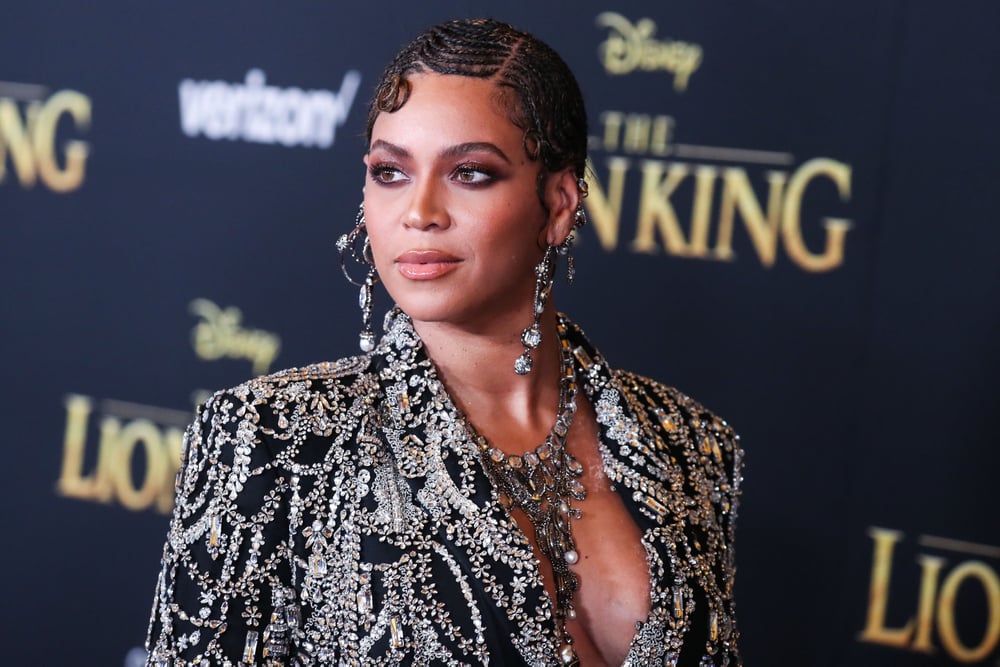
Beyoncé stands at the top with 38 total Grammy wins as of 2025. She broke the all-time record at the 2023 ceremony and kept adding to her collection.
Her 2025 Album of the Year win for “Cowboy Carter” marked another milestone—her first time winning that category despite being nominated several times before. The range of her wins spans multiple genres.
She started collecting Grammys as part of Destiny’s Child, then built an even more impressive solo career. Her wins include R&B, pop, dance, and most recently, country categories.
At the 2025 ceremony, she became the first Black woman to win Best Country Album.
The Conductor Who Set the Standard

Georg Solti accumulated 31 Grammys throughout his career as a conductor, primarily for his work in classical music. He led the Chicago Symphony Orchestra for 22 years and built a reputation for perfectionism in the recording studio.
His specialty was opera recordings. He won multiple awards for his interpretations of Wagner’s works, including “Die Meistersinger von Nürnberg” and the complete “Ring” cycle.
These massive recording projects took years to complete but earned him recognition that still stands decades later.
Quincy Jones and the Art of Production

Producer and composer Quincy Jones tied with 28 Grammy wins. His career spanned jazz performance, film composition, and pop production.
Most famously, he produced Michael Jackson’s “Thriller,” which became one of the most awarded albums in Grammy history. Jones won Producer of the Year multiple times.
He could move between genres without losing his signature sound. His work with everyone from Frank Sinatra to Ray Charles showed his ability to bring out the best in other artists while maintaining his own artistic vision.
Jazz Piano Innovation

Chick Corea also reached 28 Grammy wins before his death in 2021. His career in jazz fusion and Latin jazz made him one of the most awarded artists in jazz categories.
He pioneered the use of electric keyboards in jazz and constantly experimented with new sounds and styles. Corea’s Grammy wins reflected his range as a musician.
He won awards as a solo artist, as part of Return to Forever, and through numerous collaborations. His Latin jazz work earned him multiple Latin Grammy Awards as well, showing his influence across cultural boundaries.
The Voice of Bluegrass

Alison Krauss holds 27 Grammys, making her the most awarded female artist in country music. She shares 14 of these wins with her band Union Station, but her individual achievements also stand out.
Her delicate vocals and fiddle playing brought bluegrass music to mainstream audiences without compromising the genre’s traditional roots. Her collaboration with Robert Plant on “Raising Sand” surprised many people.
A bluegrass artist working with the former Led Zeppelin frontman seemed unlikely, but the album won Album of the Year in 2009. The pairing showed how her musical sensibility transcended genre boundaries.
Classical Music’s French Master

Pierre Boulez earned 26 Grammys as a conductor and composer. His interpretations of modern classical works, particularly pieces by Bartók and Berg, set standards for how orchestras approached 20th-century compositions.
Boulez received a lifetime achievement award in 2015, shortly before his death. His influence on classical music extended beyond his Grammy wins.
He championed difficult, challenging works that other conductors often avoided, helping audiences understand and appreciate modern classical compositions.
Film Scores That Shaped Childhoods

John Williams has 26 Grammy wins to complement his five Academy Awards. His film scores for “Star Wars,” “Jaws,” and “Schindler’s List” are among the most recognizable pieces of music written in the last 50 years.
Twelve of his Grammys came from the Music for Visual Media category. Six specifically honored his “Star Wars” work.
His most recent win at the 2024 ceremony was for “Helena’s Theme” from “Indiana Jones and the Dial of Destiny.” Even in his 90s, Williams continues creating music that moves audiences.
Wonder’s Musical Revolution

Stevie Wonder collected 25 Grammys across a career that redefined R&B and soul music. His albums from the 1970s—”Innervisions,” “Fulfillingness’ First Finale,” and “Songs in the Key of Life”—all won Album of the Year.
He remains the only artist to win that category three years in a row with studio albums. Wonder’s use of synthesizers changed pop music’s sound.
He wrote songs about social issues while creating melodies that made people dance. His blindness never limited his vision for what music could accomplish.
The Grammy wins recognized both his innovation and his ability to connect with listeners on an emotional level.
The Piano That Captured Hearts

Vladimir Horowitz won 25 Grammys for his classical piano performances. Born in Russia, he became one of the most celebrated pianists of the 20th century.
His technique was flawless, but his emotional interpretation of works by Chopin, Rachmaninoff, and Liszt made him special. Horowitz’s career spanned decades, and his Grammy wins reflected his consistency.
He won awards for live performances and studio recordings. His interpretations of familiar pieces often became the definitive versions that other pianists measured themselves against.
Hip-Hop’s Business Mogul

Jay-Z holds the record for most Grammys won by a rapper with 24 awards. His first came in 1998 for “Vol. 2…Hard Knock Life,” which also became his highest-selling album.
Since then, he built an empire that extends far beyond music while continuing to release critically acclaimed work. His Grammy wins span multiple categories, including Best Rap Album, Best Rap Song, and Best Music Video.
He’s also earned nominations for collaborations with artists from different genres, showing his versatility. His marriage to Beyoncé created a musical power couple with a combined total that no other partnership can match.
The Creative Force Behind Modern Music

Kanye West’s 24 Grammys reflect a career defined by musical innovation and controversy. His 2004 debut “The College Dropout” won Best Rap Album and established him as more than just a producer.
His use of soul samples, orchestral arrangements, and unconventional song structures changed hip-hop’s sound. West won his first Grammy for “Gold Digger,” and continued to push musical boundaries with each album.
His performances at the Grammy ceremonies often became the most talked-about moments of the night. Whatever opinions people hold about his personal life, his musical contributions earned consistent recognition from the Recording Academy.
Ireland’s Rock Legacy

U2 accumulated 22 Grammys since their first win in 1987. The Irish rock band became the only rock group to win Album of the Year twice, for “The Joshua Tree” and “How to Dismantle an Atomic Bomb.”
Their combination of Bono’s vocals, The Edge’s guitar work, and socially conscious lyrics resonated with audiences and critics alike. Their live performances often accompanied Grammy wins.
The band’s ability to fill stadiums while maintaining artistic credibility set them apart. Their music addressed political and social issues without becoming preachy, finding the balance that many artists struggle to achieve.
Jazz Guitar’s Quiet Revolutionary

Twenty Grammys seal Pat Metheny’s place here. From Missouri, he shaped jazz guitar in ways few others attempted.
His first award came in 1983, yet the trophies didn’t stop arriving – each ten-year stretch after that brought another. Through years of shifting sounds, recognition never left him behind.
Out of silence came something new when Metheny formed his group, pulling threads from jazz, sounds heard in Brazil, life in rural America. Not once did flashiness take center stage – his fingers moved fast, yet always stayed in service to melody.
Awards piled up over years, each one pointing not to stunt playing but wide-ranging fluency across styles. What stood out wasn’t speed, but how deeply he listened while building sound.
The Weight of Golden Gramophones

Music shaped by time, yet each artist bent it differently. Decades-long reigns shared space with sudden breakthroughs.
Where one held steady, another shattered walls. Mainstream eyes blinked open only after the path was already paved.
Awards arrived, yes – but meaning came long before. Down below the trophies, something else ties them together.
Not one of these artists needed a prize to matter – people felt their work right away. What fans recognized first, awards later confirmed.
Sound shifted because of them, feelings found new shapes, art moved differently. Those shiny records?
Just showed up while history was being made.
More from Go2Tutors!

- The Romanov Crown Jewels and Their Tragic Fate
- 13 Historical Mysteries That Science Still Can’t Solve
- Famous Hoaxes That Fooled the World for Years
- 15 Child Stars with Tragic Adult Lives
- 16 Famous Jewelry Pieces in History
Like Go2Tutors’s content? Follow us on MSN.