27 Flagship Stores That Closed and Left a Mark in Their Cities
When a flagship store closes, something deeper than commerce dies. These weren’t just places to buy things—they were landmarks that organized entire neighborhoods around them, anchor points that told you exactly where you were in the city.
Their empty windows still catch your eye months later, like missing teeth in a familiar smile.
Woolworth’s Five and Dime
The lunch counters disappeared first, then the red vinyl stools, then the entire idea that you could buy anything you needed under one roof for pocket change. Woolworth’s flagship locations weren’t just stores—they were community centers where three generations of families had shopped together.
Even the scent lingered after the doors locked for good.
Gimbels Herald Square
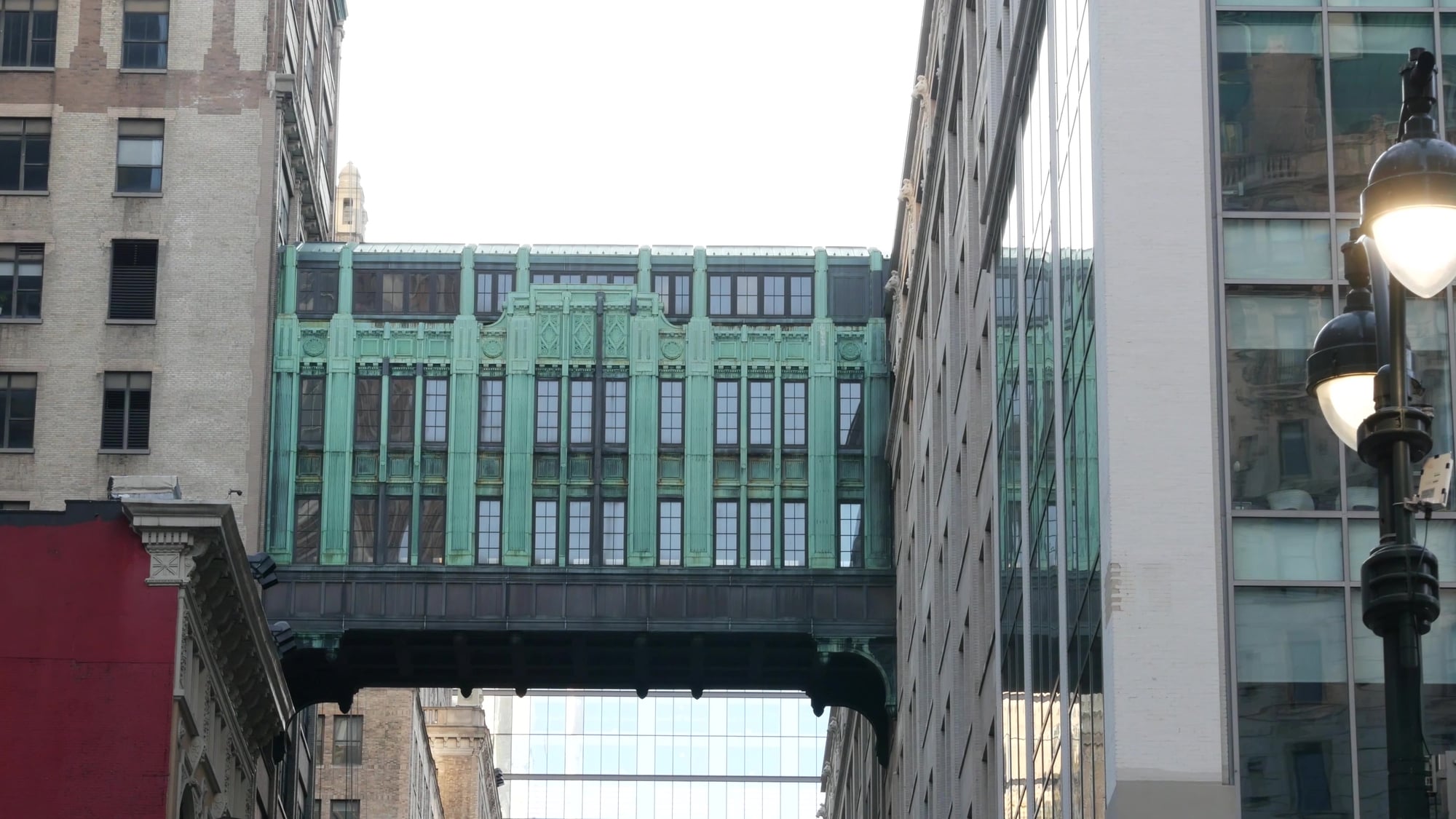
Department store wars used to mean something when Gimbels and Macy’s faced each other across Herald Square like feuding neighbors (and the rivalry was real enough that “Tell it to Gimbels” became shorthand for brushing someone off). The flagship store sprawled across an entire city block, and when it closed in 1986, it took decades of Christmas window shopping traditions with it.
So much for “the store that satisfies”: turns out even satisfaction has an expiration date.
Abraham & Straus Brooklyn
A&S wasn’t just Brooklyn’s department store—it was proof that you didn’t need to cross the river to find elegance. The flagship rose like a retail cathedral in downtown Brooklyn, its windows dressed with the kind of care usually reserved for museum displays.
When the doors closed, it felt like Brooklyn had lost some essential part of its identity, the piece that said it was more than just a borough.
Borders Books Ann Arbor
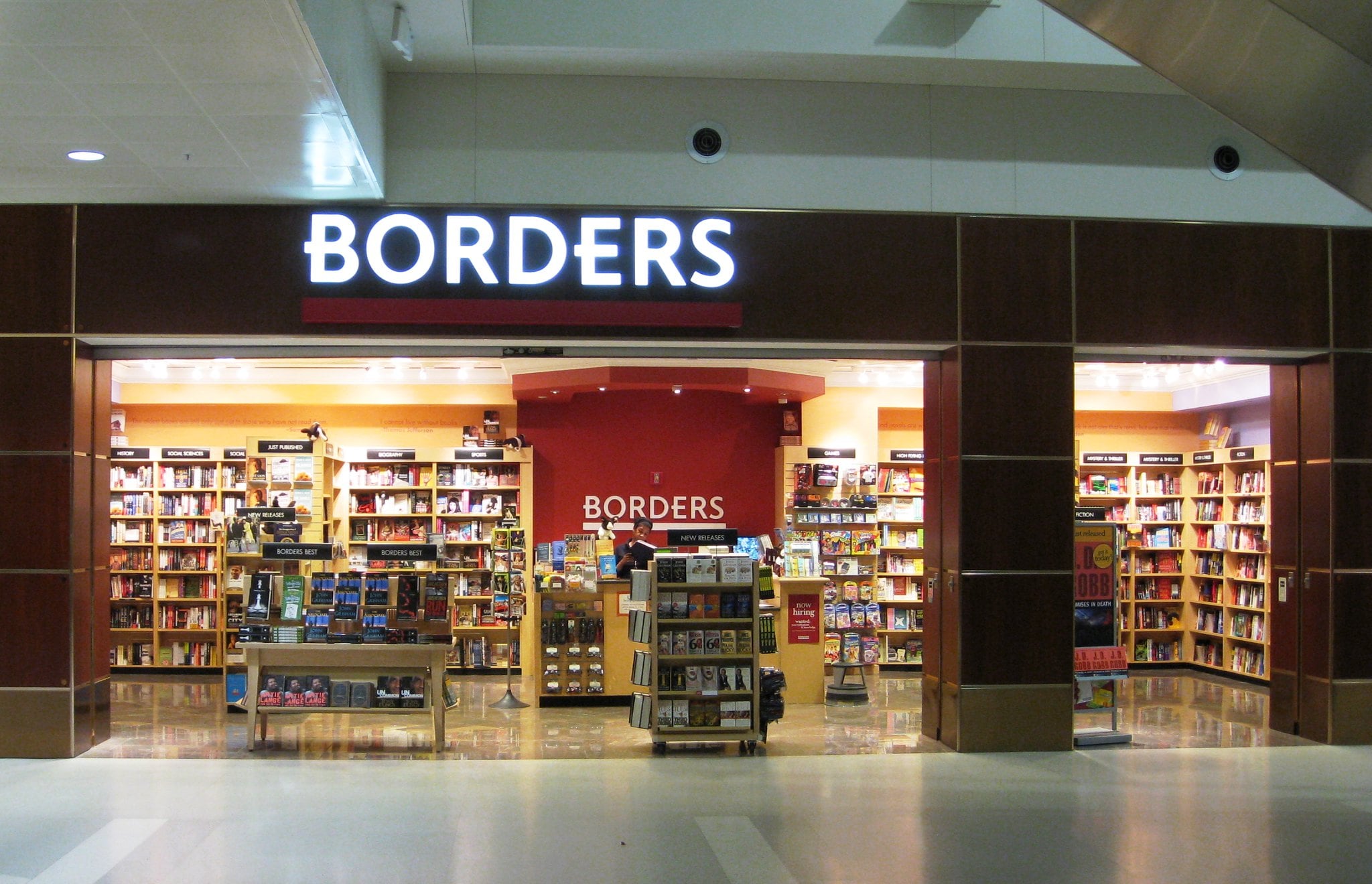
Bookstores close every day, but Borders started in Ann Arbor and stayed there long enough to become part of the city’s DNA. The flagship store understood something fundamental: people don’t just buy books, they browse them, smell them, accidentally spend three hours reading things they never intended to buy.
Coffee shops tried to fill the space afterward, but coffee doesn’t organize a community the way books do.
Tower Records Sunset Strip
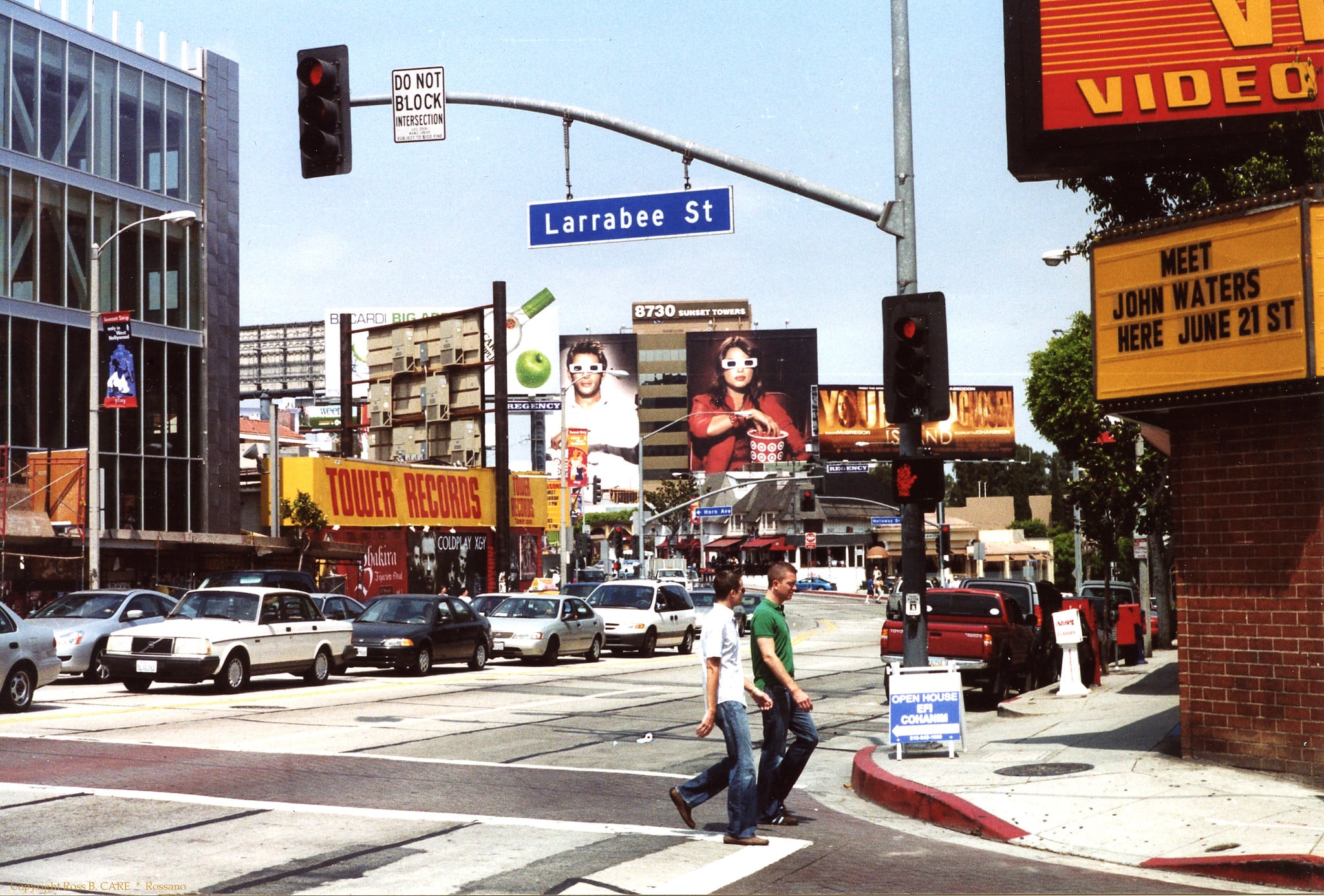
Music died a little when Tower Records closed, though that’s too dramatic (and musicians kept making music, streaming services kept streaming it). But something about walking the aisles at 11 PM, flipping through vinyl you’d never heard of, talking to clerks who knew more about obscure B-sides than most people know about their own families—that disappeared completely.
The building sits there now, stubbornly refusing to become anything else interesting.
Circuit City Times Square
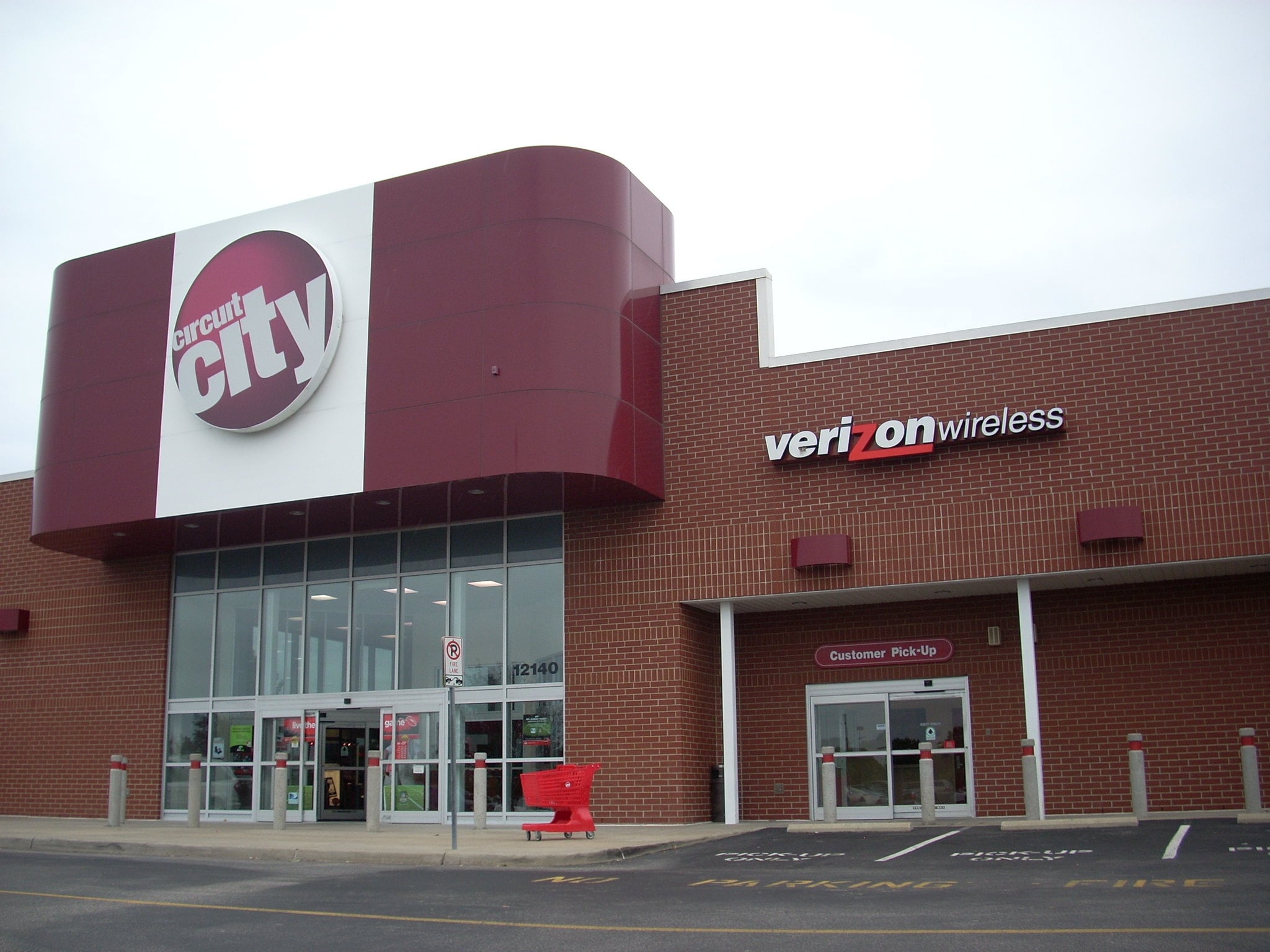
Electronics stores used to be places where you could touch things before buying them, back when that mattered more than reading reviews online. Circuit City’s Times Square flagship was three floors of televisions, stereos, and computers you could actually test before handing over your credit card (a revolutionary concept that seems quaint now).
The space became another tourist trap afterward, which is probably what Times Square wanted all along.
FAO Schwarz Fifth Avenue
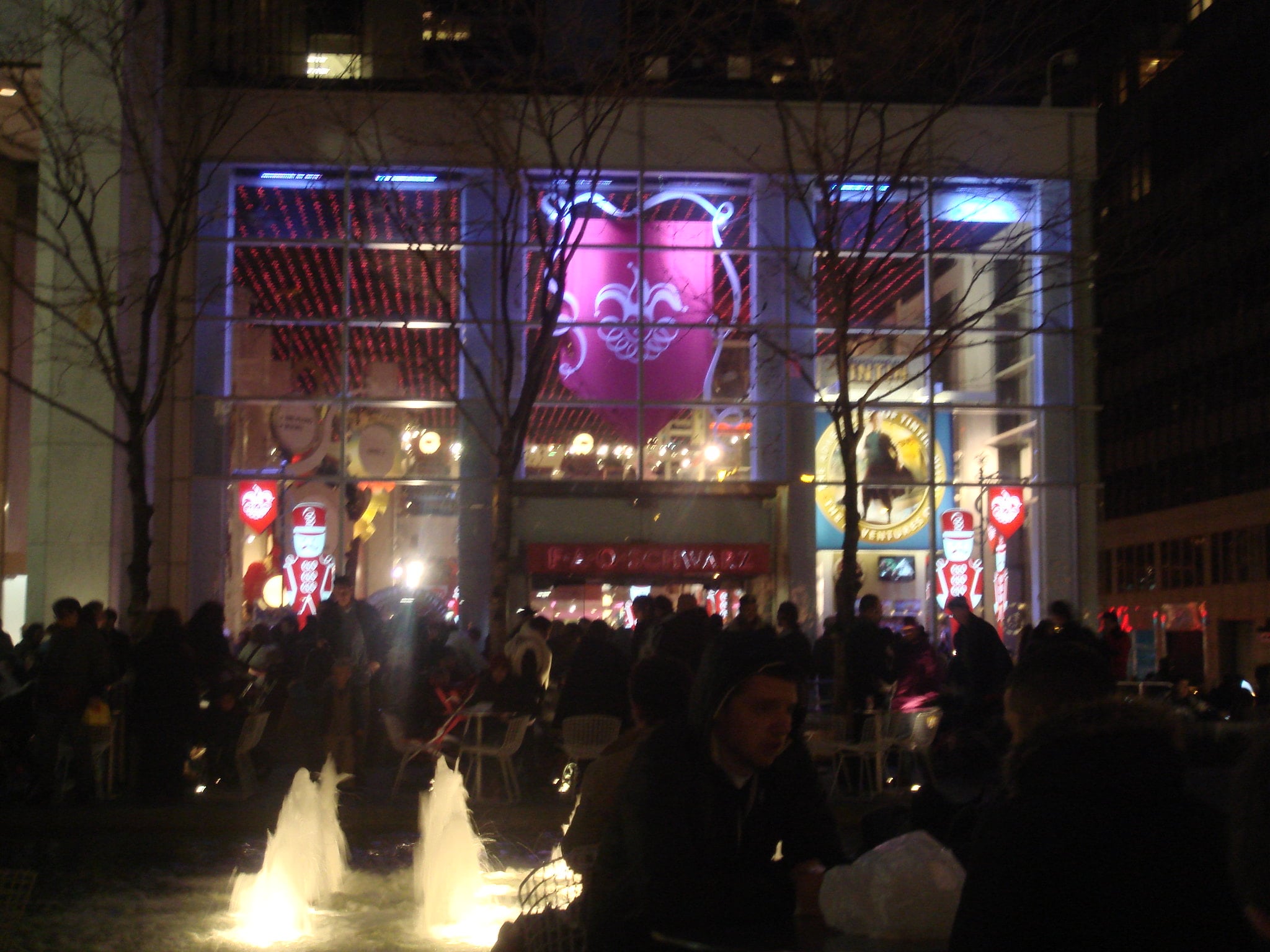
Toy stores aren’t supposed to make adults cry, but FAO Schwarz managed it regularly. The Fifth Avenue flagship was less about selling toys and more about preserving the idea that childhood wonder could be purchased, packaged, and taken home in a bag (even if that bag cost more than some people’s monthly rent).
The giant piano from Big remains more famous than most of the toys they actually sold.
Barnes & Noble Union Square
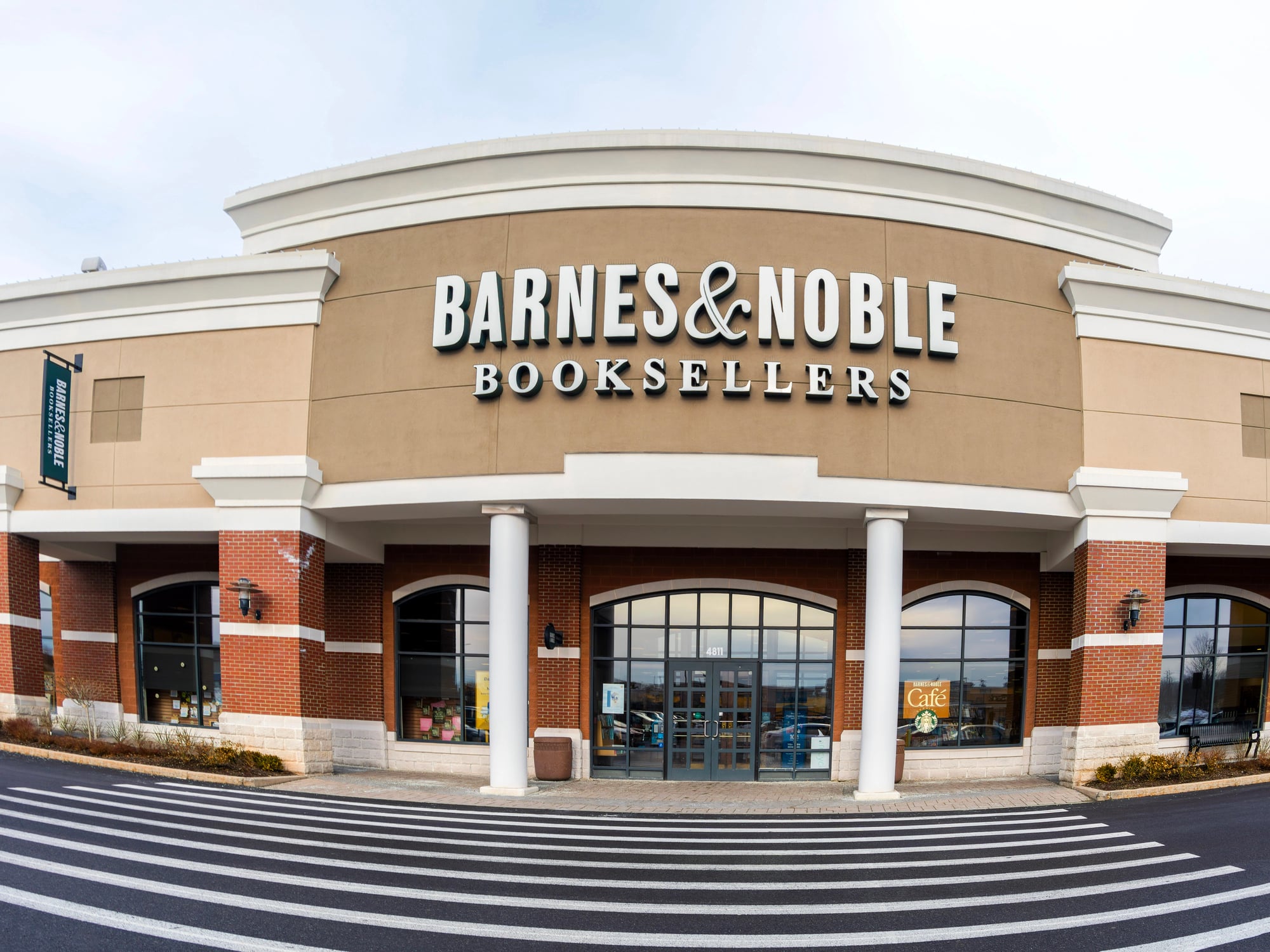
This wasn’t just any Barnes & Noble—this was the Barnes & Noble that proved bookstores could be destinations rather than just stops. Four floors of books, magazines, and the kind of people who spent entire afternoons reading in the aisles without buying anything (and somehow that was fine).
Union Square still has bookstores, but none that feel like libraries you’re allowed to take things home from.
Borders Books Michigan Avenue Chicago
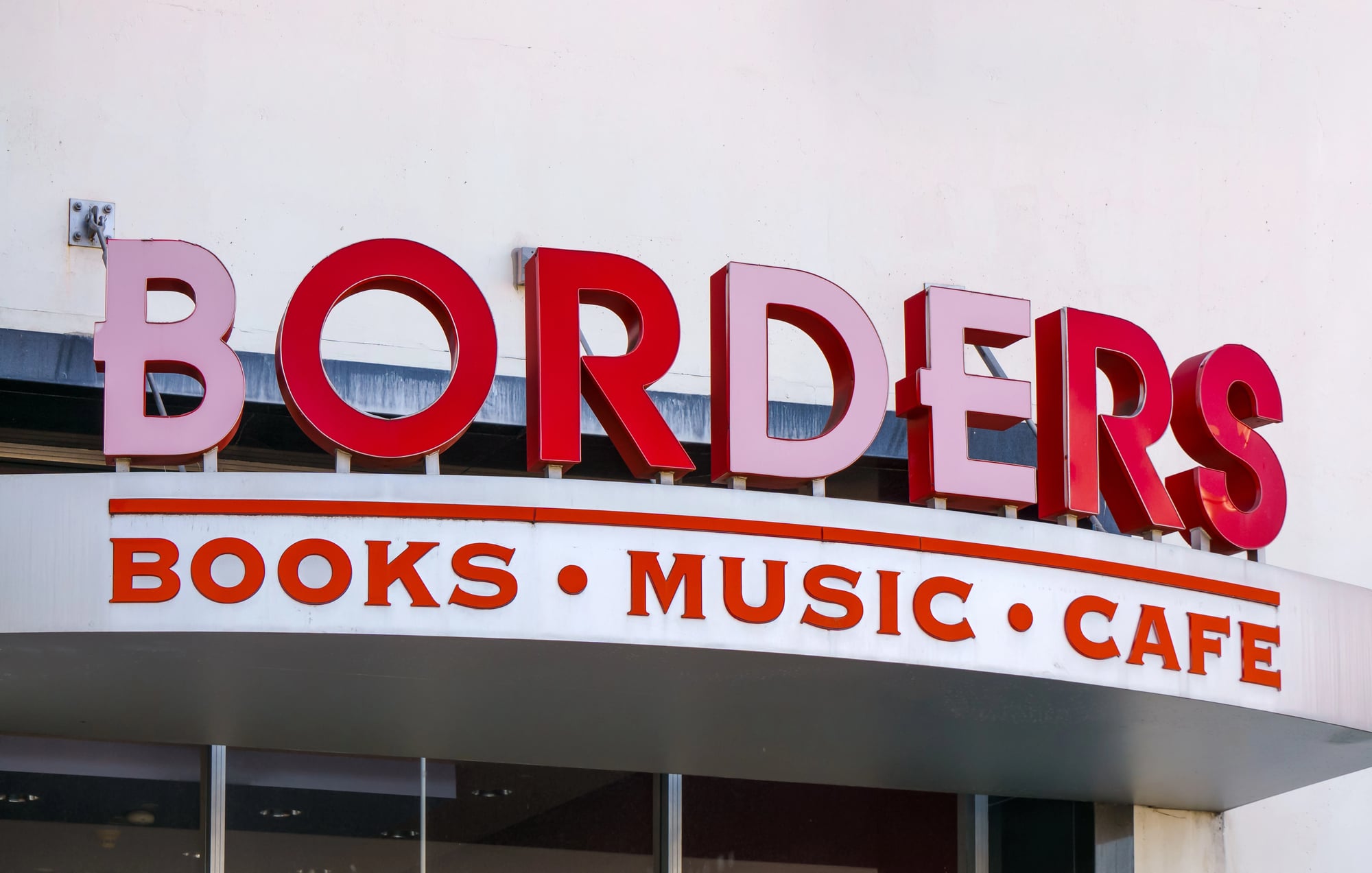
Chicago’s flagship Borders understood that books and music belonged together, the way record stores used to sell both albums and the culture that surrounded them. The Michigan Avenue location was massive enough to get lost in, which was exactly the point—discovery happened in the wandering, not the searching.
Amazon delivers books faster, but it never delivered the experience of stumbling across something you didn’t know you wanted.
CompUSA Superstores
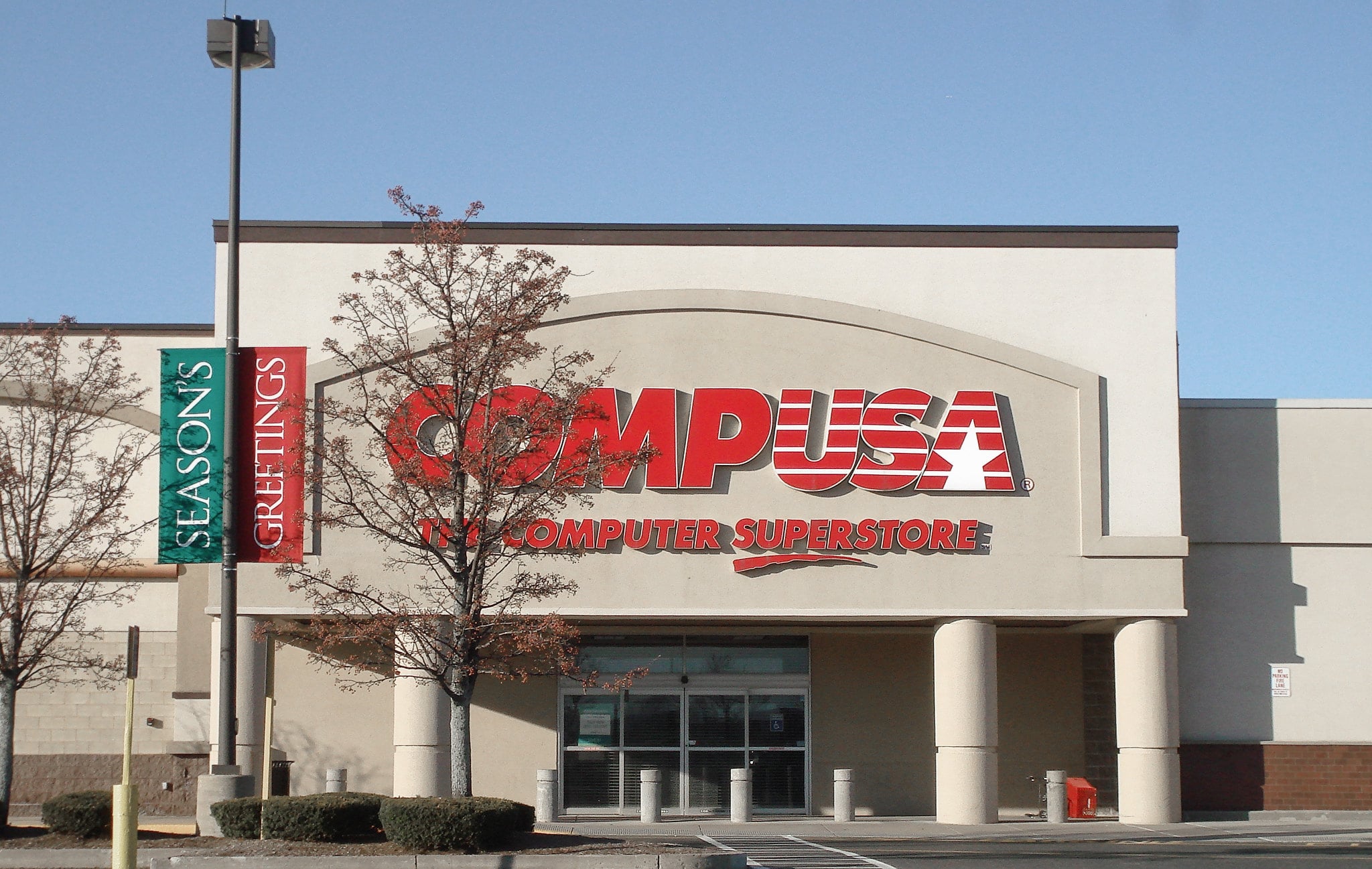
Computer stores used to be temples to technology, places where buying a hard drive felt like adopting a pet. CompUSA’s flagship locations were warehouses of possibility, staffed by people who genuinely got excited about processor speeds and graphics cards (back when those specifications actually mattered to regular people).
Best Buy absorbed some of the business, but none of the enthusiasm.
Sam Goody Record Stores
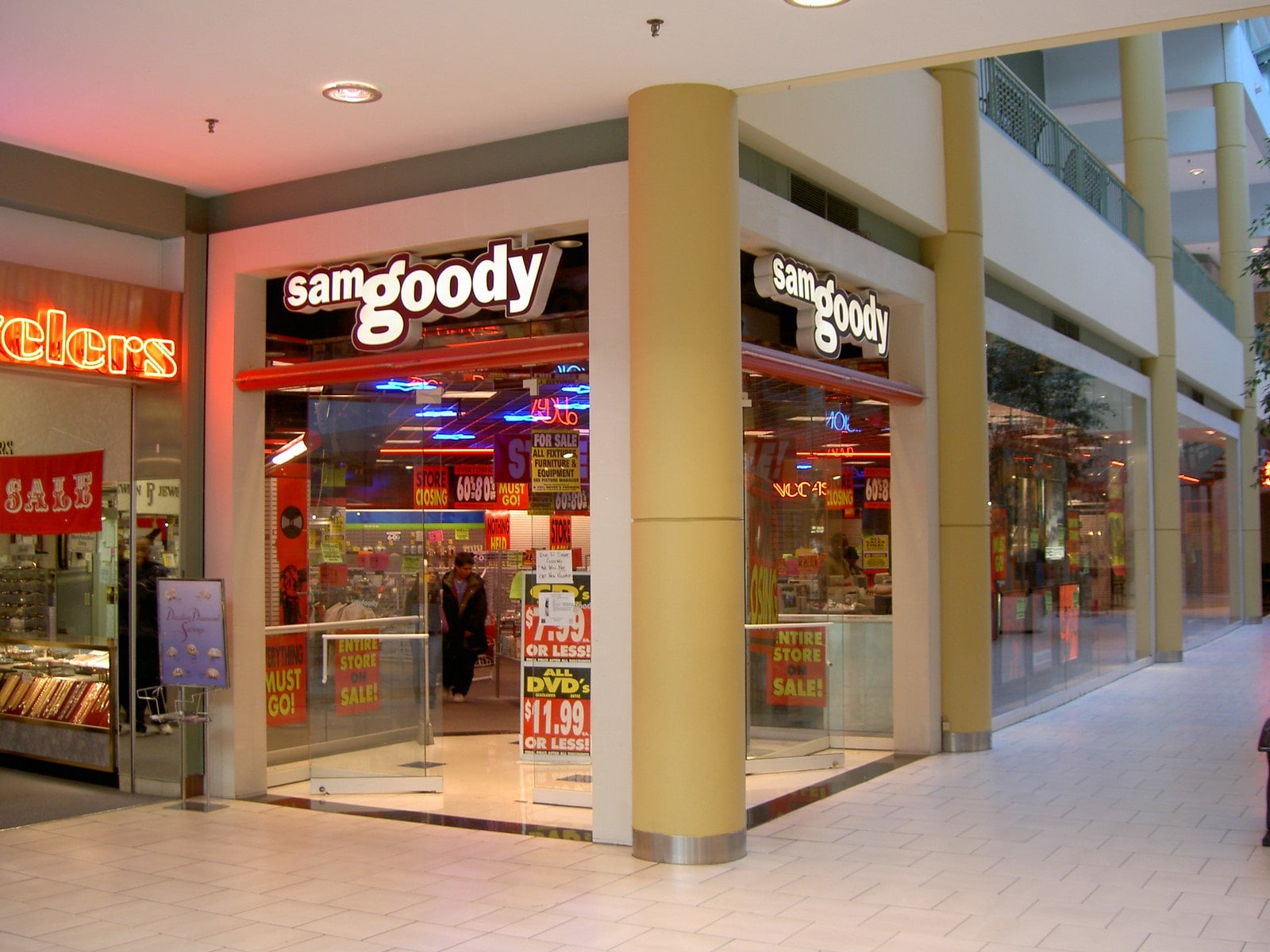
Music retail died slowly, then all at once, and Sam Goody stores disappeared so completely that mentioning them now feels like referencing a dream. The flagship locations were shrines to physical music—CDs, cassettes, and the occasional vinyl section that seemed like a relic even then.
Listening stations let you preview albums before buying them, which made choosing music feel ceremonial rather than casual.
Linens ‘n Things
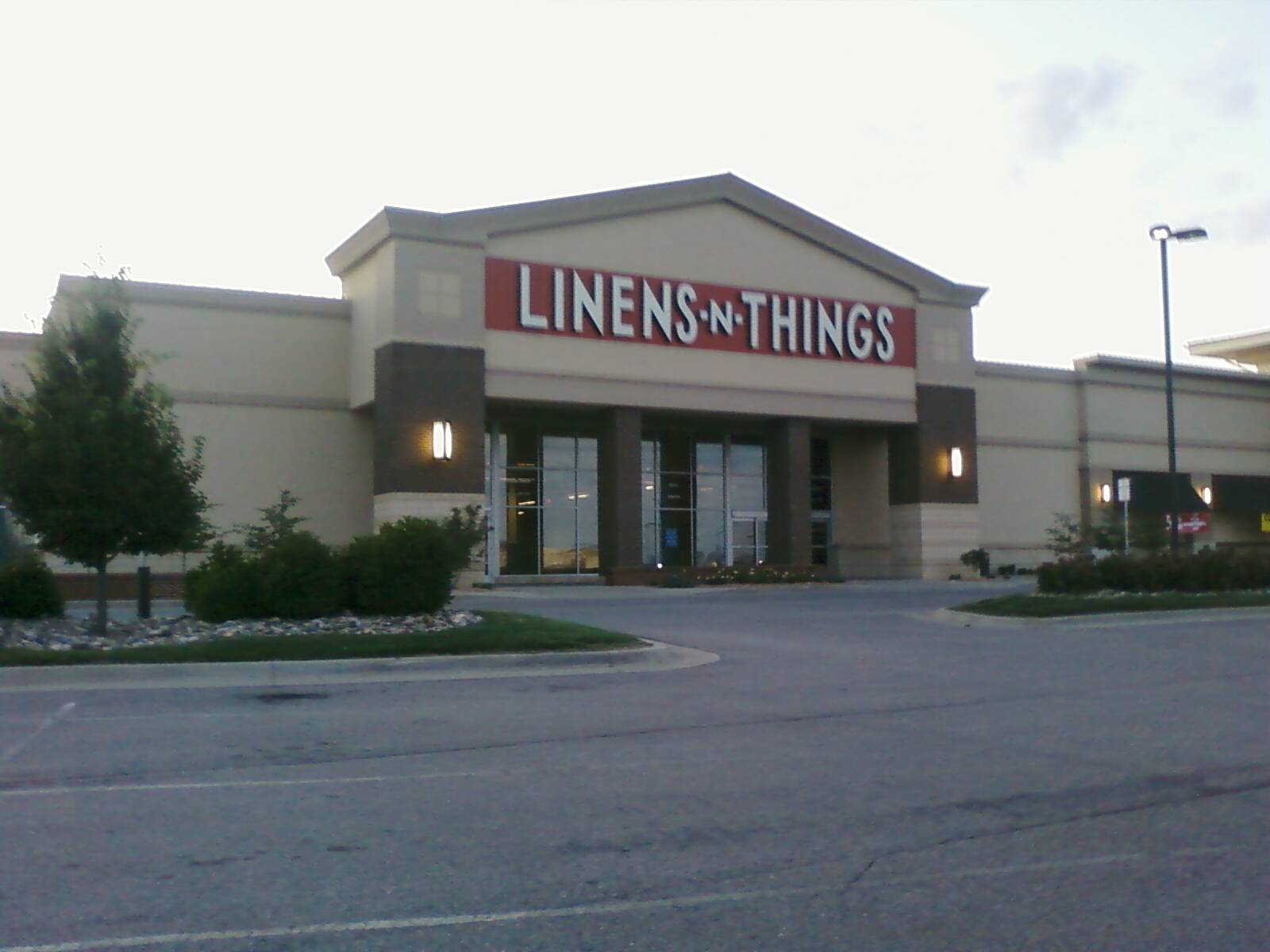
Home goods stores shouldn’t inspire nostalgia, but Linens ‘n Things managed to make buying towels feel like an event. The flagship stores were labyrinths of household necessities organized with the logic of someone who understood that shopping for a home was different from shopping for yourself (more hopeful, more permanent).
Bed Bath & Beyond tried to fill the gap, but never captured the same sense of domestic possibility.
Virgin Megastore Times Square
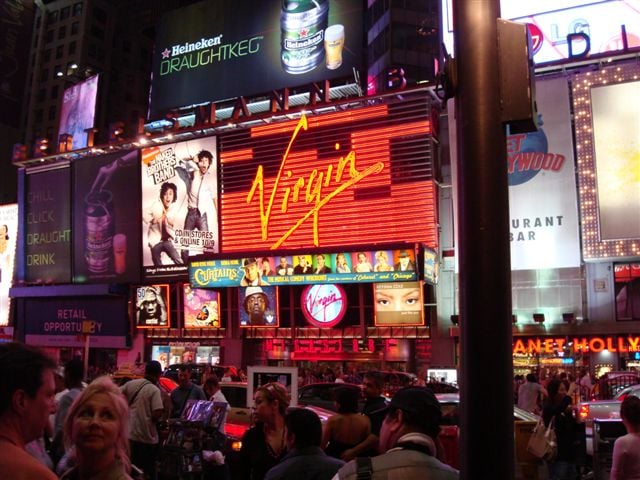
Virgin Records brought British retail sensibilities to Times Square and somehow made it work for two decades. The flagship store was less about efficiency and more about experience—three floors where you could spend an entire afternoon discovering music you’d never heard of while tourists took photos outside (a combination that should have been annoying but somehow wasn’t).
The space is a Forever 21 now, which feels like the most depressing possible outcome.
Caldor Department Stores
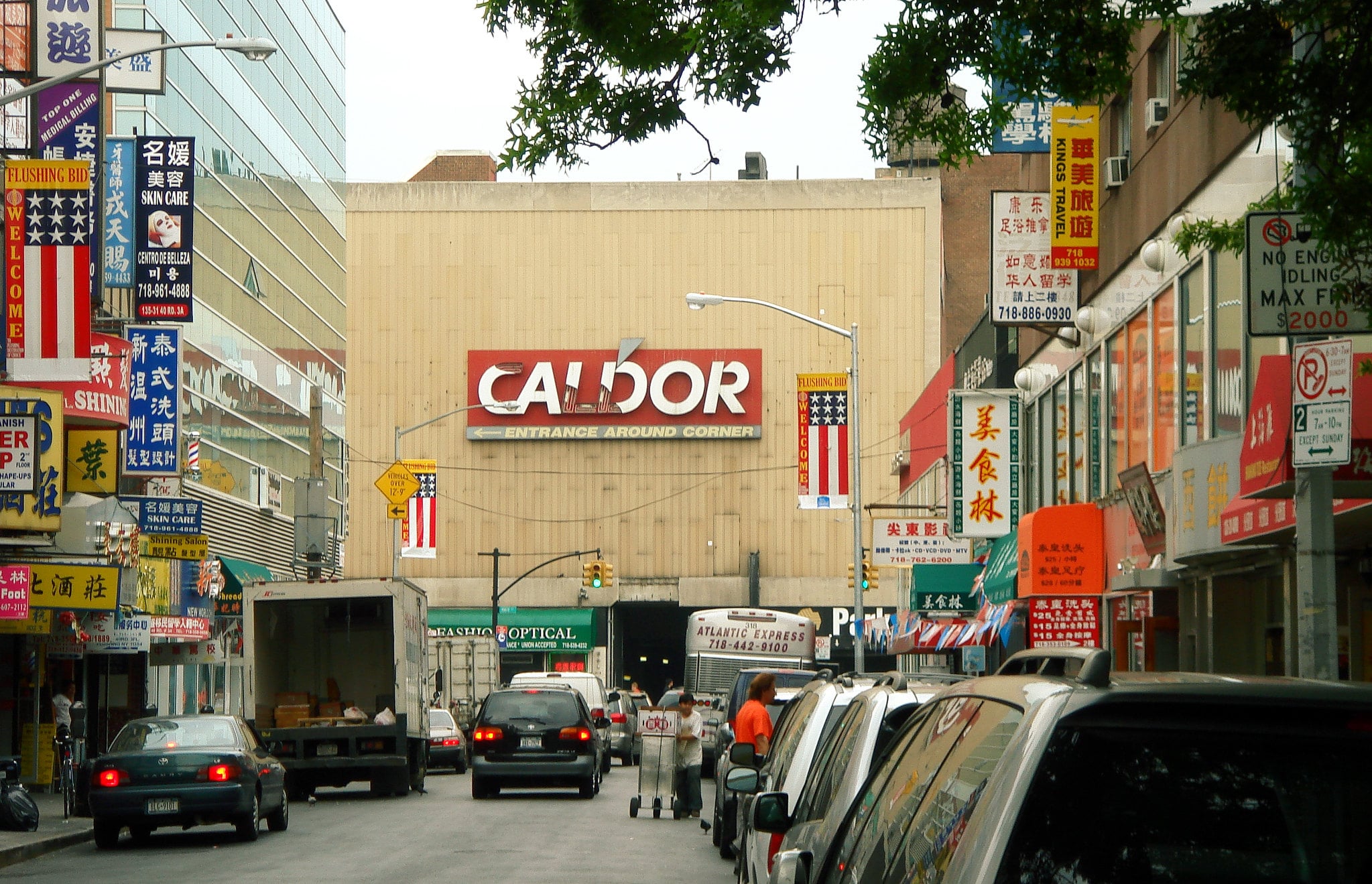
Discount retail before it became a science, Caldor stores felt like treasure hunts where the treasure was reasonably priced and usually exactly what you needed. The flagship locations understood something that modern retail has forgotten: shopping could be both practical and surprising, a place where you went for lightbulbs and left with a lamp you didn’t know you wanted.
Dollar stores filled the practical gap, but none of the surprise.
Media Play Superstores
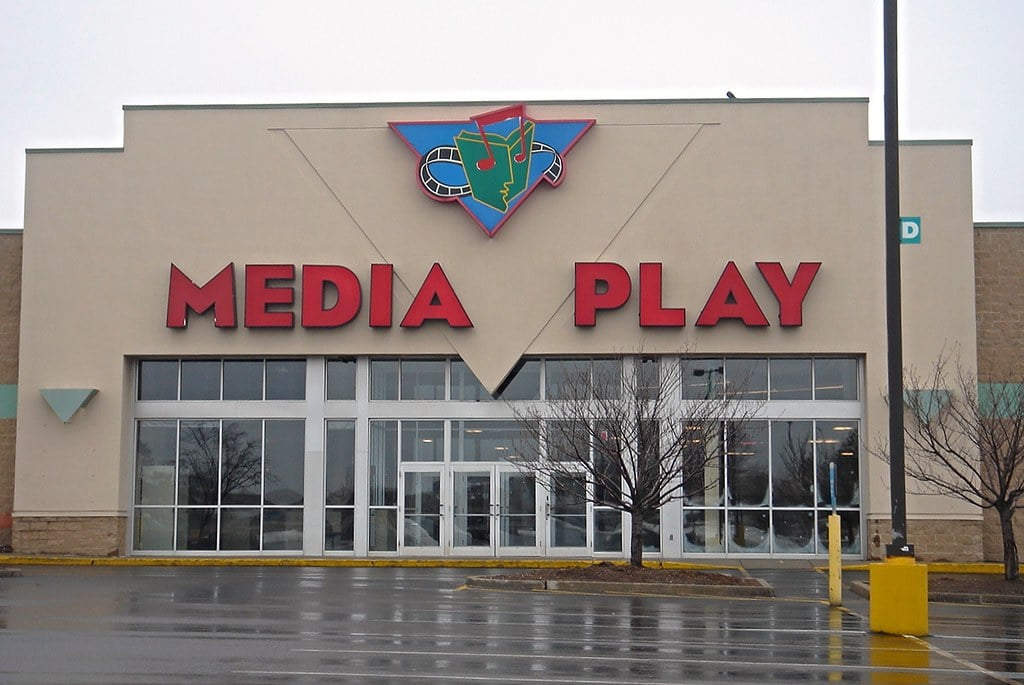
Media Play tried to be everything to everyone—books, music, movies, video games—and for a while, it worked. The flagship stores were designed for browsing, with sections that flowed into each other the way interests actually overlap in real life (people who bought indie rock also bought independent films, who knew).
The concept was ahead of its time, or maybe just perfectly timed for a moment that didn’t last long enough.
Nobody Beats the Wiz
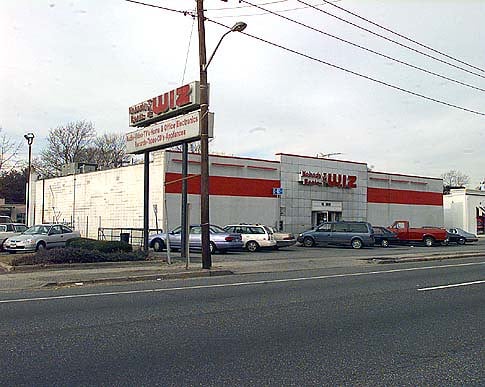
Electronics retail used to have personality, and Nobody Beats the Wiz had more personality than most people. The flagship stores weren’t just about selling stereos and televisions—they were about convincing you that owning better electronics would somehow make your life better (and sometimes it actually did).
The jingle was annoying enough to stick in your head for decades, which was probably the point.
Lechmere Electronics
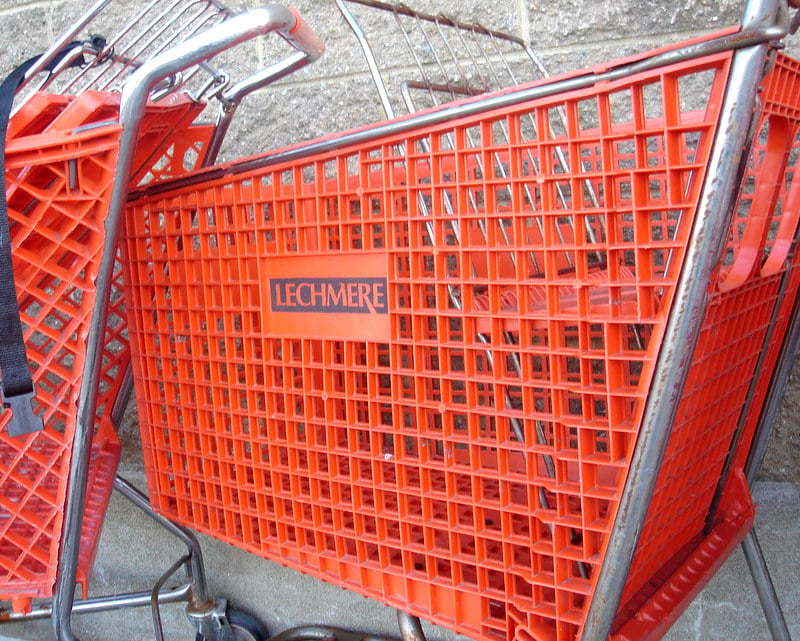
New England’s electronics destination understood something about regional retail that national chains never figured out: being local meant something, even when you were selling the same televisions as everyone else. Lechmere’s flagship stores felt like neighborhood institutions that happened to sell electronics, rather than electronics stores that happened to be in the neighborhood.
Circuit City bought them out and promptly erased everything that made them distinctive.
Service Merchandise Catalog Showrooms
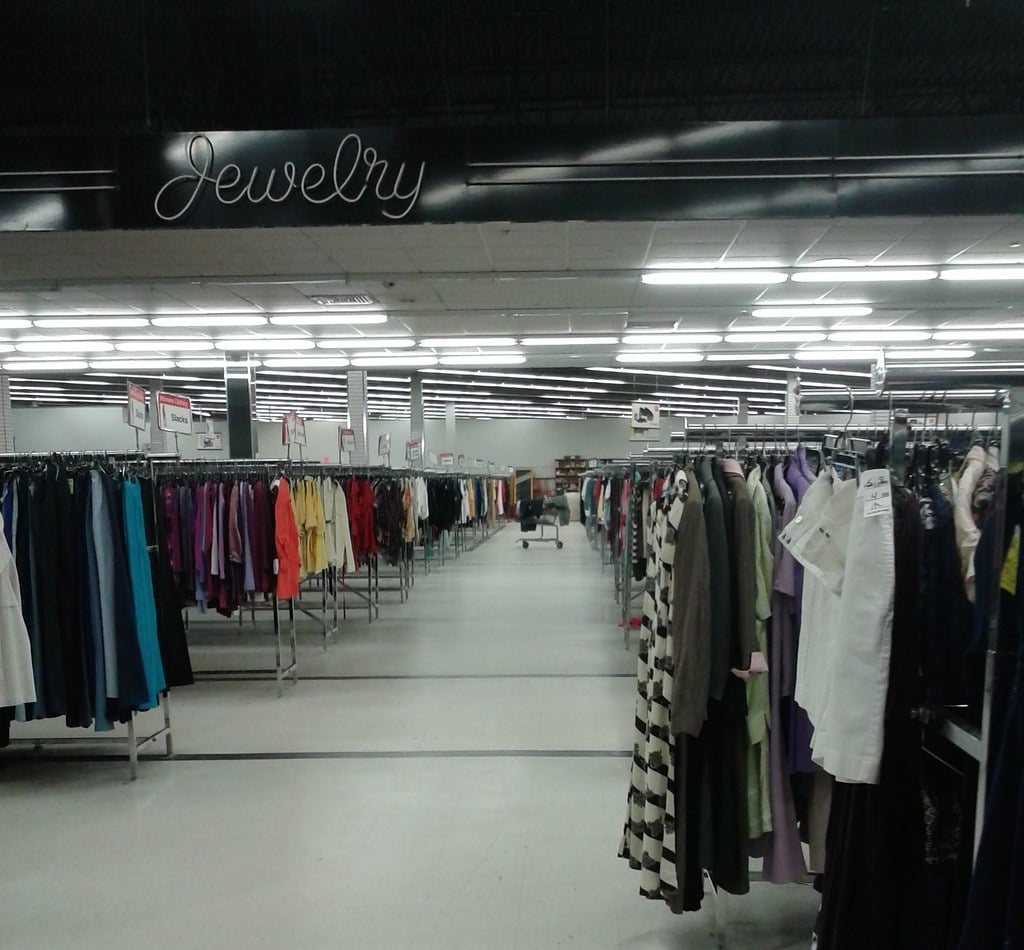
Shopping by catalog number sounds tedious now, but Service Merchandise turned it into theater. The flagship showrooms displayed one of everything, while the real inventory lived in a warehouse behind the counter—you pointed at what you wanted, paid for it, then waited for someone to bring it from the back like you’d won a prize.
Amazon perfected the waiting part but eliminated all the pointing and anticipation.
Montgomery Ward Department Stores
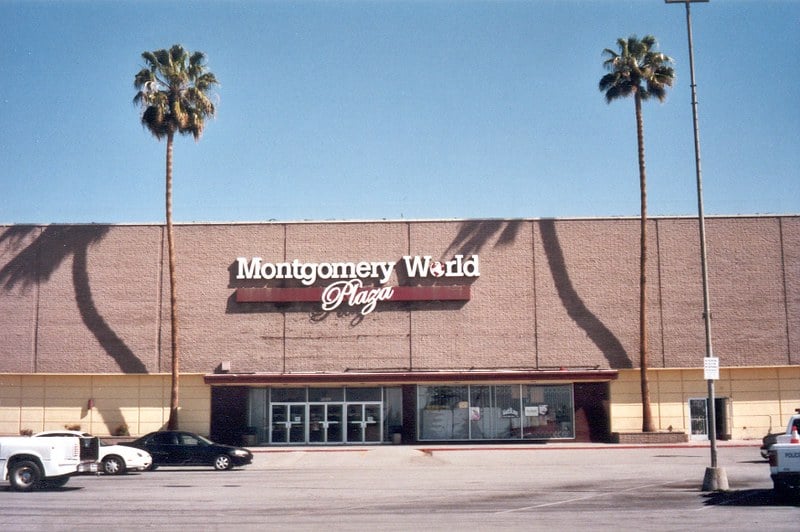
Wards anchored shopping centers the way cathedrals used to anchor town squares, providing both necessity and a sense of permanence. The flagship stores carried everything a family needed, organized with the confidence of a company that had been outfitting American households since before most cities existed.
When they closed, entire shopping centers lost their gravity—stores that depended on Ward’s foot traffic suddenly found themselves floating in retail space.
Crazy Eddie Electronics

Crazy Eddie’s prices were insane, or so the commercials claimed, and the flagship stores in New York seemed designed to prove it. Electronics were stacked floor to ceiling with the chaotic energy of someone who had too much inventory and not enough space (which might have been accurate).
The stores disappeared amid scandal and bankruptcy, but the jingle persists like a ghost haunting late-night television.
Suncoast Motion Picture Company
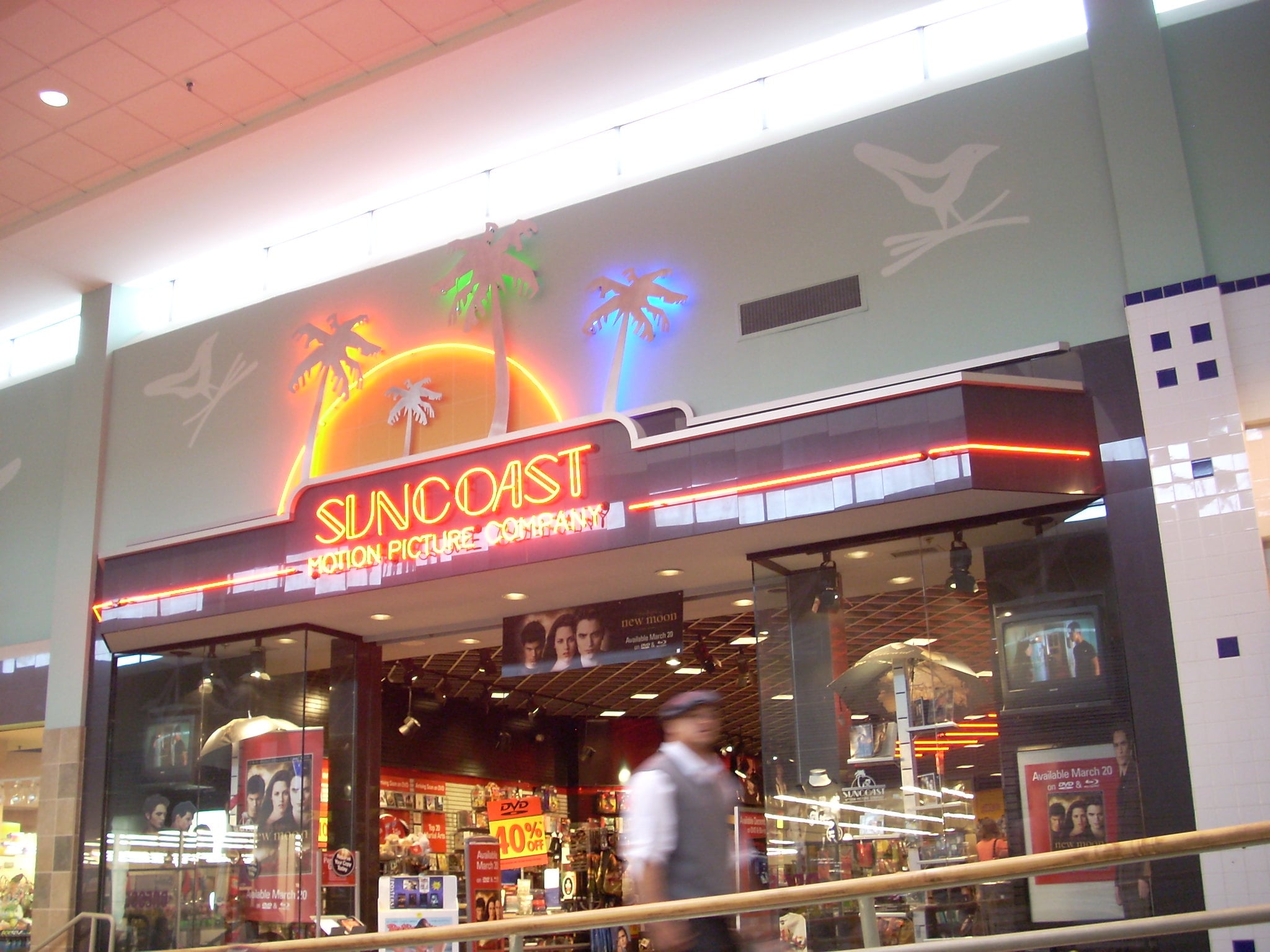
Movie retail used to be its own category, back when owning movies meant something different than streaming them. Suncoast’s flagship stores were libraries of entertainment, organized by genre and staffed by people who could recommend films based on your last three purchases.
Netflix delivered convenience, but it never delivered the experience of discovering a movie you’d never heard of based on its cover art alone.
Waccamaw Homeplace
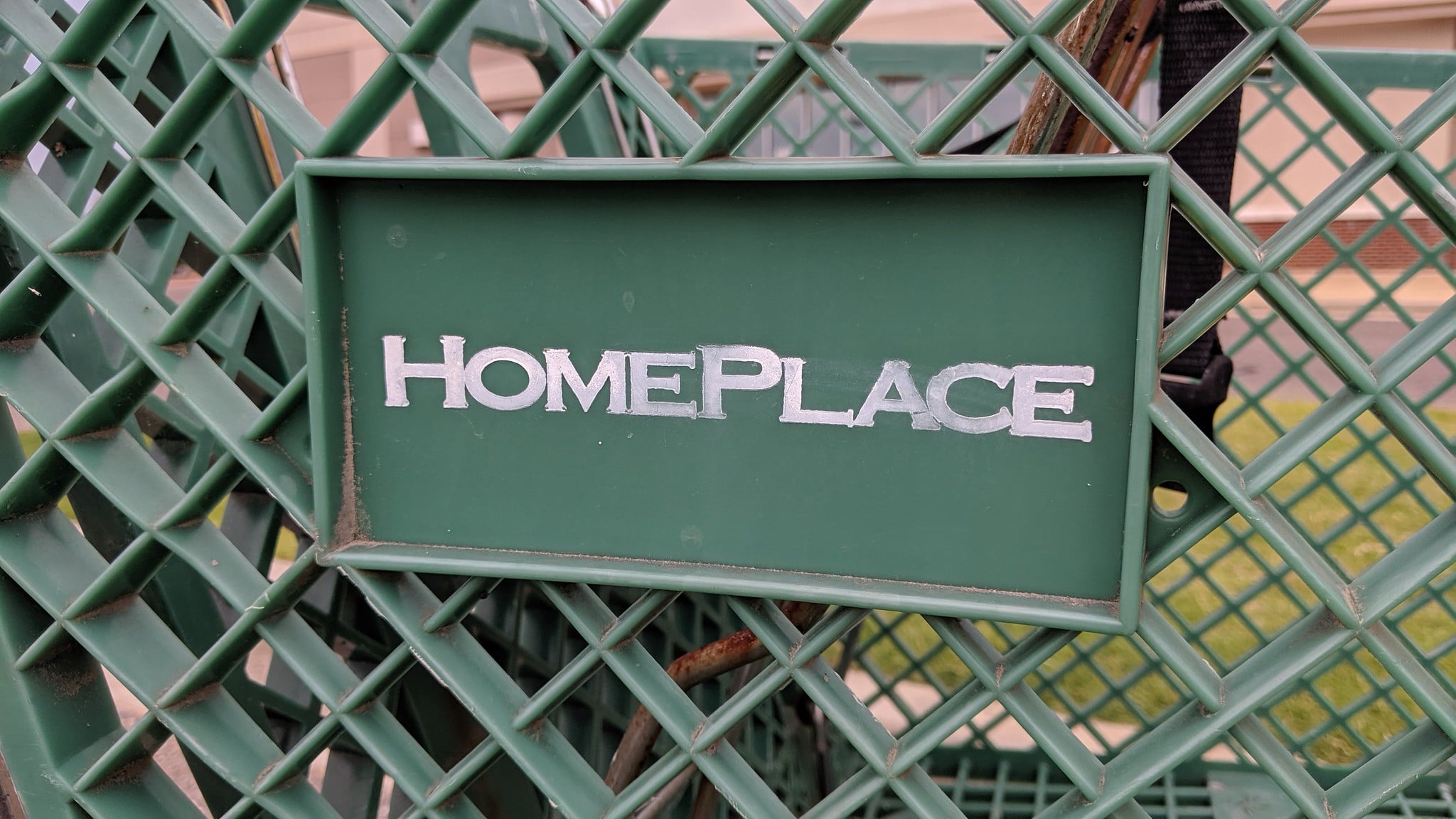
Home improvement retail before it became a weekend hobby for suburban dads, Waccamaw stores were warehouses of possibility for people who were actually building or rebuilding their lives. The flagship locations felt less like stores and more like supply depots for domestic dreams—places where buying a bathroom sink felt like the first step toward a completely different future.
Home Depot perfected the efficiency but lost most of the aspiration.
Lionel Kiddie City
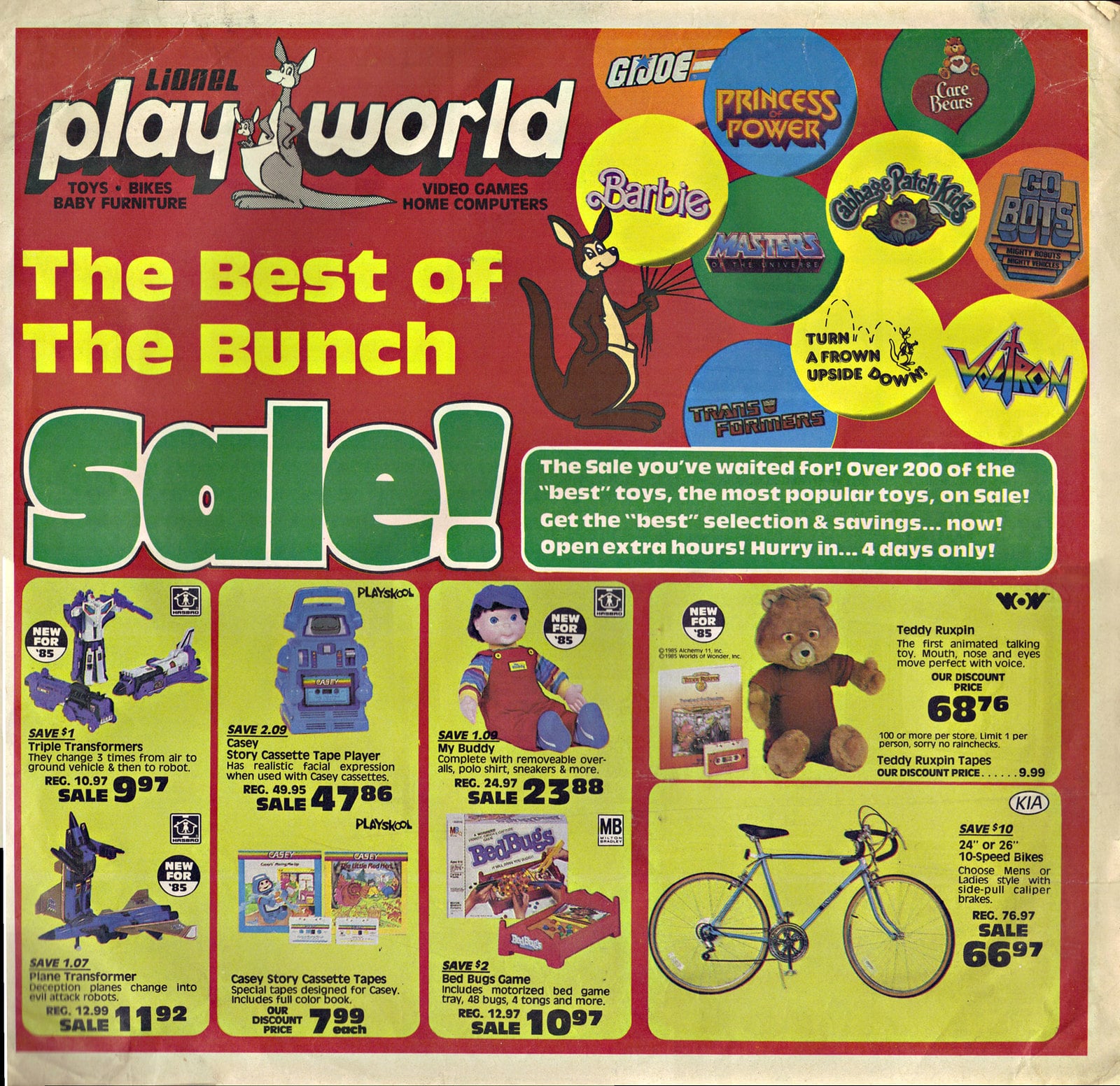
Toy stores used to be seasonal businesses that somehow stayed open year-round, and Kiddie City understood the seasonal rhythm better than most. The flagship stores were massive warehouses that felt empty in July and magical in December, when parents wandered the aisles with the focused intensity of people shopping for someone else’s happiness.
Toys”R”Us absorbed much of the business but never quite captured the same sense of seasonal transformation.
Hills Department Store
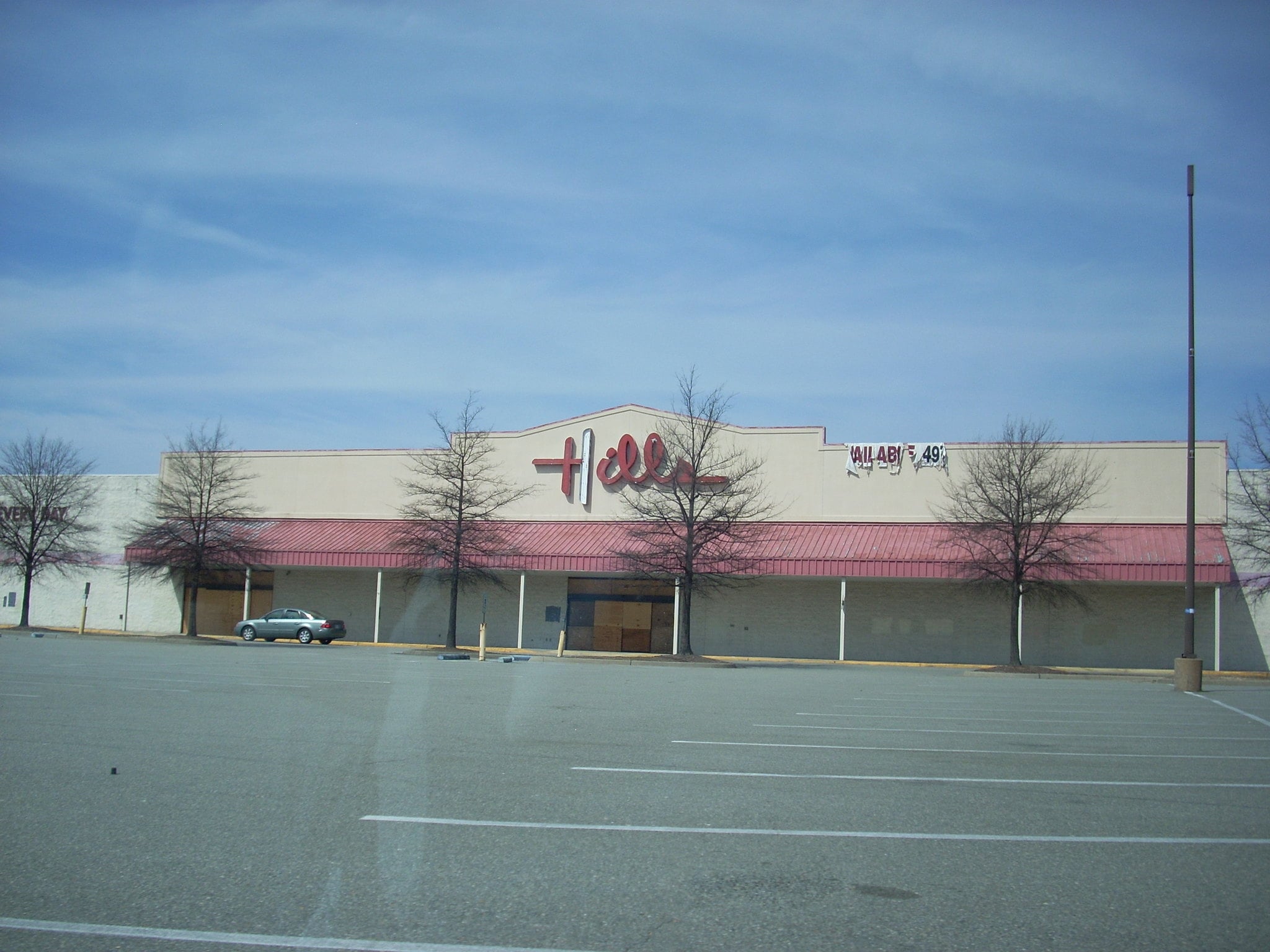
Hills occupied the retail space between discount and department store, selling necessities with just enough style to make shopping feel less like a chore. The flagship locations anchored small shopping plazas in towns that were too small for Macy’s but too large for general stores—a retail ecosystem that doesn’t really exist anymore.
Walmart filled the practical gap but eliminated the style, which turned out to matter more than anyone expected.
Ames Department Stores
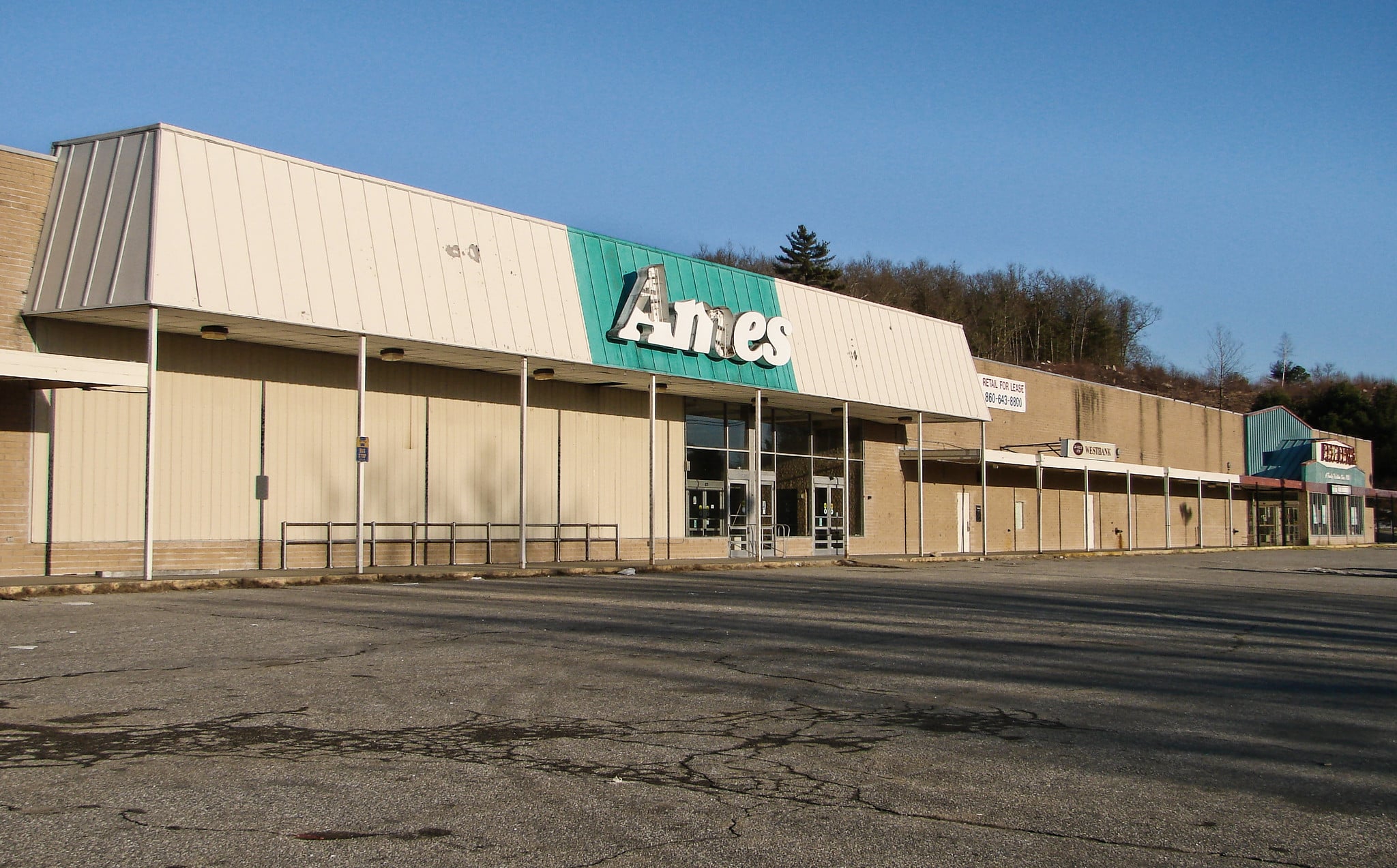
Rural retail used to mean something different when Ames stores served communities that didn’t have many shopping options. The flagship stores were genuine community centers where you might run into half your high school class during a Saturday shopping trip (whether you wanted to or not).
Dollar General moved into many of the old locations, but dollar stores serve communities rather than connecting them, which isn’t the same thing at all.
Rose’s Stores
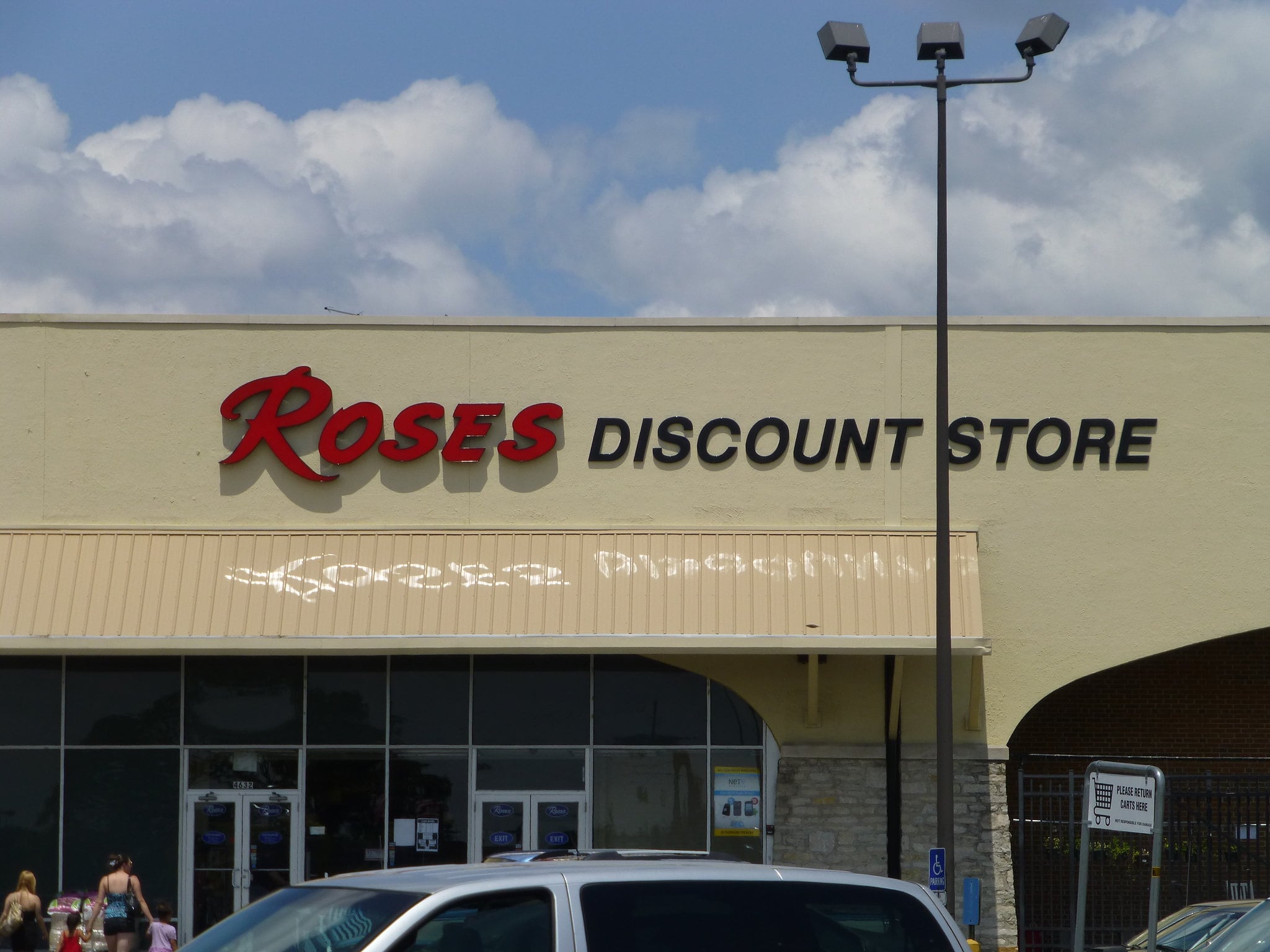
Rose’s understood small-town retail the way local diners understand breakfast—it wasn’t about having the most options, but about having the right options for the people who actually lived there. The flagship stores carried everything from work clothes to birthday gifts, organized with the practical wisdom of someone who knew their customers by name.
When they closed, many small towns lost their retail anchor, the place that had given everyone a reason to visit downtown.
Lecters Housewares
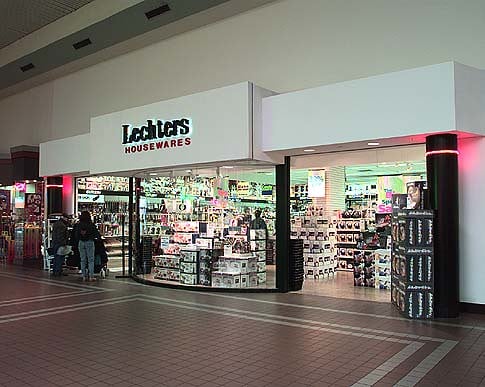
Kitchen stores used to be specialized places where buying a pot felt like joining a cooking tradition rather than just acquiring another thing. Lecters flagship stores were temples to domestic craft, staffed by people who knew the difference between types of skillets and why it mattered (back when cooking was still something most people did daily).
Williams Sonoma filled the high end and Target covered the low end, but no one replaced the middle ground where most people actually lived.
The Empty Spaces They Left Behind
These closures weren’t just retail casualties—they were small deaths in the life of American cities. The buildings remain, mostly, repurposed into spaces that serve different needs but carry none of the same memory.
Walking past these former landmarks still triggers a moment of recognition, the ghost of old shopping habits trying to pull you toward doors that no longer open the same way. Cities adapt and move forward, but they never quite fill these particular spaces with anything that feels as essential as what came before.
More from Go2Tutors!

- The Romanov Crown Jewels and Their Tragic Fate
- 13 Historical Mysteries That Science Still Can’t Solve
- Famous Hoaxes That Fooled the World for Years
- 15 Child Stars with Tragic Adult Lives
- 16 Famous Jewelry Pieces in History
Like Go2Tutors’s content? Follow us on MSN.



