29 TV Commercials From the ’90s Everyone Can Still Quote
There’s something almost eerie about the way a 30-second TV commercial from 1993 can still surface in your brain, word-perfect, decades later. You’ll be standing in a grocery store aisle, reach for a product, and suddenly — there it is.
A jingle, a catchphrase, a ridiculous spokesman in a foam costume, all of it perfectly preserved like a bug in amber. The ’90s were peak advertising in a very particular way: before the internet fractured attention into a thousand pieces, a good commercial played on three networks and lodged itself into the collective memory of an entire generation.
These 29 spots didn’t just sell products. They became part of the language.
“Whassup?!” — Budweiser
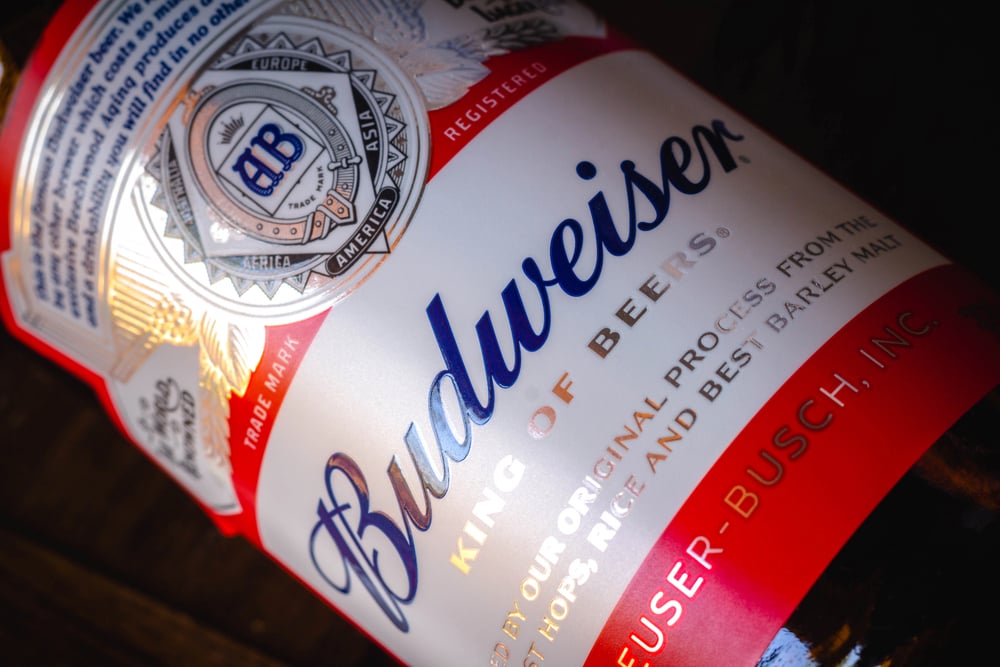
The Budweiser “Whassup?!” campaign arrived in 1999 and immediately became inescapable. A group of friends calling each other on the phone, stretching a single slurred greeting into something absurd and somehow perfectly human — it was dumb in the best way.
By 2000, people who had never touched a Budweiser were saying it to each other across parking lots and office hallways.
“I’ve Fallen and I Can’t Get Up” — Life Alert
Life Alert’s low-budget commercial featuring a woman named Mrs. Fletcher became a cultural punchline almost by accident. The line was earnest, the production was minimal, and the sincerity of it all somehow made it funnier to mock — which is fair, though also a little uncomfortable in retrospect.
The phrase became shorthand for any kind of helpless situation, which is saying something for a product designed to prevent real emergencies.
“Where’s the Beef?” — Wendy’s

Technically this one launched in 1984, but it lived so long in the cultural bloodstream that the ’90s felt it just as hard. Clara Peller, peering into a competitor’s bun with magnificent suspicion, delivered a line that worked as both consumer complaint and philosophical challenge.
Turns out “Where’s the beef?” had enough metaphorical range to outlast the decade that birthed it by about 40 years and counting.
“Got Milk?” — California Milk Processor Board

The original “Got Milk?” spot from 1993 — the one with the Aaron Burr historian who can’t answer a trivia question because his mouth is full of peanut butter and he has no milk — is a masterclass in frustration comedy. It’s genuinely funny in a way that most commercials aren’t, and the premise is tight enough that it holds up completely.
The campaign became a two-word cultural institution, and the Aaron Burr ad is still the best one they ever made.
“Be Like Mike” — Gatorade
The Gatorade “Be Like Mike” campaign turned Michael Jordan into something less like a spokesman and more like a shared aspiration. Kids on playgrounds weren’t just quoting an ad — they were borrowing the idea that greatness could be absorbed through proximity, through the right drink, through wanting it badly enough.
So it wasn’t really about Gatorade at all, and everyone knew it, and Gatorade was fine with that arrangement.
“1-800-COLLECT” — MCI

Carrot Top and his box of props hawking 1-800-COLLECT was an odd choice that somehow worked through sheer repetition. The number itself was the point: simple, memorable, impossible to forget after the fifteenth time you heard it before a Saturday morning cartoon.
And yet the commercials themselves were genuinely strange — a prop comedian as the face of a phone service felt like a casting decision made at 11 p.m. on a Wednesday.
“Silly Rabbit, Trix Are for Kids” — Trix Cereal
The Trix Rabbit’s whole existence is a study in sustained, cheerful disappointment — he never gets the cereal, not once, and the children always outwit him with a kind of casual cruelty dressed up as playfulness. Every commercial followed the same arc and ended in the same defeat, and somehow that predictability was the whole point.
You could set a clock by his failure, and every kid watching knew the line before it landed.
“Two All-Beef Patties” — McDonald’s
The Big Mac jingle — “two all-beef patties, special sauce, lettuce, cheese, pickles, onions on a sesame seed bun” — was engineered as a memory device, and it worked with disturbing efficiency. Reciting it fast enough to win a free burger was a challenge McDonald’s ran in the ’70s, but the ’90s kept the jingle alive as a kind of inherited reflex.
People who grew up in households that never ate at McDonald’s still know every syllable.
“I’m Lovin’ It” — McDonald’s
This one came in right at the tail end of the era — 2003 technically, but the ’90s spirit is all over it. The Justin Timberlake-connected jingle sanded itself into the brain through repetition alone, those five ascending notes becoming one of the most recognized sonic logos on the planet.
McDonald’s had always been good at this particular kind of infiltration: not asking for your attention, just taking it.
“Can You Hear Me Now?” — Verizon
The Verizon test man walking through cornfields and construction sites and parking garages asking “Can you hear me now? Good.” turned a technical feature into a cultural catchphrase through the sheer, relentless mundanity of it. It parodied itself before anyone else could, which was smart.
The phrase migrated immediately into everyday conversation as a way to check that you’d been understood — literally and otherwise.
“This Is Your Brain on Drugs” — Partnership for a Drug-Free America

The egg in the frying pan is so lodged in collective memory that even people born after the campaign can picture it. A plain egg, a hot pan, a calm voice explaining the metaphor — it was blunt in the way that only something made without irony can be blunt.
The 1997 follow-up with the woman destroying a kitchen escalated the original to genuinely unhinged proportions, which made it even more quotable.
“Snap, Crackle, Pop” — Kellogg’s Rice Krispies
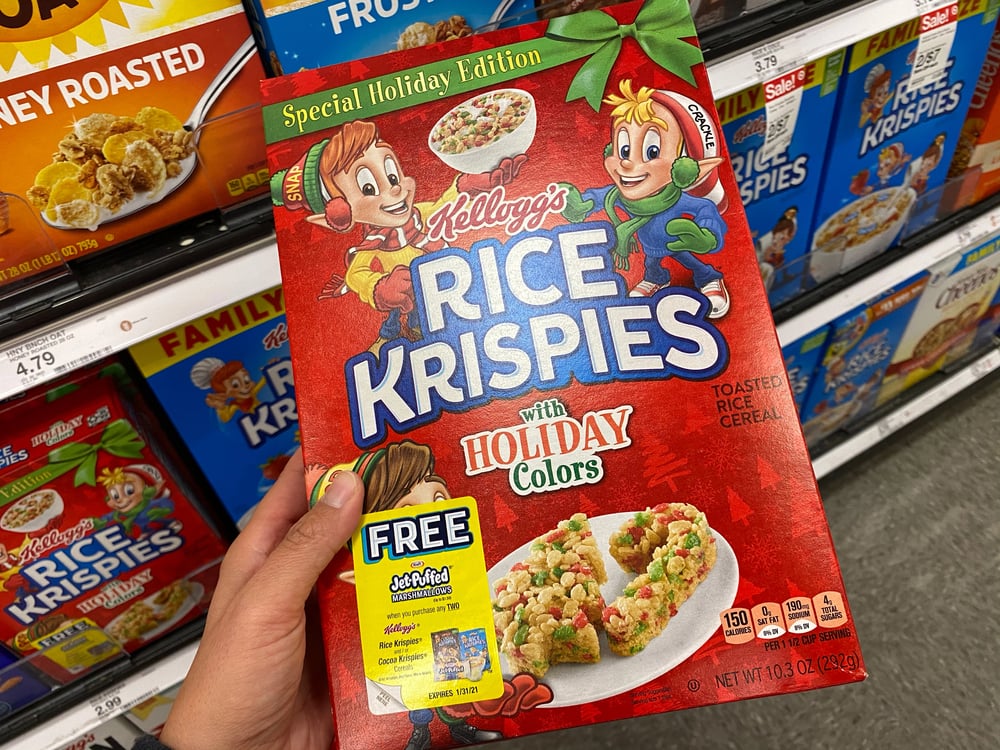
Rice Krispies had been running the Snap, Crackle, Pop characters since the 1930s, but the ’90s TV versions were colorful enough and quirky enough that they printed themselves on a whole new generation. The tagline wasn’t selling anything in particular — just the sound of cereal in milk, somehow elevated into something worth repeating.
There’s a reason people still say it when something crackles, even when cereal isn’t remotely involved.
“Give Me a Break” — Kit Kat
The Kit Kat jingle is arguably the most efficiently constructed earworm in advertising history — four words, a rhythm that refuses to leave, and a product demonstration built directly into the lyrics. You cannot hear the phrase “give me a break” in a non-commercial context without the jingle igniting somewhere in the back of your skull.
It’s been doing that since 1974, and the ’90s just kept feeding it.
“Parts Is Parts” — Wendy’s
Wendy’s ran a campaign in the mid-’80s and into the ’90s that skewered fast food chicken by questioning what exactly went into a competitor’s nuggets. The phrase “parts is parts” became its own little piece of dark consumer humor, a shoulder-shrug acknowledgment that processed food is processed food.
It had a kind of resigned wit that most fast food advertising carefully avoids.
“Please Don’t Squeeze the Charmin” — Charmin
Mr. Whipple, the grocery store manager forever catching shoppers squeezing the Charmin with a kind of scandalized delight, ran for decades and became one of the longest-running advertising characters in TV history. The joke never changed — customers squeeze it, Mr. Whipple scolds them, Mr. Whipple squeezes it himself — and somehow the repetition only made it more enduring.
The forbidden squeeze became the whole pitch.
“Head-On, Apply Directly to the Forehead” — Head-On
Technically this ran in the mid-2000s, but its gravitational pull on ’90s-adjacent infomercial culture earns it a place here on spirit alone. The commercial repeated the same instruction three times in 10 seconds and explained nothing about what the product actually did, which turned out to be a more effective strategy than any of the classy ads that aired around it.
People quoted it because it was absurd, and the product sold, which is still the most baffling data point in consumer advertising.
“Yo Quiero Taco Bell” — Taco Bell
The Taco Bell Chihuahua arrived in 1997 and immediately became the most quotable animal in advertising since the Budweiser frogs. A small dog staring into the camera and announcing his desire for a gordita is, by any reasonable measure, a ridiculous premise — and it worked completely.
The phrase became a way to announce desire for anything, which is probably more philosophical range than Taco Bell intended.
“I Want My MTV” — MTV
The original “I Want My MTV” campaign featured rock stars looking into the camera and demanding the cable channel with a kind of entitled urgency that was half joke, half genuine manifesto. By the ’90s the phrase had become something bigger than the ads — a shorthand for a generation’s relationship with music television, with wanting things loudly, with treating entertainment as a right rather than a luxury.
“Don’t Squeeze the Lemon Before Its Time” — Realemon
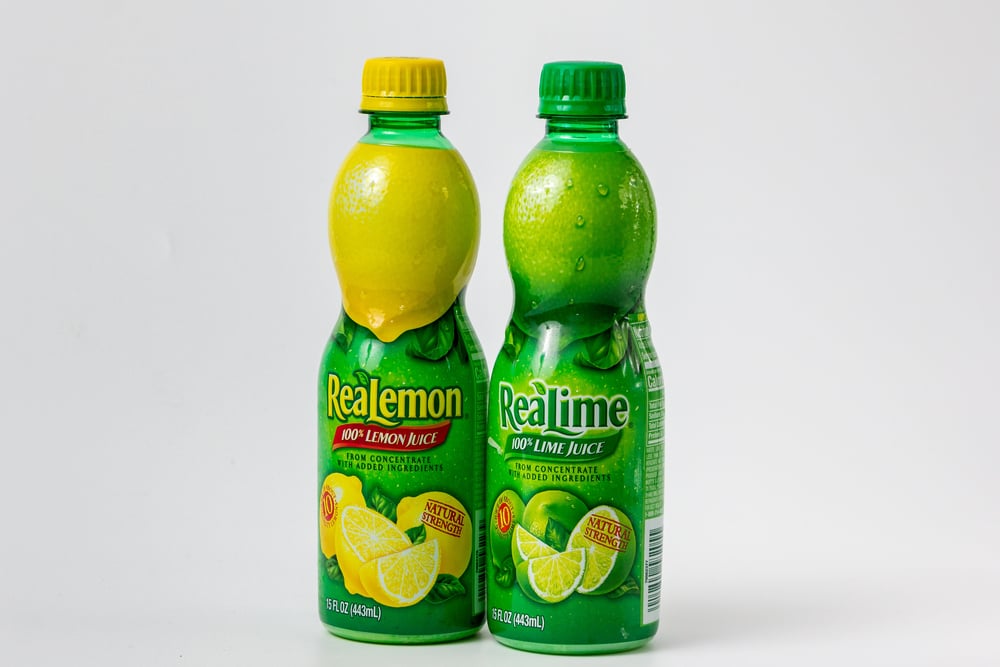
The parody of Orson Welles’s famous Paul Masson wine campaign — “we will sell no wine before its time” — filtered into ’90s consciousness through reruns and parody, and “before its time” became one of those phrases that migrated off the screen and into general use. The original Welles ad had a kind of unintentional gravitas that made it ripe for imitation.
So people imitated it for 30 years.
“Like a Good Neighbor, State Farm Is There” — State Farm
The State Farm jingle is so structurally simple that it almost doesn’t register as memorable until you realize you’ve known every word since childhood without ever trying to learn them. It’s the sonic equivalent of a well-placed piece of furniture — you stop noticing it, and then one day you notice you couldn’t imagine the room without it.
State Farm has barely changed the jingle in decades, which is either stubbornness or genius, and the results suggest the latter.
“Mikey Likes It” — Life Cereal
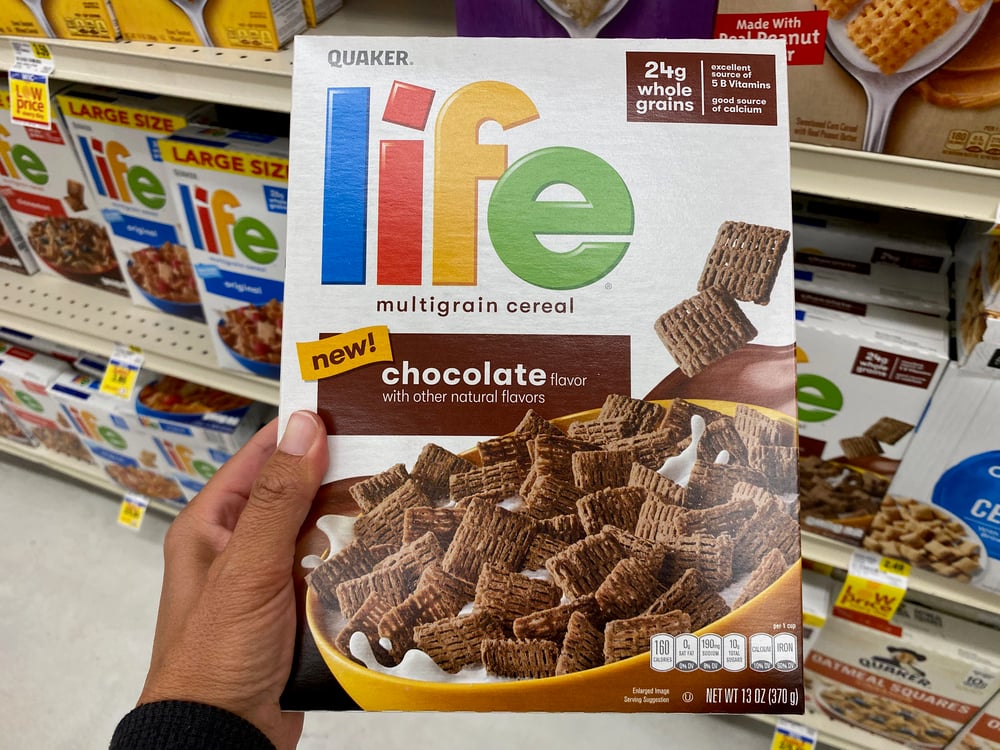
The Life cereal ad featuring Mikey — the famously picky kid who the other two brothers use as an unknowing taste-tester — ran from 1972 well into the ’80s and ’90s, becoming one of the most repeated spots in TV history. “He likes it! Hey, Mikey!” delivered with that particular mix of surprise and triumph, became a way to signal that a skeptic had been won over.
Turns out Mikey’s approval meant more to the culture than Life cereal ever anticipated.
“Just Do It” — Nike
Nike’s “Just Do It” tagline launched in 1988, but the ’90s were when it became genuinely inescapable — on TV, on billboards, on the back of every kid’s Trapper Keeper. It’s one of those rare advertising phrases that transcended the product entirely and became motivational advice people actually used, which is an extraordinary piece of brand alchemy.
Three words that told you nothing about sneakers and everything about how you were supposed to feel.
“Pump Up the Jam” — Reebok Pump
The Reebok Pump sneaker campaign made inflating your shoes into an act of self-expression — the physical pump on the tongue of the shoe turned into a performance, and the ads sold that performance harder than the footwear. Whether or not the pump technology did anything meaningful for athletic performance is a question most ’90s kids never bothered to ask.
It looked cool to pump it. That was enough.
“It Takes Two” — McDonald’s Mac Tonight
The moonman Mac Tonight character, floating through a city playing a grand piano and crooning about McDonaldland, was specifically designed to push late-night McDonald’s visits and landed in a strange, jazzy corner of the collective memory. The character was visually odd — a crescent moon for a head, sunglasses, a lounge singer vibe — which is probably why it lodged so firmly.
Advertising that puzzles you slightly tends to stick longer than advertising that explains itself completely.
“Tastes Great, Less Filling” — Miller Lite
The Miller Lite “Tastes Great, Less Filling” debate — former athletes arguing a beer’s two best qualities with the commitment usually reserved for treaty negotiations — was one of the longest-running campaign concepts in beer advertising. It turned a product compromise into a feature, which is genuinely clever, and it gave people a template for mock-serious argument they used for years.
The line became a way to frame any binary disagreement, even ones that had nothing to do with beer.
“The Best Part of Waking Up Is Folgers in Your Cup” — Folgers
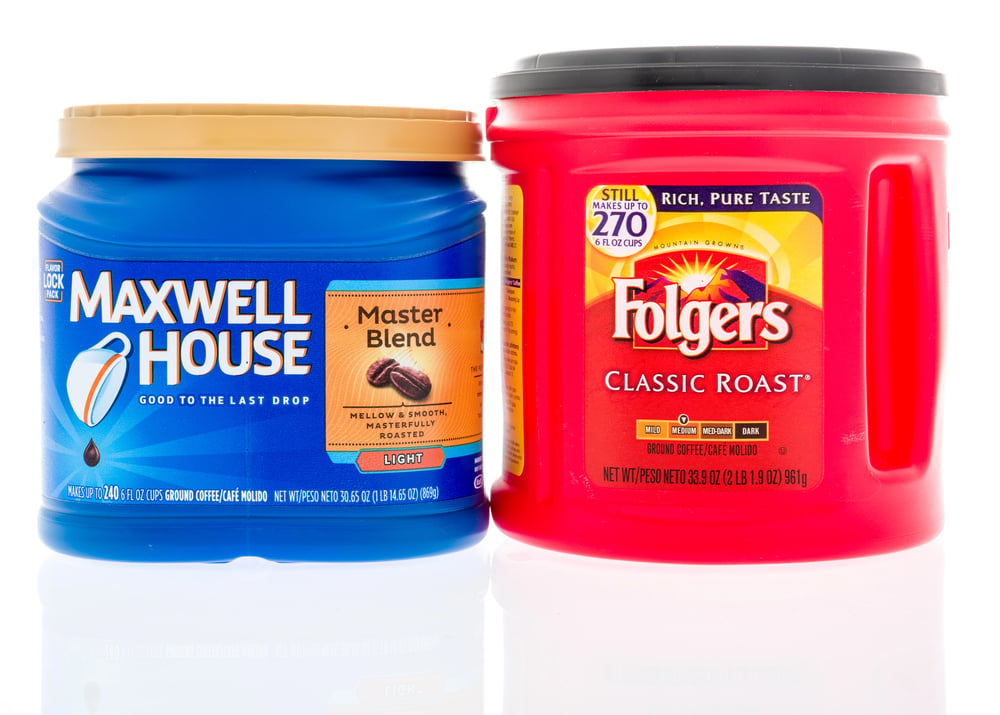
The Folgers jingle is embedded in morning routines in a way that borders on architectural — it’s not just a song about coffee, it’s a claim about what mornings are supposed to feel like. The ads themselves featured a particular brand of wholesome domestic warmth that was already a little nostalgic when they aired, as if Folgers was selling a version of family life that existed just slightly in the past.
And yet the jingle persists, note for note, in the heads of people who drink espresso and have no intention of changing.
“I’ve Got a Golden Ticket” — Wonka Candy
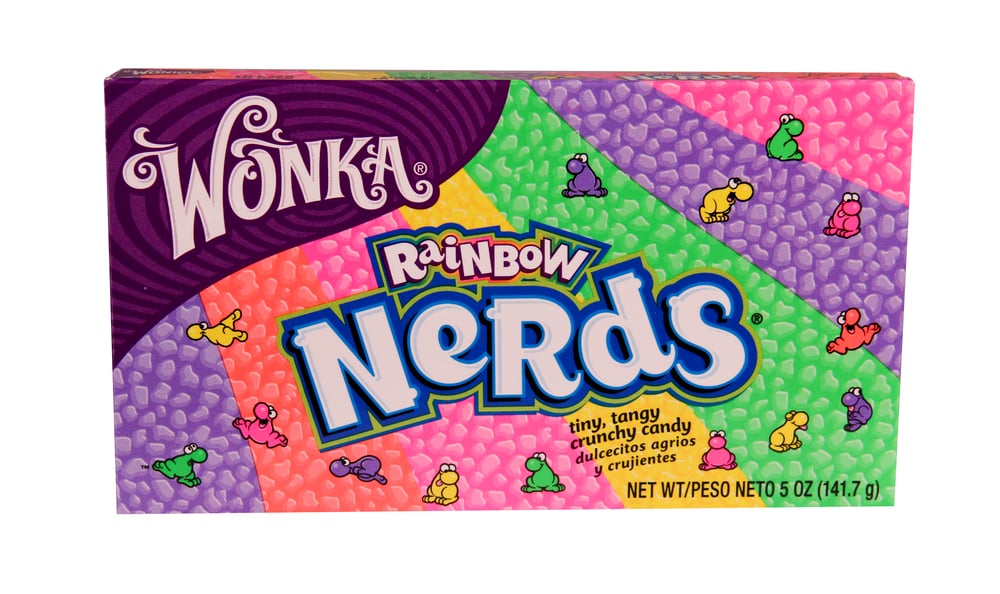
The Wonka candy ads borrowed the golden ticket mythology from the 1971 film and spent the ’90s using it to sell Nerds, Runts, and Gobstoppers with a particular kind of carnival energy. The framing gave ordinary penny candy a sense of occasion — you weren’t buying candy, you were entering something.
Whether that translated into actual golden ticket finds is beside the point; the promise was the whole product.
“Leggo My Eggo” — Kellogg’s Eggo
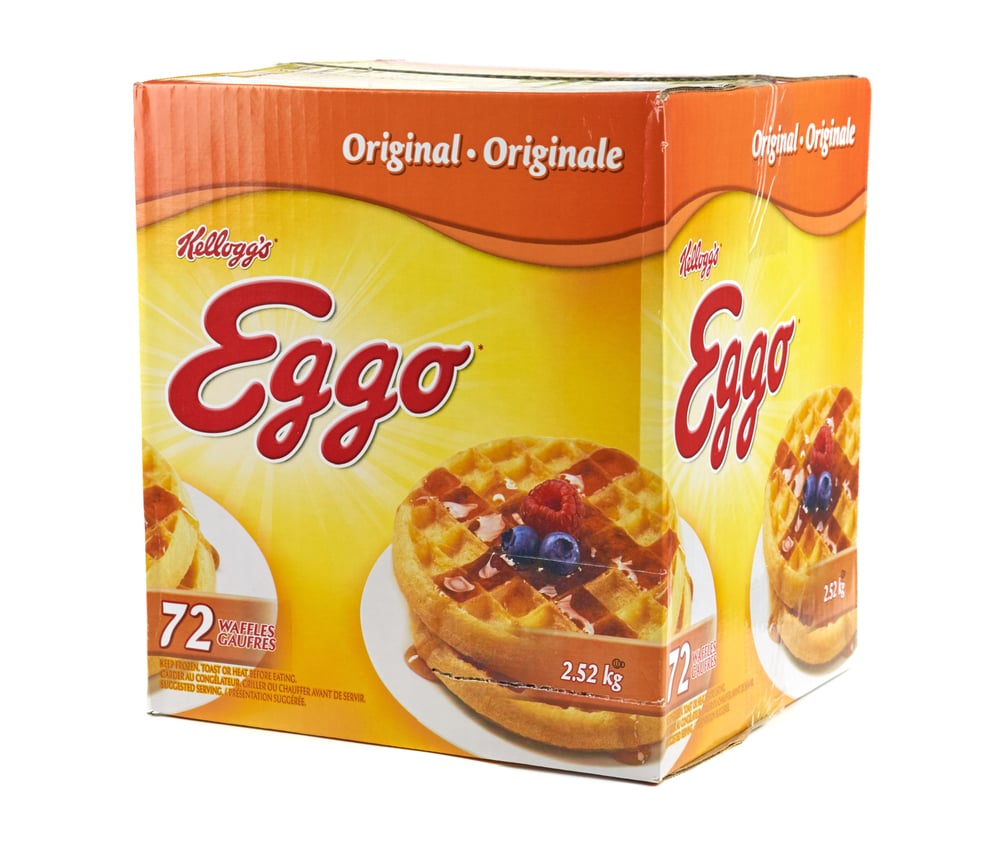
The premise of the Eggo waffles commercial — someone tries to take your waffle, you defend it with disproportionate ferocity — taps into something deeply human about food territoriality that children recognize immediately. “Leggo my Eggo” is grammatically loose and rhythmically perfect, which is exactly why it survived three decades of morning television without needing a single update.
Waffles inspire loyalty. Apparently this was always obvious to someone.
“I’m Not a Doctor, But I Play One on TV” — Vicks
This particular phrase, used in various forms across different product campaigns throughout the ’80s and ’90s, became the definitive shorthand for borrowed authority — the idea that proximity to expertise counts for something even when you’re explicitly admitting you don’t have it. It spawned a thousand parodies and entered everyday speech as a way to qualify advice being offered without credentials.
To be fair, it was always a bizarre thing to say out loud in an ad, and that’s probably exactly why it worked.
When the Jingle Outlives the Product

Memory is stubborn about the things it decides to keep. You might not remember where you put your keys this morning, but you remember every word of a Rice Krispies commercial from 1994 — and that asymmetry is strange enough to be worth sitting with for a moment.
These ads weren’t great art, most of them, but they were perfectly calibrated for the medium they lived in: a shared broadcast landscape where the same 30 seconds played for millions of people on the same night, over and over, until it stopped being an ad and became just something you knew. The brands are still there.
The products are still being sold. But the commercials themselves have become something closer to folk songs — pieces of a specific era, passed from one person to another, still perfectly intact.
More from Go2Tutors!

- The Romanov Crown Jewels and Their Tragic Fate
- 13 Historical Mysteries That Science Still Can’t Solve
- Famous Hoaxes That Fooled the World for Years
- 15 Child Stars with Tragic Adult Lives
- 16 Famous Jewelry Pieces in History
Like Go2Tutors’s content? Follow us on MSN.