Food to Eat Before They Go Extinct
Climate change doesn’t just threaten polar bears and coral reefs. Your breakfast table faces its own quiet crisis.
The foods you grew up with and take for granted might not stick around for your grandkids. Disease, drought, and shifting temperatures are reshaping what grows where, and some of your favorites sit squarely in the crosshairs.
Bananas as You Know Them
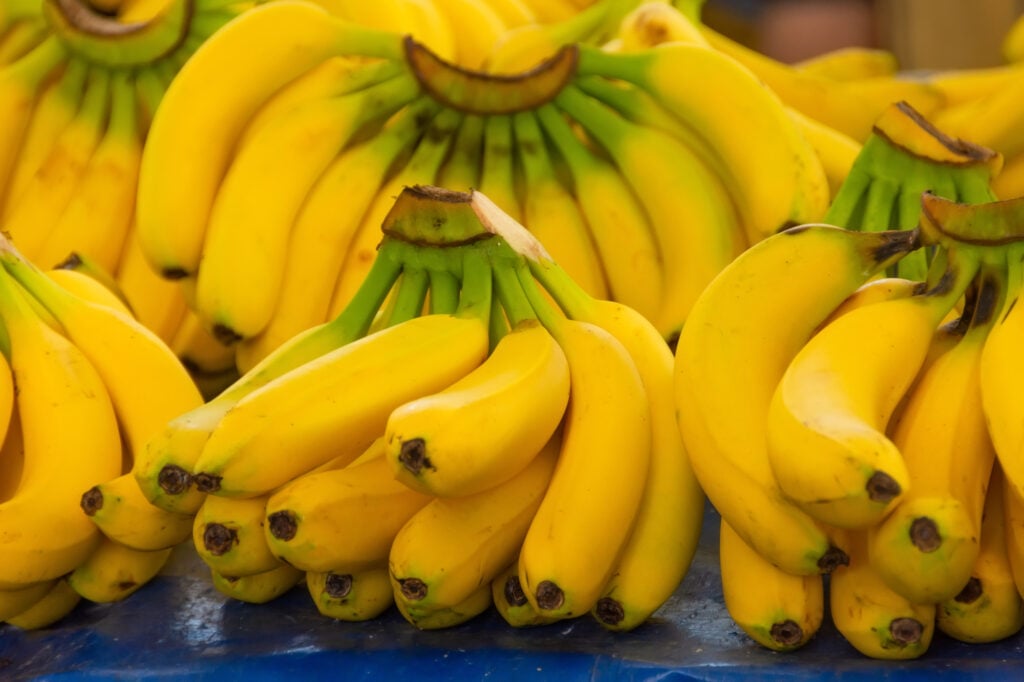
The banana in your grocery store is almost certainly a Cavendish. And the Cavendish is dying.
A fungal disease called Panama disease has been wiping out plantations across Asia and has now reached Latin America, where most of our bananas come from. The bananas don’t have genetic diversity to fight back because they’re all clones of each other.
The same thing happened to the Gros Michel banana in the 1950s, which is why we eat Cavendish now. History is repeating itself, and scientists haven’t found a replacement variety yet.
Chocolate That Actually Tastes Like Chocolate
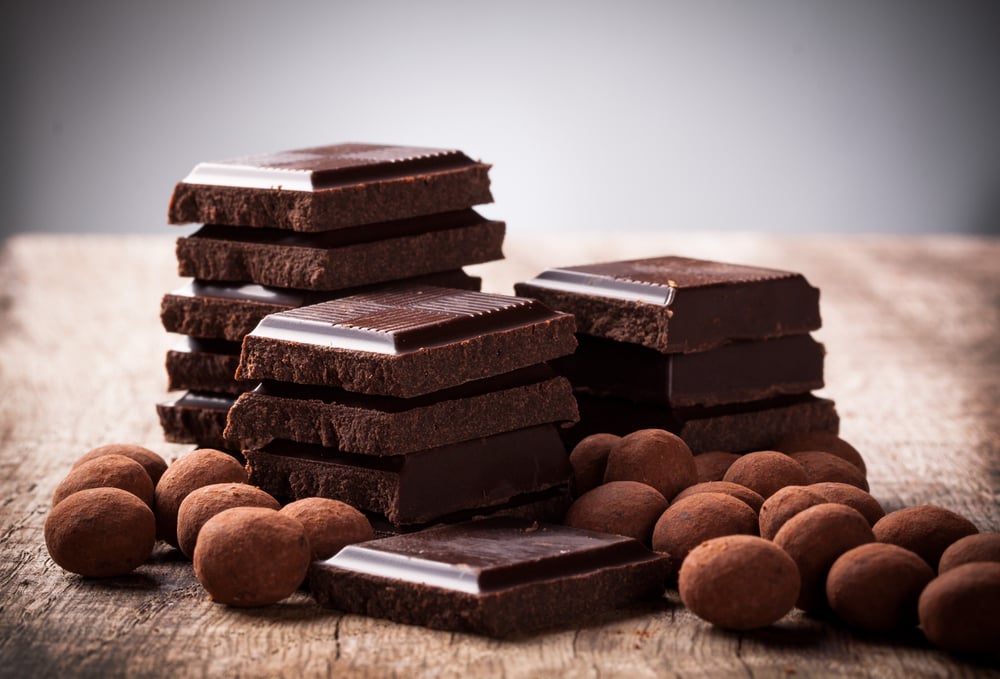
Cacao trees are finicky. They grow in a narrow band around the equator and need specific conditions to thrive.
Rising temperatures and changing rainfall patterns are shrinking their habitat. West Africa produces most of the world’s cocoa, and farmers there are already seeing yields drop.
Some estimates suggest half of the current growing regions won’t be suitable for cacao by 2050. The chocolate bars you love now might become a luxury item your kids can’t afford.
Real Maple Syrup
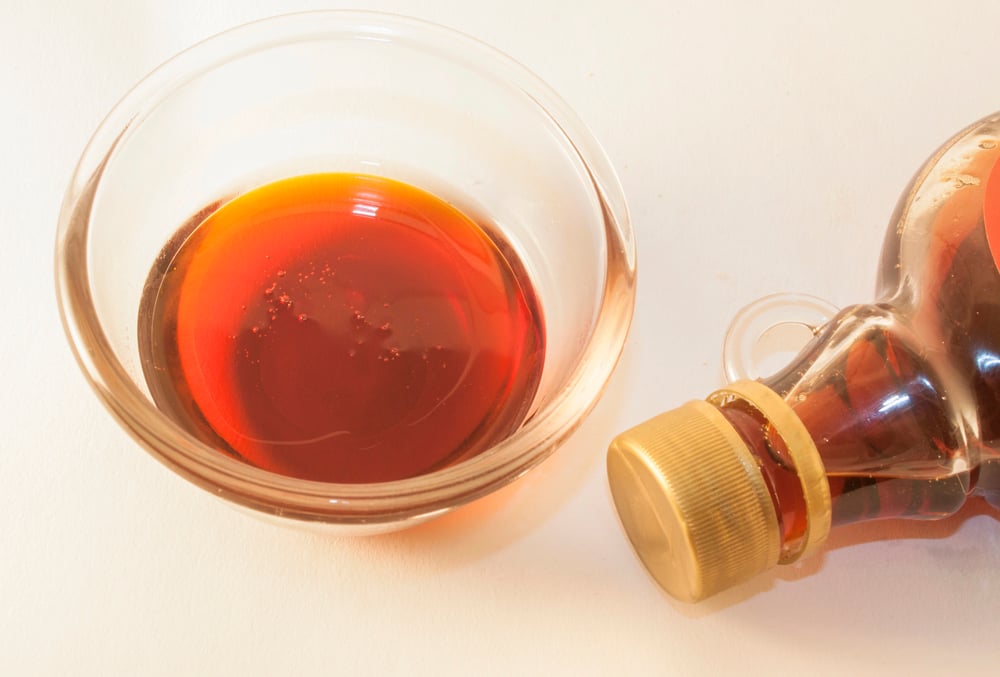
Sugar maples need cold winters to produce sap. Climate change is warming up the northeastern United States and Canada, which is bad news for maple syrup production.
The trees are budding earlier, which shortens the tapping season. Some regions have lost weeks of production time.
Quebec produces most of the world’s maple syrup, and even its massive strategic reserve won’t help if the trees stop cooperating. Fake syrup is already cheaper and more common, but nothing matches the real thing.
Coffee Worth Waking Up For
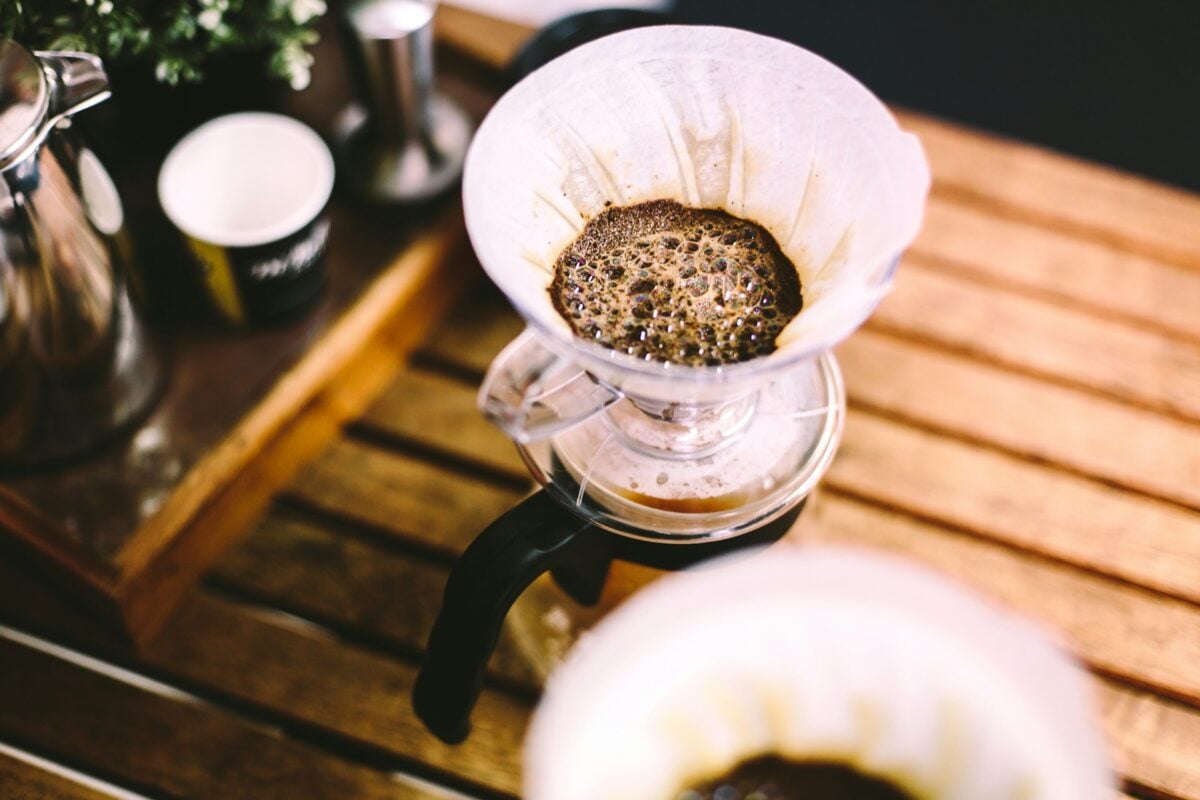
About 60% of coffee species face extinction. The two main varieties people drink—Arabica and Robusta—are both vulnerable.
Arabica needs cool temperatures at high altitudes, and those zones are shrinking. Robusta handles heat better but is getting hammered by pests and disease.
Coffee rust, a fungal infection, has devastated crops in Central America. Ethiopia, where coffee originated, is losing suitable growing land fast.
Your morning cup costs more each year for a reason.
Wild-Caught Salmon
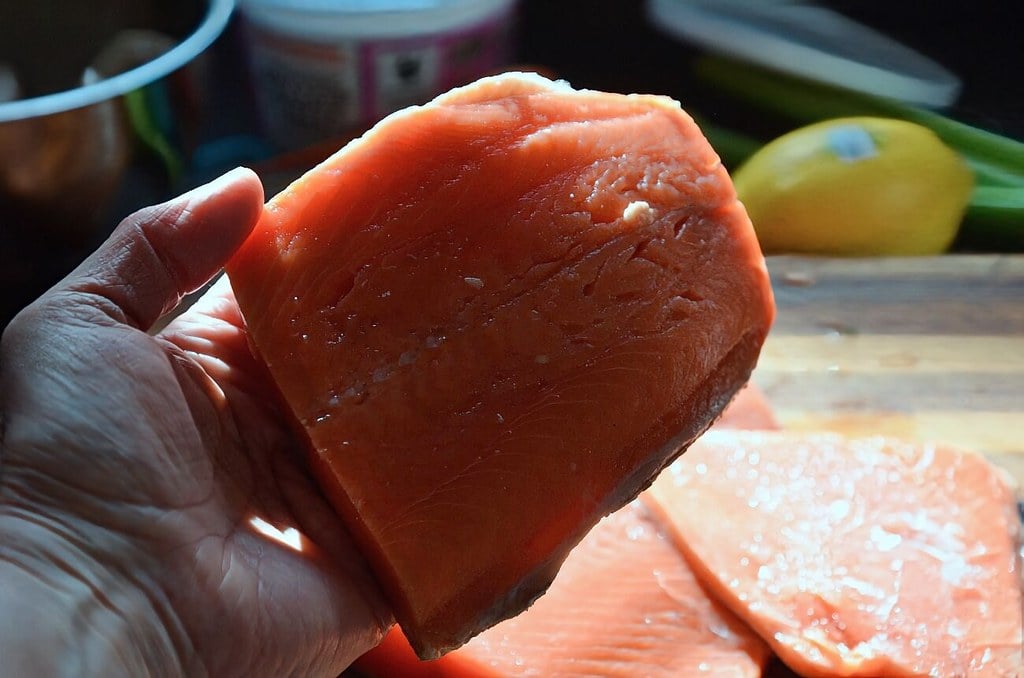
Pacific salmon populations are crashing. Warmer ocean temperatures mess with their food sources and migration patterns. Rivers are running warmer, too, which stresses the fish and makes it harder for them to spawn.
Dams block their routes, and overfishing has hammered stocks for decades. Alaska still has decent wild salmon runs, but the Pacific Northwest has seen massive declines.
Farm-raised salmon fills grocery shelves now, but it tastes different and comes with its own environmental problems.
Honey From Actual Bees

Honeybees are in trouble, and that means honey is too. Colony collapse disorder, pesticides, habitat loss, and diseases are killing off hives. Commercial beekeepers lose 30% or more of their colonies each winter now.
Fewer bees means less pollination, which affects the foods bees help produce, but it also means less honey. What you see labeled as honey in stores often contains added sugars or comes from overseas with questionable quality.
Real, pure honey from local hives is getting harder to find.
Oysters You Can Order Raw
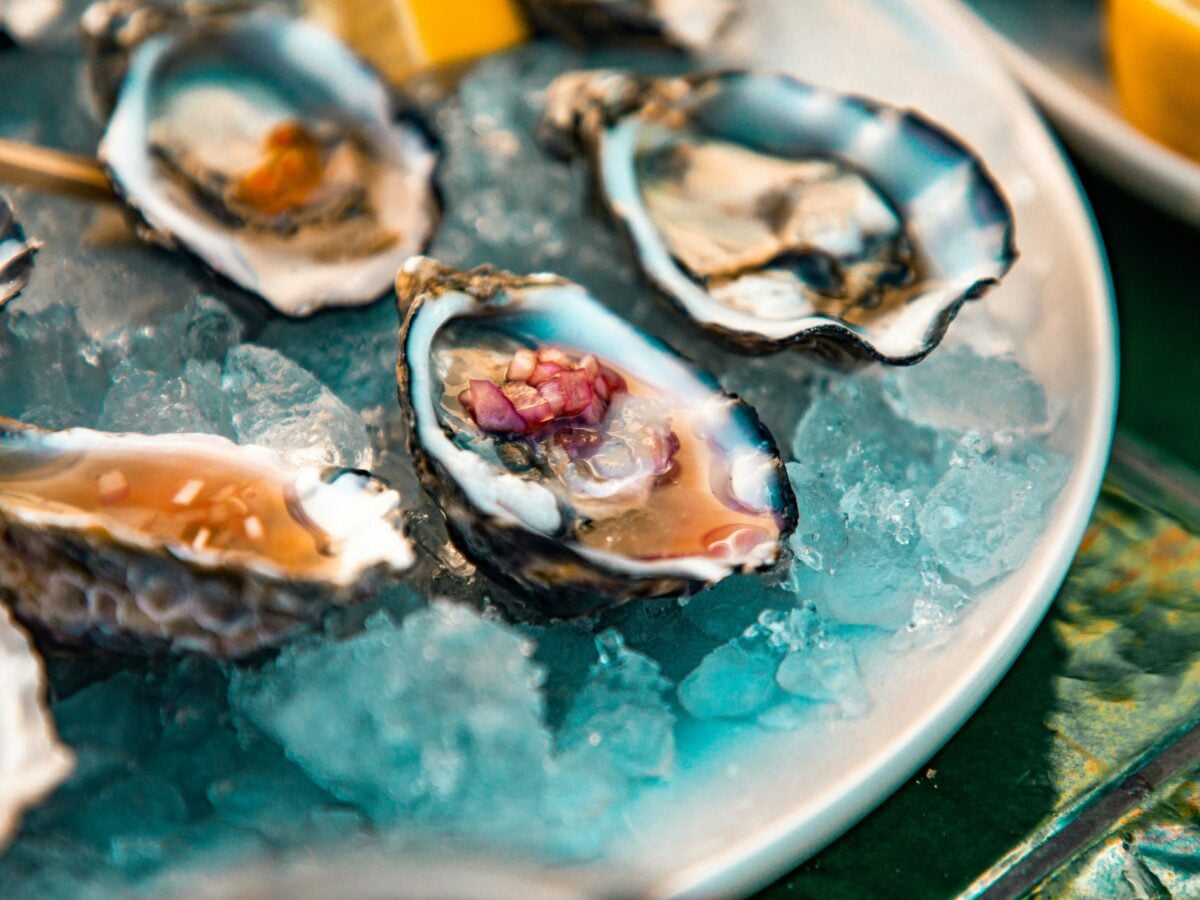
Ocean acidification is dissolving oyster shells. As oceans absorb more carbon dioxide, the water becomes more acidic, which makes it harder for shellfish to build and maintain their shells.
Oyster larvae are especially vulnerable. The Pacific Northwest has seen hatcheries fail because baby oysters couldn’t form shells properly.
Wild oyster reefs are disappearing too. The oyster bars and restaurants you know might start struggling to source decent oysters.
Chickpeas and Lentils
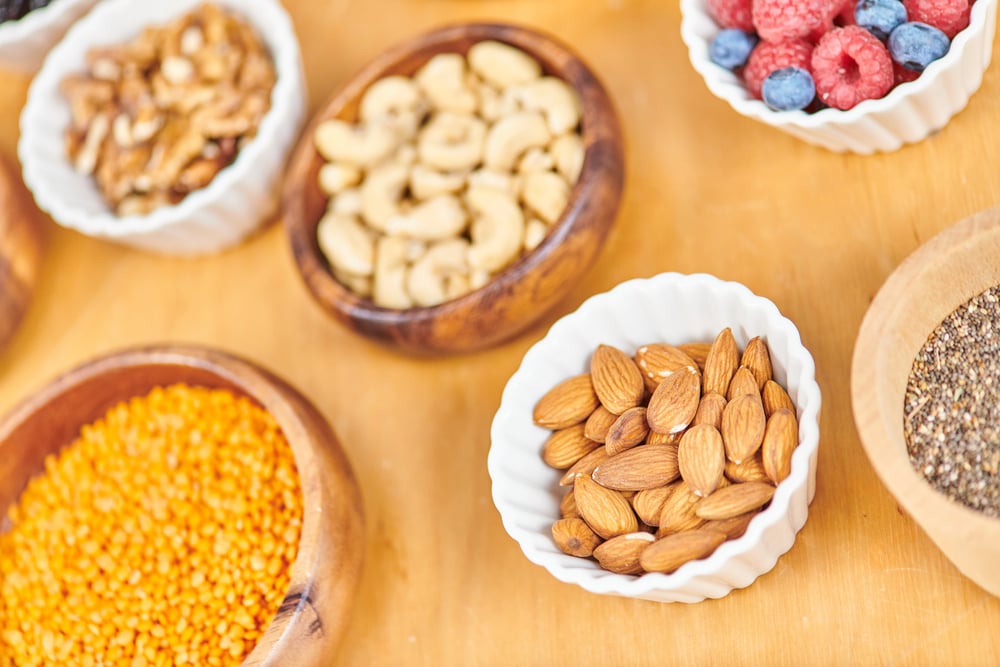
Pulses need water, and water is becoming scarce in many growing regions. India grows the most chickpeas, and droughts there keep getting worse.
Heat waves during the flowering season reduce yields dramatically. Lentils face similar problems.
These crops are drought-tolerant compared to others, but there’s a limit to what they can handle. Your hummus and dal might get expensive or harder to find.
Peanuts That Grow in the Ground
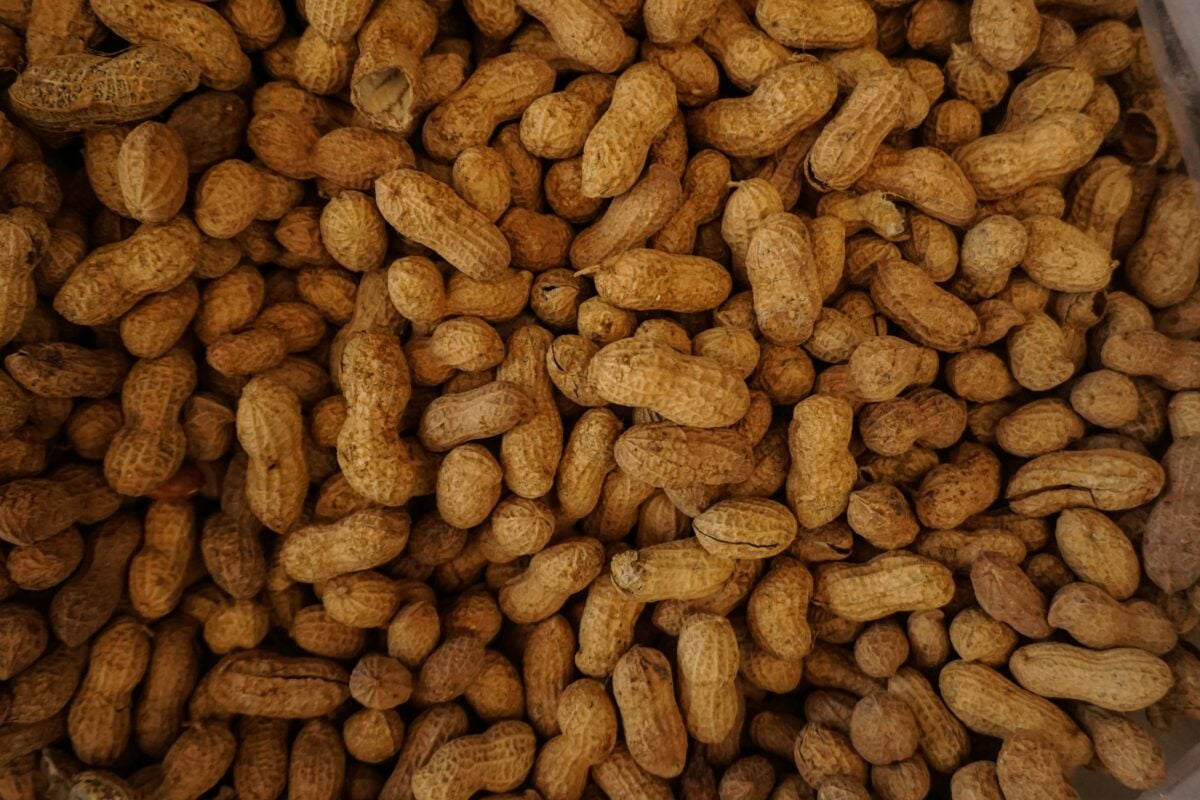
Peanuts need specific soil moisture and temperature ranges. Too much rain and they rot.
Too little and they don’t develop properly. Climate swings make both scenarios more common.
Aflatoxin, a toxic mold, thrives in hot, dry conditions and is showing up more often in peanut crops. The southeastern United States grows most American peanuts, and farmers there are dealing with unpredictable weather that makes planning nearly impossible.
Wine From Traditional Regions
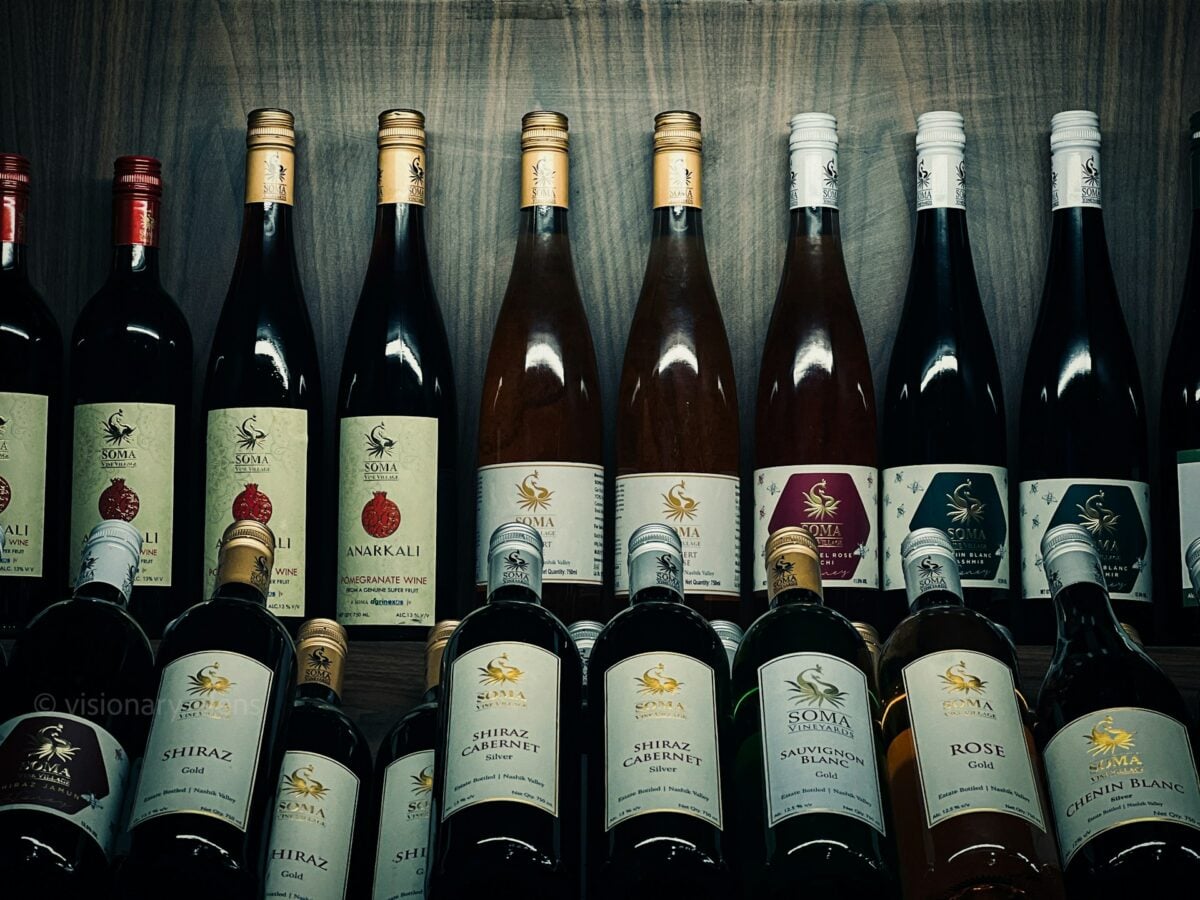
Bordeaux, Burgundy, Napa—these names mean something because the grapes grown there make distinctive wines. But the climate that created those perfect conditions is changing.
Grapes are ripening earlier. Sugar content is increasing, which makes wines more alcoholic.
Some regions are getting too hot for the varieties they’ve grown for centuries. Vineyards are moving north or to higher elevations.
The wines you associate with certain places might taste completely different in a generation, or disappear entirely.
Rice That Feeds Billions
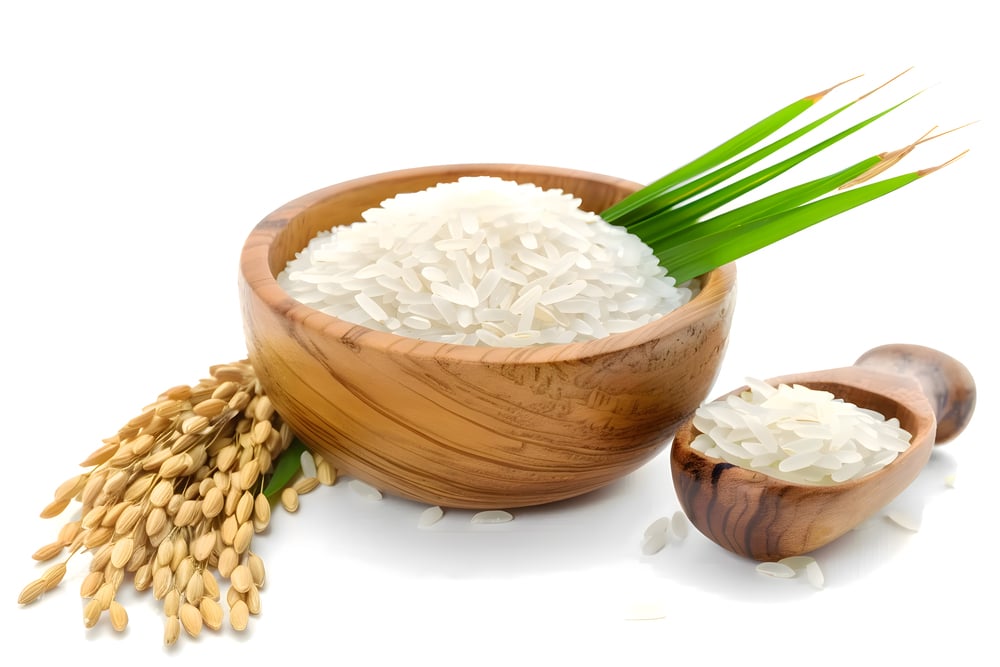
Rice feeds half the planet, and it’s in danger. Rising temperatures reduce yields. Flooding from extreme weather drowns crops.
Sea level rise is pushing saltwater into river deltas where rice grows, and rice doesn’t tolerate salt well. Droughts hit rice paddies hard because the crop needs consistent water.
Asia grows 90% of the world’s rice, and climate change is hitting those regions especially hard. Food security for billions of people depends on rice, and the math is getting scary.
Vanilla That’s Actually Vanilla
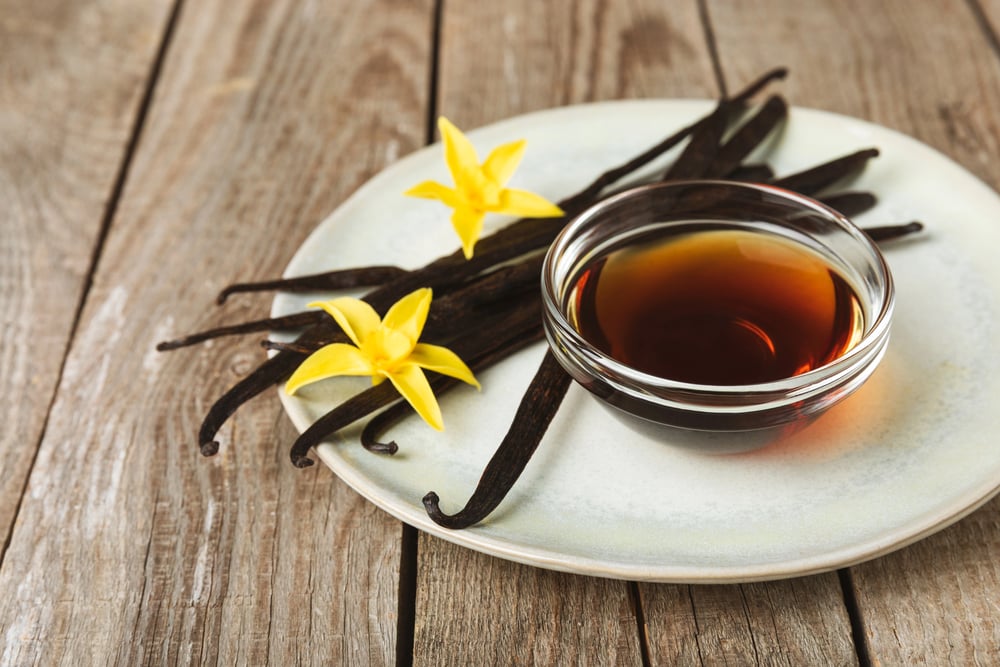
Real vanilla comes from orchids that grow in Madagascar, and the country produces about 80% of the world’s supply. Cyclones keep battering the island.
The vanilla market is already volatile and expensive because the orchids require hand pollination and take years to mature. Climate change makes everything harder.
Vanilla extract in your cabinet probably contains synthetic vanillin, not real vanilla. The real stuff might become even more rare and pricey.
Wheat Fields That Actually Produce
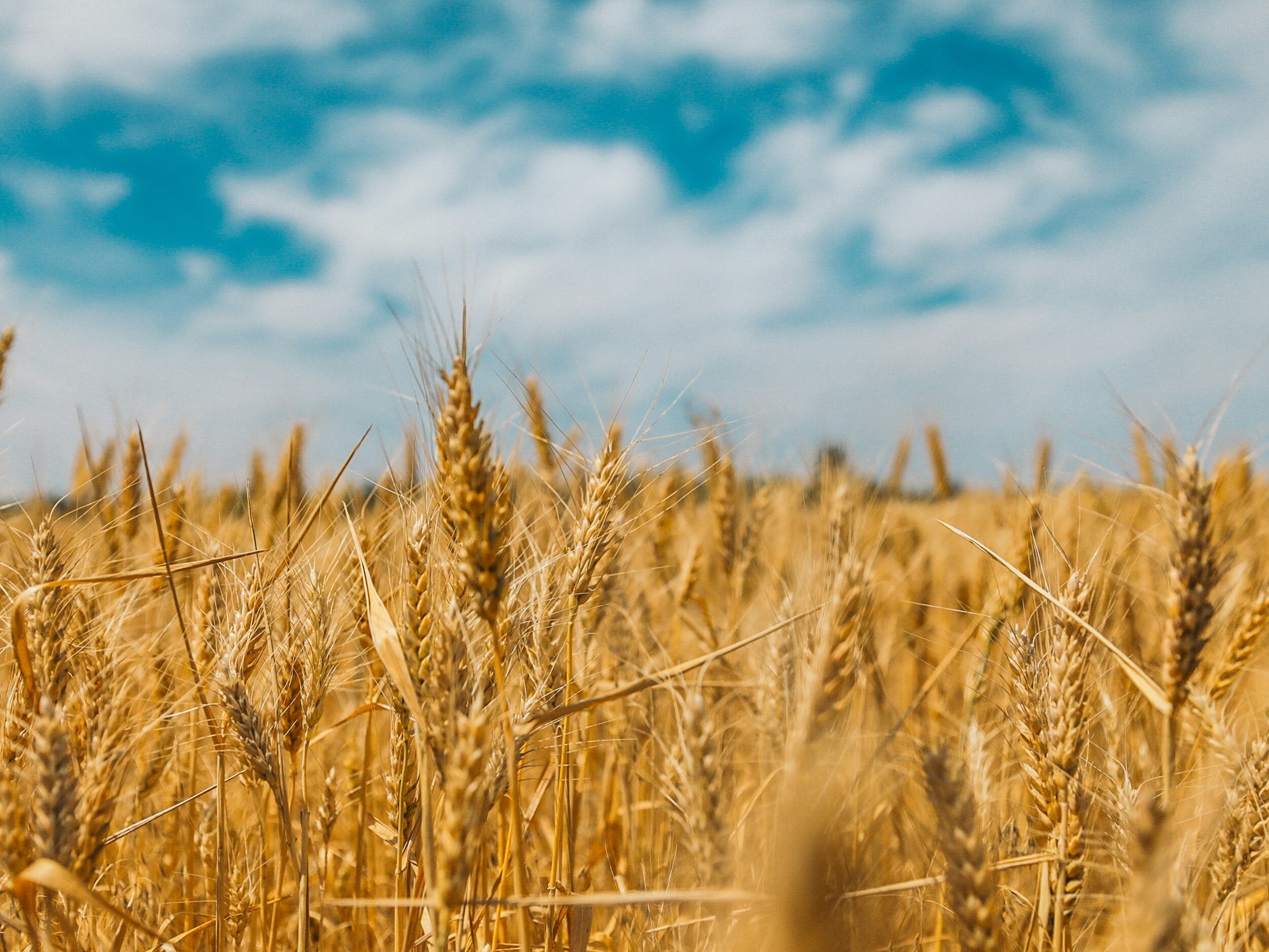
Wheat grows across huge swaths of the planet, but heat stress and drought are cutting into yields. The grain belt in the United States, the breadbasket of Russia and Ukraine, and wheat-growing regions in Australia are all seeing more frequent crop failures.
Wheat is sensitive to temperature spikes during key growth stages. Too hot at the wrong time and the kernels don’t develop properly.
The reliable wheat supply that keeps bread cheap and abundant isn’t as reliable anymore.
Avocados Without Guilt
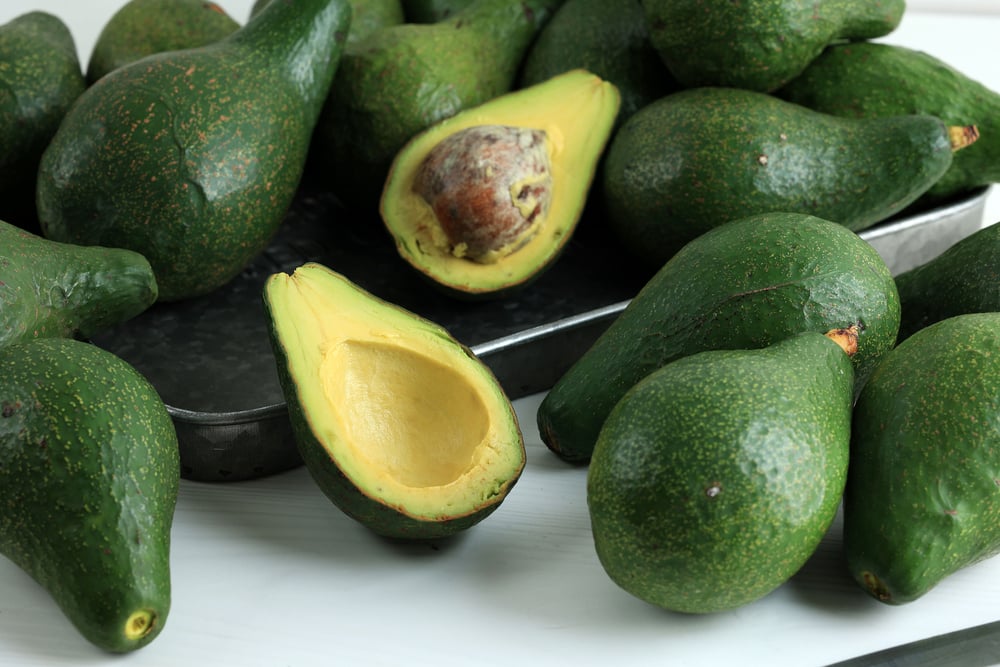
Avocados need massive amounts of water. Growing regions in California, Mexico, and Chile are facing water shortages.
Some areas have seen streams and rivers run dry because of avocado farming. The crop has become so profitable that it’s causing environmental damage and even violence in some places.
Climate change is making droughts worse. Your avocado toast might become unsustainable or unavailable as water becomes more precious.
Tuna Worth Ordering
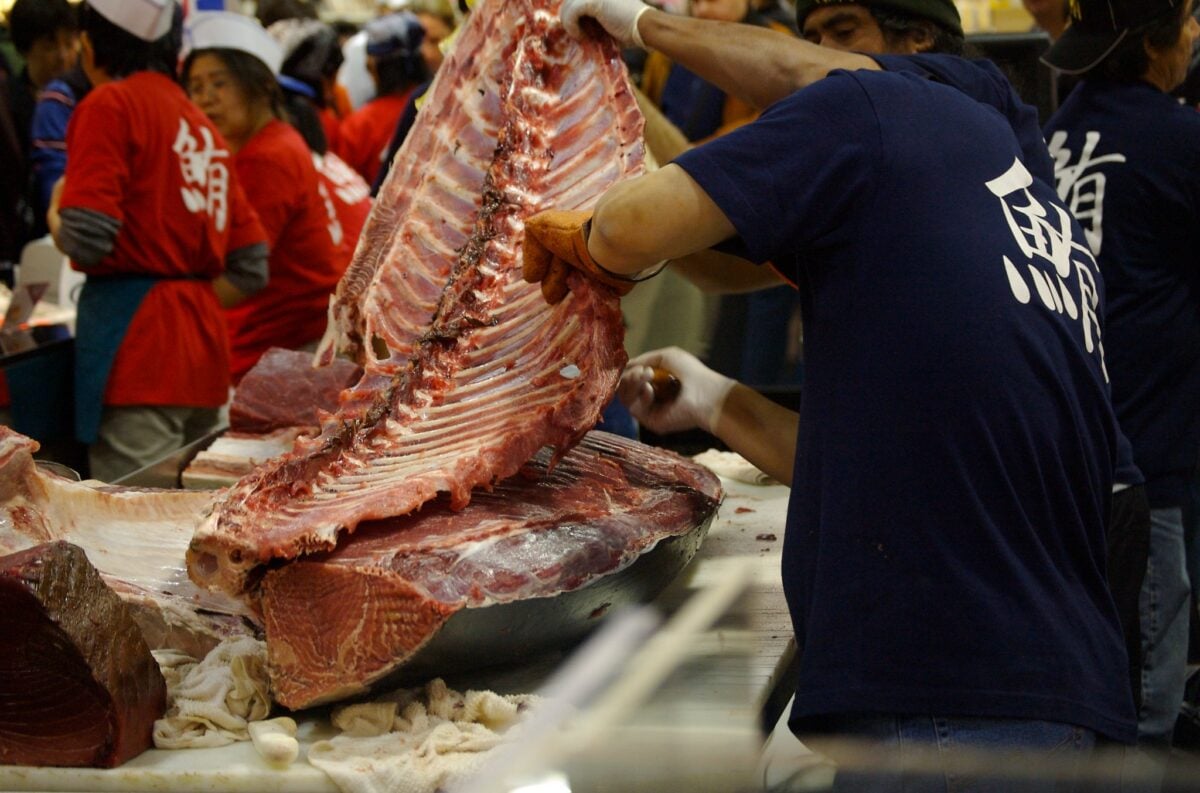
Bluefin tuna could vanish soon. Meanwhile, yellowfin and similar market favorites are also dropping fast. Fishing too much is the big issue – yet hotter seas mess with their homes and mating spots.
They’re showing up in different zones now, skipping old hotspots altogether. In some places, numbers plunged past 90%.
Sushi spots keep dishing out tuna since folks still want it – yet the flow from sea to plate’s getting shaky. Eco-friendly fishing methods are around; even so, not many use them.
What Gets Left Behind
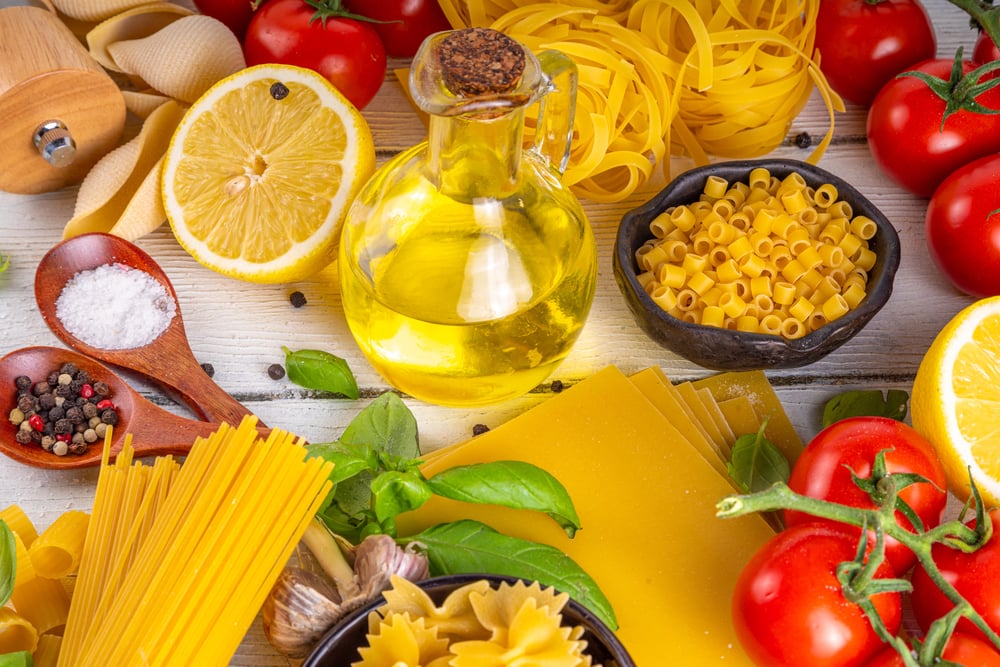
The way we grow food today didn’t happen overnight – it built up slowly over the ages. Early growers turned wild crops into tamer ones, improved them through careful breeding, while learning which spots worked best for each plant.
Now, shifting weather patterns are changing the game quicker than farms can keep up. Because of this rush, certain foods might just vanish from our plates.
Some will turn into pricey treats. A handful could stick around in versions that feel a bit off.
Right now, you’re in the final stretch where these foods are still easy to find. Tasting them today? It’s like holding onto something fading away.
More from Go2Tutors!

- The Romanov Crown Jewels and Their Tragic Fate
- 13 Historical Mysteries That Science Still Can’t Solve
- Famous Hoaxes That Fooled the World for Years
- 15 Child Stars with Tragic Adult Lives
- 16 Famous Jewelry Pieces in History
Like Go2Tutors’s content? Follow us on MSN.