Old Neon Signs From Closed Shops Worth Thousands
The glow has faded, the shops have shuttered, but those weathered neon signs hanging in forgotten corners might be sitting on a goldmine. What once advertised everything from corner barbershops to late-night diners has transformed into serious collectible territory.
The irony cuts deep: the very signs that marked business failures now represent some of the investments in vintage Americana. And the numbers tell a story that would surprise anyone who’s walked past these relics without a second glance.
Route 66 Motel Signs
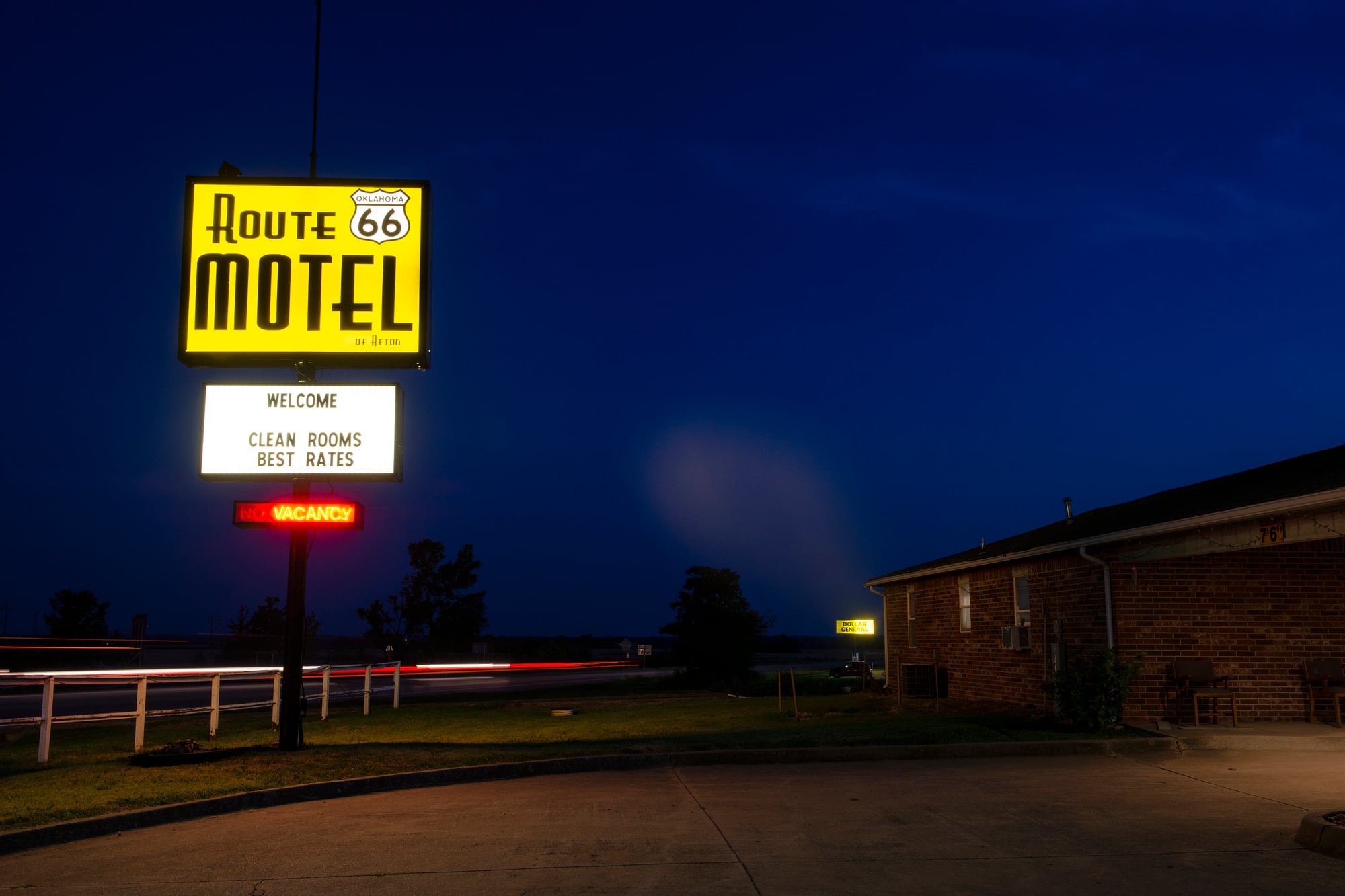
These highway legends command top dollar for good reason. A classic motor lodge sign from the Mother Road can fetch anywhere from $5,000 to $50,000, depending on size and condition.
The arrow designs and atomic-age styling capture an era when the open road promised everything. Collectors specifically hunt for signs with original neon tubes intact.
Even non-working examples sell for serious money. The bigger the sign, the bigger the price tag.
Coca-Cola Advertising Neon
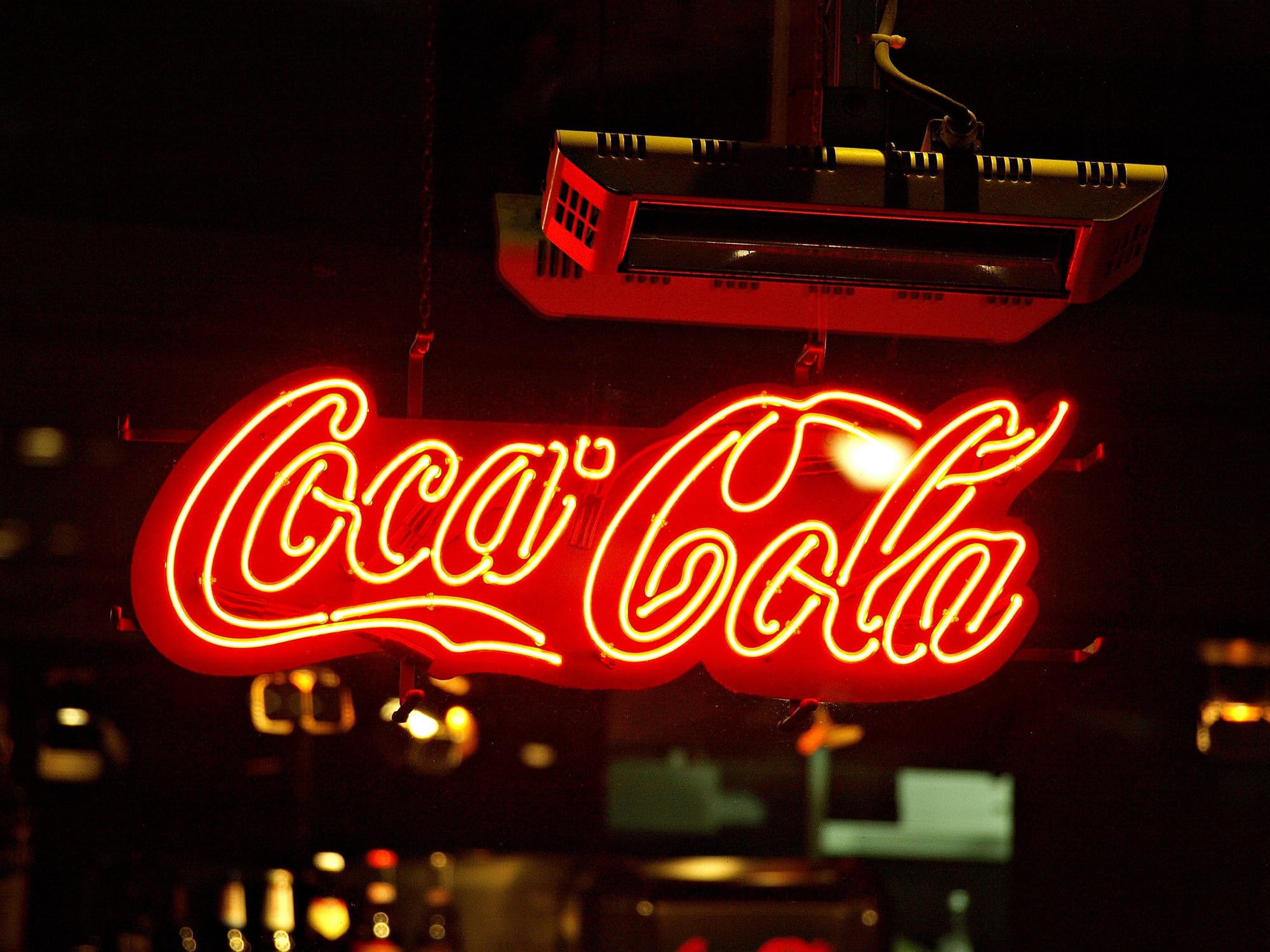
Coca-Cola neon from closed soda fountains and corner stores represents the holy grail of beverage collectibles. Original 1940s and 1950s Coke signs routinely sell for $15,000 to $30,000 at auction.
The classic script logo in red neon against white backgrounds drives the highest prices. But here’s where it gets interesting (and expensive): the rarer flavors command even more respect among serious collectors.
Orange Crush, Dr Pepper, and Pepsi-Cola signs from the same era often outpace their more famous Coca-Cola counterparts, simply because fewer of them survived the decades. And the really large examples — the kind that once dominated entire building facades — those can push into six-figure territory, which sounds absurd until you consider that these aren’t just signs anymore.
They’re three-dimensional pieces of American commercial art that happened to sell soda for a living. So when a small-town diner finally closes after sixty years, and that massive Nehi sign comes down from the roof, it’s not heading to the scrap yard anymore.
Automotive Service Station Signs
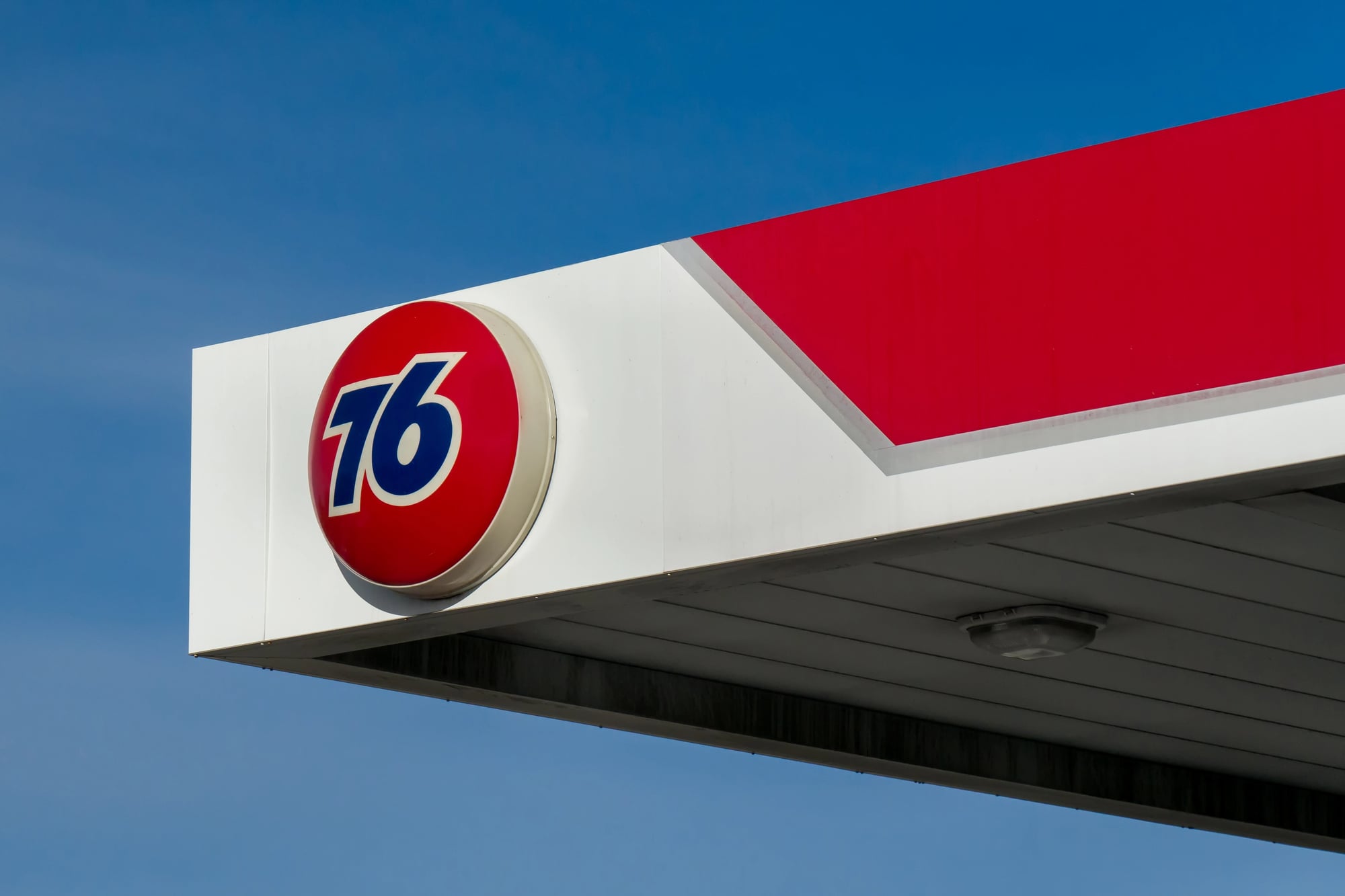
There’s something magnetic about the confidence of old service station neon — the way it promised both mechanical salvation and American optimism in equal measure. Texaco stars, Shell scallops, and Mobil Pegasus signs carry the weight of an era when gas stations were neighborhood anchors rather than corporate pit stops.
The star performers hit auction blocks regularly. Original Texaco star signs sell for $8,000 to $25,000.
Phillips 66 shields command similar respect. Even smaller brands like Sinclair or Pure Oil find eager buyers willing to pay premium prices for authentic examples.
Barber Shop Poles And Signs
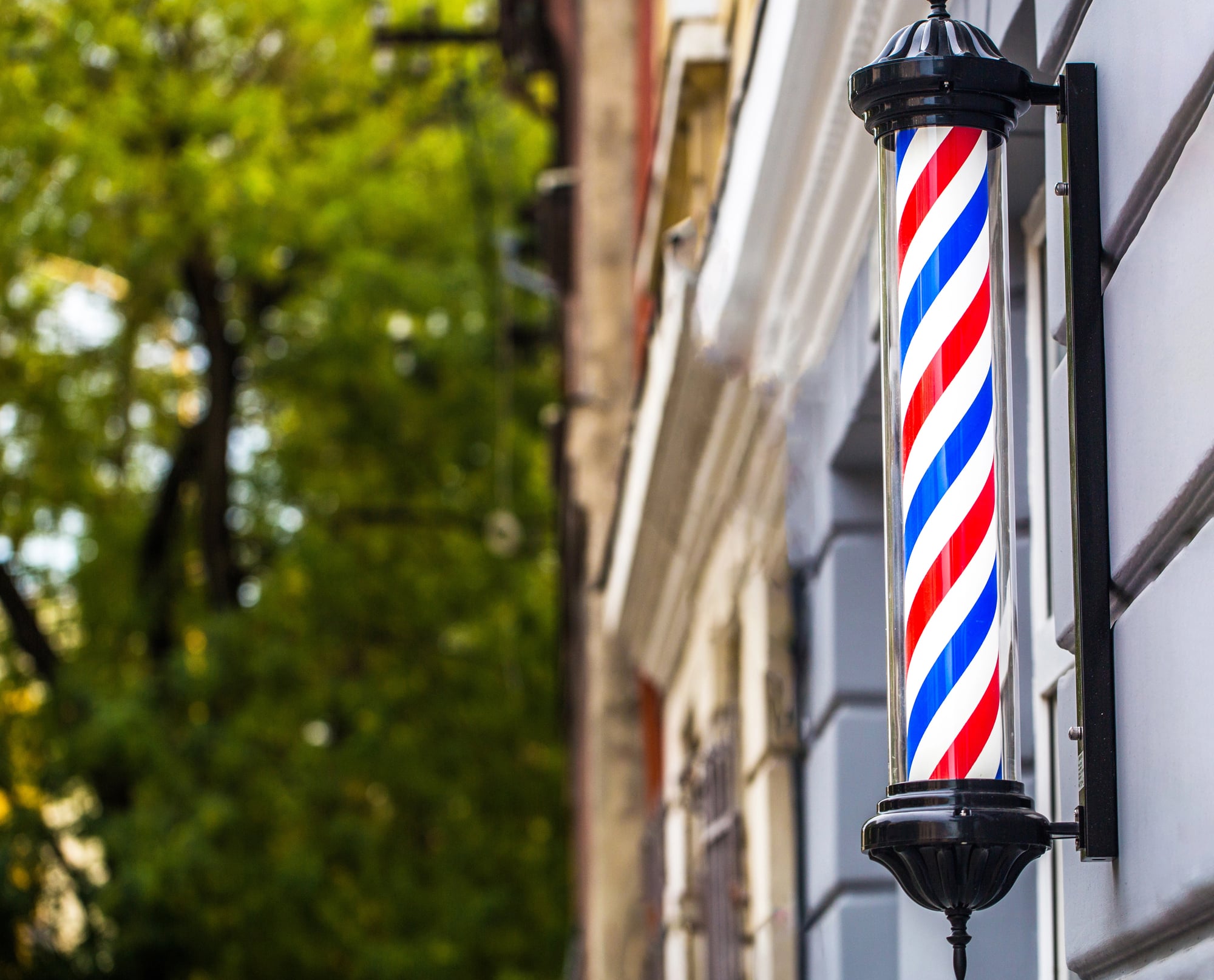
Barber shop neon deserves recognition as the most honest advertising ever created. No promises about lifestyle transformation or social status — just a simple declaration that haircuts happened here, and they happened well.
Original rotating barber poles with neon elements sell for $3,000 to $12,000. The three-dimensional pole designs with red, white, and blue spirals represent peak Americana.
Flat neon barber signs bring less money but still command respect in the $1,500 to $5,000 range.
Pharmacy And Drug Store Signs
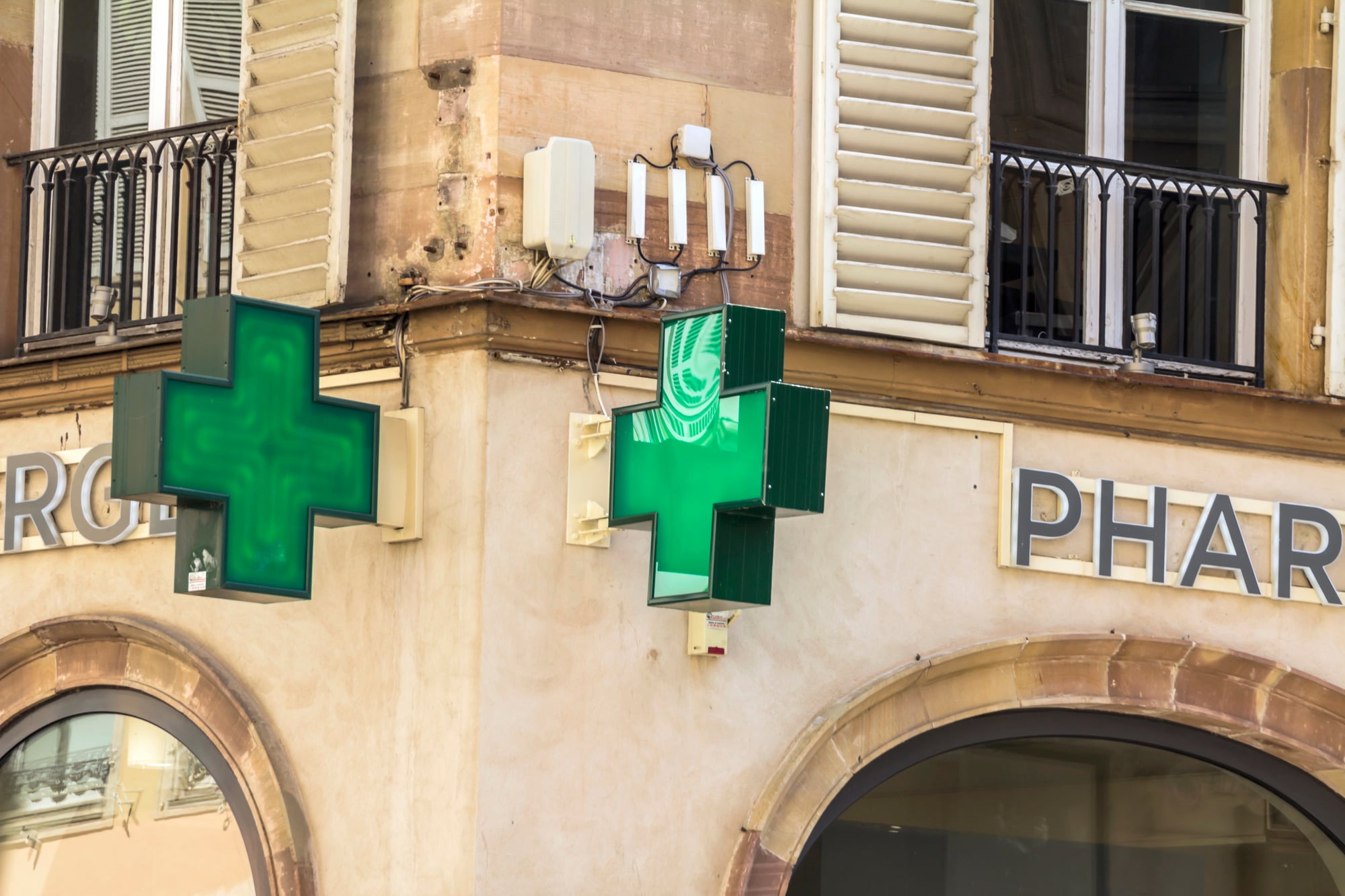
The neighborhood pharmacy once anchored every main street corner, and their neon signs reflected that civic importance. These weren’t flashy or attention-grabbing — they were steady, reliable, and built to last decades.
Much like the pharmacists who worked beneath them, the signs projected competence rather than excitement. Original Rexall, Walgreens, and independent pharmacy signs trade hands for $4,000 to $18,000, depending on size and complexity.
The mortar and pestle designs hold particular appeal. Prescription symbols in neon carry surprising emotional weight for collectors who remember when drug stores were neighborhood institutions rather than corporate chains.
Theater And Cinema Marquees
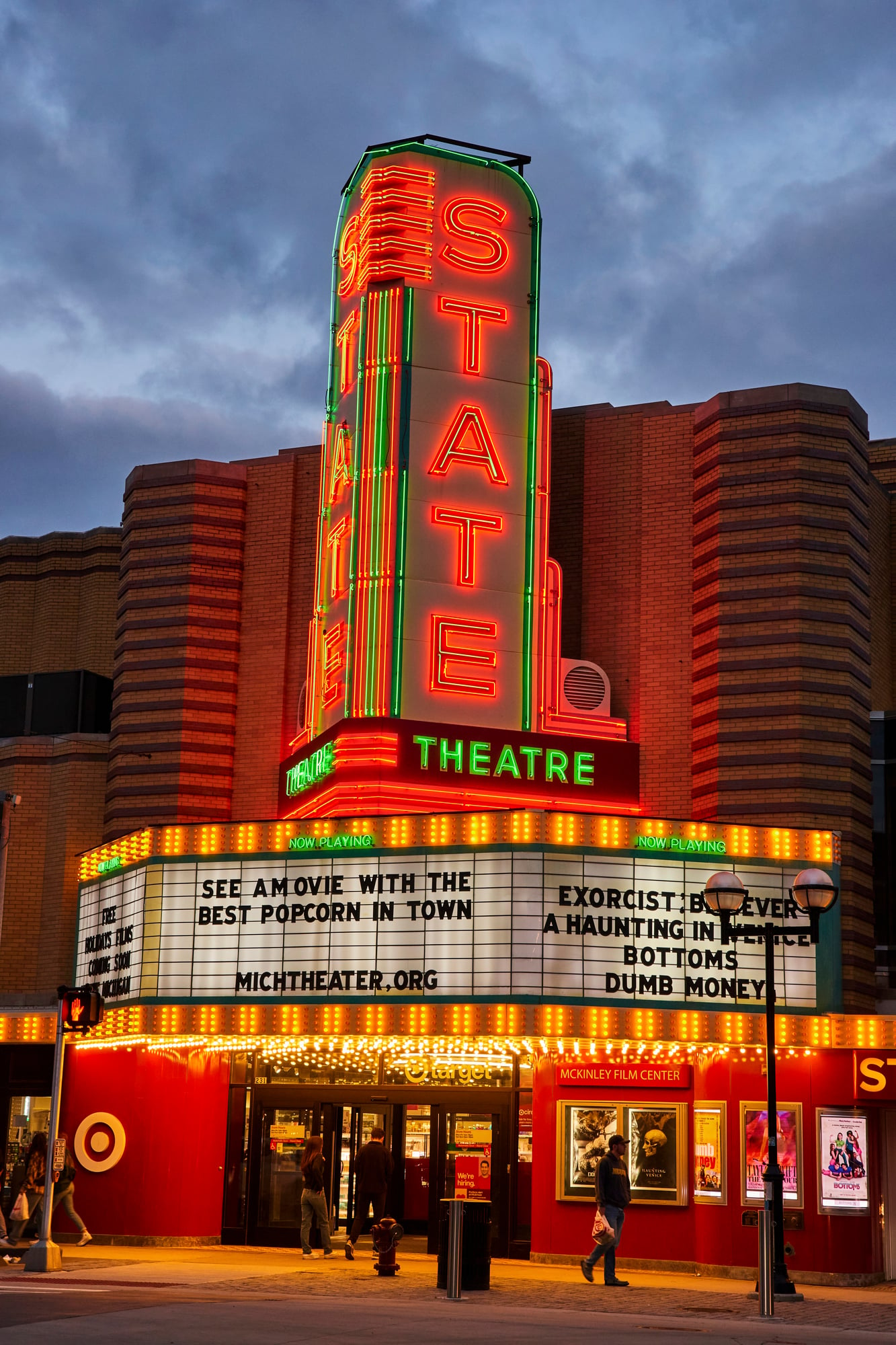
Movie theater neon represents entertainment archaeology at its finest. Those marquee letters that once spelled out “Now Showing” and “Coming Soon” now spell out serious money for collectors smart enough to rescue them from demolished theaters.
Complete marquee letter sets sell for $20,000 to $100,000. Individual letters bring $200 to $800 each, depending on size and style.
The chase lights that once drew crowds to Saturday matinees now draw collectors willing to pay premium prices for authentic examples.
Restaurant And Diner Signs
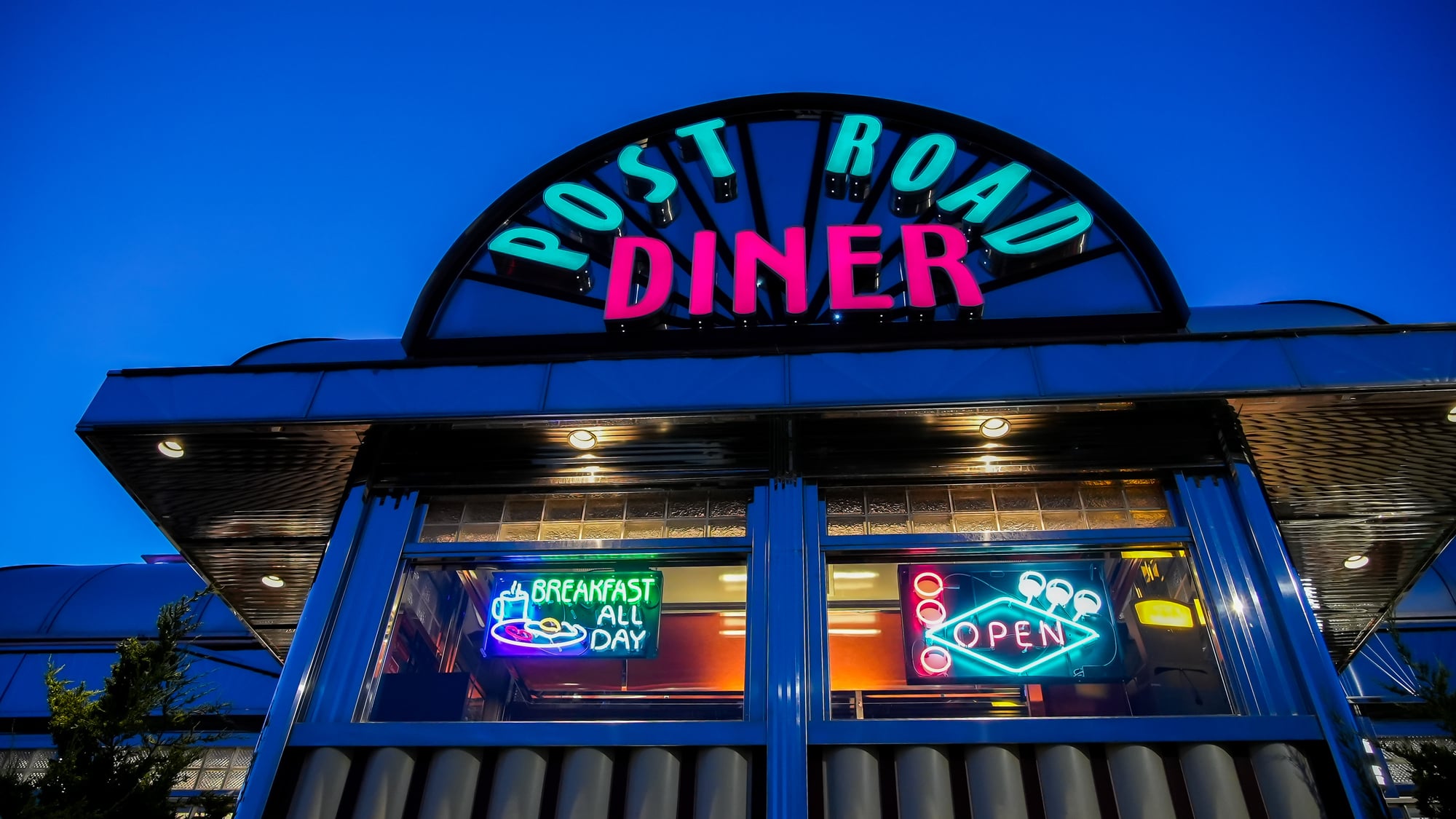
Diner neon tells the story of American hunger — both literal and metaphorical (the hunger for community, for late-night conversation, for pie that actually tasted like something). These signs didn’t just advertise food; they advertised belonging, which explains why losing them feels like losing something essential about how neighborhoods used to work.
Classic diner signs with “Eat” or “Restaurant” in script neon sell for $5,000 to $25,000. The larger examples with multiple colors and elaborate designs command the highest prices.
Even simple “Coffee” signs in red neon find buyers willing to pay $2,000 to $8,000.
Beer And Liquor Store Signs
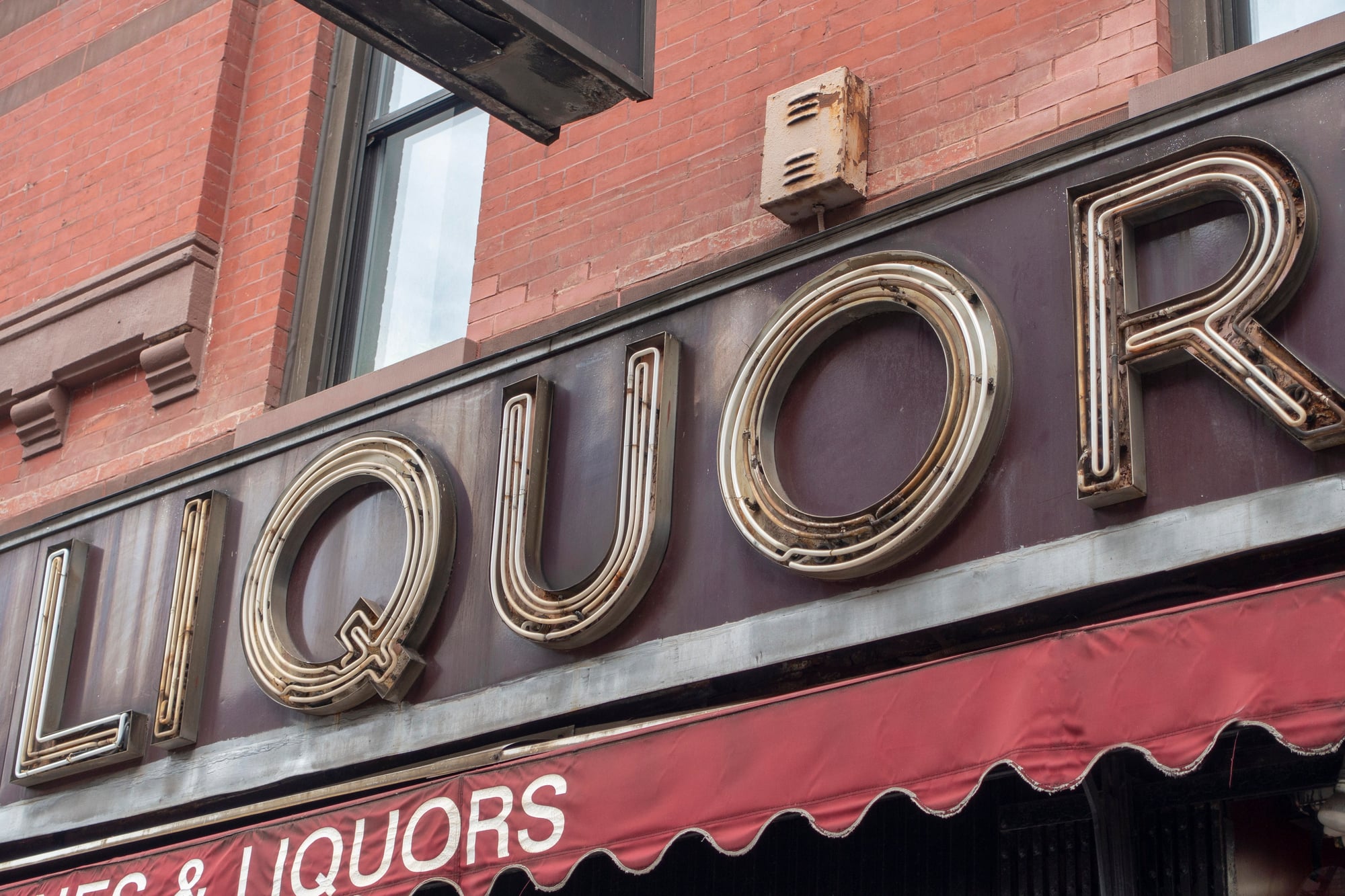
Beer signs represent the intersection of advertising art and social lubrication. These weren’t selling a product so much as selling the idea of relaxation after honest work.
The neon promised cold beer, but delivered something closer to community ritual. Budweiser Clydesdale signs bring top dollar, often selling for $8,000 to $20,000.
Miller High Life and Schlitz examples command similar respect. Local brewery signs from defunct operations can exceed these prices due to rarity.
Even simple “Cold Beer” signs in basic neon sell for $1,500 to $5,000.
Hotel And Lodging Signs
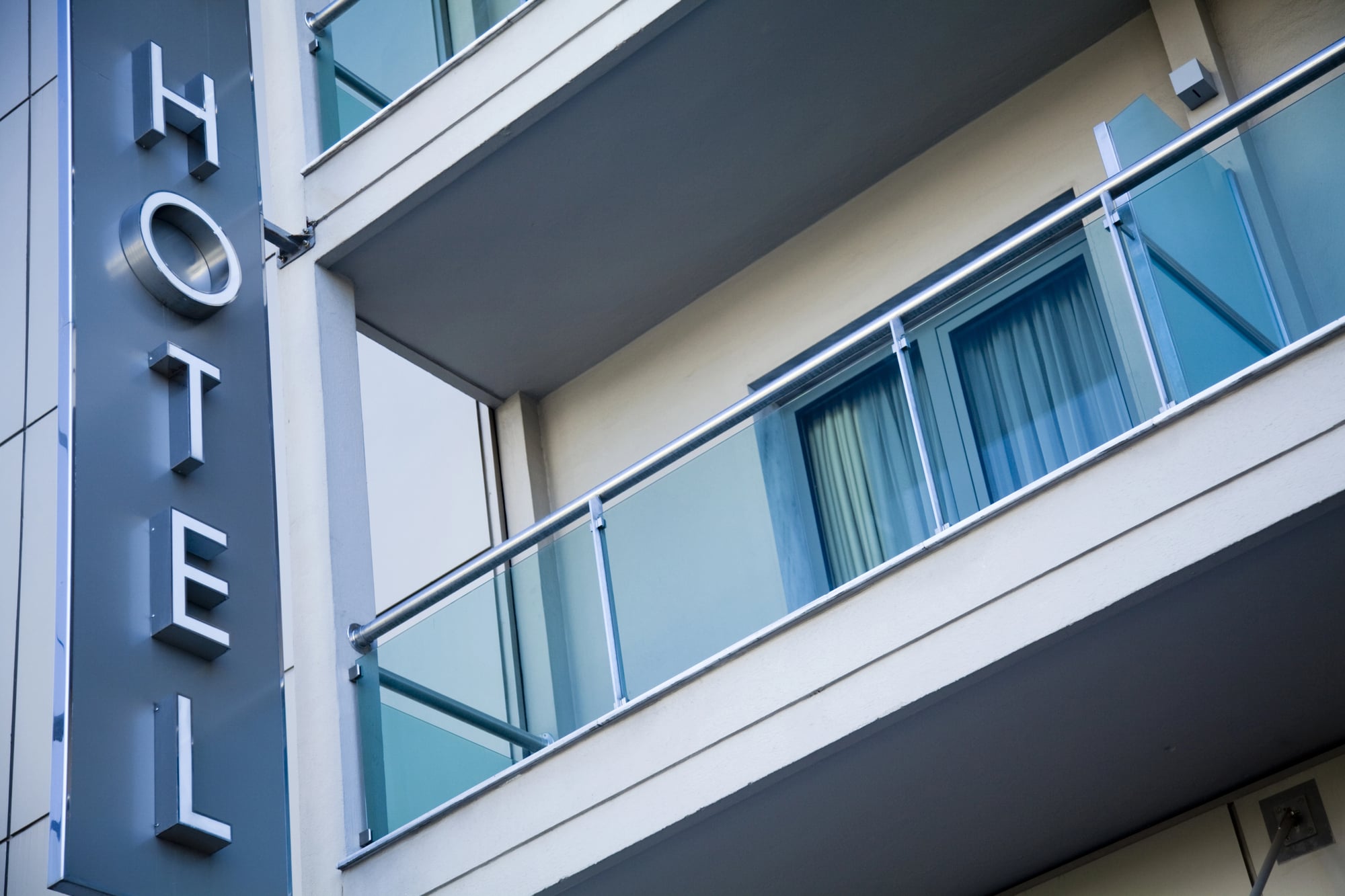
Hotel neon from the golden age of American travel carries the weight of a thousand road trips that might have been. These signs promised comfort to travelers when comfort wasn’t guaranteed, when finding a clean room with working air conditioning qualified as minor victory rather than basic expectation.
The vertical “Hotel” signs that once dominated small-town skylines now dominate auction houses, selling for $10,000 to $40,000. Arrow designs pointing to entrances add value.
Smaller motel signs bring $3,000 to $15,000, depending on design complexity and regional appeal. The really special examples — the ones with animated elements or elaborate color-changing sequences — those transcend normal pricing structures entirely.
They become conversation pieces that happen to light up.
Department Store And Retail Signs
Department stores once anchored downtown districts with the same gravitational pull that shopping malls would later claim. Their neon signs reflected that civic importance — substantial, dignified, and built to last generations rather than fiscal quarters.
Major chain signs like Woolworth, Kresge, and Montgomery Ward sell for $8,000 to $30,000. Local department stores often command higher prices due to regional nostalgia and limited availability.
The script lettering styles from the 1940s and 1950s hold particular appeal for collectors.
Ice Cream And Soda Fountain Signs
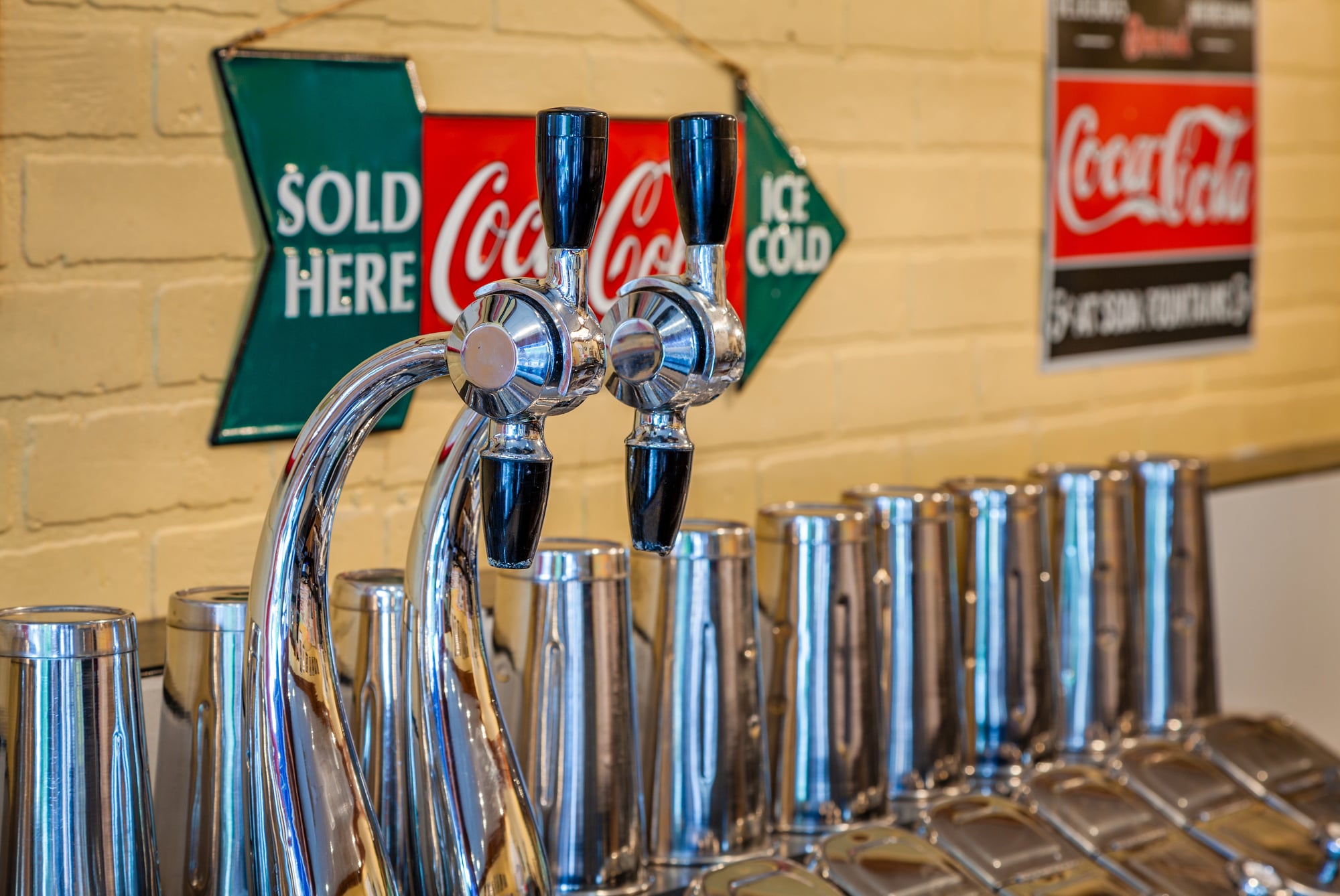
Ice cream neon captures childhood in phosphorescent tubes. These signs promised simple pleasures during simpler times, when choosing between chocolate and vanilla qualified as the day’s most pressing decision.
The fact that they now sell for serious money says something about what adults will pay to recapture that simplicity. Dairy Queen signs from the early franchising era sell for $5,000 to $18,000.
Local ice cream shop signs often bring higher prices due to rarity. The cone-shaped signs with animated elements command premium prices from collectors who understand that nostalgia lights up in more ways than one.
Tire And Auto Parts Signs
Tire shop neon projected competence and reliability — qualities that mattered when breaking down meant waiting hours for help instead of calling for immediate rescue. These signs promised mechanical salvation to drivers whose relationship with their cars was more intimate than today’s lease-and-replace culture allows.
Goodyear winged foot signs sell for $6,000 to $22,000. Firestone and Michelin examples command similar prices.
The larger signs that once dominated auto districts bring the highest returns. Even generic “Tires” signs in simple neon find buyers willing to pay $2,000 to $8,000 for authentic examples.
Hardware And Feed Store Signs
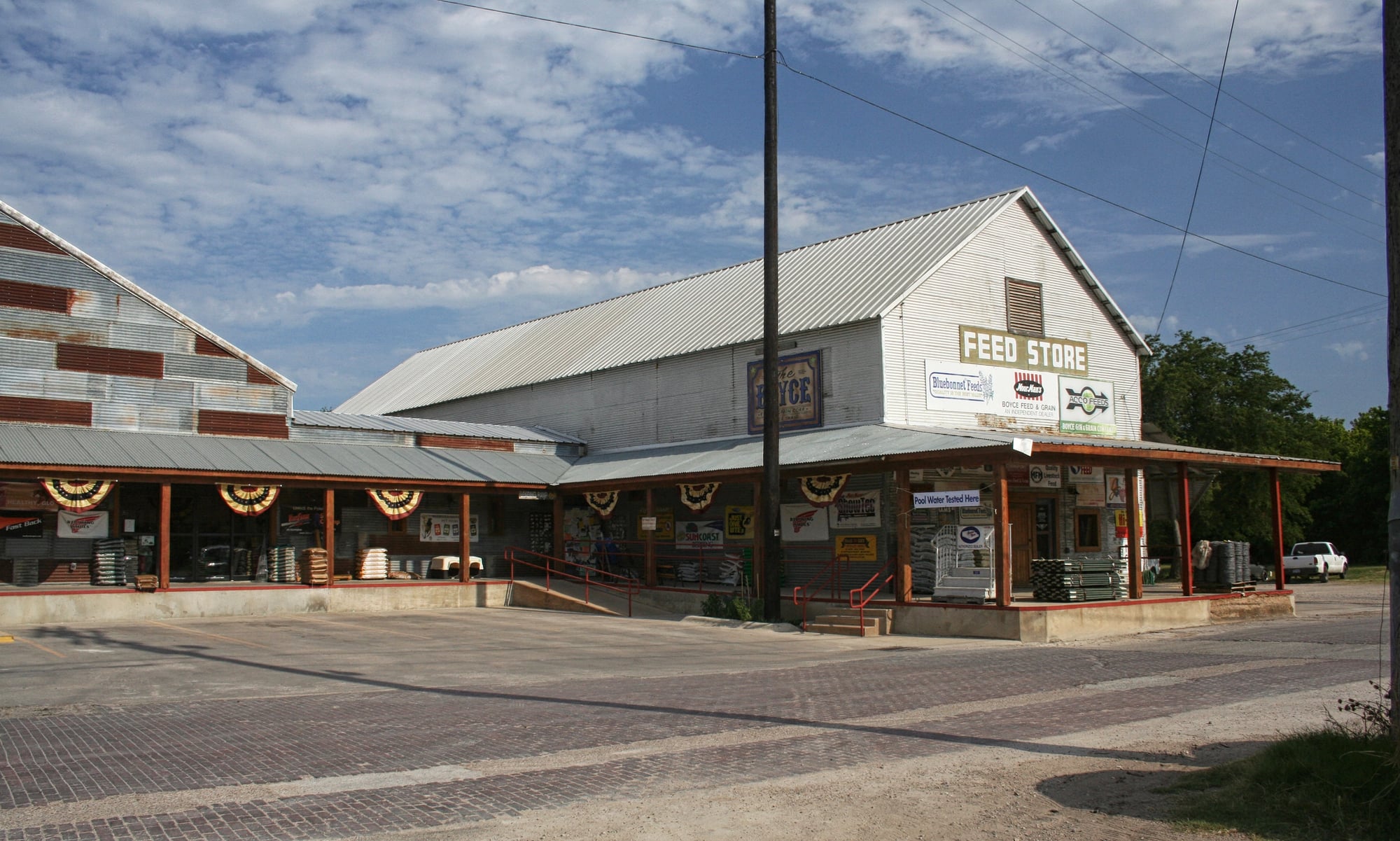
Hardware store neon represents the last connection to an era when stores fixed things instead of replacing them. These signs advertised competence — the promise that someone inside could solve mechanical problems with knowledge accumulated over decades rather than downloaded from instruction manuals.
Original Ace Hardware signs sell for $4,000 to $15,000. Local hardware stores often command higher prices due to regional loyalty and limited supply.
Feed store signs bring similar money, particularly in rural markets where agricultural nostalgia runs deep. The simple block lettering styles hold unexpected appeal for collectors seeking authentic Americana.
Beauty Shop And Salon Signs
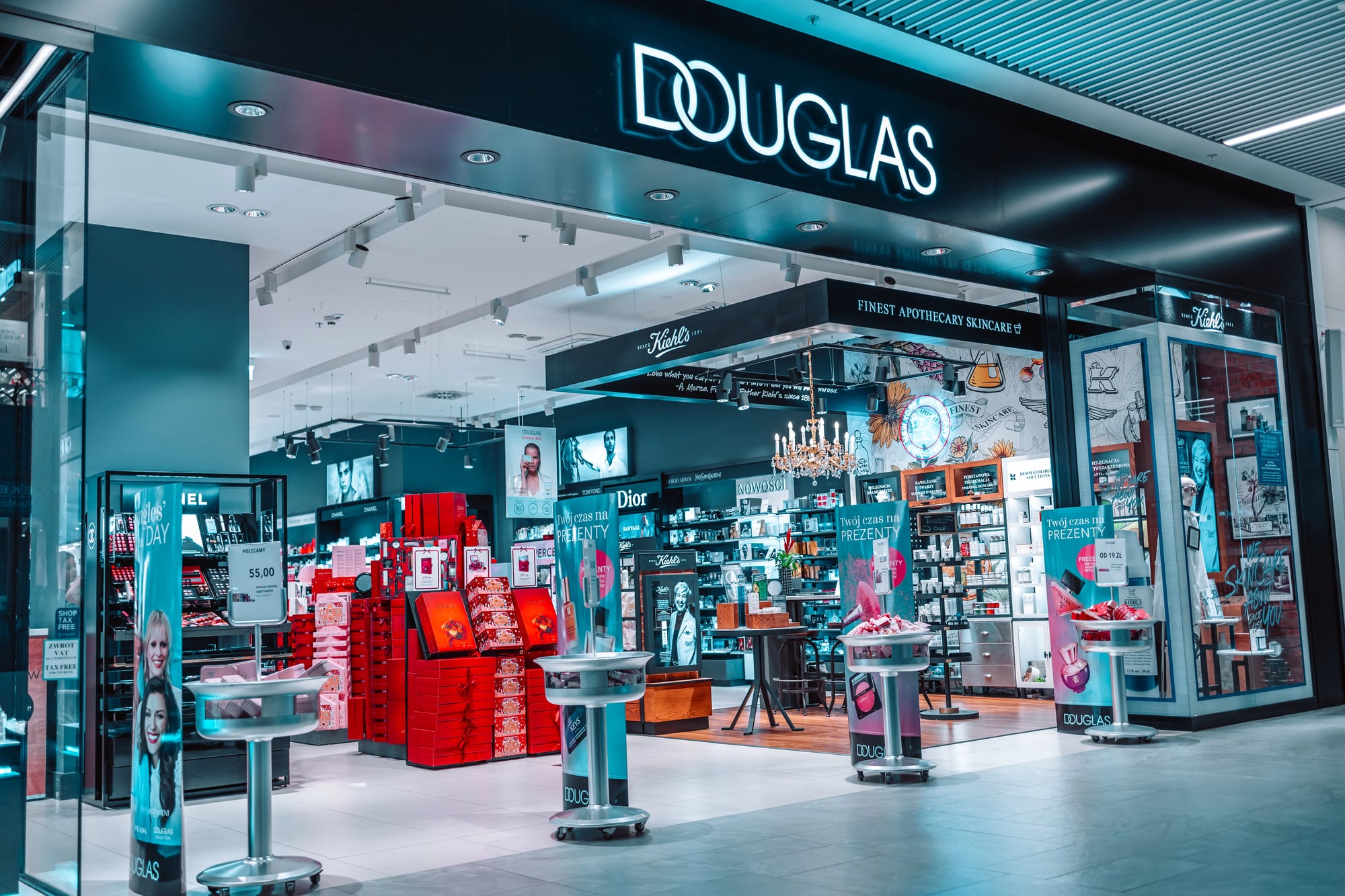
Beauty shop neon promised transformation in the most literal sense — the chance to walk in looking one way and leave looking entirely different. These signs advertised possibility, which might explain why they continue to fascinate collectors long after the curlers have been put away and the operators have retired.
Classic “Beauty Shop” signs in script neon sell for $3,000 to $12,000. The elaborate designs with decorative elements command higher prices.
Permanent wave signs bring premium dollars due to their period-specific terminology. Even simple “Hair” signs find buyers willing to pay $1,500 to $6,000 for authentic examples.
Time Capsules Worth Preserving
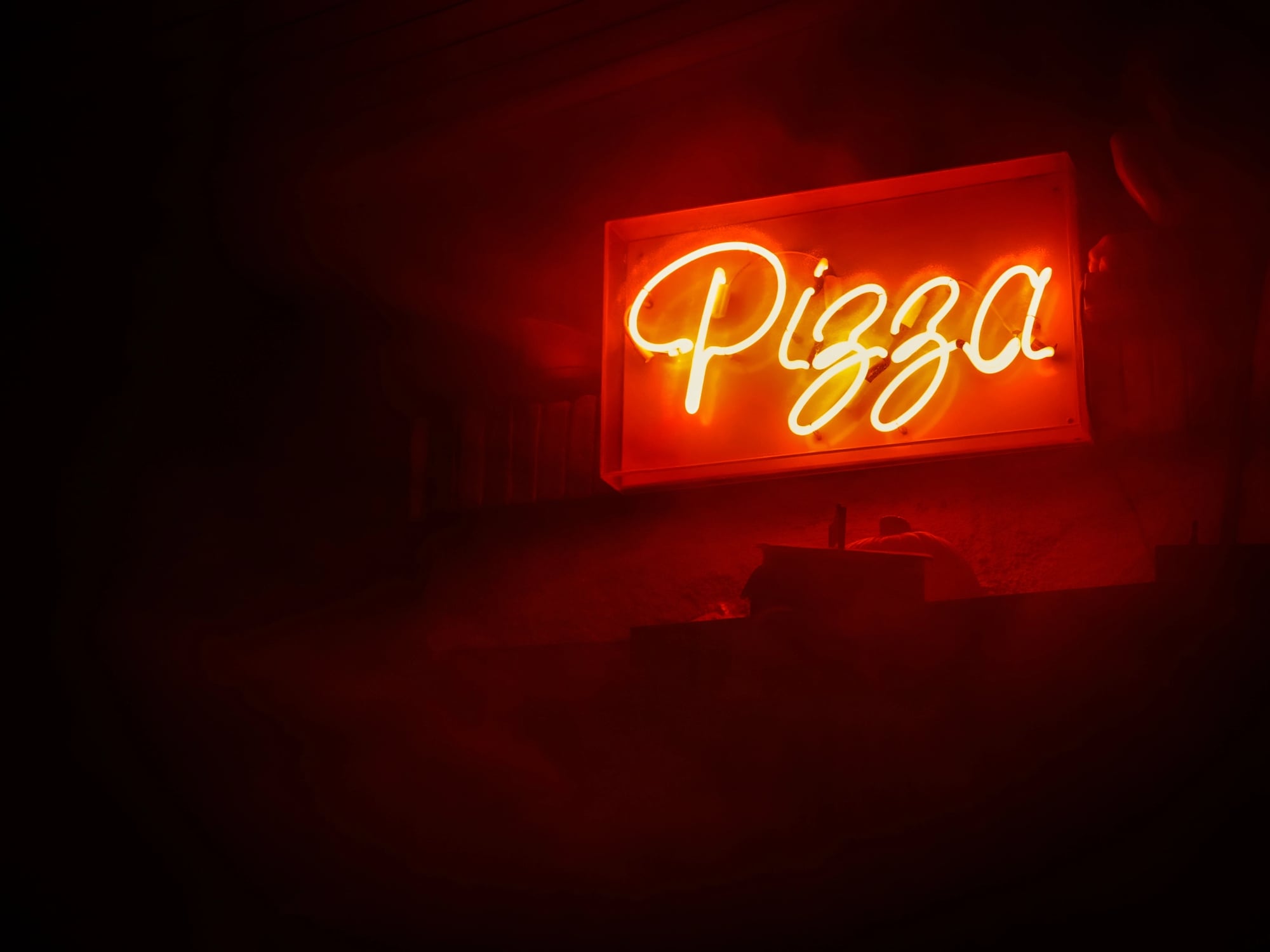
The real value here extends beyond market prices. These signs represent the last physical evidence of how American commerce used to work — when businesses were owned by families rather than corporations, when signs were built to last decades rather than quarters, and when advertising promised simple competence rather than lifestyle transformation.
Turns out that authenticity becomes more valuable as it becomes more rare.
More from Go2Tutors!

- The Romanov Crown Jewels and Their Tragic Fate
- 13 Historical Mysteries That Science Still Can’t Solve
- Famous Hoaxes That Fooled the World for Years
- 15 Child Stars with Tragic Adult Lives
- 16 Famous Jewelry Pieces in History
Like Go2Tutors’s content? Follow us on MSN.