29 Medical Practices From History That Sound Like Torture
Modern medicine is imperfect, expensive, and occasionally baffling — but it is, by any reasonable measure, miraculous compared to what came before it. For most of human history, the people tasked with healing the sick were working blind: no germ theory, no anesthesia, no understanding of sterility, and no reliable way to tell the difference between a treatment and a punishment.
What they had was confidence. Staggering, unearned confidence.
The practices below aren’t fringe quackery dreamed up by charlatans on the outskirts of medicine. Many were mainstream — endorsed by respected physicians, taught in universities, applied to patients who had no reason to question them.
Reading through them, you’ll notice a pattern: when doctors didn’t understand what was happening inside the body, they often defaulted to the most aggressive intervention they could imagine, and patients, desperate for relief, accepted it.
Letting

Therapeutic draining of a patient’s circulation is the single most durable bad idea in medical history. For over two thousand years, draining a patient’s circulation — through cuts, leeches, or punctured veins — was considered the cornerstone of good medicine, rooted in the ancient belief that illness came from an imbalance of four bodily fluids.
Physicians applied it to fevers, infections, mental illness, and childbirth complications, which means they regularly made already-dying patients die faster.
Trepanation

Some of the oldest human skulls ever discovered have deliberate openings drilled through them. Trepanation — boring through the skull with handheld tools — was practiced across ancient civilizations in Europe, South America, and Africa, used to treat headaches, epilepsy, and what were likely described as demonic possessions, the three of which share almost nothing in common medically.
Remarkably, evidence of bone regrowth around many of these openings suggests patients survived the procedure, which is either deeply impressive or deeply disturbing, depending on your constitution.
Mercury Treatment

Mercury was, for centuries, the go-to pharmaceutical agent for syphilis, and the treatment was arguably worse than the disease. Patients were rubbed with mercury ointments, given mercury vapor baths, or made to swallow mercury compounds, exposing them to a heavy metal neurotoxin that caused tooth loss, neurological collapse, and organ failure over time.
There’s a saying from the era: “A night with Venus, a lifetime with Mercury.” Doctors said this without apparent irony.
Lobotomy

The lobotomy, far from being a medieval oddity, was developed in 1935 and won its creator a Nobel Prize in 1949, which is the kind of detail that genuinely unsettles you when you sit with it. The procedure involved severing connections in the prefrontal cortex, and Walter Freeman’s popularized “ice pick” version was performed with a tool inserted through the eye socket, sometimes in an office setting, without general anesthesia.
Patients were left docile, vacant, and permanently altered, which physicians of the era described, with straight faces, as improvement.
Urine Therapy

Physicians across ancient India, China, Egypt, and Rome recommended drinking or bathing in one’s own urine as treatment for everything from skin conditions to intestinal distress. The practice had remarkable staying power — versions of it persisted into the 20th century — and was grounded in the observational logic that urine was a substance the body had already processed, which made it feel medicinal in a way that was entirely backwards.
Urine contains waste products the kidneys specifically removed from the body. That detail didn’t seem to slow anyone down.
Cigarette Smoke Enemas

In 18th-century England, tobacco smoke enemas were a legitimate resuscitation technique, particularly for drowning victims. The Royal Humane Society installed kits along the banks of the Thames — a bellows, a tube, and a supply of tobacco — so bystanders could pump smoke into an unconscious person’s rectum in an attempt to stimulate breathing.
The belief was that the heat and stimulating properties of tobacco would reignite vital functions. It did not.
But the kits stayed on the riverbank for years, which tells you something about institutional momentum.
Heroin as Cough Syrup

Bayer — the aspirin company, the still-operating pharmaceutical giant — marketed heroin as an over-the-counter cough suppressant for children in 1898. The name “heroin” was actually a Bayer trademark, derived from the German word “heroisch,” meaning heroic, because test subjects reported feeling strong and well.
It was recommended as a safer alternative to morphine. It is, as it turns out, not a safer alternative to morphine — it metabolizes into morphine in the body faster and more efficiently, which Bayer’s researchers somehow did not catch before putting it in children’s medicine.
Radium Water

In the early 20th century, radium was new, mysterious, and associated with energy and vitality — scientists glowed with enthusiasm about it, sometimes literally. Radium-infused water was sold in ceramic crocks designed to irradiate drinking water overnight, marketed to wealthy consumers as a health tonic for fatigue and impotence.
Eben Byers, a prominent American socialite, drank several bottles daily for years and died in 1932 after his jaw and skull essentially disintegrated, which prompted a Wall Street Journal headline that read: “The Radium Water Worked Fine Until His Jaw Fell Off.”
Surgical Anesthesia With Alcohol

Before ether and chloroform became standard in the 1840s, surgeons operated on fully conscious patients, sometimes with only alcohol or opium to blunt the experience. Speed was the only mercy available — a skilled surgeon could amputate a limb in under two minutes, which sounds impressive until you remember the patient was awake for all of it.
Operating theaters were designed with tiered seating for medical students to observe, turning a person’s most desperate moment into a demonstration.
Corpse Medicine
From the 16th through the 18th centuries, European physicians prescribed preparations made from human remains as treatment for epilepsy, hemorrhage, and general weakness. Remedies included powdered human skull and human fat rendered into ointment, ideally sourced from someone who had died violently, which was considered especially potent.
This wasn’t folk medicine practiced at the margins: it appeared in mainstream pharmacopoeias and was consumed by royalty, including King Charles II of England, who reportedly took skull-based medicine near the end of his life.
Strychnine as a Stimulant

Strychnine — the poison best known today for killing rodents — was used in small doses throughout the 19th and early 20th centuries as a performance-enhancing tonic and digestive stimulant. Thomas Hicks won the 1904 Olympic marathon after being given strychnine injections mixed with brandy and egg whites during the race, which officials present considered ordinary medical support rather than doping, since no anti-doping rules yet existed.
He collapsed at the finish line and had to be carried off on a stretcher; another dose might have killed him. The line between a stimulating dose and a lethal one is uncomfortably narrow, and the casual confidence with which physicians straddled it is its own particular kind of horror.
Electroconvulsive Therapy Without Anesthesia

Electroconvulsive therapy in its modern form is a regulated, anesthetized medical procedure. Its origins are something else entirely.
When Italian physicians Ugo Cerletti and Lucio Bini first applied it to a human patient in 1938, the man — a disoriented vagrant found wandering in a train station — was given no anesthetic, no muscle relaxant, and no explanation, and when the first voltage proved insufficient, they immediately applied a second, stronger one. The convulsions were severe enough to fracture vertebrae in some patients before muscle relaxants became standard practice.
Hydrotherapy

Hydrotherapy in 19th-century asylums had little in common with a spa. Patients diagnosed with mental illness were wrapped in cold wet sheets, submerged in baths for hours at a time, sprayed with high-pressure jets of freezing water, and in some facilities subjected to “continuous baths” lasting days.
The logic was that extreme temperature and shock would calm overactive nervous systems, which reflects a fundamental confusion between “calm” and “broken.” These practices were standard in American psychiatric hospitals well into the 1940s.
Snail Syrup

For centuries, syrup made from boiled garden snails was a legitimate treatment for tuberculosis, sore throats, and lung diseases across Britain and Europe. Physicians — not herbalists, not folk healers, but credentialed physicians — prescribed it with the same gravity they brought to everything else, recommending specific dosages and preparation methods.
The snails were sometimes mixed with sugar to improve palatability, which is the most grim culinary detail imaginable.
The Plague Doctor Costume

The iconic plague doctor outfit — the long black coat, the beak mask stuffed with herbs and spices — was 17th-century personal protective equipment, and it was almost entirely useless against bubonic plague. The beak was packed with aromatic substances based on miasma theory, the belief that bad smells caused disease, so physicians walked through plague wards with essentially a sachet of lavender in front of their face.
The thick waxed coat and leather gloves accidentally provided some protection against fleas, which actually did carry the disease, meaning doctors occasionally survived for the wrong reasons.
Purging and Emetics

Violent purging — inducing vomiting or explosive bowel movements through compounds like tartar emetic or calomel — was standard medical treatment for almost every illness from the Renaissance through the 19th century. The belief was that disease could be expelled from the body if you expelled everything else too, which meant gravely ill patients were regularly weakened further by hours of induced vomiting on top of whatever was already killing them.
Calomel, the popular purgative of choice, was a mercury compound, so patients got the bonus of heavy metal poisoning alongside their dehydration.
Arsenic Complexion Wafers

In the Victorian era, arsenic was sold in pill form as a beauty treatment, marketed to women who wanted clear, pale skin. The “Arsenic Complexion Wafers” promised to eliminate blemishes and produce the fashionable pallor associated with refinement and delicacy.
Chronic low-dose arsenic consumption does, briefly, create a certain translucent quality to the skin, right up until it begins causing nerve damage, organ failure, and a particularly unpleasant form of cancer.
Mithridate

Mithridate was a compound medicine with anywhere from 40 to 65 ingredients — including opium, vipers’ flesh, and dozens of botanical extracts — that ancient and medieval physicians prepared as a universal antidote and cure-all. It was named after Mithridates VI of Pontus, who allegedly took poisons daily to build immunity, and it became one of the most prestigious preparations in European medicine for over fifteen hundred years.
Pharmacies kept it on hand. Physicians prescribed it for plague, poison, and general illness.
The actual therapeutic value of 65 randomly combined ingredients is, to put it charitably, unverified.
Cauterization Without Anesthesia
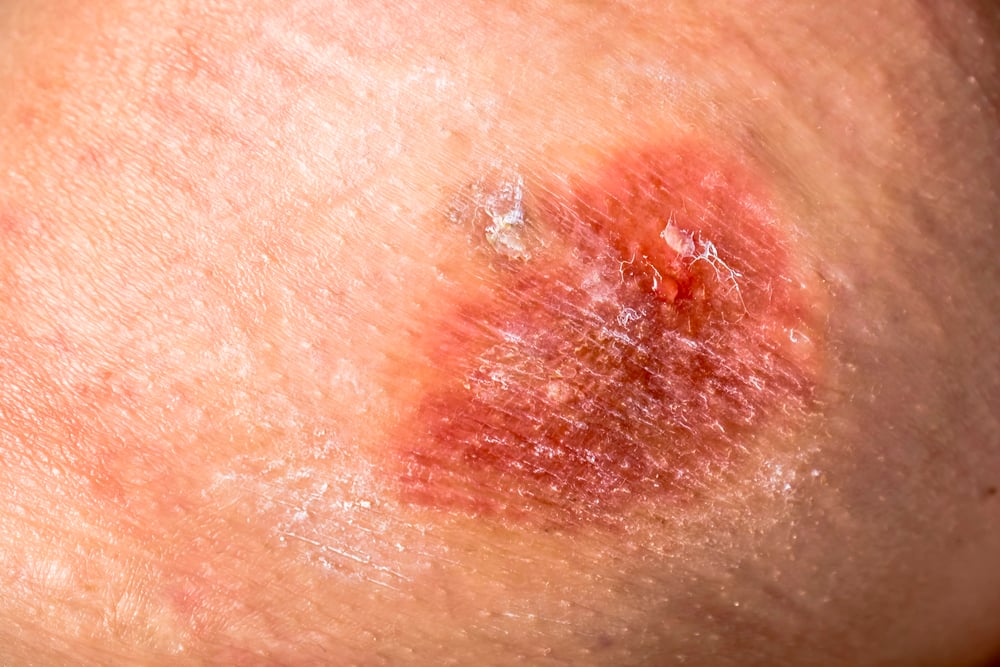
Cauterization — sealing wounds or removing tissue by burning — is a legitimate surgical technique that survives in modified form today. Its historical application, performed with heated iron rods on fully conscious patients for conditions ranging from hemorrhoids to hernias to plague sores, is a different experience entirely.
The 16th-century French surgeon Ambroise Paré described soldiers screaming for death during battlefield cauterizations, which he eventually abandoned in favor of ligature — not because of the screaming, but because he ran out of boiling oil and improvised, then noticed his improvised patients did better.
Surgical Removal of the Clitoris

Clitoridectomy was performed in the United States and Britain throughout the 19th century as a medical treatment for what physicians classified as excessive female nervousness, epilepsy, and hysteria. Isaac Baker Brown, a prominent London surgeon, promoted it widely in the 1860s before being expelled from the Obstetrical Society, not primarily because of the harm to patients, but because he had been performing it without husbands’ consent.
The surgery itself was not the scandal. That detail should probably stay with you.
Spinning Therapy

Erasmus Darwin — grandfather of Charles — and his contemporary Joseph Mason Cox developed rotating chairs as psychiatric treatment in the late 18th century, spinning patients at high speed to treat mania, depression, and psychosis. The theory was that centrifugal force would redistribute fluids in the brain and reset disordered mental function.
Patients vomited, lost consciousness, and experienced extreme terror, which physicians interpreted as therapeutic progress — the distress was considered evidence that something was happening.
Vibrating Chairs for Tuberculosis

In the late 19th and early 20th centuries, some physicians prescribed vibratory chair therapy for tuberculosis, believing mechanical stimulation of the lungs might dislodge or inhibit bacterial growth. Patients sat in motorized chairs designed to produce vigorous full-body vibration, sometimes for extended sessions.
Tuberculosis is a bacterial infection that responds to antibiotics, not vibration, and the chairs accomplished nothing except making exhausted patients more exhausted, but they were expensive and official-looking, which counted for something.
Leeches for Everything

Leeches were the multitool of pre-modern medicine — applied to the head for headaches, to the chest for respiratory illness, to the abdomen for digestive complaints, and to the eyes for vision problems. The logic traced back to the same fluid-balance theory behind general letting practices: wherever the problem was located, you drew fluid from that vicinity.
Since leeches were considered milder and more precise than lancets, physicians applied them liberally and often. Some hospitals reported leech shortages in the 1830s because demand had outpaced supply.
Thalidomide for Morning Sickness

Thalidomide was prescribed to pregnant women in the late 1950s and early 1960s — primarily in Europe and Canada — as a sedative for morning sickness, after being deemed safe in adult trials that had not included pregnant women. Somewhere between 10,000 and 20,000 children were born with severe limb abnormalities as a result, a catastrophe that was preventable from the start and that directly prompted the United States to overhaul its drug approval process.
Frances Kelsey, an FDA reviewer who refused to approve it for the U.S. market despite significant pressure from the manufacturer, was quietly correct about a very large thing.
Flesh-Eating Maggots for Wound Treatment

Maggot debridement — using fly larvae to clean infected wounds — actually works, and it’s been quietly rehabilitated in modern wound care for cases where antibiotics fail. Its historical use, noticed by military surgeons from the Napoleonic Wars through World War I, was less refined: surgeons observed that soldiers whose wounds had been colonized by maggots before treatment often survived when soldiers with clean wounds did not, because the larvae were consuming only dead and infected tissue.
The practice was mostly abandoned once antibiotics arrived, then slowly rediscovered as antibiotic resistance became a genuine problem.
Insulin Coma Therapy

From the 1930s through the 1950s, schizophrenia and severe depression were treated in psychiatric hospitals by inducing deep comas through large insulin injections, holding patients in that state for up to an hour, then reviving them with glucose. The treatment was invented by Manfred Sakel in 1927 and spread rapidly through European and American psychiatry despite killing roughly one percent of patients and having no controlled evidence supporting it.
By the 1960s, proper studies revealed it performed no better than rest alone, meaning the comas, the deaths, and the brain damage had been entirely gratuitous.
Starvation as Fever Treatment

Well into the 19th century, “feeding a fever” was considered not just wrong but actively dangerous — febrile patients were routinely starved on the grounds that food would fuel the heat of illness and worsen the outcome. Patients already weakened by infection were denied nutrition for days, sometimes combined with letting and purging, creating a trio of interventions practically designed to ensure that anyone already fragile would not recover.
The body, fighting infection, needs energy. Starving it of that energy during its most demanding moment is the kind of logic that looks obvious in retrospect and invisible in context.
Ovariotomy for Behavioral Complaints

In 19th-century America and Britain, removal of healthy ovaries — called “Battey’s operation” after surgeon Robert Battey, who developed it in the 1870s — was performed on women for complaints ranging from epilepsy and back pain to general irritability and “troublesomeness.” Thousands of these procedures were performed before significant medical opposition emerged in the 1890s, and the opposition was primarily on grounds of surgical mortality rates rather than the fundamental problem of removing healthy organs from women whose real conditions ranged from ignored depression to outright domestic unhappiness.
Physicians who performed it won professional honors.
Prescribing Tapeworms

In the early 20th century, weight loss products were openly sold in the United States advertising “sanitized tapeworms” — parasite eggs, supposedly sterilized, marketed as a diet aid on the premise that an internal parasite would consume excess calories before the body could absorb them. Whether the tablets actually contained tapeworm eggs is debated by medical historians; many appear to have been ordinary laxatives sold with audacious marketing.
But the underlying concept was real enough that the FDA specifically addressed it in warnings to the public, and there are documented cases of people deliberately ingesting tapeworms for weight control well into the 20th century, occasionally with serious medical consequences when the parasite migrated beyond the intestine.
The Evolution of Medicine

Run back through these 29 practices and the common thread isn’t ignorance exactly — it’s confidence outpacing evidence, repeated across centuries and cultures with remarkably similar results. Letting, purging, and starvation all share the same flawed logic: that illness was a substance to be removed rather than a process to be supported, and removing things from a sick body felt like progress even when it measured out, every time, as harm.
What should stay with you isn’t just the cruelty, much of which was unintentional, but the credentials behind it. These weren’t fringe practices forced on unwilling populations by quacks.
They were taught in universities, performed by respected physicians, and accepted by patients who had no better alternative and no reason to doubt the people treating them. The lesson isn’t that doctors of the past were foolish.
It’s that confidence, in the absence of evidence, is one of the most dangerous things medicine has ever produced — and there’s no guarantee we’ve stopped producing it.
More from Go2Tutors!

- The Romanov Crown Jewels and Their Tragic Fate
- 13 Historical Mysteries That Science Still Can’t Solve
- Famous Hoaxes That Fooled the World for Years
- 15 Child Stars with Tragic Adult Lives
- 16 Famous Jewelry Pieces in History
Like Go2Tutors’s content? Follow us on MSN.