Peace Treaties That Fell Apart Within a Year of Signing
History loves to celebrate peace treaties as grand moments when nations lay down their swords and choose diplomacy over destruction. The signing ceremonies are elaborate affairs with handshakes, ceremonial pens, and optimistic speeches about lasting harmony; but some treaties barely had time to gather dust before the ink was dry and the conflicts resumed.
These agreements collapsed not from gradual erosion or changing circumstances over decades, but from immediate violations, unrealistic terms, or fundamental misunderstandings between the parties involved. The speed of their failure reveals something unsettling about human nature and the fragile architecture of peace.
Treaty of Brest-Litovsk

The Bolsheviks signed this treaty with Germany in March 1918, desperate to exit World War I. Done.
Russia surrendered massive territories and paid crushing reparations; Germany got what it wanted instantly. The treaty lasted exactly eight months before Germany’s defeat in November made the whole thing irrelevant.
Treaty of Sèvres
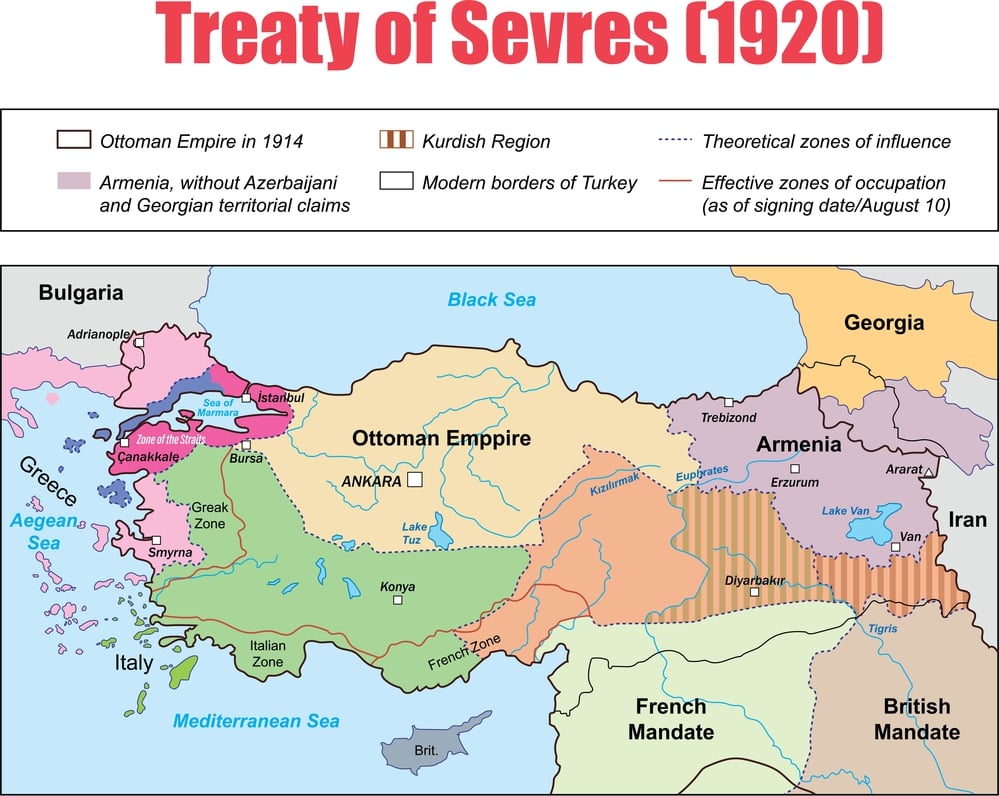
The Allied powers carved up the Ottoman Empire like a Thanksgiving turkey in August 1920, but they forgot to check if anyone in Turkey agreed with their dinner plans. The treaty handed chunks of Anatolia to Greece, Armenia, and other neighbors while stripping the Turks of almost everything except a small rump state around Ankara.
Mustafa Kemal (later Atatürk) took one look at this arrangement and decided the Allies could take their treaty and stuff it somewhere the Mediterranean sun doesn’t shine. His nationalist forces launched a war of independence that made the treaty completely meaningless within months; the whole thing was so thoroughly rejected that it had to be replaced by the Treaty of Lausanne in 1923, which actually stuck because it recognized the reality that Turkey wasn’t going anywhere.
Truce of Ulm

Picture this: you’re Napoleon Bonaparte in October 1805, and the Austrian general Karl Mack has just agreed to surrender his entire army at Ulm without a proper fight (which happened in a different engagement, but the truce was supposed to prevent further conflict in the region). The agreement was meant to create breathing room for negotiations, but Napoleon had other ideas brewing in that ambitious head of his.
So there’s Mack, probably thinking he’s bought some time and prevented a massacre, while Napoleon is already planning his next moves like a chess grandmaster who sees checkmate five moves ahead. And the thing about truces with Napoleon: they lasted about as long as his attention span when someone suggested he might want to consider retirement—the larger Austerlitz campaign that followed turned this brief pause into nothing more than a historical footnote.
Munich Agreement
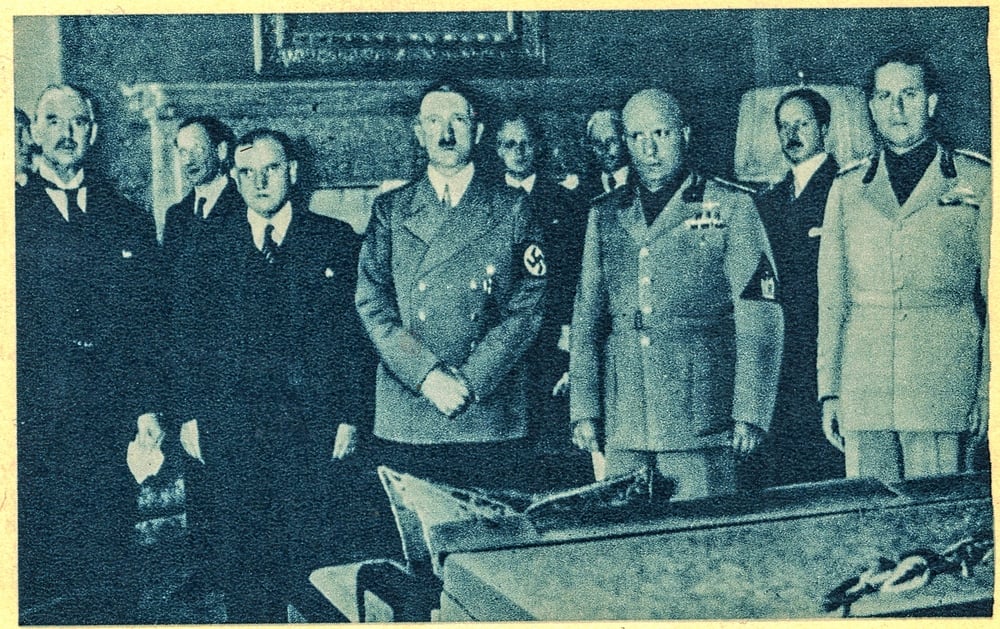
Neville Chamberlain waved that piece of paper and declared “peace for our time” in September 1938. Hitler had other plans.
The agreement handed Czechoslovakia’s Sudetenland to Germany in exchange for promises of no further expansion. Within six months, German tanks rolled into the rest of Czechoslovakia; Chamberlain’s umbrella couldn’t stop panzer divisions.
Treaty of Campo Formio
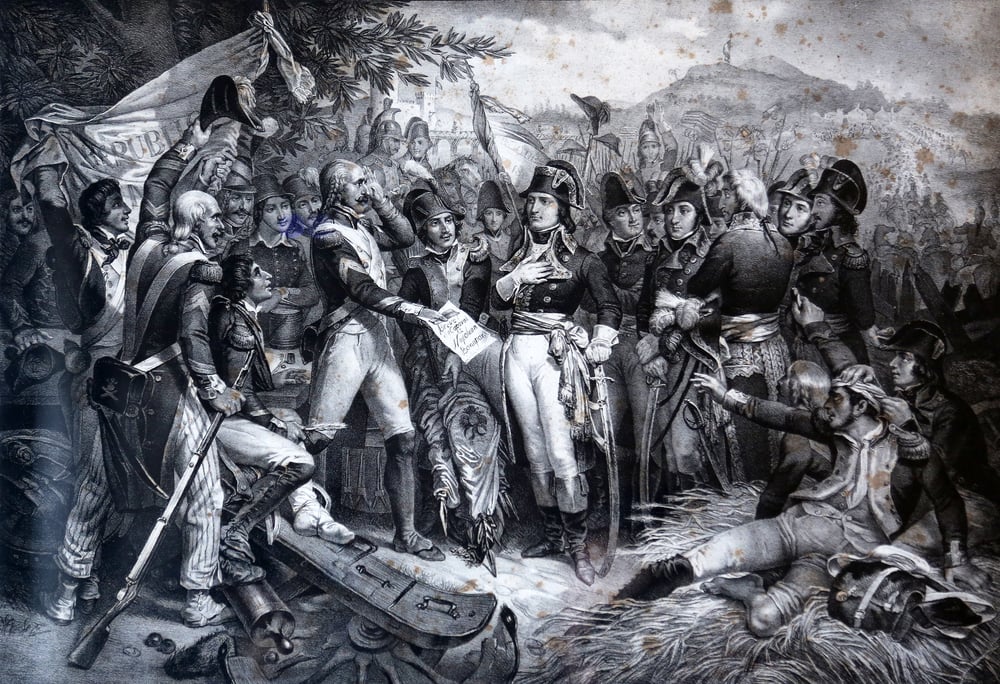
Napoleon signed this treaty with Austria in October 1797, reshuffling European borders like a dealer with a marked deck. The agreement dissolved the ancient Venetian Republic (which had lasted over a thousand years, but apparently Napoleon didn’t care much for historical preservation) and handed various Italian territories back and forth between France and Austria like trading cards.
The treaty was supposed to end the War of the First Coalition, and technically it did—for about as long as it takes to reload a cannon. Both sides immediately began preparing for the next round of fighting because nobody really believed the other side would stick to the terms.
And sure enough, by 1798 the War of the Second Coalition was underway, making the Campo Formio agreement about as durable as a paper boat in a thunderstorm. The whole thing reads like a temporary ceasefire dressed up in fancy diplomatic language.
Armistice of Cassibile
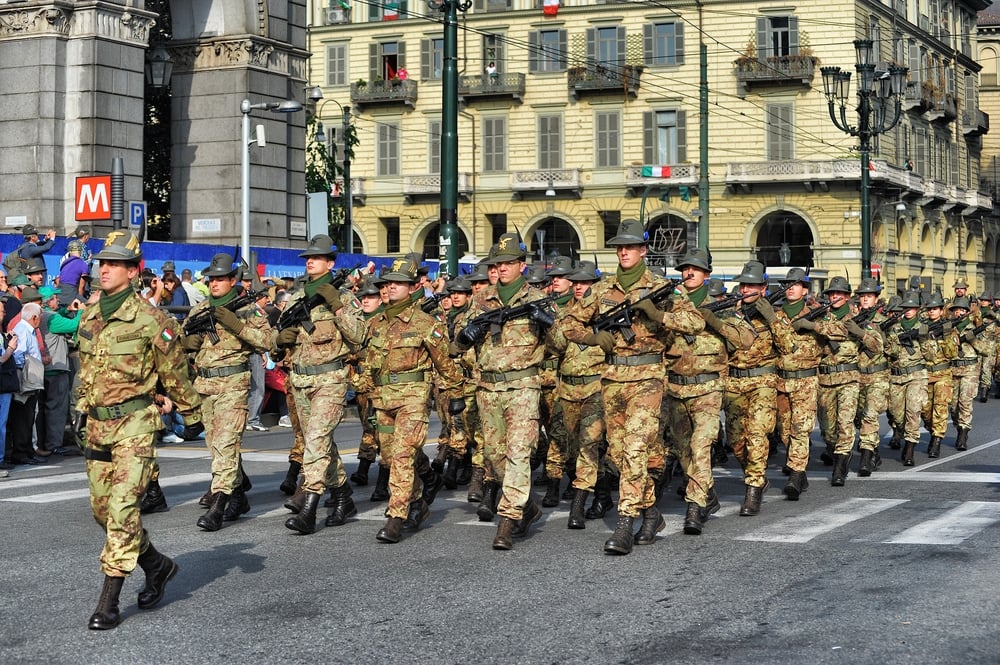
Italy’s secret surrender to the Allies in September 1943 was supposed to end Italian participation in World War II. Nobody told the Germans.
Within hours of the announcement, German forces began disarming Italian troops and occupying the country. The “peace” turned into brutal partisan warfare across the Italian peninsula; the armistice became a starting point for more violence, not less.
Peace of Tilsit
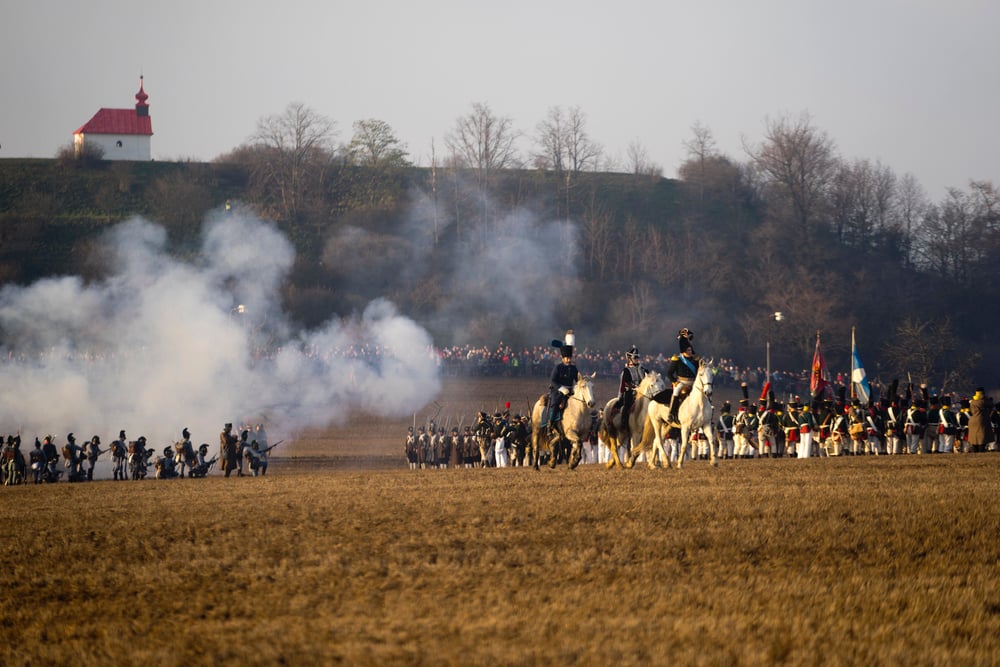
The emperors Napoleon and Alexander I met on a raft in the middle of the Niemen River in July 1807, crafting an alliance that looked magnificent on paper but crumbled the moment economic reality intruded. They carved up Europe between them, with Russia agreeing to join Napoleon’s Continental System—essentially an economic blockade against Britain that was about as popular in Russia as a tax on vodka.
The problem with forcing a country to stop trading with one of its biggest partners: it hurts, and the hurt doesn’t go away just because you signed something fancy. Russian nobles watched their wealth evaporate while French merchants grew rich, and Alexander found himself explaining to increasingly angry aristocrats why they should suffer for Napoleon’s grand strategy. By 1810, Russia was quietly ignoring the trade restrictions, and by 1812, Napoleon was marching toward Moscow with the largest army Europe had ever seen. The treaty didn’t just fail—it created the conditions for one of history’s most catastrophic military campaigns.
Treaty of San Stefano

Russia imposed this treaty on the Ottoman Empire in March 1878 after winning the Russo-Turkish War. The terms were so harsh they made other European powers nervous.
The treaty created a massive Bulgarian state that would essentially be a Russian puppet. Britain and Austria-Hungary immediately objected. Within months, the Treaty of Berlin replaced it with much more moderate terms. San Stefano never had a chance to take effect.
Truce of Nice
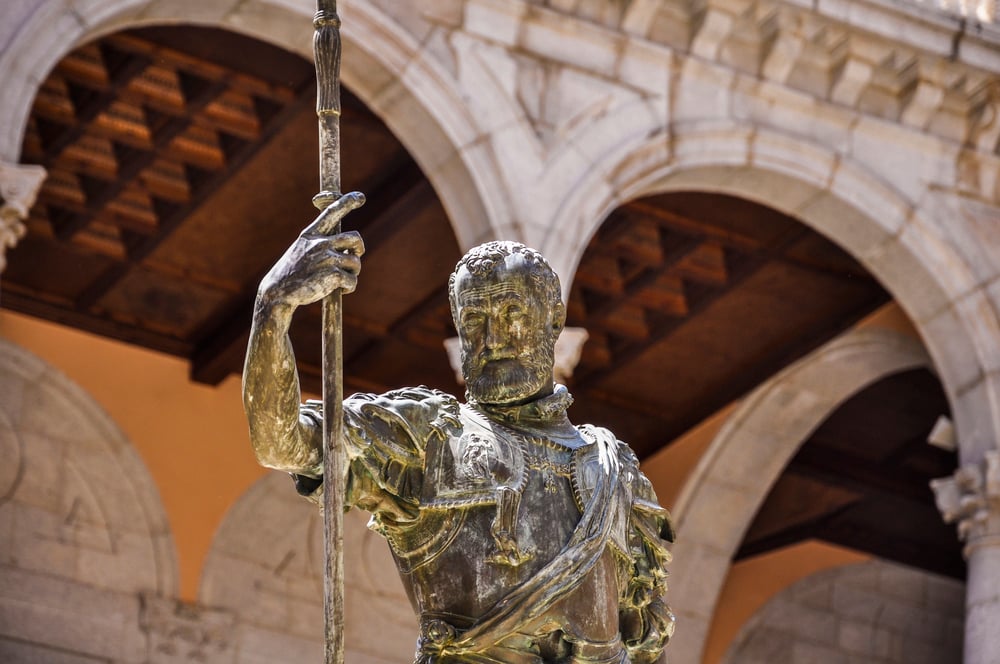
The Habsburg Emperor Charles V and French King Francis I signed this truce in June 1538, with Pope Paul III mediating like a referee trying to separate two heavyweight boxers who kept swinging at each other. The agreement was supposed to pause their endless fighting over Italian territories for ten years—ten years!—which in hindsight sounds about as realistic as asking two cats to share a single mouse.
The terms looked reasonable enough on parchment: both sides would keep what they held, nobody would attack anybody else’s allies, and they’d all work together against the Ottoman threat. Noble intentions, diplomatic language, papal blessing—all the ingredients for lasting peace, except for the minor detail that neither Charles nor Francis had any intention of actually honoring the deal. Within months, both were secretly negotiating with other powers and positioning troops for the next round. The truce collapsed entirely by 1542, which was still eight years shorter than advertised, but nobody seemed particularly surprised.
Treaty of Pressburg
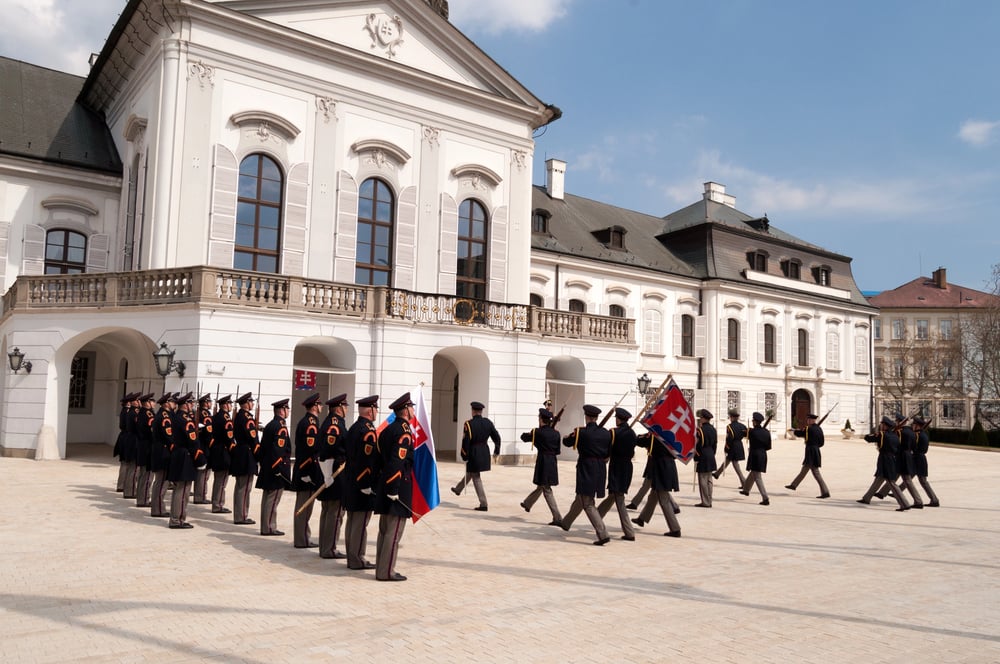
Napoleon’s victory at Austerlitz in December 1805 led directly to this treaty, signed later that month while Austria was still reeling from one of the most decisive military defeats in European history. The terms were predictably harsh: Austria lost significant territories to France’s German allies, paid massive war reparations, and watched its influence in German affairs evaporate like morning mist.
But here’s the thing about peace treaties signed immediately after crushing military defeats—they tend to reflect the temporary balance of power rather than any sustainable political arrangement. Austria spent the next several years rebuilding its military and looking for allies, while Napoleon continued his habit of making new enemies faster than he could defeat old ones; the treaty lasted until Austria joined the War of the Fifth Coalition in 1809, proving once again that you can force a country to sign a peace treaty, but you can’t force them to like it or stick with it once circumstances change.
Treaty of Jassy
Russia and the Ottoman Empire signed this peace treaty in January 1792, ending another round of their seemingly perpetual conflict over control of the Black Sea region. The Ottomans ceded territory in what’s now Ukraine and confirmed Russian control over Crimea, while both sides probably crossed their fingers behind their backs during the ceremony.
The treaty technically held for several years, but the underlying tensions never disappeared—they just went underground like a river flowing beneath winter ice. Both empires continued building up military forces in the region, supporting different factions in the chaotic politics of the Balkans, and generally behaving like two neighbors who smile and wave while secretly moving the property line stakes at night; when the Napoleonic Wars reshuffled European alliances, the Russo-Turkish peace became another casualty of larger conflicts.
Armistice of Mudanya
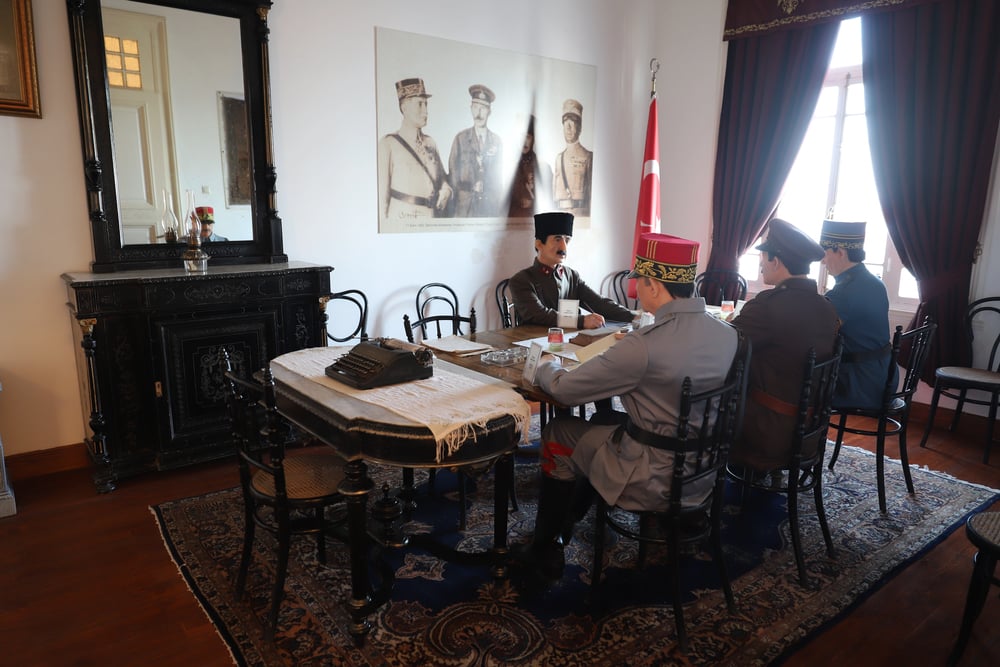
This October 1922 armistice between Turkey and the Allied Powers was supposed to prevent Turkish forces from crossing into Allied-occupied zones. The problem was defining what constituted a violation.
Both sides interpreted the terms differently from day one. Turkish troops continued advancing in some areas while claiming they weren’t violating the agreement; the armistice became meaningless within weeks, replaced by new negotiations that actually addressed the real issues.
Treaty of Fontainebleau
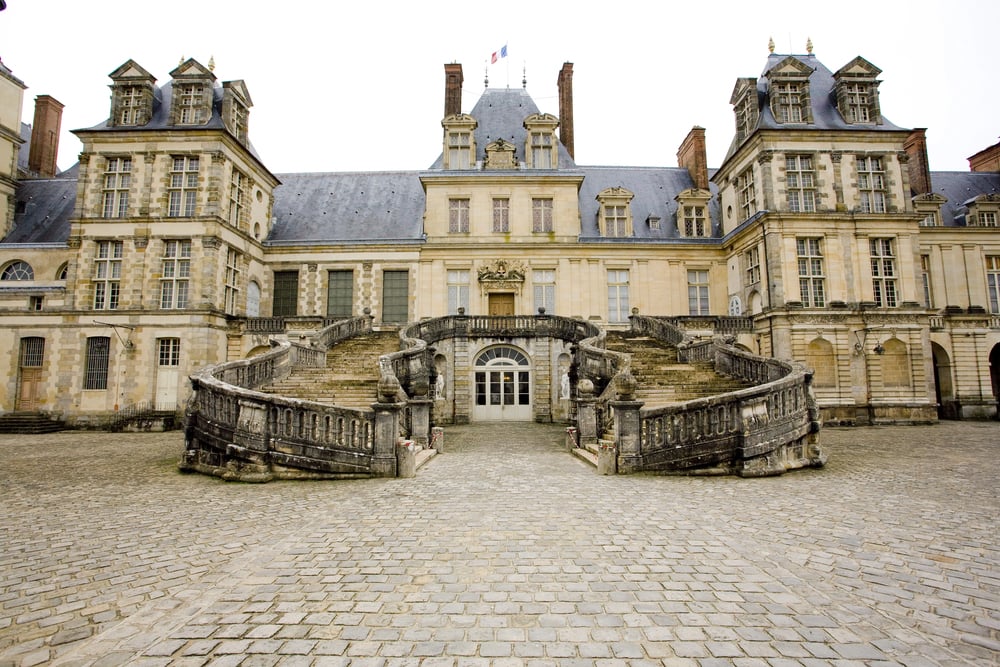
Napoleon’s first abdication treaty in April 1814 granted him sovereignty over the island of Elba and an annual pension from France. He was supposed to stay there peacefully—Napoleon had other ideas about retirement.
Within ten months, he escaped Elba and returned to France for the Hundred Days campaign. The treaty became toilet paper the moment he landed on the French coast; nobody really expected Napoleon to settle for ruling a small Mediterranean island anyway.
The Pattern Behind the Failures

These collapsed treaties share a common thread that runs deeper than poor negotiation or bad faith—they tried to solve fundamental conflicts with surface-level agreements. Like putting a band-aid on a broken bone, the cosmetic fix couldn’t address the underlying structural problems.
Most of these agreements ignored the basic reality that lasting peace requires more than signatures on documents. It requires genuine resolution of the issues that caused the conflict in the first place, and sometimes that resolution simply isn’t possible within the constraints of what either side can politically accept; the speed of these failures serves as a reminder that peace, real peace, is far more complicated than the ceremony suggests.
More from Go2Tutors!

- The Romanov Crown Jewels and Their Tragic Fate
- 13 Historical Mysteries That Science Still Can’t Solve
- Famous Hoaxes That Fooled the World for Years
- 15 Child Stars with Tragic Adult Lives
- 16 Famous Jewelry Pieces in History
Like Go2Tutors’s content? Follow us on MSN.