15 Times a Town Changed Its Name Because It Was Too Confusing
Place names matter more than we might think. They appear on maps, road signs, mailing addresses, and official documents. When a town’s name causes constant mix-ups, misdirected mail, or general head-scratching, residents sometimes decide enough is enough and push for a change.
Towns rename themselves for many reasons, from honoring local heroes to improving their image. But sometimes, the motivation is simply practical: the original name was causing too much confusion. Here is a list of 15 places that switched their names because the original versions were just too perplexing
Hot Springs
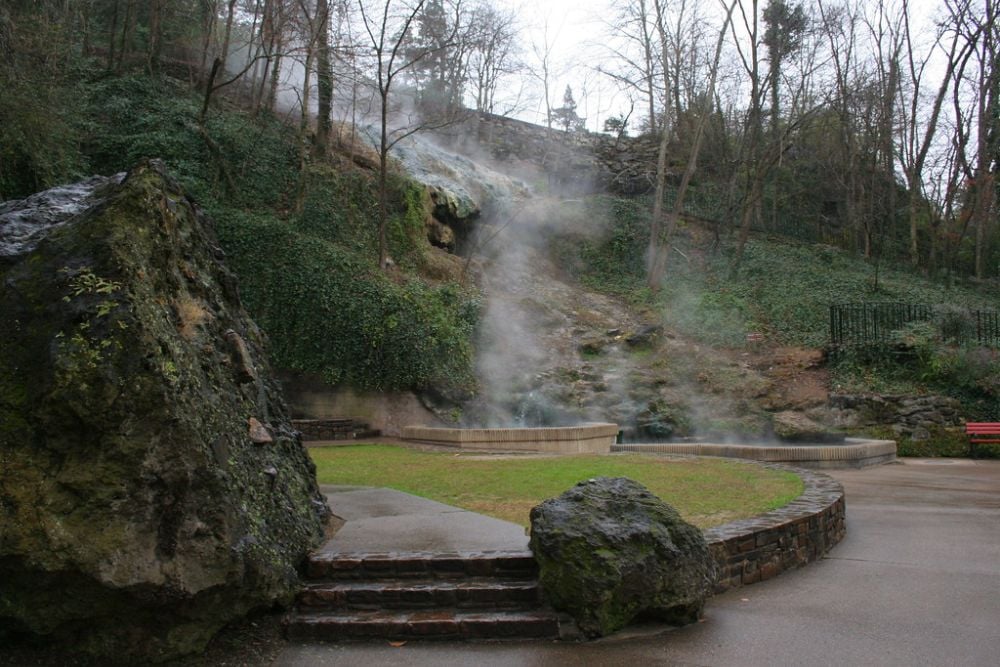
This Arkansas town was originally called Hot Springs Reservation when it was established in 1832. The problem? The name made visitors think it was restricted indigenous land rather than a public spa destination.
In 1921, it officially became Hot Springs National Park, and the city itself adopted the simpler name “Hot Springs.” The change cleared up decades of confusion and helped establish the town as America’s first resort destination built around natural thermal waters.
Truth or Consequences
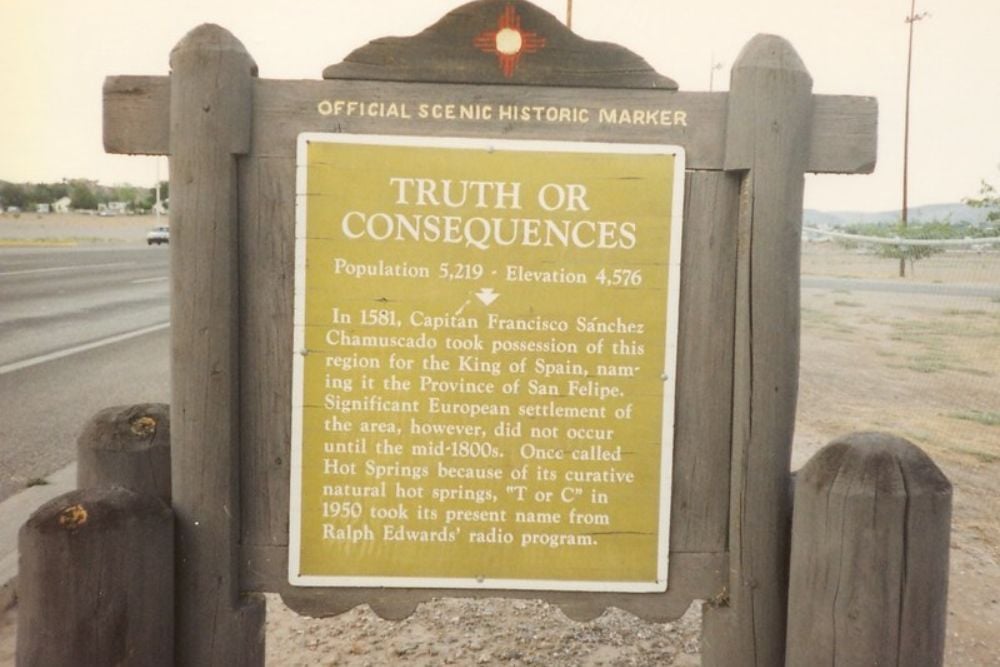
Perhaps one of the most unusual town names in America, Truth or Consequences, New Mexico, was originally named Hot Springs (yes, another one). The town changed its name in 1950 after the popular NBC radio program “Truth or Consequences” announced a contest offering to broadcast from any town that would rename itself after the show.
Hot Springs took the bait, creating immediate recognition but also decades of bewilderment for travelers who couldn’t believe the road signs were serious.
Like Go2Tutors’s content? Follow us on MSN.
Jim Thorpe
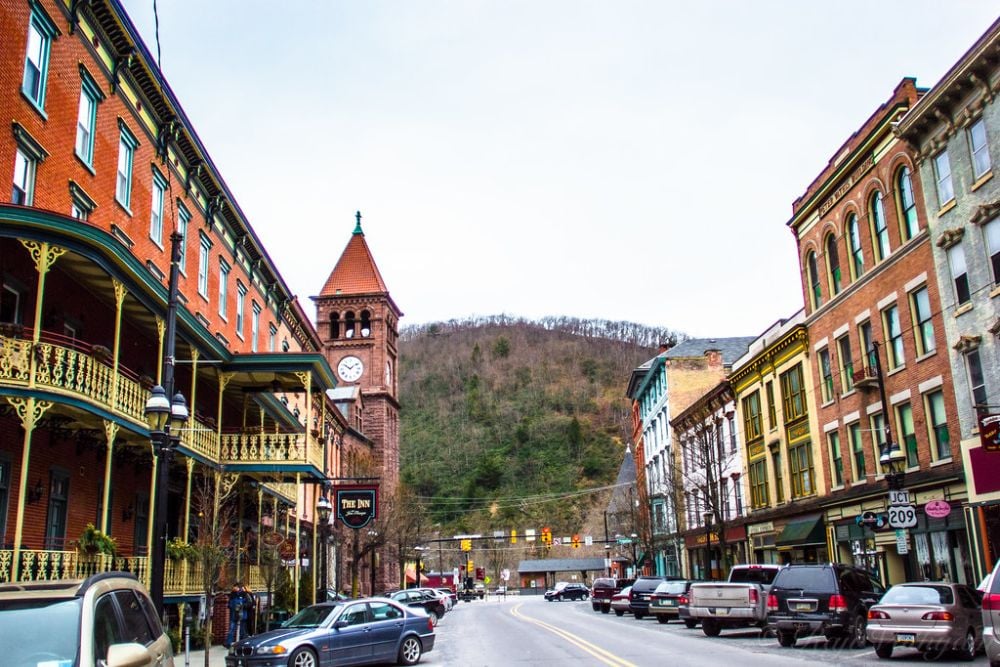
The Pennsylvania town of Mauch Chunk and its neighbor East Mauch Chunk had a problem: nobody outside the area could pronounce their names correctly. In 1954, when Olympic legend Jim Thorpe died and his home state of Oklahoma couldn’t agree on how to honor him, these towns saw an opportunity.
They merged, changed their name to Jim Thorpe, and provided a final resting place for the athlete. The unusual arrangement solved the pronunciation problem while creating a unique identity for the community.
Sleepy Eye
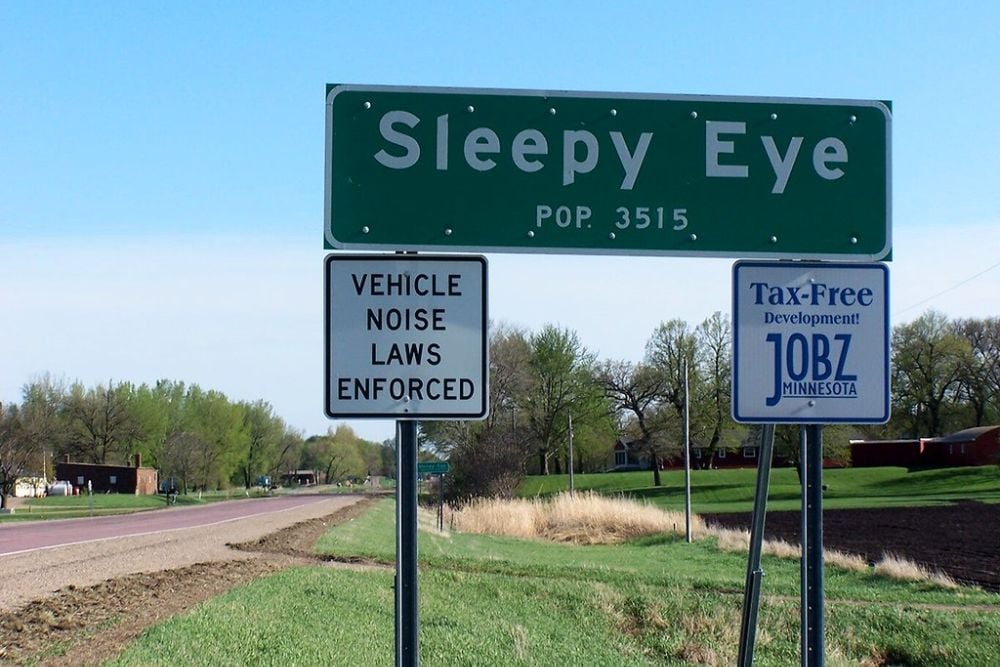
Originally called Prairieville, Minnesota, this small town constantly had its mail confused with nearby Plainview. The similarity in names resulted in weeks-long mail delays and missed deliveries. In 1857, officials renamed it after the Dakota Chief Sleepy Eye, who was known for his droopy eyelid.
The distinctive new name eliminated the mail mix-ups and gave the town a memorable identity that persists today.
West Yellowstone

Montana’s gateway to Yellowstone National Park was originally called Riverside. The problem was that nearly every state in America had at least one town named Riverside, causing endless confusion for mail carriers and tourists.
In 1920, the town officially changed its name to West Yellowstone, instantly clarifying its geographic location and primary attraction. The name change turned out to be excellent accidental marketing, as visitors could now immediately identify where to stay when planning their park vacations.
Like Go2Tutors’s content? Follow us on MSN.
Fishers
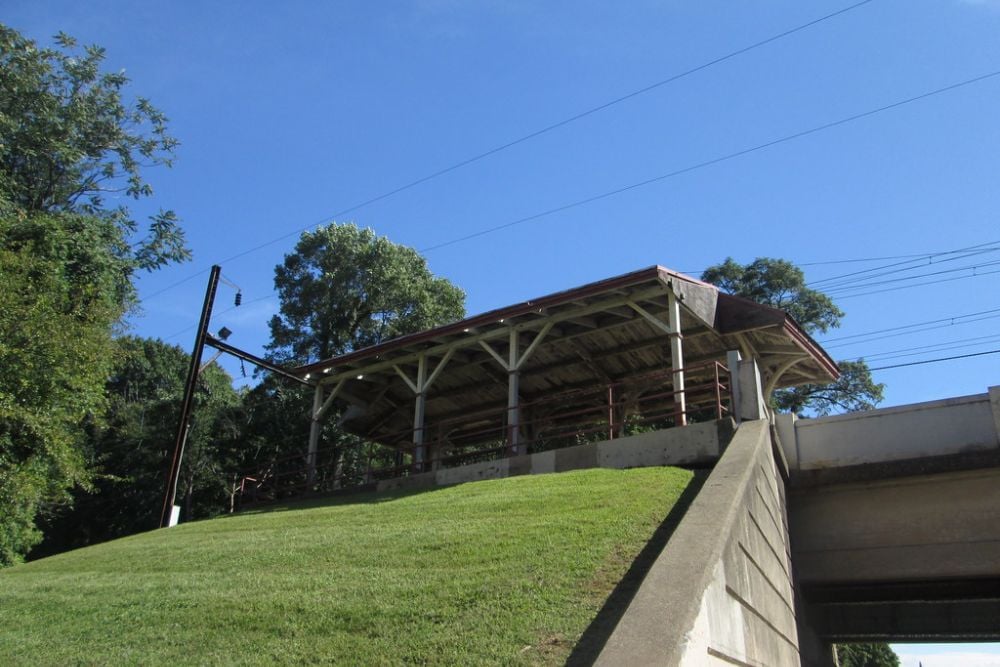
This fast-growing Indianapolis suburb was originally “Fishers Station,” named after Salathiel Fisher, who offered land for the railroad in the 1870s. As the town grew, the “Station” part caused confusion since there was no longer a prominent train station at its center.
In 2015, Fishers officially dropped “Station” and incorporated as a city under its shortened name, reflecting its evolution from a railroad stop to a modern suburb of over 90,000 people.
Lake Buena Vista

This Florida municipality existed as Reedy Creek until Walt Disney began purchasing land for his Florida theme park project. The original name confused visitors who couldn’t find it on maps when making travel plans to Disney World.
In 1969, the name was changed to Lake Buena Vista, sounding more appealing to tourists and helping visitors better navigate to the Disney property. Today, most people don’t even realize it’s an actual incorporated municipality with permanent residents, not just part of the Disney complex.
North Pole
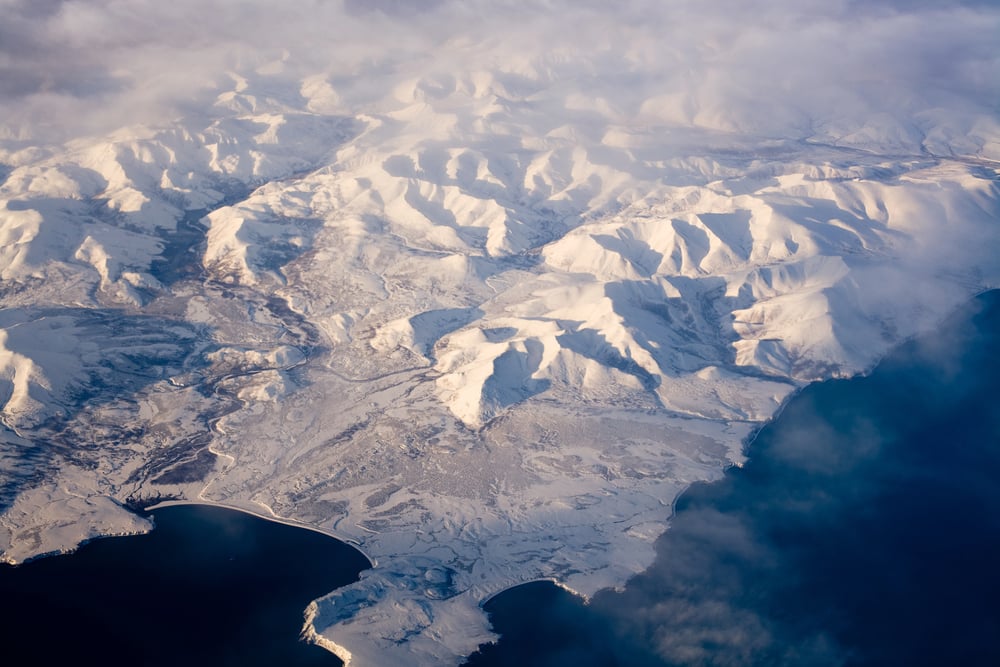
The small city near Fairbanks, Alaska, was originally called Davis. In 1952, a development company renamed it North Pole as a marketing strategy to attract a toy manufacturer that could advertise products as “Made in North Pole.”
Though the factory never materialized, the name stuck, eliminating confusion with other Davis townships while creating a unique Christmas-themed identity. The town embraced its new name wholeheartedly, with candy-cane striped street lights and a Santa Claus house that receives thousands of children’s letters each year.
Like Go2Tutors’s content? Follow us on MSN.
Glenarden
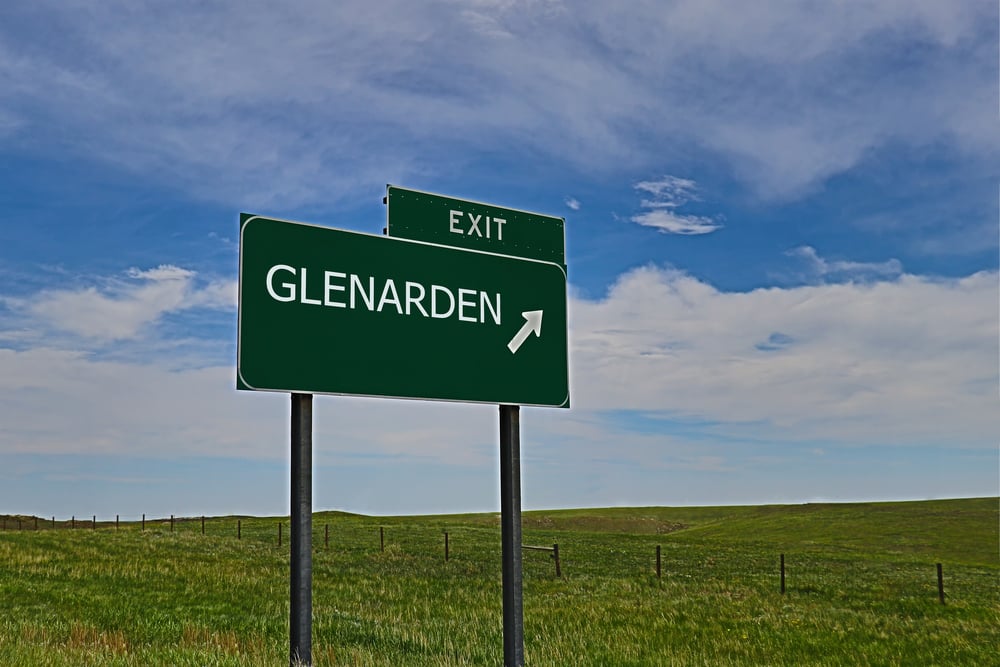
This Maryland town was originally named Ardwick, but there was constant confusion with nearby Ardmore. Mail would regularly go to the wrong community, and visitors would end up in the wrong place. In 1916, the town was renamed Glenarden, combining “glen” (for the local geography) and “Arden” (from the original name).
The new name was distinctive enough to eliminate the mix-ups while preserving a connection to the town’s history.
Kirkland

This Washington city on Lake Washington was originally named Peter Kirk, after the British businessman who envisioned turning it into the “Pittsburgh of the West.” The name caused confusion as people would address mail to “Mr. Peter Kirk” rather than the town itself.
In 1905, locals simplified it to Kirkland, eliminating the misunderstandings while still honoring the founder. Today, Kirkland is better known as the former headquarters of Costco’s Kirkland Signature brand than for its steel industry aspirations.
Bell Buckle
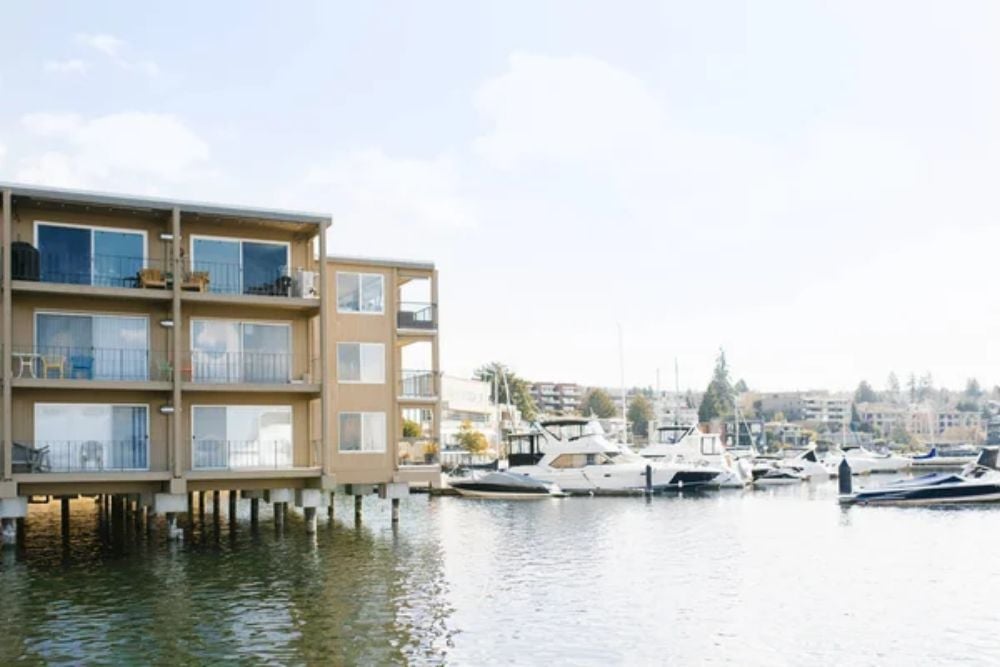
This quaint Tennessee town was initially called Bell Buckle Depot because of its railroad station. The “Depot” suffix led many travelers to think it was merely a train stop, not an actual community.
In the early 1900s, the town simplified its name to Bell Buckle, helping establish its identity as a proper town rather than just a railway point. The unusual name itself—believed to come from markings on a tree resembling a cowbell and buckle—has since become a quirky asset, drawing curious visitors to its arts festivals.
Like Go2Tutors’s content? Follow us on MSN.
Chautauqua

Established as a summer education retreat in western New York in 1874, this community was originally called Fair Point. However, the name caused confusion with other “Point” towns across the state. In 1877, the town adopted the indigenous name “Chautauqua” (pronounced shuh-TAW-kwuh), which was both more distinctive and better reflected the lake on which it was situated.
Though initially more difficult to spell, the uniqueness of the name helped establish the Chautauqua movement of adult education that spread nationwide.
Portland

Maine’s largest city was originally called Falmouth Neck, which confused ships’ captains with Falmouth, Massachusetts (now in Maine) and Falmouth, England. In 1786, residents voted to rename it Portland after the Isle of Portland in Dorset, England.
The new name reduced maritime navigation errors and helped distinguish it from its parent town of Falmouth. The name change proved so successful that cities in Oregon and several other states later adopted the same name, ironically creating a new set of Portland-related confusion.
Santa Claus
This tiny Indiana town was established as Santa Fe in the 1840s, but when residents applied for a post office in 1856, they were told another Indiana town had already claimed that name. During a Christmas Eve meeting to select a new name, local children reportedly heard sleigh bells and shouted “Santa Claus!”
The unusual name was adopted, solving the postal problem while creating a unique identity. Today, the town receives thousands of letters to Santa each year and features Christmas-themed attractions year-round.
Like Go2Tutors’s content? Follow us on MSN.
Georgetown

This Texas city north of Austin was originally called Gabe’s Settlement after pioneer Gabe Wolf. As the community grew, the informal name caused confusion with other settlements and made it difficult to establish official services.
In 1848, locals renamed it Georgetown after George Washington Glasscock, who donated land for the town square. The change gave the community a more dignified identity while avoiding mix-ups with similarly named settlements across Texas.
Looking Beyond the Name
Town name changes remind us that even something as fundamental as what we call a place can evolve when practical needs demand it. While some communities rename themselves for publicity or to escape negative associations, these fifteen towns made their changes simply to be better understood. Their stories show how communities adapt to solve everyday problems, even when it means rewriting their identity on every map and road sign in existence.
What’s particularly fascinating is how many of these renamed towns found that their new identities became central to their character and appeal. From Santa Claus to Truth or Consequences, what began as solutions to confusion became defining characteristics that shaped these communities for generations to come.
More from Go2Tutors!

- 18 Unexpectedly Valuable Collectibles You Might Have Lying Around
- 20 Little-Known Historical Battles That Had Huge Consequences
- 20 Historical Artifacts That Scientists Can’t Explain
- 15 Inventions That Were Immediately Banned After Being Created
- 20 Actors Who Were Almost Cast in Iconic Roles
Like Go2Tutors’s content? Follow us on MSN.



