31 Discontinued Snack Brands People Still Write Petitions About
Some snacks don’t just disappear — they leave a shape behind, like a tooth pulled clean from a jaw. You remember the exact texture, the specific sweetness, the way the packaging crinkled in a certain satisfying way.
And then one day the shelf is just empty, and no amount of searching turns up anything but a “product discontinued” message on some corporate FAQ page nobody reads. The snacks on this list aren’t just nostalgic footnotes.
People are actively, sometimes obsessively, campaigning to bring them back — writing letters, launching petitions, building Reddit threads that stretch into the thousands. That’s not nostalgia.
That’s grief with a return address.
Planters Cheezballs
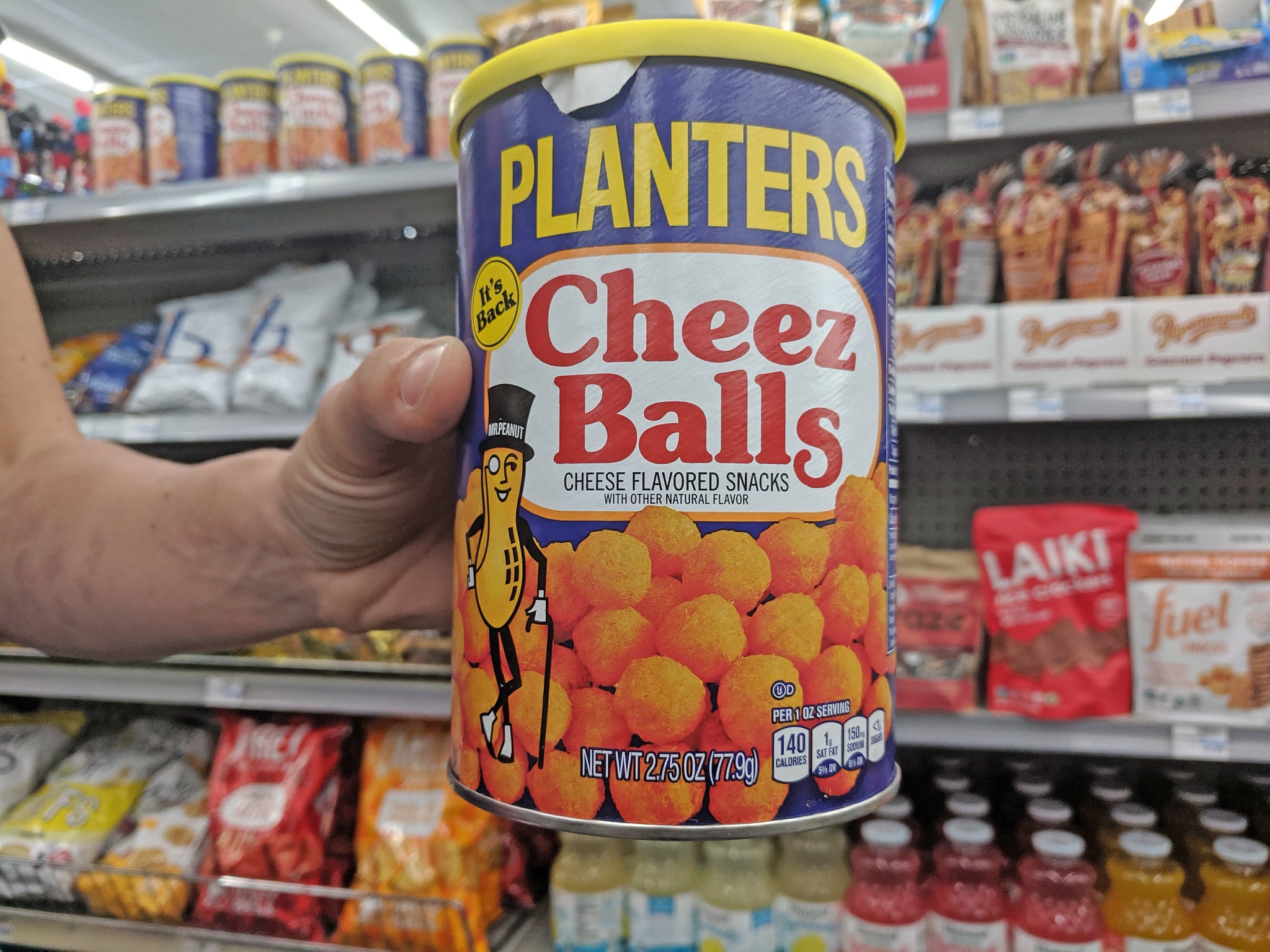
Planters Cheezballs were discontinued in 2006 and then briefly, almost cruelly, brought back for a limited run in 2018 before vanishing again. The canister alone — that squat, iconic cylinder — had its own cultural weight.
You didn’t eat Cheezballs; you passed the can around until someone got the last one and pretended they didn’t.
Crispy M&M’s
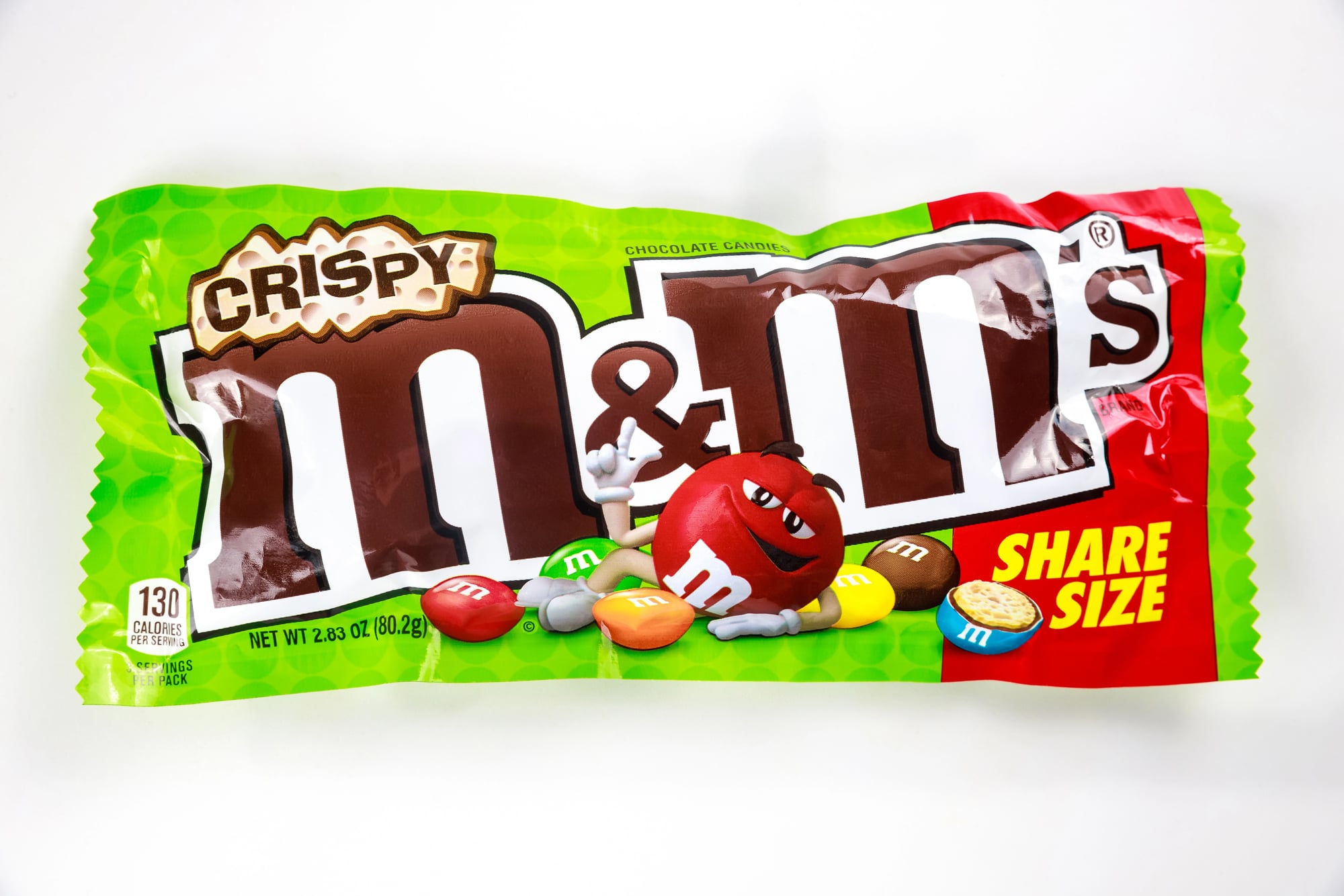
Crispy M&M’s were pulled from US shelves in 2005, and the outrage never fully subsided — which is saying something for a candy discontinued nearly two decades ago. Mars eventually brought them back in 2015 after sustained petition pressure, a rare actual victory for the snack grief community.
To be fair, the crispy shell inside a chocolate shell was genuinely a structural achievement.
Oreo O’s Cereal
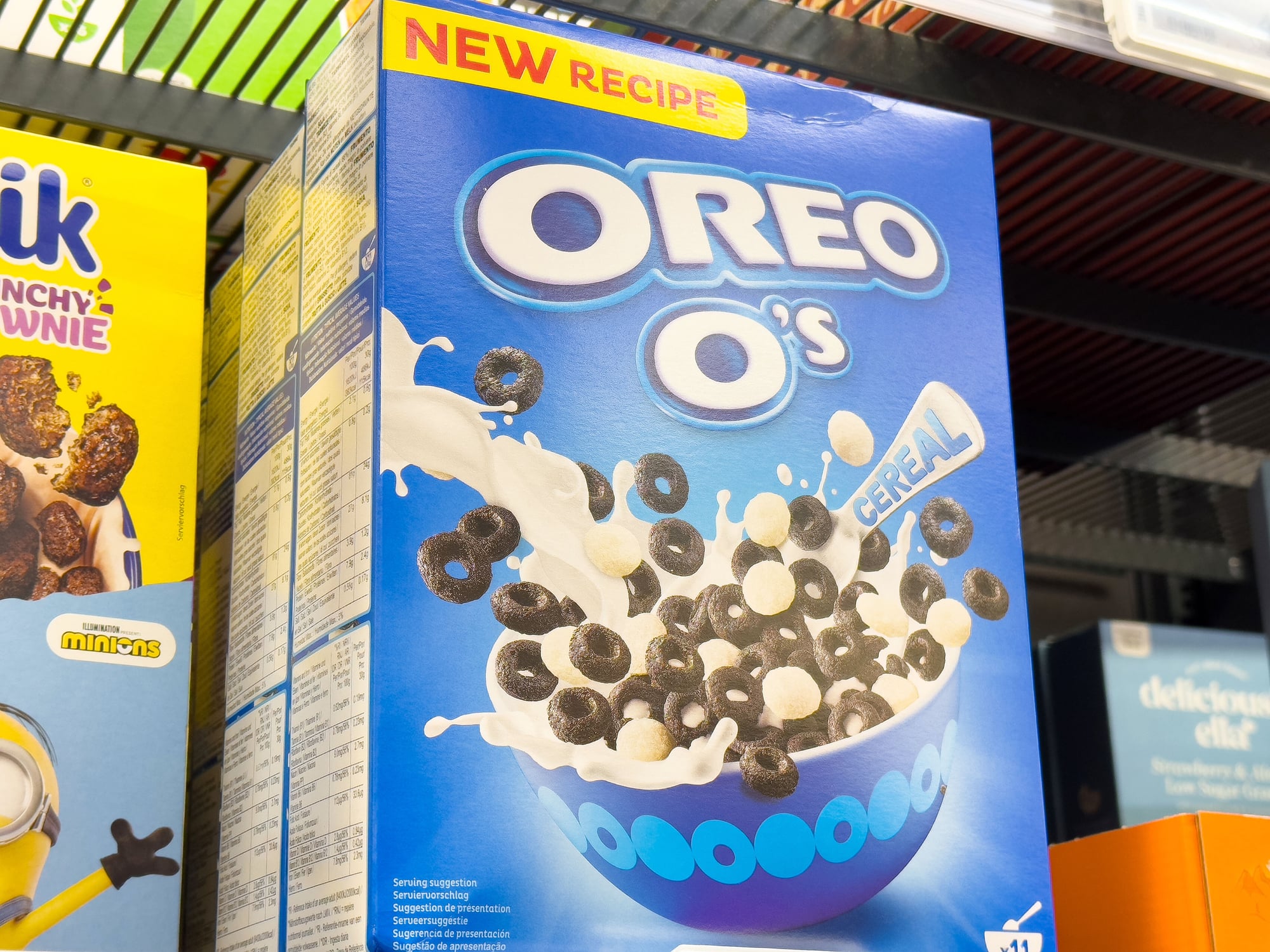
Oreo O’s had the audacity to taste exactly like eating Oreos for breakfast, which is presumably why Post discontinued them in 2007. The cereal had a cult following that kept petitions circulating well into the 2010s, and a limited return in some markets only sharpened the hunger for a full comeback.
There’s something almost cruel about a food that mimics dessert well enough that its absence feels like a dietary loss.
Jell-O Pudding Pops
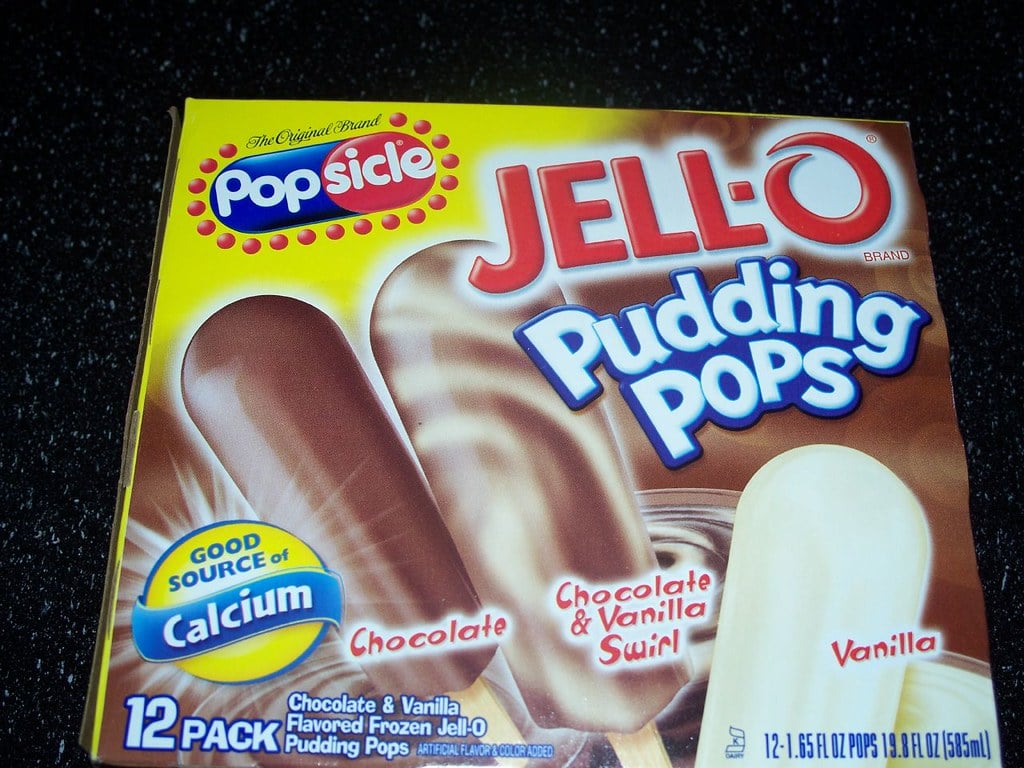
Jell-O Pudding Pops disappeared from grocery store freezers in the late 1990s, and the brand has been haunted by that decision ever since — because what Jell-O failed to understand was that the homemade version, while technically achievable, never once tasted the same. The original had a particular density, something between ice cream and frozen mousse, that no DIY method replicates.
So the petitions keep coming, and Jell-O keeps not listening.
3D Doritos
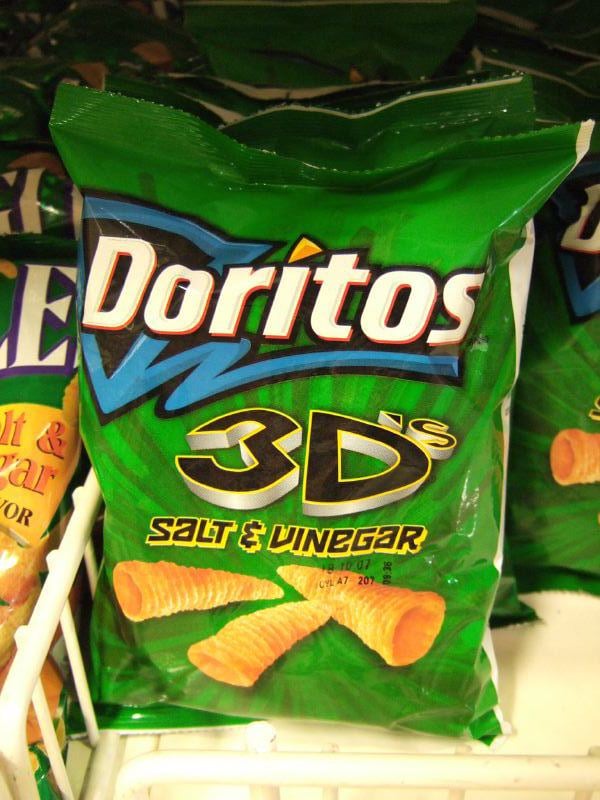
3D Doritos occupied a unique sensory territory — a hollow, puffed chip that delivered crunch and air in the same bite, which sounds unremarkable until you’ve spent years trying to find something that fills that exact absence. Frito-Lay discontinued them in the early 2000s, brought them back briefly in 2020, then pulled back again.
The petition count suggests that brief return was more teasing than satisfying.
Surge Soda
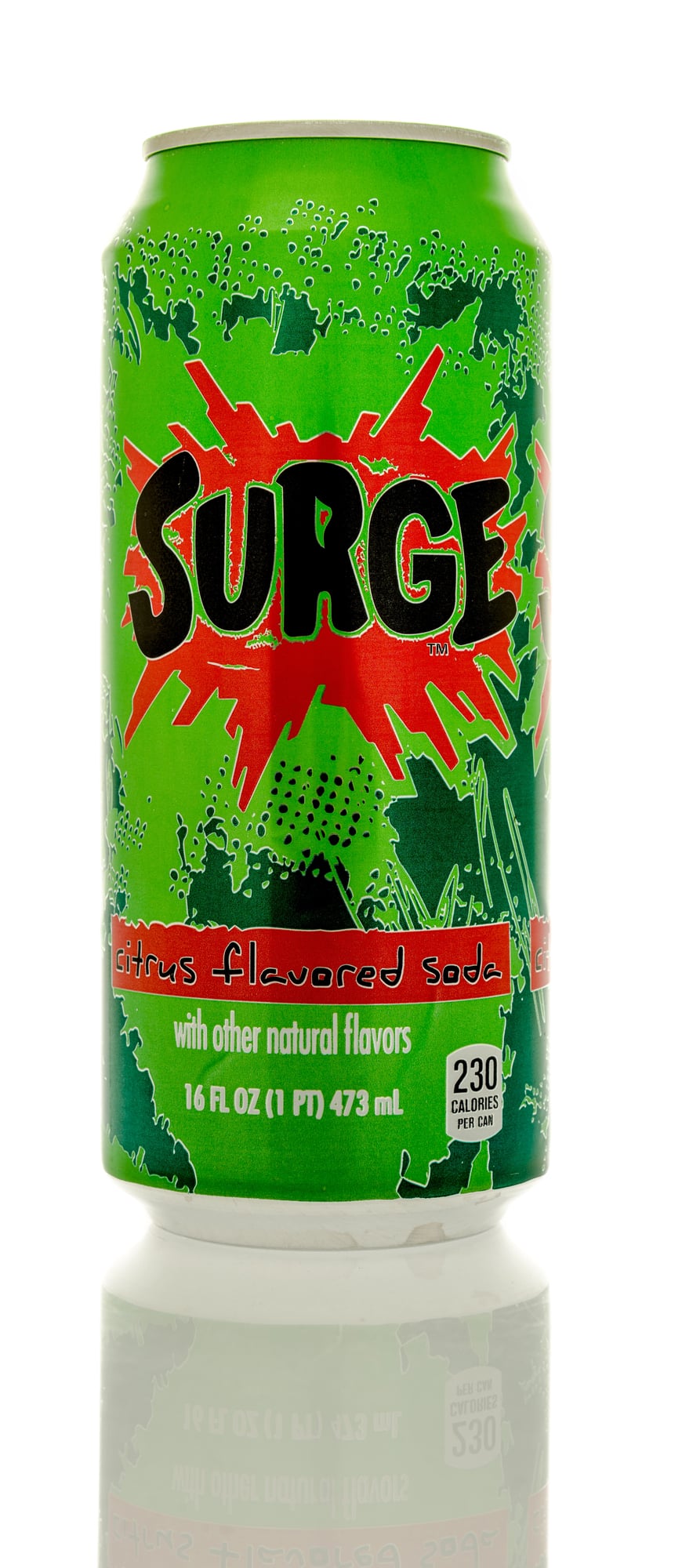
Surge was Coca-Cola’s answer to Mountain Dew, launched in 1996 and discontinued in 2003 after sales declined, which was either a market failure or a prophecy that arrived too early — because the energy drink era that followed would have been Surge’s natural habitat. A dedicated fan site, FightForSurge.com, ran for years and eventually contributed to a limited Amazon return in 2014.
The soda was eventually reintroduced in select markets, but the availability remains inconsistent enough to keep the petitions alive.
Pepsi Blue
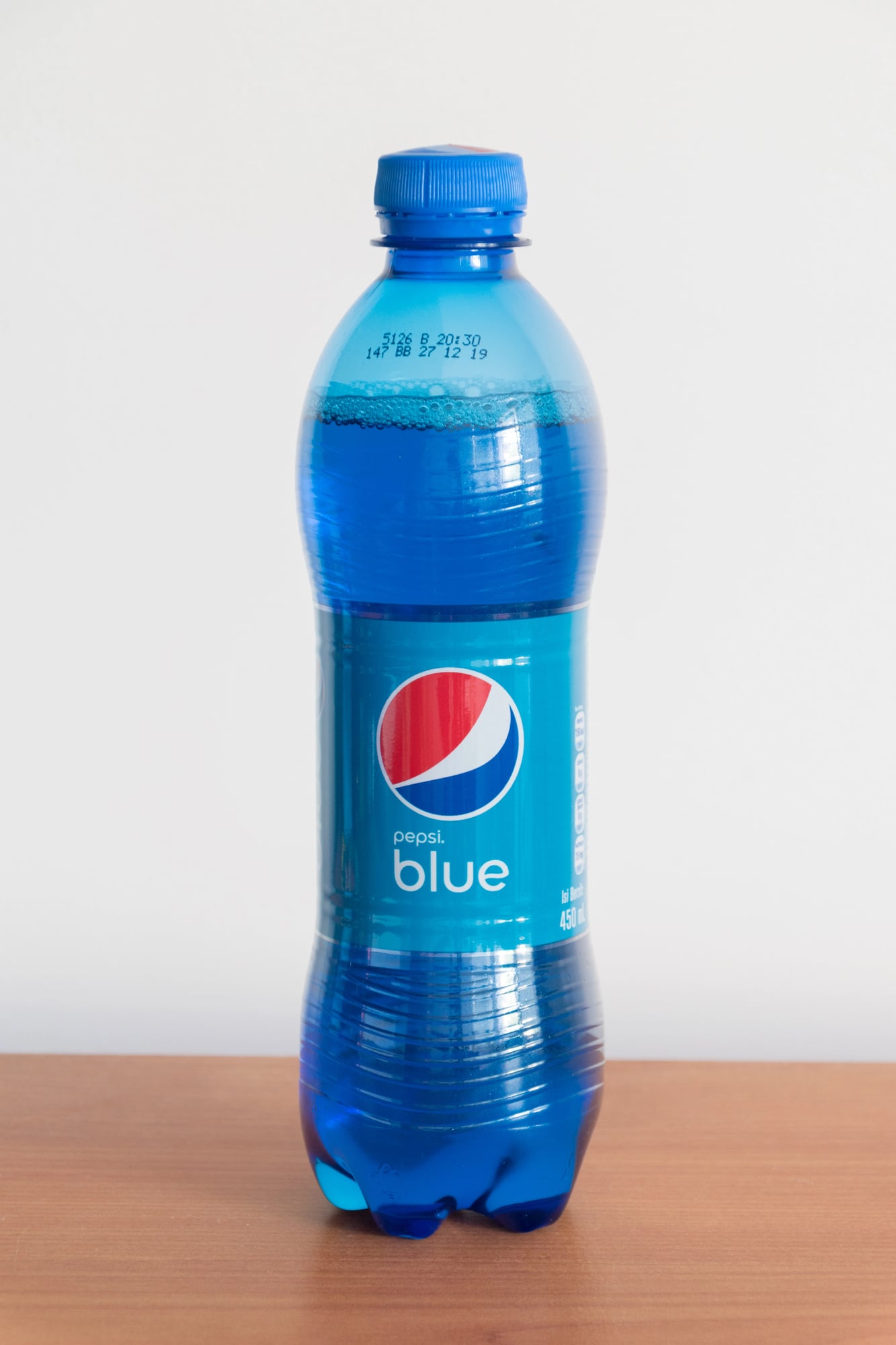
Pepsi Blue was aggressively, almost confrontationally blue — a berry-flavored cola that lasted from 2002 to 2004 before Pepsi quietly shelved it. What it lacked in subtlety it made up for in memorability; people who drank it once tend to remember it with a specificity that more refined beverages don’t earn.
Go figure.
Waffle Crisp Cereal
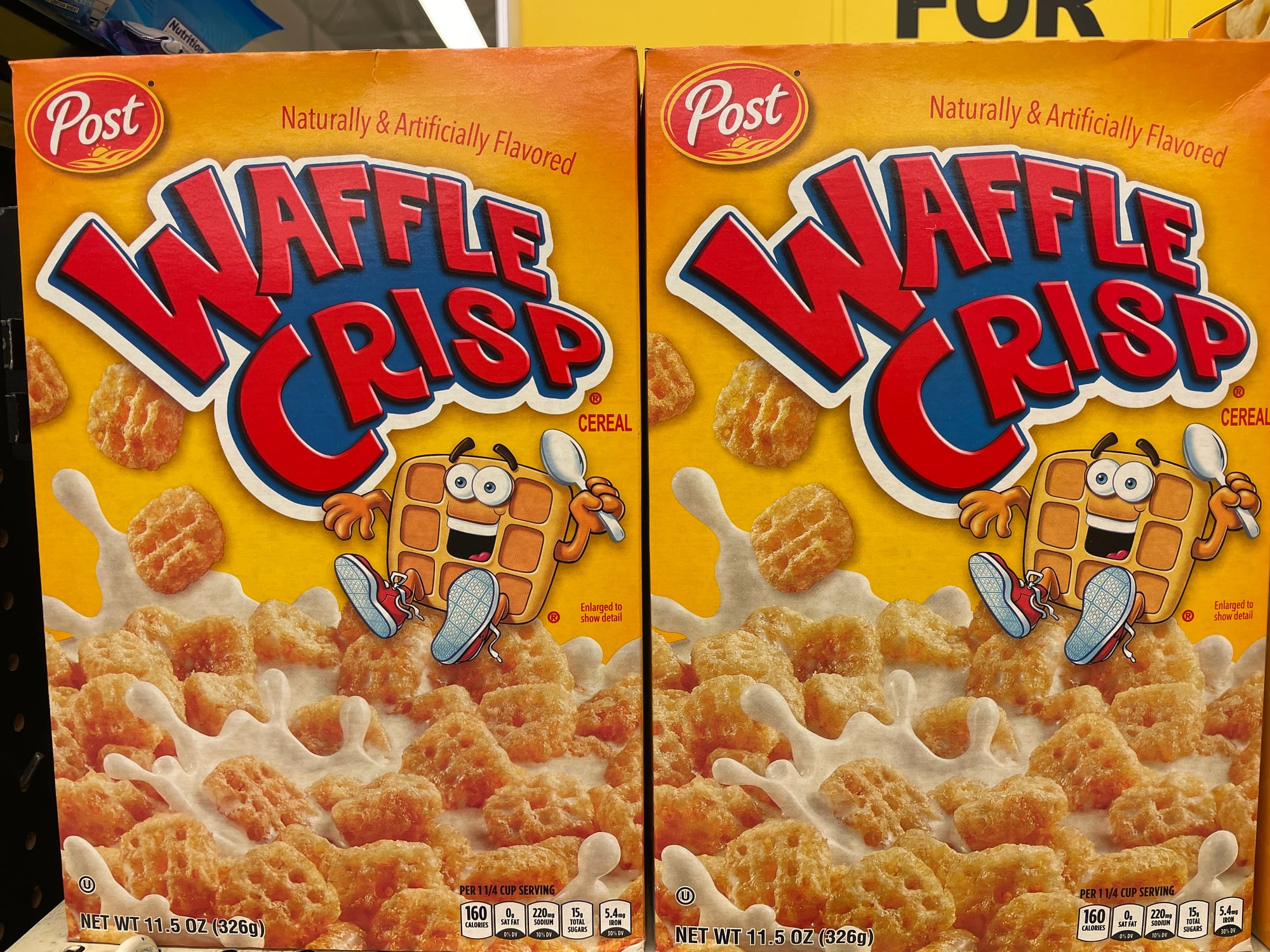
Waffle Crisp was Post’s small miracle: a cereal that genuinely tasted like tiny maple waffles submerged in milk, not like a laboratory approximation of them. It was discontinued in the mid-2000s, though sporadic regional sightings kept hope alive longer than was probably healthy for anyone involved.
The Change.org petitions for its return have been a recurring feature of the breakfast-cereal grievance community for years.
Altoids Sours
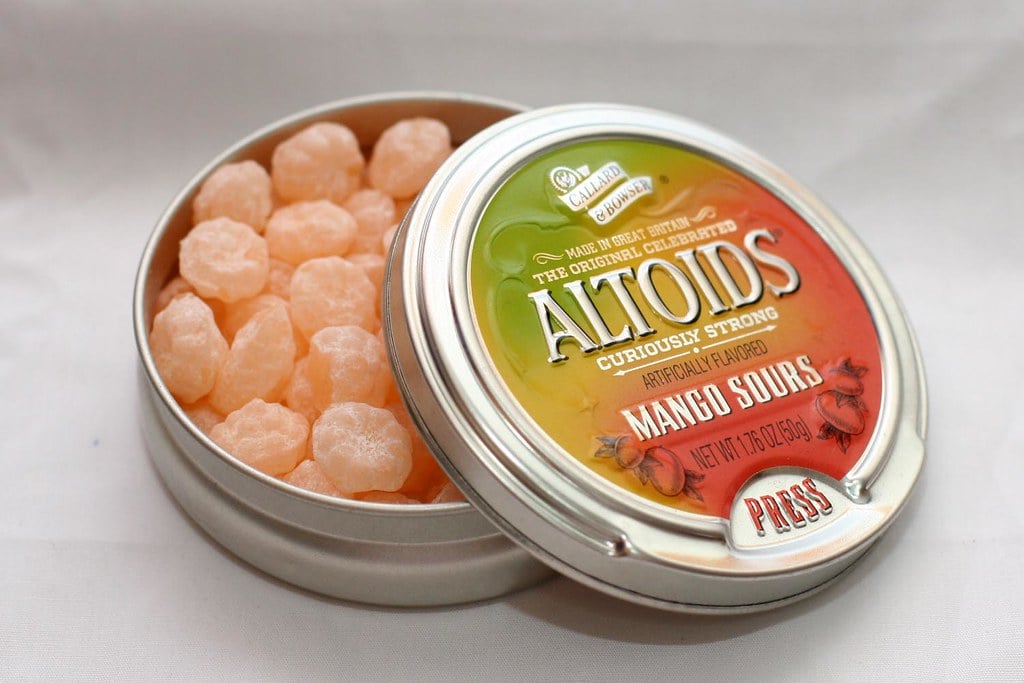
Altoids Sours arrived in the early 2000s in small tins that felt weighty and permanent, the kind of packaging that signals a product with confidence — which makes their 2010 discontinuation feel like a particular betrayal. The sourness was aggressive in a way that most candy brands now shy away from, which is precisely why people miss them.
Wrigley has never offered a satisfying explanation for the decision, which has done nothing to quiet the petitions.
Dunkaroos
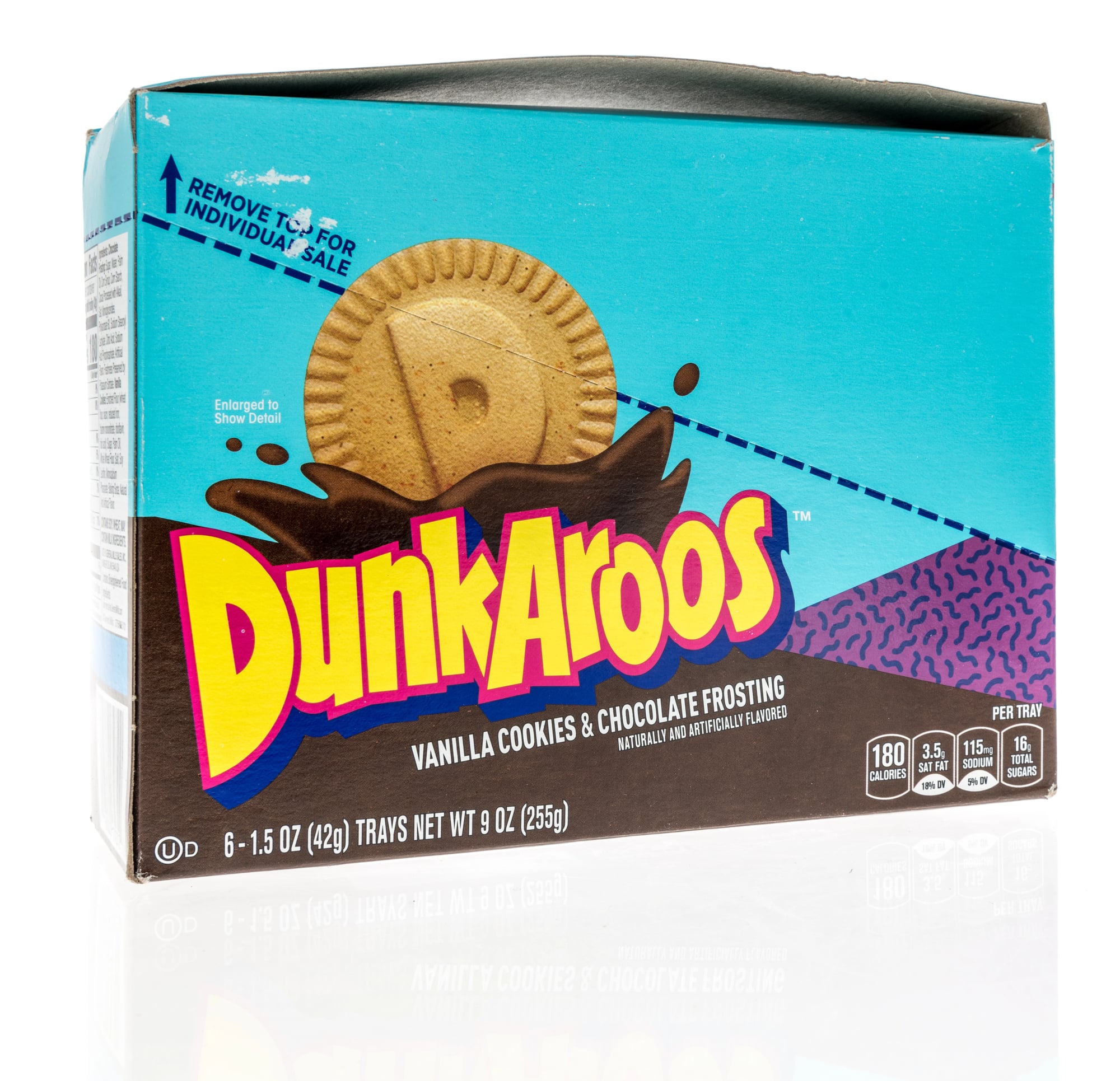
Dunkaroos technically came back in 2020 after years of petition pressure and sustained nostalgia campaigns, but the relaunch is worth mentioning here because the original discontinuation in the US in 2012 generated enough grief to actually work. Betty Crocker cookies and frosting in a single tray — the concept is almost embarrassingly simple, and yet it filled a specific need that nothing else quite covered.
The return was a genuine win, and the snack grief community should take at least partial credit.
French Toast Crunch
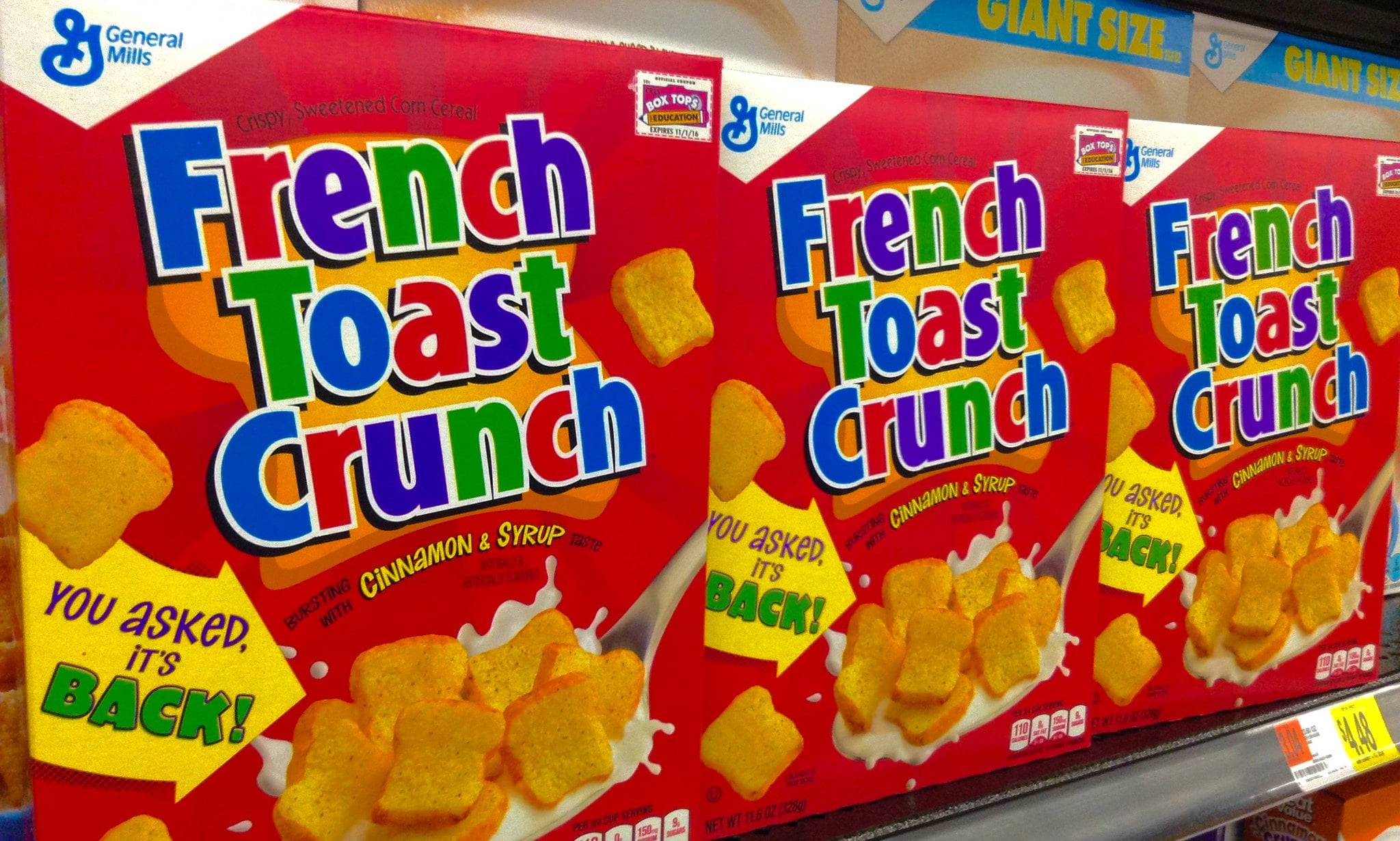
French Toast Crunch was discontinued in the US in 2006 while continuing to sell in Canada, which created a minor cross-border resentment that festered in cereal forums for years. General Mills eventually relaunched it in the US in 2015, bowing to a petition campaign that had been running since the discontinuation.
The maple-syrup flavor profile was specific enough that no substitute existed, and people knew it.
PB Crisps
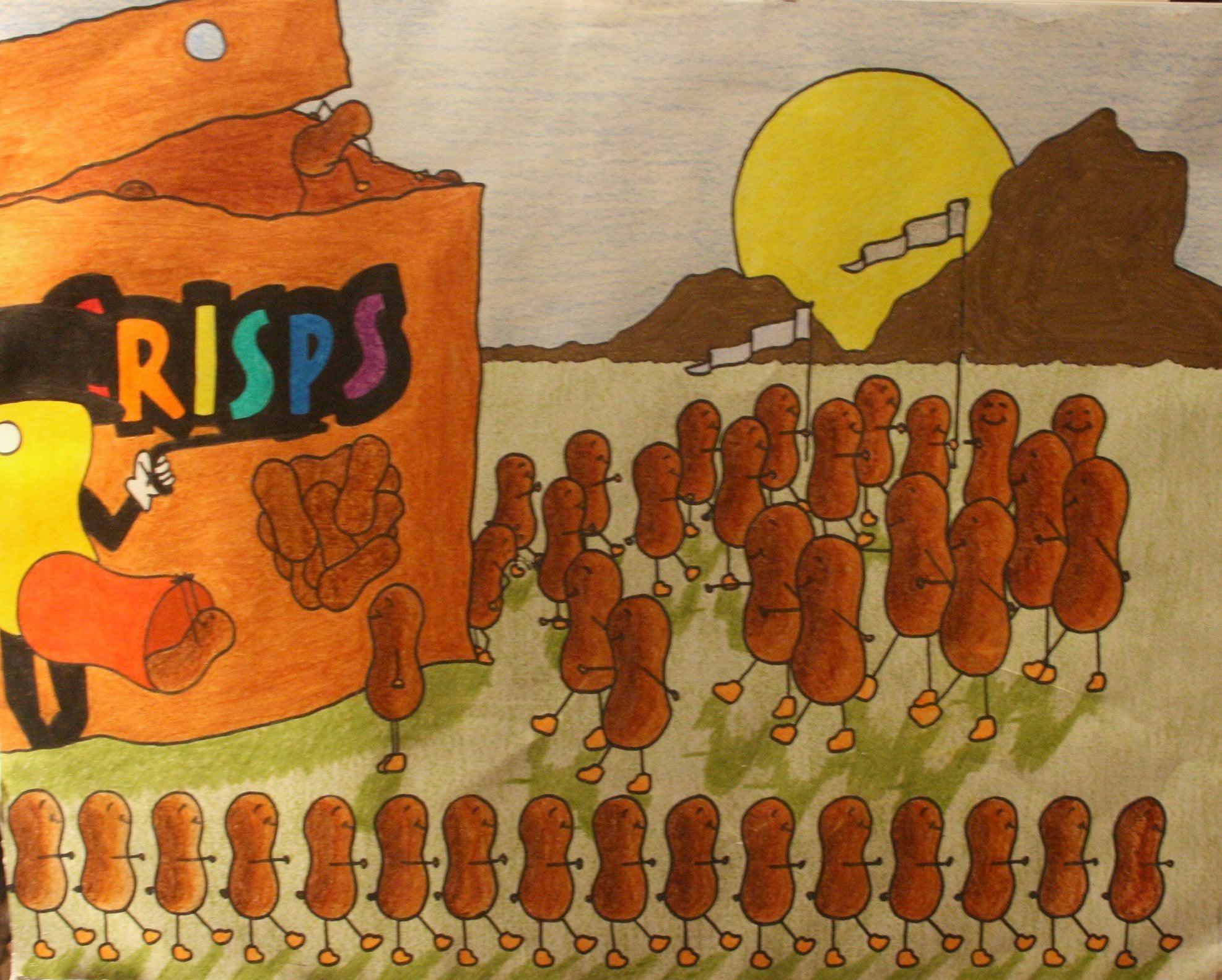
Planters PB Crisps were peanut-shaped, peanut-butter-filled crackers that existed for roughly five years in the mid-1990s before Planters discontinued them — a decision that has generated disproportionate emotional fallout for something that only existed for a fraction of a decade. The texture was the thing: a light, almost hollow crunch that delivered peanut butter without the density of an actual peanut butter cracker.
Petitions for their return surface reliably every few years.
Lays WOW Chips
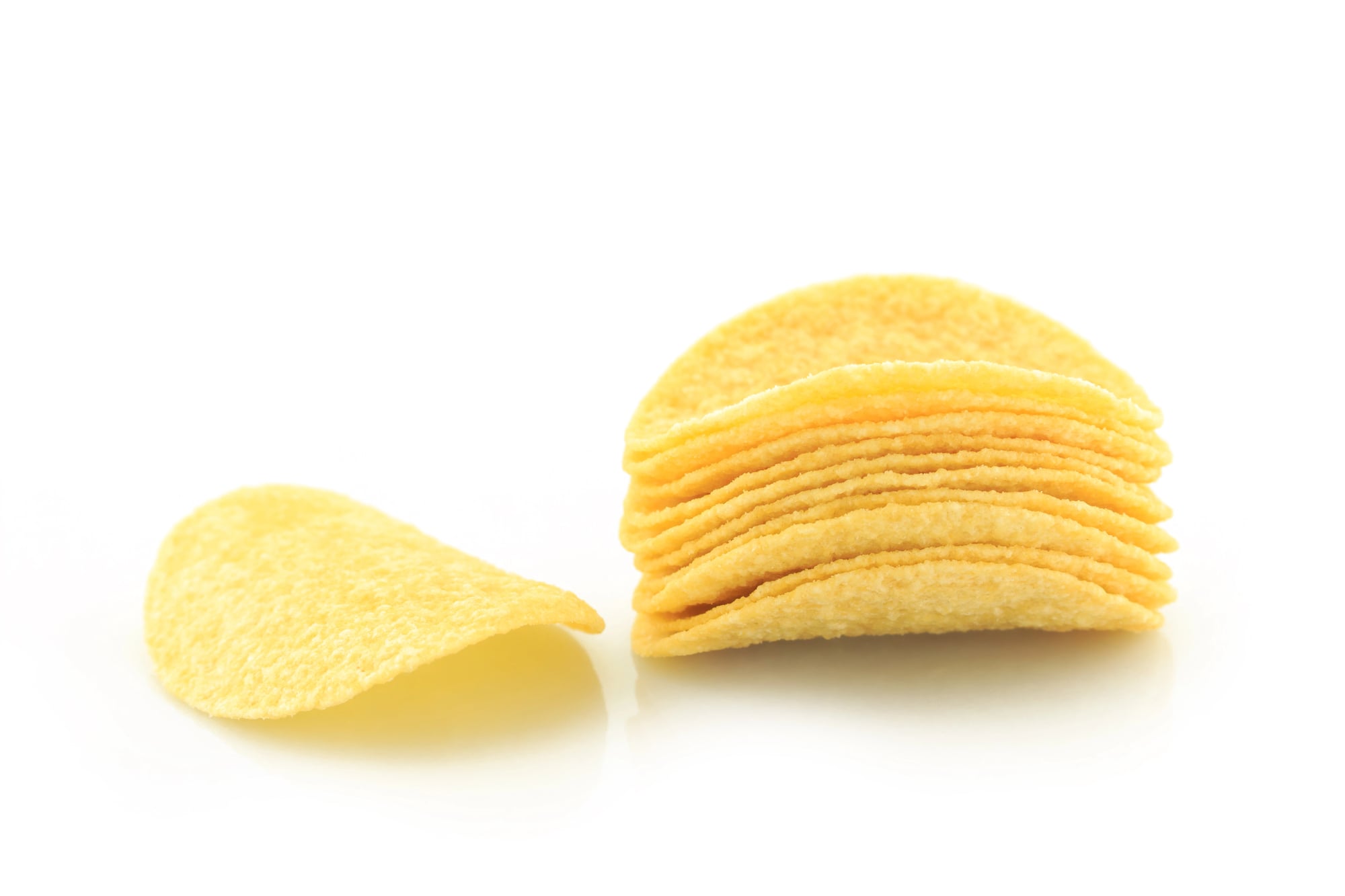
Lays WOW chips were the fat-free chips made with Olestra, the fat substitute that caused, to put it diplomatically, digestive distress in a notable portion of the population — and yet people still petition for their return, which suggests either a very selective memory or a genuine preference for the flavor profile that regular Lays doesn’t match. They were discontinued in the early 2000s.
The nostalgia for them is real, even if the nostalgia is selective.
Keebler Magic Middles
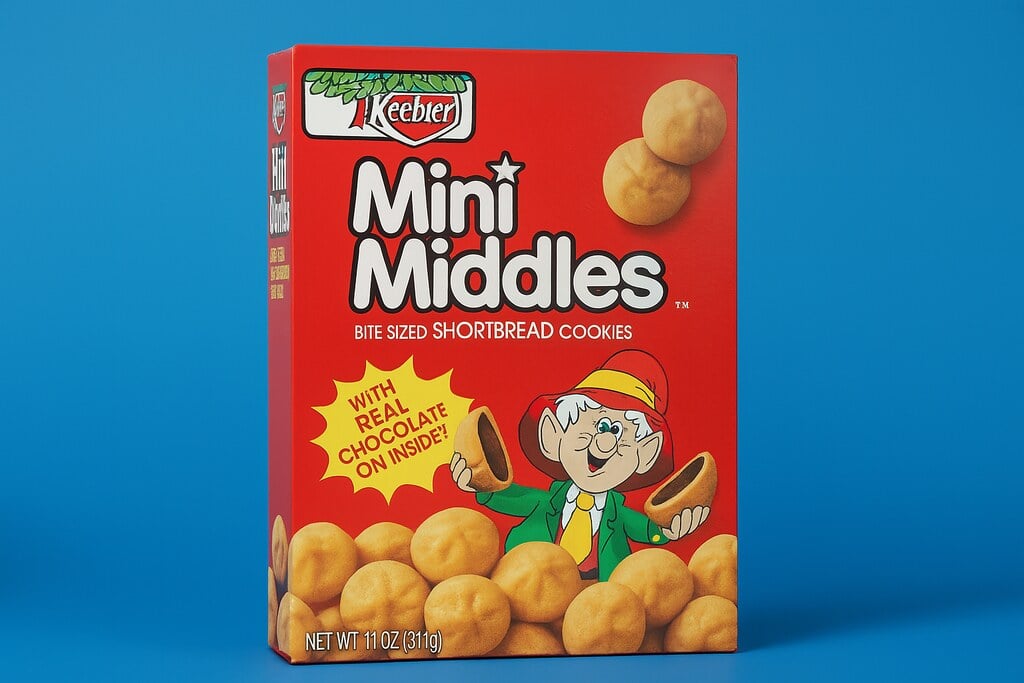
Keebler Magic Middles were shortbread cookies with a fudge or peanut butter center, discontinued in the early 1990s, and they have maintained a petition presence for longer than most snacks manage. The concept — a fully enclosed filling inside a crisp shell — sounds like something the market should have replicated a dozen times over.
Nobody has done it to the satisfaction of the people who remember the original.
Hi-C Ecto Cooler
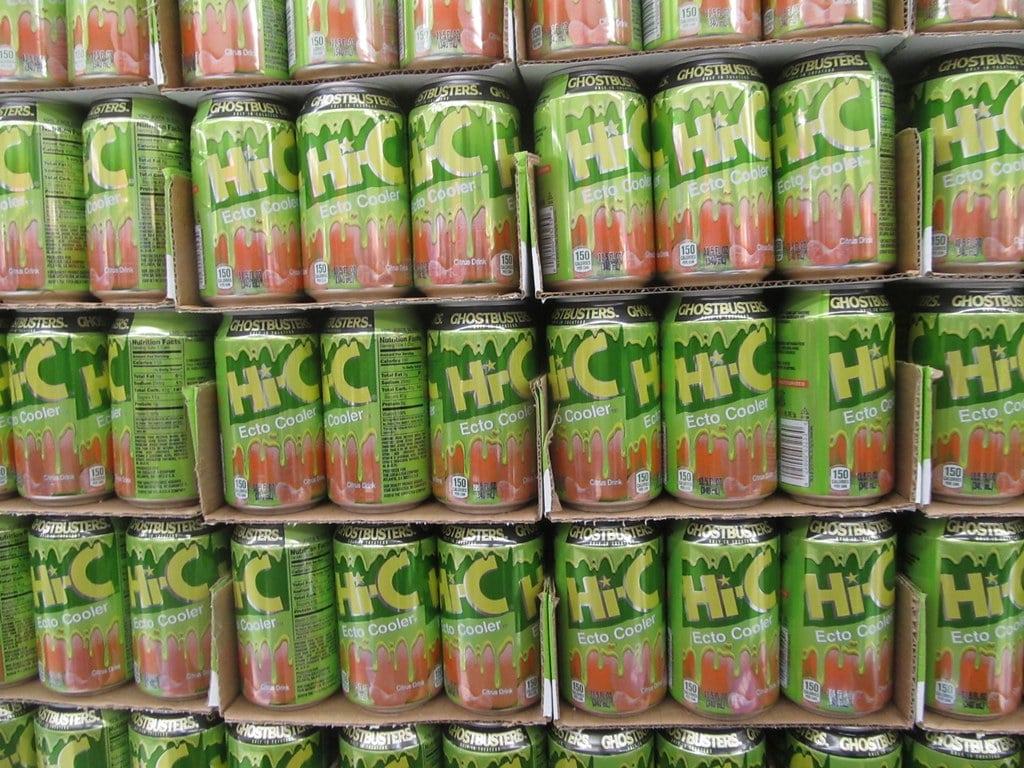
Hi-C Ecto Cooler was a tangerine-flavored juice drink tied to the Ghostbusters franchise, launched in 1987 and discontinued in 2001 — but the franchise connection kept the demand alive in a way that pure flavor alone might not have sustained. Coca-Cola brought it back briefly for the 2016 Ghostbusters film reboot, and the response was intense enough to confirm that the audience for it hadn’t shrunk.
The petitions asking for a permanent return have not stopped since.
Butterfinger BB’s
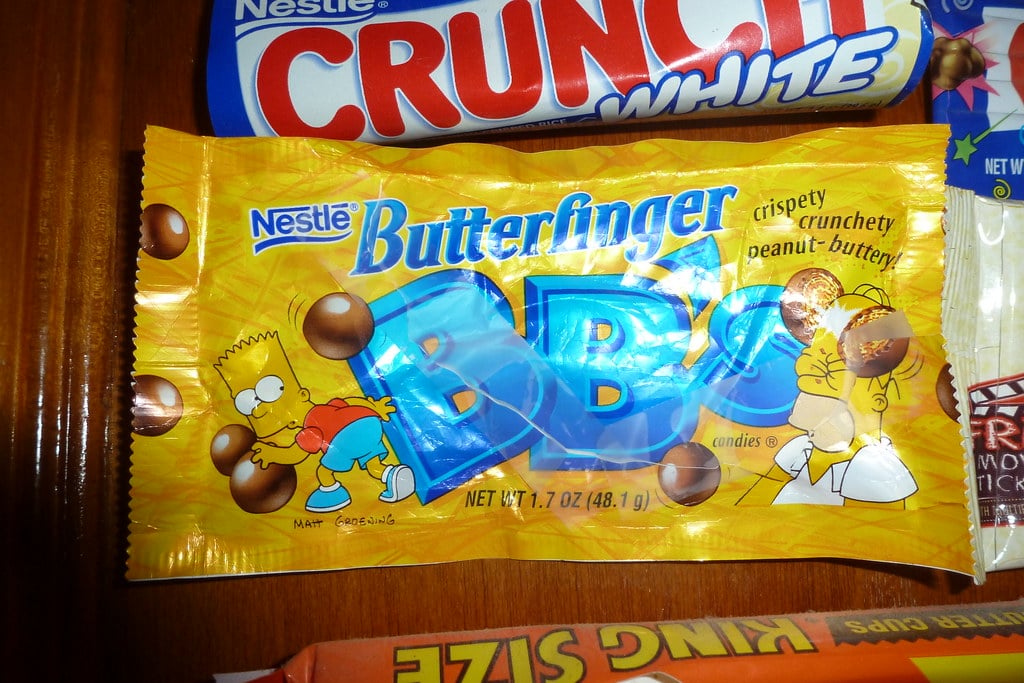
Butterfinger BB’s were bite-sized, spherical versions of the Butterfinger bar, discontinued in 2006 and mourned with a persistence that the full-sized bar has never earned on its own. Something about the size changed the eating experience entirely — the ratio of crispy peanut butter center to chocolate coating was different, better.
Nestlé has never brought them back, despite a petition history that stretches back years.
Rice Krispies Treats Cereal
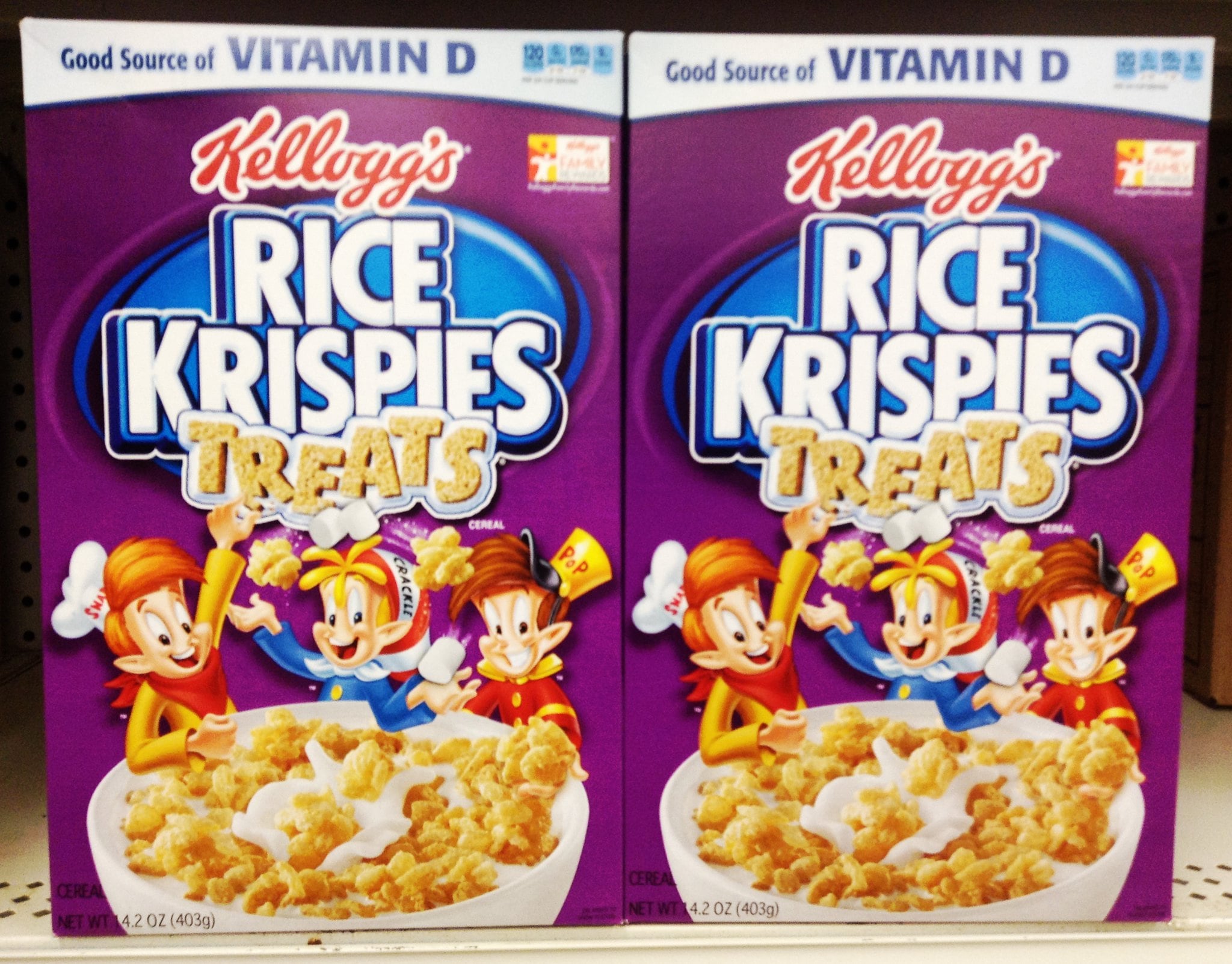
Rice Krispies Treats Cereal tasted precisely like the marshmallow treat it was named after, which sounds like faint praise but is actually an extraordinary achievement in food engineering. Kellogg’s discontinued it in the US market, and the absence is acutely felt by anyone who grew up eating it — not because it was nutritious, obviously, but because the flavor was singular.
Petitions for its return have shown up on multiple platforms over the years.
Sprite Remix
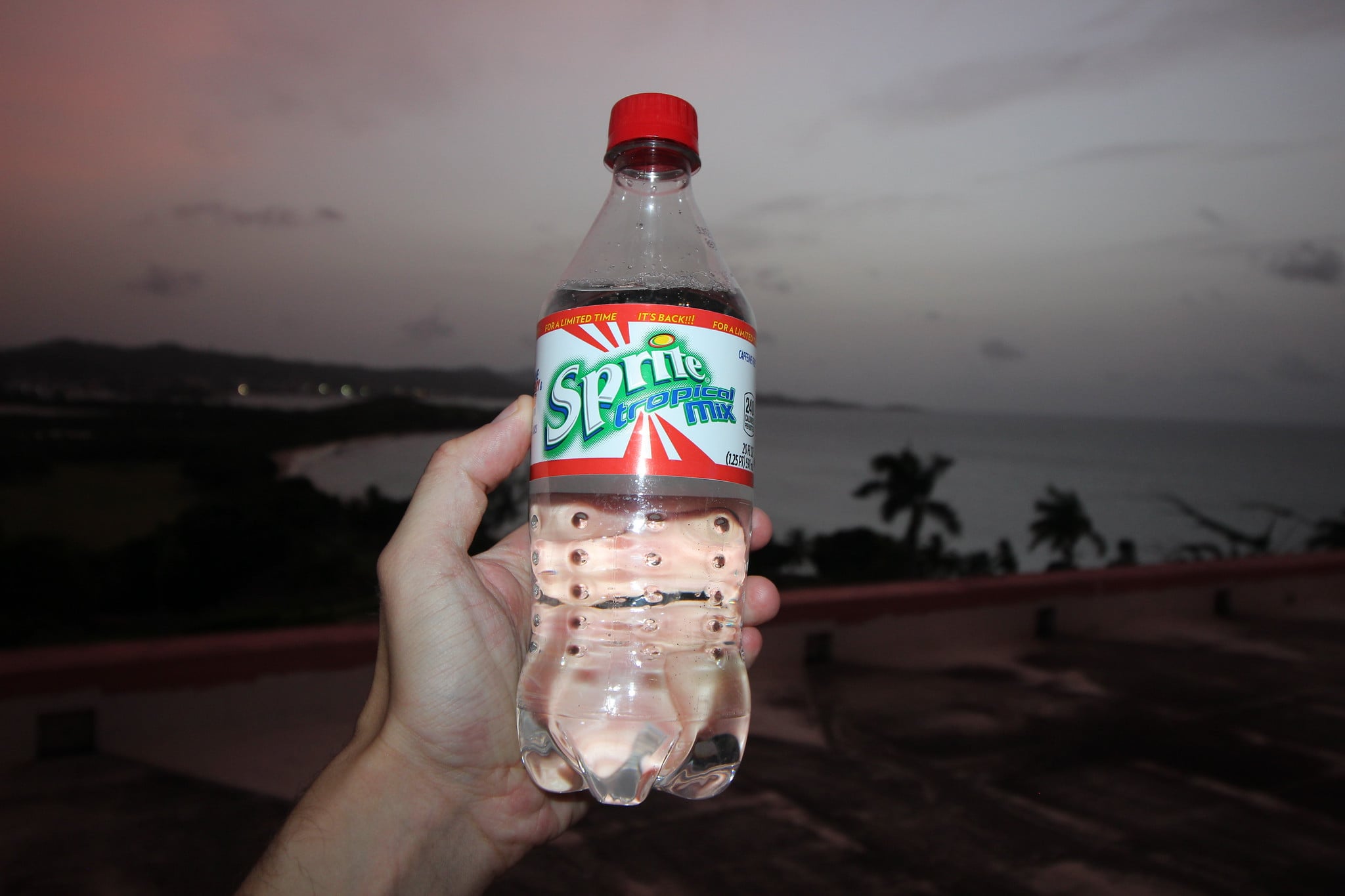
Sprite Remix launched in 2003 in tropical and aruba jam flavors, offering a fruitier, less austere alternative to regular Sprite, and was discontinued in 2005 after only two years on shelves. That’s a short window, which makes the petition volume somewhat surprising — but the flavor was distinct enough that people clocked the loss immediately.
Coca-Cola briefly acknowledged the petitions before going quiet.
Nabisco Giggles Cookies
Nabisco Giggles were sandwich cookies with smiley faces pressed into them, discontinued in the 1990s, and they occupy a particular corner of snack nostalgia — the kind where the product’s visual design was half the appeal. The face-shaped cookies created a specific eating ritual that people remember in detail, the way you remember the rules of a childhood game you haven’t played in thirty years.
Petitions surface occasionally, mostly from people in their thirties and forties reconstructing the exact texture from memory.
Keebler Tato Skins
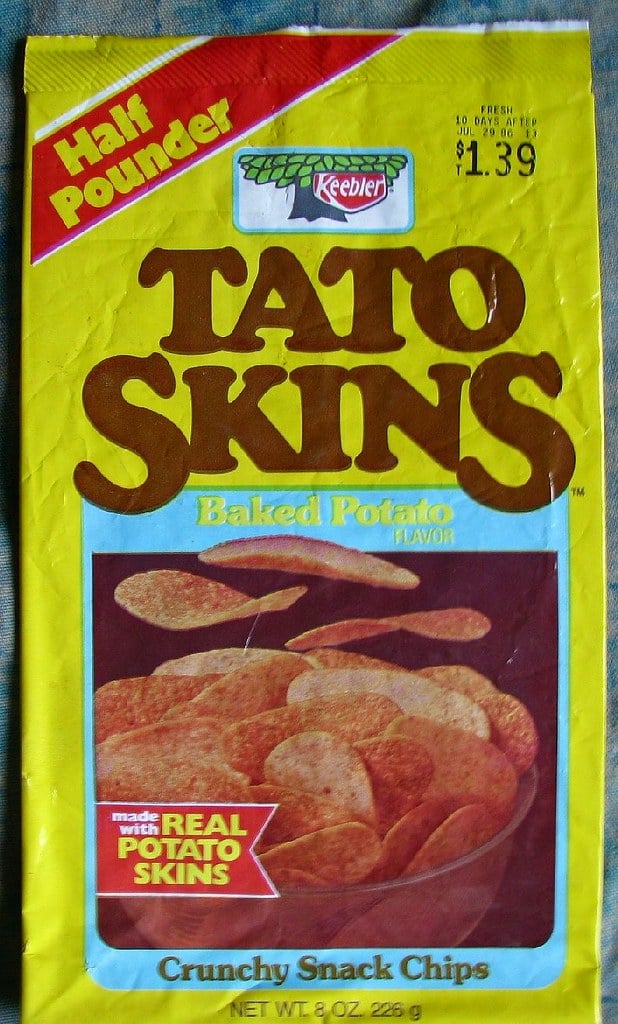
Keebler Tato Skins were potato skin-flavored chips long before TGI Fridays made potato skin snacks ubiquitous, which means Keebler was early to an idea that the market eventually proved was correct. The original chips had a depth of flavor — a slightly baked, slightly smoky quality — that the later imitators never quite matched.
They were discontinued in the 1990s, and the people who remember them have not made peace with that.
Pepsi Twist
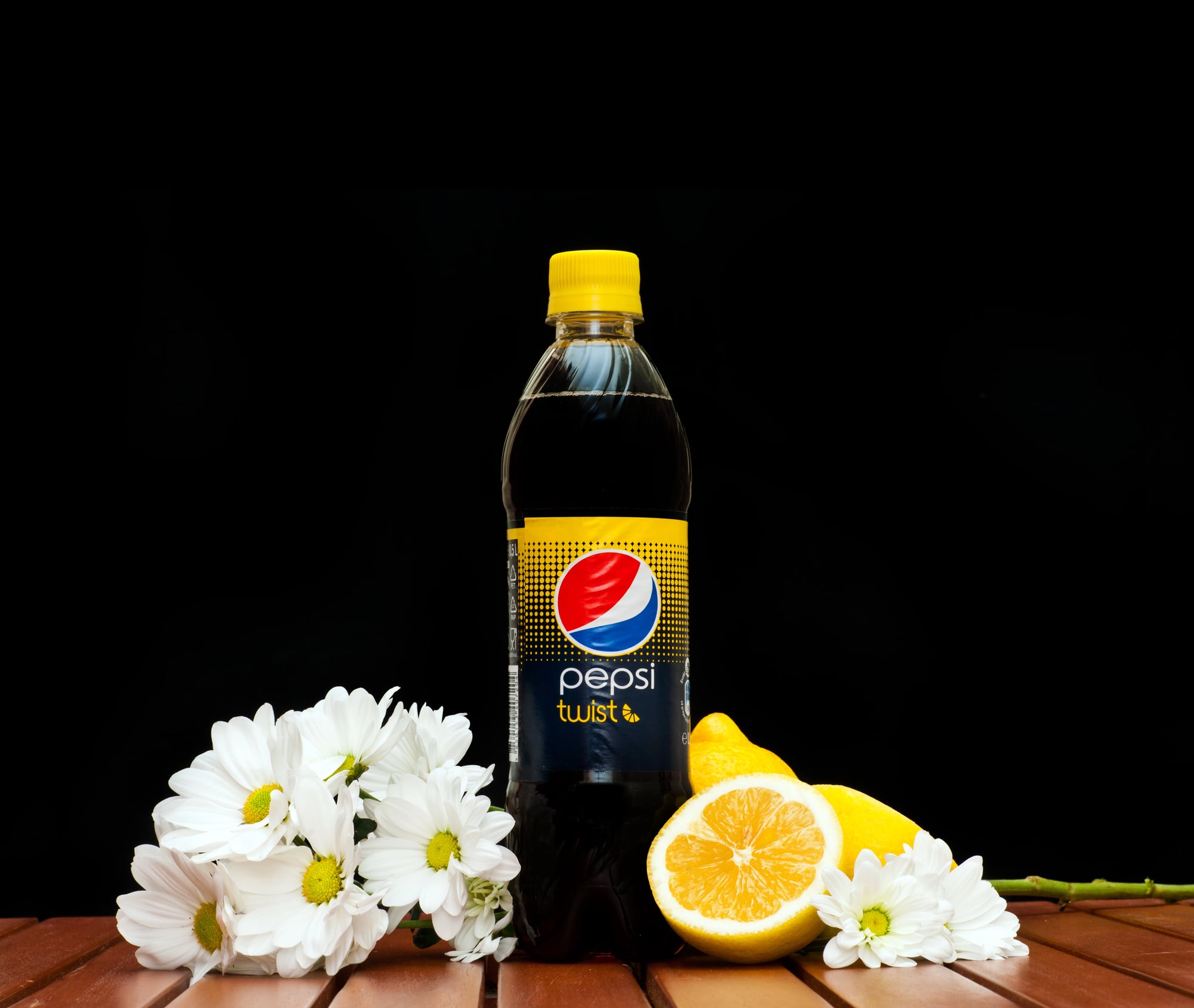
Pepsi Twist, a lemon-flavored cola, launched in 2001 and was pulled from US shelves by the mid-2000s after modest sales, despite having a genuinely pleasant flavor that felt more like a natural extension of cola than a gimmick. The citrus note was subtle enough not to alienate cola purists but distinct enough to matter.
Petition campaigns have resurfaced every few years, usually tied to renewed interest in flavored sodas.
Snackwell’s Devil’s Food Cookie Cakes
Snackwell’s Devil’s Food Cookie Cakes were a fat-free chocolate cookie with a marshmallow center, released during the low-fat craze of the 1990s, and their discontinuation left a gap that nothing has filled with the same combination of guilt-free marketing and genuinely decent flavor. The brand still exists in reduced form, but the Devil’s Food Cookie Cake specifically is gone.
People still mention it in snack forums with a specificity that suggests the loss remains fresh.
Crystal Pepsi
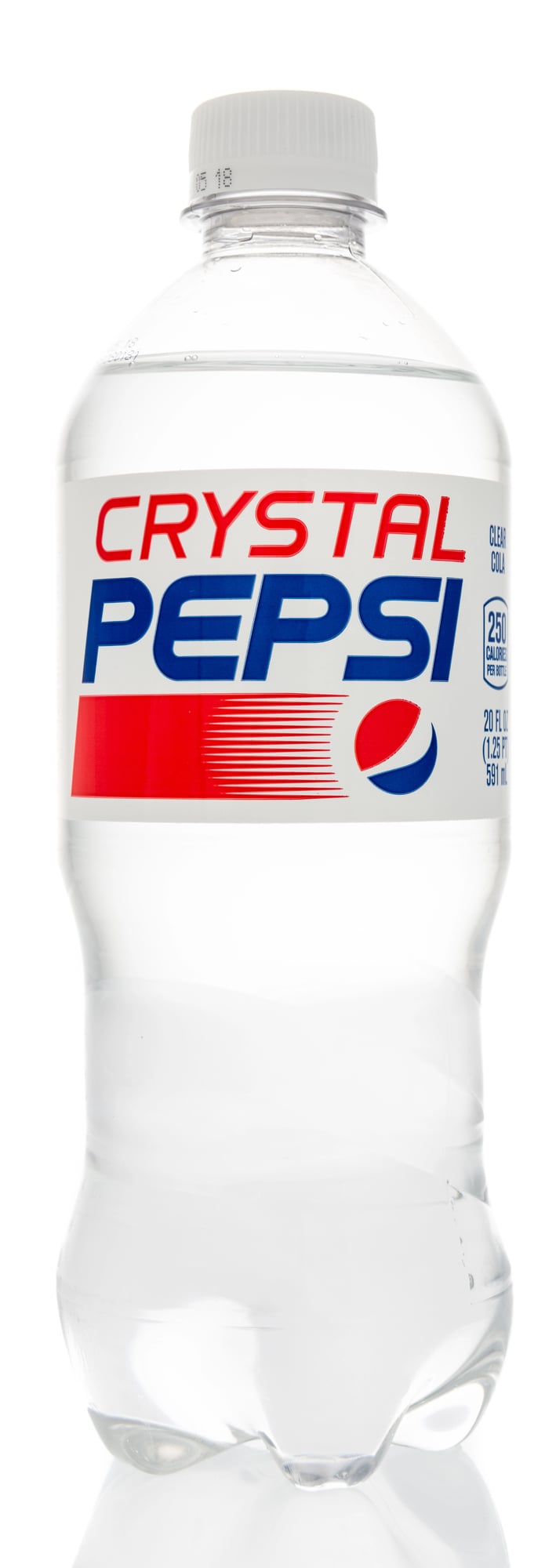
Crystal Pepsi was clear, caffeine-free cola, which sounds like a contradiction in terms until you actually drink it — the flavor was unmistakably Pepsi, just stripped of the caramel color, and somehow that visual dissonance made it taste different even when the formula was nearly identical. It launched in 1992, was discontinued in 1994, and then briefly returned in 2015 and 2016 following petition and social media pressure.
The returns satisfied some people; the petitions suggest they didn’t satisfy everyone.
Nabisco Chicken in a Biskit
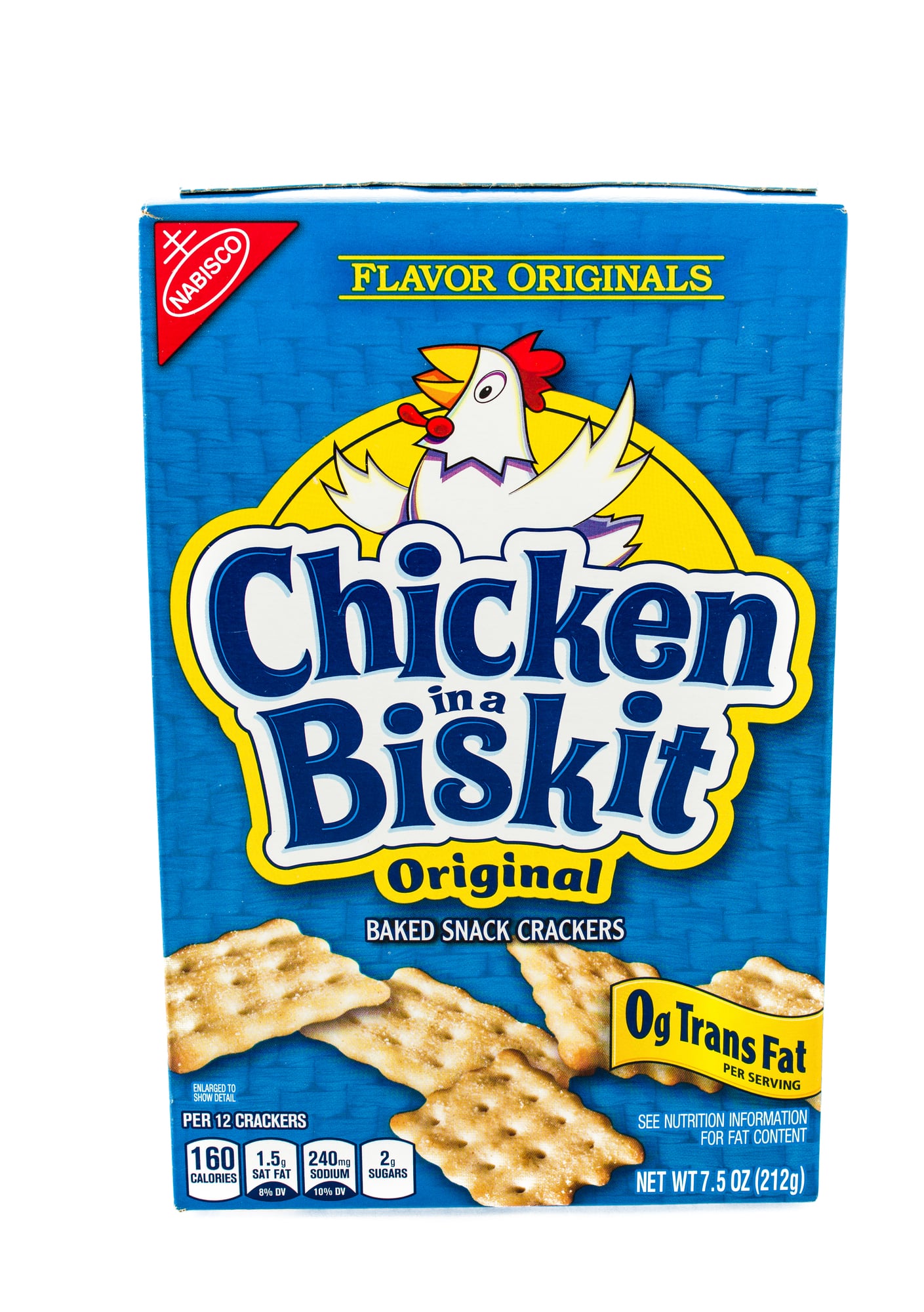
Chicken in a Biskit crackers had a savory, almost indescribable flavor — not quite chicken broth, not quite butter, something specifically its own — and while the cracker technically still exists in some markets, widespread discontinuation in others has generated consistent petition traffic. It was the kind of snack that occupied a singular flavor lane: nothing else tasted like it, and nothing else tried to.
That specificity is exactly what petition writers cite.
Hostess Chocodiles
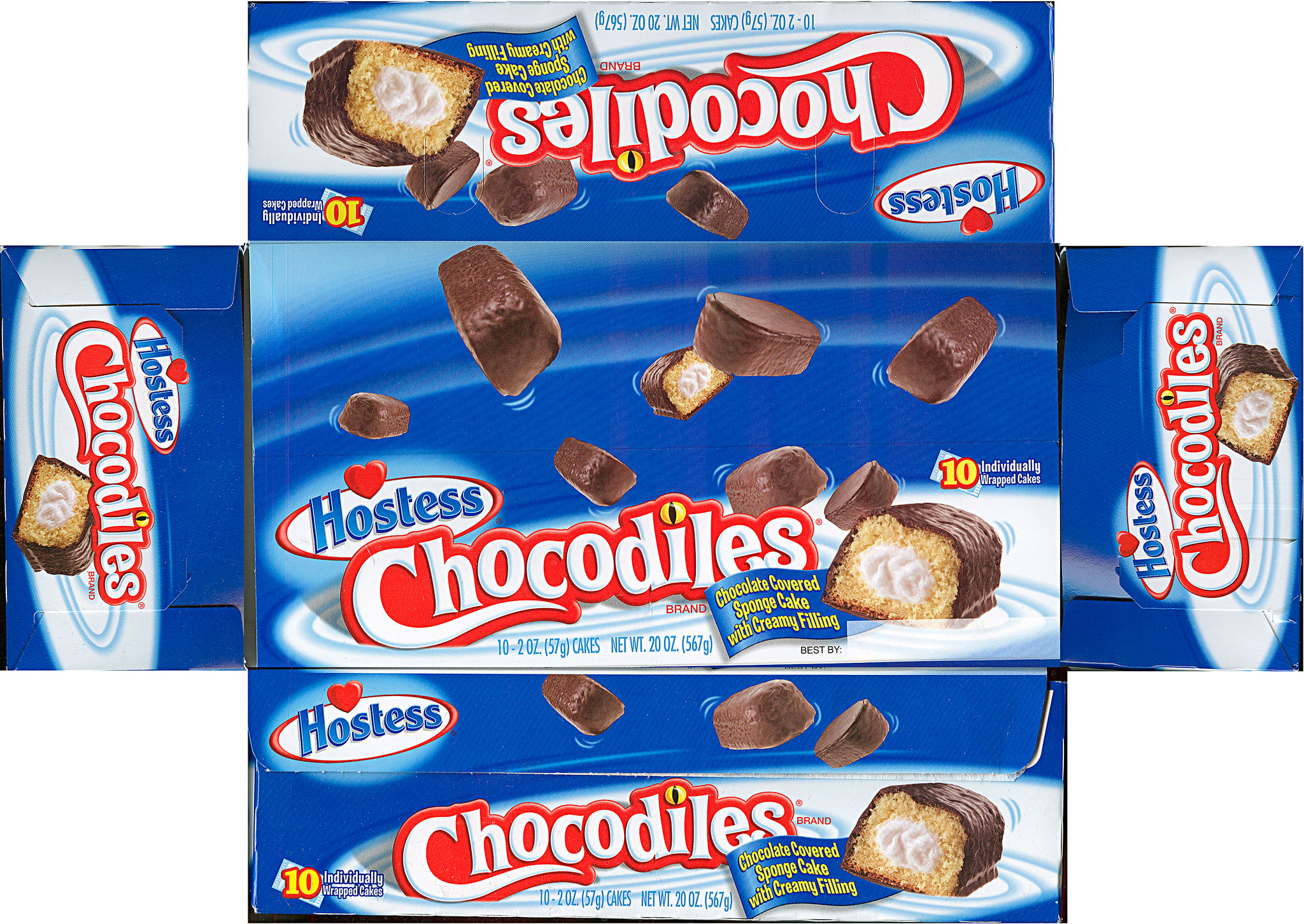
Hostess Chocodiles were chocolate-covered Twinkies, discontinued in most US markets in the early 2000s while surviving in limited West Coast distribution, which created a geographic snack inequality that fueled petition energy across the country. The chocolate coating changed the Twinkie entirely — firmer, richer, less cloying.
Hostess has flirted with wider distribution a few times without committing, which has kept the petitions from ever fully going quiet.
Pepsi Holiday Spice
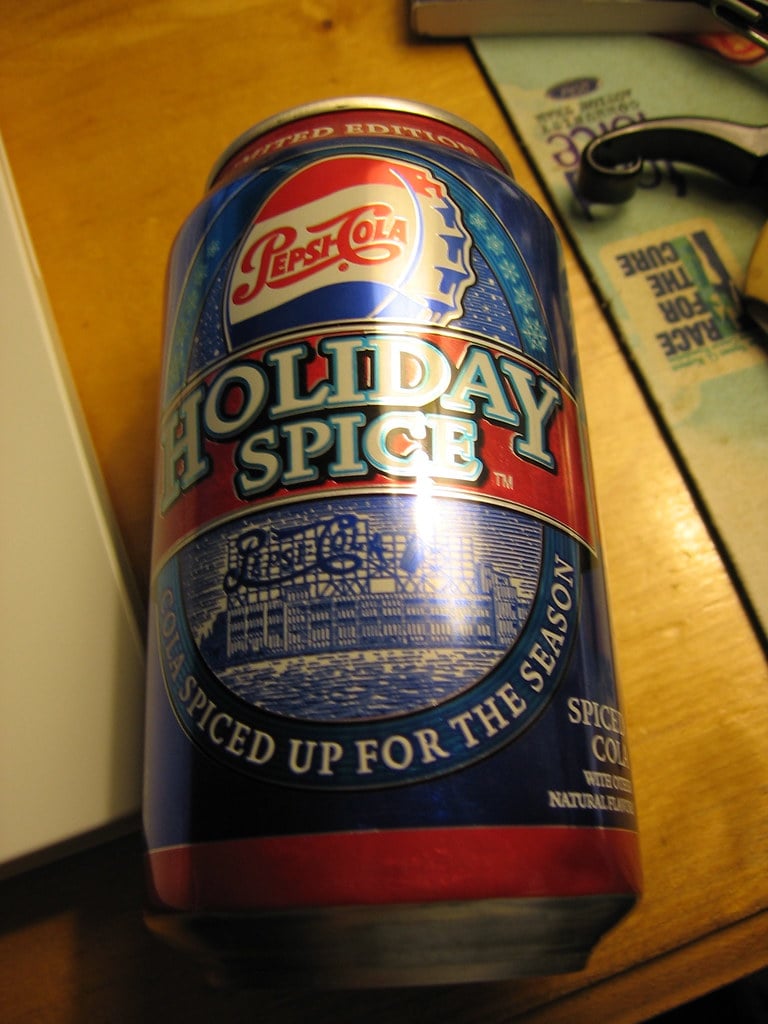
Pepsi Holiday Spice was a cinnamon and ginger-spiced cola released for the 2004 holiday season and discontinued after one year — a remarkably short run for something that generated a remarkably persistent afterlife. The spice profile was legitimately interesting, not a gimmick flavor but an actual recontextualization of what cola could taste like in colder months.
The petitions for its return reliably appear every October.
Josta
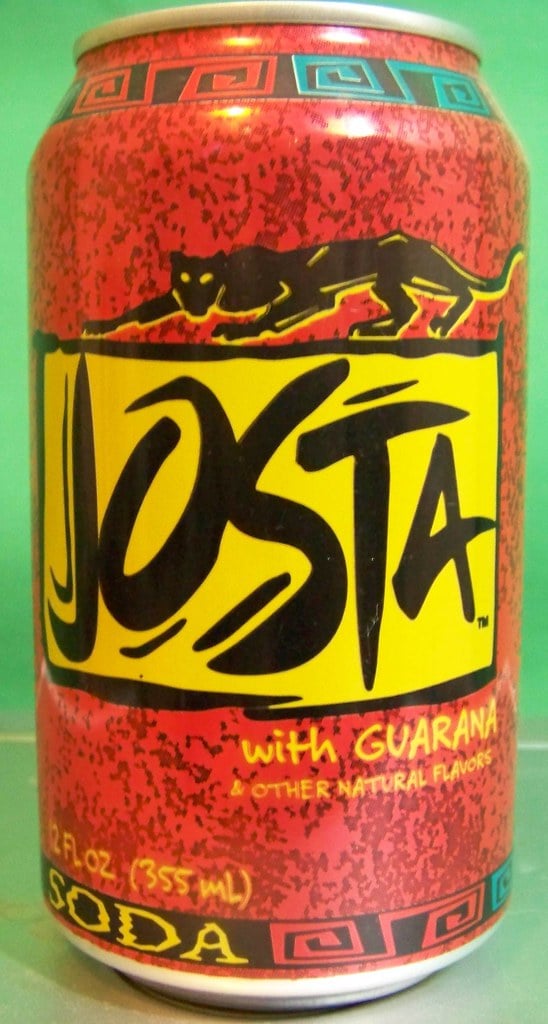
Josta was Pepsi’s guarana-flavored energy drink, launched in 1995 and discontinued in 1999, making it one of the earliest casualties of the very energy drink category it helped build. The flavor was dark and slightly medicinal in a way that felt interesting rather than off-putting, and the brand had a visual identity aggressive enough to stick in memory.
Petition campaigns for Josta’s return have a devoted, if niche, following that has never entirely dispersed.
Keebler Pizzerias Crackers
Keebler Pizzerias were pizza-flavored crackers shaped like tiny pizza slices, discontinued in the 1990s, and they represent a category of snack that the current market has genuinely failed to replace — not for lack of trying. The flavor was concentrated in a way that cheese crackers today rarely achieve, and the novelty shape added an eating ritual that mattered more than anyone would admit at the time.
The petitions for them are affectionate, sometimes almost tender.
Pepsi A.M.
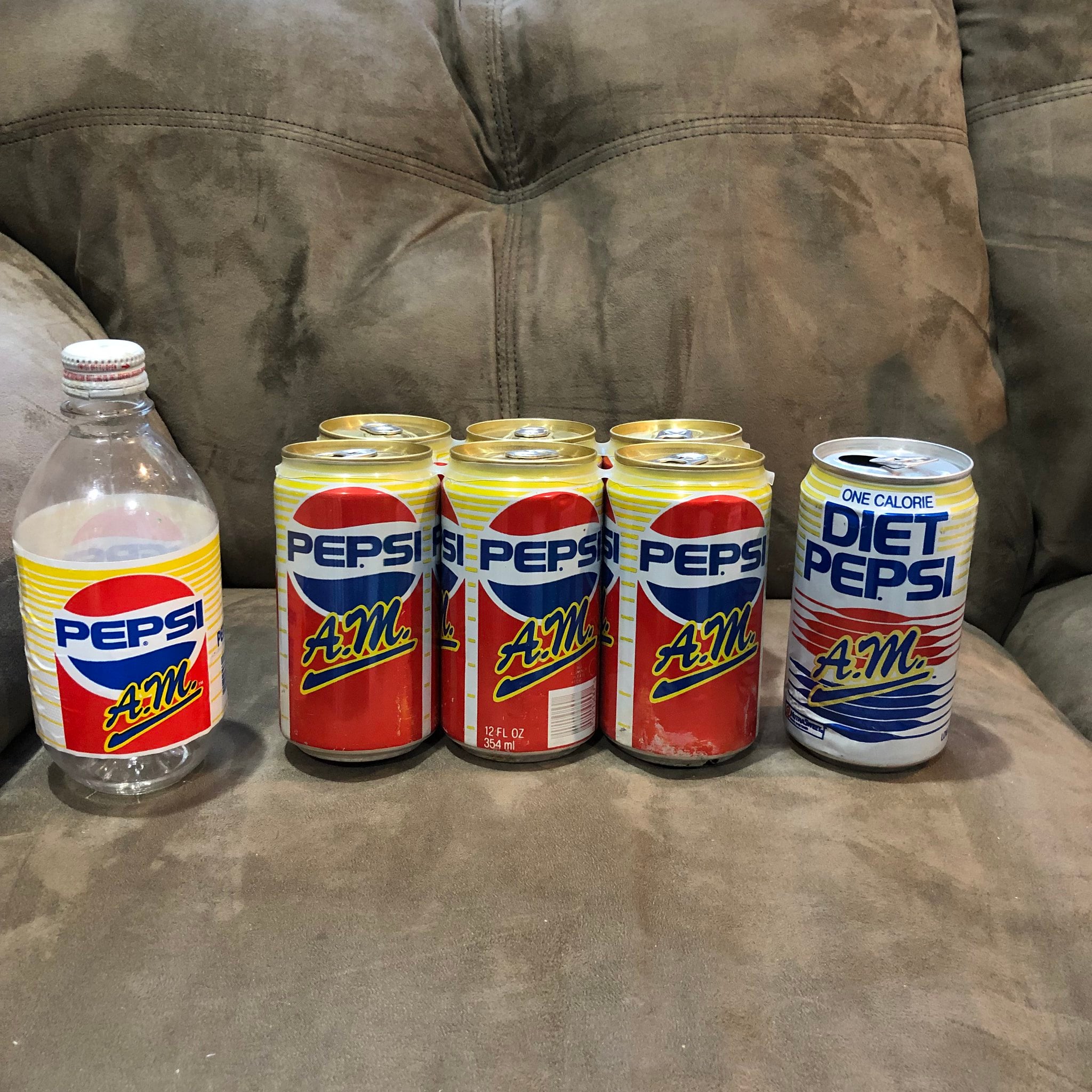
Pepsi A.M. was a higher-caffeine cola released in 1989 specifically to compete with morning coffee drinkers, discontinued the same year after underwhelming sales — a speed record for failed soda concepts. What’s interesting is not the failure but the idea’s survival: people still find it charming in retrospect, and occasional petition-style discussions about bringing back a morning-targeted cola pop up with some regularity.
The concept was wrong for 1989 and would be entirely right for now.
Doritos 3D Crunch
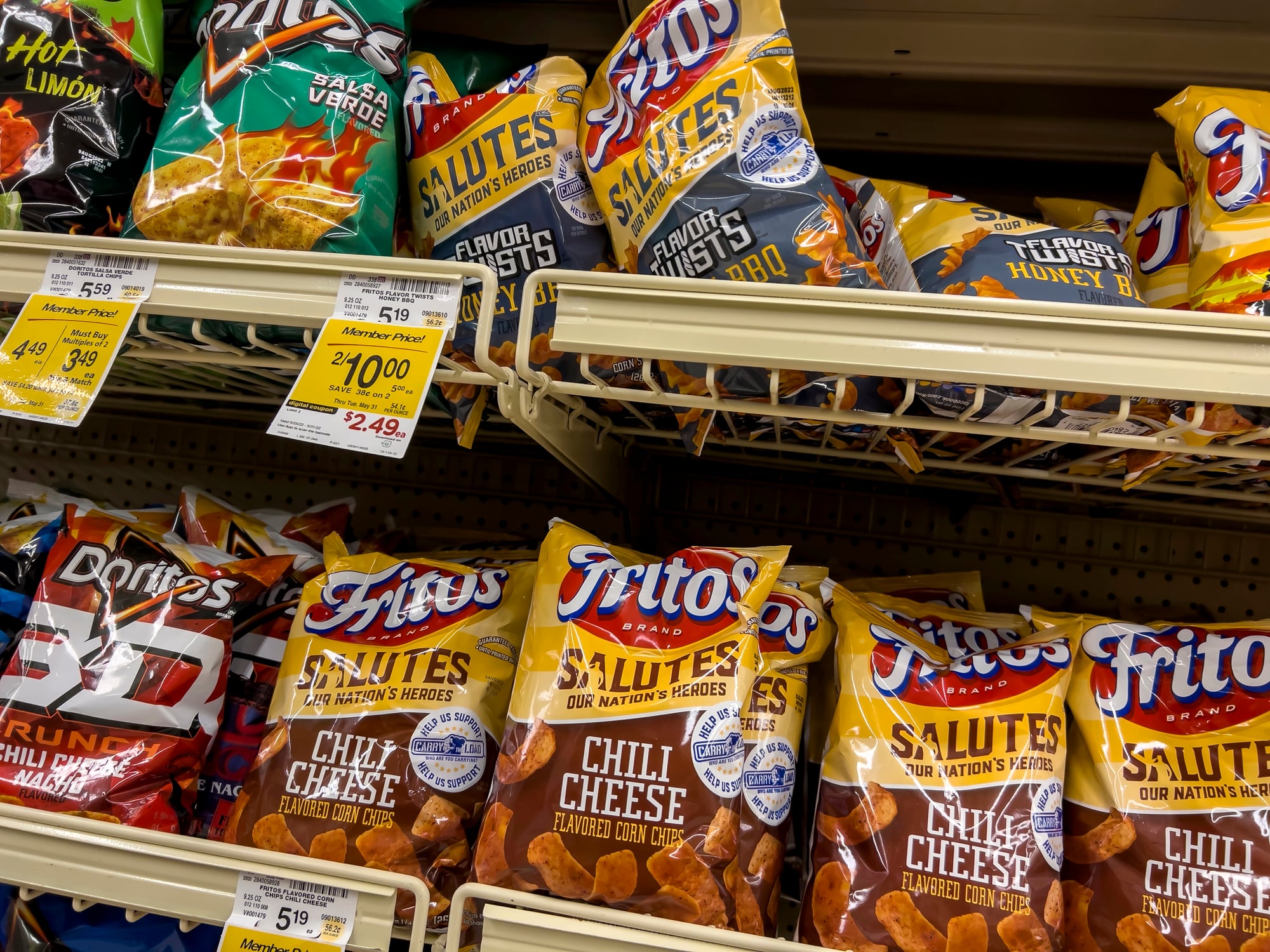
Separate from the original 3D Doritos, Doritos 3D Crunch was a 2020 relaunch that used a different shape and slightly different formula, which satisfied some original fans and infuriated others who felt the geometry was wrong. The texture diverged enough from the 1990s original that two distinct petition communities emerged: one wanting the 2020 version back after it was discontinued, and one wanting the original original.
Frito-Lay has produced a snack with two separate grievance constituencies, which is a kind of achievement.
Squeezits
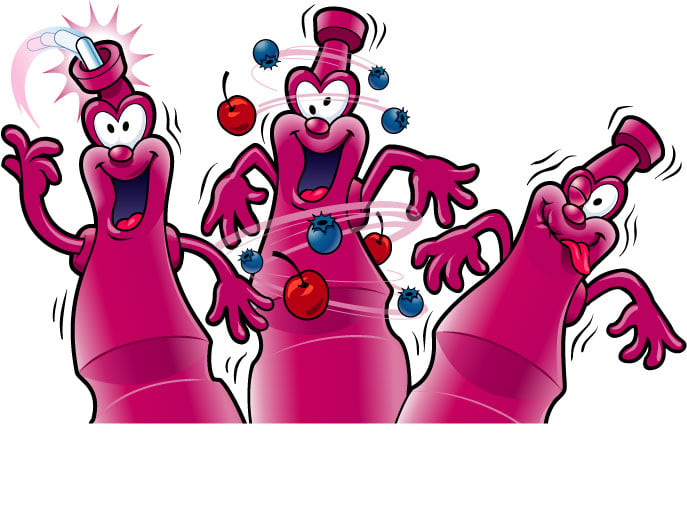
Squeezits were individually squeezable fruit drink bottles shaped for small hands, discontinued by General Mills in 2001, and their absence is mourned with a fervor that probably has more to do with the physical experience of drinking them than the flavor itself. The bottles were designed to be gripped and squeezed, which made drinking them feel participatory in a way that juice boxes never managed.
Petitions for their return frame them as a childhood ritual, not just a beverage — which is probably the most honest argument for a snack comeback anyone has ever made.
The Shelf That Never Quite Refills

There’s a particular stubbornness to snack nostalgia — it doesn’t soften with time the way other things do. You’d think the memory would blur, that a discontinued chip or a gone-forever candy would eventually blend into general childhood noise.
But it doesn’t. The specificity stays sharp: the exact crunch, the particular sweetness, the way the packaging felt in your hands at age nine on a Saturday afternoon.
What the petition writers are really asking for isn’t just the snack itself. It’s the proof that the experience was real, that something worth keeping existed and got taken away before anyone thought to say so.
Some of these snacks will come back. Most won’t.
And still the petitions accumulate, stubbornly and sincerely, in the strange hope that someone, somewhere, is finally reading them.
More from Go2Tutors!

- The Romanov Crown Jewels and Their Tragic Fate
- 13 Historical Mysteries That Science Still Can’t Solve
- Famous Hoaxes That Fooled the World for Years
- 15 Child Stars with Tragic Adult Lives
- 16 Famous Jewelry Pieces in History
Like Go2Tutors’s content? Follow us on MSN.