Why Sears Catalogs Were the Most Anticipated Mail of the Year
There’s a reason families used to check the mailbox before they checked on each other. For nearly a century, the Sears catalog was one of the most reliable events on the American calendar — not a chore, not a bill, not a notice from somewhere official, but something genuinely worth waiting for.
It arrived twice a year like clockwork, thick enough to use as a doorstop, and it carried with it the particular electricity of possibility. Farmers in rural Kansas, families in mill towns in North Carolina, kids in neighborhoods where the nearest department store was 50 miles away — they all waited for it.
Here’s why that catalog earned a kind of loyalty that no advertising campaign could manufacture.
The Sheer Size of the Thing
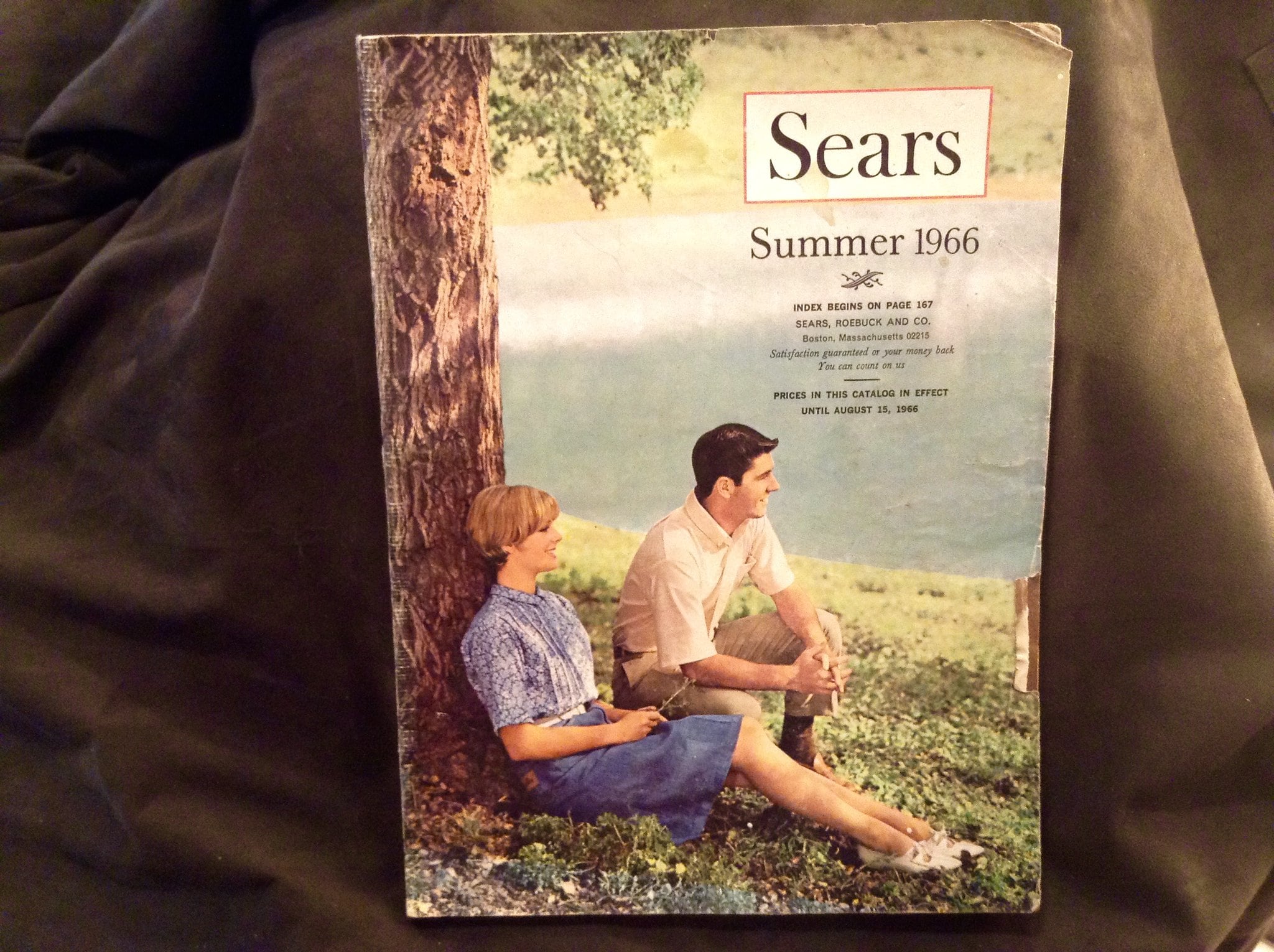
The Sears catalog wasn’t a pamphlet. At its peak, it ran to over 700 pages and weighed several pounds — a small library of things you could buy, organized with the seriousness of an encyclopedia.
Most households had nothing else in the house that dense with options.
Rural America’s Lifeline

Before interstate highways and reliable cars, rural Americans lived genuinely far from the commerce that city dwellers took for granted. A family homesteading in the Dakotas or farming outside of Lubbock, Texas, might travel 40 or 50 miles just to reach a town with a general store — and that store would carry maybe a tenth of what the Sears catalog offered.
So the catalog wasn’t just convenient; it corrected a real inequity in who got access to goods.
The Arrival Itself Was an Event

The moment the catalog hit the mailbox, something shifted in the house. It passed through hands the way a shared meal does — not consumed alone, not set aside for later, but opened immediately with everyone nearby finding a reason to linger.
There’s a reason so many people who grew up in the mid-twentieth century describe its arrival in almost the same words: “We fought over who got it first.”
Prices That Were Actually Honest

Sears made an early and deliberate decision to print fixed prices. This sounds unremarkable now, but before Sears standardized it, pricing was largely a negotiation — and the customer almost always lost.
Turns out, people respond warmly to knowing they’re paying the same price as the person next to them.
The Wish Book
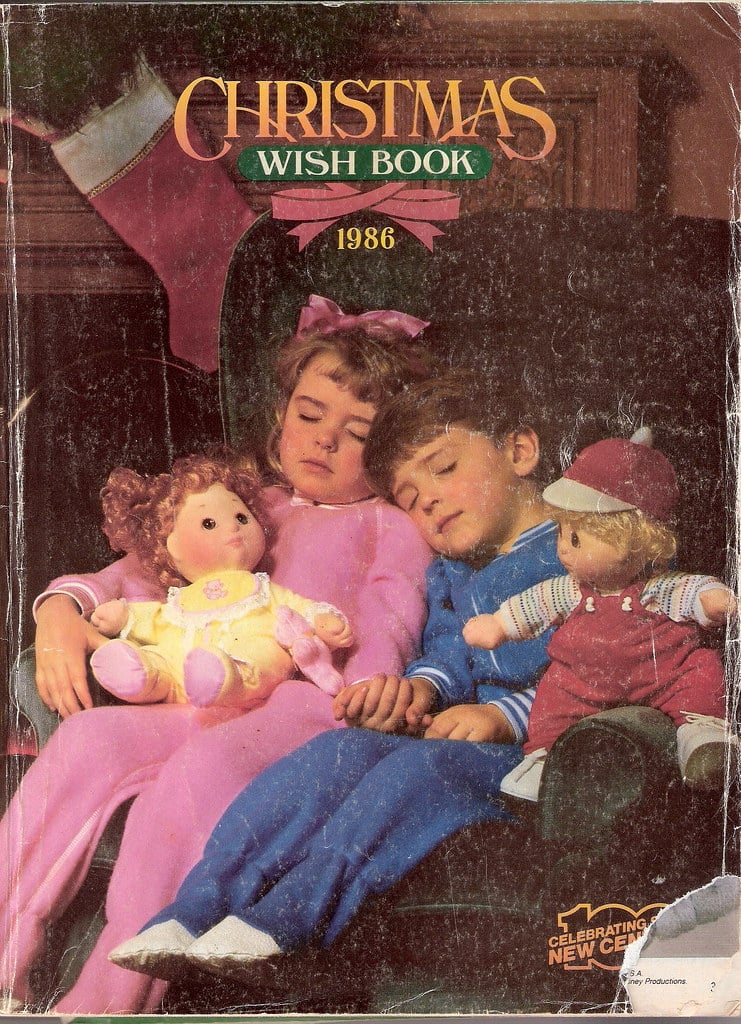
The fall/winter edition had a formal name, but everyone called it the Wish Book — and the name tells you everything about the emotional register of the thing. It was the catalog that arrived just before the holiday season, thick with toys, clothing, and household goods that sat somewhere between practical and aspirational, the kind of objects that, for a child, represented not just want but imagination given a price tag.
Even adults used it that way: a kind of sanctioned dreaming, bounded by the margins of what could be afforded but never entirely extinguished by them. The Wish Book arrived every fall like a very specific kind of permission.
Children and the Toy Pages
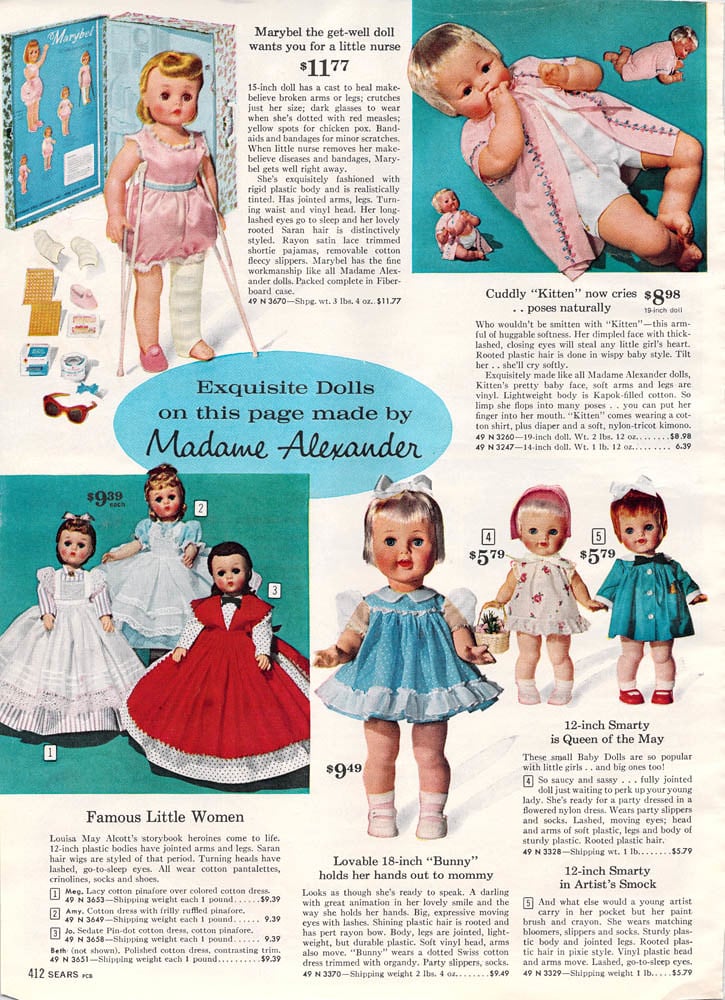
Kids approached the toy section of the Sears catalog the way prospectors approached a new riverbed — methodically, hopefully, with a pencil or pen in hand to circle the things that felt most urgently necessary. The circling was the ritual: a form of communication between child and parent that required no direct conversation.
Go figure, it worked.
Mail Order as a Form of Trust

Sending money in the mail to a company you’d never visited, for a product you couldn’t touch, required a particular kind of faith — and Sears understood this was an extraordinary thing to ask. Richard Sears built the entire business on a satisfaction guarantee, which in the 1890s was essentially a promise backed only by reputation.
That reputation held for decades, which is saying something in an era when consumer protections were more or less nonexistent.
The Full-Coverage Approach
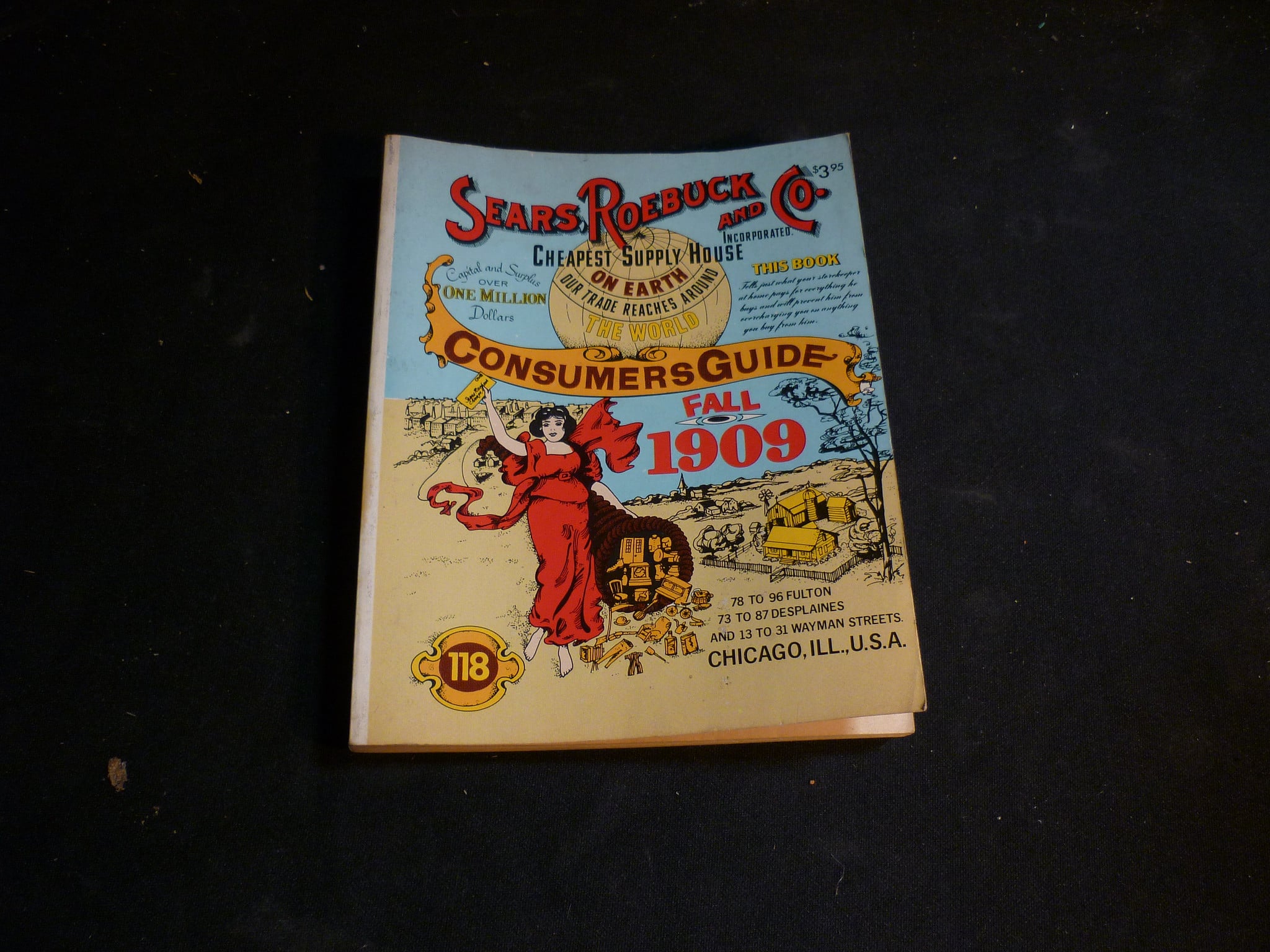
What separated the Sears catalog from competitors wasn’t just volume — it was comprehensiveness with a straight face. You could order a sewing machine, a shotgun, a baby buggy, furniture, a stove, wallpaper, shoes, farm equipment, and a ready-made house kit, sometimes from the same edition.
Other retailers specialized; Sears just refused to.
Sears Kit Homes
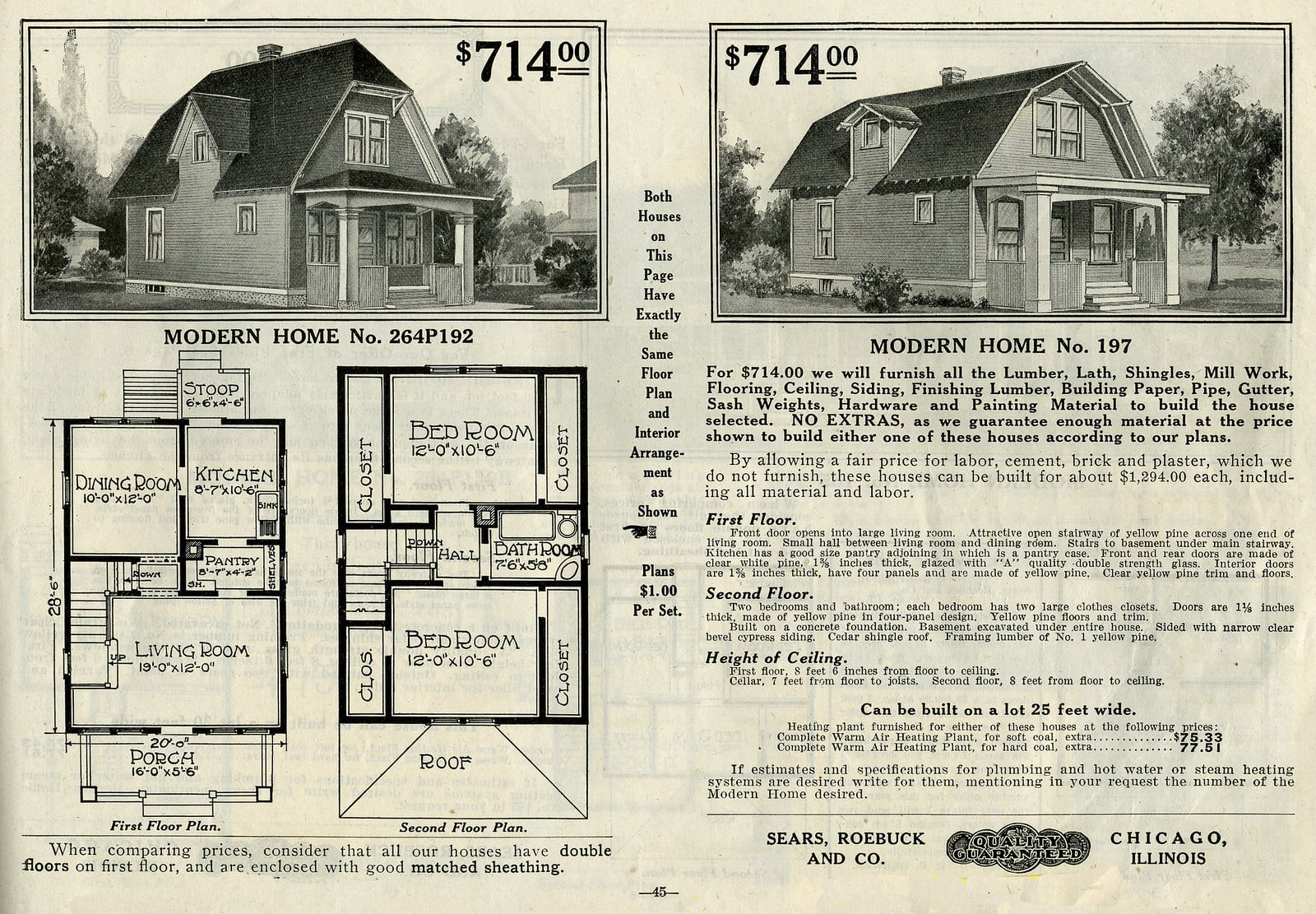
Between 1908 and 1940, Sears sold somewhere in the neighborhood of 70,000 to 75,000 prefabricated house kits through the catalog — a fact that still startles people when they first encounter it. The Modern Homes program shipped all the lumber, nails, shingles, and hardware to your lot, along with a construction manual.
Thousands of these houses are still standing across the country, stubborn as the people who built them.
The Language Was Designed to Be Trusted
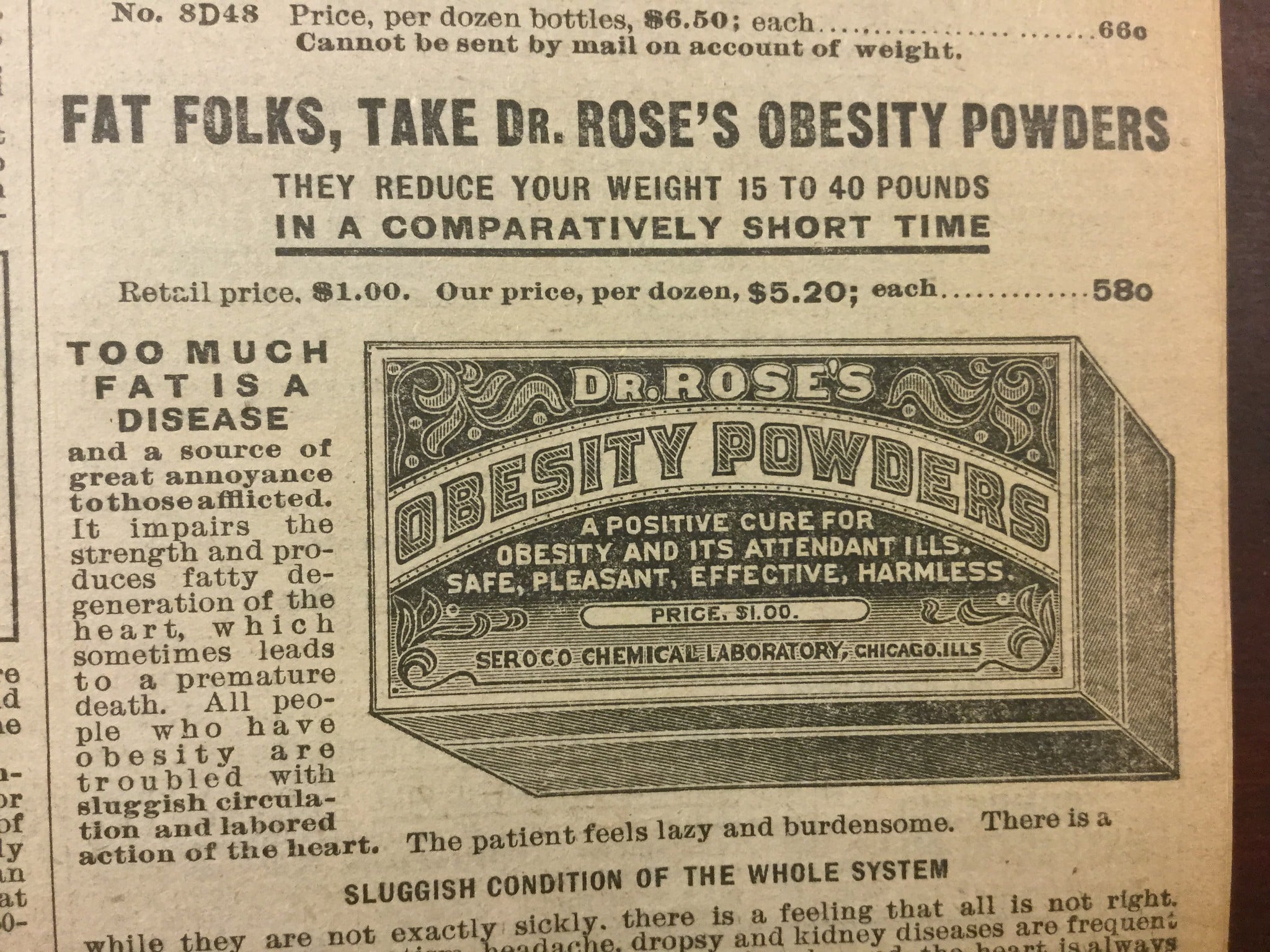
Sears catalog copy didn’t speak to customers in the breathless register of a carnival barker. It described things — materials, dimensions, weights, colors — with an almost clinical specificity, and that specificity was itself a kind of reassurance.
When something promised to be 36 inches wide and made of solid oak, it was 36 inches wide and made of solid oak, and people learned that over years of ordering.
Communities Without Department Stores

For towns without a Main Street department store — and there were thousands of them — the catalog was the department store. Small-town merchants often resented Sears for precisely this reason, and some communities went so far as to organize catalog burnings to protest the economic competition.
That kind of hostility is almost a compliment: you don’t burn something you don’t consider a genuine threat.
A Record of American Taste
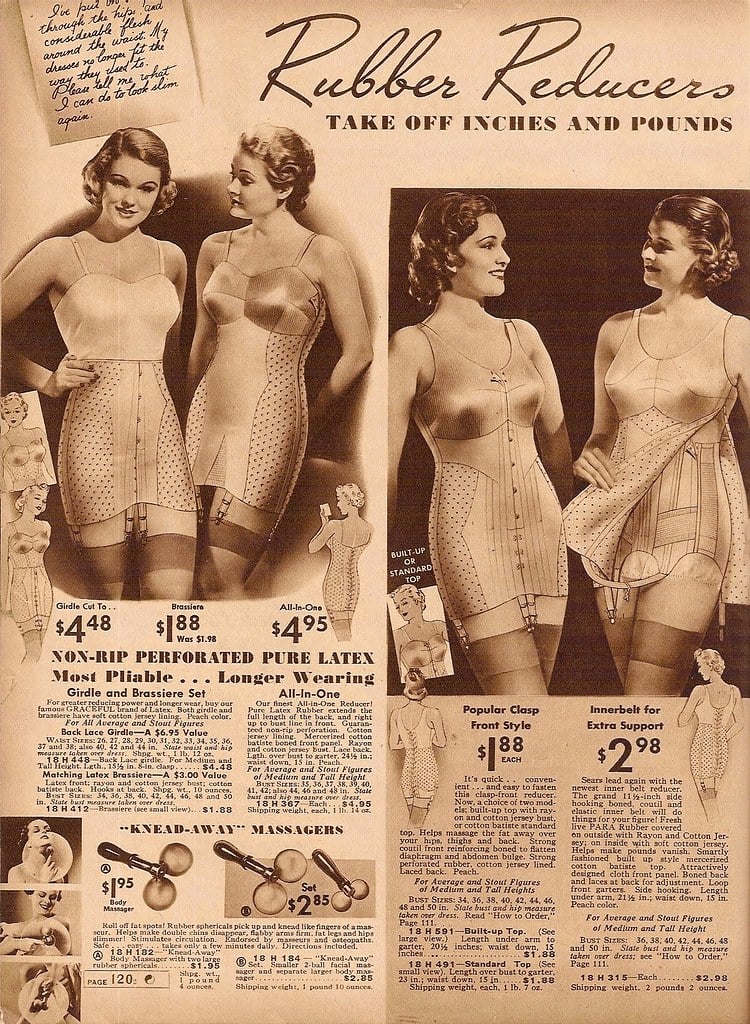
Flipping through a Sears catalog from 1915 or 1952 or 1968 is less like looking at a commercial document and more like holding a very specific social record — one that tracked not what Americans were told to want by advertisers, but what they actually ordered, year after year, in large enough numbers to stay in the catalog. The fashions, the furniture silhouettes, the kitchen equipment: all of it shifts across decades in ways that no history book quite captures.
The Photography and Illustration
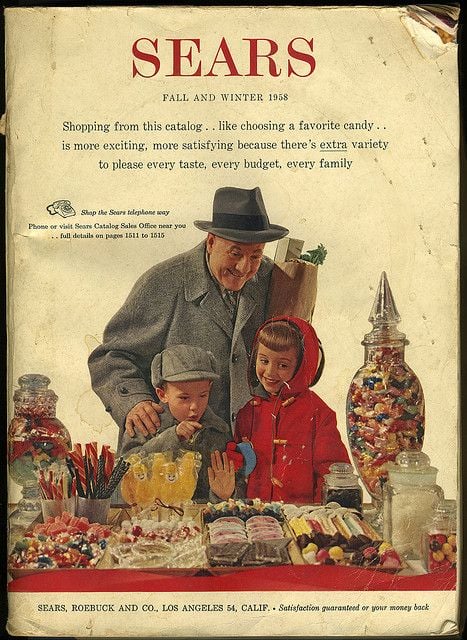
Early editions relied on detailed engravings — precise, almost obsessive illustrations of every product — that gave the pages a peculiar dignity, as though the objects were being treated as worthy of serious documentation. Later, photography took over, and with it a different kind of appeal: something closer to aspiration, the product placed in a domestic scene that implied a life the buyer could step into.
The catalog taught Americans how to want things visually before most of them had ever seen a television commercial.
Affordability and Installment Plans

Sears introduced installment buying early, long before consumer credit was commonplace, which meant families who couldn’t pay for a sewing machine in one payment didn’t have to. This sounds like a purely financial innovation, but it carried a social weight: it told working-class families that the catalog’s contents were meant for them, not just for people with money in savings.
That message was absorbed.
The Fall and Spring Rhythm

Two catalogs a year created a kind of domestic rhythm — fall/winter for the cold months, spring/summer for warmer ones — that organized the year around consumption in a way that felt natural rather than commercial. The arrival of each edition marked a season’s turning with something tangible in your hands: a reminder that the world was still sending things your way, and that there was always something new worth wanting.
Competition Arrived Late
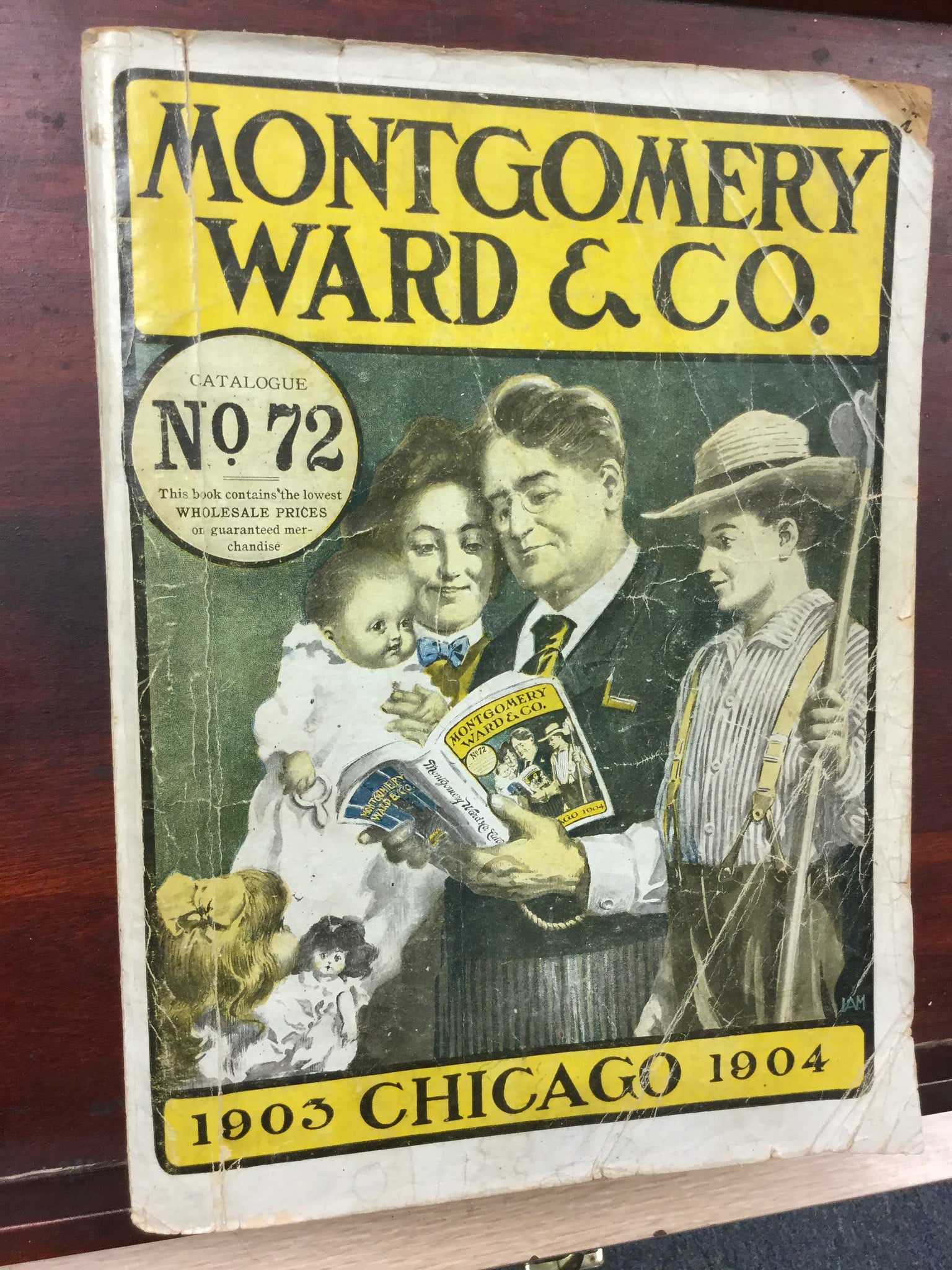
Montgomery Ward launched a catalog before Sears did — 1872 to Sears’s 1888 — but Sears eventually so dominated the category that “Sears catalog” became the default term for the form itself. Ward’s catalog was fine, to be fair.
Being second by two decades and still losing that badly is a particular kind of achievement.
The Catalog as Household Object

Worn copies of the Sears catalog turned up in waiting rooms, barns, outhouses, and schoolrooms — repurposed once their commercial usefulness had expired, read and reread until the pages softened. A catalog that outlasted its own currency and still found ways to be useful is something like a very patient houseguest: long past the intended stay, but still earning its keep.
The Discontinuation in 1993

Sears published its last general merchandise catalog in 1993, closing out nearly a century of mail-order commerce with a document that had once been the commercial backbone of rural American life. By then, Walmart and specialty retailers had fractured the landscape, and the catalog’s era had plainly ended.
The irony that Amazon — a mail-order company selling everything to everyone, including appliances and furniture — would emerge just two years later is either poetic or irritating, depending on your disposition.
The Nostalgia Is Warranted

Some nostalgia is a lie people tell themselves about easier times that weren’t actually easier. The Sears catalog nostalgia is not that.
It describes a document that genuinely reached into isolated communities, offered equitable pricing, kept its promises, and let ordinary families participate in commerce that would otherwise have passed them by. That’s worth remembering with clarity rather than sentiment.
Pages That Still Surface

Old Sears catalogs sell reliably at estate sales, antique shops, and online auctions — not as curiosities but as objects people genuinely want to sit with. They arrive in mint condition sometimes, and sometimes held together by habit more than binding, and either way the person who picks one up tends to stay with it longer than they planned.
A catalog that commands that kind of attention 50 years after its commercial use has expired is less a piece of retail history than a stubborn artifact of how people lived.
What the Mailbox Used to Mean
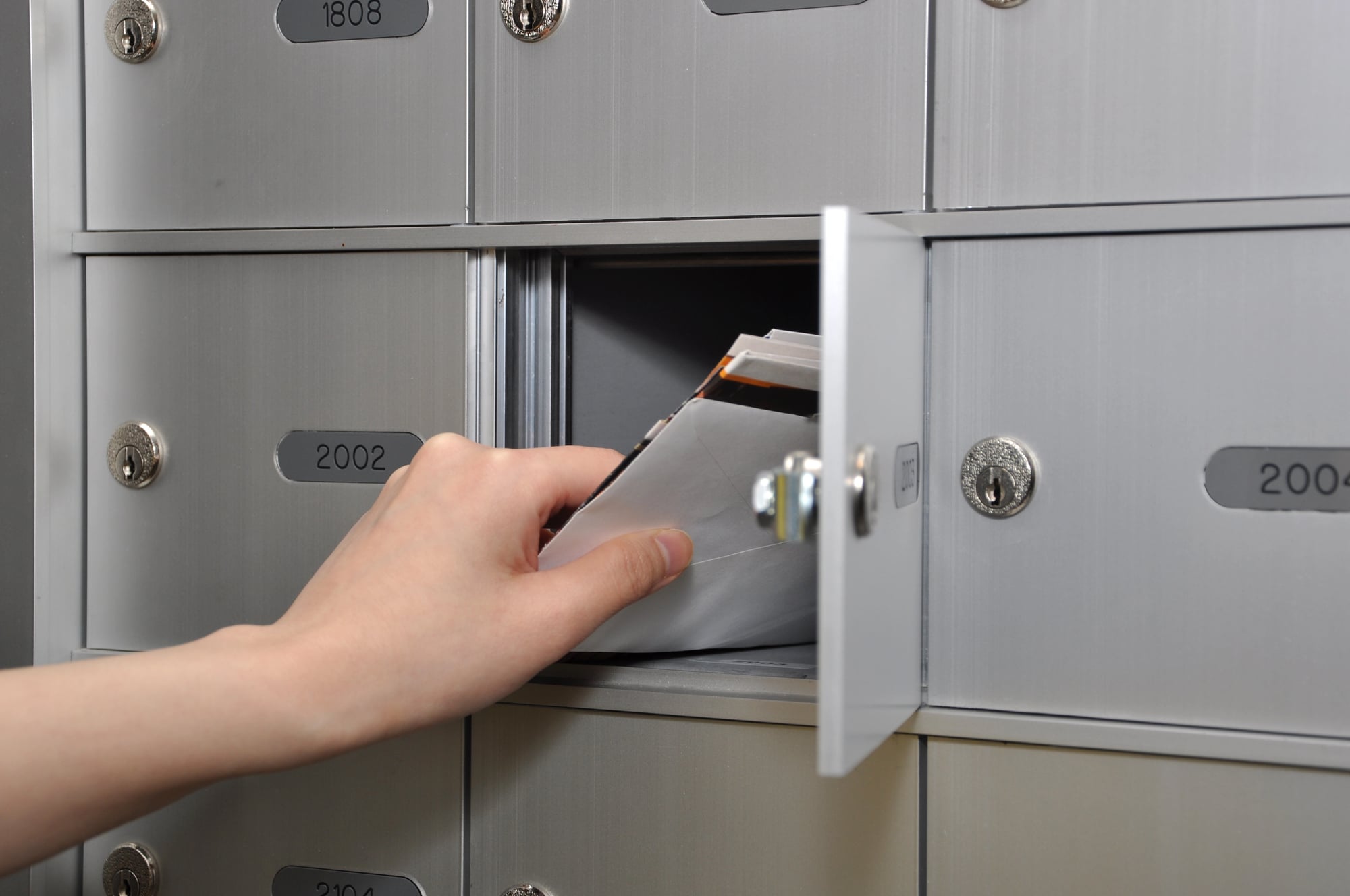
Before the mailbox became a reliable source of things requiring your attention and your money in unpleasant ways, it was occasionally the site of something genuinely worth running to. The Sears catalog gave the mailbox its best days — the weight of it in your hands, the particular smell of fresh newsprint and ink, the knowledge that someone inside the house was going to want to know what you were holding.
That specific anticipation, the kind that makes you walk a little faster, is harder to manufacture than any company would like to admit, and Sears did it twice a year for over a century.
More from Go2Tutors!

- The Romanov Crown Jewels and Their Tragic Fate
- 13 Historical Mysteries That Science Still Can’t Solve
- Famous Hoaxes That Fooled the World for Years
- 15 Child Stars with Tragic Adult Lives
- 16 Famous Jewelry Pieces in History
Like Go2Tutors’s content? Follow us on MSN.