17 American Landmarks With Hidden Stories
Every iconic American landmark has its postcard-perfect image that millions of tourists see. But beneath those familiar facades lie fascinating tales of scandal, mystery, and surprising twists that most visitors never hear about.
Here’s a list of 17 American landmarks with hidden stories that reveal the unexpected drama behind these famous places. These lesser-known facts show there’s always more than meets the eye.
Statue of Liberty

The famous green lady wasn’t always green at all. She started out a shiny copper brown color and only turned her signature green through decades of oxidation.
More surprising is that she was originally intended as a gift celebrating the end of American slavery, not just general freedom, though that message got diluted over time.
Mount Rushmore
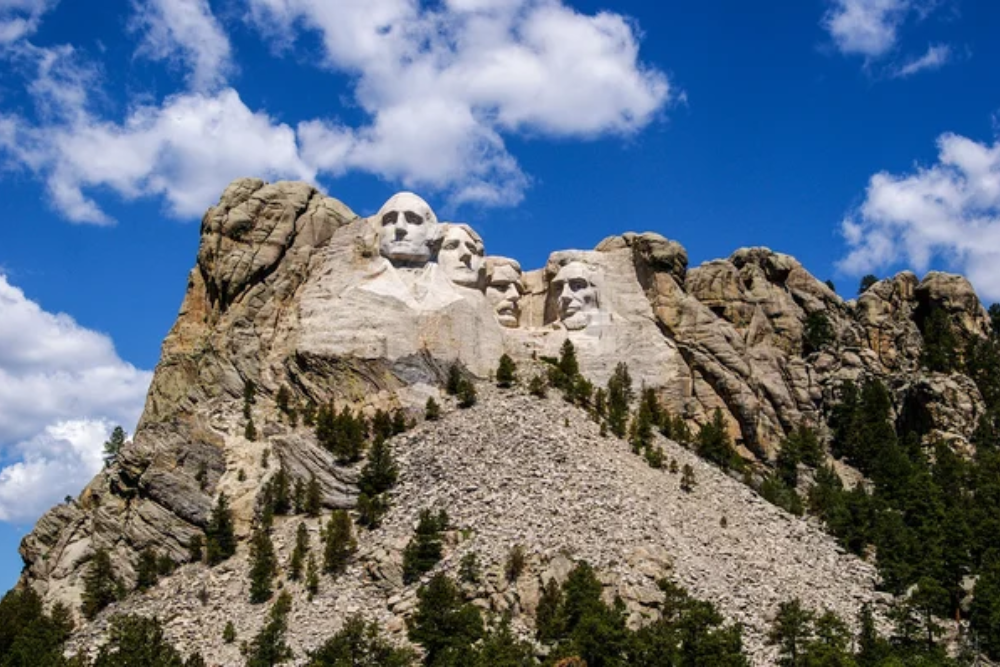
The monument sits on land that was considered sacred by the Lakota Sioux, who were forcibly removed from the area. The original plan included carving the presidents from head to waist, but funding ran out after the heads were completed.
The sculptor also hid a secret chamber behind Lincoln’s head containing important American documents.
Like Go2Tutors’s content? Follow us on MSN.
Golden Gate Bridge
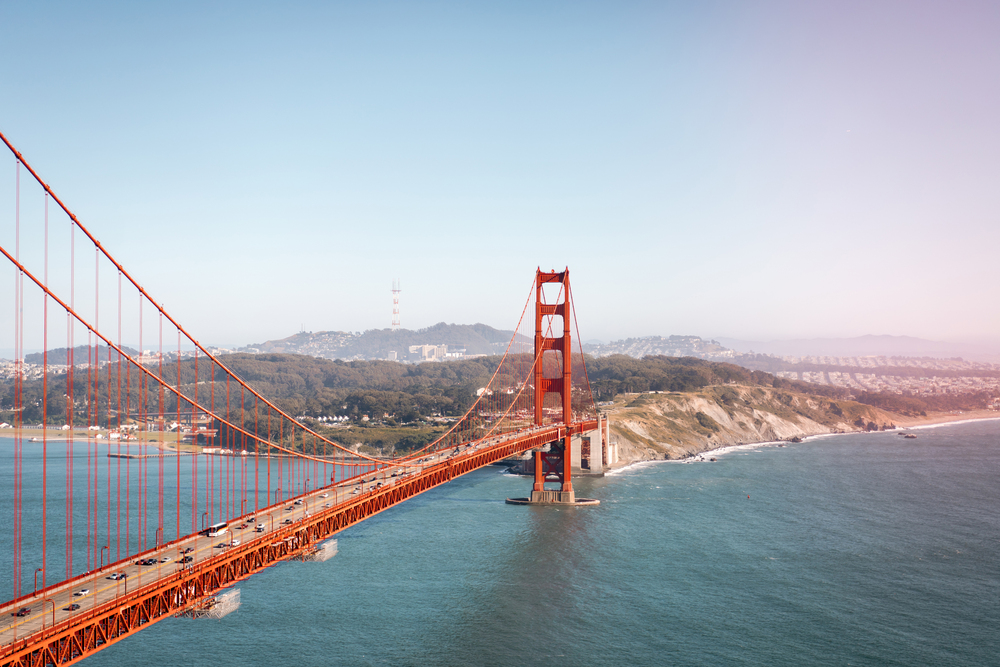
This engineering marvel has a dark side that officials rarely discuss openly. It’s become one of the world’s most popular locations for people ending their lives, with over 1,700 documented cases since its opening.
The bridge now has crisis counselors and special phones installed along the span to help people in distress.
Empire State Building

A B-25 bomber crashed directly into the 78th and 79th floors during heavy fog in 1945, killing 14 people. The building’s structure was so solid that it barely swayed from the impact.
Even more remarkable, the building reopened for business just two days later, showing the resilience of both the structure and New York’s spirit.
Lincoln Memorial

The memorial’s construction involved a heated debate about Lincoln’s hands. Sculptors argued over whether to show them open or closed, ultimately deciding on one open and one closed to represent his gentle nature and firm resolve.
The statue also faces east toward the Washington Monument, creating a symbolic conversation between the two presidents.
Like Go2Tutors’s content? Follow us on MSN.
Alcatraz Island

Before becoming America’s most notorious prison, Alcatraz served as the West Coast’s first lighthouse and later as a military fortress. Native American activists occupied the island for 19 months in the 1970s, claiming it under an old treaty that allowed them to claim unused federal land.
Their protest helped spark the modern Native rights movement.
Washington Monument
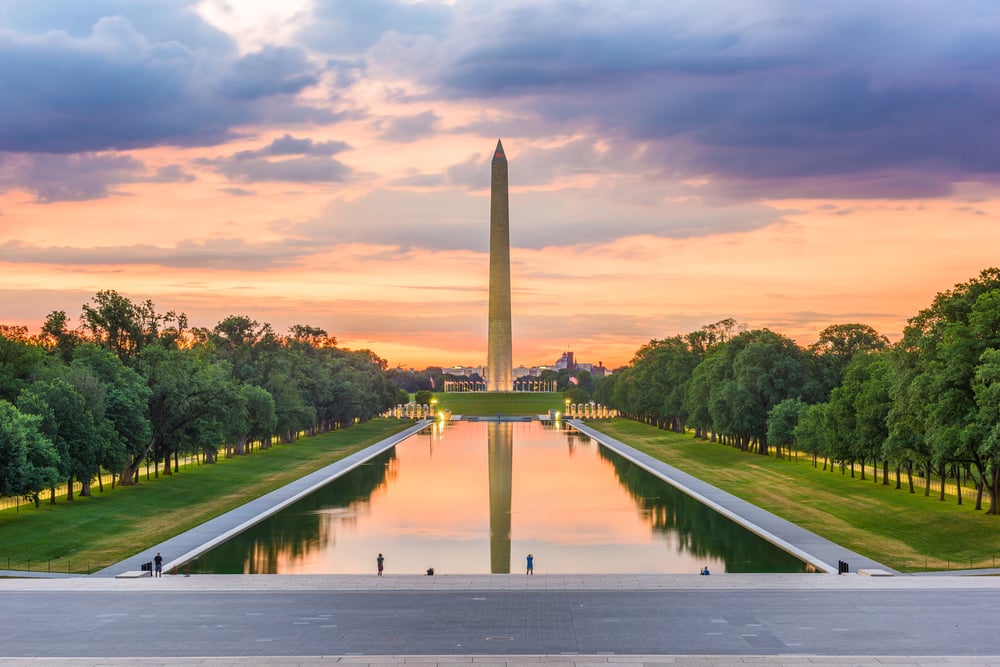
Construction stopped for over 20 years due to funding issues and political disputes, which is why you can see a slight color change about a third of the way up where they resumed building with stone from a different quarry. The monument also survived a 5.8 magnitude earthquake in 2011 that cracked the structure and required extensive repairs.
Liberty Bell
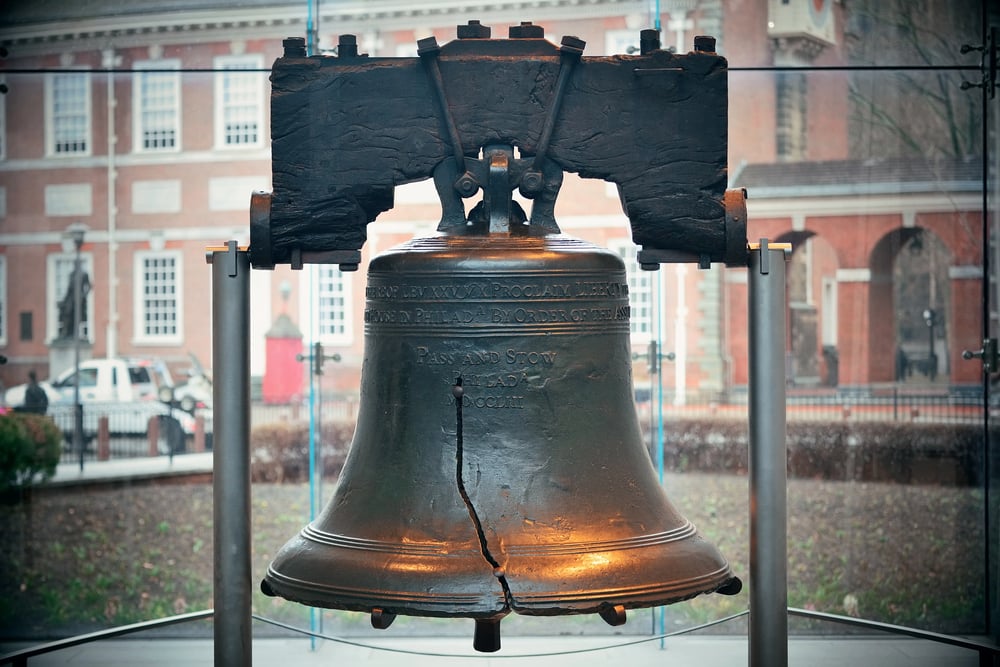
The famous crack isn’t from some dramatic historical moment but from a botched repair job in the 1840s. The bell actually cracked much earlier and was recast twice before developing its final famous flaw.
It last rang in 1846 and has been silent ever since, making it more of a symbol than a functioning bell.
Like Go2Tutors’s content? Follow us on MSN.
Grand Canyon

The canyon hides evidence of ancient civilizations, including caves with 4,000-year-old artifacts that suggest complex societies lived there long before European contact. Park rangers have also documented over 600 unexplained disappearances in the canyon since record-keeping began.
The vastness that makes it beautiful also makes it incredibly dangerous for unprepared visitors.
Hoover Dam
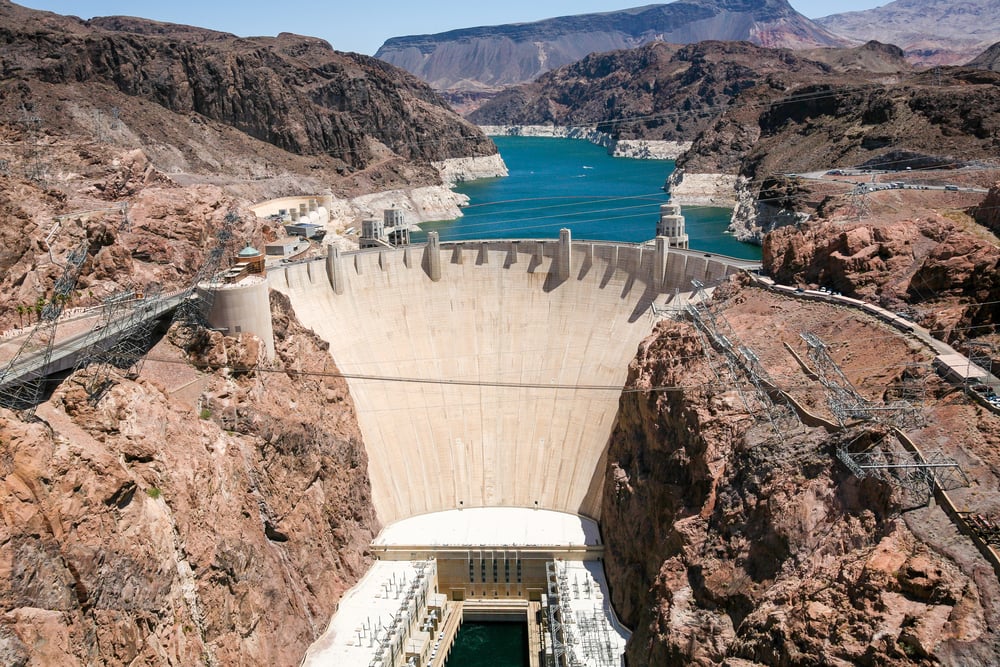
Workers died during construction at a rate of one death for every million dollars spent, making it one of the deadliest construction projects in American history. The concrete is still curing today and won’t reach full strength for another century.
The dam also created Lake Mead, which has been dropping to historic lows and revealing long-submerged secrets from the past.
Yellowstone National Park

The entire park sits on top of a supervolcano that last erupted 640,000 years ago and is still considered active. Scientists monitor it constantly because another eruption could potentially affect the entire planet’s climate.
The park’s famous geysers and hot springs are essentially pressure release valves for this massive underground volcanic system.
Like Go2Tutors’s content? Follow us on MSN.
Space Needle

Built for the 1962 World’s Fair, the structure can withstand earthquakes up to 9.1 magnitude and winds up to 200 mph, but it sways up to one inch per 10 mph of wind. The restaurant originally rotated once per hour, but now operates at a different speed after renovations.
Most visitors don’t realize the entire top portion can be removed if necessary for major maintenance.
Rushmore’s Hall of Records

Few people know that behind Lincoln’s carved head lies a hidden chamber called the Hall of Records. Sculptor Gutzon Borglum intended it to house important American documents and artifacts for future civilizations to discover.
The chamber exists but remains largely empty because funding ran out before the project was completed. Though mentioned earlier, the hidden Hall of Records behind Lincoln’s head is so obscure that many Rushmore visitors have no idea it exists.
Niagara Falls

The American side of the falls was completely turned off in 1969, so engineers could study the rock face and remove loose boulders. For five months, visitors saw just a trickle where millions of gallons usually cascaded.
The project revealed that the falls are slowly eroding backward and will eventually disappear entirely, though that won’t happen for thousands of years.
Like Go2Tutors’s content? Follow us on MSN.
Gateway Arch

The arch’s construction required incredibly precise engineering because the two legs had to meet perfectly at the top with no margin for error. Workers inserted the final piece during cooler morning hours because heat expansion would have made it impossible to fit.
The structure also functions as a massive lightning rod, getting struck regularly during storms.
Devils Tower

This geological wonder was America’s first national monument, but it’s surrounded by controversy over its name. Native American tribes consider it sacred and have petitioned to change the name to something more respectful of their heritage.
Rock climbers voluntarily avoid climbing during June out of respect for Native ceremonies, showing how modern recreation intersects with ancient traditions.
Brooklyn Bridge
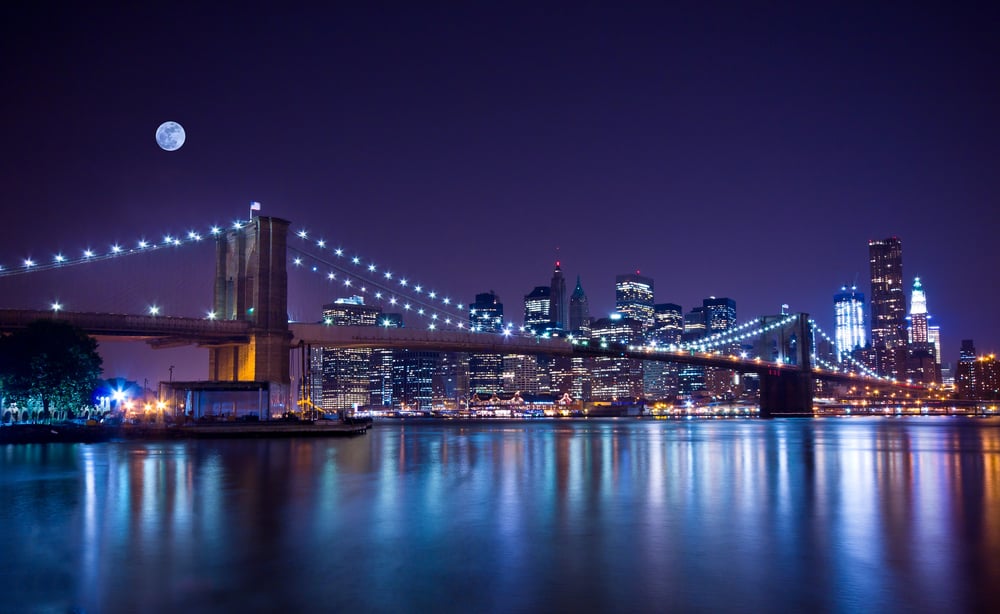
The bridge’s construction killed its original designer, John Roebling, who died from tetanus after his foot was crushed while surveying the site. His son, Washington, took over but developed decompression sickness from working in underwater chambers, leaving his wife, Emily, to effectively run the project.
She became one of the first female field engineers in history, though she rarely gets credit for her crucial role.
Like Go2Tutors’s content? Follow us on MSN.
Secrets in Plain Sight

These hidden stories remind us that American landmarks carry more history than their official narratives reveal. From engineering marvels built through tragedy to sacred sites transformed for tourism, each monument reflects the complex and often difficult realities of American progress.
The next time you visit these famous places, remember that the real stories often lie beneath the surface, waiting for curious minds to discover them.
More from Go2Tutors!

- 16 Restaurant Chains That Went Too Fast
- 12 Things Sold in the 80s That Are Now Illegal
- 15 VHS Tapes That Could Be Worth Thousands
- 17 Historical “What Ifs” That Would Have Changed Everything
- 18 TV Shows That Vanished Without a Finale
Like Go2Tutors’s content? Follow us on MSN.



