31 Products That Got Worse After the Recipe Changed
There’s a particular kind of grief that comes with biting into something you’ve loved for years and realizing it’s not the same anymore. Not dramatically different — just slightly off, slightly cheaper-tasting, slightly less of what it used to be.
The company rarely announces it. There’s no press release that says “we quietly swapped out real ingredients for cheaper substitutes and hope you don’t notice.”
But you notice. Millions of people notice, and they remember exactly what the original tasted like.
These are the products that took a turn — some subtly, some brazenly — and never quite came back.
Cadbury Creme Eggs
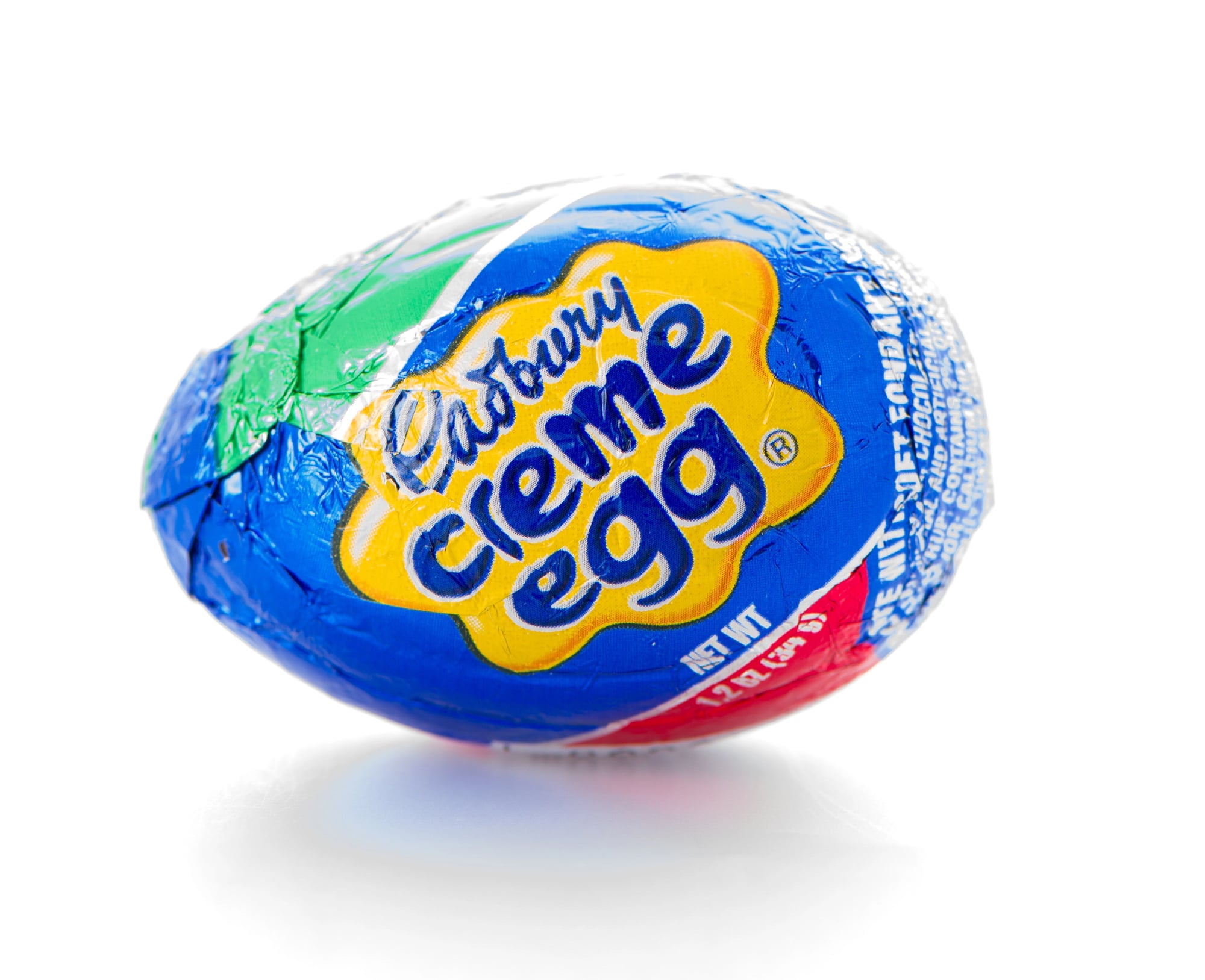
Cadbury changed the chocolate shell of its Creme Eggs from dairy milk chocolate to a “standard” cocoa mix in 2015, and the backlash was immediate and unrelenting. The original shell had a creamier, richer quality that actually complemented the sugary fondant inside — the new version tastes thinner, almost waxy by comparison.
It’s a small change that ruined a very specific pleasure.
Heinz Tomato Ketchup (UK Formula)
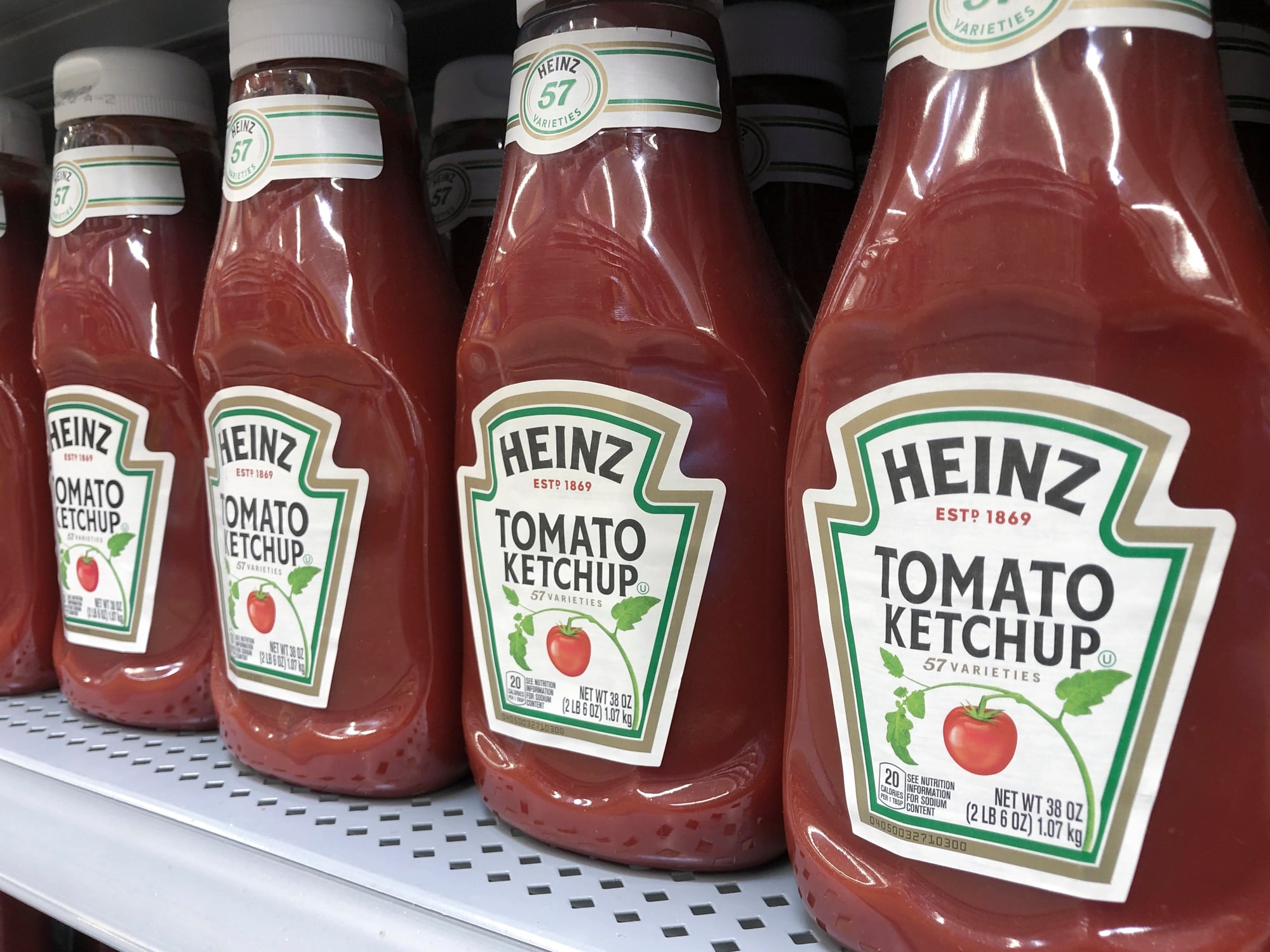
When Kraft Heinz restructured and shifted production in certain markets, the formula quietly changed — and longtime fans in particular regions noticed a sweetness that felt more synthetic, less rounded. Ketchup is one of those products where the balance between acidity, sweetness, and salt is almost architectural, and disrupting even one element collapses the whole thing.
The bottle looks the same. The contents are a different argument.
Skippy Peanut Butter
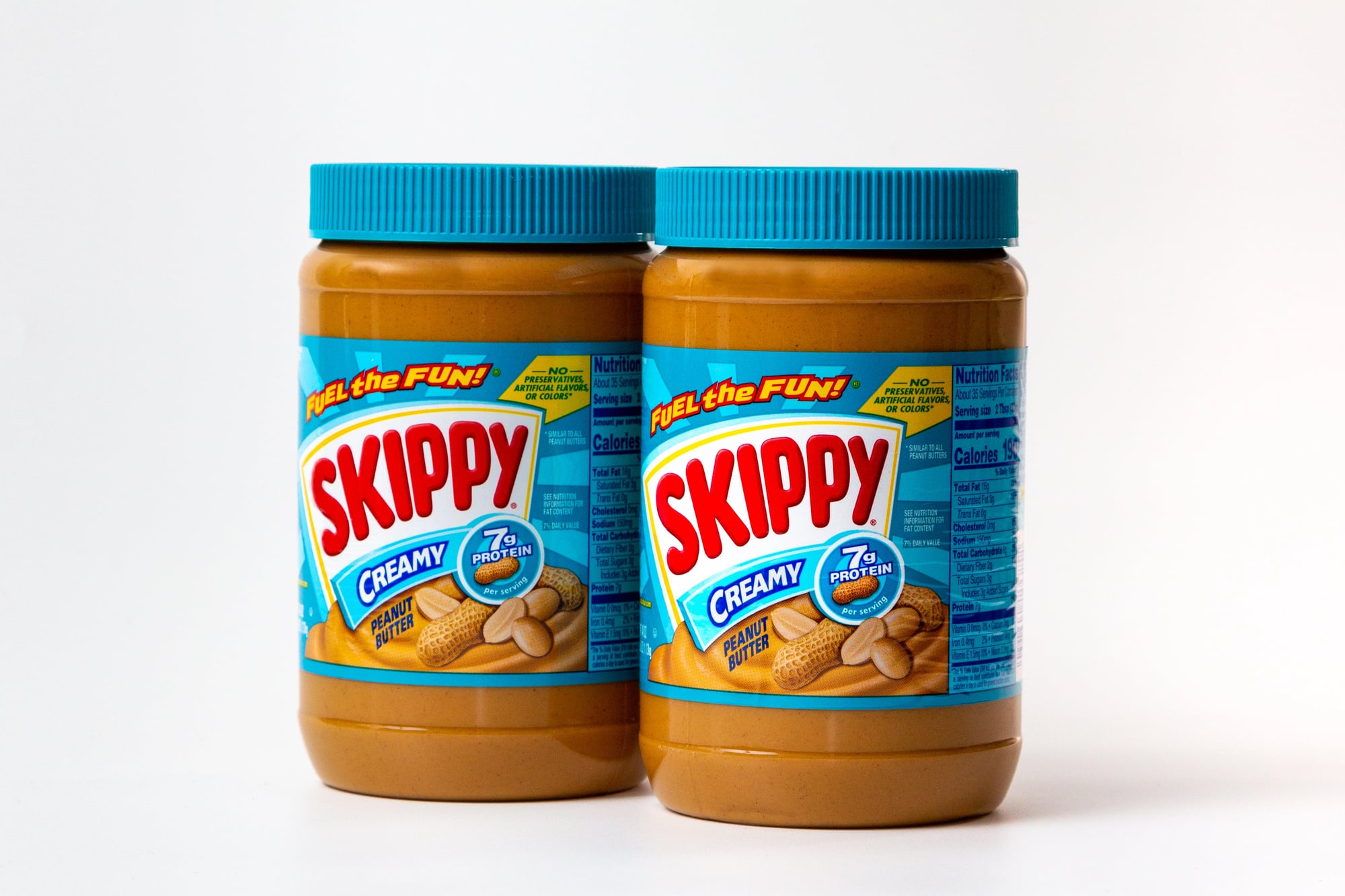
Skippy dropped its hydrogenated oils (which, to be fair, weren’t great for you) and reformulated — but the texture that generations grew up with, that specific dense creaminess, shifted noticeably. The new version separates differently, spreads differently, and the flavor has a slightly rawer edge to it.
You can call it healthier. You can also call it less satisfying on a piece of toast at 7 a.m.
Jell-O Instant Pudding
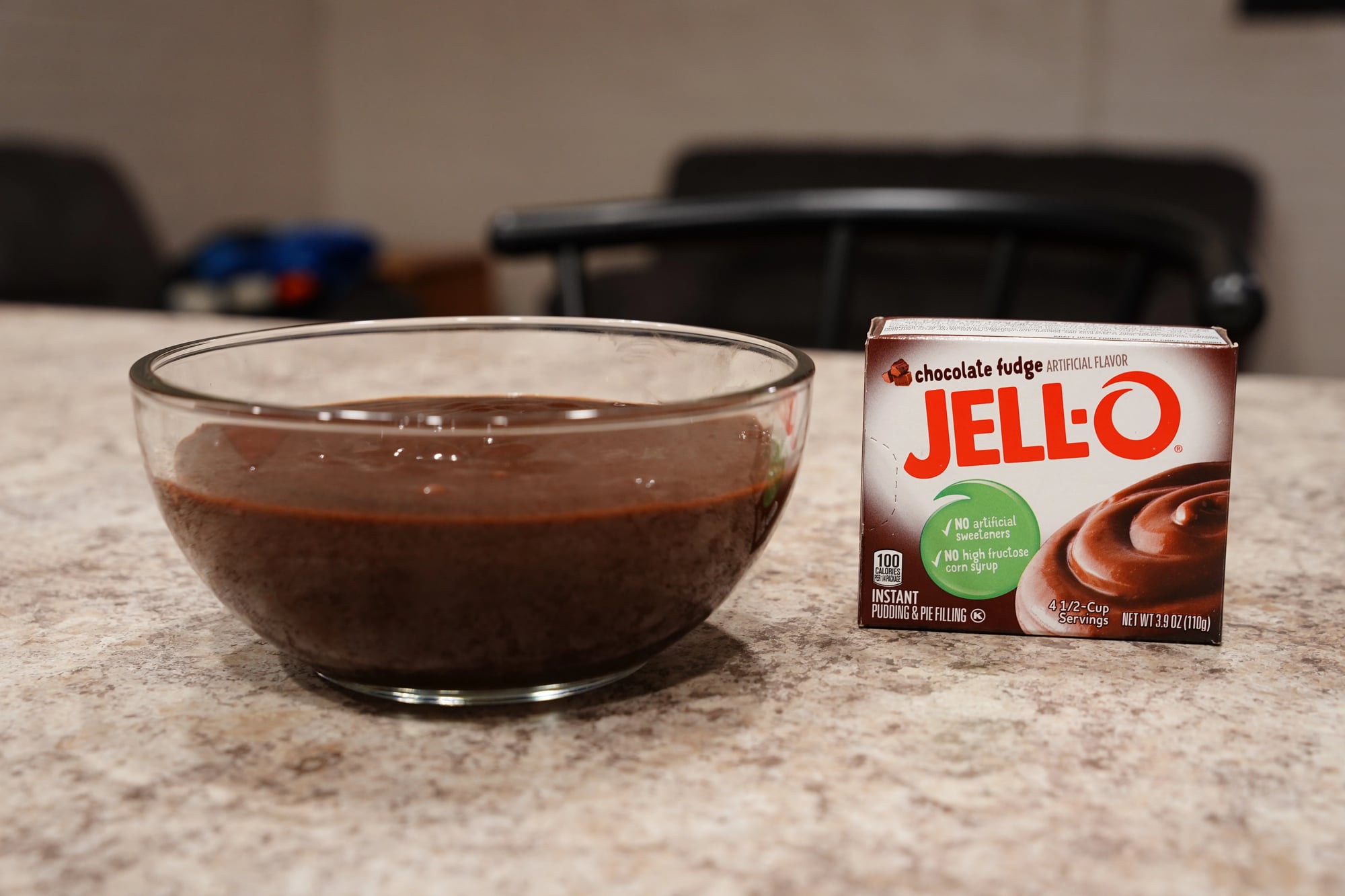
Jell-O instant pudding used to set up thick and rich with whole milk, and the flavor — particularly the chocolate — had a genuine depth to it. Somewhere along the way, the formula lightened, the set became less firm, and the chocolate flavor started tasting more like an impression of chocolate than the real thing.
It’s the kind of product that now tastes like a memory of itself rather than the actual thing.
Snapple
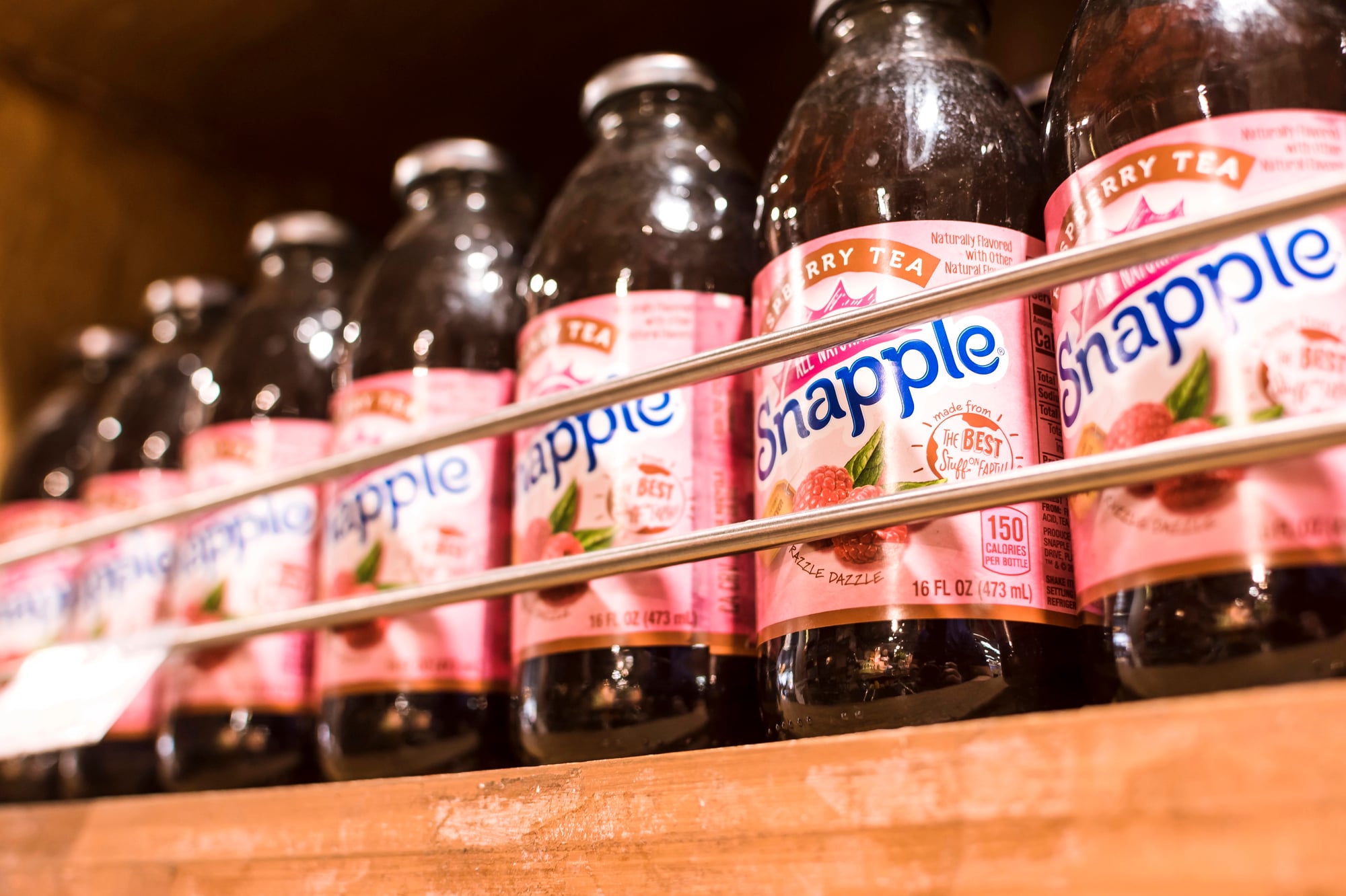
Snapple, which was built almost entirely on the idea of being made from “the best stuff on Earth,” replaced real sugar with high-fructose corn syrup after Quaker Oats acquired the brand in 1994 — and the taste flatlined almost immediately. The original Snapple had a slightly cloudy, almost homemade quality to it that fit the brand’s whole personality.
What followed tasted like any other sweetened tea pulled from a vending machine.
Oreos
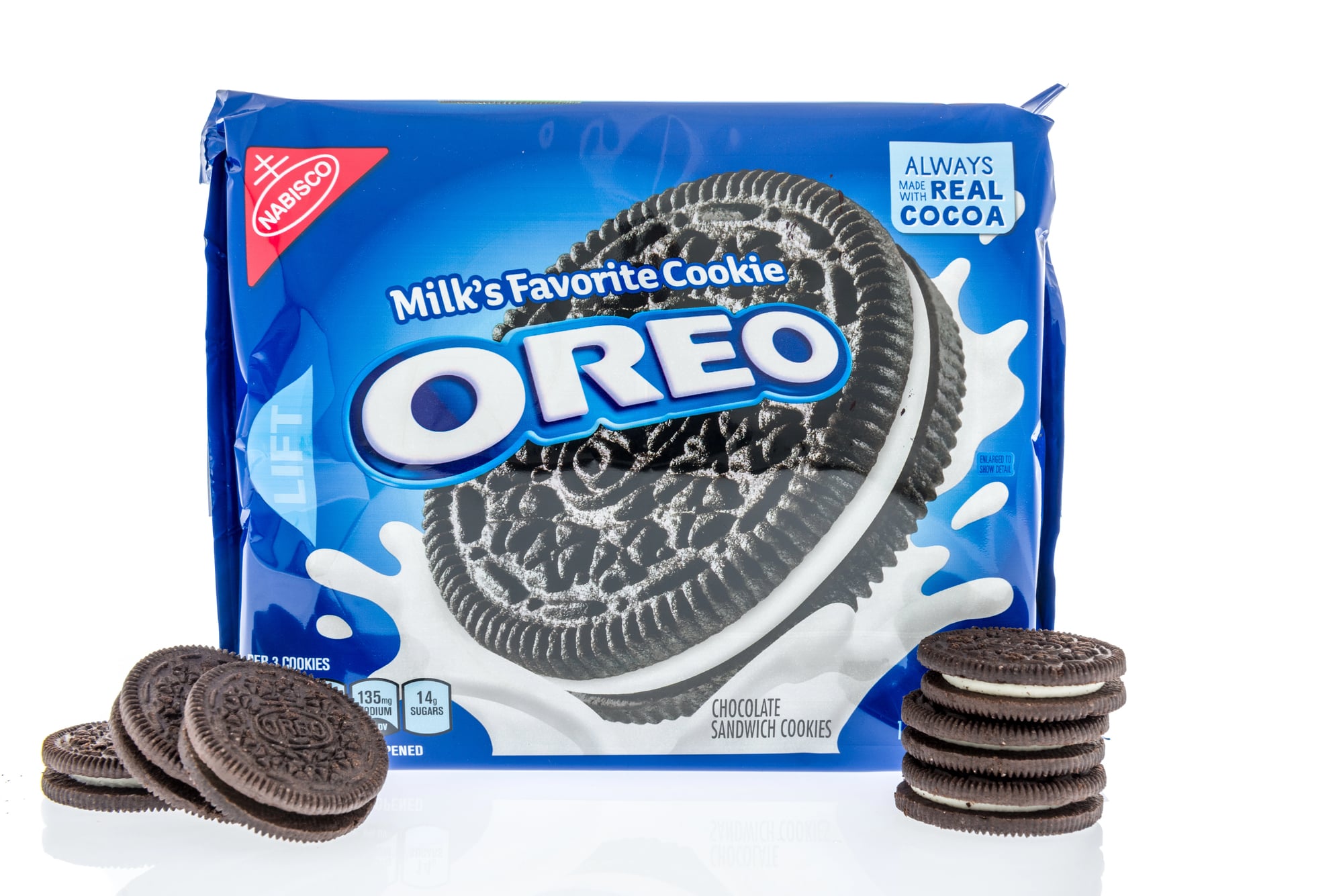
Oreo cookies have used vegetable-based shortening as their primary filling ingredient throughout their modern history. Product reformulations over the years have adjusted the specific blend of ingredients and processing methods, but the filling has been vegetable-based rather than lard-based for decades.
These adjustments have altered the texture and flavor profile — the original filling had a denser, almost buttery quality; reformulations have been lighter and more neutral, which sounds fine until you actually compare across different eras. Turns out “the cream” was doing a lot of the heavy lifting, and the current version has never quite recovered.
Irn-Bru
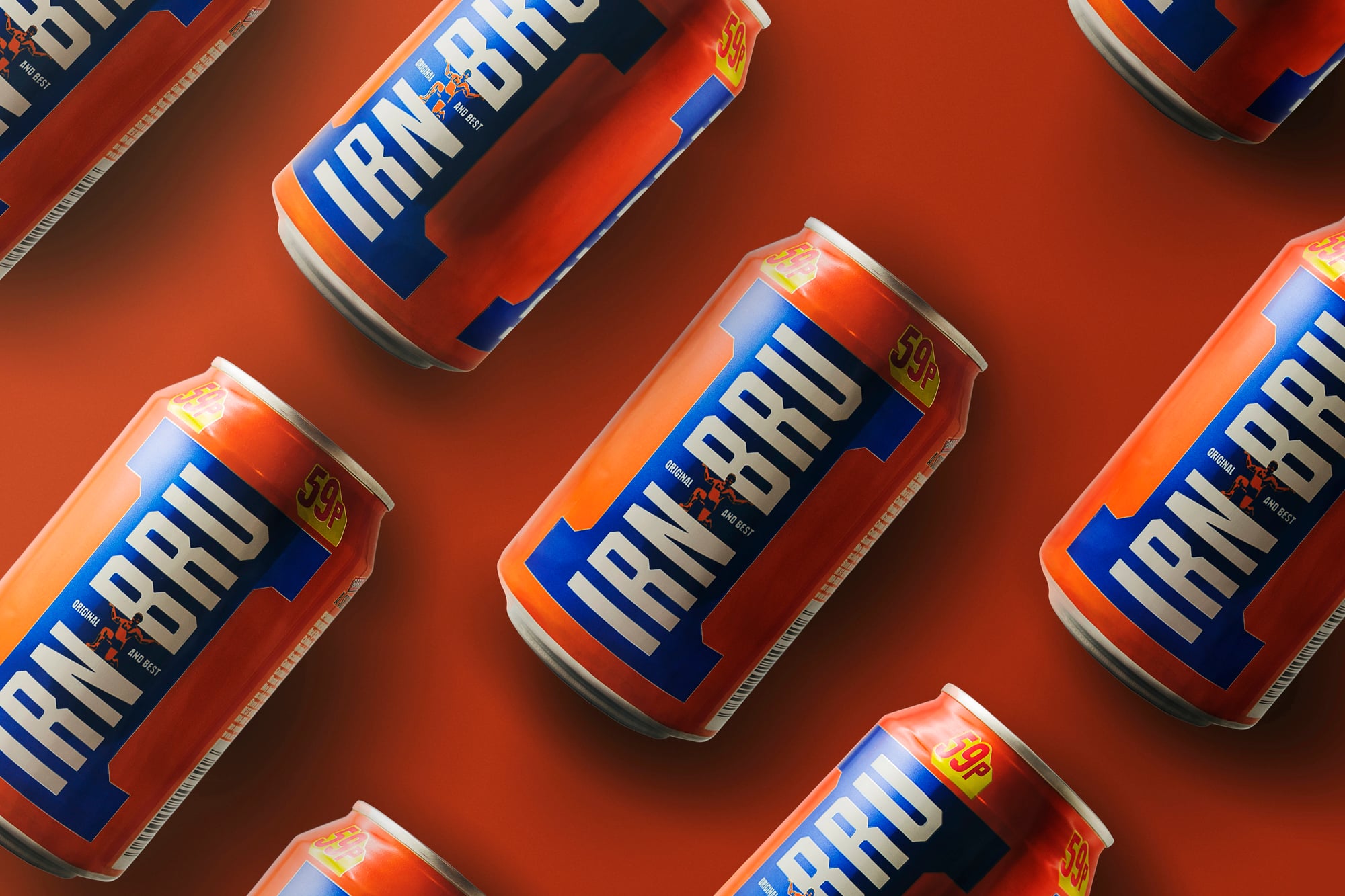
Scotland’s iconic orange soda reformulated in 2018 to reduce its sugar content ahead of the UK’s soft drink industry levy, cutting sugar by roughly 50 percent. The original Irn-Bru was almost aggressively sweet in a way that felt entirely intentional — it was part of the charm, part of what made it taste like nothing else on earth.
The reformulated version is drinkable. But drinkable is not the same as iconic.
Chef Boyardee Beefaroni
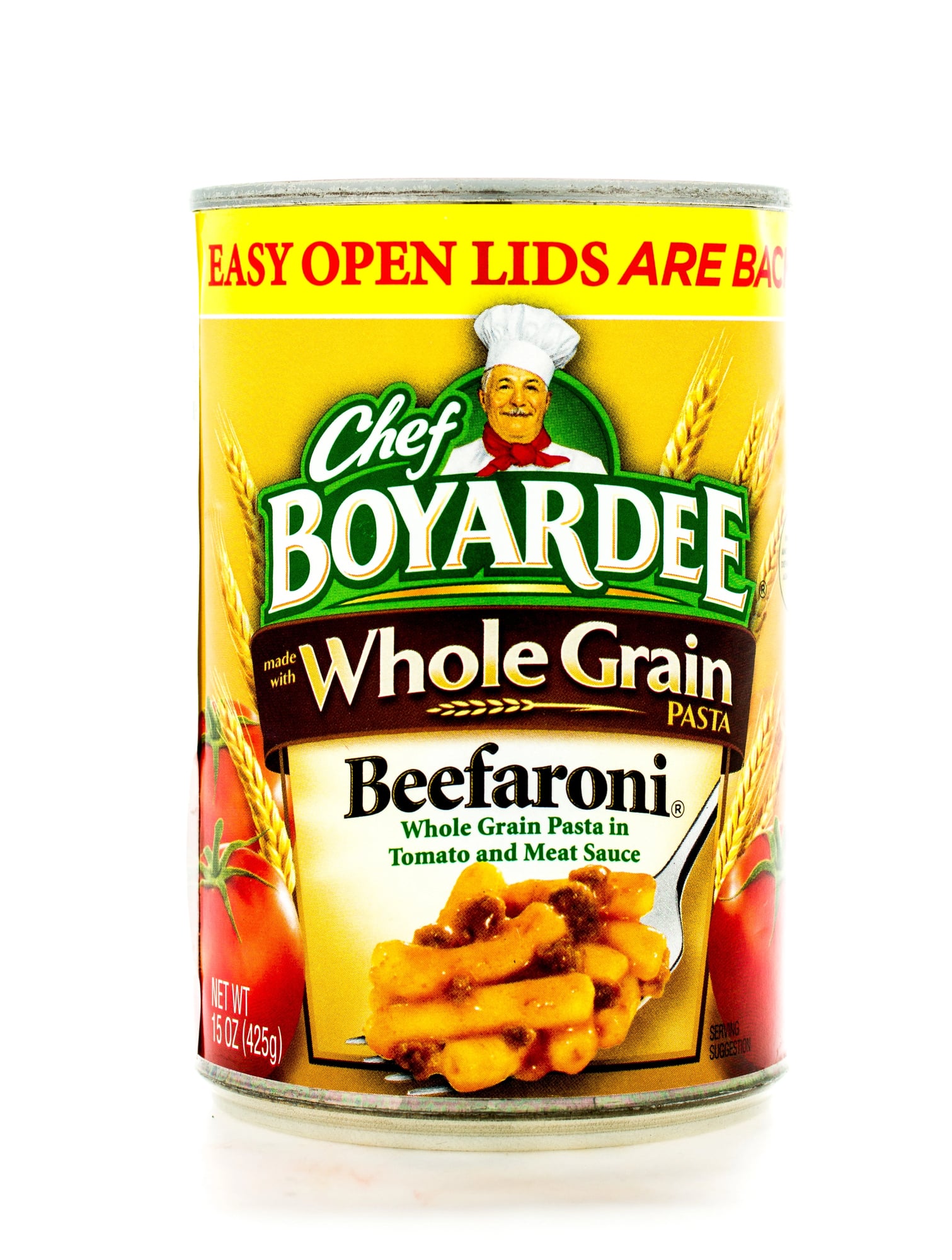
Chef Boyardee’s Beefaroni — the kind of thing you ate after school without questioning it — quietly shifted toward a saltier, more processed flavor profile as Conagra streamlined its canned pasta line. The sauce used to have a vaguely tomato-forward sweetness that made it genuinely appealing in that trashy, comforting way.
Now it tastes like it’s trying to remind you that you’re eating canned pasta, which is the last thing it should ever do.
Fanta Orange
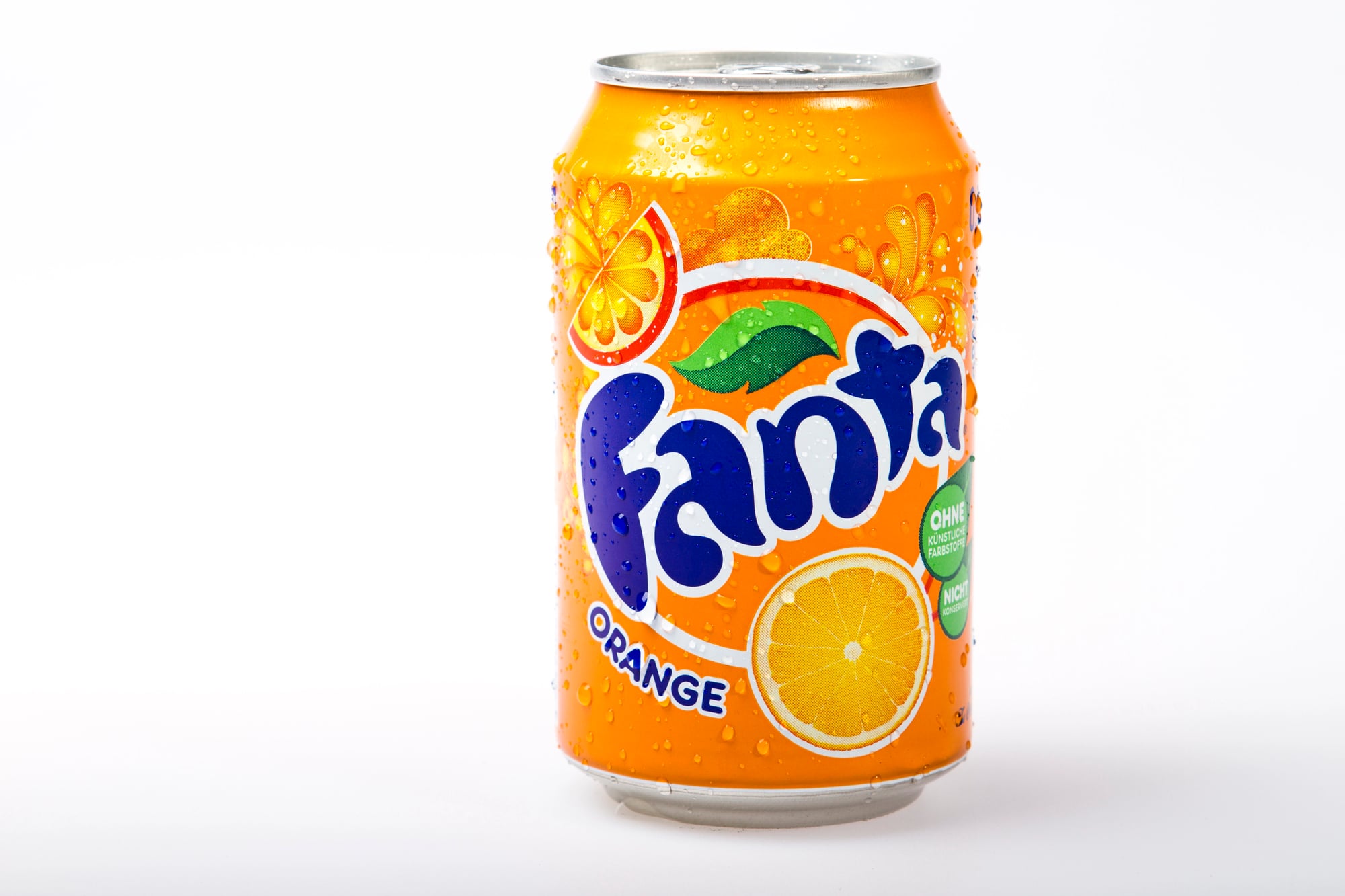
Fanta’s US formula has gone through multiple tweaks over the decades, but the most notable shift came when high-fructose corn syrup replaced sugar in broader production — and the orange flavor became sharper, more artificial, less like something connected to an actual piece of fruit. The original had a rounder sweetness that sat differently on the palate.
What remains is louder and less interesting, which is a strange achievement for a soda that was never trying to be subtle.
Goldfish Crackers
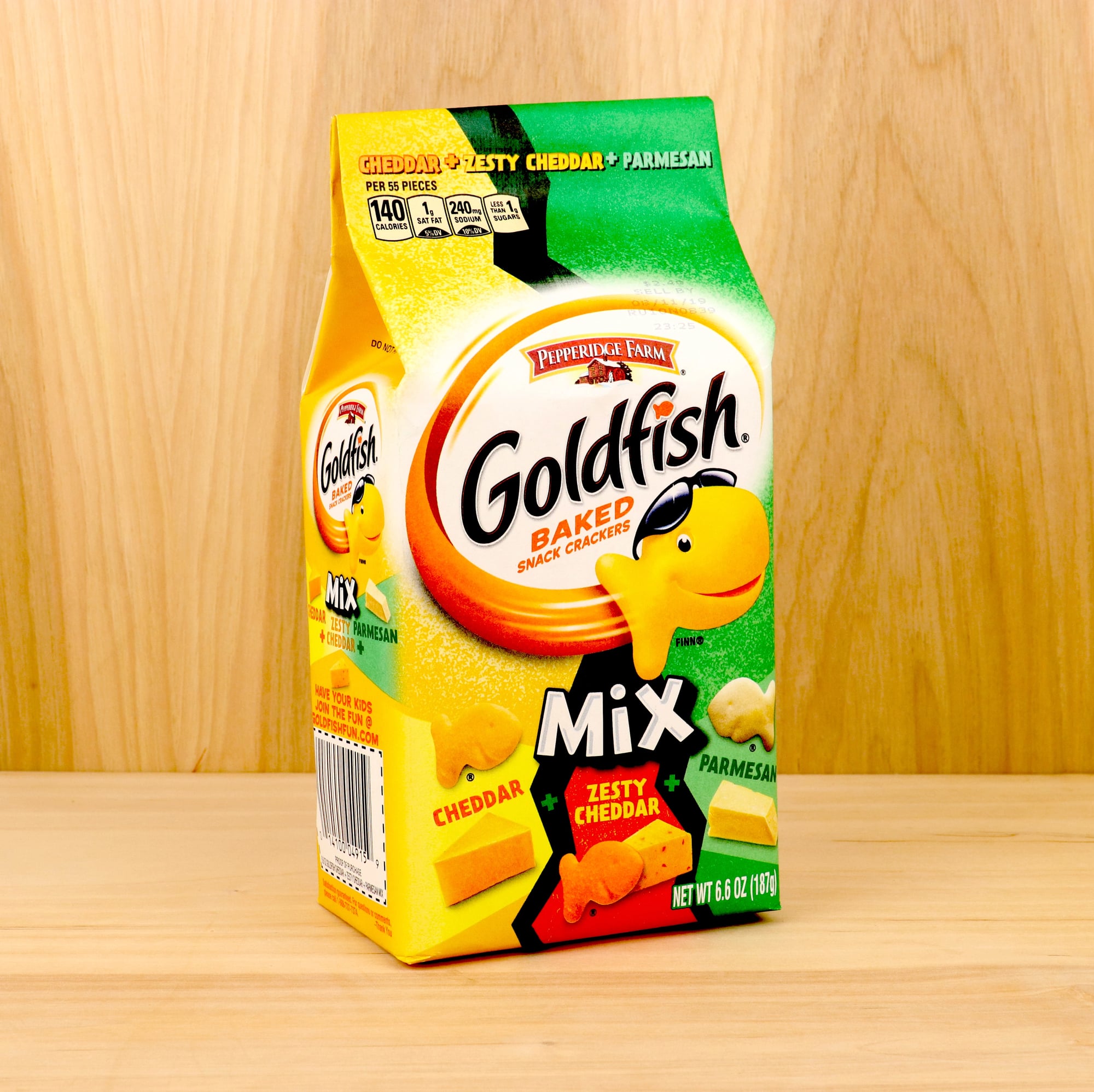
Pepperidge Farm reformulated Goldfish in 2018 and removed a preservative called TBHQ — a genuinely reasonable decision — but the crackers lost something in the process: that particular savory, almost addictive quality that made them impossible to stop eating. The current version is slightly blander, slightly less golden in flavor, and the texture has shifted just enough to feel different in your hand before it even reaches your mouth.
Small fish. Big difference.
Vanilla Extract (McCormick)
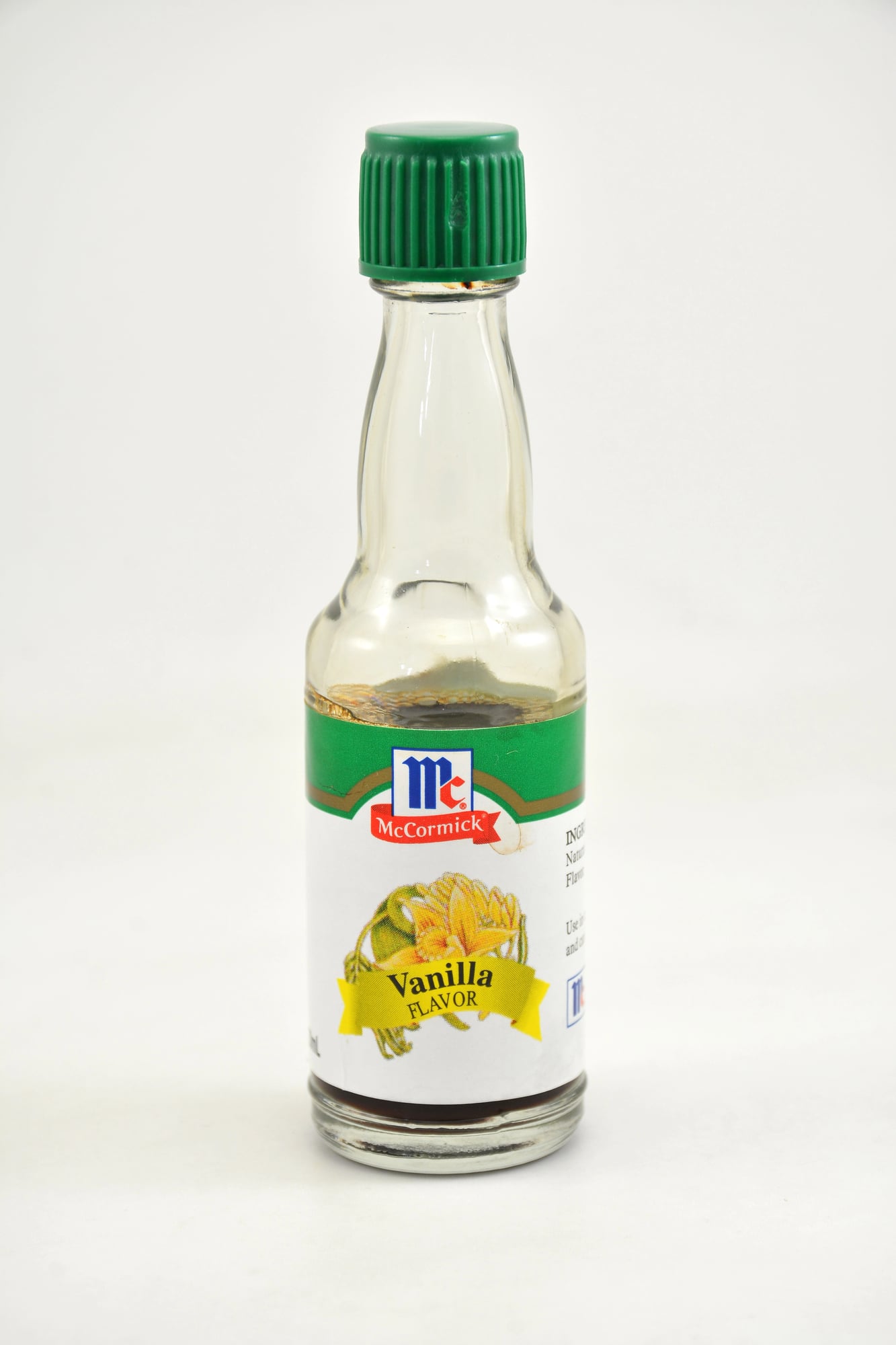
McCormick’s pure vanilla extract hasn’t exactly changed its formula, but the company’s “imitation vanilla” products have shifted over the years toward a chemical sweetness that reads as vanilla the way a candle reads as a campfire. What’s notable is how much market share the imitation version now commands — and how many recipes that used to specify “pure vanilla” are now being made with the substitute without the cook even realizing the swap happened somewhere upstream in their pantry.
Tropicana Pure Premium
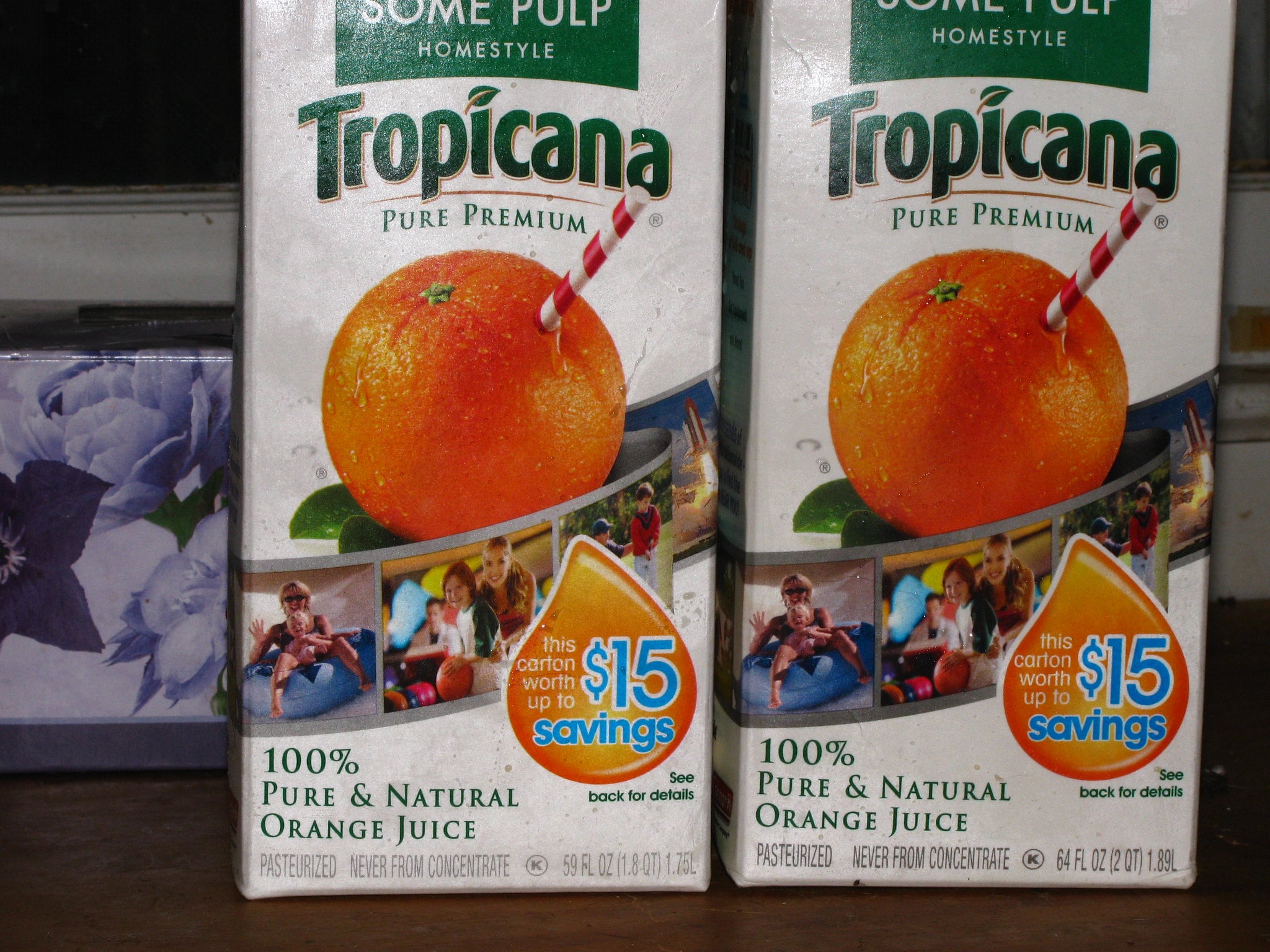
In 2022, PepsiCo reformulated Tropicana Pure Premium, altering the taste profile in ways that sparked genuine consumer complaints — the orange flavor became less bright, slightly more bitter, and less characteristic of what “fresh squeezed” is supposed to evoke. Orange juice is one of those products where the gap between what the label promises and what’s in the carton is already doing significant work, and narrowing that gap further is not the direction anyone asked for.
The carton still says “pure premium.” The juice disagrees.
Campbell’s Tomato Soup
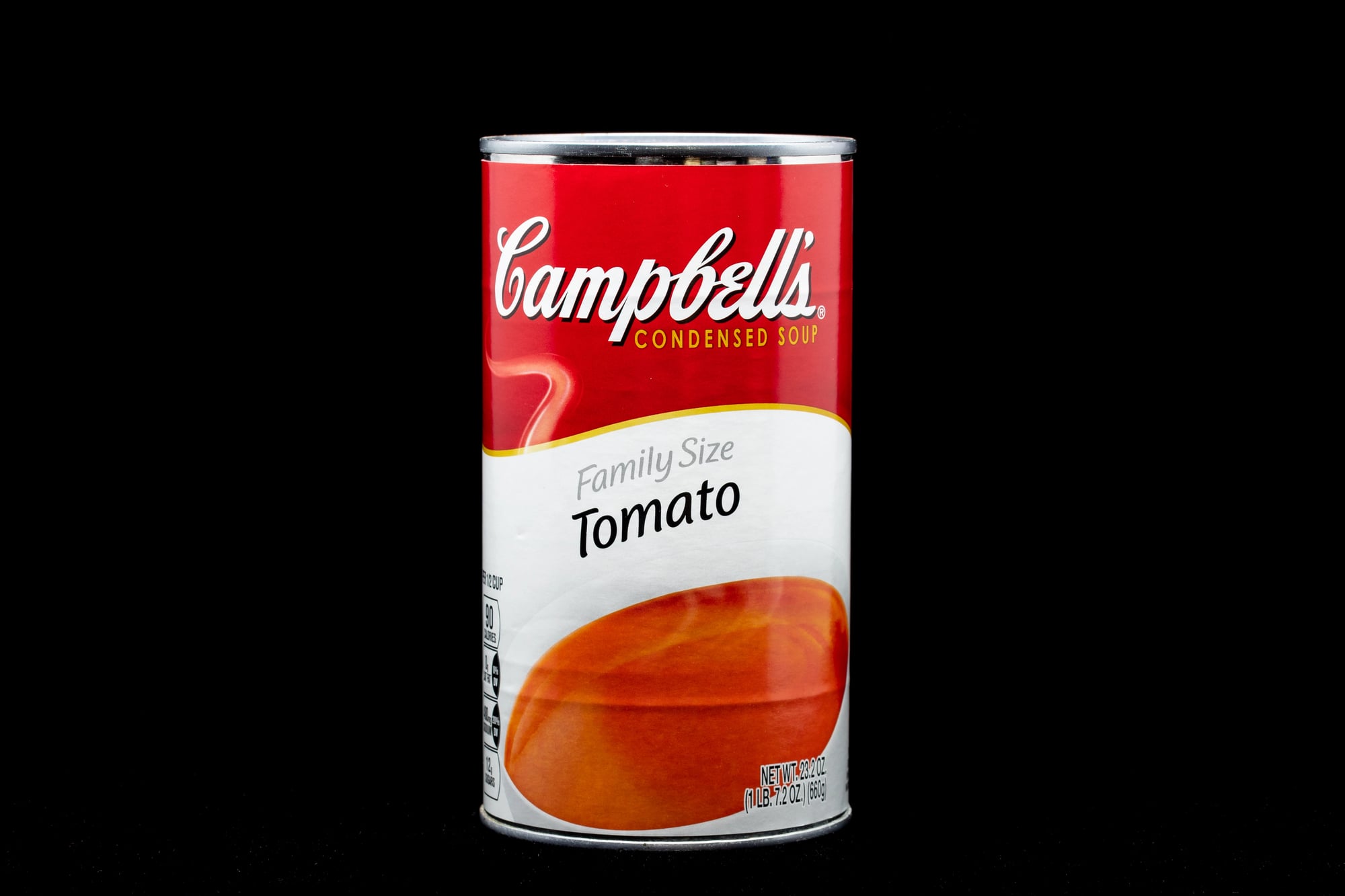
Campbell’s has reformulated its classic tomato soup multiple times, most notably reducing sodium — which, again, is defensible on paper but devastating in the bowl. The original sodium level wasn’t there by accident; it was doing the same work salt does in any recipe: sharpening flavor, rounding sweetness, making the whole thing taste like more than it was.
The reduced-sodium versions taste correct in the way a rough draft of a song is technically music.
Butterfinger
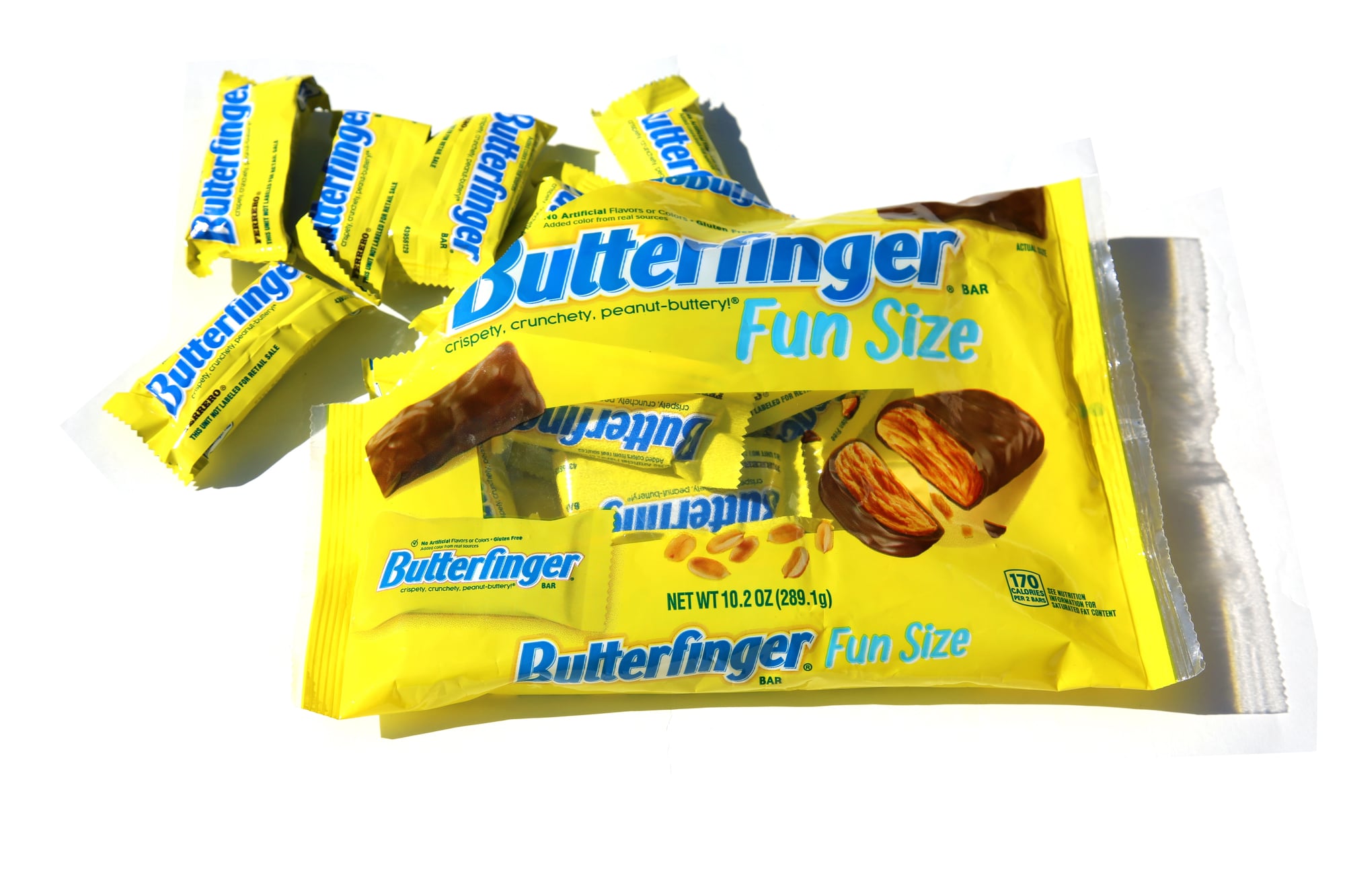
Nestlé sold Butterfinger to Ferrero in 2018, and Ferrero reformulated the candy bar with a stated goal of improving quality. The result was a Butterfinger with a smoother, less flaky texture — which sounds like progress until you understand that the crumbly, almost brittle interior was the entire point.
The original Butterfinger had a texture unlike anything else in the candy aisle, and Ferrero essentially sanded it down into something more ordinary. Go figure.
Wonder Bread

Wonder Bread has changed hands and formulas multiple times since its original production, losing the specific softness and mild sweetness that made it a cultural fixture — not a culinary one, but a cultural one, which matters in a different way. The current version is softer in some markets and drier in others, depending on which production facility made it, which creates an inconsistency that undercuts the whole premise of the brand.
Wonder Bread was never great bread. But it used to be reliably, consistently itself.
Pepsi
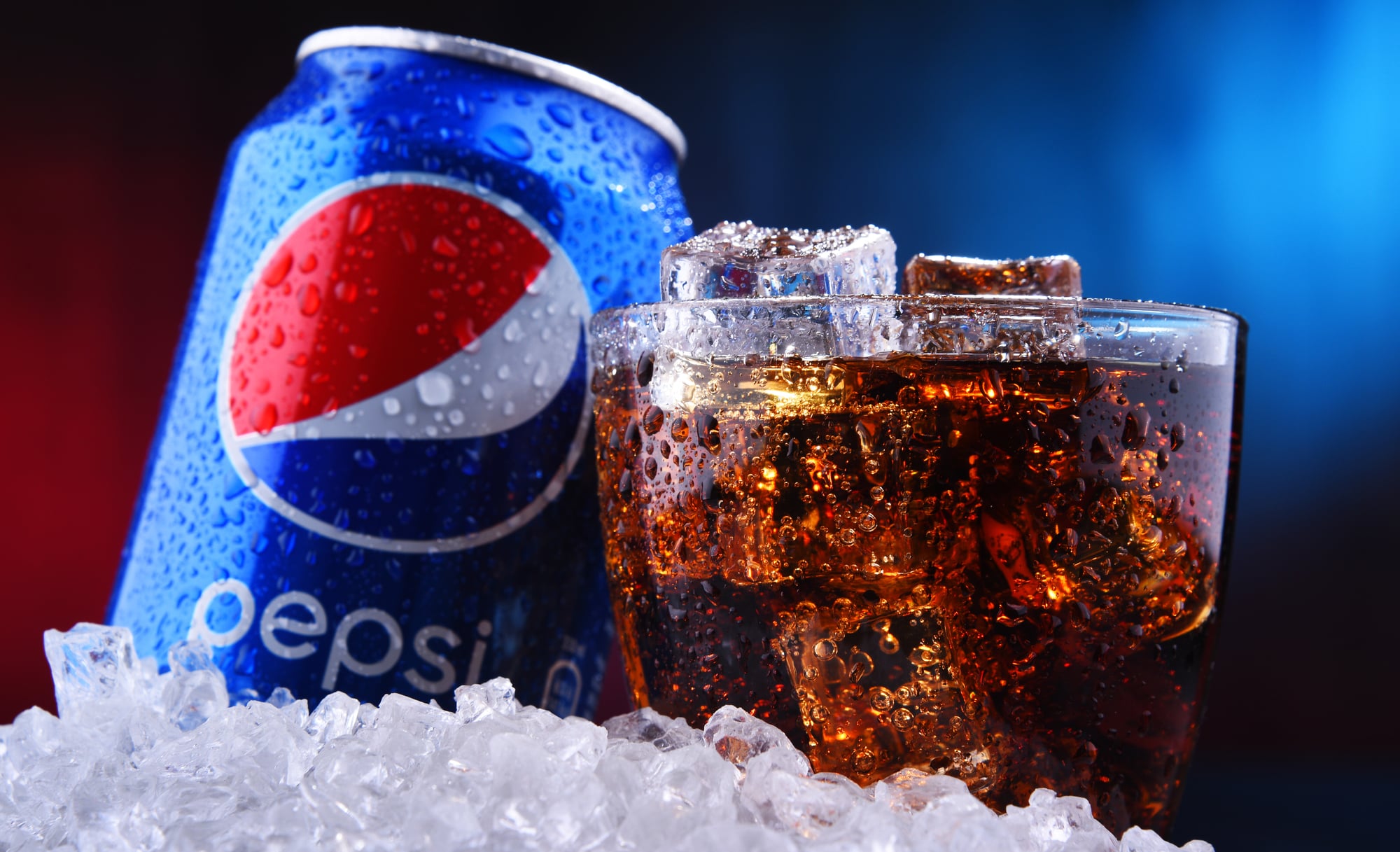
Pepsi famously (and briefly) removed high-fructose corn syrup in favor of real sugar for “Pepsi Throwback” — and the response from consumers was telling. The sugar version tasted cleaner, less cloyingly sweet, more drinkable in the way a beverage should be.
The fact that the “throwback” version had to be marketed as a limited product, rather than just being the standard product, says everything about how far the formula had drifted from what it originally was.
Robitussin
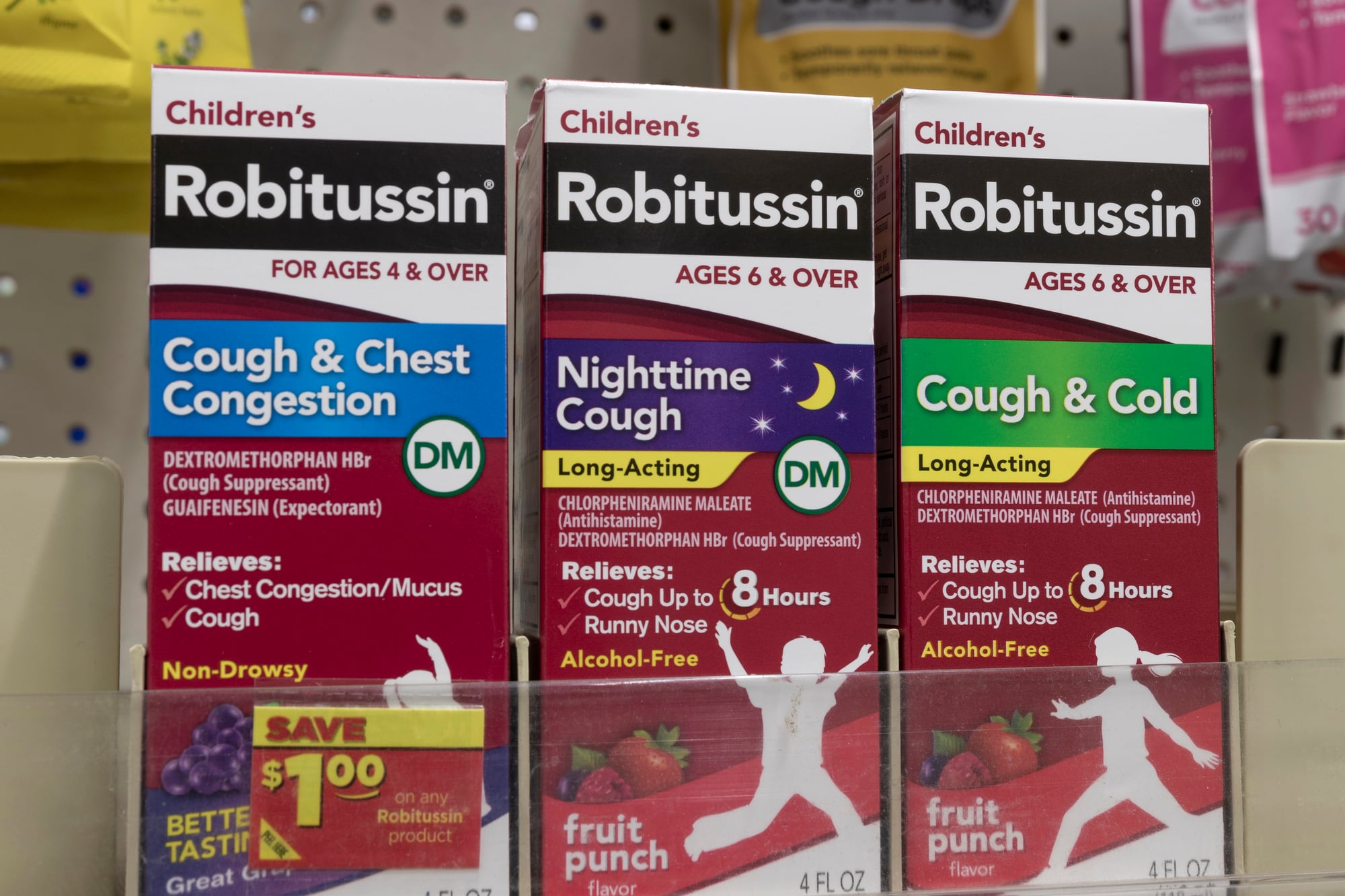
Robitussin’s classic liquid formula — the dark, intensely grape-medicinal flavor that somehow made being sick feel handled — was reformulated and line-extended into so many sub-products that the original formulation became nearly impossible to find. The new versions taste thinner and sweeter, without the thick, almost syrup-like weight that signaled efficacy even if that signal was mostly psychological.
There’s a reason people used it as the reference point for all medicine that tasted like medicine.
Lays Classic Potato Chips
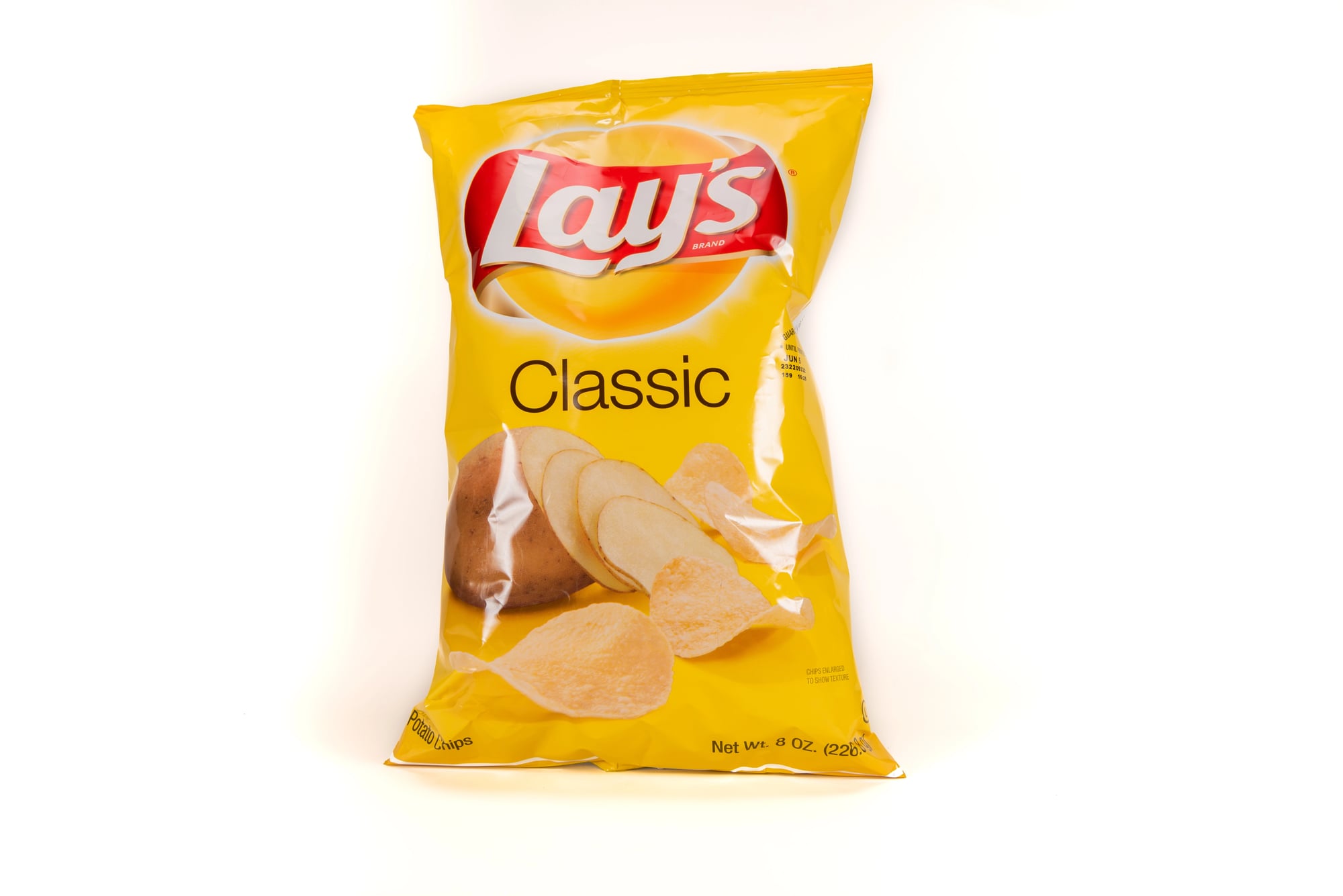
Frito-Lay switched Lays Classic from using cottonseed or corn oil to sunflower oil for a period, and then shifted formulations again — and with each change, the chip’s characteristic lightness and clean potato flavor shifted with it. The current version has a slightly greasier finish and a saltiness that lands differently than it used to.
These are not the chips that made people eat the entire bag without noticing. These are the chips that remind you halfway through that you’re eating chips.
Hellmann’s Mayonnaise
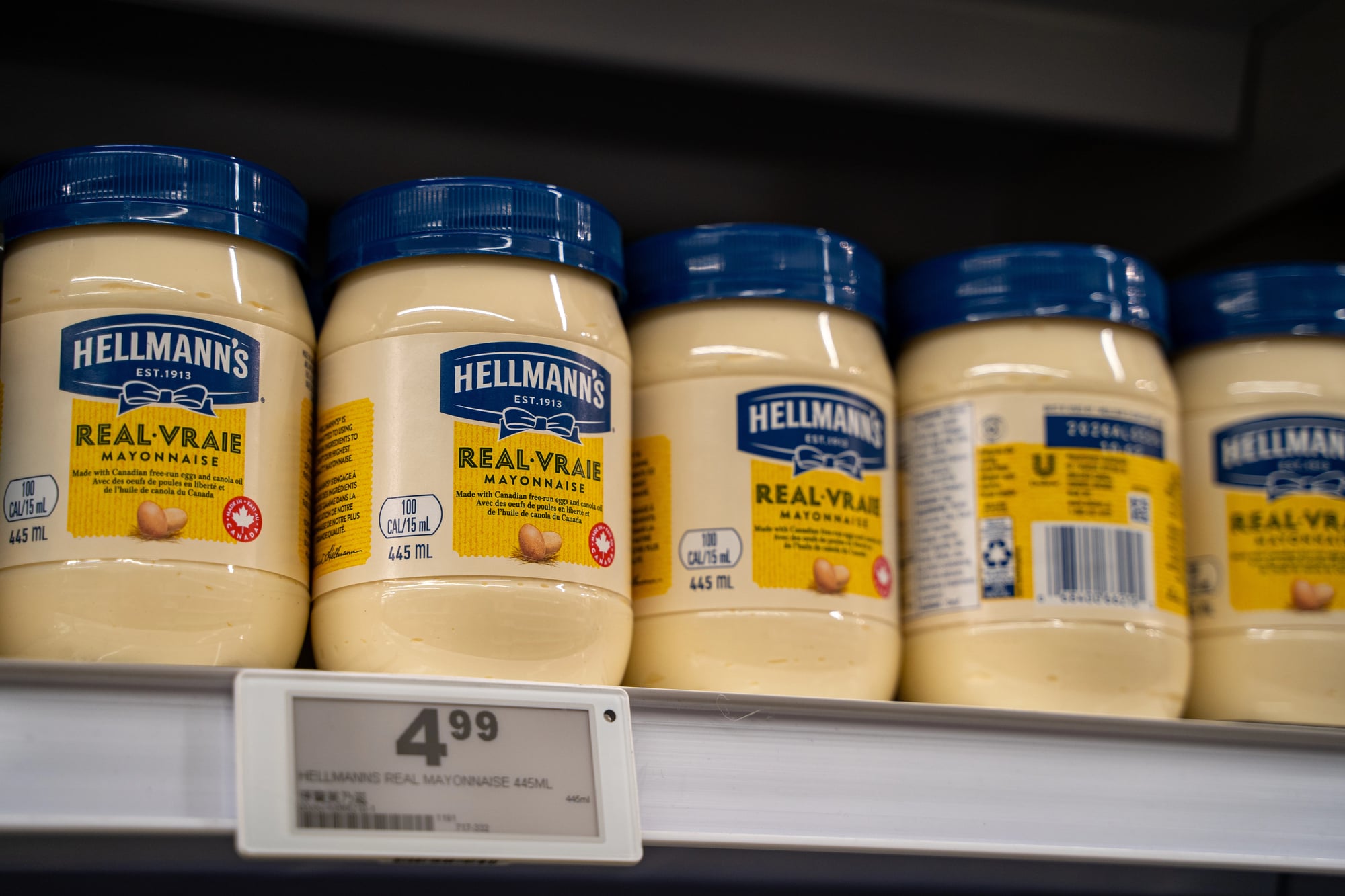
Unilever quietly reduced the egg yolk content in some Hellmann’s formulations and adjusted the oil blend, and the result was a mayonnaise that’s marginally thinner and noticeably less rich. Mayonnaise is essentially a delivery system for fat and emulsified egg, which means thinning the fat and reducing the egg is roughly equivalent to making coffee with less coffee.
To be fair, it still outsells most competitors. But the original Hellmann’s used to be the standard against which all other mayonnaises were measured.
Post Grape-Nuts
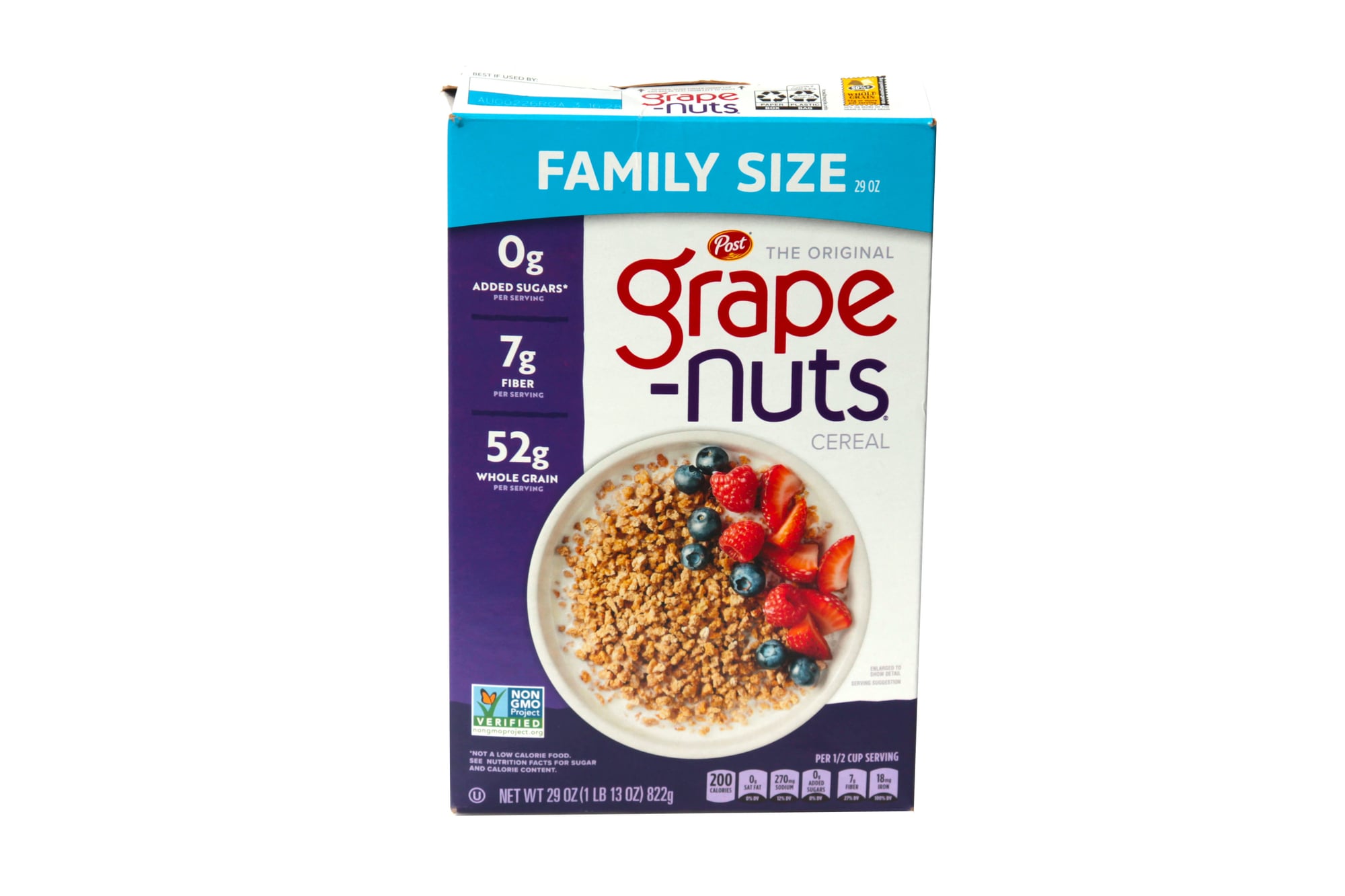
Post reformulated Grape-Nuts during supply chain issues around 2020-2021, and while the cereal returned to shelves, longtime fans reported a texture and flavor that was measurably different — less dense, less nutty, with a slightly altered bitterness that had always been part of Grape-Nuts’ odd charm. Grape-Nuts is not a cereal that wins people over easily; it earns loyal fans through sheer stubbornness of flavor and texture.
Softening either one is the wrong direction entirely.
Yoo-hoo
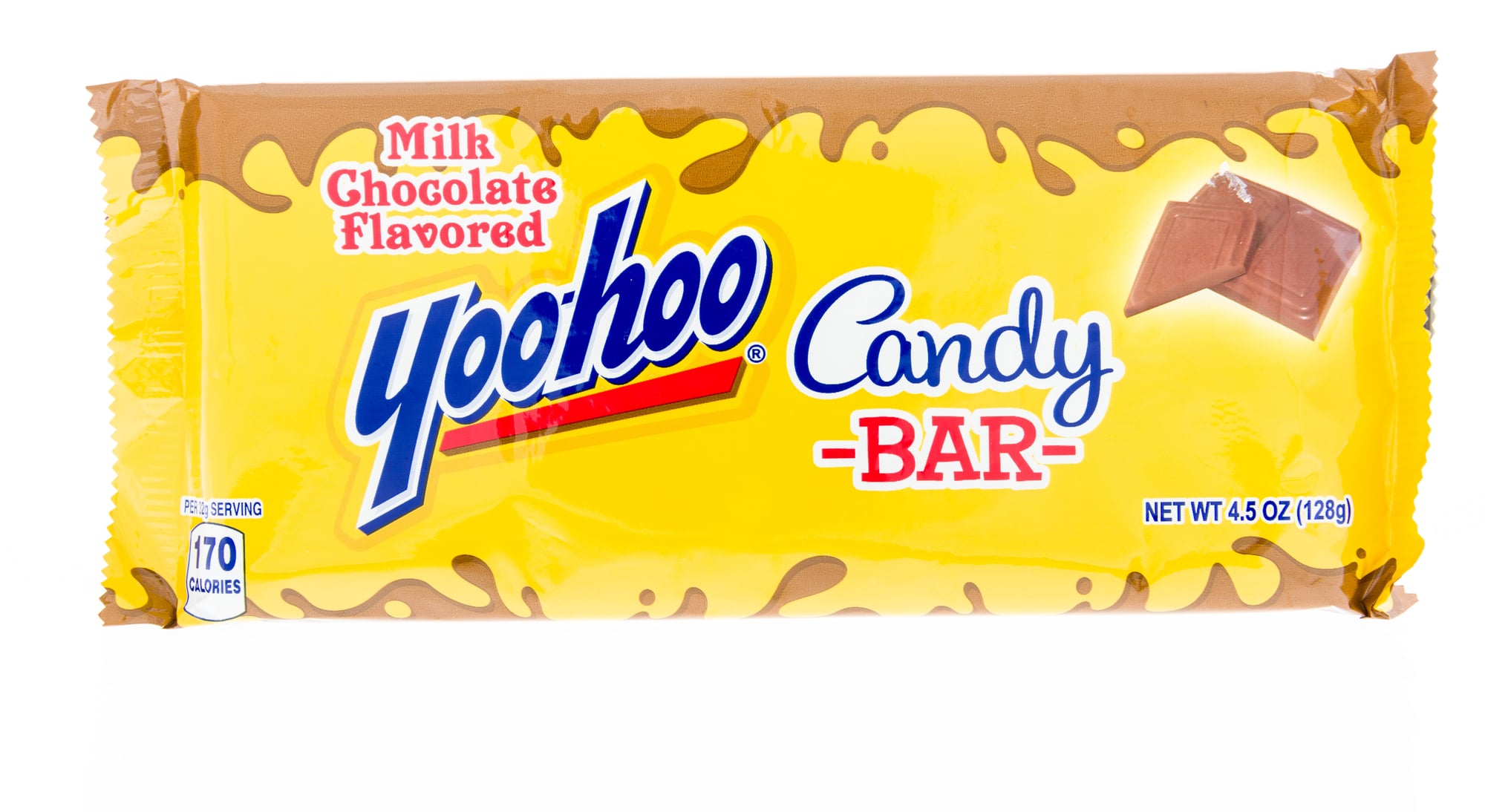
Yoo-hoo — the chocolate drink that was never quite chocolate milk but occupied an entirely satisfying lane of its own — reformulated away from some of its original ingredients and toward a sweeter, thinner profile that lost the slight complexity the original had. The original Yoo-hoo was almost chalky in a way that was specific and oddly appealing, like a memory of a chocolate milkshake rather than the milkshake itself.
What remains is just sweet and brown, which describes a lot of things.
Kraft Macaroni and Cheese
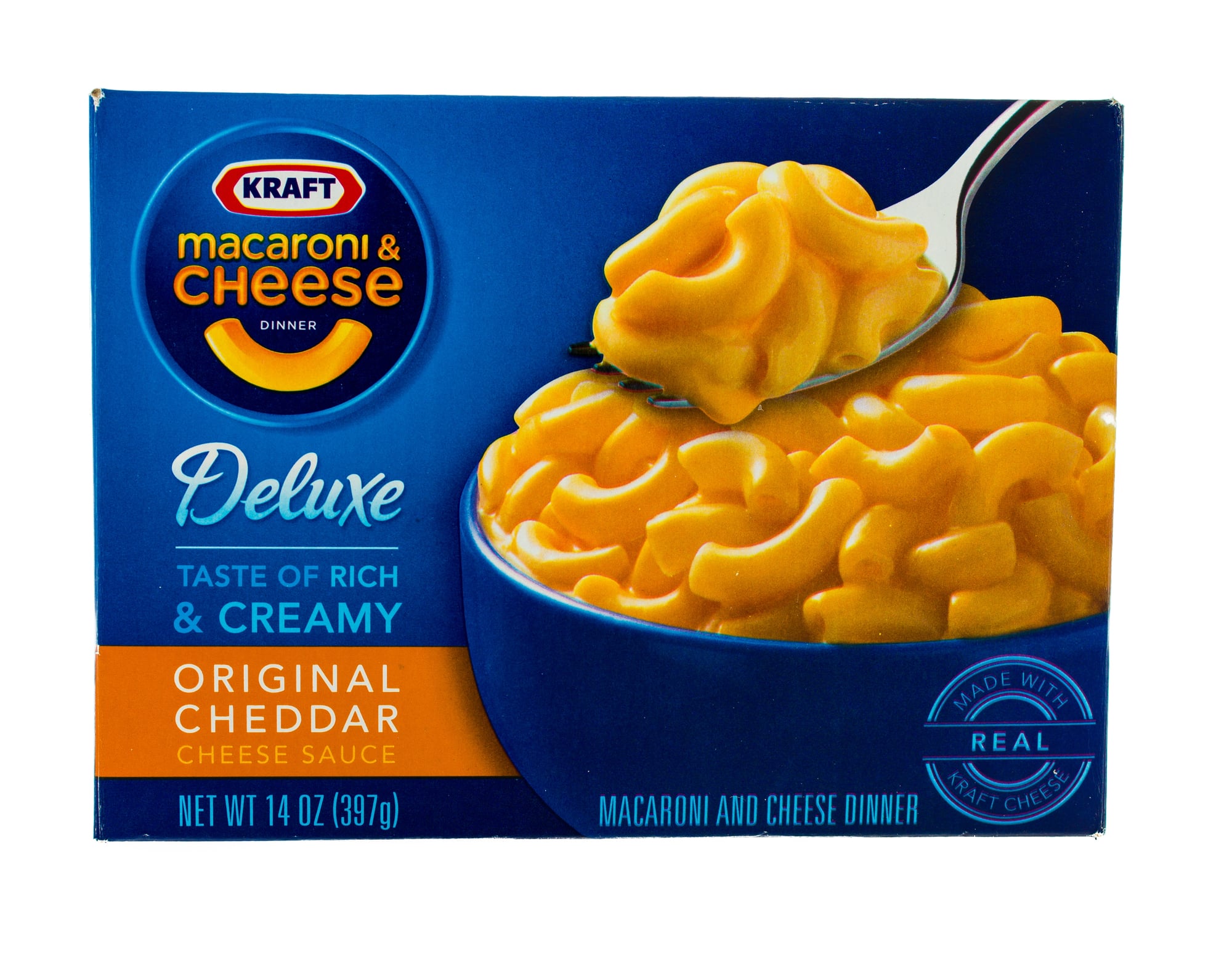
Kraft introduced a “cleaner” formula in 2016, removing artificial preservatives, synthetic colors, and artificial flavors — and replaced the unnaturally orange color with paprika and annatto. The problem is that the unnaturally orange color was part of the product’s personality, and the new sauce packets taste measurably different: slightly less sharp, less synthetic in a way that is technically better and experientially less satisfying.
Kraft’s own research showed that most consumers couldn’t tell in blind tests. But some could, and they haven’t stopped saying so.
Diet Coke
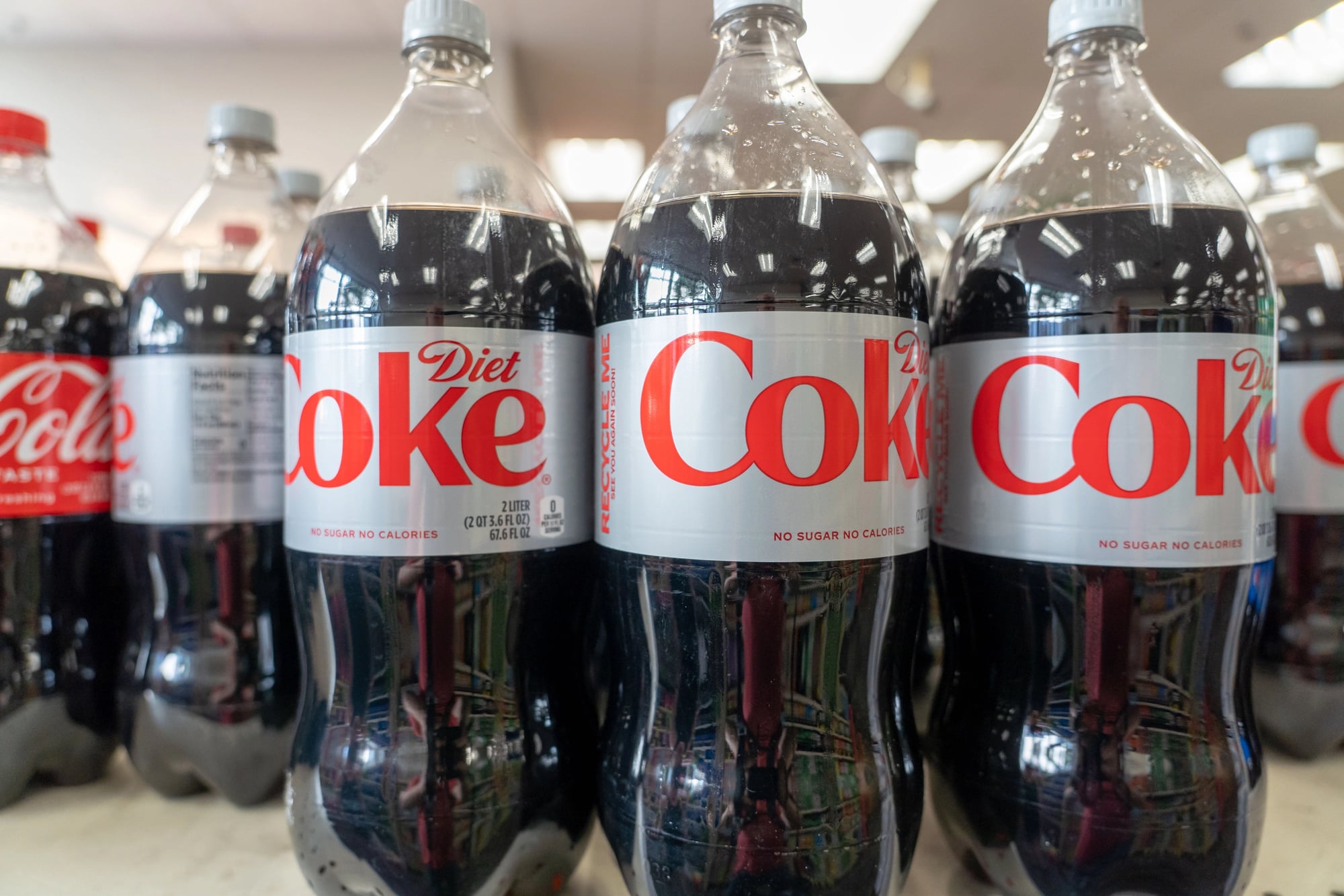
Coca-Cola reformulated Diet Coke for different markets at different times, and the most notable change in the US came when the production process and concentrate formula shifted enough that longtime drinkers noticed a slightly harsher aftertaste from the aspartame and an overall flavor that was less crisp. Diet Coke’s appeal was always built on a particular kind of clean, sharp sweetness — not trying to taste like regular Coke, just tasting like itself.
The reformulated version seems less certain about what it’s trying to be.
Celestial Seasonings Sleepytime Tea
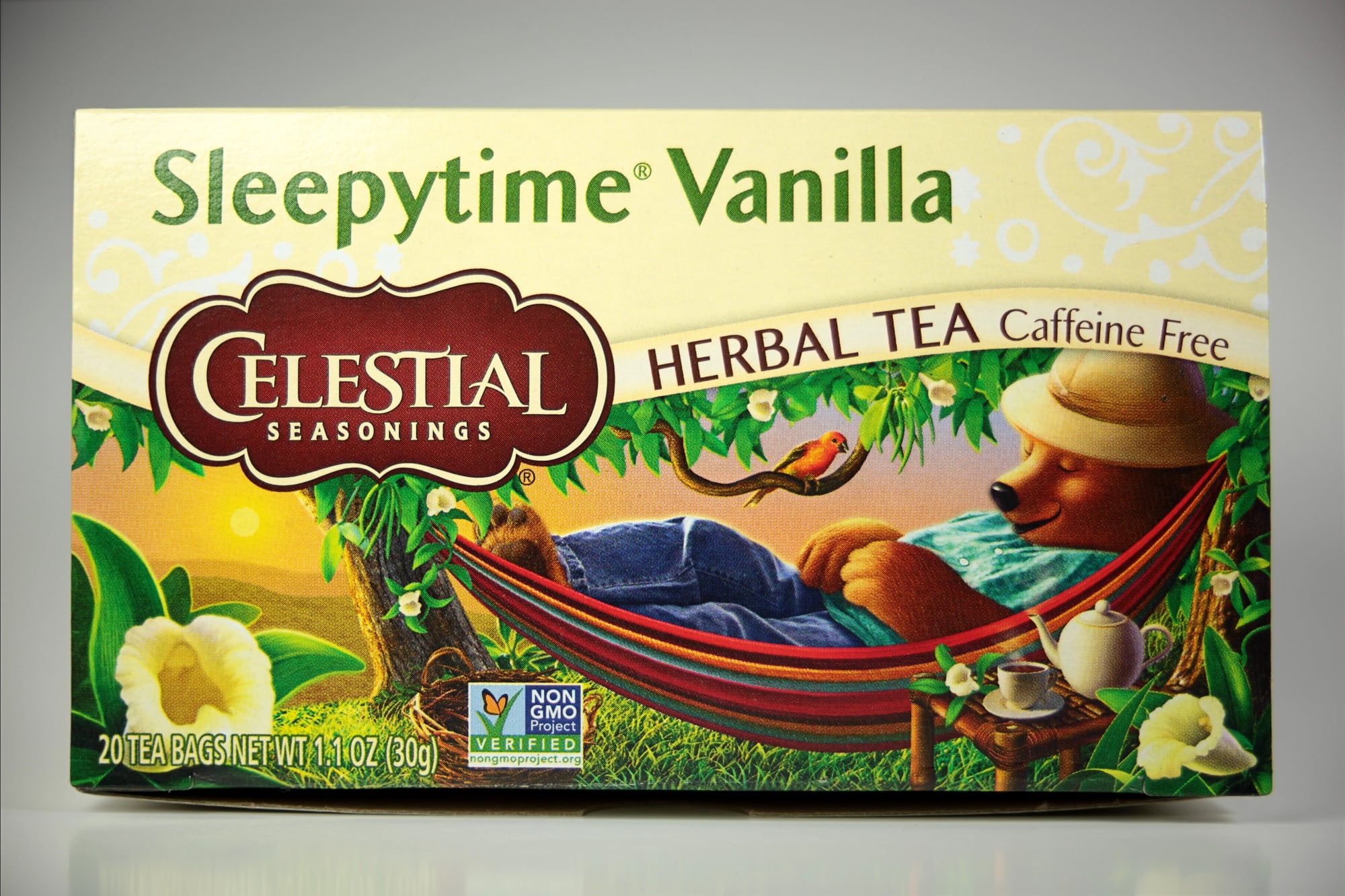
Celestial Seasonings changed the chamomile blend in Sleepytime, subtly reducing the floral intensity that made it the most reliably chamomile-forward tea on the American market. It sounds like a small thing — tea is tea — but Sleepytime’s entire brand promise is sensory: the warm, almost medicinal chamomile smell that hit before the bag even touched the water.
The current blend is milder, more polite, less convincing as something that will actually help you sleep.
Vlasic Pickles
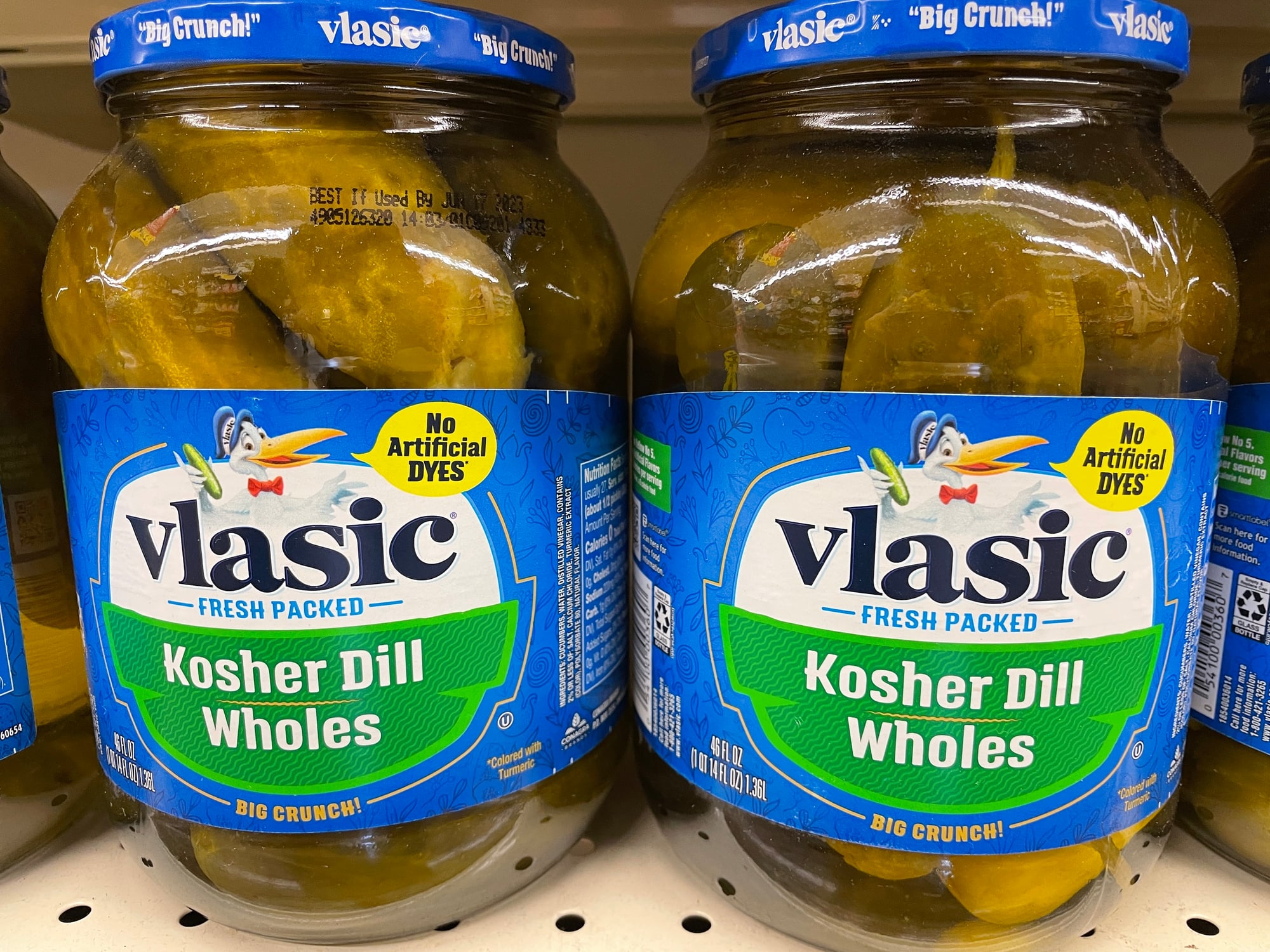
Vlasic reformulated toward a less vinegar-forward brine at some point in the 2010s, and the result was a pickle that’s crunchier in some varieties but less aggressively pickled — which is the one thing a pickle is supposed to be. The original Vlasic had a sourness that could clear your sinuses in the best possible way.
What’s left is more approachable, which in the context of pickles is approximately the worst compliment you can give.
Stouffer’s Mac and Cheese
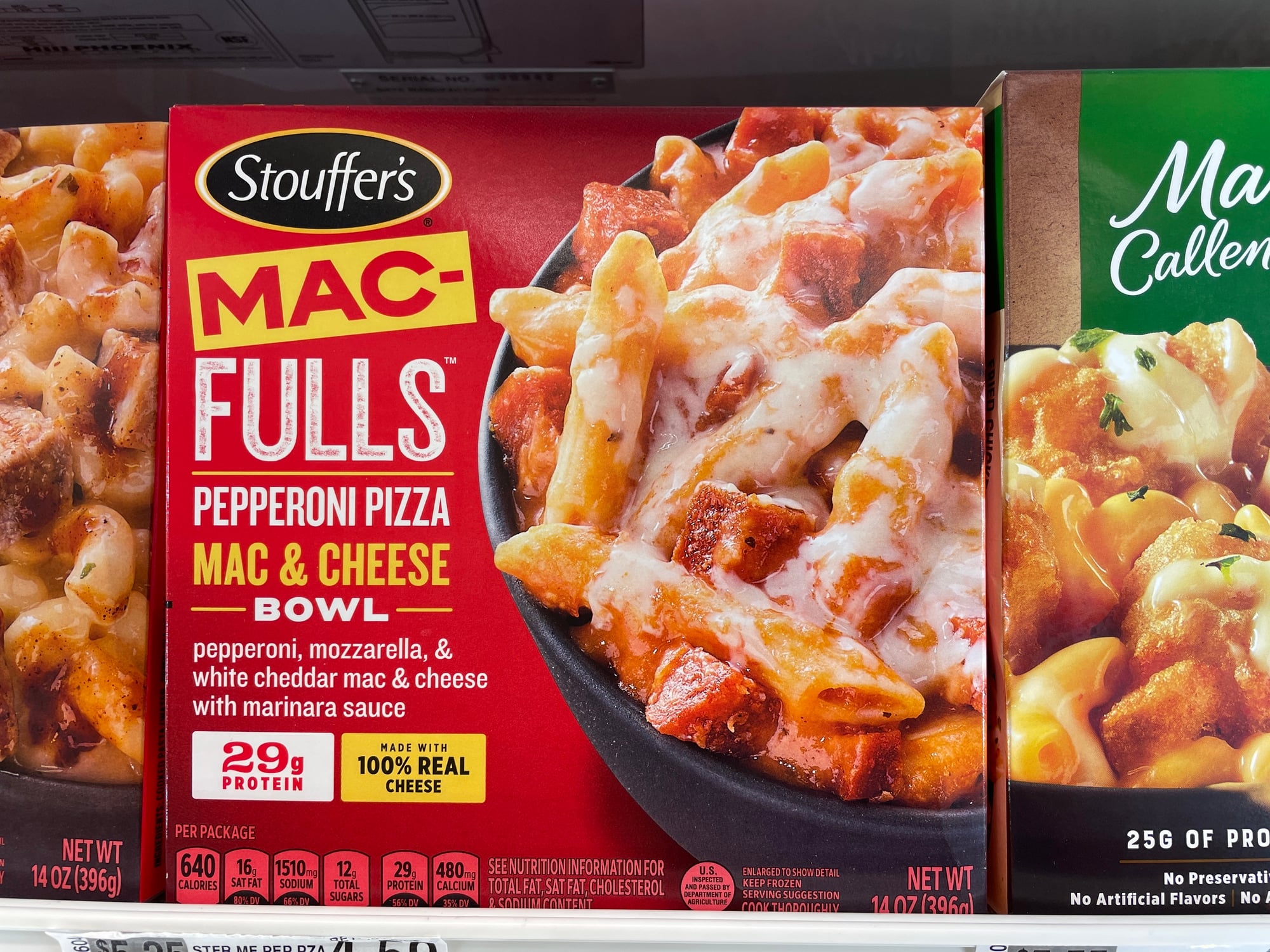
Stouffer’s frozen macaroni and cheese — long considered the benchmark of the frozen pasta category — has drifted toward a sauce that’s less sharp, slightly thinner, and more aggressively salted in a way that substitutes intensity for actual flavor. The original had a cheese sauce that tasted aged, almost cheddar-specific, rather than generic.
Now it tastes like the idea of cheese, which is a sad thing to happen to a product that used to taste like the real thing.
Worcestershire Sauce (Lea & Perrins US Formula)
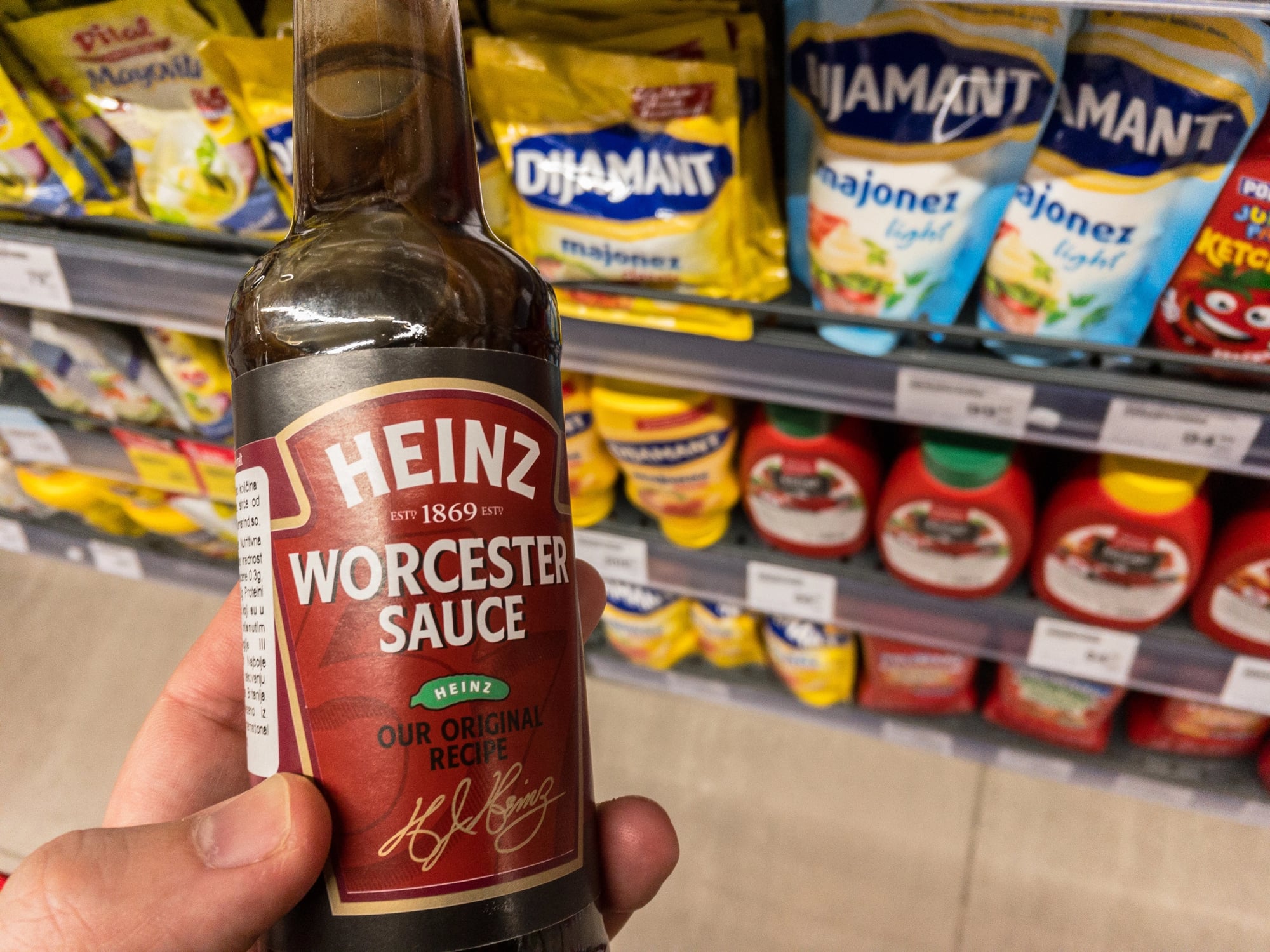
The US version of Lea & Perrins Worcestershire has long been noted as different from the UK version — less complex, with a less prominent anchovy and tamarind character. But beyond the transatlantic divide, the US formula itself has shifted enough over decades that older bottles and current bottles taste noticeably different to people who’ve been using it in the same recipe for thirty years.
Worcestershire is not a flavor you add; it’s a flavor that makes every other flavor make sense. Dilute it, and nothing makes sense.
Keebler Fudge Stripes
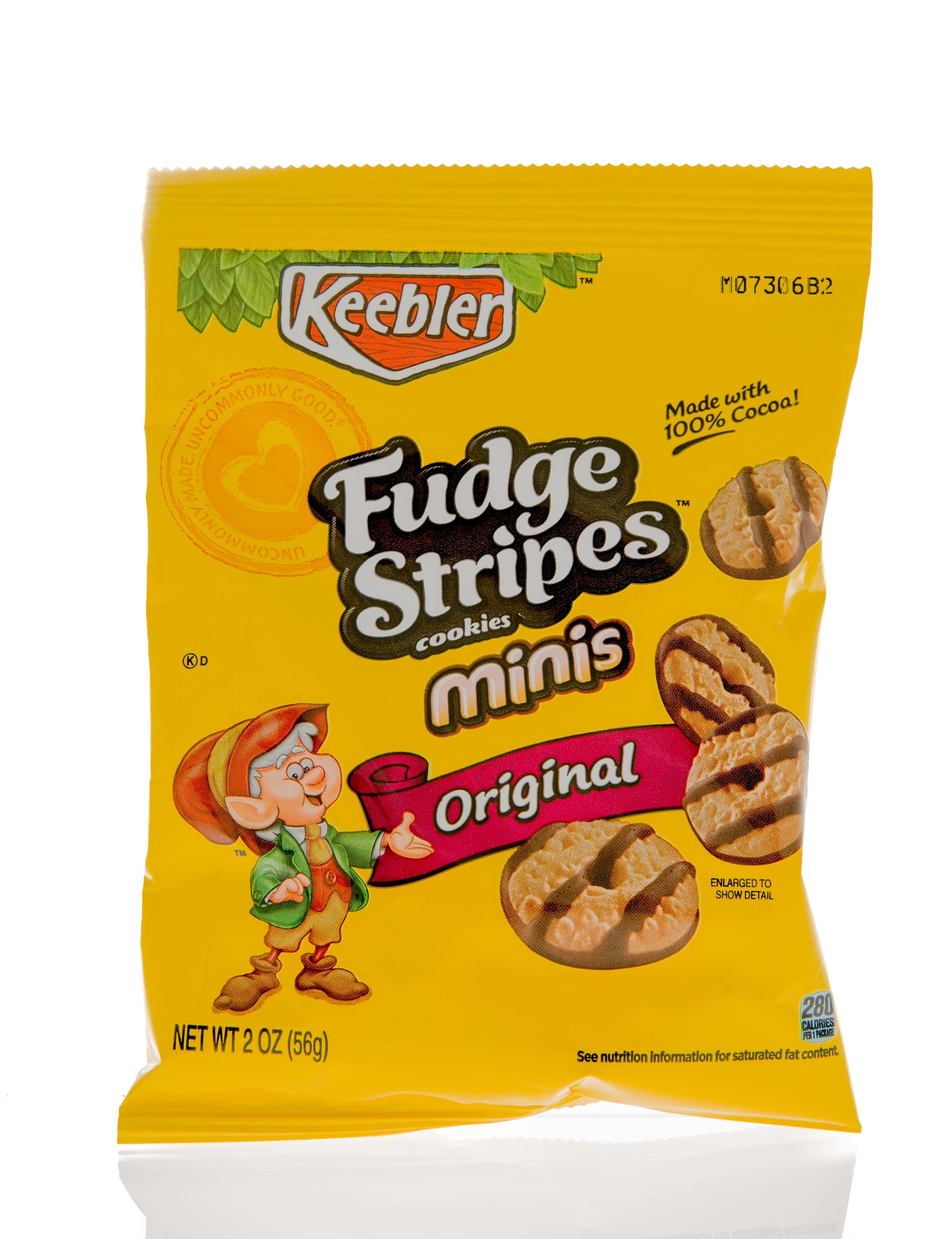
Keebler Fudge Stripes cookies lost their snap somewhere in a reformulation that softened the shortbread base and made the fudge coating thinner and less glossy. The original had a particular structural integrity — you could snap one cleanly and eat it in two bites — that made it feel more substantial than a standard cookie.
The current version flexes slightly before breaking, which is the kind of thing you don’t think about until it stops being true.
Rice-A-Roni
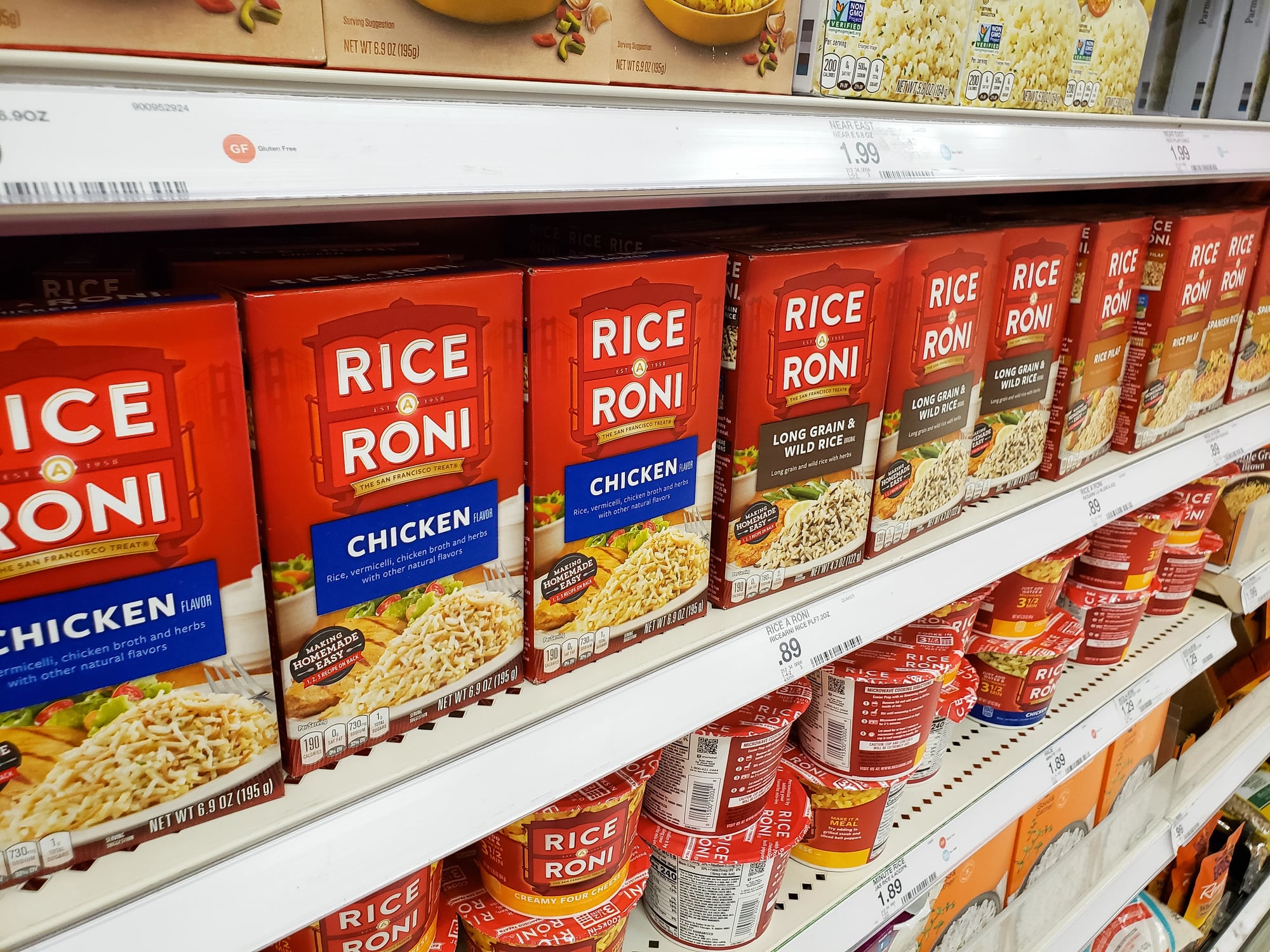
Rice-A-Roni reformulated several of its classic flavors — particularly the chicken and herb varieties — reducing MSG content and adjusting the seasoning packets in ways that stripped out much of the savory depth the product was known for. MSG does something that no combination of other ingredients fully replicates, and Rice-A-Roni’s original flavor was built around exactly that.
The current seasoning tastes flatter, like it’s explaining itself rather than just delivering.
Mott’s Applesauce
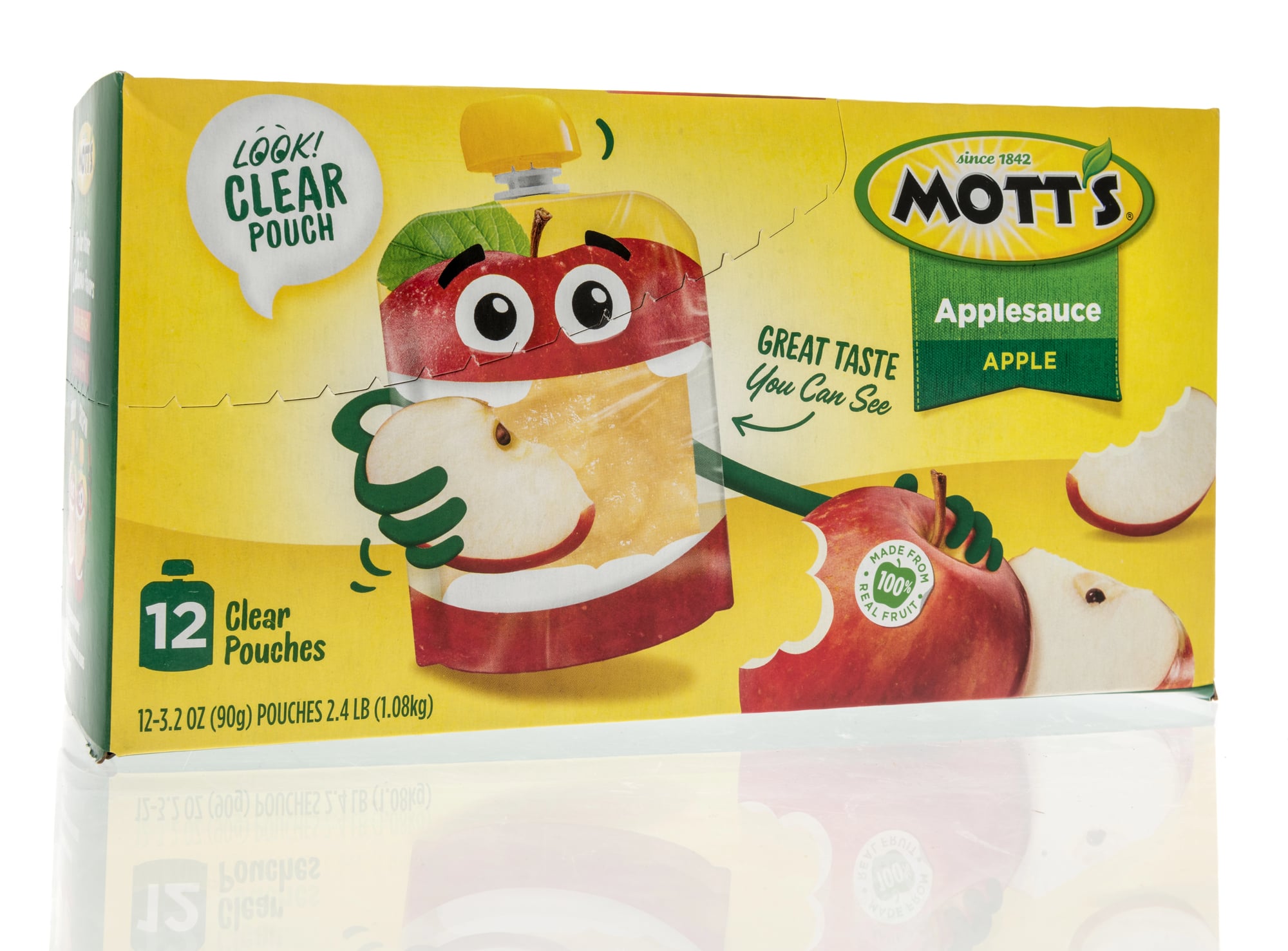
Mott’s reduced the sugar content in its original applesauce in 2011, and parent company Dr Pepper Snapple faced a public workers’ dispute over wages in the same period — but the product change itself sparked real consumer complaints. The less-sweet version tasted more genuinely apple-forward, which sounds like a positive until you realize that the slightly sweetened version had a particular balance that made it appealing to the primary audience: children who are notoriously indifferent to nuance.
Less sugar. More honesty. Fewer kids eating it.
Nesquik Chocolate Milk Powder
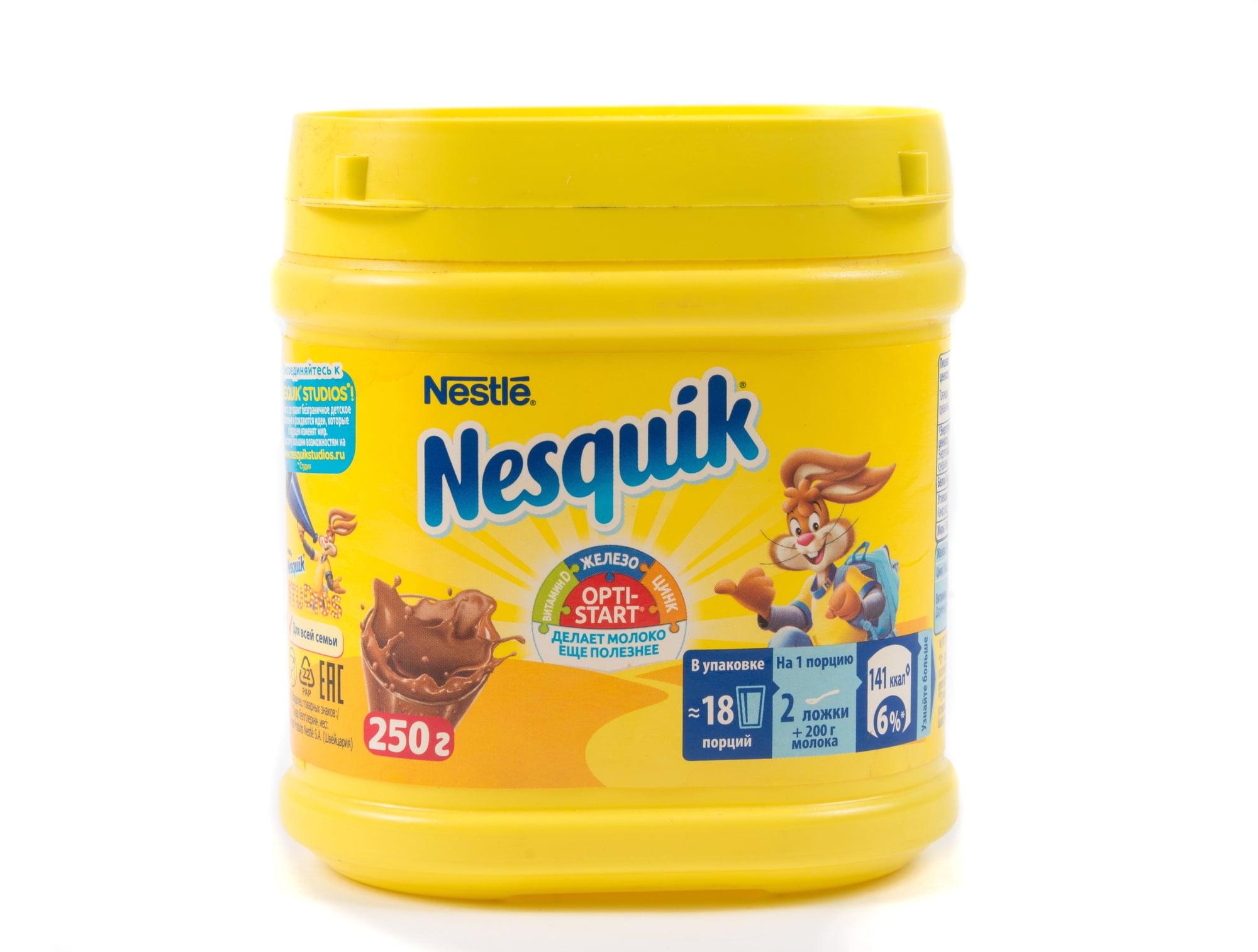
Nesquik reformulated its chocolate powder to reduce sugar and adjust the cocoa blend, and the result is a drink that’s less intensely chocolatey and more muted — like a suggestion of hot cocoa rather than the thing itself. The original Nesquik had a sweetness that felt almost architectural, the kind that made a glass of cold milk taste like an event.
What’s left is nutritionally improved and experientially downgraded, which is a trade-off the eight-year-old version of you would absolutely refuse to make.
When the Label Lies

There’s something quietly destabilizing about a product changing without announcing it — like a friend who’s slowly become a different person without either of you marking the moment it happened. The label stays the same.
The mascot stays the same. Even the price stays the same, sometimes longer than it should.
What changes is the agreement: the unspoken promise that this thing will taste the way you remember it tasting, every time, without negotiation. When that breaks, it doesn’t just change a product — it changes your relationship to the shelf it sits on, and to the particular comfort of knowing exactly what you’re going to get.
More from Go2Tutors!

- The Romanov Crown Jewels and Their Tragic Fate
- 13 Historical Mysteries That Science Still Can’t Solve
- Famous Hoaxes That Fooled the World for Years
- 15 Child Stars with Tragic Adult Lives
- 16 Famous Jewelry Pieces in History
Like Go2Tutors’s content? Follow us on MSN.