29 School Lunch Staples from the ’90s Cafeterias Stopped Serving
There’s something almost archaeological about remembering school lunch in the ’90s. The trays, the noise, the specific smell of a cafeteria that’s been running since 7 a.m. — and then the food itself, which occupied its own category somewhere between comfort and chaos.
Some of it was genuinely good. Some of it was deeply questionable.
All of it felt normal at the time, because you didn’t know anything different and nobody was asking you to. If you grew up eating school lunch during that decade, these items will land somewhere between nostalgia and mild horror — sometimes in the same bite.
Pizza Burger
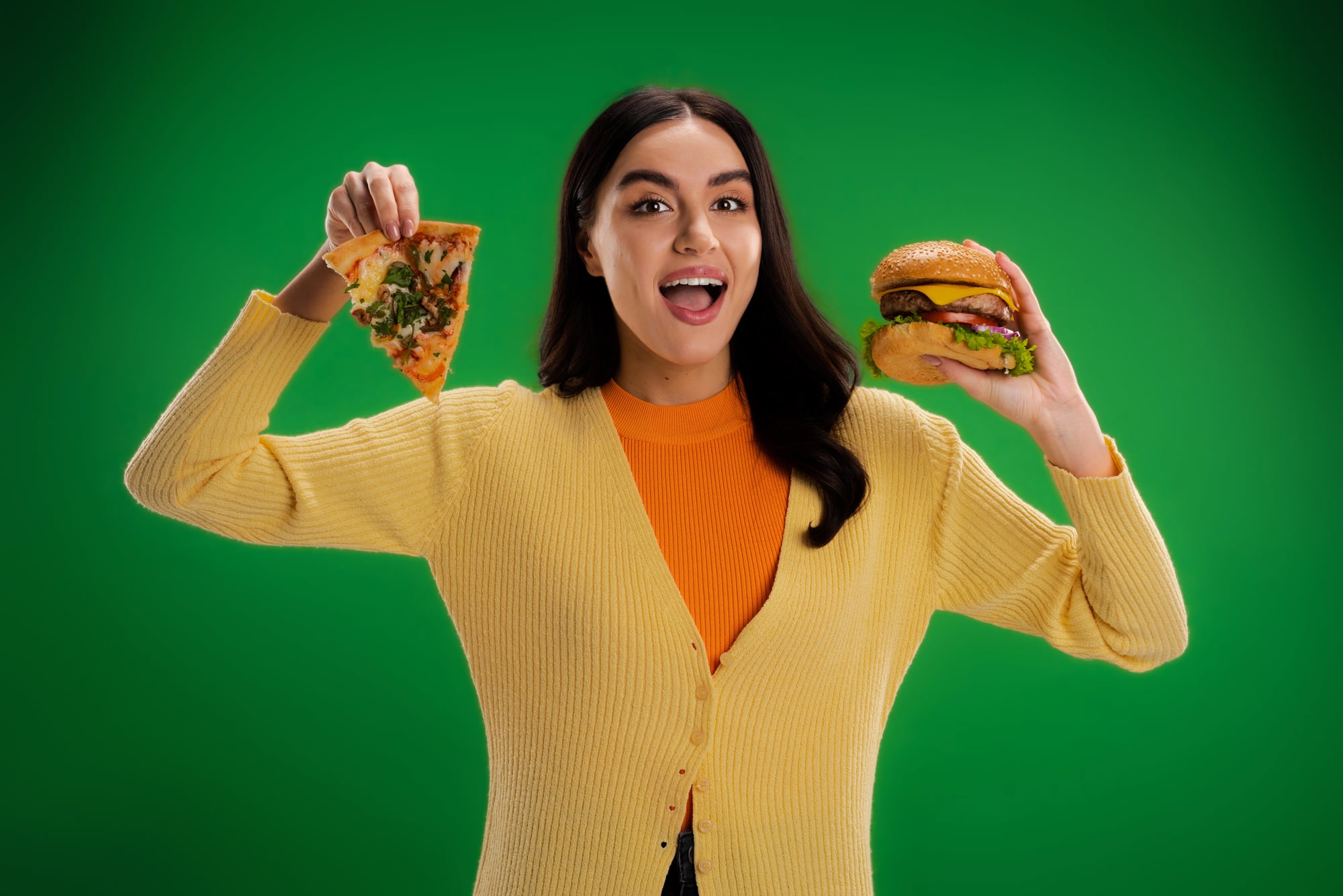
Pizza burgers were the cafeteria’s attempt at two things at once, and somehow it worked. A beef patty on a hamburger bun, topped with tomato sauce and a melted square of processed cheese — nothing fancy, nothing pretending to be.
Schools quietly retired them as nutritional guidelines tightened and the sodium count became harder to justify.
Fiestada Pizza
The Fiestada was a flat, octagonal pizza on a cornmeal crust with taco-seasoned beef, and it genuinely had fans. Skyline Foods manufactured them specifically for the USDA school lunch program, which made them almost mythologically cafeteria-specific — you couldn’t get one anywhere else.
They disappeared from most districts in the early 2000s, and the grief was real.
Rectangular Pizza
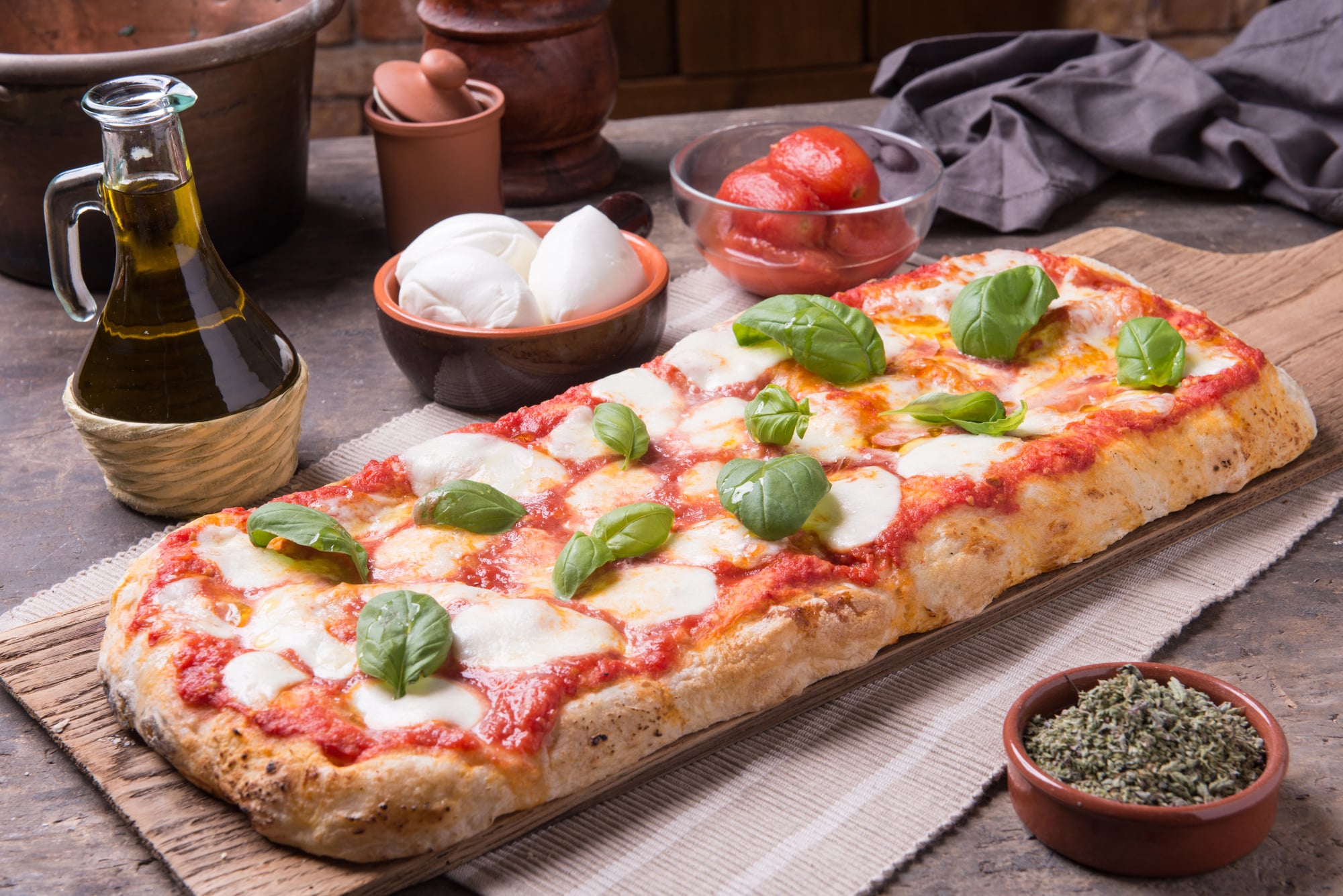
Rectangular pizza is less a specific recipe and more a cultural artifact — that dense, doughy slab with a thin layer of sauce, a uniform blanket of mozzarella, and a crust that somehow managed to be simultaneously tough and soft. It arrived on the tray like a small building permit.
Schools phased it out in favor of rounder, thinner options that better fit updated nutrition standards, but nothing has ever filled the rectangular vacancy it left.
Chicken Patty Sandwich
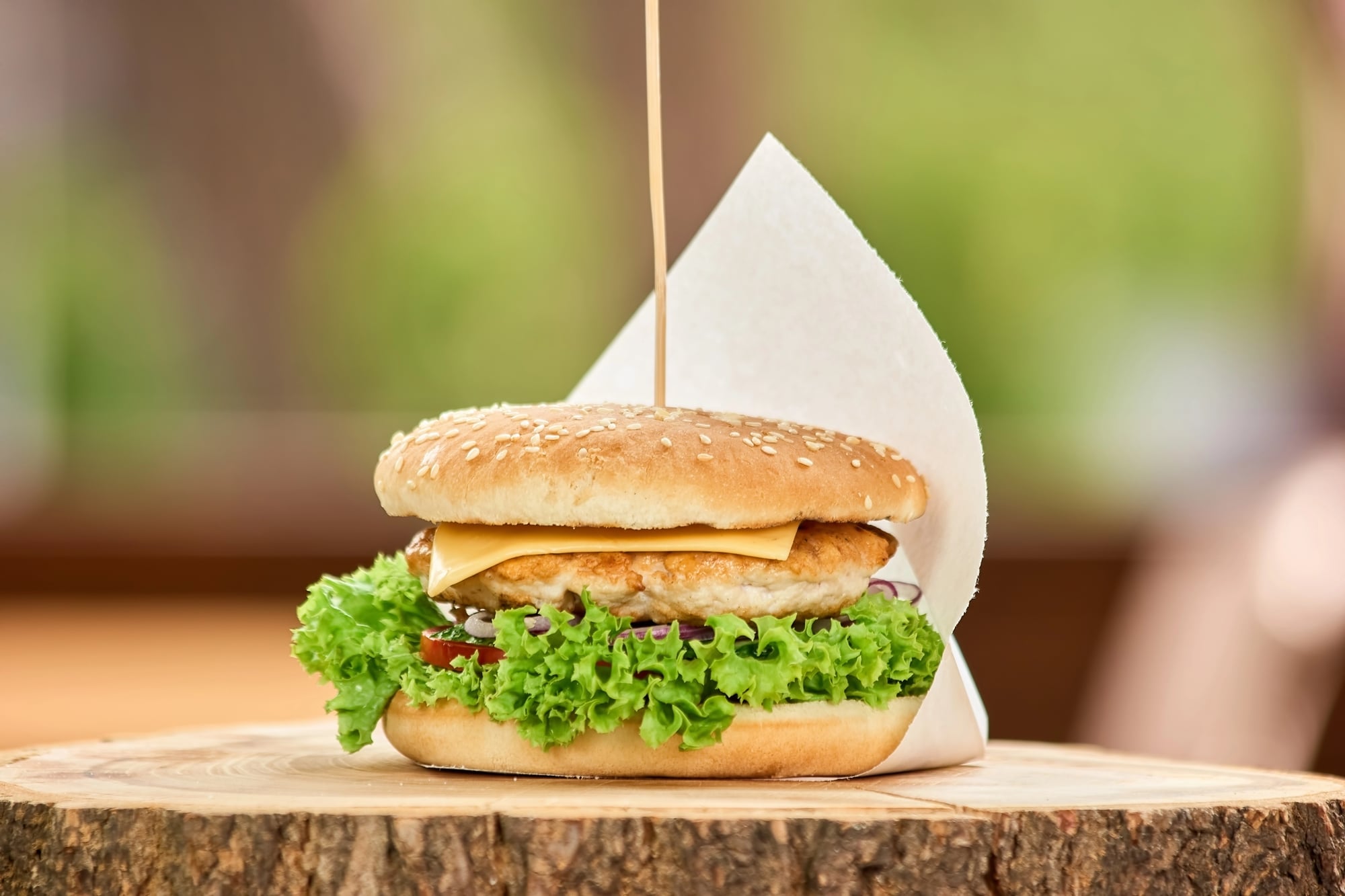
The chicken patty sandwich deserves more credit than it gets. A breaded, fried chicken patty on a plain bun — no frills, no upgrades, just the thing itself sitting there.
Schools leaned on it hard throughout the ’90s, and it was, to be fair, one of the more reliably edible options on the rotation. Whole-grain bun mandates and fat content rules pushed it aside, though a version still haunts some districts like a ghost that refuses to leave.
Tater Tots
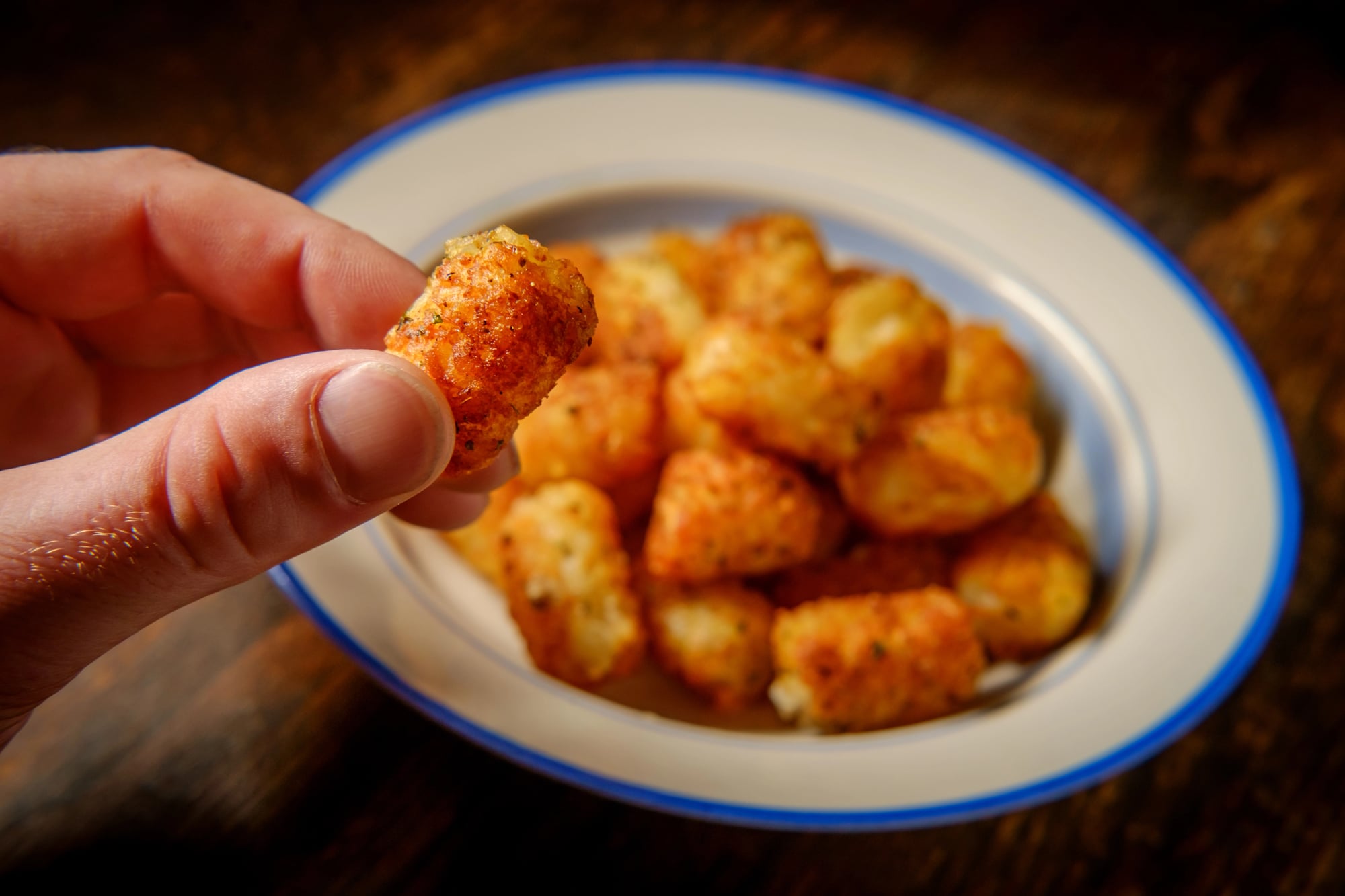
Tater tots were never just a side dish — they were a morale event. Crispy on the outside, soft in the middle, and gone from the tray before anything else had a chance.
The 2012 federal nutrition overhaul under the Healthy, Hunger-Free Kids Act put serious pressure on fried potato offerings, and tots became a casualty of the new calorie and sodium caps. Some schools brought them back in modified forms, but the originals — the real ones — belong to the ’90s.
Corn Dog
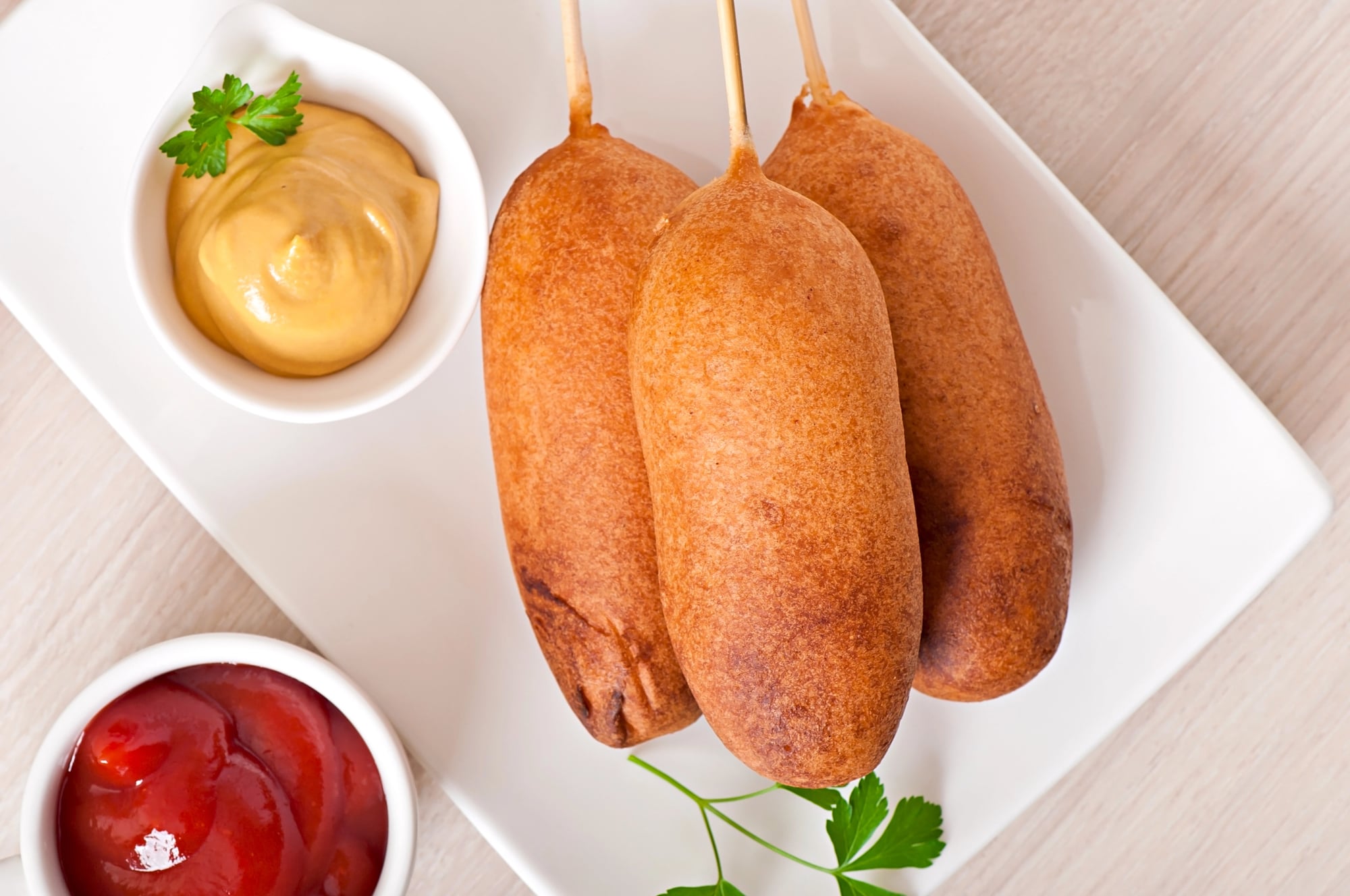
The corn dog was a cafeteria day worth circling on the mental calendar. That particular combination of a processed beef frankfurter inside a sweet cornmeal batter, served with a paper cup of mustard if you were lucky, carried the energy of a minor holiday.
Stricter processed meat guidelines and concerns about sodium content pushed them out of regular rotation, which is probably the right call nutritionally and still feels like a loss.
Chili Mac
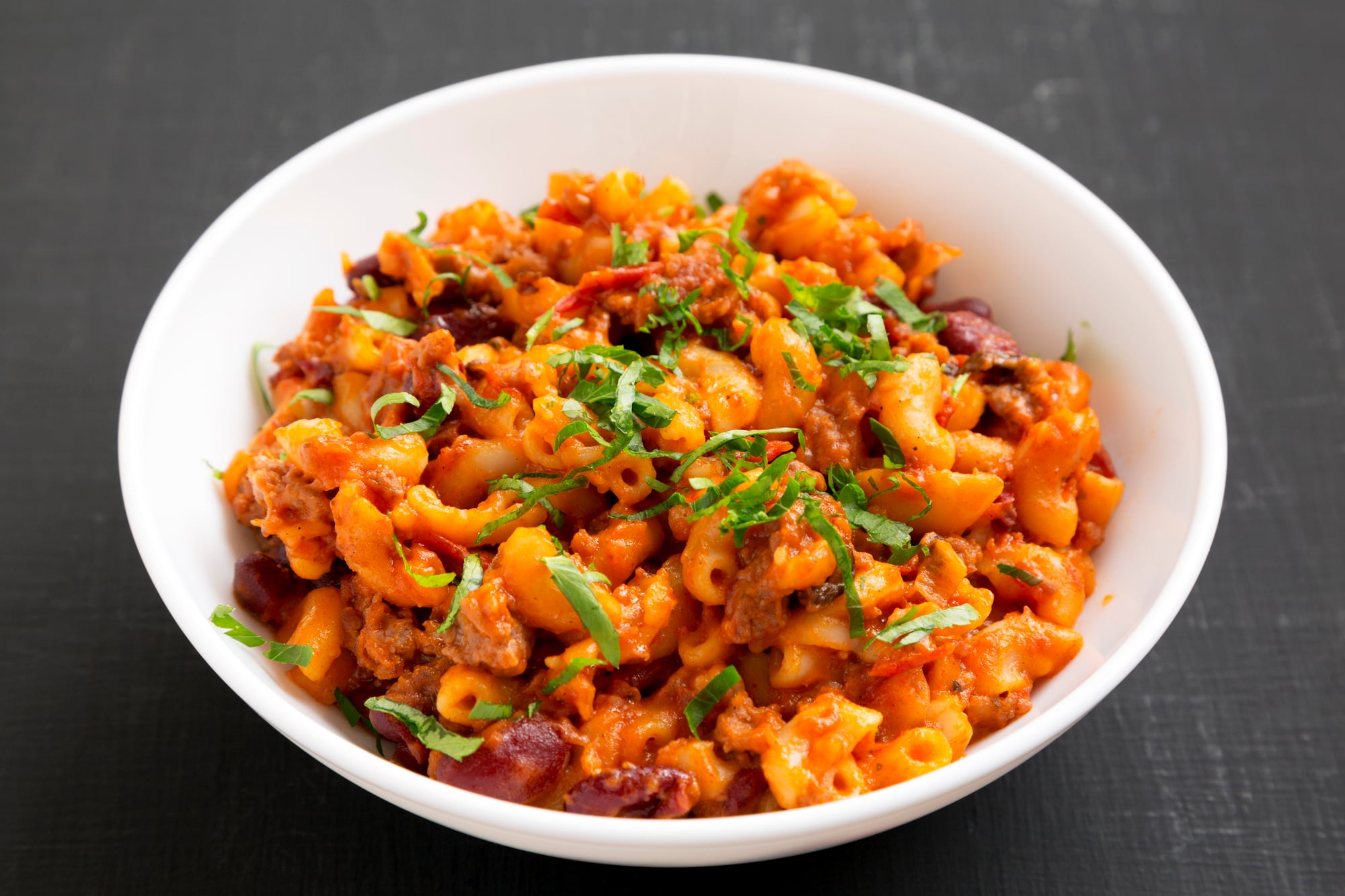
Chili mac — ground beef, kidney beans, tomato sauce, and elbow macaroni all cooked into one dense, brownish mass — had the kind of confidence that comes from not caring what you think of it. It was filling in a way that felt almost aggressive.
Cafeterias served it because it was cheap, hot, and kids ate it without complaint, and those three qualities used to be enough. Updated sodium and fat benchmarks made it a harder sell, and the dish faded without ceremony.
Peanut Butter and Jelly Sandwich
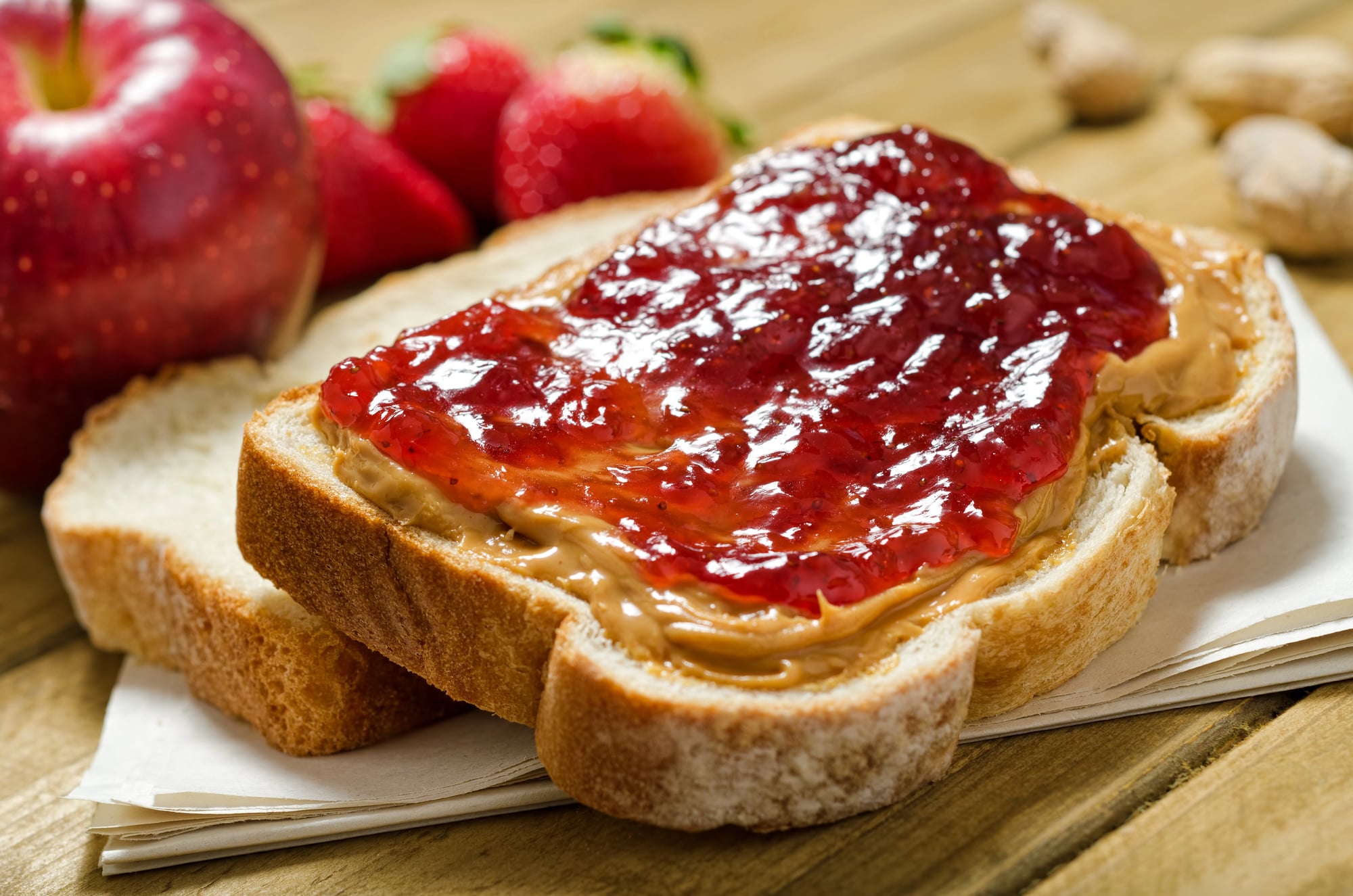
The peanut butter and jelly sandwich feels like it should be eternal, and yet — the rise of severe peanut allergies in schools made it a genuine liability. What was once the safest, most universal fallback option became something cafeterias had to approach carefully, and in many districts, it disappeared from menus entirely to protect students with anaphylactic reactions.
The sandwich itself is blameless; the situation simply changed around it.
Bosco Sticks
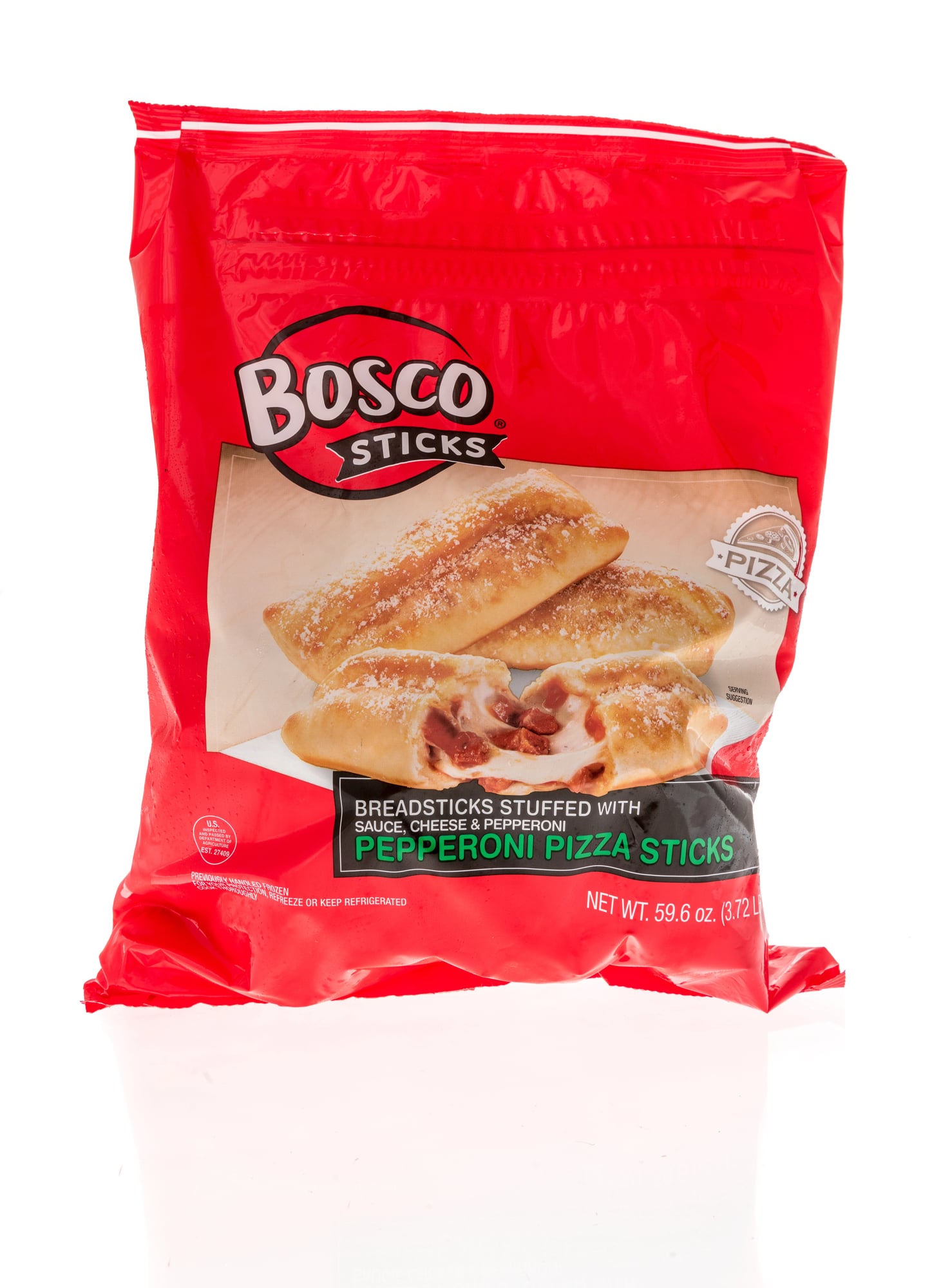
Bosco sticks were breadsticks stuffed with mozzarella, and they remain the subject of genuine nostalgia threads on the internet to this day — which is saying something for a cafeteria item. Warm, slightly greasy, dippable in marinara if your school was generous enough to provide it.
They still exist in some frozen food lines, but their consistent presence as a lunch staple faded as schools moved away from high-fat bread products in the mid-2000s.
Pudding Cup

The pudding cup — chocolate, usually, in a small plastic container with a foil lid that required more dexterity than most ten-year-olds possessed — was the dessert that required no convincing. It just sat there at the end of the tray, patient and certain of itself, waiting.
Schools trimmed dessert offerings significantly as the connection between school lunch and childhood obesity became a public health conversation, and the pudding cup was one of the first things to go.
Fruit Punch
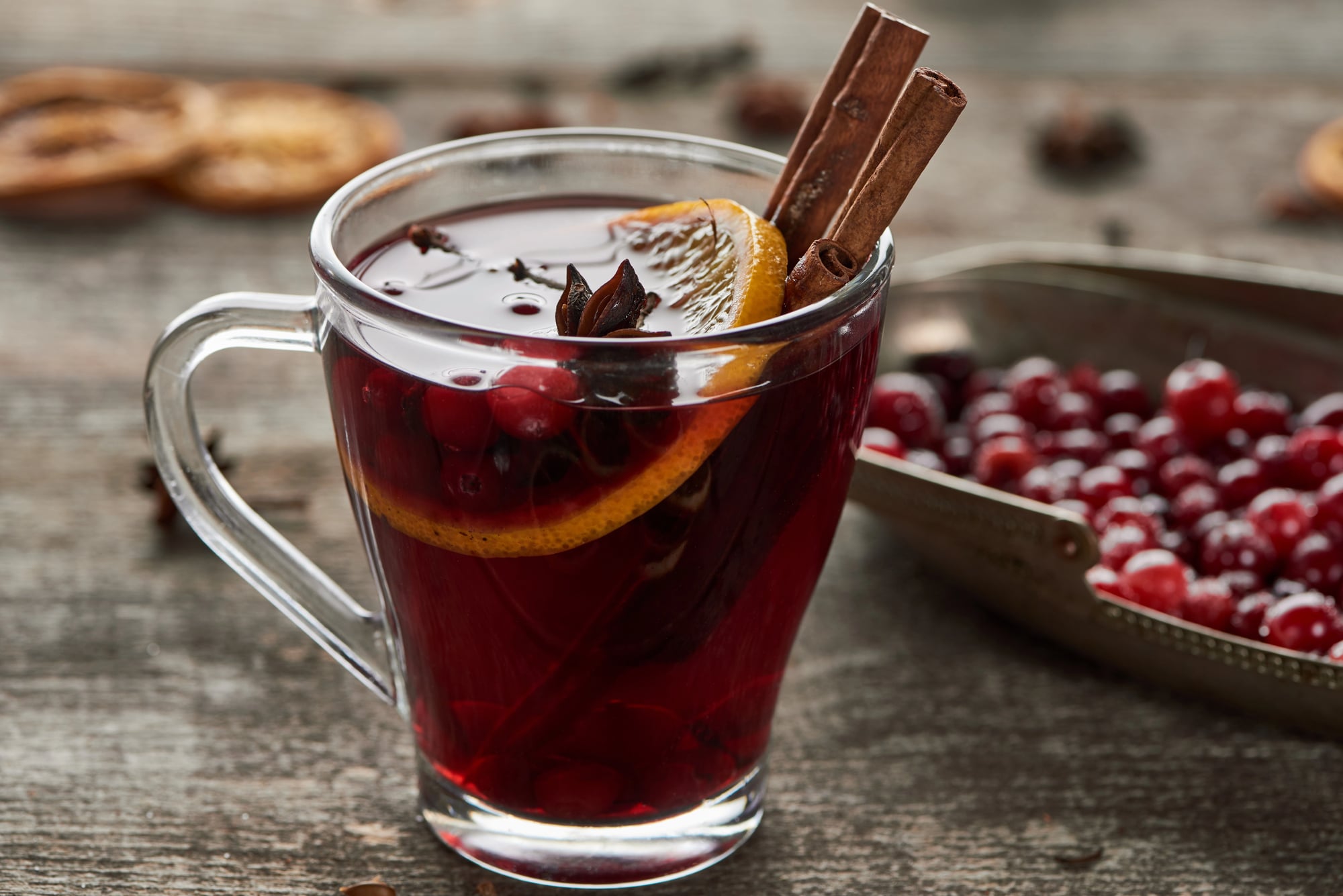
Fruit punch in those squat little cartons — the kind with the tiny straw attached to the side — was not juice in any meaningful sense of the word. It was sugar, water, artificial coloring, and the faintest memory of something that had once been near a fruit.
Schools replaced it with actual juice options and eventually moved toward water and low-fat milk as the primary beverage options, and honestly the nutrition argument is airtight, even if the replacement options never carried the same ceremonial weight.
Chocolate Milk in a Carton
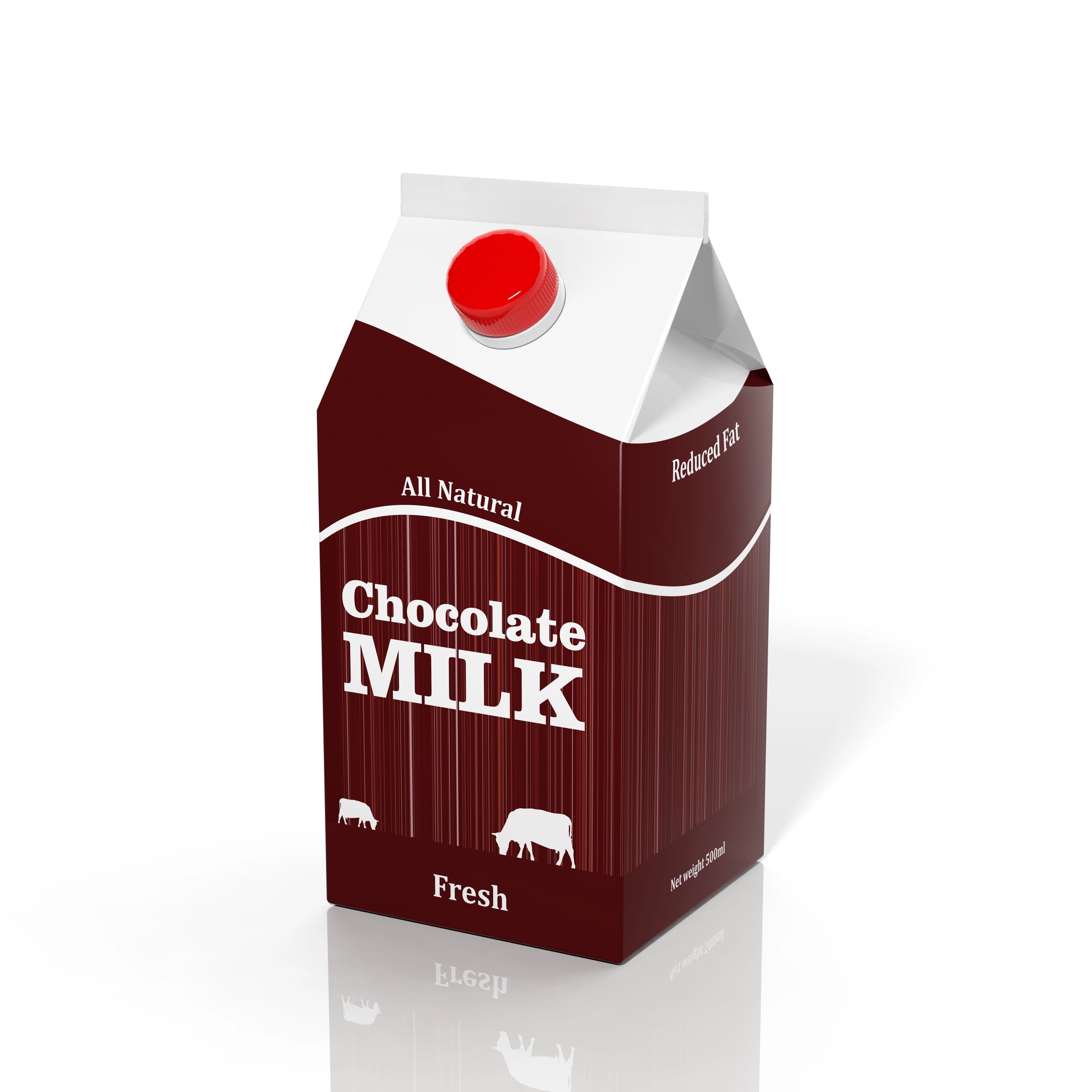
Chocolate milk hasn’t disappeared entirely, but the full-fat, high-sugar version that sat in those paper cartons throughout the ’90s is largely gone. Schools began offering reduced-fat versions, then faced debates about whether flavored milk should be offered at all — with some districts removing it from menus completely in the 2010s.
The carton itself, with its waxy exterior and the specific smell it developed when left slightly too warm, is its own kind of memory.
Nacho Plate
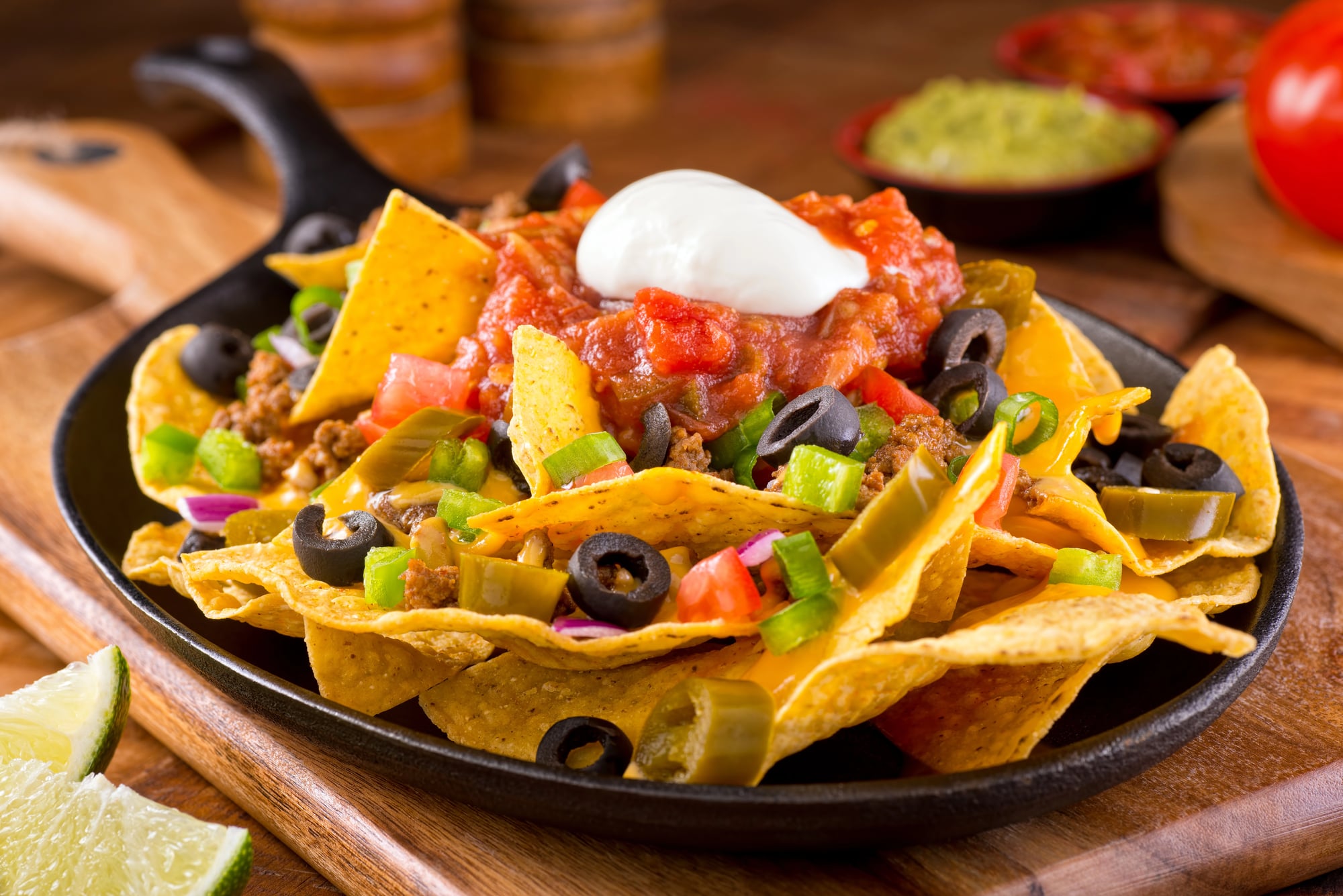
The nacho plate was exactly what it sounds like — a tray of tortilla chips topped with a ladle of processed cheese sauce, sometimes with canned jalapeños if the cafeteria staff felt adventurous. It arrived without apology and left without nutritional credit.
Fat content, sodium levels, and the complete absence of anything resembling a vegetable made it one of the first things to go when schools started updating their lunch standards in the early 2000s.
Fish Sticks
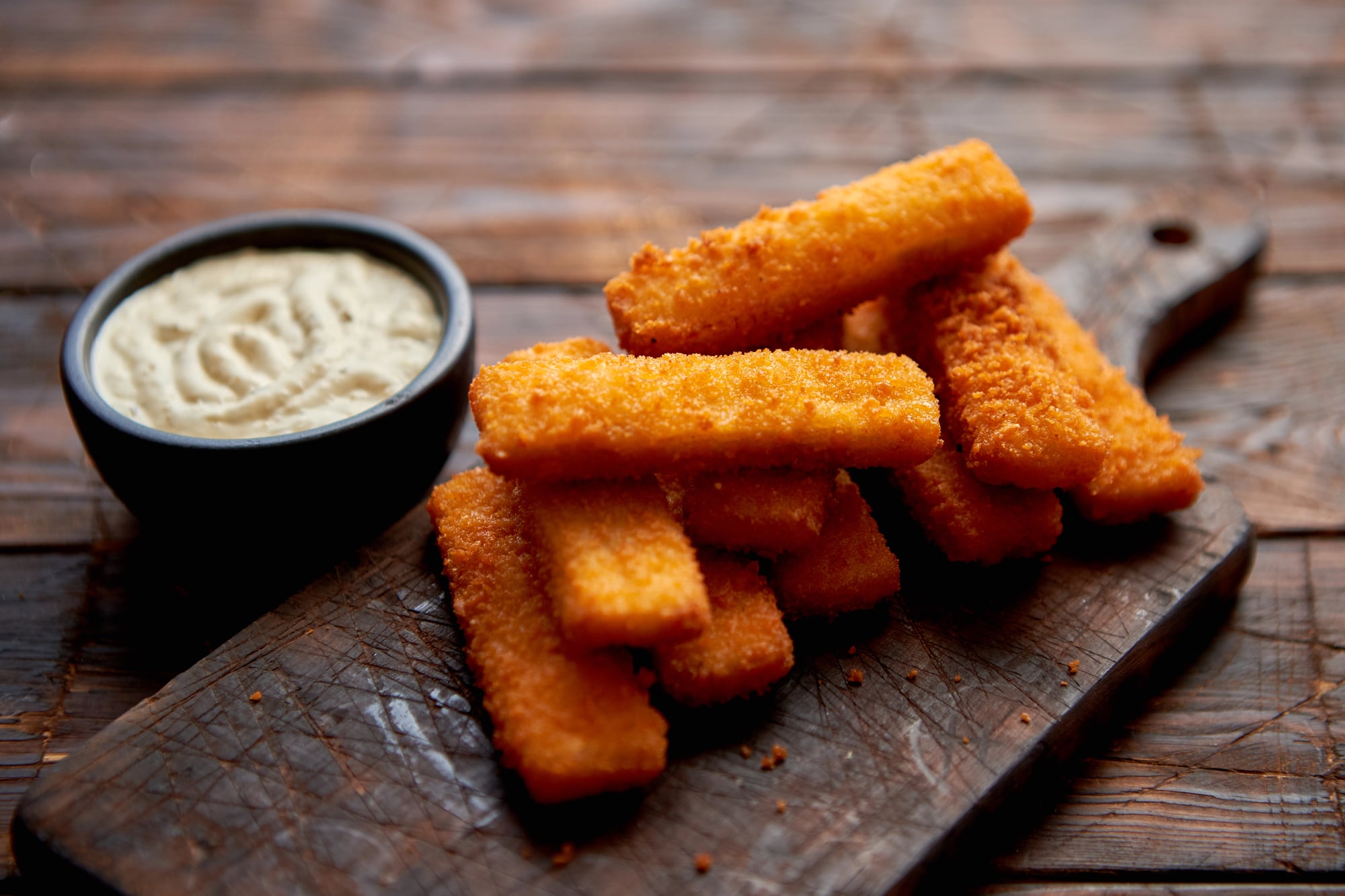
Fish sticks arrived every Friday with the reliability of a religious observance — breaded, rectangular, slightly rubbery, and served with a small container of tartar sauce. They were a holdover from older Catholic lunch traditions that had quietly become standard practice in public schools too.
Stricter processing and sodium guidelines pushed them off regular menus, though they occasionally reappear as a nostalgic novelty in districts with more flexible budgets.
Sloppy Joe
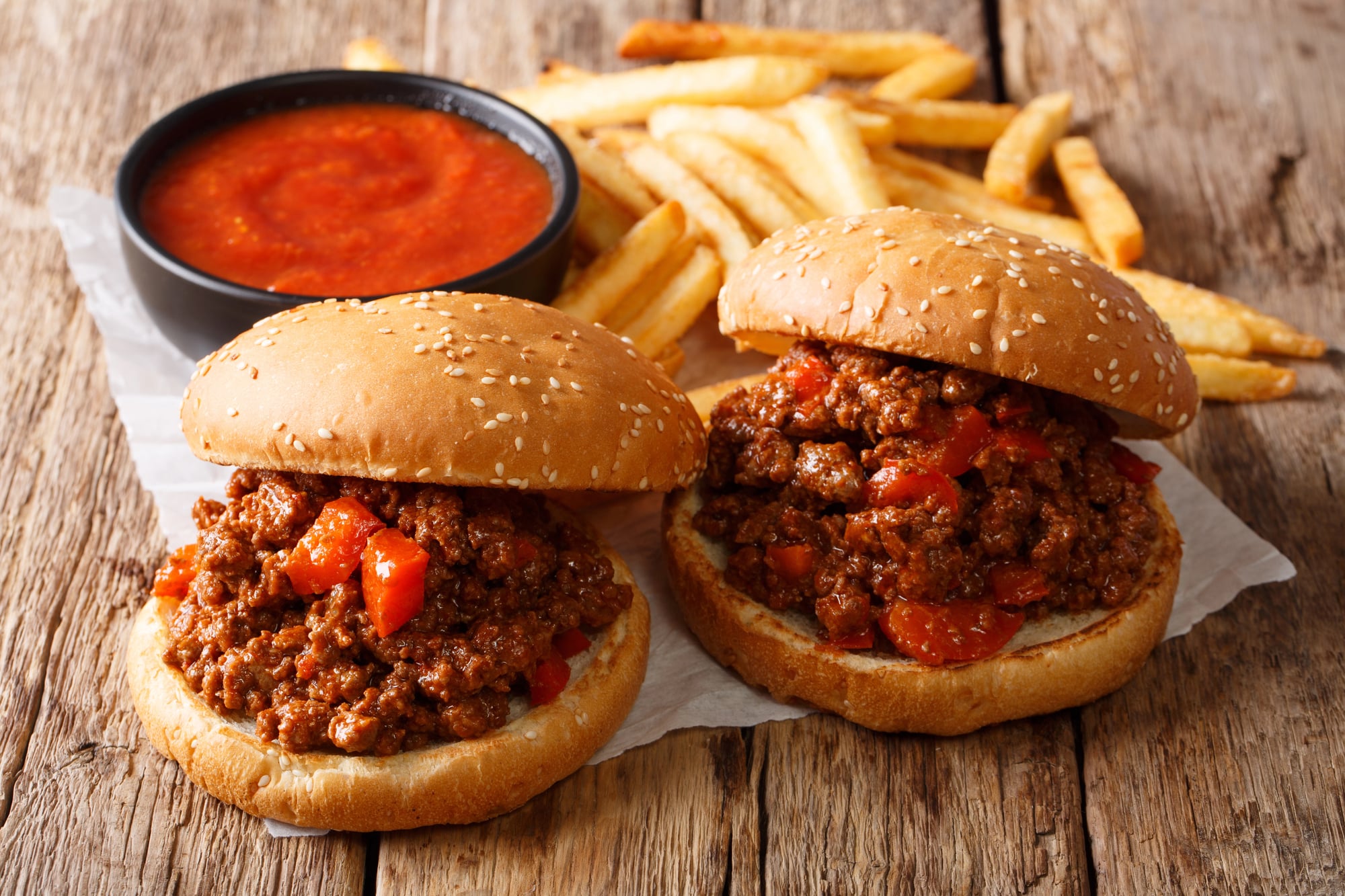
The sloppy joe was the cafeteria item that required the most napkins and delivered the least dignity. Sweetened ground beef in tomato sauce on a soft bun — it was impossible to eat without consequence.
Schools phased it out gradually as the sugar content in the sauce became harder to justify under updated USDA nutrition requirements, and the item that once defined “Thursday” on the lunch rotation became a relic.
Walking Taco
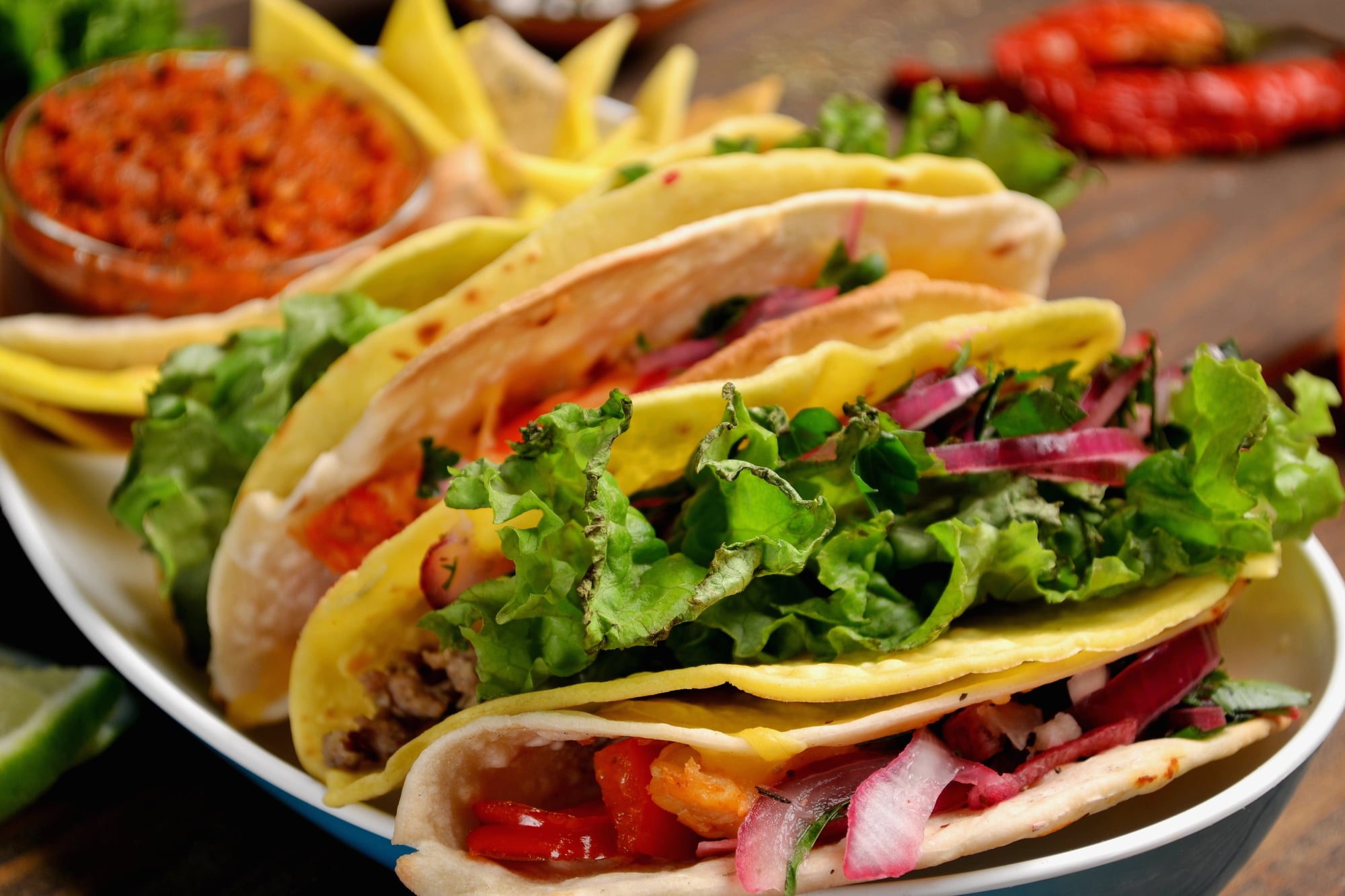
The walking taco — Fritos or Doritos torn open at the top and filled with seasoned beef, shredded cheese, and sour cream — was technically a meal served inside a chip bag, which was either brilliant or deeply concerning depending on your perspective. It showed up at school events and fall carnivals more than in the daily cafeteria rotation, but it was absolutely a ’90s school lunch staple.
The high sodium content of the chips alone made it incompatible with post-2010 school nutrition standards.
Mozzarella Sticks

Mozzarella sticks in the school cafeteria felt like a small act of generosity — fried, stretchy, and warm in a way that suggested someone in the kitchen understood what mattered. They weren’t a daily offering; they showed up maybe once a month, which only amplified their standing.
The fat and calorie counts made them an obvious target when federal guidelines tightened, and they exited the rotation without the kind of organized mourning they probably deserved.
Brownie Square
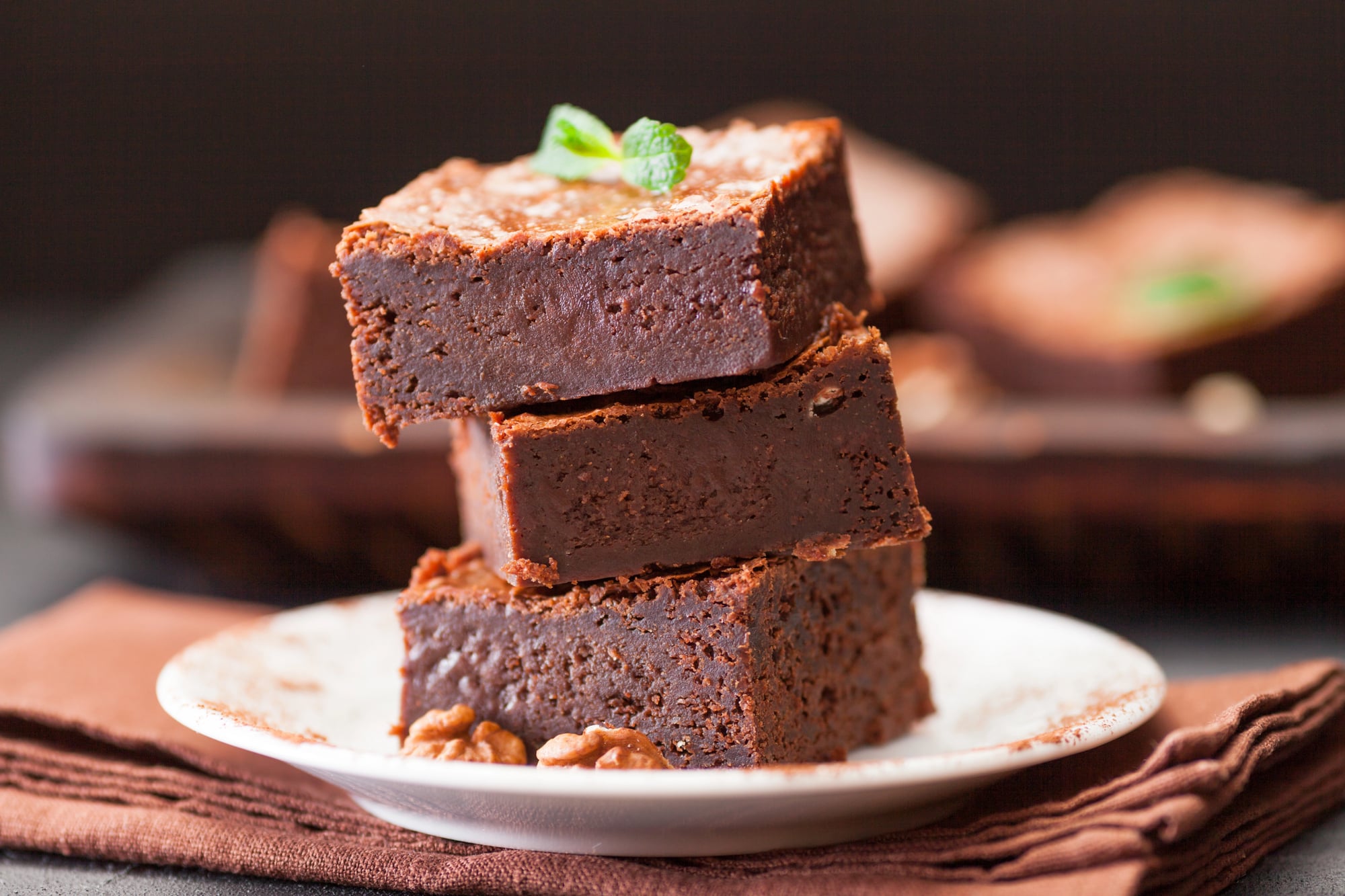
The brownie square — dense, slightly undercooked in the middle, cut into a perfect two-inch block — was the dessert equivalent of a pat on the back. Not exciting, exactly, but genuinely satisfying in a low-stakes way that the pudding cup couldn’t always match.
Schools pulled back on baked dessert items as part of broader efforts to reduce added sugars in the lunch program, and the brownie square became a special occasion item rather than a Tuesday staple.
Soft Pretzel
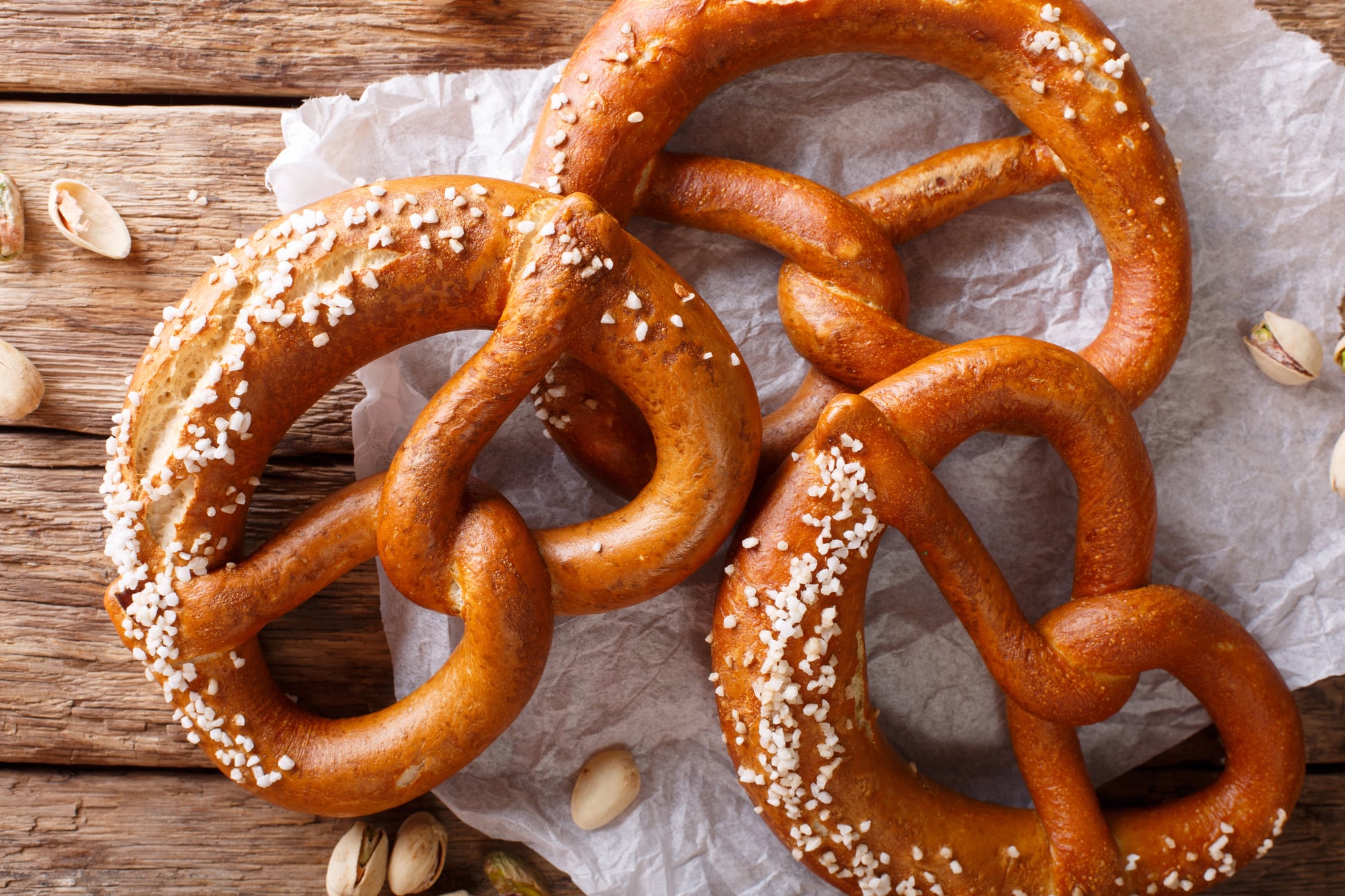
The soft pretzel sat in that interesting space between bread and snack — served warm, sometimes with a small side of nacho cheese, and capable of rescuing an otherwise disappointing lunch tray. Cafeterias in the mid-’90s offered them with enough regularity that they became part of the expected rotation.
Sodium content was always the issue; a single soft pretzel could account for a significant portion of a child’s recommended daily sodium intake, which made them hard to defend once schools started tracking those numbers seriously.
Green Beans From a Can
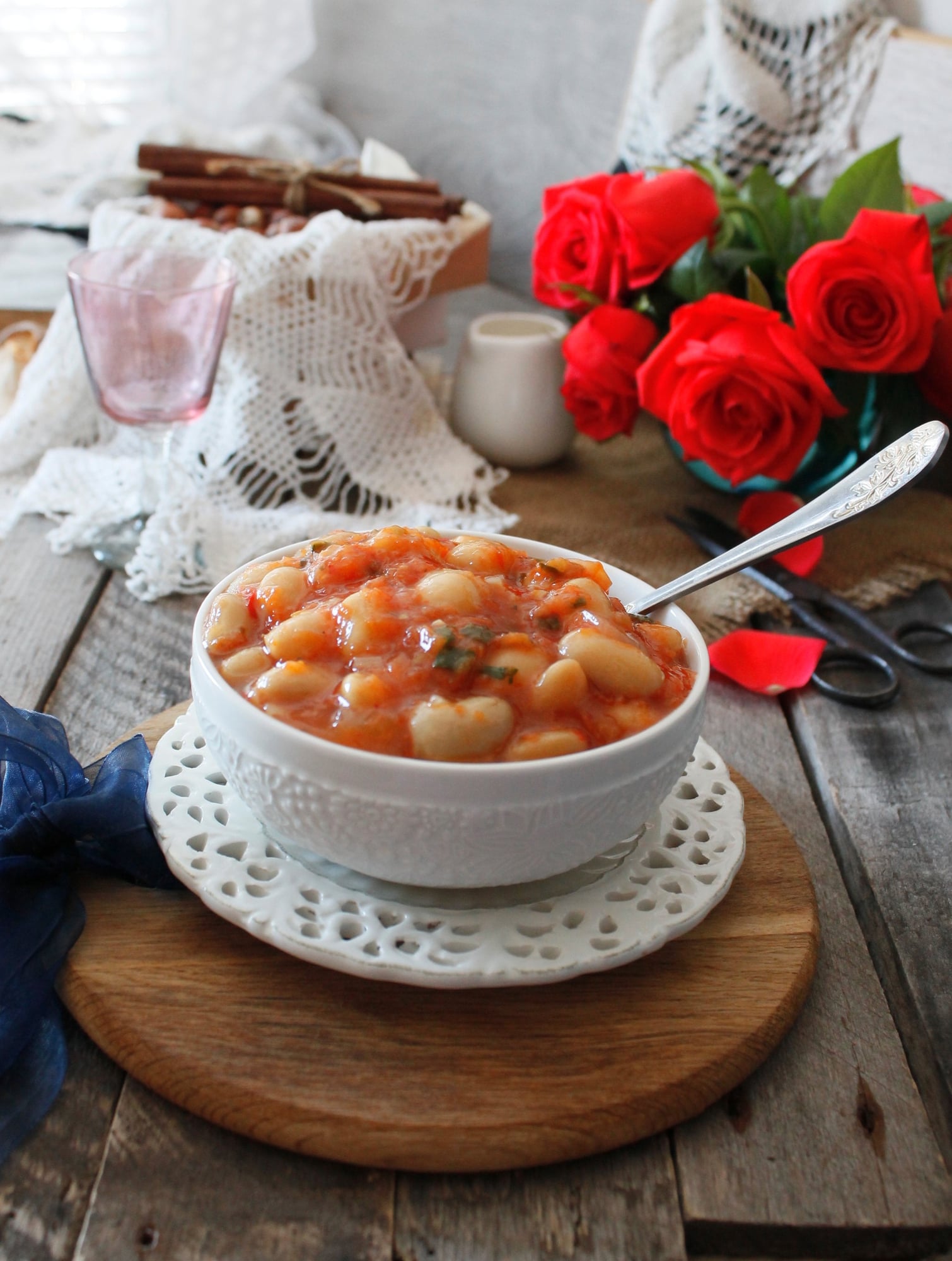
Canned green beans were the vegetable that didn’t try. Pale, soft, slightly waterlogged, sitting in their own liquid on the tray like they’d given up on the concept of texture entirely — and yet, they fulfilled the vegetable requirement, and that was the job.
The push toward fresh and frozen vegetables over canned, which gained serious momentum in the 2010s, retired them in favor of options that had more color and fewer sodium additives.
Beef Taco
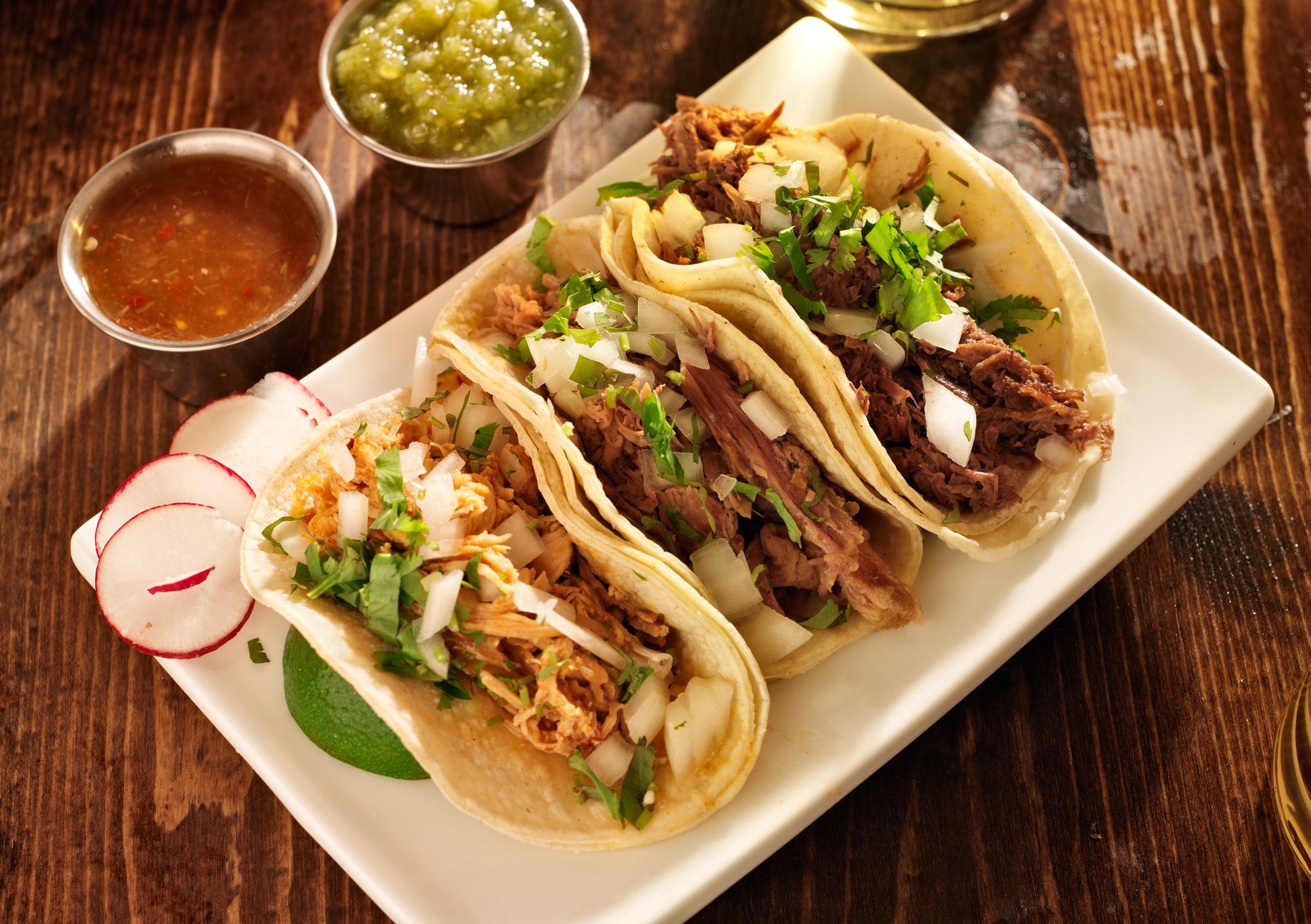
The beef taco — a crunchy shell, seasoned ground beef, shredded iceberg lettuce, a pinch of cheddar — was the cafeteria’s most optimistic attempt at something festive. It required assembly, which gave it a sense of event that the sloppy joe never had.
Schools moved away from hard-shell taco options partly due to mess and partly due to the sodium content in commercially pre-seasoned beef, replacing them with softer, whole-grain wrapped alternatives that technically hit the same flavor notes but never quite landed the same way.
Peaches in Syrup

Canned peaches in heavy syrup occupied the fruit slot on the tray with a certain stubborn sweetness — soft, orange-tinged, swimming in a sugar solution that technically counted as fruit under the old guidelines. They were not unpleasant; they were just aggressively sweet in a way that suggested the word “fruit” was doing some heavy lifting.
The shift toward fresh fruit options and the reclassification of syrup-packed canned fruit as added sugar made them largely disappear from cafeteria menus.
Grilled Cheese
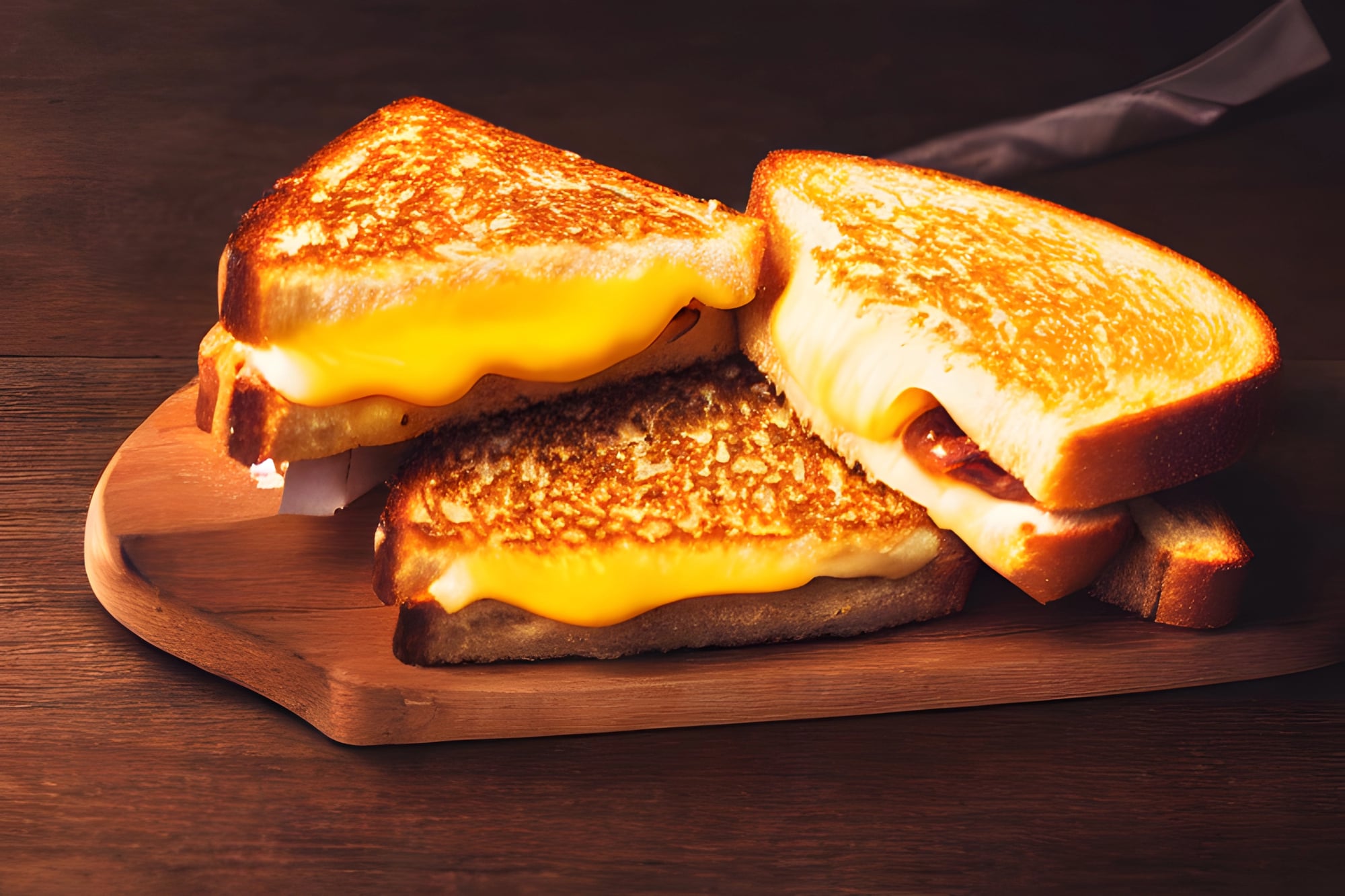
The cafeteria grilled cheese was never the version you made at home — it was flatter, paler, and the bread had a specific softness that came from being pressed rather than buttered. And yet it had its own appeal, something almost austere about its simplicity compared to everything else on the menu.
Rising labor costs and the difficulty of scaling grilled cheese production across hundreds of students pushed it off daily menus, replaced by grab-and-go options that required less kitchen time.
Macaroni and Cheese
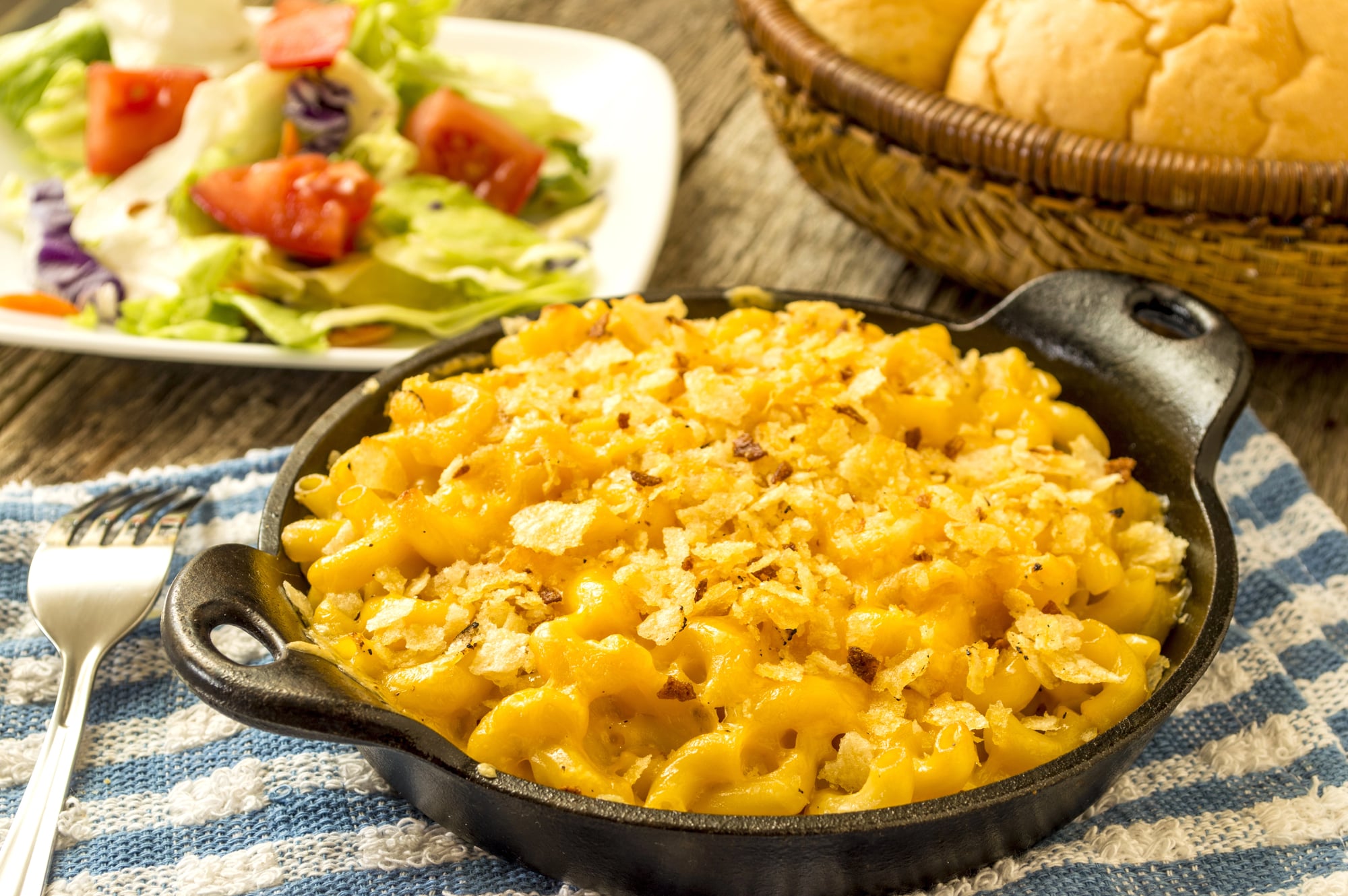
Macaroni and cheese was the great equalizer of the ’90s cafeteria — no child was indifferent to it, and its appearance on the menu functioned as a minor event. The version schools served was made from a institutional powder mix, yielding a sauce that was somehow both too thick and too thin, clinging to elbow noodles in a way that defied easy description.
Whole-grain pasta requirements and sodium caps made the classic recipe hard to keep on the menu without modification, and the modified versions, to be blunt, were not the same thing.
Hamburger
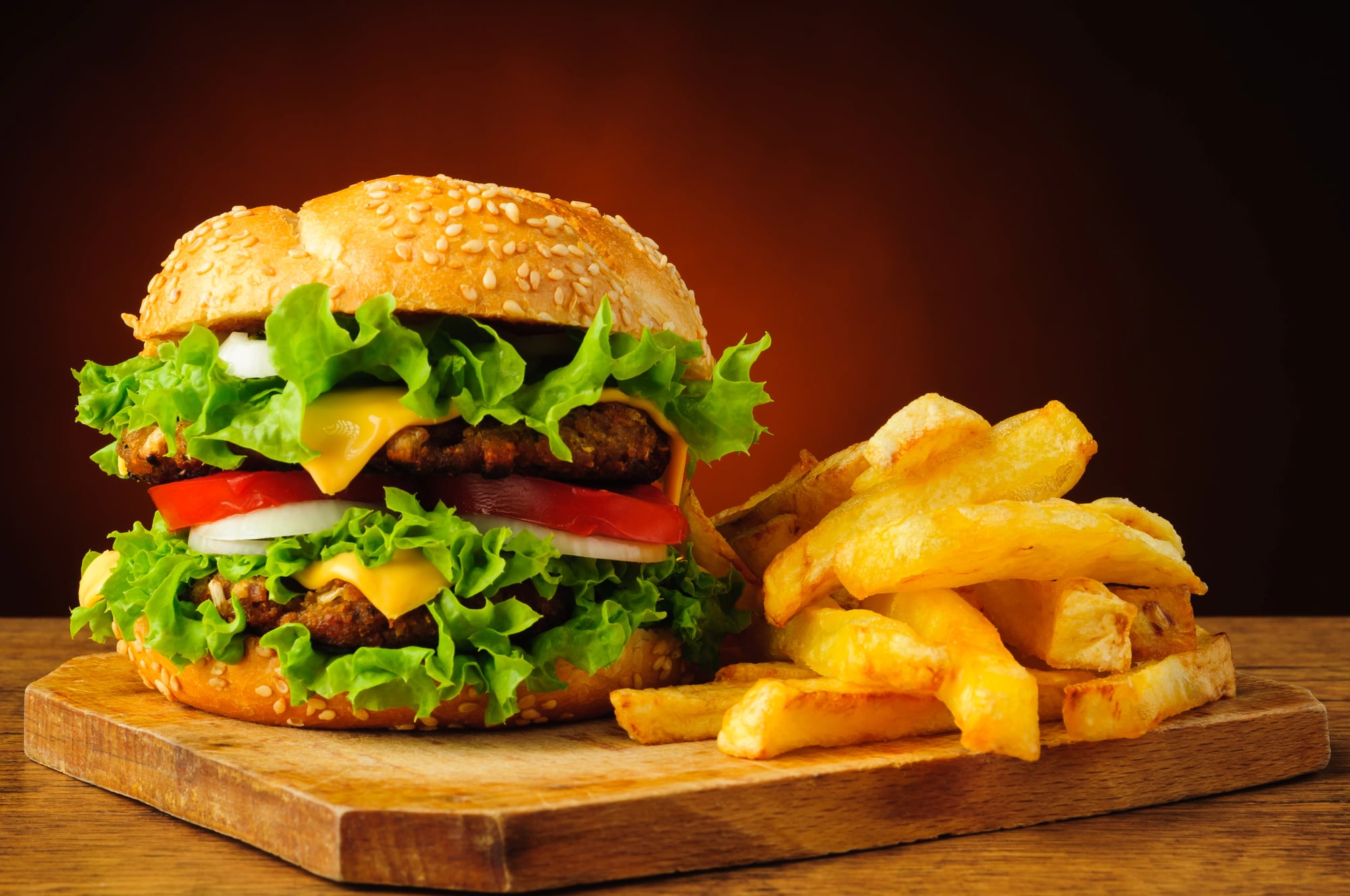
A plain hamburger — a thin beef patty, a soft white bun, ketchup in a small plastic packet — was the cafeteria’s most unambitious offering, and that was its entire appeal. No one was surprised by a hamburger.
It asked nothing of you. The move toward leaner protein options, whole-grain buns, and reduced sodium reformulations slowly changed the hamburger into something more compliant and less recognizable, and the original version quietly retired.
Submarine Sandwich
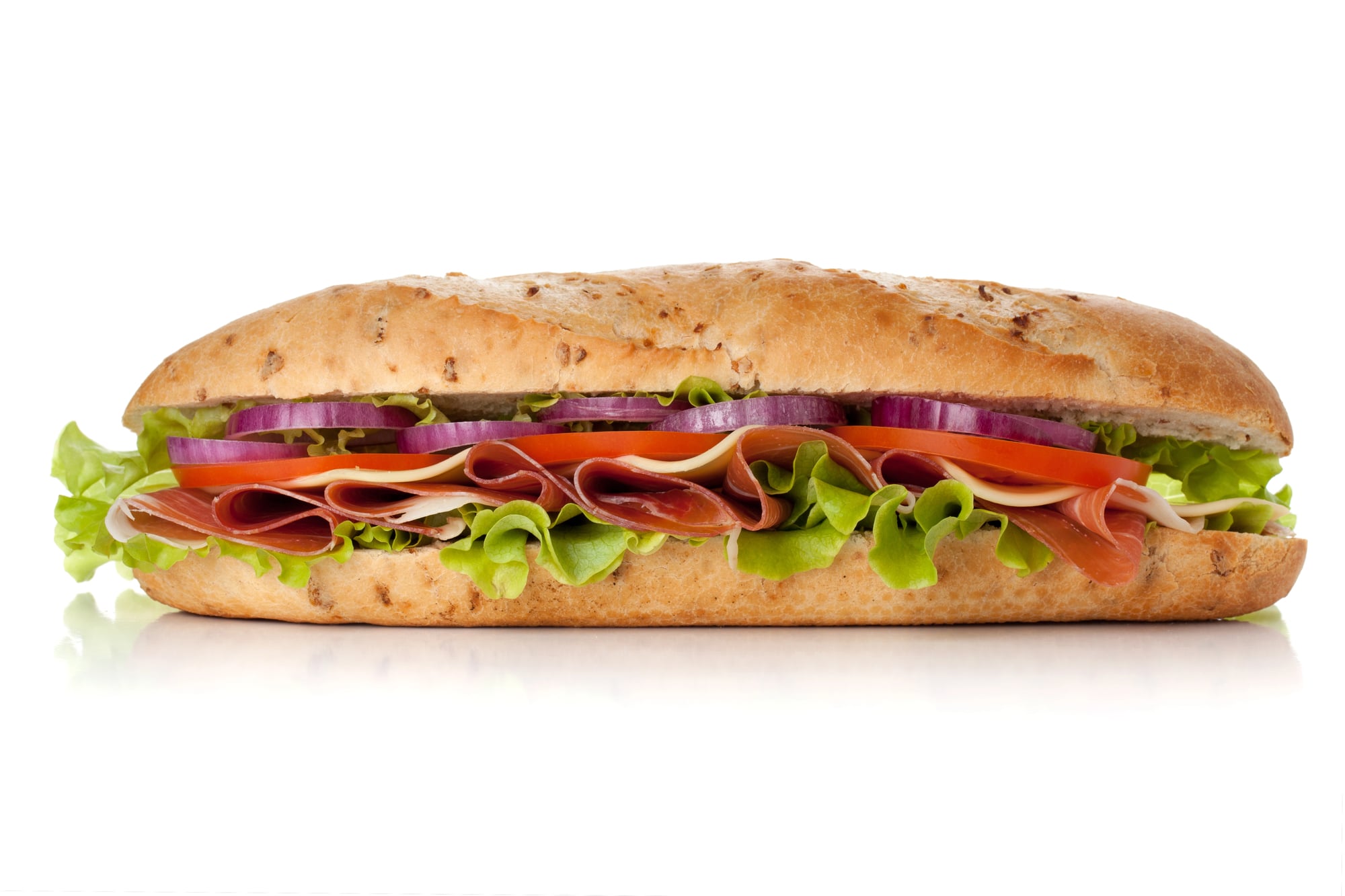
The sub sandwich day was the cafeteria’s attempt at variety — Italian meats, a slice of American cheese, shredded lettuce, on a hoagie roll. It arrived pre-assembled and slightly compressed, which was not ideal, but it carried the psychological weight of something from outside the usual rotation.
Processed deli meat sodium content, along with whole-grain requirements that were difficult to meet with traditional hoagie rolls, pushed the sub off most regular menus by the mid-2000s.
Chocolate Chip Cookie
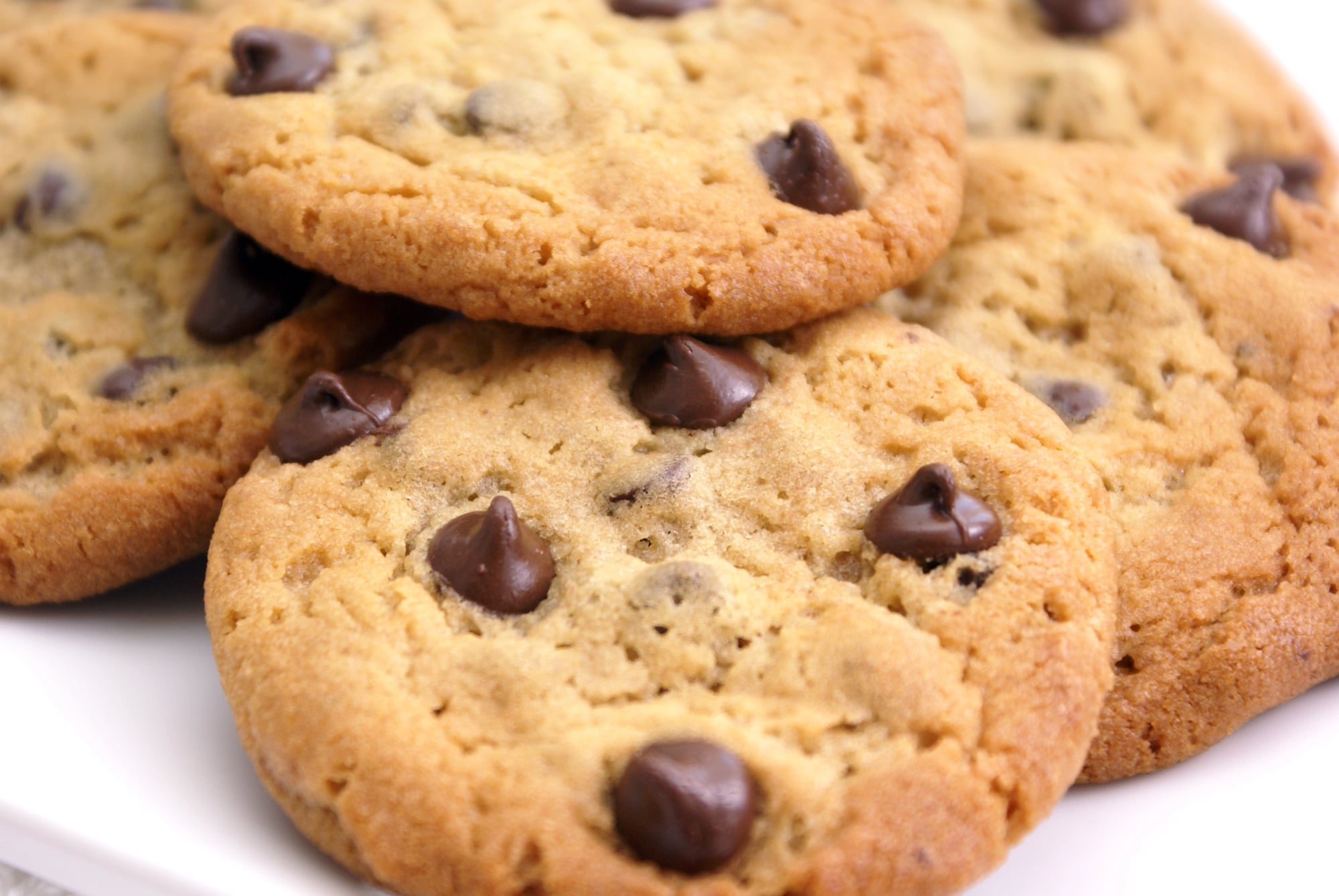
The chocolate chip cookie — large, slightly underdone, with chips that had somehow both melted and hardened back into their original shape — was the cafeteria’s most reliable emotional offering. It closed out the meal with the kind of certainty that nothing else on the tray could manage.
Added sugar restrictions and the broader push to remove dessert items from standard lunch trays made it increasingly rare, though some schools still offer a version of it on special rotation days, which feels like the right compromise.
Orange Smiles

Orange smiles — pre-cut orange wedges, arranged in a slight arc — were the fruit offering that required the least explanation and received the most indifference from students who wanted the peaches in syrup instead. They were actually fine; fresh, slightly sour, occasionally dry depending on the batch.
The irony is that orange smiles probably survived longer than most items on this list precisely because they fit perfectly into updated nutrition requirements — the reason they’re here is that they’ve been replaced by packaged fruit cups and pre-portioned apple slices in most modern cafeterias, not because they were phased out for being bad.
Ice Cream Sandwich
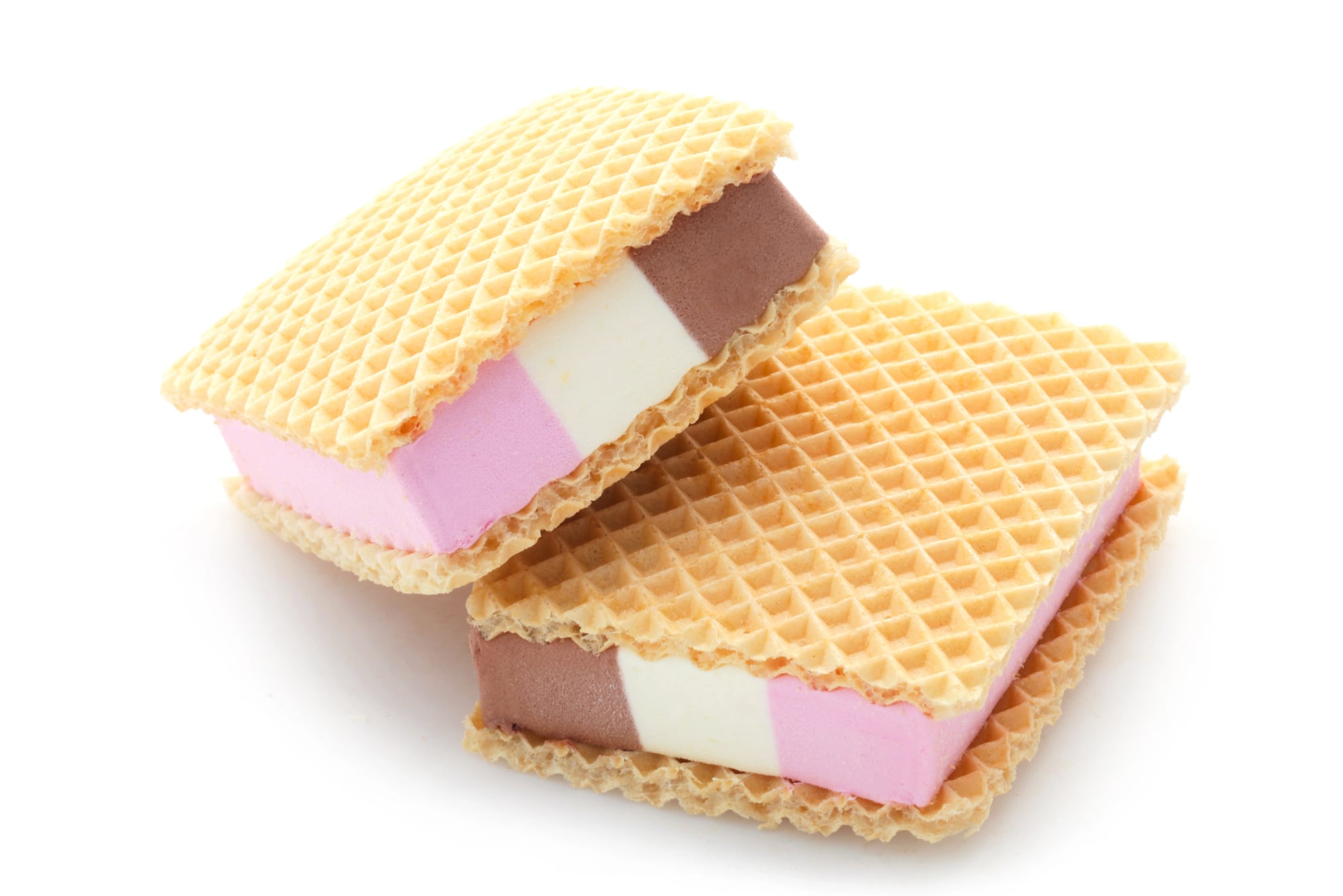
The ice cream sandwich — two thin chocolate wafer cookies bracketing a rectangle of vanilla ice cream — was the cafeteria item that carried the highest emotional stakes. It appeared only occasionally, usually on Fridays or before school breaks, which made it feel earned.
Schools cut dessert offerings broadly across the 2000s and 2010s, and the ice cream sandwich, being both a dessert and a frozen novelty, was a straightforward casualty of that shift.
The Tray You Still Remember

There’s a specific kind of memory that lives in the body rather than the mind — the weight of a plastic cafeteria tray, the smell of something warm coming from behind the sneeze guard, the sound of a hundred kids deciding where to sit. The food on that tray was rarely remarkable by any objective measure.
But it arrived at the same time every day, in the same order, and you knew exactly what to expect — which, when you’re ten years old in a loud and unpredictable world, is actually worth quite a lot. The lunches changed because they needed to.
The memory of them didn’t.
More from Go2Tutors!

- The Romanov Crown Jewels and Their Tragic Fate
- 13 Historical Mysteries That Science Still Can’t Solve
- Famous Hoaxes That Fooled the World for Years
- 15 Child Stars with Tragic Adult Lives
- 16 Famous Jewelry Pieces in History
Like Go2Tutors’s content? Follow us on MSN.