14 Storage Methods That Preserved Things for Centuries
Long before anyone dreamed of refrigerators or vacuum-sealed packaging, humans had already figured out ingenious ways to make things last. These weren’t just about keeping food fresh—survival depended on storing grain through brutal winters, preserving meat for ocean voyages, and protecting valuable items during uncertain times. Archaeologists continue discovering perfectly preserved materials that’ve survived millennia thanks to these methods.
What’s truly impressive is how many ancient methods worked better than some modern ones—using simple materials but getting results that would still wow today’s food scientists. Here are 14 storage techniques that kept food and supplies safe for generations.
Salt Curing
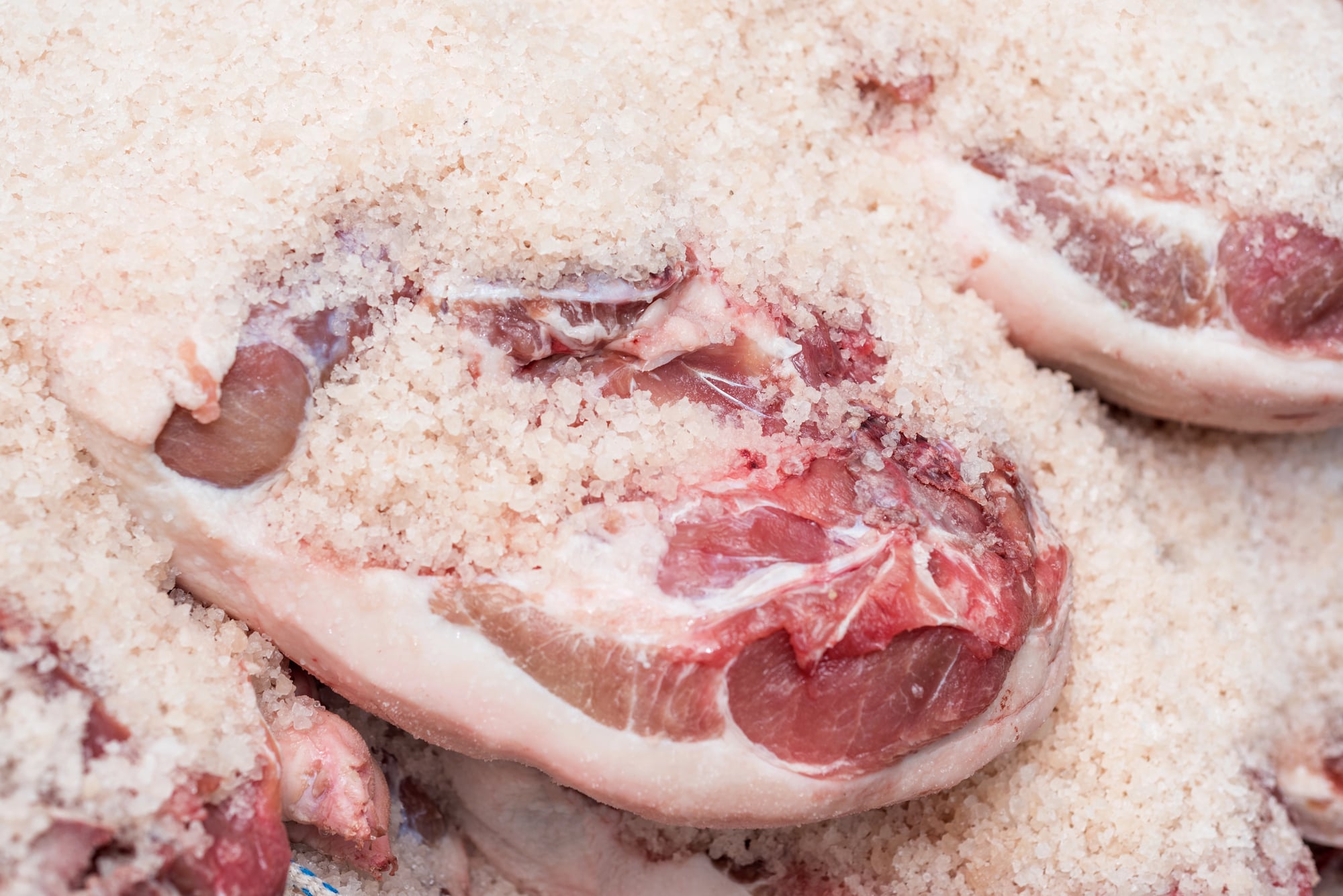
Salt became humanity’s go-to preservative because it sucks moisture straight out of organic materials—and without water, bacteria can’t survive to cause decay. Ancient peoples would pack meat, fish, even vegetables in salt to create food stores lasting years.
Medieval salt-cured cod still turns up in perfect condition after centuries, which says something about this method’s power.
Clay Pot Storage
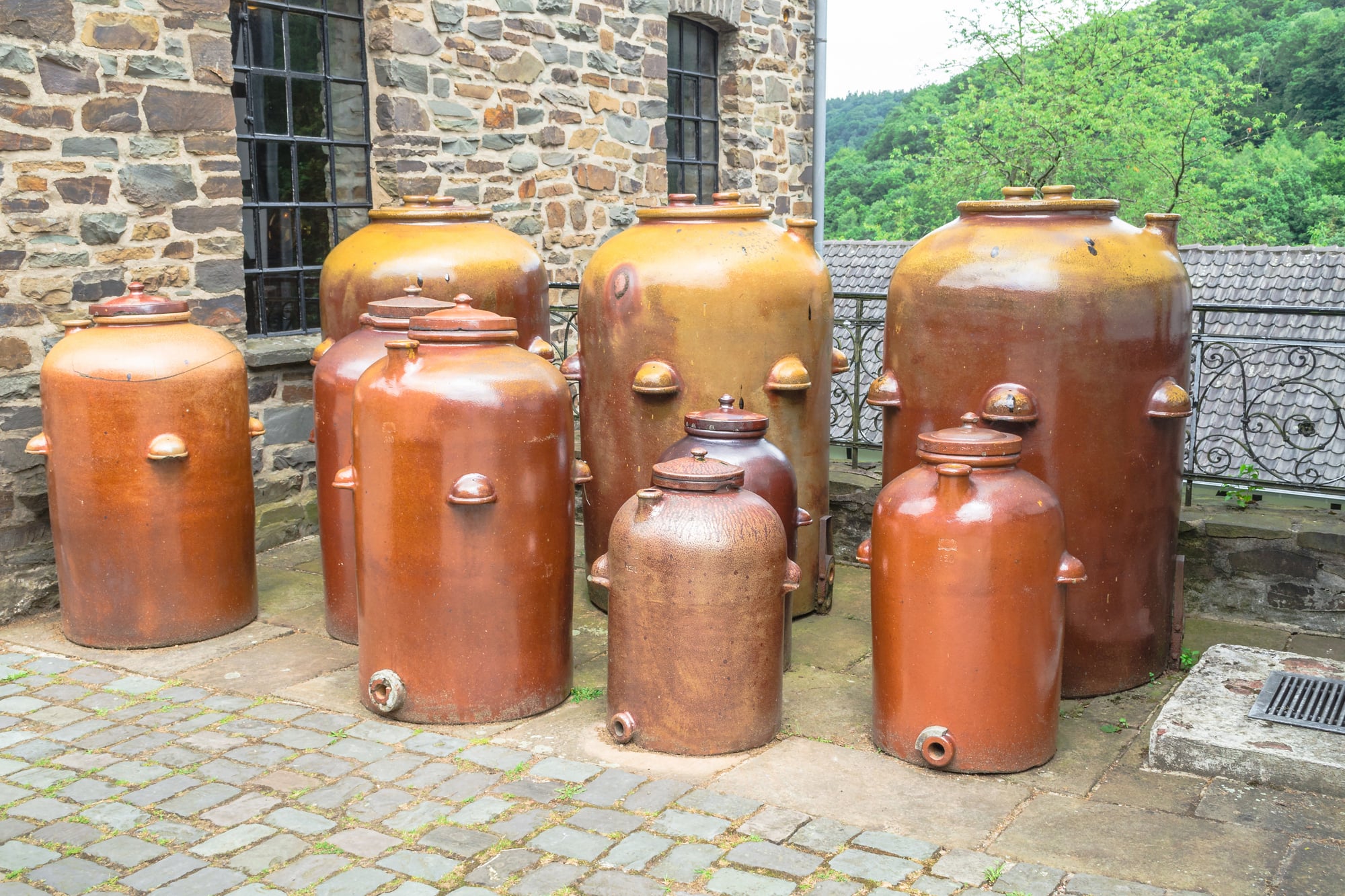
Mesopotamians stumbled onto something brilliant when they started sealing grain in clay pots. These containers created oxygen-free environments that kept insects out while preventing rot from destroying precious harvests.
When archaeologists crack open these ancient jars, they often find grains that are still perfectly edible—though they’ve been buried in desert sand for thousands of years.
Honey Preservation

Egyptians discovered honey’s incredible preservative qualities early on, packing meat and other perishables in the sweet substance. Honey never spoils due to its low water content plus natural antibacterial properties.
Egyptian tomb foods preserved in honey remain edible after three millennia, which explains why embalmers incorporated honey into their mummification processes.
Underground Root Cellars
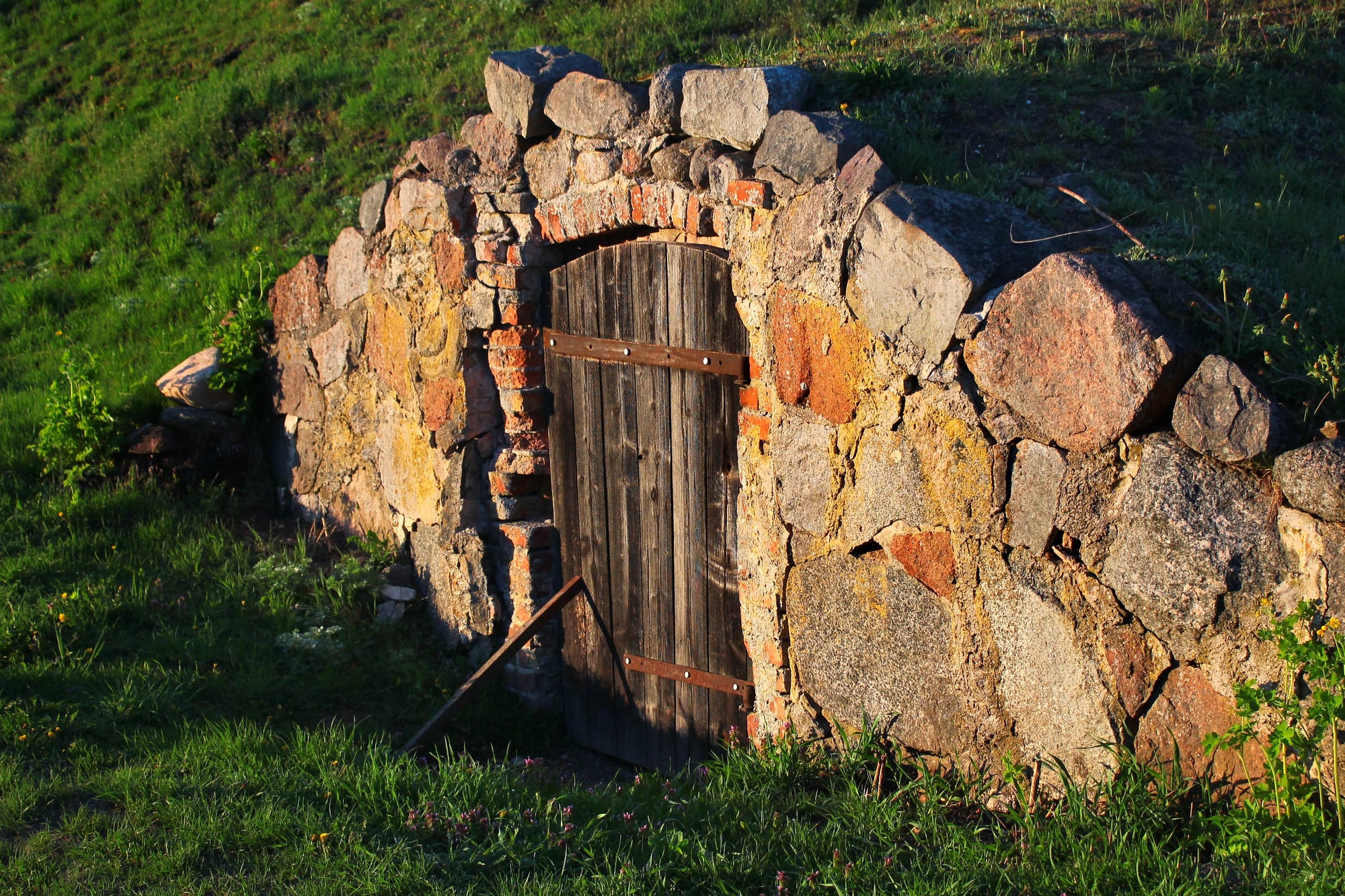
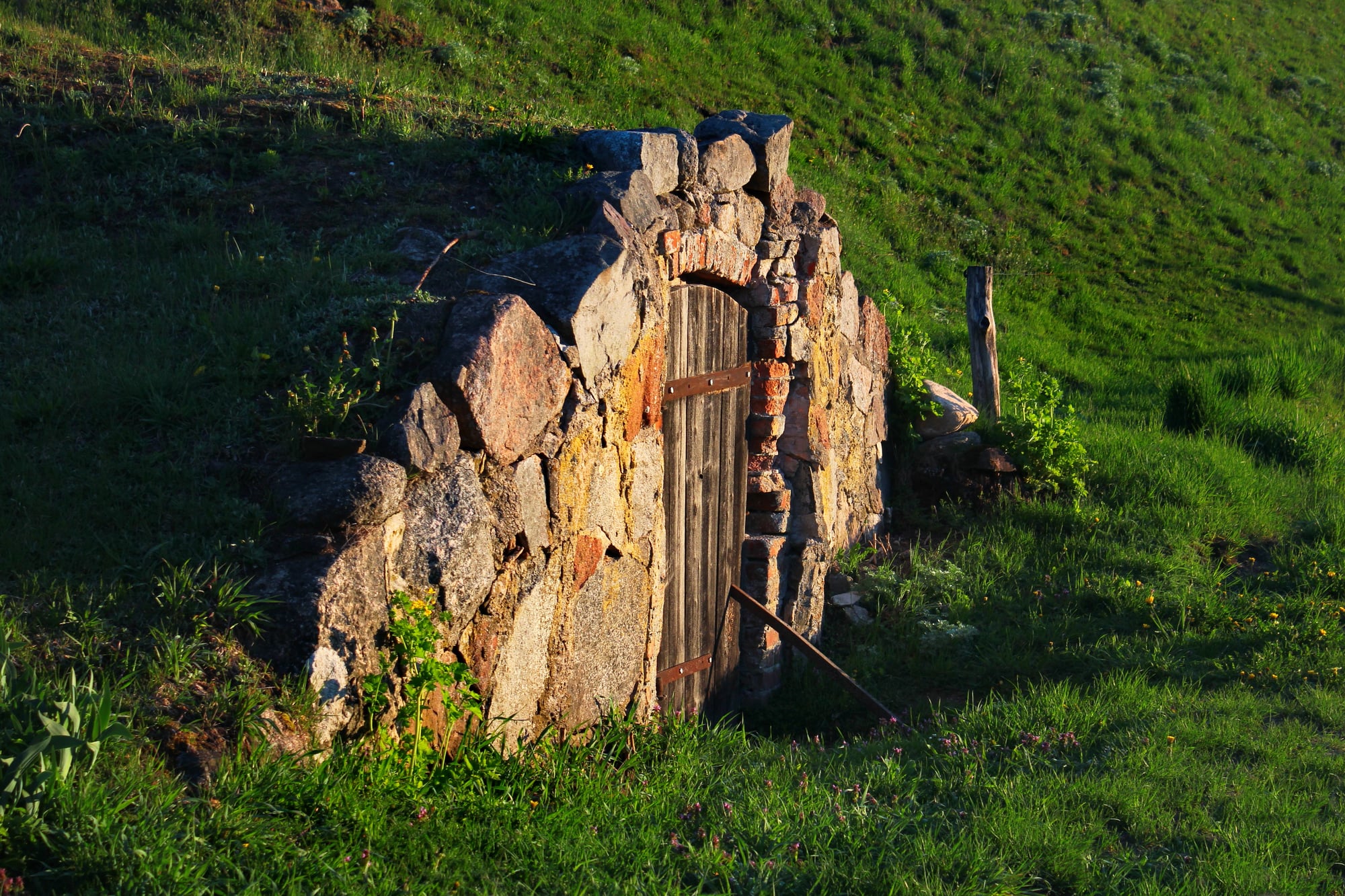
Builders got clever with food storage by digging root cellars at just the right depth, where the ground stays the same cool temperature all year. These underground rooms acted like natural refrigerators—no electricity needed.
They kept vegetables, fruits, and preserves fresh through even the harshest winters. Amazingly, many root cellars from the 1800s are still in use today, relying only on the earth’s insulation to do the job.
Fire-Drying
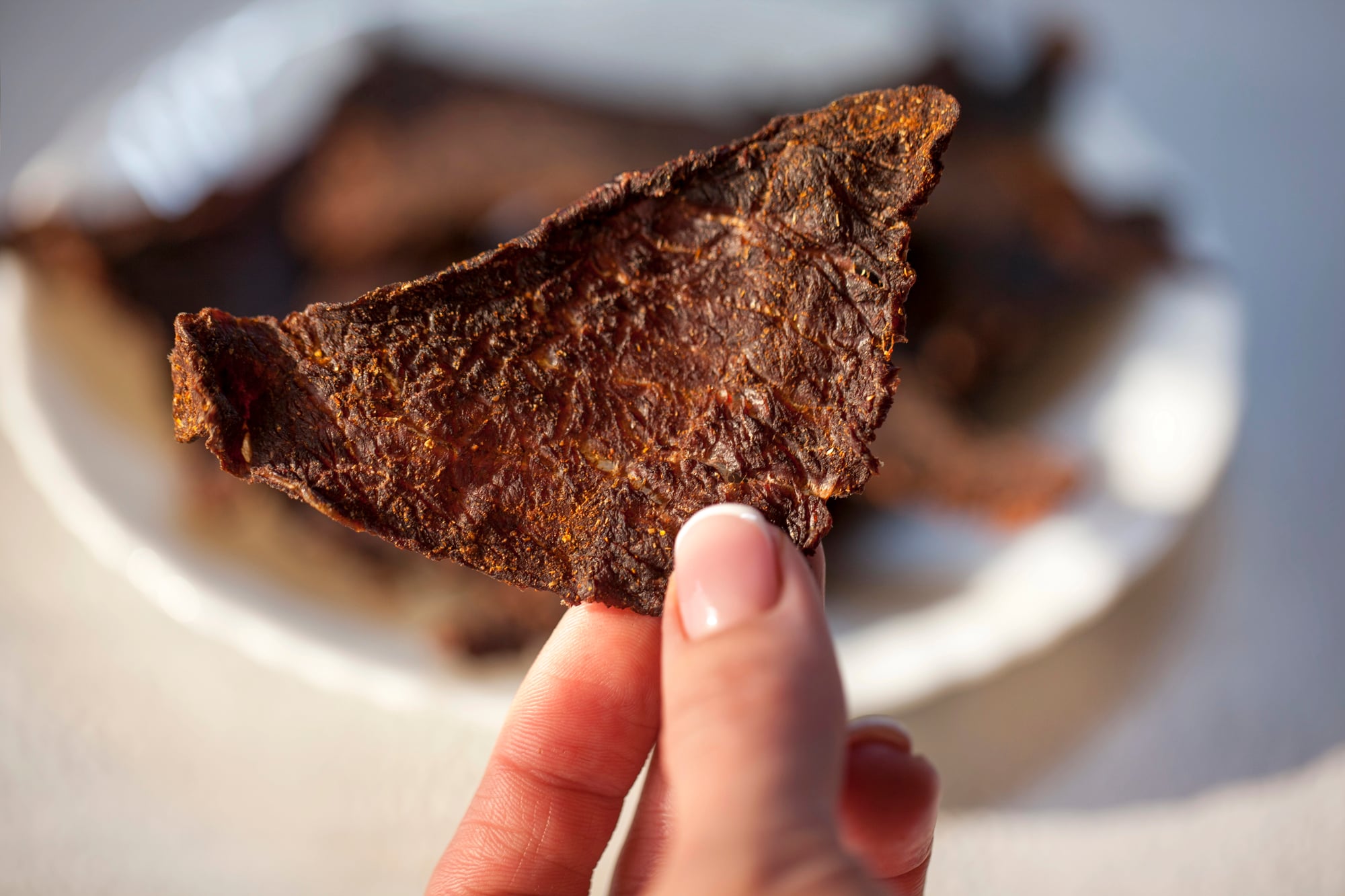
Native Americans perfected the method of drying meat over low, smoldering fires, creating jerky that could last for years without refrigeration. The gentle heat and wood fire helped remove moisture while adding natural preservatives from the burning wood.
This technique kept meat safe to eat through harsh winters and long journeys, making it a vital method for surviving in remote areas where fresh food was scarce.
Fermentation Crocks
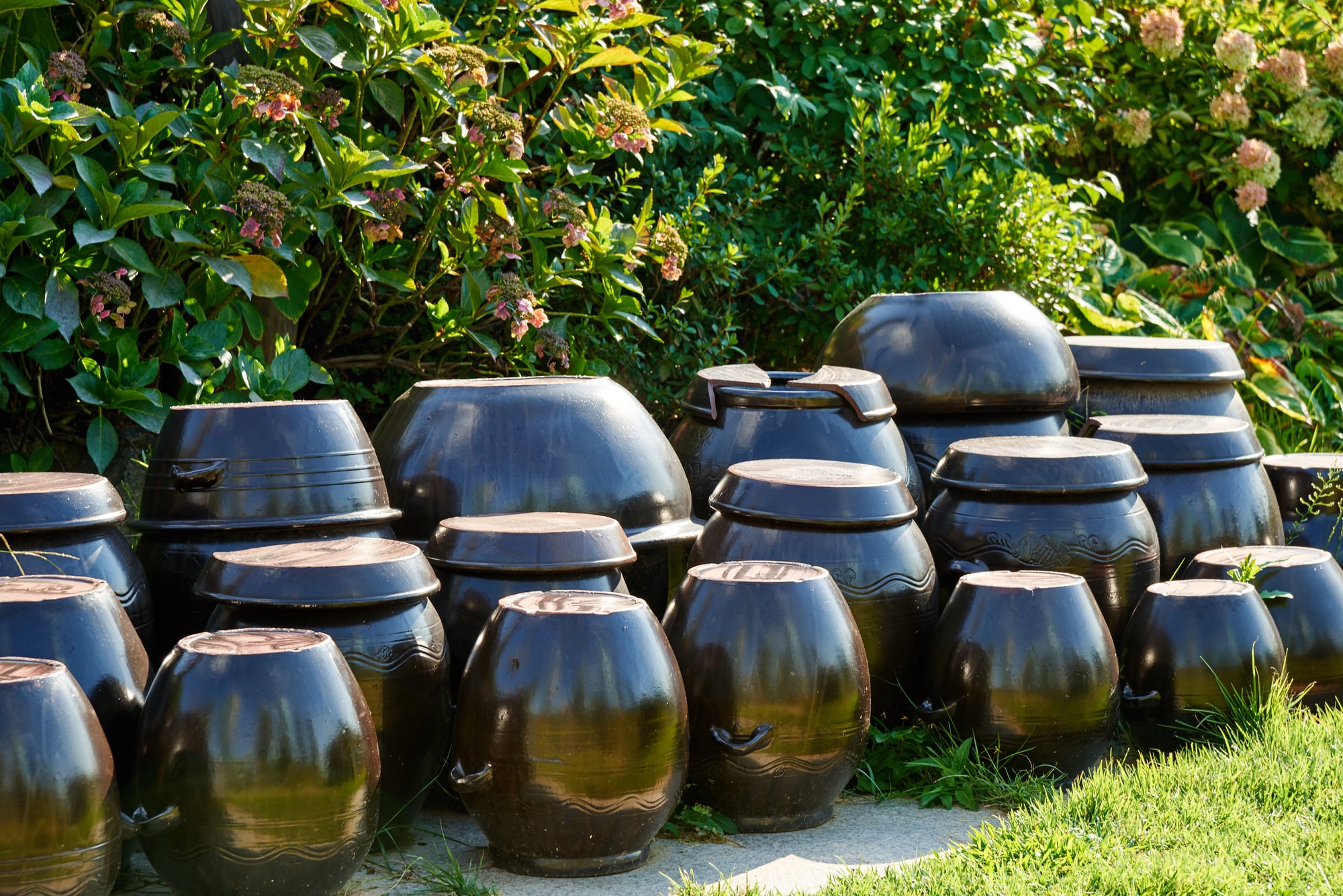
European households relied on ceramic crocks with water-sealed lids for preserving vegetables through controlled fermentation. These vessels allowed gases to escape yet prevented harmful microorganisms from entering—perfect conditions for beneficial bacteria.
German sauerkraut crocks from the 1800s still produce excellent preserved vegetables using identical bacterial cultures.
Wax Sealing
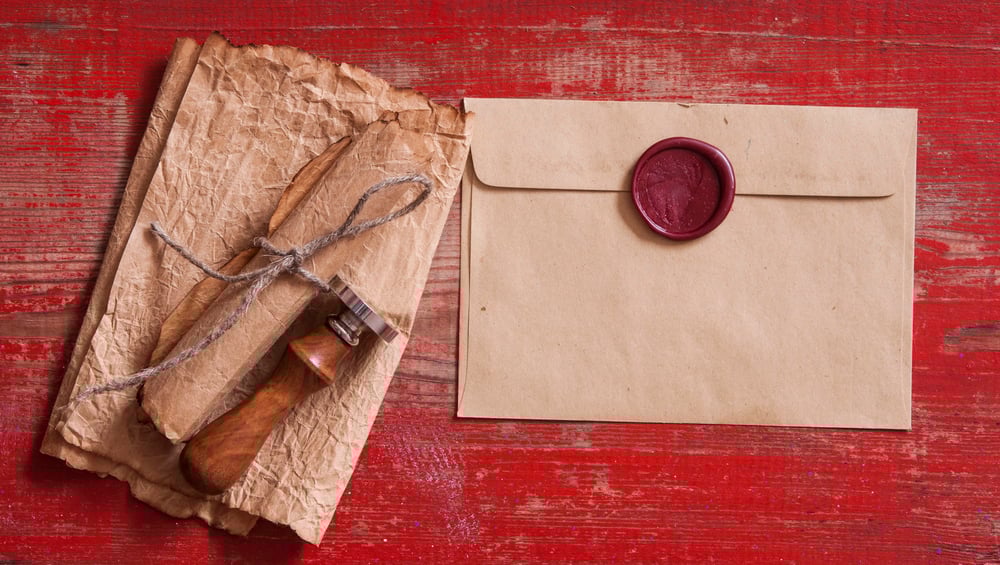
Medieval monasteries protected manuscripts by sealing them in wax-lined containers that excluded moisture and insects for centuries. Wax created airtight barriers preventing paper yellowing, ink fading, or parchment crumbling.
Documents sealed this way in monastery archives remain perfectly readable after five hundred years or more.
Oil Immersion
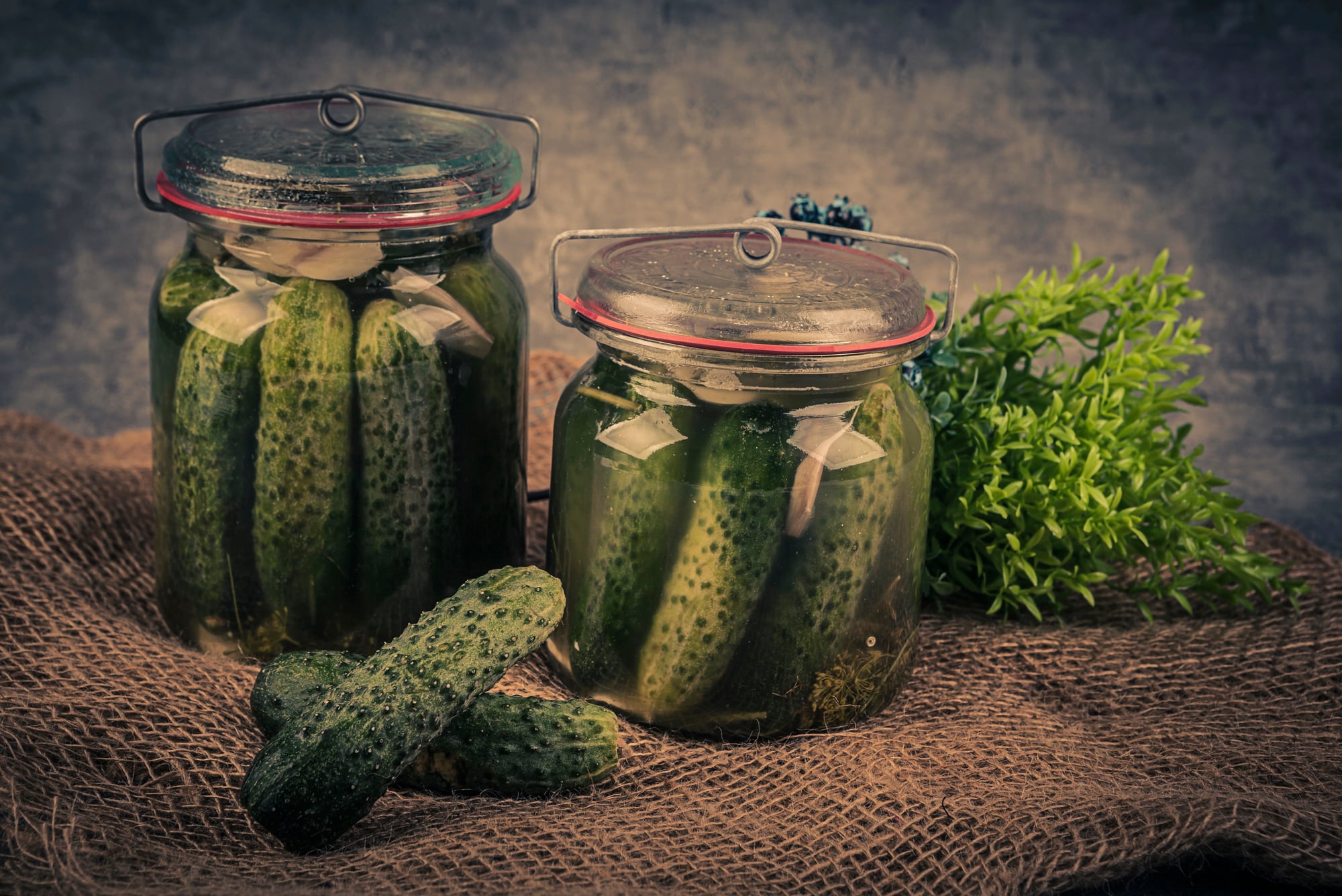
Mediterranean cultures submerged vegetables, cheeses, and meats completely in olive oil, which excluded air while preventing spoilage. Oil created oxygen-free environments that halted decay yet added flavor plus nutrients to preserved foods.
Roman-era oil-preserved items still emerge in perfect condition from archaeological sites around the Mediterranean basin.
Sand Burial
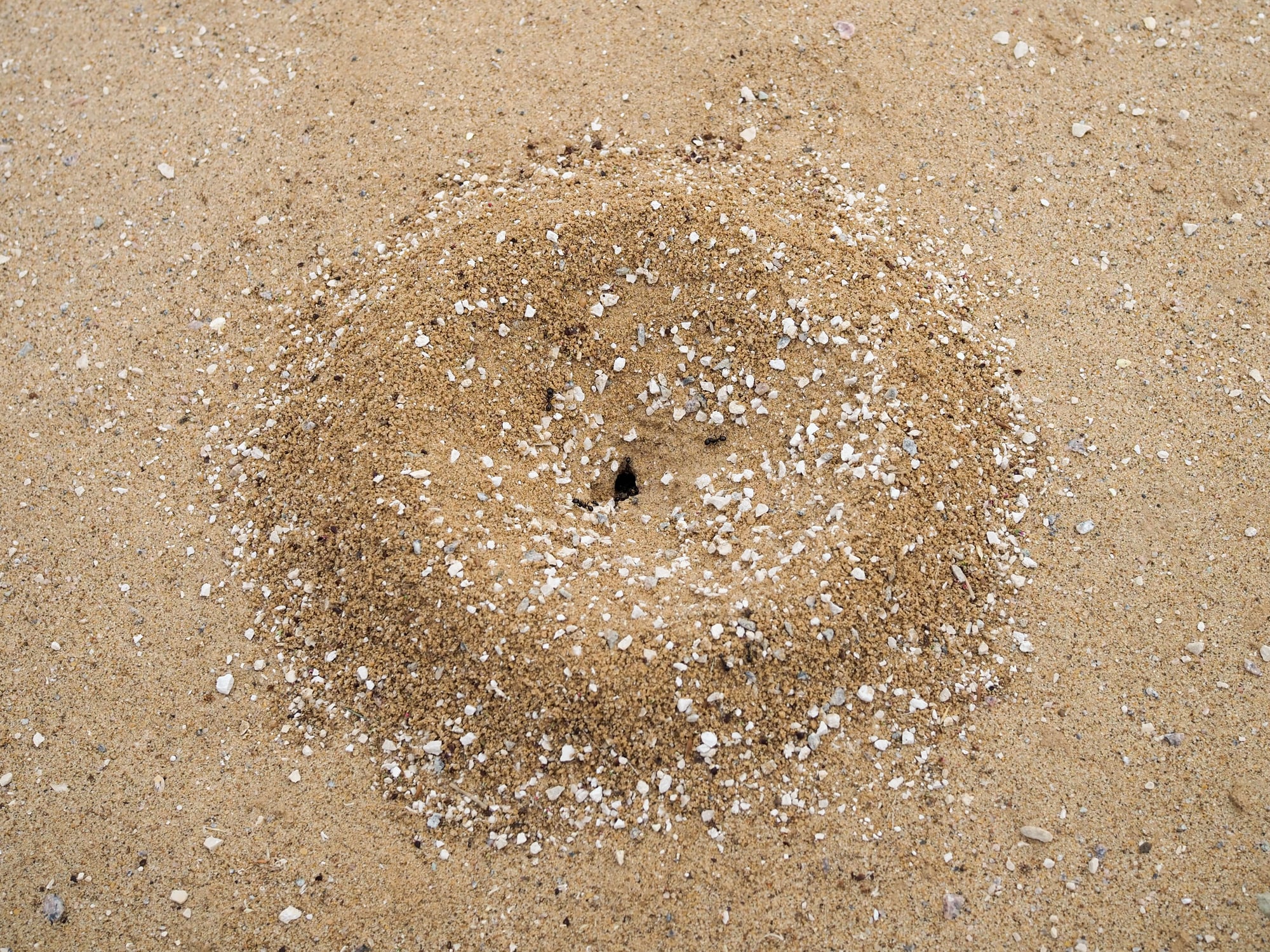
Desert communities learned that burying items in dry sand provided excellent preservation by excluding moisture while maintaining stable temperatures. This worked particularly well for textiles, leather goods, and wooden objects that would normally decay in humid conditions.
Egyptian artifacts buried in sand for millennia often emerge in better shape than items stored in traditional buildings.
Charcoal Filtering

Ancient civilizations harnessed charcoal’s natural filtration properties to purify water for long-term storage in ceramic vessels. Charcoal removed impurities plus harmful bacteria while maintaining water quality for months—sometimes years—in sealed containers.
Some cultures built elaborate charcoal systems that supplied clean water to entire cities.
Birch Bark Wrapping
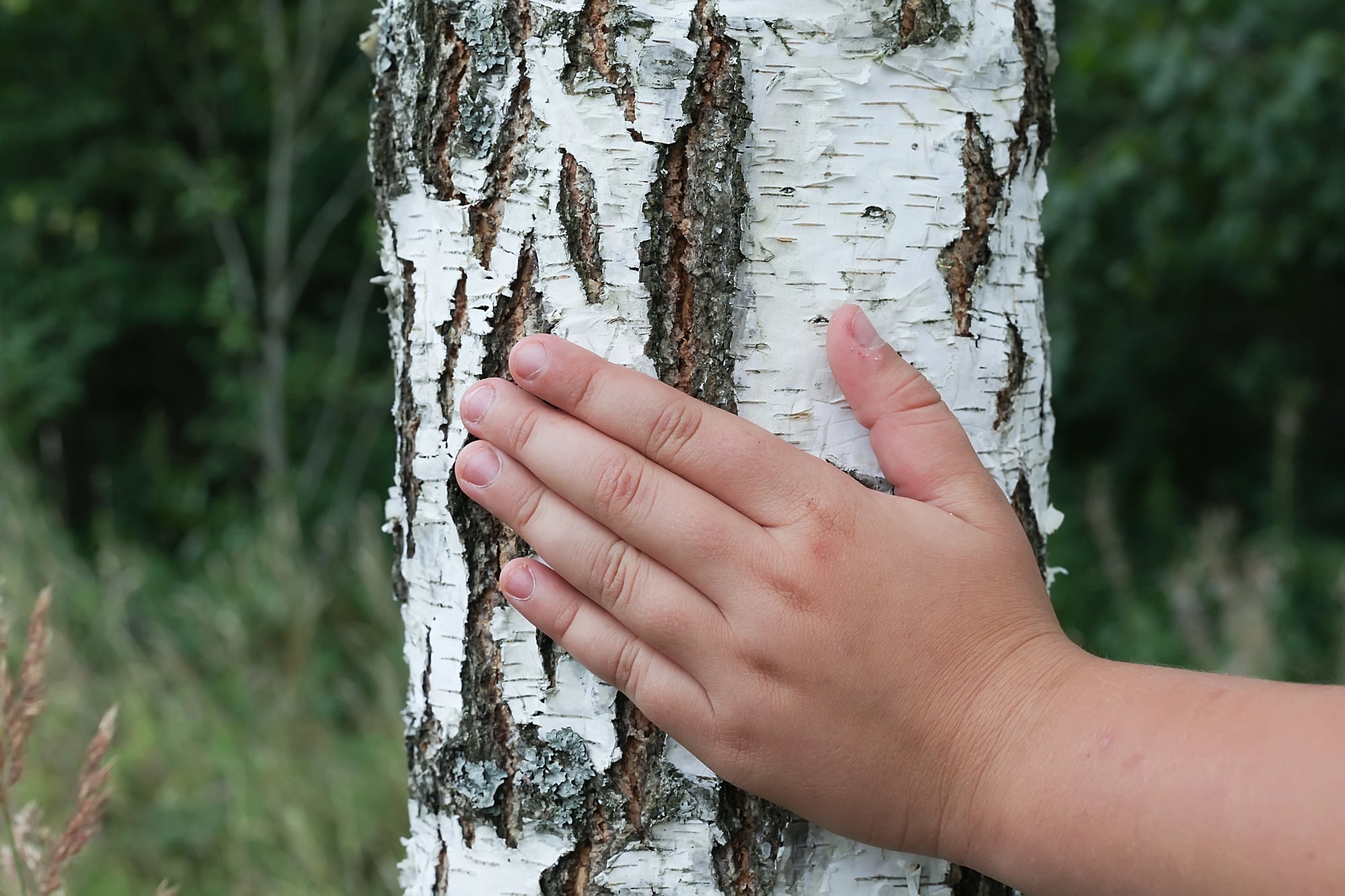
Northern peoples discovered birch bark’s natural preservatives that protected stored items from moisture, insects, and decay for decades. The bark’s waxy coating plus antimicrobial compounds made the perfect wrapping material for food, tools, and other necessities.
Native American birch containers found in archaeological sites still hold perfectly preserved contents after centuries underground.
Sealed Amphora Systems
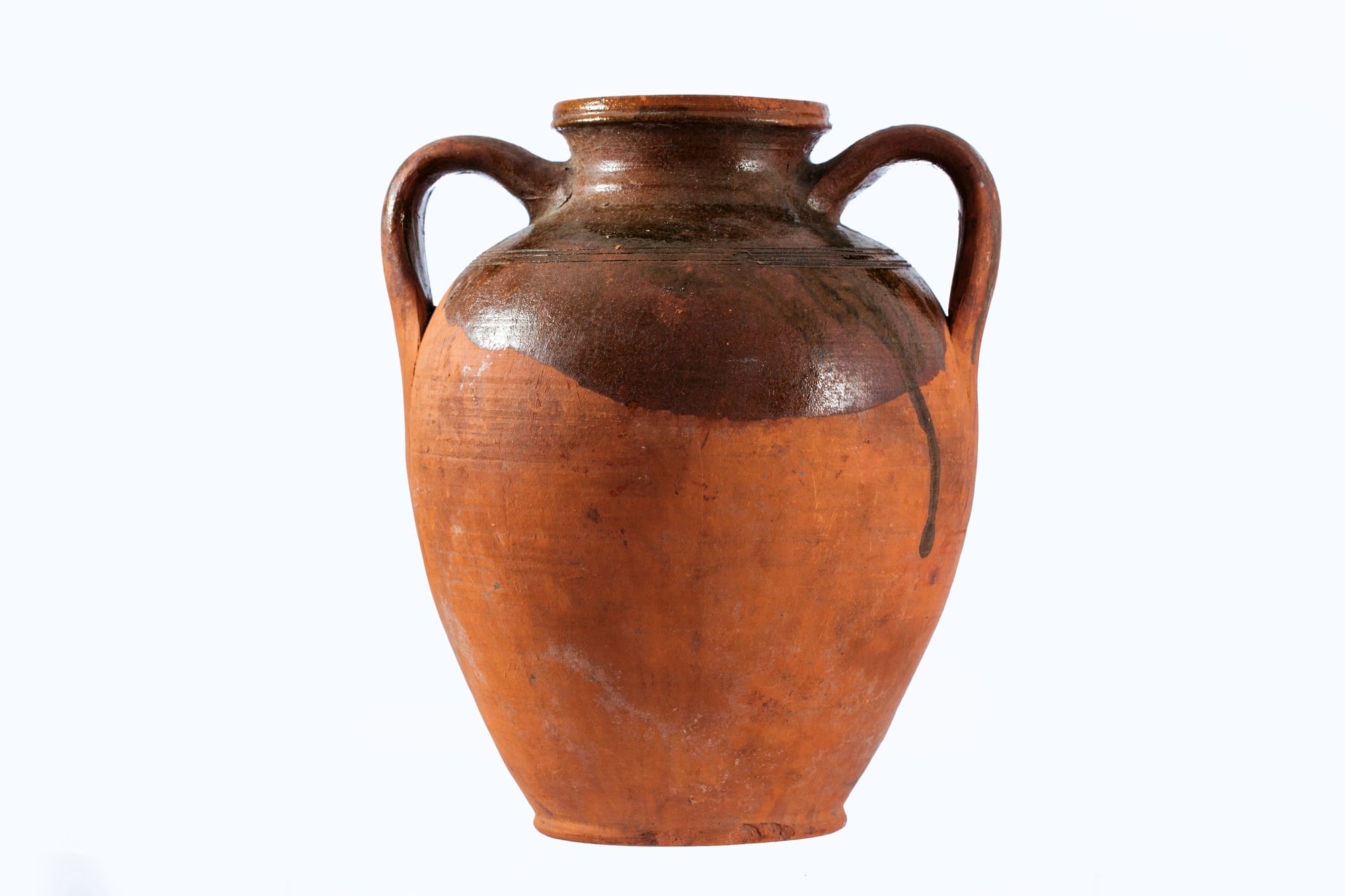
Roman merchants developed sophisticated sealing techniques using pine resin plus beeswax to create airtight containers for long-distance trade. These ceramic vessels preserved wine, olive oil, and garum during lengthy sea voyages plus overland transport.
Sealed Roman amphorae recovered from shipwrecks still contain perfectly preserved contents after two thousand years underwater.
Controlled Atmosphere Caves
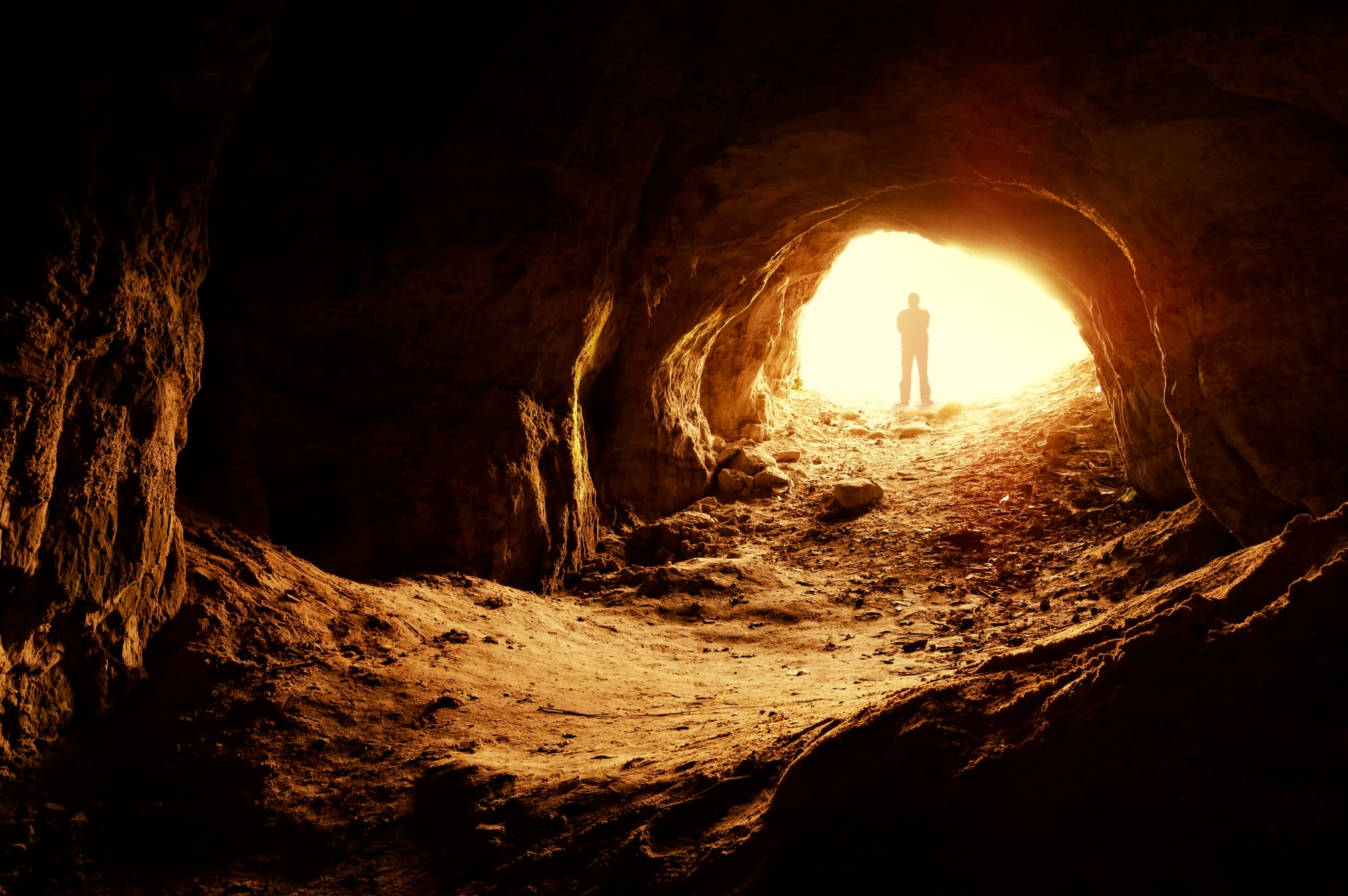
Ancient peoples identified natural caves with specific atmospheric conditions—low oxygen, stable temperature, controlled humidity—that perfectly preserved stored goods. These became communal storage sites where entire communities kept surplus food, tools, and valuables safe across generations.
Central Asian storage caves still contain perfectly preserved goods left by medieval Silk Road traders.
When Old Ways Win
These preservation methods prove that age doesn’t always mean obsolete—sometimes the oldest solutions remain the most effective ones. While modern technology offers convenience, these time-tested techniques often delivered superior long-term results using readily available, renewable materials.
Many of today’s “cutting-edge” preservation methods are actually rediscovered versions of techniques our ancestors perfected long ago. Next time your freezer breaks or the power fails, remember that humans successfully stored food and valuables for millennia using nothing more than salt, clay, and careful observation of natural processes.
More from Go2Tutors!

- The Romanov Crown Jewels and Their Tragic Fate
- 13 Historical Mysteries That Science Still Can’t Solve
- Famous Hoaxes That Fooled the World for Years
- 15 Child Stars with Tragic Adult Lives
- 16 Famous Jewelry Pieces in History
Like Go2Tutors’s content? Follow us on MSN.