Civilizations That Built Structures We Still Can’t Fully Explain
There’s something quietly unsettling about standing in front of a structure that’s older than your ability to comprehend and realizing that nobody, not engineers, not historians, not the most well-funded research teams on the planet, can fully explain how it got there. These aren’t myths. These aren’t fringe theories cooked up by people who distrust institutions.
These are real places, built by real people, using methods that continue to baffle professionals who have spent entire careers trying to reverse-engineer them. The ancient world, it turns out, was a lot more sophisticated than anyone gives it credit for — and the structures left behind have a way of correcting that assumption in stone.
The Great Pyramid of Giza

The Great Pyramid is not mysterious because of aliens. It’s mysterious because of math.
Built around 2560 BCE with approximately 2.3 million stone blocks, some weighing up to 80 tons, the precision involved — including alignment to true north within a fraction of a degree — is something modern engineers still struggle to replicate without advanced instrumentation. That’s the part worth sitting with.
Puma Punku
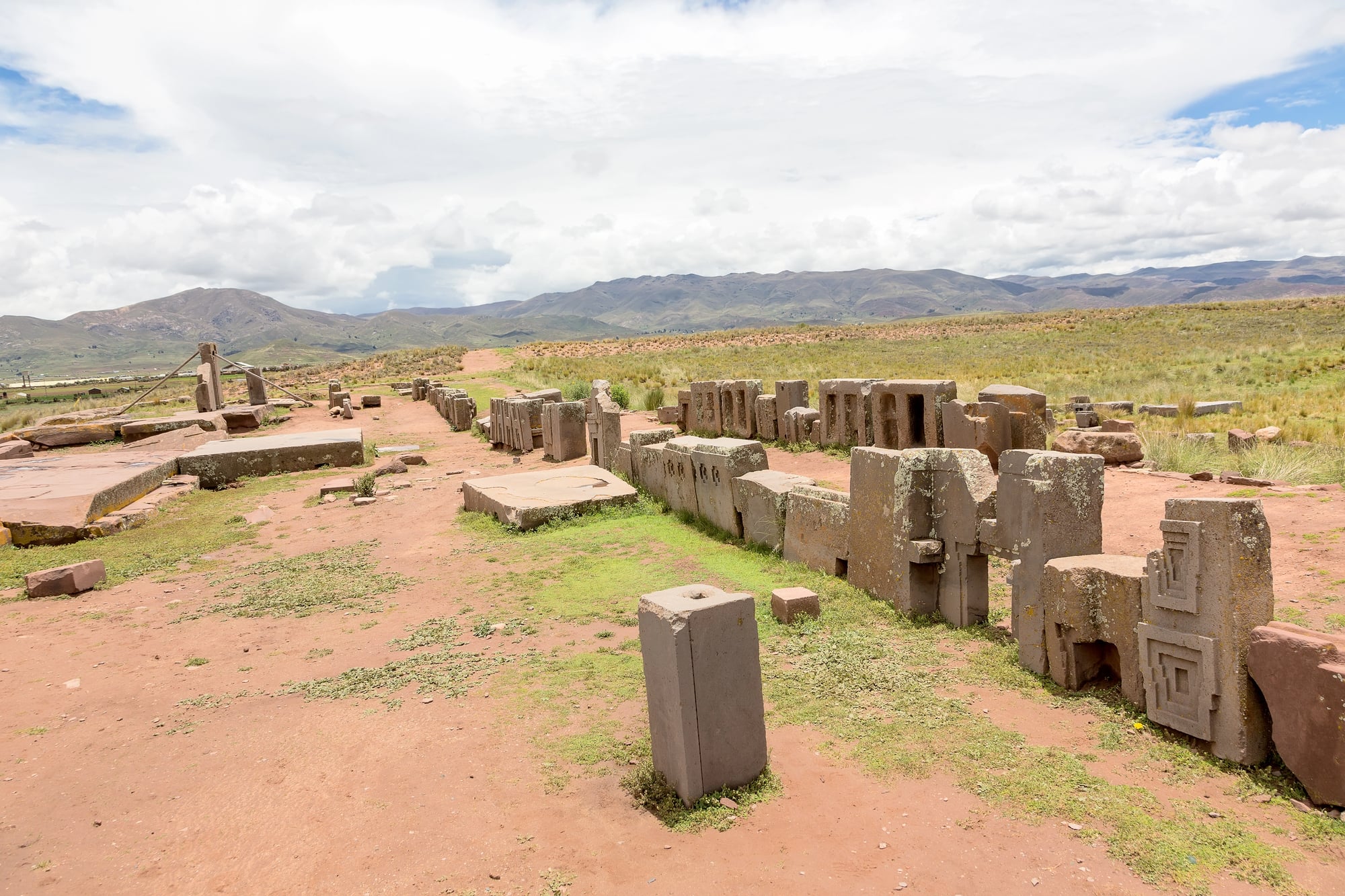
No number in this title, so the count runs between 13 and 25 — but Puma Punku deserves its own conversation regardless. Located in Bolivia at roughly 12,500 feet above sea level, the site contains H-shaped stone blocks cut with a geometric accuracy that looks machined — interlocking joints, precise angles, consistent tolerances across pieces that weigh up to 100 tons.
The Tiwanaku civilization built this around 600 CE, using stone tools, without a written language, and without the wheel. Go figure.
Sacsayhuamán
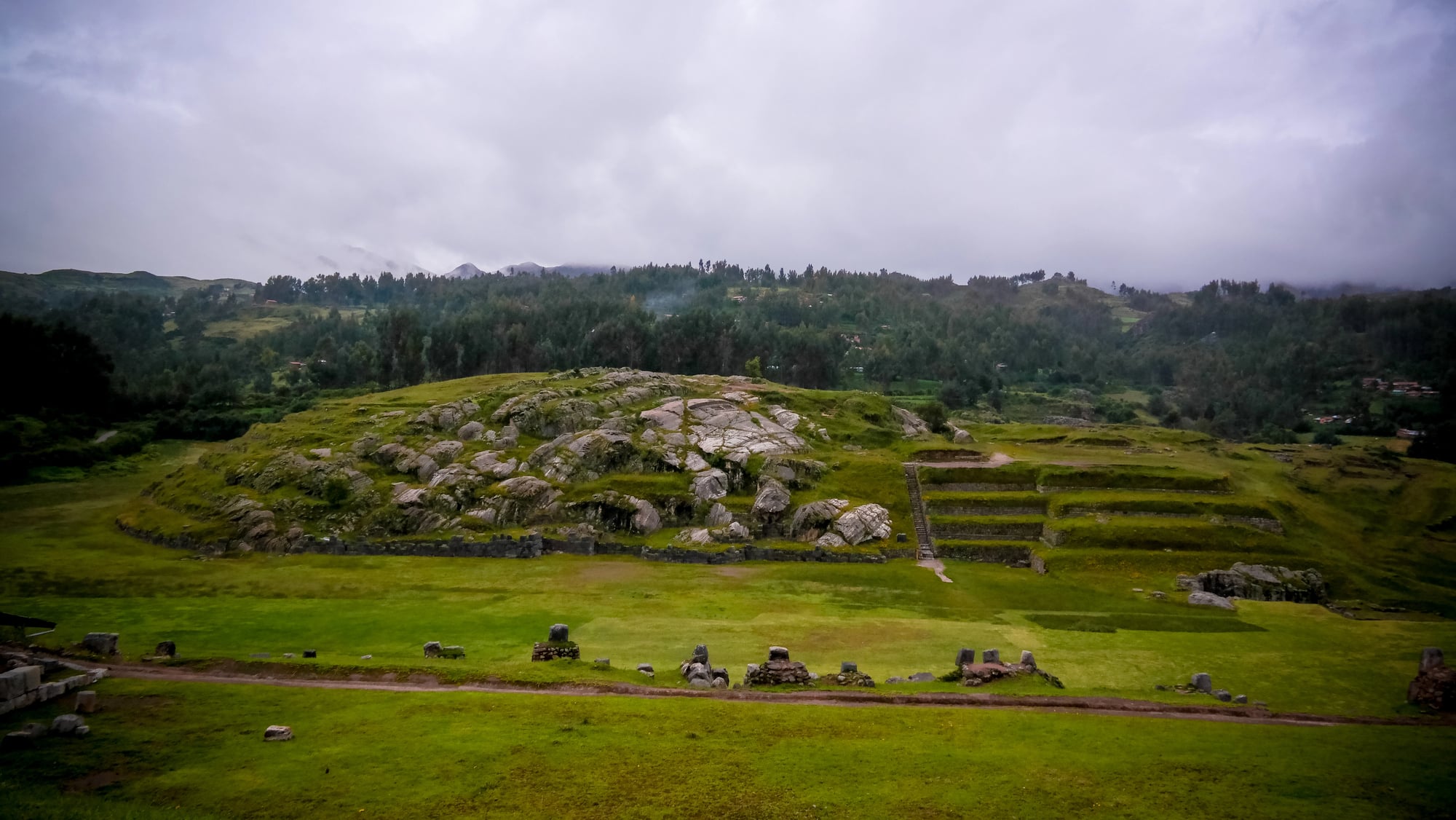
The Inca were extraordinary engineers, and Sacsayhuamán is the argument you bring to that conversation. The fortress walls above Cusco, Peru, contain stones weighing up to 360 tons — fitted together so tightly that a knife blade can’t pass between them, which sounds like an exaggeration until you go there and try.
What nobody has satisfactorily explained is how stones of that scale were quarried, transported miles across mountainous terrain, and placed with that level of precision using only the technology documented in the historical record.
Göbekli Tepe
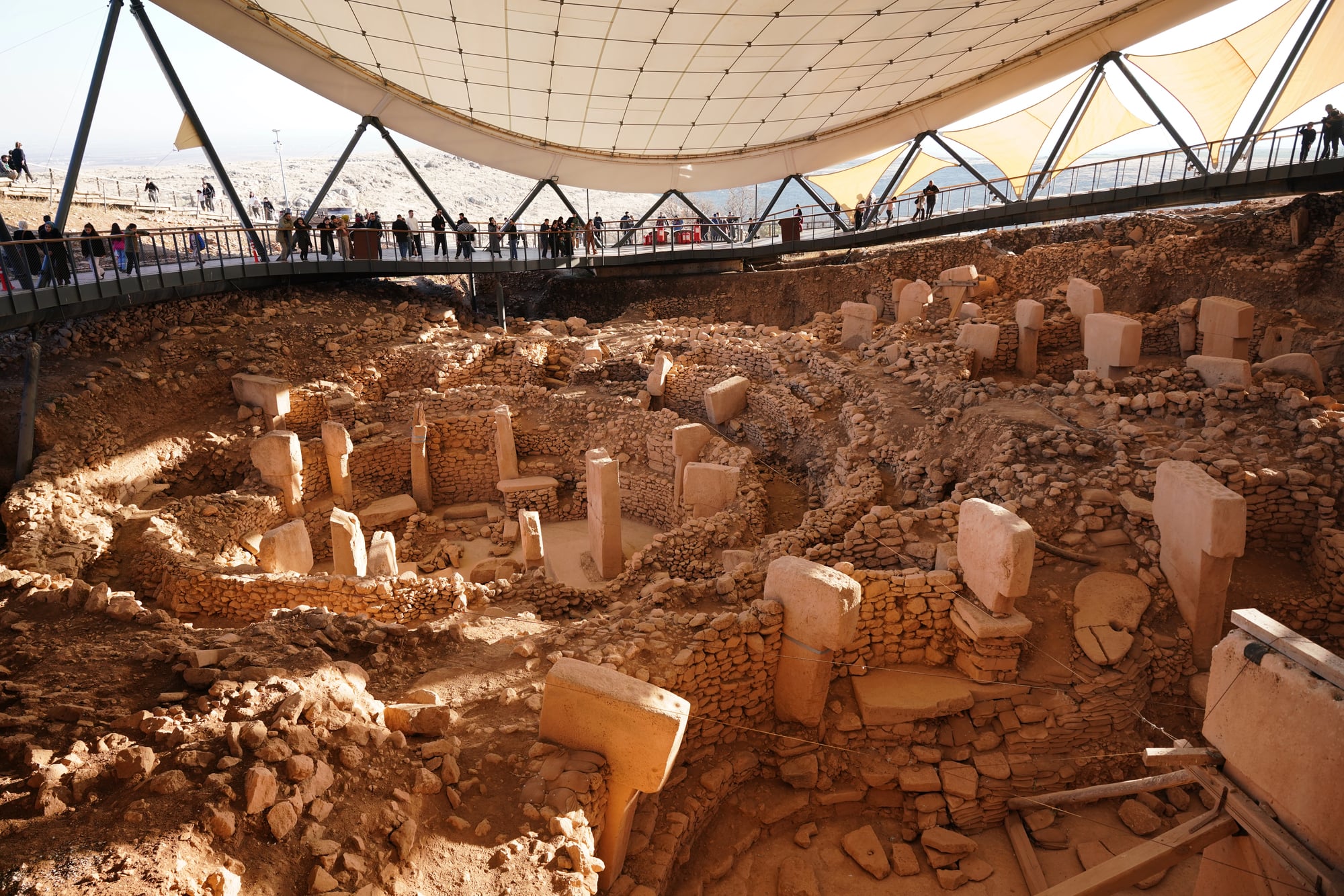
Göbekli Tepe is the structure that rewrote the timeline. Discovered in southeastern Turkey and dated to approximately 9600 BCE, it predates Stonehenge by about 6,000 years — and agriculture by roughly the same margin, which means it was built by hunter-gatherers who, according to conventional assumptions, weren’t supposed to be building anything this organized.
Massive T-shaped limestone pillars, some standing 18 feet tall, arranged in circular enclosures with carved reliefs of animals. The site challenges the idea that monumental architecture required settled civilization, and it does so without apology.
The Nazca Lines
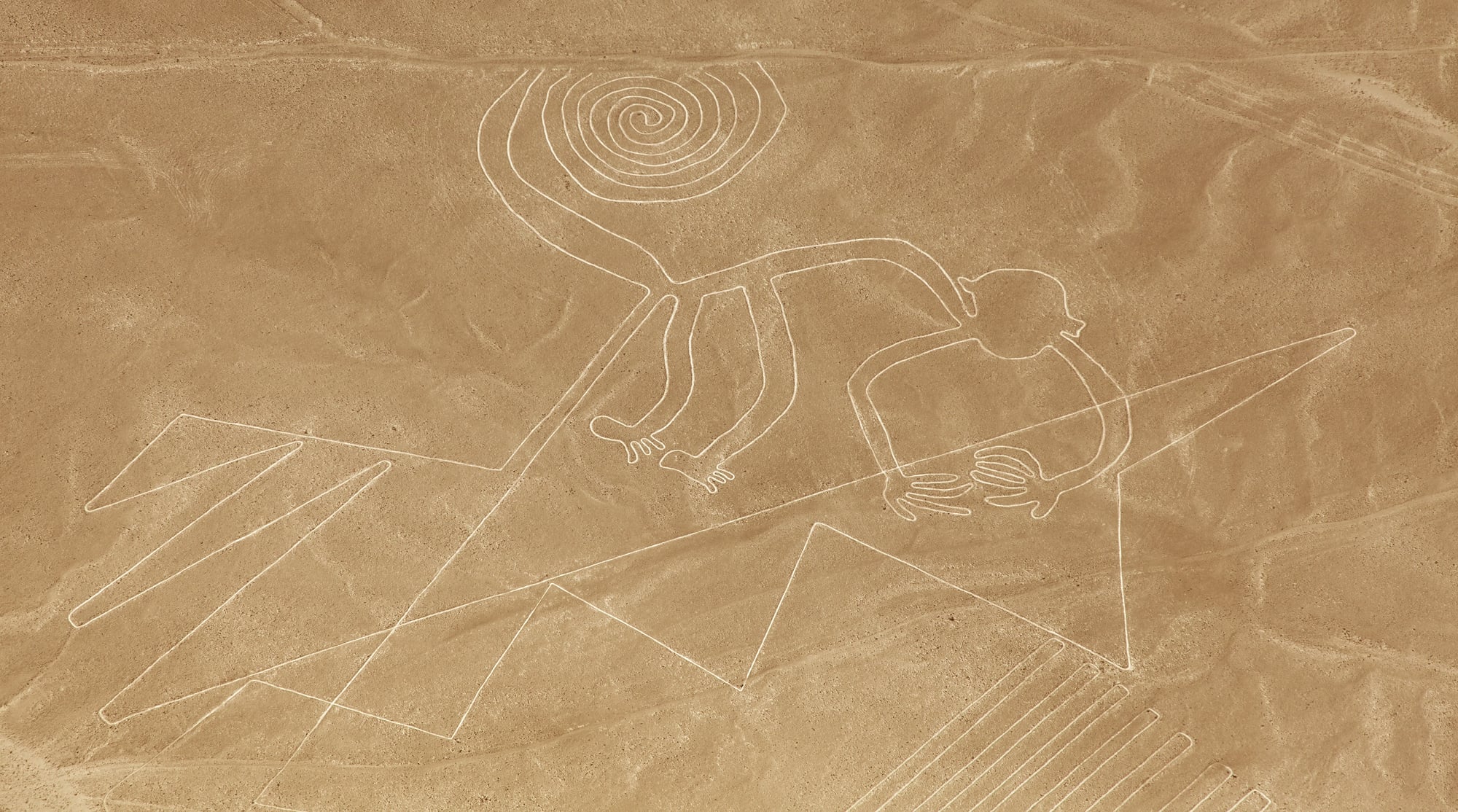
The Nazca Lines in southern Peru are best understood as a problem of perspective — because from ground level, most of them are invisible. Stretching across roughly 450 square miles of desert, the geoglyphs depict animals, plants, and geometric shapes, some of which span more than 1,000 feet, and they were created by the Nazca people between 500 BCE and 500 CE by removing reddish surface rock to reveal lighter ground beneath.
The question that still doesn’t have a clean answer is why, and how a civilization without aerial capability designed something that only makes full sense from the air.
The Easter Island Moai
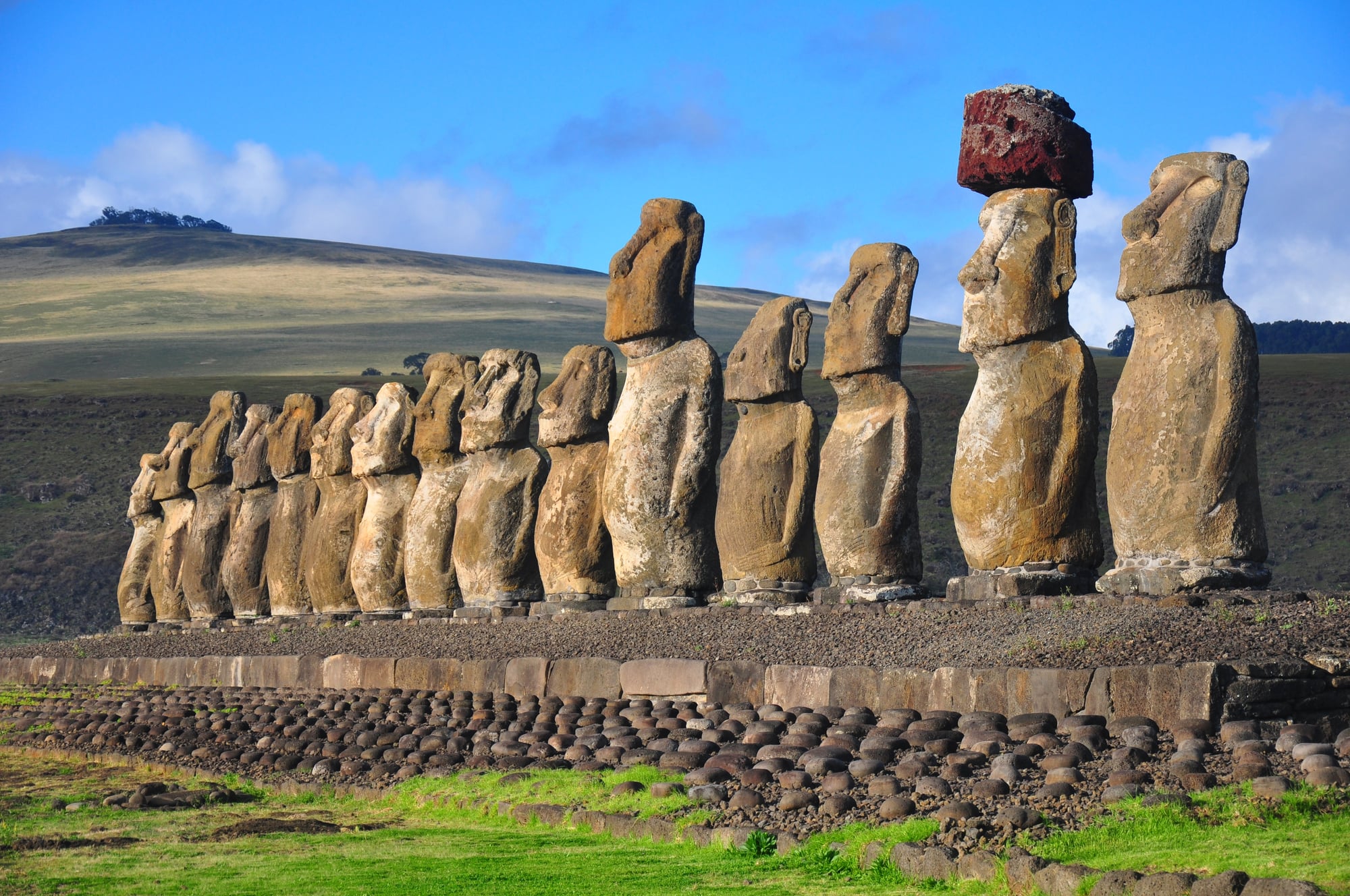
There are 900 of them. That’s the number that lands harder the longer you think about it — 900 monolithic human figures carved from volcanic rock on one of the most remote inhabited islands on Earth, the nearest continental landmass roughly 2,200 miles away.
The Rapa Nui people carved them between the 13th and 16th centuries, and while researchers have demonstrated theories about how they were moved using ropes and rocking motion, the logistics of producing 900 of them, some weighing 75 tons, on an island with finite resources, remain genuinely unresolved.
The Longyou Caves
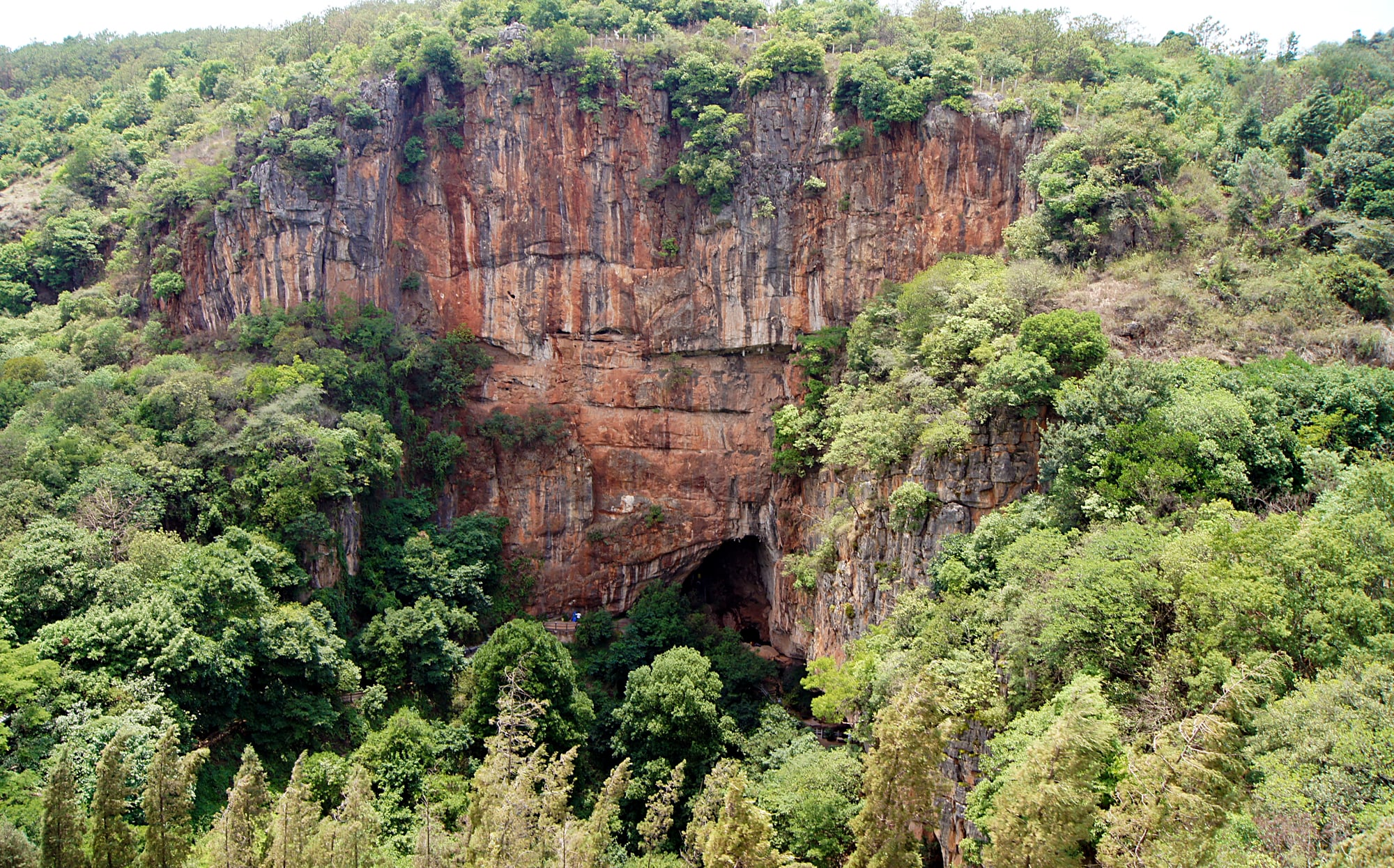
The Longyou Caves in China’s Zhejiang province were discovered in 1992 when a local villager pumped water out of what appeared to be a pond and found a vast artificial cavern beneath it. Twenty-four caves have since been uncovered, each one enormous — the largest covering roughly 32,000 square feet — with walls, ceilings, and pillars carved with parallel chisel marks in a consistent 60-degree pattern.
No historical record of their construction exists anywhere, no tools were found inside, and no account from any Chinese dynasty mentions them, which is the kind of silence that feels deliberate even if it probably isn’t.
Stonehenge
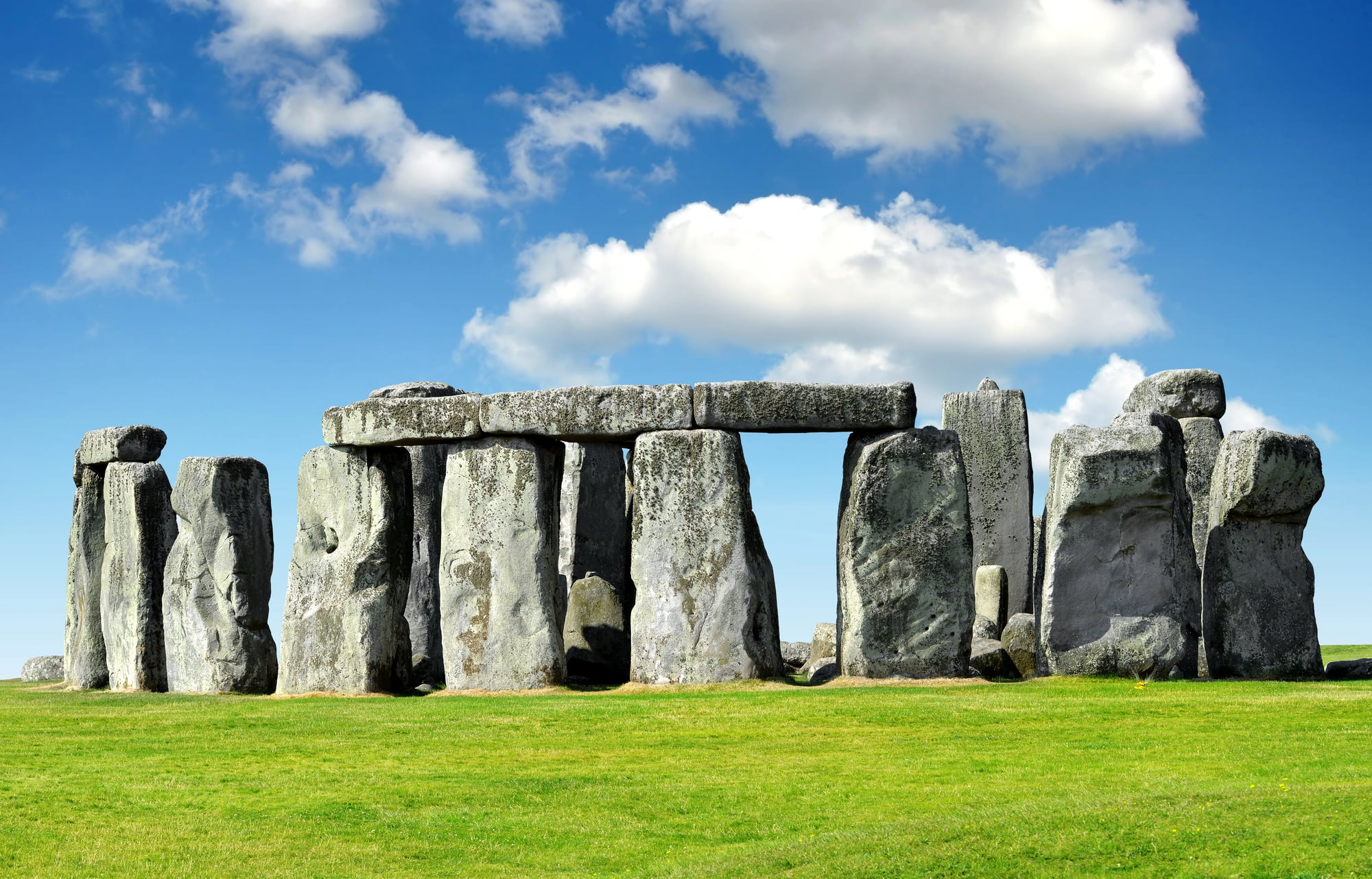
Stonehenge is famous enough that it risks feeling like a solved problem — it isn’t. The bluestones used in its construction were transported from the Preseli Hills in Wales, roughly 150 miles away, a journey that would have required crossing open water and mountainous terrain, all around 2500 BCE.
Modern experimental archaeology has produced partial explanations using sledges, rollers, and rafts, but none of them account cleanly for the full logistical reality, and the site’s precise astronomical alignments with solstices and lunar cycles suggest a level of celestial planning that still isn’t fully mapped.
The Underground City of Derinkuyu
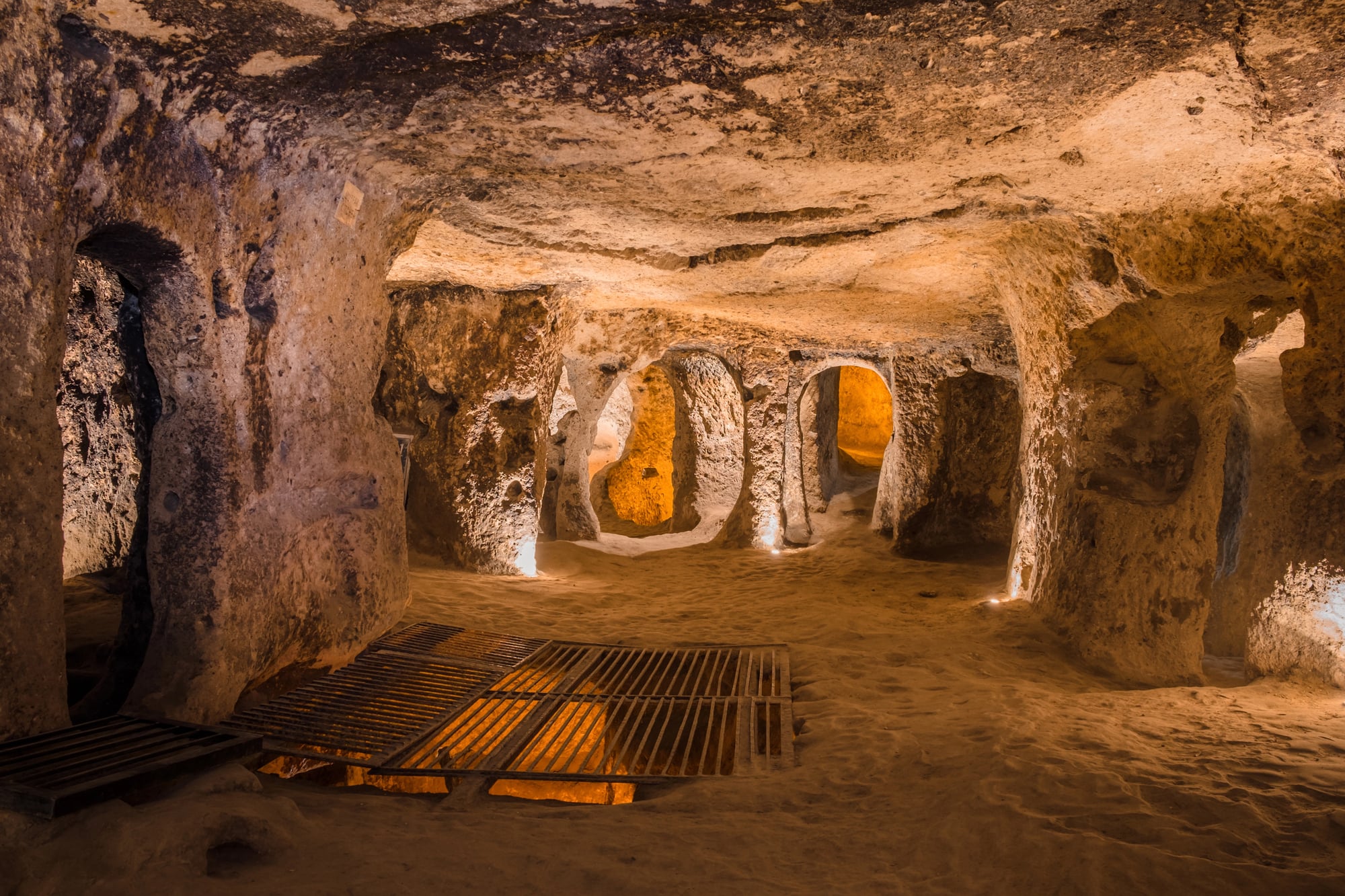
Derinkuyu is a city that chose to go down instead of up — eleven floors down, to be specific, carved into the volcanic rock of Cappadocia in present-day Turkey. It could house roughly 20,000 people along with livestock and food storage, featured ventilation shafts, wells, and rolling stone doors that could be sealed from the inside, and it was discovered (by modern inhabitants) in 1963 when a man knocked down a wall in his basement and found a room that shouldn’t have existed.
Who built it, exactly when, and how the ventilation system remains functional after thousands of years are all questions without complete answers.
The Pyramids of Meroe
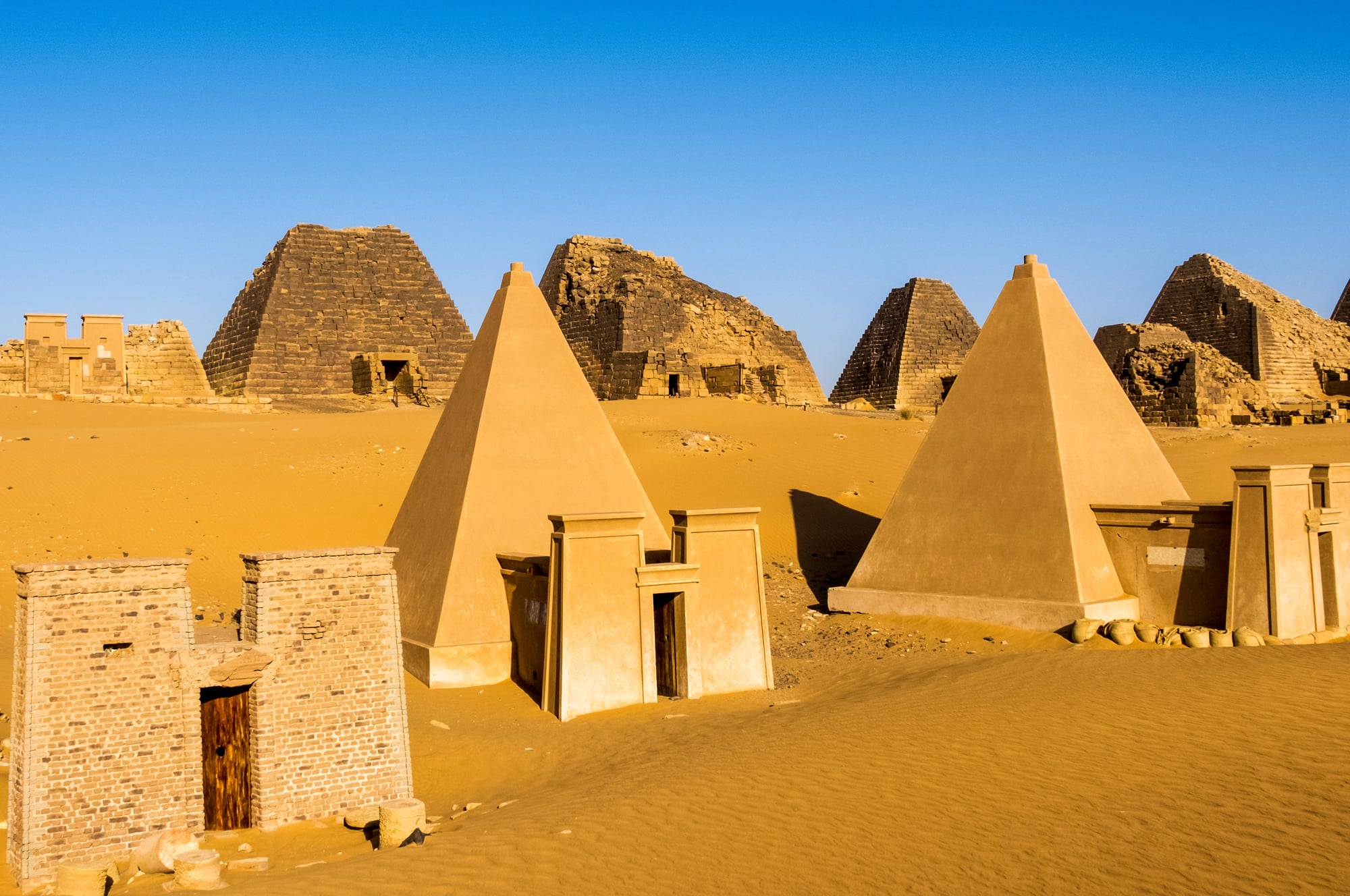
Most people know about Egypt’s pyramids and overlook the fact that the ancient Kushite kingdom built more than 200 of their own in what is now Sudan — steeper, narrower, and in some ways more precisely built than their northern counterparts. The Meroitic civilization flourished from around 300 BCE to 350 CE, and their pyramids reflect a distinct architectural tradition that developed independently from Egyptian influence during certain periods.
Their written script, Meroitic, was used for roughly 600 years and has never been fully deciphered, meaning the people who built these structures literally cannot speak for themselves.
Nan Madol
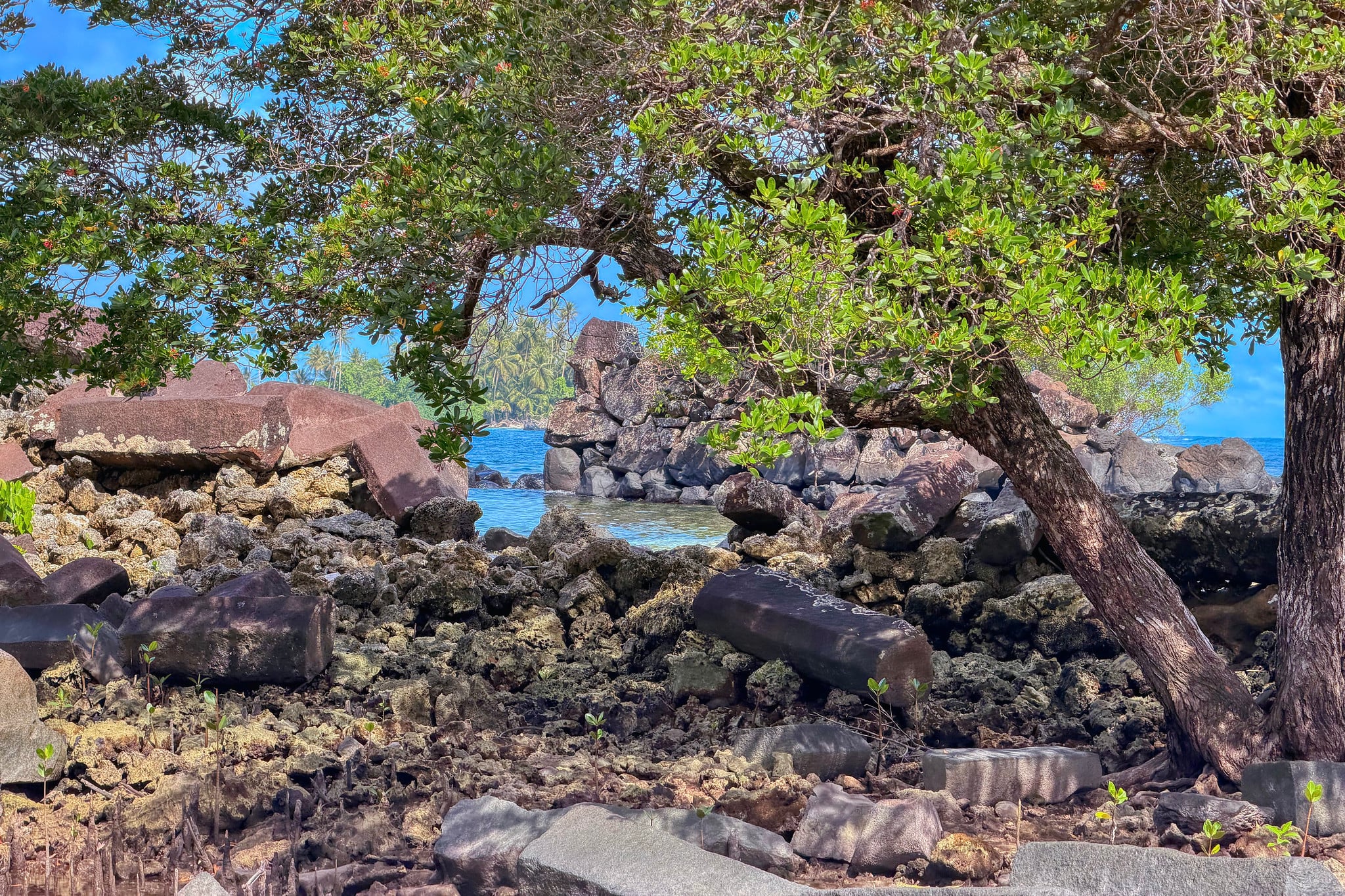
Nan Madol sits on the eastern shore of Pohnpei in Micronesia, and it is, without exaggeration, a city built on a coral reef. Constructed between the 8th and 17th centuries CE, it consists of nearly 100 artificial islets connected by canals, all built from interlocking columns of volcanic basalt — some weighing up to 50 tons — transported by sea from quarry sites miles away.
The mechanics of moving basalt logs across open ocean water without capsizing, and the reason the Saudeleur dynasty chose to build an entire city offshore rather than on the main island, remain unresolved.
The Baalbek Temple Complex
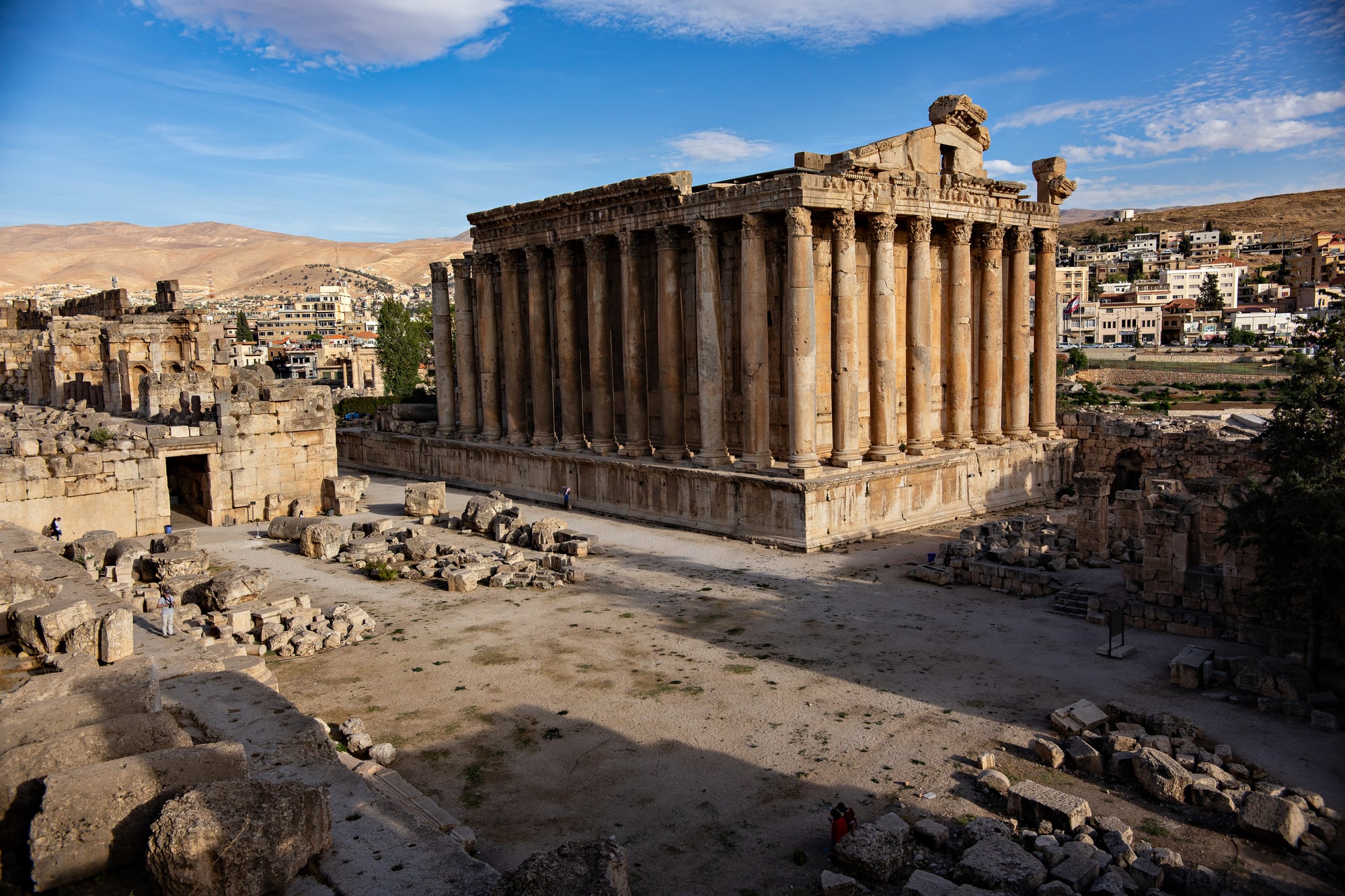
Baalbek in Lebanon contains the largest cut stones in the ancient world — the Trilithon, three limestone blocks each weighing approximately 800 tons, sitting precisely in the foundation wall of the Temple of Jupiter. There is a fourth stone still in its quarry nearby that weighs an estimated 1,000 tons and was never moved, which raises a question that nobody has fully answered: how did the Romans, or whoever preceded them at the site, plan to move something that heavy, and how did they move the ones that are already in the wall.
Modern cranes capable of lifting that much weight were not invented until the 20th century.
The Great Zimbabwe Walls
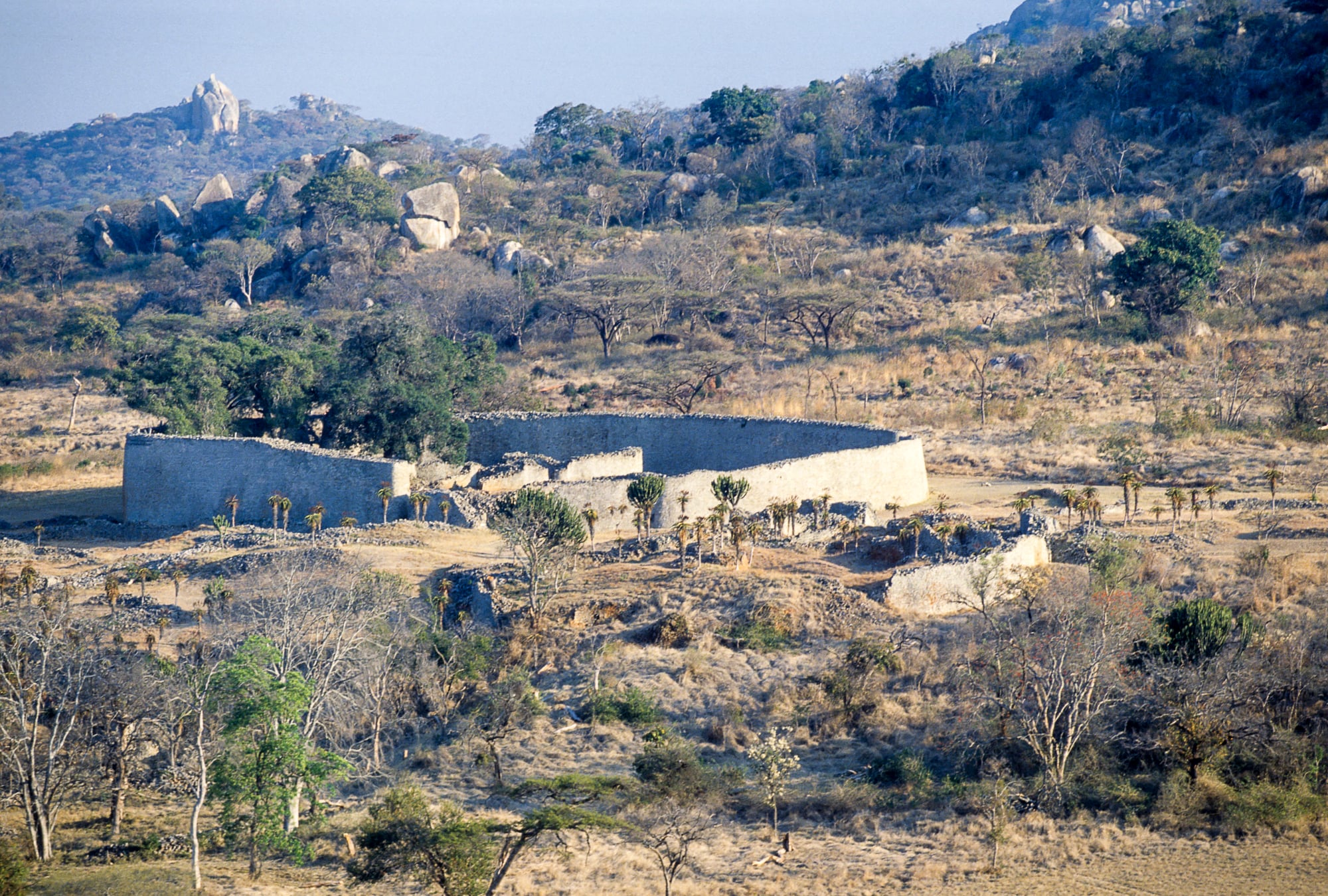
Great Zimbabwe was the capital of a powerful medieval African kingdom, and its walls — built without mortar, without cut stone, and without any external architectural influence — still stand after 900 years. The outer wall of the Great Enclosure is 36 feet tall, 20 feet thick at the base, and constructed from roughly 900,000 granite blocks fitted together with a precision that relies entirely on the stonemasons’ skill rather than any bonding agent.
Colonial-era historians spent decades insisting it must have been built by Phoenicians or Arabs — a claim the archaeology has thoroughly discredited — because crediting the Shona people who actually built it was, apparently, a step too far for certain imaginations.
The Antikythera Mechanism
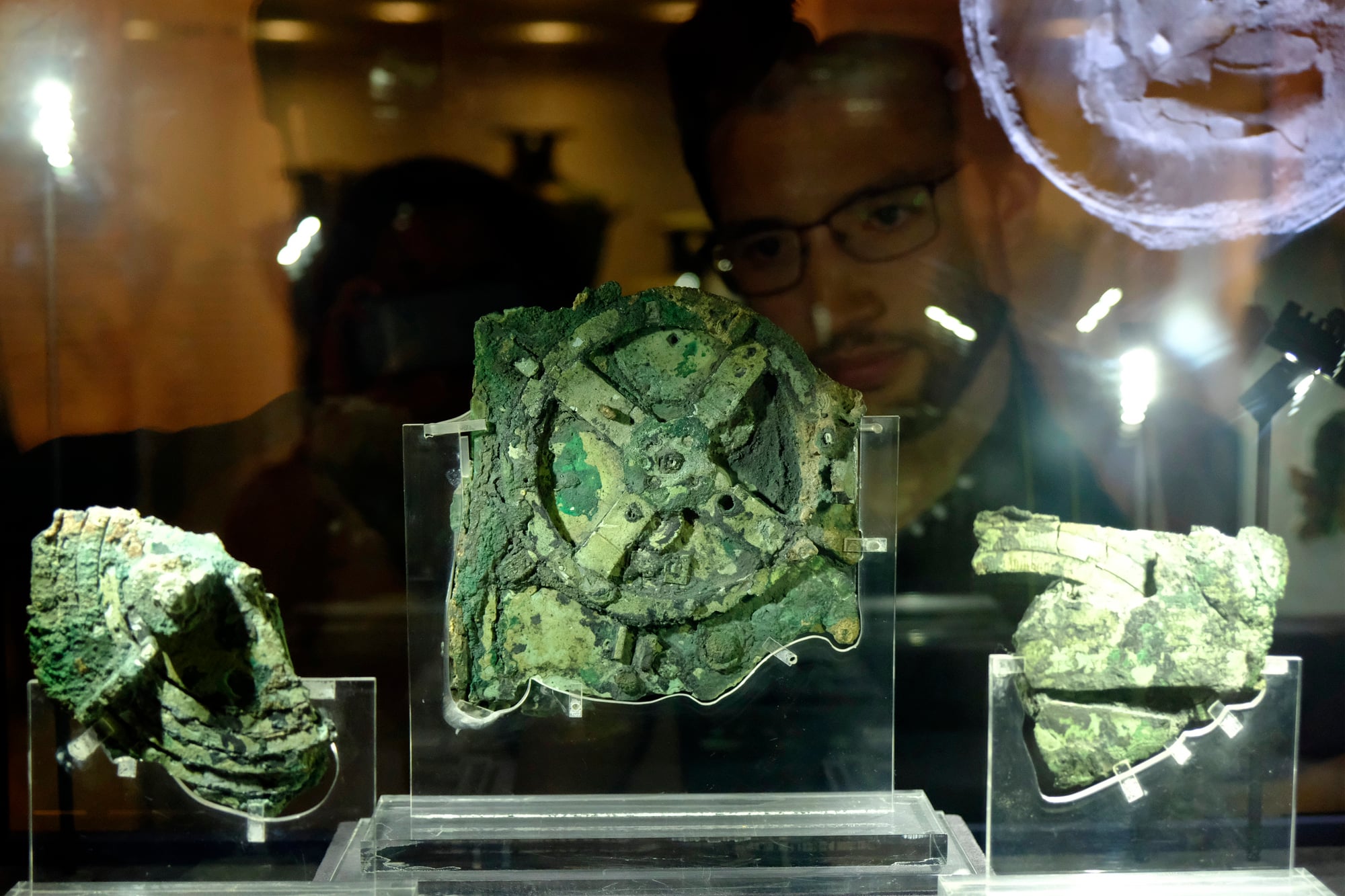
It’s not a building, but it arguably qualifies as the most structurally complex ancient object ever recovered. Found in a Greek shipwreck dated to around 70-60 BCE, the Antikythera Mechanism is a hand-powered orrery — a mechanical computer — containing at least 30 interlocking bronze gears capable of predicting solar eclipses, planetary positions, and the four-year cycle of the ancient Olympic games.
The technological sophistication it represents didn’t reappear in human history for roughly 1,400 years, and researchers still disagree about whether all its functions have been identified.
The Temple of Seti I at Abydos
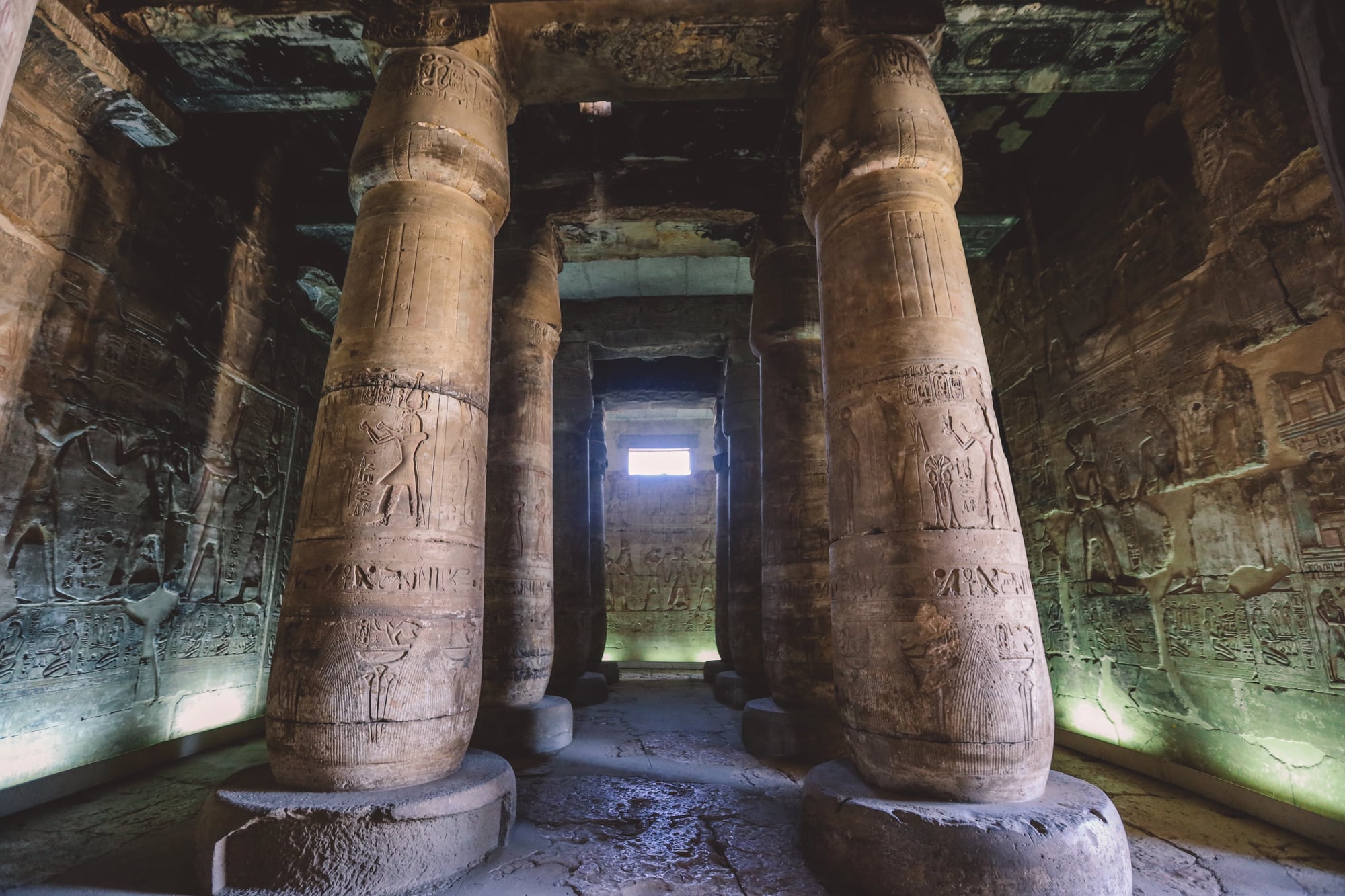
The Temple of Seti I in Abydos, Egypt, contains a hall known as the Osireion, which sits at a significantly lower level than the rest of the complex — almost as if it was built first, and the temple was constructed around it later. The Osireion’s construction style resembles Old Kingdom or even pre-dynastic architecture more closely than it resembles the New Kingdom period in which Seti I reigned, suggesting it may be substantially older than the temple that surrounds it.
If that’s accurate, and archaeologists disagree sharply on this point, it would mean the structure is far more ancient than current dating suggests.
Yonaguni Monument
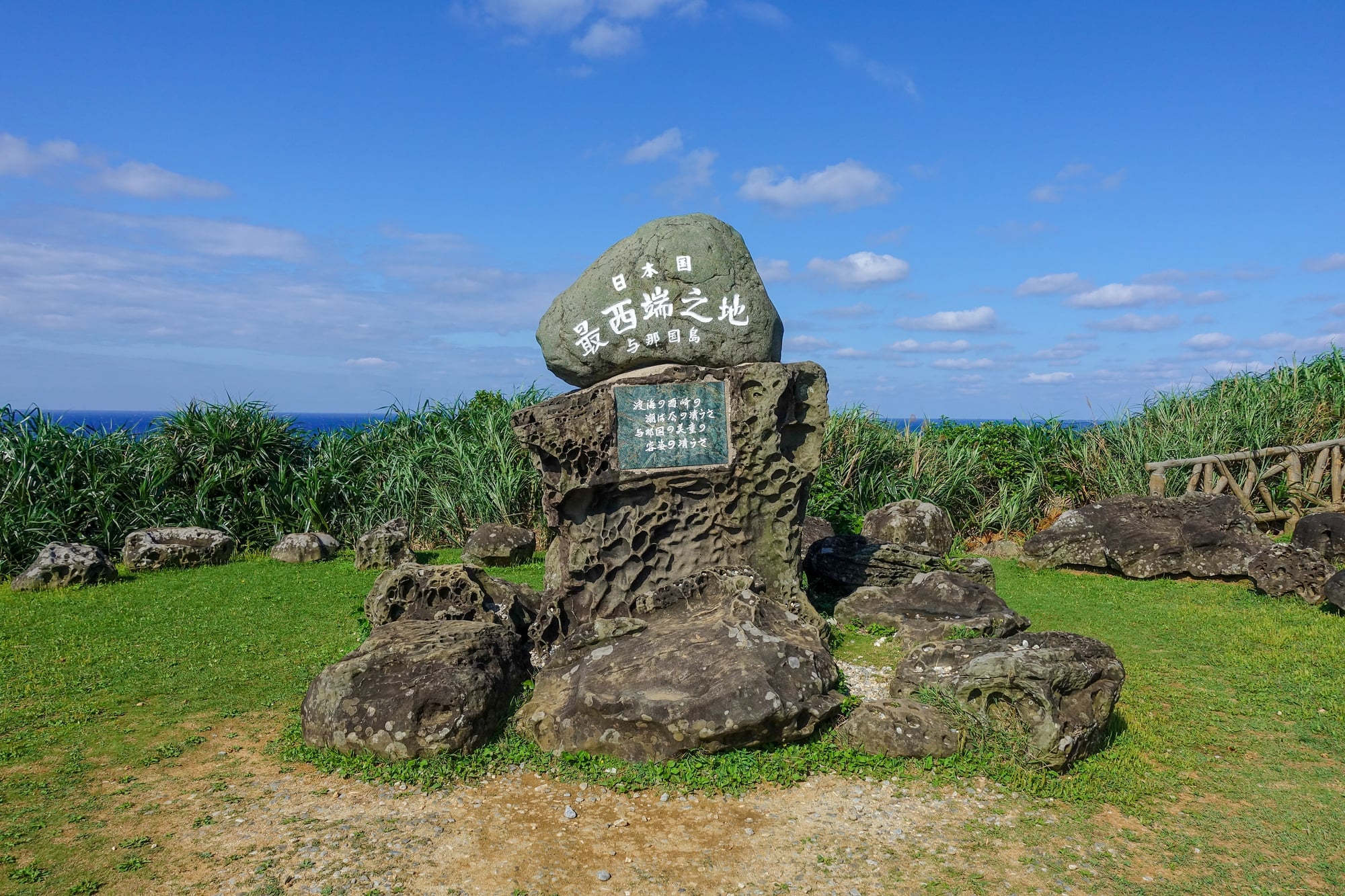
Off the coast of Japan’s Yonaguni Island, at roughly 90 feet below sea level, sits a formation of flat-topped, right-angled stone terraces that looks, depending on who you ask, either like a natural geological anomaly or a sunken stepped pyramid. Japanese geologist Masaaki Kimura spent years arguing it’s man-made — pointing to what appear to be carved channels, post openings, and a road-like path — while other researchers maintain the shapes are the result of natural fracturing in the sandstone.
The argument has never been settled, and the structure continues to exist indifferently at the bottom of the sea either way.
The Sanchi Stupa
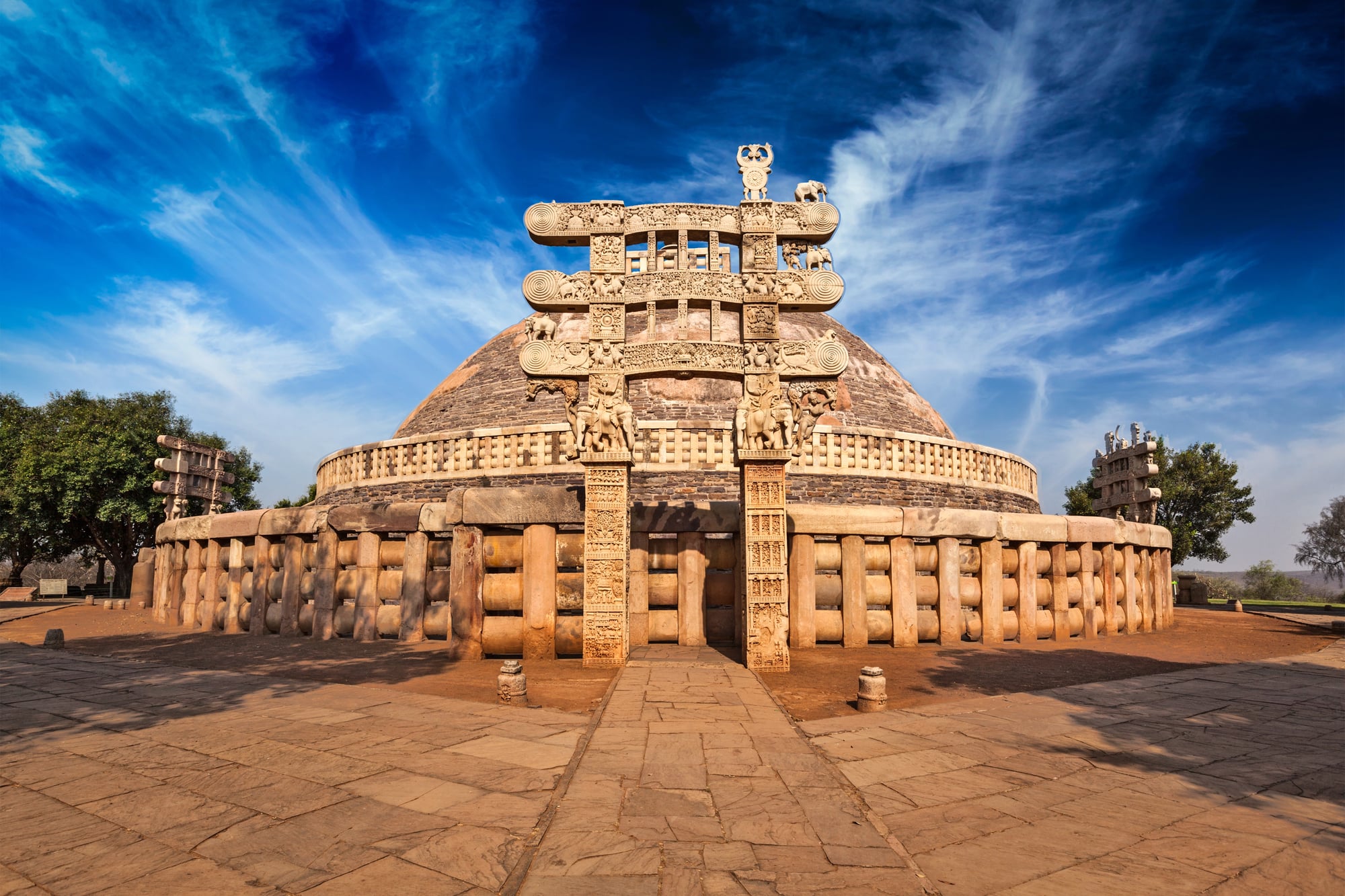
India’s Great Stupa at Sanchi, commissioned by Emperor Ashoka around the 3rd century BCE and enlarged over subsequent centuries, is a monument to engineering patience as much as anything else. The precision of its hemispherical dome, the carved stone gateways depicting centuries of Buddhist narratives in exquisite detail, and the structural stability the whole thing has maintained for over 2,000 years all represent techniques that weren’t understood as systematically transferable — they weren’t written down in any technical manual that has survived, meaning each subsequent generation had to rediscover them through practice.
The Hypogeum of Hal Saflieni
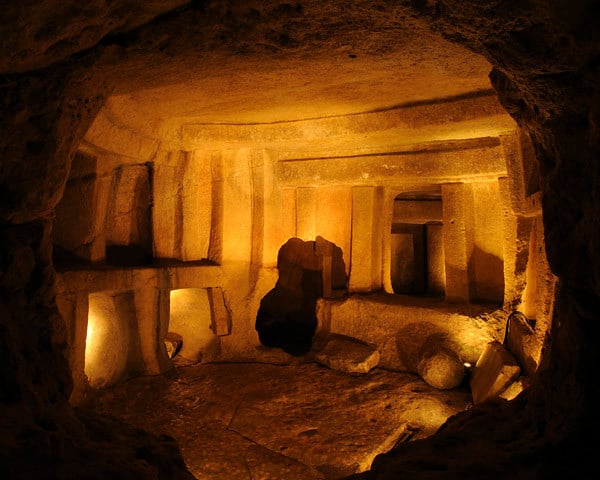
Built in Malta between approximately 3600 and 2500 BCE, the Hypogeum is an underground temple — carved entirely by hand into limestone, three levels deep, covering roughly 5,400 square feet — that was used for ritual purposes and eventually as a collective burial site for an estimated 7,000 people. One chamber, called the Oracle Room, has an acoustic phenomenon built into it: a male voice speaking at a specific low frequency resonates throughout the entire complex, a design feature that appears deliberate and that acoustic engineers have confirmed but not fully explained.
The civilization that built it left no written language and disappeared without a clear successor culture.
The Mohenjo-daro Drainage System
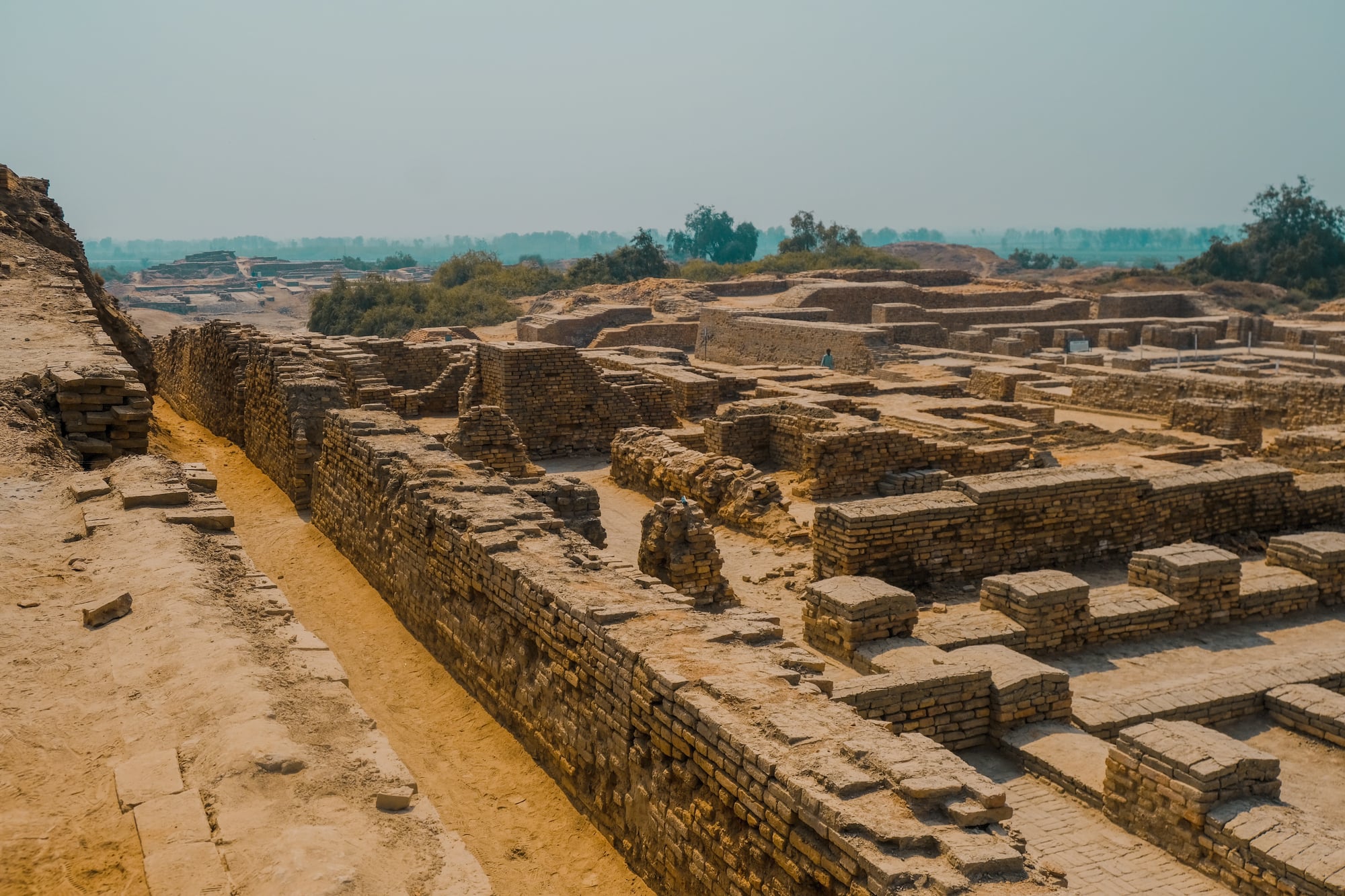
Mohenjo-daro, one of the major cities of the ancient Indus Valley Civilization, had running water, private bathrooms, and a city-wide sewage system around 2500 BCE — infrastructure more sophisticated than most European cities would achieve for another 3,000 years. The engineering logic behind it is understood in broad strokes, but the degree of city-wide planning it implies — standardized brick sizes used consistently across the entire settlement, a grid street layout, covered drainage channels — points to a level of civic organization whose governing structures have never been identified.
No palace, no obvious temple complex, no portraits of rulers — the Indus Valley Civilization built one of history’s great cities and left almost no clues about who was in charge of it.
Çatalhöyük
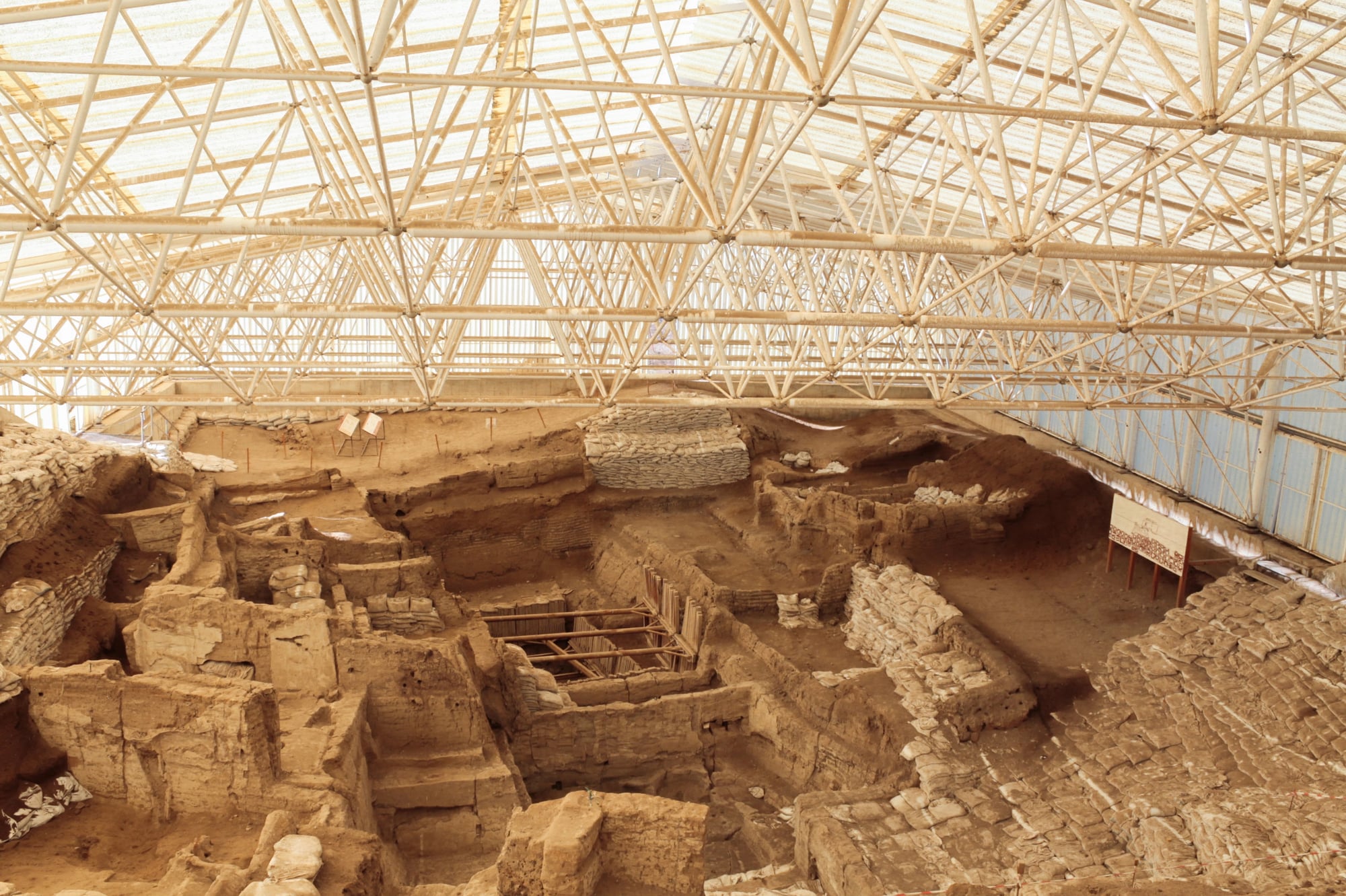
Çatalhöyük in central Turkey, occupied from roughly 7500 to 5700 BCE, is one of the oldest towns ever excavated, and it operated according to social rules that still perplex archaeologists. The houses were built directly adjacent to each other with no streets between them — residents entered through openings in the roof and moved across the settlement rooftop to rooftop — and burials took place beneath the floors of the homes the deceased had lived in.
There’s no evidence of social hierarchy in the physical structure of the settlement: no larger homes, no obvious central authority, no administrative district, just thousands of people living in a densely packed, deliberately organized community whose internal governance left no trace.
Tikal
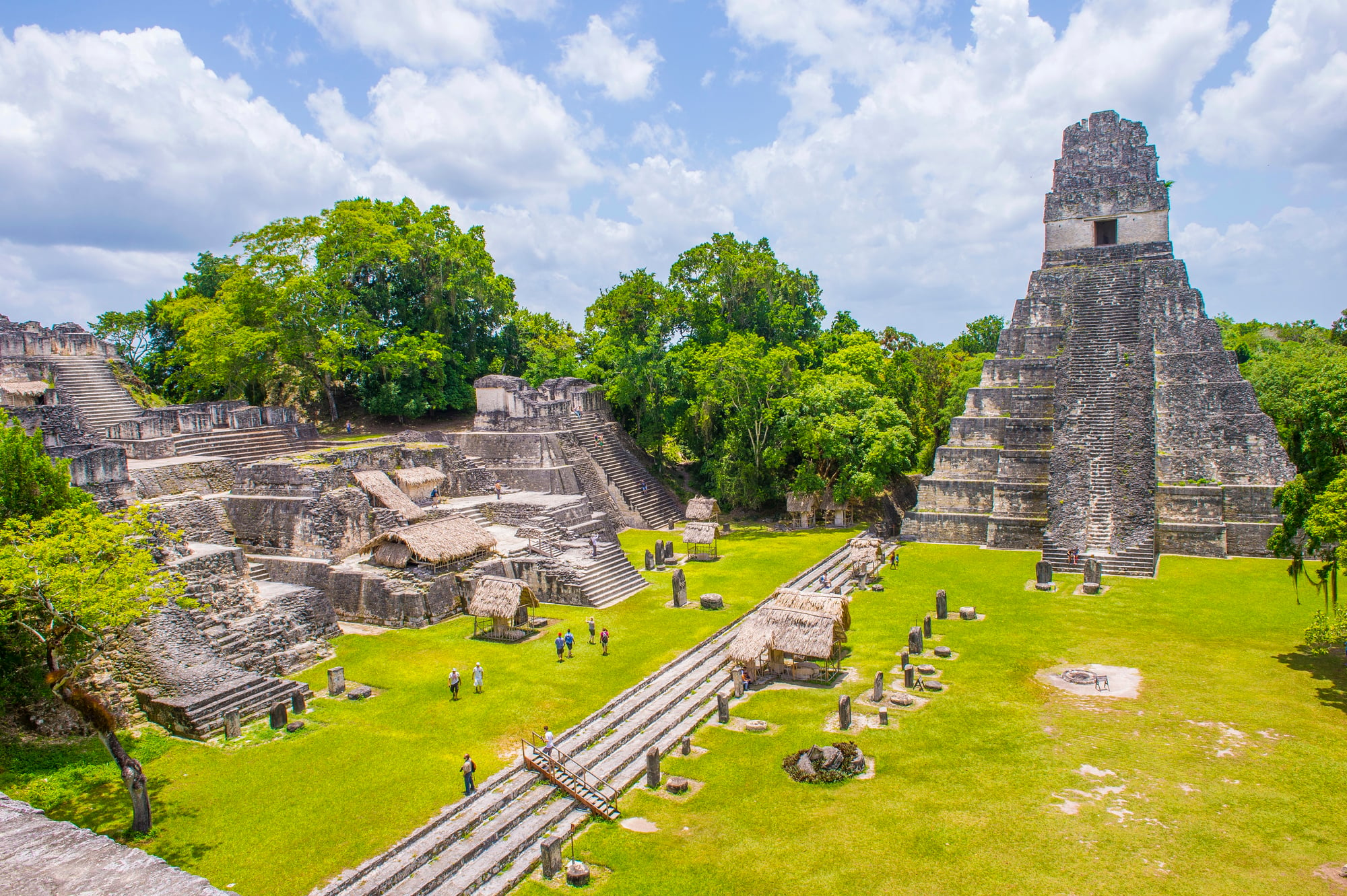
Tikal’s temples rise above the jungle canopy of northern Guatemala like something that decided gravity was a suggestion, the tallest reaching 230 feet, built by the Maya between the 1st and 9th centuries CE. What makes them structurally puzzling isn’t the height — it’s the corbeled arch system used throughout, which technically isn’t a true arch and shouldn’t distribute load the way it does across structures that have stood for over a millennium.
The Maya accomplished this without the wheel, without metal tools, and without draft animals, and they did it in a rainforest environment that is aggressively hostile to preservation.
Adamant in Stone
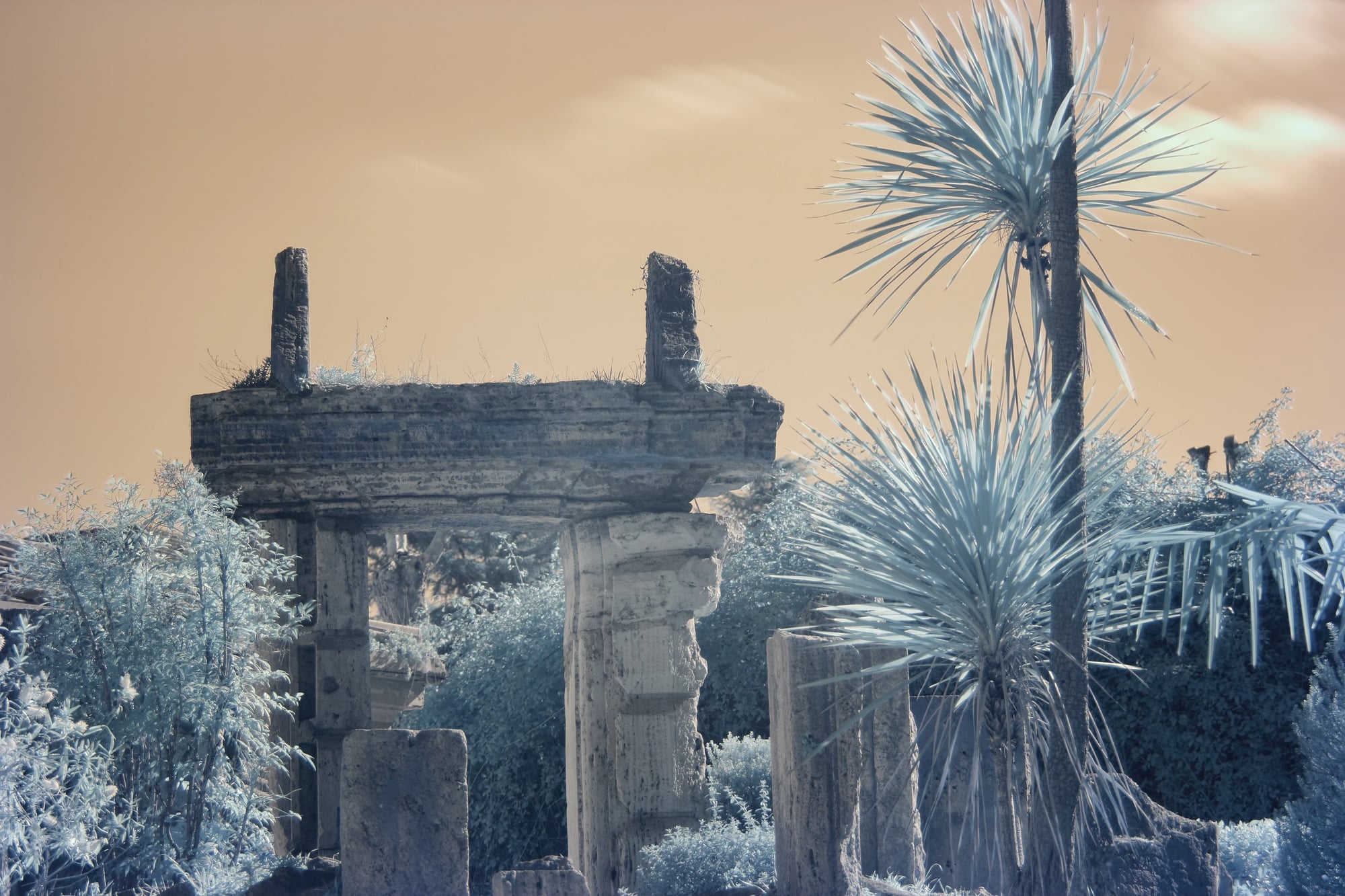
What keeps drawing people back to these places isn’t the mystery for its own sake — it’s the feeling that the distance between ancient capability and modern assumption is much wider than the textbooks suggest. Somewhere between “primitive past” and “modern present” is a vast stretch of human ingenuity that got underestimated, and these structures are the physical evidence of that miscalculation.
They’re not asking to be explained. They’re just still standing, stubborn and exact, waiting for the questions to catch up.
More from Go2Tutors!

- The Romanov Crown Jewels and Their Tragic Fate
- 13 Historical Mysteries That Science Still Can’t Solve
- Famous Hoaxes That Fooled the World for Years
- 15 Child Stars with Tragic Adult Lives
- 16 Famous Jewelry Pieces in History
Like Go2Tutors’s content? Follow us on MSN.