25 Pay Phone Habits That Made Perfect Sense Before Cell Phones
There was a whole choreography to using a pay phone that nobody ever taught you — you just absorbed it, the way you absorbed crossing the street or reading a room. You knew to check the coin return before walking away.
You knew to have your quarters ready before you picked up the receiver. You knew exactly how many rings to let it go before hanging up and calling back.
None of it was written down anywhere, and yet millions of people performed these rituals every single day without a second thought. Looking back now, the habits seem almost ceremonial — a set of unspoken rules for navigating a world where communication required planning, patience, and a little loose change.
Memorizing Phone Numbers
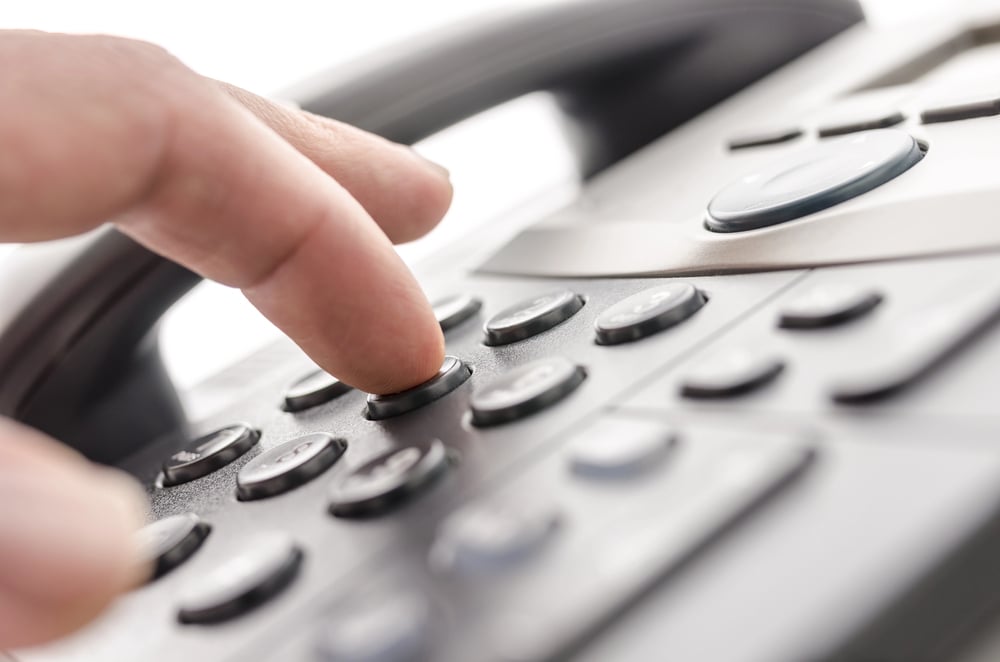
Knowing phone numbers by heart wasn’t a skill — it was a survival requirement. You had your best friend’s number, your mom’s work number, and at least one backup stored somewhere in your head at all times.
Lose that, and you were genuinely stuck.
Checking the Coin Return Slot
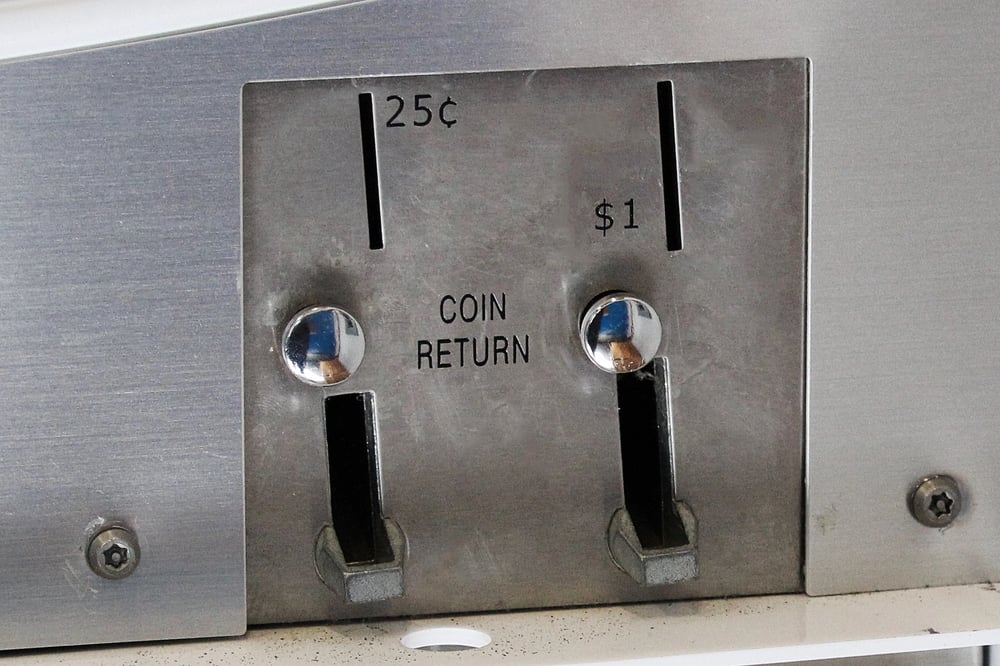
Every single person who approached a pay phone checked that coin return slot first, without even thinking about it. It was reflexive — the optimistic tap of a finger into a small metal slot that almost never yielded anything.
And yet the rare dime sitting in there felt like finding a twenty on the sidewalk.
Carrying Quarters Specifically
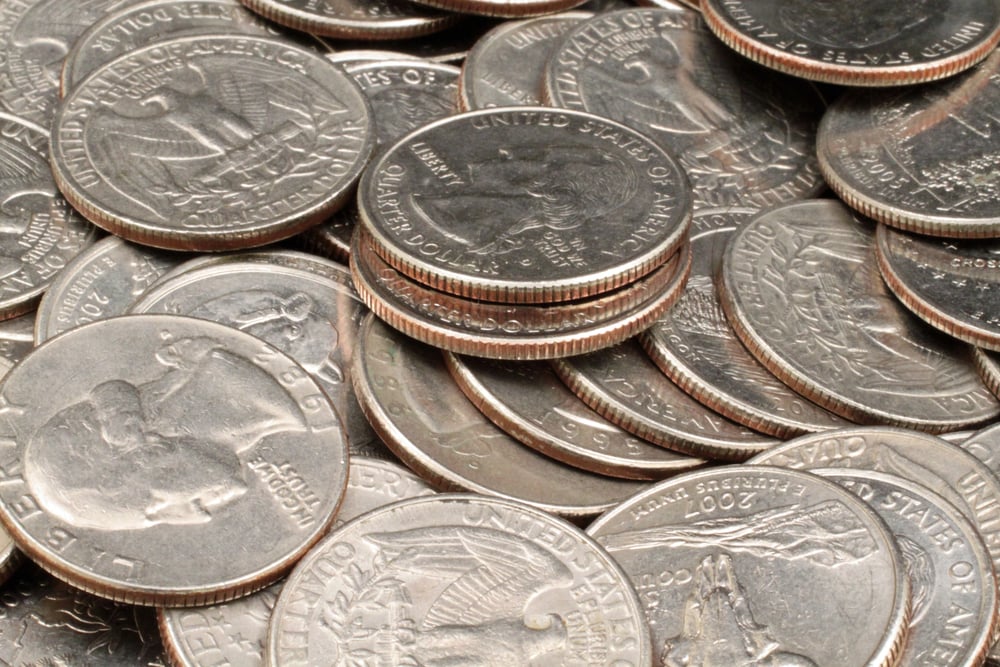
You didn’t carry change in general — you carried quarters with intention. A pocket with three quarters in it meant you were prepared; a pocket with only nickels and pennies meant you were essentially broke for pay phone purposes.
The quarter occupied a specific psychological category that no other coin quite matched, which is something no one would have thought to explain to you because it was simply obvious.
Knowing the Local Rate vs. Long Distance

Local calls and long-distance calls lived in entirely separate financial universes, and everyone understood which category their call fell into before they even lifted the receiver. Calling someone across town cost a quarter; calling someone two states over cost a small fortune in coins or required the operator’s intervention.
You did the math before you dialed.
Using a Phone Book Attached to the Booth
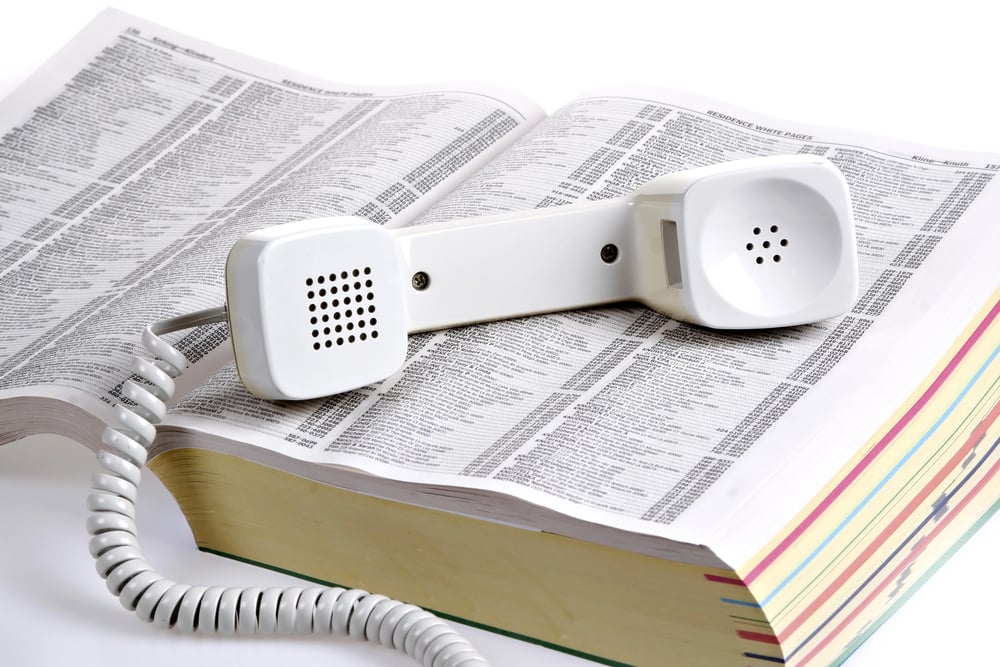
The phone book chained to the booth — worn, damp at the edges, missing pages 340 through 358 — was somehow always consulted with complete sincerity. You’d flip through it with one hand while holding the receiver with the other, the whole thing balancing on a kind of faith.
It was less a reference tool than a rumor: mostly accurate, occasionally fiction, and entirely indispensable.
Letting It Ring Exactly the Right Number of Times

There was a pre-arranged code for this that friends and families worked out on their own. Two rings and hang up meant “I’m here.”
Three rings and hang up meant “come outside.” The pay phone as a signaling device — mute, cheap, and surprisingly precise — was a legitimate communication system that required zero technology beyond the existing infrastructure.
Calling Collect

Calling collect was the nuclear option — the move you made when you had no money and no other choice. The operator would ask for your name, announce the call, and the person on the other end would either accept and pay the charges or decline.
To be fair, creative people figured out pretty quickly that your “name” could carry an entire message: “This is IAmAtTheMall ComePickMeUp” was technically accepted more than once.
Asking a Stranger for Change
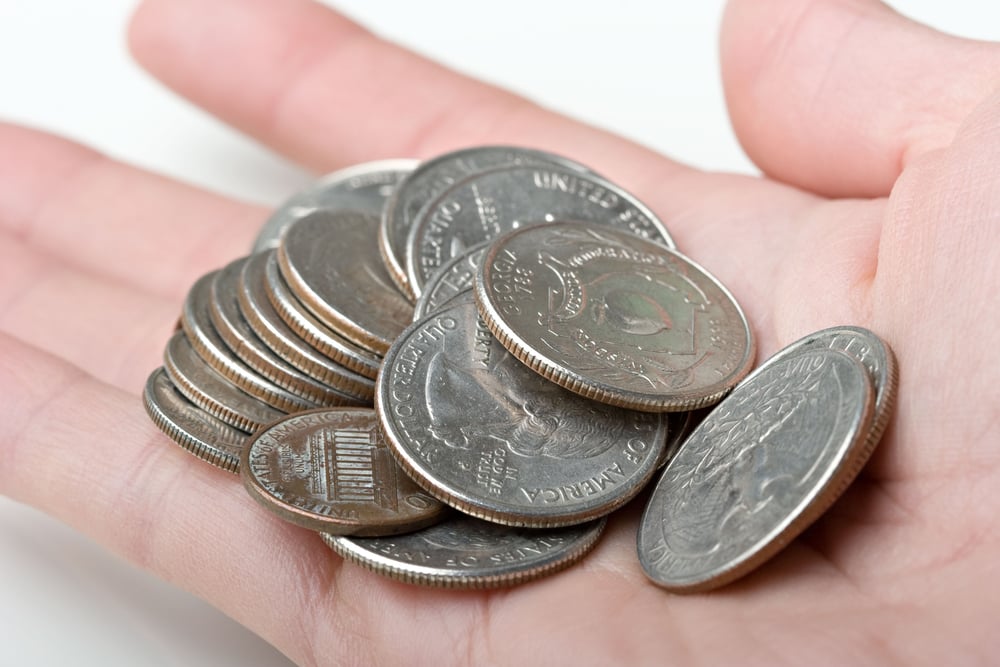
Walking up to a stranger and asking for change for a dollar was a completely normal social transaction that carried no particular awkwardness. You needed quarters, they had a dollar’s worth of coins, and the exchange took about eight seconds.
The entire interaction existed because everyone understood the shared dependency on exact change — a form of low-stakes mutual aid that has essentially vanished.
Having an Operator as a Backup

The operator was a real person on the other end of the line who could connect calls, assist with collect calls, and occasionally provide directory assistance, and people used this service without irony or ceremony. Dialing zero wasn’t a last resort — it was just another tool.
And yet there was something genuinely strange about the arrangement: a stranger sitting somewhere, connecting strangers to other strangers, all day long.
Scoping Out the Nearest Pay Phone Location
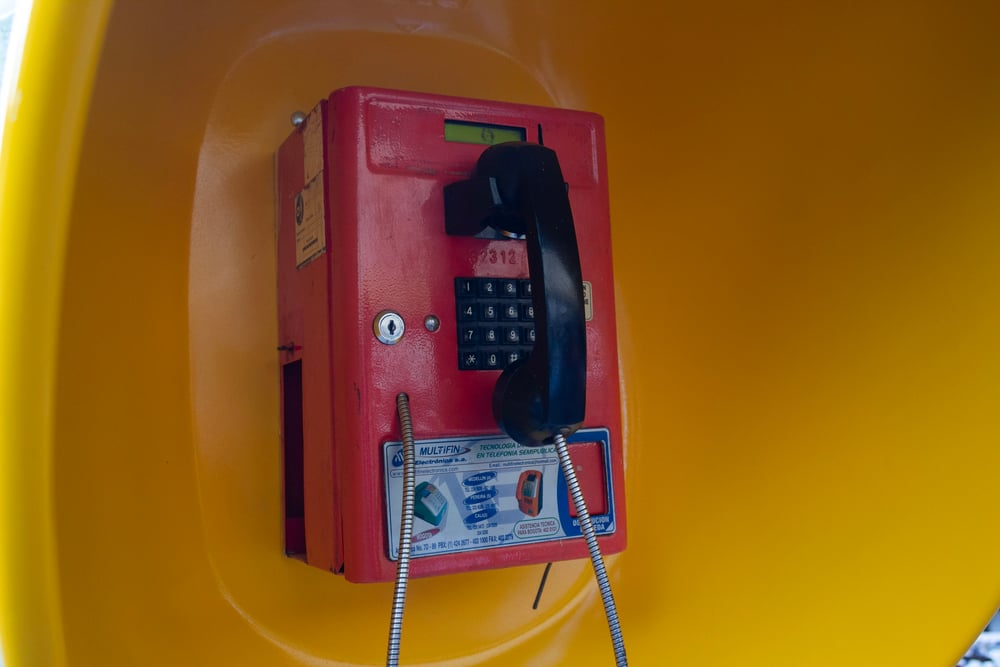
Before leaving the house, you carried a rough mental map of where pay phones were located along your intended route. Gas stations, grocery store lobbies, the corner near the laundromat — these weren’t landmarks so much as infrastructure, the way fire hydrants are infrastructure.
You noticed them without being conscious of noticing them, and their locations settled into memory the way useful things do.
Cupping the Receiver to Block Noise
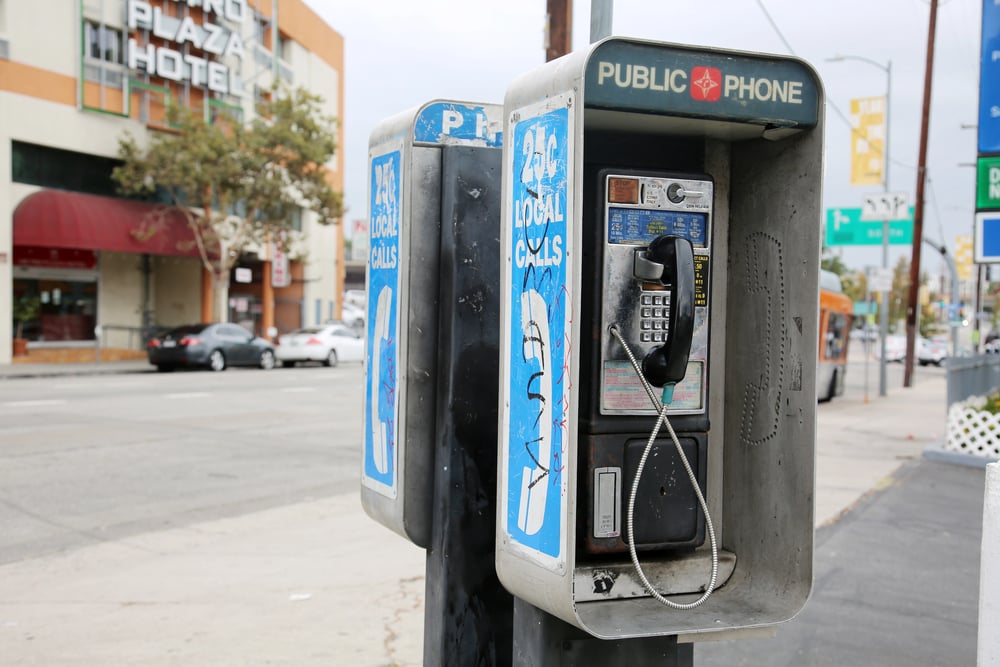
Pressing the receiver hard against one ear and cupping the other hand over the mouthpiece was standard technique in any environment louder than a library. You’d hunch slightly, turn your body toward the booth’s interior, and essentially try to build a small acoustic room around yourself using only your hands and your shoulder.
It rarely worked perfectly but it worked well enough.
Writing Down Messages on Whatever Was Nearby

A pay phone call that produced information — an address, a time, a phone number — required immediate transcription onto whatever surface was available. The back of a receipt, a paper bag, a corner of a newspaper.
People got very good at remembering to carry something to write on, and better still at writing small enough to fit a full address on a matchbook.
Timing Calls to Avoid Expensive Peak Hours
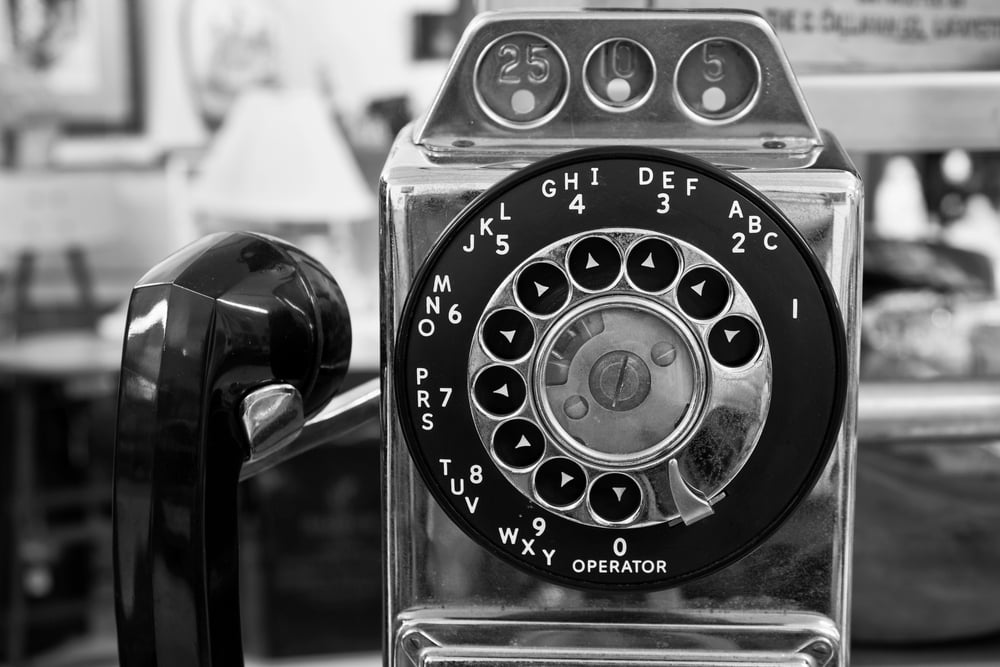
Long-distance rates dropped significantly after certain hours — evenings and weekends were cheaper, and everyone knew it the way everyone knows what gas costs. Planning a long call for after nine p.m. wasn’t frugal, exactly; it was just logical, the same way you wouldn’t run the dishwasher during a drought.
You worked within the system because the system was visible and its costs were immediate.
Propping the Door Open in Summer
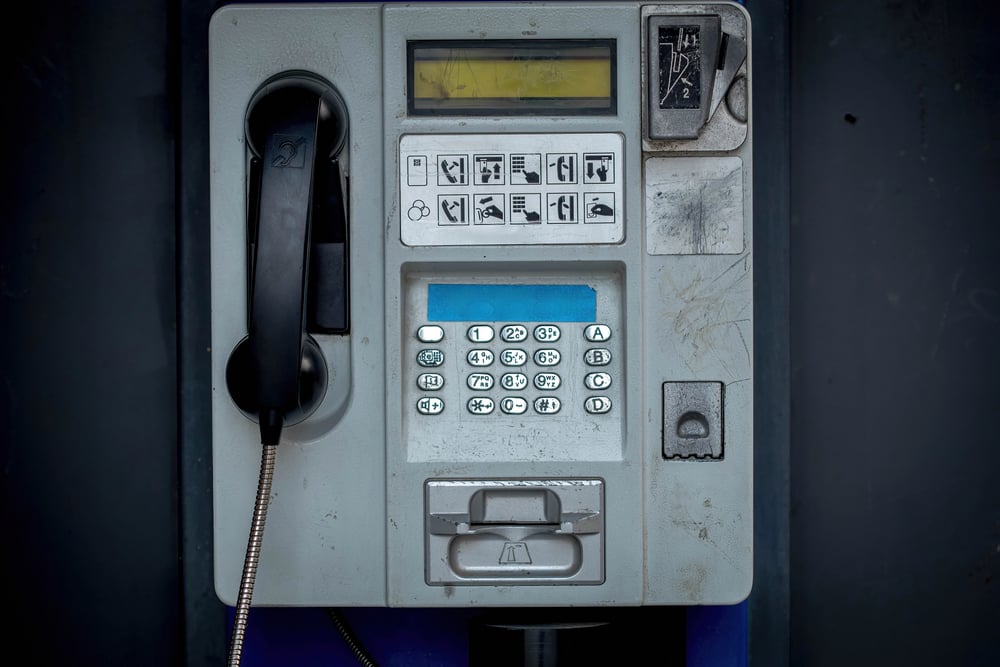
The accordion-style folding door on an enclosed pay phone booth was a misery in warm weather, trapping heat and amplifying every surrounding sound — but closing it offered privacy and slightly better acoustics, so people developed a middle-ground habit: propped open just enough for airflow, closed just enough for the illusion of a private call.
This was not a solution so much as a negotiation.
Leaving Someone’s Number With a Contact Person
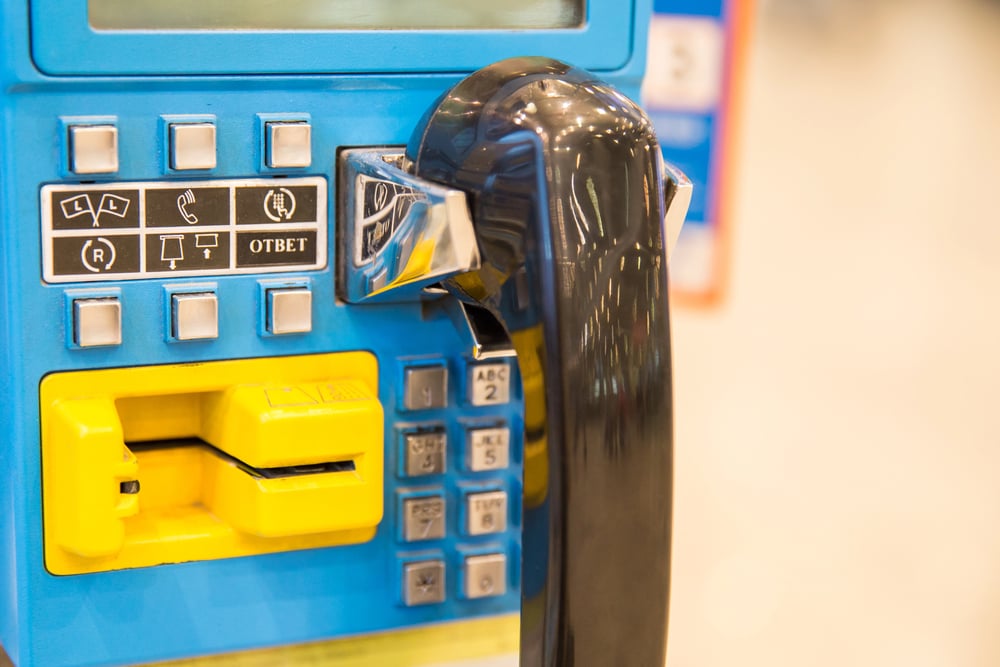
If you were going to be unreachable, you left a number — sometimes the number of a pay phone at a location where you planned to be at a specific time, and you expected people to call that number and ask whoever answered to get you. This required coordination, trust, and at least one willing third party.
It worked with a regularity that now seems borderline miraculous.
Keeping a Phone Card in Your Wallet

Prepaid calling cards were a genuine piece of personal finance infrastructure in the 1990s, tucked into wallets alongside driver’s licenses and library cards. You’d scratch off the PIN, dial an 800 number, punch in roughly seventeen digits, and finally reach the person you wanted.
The process took long enough that you’d better have had something worth saying.
Using the Phone Book’s Residential vs. Business Sections

Everyone understood the basic architecture of a phone book: white pages for individuals, yellow pages for businesses, with the spine-cracking weight of the whole thing serving as a reliable indicator of how many people lived in a given area. You knew which color to flip to before you opened it.
That navigational instinct was built into an entire generation without anyone deliberately teaching it.
Dialing Zero for Local Assistance
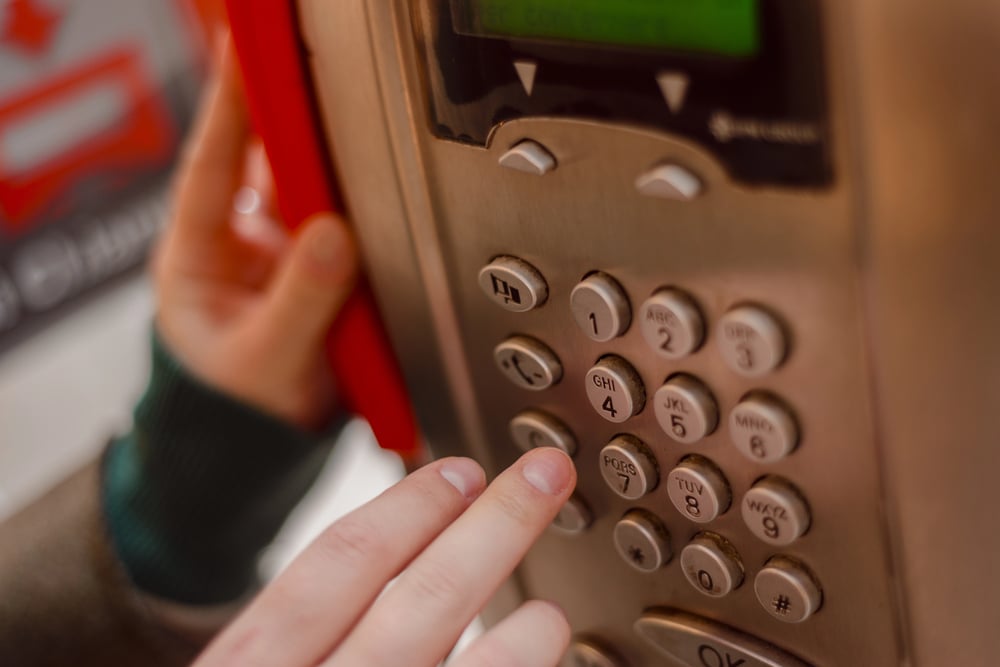
Dialing zero at a pay phone gave you a local operator who could provide directory information, assist with billing issues, or connect you when you weren’t sure how. This was not a workaround — it was an intentional feature of the system.
The infrastructure of telephone service was designed with the assumption that people would sometimes need help, and it built that help directly into the experience.
Standing Politely Near an Occupied Phone
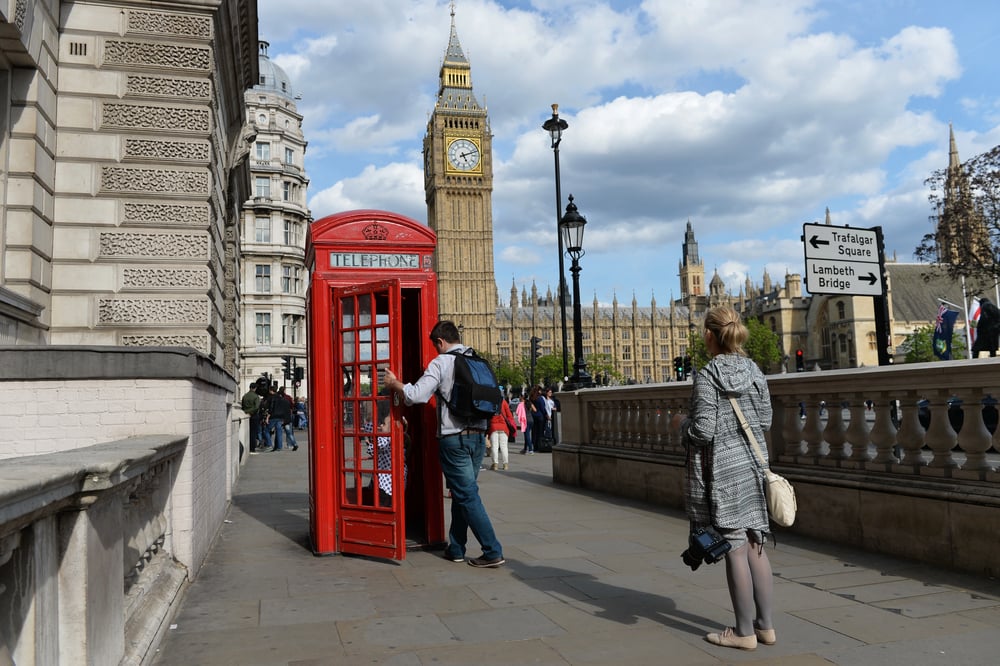
If a pay phone was in use, you didn’t walk up and stand directly behind the caller — you found a respectful distance that communicated awareness without pressure. Six feet, maybe eight.
Close enough to make your presence known, far enough to offer the fiction of privacy. It was etiquette that no one codified and everyone somehow followed.
Using the Phone as a Meeting Confirmation
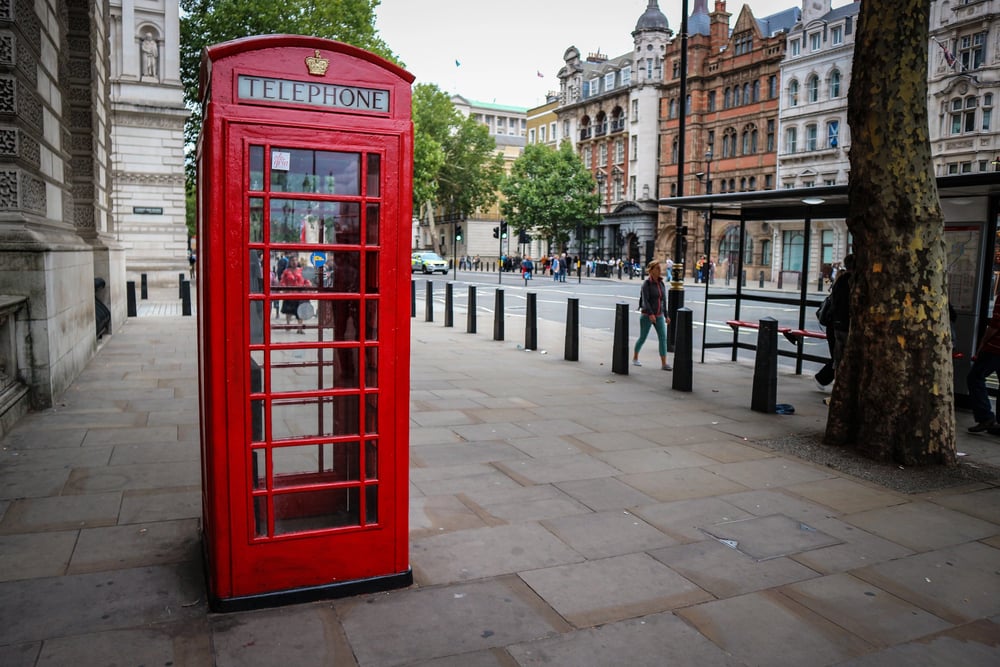
“Call me when you get to the station and I’ll come get you” was a sentence that required a pay phone on one end and a trusted home phone on the other. The whole system depended on both parties understanding that the call would happen, that the pay phone would be working, and that someone would be home.
Three points of faith, regularly rewarded.
Hanging Up Quickly If You Dialed Wrong
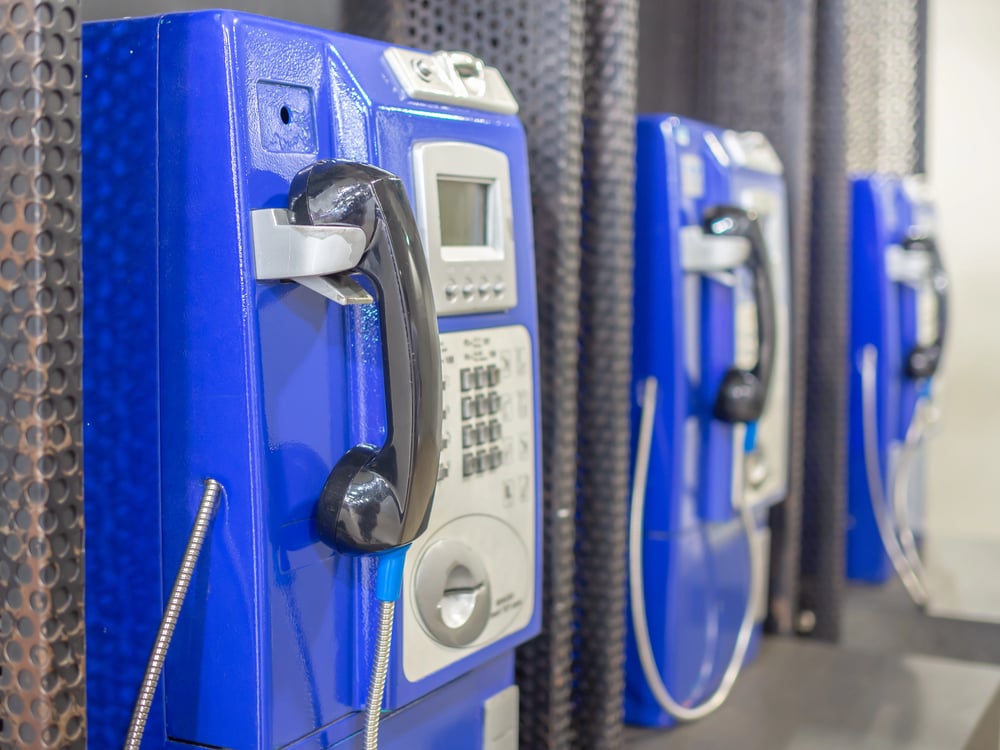
A misdial at a pay phone was a money problem as much as an inconvenience — you’d lost whatever coins initiated the call, and the clock on your credit was running regardless of who answered. So the hang-up was fast, reflexive, almost apologetic.
There was no “let me just try again” casualness; you dialed carefully because redialing cost you.
Knowing Which Phones Were Broken
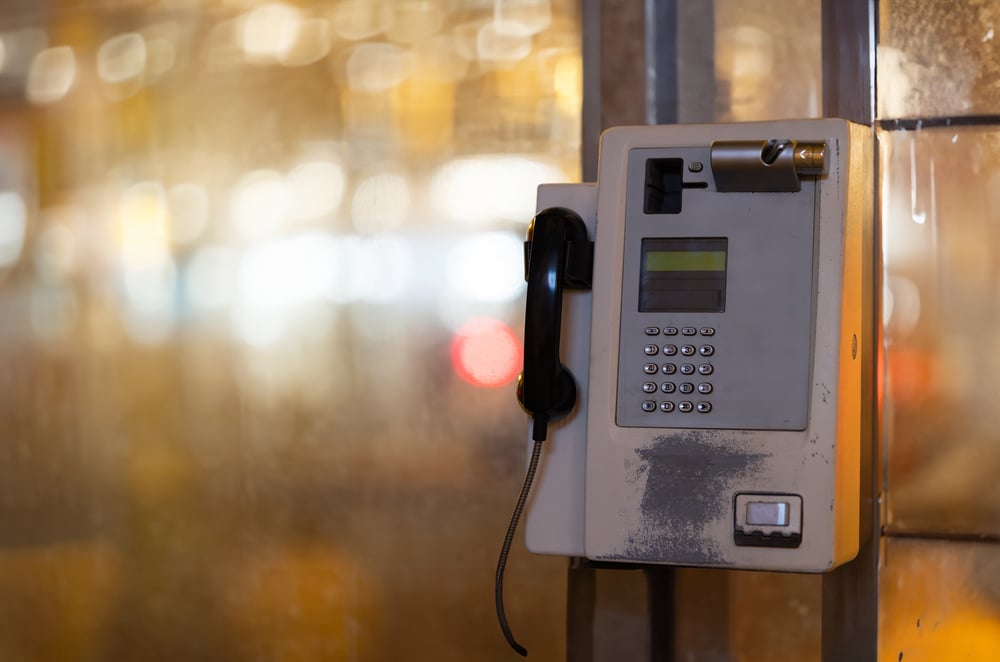
In any given neighborhood, regular pay phone users developed a working knowledge of which specific phones were reliable and which were not. That one outside the drugstore had a sticky “4” key.
The one by the bus stop sometimes took your money without connecting. This was hyperlocal knowledge passed along casually — “don’t bother with the one on Fifth” — the way people share restaurant recommendations now.
Using Landmarks to Describe Your Location
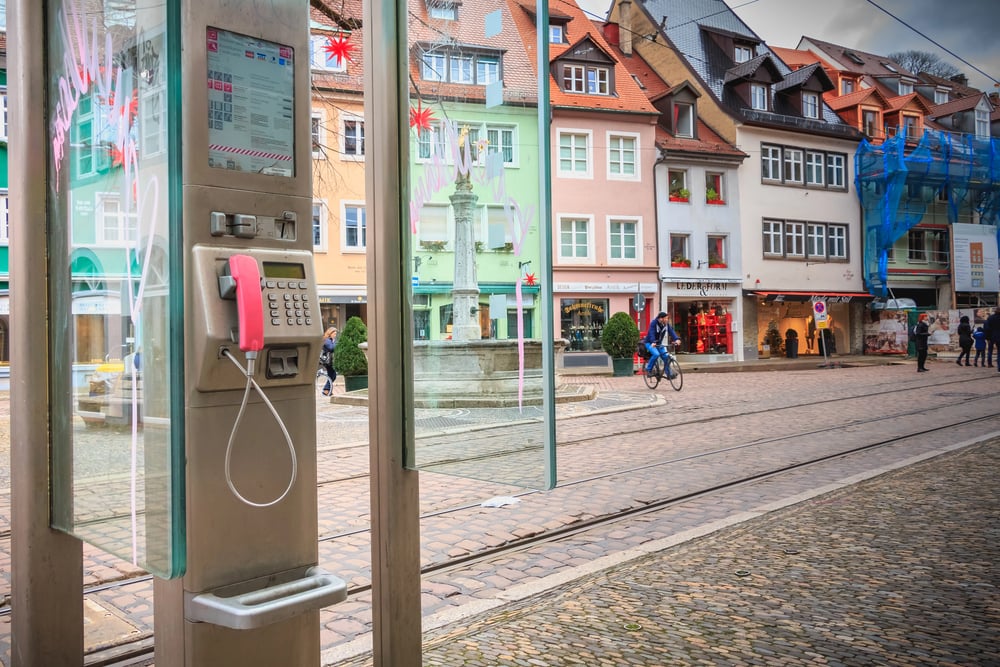
When calling someone from a pay phone to say where you were, GPS didn’t exist and street numbers weren’t always visible, so you described your surroundings: “I’m across from the hardware store, next to the parking lot, near where we used to get pizza.”
You were essentially triangulating your own position using memory and landmarks — a surprisingly reliable system when both parties knew the neighborhood.
Saving Emergency Coins Separately
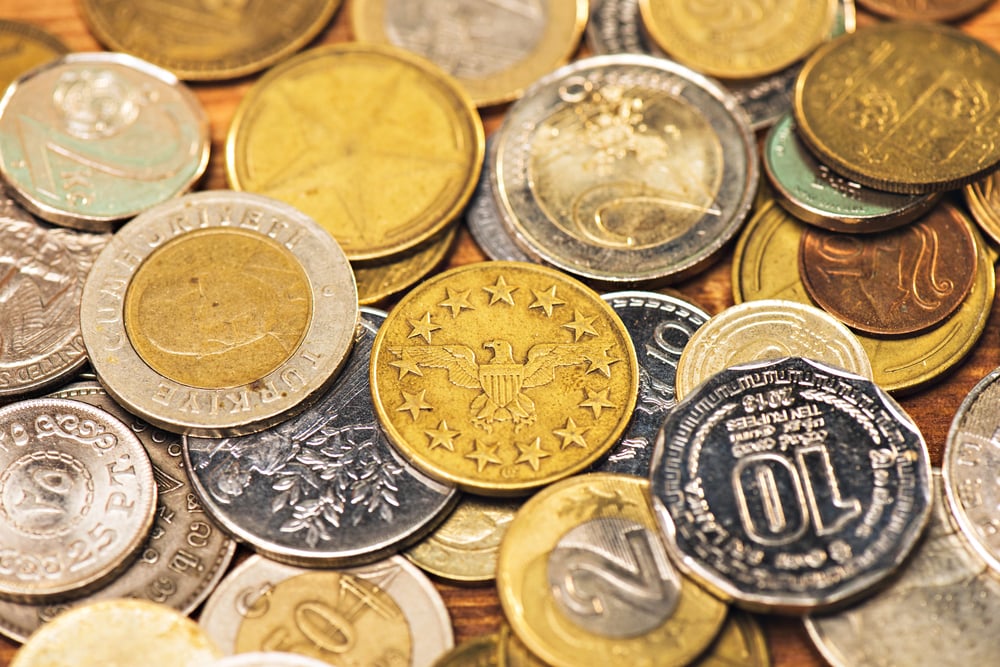
Serious people kept a dedicated coin — one quarter, sometimes two — in a specific, untouchable spot. A coin pocket inside a jacket.
A small pocket in a wallet. Not for vending machines, not for parking meters — strictly for phone emergencies.
The discipline required to maintain that reserve, when quarters were useful in so many other contexts, was its own quiet form of self-respect.
Hanging Up Without Saying Goodbye If Someone Walked Up
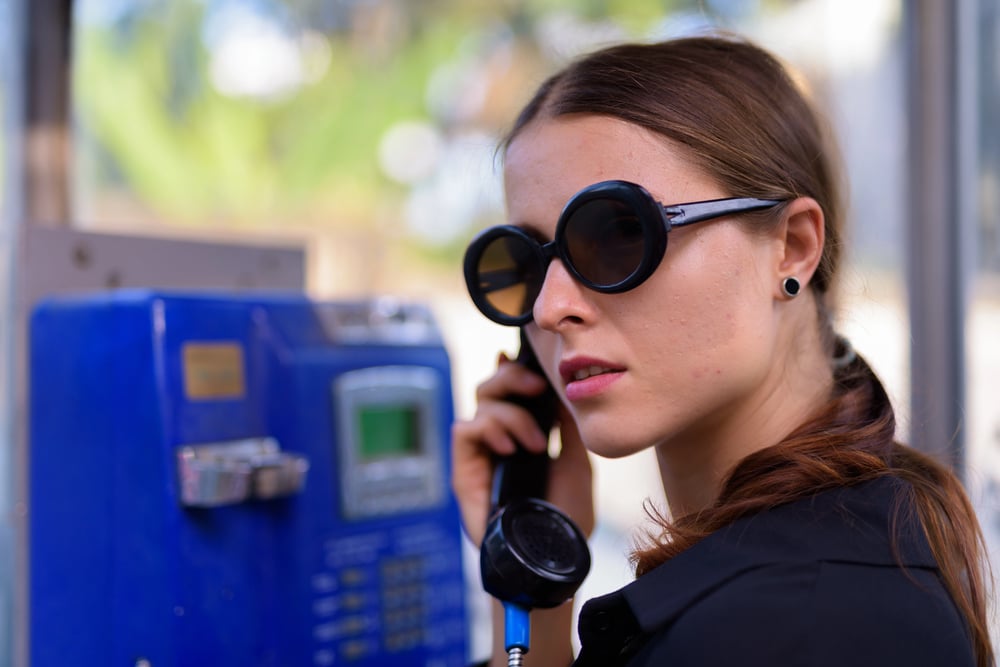
If another person approached the phone while you were mid-call and clearly waiting, the call ended faster. Not rudely — just efficiently, with a “hey, I gotta go” that both parties understood completely.
There was a social compact around shared infrastructure that treated other people’s time as a real variable. It’s a habit that made perfect, obvious sense then, and one that has no equivalent now.
When the Quarter Dropped and So Did Everything Else
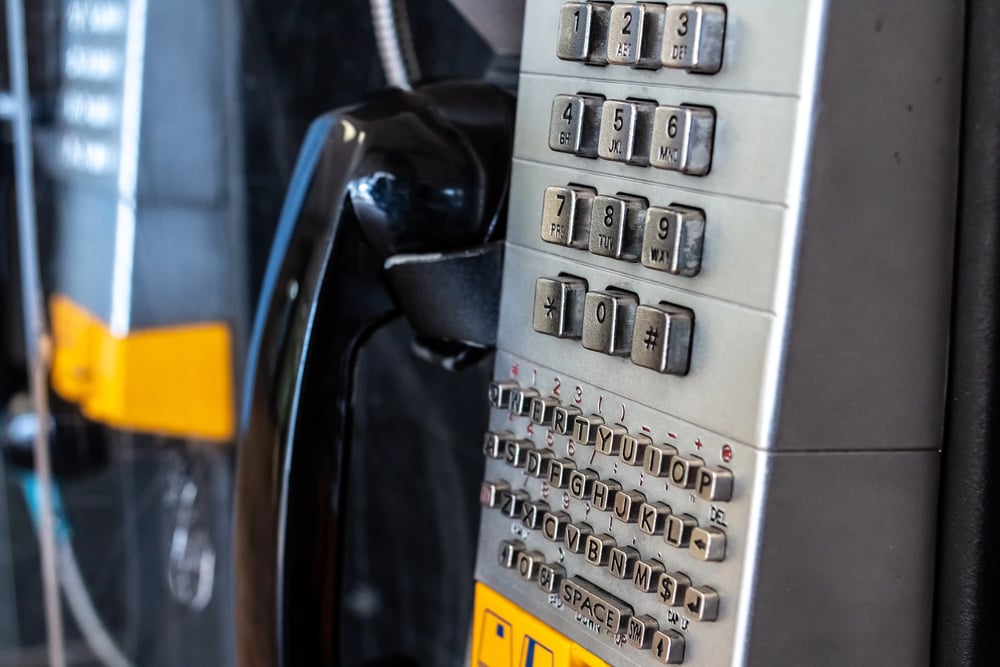
What’s strangest about all of these habits isn’t that they disappeared — it’s how completely they disappeared, how a whole vocabulary of behavior dissolved in roughly a decade. Pay phones still exist in small numbers, mostly in transit hubs and hospitals, where they wait with patient indifference for someone who still knows how to use them.
The rituals they inspired — the memorized numbers, the reserved quarters, the landmark directions — weren’t just workarounds for limited technology. They were the shape that daily life took when communication required you to show up prepared, because the alternative was silence.
And maybe that wasn’t entirely a bad deal.
More from Go2Tutors!

- The Romanov Crown Jewels and Their Tragic Fate
- 13 Historical Mysteries That Science Still Can’t Solve
- Famous Hoaxes That Fooled the World for Years
- 15 Child Stars with Tragic Adult Lives
- 16 Famous Jewelry Pieces in History
Like Go2Tutors’s content? Follow us on MSN.