26 Jingles from the ’90s Permanently Burned Into Everyone’s Memory
There’s a particular kind of memory that doesn’t fade the way ordinary ones do. You haven’t thought about it in fifteen years, someone hums two bars of it in a grocery store, and suddenly you’re reciting every word — perfectly, effortlessly, in the original key.
The ’90s were the golden age of the advertising jingle, a decade when brands figured out that a catchy melody stuck to the brain like a burr on a wool sock. These weren’t just songs.
They were tiny sonic implants, and they worked better than anyone had any right to expect.
Kit Kat
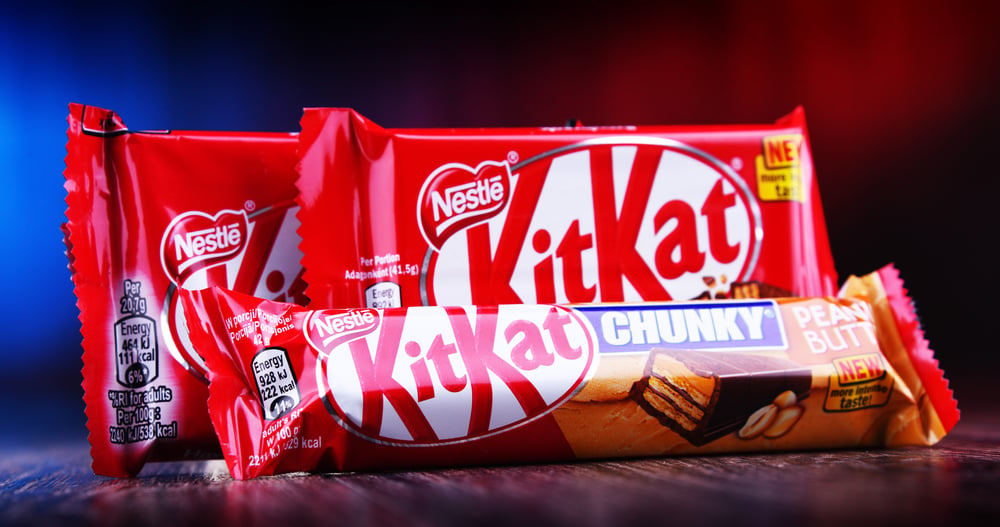
“Gimme a break, gimme a break, break me off a piece of that Kit Kat bar.” That’s it.
That’s the whole thing. Forty-something years old and still running, because nothing in advertising has ever improved on it.
Oscar Mayer Bologna
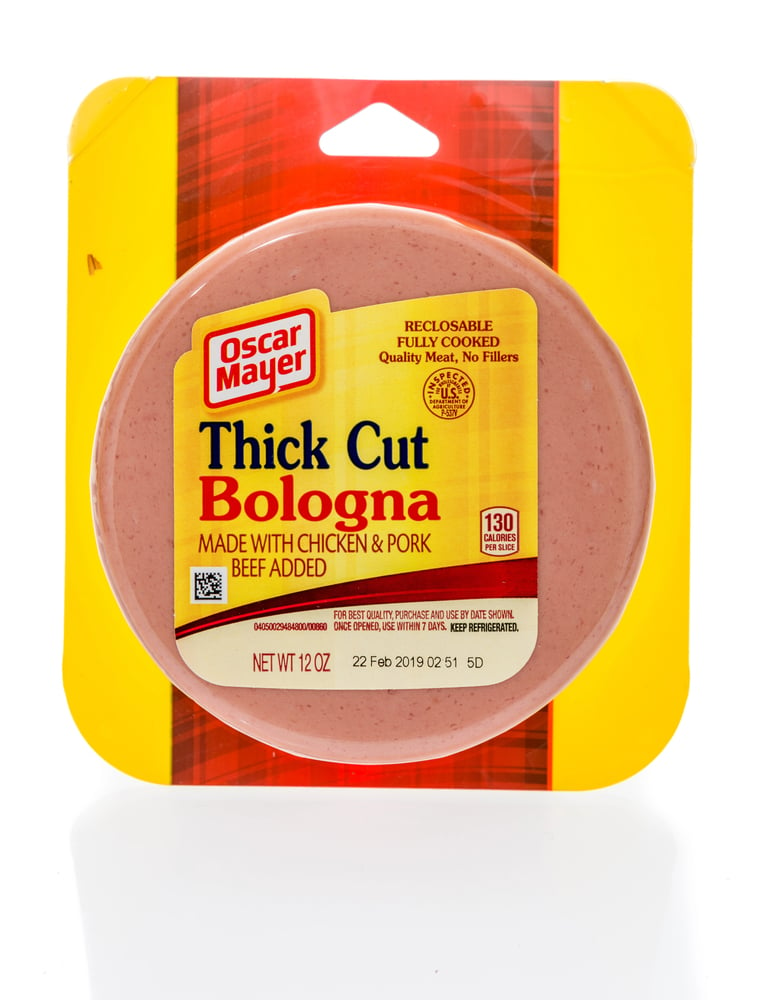
The jingle itself is almost absurdly simple — a child spelling out B-O-L-O-G-N-A while professing love for a processed meat product — but something about the earnestness of it (the tiny, unpolished voice, the slightly off-rhythm spelling) made it feel less like an ad and more like a genuine artifact of childhood, the kind of thing that gets lodged somewhere near your earliest memories and refuses to leave. So you hear it decades later and the feeling that surfaces isn’t nostalgia exactly: it’s something closer to the smell of a school cafeteria on a Tuesday.
And that’s either beautiful or deeply unsettling, depending on how you feel about bologna.
Meow Mix
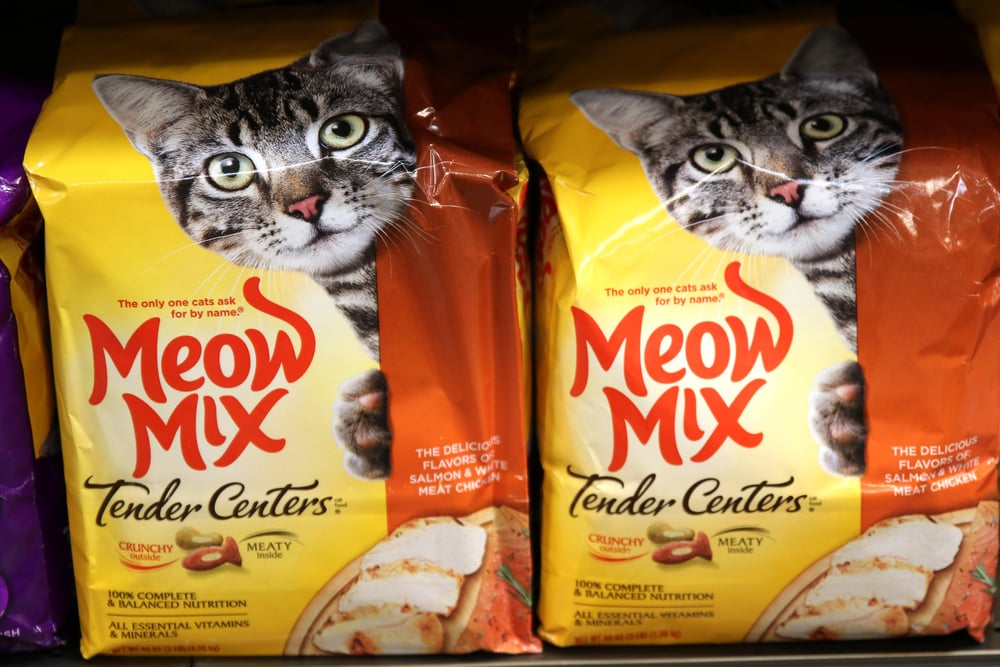
“Meow meow meow meow” is, by any technical measure, a one-word song — and yet it communicates something almost perfectly, the way a cat’s actual indifference communicates more than a long explanation would. The jingle doesn’t describe the product, doesn’t make a promise, doesn’t offer a single piece of information a consumer could act on.
It just repeats itself, stubborn and cheerful, until the brand name and the sound become the same thing in your head.
McDonald’s
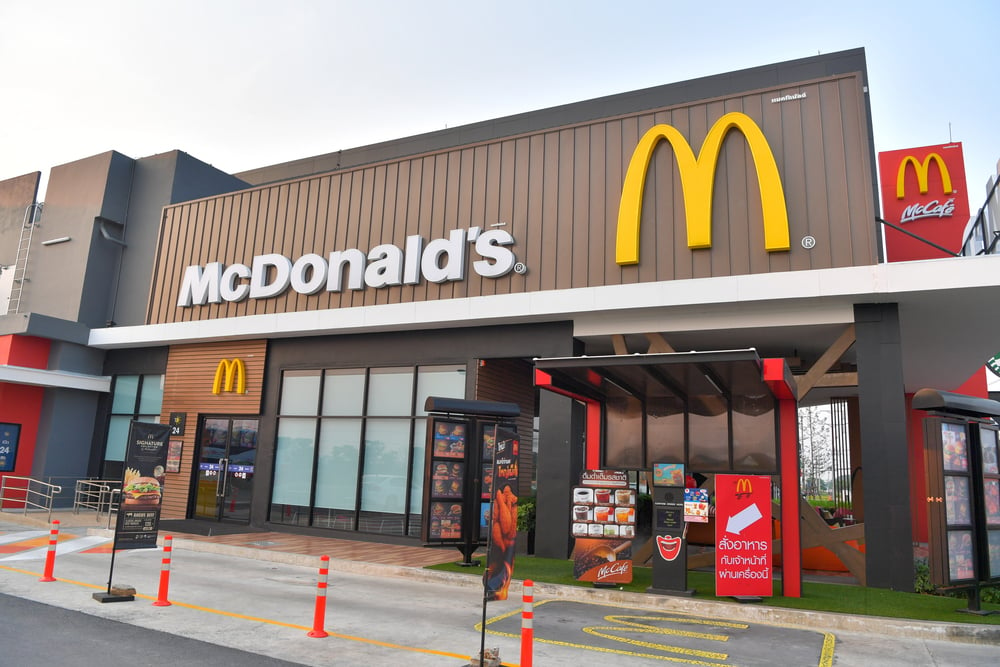
I’m lovin’ it’ debuted in 2003, making it an early-2000s campaign rather than a ’90s jingle. Justin Timberlake wrote it for a flat fee, marking the end of the McDonald’s ’90s era advertising.
To be fair, “ba da ba ba baa” does something to the human brain that no amount of advertising research has ever fully explained — it just lands.
Folgers
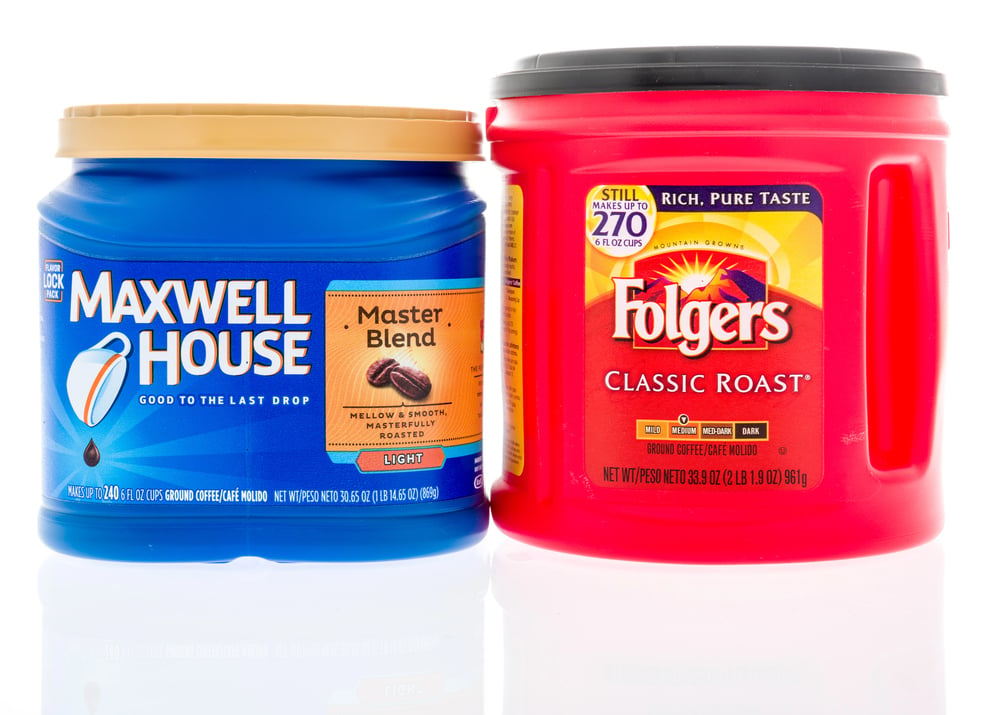
“The best part of waking up is Folgers in your cup.” Millions of Americans who don’t even drink Folgers know this line cold.
It aired every morning for decades, which turns out to be a reliable delivery mechanism for permanent memory encoding.
Chili’s Baby Back Ribs
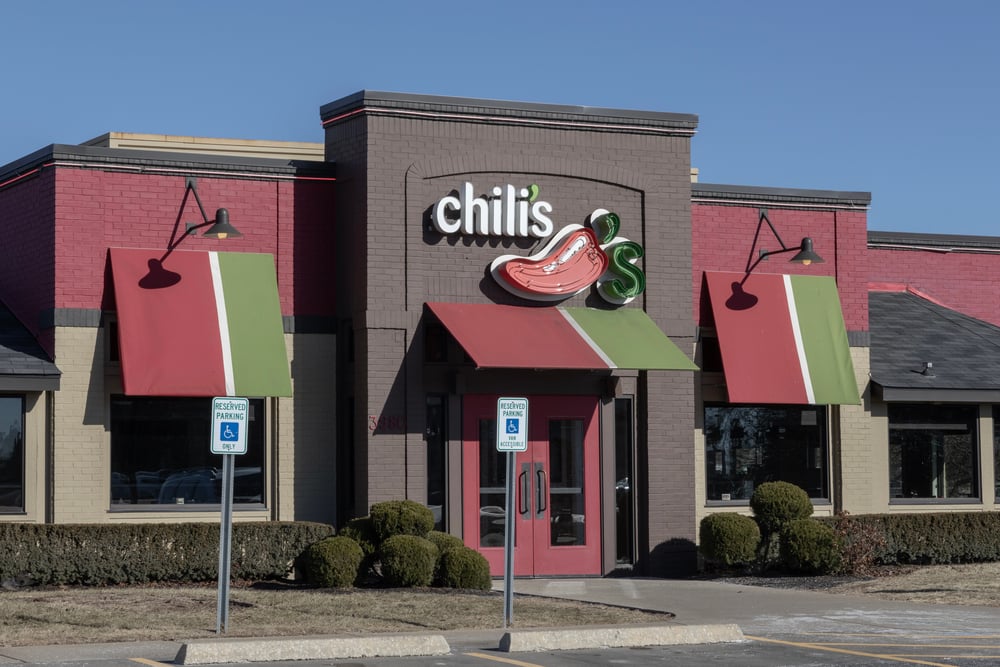
There is genuinely no rational explanation for why the Chili’s baby back ribs jingle — a slow, slightly bluesy chant that goes “I want my baby back, baby back, baby back ribs” — burrowed so completely into the collective American brain, and yet here we are, a full generation later, and it still surfaces unbidden in quiet moments, in the middle of conversations that have nothing to do with barbecue. The jingle was used in a Mike Myers film, covered by boy bands, referenced in television shows, and at some point it stopped being an advertisement and became just: a thing that exists in culture.
And the ribs, to be fair, are fine.
Toys “R” Us
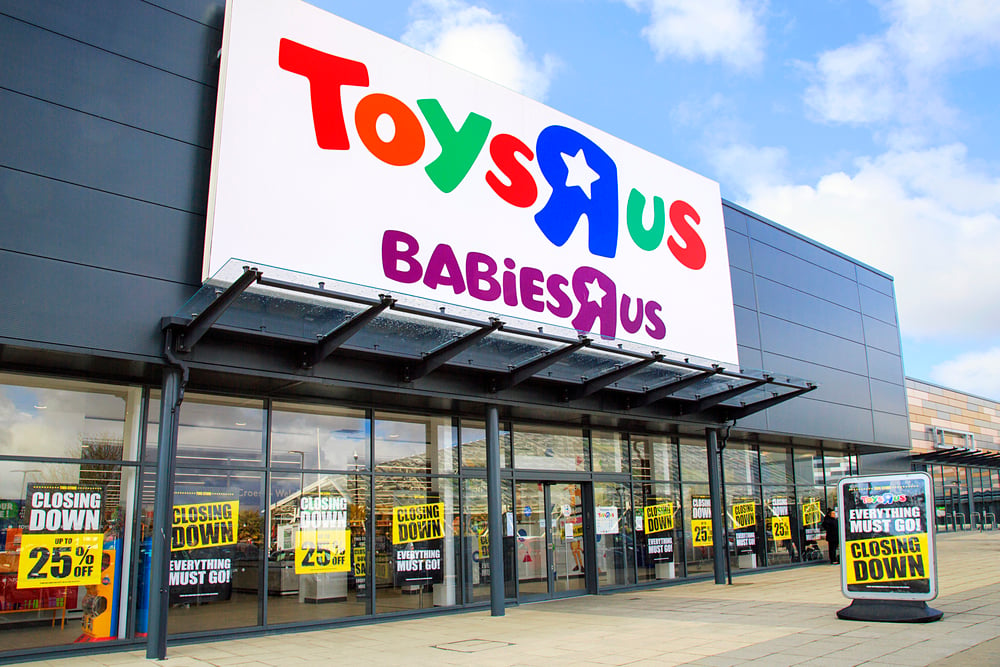
The Toys “R” Us jingle worked the way a locked door works — not by keeping you out but by making you more aware of what’s on the other side. “I don’t wanna grow up, I’m a Toys ‘R’ Us kid” wasn’t selling toys so much as it was selling the idea that choosing toys over adulthood was a legitimate position.
Every child who sang it meant it completely, with the specific gravity of a deeply held conviction, and every adult who hears it now feels the echo of that.
State Farm
“Like a good neighbor, State Farm is there” is one of the most durable insurance slogans ever written, which is remarkable because insurance is among the least emotionally interesting products a person can buy. Barry Manilow wrote it in 1971 and it ran essentially unchanged for over forty years.
Turns out “neighbor” hits a different nerve than “provider” or “coverage” — and whoever figured that out earned their fee.
Lucky Charms
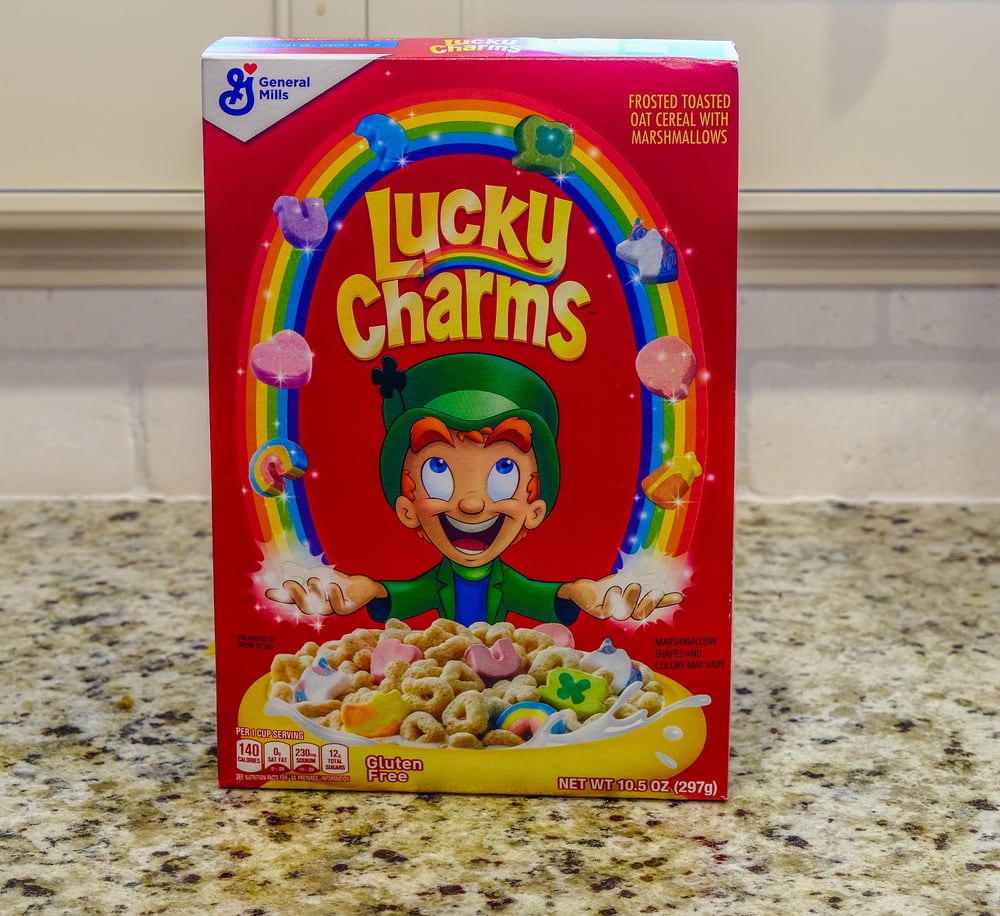
“They’re magically delicious.” Four words.
It told you absolutely nothing about what was in the box, nutritionally or otherwise. It didn’t need to — the word “magically” did all the work that “healthy” or “nutritious” could never do for a cereal that is mostly marshmallows.
Doublemint Gum
The Doublemint campaign ran for so long, and featured so many sets of twins doing so many cheerful, active things in bright outdoor settings, that the jingle — “double your pleasure, double your fun, with Doublemint, Doublemint, Doublemint gum” — started to feel less like advertising and more like a law of nature, as if doubling things were simply good and Doublemint were simply the evidence. The rhythm of it is almost hypnotic, a looping meter that your brain snaps into automatically, the way you automatically complete a sentence once the first half has been spoken.
So even people who never chewed Doublemint in their lives know every word.
Kellogg’s Frosted Flakes
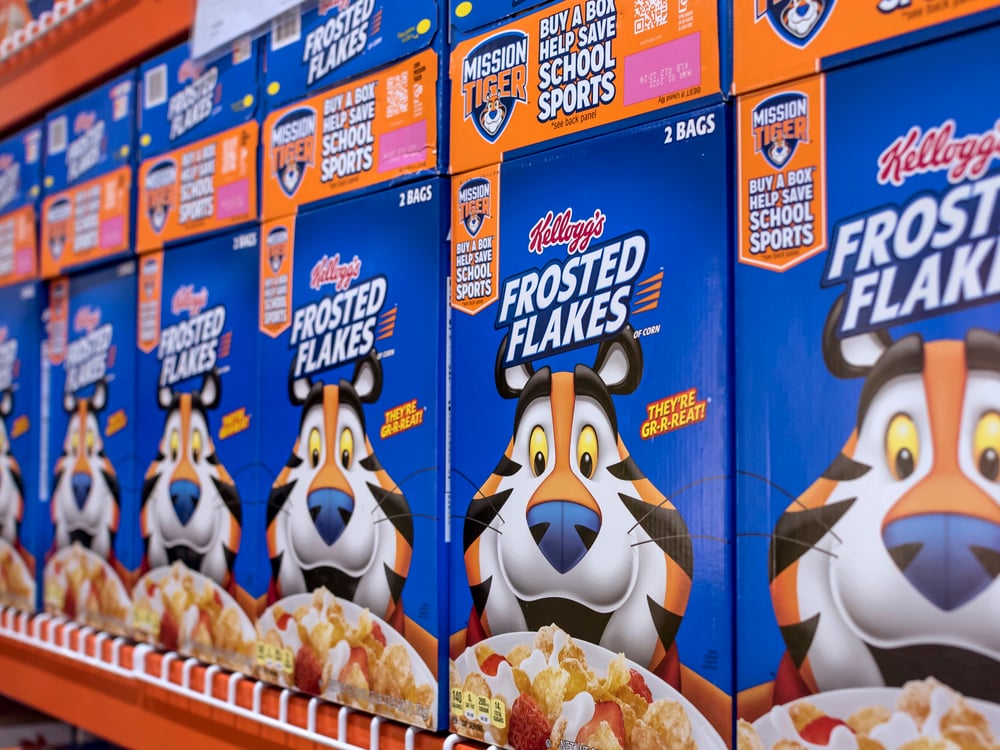
Tony the Tiger didn’t just sell cereal — he performed a very specific kind of confidence, the sort that arrives fully formed and doesn’t wait for your opinion. “They’re gr-r-reat!” lands with the finality of a verdict rather than a suggestion.
The rolled R is a small thing, technically speaking, but it turns an ordinary word into a signature — the difference between a stamp and a fingerprint.
Little Caesars
“Pizza pizza” is two words repeated once, and it built a national brand. That’s genuinely impressive, not in a complicated way but in the way a well-thrown punch is impressive — it’s simple, direct, and it connects.
Little Caesars understood that a low price point deserved a short slogan, and they were right about that in a way most ad agencies aren’t willing to admit.
Empire Carpet

“800-588-2300, Empire!” If you grew up in the Midwest or Mid-Atlantic, that phone number is still accessible in your memory faster than your own zip code.
It aired on local television so relentlessly throughout the ’90s that it became a kind of ambient noise — background radiation, but for carpet.
Schoolhouse Rock
Technically an educational series rather than a pure advertisement, Schoolhouse Rock occupied an odd middle ground — it aired during ABC’s Saturday morning commercial breaks, wedged between cereal ads and cartoon promos, and yet it taught millions of children how a bill becomes a law, what a conjunction does, and how to count by threes, all through songs that were genuinely, stubbornly catchy in a way that most deliberate educational content fails to be. The trick (and it was a trick, even if it worked beautifully) was that the music arrived first and the information followed, so your brain filed grammar rules in the same drawer as favorite songs.
And that drawer, it turns out, never really empties.
Tootsie Roll
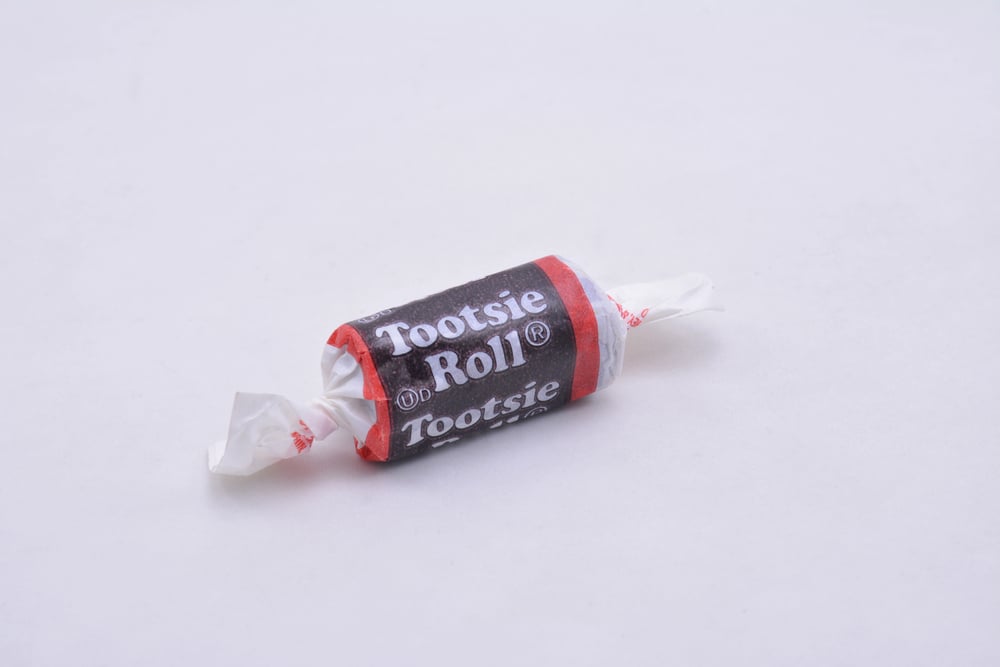
“Whatever it is I think I see becomes a Tootsie Roll to me” — the jingle is practically surrealist, a small fever dream in which the world dissolves into candy, and somehow that makes it more memorable than anything straightforward could have been. It wraps around your perception rather than pointing at a product.
The song was a hit on its own in 1969 and the ’90s generation inherited it wholesale, singing it on playgrounds with total commitment to the premise.
Coca-Cola
Coca-Cola’s “Always Coca-Cola” campaign from 1993 produced the polar bears, the hilltop echoes of earlier decades, and a jingle so smooth it felt less like an advertisement than a small act of reassurance. The brand has always understood that it isn’t really selling a drink.
It’s selling a feeling that’s adjacent to a drink, and the music was how it delivered that feeling directly into the nervous system.
Mentos

The Mentos “Freshmaker” jingle was objectively corny. Everyone knew it was corny in real time.
It aired anyway, relentlessly, and the corniness became the point — an ironic charm that made the ad more memorable than something polished ever would have been.
Band-Aid
“I am stuck on Band-Aid brand, ’cause Band-Aid’s stuck on me” — the jingle doubles back on itself the way a good riddle does, the product and the person becoming briefly interchangeable, and there’s something unexpectedly clever in that structure for what is, at bottom, an ad for a small strip of adhesive plastic. It ran for decades across different versions (children, adults, the occasional celebrity cameo), and each version reinforced the same basic move: the brand name embedded in a sentence that was about you, not about a product.
So the message arrived feeling personal, which is either skillful marketing or a minor invasion, depending on how you look at it.
Nationwide Insurance

“Nationwide is on your side” is a jingle that functions almost architecturally — it’s eight syllables and it rhymes, and those two facts together make it stick to the brain the way a hook and a nail stick to a wall. There’s comfort built into the rhyme itself, a small resolution that arrives right where the tension was.
Insurance is, at its core, a product you buy against the possibility of things going wrong, and a rhyming promise is exactly the wrong kind of thing that somehow feels like the right kind.
Pizza Hut
The Pizza Hut jingle from the ’90s — “Makin’ it great, Pizza Hut” — was not the most sophisticated piece of advertising ever produced. But it ran during prime-time television for years, and repetition at that volume doesn’t need sophistication.
It just needs a melody short enough to fit in a ten-second spot and a claim vague enough that nobody can argue with it. “Makin’ it great” is, to be fair, impossible to fact-check.
Big Red Gum
“So kiss a little longer, stay close a little longer, hold tight a little longer — longer with Big Red.” That jingle was doing a lot of emotional lifting for a stick of cinnamon gum.
It sold intimacy, not freshness. And it worked.
Armour Hot Dogs

“Hot dogs, Armour hot dogs, what kinds of kids eat Armour hot dogs?” — the jingle then proceeds to list a taxonomy of American children: fat kids, skinny kids, kids who climb on rocks, tough kids, sissy kids, even kids with chicken pox, all united by their apparently universal preference for this particular brand of processed meat product. The list feels almost democratic, a roll call of childhood in all its forms, and the fact that it’s selling hot dogs becomes almost incidental — what it’s really selling (and this is either sweet or a little manipulative) is belonging.
And it lands anyway, every time.
Rice-A-Roni
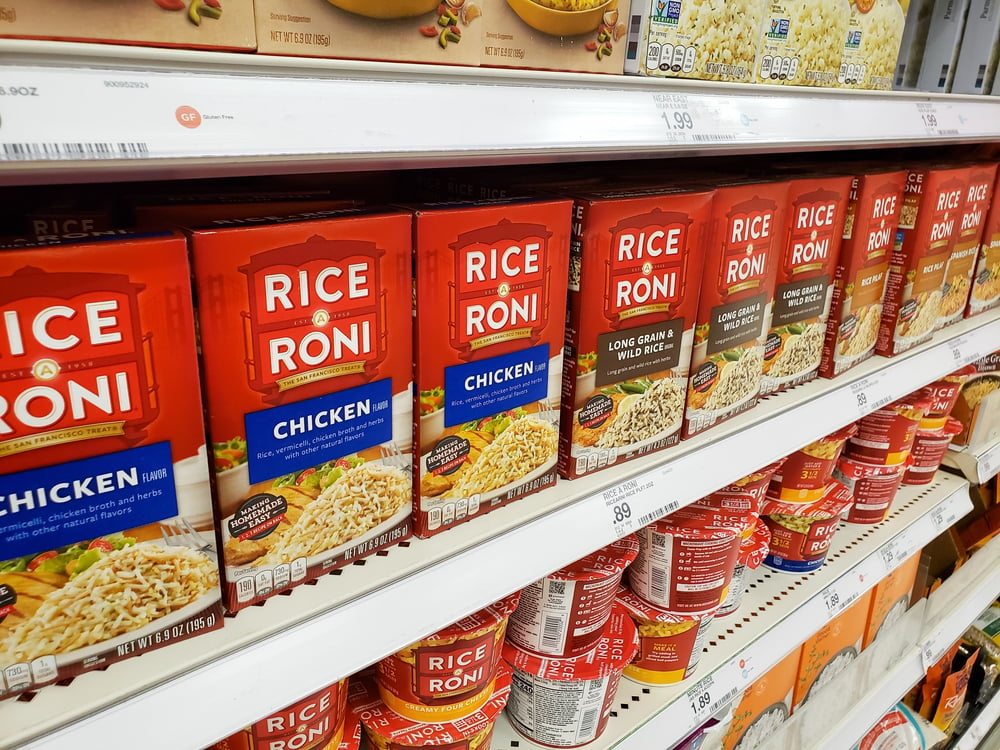
“Rice-A-Roni, the San Francisco treat” is a jingle that gave a boxed side dish a home city, a geography, a story — as if pasta and rice mixed in a foil packet had somehow absorbed the fog and the hills and the cable cars of Northern California. The city does a lot of heavy lifting in that one line.
San Francisco wasn’t chosen accidentally; it carried connotations of sophistication that “the Cincinnati treat” simply never could have matched.
De Beers
“A diamond is forever” isn’t technically a jingle — it’s a tagline, four words long, first used in 1947 and still running — but it became so musically embedded in television advertising throughout the ’90s that it functioned exactly like one. De Beers essentially rewrote the cultural meaning of diamond engagement rings through that phrase alone, which is the most successful advertising line in history by most measures.
Turns out language can move markets in ways that price cuts can’t.
Kibbles ‘n Bits
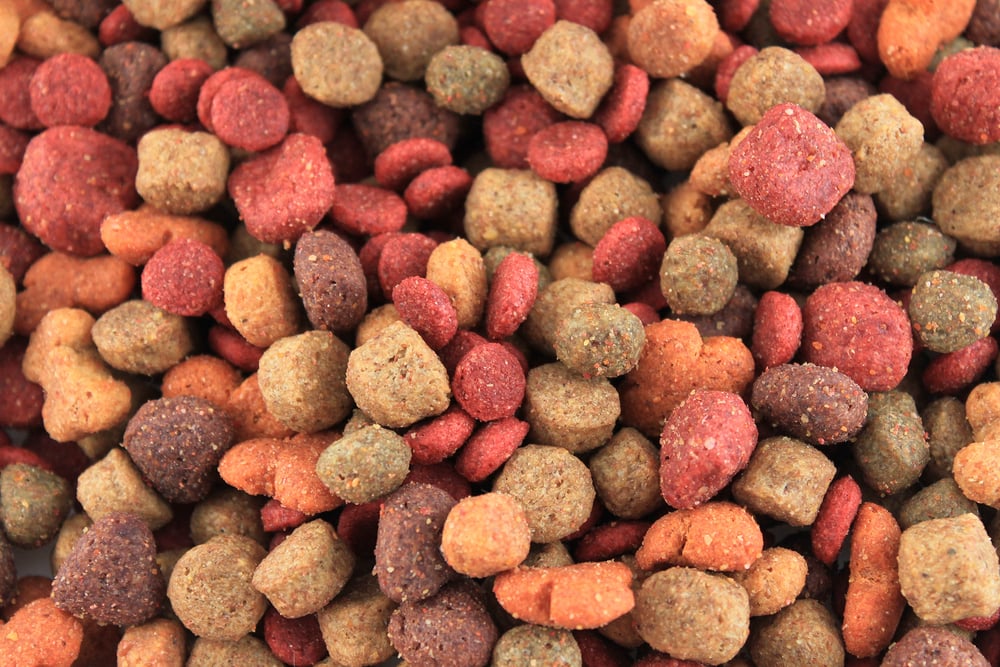
“Kibbles ‘n Bits, Kibbles ‘n Bits, I’m gonna get me some Kibbles ‘n Bits.” The jingle was technically from a dog’s perspective, which is a storytelling choice that should feel strange and somehow doesn’t.
Every person who heard it as a child can still recite it. None of them are dogs.
Dunkaroos
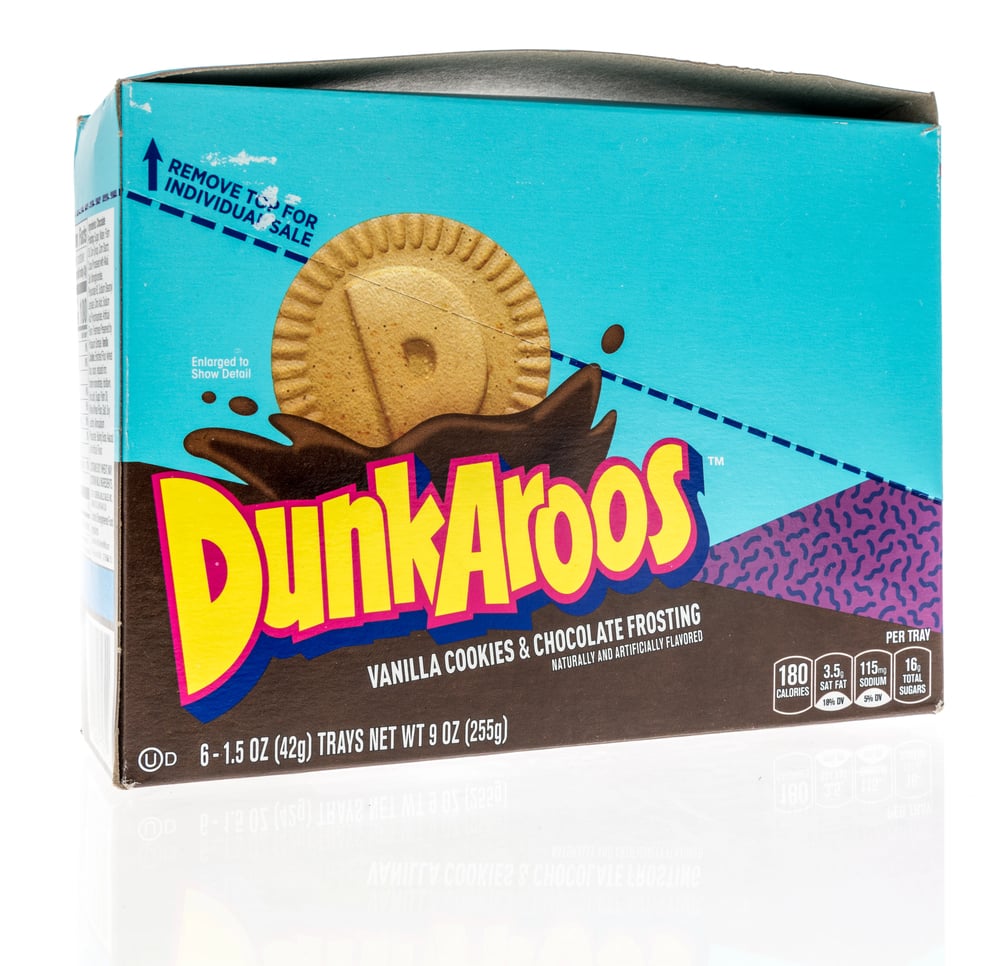
Dunkaroos didn’t have one jingle so much as an entire sonic identity built around the kangaroo mascot, the Australian-inflected packaging, and a series of ads that made the act of dipping a small vanilla cookie into a tiny tub of frosting feel — somehow, against all odds — like an adventure worth having, the kind of snack that arrived with its own mythology already attached. The ’90s were unusually good at this particular trick: taking ordinary things and wrapping them in enough personality that the personality became part of what you were consuming.
And you were consuming a lot of frosting, when you got down to it.
What the Earworm Left Behind

Jingles were never really about information. Nobody learned anything useful from “ba da ba ba baa” or a cat repeating its own name.
What they delivered was something stranger and more durable: a feeling tied to a sound, compact enough to survive decades without maintenance. The ’90s produced an unusual density of them, a decade when television was still the dominant medium and a well-placed melody could reach virtually every household in the country before streaming fractured everything into a thousand separate feeds.
You didn’t choose these songs. They chose you — somewhere around age seven, during a Saturday morning cartoon, while you were paying attention to something else entirely.
And here you are, still carrying them.
More from Go2Tutors!

- The Romanov Crown Jewels and Their Tragic Fate
- 13 Historical Mysteries That Science Still Can’t Solve
- Famous Hoaxes That Fooled the World for Years
- 15 Child Stars with Tragic Adult Lives
- 16 Famous Jewelry Pieces in History
Like Go2Tutors’s content? Follow us on MSN.