28 Hairstyles from the ’80s That Were Dead Serious at the Time
There’s a particular kind of confidence that belongs exclusively to the 1980s — the kind that looked at a can of Aqua Net and said more. Hair in that decade wasn’t a byproduct of getting ready; it was the whole point.
Volume, height, and architectural ambition were treated as moral virtues. And while it’s tempting to laugh now, it’s worth remembering that these styles were photographed, replicated, and admired on a massive scale.
People sat in salon chairs and asked for these things by name. So here’s a look back at 28 of the most earnest, committed, and occasionally gravity-defying hairstyles the ’80s had to offer — no irony intended, not even a little.
The Perm
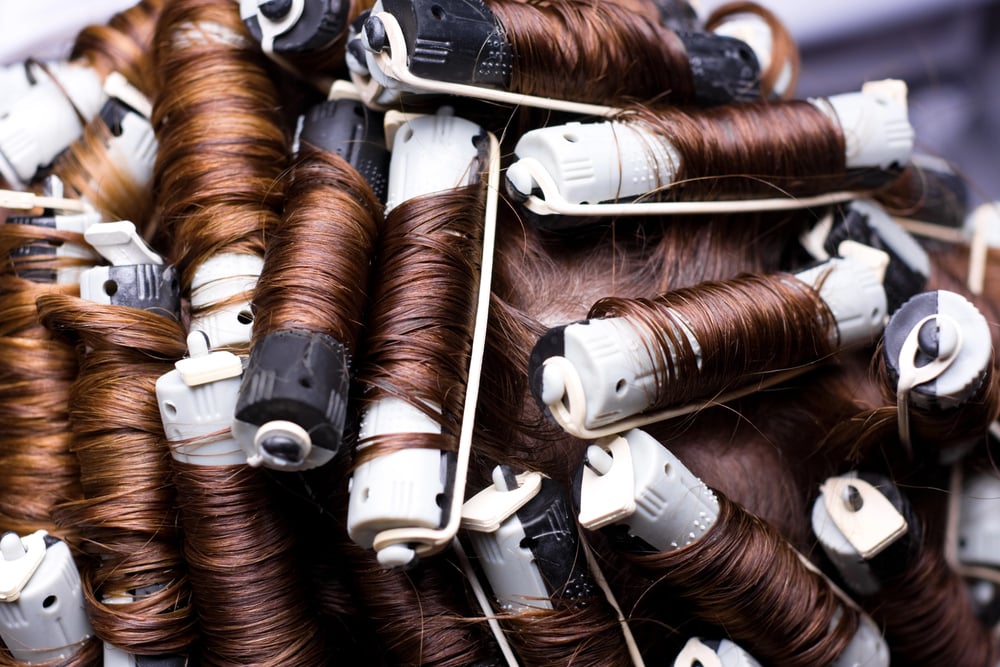
The perm was the decade’s foundational statement. Tight spirals from root to tip, often accompanied by a pick comb worn directly in the hair like a badge of office.
It required hours in a chair, smelled of chemicals for days, and people genuinely couldn’t get enough of it.
The Mullet
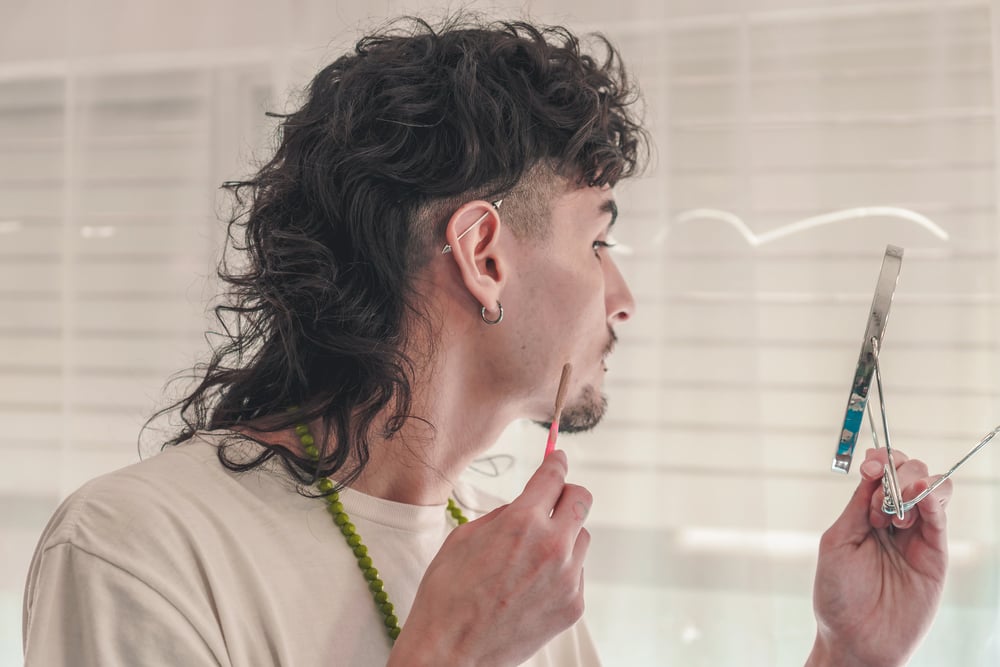
Business in the front, party in the back — and the party ran long. The mullet wasn’t a joke to the people wearing it; it was a carefully considered aesthetic choice, and country singers, hockey players, and suburban dads adopted it with equal seriousness.
To be fair, it had a kind of internal logic: short where professionalism demanded it, long where freedom required it.
Big Hair
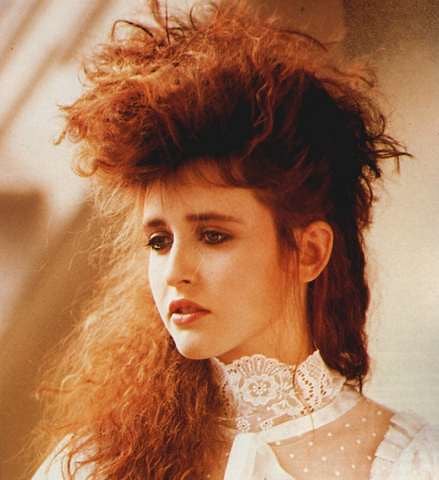
Big hair operated on a simple equation: more is correct. Women across America ratted, teased, and sprayed their way into silhouettes that added a genuine four to six inches of height above the scalp — and the ceiling of a standard sedan was considered a reasonable obstacle, not a deterrent.
It was hair as architecture, and the blueprints were ambitious.
The Jheri Curl
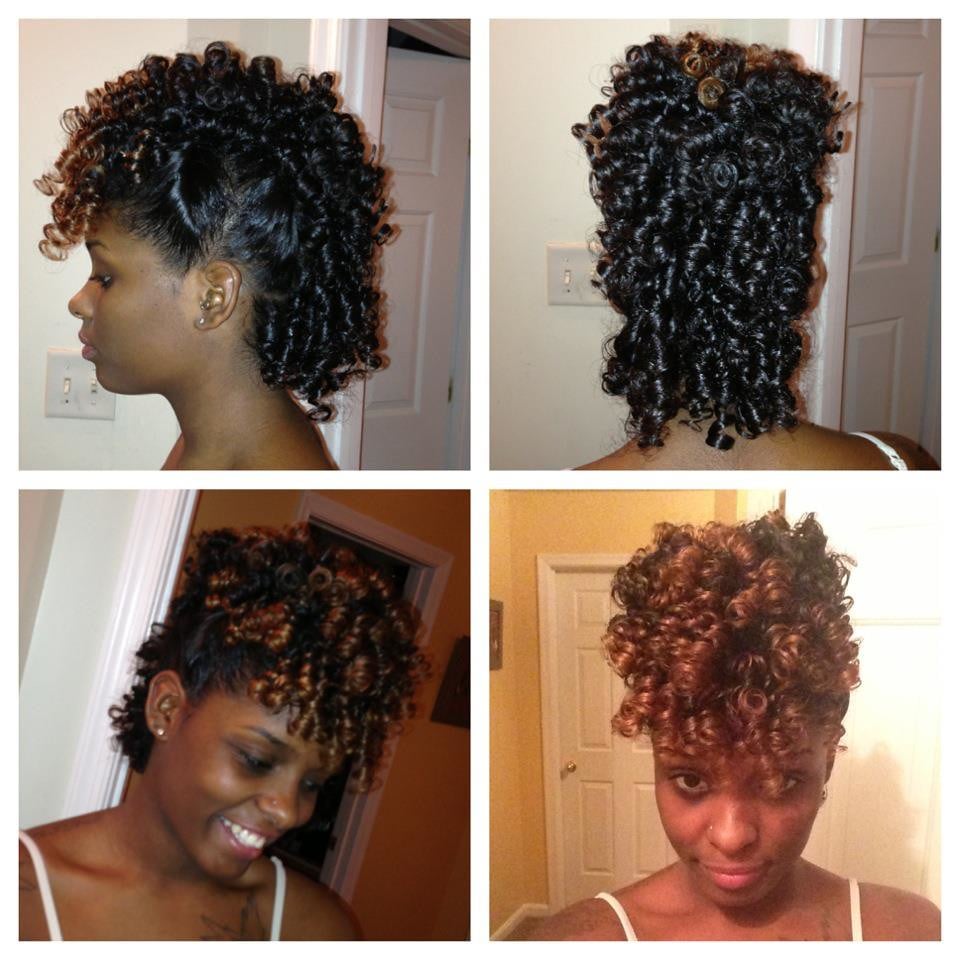
The Jheri curl was a cultural moment dressed up as a hairstyle — glossy, defined ringlets that required a two-step chemical process and daily moisture activator to maintain, and which left a faint sheen on every headrest, car seat, and jacket collar it encountered. Celebrities like Michael Jackson and Lionel Richie wore it at the height of their fame, which meant millions followed without a second thought.
So it stuck, in more ways than one.
The Crimped Look
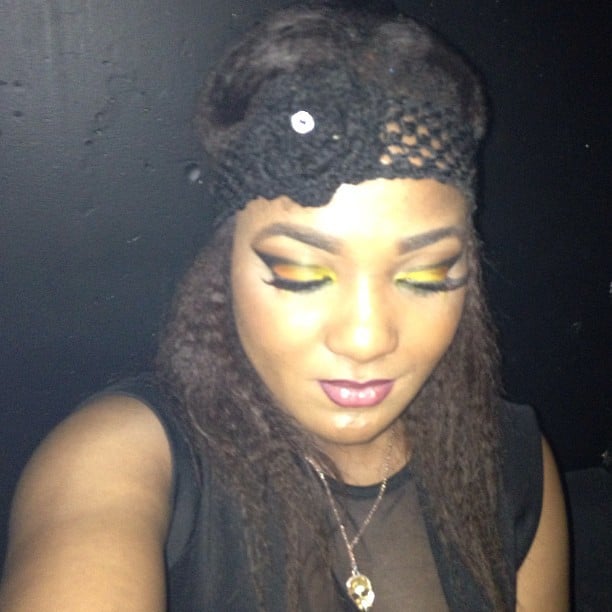
Crimping irons turned straight hair into a landscape of small, tight zigzags — not waves, not curls, something more geometric and deliberate than either. The effect was textured and angular in a way that matched the decade’s broader obsession with bold visual geometry.
It showed up on dance floors, in music videos, and in school portrait photos that people now caption with mild horror.
Feathered Hair
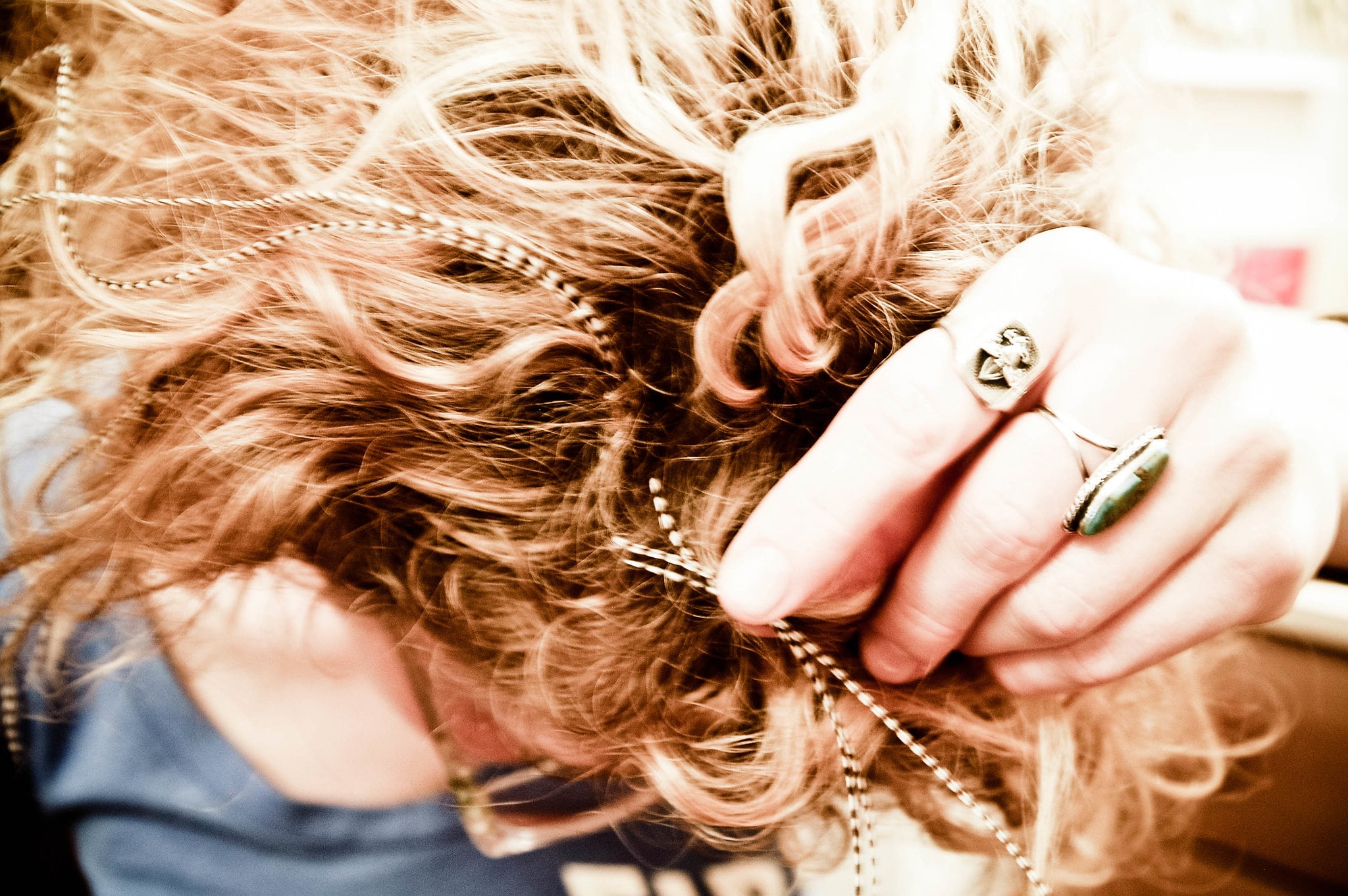
Feathered hair asked a lot of a blow dryer and a round brush, and people delivered. The style swept hair back from the face in symmetrical wings, often with a center part, and required the kind of daily maintenance commitment usually associated with professional obligations.
Farrah Fawcett had already made it iconic by 1977, but the ’80s kept it alive well past its natural expiration date — stubborn in the best and worst senses of the word.
The Side Ponytail
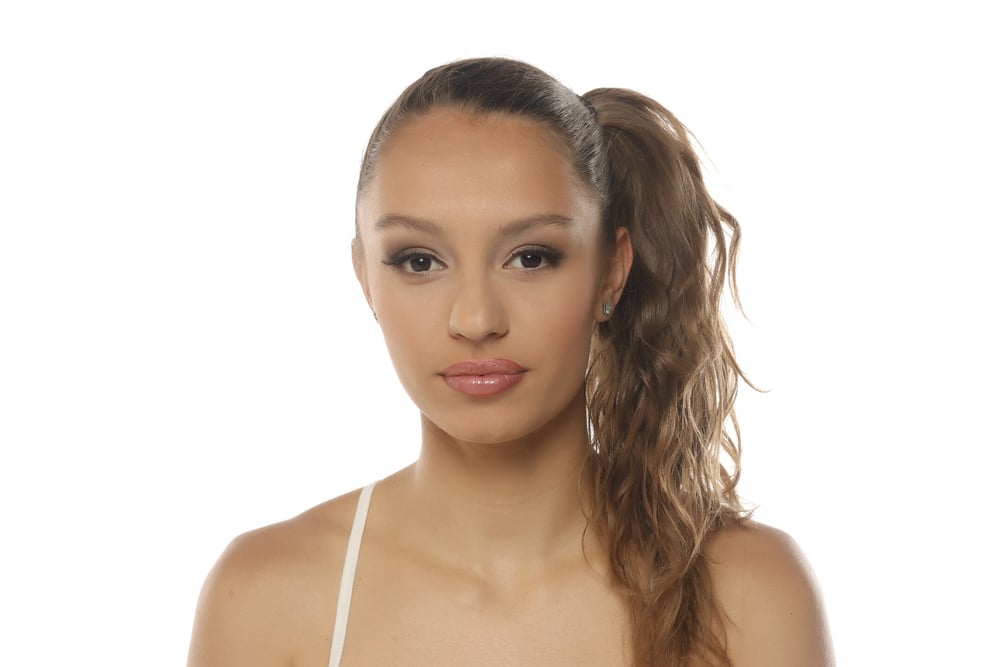
The side ponytail sat perched above one ear like a small, emphatic punctuation mark, usually secured with a scrunchie the size of a small animal. It was casual and intentional at the same time — the kind of style that communicated I tried, and I decided this is enough.
Cyndi Lauper wore one with total conviction, and that settled the matter for an entire generation.
Teased Bangs

Teased bangs were their own self-contained event, a wall of hair that stood perpendicular to the forehead and defied meteorological interference. The rest of the hair could be doing almost anything — pulled back, down, in a braid — but those bangs were the opening statement, the thing that announced the wearer had arrived and had opinions.
Getting them right consumed a meaningful portion of every morning.
The Rat Tail
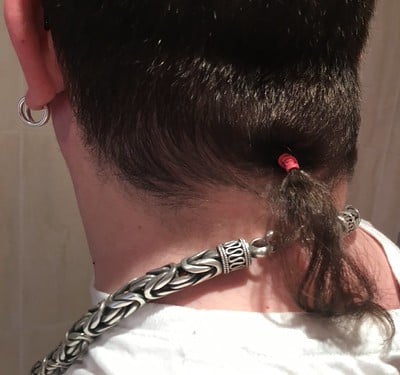
The rat tail was a thin braid or tapered strand of hair grown long from the nape of the neck while the rest of the hair was kept short — an arrangement that sounds, in description, like a dare. And yet it was embraced with complete sincerity, particularly among boys in middle school who treated it as a mark of distinction.
It was the ’80s equivalent of a carefully curated personal brand, just considerably less self-aware.
Aqua Net Helmet Hair
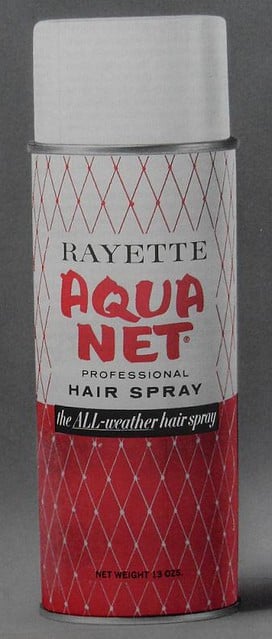
Aqua Net didn’t style hair so much as it preserved it — fossilized a moment in time and dared the wind to disagree. When applied in sufficient quantity (and the ’80s definition of sufficient was heroic), hair stopped being pliable and became structural, capable of maintaining its exact shape through a full school day, a part-time shift, and a Friday night.
There’s a whole generation of people whose hair, in its natural state, never actually moved.
The Flat-Top
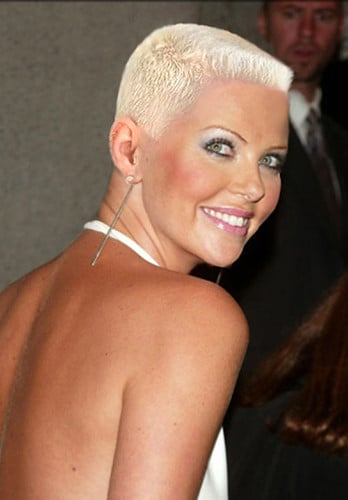
The flat-top was precision geometry applied directly to a human head — sides faded tight, crown cut level and horizontal like a landing strip. It took real skill to execute and real commitment to maintain, and it looked exactly as deliberate as it was.
Grace Jones wore a version that was almost sculptural; Kid from Kid ‘n Play wore one that added a full foot of height and became an icon of its own.
The Power Bob
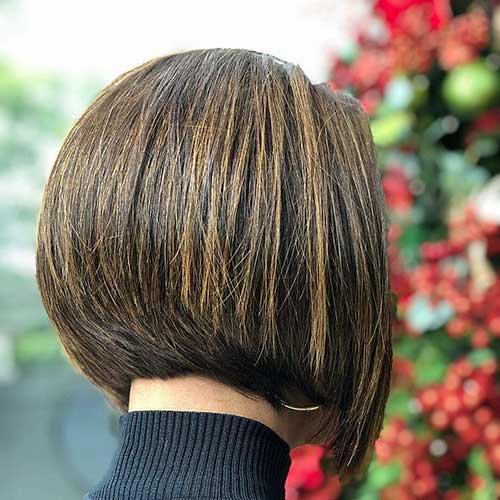
The power bob was short, blunt, and unwilling to apologize for either quality. It landed at the jaw or just above it, often with a sharp, geometric cut that communicated authority more efficiently than most words.
Women in corporate environments adopted it throughout the decade as a kind of visual shorthand for seriousness — which is a strange thing to say about a haircut, and also completely accurate.
Frosted Tips
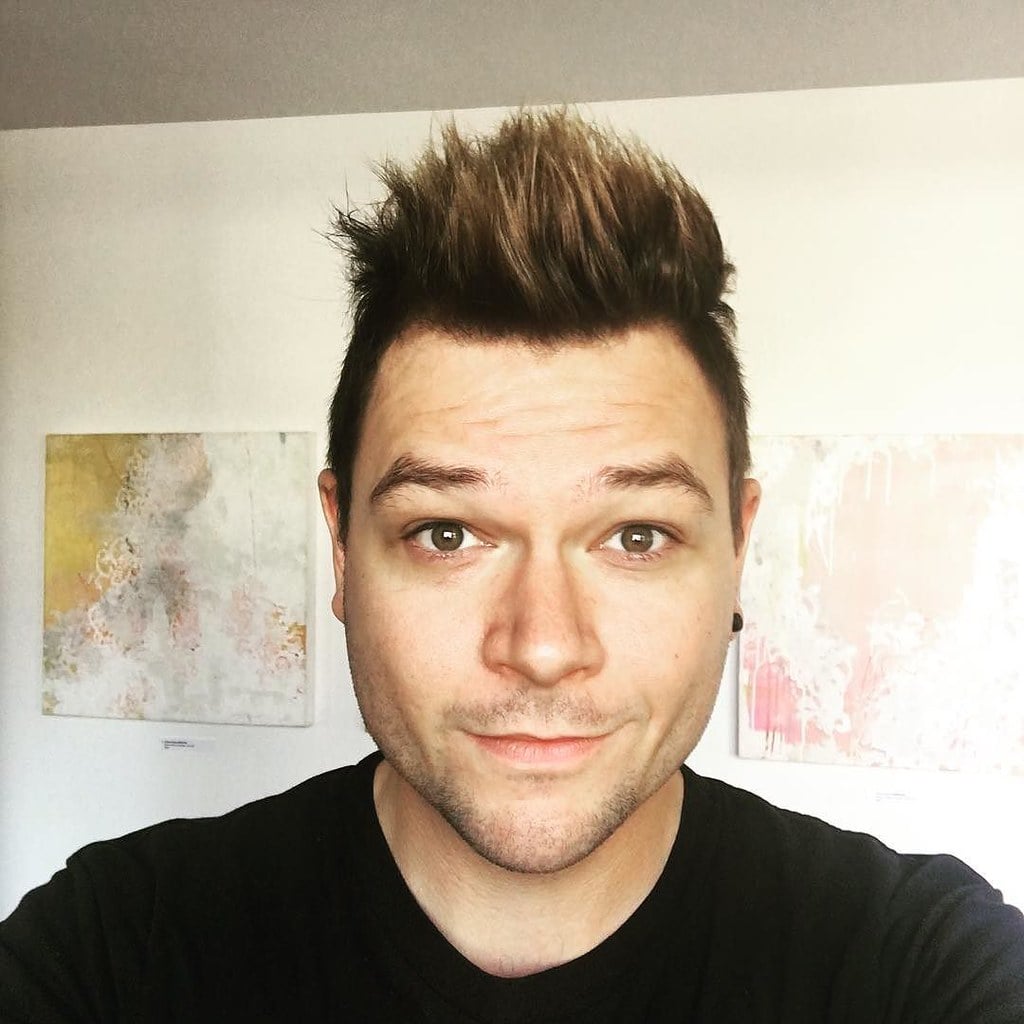
Frosted tips were the male answer to highlights — bleached ends on otherwise dark hair, creating a two-toned effect that tracked somewhere between sun-kissed and aggressively intentional. The technique involved a pull-through cap and a level of manual dexterity from the stylist that bordered on craft.
It communicated a specific kind of effortful coolness: I did not just walk out of the ocean looking like this, but I’d prefer you assumed I did.
The Shag
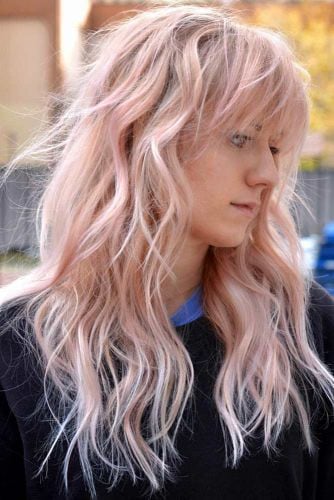
The shag of the ’80s was layered, feathery, and slightly unkempt in a way that took genuine effort to achieve — like controlled chaos that had been blow-dried into submission. It moved when its wearer moved, which set it apart from most of the decade’s stiffer architectural offerings.
Rock musicians leaned on it heavily, and it became the unofficial uniform of anyone who wanted to look like they’d been somewhere interesting.
Slicked-Back Hair

Slicked-back hair in the ’80s meant gel — a lot of it — applied with both hands and dragged straight back from the forehead until every strand complied. The wet look it produced was not subtle.
Patrick Bateman would later become its most notorious practitioner in fiction, which says something about the aesthetic register the style occupied: polished, controlled, faintly unsettling.
Lopsided or Asymmetrical Cuts
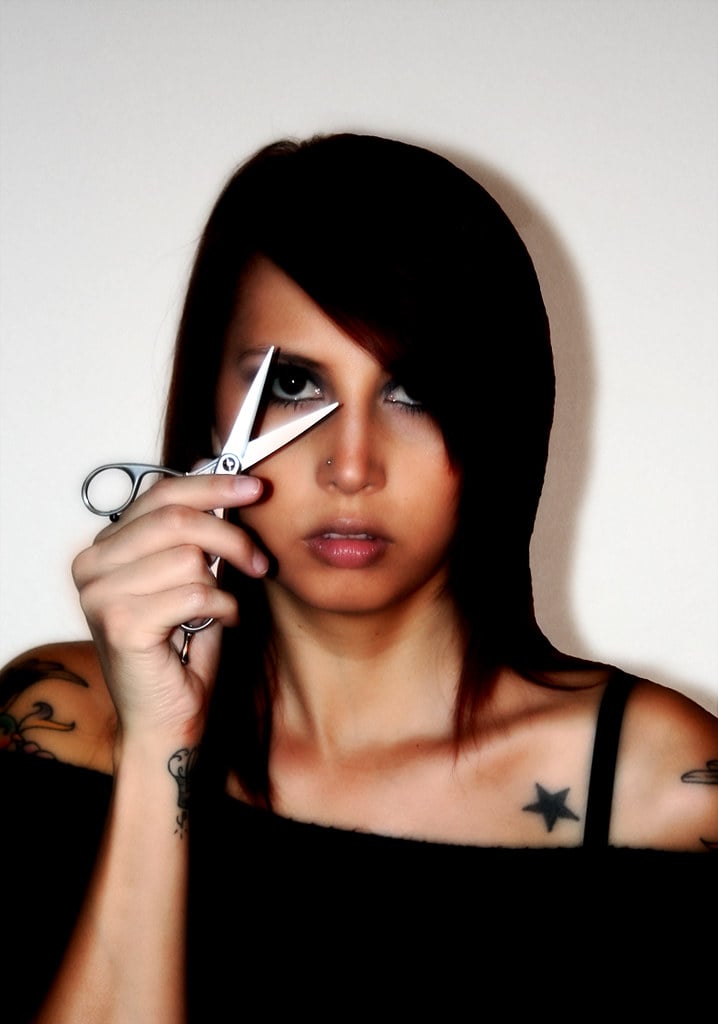
The asymmetrical cut was the decade’s most openly confrontational hairstyle — longer on one side than the other, sometimes dramatically so, as if the stylist had simply decided that symmetry was a creative limitation. It originated in avant-garde fashion circles and migrated steadily into mainstream mall culture, where it sat alongside acid-washed denim without anyone finding that combination strange.
The asymmetrical cut didn’t want to blend in, and it didn’t.
The Mohawk
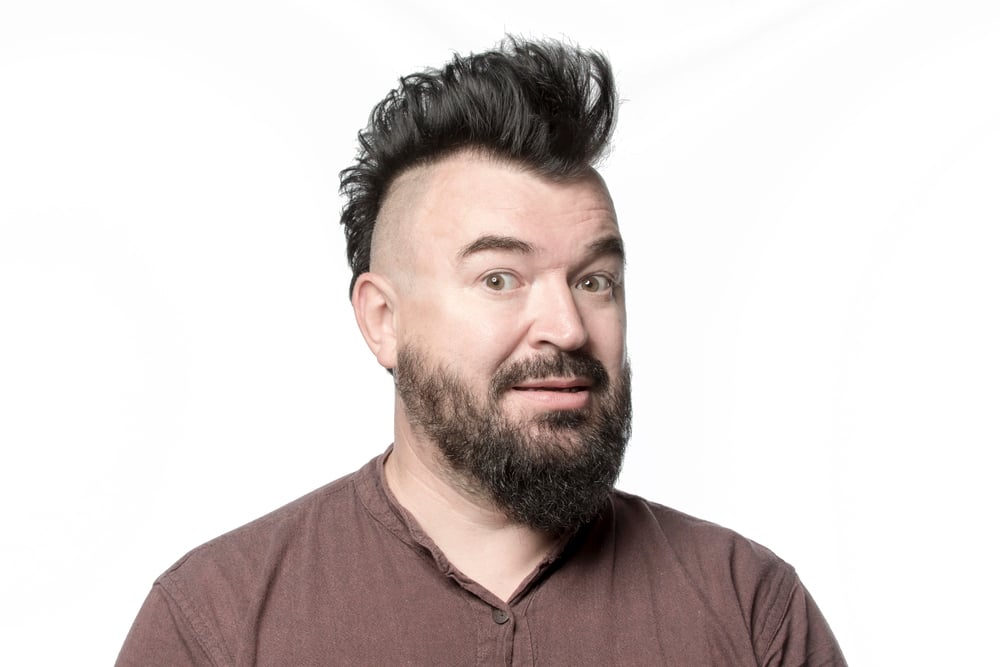
The Mohawk — a shaved strip of hair on either side of the head, leaving a central ridge that could be styled upright — moved from punk subculture into broader visibility throughout the ’80s, worn by people who had no punk affiliations whatsoever. Some wore it tall and rigid, held in place by egg whites or industrial gel; others kept it softer and lower, a tamed version of the original.
Either way, it was a commitment few made casually.
Braided Headbands
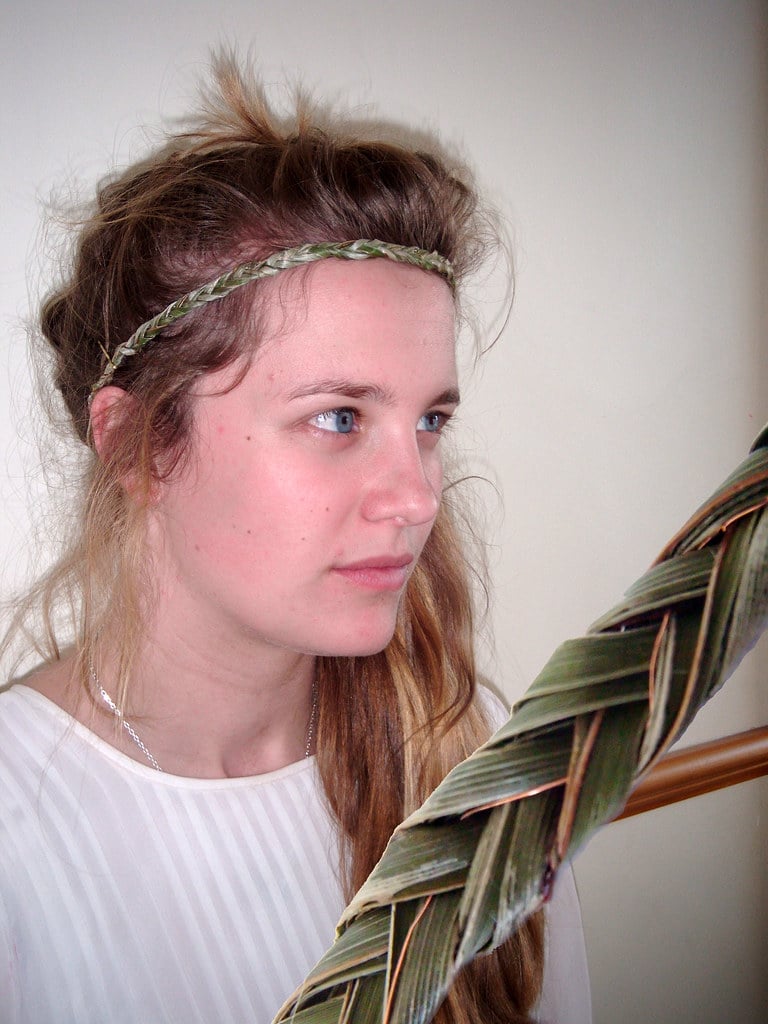
The braided headband was a single thin braid running from one temple across the crown to the other, pinned flat against the head like a tiara made of hair. It required nimble fingers, a couple of bobby pins, and more patience than the average morning allowed.
And yet it appeared constantly — in school photos, in teen magazines, in the opening sequences of sitcoms — treated with the same gravity as any other formal styling decision.
Spiral Perms
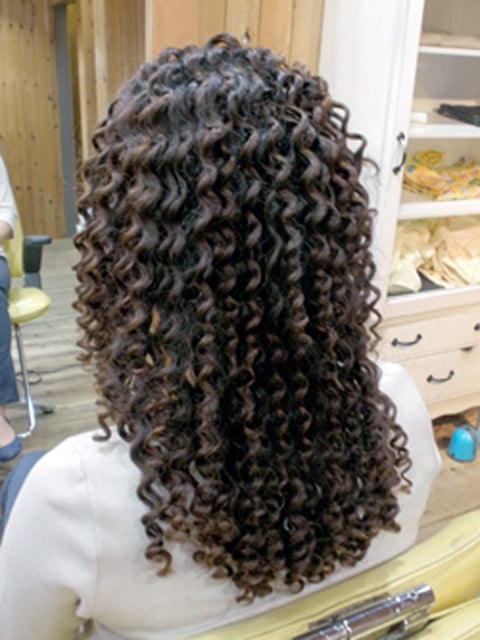
The spiral perm was a more deliberate, vertical variation on the standard perm — long rods wound from root to tip in a corkscrew pattern rather than the standard horizontal wrap. The result was elongated, defined ringlets that hung in columns rather than sitting in a cloud, and the effect required hours under a salon dryer and absolute commitment to the finished look.
It was high-maintenance in a decade that treated high-maintenance as a compliment.
The Volume Wave
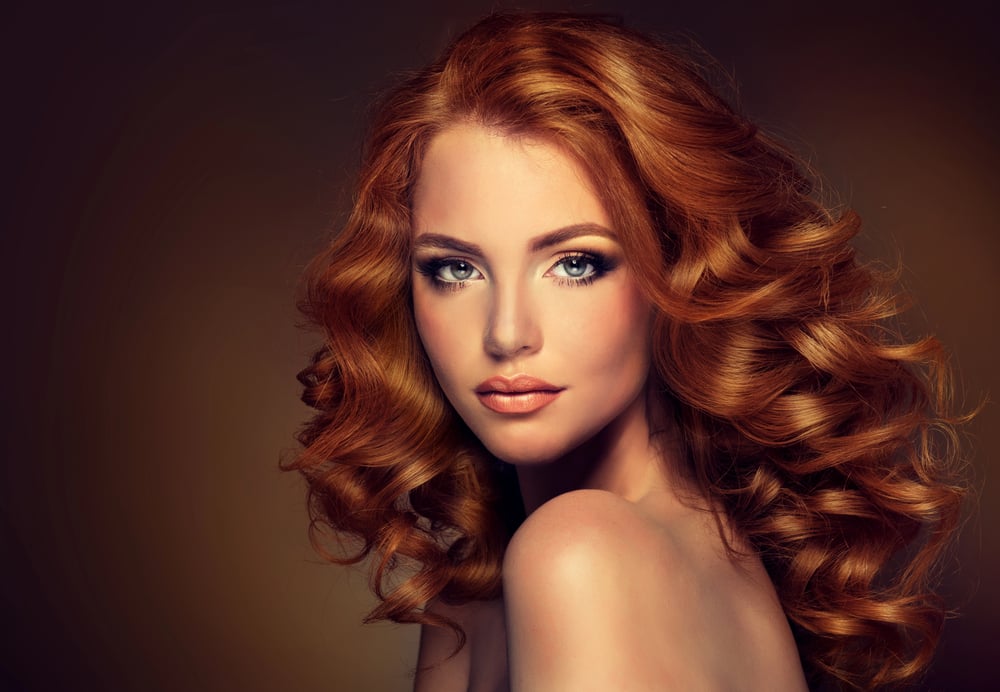
The volume wave sat somewhere between the perm and natural hair — loose, substantial waves that added width and height without the tight curl of a full perm. It was the compromise option for people who wanted the decade’s characteristic fullness without the chemical commitment, and salons sold it enthusiastically.
The result looked permanently windswept in a way that was, somehow, completely stationary.
Scrunchie Buns
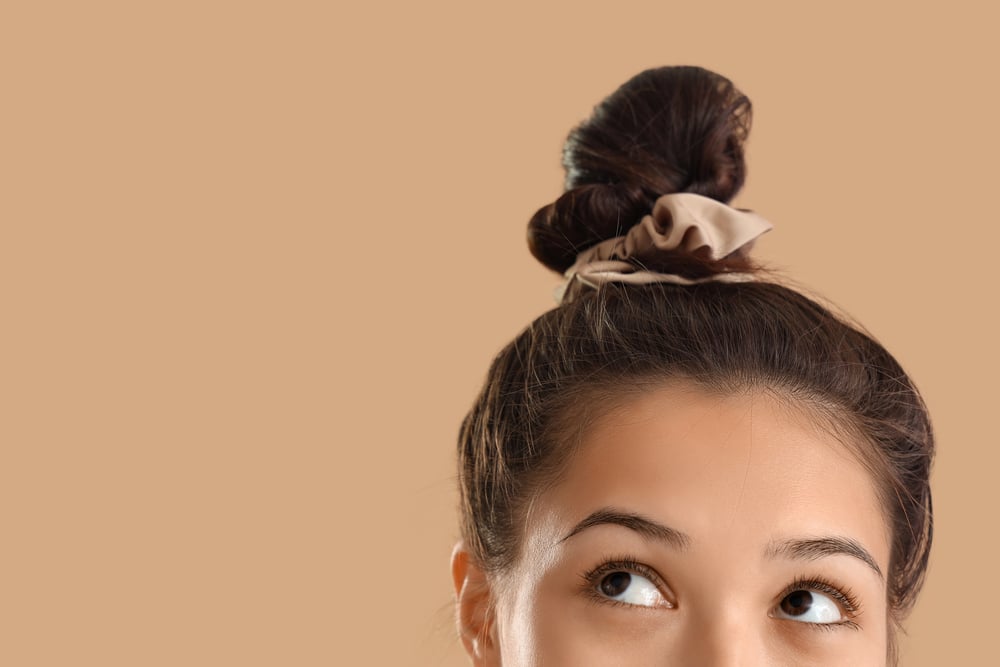
The scrunchie bun was casual architecture — hair gathered at the crown or nape and bunched rather than smoothed, with the scrunchie itself functioning as a decorative element as much as a fastener. Velvet, satin, neon, plaid: the scrunchie came in every material imaginable, and matching it to the outfit was considered a legitimate styling decision.
It was effortless and effortful at the same time, which was essentially the ’80s in miniature.
The Spiky Top
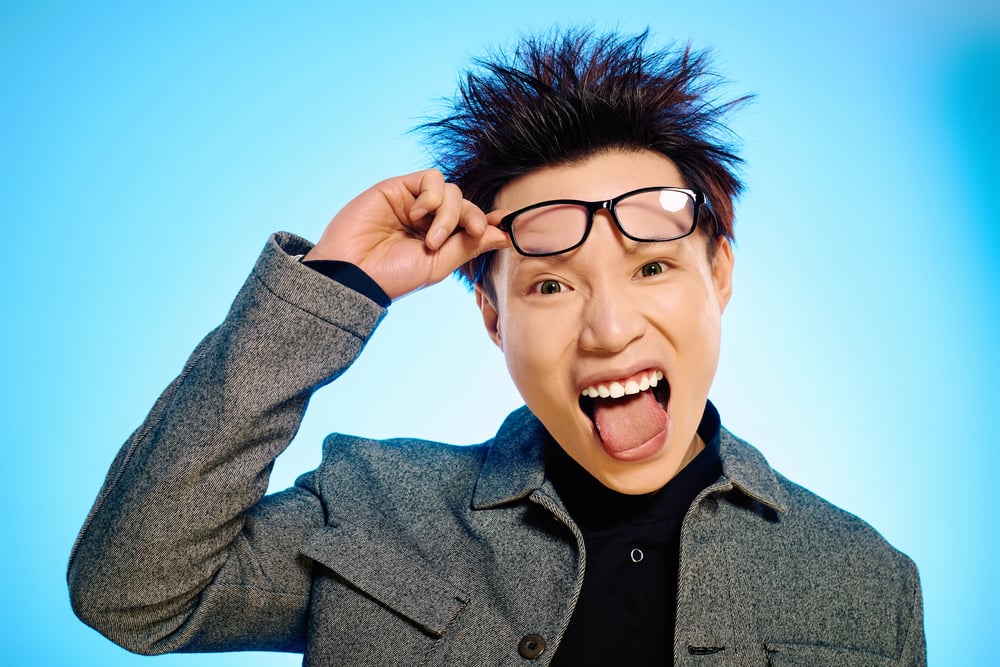
The spiky top was exactly what it sounds like: a crown of individual spikes, each one coaxed upright with gel and pointed at the ceiling. It required patience, product, and a working knowledge of how to separate hair into distinct sections without disturbing the ones already finished.
Rock and new wave musicians made it standard issue, and it spread outward from concert venues and MTV into high school hallways by the middle of the decade.
The Banana Clip Updo
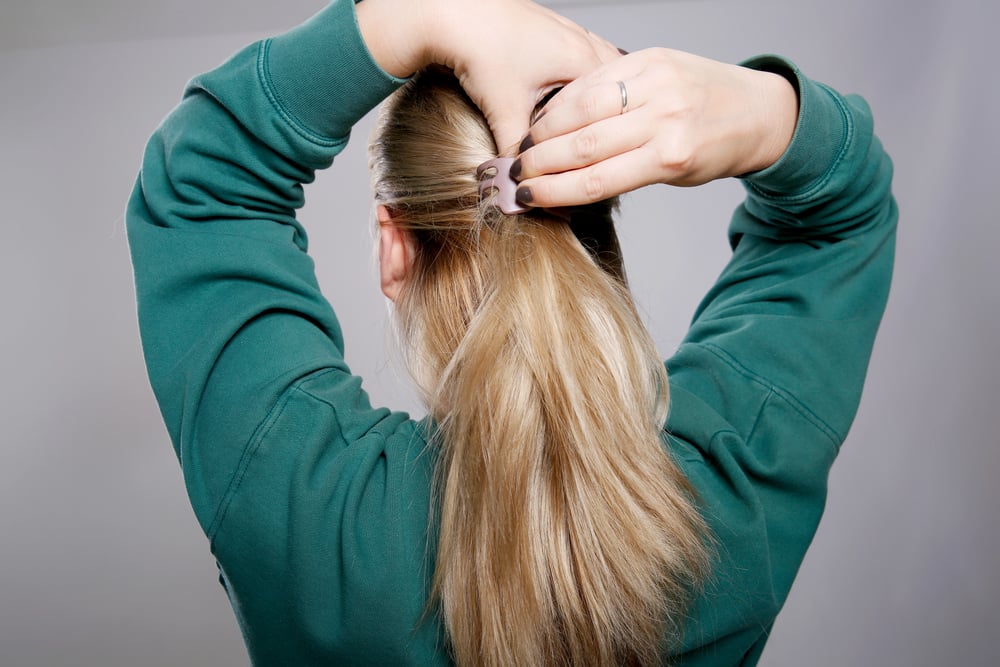
The banana clip was a long, curved plastic clip that gathered hair at the back of the head and fanned it upward and outward in a shape that was, optimistically, meant to evoke a waterfall. It was the fastest formal-adjacent hairstyle the decade produced — ten seconds from loose hair to something that looked intentional — and it showed up at everything from school dances to office parties with complete confidence.
The clip itself came in tortoiseshell, clear, and colors that matched nothing found in nature.
The Blow-Dried Wings
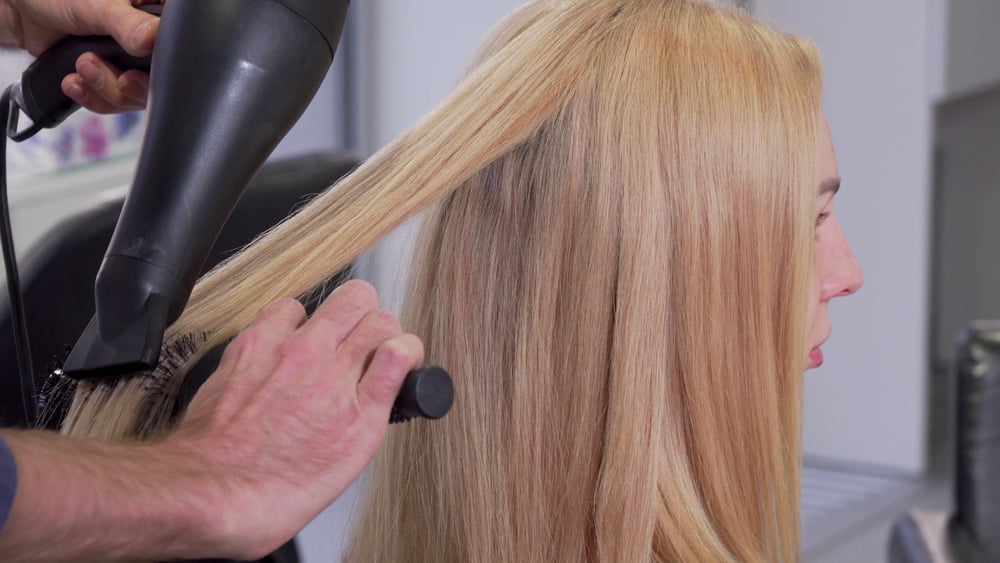
Blow-dried wings were created with a round brush, a full-power dryer, and a borderline obsessive attention to symmetry. The hair was lifted at the sides and guided outward from the face in smooth, curving sweeps that were meant to look effortless and required anything but.
It was the kind of style that made sense only in a decade when spending forty-five minutes on your hair before school was considered normal time management.
Dreadlocks
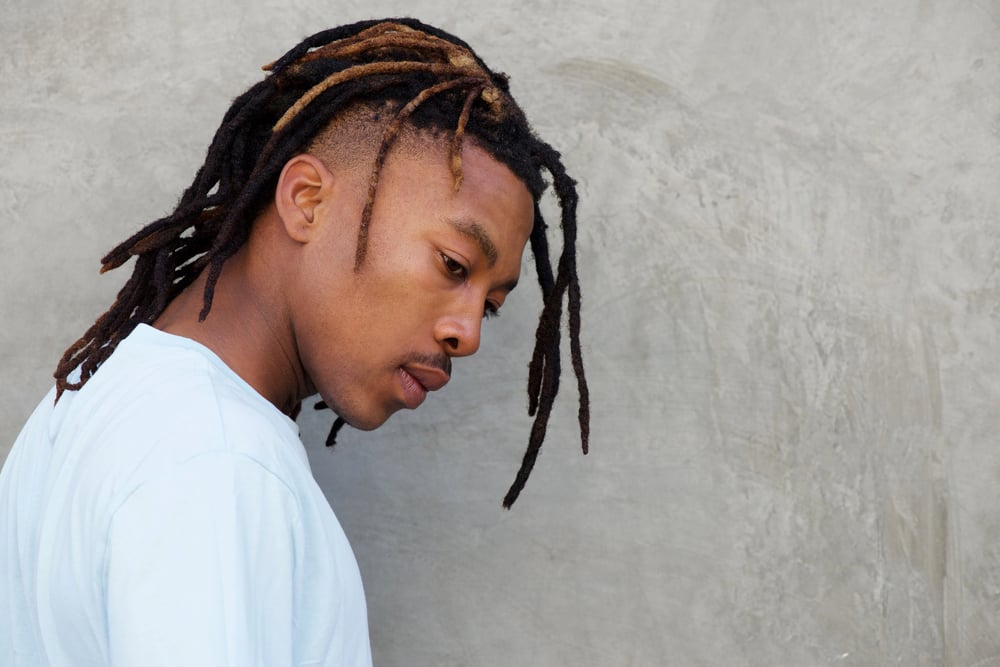
Dreadlocks in the ’80s carried real cultural weight — rooted in Rastafarian tradition and Jamaican reggae culture, and worn by people for whom the style was an expression of identity and belief, not a trend. As the decade progressed, they became more widely visible in American culture through musicians and artists who wore them with the same seriousness.
The style required patience measured in months rather than weeks, and it rewarded that patience in kind.
The Braid Bang

The braid bang replaced traditional bangs with a thin, flat braid running horizontally across the forehead — pinned at either temple, close to the skin, and usually pressed smooth. It was the kind of detail that took longer to accomplish than it looked, which was also true of most of the decade’s defining aesthetic choices.
Teen magazines demonstrated variations on it for years, and it appeared in enough school photos to qualify as a minor historical record.
Liberty Spikes
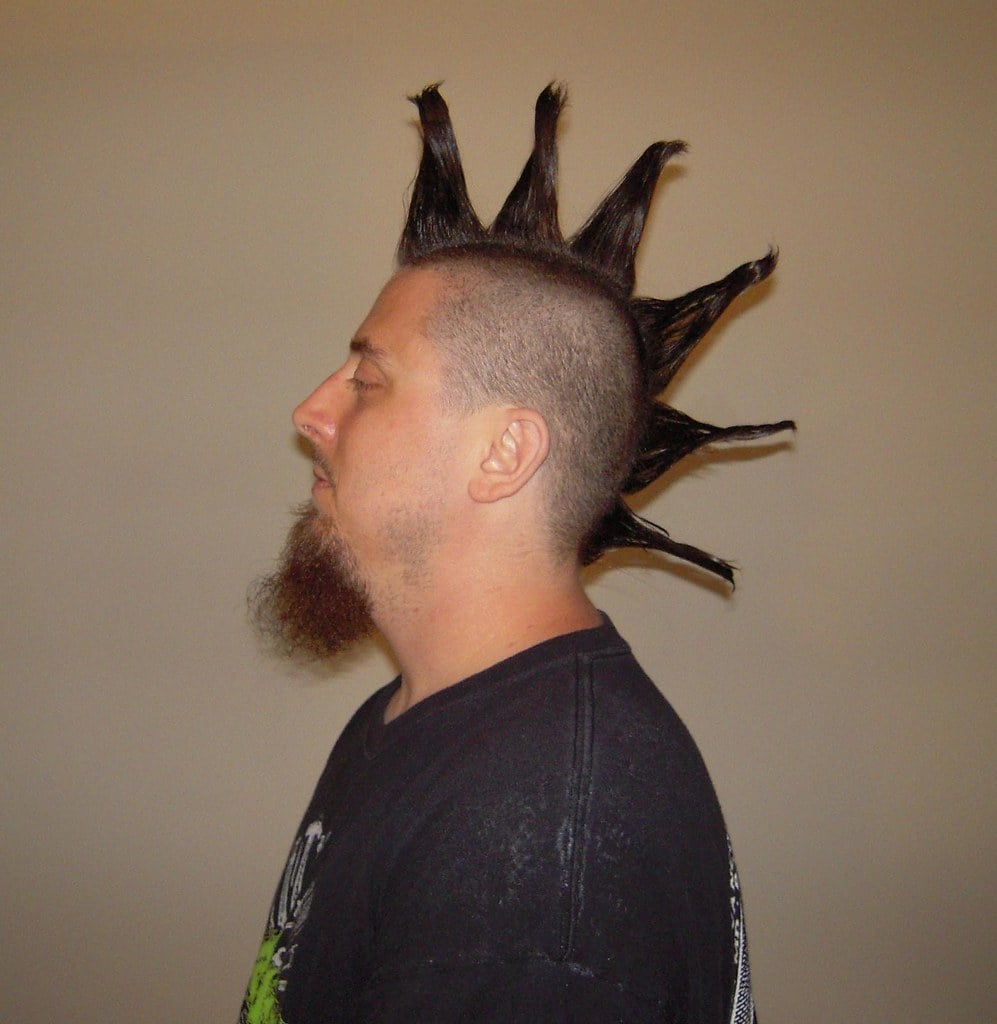
Liberty spikes were the most structurally ambitious hairstyle the decade produced — long spikes radiating outward from the head in multiple directions, each one hardened into position with heavy-duty product and sometimes rising eight inches or more from the scalp. The style originated in punk circles in the UK and traveled to the United States, where it was adopted by people willing to sacrifice a meaningful portion of every morning to maintain it.
It was not subtle, it was not practical, and it was completely, entirely serious.
What a Can of Hairspray Understood

Every single one of these styles made perfect sense inside the decade that produced it. Hair in the ’80s was a declaration — of taste, of identity, of which television shows you watched and which musicians you took seriously.
Looking back at the photos is easy enough, but the real thing to notice isn’t the hair. It’s the expressions of the people wearing it — the complete, unironic confidence of someone who has gotten their hair exactly right and knows it.
That confidence, as it turns out, ages better than the style ever did.
More from Go2Tutors!

- The Romanov Crown Jewels and Their Tragic Fate
- 13 Historical Mysteries That Science Still Can’t Solve
- Famous Hoaxes That Fooled the World for Years
- 15 Child Stars with Tragic Adult Lives
- 16 Famous Jewelry Pieces in History
Like Go2Tutors’s content? Follow us on MSN.



