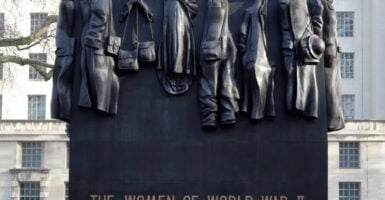
16 Spies Who Changed History With One Bold Move
Espionage has always been a shadowy business, yet sometimes a single daring act emerges from the darkness to reshape entire civilizations. These moments weren’t just about gathering secrets—they fundamentally altered the trajectories of nations, ended brutal conflicts, and reshaped human history.
While some agents spent decades perfecting their craft before their defining moment, others seized one fleeting opportunity that would resonate through the ages. From ancient empires to the nuclear age, these master operatives demonstrated that sometimes one individual with crucial intelligence can tip the scales of history.
Here is a list of 16 spies who changed history with one bold move.
Mata Hari’s Fatal Performance
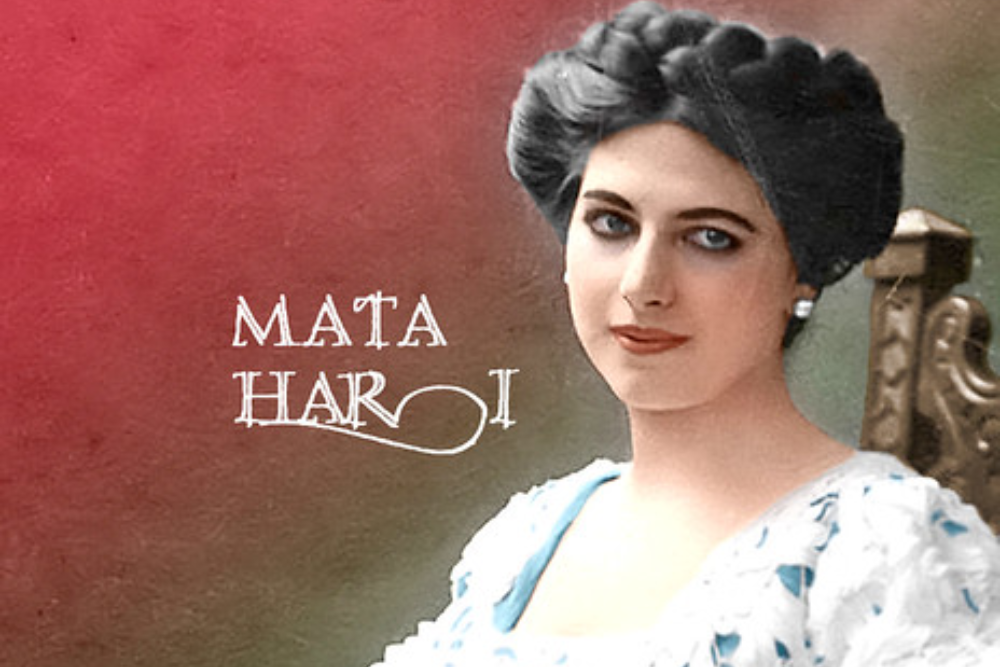
Margaretha Geertruida Zelle—better known as the exotic dancer Mata Hari—made one catastrophic choice that transformed her into history’s most infamous spy. During World War I’s chaos, she decided to play a dangerous game, accepting German money while simultaneously feeding information to French intelligence.
Though her actual espionage value remains debated, her 1917 execution by French firing squad became a powerful symbol of wartime paranoia and the deadly risks inherent in double agent work.
Klaus Fuchs’ Atomic Betrayal
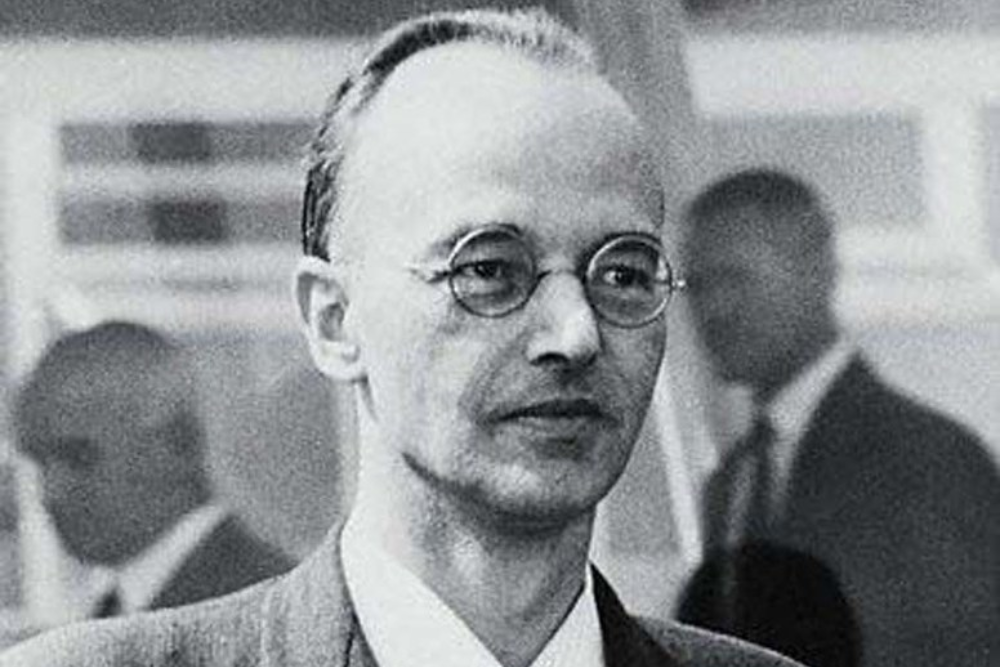
The German-born physicist Klaus Fuchs didn’t just steal secrets—he fundamentally altered the balance of global power with his methodical betrayal of the Manhattan Project. While working alongside America’s brightest nuclear scientists, Fuchs systematically copied classified documents and delivered them to Soviet handlers, essentially gifting Stalin a complete atomic bomb blueprint.
His treachery accelerated the nuclear arms race by years, though he genuinely believed he was preventing an American nuclear monopoly.
Aldrich Ames’ Million-Dollar Betrayal
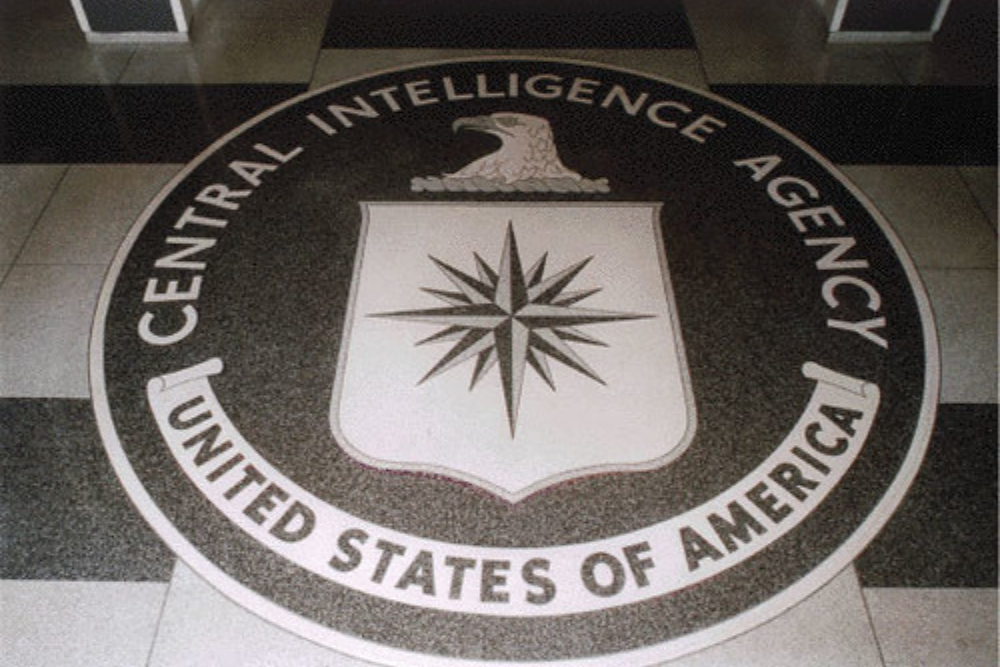
CIA counterintelligence officer Aldrich Ames picked up his phone in 1985 and made what would become one of the most devastating calls in American intelligence history. Drowning in debt yet desperate to maintain his extravagant lifestyle, Ames contacted the Soviet Embassy with an offer they couldn’t refuse—the names of every Soviet agent working for the CIA.
His betrayal cost at least ten lives, while crippling U.S. intelligence operations for years to come.
Nathan Hale’s Sacrificial Mission

Nathan Hale’s volunteer mission behind British lines during the Revolutionary War transformed a young schoolteacher into America’s first intelligence martyr. Disguised as a Dutch educator, he successfully gathered crucial intelligence about British troop positions on Long Island—yet his capture and subsequent execution made him far more valuable dead than alive.
His legendary final words about having only one life to give for his country became a rallying cry that inspired countless Americans throughout the war.
Virginia Hall’s Radio Gambit
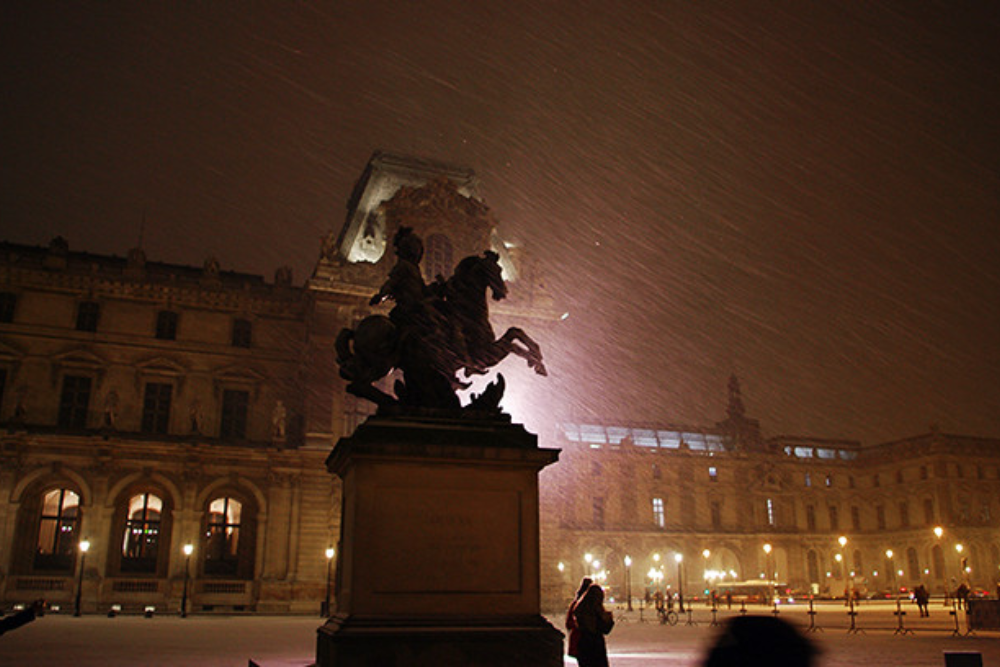
Virginia Hall made a split-second decision that saved not only her life but an entire French Resistance network she’d spent months carefully constructing. Hours before the Gestapo stormed her Lyon safe house, Hall relocated her radio operation based on pure instinct—a move that preserved crucial Allied communications.
Her subsequent escape across the Pyrenees on foot, despite her prosthetic leg, allowed her to continue coordinating operations that proved essential to D-Day’s success.
Richard Sorge’s Tokyo Warning

Soviet spy Richard Sorge transmitted one intelligence report from Tokyo in 1941 that quite possibly saved Moscow from Nazi conquest. Learning through careful cultivation of Japanese sources that Japan wouldn’t attack the Soviet Union’s eastern territories, Sorge immediately radioed this critical information to Stalin.
The subsequent transfer of Siberian troops to Moscow’s defense arrived just in time to halt the German advance—and launch the counteroffensive that changed the war’s entire trajectory.
Belle Boyd’s Battlefield Intelligence

Eighteen-year-old Belle Boyd made a harrowing horseback ride through enemy territory that delivered intelligence crucial to one of the Confederacy’s most stunning victories. After overhearing Union officers discussing battle plans while they lodged at her family’s hotel, Boyd rode fifteen dangerous miles through Union lines to reach Confederate General Stonewall Jackson.
Her information enabled Jackson’s surprise attack at Front Royal—a victory that became legendary in his Shenandoah Valley Campaign.
Juan Pujol García’s D-Day Deception
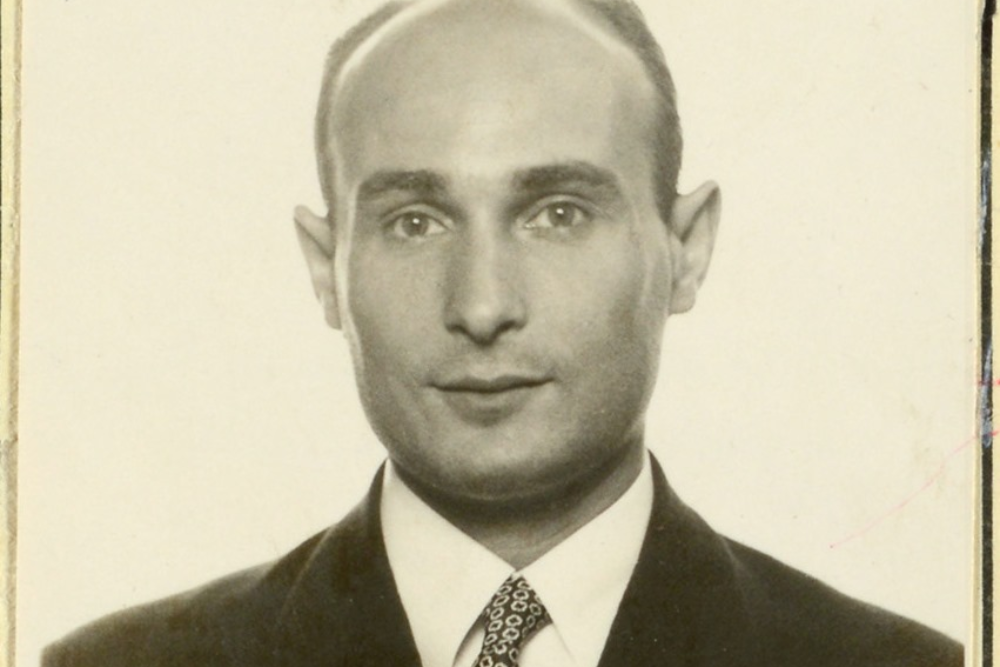
Spanish double agent Juan Pujol García, operating under the codename ‘Garbo,’ crafted one meticulously detailed radio message that helped secure D-Day’s success. Working for British intelligence while appearing to serve the Germans, García had spent years building an elaborate fictional network of sub-agents to feed false information to Nazi handlers.
His masterpiece was convincing German high command that Normandy was merely a diversion—keeping vital panzer divisions away from the beaches when they were desperately needed.
Oleg Penkovsky’s Missile Crisis Intel
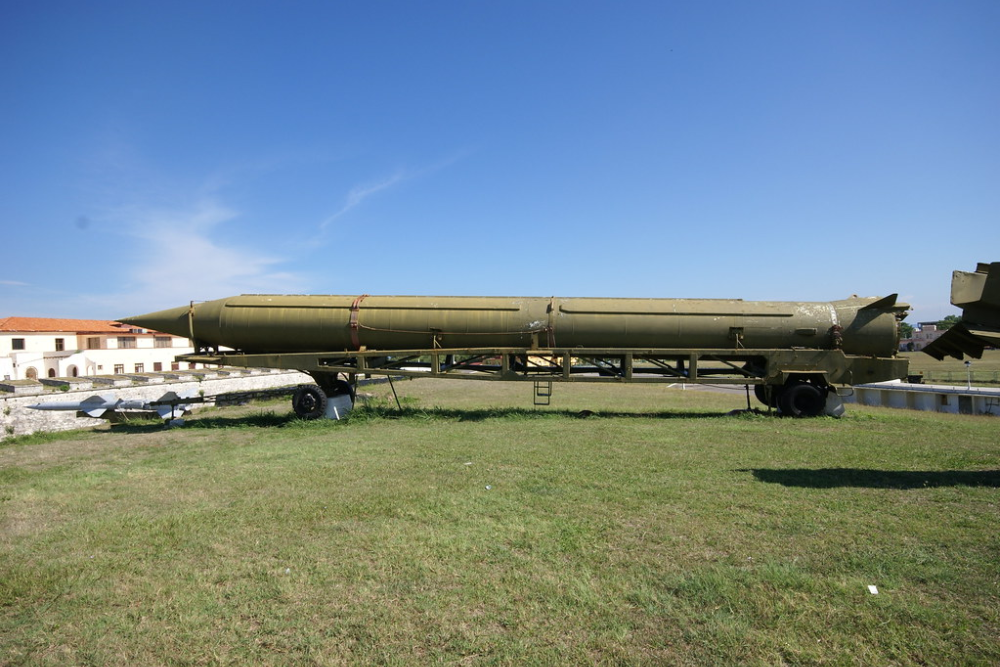
Soviet Colonel Oleg Penkovsky made a decision to photograph top-secret missile documents that may have prevented nuclear war during the Cuban Missile Crisis. His intelligence package—delivered through British and American handlers—contained detailed technical specifications that allowed President Kennedy to negotiate from a position of informed strength.
Penkovsky’s documentation proved the missiles weren’t yet operational, giving diplomats the crucial leverage needed to resolve the crisis peacefully.
Nancy Wake’s Gestapo Escape
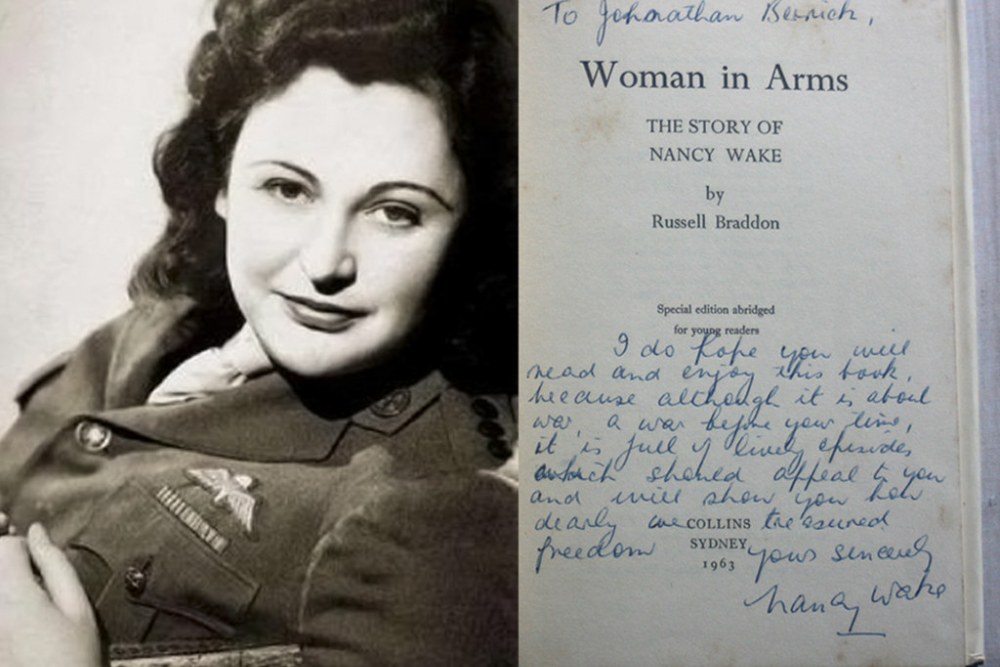
Nancy Wake’s comfortable life in Marseille ended the moment she witnessed Nazi brutality firsthand—and decided she couldn’t remain a passive observer. Her transformation from wealthy socialite to one of the Gestapo’s most wanted fugitives happened almost overnight, yet her Resistance network eventually saved hundreds of Allied airmen.
Though the Germans placed a five million franc bounty on her head, Wake’s sabotage operations continued disrupting German supply lines throughout the occupation.
Sidney Reilly’s Bolshevik Infiltration

British agent Sidney Reilly, known as the ‘Ace of Spies,’ came within hours of single-handedly overthrowing Lenin’s government in 1918. Posing as a Latvian communist, Reilly gained extraordinary access to the highest levels of the new Bolshevik regime, even infiltrating the Kremlin itself.
Though his coup attempt was ultimately discovered and thwarted, the near-success terrified the Bolsheviks and contributed to their increasingly paranoid security measures that would define Soviet rule.
Josephine Baker’s Resistance Network
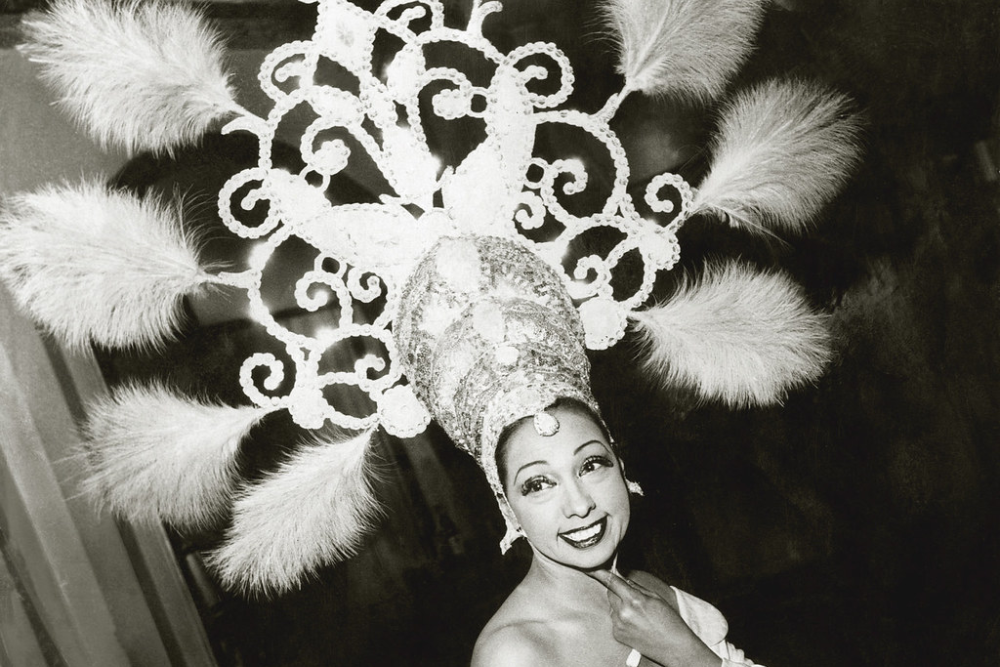
American entertainer Josephine Baker consciously transformed her celebrity status into the perfect intelligence cover during World War II. While performing across occupied Europe, Baker smuggled messages written in invisible ink on her sheet music and extracted information from high-ranking German officers who attended her glamorous shows.
Her intelligence network provided vital information about German troop movements while helping coordinate Resistance activities across France.
Witold Pilecki’s Auschwitz Mission

Polish officer Witold Pilecki made perhaps the most extraordinary decision in espionage history when he deliberately arranged his own arrest and deportation to Auschwitz concentration camp. His mission was to gather intelligence and organize resistance from within the camp itself, sending out reports through an underground network that provided the Allies with their first detailed accounts of the Holocaust.
Pilecki’s documentation helped establish the true scope of Nazi extermination programs and influenced Allied liberation priorities.
Francis Walsingham’s Babington Plot

Queen Elizabeth I’s spymaster Francis Walsingham demonstrated remarkable patience and cunning when he chose not to immediately arrest Catholic conspirators plotting against the English crown in 1586. Instead, Walsingham allowed the Babington Plot to develop naturally while intercepting and reading all correspondence through a carefully placed double agent.
His methodical approach gathered irrefutable evidence of Mary Queen of Scots’ involvement in the assassination conspiracy, ultimately leading to her execution and securing Protestant rule in England.
Dusko Popov’s Pearl Harbor Warning
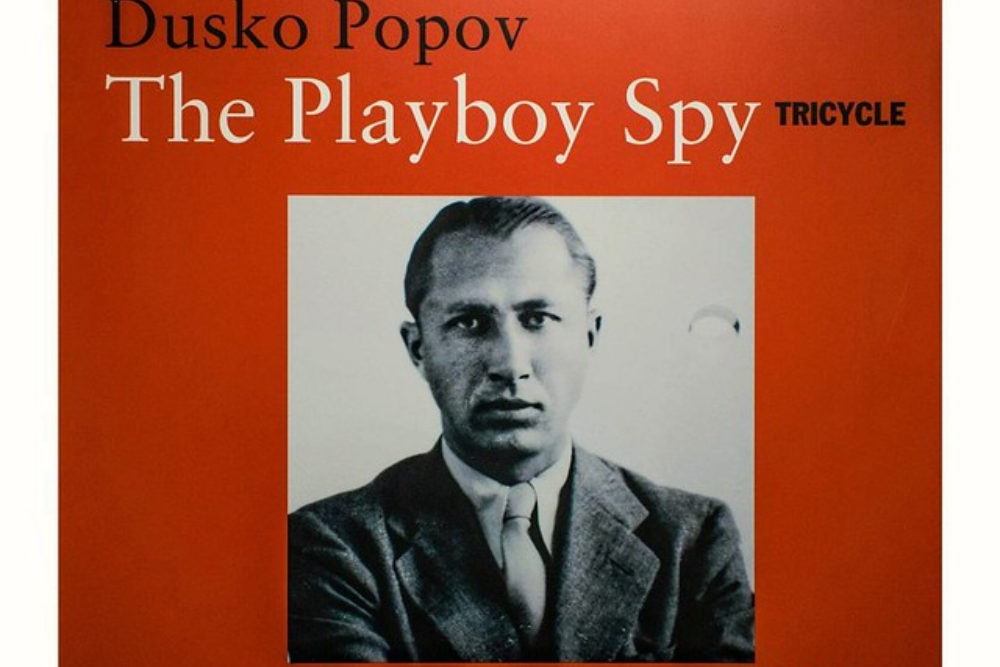
Yugoslav double agent Dusko Popov received a detailed German intelligence questionnaire in 1941 that focused heavily on Pearl Harbor’s defenses, aircraft positions, and naval facilities. Recognizing the implications immediately, Popov desperately attempted to warn American authorities about the impending Japanese attack.
Unfortunately, the FBI dismissed his intelligence as unreliable, and the attack proceeded as the Japanese had planned, demonstrating how even accurate intelligence can fail when not properly evaluated.
Christine Granville’s Alpine Rescue
Polish agent Christine Granville faced an impossible situation when her fellow operatives were captured and sentenced to execution in the French Alps. Rather than accepting defeat, Granville employed brilliant psychological manipulation, convincing the local Gestapo commander that Allied forces were about to overrun the area and that he would be held personally accountable for war crimes.
Her audacious bluff worked perfectly—the commander released her colleagues and fled, preserving an entire Resistance network for crucial final operations.
Echoes in the Intelligence Age

These sixteen remarkable individuals demonstrate that strategic courage and precise timing can fundamentally alter the course of human events. Their bold decisions transcended mere intelligence gathering—they prevented wars, toppled governments, and saved countless lives through their willingness to risk everything for causes greater than personal safety.
As we navigate our current information age, their legacies remind us that sometimes the most powerful force isn’t advanced technology or massive armies, but rather one person possessing critical knowledge and the determination to act decisively when history hangs in the balance.
More from Go2Tutors!

- The Romanov Crown Jewels and Their Tragic Fate
- 13 Historical Mysteries That Science Still Can’t Solve
- Famous Hoaxes That Fooled the World for Years
- 15 Child Stars with Tragic Adult Lives
- 16 Famous Jewelry Pieces in History
Like Go2Tutors’s content? Follow us on MSN.