29 Household Gadgets From the ’70s That Seemed Genius at the Time
There’s something almost tender about the way the 1970s approached domestic life. It was a decade convinced that the right gadget — the right gizmo with the right number of attachments — could solve any kitchen problem, any laundry problem, any problem at all.
Avocado-green and harvest-gold were the colors of the future, and that future was going to be efficient. Some of these inventions genuinely delivered.
Others vanished from drawers and garage sales and collective memory with barely a whisper. But all of them, at the moment of purchase, felt like exactly the right idea.
Electric Carving Knife
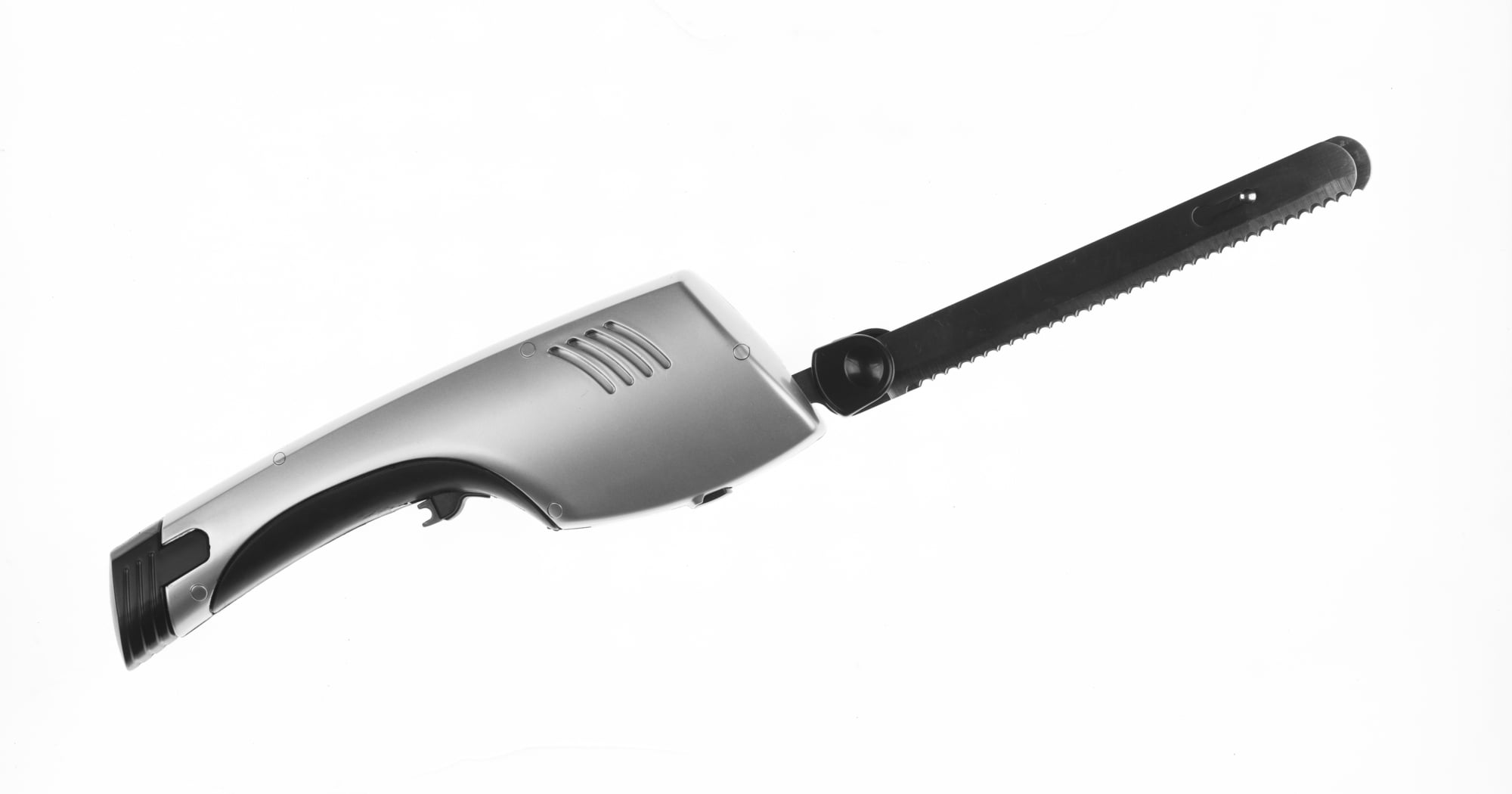
It buzzed. It sliced.
It made a sound like a very small power tool had wandered into Thanksgiving dinner. The electric carving knife felt like a genuine technological leap for anyone who’d spent years wrestling with a dull blade through a roast, and for a few years in the ’70s, it sat on more counters than a fruit bowl.
Fondue Set
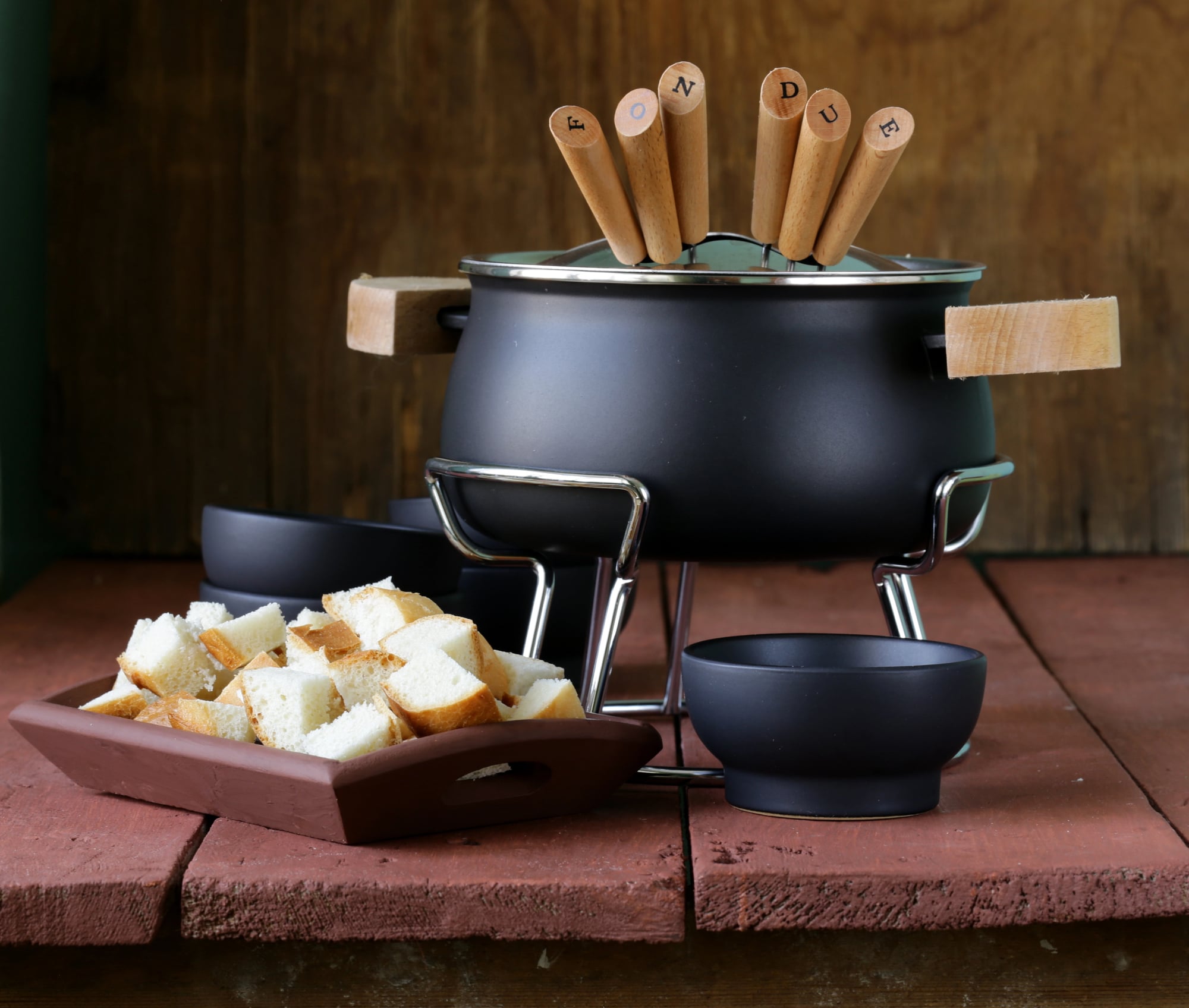
The fondue pot is really a piece of social furniture more than kitchen equipment — a warm center around which people gathered, dipped, and lingered longer than they might have otherwise. It arrived in American homes through the late ’60s and hit its cultural peak in the early ’70s, when communal dining felt modern and vaguely European.
And then, somehow, it became the thing you found at every estate sale wrapped in its original cord.
Avocado-Green Slow Cooker
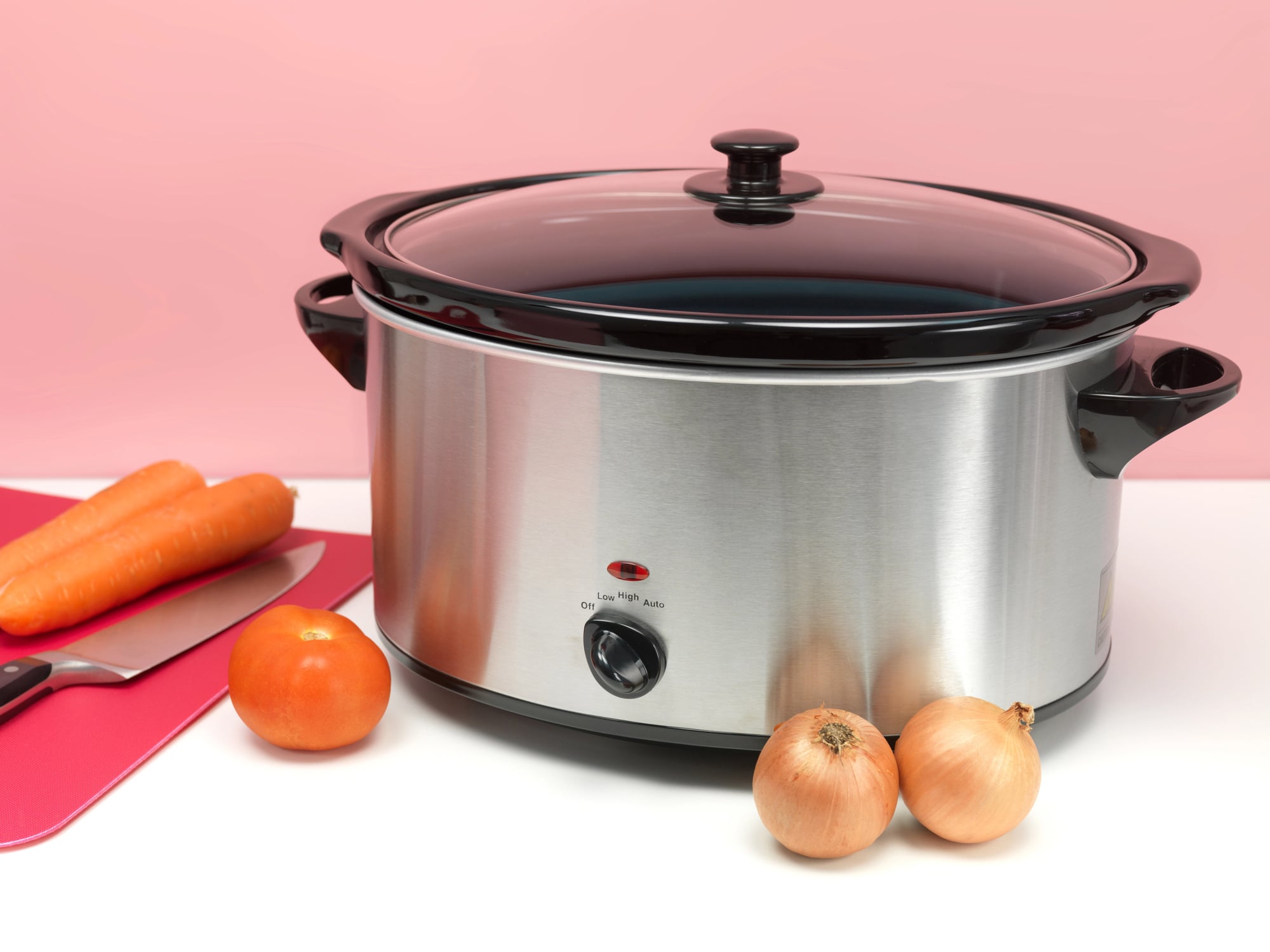
Slow cookers were genuinely useful then and remain genuinely useful now, which is saying something for a decade not famous for durability. The color, though — that particular shade of avocado green — was a choice that made perfect sense in 1973 and has made very little sense ever since.
To be fair, the appliance outlasted the color.
Salad Spinner
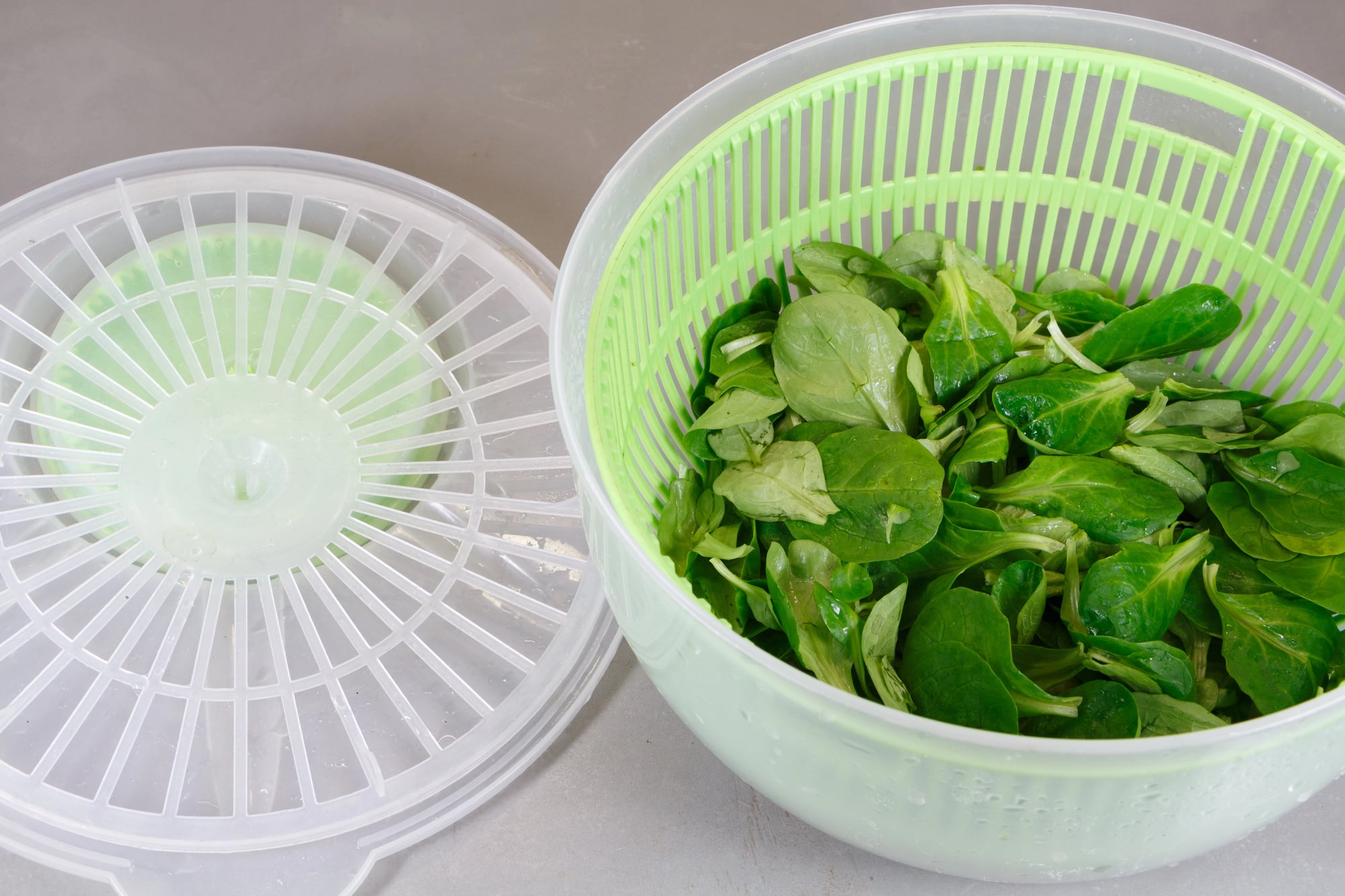
Before the salad spinner, wet lettuce was just an accepted condition of salad, like soggy croutons and dressing that slid off every leaf. The spinner arrived as a kind of small mechanical miracle — a centrifuge scaled down to fit on a kitchen shelf — and it genuinely worked, which made it the rare ’70s gadget that earned its drawer space rather than just occupying it.
It’s still being sold today, more or less unchanged.
Popcorn Air Popper
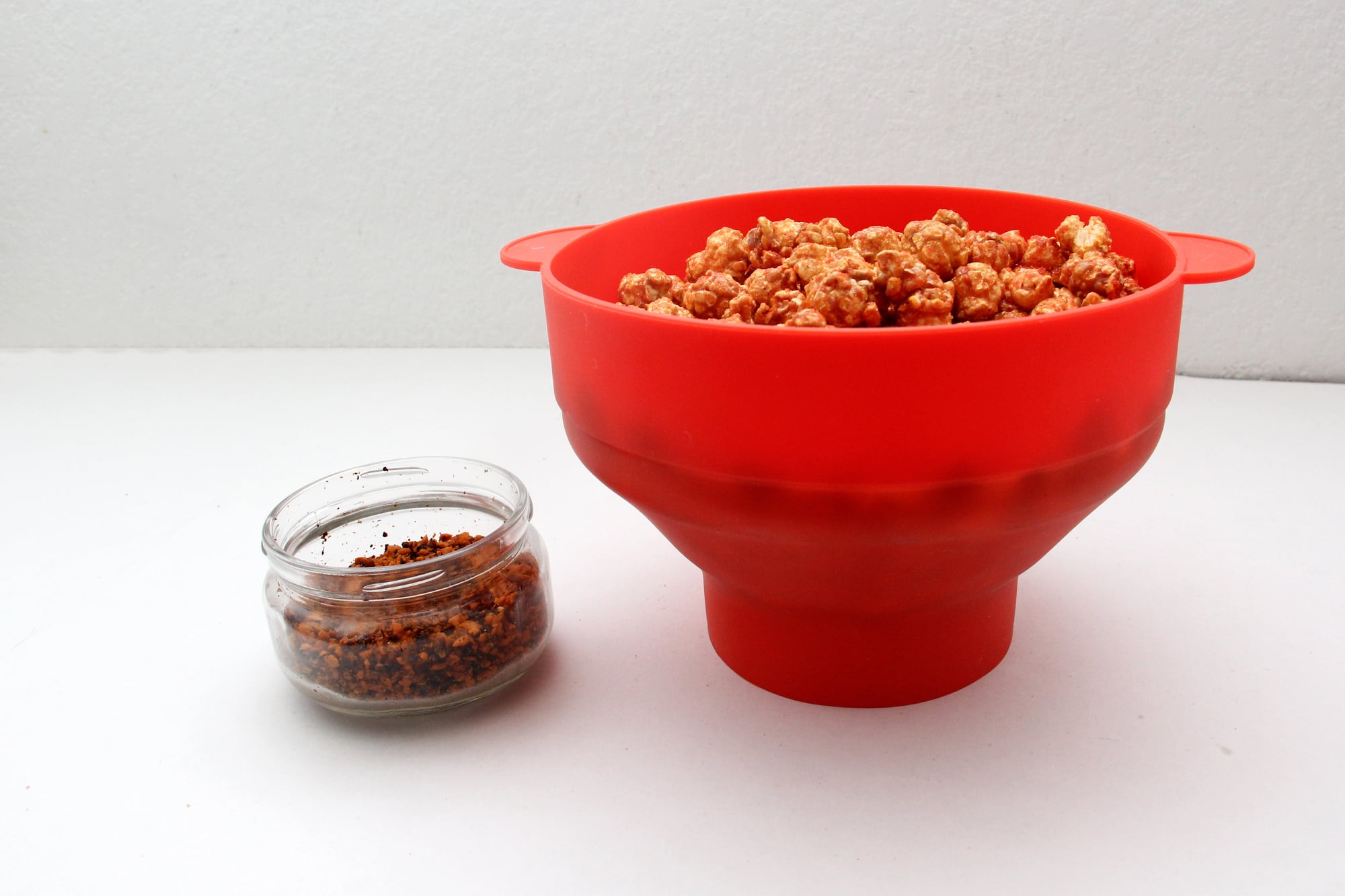
The air popper was loud, required no oil, and produced popcorn that tasted like warm cardboard unless you immediately buried it in butter — which rather defeated the supposed health benefit but nobody seemed to mind. It became the gadget of choice for families trying to feel virtuous about snacking, which is a very specific kind of self-deception that the ’70s had an unusual gift for.
Go figure.
Wok Ring and Electric Wok
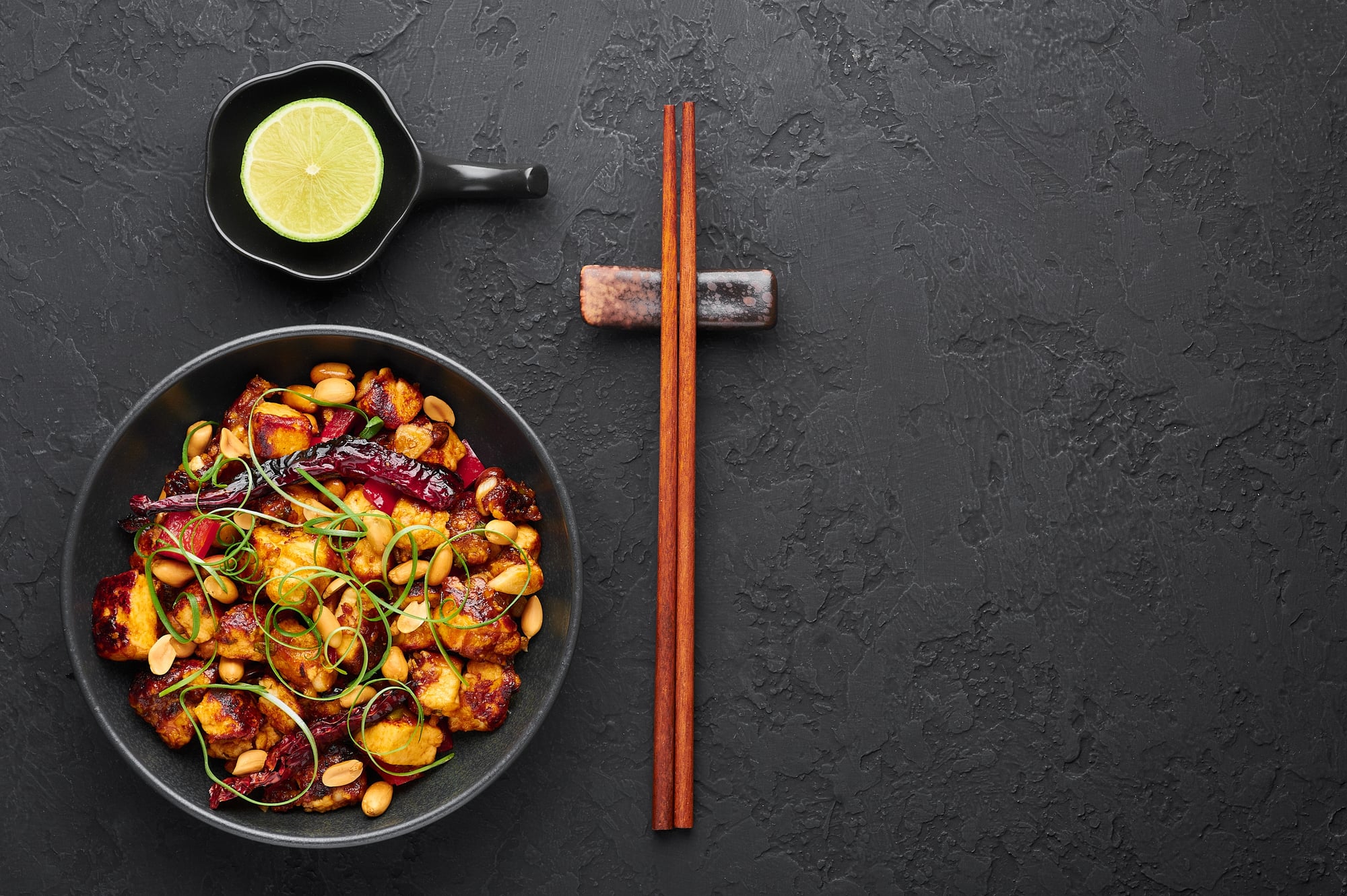
The electric wok arrived in American kitchens partly through a growing cultural interest in Chinese cooking — a cookbook called “The Joy of Chinese Cooking” was circulating, Cantonese restaurants were everywhere — and it brought the promise of stir-fry without a gas flame. The wok ring, designed to stabilize a round-bottomed wok on a flat electric burner, was a sensible workaround to a genuine problem; sensible enough, at least, that it sold well even though flat-bottomed woks would have solved the same problem more elegantly.
So people bought both.
Automatic Can Opener
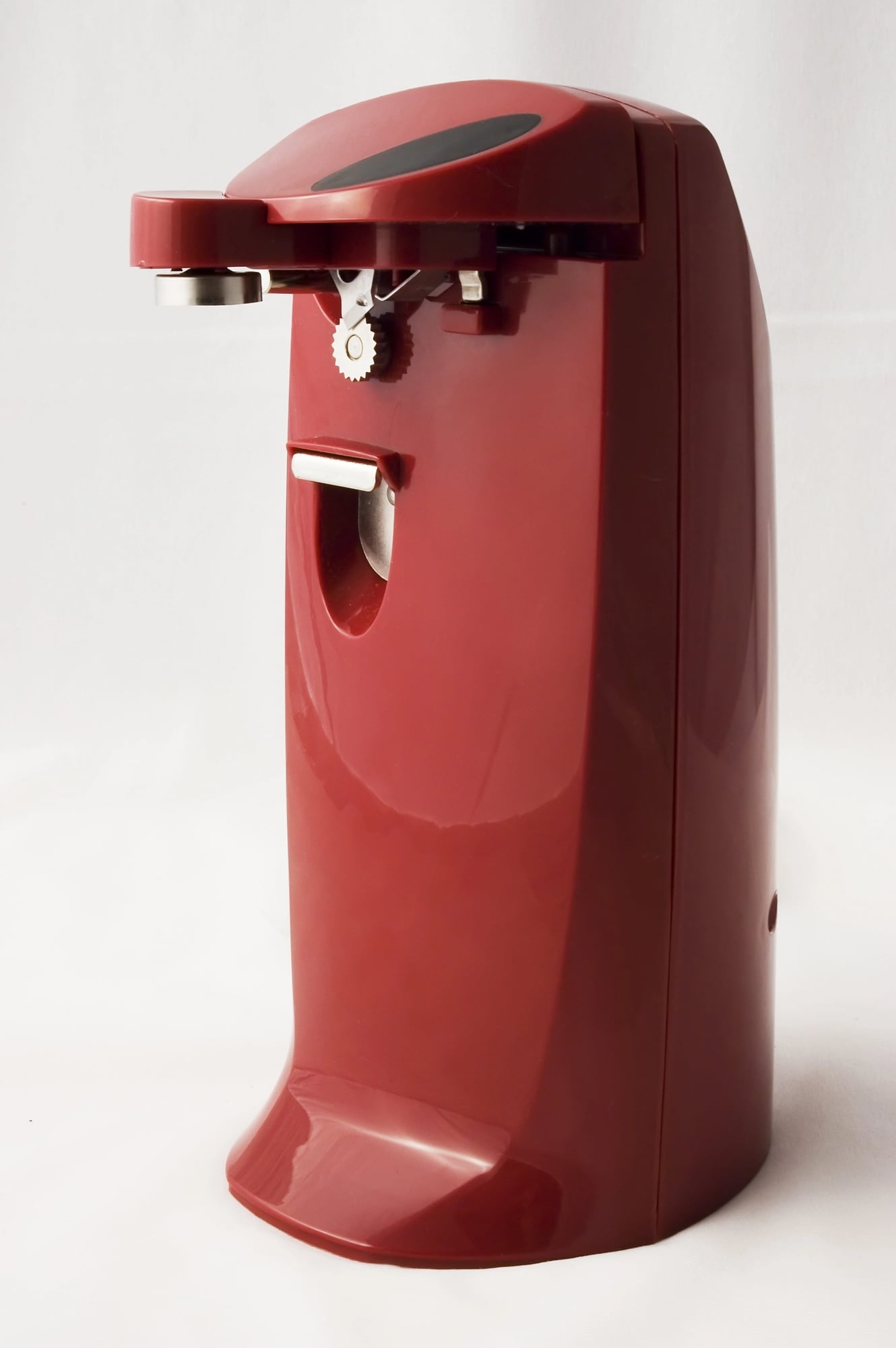
The automatic can opener is a gadget that corrects you gently every time you try to use one — there’s always a small moment of misalignment, a repositioning, a second attempt. Manual can openers existed and worked fine, but the under-cabinet electric version felt like what a modern kitchen was supposed to contain, like it belonged alongside the built-in dishwasher and the wood-paneled station wagon.
The installation alone gave people a sense of arrival.
Cordless Electric Kettle
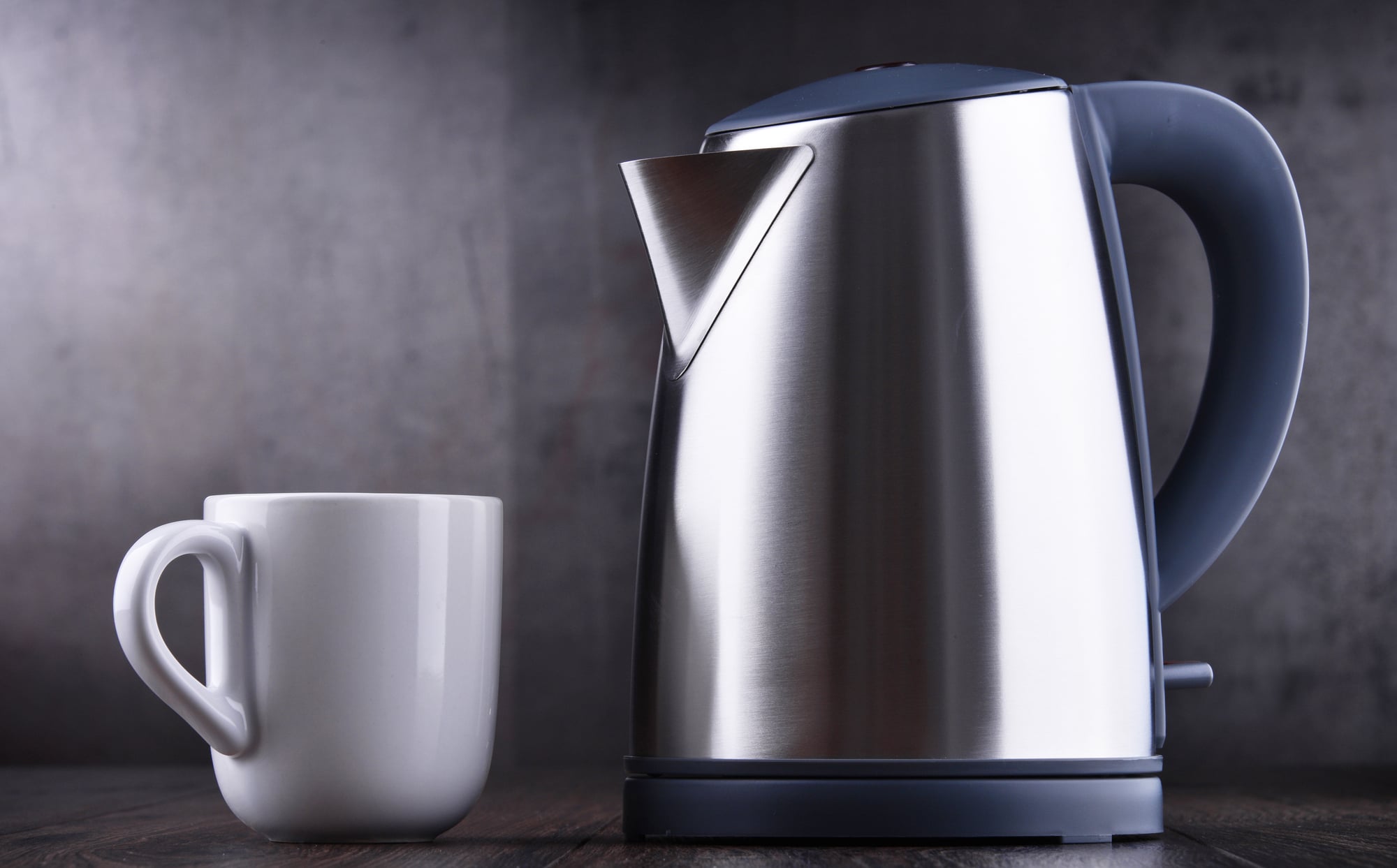
Early cordless kettles were not really cordless in the way people use that word now — they had a cord that detached at a base, which sounds obvious but felt genuinely clever when you first used one. The idea was simple: boil water without dragging a cord across a countertop.
And yet the design took decades to fully catch on beyond Britain, where it had been common for years before American kitchens bothered.
Ice Crusher
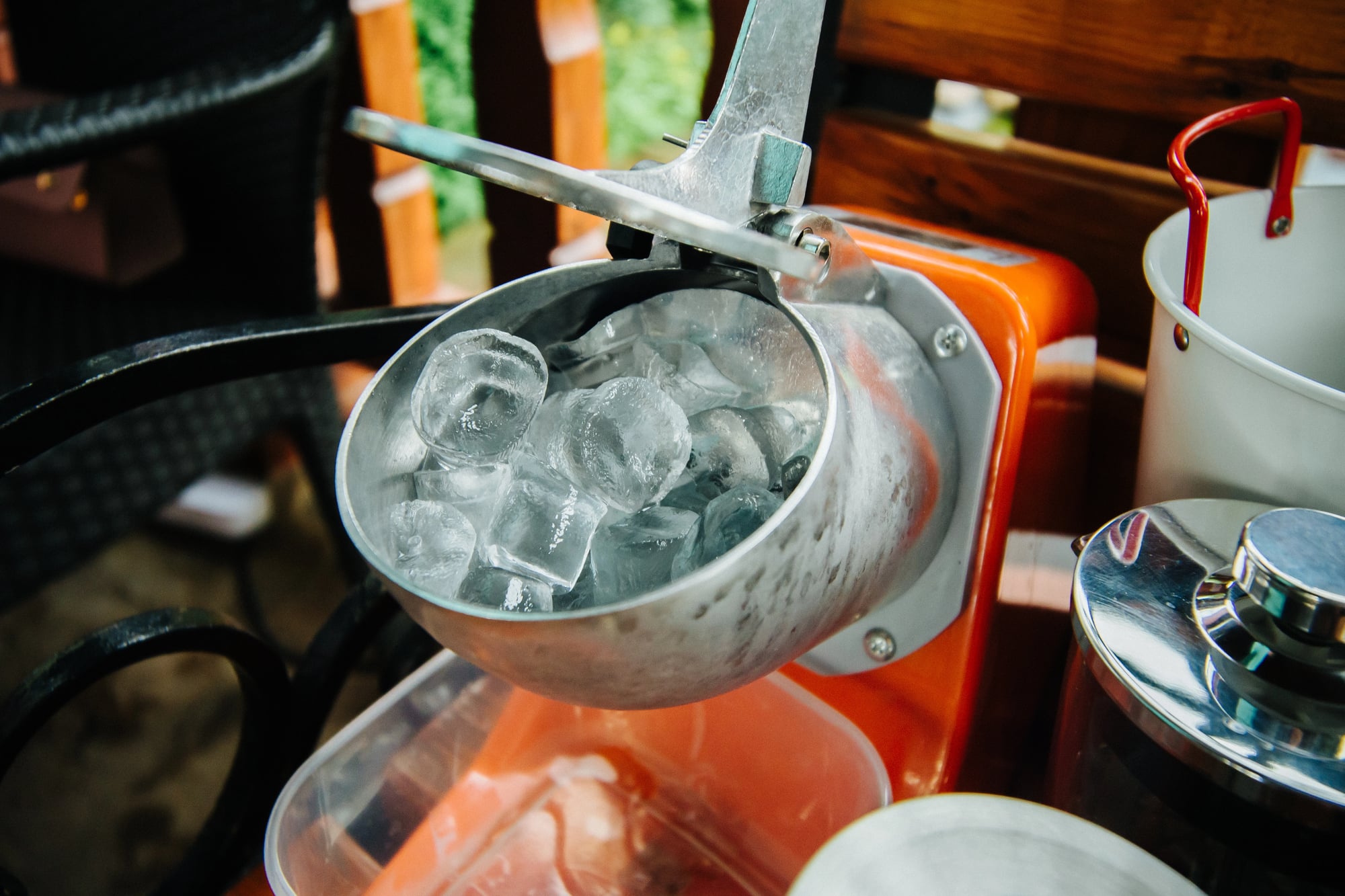
The ice crusher of the ’70s was a hand-cranked or motorized device designed specifically for the era of elaborate cocktails at home — Harvey Wallbangers, Gimlets, drinks that required crushed ice rather than cubed. It sat on counters during dinner parties and rarely appeared on weekday mornings.
Turns out a gadget that’s only useful during entertaining has a very particular shelf life.
Egg Cooker
There is something stubborn about a device designed to do one thing — boil eggs — that a pot of water does with equal competence. And yet the electric egg cooker sold well throughout the ’70s because it had a timer, a tray, and the specific appeal of a task handled without watching.
It whispered “you don’t need to be in the kitchen for this,” which was a more radical promise in 1974 than it sounds today.
Food Dehydrator
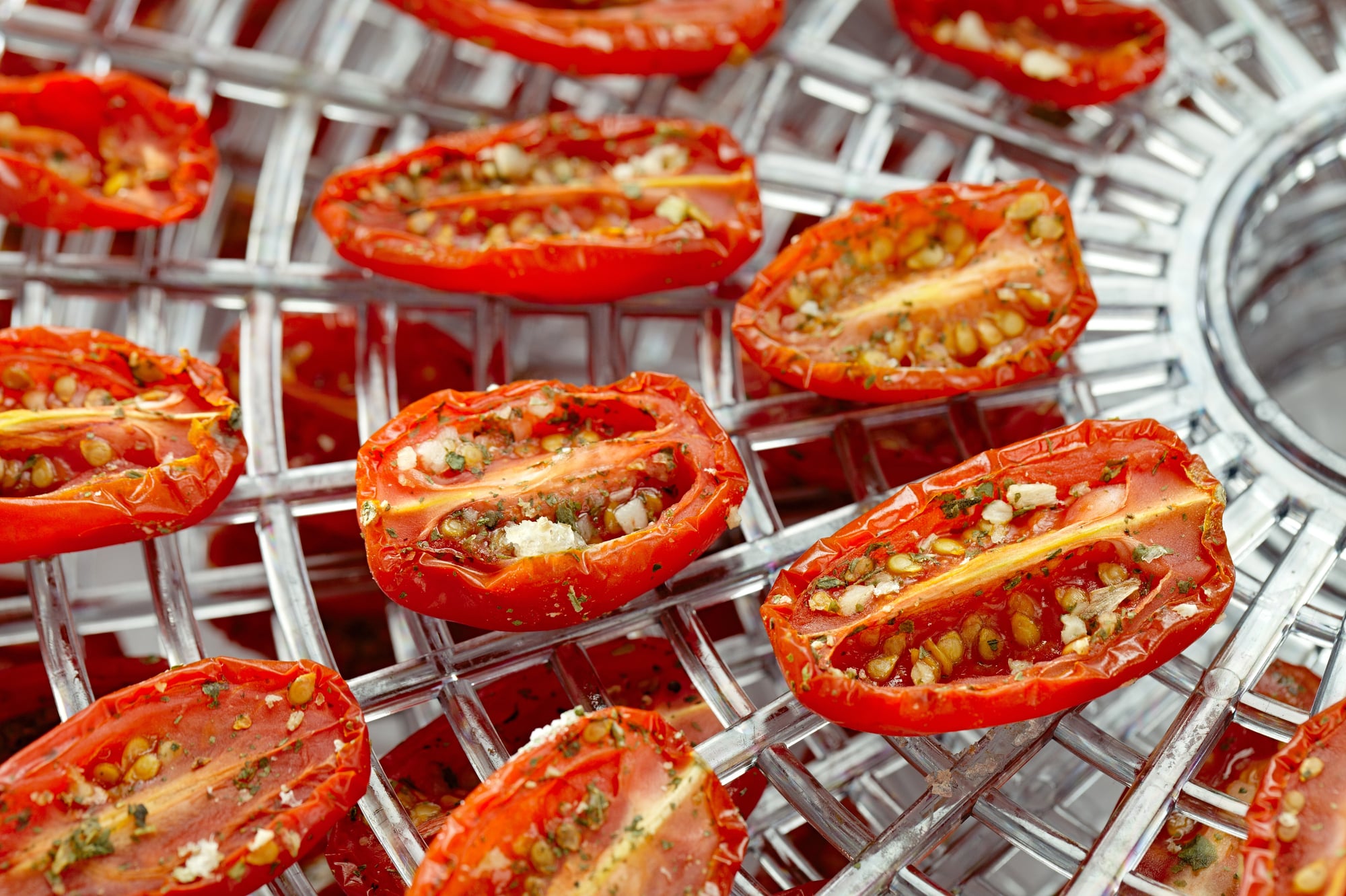
The food dehydrator was the ’70s’ answer to a question the decade had started asking about sustainability, self-sufficiency, and getting more from what you grew. Beef jerky at home.
Dried apricots from your own tree. It appealed to a certain kind of back-to-the-land optimism that ran through the decade like a current, and the appliance itself — rectangular, stackable trays, low heat — was straightforward enough that it actually worked.
Percolator Coffee Maker
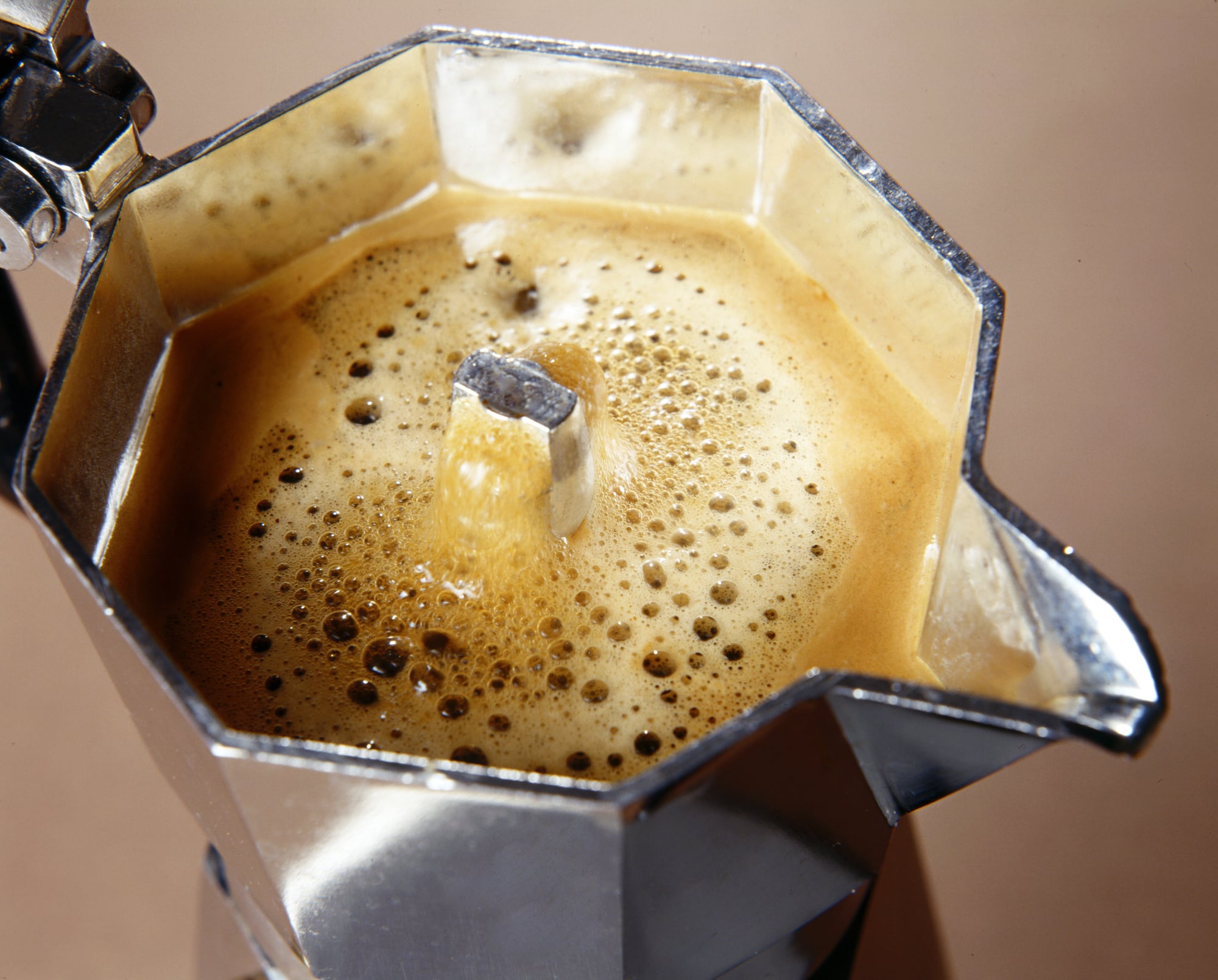
The percolator had been around for decades before the ’70s, but the ’70s were when drip coffee makers started to challenge it seriously, and the competition made people suddenly aware of how much bitterness a percolator could introduce into a cup. Coffee brewed by repeatedly cycling boiling water through grounds is not, as it turns out, a perfect method — but nobody who owned a percolator in 1972 thought they were doing anything wrong.
It smelled right, which counts for a lot.
Microwave Oven
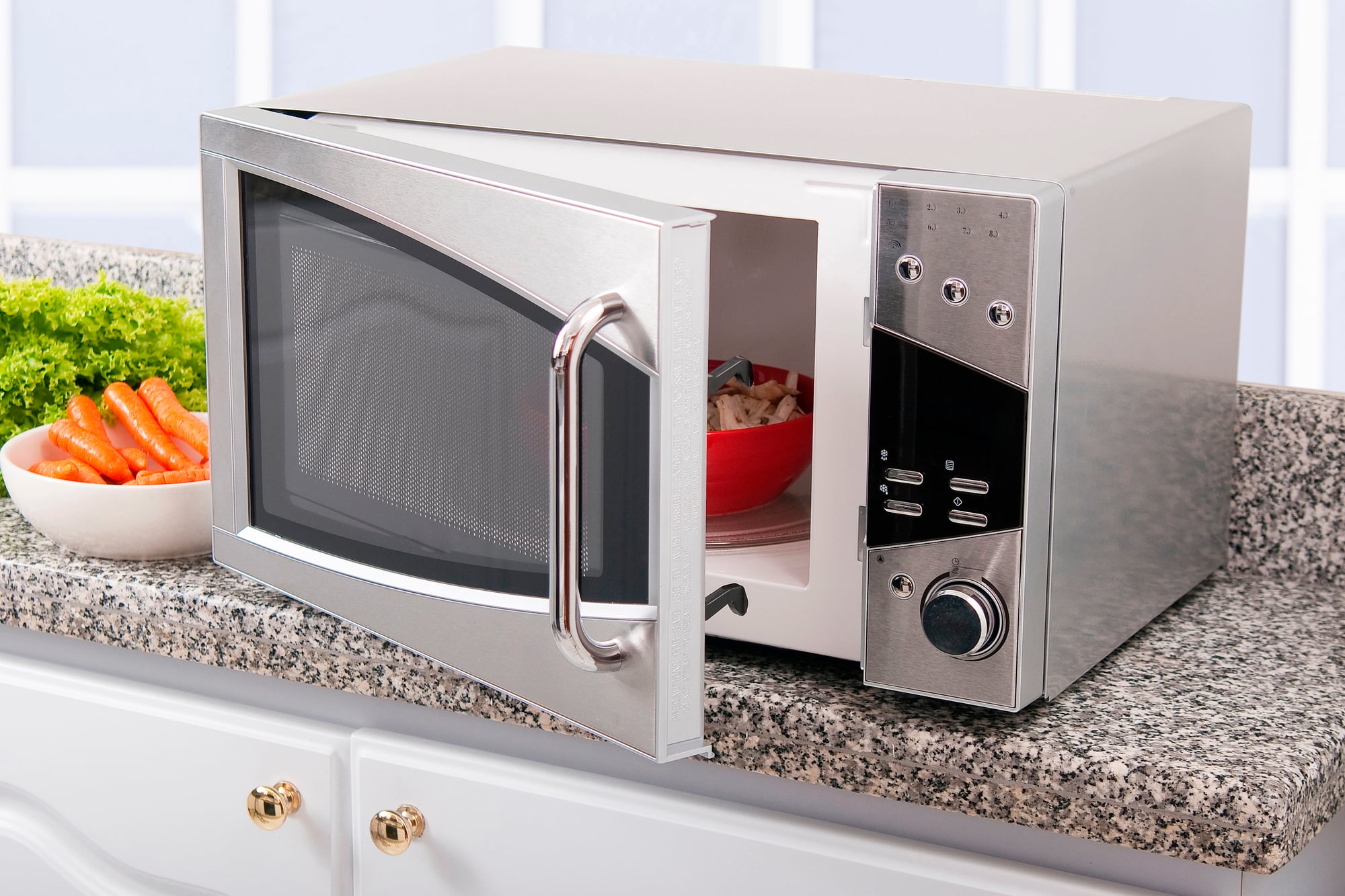
The countertop microwave didn’t become a household fixture until the mid-’70s, when models shrank enough to sit beside a toaster without requiring a structural reassessment of the kitchen. It was, by any honest measure, one of the few gadgets from the era that genuinely changed how people cooked — not by doing something better, but by doing something that hadn’t been possible before: reheating leftovers in three minutes without turning the oven on.
Electric Frying Pan
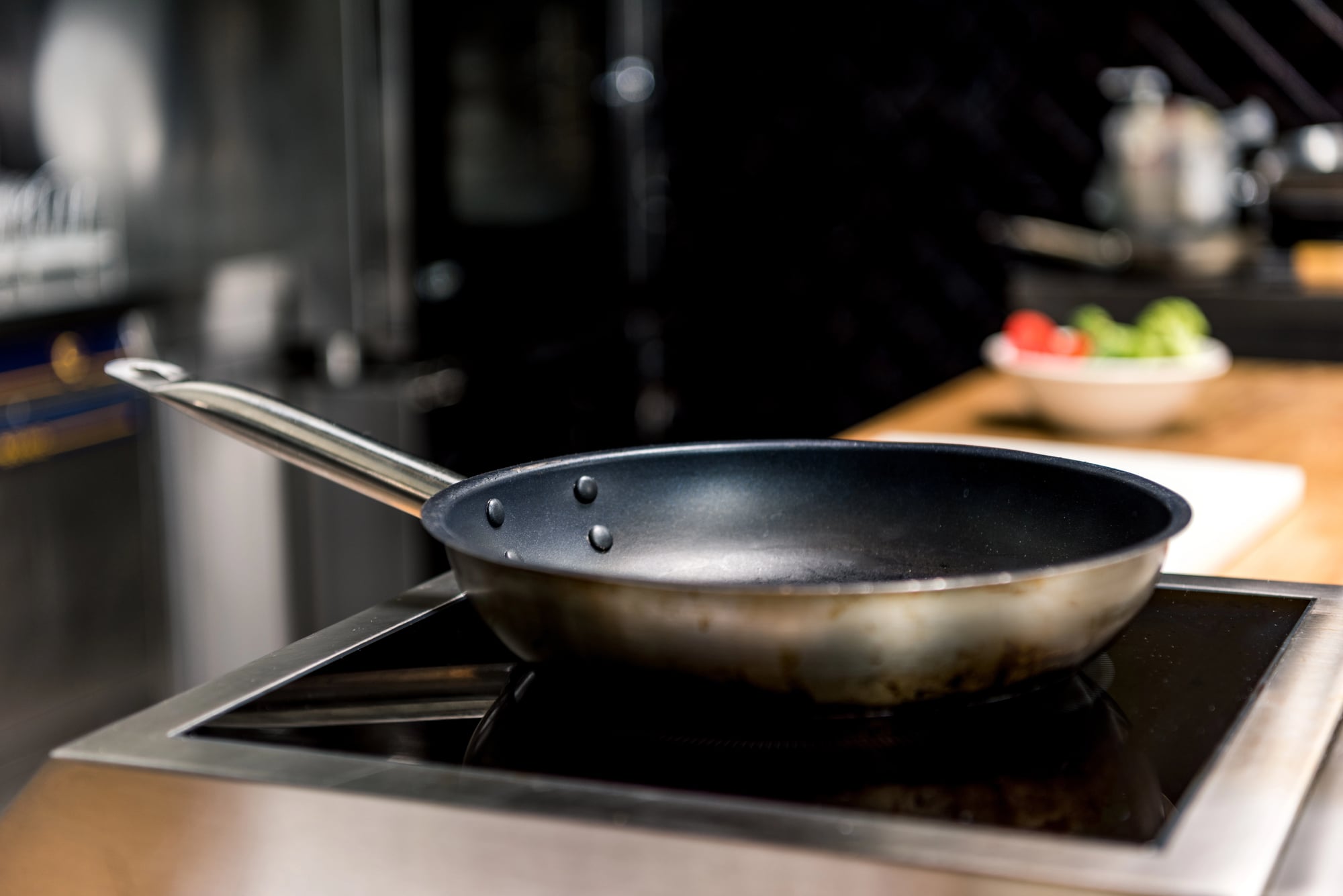
The electric frying pan arrived as a device that claimed to replace the stovetop skillet with something more controllable, more portable, and more useful for cooking pancakes at the table in front of guests. That last use case — table-side cooking — was very ’70s in its theatrical confidence.
The thermostat dial promised precision. Whether the pancakes agreed depended heavily on who was making them.
Juicer
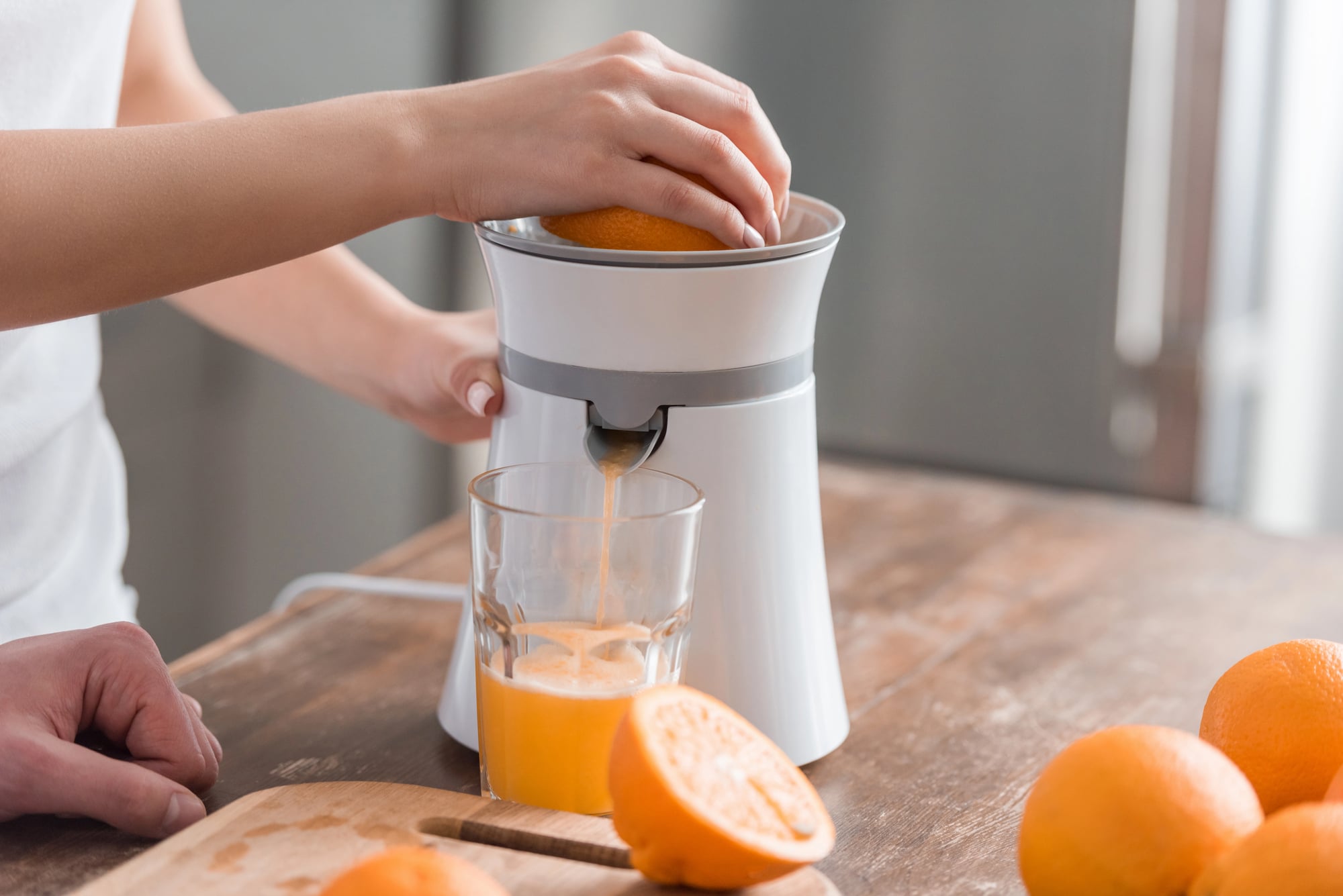
The electric centrifugal juicer of the ’70s was loud, required significant cleanup, and produced juice that tasted exactly like the fruit you put into it — which, to be fair, was the whole point. It appealed to the same decade-wide interest in fresh, whole foods that pushed granola into the mainstream and made carob briefly seem like a reasonable alternative to chocolate.
The juicer was sincere, if not always convenient.
Yogurt Maker
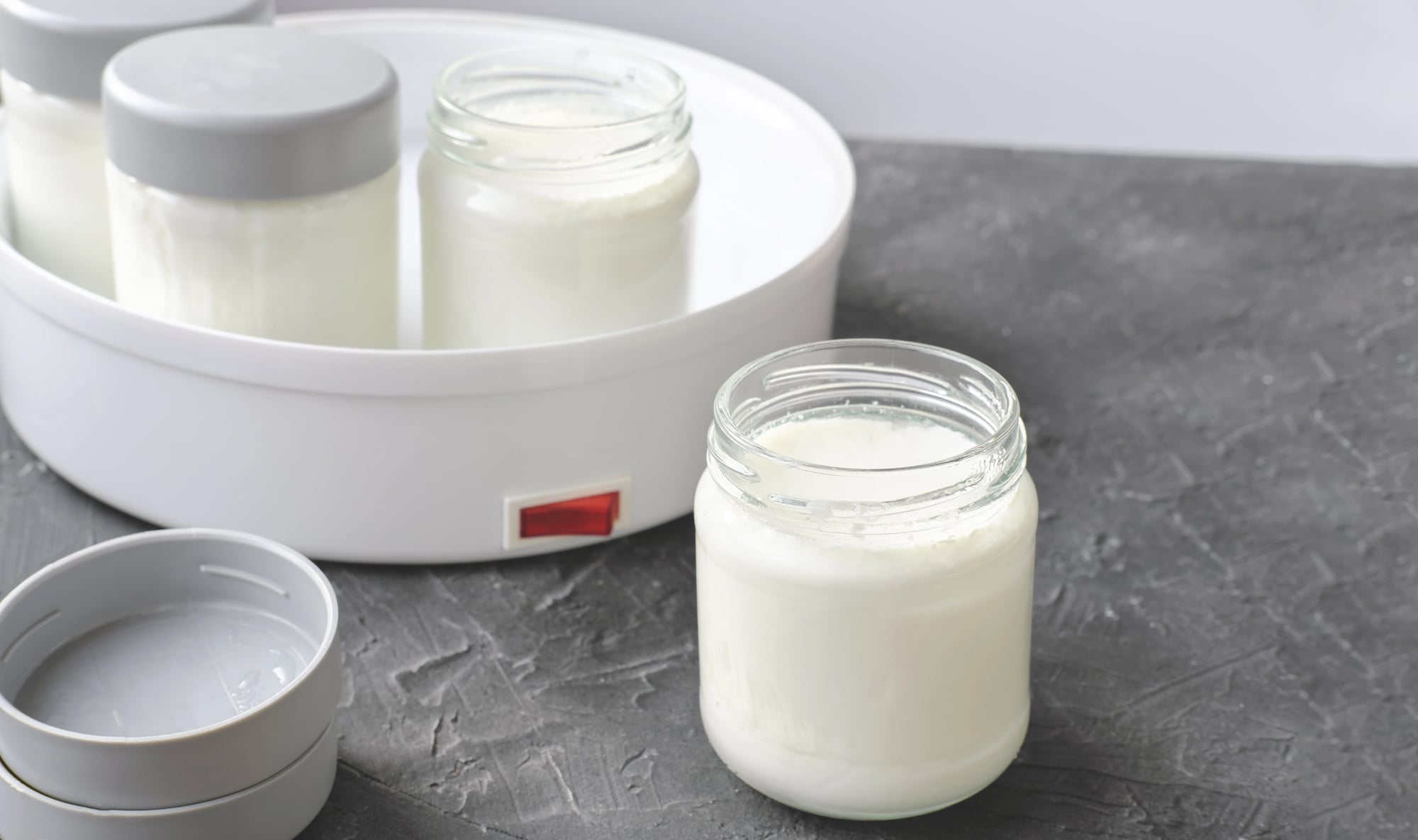
Making yogurt at home in the ’70s meant buying a yogurt maker — a low-heat incubator that held small glass jars at a temperature warm enough to culture bacteria without killing them. It was a device that required patience, some understanding of how fermentation worked, and a willingness to eat something you’d made from scratch in a way that felt slightly scientific.
The results were genuinely good, which surprised people who’d expected it to feel more like homework.
Waffle Iron
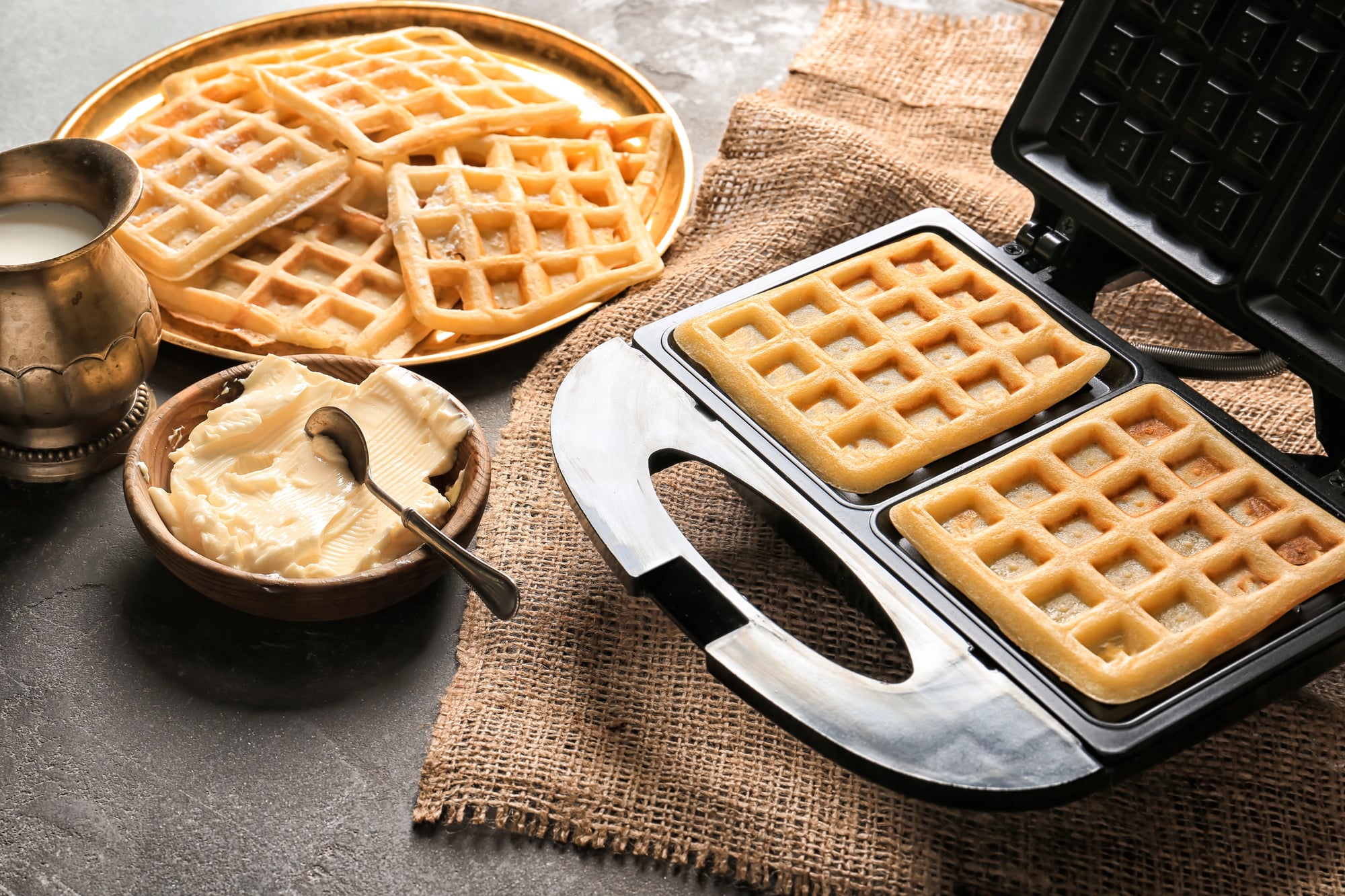
The waffle iron was not new in the ’70s, but the decade gave it a kind of domestic prominence — Belgian waffles had entered the American consciousness through the 1964 World’s Fair and spent the next decade slowly migrating from restaurants to home kitchens. The deeper pockets of the Belgian-style iron required an updated appliance, and so a generation of families bought new ones and poured batter into them on Saturday mornings with a feeling of mild sophistication.
Immersion Blender
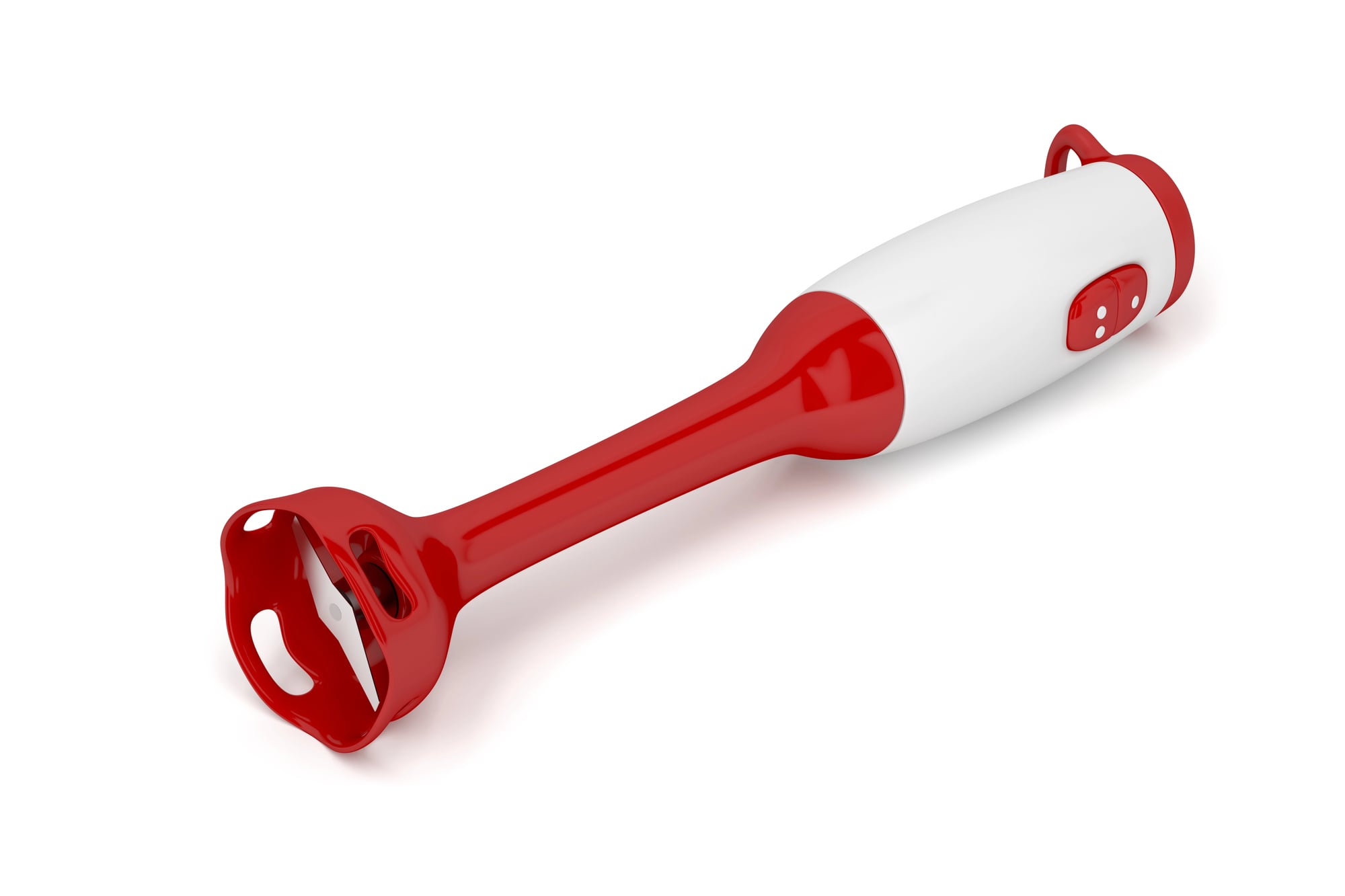
Early immersion blenders — sometimes called stick blenders — existed in commercial kitchens through the ’60s and started appearing in better-equipped home kitchens by the mid-’70s. The appeal is hard to argue with even now: a device that blends soup directly in the pot, eliminating the terrifying transfer of hot liquid to a countertop blender and the steam-driven eruption that occasionally followed.
It was one of the quieter ideas of the decade, and it stuck.
Hot Dog Cooker
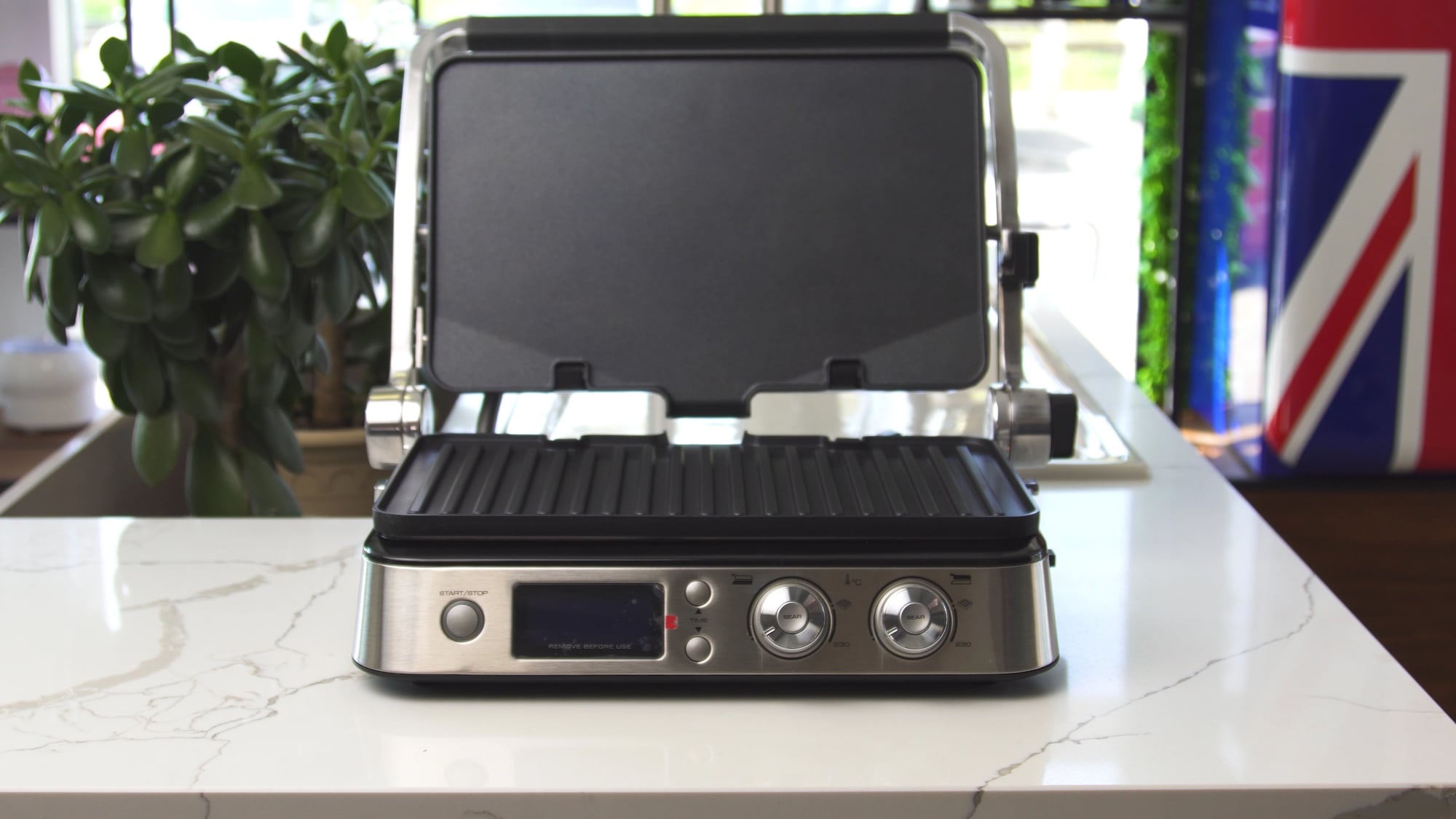
The tabletop hot dog cooker — a device with prongs that cooked frankfurters by passing a mild electric current through them — is exactly as specific and as peculiar as it sounds. It was designed for people who wanted a hot dog without boiling water or firing up a grill, and it worked: it cooked from the inside out, left no grill marks, and produced something that tasted more or less correct.
It was also the kind of appliance that made perfect sense until the novelty wore off, which typically took one summer.
Automatic Pasta Maker
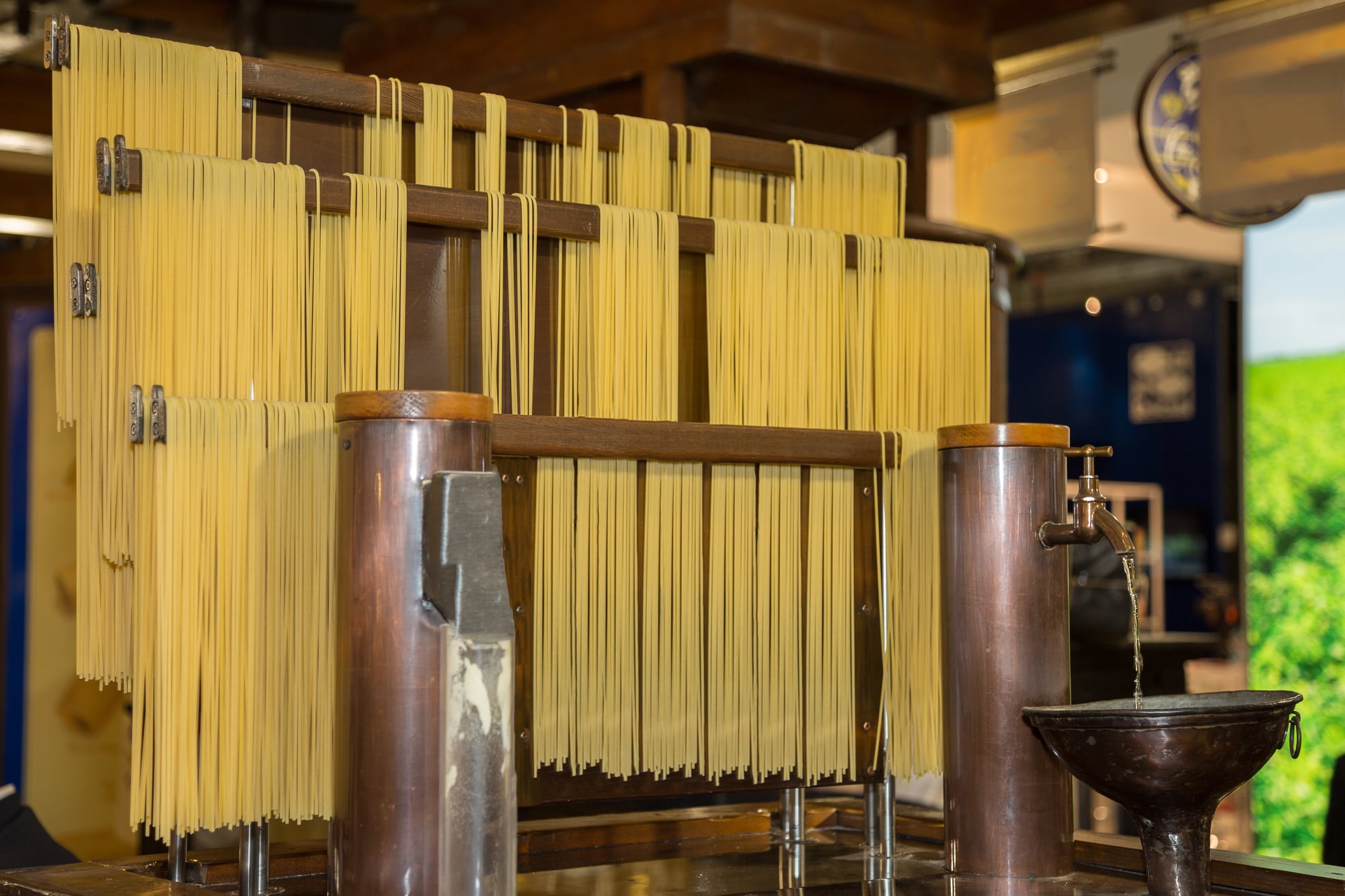
The home pasta machine — hand-crank models had existed for years, but motorized versions were arriving by the mid-to-late ’70s — sold the dream of fresh pasta on a Tuesday without the arm workout. It was heavier than expected, noisier than expected, and produced genuinely excellent pasta when someone took the time to use it correctly.
Most of them ended up living in the back of a cabinet after about six months, which is the natural lifecycle of an appliance that demands effort to justify its existence.
Self-Cleaning Oven
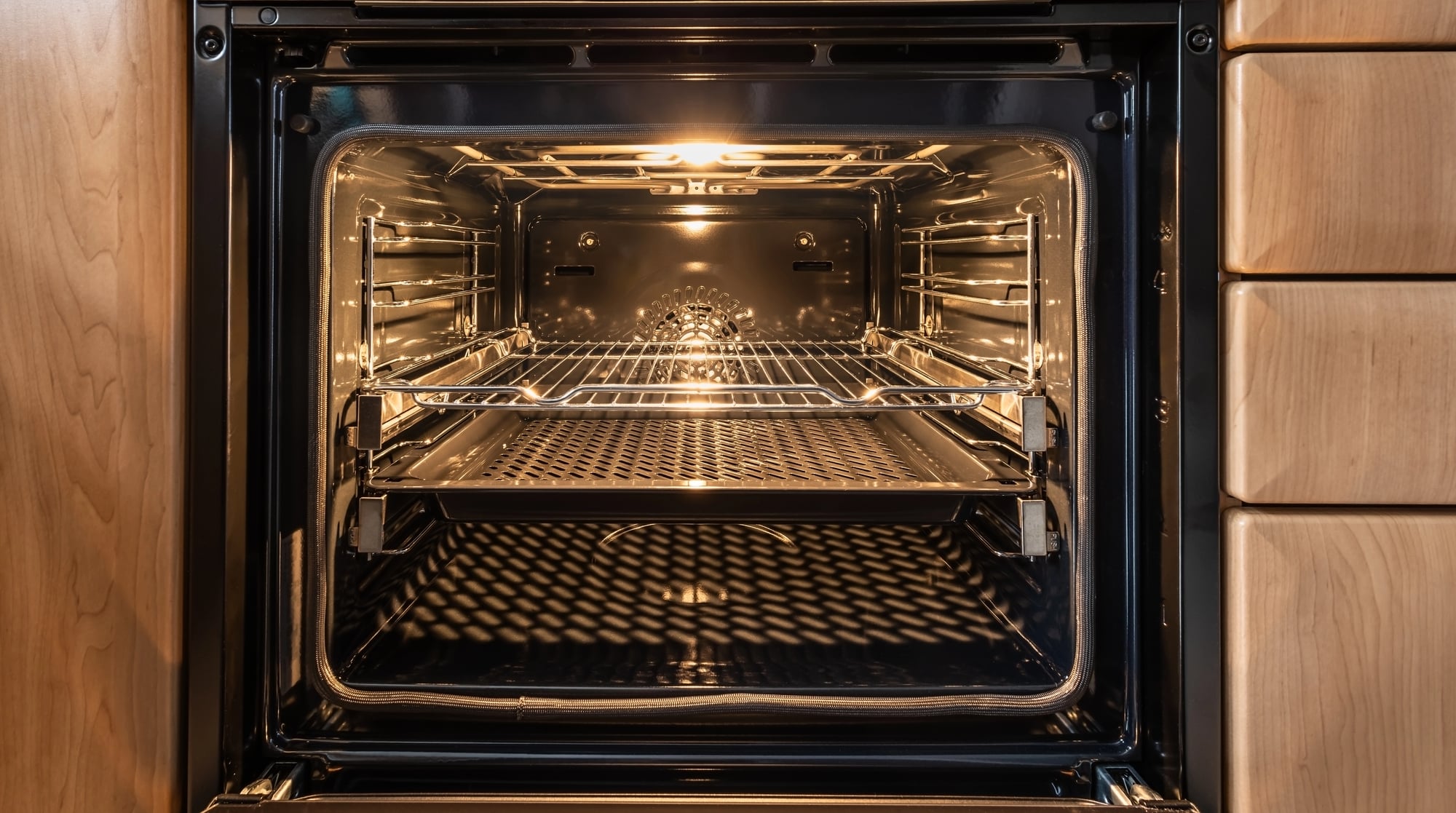
The self-cleaning oven arrived not as a gadget exactly, but as a feature that made the oven itself feel like a new kind of appliance — one that handled its own worst problem. The pyrolytic cleaning cycle burned residue to ash at extremely high temperatures, which was genuinely impressive, produced a smell that filled the house for two hours, and required everyone to leave the kitchen until it was done.
A fair trade, most people decided.
Under-Cabinet Mounted Radio
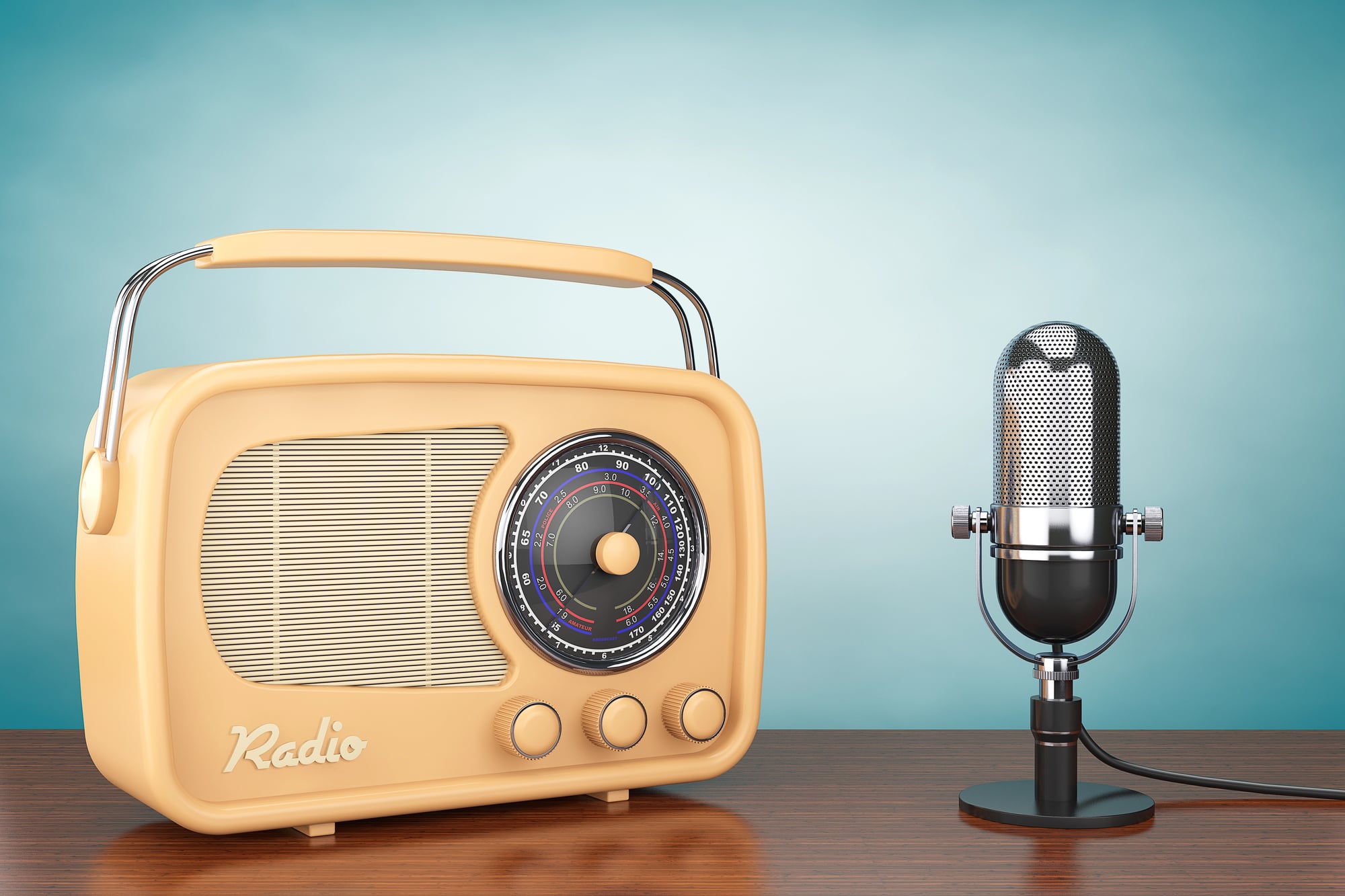
The under-cabinet kitchen radio — AM/FM, usually with a clock, always mounted just below the cabinet with a single speaker angled toward the counter — was a specific ’70s artifact in the way that only things designed for a particular room and a particular decade can be. It played the news at 7 a.m. and whatever the local easy-listening station was carrying at dinner.
It required no decision-making about where to put it. That simplicity was the point.
Electric Knife Sharpener
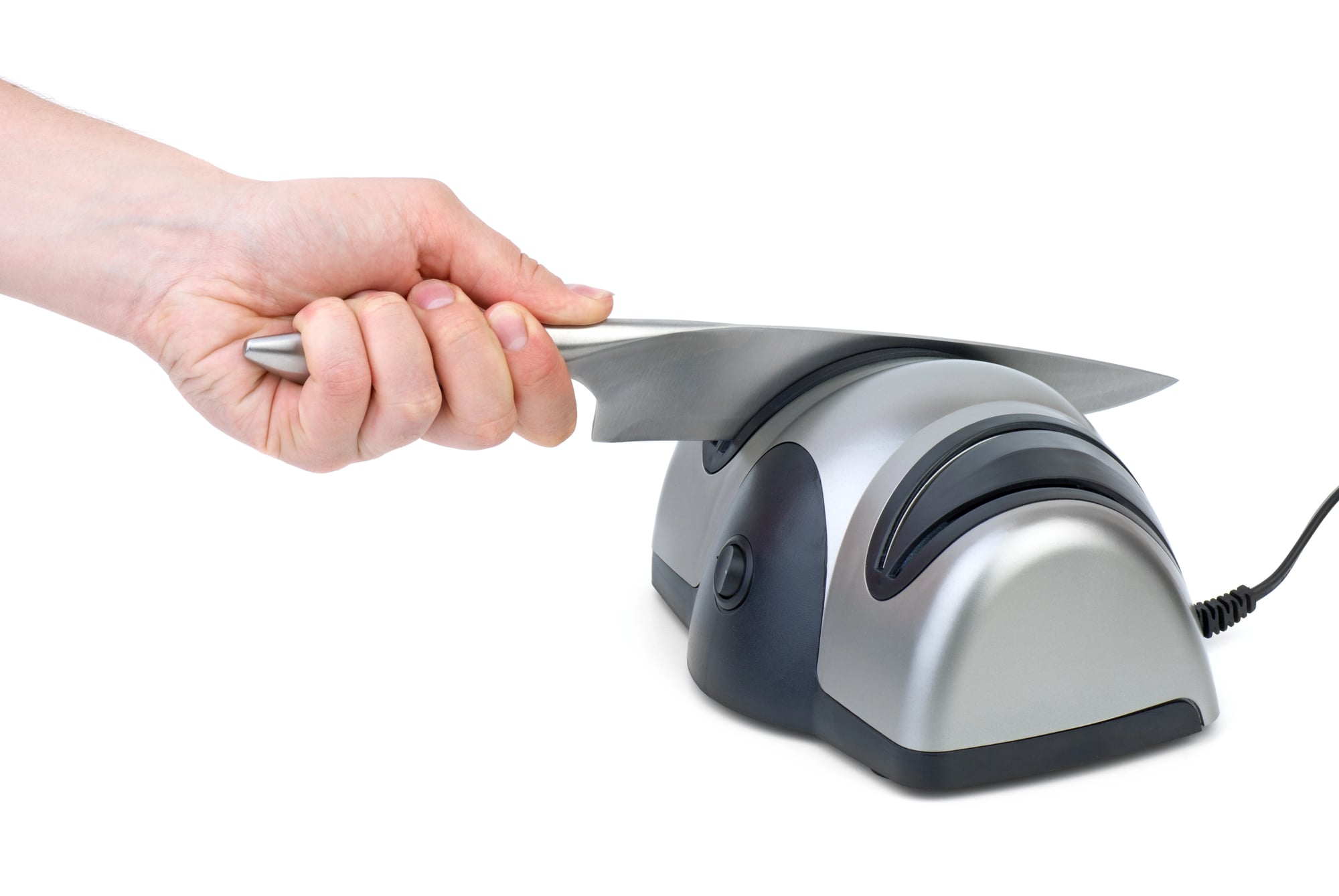
Before the electric knife sharpener, keeping a blade sharp meant either learning how to use a whetstone correctly (which most people didn’t) or living with knives that gradually stopped cutting well (which most people did). The electric sharpener offered a third path: drag the blade through two spinning abrasive wheels and walk away.
It was more aggressive than precise, but it worked well enough that the knives in question could once again cut a tomato without the tomato winning.
Fondue Fork Set
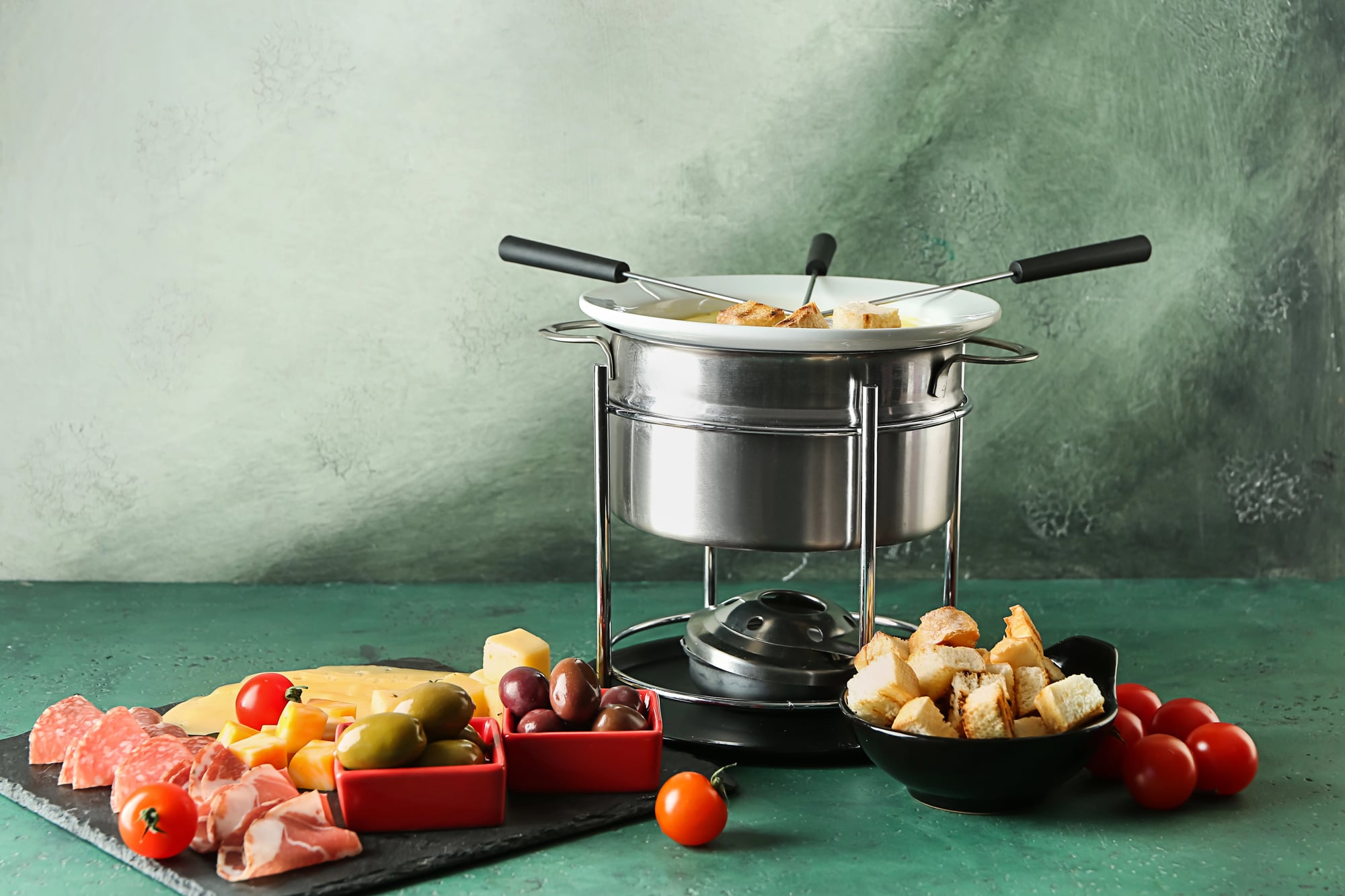
The fondue fork is a gadget defined entirely by what it belongs to — it has no independent life, no alternate purpose, no usefulness outside the ritual of the fondue pot. And yet sets of six were sold, and stored, and brought out for dinner parties throughout the decade with a sincerity that’s actually endearing in retrospect.
Color-coded handles so guests could track their own fork. A small, specific problem, solved with genuine care.
Trash Compactor
The built-in trash compactor was a ’70s kitchen appliance that operated on a premise so obviously correct it seems strange it didn’t last: if you compress garbage, you need to take it out less often. It worked.
Turns out the country’s relationship with trash is complicated enough that a machine making it denser didn’t actually solve anything people were worried about in the long run, and the compactor faded quietly from new home construction by the late ’80s.
Dishwasher With Heated Dry Cycle
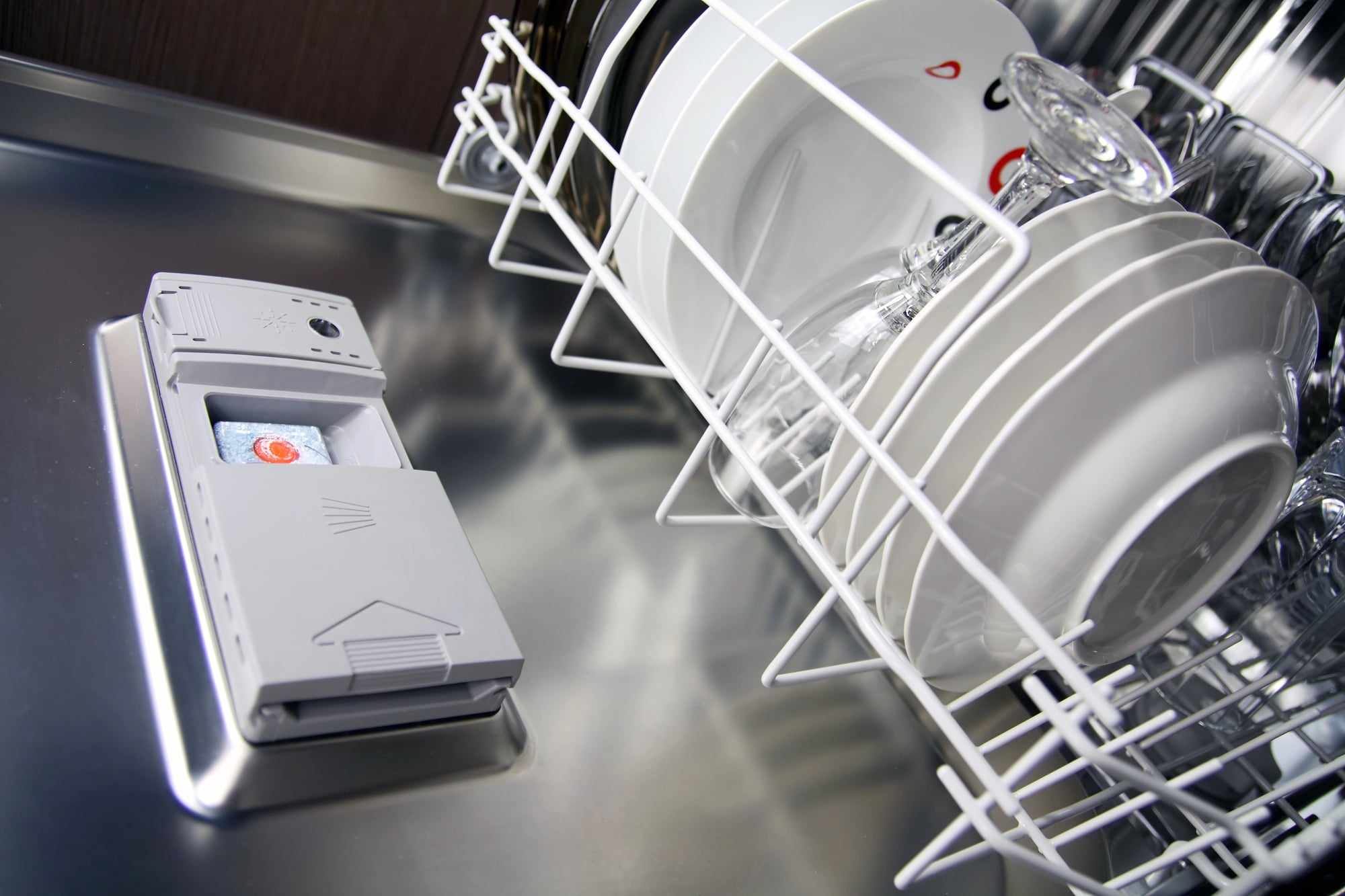
The heated dry cycle on ’70s dishwashers used a heating element to evaporate water from dishes after the final rinse — effective, straightforward, and responsible for a significant chunk of the appliance’s energy consumption. It felt thorough.
It felt like the machine was completing the job properly rather than leaving dishes damp on a rack. Nobody questioned it for about thirty years.
Spice Rack Carousel
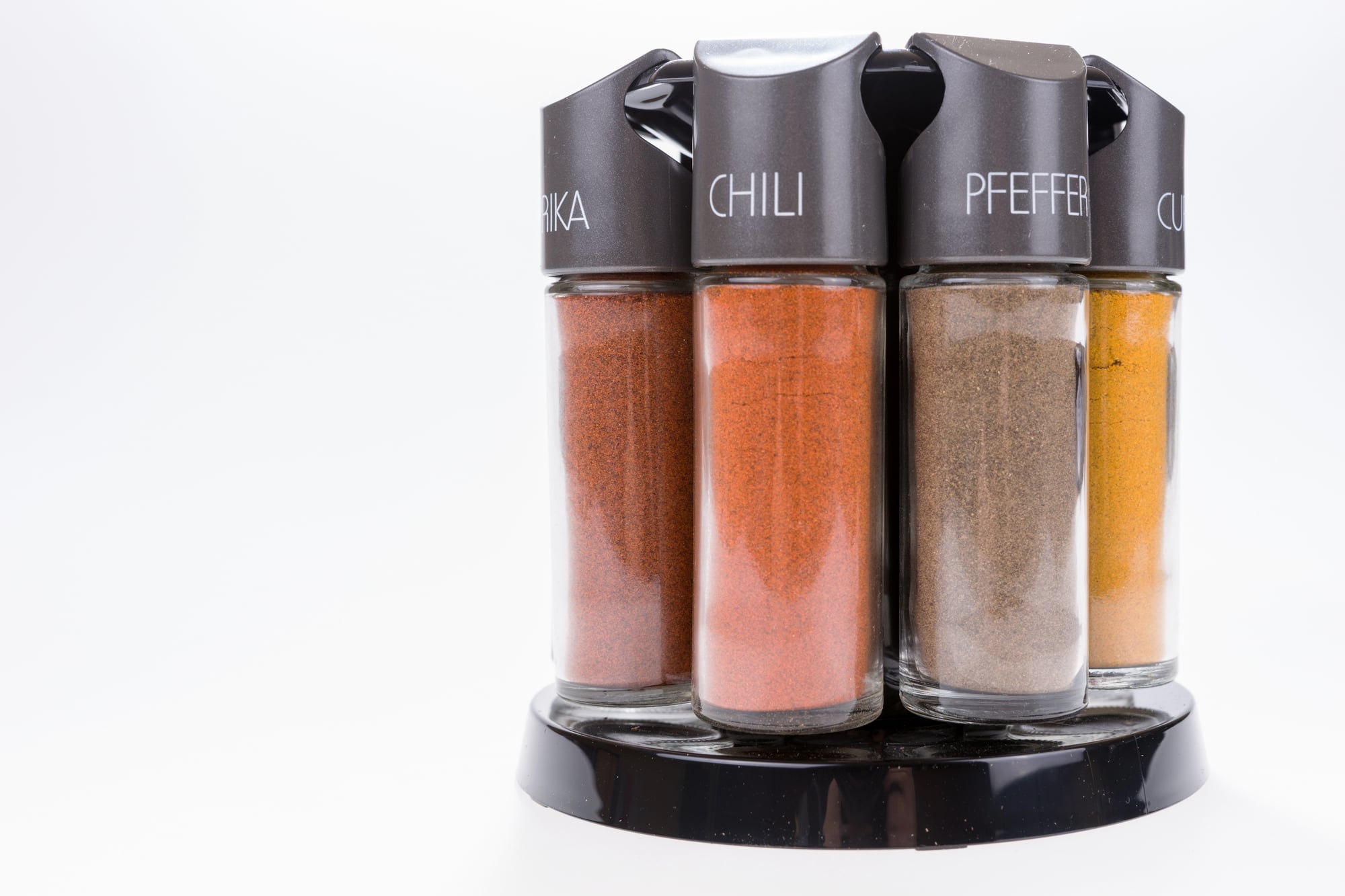
The rotating spice rack carousel — a lazy Susan-style tower that held a dozen or more identical glass jars — was the ’70s’ answer to the chaos of a spice drawer. It organized.
It rotated. It made a kitchen feel curated in a way that mattered to the decade’s particular brand of domestic pride.
The spices it held were often bought with the rack, used once or twice, and left to age quietly in the jars for the better part of a decade.
Electric Blanket Controller
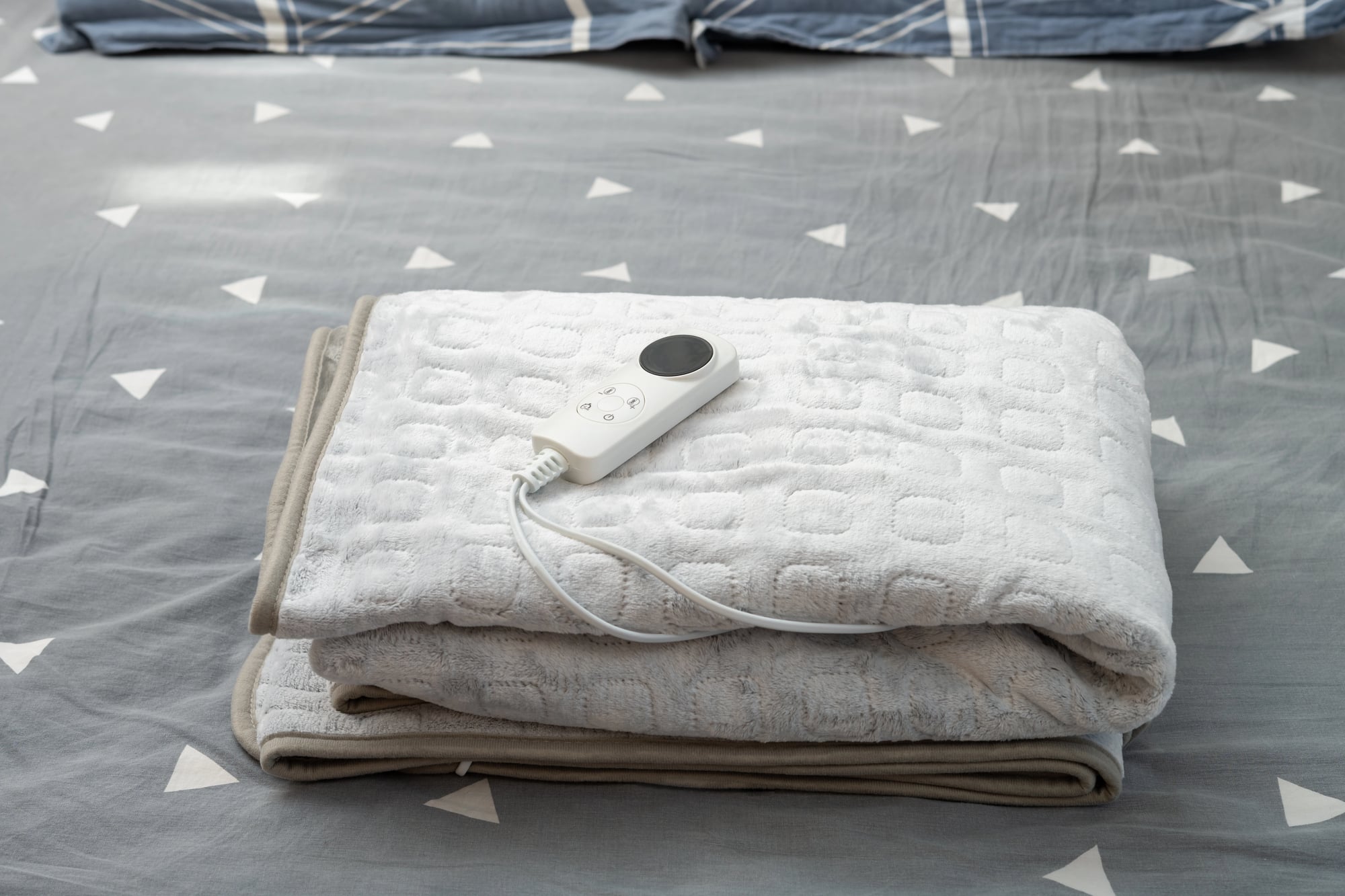
The dual-control electric blanket — with separate heat settings for each side of the bed — solved a problem as old as shared sleeping: one person is always warmer than the other. The ’70s controller was a small dial-based unit that plugged into the blanket itself, and it felt genuinely thoughtful in design.
Whether both dials actually controlled independent heating zones as advertised depended heavily on the manufacturing tolerances of a given year.
Intercom System

The whole-house intercom system — usually hardwired, with a master station in the kitchen and satellite speakers in bedrooms — was a domestic technology that imagined the family home as something requiring internal communications infrastructure. It let parents call children to dinner without raising their voices.
It played AM radio through every room simultaneously. It was almost completely replaced by shouting the moment the novelty wore off, which was usually the second week.
When Gadgets Were Still Optimistic
The ’70s were not always a confident decade — inflation was real, energy was scarce, and the evening news wasn’t comforting. But in kitchens and living rooms, there was this persistent belief that the right object could simplify things, that a device with the right number of settings could make ordinary life feel more modern.
Some of those objects lasted. Many didn’t.
But there’s something worth noticing in the impulse itself — that generation didn’t approach household problems with resignation. They went to the store and bought a machine.
And sometimes, against reasonable odds, the machine actually worked.
More from Go2Tutors!

- The Romanov Crown Jewels and Their Tragic Fate
- 13 Historical Mysteries That Science Still Can’t Solve
- Famous Hoaxes That Fooled the World for Years
- 15 Child Stars with Tragic Adult Lives
- 16 Famous Jewelry Pieces in History
Like Go2Tutors’s content? Follow us on MSN.