15 Ancient Discoveries That Still Work Better Than Modern Alternatives
The ingenuity of our ancestors continues to amaze modern scientists and engineers. Despite our technological advancements and scientific breakthroughs, many ancient inventions have stood the test of time—not just as historical curiosities, but as genuinely superior solutions to everyday problems.
Let’s explore 15 remarkable ancient technologies that continue to outshine their modern counterparts, proving that sometimes the old ways truly are the best.
Roman Concrete

Roman concrete structures have endured for over 2,000 years while modern concrete typically deteriorates within 50-100 years. The secret lies in its unique formula containing volcanic ash, lime, and seawater, which actually strengthens over time through a crystallization process.
Modern scientists haven’t fully unraveled this mystery until recently – they’ve discovered that seawater interaction creates aluminum tobermorite crystals within Roman concrete. That’s why structures like the Pantheon and ancient harbor installations still stand strong after centuries of brutal environmental stress.
Damascus Steel
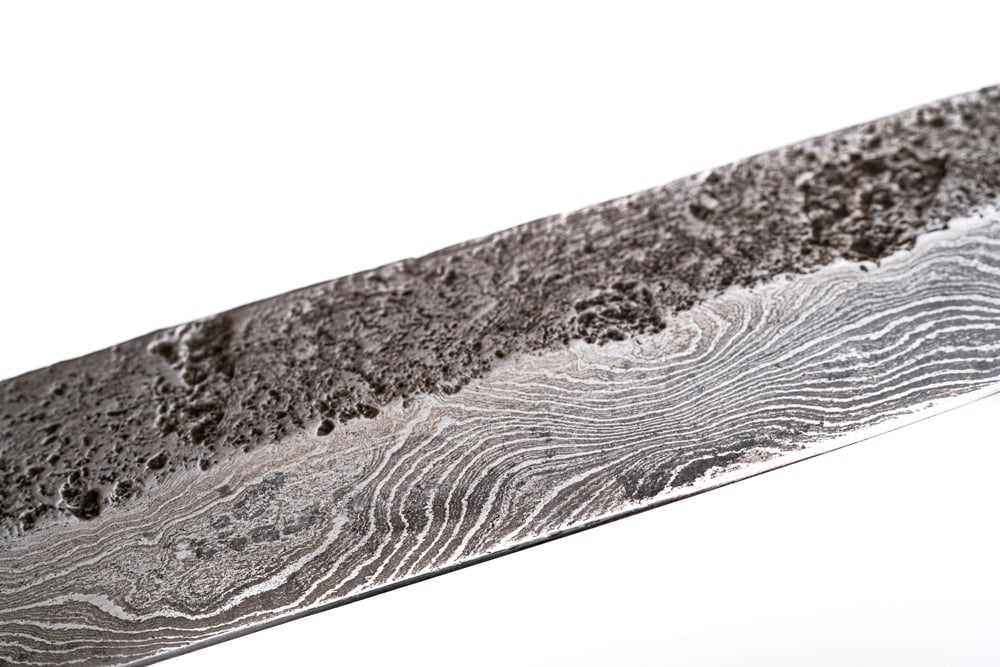
Ancient bladesmiths created Damascus steel swords with carbon nanotubes and nanowires – giving them extraordinary strength, flexibility, and edge retention. These blades, instantly recognizable by their distinctive wavy pattern, could slice through metal yet remained flexible enough to bend without breaking.
Though the original manufacturing technique vanished around the 18th century, contemporary metallurgists still haven’t managed to fully replicate its remarkable properties, despite countless attempts using modern technology.
Greek Fire

This mysterious Byzantine weapon devastated enemy ships with an incendiary liquid that couldn’t be extinguished with water – in fact, water only intensified the flames. Greek Fire clung to virtually any material while burning on water’s surface, which granted the Byzantine Empire naval superiority for centuries.
Despite modern scientific analysis, the exact formula remains unknown, though it likely contained some combination of petroleum, quicklime, and resins that still outperforms today’s naval incendiary weapons.
Persian Windcatchers

These ancient air conditioning systems date back over 4,000 years – yet they use no electricity while efficiently cooling buildings in desert climates. The ingenious windcatcher towers capture passing breezes and funnel them downward into buildings, often passing over water features that cool the air through evaporation.
They’ll reduce indoor temperatures by up to 30 degrees Fahrenheit without consuming any energy whatsoever, making them far more sustainable (and often more effective) than modern electric air conditioning in hot, dry regions.
Incan Dry-Stone Masonry
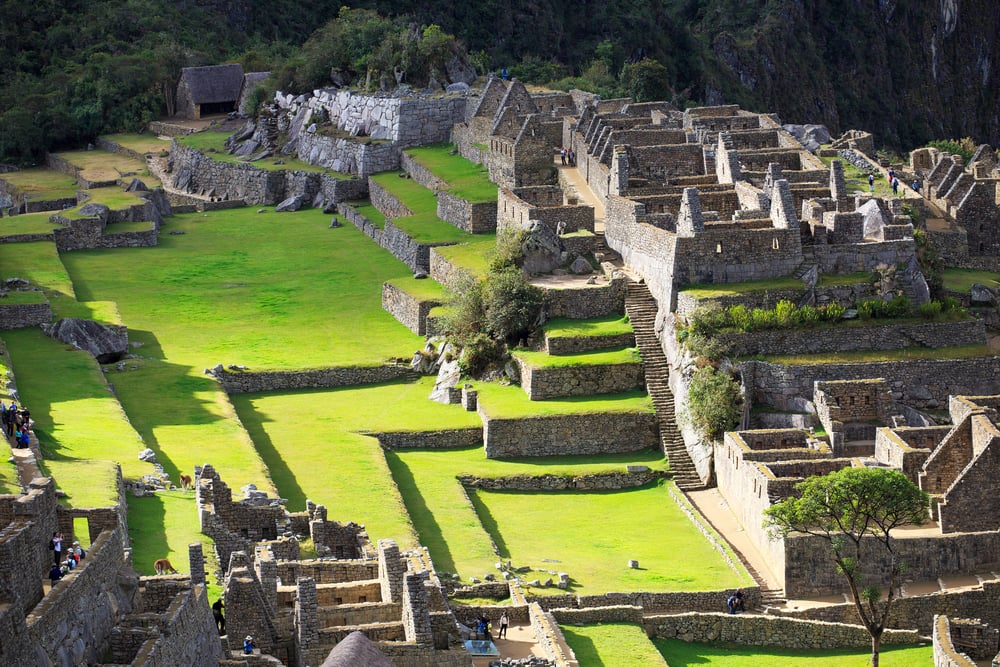
The stone structures at Machu Picchu and other Incan sites feature blocks fitted together so precisely that not even a credit card can slip between them – all without using any mortar. This earthquake-resistant construction technique has withstood over 500 years in one of the world’s most seismically active regions.
Modern construction companies need advanced machinery and technology to recreate these perfect stone joints, yet still can’t match the precision achieved by Incan stonemasons using nothing but stone tools.
Chinese Seismoscope
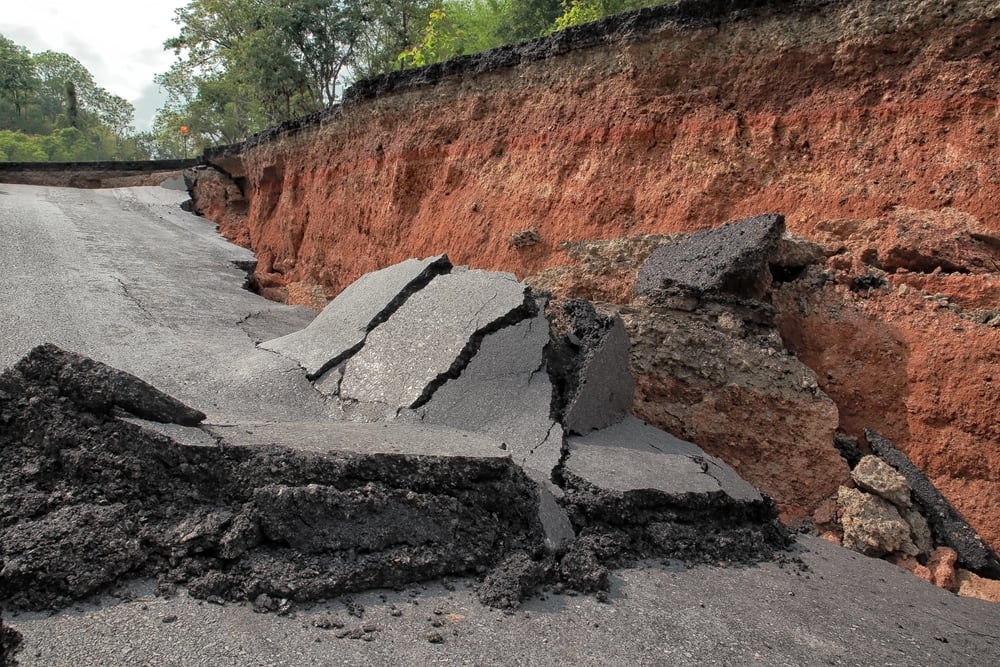
In 132 CE, inventor Zhang Heng created a bronze seismoscope that could detect earthquakes hundreds of miles away – and indicate their direction with surprising accuracy. The clever device featured eight dragons positioned around a central pendulum, each holding a bronze ball in its mouth.
Whenever an earthquake occurred, even one too faint for humans to perceive, the relevant dragon would drop its ball into the mouth of a bronze toad below, signaling the tremor’s direction. This early warning system worked remarkably well centuries before anyone dreamed of electronic seismographs.
Wootz Steel

This ancient Indian steel-making process – developed since at least 300 BCE – produced exceptionally hard yet flexible metal with a distinctive pattern. Wootz steel contained a perfect balance of carbon and various trace elements, which resulted in blades with exceptional cutting edges and durability.
The manufacturing technique involved complex heating and cooling cycles that modern metallurgists haven’t fully replicated, despite having electron microscopes and advanced scientific understanding at their disposal.
Egyptian Mortar

The limestone blocks of the Great Pyramid are held together by a mysterious mortar that’s harder than the stones themselves – even after thousands of years. Scientists who’ve analyzed this mortar found it contains proteins and organic compounds that create an exceptionally strong bond, though they still can’t determine exactly how it was made.
While modern mortars typically begin failing within decades, this ancient adhesive shows absolutely no signs of deterioration after 4,500 years of exposure to the elements.
Polynesian Navigation

Without tools, ancient Polynesian sailors traversed great Pacific distances depending only on stars, ocean swells, cloud patterns, and animal behavior. Passing down navigational skills through generations, they successfully colonized islands separated by thousands of miles of open water.
When modern sailors attempted to recreate these voyages using traditional methods aboard the Hōkūleʻa voyaging canoe, they confirmed the remarkable accuracy of these techniques, which continue to work even when modern GPS systems would fail due to power outages or satellite issues.
Baghdad Battery

Discovered in Iraq and dating to approximately 250 BCE – these clay jars containing copper cylinders and iron rods appear to function as primitive batteries. When filled with an acidic liquid like vinegar, they generate about 1.5 volts of electricity, proving that ancient civilizations potentially harnessed electrical current 2,000 years before Alessandro Volta’s official “invention.”
The simplicity and durability of these clay pot batteries represent technology that could function reliably for centuries without degradation or maintenance.
Roman Aqueducts
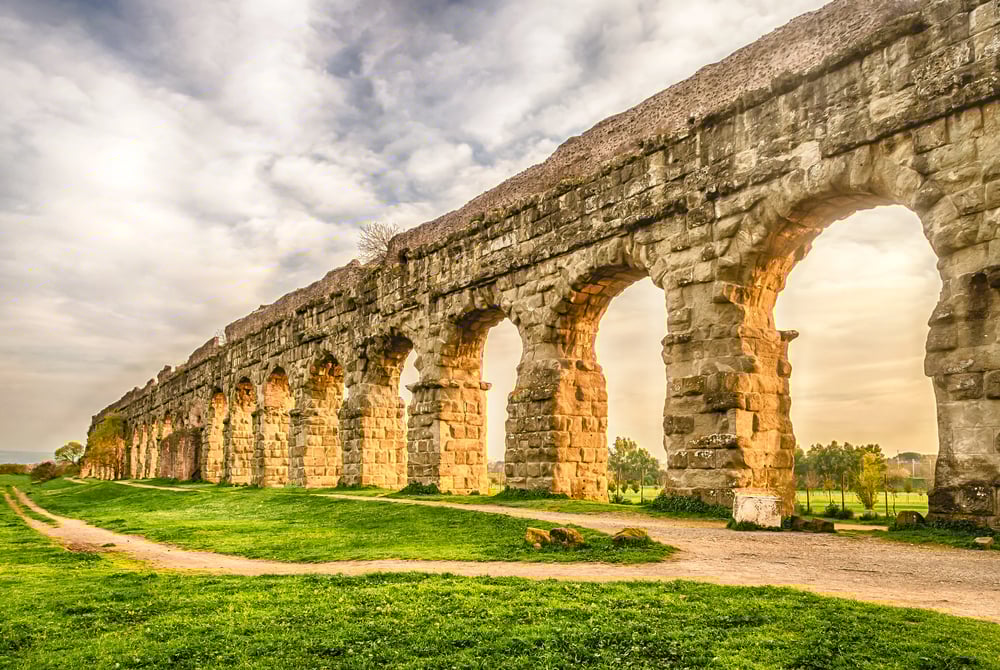
These gravity-powered water delivery systems transported fresh water over vast distances with remarkable precision. Many continued functioning for over 1,000 years with minimal maintenance, whereas modern water infrastructure typically requires replacement every 60-100 years.
What’s truly impressive is their consistent slight downward gradient—just 1:4,800 in some cases, achieved without modern surveying equipment. Surviving structures like the Pont du Gard in France still impress today’s civil engineers with their enduring functionality and precision.
Mayan Calendar
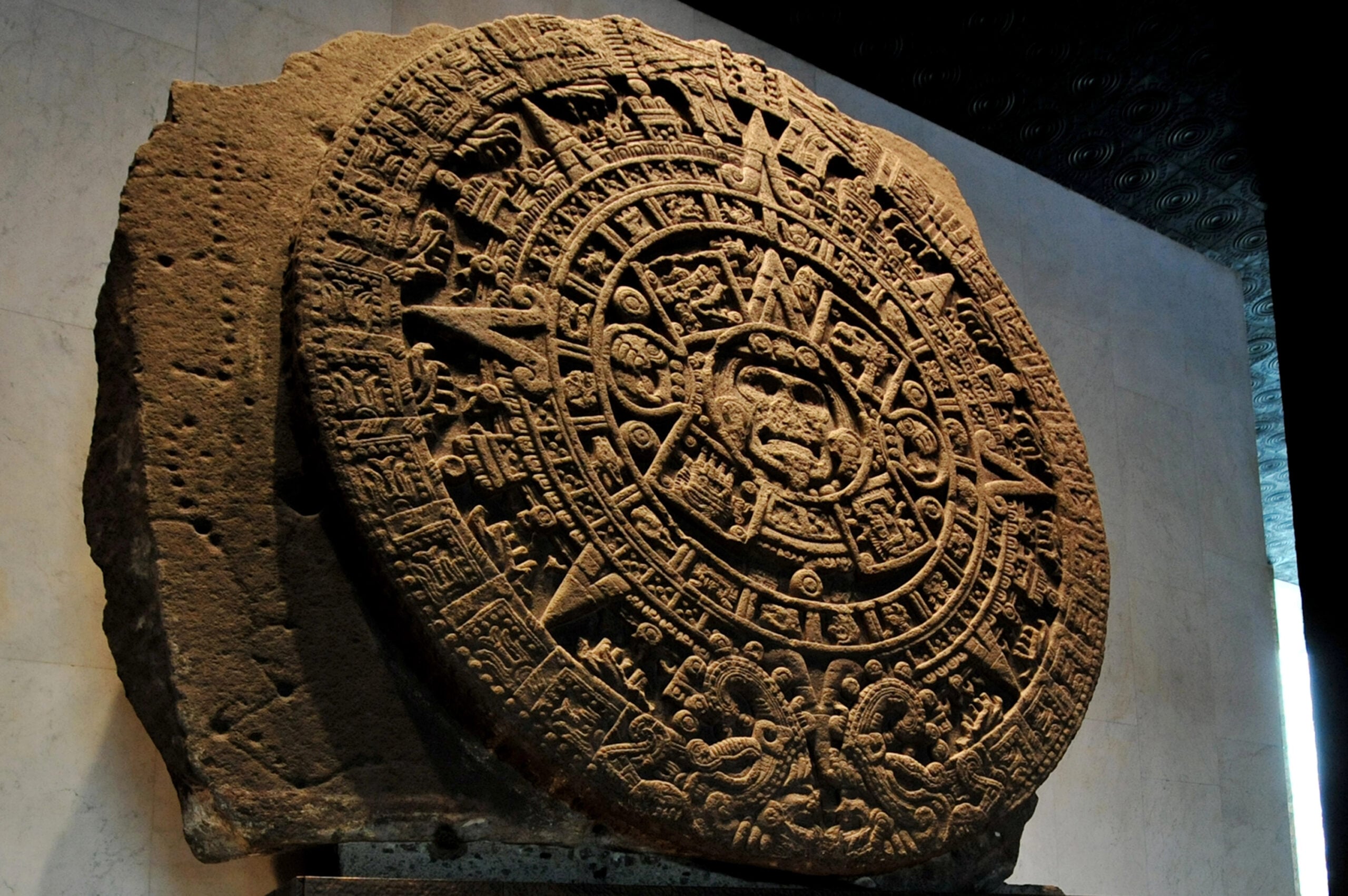
The Mayan Long Count calendar system achieved greater accuracy than the Gregorian calendar we use today. Their calculations of a solar year came within 19 seconds of modern scientific measurements, achieved without telescopes or computers.
This complex calendar system tracked astronomical events with incredible precision and could calculate dates billions of years into the future or past. Their understanding of celestial mechanics was so advanced that they predicted solar eclipses with perfect accuracy centuries in advance.
Antikythera Mechanism
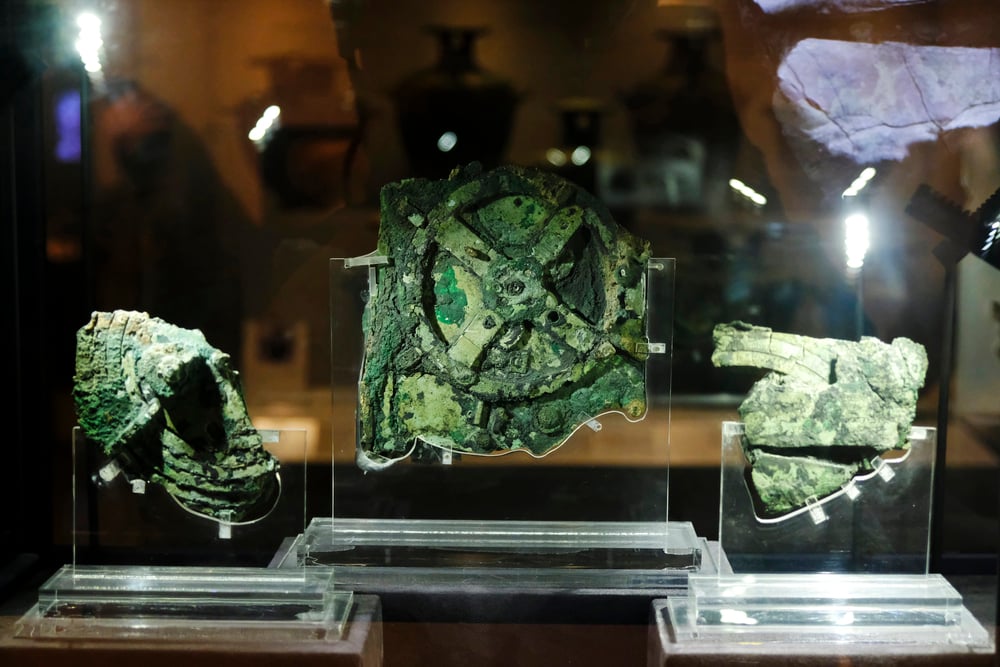
This ancient Greek analog computer from around 100 BCE predicted astronomical positions, eclipses, and calendar cycles with astonishing precision. Containing at least 30 bronze gears manufactured to exacting standards, it modeled the movements of celestial bodies through a differential gear system not reinvented until the 16th century.
Nothing of comparable mechanical sophistication appeared again for over 1,500 years, demonstrating astronomical knowledge and engineering capabilities that surpassed anything found in Europe until the Renaissance period.
Terra Preta

These artificially created “dark earths” in the Amazon remain fertile after over 2,500 years, while modern agricultural soils typically become depleted within decades. Created by pre-Columbian indigenous peoples, Terra Preta contains a perfect mix of charcoal, pottery shards, and microorganisms that continuously regenerate soil fertility.
Modern agricultural scientists haven’t fully replicated these self-maintaining soils that remain up to 300% more productive than surrounding lands without any fertilizer applications or modern agricultural interventions.
Traditional Fish Hooks

For some kinds of fishing, Pacific Islanders’ hand-carved hooks made of bone, shell, or wood often surpass contemporary metal hooks. Developed over millennia, their own curving shapes produce perfect swimming motion in the water simulating living prey.
Because they often outperform contemporary substitutes, native Hawaiian fishermen still catch some fish species with traditional bone hooks. This shows that occasionally thousands of years of pragmatic improvement beat industrial production and contemporary materials research.
Timeless Wisdom for Modern Challenges

These old technologies remind us that creativity is not always about developing something new; sometimes it is about recovering what was already understood. From resource depletion to climate change, these timeless creations provide insightful lessons in sustainability, durability, and cooperating with natural values instead of against them as we confront modern issues.
Maybe the most important finding is that our forebears’ knowledge, sometimes derided as archaic, holds answers we would be smart to include in our technological future.
More from Go2Tutors!

- The Romanov Crown Jewels and Their Tragic Fate
- 13 Historical Mysteries That Science Still Can’t Solve
- Famous Hoaxes That Fooled the World for Years
- 15 Child Stars with Tragic Adult Lives
- 16 Famous Jewelry Pieces in History
Like Go2Tutors’s content? Follow us on MSN.



