25 School Punishments From Decades Past That Would Make Headlines Today
There’s something almost surreal about flipping through old school handbooks from the mid-20th century — the casual confidence with which adults inflicted pain, humiliation, or outright psychological harm on children, all in the name of order and discipline. What reads today as a list of grievances in a lawsuit was, for generations of American kids, just a Tuesday.
Some of these practices faded quietly, phased out by changing attitudes or legal pressure. Others hung on stubbornly well into recent memory.
Either way, looking back at them now carries a specific kind of discomfort — the kind that comes not from distance, but from recognizing how recently any of this was considered normal.
Corporal Punishment With a Wooden Paddle
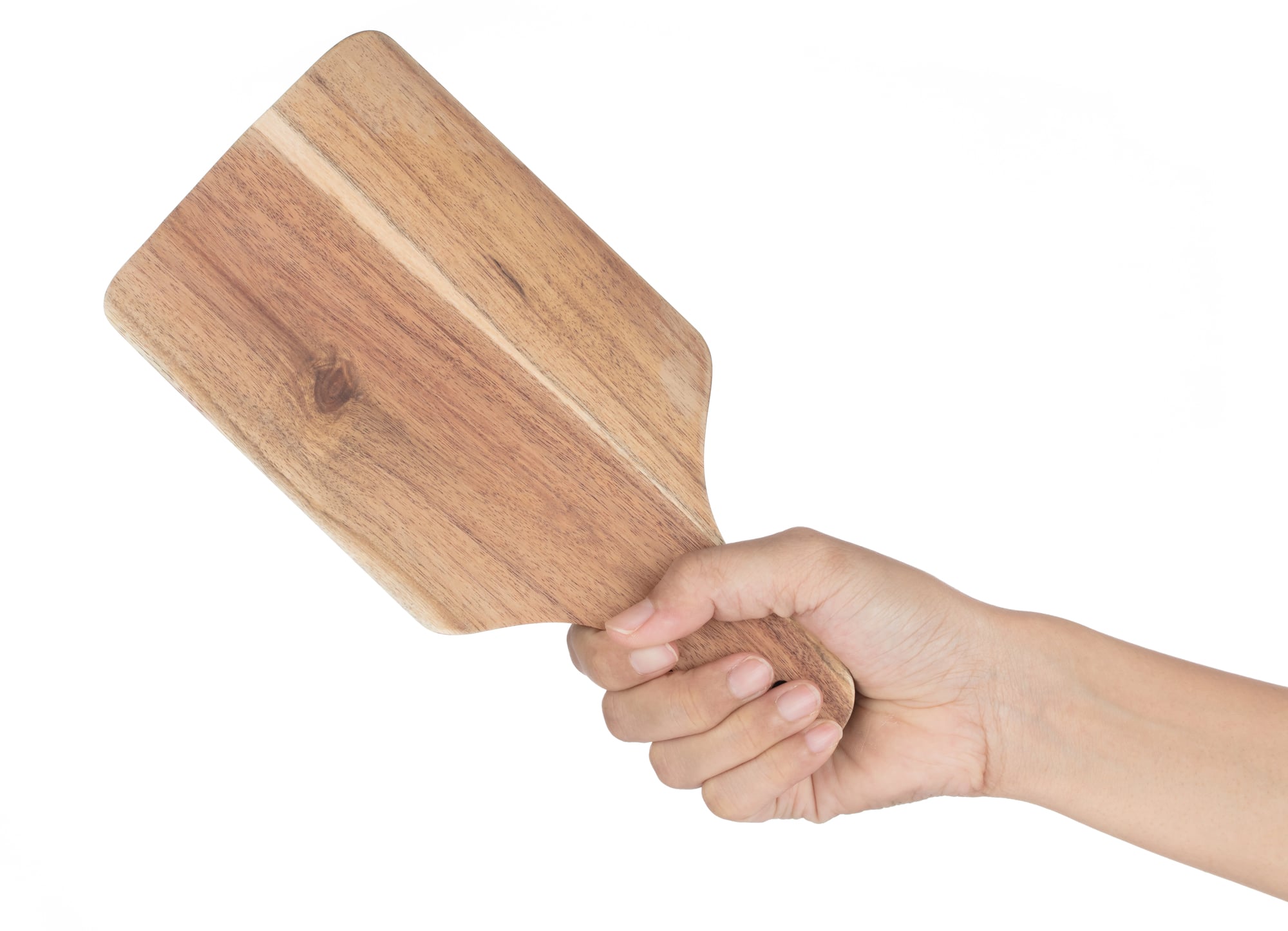
Paddling was the dominant form of physical discipline in American public schools for most of the 20th century. A wooden board, sometimes with drilled openings to reduce air resistance, applied forcefully to a child’s backside — often in front of classmates.
Turns out, 19 states still legally permit it today, which is either a footnote or a headline depending on how you feel about the intervening decades.
Kneeling on Hard Floors
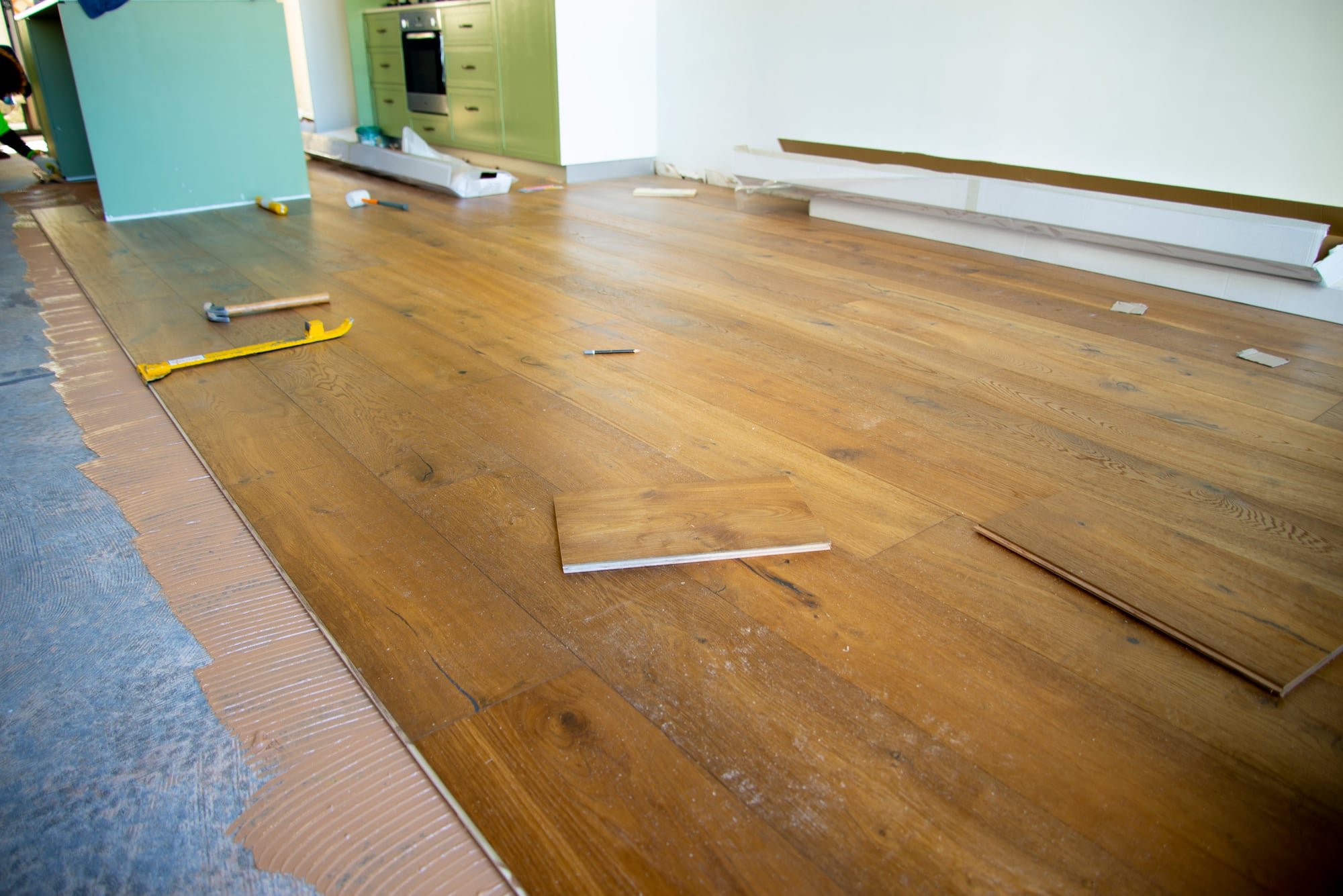
This one is quieter than a paddle but just as deliberate. Students were made to kneel — on bare concrete, wooden floors, or sometimes uncooked rice or gravel — for extended periods as punishment for minor infractions.
The discomfort wasn’t incidental; it was the point. Prolonged kneeling on hard surfaces causes genuine joint stress, and doing it to a growing child’s knees is not the neutral inconvenience it was framed as at the time.
The Dunce Cap
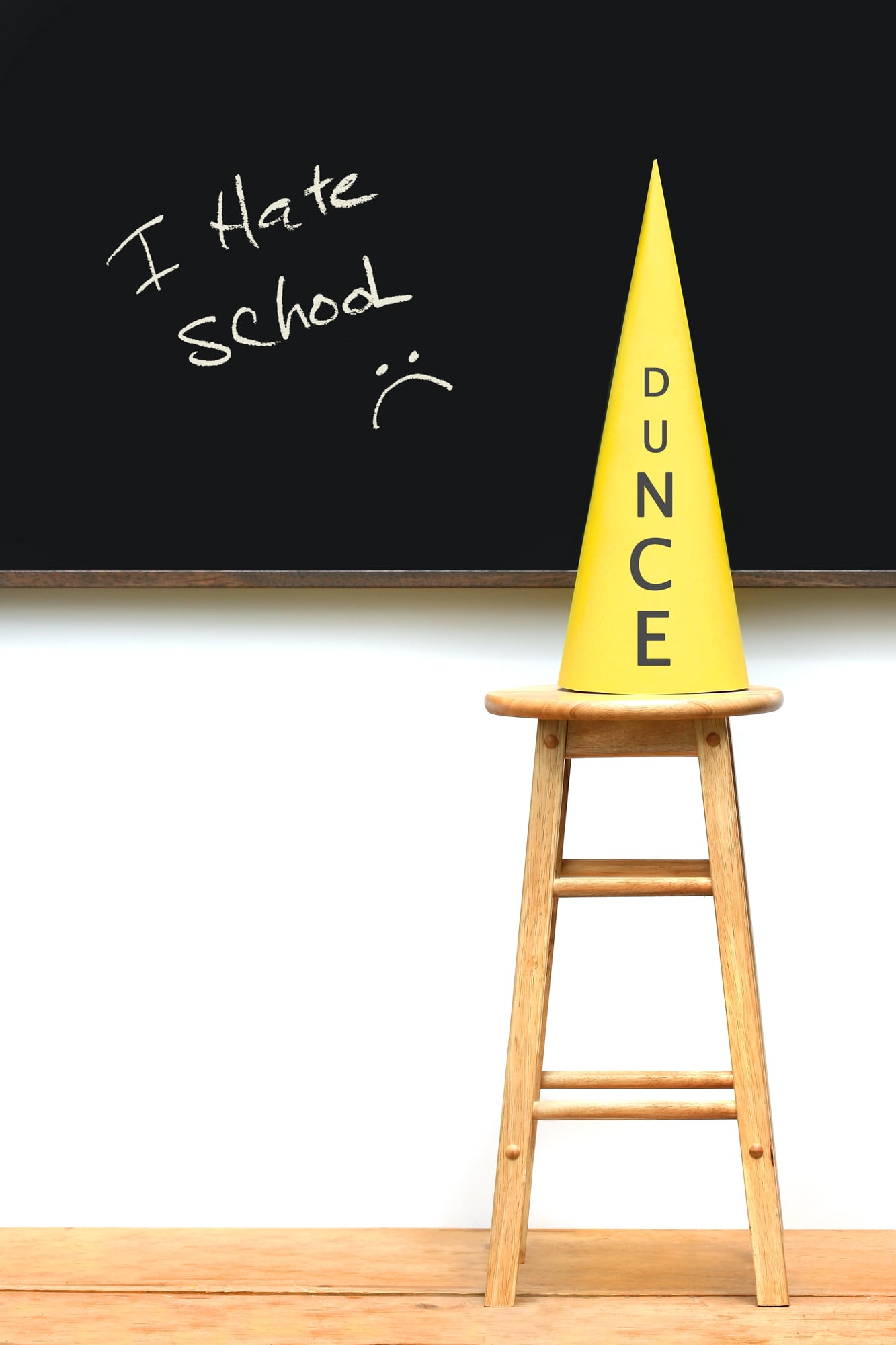
Few images from old schoolrooms carry more weight than the cone-shaped hat placed on a child’s head before they were sent to sit alone in a corner. It was public, it was prolonged, and it announced to every person in the room that this child was less than the others.
The dunce cap wasn’t just a hat — it was a managed social execution, conducted by the teacher, in front of an audience of peers who absolutely remembered it.
Standing in the Corner for Hours
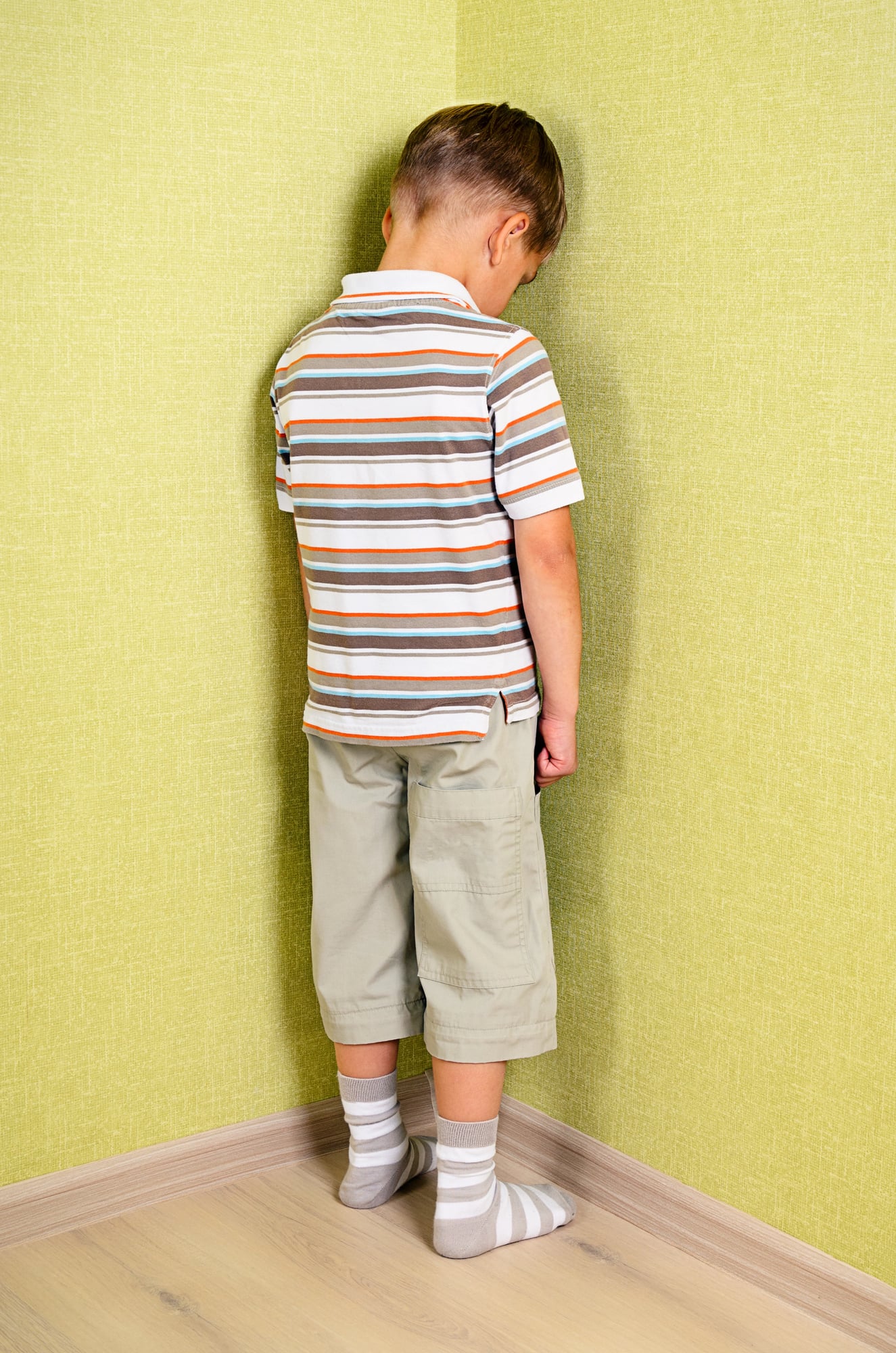
Standing in a corner, face to wall, was so common it barely registered as punishment to the adults administering it. Children were left there for an hour, sometimes longer, forbidden from turning around or speaking.
It sounds mild until you factor in a six-year-old’s understanding of time and the specific misery of being physically excluded from a room you’re still standing in.
Writing Lines Repetitively

“I will not talk in class” — written five hundred times on lined paper as though volume alone would produce reform. The practice leaned on tedium as its engine, betting that enough repetition would grind behavior into compliance.
And yet, ask anyone who survived it, and the main thing they remember isn’t the lesson: it’s the exact moment their hand cramped on line 200, and the quiet fury that followed.
Public Shaming Rituals
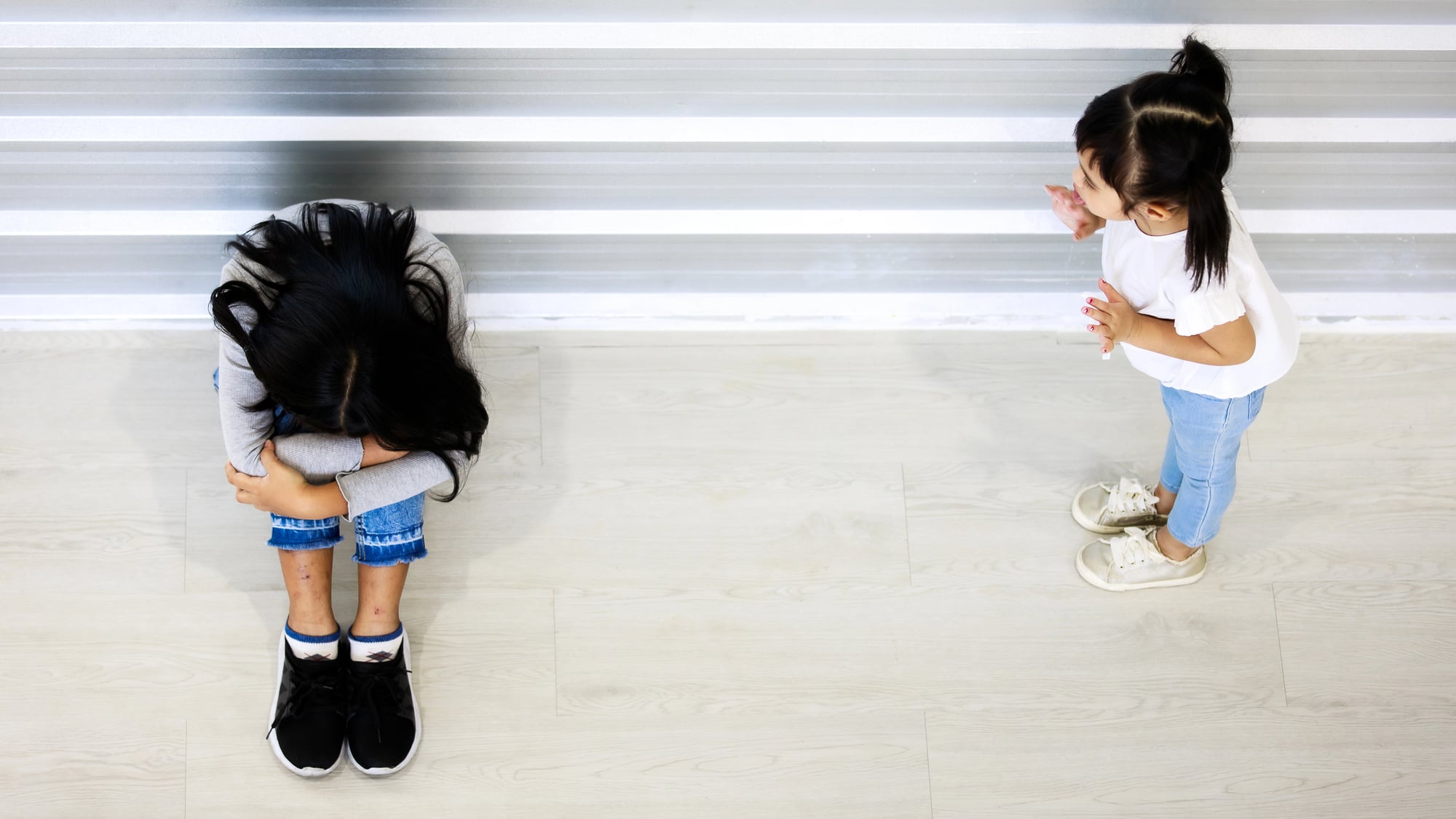
Teachers in mid-century American classrooms routinely called out struggling students by name, read their poor test scores aloud to the class, or made them stand while the rest of the room reviewed their mistakes. This wasn’t a side effect of teaching — it was a method.
The logic held that embarrassment was a useful corrective, a belief so thoroughly disproven by behavioral science that its persistence into living memory is genuinely difficult to explain.
Rulers Across the Knuckles
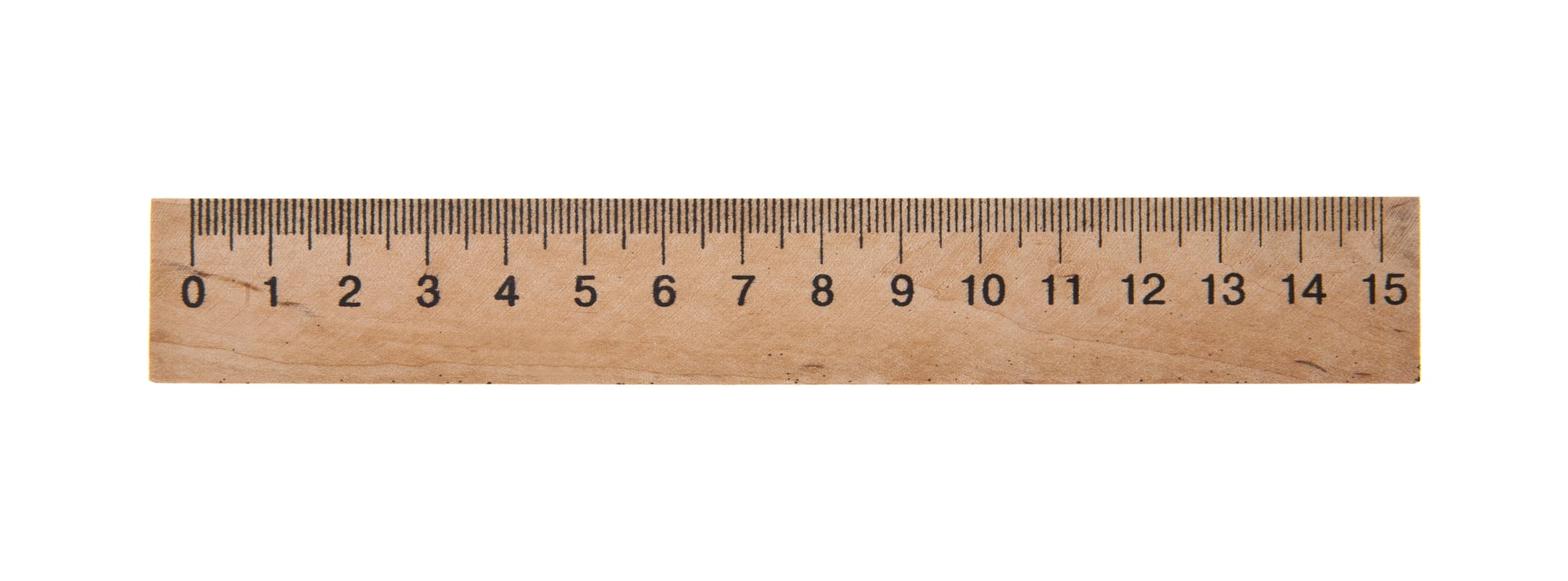
Ruler strikes to the knuckles occupied a particular corner of school discipline — faster than a paddling, more immediate, and available to any teacher at any moment. It required no special equipment beyond something already sitting on every desk.
The fact that it left visible marks on a child’s hands and was applied for offenses as minor as fidgeting never seemed to complicate its popularity.
Mouth Washed Out With Soap

Bar soap, sometimes liquid, applied directly to a child’s mouth as punishment for profanity or “back talk.” It was carried out by teachers and principals with the brisk confidence of people who had decided the ends justified the means.
Soap ingestion causes nausea and can irritate mucous membranes — details that presumably weren’t part of the disciplinary calculus being applied to eight-year-olds in the 1950s.
Isolation in Closets or Dark Rooms

Locking or placing a disruptive child alone in a supply closet or darkened room was practiced in American schools well into the latter half of the 20th century, and disturbingly, vestiges of it — rebranded as “seclusion” — were documented in special education settings as recently as the 2010s. A child placed alone in a locked, dark space isn’t being disciplined in any meaningful psychological sense.
They’re being frightened.
Forced Public Apologies

Students were required to stand before the class and deliver a scripted apology — often for something trivial, always under duress. The performance aspect was inseparable from the punishment; the audience was the mechanism.
An apology extracted through coercion and delivered in front of peers who were actively watching for your humiliation is not, by any reasonable definition, an apology.
Being Struck With a Leather Strap

In many school districts, particularly in the South and Midwest, the leather strap replaced the paddle as the instrument of choice for physical punishment — thinner, more flexible, applied to the hands or backside depending on local custom. It was kept in desk drawers.
Teachers reached for it the way someone reaches for a stapler. The normalization wasn’t just cultural; it was architectural, designed into the furniture of everyday school life.
Wearing a Sign Around the Neck

Children who broke rules were sometimes made to wear handwritten cardboard signs around their necks describing their offense — “I am a liar” or “I did not do my homework” — and wear them through the school day or the lunch period. It is humiliation packaged as accountability, and the sign did exactly what it was meant to do: it made other children stare.
Detention Without Parental Notification

Students were routinely held after school — sometimes for extended periods — without any obligation on the school’s part to notify parents. A child who simply didn’t come home, whose family had no idea where they were, was considered an acceptable collateral outcome of disciplinary enforcement.
The assumption embedded in that practice is worth sitting with for a moment.
Forced Physical Exercise as Punishment
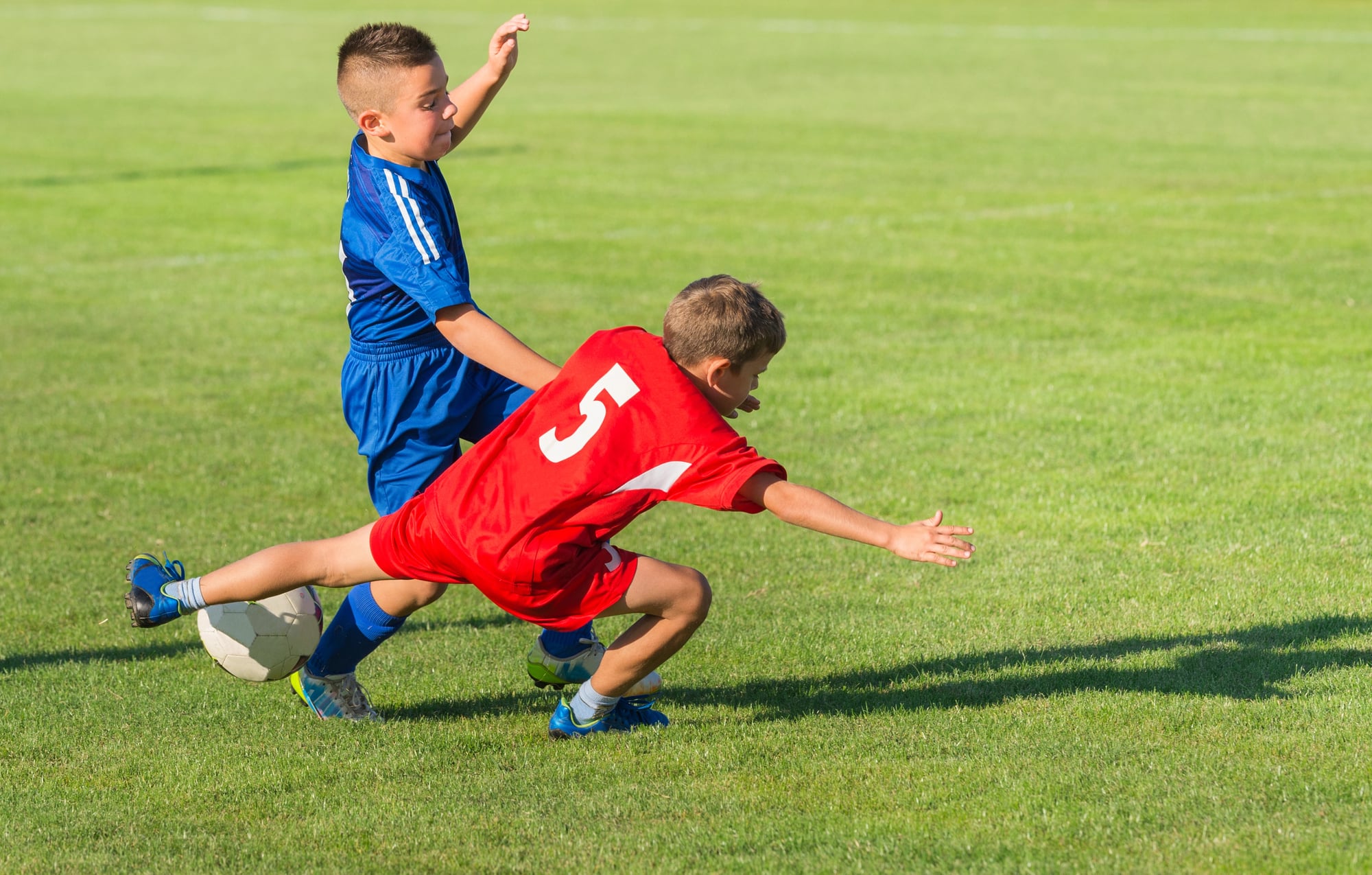
Running laps, doing push-ups, or holding a wall-sit until the muscles failed — physical exertion assigned not as fitness but as penalty. It’s now understood that linking physical activity to punishment is one of the more reliable ways to ensure a child grows up avoiding exercise entirely.
Coaches and gym teachers administered it routinely through the 1970s and 1980s, often for infractions that had nothing to do with physical education class.
Ear Pulling and Hair Grabbing
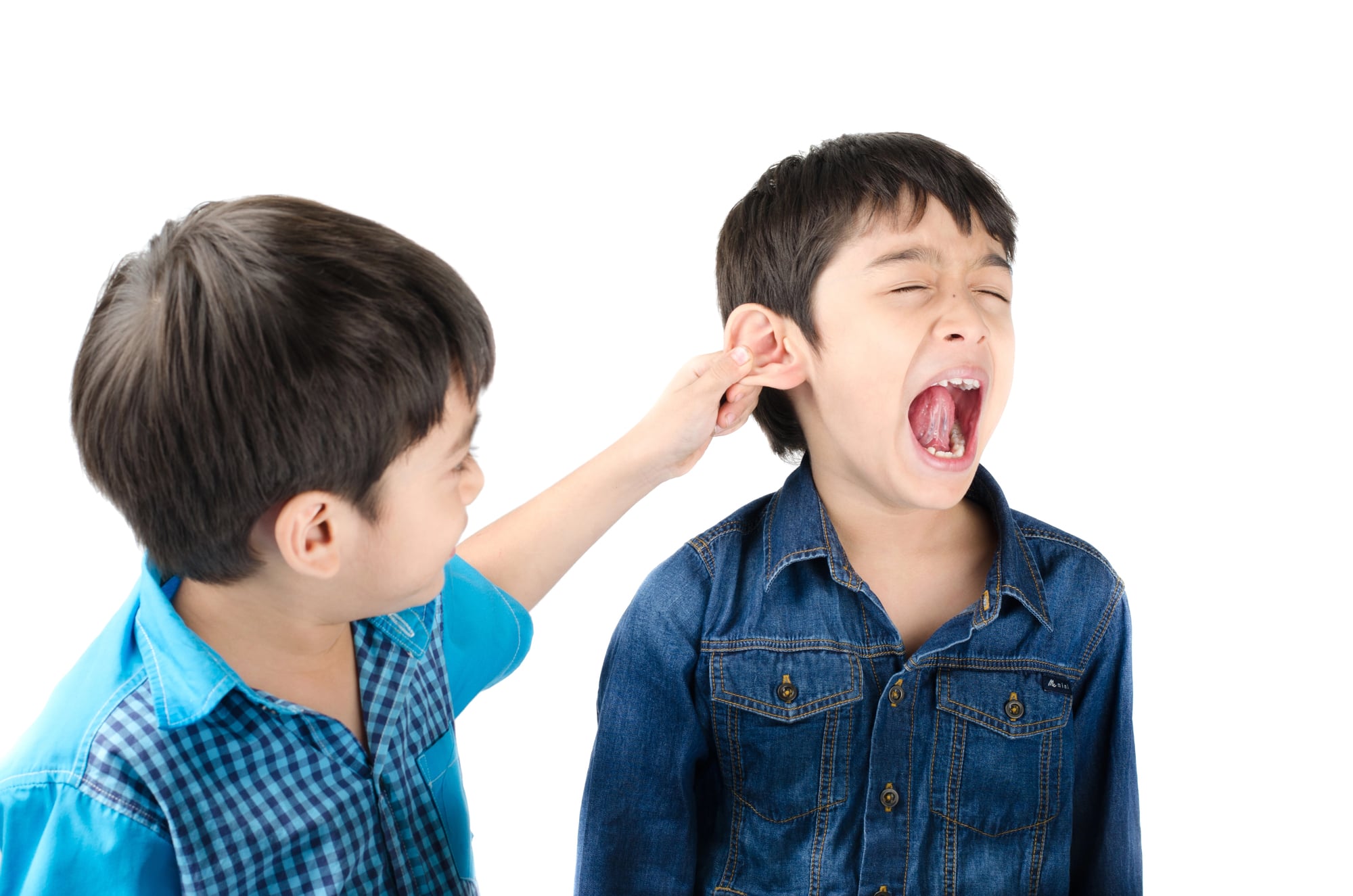
Physical contact that didn’t quite meet the threshold of paddling — grabbing a child by the ear, yanking hair, or steering a student forcefully by the collar — was practiced openly in American classrooms and rarely documented. It occupied a gray zone that allowed it to persist long after more formalized physical punishment came under scrutiny.
The informality was the cover.
Shaming Students for Bed-Wetting or Accidents
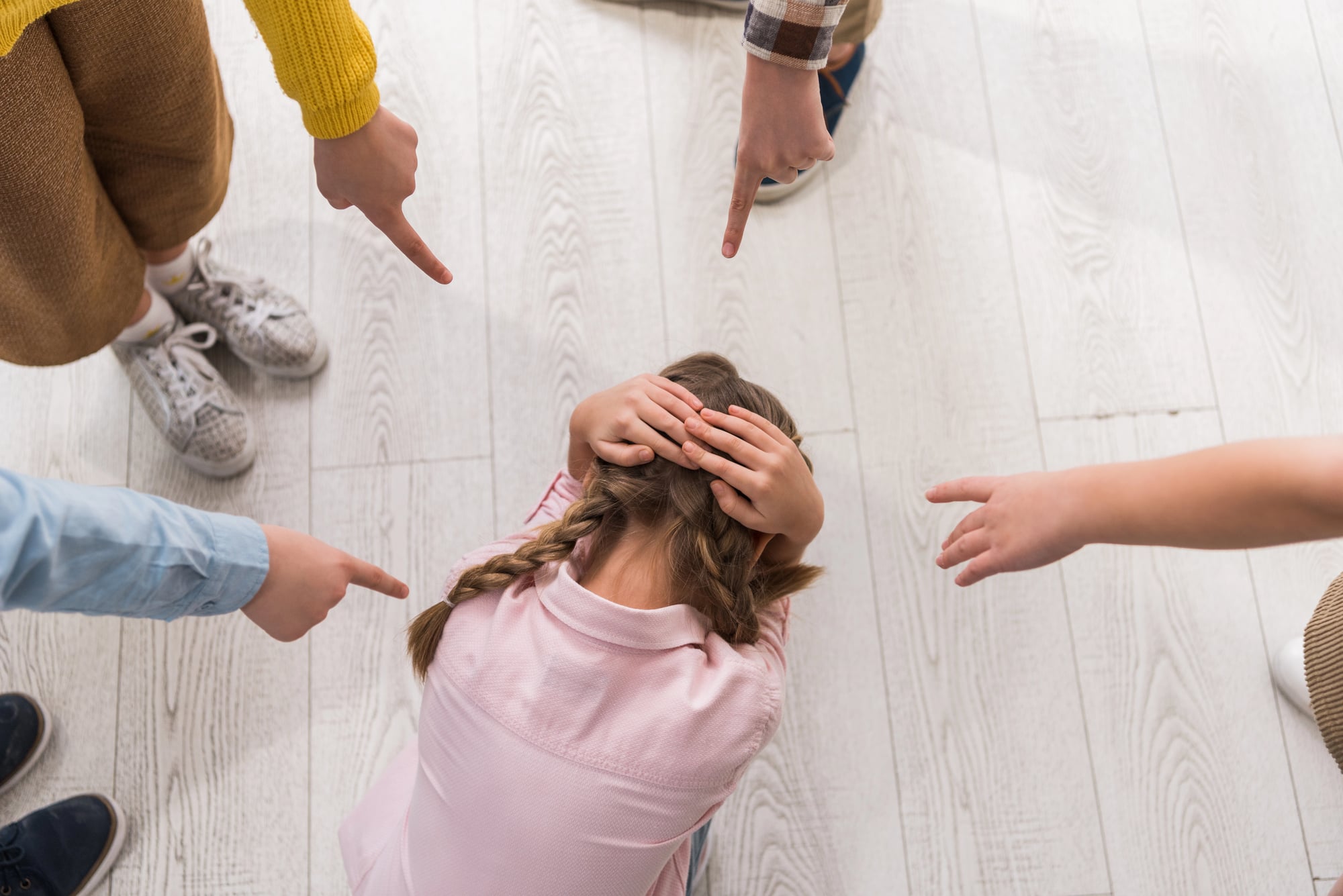
Young children who had accidents in class were sometimes made to sit in soiled clothing for the remainder of the school day, or worse, called out in front of classmates. Teachers treated it as a behavioral issue rather than a developmental or anxiety-related one.
There is something particularly ruthless about applying social pressure to a six-year-old for a physiological response they couldn’t control — and doing it in a room full of other six-year-olds.
Forced Silence for Extended Periods

Entire school days, or major portions of them, conducted under mandatory silence rules enforced with punishment for any deviation. Not quiet work time — enforced total silence, where even a whispered question to a neighbor earned a consequence.
It had less to do with learning conditions and more to do with the particular satisfaction some administrators took in a room full of children not making noise.
Being Made to Repeat a Grade as Social Punishment

Grade retention — holding a child back a year — was used not purely for academic reasons but sometimes explicitly as a punishment or a warning, applied selectively in ways that reflected teacher frustration more than student capability. The research on grade retention’s academic effectiveness has never been particularly encouraging.
Its effectiveness as social humiliation, on the other hand, was apparently never in question.
Exclusion From School Events as Leverage
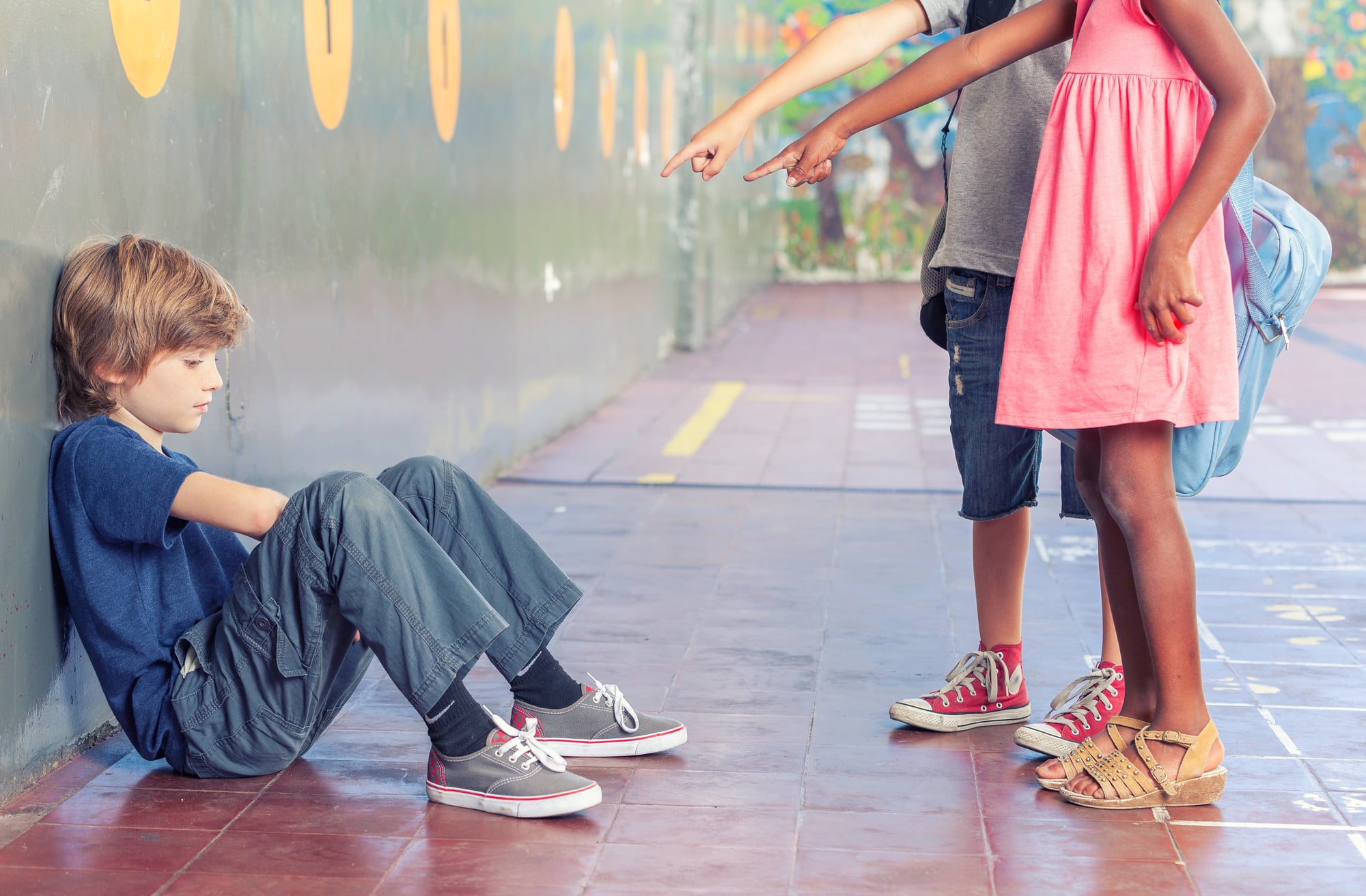
Students were barred from field trips, school plays, graduations, or class parties as punishment — sometimes for behavior that had occurred weeks or months prior. The punishment targeted joy specifically, which is a particular kind of cruelty dressed up as proportionality.
And the thing about excluding a child from a graduation ceremony is that you can’t give it back to them later.
Forced Confessions in Front of the Class

Teachers required students to confess rule violations aloud to the entire class — not to the teacher privately, not to a parent, but to the room. It borrowed the architecture of public confession without any of the voluntary or redemptive framing that gives confession its meaning in other contexts.
What it produced, reliably, was shame — and very occasionally, the kind of resentment that outlasts the school year by decades.
Cold Showers as Punishment in Boarding Schools

In American boarding schools and some residential programs through much of the 20th century, cold showers were administered as punishment for rule-breaking — a practice borrowed from military traditions and applied to children as young as ten. It was framed as character-building.
The gap between that framing and the actual experience of a cold shower imposed on a frightened child by an adult with institutional authority is wide enough to drive something large through.
Denial of Bathroom Breaks

Students who asked to use the restroom during class were sometimes refused as a matter of policy or punished for asking too frequently. The denial of a basic physiological need was treated as a disciplinary tool and a classroom management technique simultaneously.
It produced urinary tract infections, accidents, and the specific kind of childhood anxiety about bodily autonomy that follows some people well into adulthood.
Public Display of Failed Tests

Failed assignments were pinned to bulletin boards, passed around the class, or read aloud — with the student’s name attached — so that the quality of their work became public property. The intention was to motivate through social pressure.
The outcome, for the students at the bottom of those boards, was a clear message about where they stood relative to everyone else, delivered in the most permanent and visible way available to a teacher with a thumbtack.
Forced Kneeling During Prayer as Social Punishment

In parochial and some public schools, children who had misbehaved were required to kneel in a posture of prayer for extended periods while the rest of the class proceeded normally — combining physical discomfort with religious framing in a way that was difficult for a child or their parents to directly object to. It was discipline wearing the borrowed authority of the sacred, which made it nearly impossible to challenge without seeming to challenge something else entirely.
Striking Students With Textbooks

Books — heavy hardcover textbooks — were used by some teachers to strike students on the head or shoulders as a spontaneous disciplinary response to inattention or misbehavior. It was impulsive rather than procedural, which placed it in a category teachers could plausibly describe as accidental or minor.
A hardcover textbook applied to a child’s head by an adult is neither accidental nor minor, and the fact that it required a certain kind of creative recategorization to defend tells you everything about how it was already understood.
When Discipline Became the Lesson

Looking back at this list, the uncomfortable truth isn’t that these punishments were exceptional. It’s that they were ordinary — built into the rhythm of the school day, administered by people who believed they were doing right by the children in their care.
Discipline and harm occupied the same body for generations of American kids, and the two were rarely distinguished. The distance between then and now is real, and it matters.
But distance isn’t the same as arrival. Some of these practices, renamed and reframed, are still finding their way into schools — and the argument for them sounds remarkably similar to the one it always did.
More from Go2Tutors!

- The Romanov Crown Jewels and Their Tragic Fate
- 13 Historical Mysteries That Science Still Can’t Solve
- Famous Hoaxes That Fooled the World for Years
- 15 Child Stars with Tragic Adult Lives
- 16 Famous Jewelry Pieces in History
Like Go2Tutors’s content? Follow us on MSN.



