Most Expensive Pieces of Jewelry Ever Noted
Numbers this big don’t feel real until you see them written out. A single diamond selling for more than the price of a small island.
A pearl that once belonged to a queen fetching enough money to buy several mansions. The auction world has seen jewelry prices climb to heights that seem almost abstract, yet behind each sale sits a real person willing to write that check.
These aren’t just pretty stones. They’re objects that carry history, rarity, and a level of perfection that might never be replicated.
The Pink Star Diamond

At $71.2 million, this pink diamond holds the crown. The 59.60-carat stone sold at Sotheby’s Hong Kong in 2017 and reset every record in the book.
De Beers mined it in South Africa in 1999, and cutters spent 20 months turning the rough diamond into this finished gem. The color hits you first—a vivid pink that seems almost impossible.
Then there’s the fact that it’s internally flawless. No inclusions, no imperfections visible even under magnification.
Pink diamonds this large simply don’t exist anywhere else.
Oppenheimer Blue

Blue diamonds command attention, but this one rewrote the rules. The 14.62-carat vivid blue diamond sold for $57.5 million at Christie’s Geneva in 2016.
Sir Philip Oppenheimer of De Beers owned it for years before it hit the auction block. Two bidders fought over the phone for 25 minutes straight before the hammer finally dropped.
The stone sits in a platinum ring flanked by two smaller diamonds. At the time, it was the largest fancy vivid blue diamond ever sold at auction, and that classification matters more than you’d think.
The color grading system separates fancy vivid from fancy intense, and vivid represents the absolute peak.
Graff Pink

Laurence Graff paid $46 million for this 24.78-carat pink diamond at Sotheby’s Geneva in 2010. Harry Winston originally sold it to a private collector in the 1950s, and it stayed out of sight for decades.
The GIA classified it in the rare Type IIa category, which means the crystal structure contains almost no nitrogen. That purity affects how light moves through the stone.
After buying it, Graff had it recut to remove tiny flaws, increasing the weight slightly to 23.88 carats and bumping the color grade up to fancy vivid pink.
Blue Moon of Josephine

Hong Kong billionaire Joseph Lau bought this 12.03-carat cushion-shaped blue diamond for $48.4 million in 2015 and named it after his daughter. The stone came from South Africa’s diamond mines and carries a fancy vivid classification.
That means the blue saturates all the way through with maximum intensity. Before Lau bought it, the stone was simply called “The Blue Moon.”
The rename happened immediately after the sale, which has become something of a pattern with Lau’s purchases.
Princie Diamond
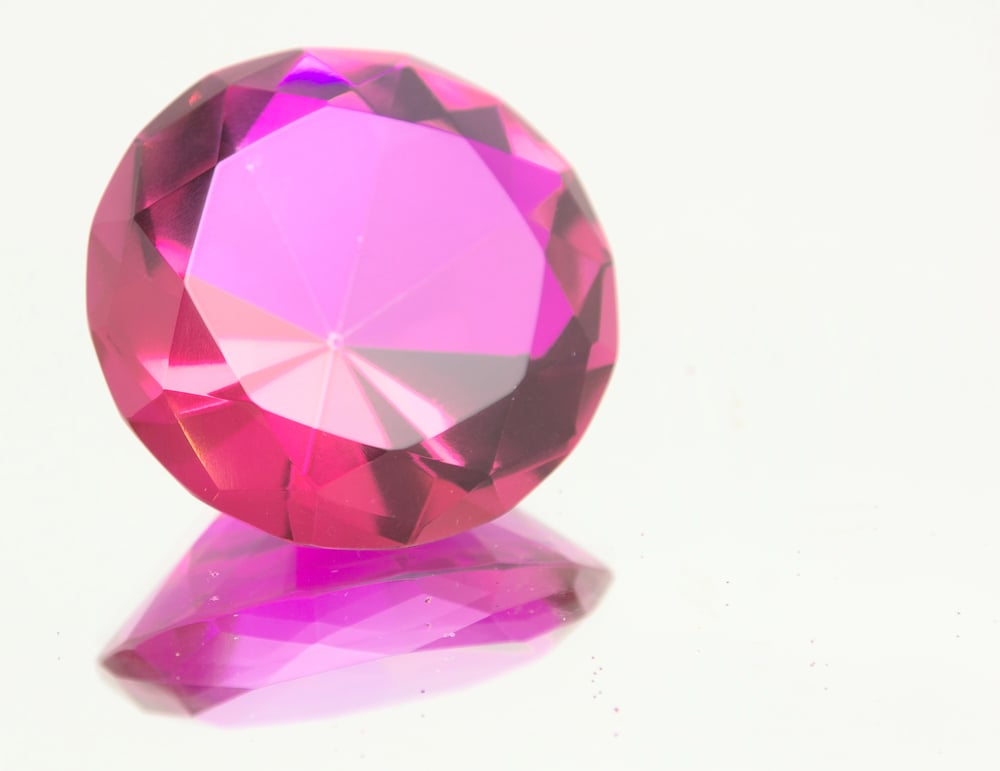
This 34.65-carat pink diamond from the ancient Golconda mines sold for $39.3 million at Christie’s New York in 2013. The royal Nizams of Hyderabad owned it back in the 1700s.
Later, it belonged to Italian businessman Renato Angiolillo, and after his death, his family fought bitterly over the estate. Some of his children claimed the stone was stolen by stepsiblings.
The legal dispute added another layer to an already complex history. Golconda diamonds have a reputation that drives prices higher because those mines produced some of the most famous diamonds in history before being depleted centuries ago.
Orange Diamond
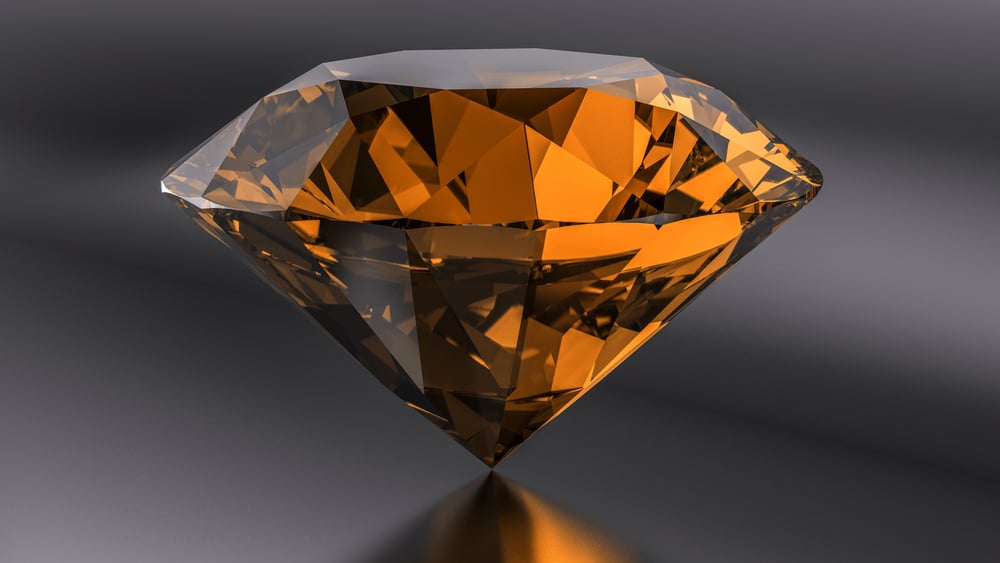
Orange diamonds barely exist. This 14.82-carat fancy vivid orange pear-shaped stone is the largest known diamond of its color grade.
It sold for $35.5 million at Christie’s Geneva in 2013. The color comes from nitrogen arranged in a specific way within the crystal structure, but getting that vivid orange without any brown or yellow secondary hues is vanishingly rare.
The stone commanded nearly $2.4 million per carat.
De Grisogono Creation
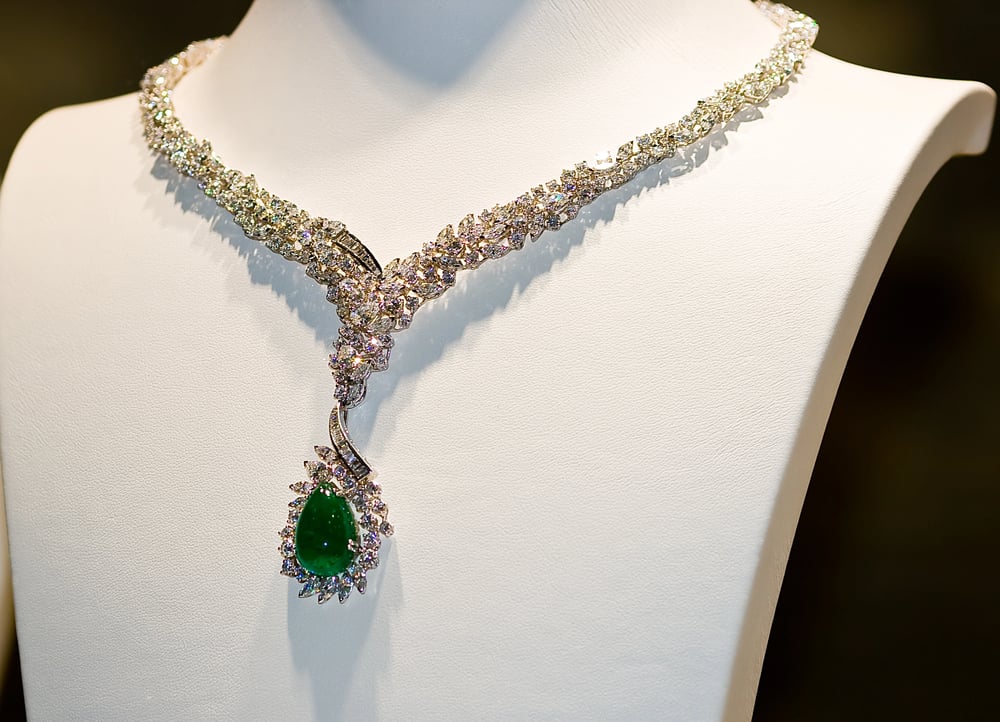
This necklace took 1,700 hours and 14 craftsmen to create. The centerpiece is a 163.41-carat flawless emerald-cut diamond, the largest of its kind.
It hangs from a strand of nearly 6,000 emeralds and diamonds. The piece sold for $33.7 million at Christie’s Geneva in 2017.
The rough diamond that became the centerpiece was discovered in Angola in 2016 and weighed 404 carats before cutting. Despite the successful sale, De Grisogono declared bankruptcy in 2020 amid controversy surrounding its owner.
Winston Legacy

Harry Winston purchased this 18.96-carat fancy vivid pink diamond for $50 million at Christie’s Geneva in 2018. The stone was discovered in South Africa around 1920 and spent years in the Oppenheimer family collection.
The auction set a record for price per carat for any pink diamond. The rectangular-cut stone likely hasn’t been altered since it was first cut over a century ago, which adds to its appeal.
Original cuts from that era followed different aesthetic principles than modern cutting.
Marie Antoinette’s Pearl

This natural pearl pendant sold for $36 million at Sotheby’s Geneva in 2018. The pear-shaped pearl weighs 50.56 carats and hung from a diamond suspension.
Spanish kings owned it for more than 200 years before it passed to Joseph-Napoleon Bonaparte. When the French Revolution erupted, Marie Antoinette attempted to smuggle her jewelry out of the Palace of the Tuileries.
This pearl was among those pieces. It trumped another famous pearl—Elizabeth Taylor’s La Peregrina—which had held the record at $11.8 million.
Hutton-Mdivani Jadeite Necklace

Cartier created this necklace in the 1930s, and it sold for $27.4 million at Sotheby’s Hong Kong in 2014. The piece consists of 27 graduated jadeite beads in translucent bright emerald green.
A clasp set with rubies and diamonds in platinum and gold closes the strand. Frank Woolworth gave it to his daughter, heiress Barbara Hutton, as a wedding present when she married Prince Alexis Mdivani in 1933.
Asian collectors particularly prize imperial jade with that specific translucent green color. After 18 minutes of bidding, Cartier itself bought the necklace back.
Sunrise Ruby
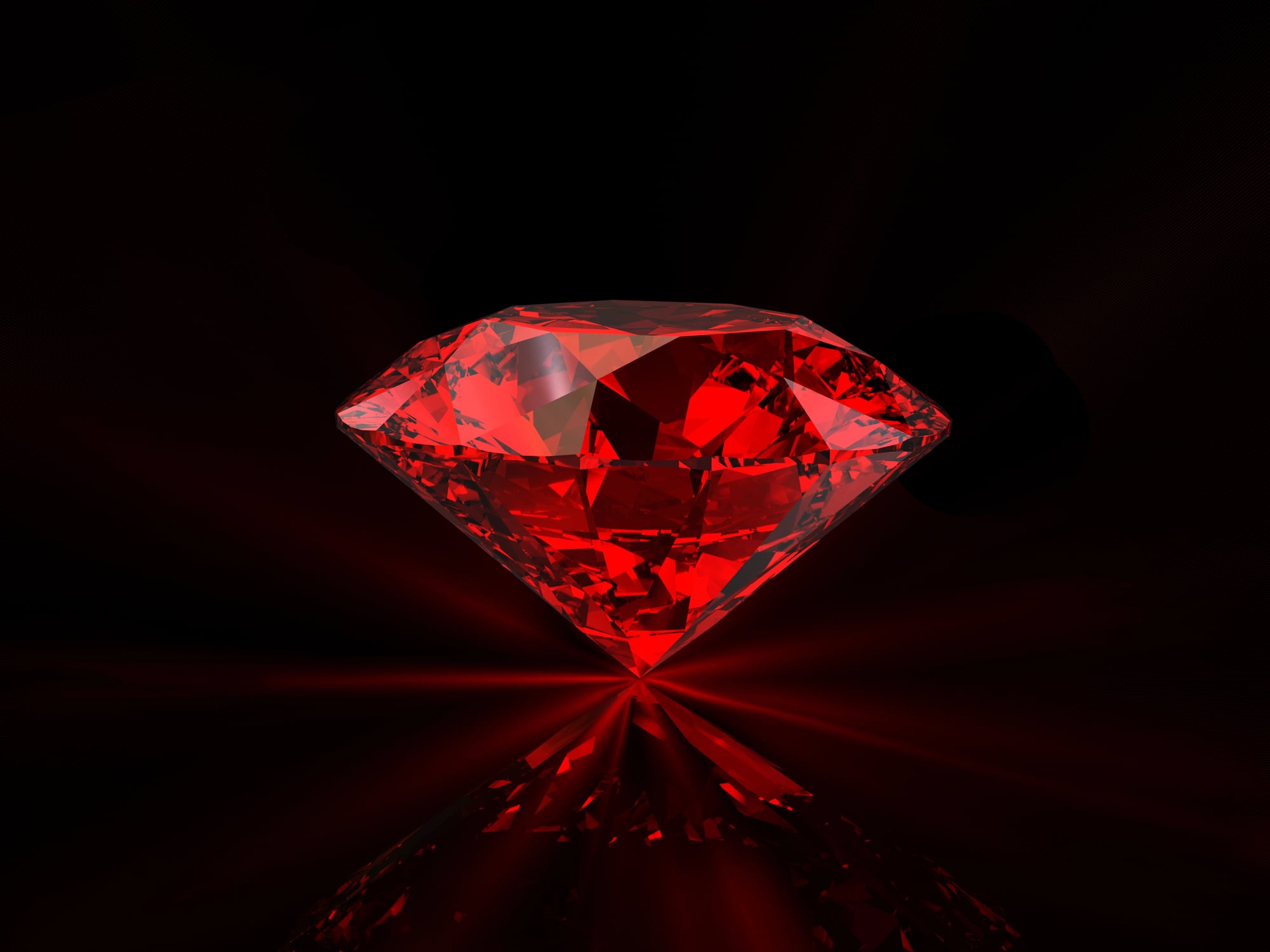
Burmese rubies have always commanded premiums, but this 25.59-carat stone sold for $30.3 million at Sotheby’s Geneva in 2015. The vivid red color combined with flawless clarity makes it exceptional.
Most rubies contain inclusions that affect transparency. This one doesn’t.
The name “pigeon’s blood” describes the most desirable ruby color—a pure red with a slight blue undertone. Burma’s Mogok Valley produced this stone, and that origin matters.
Political situations have made Burmese rubies difficult to source, driving prices even higher for existing stones.
Winston Blue
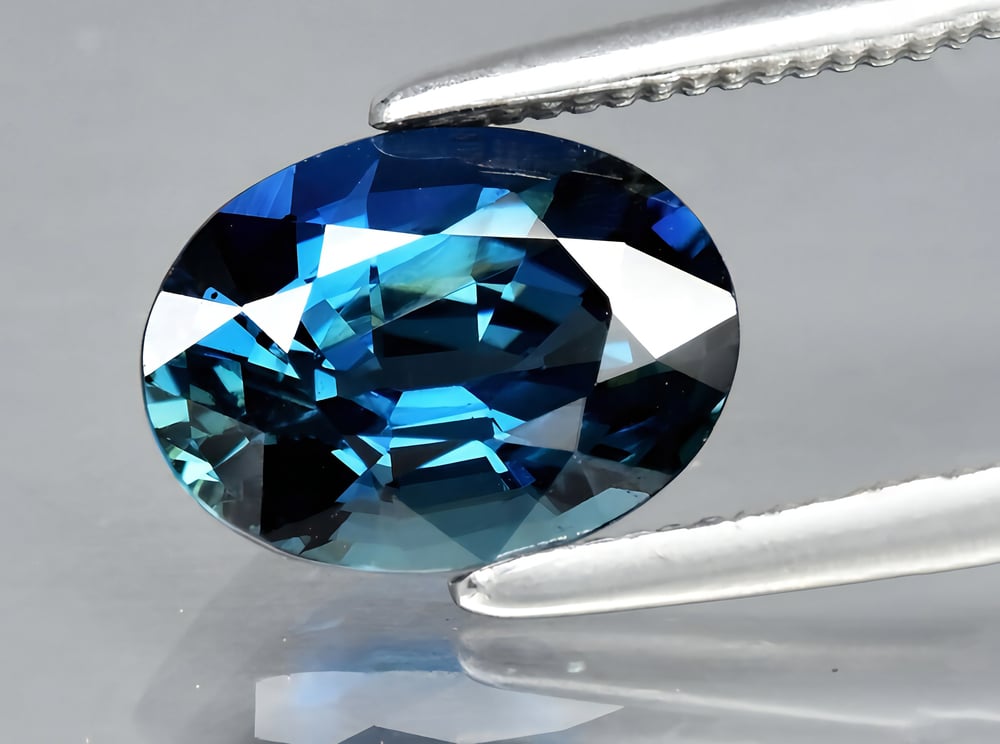
Harry Winston Inc. paid $23.8 million for this 13.22-carat flawless fancy vivid blue diamond at Christie’s Geneva in 2014. The stone was originally called “The Blue” at auction, but Winston’s CEO renamed it immediately after purchase.
At over $1.8 million per carat, it set a record for blue diamonds at the time. The color saturation reaches the highest possible grade, and the stone shows no inclusions under magnification.
Unique Pink

This 15.38-carat fancy vivid pink pear-shaped diamond sold for $31.6 million at Sotheby’s Geneva in 2016. At the time, it held the record for any vivid pink diamond sold at auction.
The GIA described it as “a most distinctive item in the fascinating world of gemstones.” The pear shape required careful cutting to maximize both size and color intensity.
Pink diamonds derive their color from distortions in the crystal lattice, and achieving that vivid grade while maintaining clarity and size is extraordinarily difficult.
Blue Belle of Asia
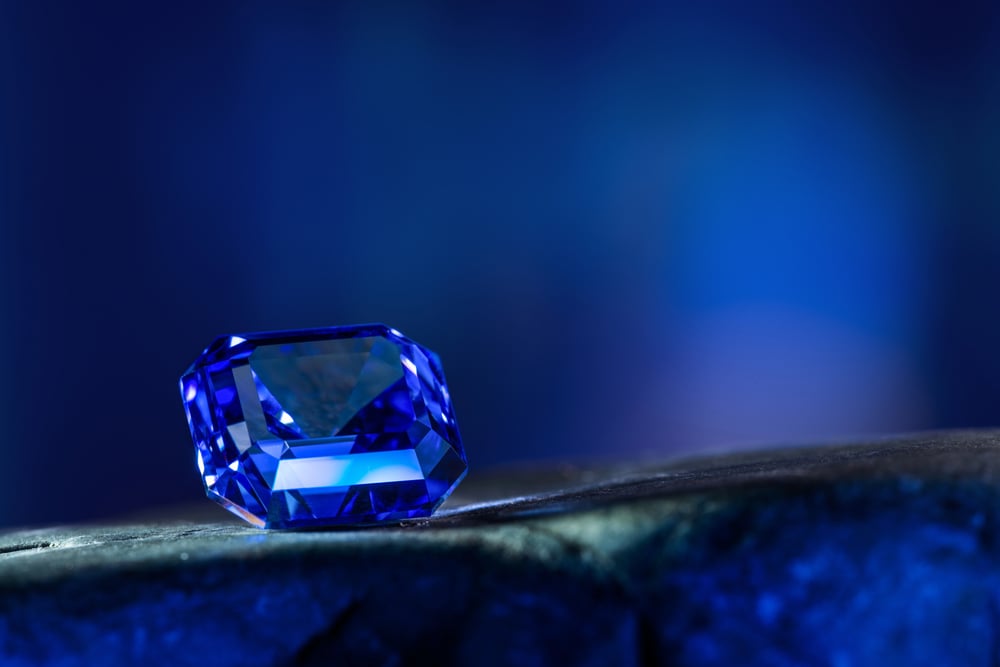
This 392.52-carat sapphire sold for $17.3 million at Christie’s Geneva in 2014. Mined in Sri Lanka, it qualifies as a Ceylon sapphire, which collectors prefer for their pure blue color and exceptional clarity.
The stone is massive compared to most sapphires that reach auction. Most large sapphires show color zoning or inclusions that reduce their value.
This one maintains consistent color and transparency throughout its considerable size.
Memory of Autumn Leaves
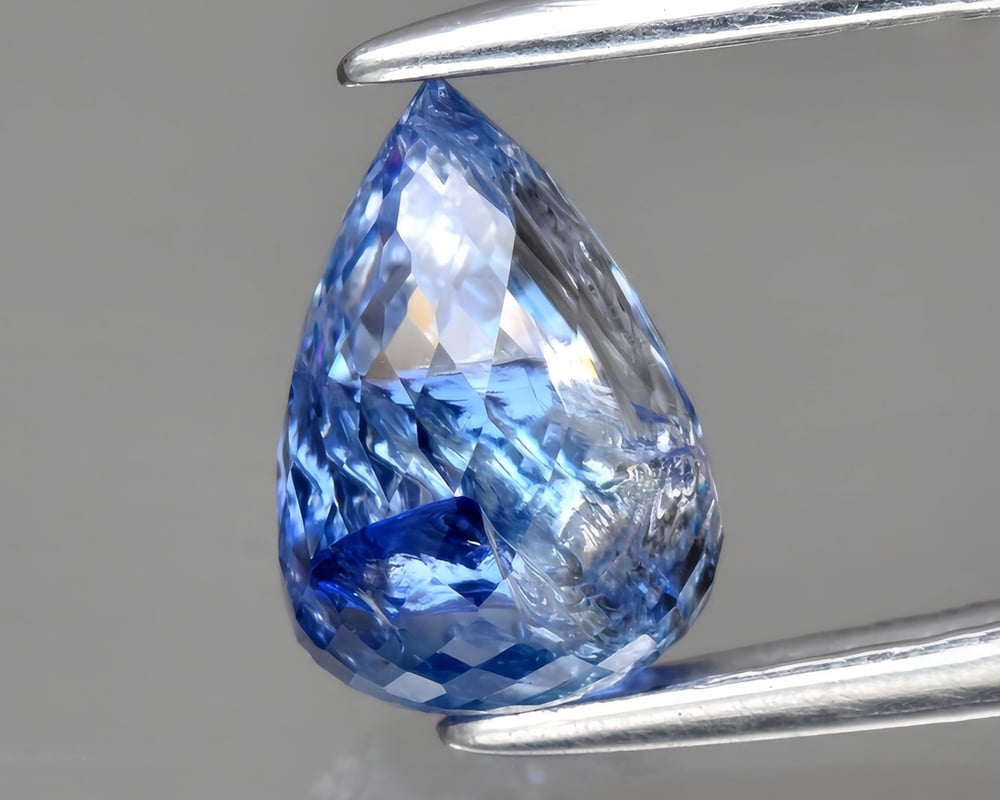
These mismatched earrings sold as a pair for $57.4 million total at Sotheby’s Geneva in 2017. One earring features a 14.54-carat fancy vivid blue pear-shaped diamond.
The other holds a 16.00-carat fancy intense pink pear-shaped diamond. The pairing creates a deliberate asymmetry that somehow works.
An anonymous buyer purchased both stones and renamed them “The Memory of Autumn Leaves” for the blue and “The Dream of Autumn Leaves” for the pink. Despite their different colors, the stones match in cut quality and size, making them suitable as a pair.
When Rarity Meets Desire
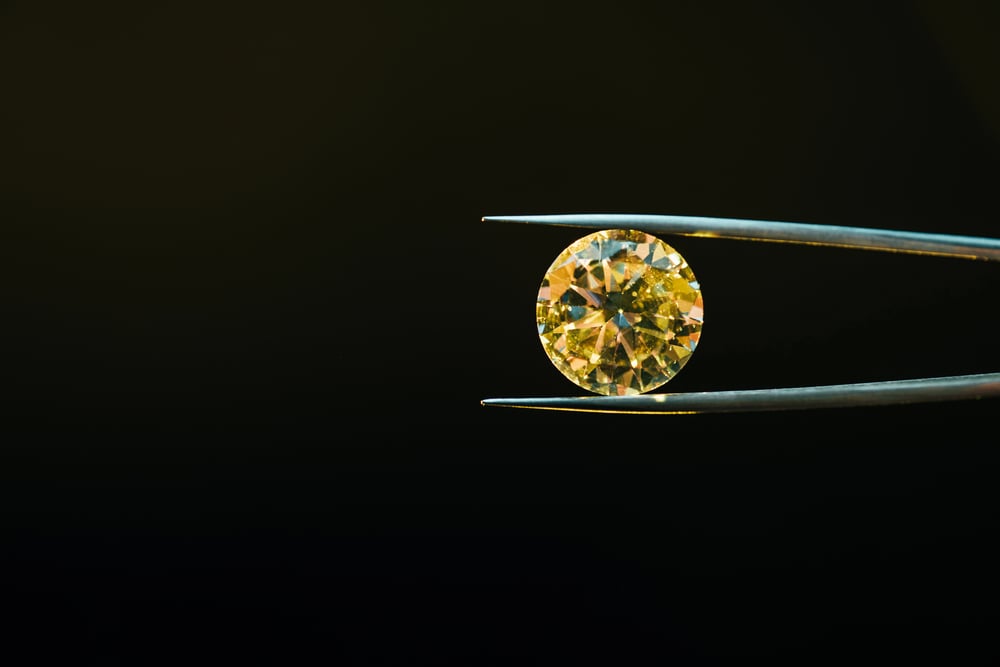
These prices reflect more than beauty. Each stone represents a geological accident that took millions of years to form and might never happen again.
The market for these pieces operates on its own logic, where scarcity and provenance matter as much as appearance. When you’re dealing with objects this rare, normal market forces bend.
There’s no comparable item to check the price against. You can’t exactly shop around for another 59-carat internally flawless pink diamond.
These sales happen because someone decides that owning something irreplaceable is worth whatever it costs.
More from Go2Tutors!

- The Romanov Crown Jewels and Their Tragic Fate
- 13 Historical Mysteries That Science Still Can’t Solve
- Famous Hoaxes That Fooled the World for Years
- 15 Child Stars with Tragic Adult Lives
- 16 Famous Jewelry Pieces in History
Like Go2Tutors’s content? Follow us on MSN.