Tallest Waterfalls Found On Earth
Standing at the base of a waterfall changes you. The constant thunder, the spray that soaks your skin, the sense that nature is showing off just a little bit.
Some people chase these experiences around the world, collecting memories of water plunging from impossible heights. The tallest waterfalls on Earth attract visitors from every corner of the globe, but getting to them often requires dedication and more than a little courage.
Angel Falls: Where Water Meets Sky
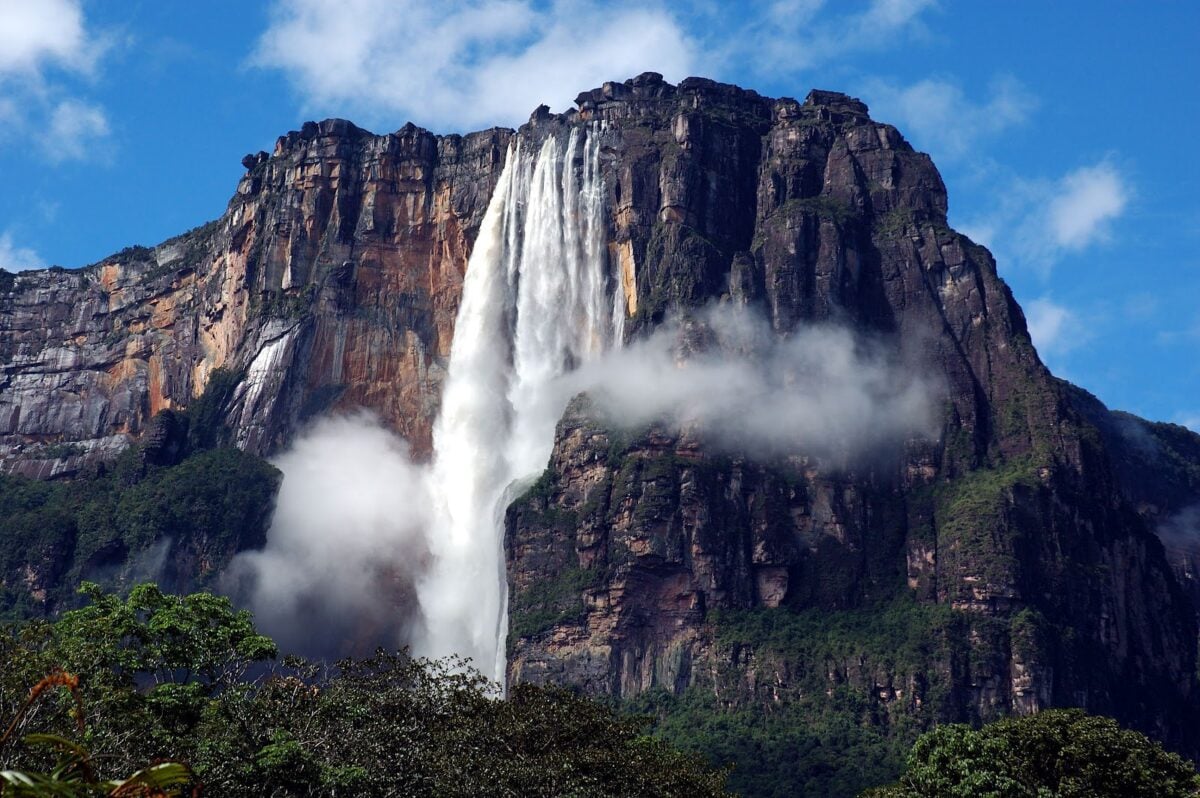
Venezuela holds the crown. Angel Falls drops 979 meters from the top of Auyán-tepui, a flat-topped mountain in Canaima National Park. The main plunge alone measures 807 meters of uninterrupted free fall.
That water touches almost nothing until it hits the bottom. The indigenous Pemón people call it Kerepakupai Merú, which translates to “waterfall of the deepest place.”
They avoided the mountain for centuries, believing spirits guarded the summit. American pilot Jimmie Angel spotted the falls from his plane in 1933 while searching for gold.
When he tried to land on top of the tepui four years later, his plane got stuck in the mud. He and his companions hiked for 11 days through the jungle to reach civilization.
The waterfall carries his name to this day, though Venezuela officially recognizes the indigenous name. Reaching Angel Falls requires flying to Canaima camp, then taking a dugout canoe up the Churún River during the wet season from June to December.
The journey takes hours. During the dry season, the falls shrink to a trickle, barely visible from a distance.
Tugela Falls: Five Tiers of Power
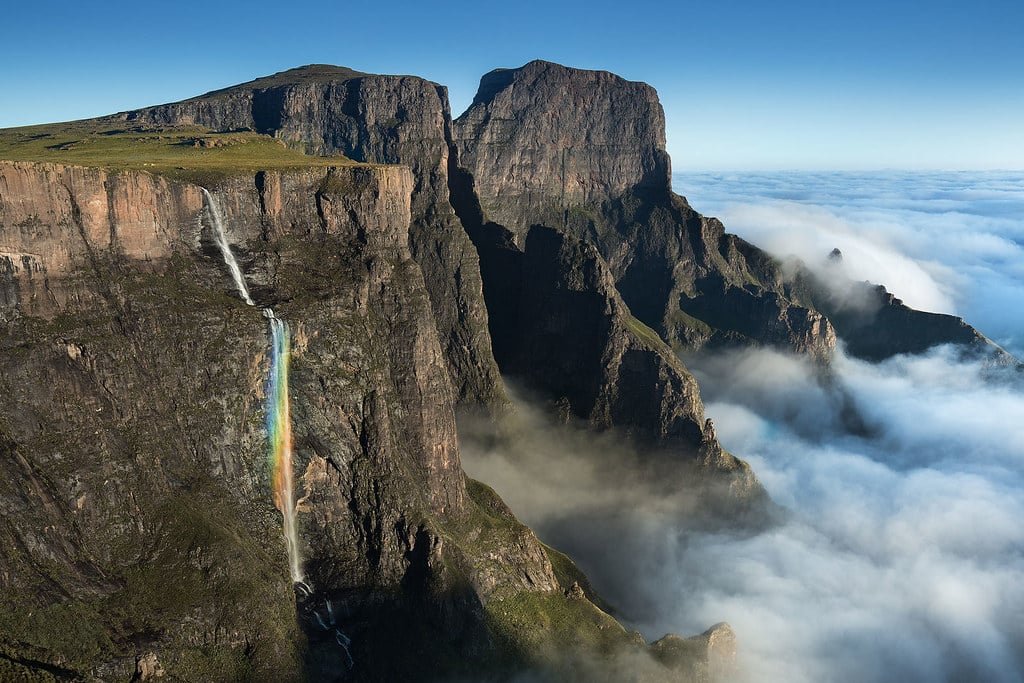
South Africa’s Drakensberg Mountains hide Tugela Falls behind fog and remote valleys. The waterfall tumbles 948 meters down the rock face known as The Amphitheatre.
Unlike Angel Falls’ single drop, Tugela cascades over five distinct tiers as it descends. You can reach the falls in two ways.
A strenuous hike from the Royal Natal National Park takes you to the base, where the spray creates rainbows on sunny days. The alternative route climbs to the top of the escarpment, where you can peer over the edge and watch the water begin its descent.
Both trails challenge even experienced hikers. The falls run strongest during South Africa’s summer months when thunderstorms drench the highlands.
During winter, the flow weakens considerably, sometimes freezing into columns of ice.
Tres Hermanas: The Hidden Giant
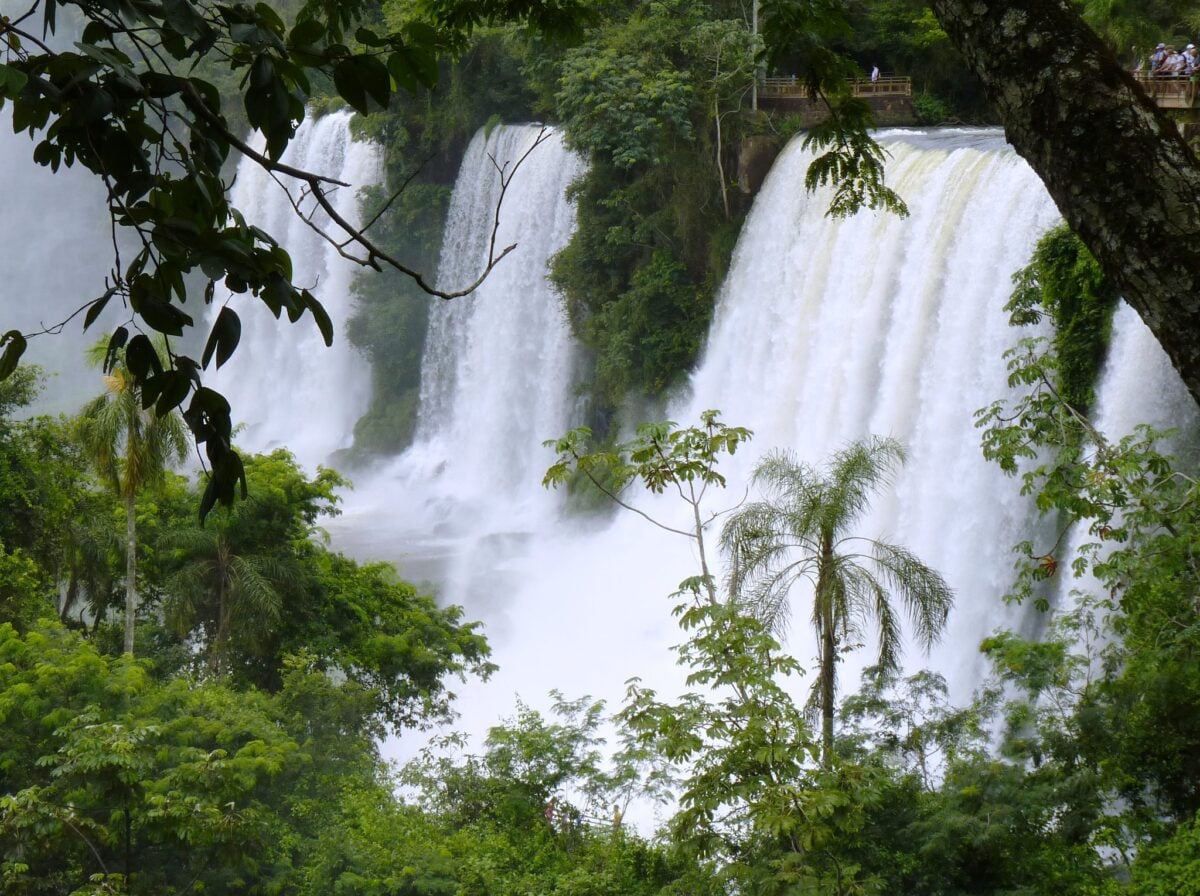
Peru’s Tres Hermanas Falls drops 914 meters through three separate stages, earning its name which means “three sisters” in Spanish. The waterfall hides in Otishi National Park, one of the most remote protected areas in the Amazon basin.
Few people have stood at the base of Tres Hermanas. The journey requires multiple days of hiking through dense jungle, crossing rivers, and navigating terrain without marked trails.
Local guides who know the area make the trip possible, but it remains one of the least visited tall waterfalls on Earth. Scientists measured the falls using helicopter surveys.
The exact height sparked debates for years until modern laser equipment provided accurate measurements.
Olo’upena Falls: Molokai’s Secret
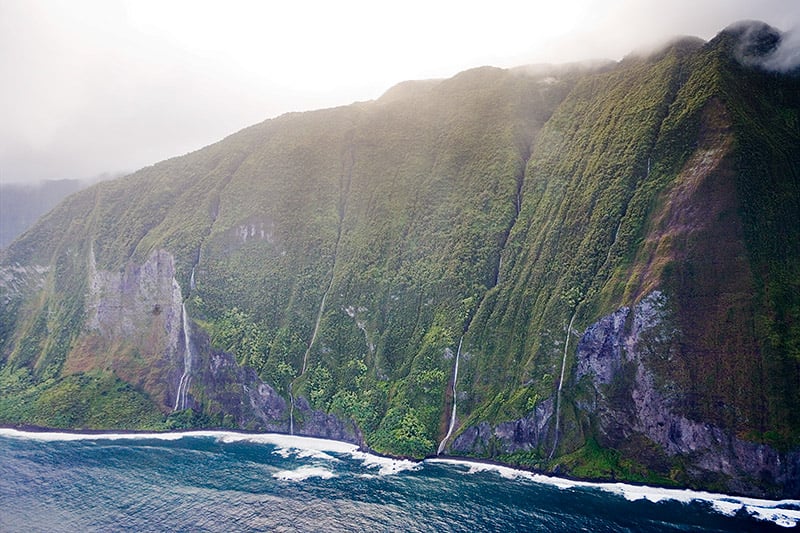
Hawaii’s Molokai island features Olo’upena Falls, which drops 900 meters down a cliff face that seems to rise straight from the ocean. The waterfall flows only after heavy rains, and you cannot reach it by land.
The cliff sits on the northeastern coast of Molokai, part of the tallest sea cliffs in the world. The only way to see Olo’upena properly is from a helicopter or boat.
Even locals rarely see the falls flowing at full strength. The water sources come from mountain streams that feed the falls when rainfall is heavy enough.
Yumbilla Falls: Peru’s Controversy
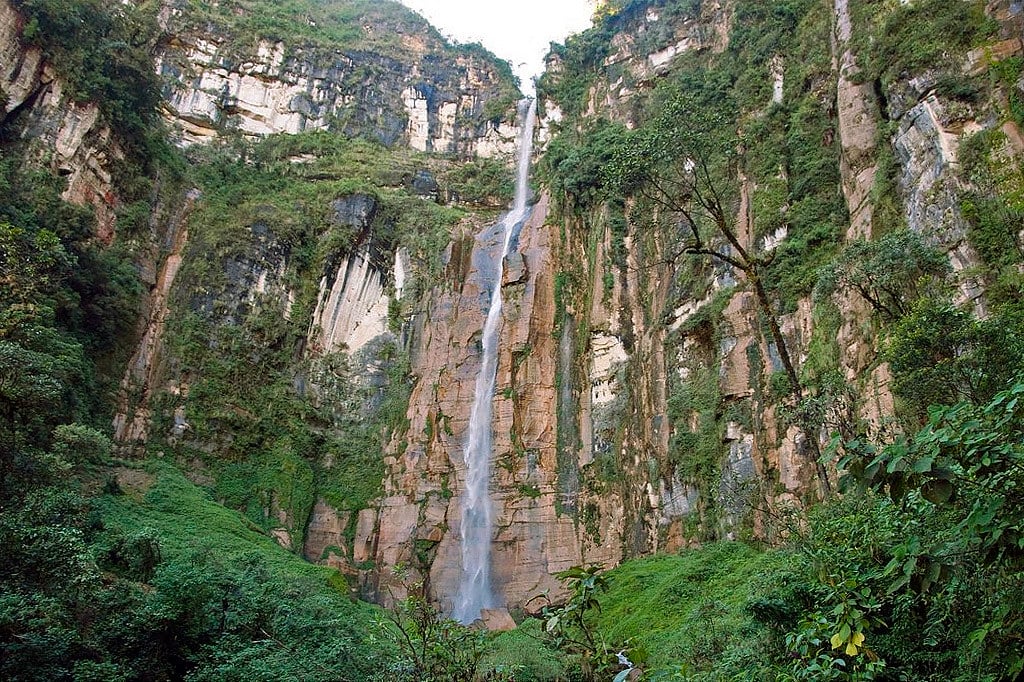
Catarata Yumbilla in Peru measures approximately 896 meters tall. The waterfall drops in four distinct tiers through the cloud forest near the village of Cuispes.
A trail built by locals makes Yumbilla more accessible than many tall waterfalls. Controversy surrounds the exact height and whether the falls flow consistently enough to qualify for ranking lists.
Some sources exclude it due to seasonal variations in water volume. Others point to its accessibility as proof that tall waterfalls don’t always hide in impossible locations.
The hiking trail from Cuispes takes about two hours. Local families maintain the path and charge a small fee for access.
During the dry season, the falls reduce to a modest stream.
Vinnufossen: Norway’s Giant
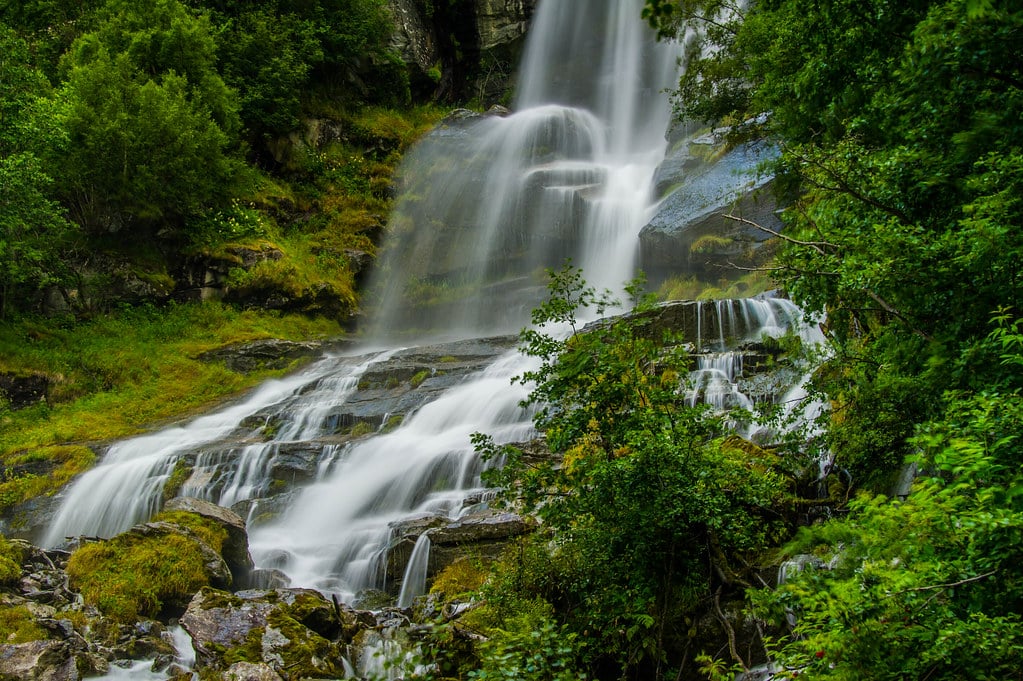
Norway’s Vinnufossen drops 865 meters in a series of cascades and free falls. The waterfall receives meltwater from the Vinnufonna glacier, meaning it flows strongest during summer when the glacier melts rapidly.
You can drive fairly close to Vinnufossen, making it one of the more accessible tall waterfalls. The falls sit near the village of Sunndalsøra in a valley that tourists often pass through on their way to other destinations.
Many people stop for photos without realizing they’re looking at one of Europe’s tallest waterfalls. The glacier that feeds Vinnufossen has shrunk considerably in recent decades.
Climate change affects the waterfall’s flow patterns, and scientists monitor the glacier’s retreat closely.
Balåifossen: Norway’s Twin
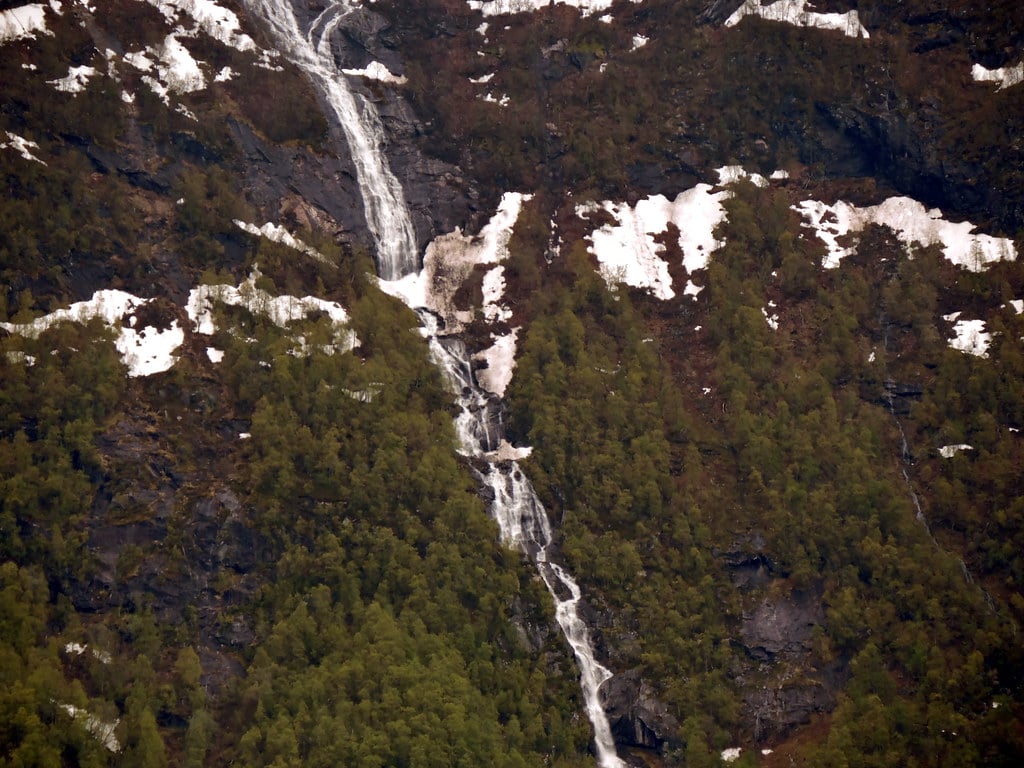
Another Norwegian giant, Balåifossen, drops 850 meters near the village of Osa. Like Vinnufossen, it depends on glacier melt for its flow.
The waterfall tumbles down in several stages, with the upper portions barely visible from the valley floor. Heavy summer melt creates the most impressive displays.
Winter reduces the flow to almost nothing, and the upper reaches freeze into ice formations that climbers occasionally attempt to scale.
Pu’uka’oku Falls: Hawaii’s Remote Twin
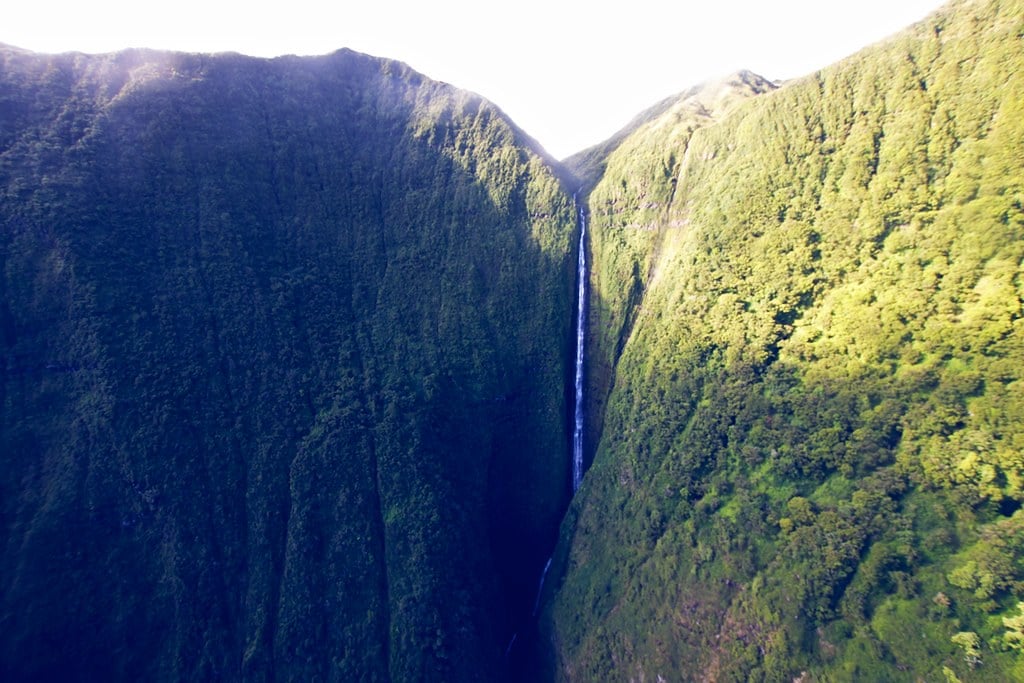
Hawaii’s Pu’uka’oku Falls on Molokai drops 840 meters, making it the second-tallest waterfall in Hawaii after Olo’upena. Like its taller neighbor, the falls flow only after significant rainfall and can only be seen from helicopters or boats.
The Molokai cliffs host multiple ephemeral waterfalls that appear and disappear based on weather patterns. Native Hawaiians knew these cliffs intimately, but modern access requires expensive helicopter tours that weather often cancels.
James Bruce Falls: Canada’s Giant
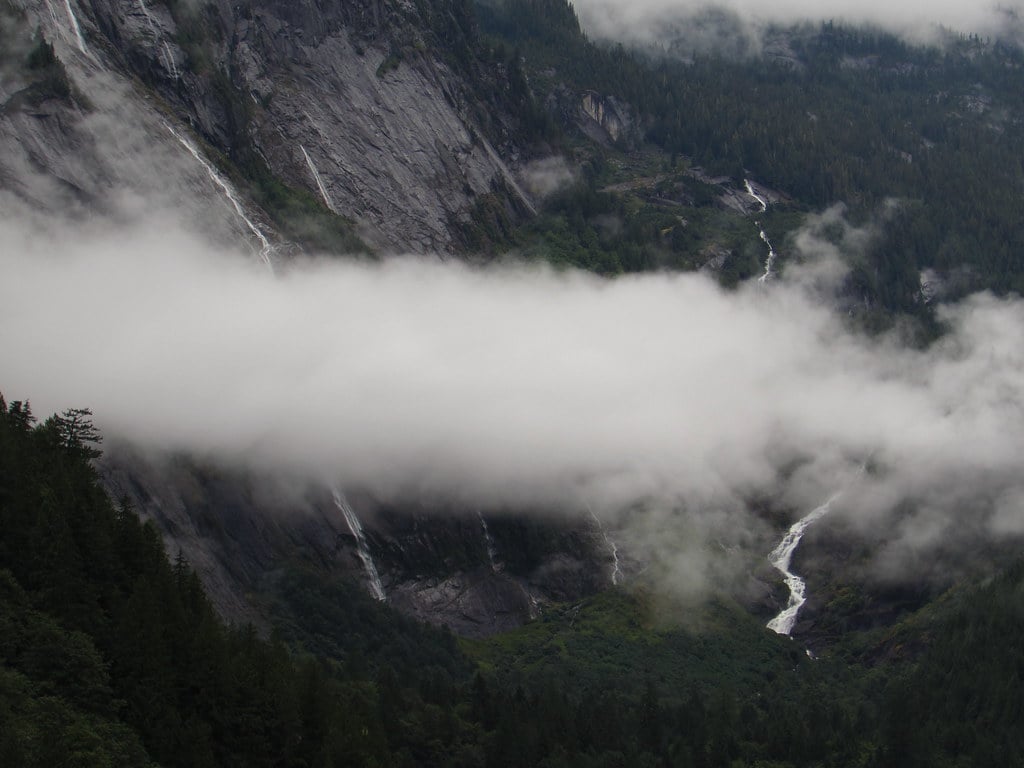
British Columbia’s James Bruce Falls drops 840 meters into Princess Louisa Inlet. The waterfall named after Scottish explorer James Bruce requires a boat ride through stunning fjord scenery to reach.
Steep granite walls rise on both sides of the inlet, creating an almost claustrophobic feeling despite the open sky above. The inlet attracts boaters during summer months.
The falls flow year-round but peak during spring when snowmelt from the mountains is heaviest. Kayakers sometimes camp near the inlet to experience the falls at different times of day.
Browne Falls: New Zealand’s Hidden Treasure
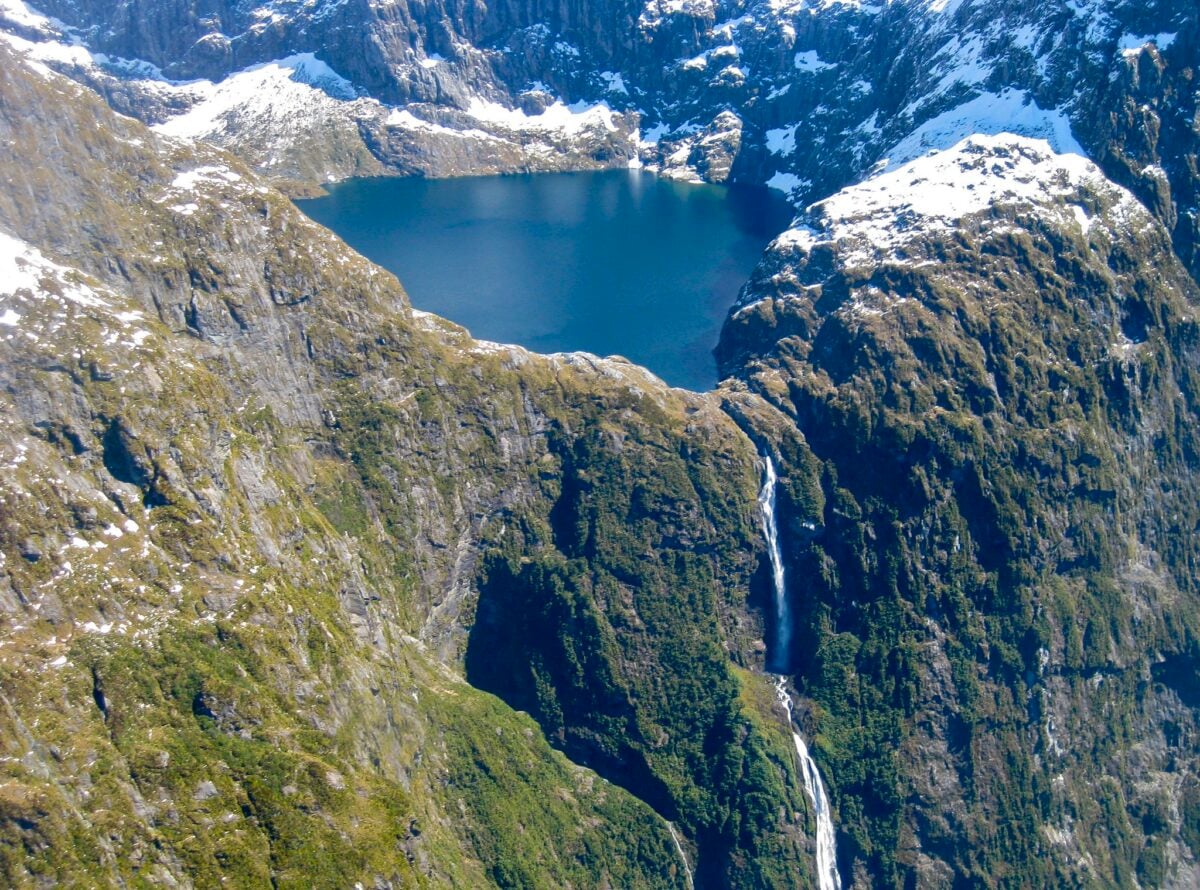
Browne Falls in New Zealand’s Fiordland National Park measures 836 meters. The waterfall feeds from Lake Browne, a small tarn high in the mountains.
The falls can only be accessed by boat or helicopter, as Fiordland’s terrain makes land access nearly impossible. Milford Sound tours occasionally include helicopter flights that pass by Browne Falls.
The falls flow consistently year-round thanks to Fiordland’s heavy rainfall. The region receives over six meters of rain annually, keeping every waterfall in the area running strong.
Ramnefjellsfossen: Norway’s Disputed Giant
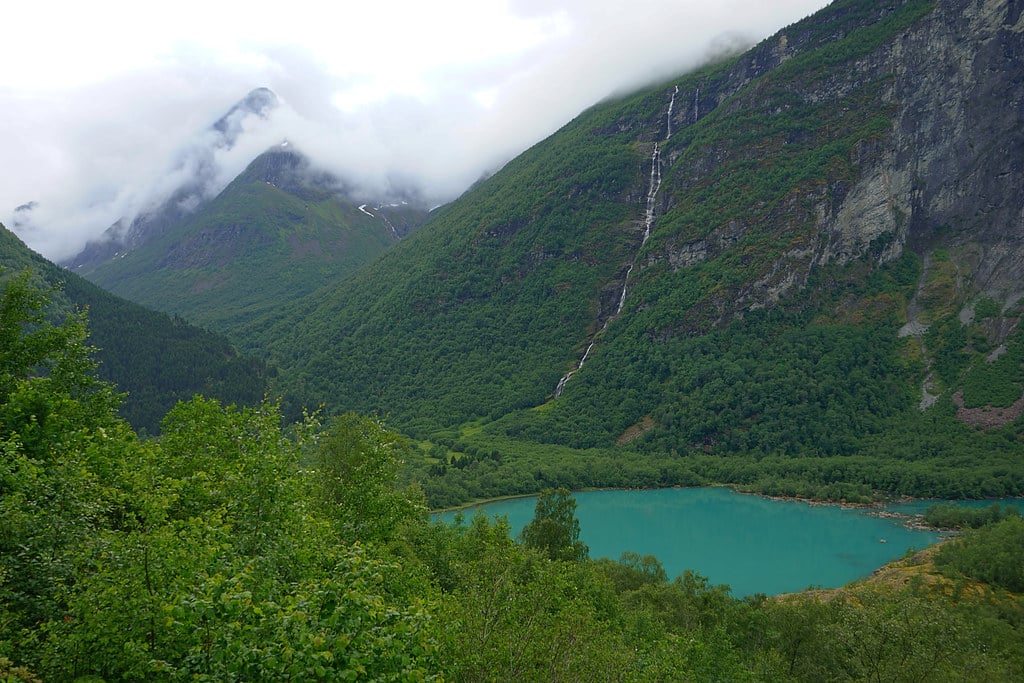
Ramnefjellsfossen drops approximately 818 meters in western Norway. The waterfall’s exact height has been disputed for decades.
Some measurements put it slightly higher, others slightly lower. The falls tumble down in multiple cascades, making a clear measurement difficult.
Access requires hiking or taking a ferry across local fjords. The waterfall flows strongest during the spring and summer melt.
Norwegian authorities have debated whether to include certain seasonal waterfalls in official height rankings, as many only flow part of the year.
Waihilau Falls: Hawaii’s Third Giant
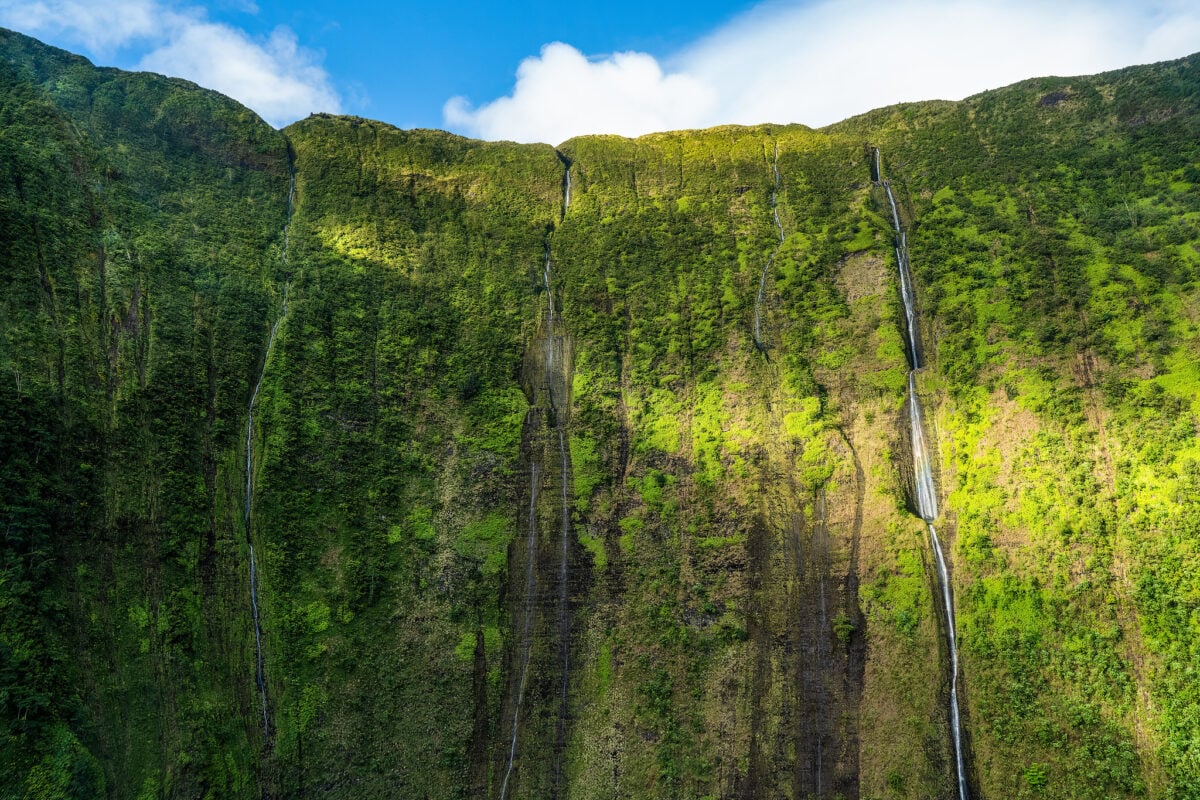
Hawaii’s Big Island features Waihilau Falls, dropping 792 meters into remote Waimanu Valley. The waterfall requires a challenging overnight hike to reach.
You must cross rivers, navigate steep terrain, and camp in the valley to see the falls properly. The Waimanu Valley sees few visitors despite its stunning beauty.
The trail from Waipio Valley takes most hikers six to eight hours of difficult hiking. Flash floods occasionally make the river crossings dangerous.
Those who make the journey often describe Waihilau as the most beautiful waterfall they’ve ever seen.
Colonial Creek Falls: Washington’s Remote Beauty
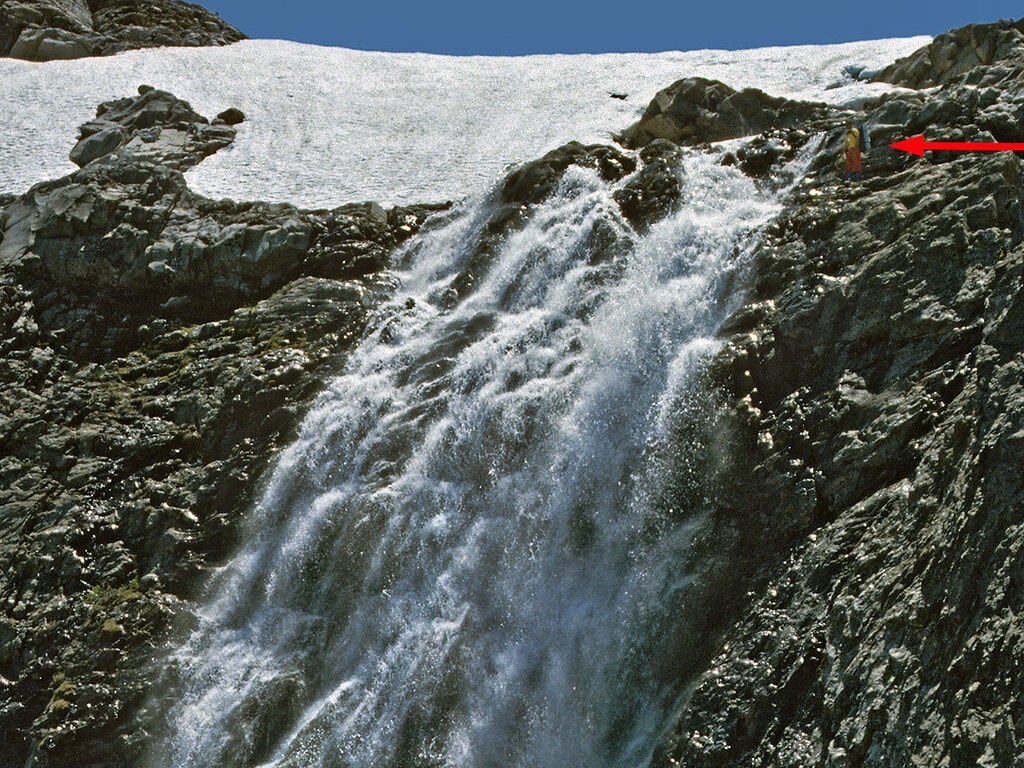
Colonial Creek Falls in Washington State drops 788 meters through a series of cascades in North Cascades National Park. The waterfall sits far from any trails, and viewing it requires serious mountaineering skills.
Most people only see it from a distance or in photographs taken by climbers. The falls flow strongest during the snowmelt season.
By late summer, the flow reduces considerably. The remote location and difficult access mean few people ever see Colonial Creek Falls up close.
Where Water Finds Its Path
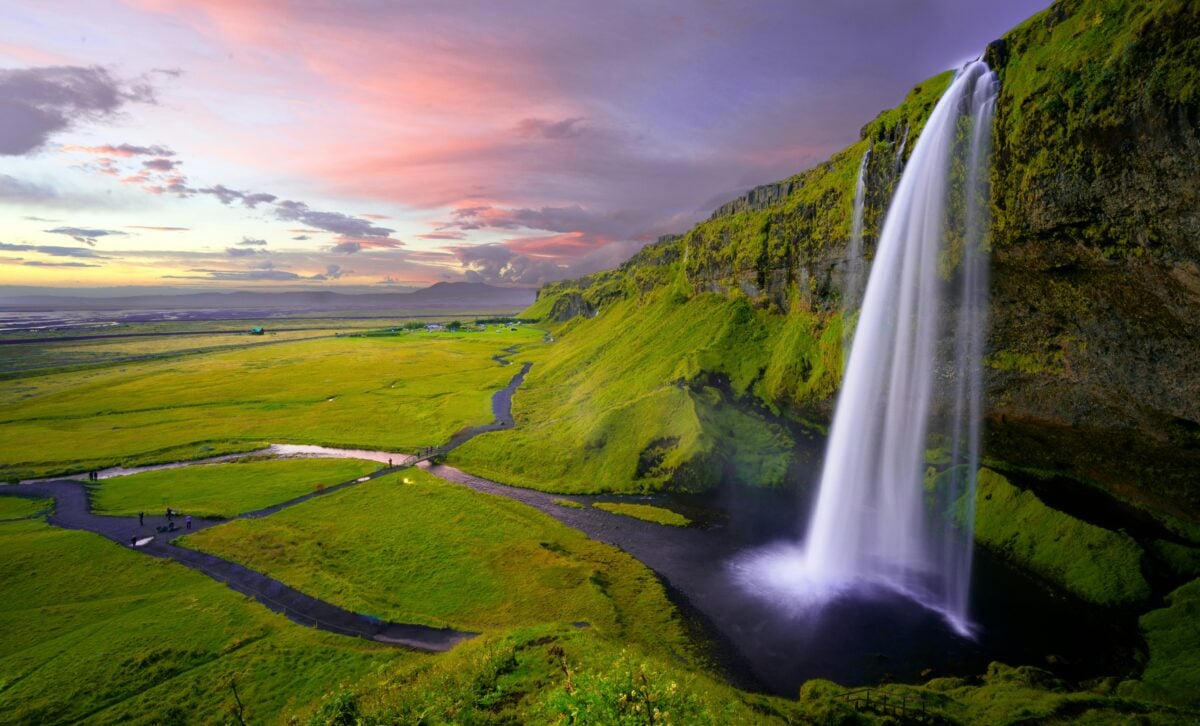
High above sea level, Earth’s loftiest waterfalls often sit where few travel. Hidden away from towns and highways, they lurk deep within untouched landscapes.
Reaching them means pushing through thick forest, climbing steep ridges, or riding rivers downstream. Some keep falling all twelve months, fed by steady rains or slow-thawing ice fields.
Then there are the fleeting kinds – seen briefly when the weather lines up just right.
Water tumbles down, sparking arguments among experts.
Does every twist along the drop count toward total height? Or only the sheer plunges straight down? To some, it depends on how steady the stream flows – whether it trickles or roars. Officials care about definitions; they track rankings and titles.
Yet none of that registers when mist hits your face mid-cascade. What sticks isn’t data carved into plaques.
It is sound echoing off rock walls, sudden coolness in humid air, sight vanishing behind sheets of falling liquid.
More from Go2Tutors!

- The Romanov Crown Jewels and Their Tragic Fate
- 13 Historical Mysteries That Science Still Can’t Solve
- Famous Hoaxes That Fooled the World for Years
- 15 Child Stars with Tragic Adult Lives
- 16 Famous Jewelry Pieces in History
Like Go2Tutors’s content? Follow us on MSN.



