29 Museums Built on Sites Where History’s Darkest Moments Happened
There’s something different about standing in a place where something terrible actually happened. Not reading about it, not watching a documentary — standing there, on the actual ground, where the air still feels like it’s holding something it can’t quite release.
Museums built on the sites of atrocities, massacres, disasters, and systemic cruelties occupy a peculiar and important space in human culture. They don’t let you keep your distance.
They refuse to let history stay abstract. Some are staggering in their scope; others are small and almost unbearably intimate.
All of them are doing something essential: insisting that forgetting is not an option.
United States Holocaust Memorial Museum
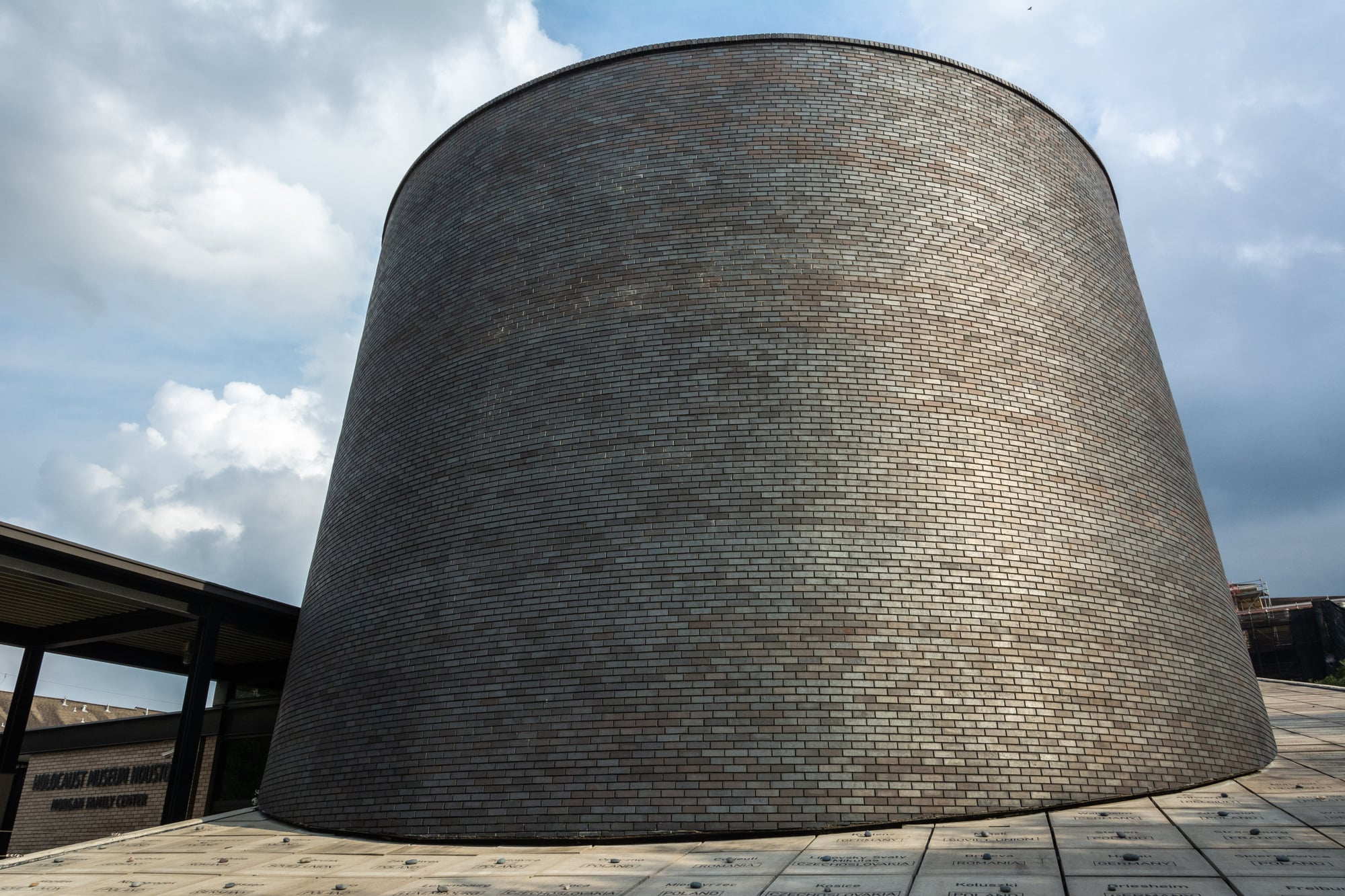
It isn’t built on a concentration camp, but its proximity to the National Mall — the symbolic heart of American democracy — is entirely deliberate. The museum opened in 1993 and sits within sight of the Washington Monument, a placement that forces a conversation between American ideals and the world’s catastrophic failure to uphold them.
More than 45 million people have walked through it since opening day.
Auschwitz-Birkenau State Museum
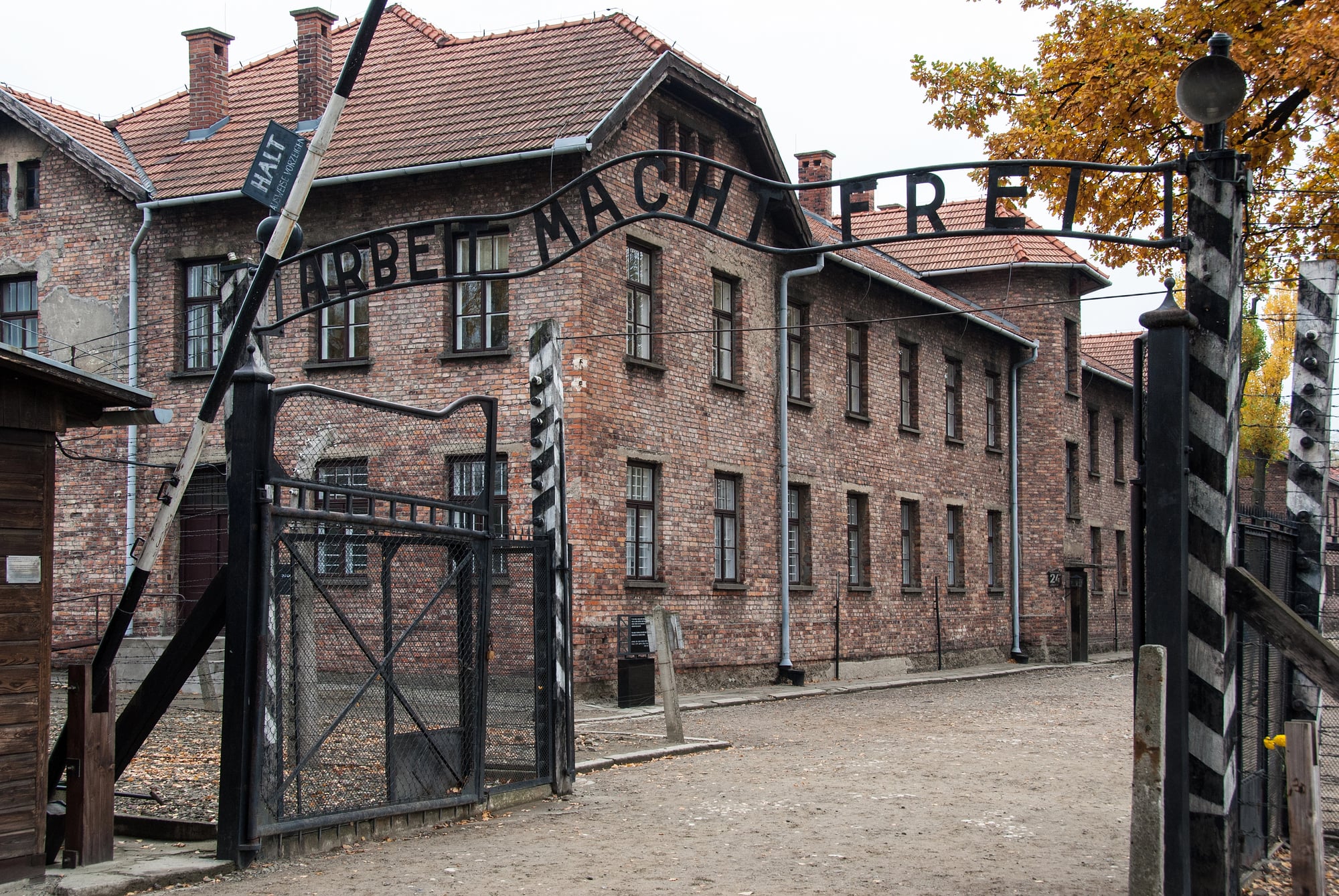
This is the site itself. The original barracks, the guard towers, the ruins of the crematoria — they’re all still there, in Oświęcim, Poland, preserved exactly where they stood when over 1.1 million people were killed between 1940 and 1945.
Auschwitz-Birkenau became a UNESCO World Heritage Site in 1979, which is a strange designation for something so resolutely, irreducibly human in its horror.
National Civil Rights Museum
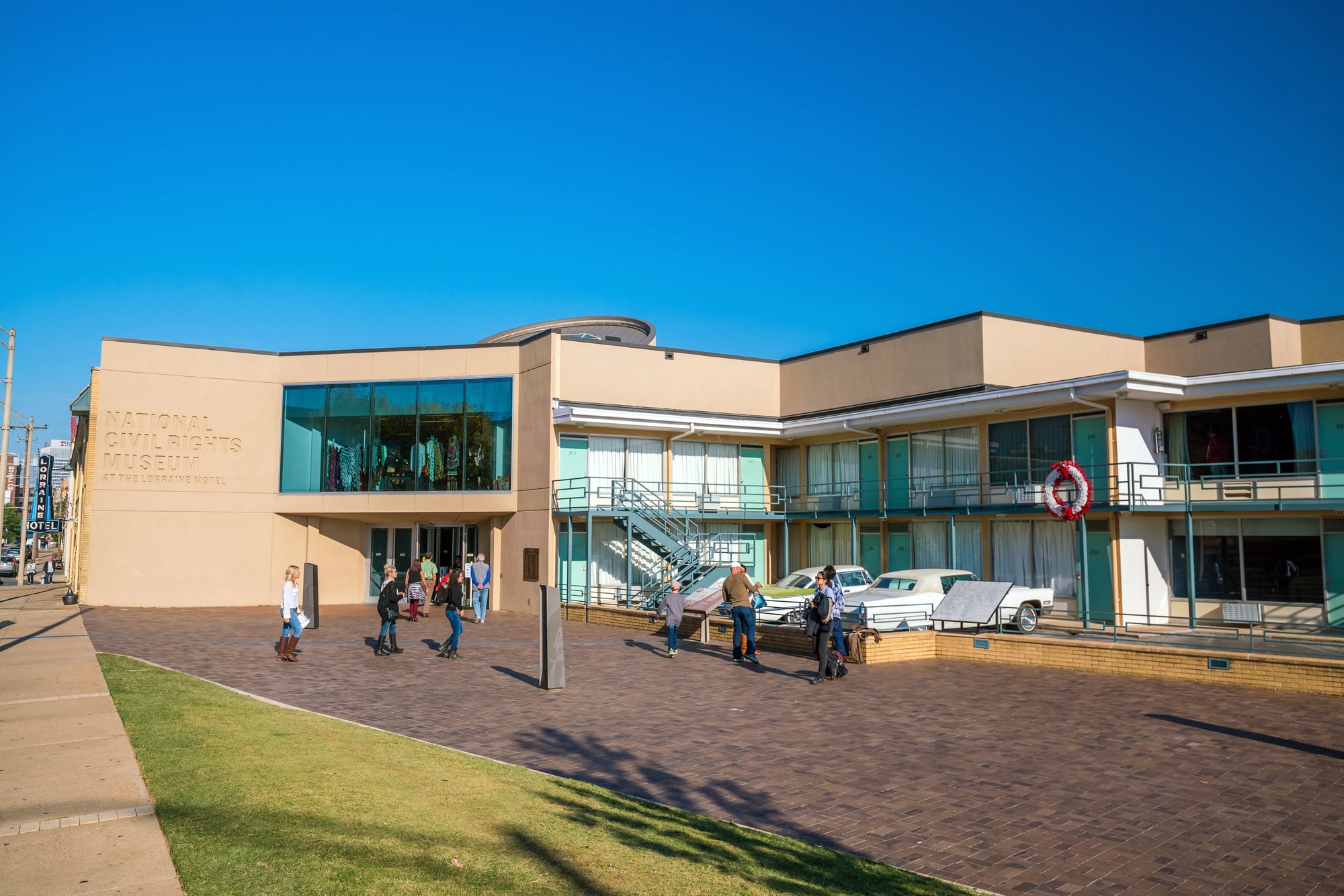
The Lorraine Motel in Memphis, Tennessee, is where Martin Luther King Jr. was assassinated on April 4, 1968 — and the museum wraps around and through that building without pretending the wound has closed. You can stand at the spot on the balcony and feel the geometry of it: the angle of the shot, the distance, the ordinary-looking rooming house across the street.
Built on grief but refusing to stay there.
Hiroshima Peace Memorial Museum
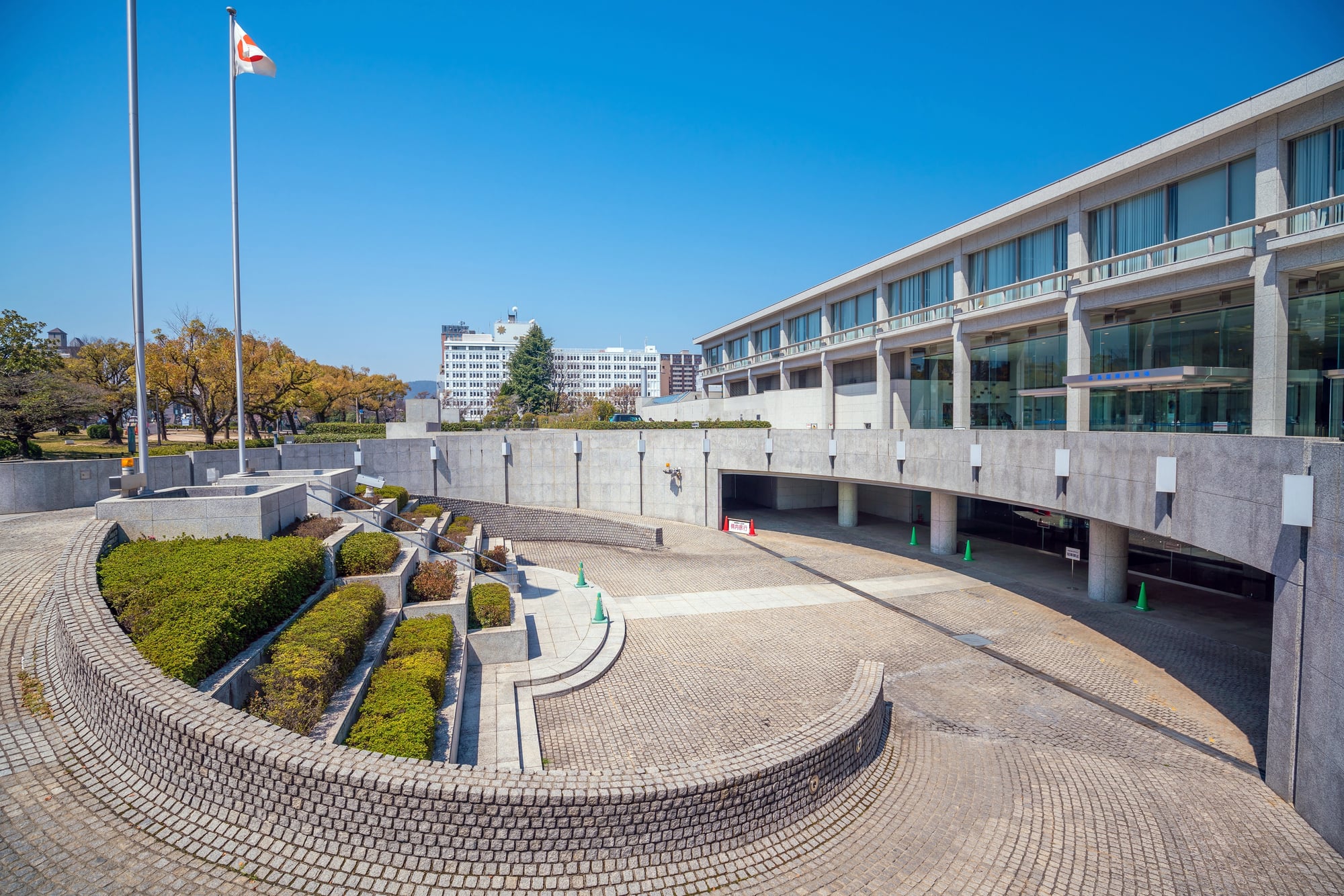
The A-Bomb Dome — the skeletal remains of the Hiroshima Prefectural Industrial Promotion Hall — survived the blast of August 6, 1945, close enough to the hypocenter that the force came straight down rather than sideways, leaving the walls partially standing while everything around it was flattened. The museum sits nearby in Peace Memorial Park and holds artifacts that arrive quietly and then don’t leave you: a melted pocket watch stopped at 8:15, a child’s tricycle, a shadow burned into stone steps.
It opened in 1955 and has been expanding its honesty ever since.
Tuol Sleng Genocide Museum
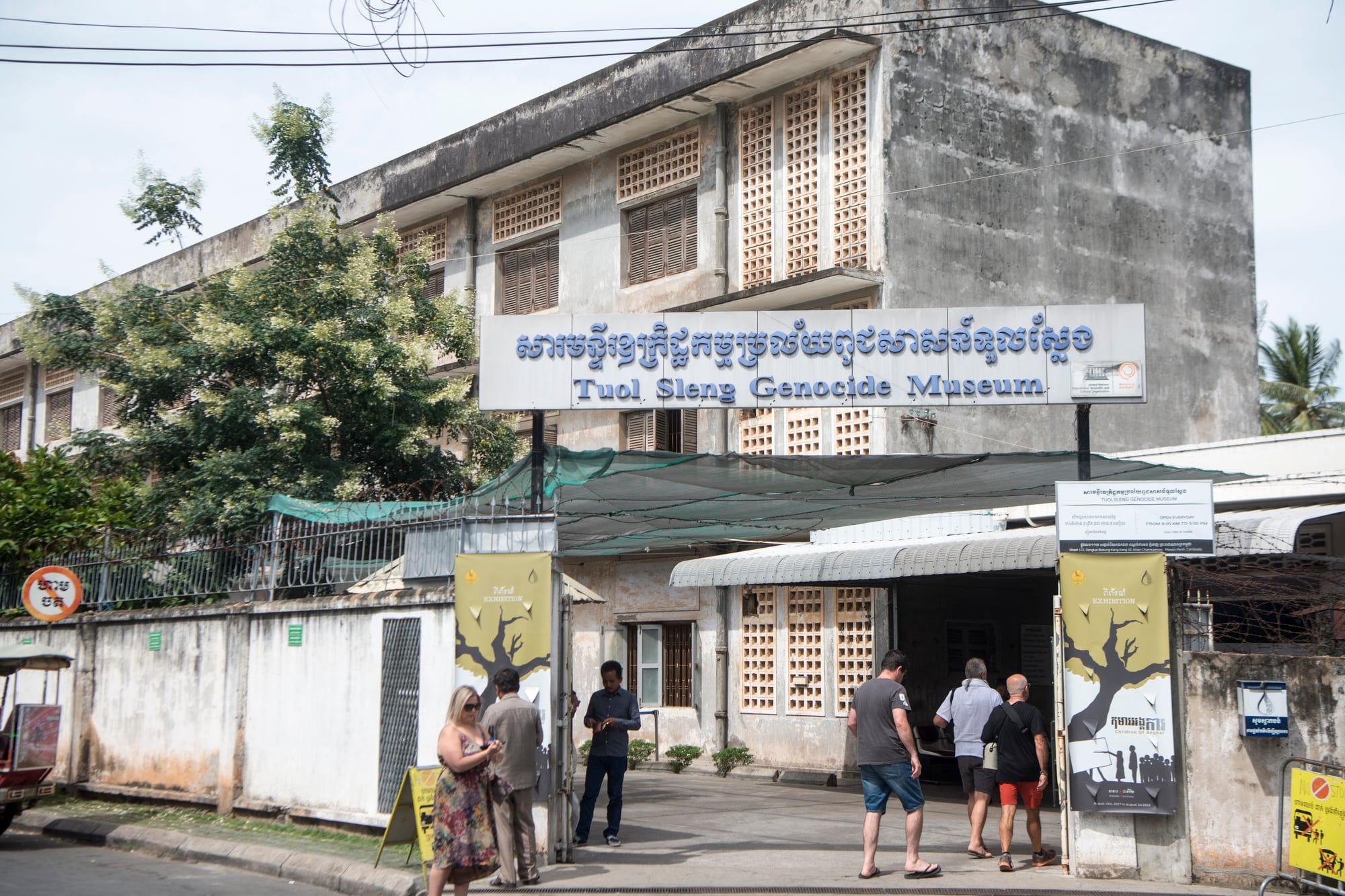
Tuol Sleng — known as S-21 — was a high school in Phnom Penh before the Khmer Rouge converted it into a secret prison where an estimated 17,000 people were tortured and killed between 1975 and 1979. The Vietnamese army discovered the site in 1979 and found it essentially as it had been left.
The classrooms-turned-cells, the iron beds, the thousands of prisoner photographs — they’re still there. Only a handful of people survived S-21, and some of them came back to bear witness in person for decades afterward.
Robben Island Museum
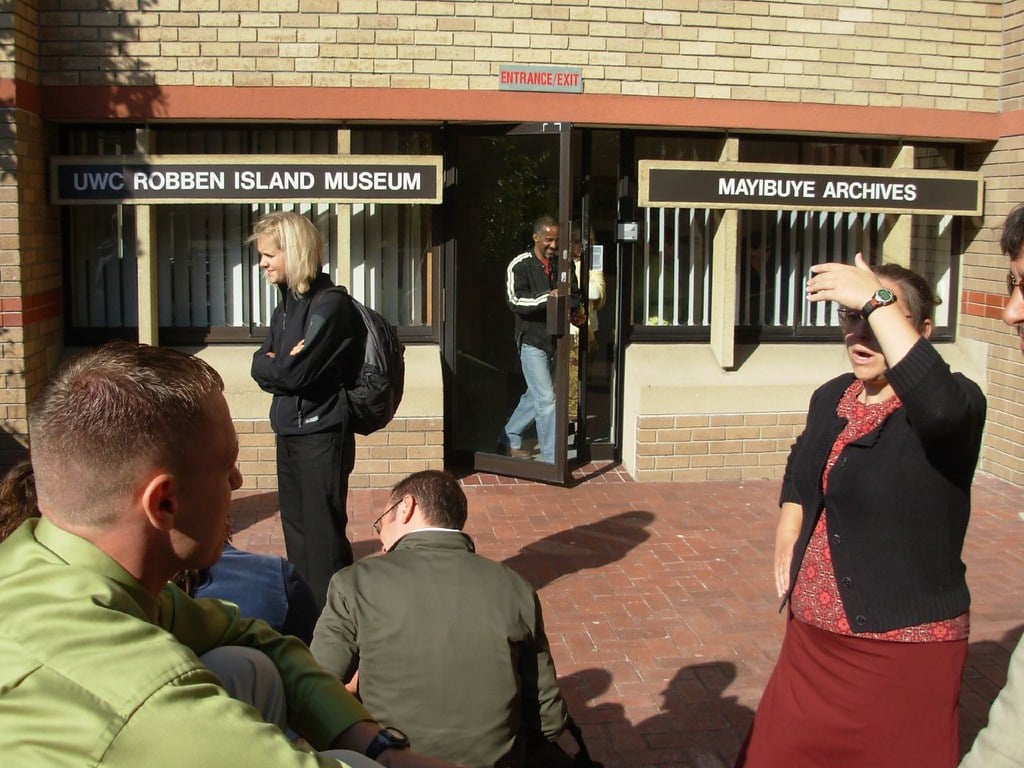
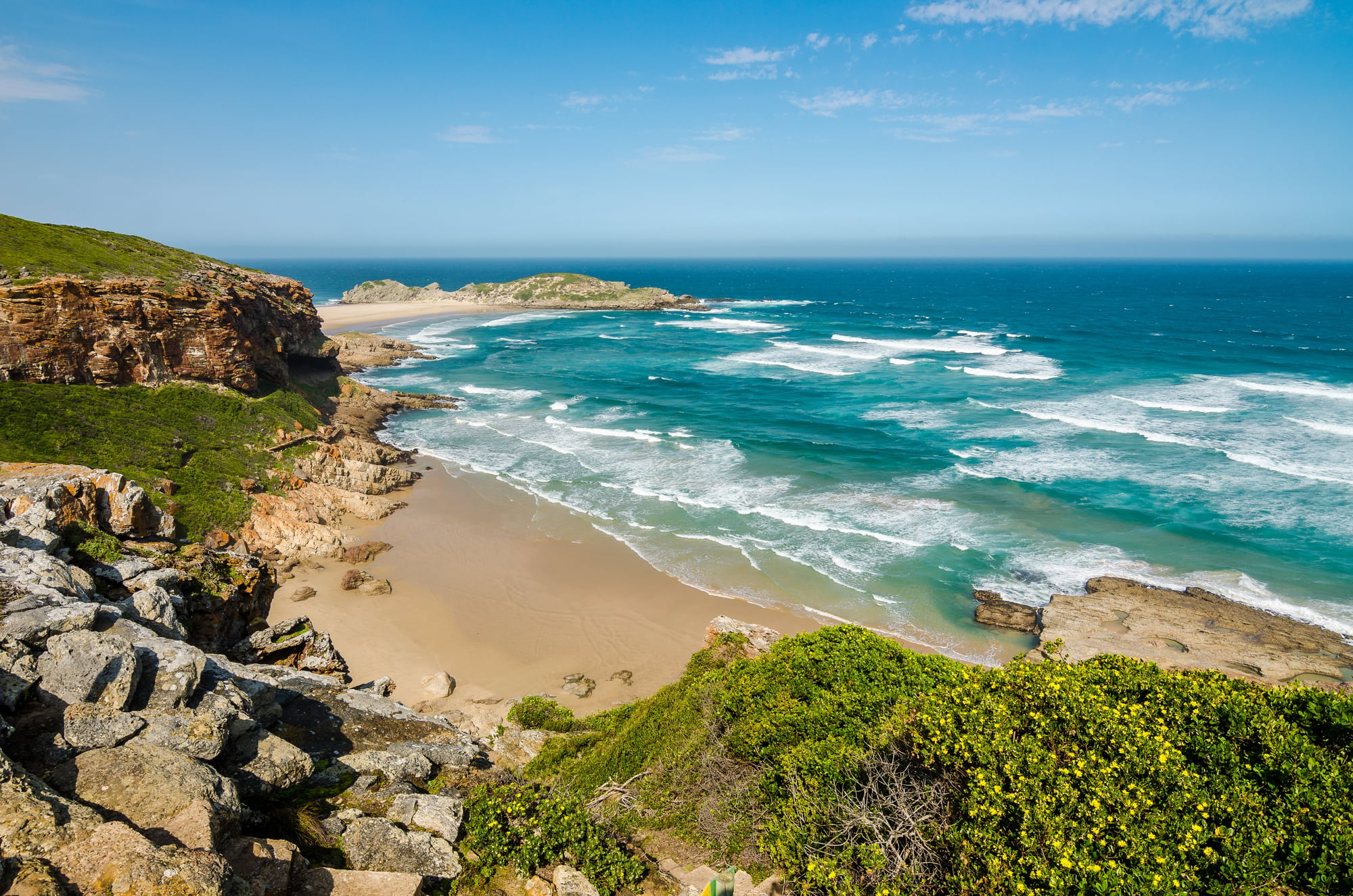
Nelson Mandela spent 18 of his 27 years of imprisonment on Robben Island, a windswept outcrop about 7 miles off the coast of Cape Town, South Africa. The museum that now occupies the site uses former political prisoners as guides — people who were actually incarcerated there — which makes it less a guided tour and more a direct transmission of memory.
The limestone quarry where prisoners were forced to work, the narrow cell where Mandela slept, the cold Atlantic visible through every window: none of it needs dramatizing.
Kigali Genocide Memorial
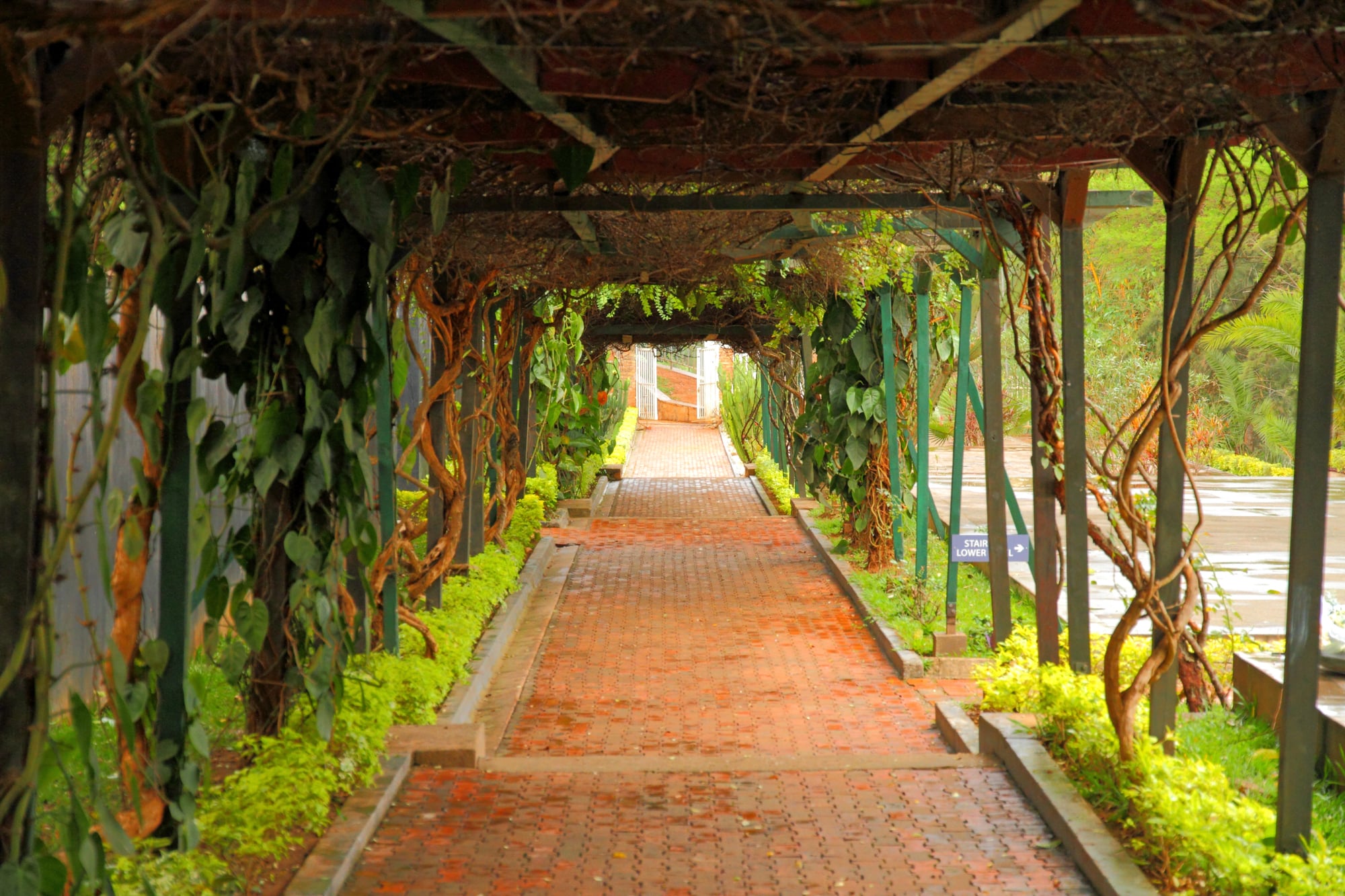
Rwanda lost an estimated 800,000 people in roughly 100 days in 1994, and the Kigali Genocide Memorial holds the remains of more than 250,000 of them in mass graves on site. The memorial opened in 2004, on the tenth anniversary of the genocide, and it does something that many memorials avoid: it names names, shows photographs, tells individual stories rather than hiding behind statistics.
The mass graves are marked and accessible to visitors — a deliberate refusal to make the scale of the killing comfortable or tidy.
The Legacy Museum
Montgomery, Alabama, is where the domestic slave trade was deeply concentrated, and the Legacy Museum — created by Bryan Stevenson’s Equal Justice Initiative — sits on the site of a warehouse where enslaved people were imprisoned before being sold. It opened in 2018 and connects the history of American slavery directly to the mass incarceration crisis of the present day.
The line it draws is direct, well-documented, and deliberately uncomfortable.
Choeung Ek Genocidal Center
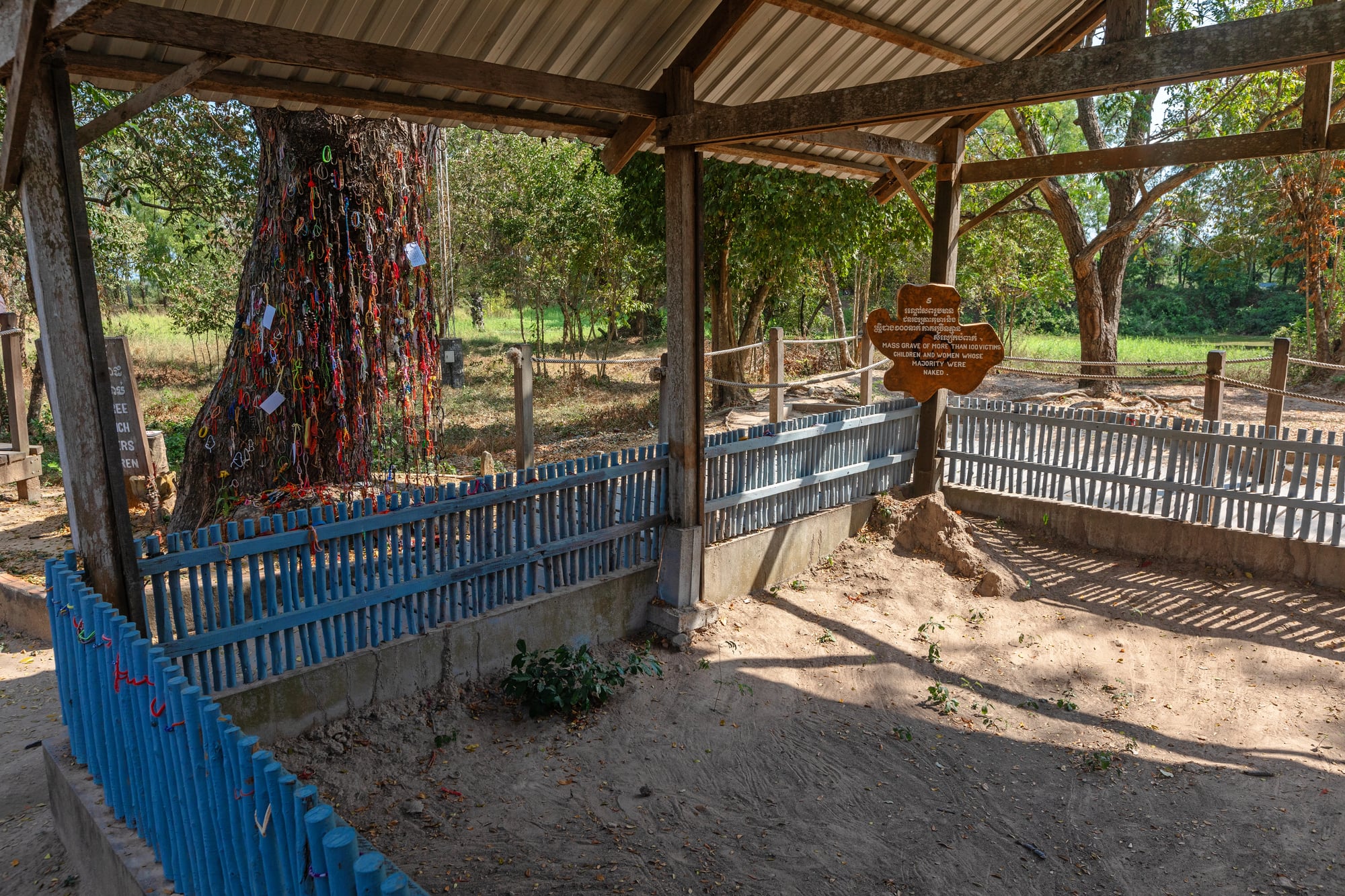
Choeung Ek, about 9 miles south of Phnom Penh, is where prisoners from S-21 were brought to be executed. It is one of over 300 “killing fields” across Cambodia — but it is the one most visited, and the one where the sheer density of what happened is most legible in the landscape itself.
A Buddhist stupa at the center of the site holds more than 5,000 human skulls. The audio tour, narrated by survivors, is one of the most quietly devastating museum experiences in the world.
Sixth Floor Museum at Dealey Plaza
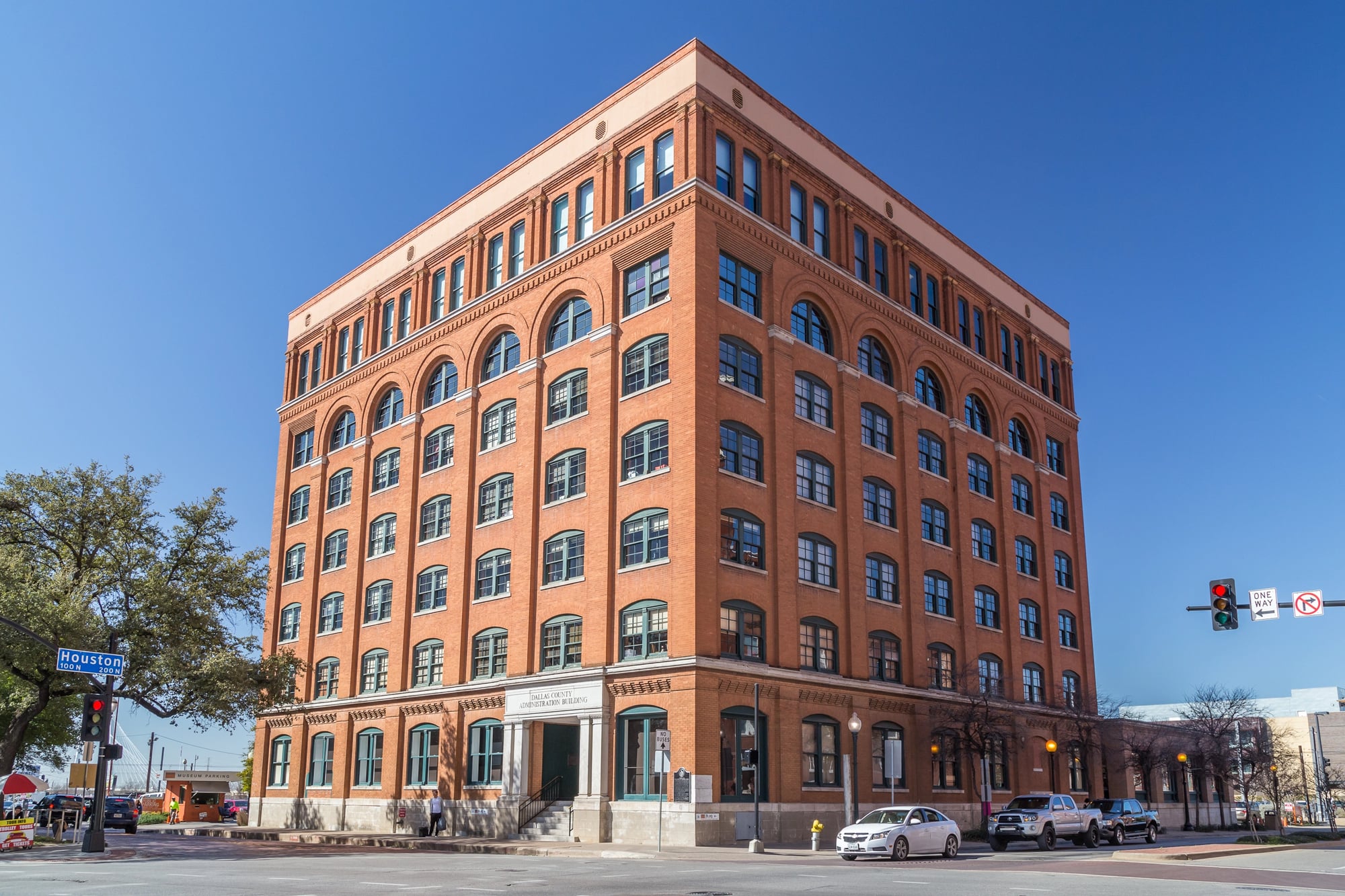
The Texas School Book Depository in Dallas is still a working office building — which is an almost surreal fact — and its sixth floor has been a museum since 1989. The corner window from which Lee Harvey Oswald fired on President Kennedy’s motorcade on November 22, 1963, is preserved behind glass, the boxes arranged as they were that afternoon.
Standing there, you can see the route below, the distance to the car, the angle of everything. It corrects your imagination in a way that photographs never quite manage.
National Memorial for Peace and Justice
This one sits on a hill above Montgomery, Alabama, and it does something architecturally unprecedented in America: it documents lynching by county, hanging 800 steel monuments — one for each county where a documented lynching occurred — so that visitors walk through them as they descend. Soil collected from lynching sites across the country, gathered in jars and labeled, lines the walls inside.
It opened in 2018 and has no real precedent in American memorial design.
Dachau Concentration Camp Memorial Site
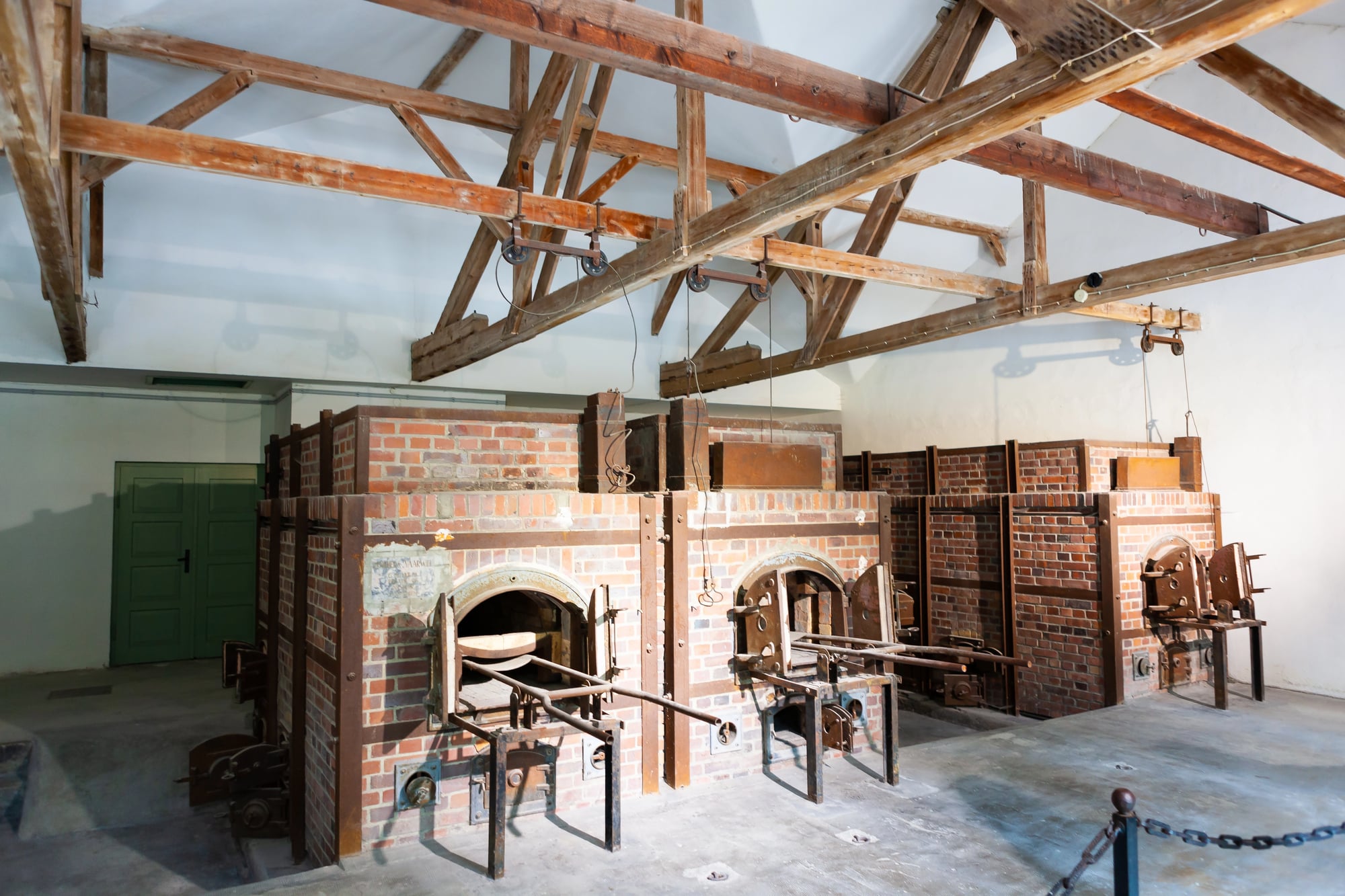
Dachau, just 10 miles northwest of Munich, was the first Nazi concentration camp, opened in 1933, and the model for every one that followed. The memorial site opened in 1965, on the camp’s original grounds, with the main gatehouse, the roll call square, the barracks foundations, and the crematorium all accessible to visitors.
More than 41,000 people were killed there — and the site’s proximity to Munich, a city of culture and architecture and excellent beer, was never accidental.
The District Six Museum
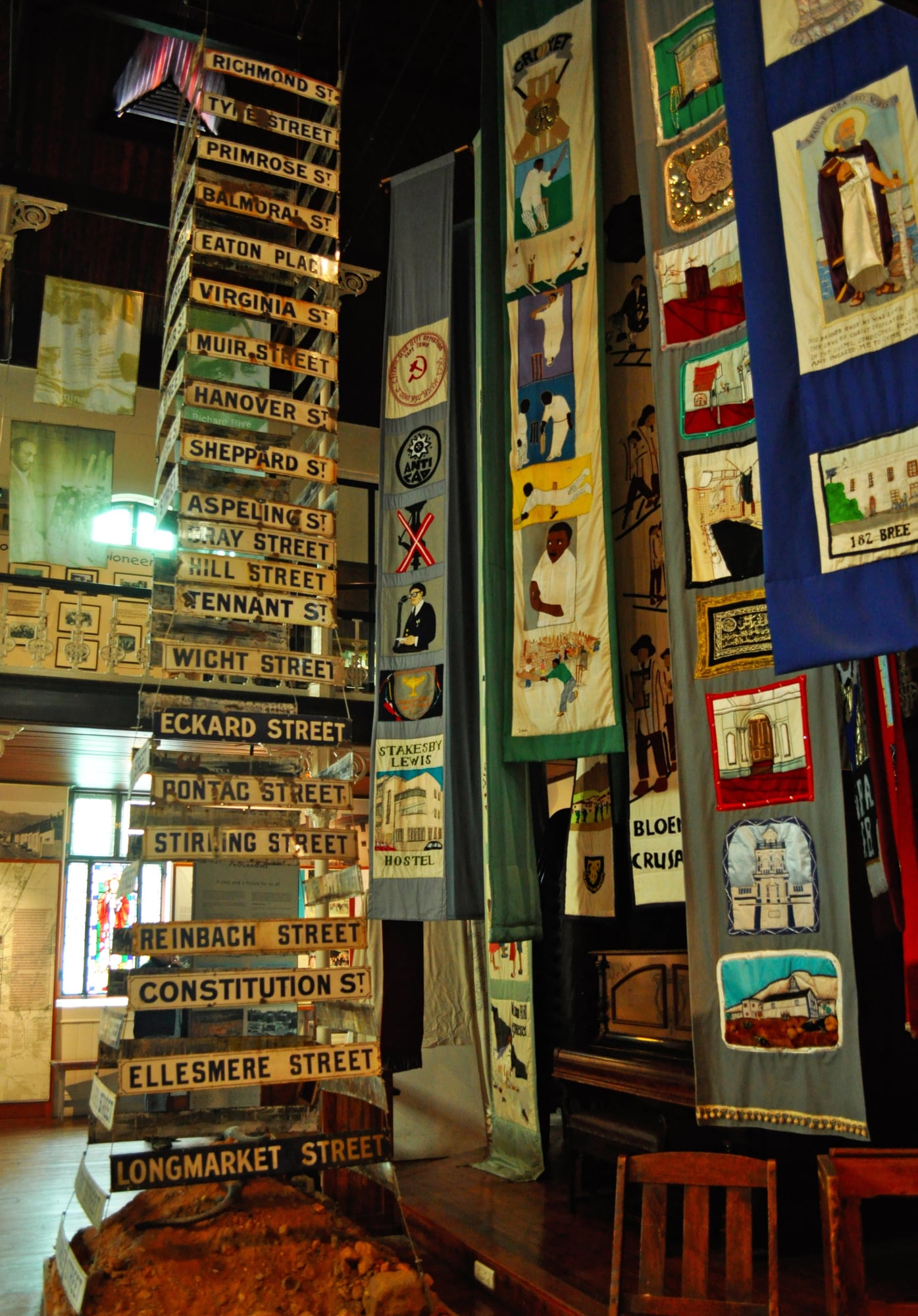
District Six was a vibrant, multiracial neighborhood in Cape Town, South Africa — until the apartheid government declared it a whites-only area in 1966 and forcibly removed over 60,000 residents, bulldozing most of the buildings. The museum sits in one of the few structures that survived, and its floor is literally a map of the old neighborhood on which former residents have written the names of their streets and homes.
It’s less a museum of objects than a museum of memory, held together by the people who lived it.
Srebrenica Memorial Center
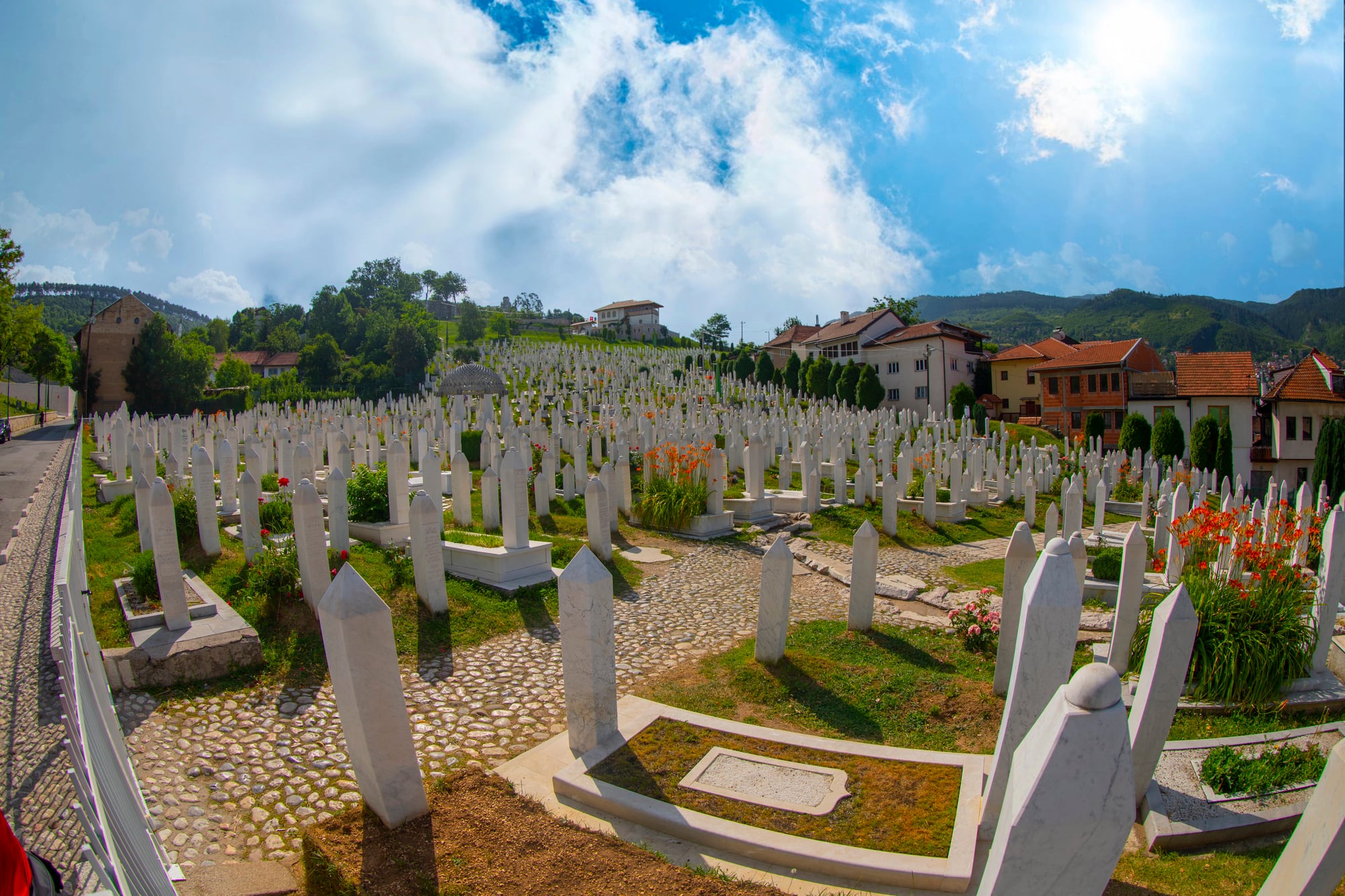
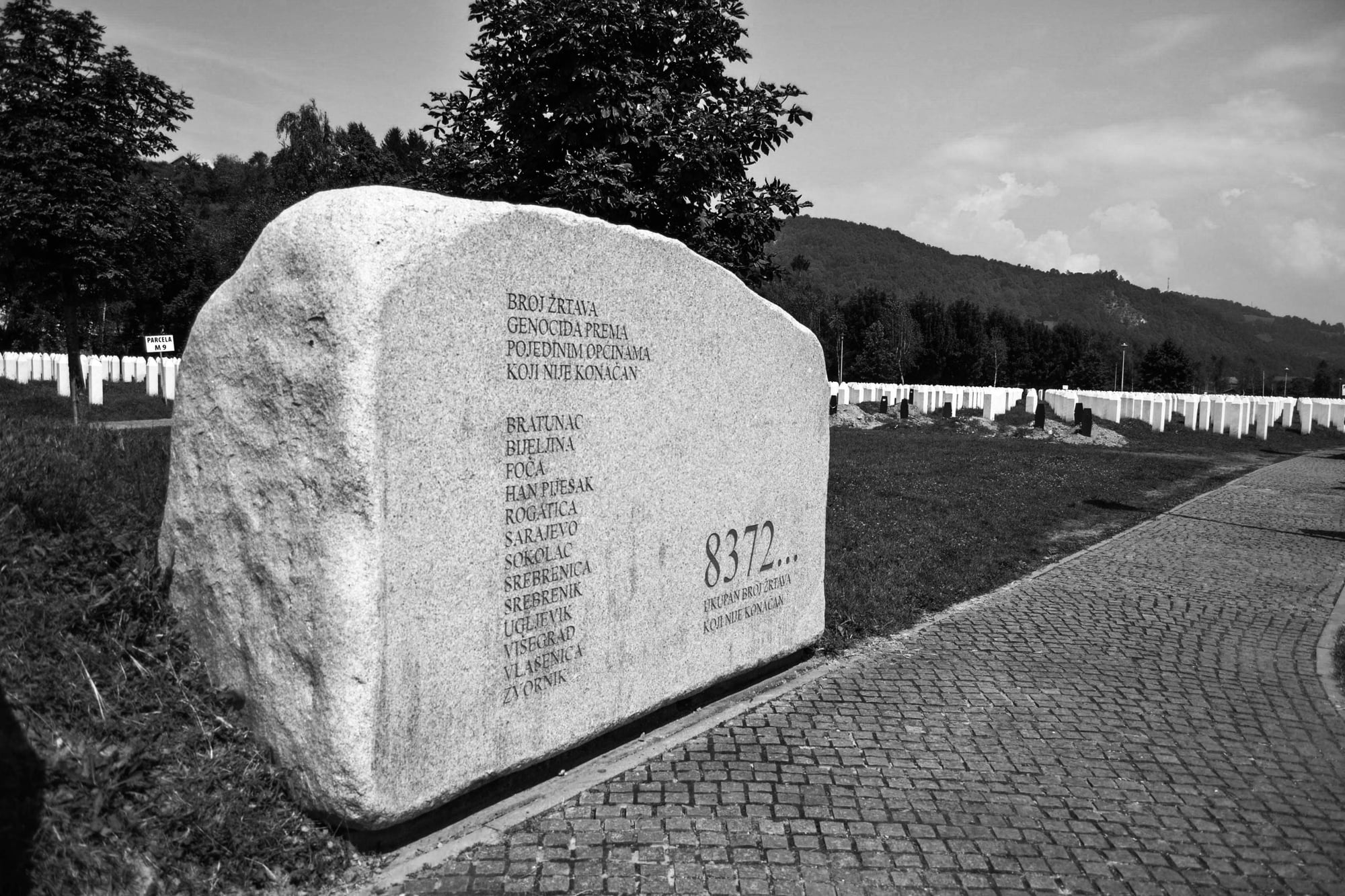
In July 1995, over 8,000 Bosniak Muslim men and boys were massacred in and around Srebrenica — the worst act of genocide in Europe since World War II. The memorial center at Potočari, housed in a former UN base that failed to protect the people sheltering inside it, opened in 2003.
The cemetery adjacent to the center continues to receive newly identified victims as forensic work identifies remains from mass graves across the region. Some plots are added every year.
Oklahoma City National Memorial & Museum
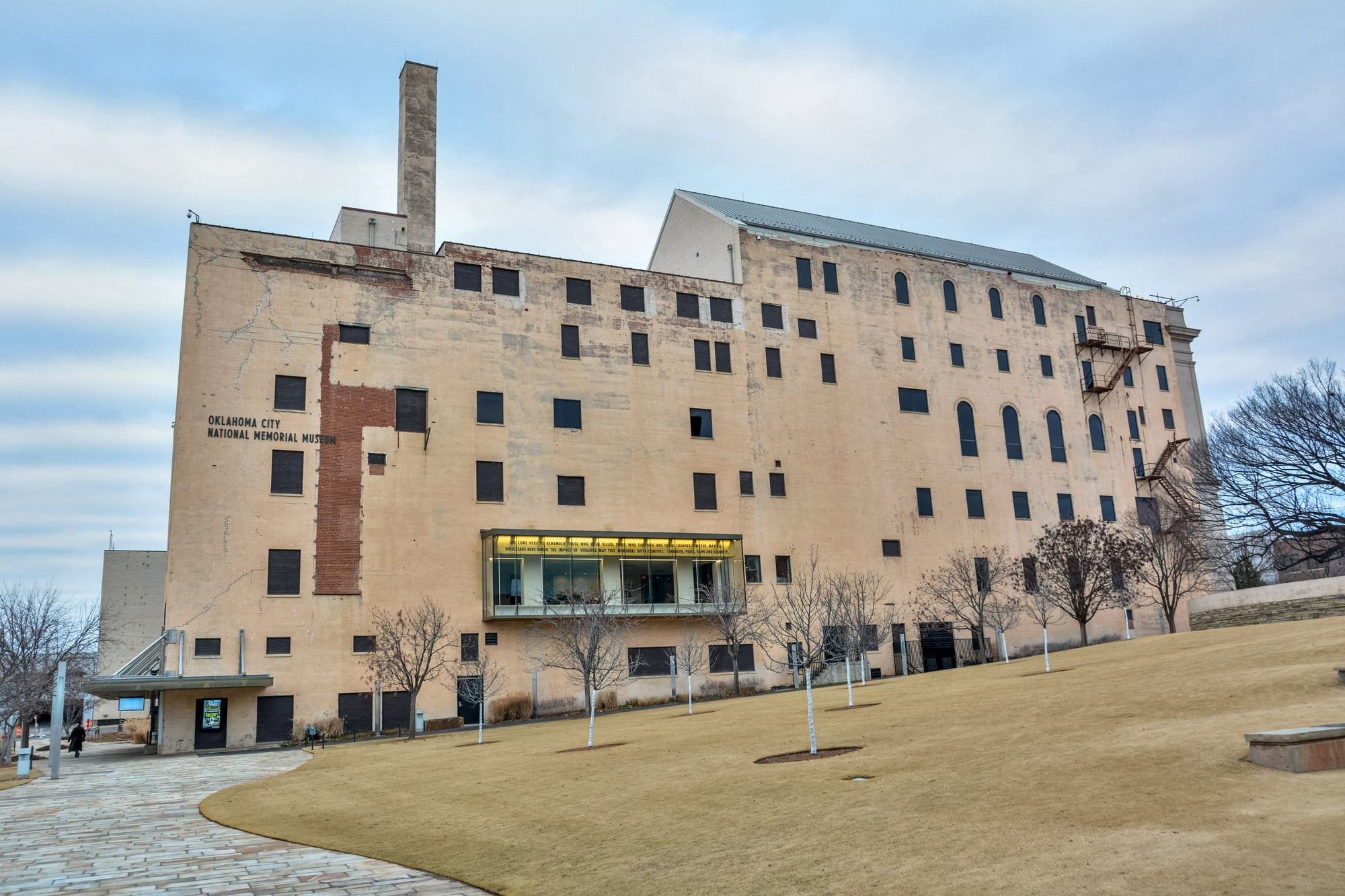
The Alfred P. Murrah Federal Building was bombed on April 19, 1995, killing 168 people — including 19 children in the building’s daycare center. The museum sits on the site of that building, which was demolished after the bombing, and the outdoor memorial uses 168 empty chairs — each one bearing a name — arranged on the footprint of where the building stood.
The chairs for the children are smaller. That detail, encountered in person rather than in a photograph, is not easily absorbed.
National September 11 Memorial & Museum
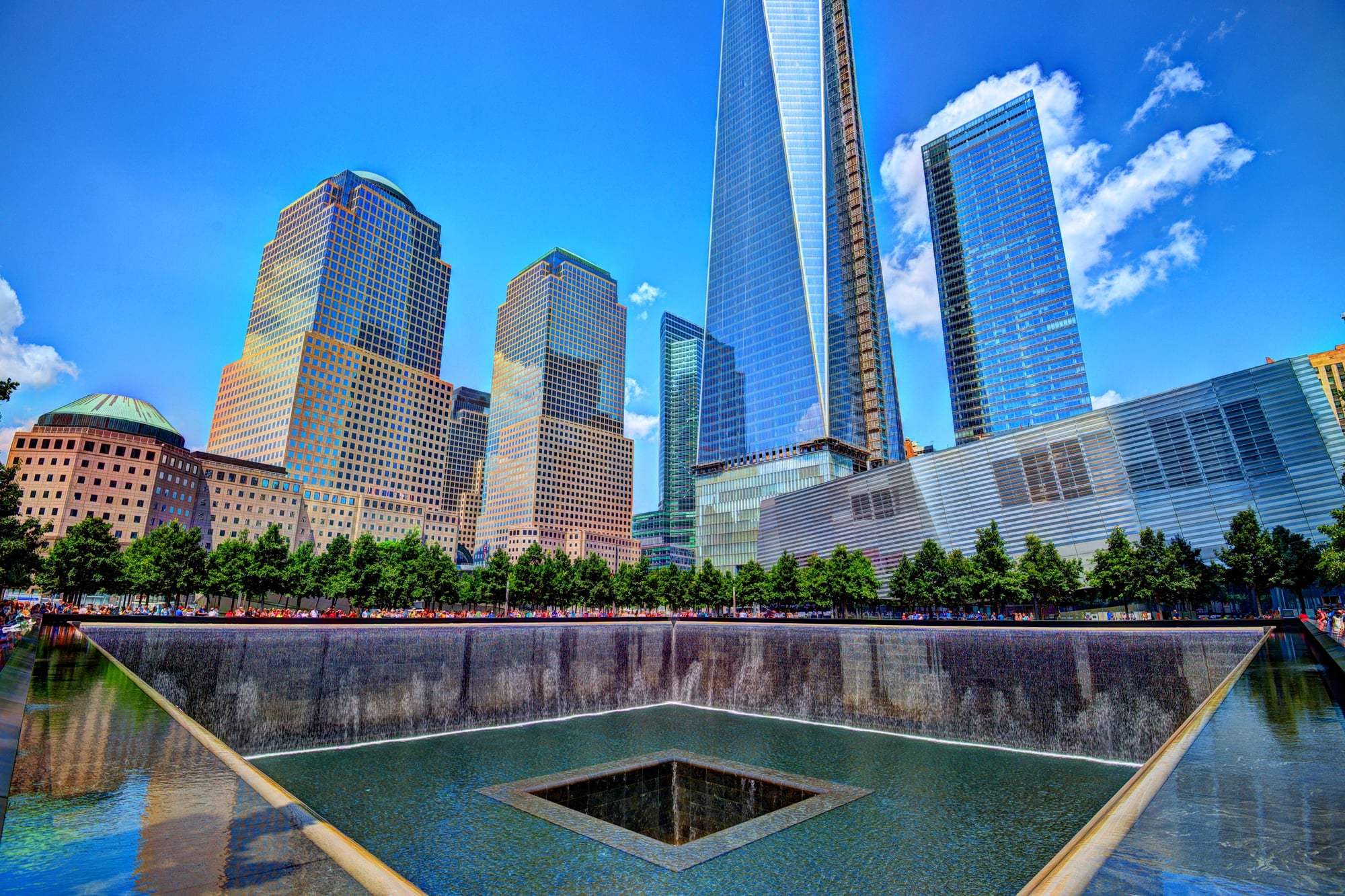
The museum descends underground to bedrock, into what were once the foundations of the Twin Towers, and the exposed slurry walls that held back the Hudson River during and after the collapse are visible from inside. Over 2,900 people were killed on September 11, 2001, and the remains of nearly 1,100 of them have never been identified — those unidentified remains are stored in a repository within the museum itself, which is disclosed to visitors and raises questions that have no clean answers.
Port Arthur Historic Site
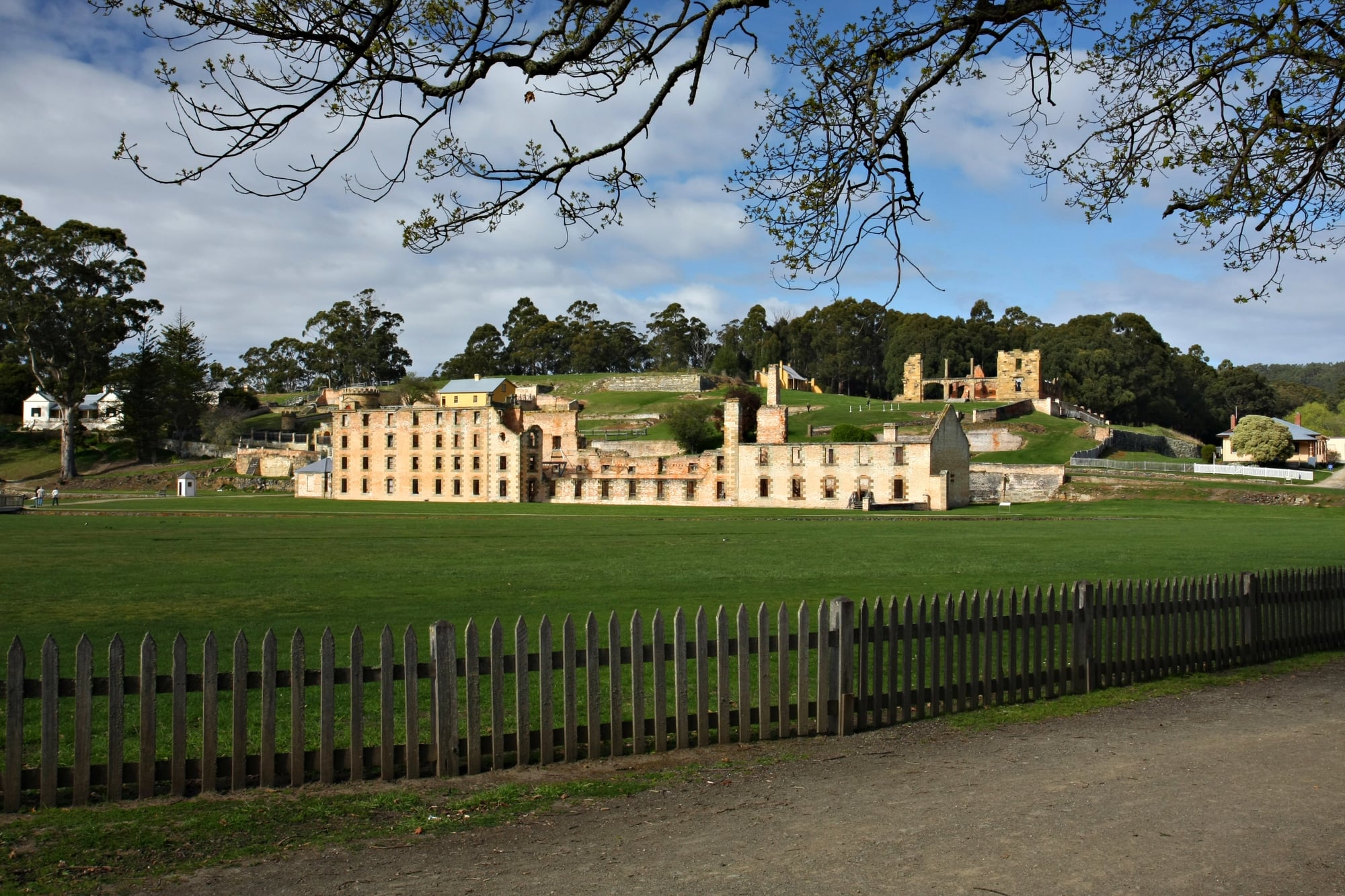
Port Arthur, on the Tasman Peninsula in Tasmania, Australia, was one of the most feared convict settlements in the British Empire — a place where the punishment for re-offending was a “Model Prison” designed to break the human spirit through total isolation and silence. The site is now one of Australia’s most-visited historic places, with ruins, restored buildings, and a museum built among them.
The island of the dead, just offshore, holds the graves of over 1,000 convicts and their keepers.
Terezín Memorial
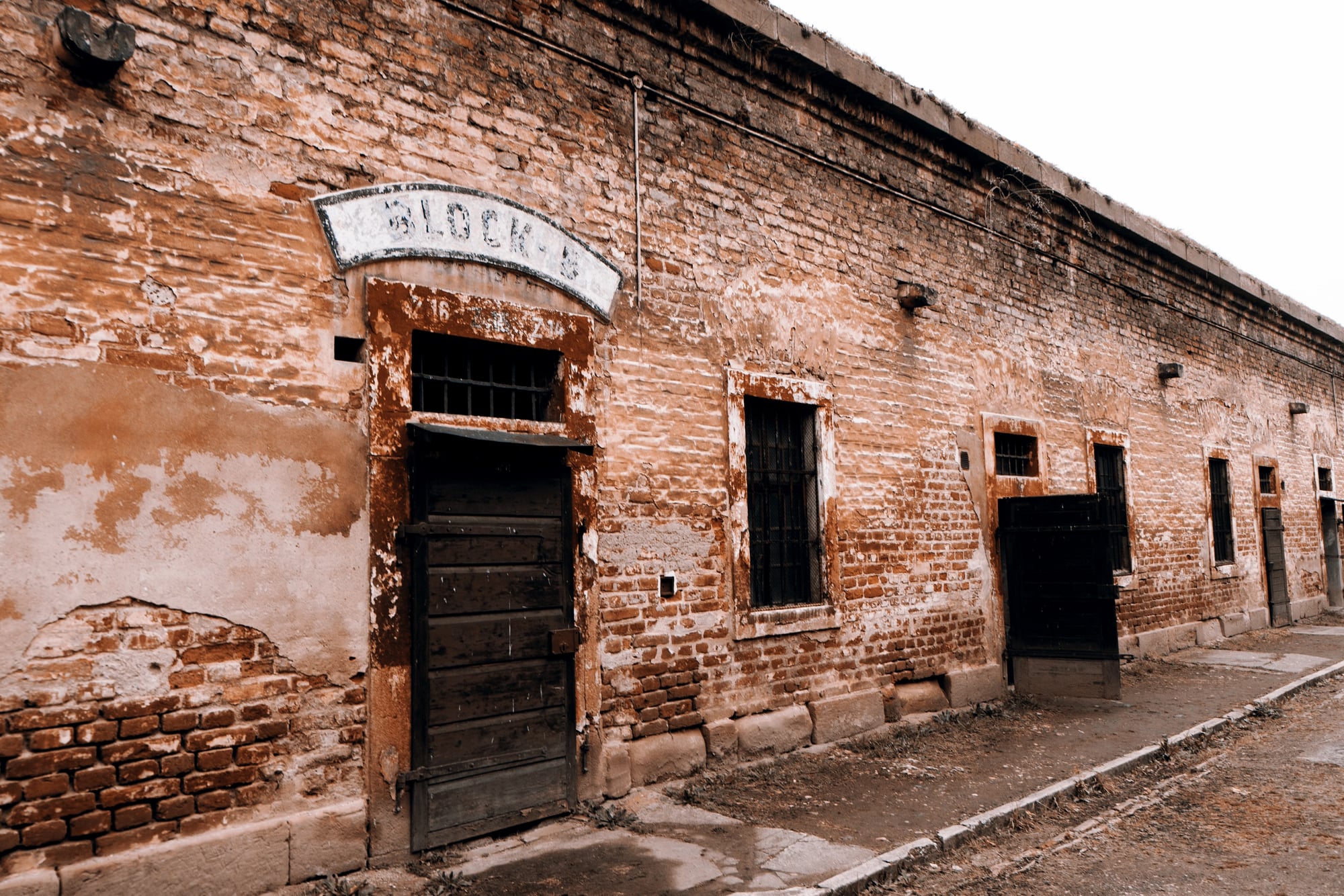
Terezín — or Theresienstadt — in the Czech Republic was used by the Nazis first as a transit camp and later as a propaganda showpiece, a “model ghetto” staged for Red Cross inspectors while deportations to death camps continued. The memorial now occupies both the Small Fortress, used as a Gestapo prison, and the surrounding town, and it holds something the Nazis didn’t anticipate: the drawings made by children who passed through, thousands of them, hidden and later recovered.
The art corrects the propaganda so completely that you feel the audacity of both.
Nanjing Massacre Memorial Hall
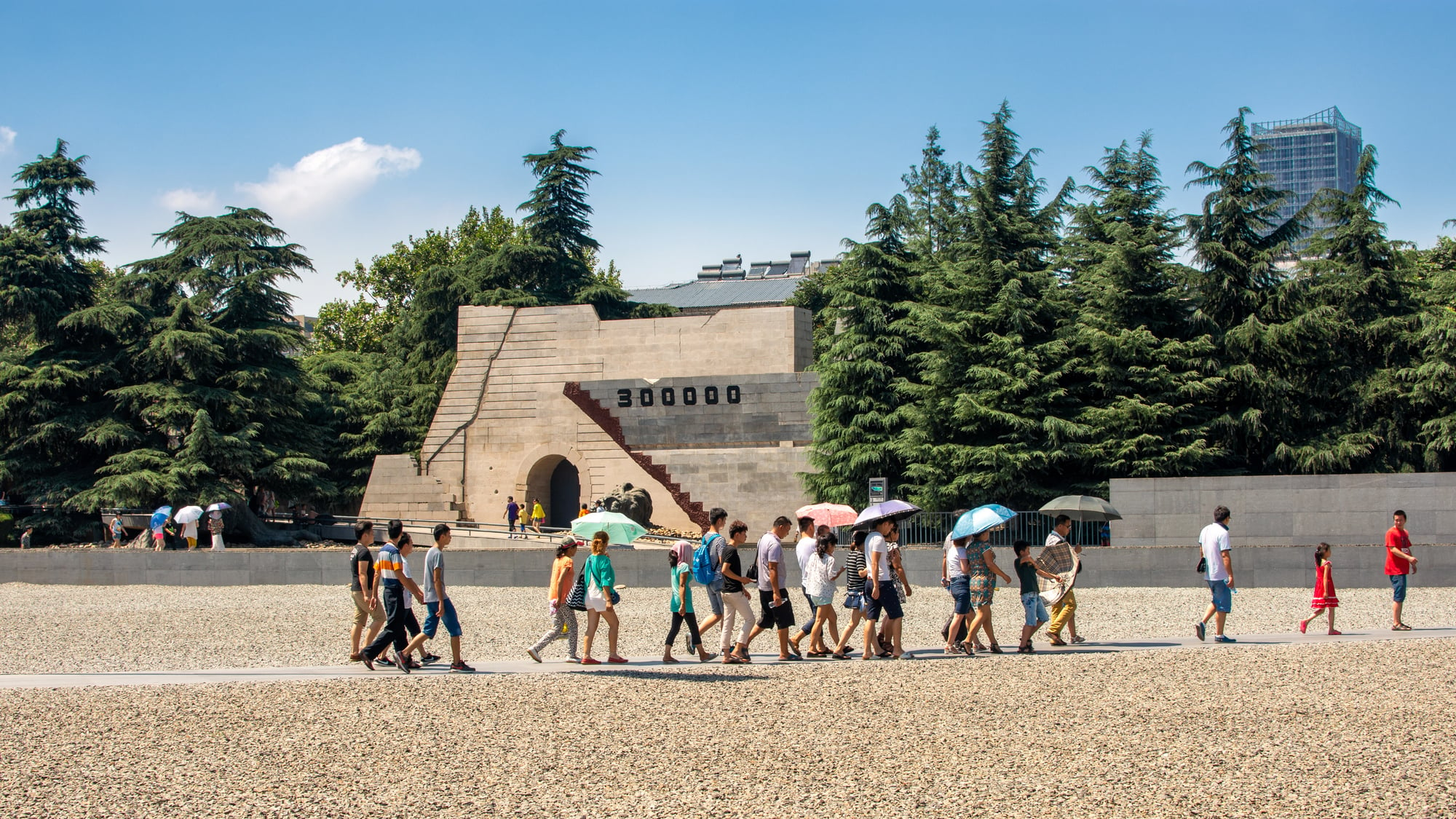
Between December 1937 and January 1938, Japanese Imperial Army forces killed an estimated 200,000 to 300,000 Chinese civilians and prisoners of war in Nanjing — a month-long atrocity that China still carries in its historical bones. The memorial hall, opened in 1985 and significantly expanded since, sits on a site where mass graves of victims were found.
Bones are preserved in situ and visible to visitors in glass-enclosed areas throughout the exhibition.
Apartheid Museum
Johannesburg’s Apartheid Museum doesn’t sit on a single atrocity site — it sits on a society-wide one, and the building itself reflects that: visitors are randomly assigned to enter through either the “whites” or “non-whites” entrance, separated at the door before the exhibition begins. It opened in 2001, seven years after the official end of apartheid, and it remains one of the most thoughtfully designed human rights museums anywhere in the world.
The rope nooses hanging in a room dedicated to those executed by the apartheid state are not theatrical — they are exact in number and named.
Manzanar National Historic Site
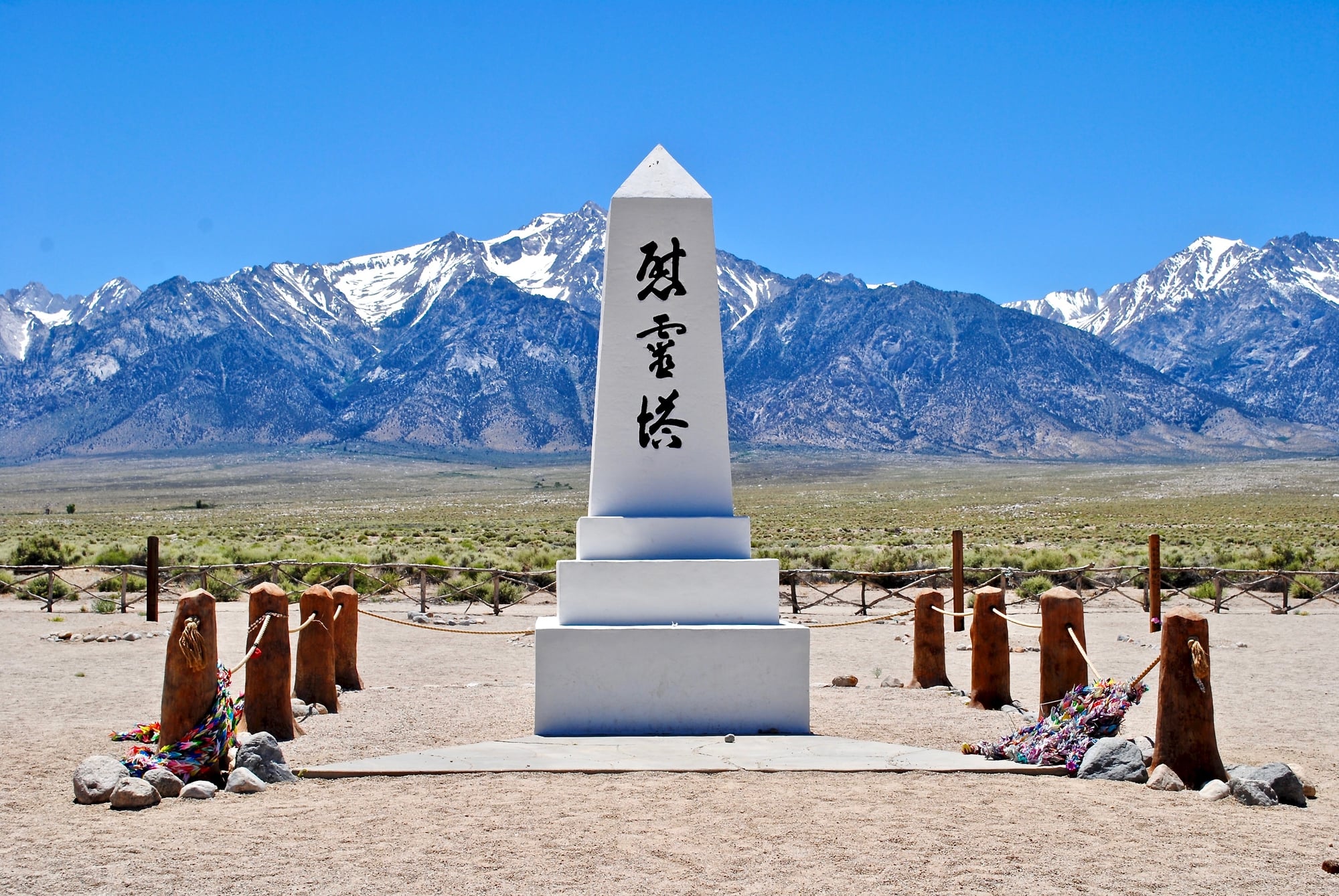
Between 1942 and 1945, the U.S. government incarcerated over 10,000 Japanese Americans at Manzanar, in the high desert of California’s Owens Valley, under Executive Order 9066 — signed by Franklin D. Roosevelt. The site sat largely unmarked for decades before becoming a National Historic Site in 1992, and the interpretive center now sits inside the restored auditorium.
The guard towers at the entrance corners have been rebuilt; the rows of barracks foundations still stretch out into the desert dust exactly as they were laid.
Menin Gate and In Flanders Fields Museum
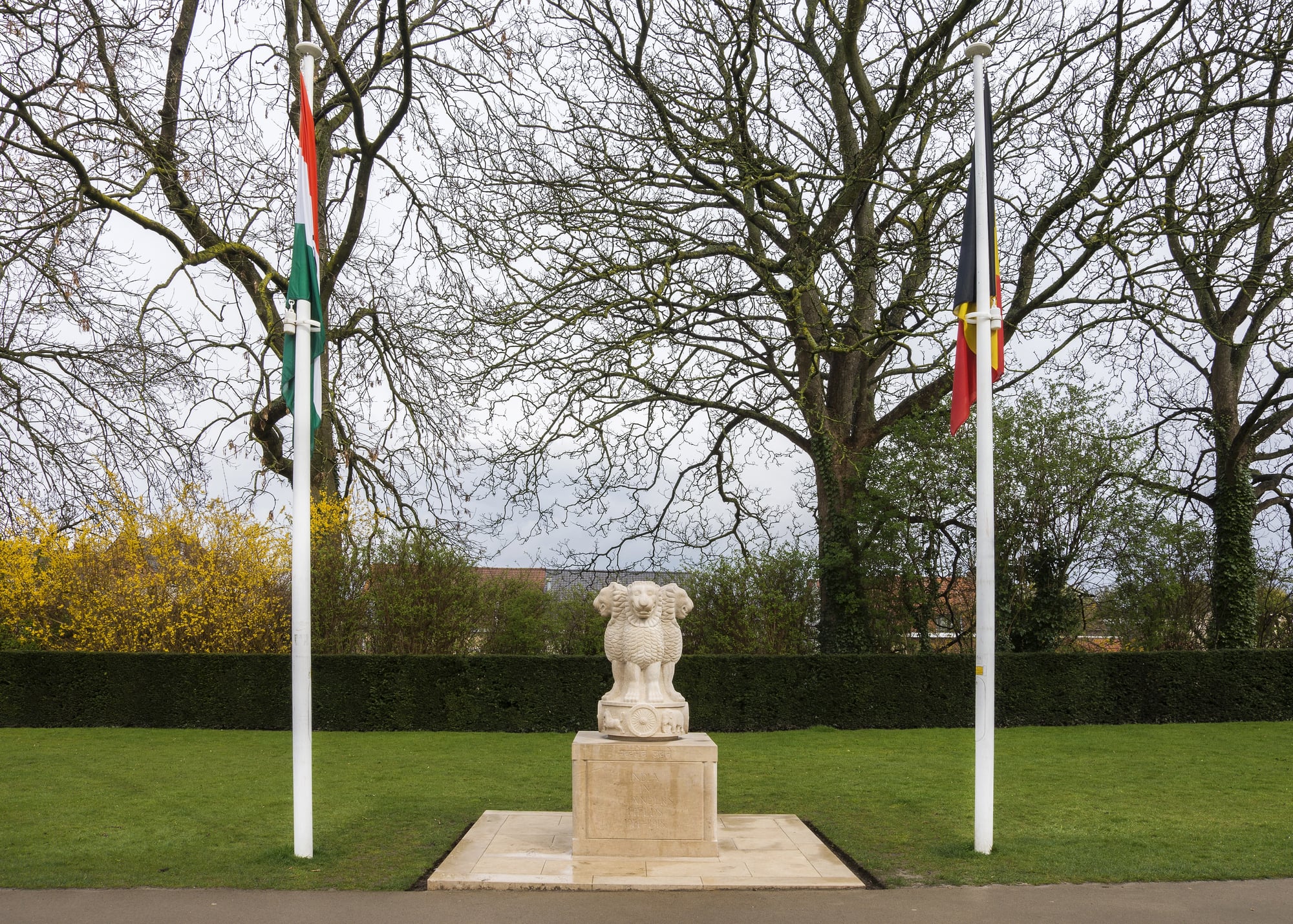
Ypres, Belgium, was the site of some of the most brutal trench warfare of World War I — the Passchendaele offensive alone cost over 500,000 casualties between July and November 1917 in an area of a few square miles. The In Flanders Fields Museum sits inside the reconstructed Cloth Hall in the center of the city, a building that was itself shelled to rubble during the war and rebuilt afterward.
Every night at 8 p.m., buglers still sound the Last Post at the Menin Gate just outside, a ritual that has continued since 1928 with only a brief interruption during World War II.
Whitney Plantation
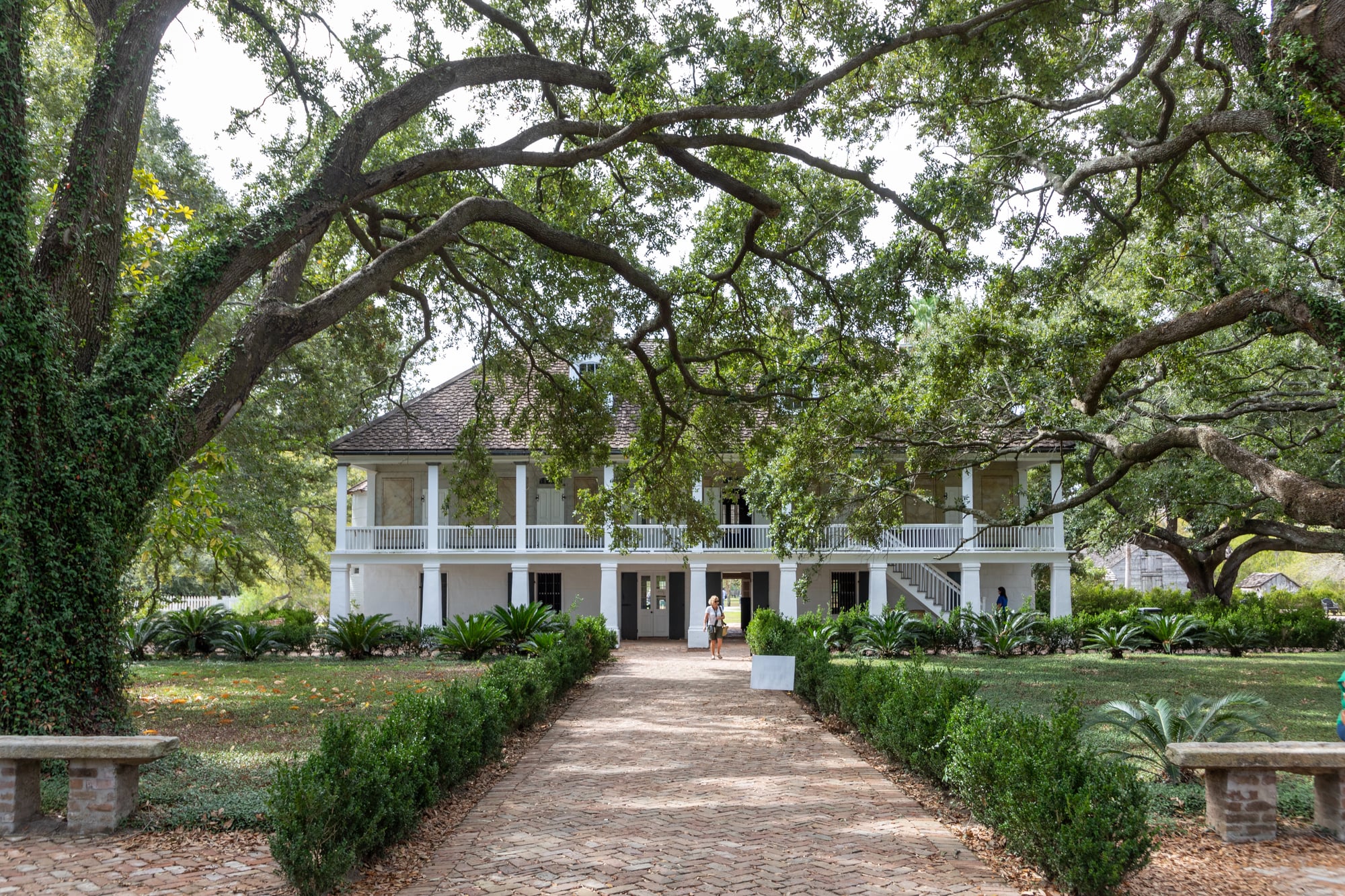
Whitney Plantation in Wallace, Louisiana, is the only plantation museum in the United States that focuses entirely on the experience of enslaved people rather than the architecture of the slaveholding class. It opened in 2014 and uses first-person testimonies from the Federal Writers’ Project — recorded interviews with formerly enslaved people conducted in the 1930s — as the center of every exhibition.
The memorials on the grounds include a field of iron sculptures of children’s faces, each one bearing a name.
Sachsenhausen Memorial and Museum
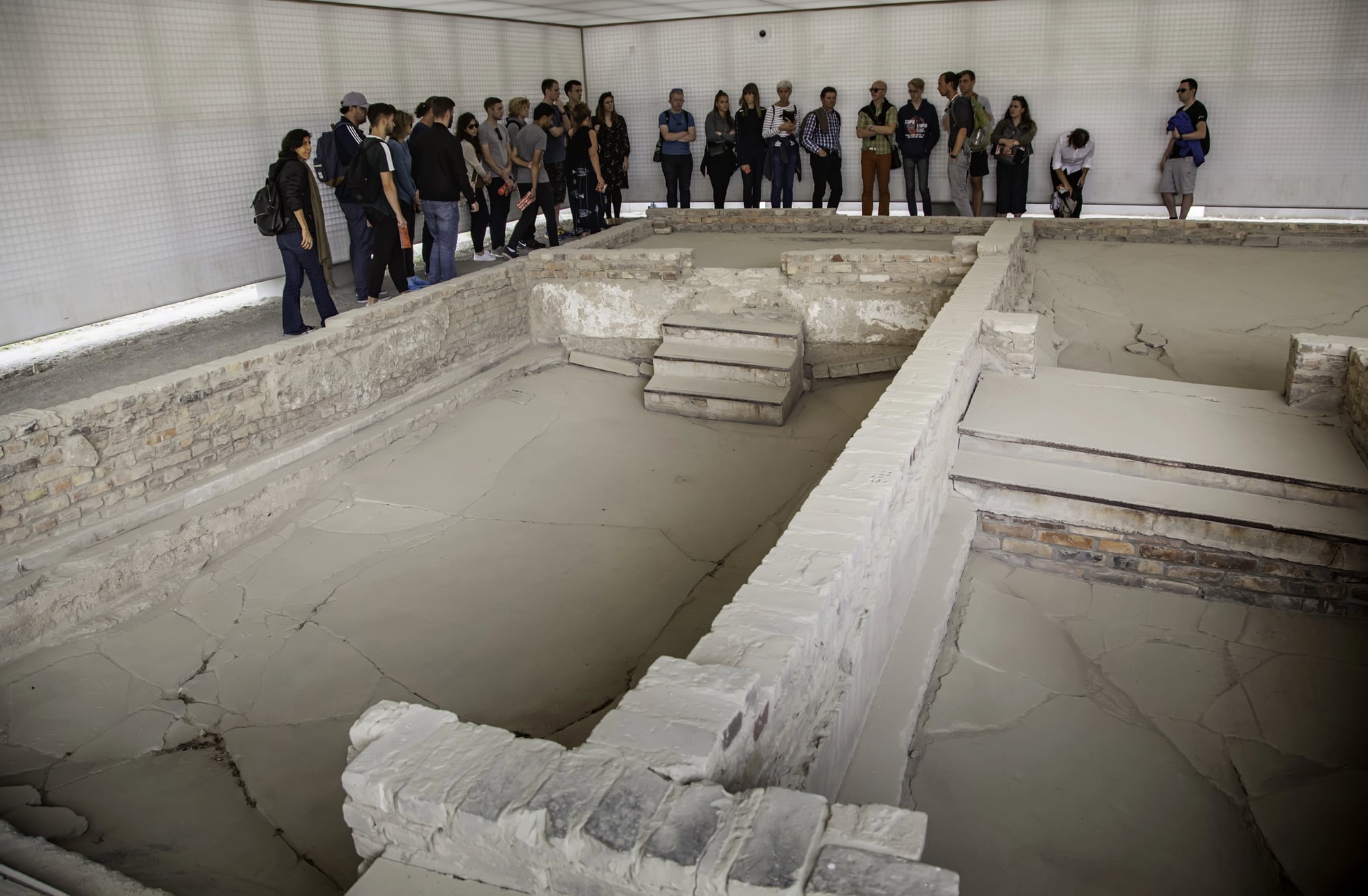
Sachsenhausen, about 22 miles north of Berlin, was both a concentration camp and the administrative headquarters for the entire concentration camp system — Heinrich Himmler designed it as a model. It opened as a memorial in East Germany in 1961, though the East German government suppressed the history of its Jewish victims for ideological reasons.
The full, unfiltered history is accessible now, including the Station Z execution area, the gas chamber, and the shooting trench — preserved where they stood at the edge of the camp.
Sharpeville Museum
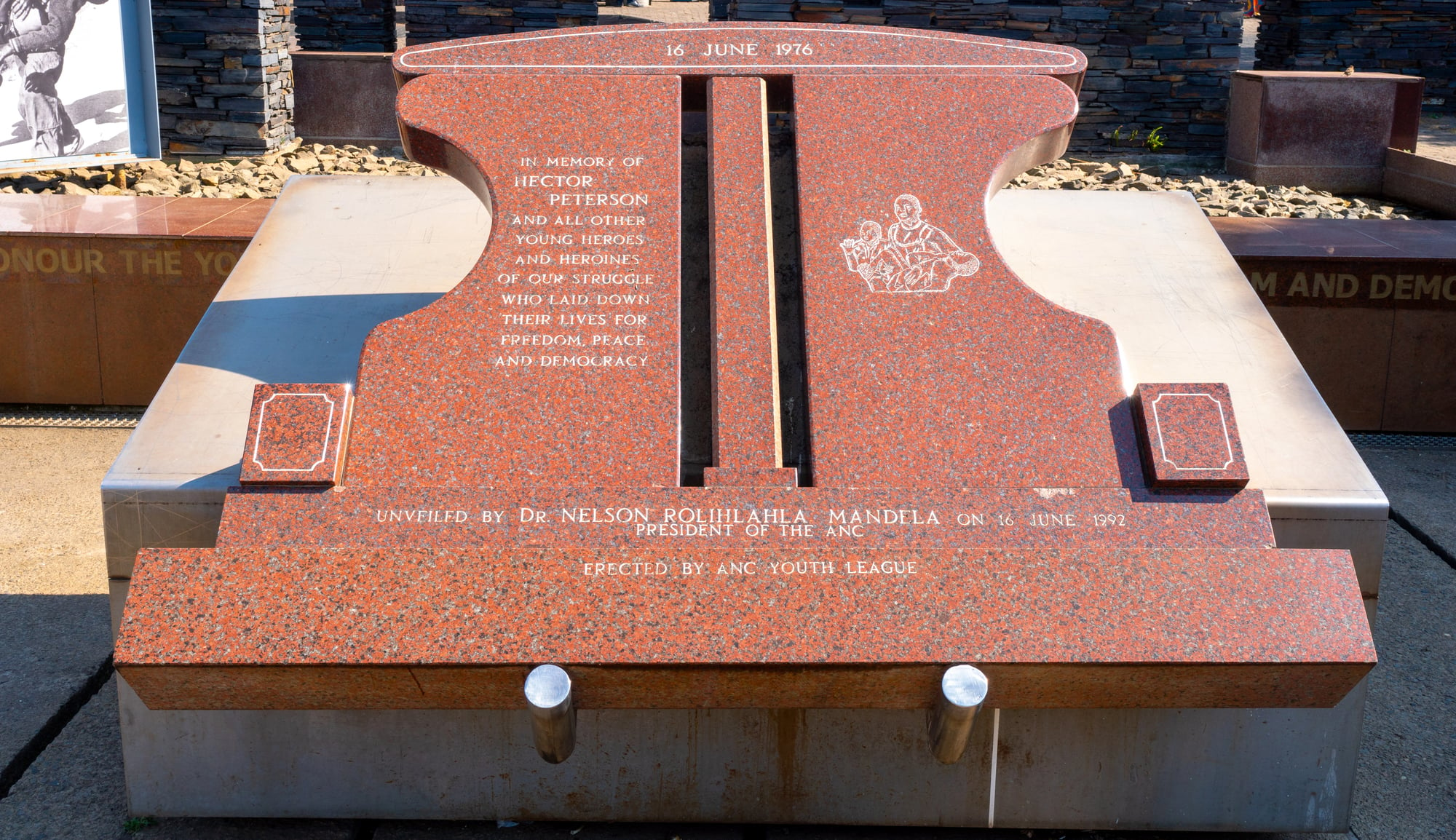
On March 21, 1960, South African police opened fire on a crowd of Black South Africans who had gathered to peacefully protest the pass laws of apartheid — 69 people were killed, most of them shot in the back. The museum in Sharpeville now stands near the site of the massacre and documents not just the event but the global reaction to it, which was the first time many countries formally condemned apartheid.
The date became Human Rights Day in South Africa, and the museum holds that weight carefully.
Glencoe Visitor Centre
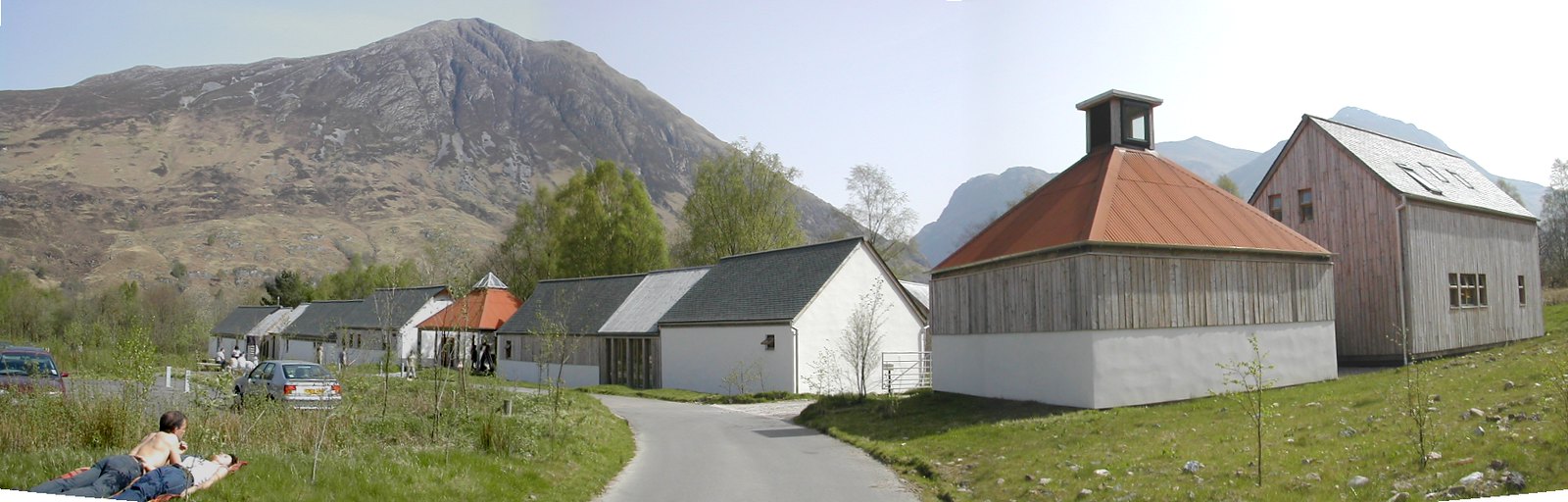
In February 1692, members of the Campbell clan killed 38 members of the MacDonald clan in their homes in the Scottish Highlands — a betrayal of hospitality so deep that it still registers in how Scots tell the story three centuries later. The visitor center at Glencoe sits in the valley where it happened, surrounded by the same dramatic, dark mountains that made the massacre possible: the geography trapped the MacDonalds.
The site treats the event as what it was — a politically ordered act of extermination — without softening it into folklore.
Topography of Terror
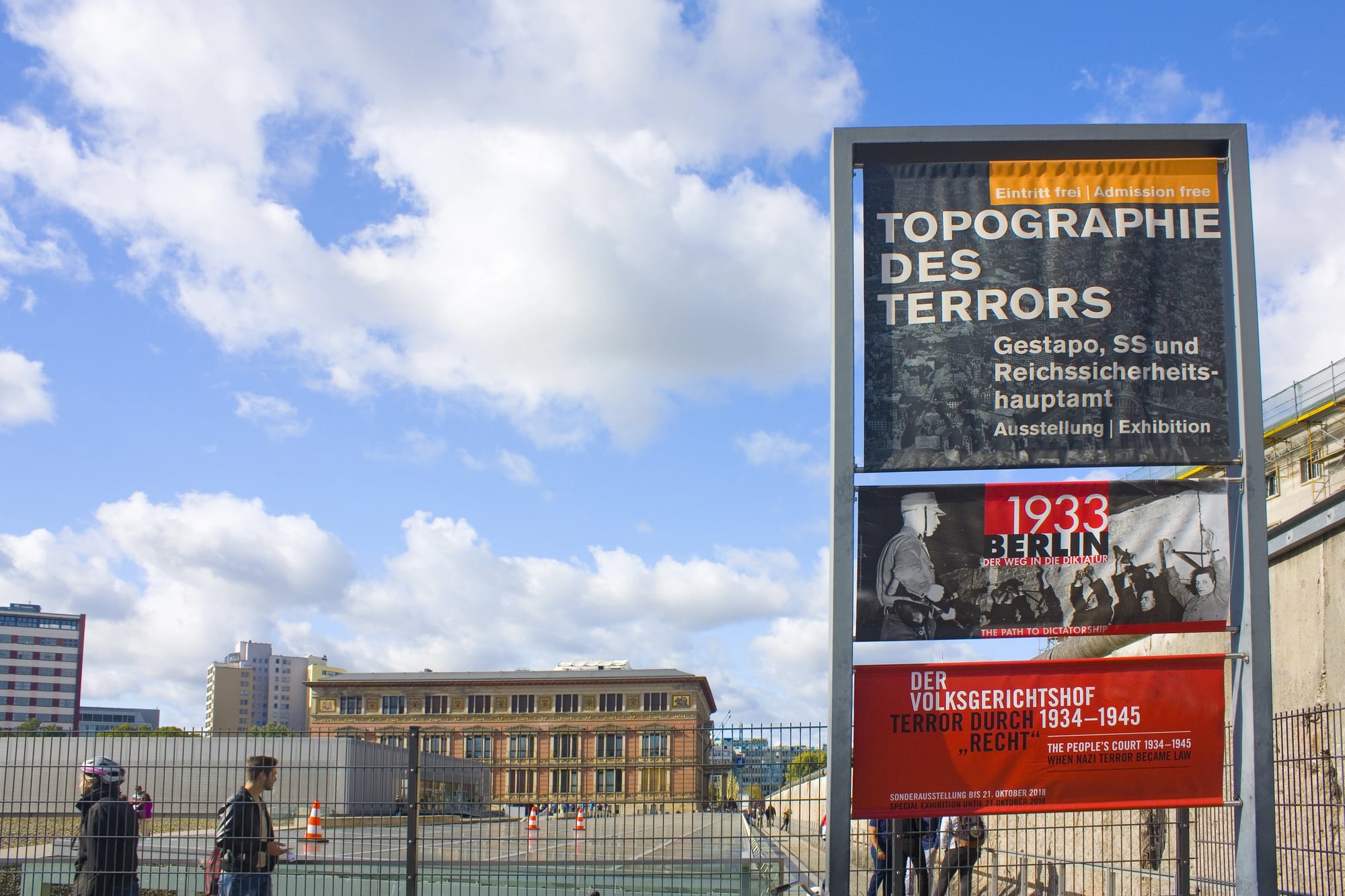
The Topography of Terror documentation center in Berlin sits on the excavated foundations of the headquarters of the SS and the Gestapo — the institutions that designed and administered Nazi terror across Europe. It’s an outdoor and indoor site, open and free, built on rubble that still shows the original foundations.
The permanent exhibition documents how ordinary German bureaucratic institutions became instruments of mass murder, and it does so with a flatness and precision that is more disturbing than any dramatization could be.
Battleship Missouri Memorial
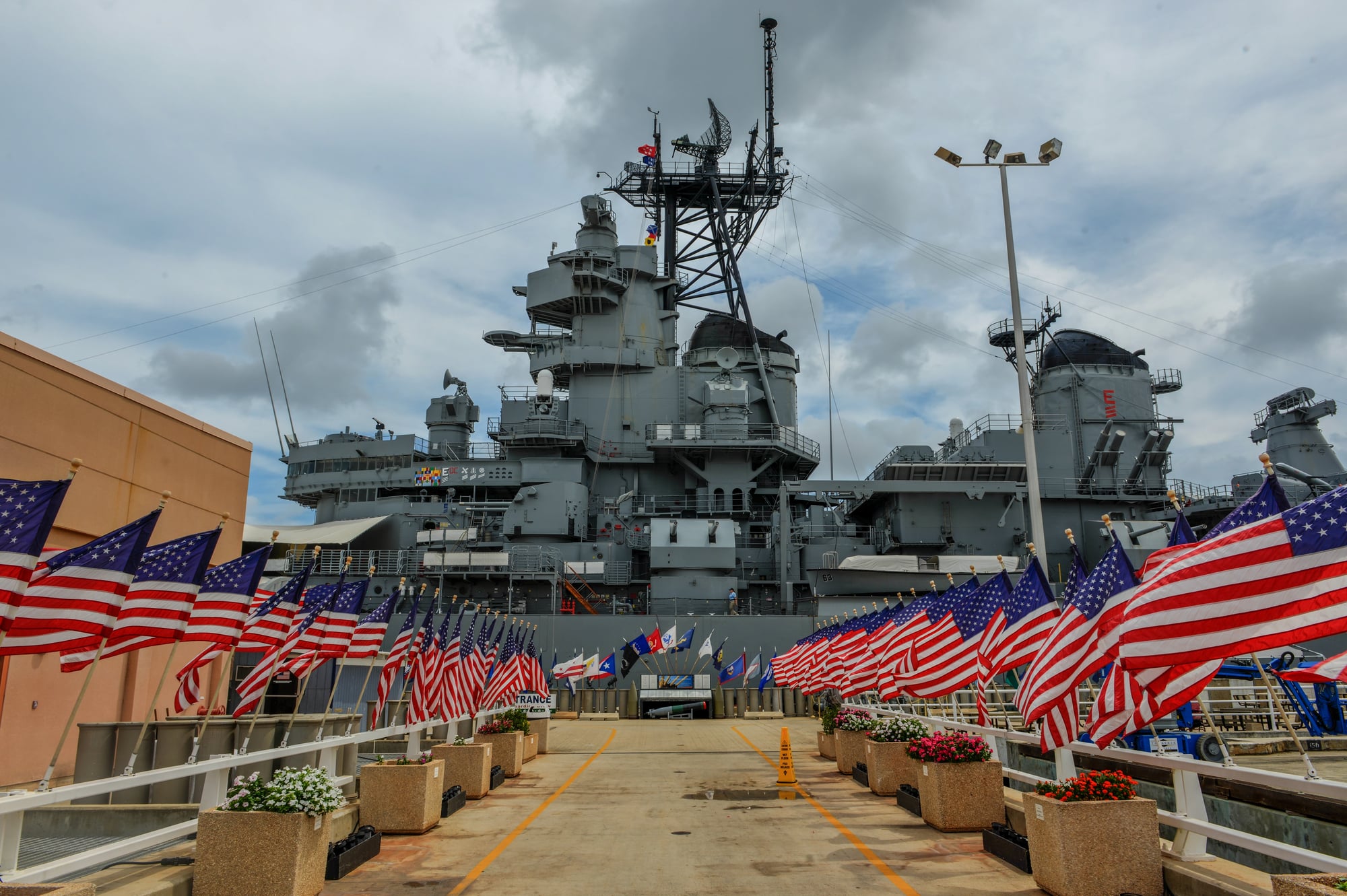
The USS Missouri is moored at Pearl Harbor, Hawaii, and it carries two historical weights simultaneously: it was at Pearl Harbor when the Japanese attacked on December 7, 1941, and it’s the ship on whose deck the Japanese Instrument of Surrender was signed on September 2, 1945. A bronze plaque marks the exact spot on the deck where the signing took place.
Just a few hundred yards away, the USS Arizona Memorial sits above the sunken hull of the battleship that still holds the remains of 1,102 sailors.
Murambi Genocide Memorial
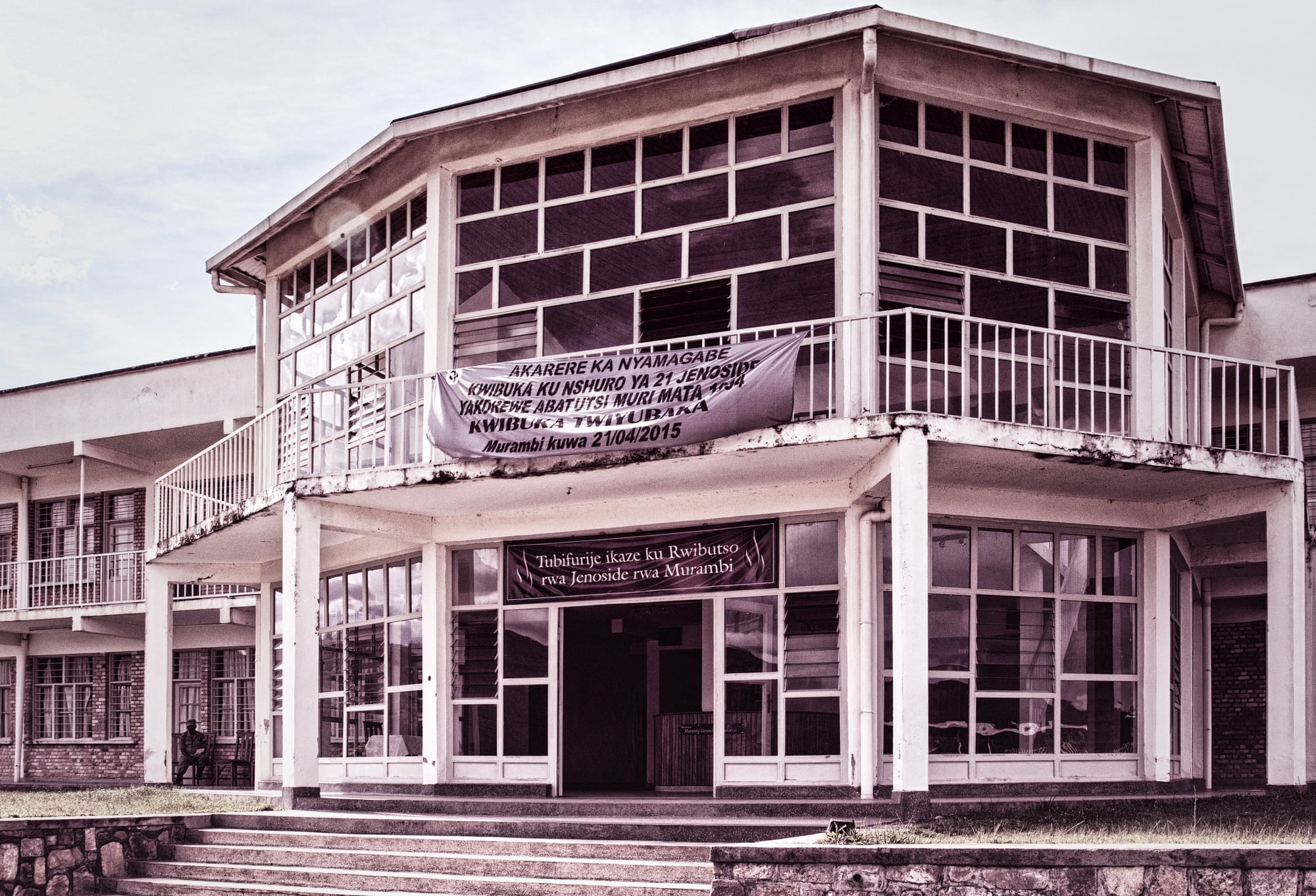
Murambi Technical School in southern Rwanda is one of the most direct genocide memorials in existence. In April 1994, approximately 50,000 Tutsi civilians sought refuge at the school after being told they would be protected there.
They were not. The bodies of victims, preserved in lime, are still laid out in the classrooms where they died — a deliberate decision by survivors and the Rwandan government to make denial impossible.
It is not easy to visit. It was not built to be.
When the Ground Itself Remembers
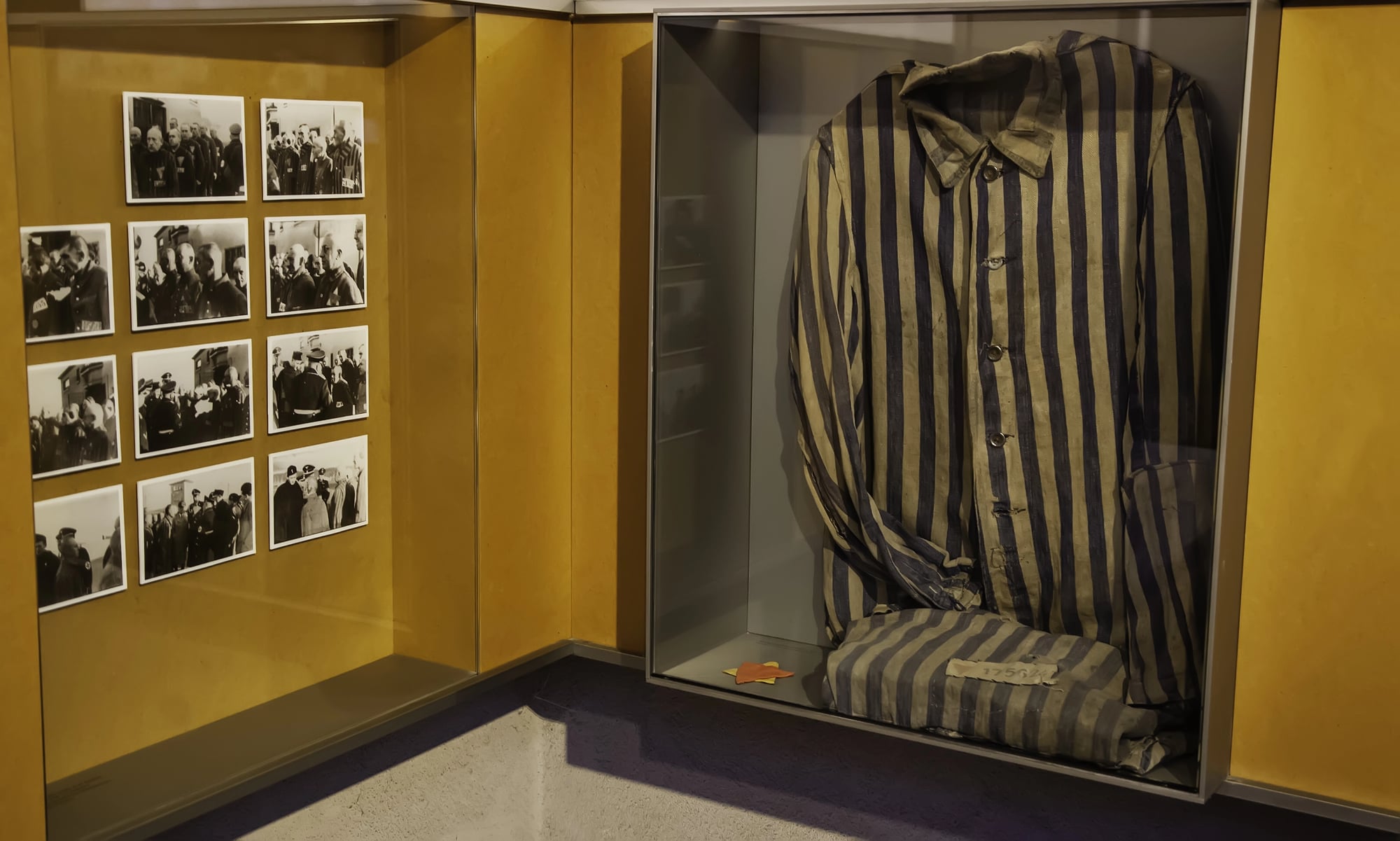
There’s an argument, sometimes made by people who mean well, that preserving sites of atrocity risks becoming morbid — that it’s better to move on, build forward, let the land become something new. That argument loses, every time, when set against the reality of what forgetting costs.
These museums exist because the ground itself holds something that documents and photographs cannot: a specific, undeniable, physically present truth.
You stood there. The thing happened there. And now you know it in a different way than you did before — not just in your head, but somewhere quieter and harder to ignore.
More from Go2Tutors!

- The Romanov Crown Jewels and Their Tragic Fate
- 13 Historical Mysteries That Science Still Can’t Solve
- Famous Hoaxes That Fooled the World for Years
- 15 Child Stars with Tragic Adult Lives
- 16 Famous Jewelry Pieces in History
Like Go2Tutors’s content? Follow us on MSN.



